Josep Melo I Valls, Teiji Itoh, Chûjiro Hachino, Ryoo Hata.
Preserved in our design reference library. Inquire to visit and use as a resource.
Arquine, 2024
A jewel of Japanese residential architecture, presented through stunning immersive photographs and detailed fold-out plans
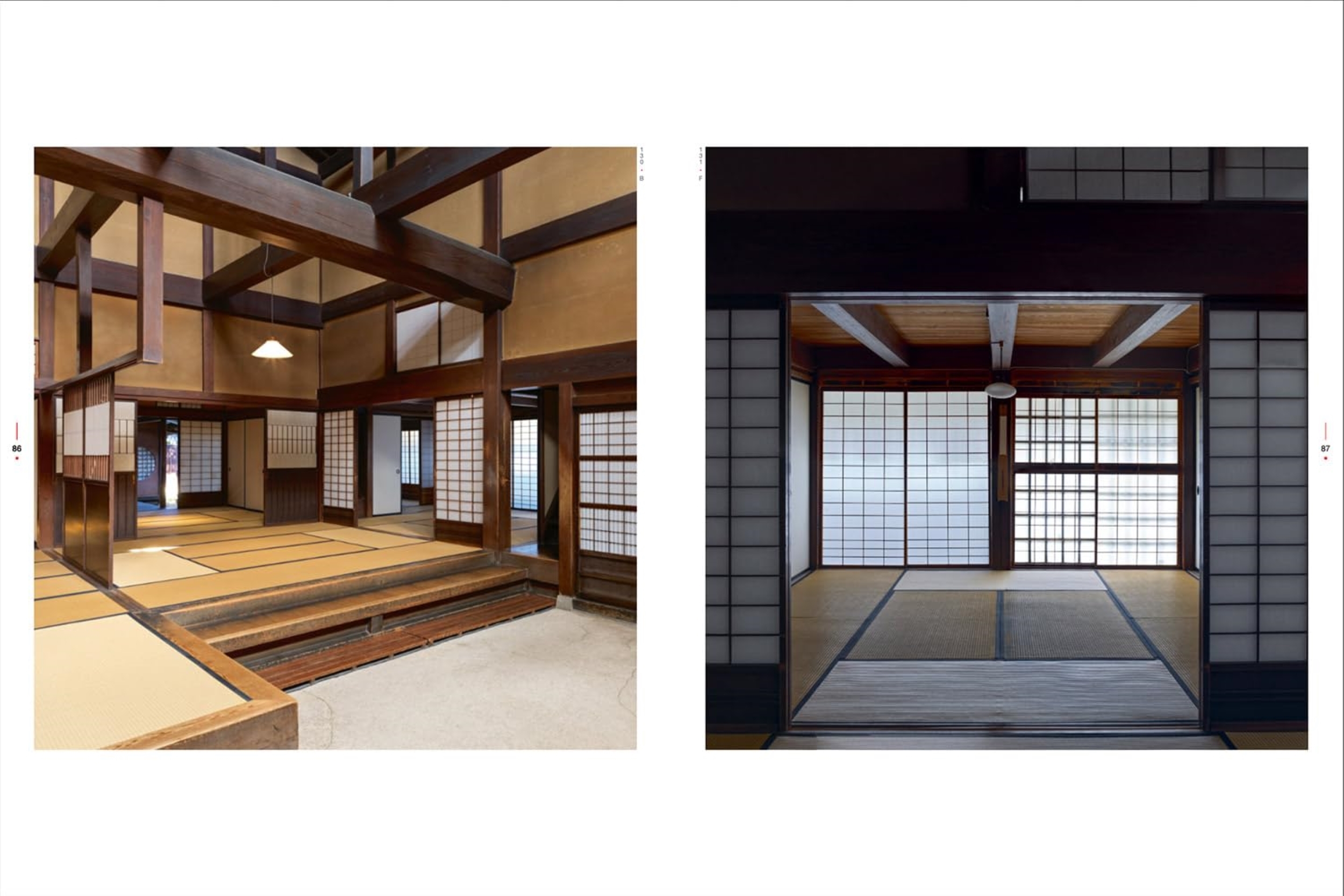
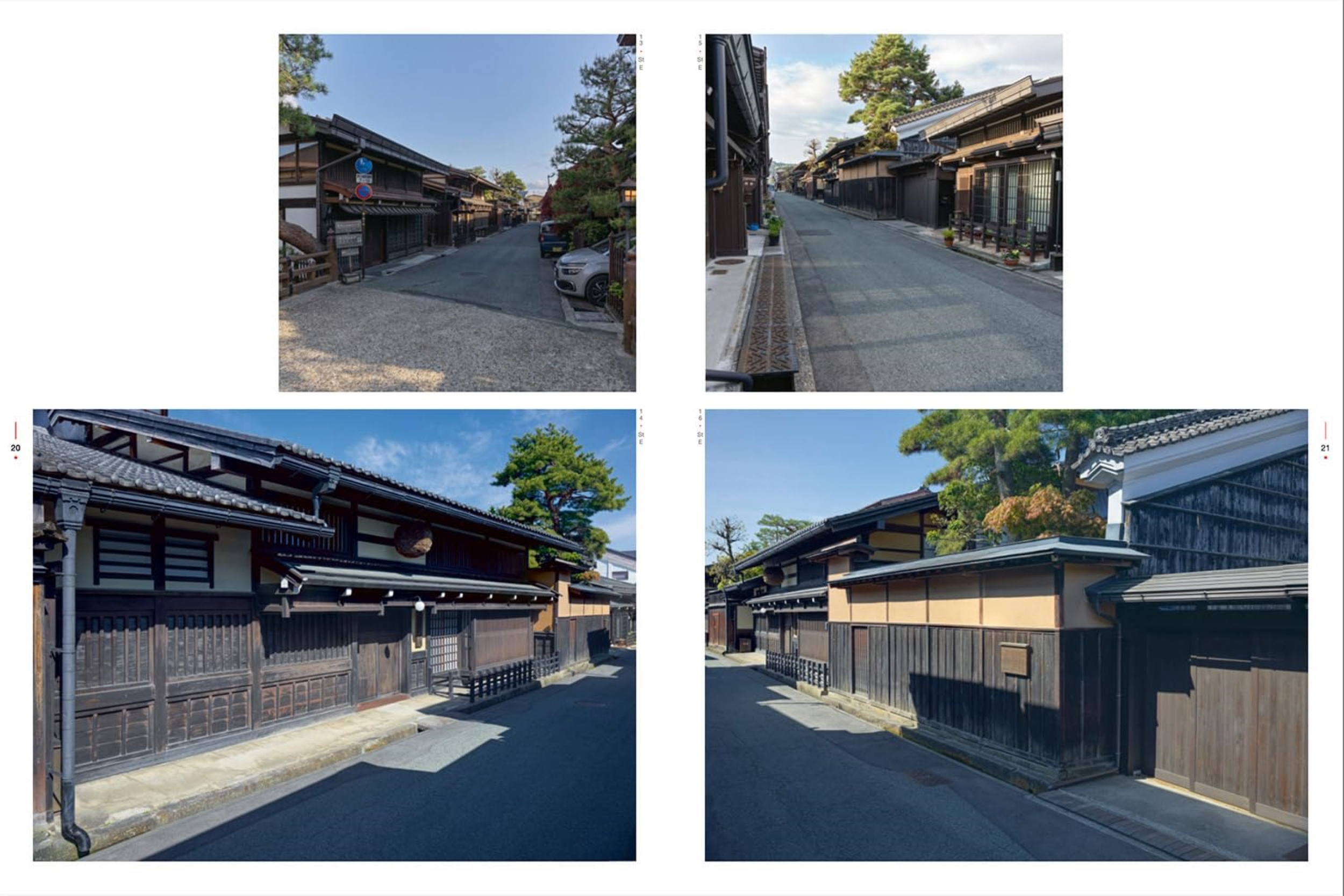
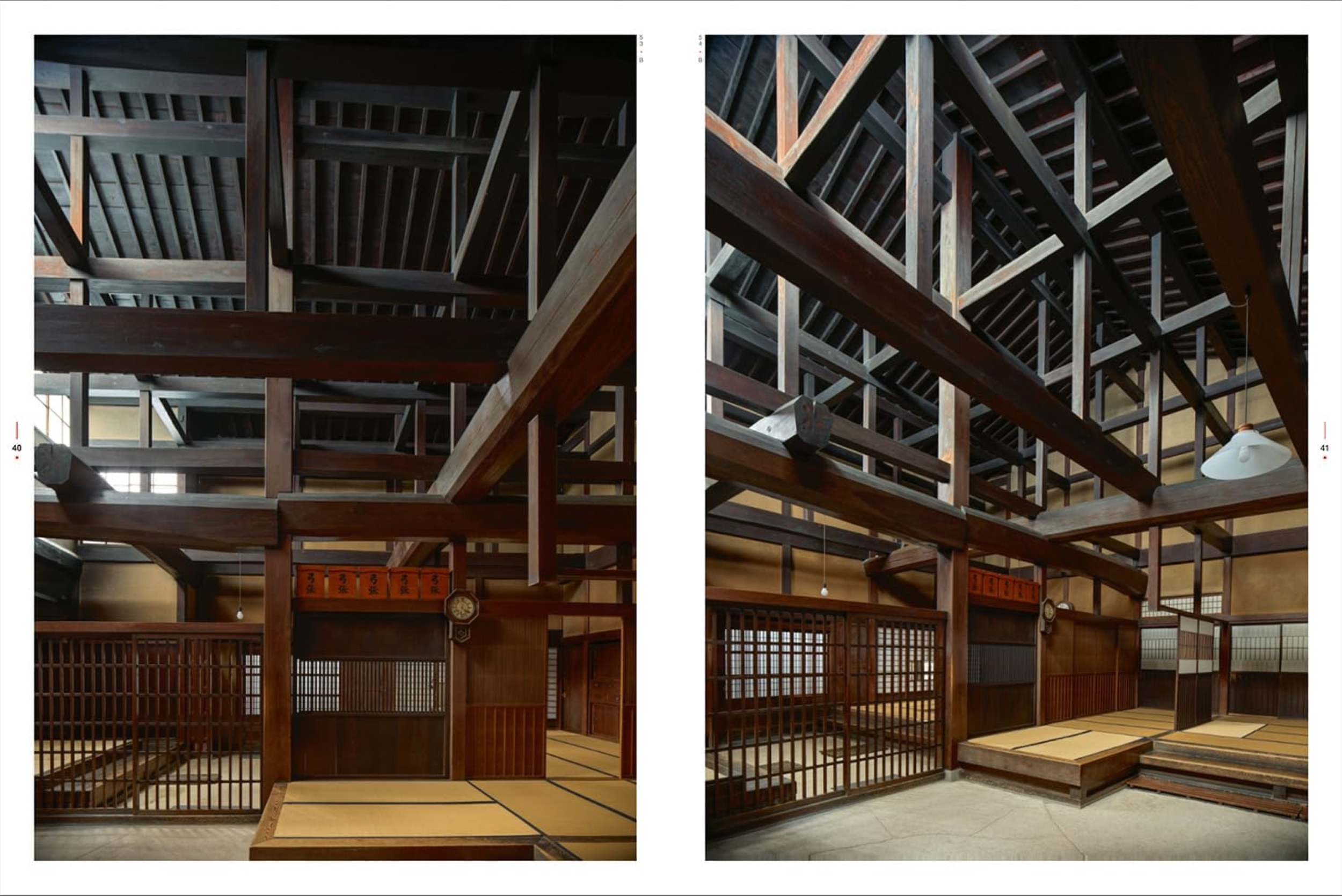
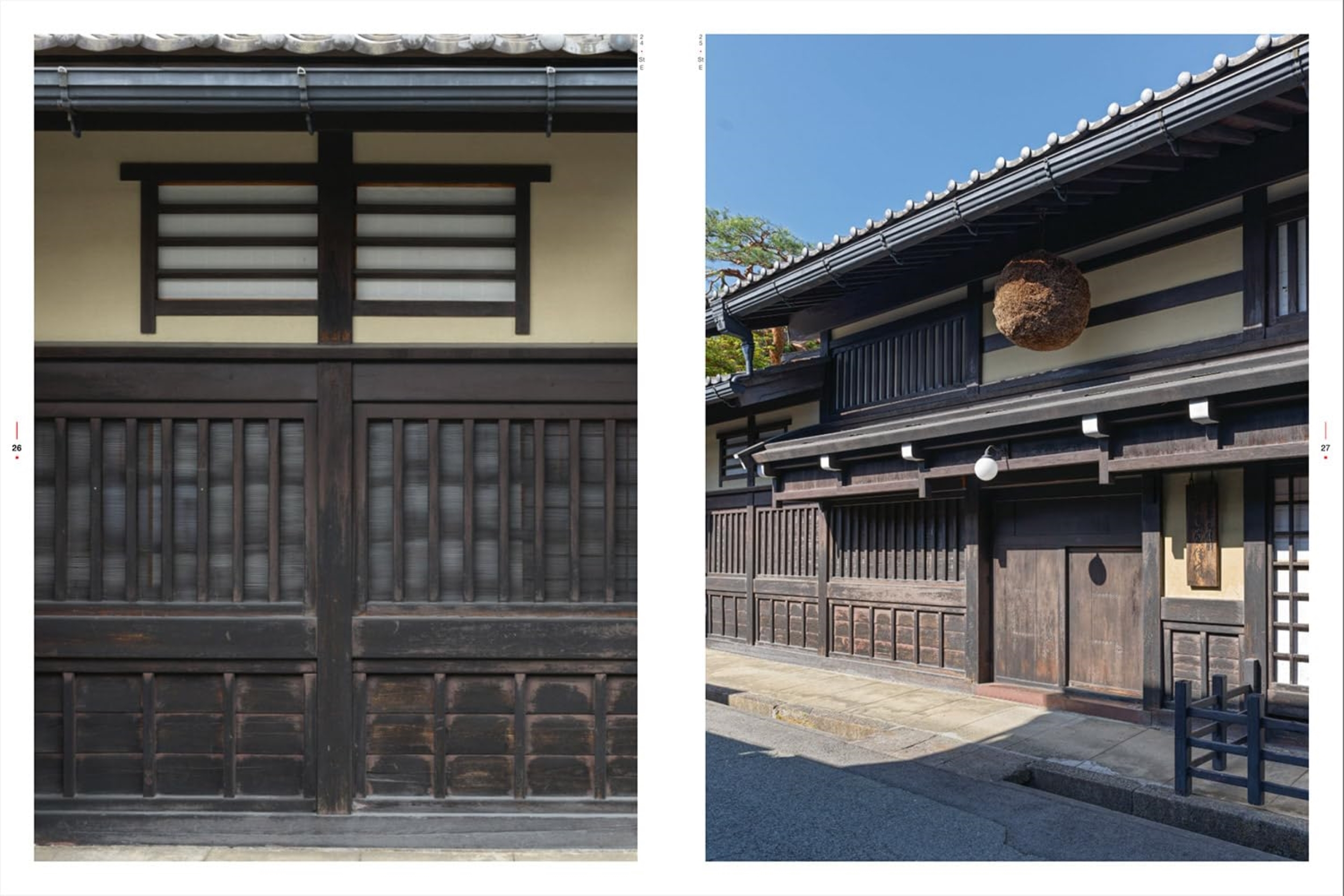
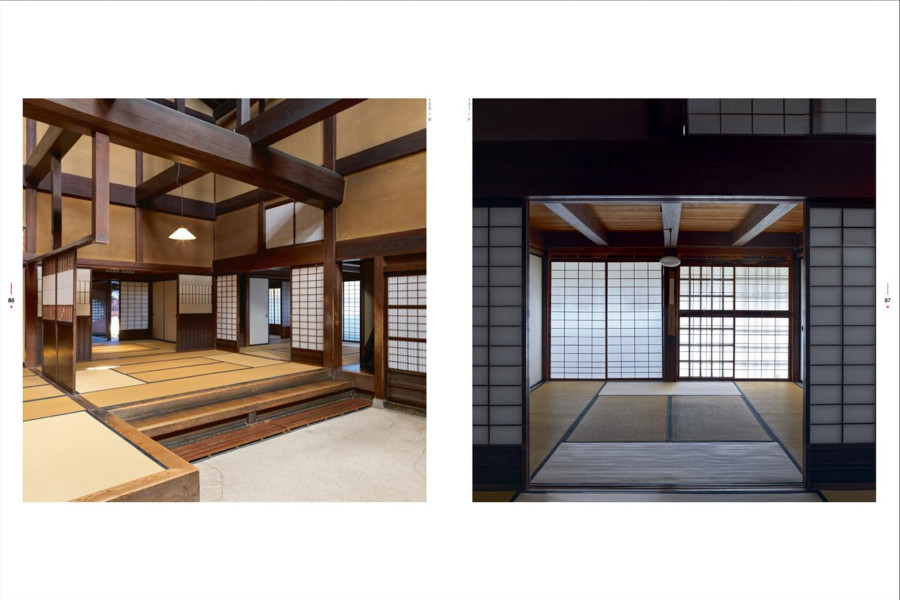
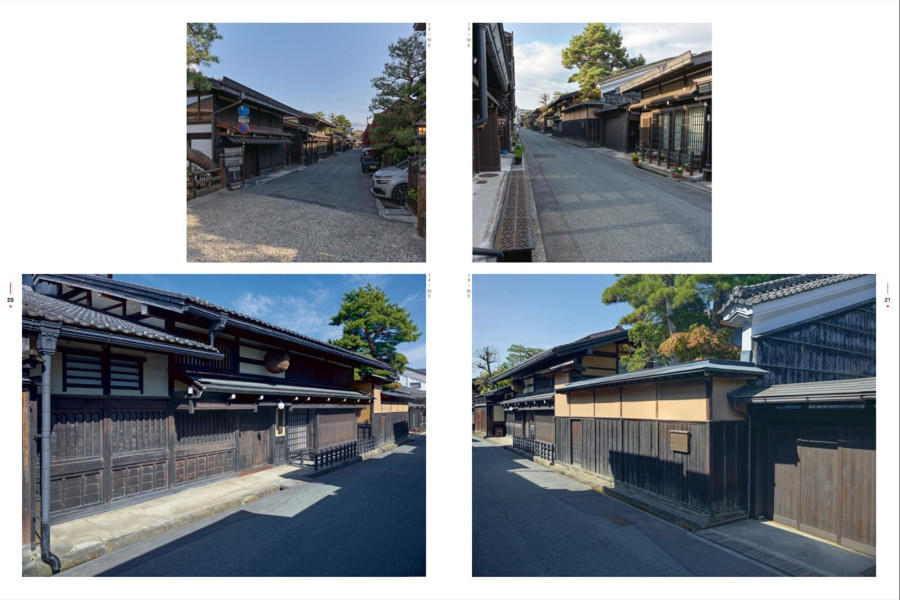
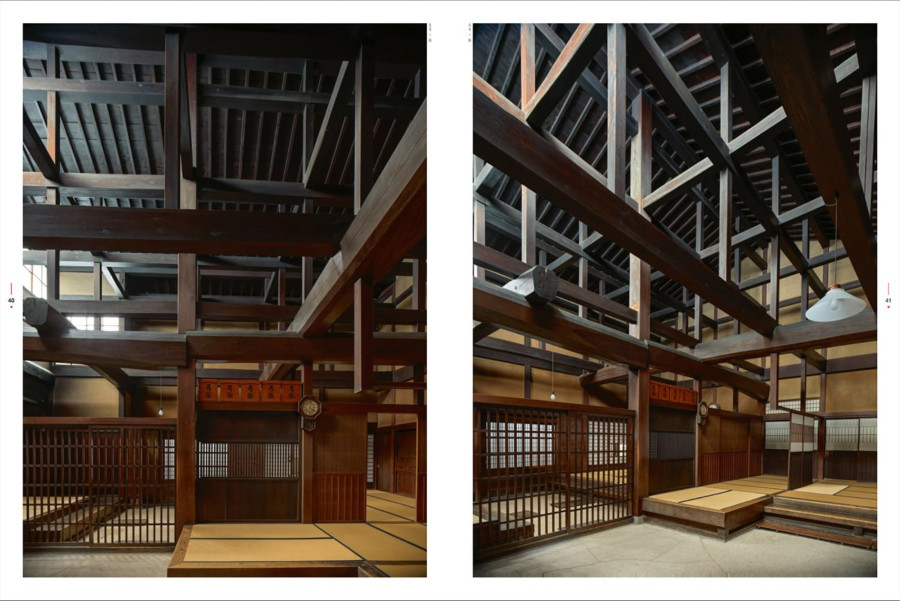
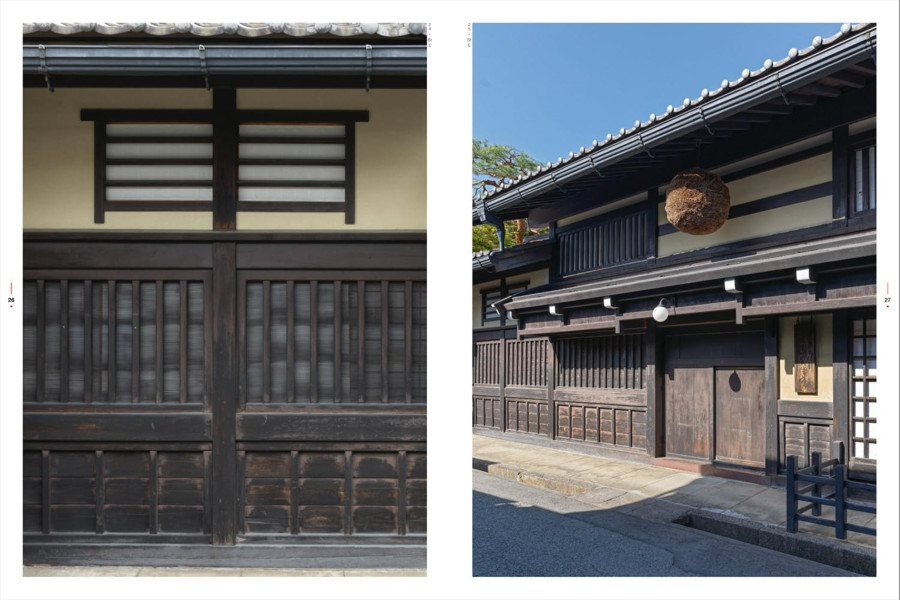
One of the great examples of Japanese residential architecture, the Yoshijima House has stood in the historic old city of Takayama for over 100 years. Built in 1907 after a fire and under the direction of Nishida Isaburo, the complex functioned as a residence for the Yoshijima family, a wealthy merchant household that brewed sake. The builders used luxuriant wood including elm, red pine and cypress: rich materials that were becoming more readily available as the Edo period gave way to the Meiji era.
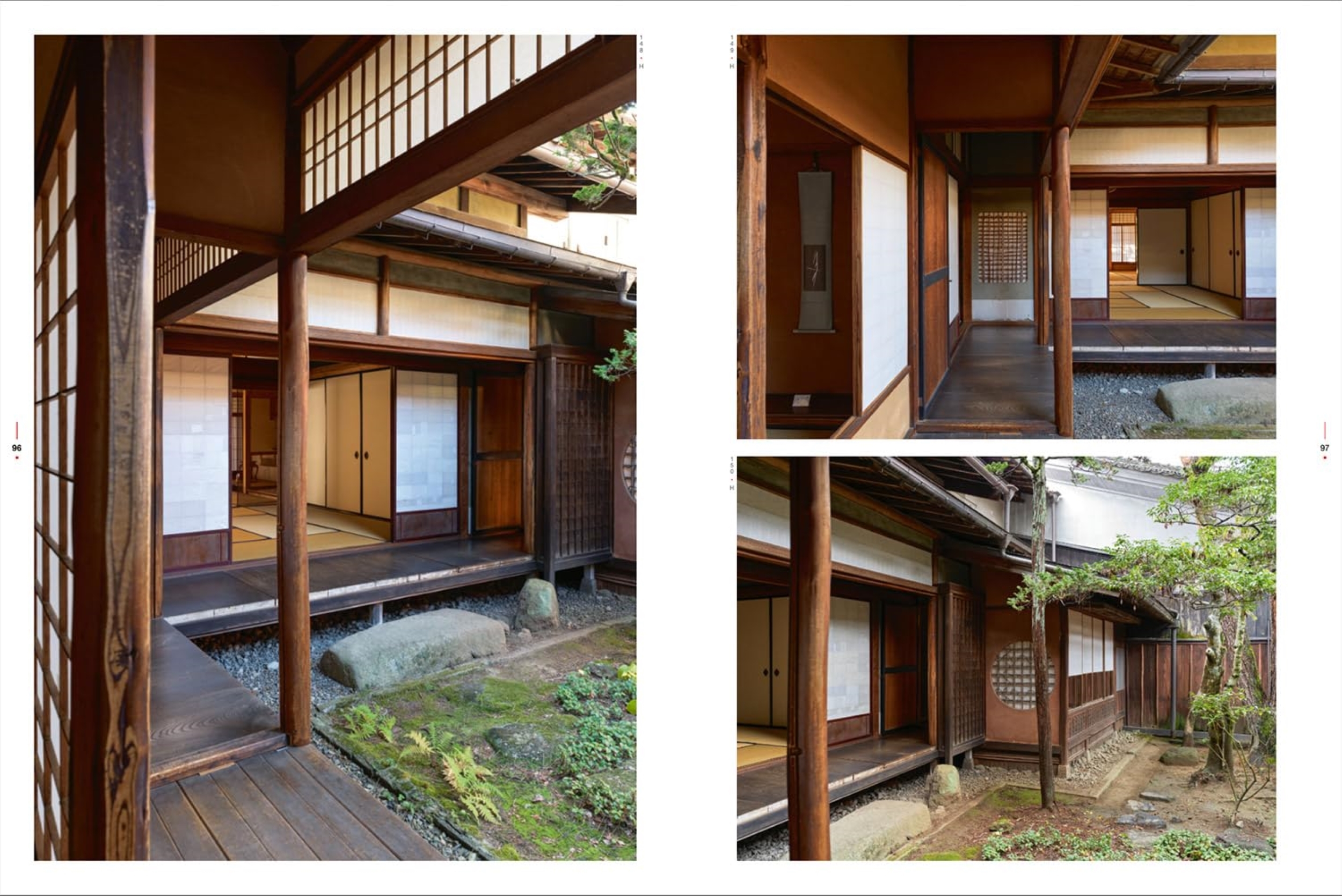
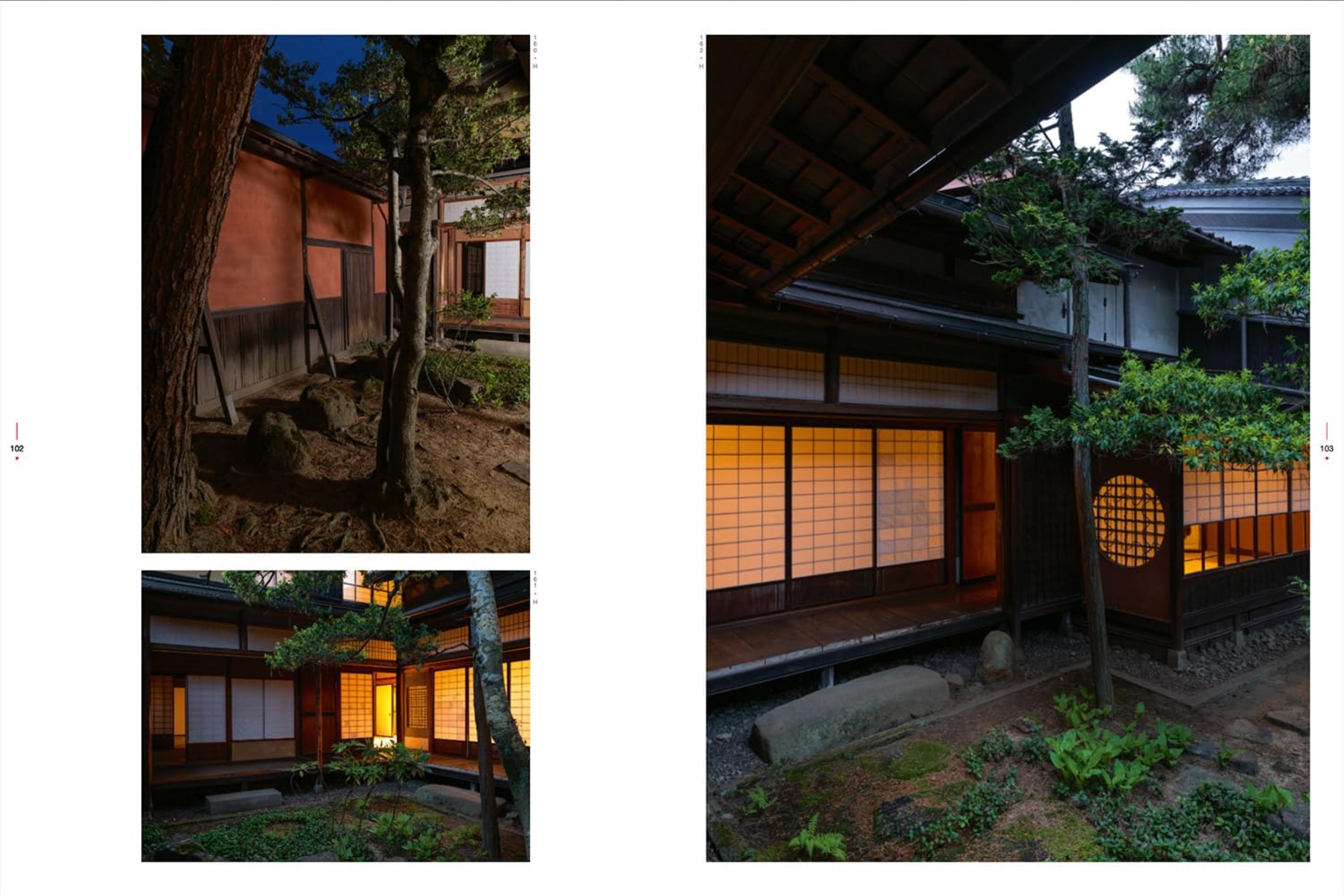
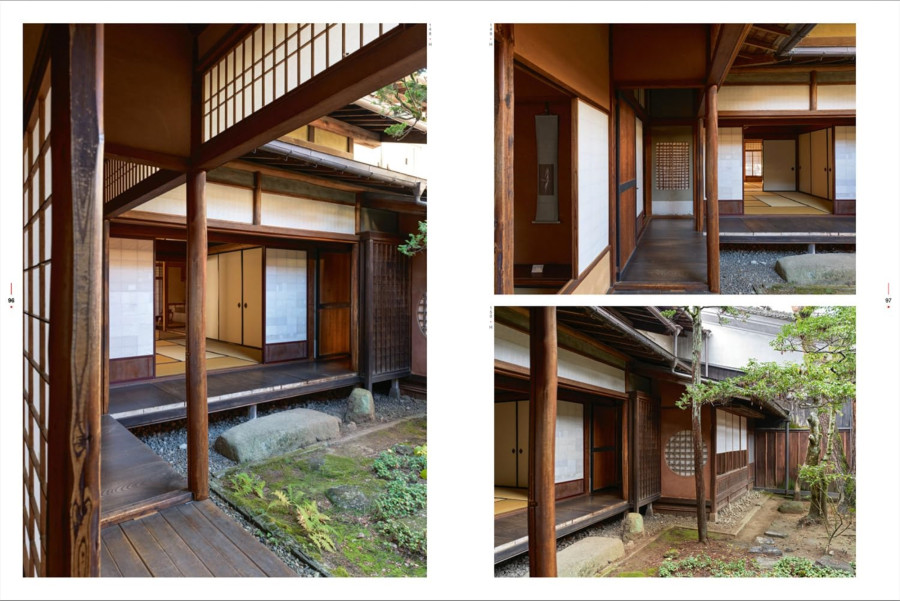
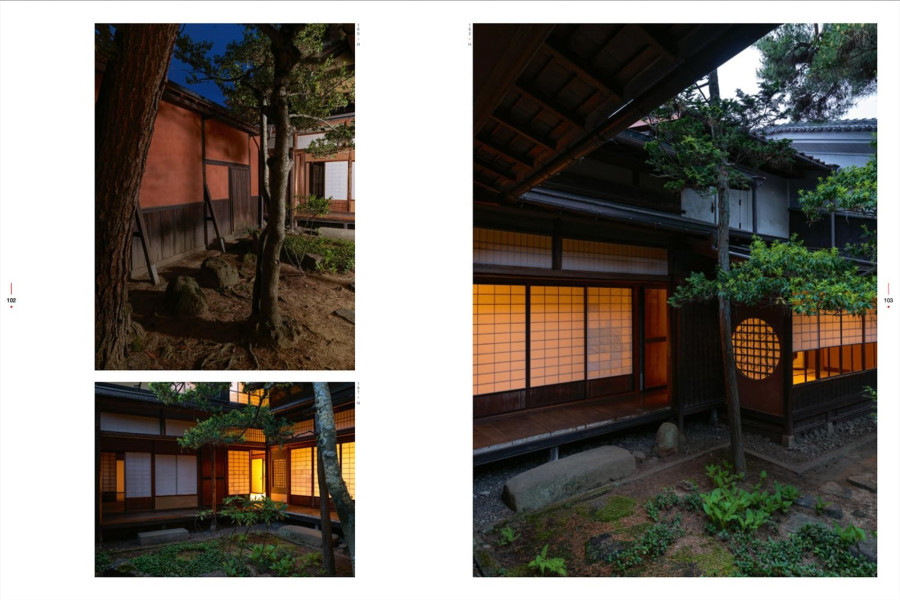
Different sections of the main building served diverse functions. The large entryway and its adjacent rooms served as the shop entrance and the places in which business was conducted. An eight-tatami room known as a kazuki was where the Yoshijima family went about their daily, personal activities. The building’s second floor was intended for guests and also housed a tea ceremony room and a Buddhist altar. Throughout the Yoshijima House, semitransparent shoji, or sliding doors, allow for gentle filtration of light throughout the rooms, while a skylight in the tiled roof provides greater illumination.
In the latter half of the 20th century, both Japanese and international architectural historians began to champion the Yoshijima House as a paragon of domestic architecture. Charles Moore praised it in the magazine Shinkenchiku, and Japanese building photographer Yukio Futagawa compared its significance to Athens’ Parthenon. Although today it functions as a “living museum,” the Yoshijima House is not stocked with objects that recall its occupants. Indeed, it is this bareness and simplicity that allows the building’s incredible craftsmanship to shine through.
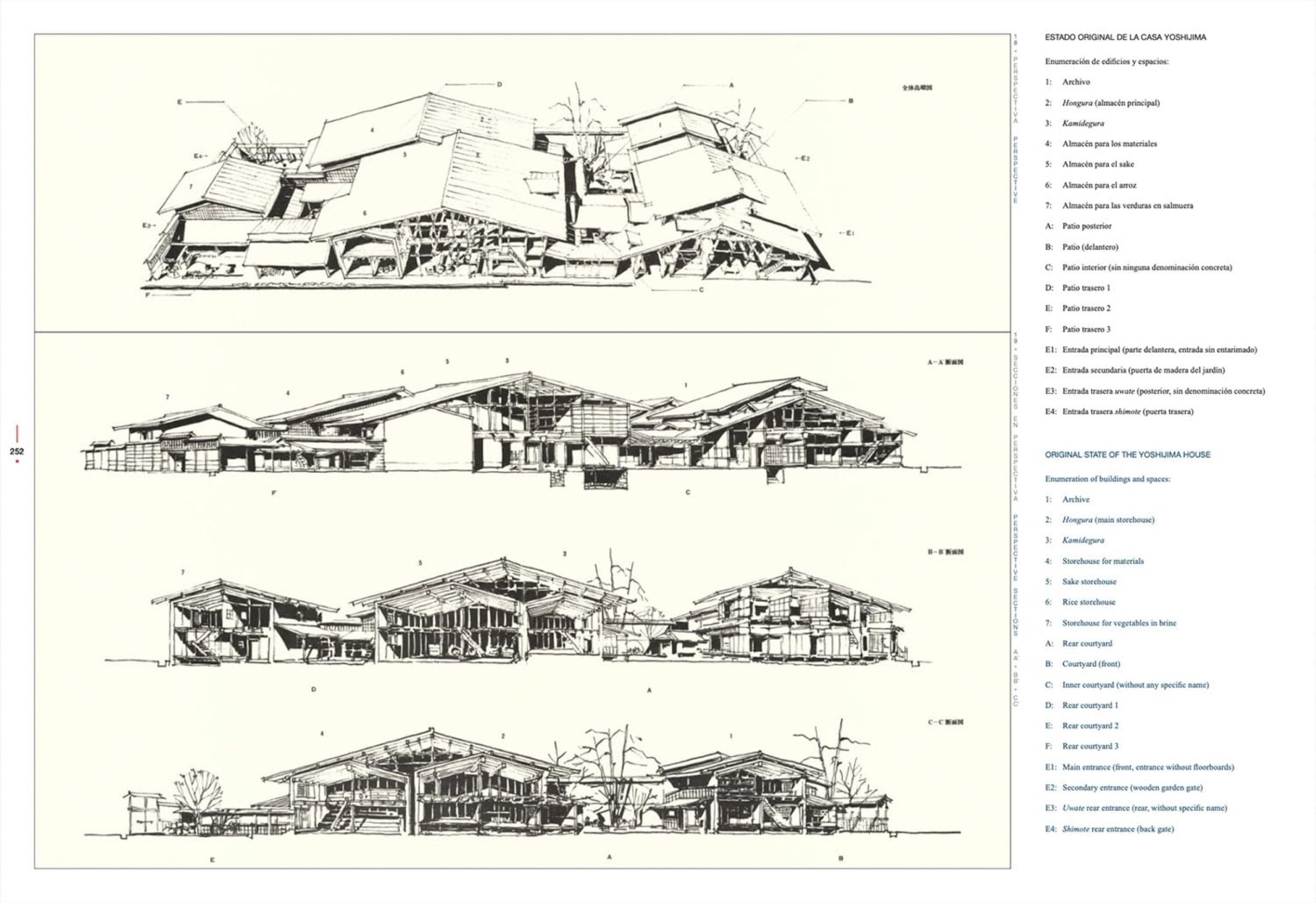
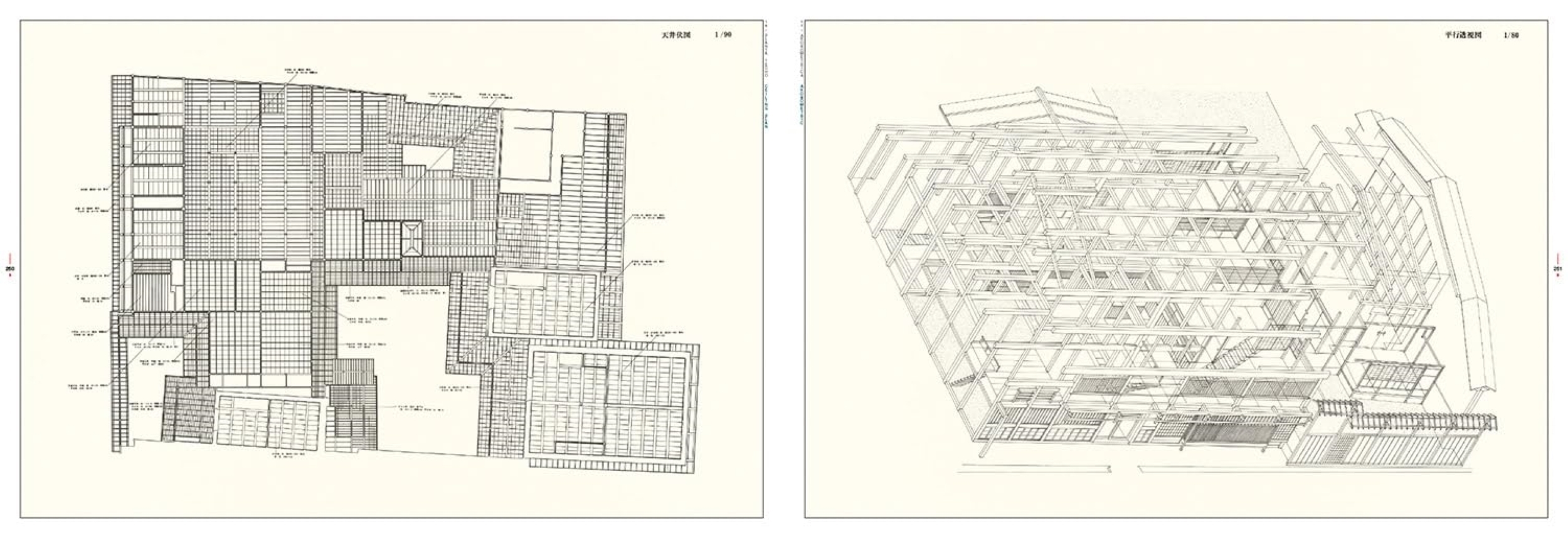
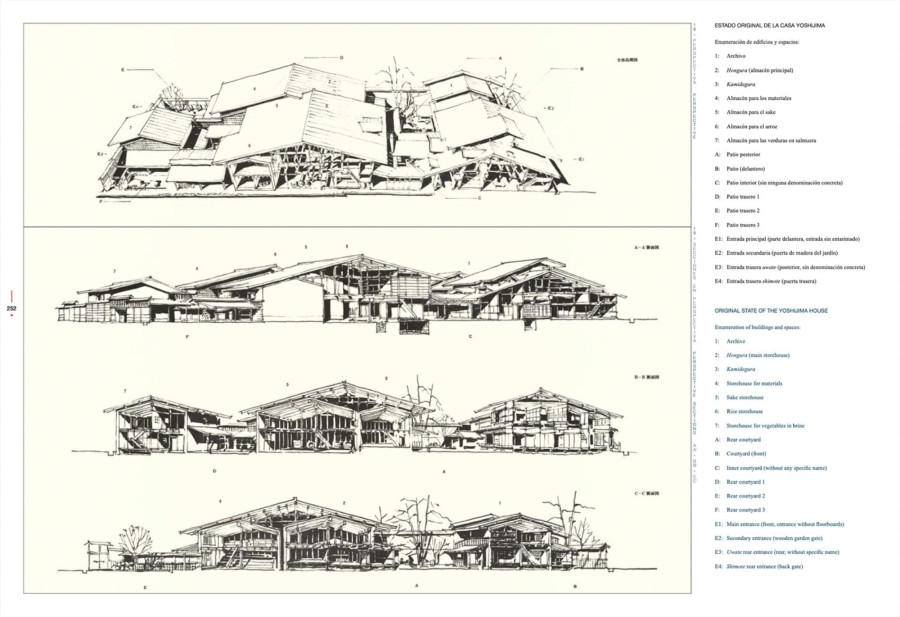
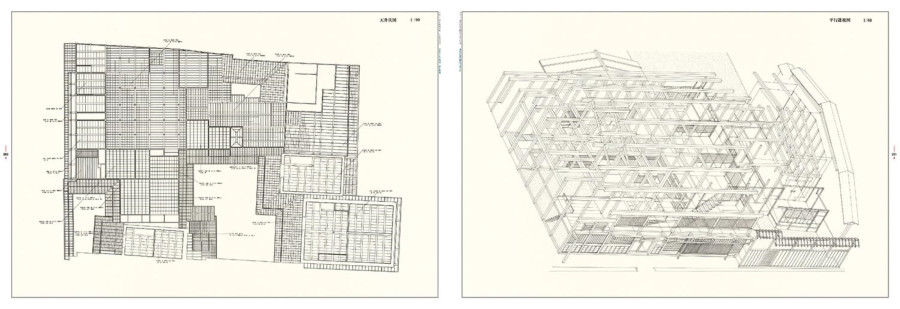
This oversized volume is based on the 1988 book Important Cultural Properties: The Yoshijima House. Unlike that original edition, the 385 full-bleed color photographs by Hata Ryoo are here systematically arranged, facilitating a complete room-by-room tour of the house. Thirty-one architectural plans, including six gatefolds, allow for true appreciation of the building in all its greatness.
"Josh has been able to dredge up some of the rarest and most beautiful carpets for our nerdy and stringent requirements. And we have had a grand time together assembling collections for clients."
— Ralph Harvard, Ralph Harvard Inc.
The Rug & Kilim Standard
The Rug & Kilim Standard
A standard since our inception upheld across every acquisition, transaction, and delivery.
45+ Year Old Institution
More than four decades of expertise and stewardship, under the leadership of our Principal, Jahanshah "Josh" Nazmiyal.
Favorable Return Policy
Our return policy is 48 hours upon receipt allowing you to confirm the purchase in your space with confidence.
Product Warranty
Each rug is hand selected or produced through the most reputable sources under the direct supervision of our Principal.
Trusted Global Delivery
Reliable worldwide delivery handled with care, precision and constant communication.
Exceptional Support
Attentive, knowledgeable guidance before and after purchase from our dedicated team of specialists.
Long Term Care
We stand behind every piece we place and remain a resource to our clients for the lifetime of their collection.
Josep Melo I Valls, Teiji Itoh, Chûjiro Hachino, Ryoo Hata.
Preserved in our design reference library. Inquire to visit and use as a resource.
Arquine, 2024
A jewel of Japanese residential architecture, presented through stunning immersive photographs and detailed fold-out plans
One of the great examples of Japanese residential architecture, the Yoshijima House has stood in the historic old city of Takayama for over 100 years. Built in 1907 after a fire and under the direction of Nishida Isaburo, the complex functioned as a residence for the Yoshijima family, a wealthy merchant household that brewed sake. The builders used luxuriant wood including elm, red pine and cypress: rich materials that were becoming more readily available as the Edo period gave way to the Meiji era.
Different sections of the main building served diverse functions. The large entryway and its adjacent rooms served as the shop entrance and the places in which business was conducted. An eight-tatami room known as a kazuki was where the Yoshijima family went about their daily, personal activities. The building’s second floor was intended for guests and also housed a tea ceremony room and a Buddhist altar. Throughout the Yoshijima House, semitransparent shoji, or sliding doors, allow for gentle filtration of light throughout the rooms, while a skylight in the tiled roof provides greater illumination.
In the latter half of the 20th century, both Japanese and international architectural historians began to champion the Yoshijima House as a paragon of domestic architecture. Charles Moore praised it in the magazine Shinkenchiku, and Japanese building photographer Yukio Futagawa compared its significance to Athens’ Parthenon. Although today it functions as a “living museum,” the Yoshijima House is not stocked with objects that recall its occupants. Indeed, it is this bareness and simplicity that allows the building’s incredible craftsmanship to shine through.
This oversized volume is based on the 1988 book Important Cultural Properties: The Yoshijima House. Unlike that original edition, the 385 full-bleed color photographs by Hata Ryoo are here systematically arranged, facilitating a complete room-by-room tour of the house. Thirty-one architectural plans, including six gatefolds, allow for true appreciation of the building in all its greatness.
"It's rare to find a rug company that offers unique antiques, curated with a historical eye. And the best quality customization for anything you might need. All while being treated like family - love those guys."
— Andre Mellone, Studio Mellone
The Rug & Kilim Standard
The Rug & Kilim Standard
A standard since our inception upheld across every acquisition, transaction, and delivery.
45+ Year Old Institution
More than four decades of expertise and stewardship, under the leadership of our Principal, Jahanshah "Josh" Nazmiyal.
Favorable Return Policy
Our return policy is 48 hours upon receipt allowing you to confirm the purchase in your space with confidence.
Product Warranty
Each rug is hand selected or produced through the most reputable sources under the direct supervision of our Principal.
Trusted Global Delivery
Reliable worldwide delivery handled with care, precision and constant communication.
Exceptional Support
Attentive, knowledgeable guidance before and after purchase from our dedicated team of specialists.
Long Term Care
We stand behind every piece we place and remain a resource to our clients for the lifetime of their collection.