
Vintage Rugs
Vintage has also been synonymous with who we are since our beginning, particularly for our unparalleled Kilim collection, but with the rise of Mid Century collection, the term vintage carpet has become very popular—especially exciting because often times many of the carpets have also been treated, washed, dyed over, sheered, and modified—and has created a very successful category. We’re especially very proud of our vintage Kilims and Turkish rugs curated for our expansive collection of both area rugs and runners alike.
Rug & Kilim maintains our own facilities for cleaning and restoration exclusively for carpets we’ve sold to ensure their lasting beauty and care long after a piece leaves our collection.
- Under 6 x 9
- Runners
- 6 x 9
- 8 x 10
- 9 x 12
- 10 x 14
- 12 x 15
- Over 12 x 15
- Turkish
- Swedish
- Morocco
- Persian
Origin ▼
Style ▼
Material ▼
Width
Length
To connect with a specialist, click here
 36003Vintage Gabbeh Runner with Majestic Tiger Pictorial in Beige - Rug & Kilim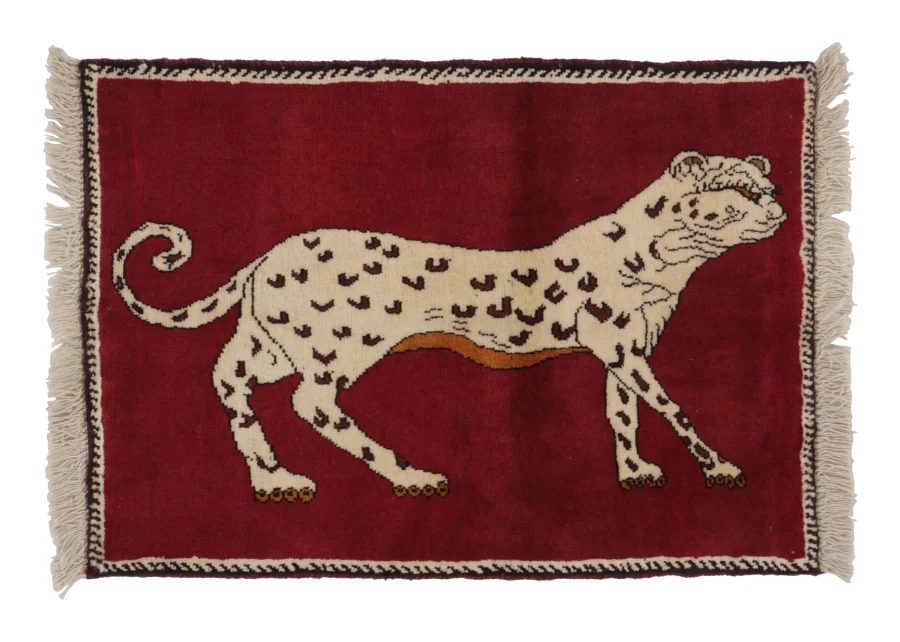
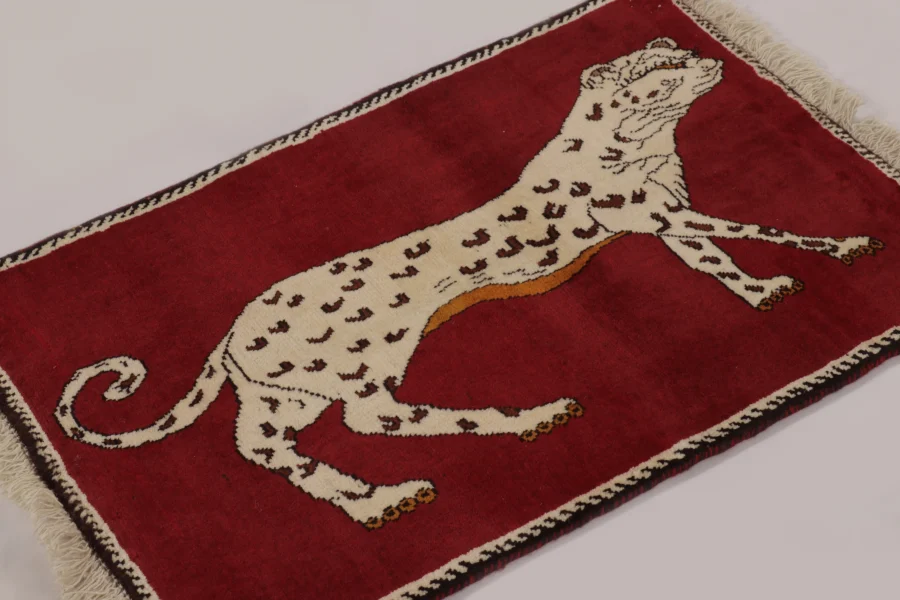 35990Vintage Gabbeh Gift-Sized Rug with Bold Tiger Design in Red Field - Rug & Kilim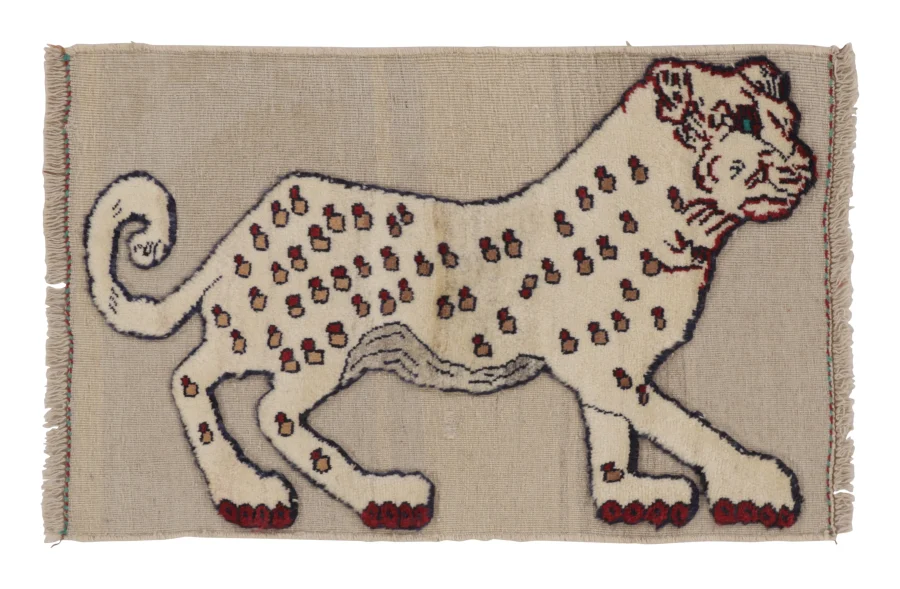
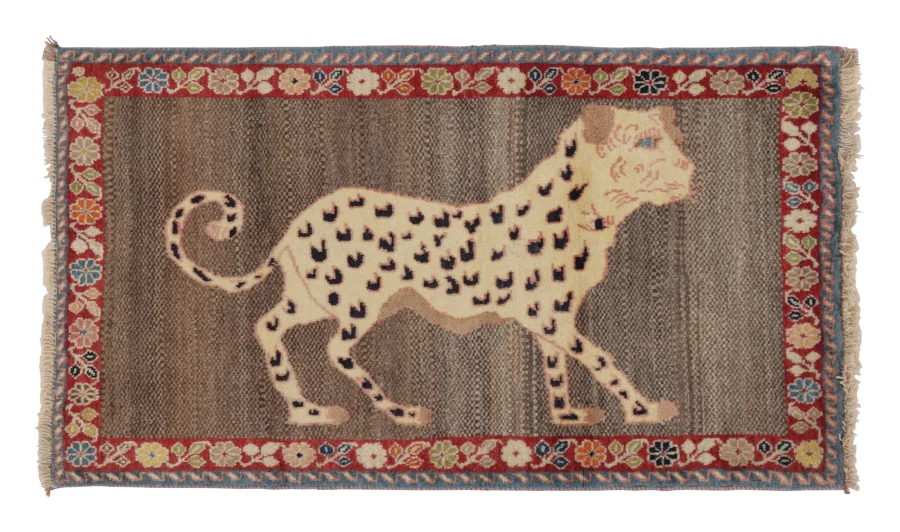
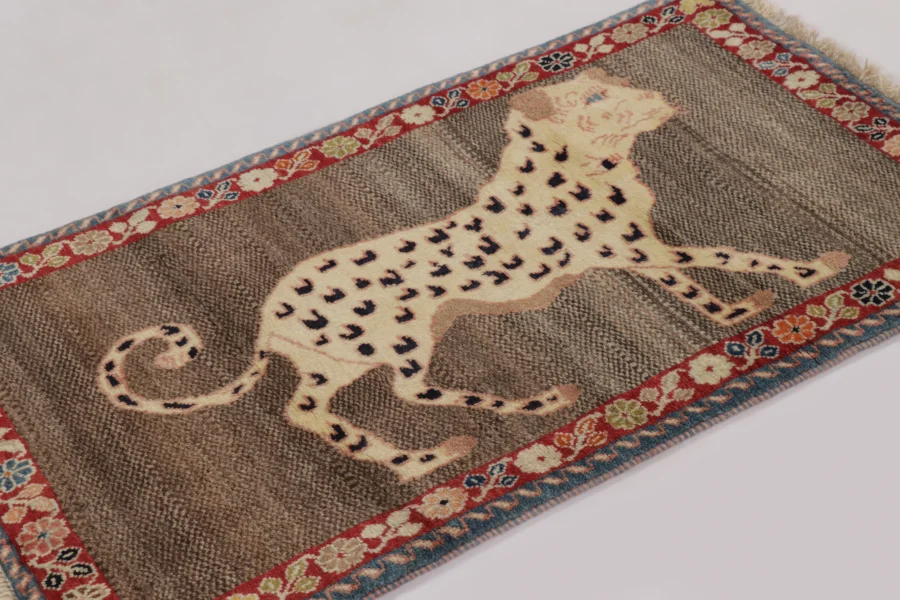
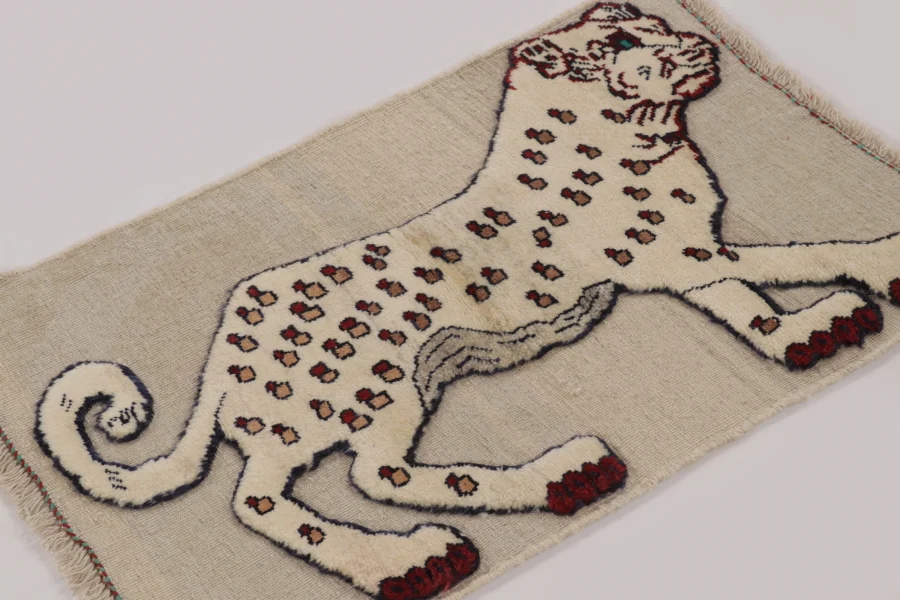 35978Vintage Gabbeh Gift-Sized Rug with Spotted Tiger Pictorial in Beige - Rug & Kilim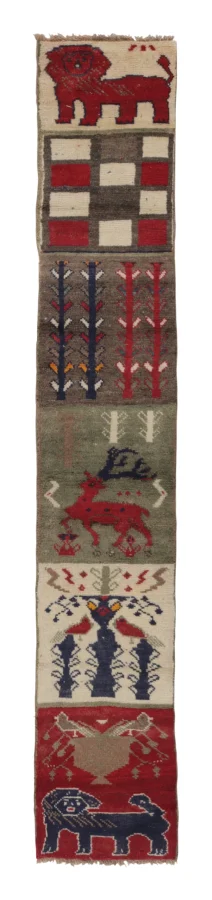
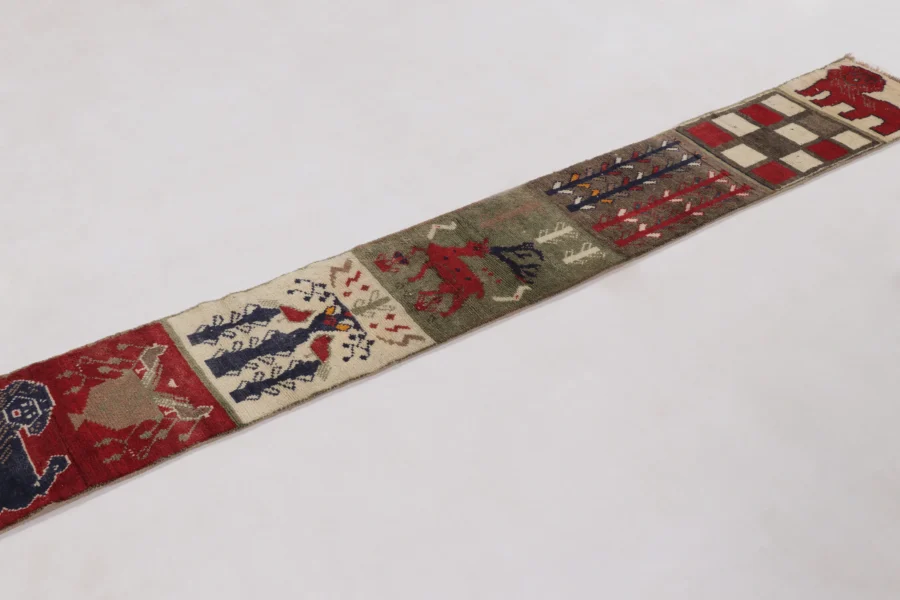 35974Vintage Gabbeh Extra-Long Runner with Tribal Designs & Pictorials - Rug & Kilim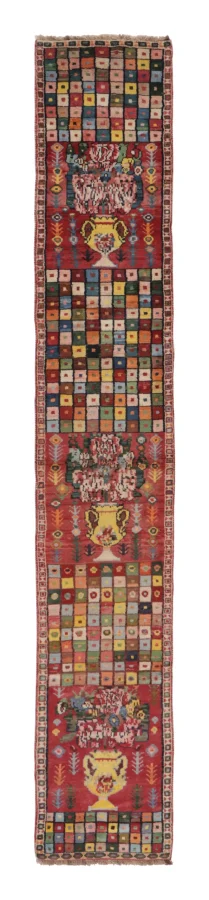
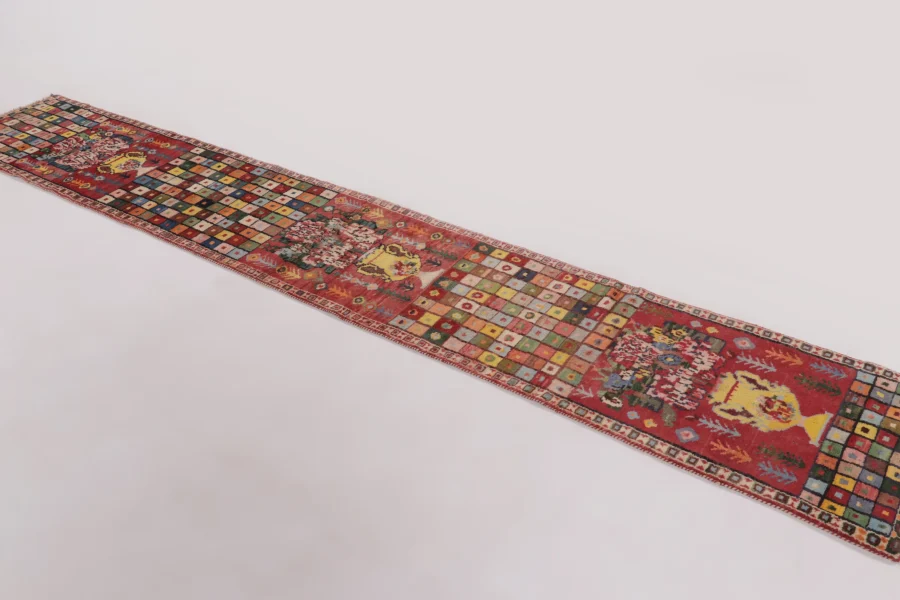 35971Vintage Gabbeh Extra-Long Runner with Garden Urns & Colorful Mosaic Grid - Rug & Kilim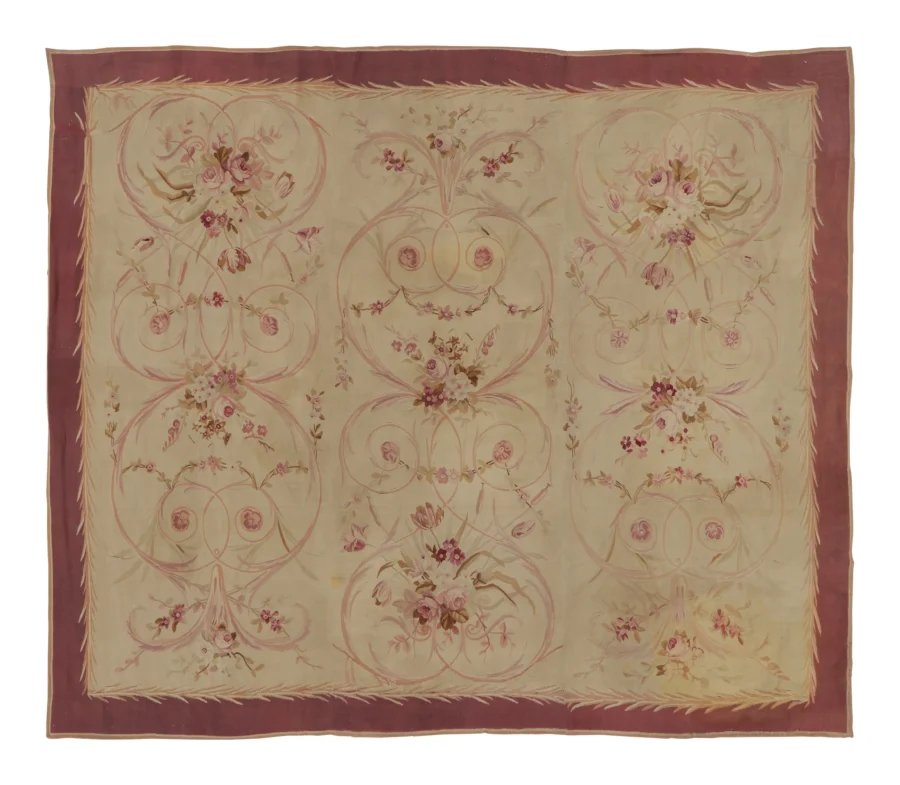
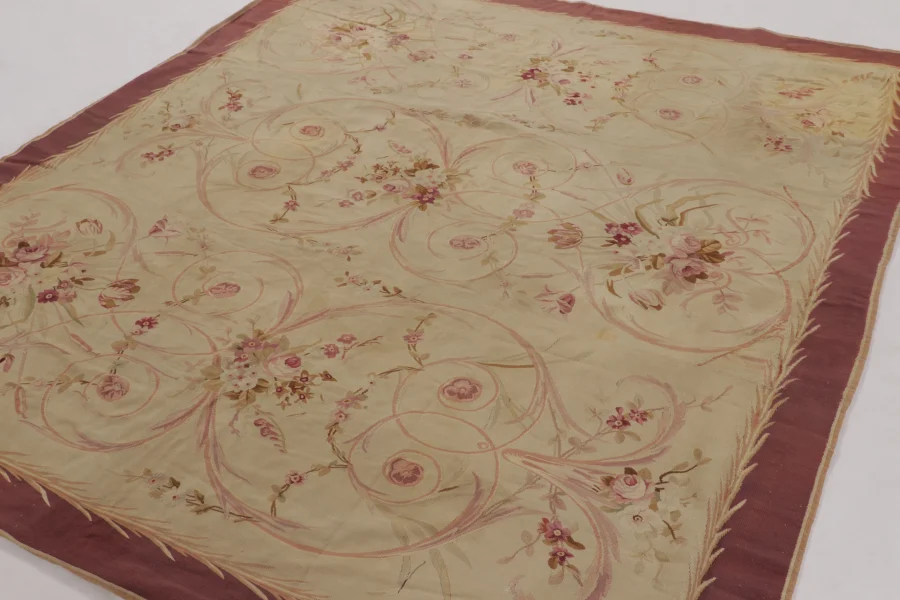 35715Vintage French Aubusson Carpet with Floral Cartouches & Rose Garlands in Red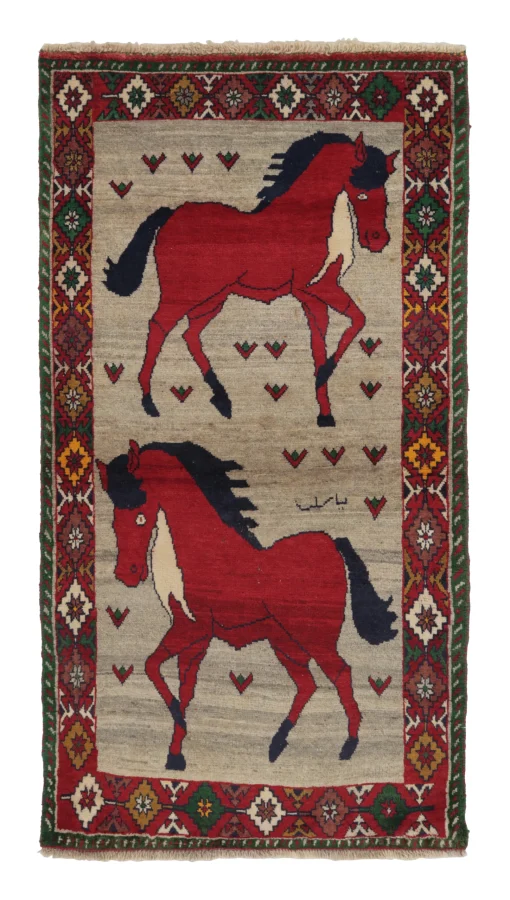
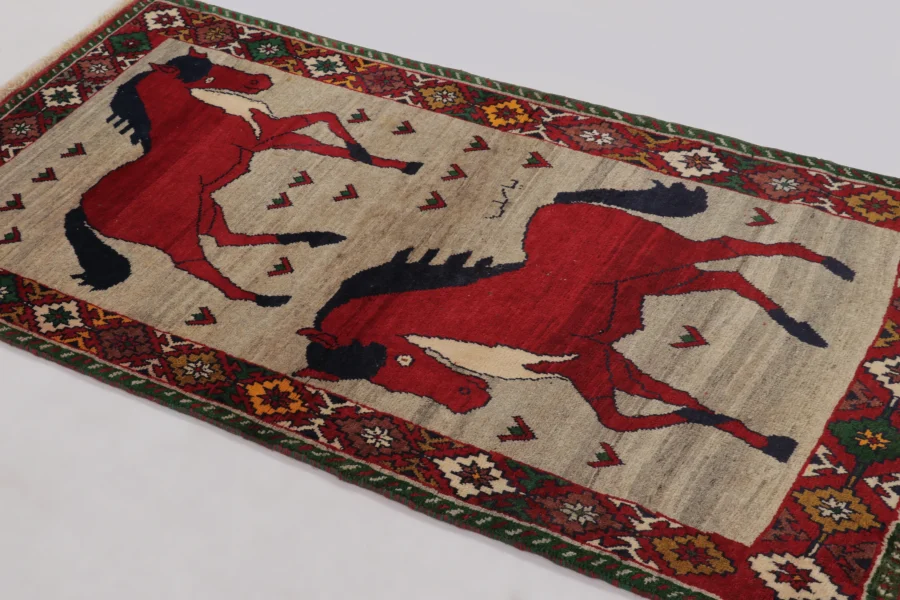 35998Vintage Gabbeh Pictorial Runner with Twin Red Horses & Folk Motifs - Rug & Kilim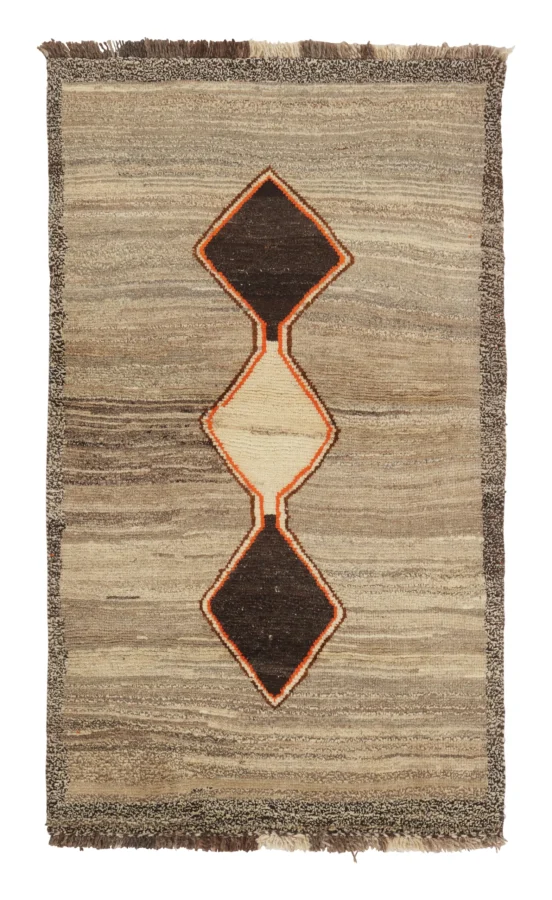
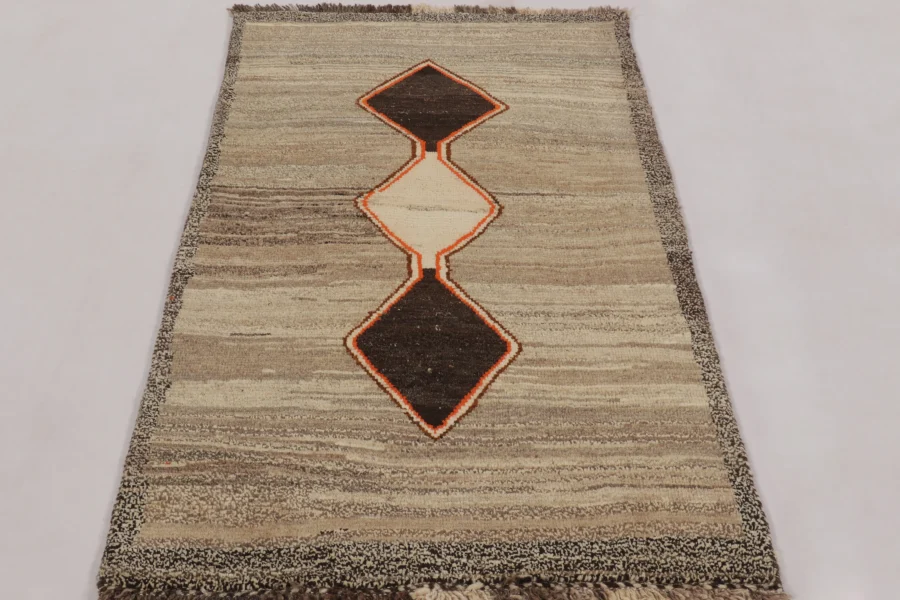 35994Vintage Gabbeh Pictorial Runner with Diamond Medallions - Rug & Kilim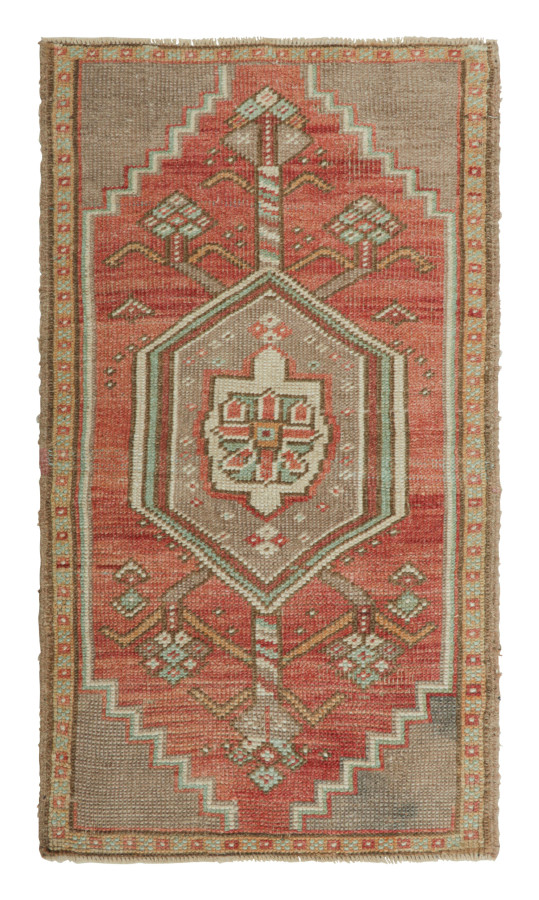
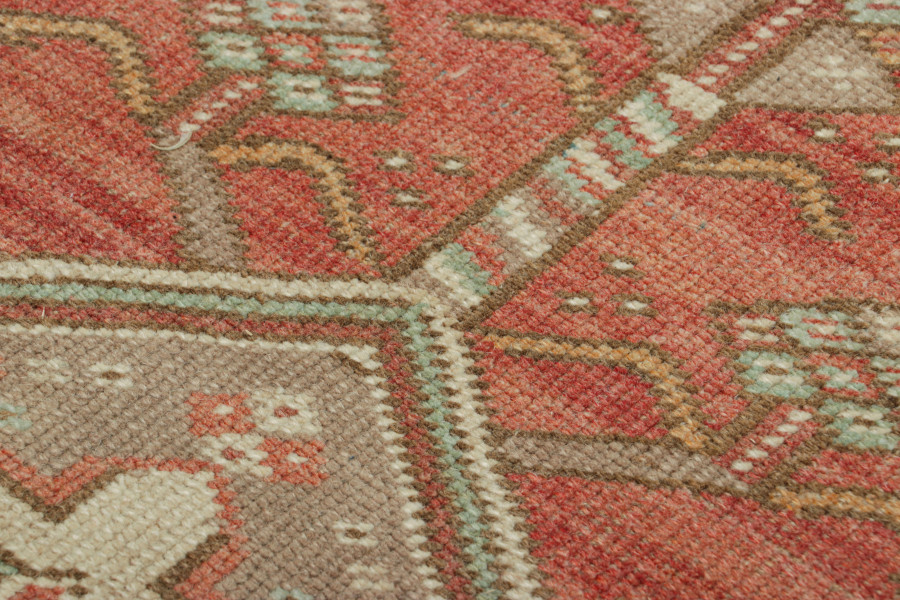 31829Vintage Turkish Rug in Pink with Colorful Geometric Medallion | Rug & Kilim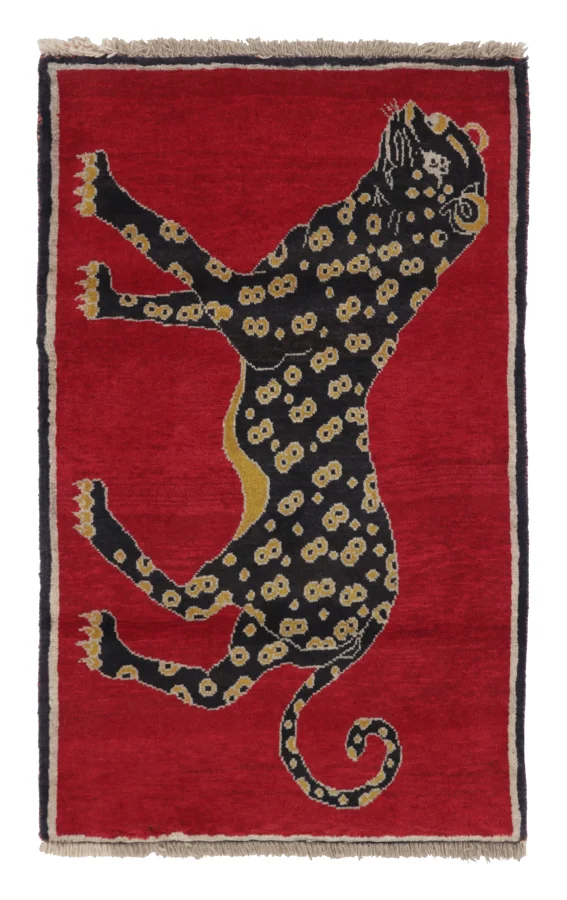
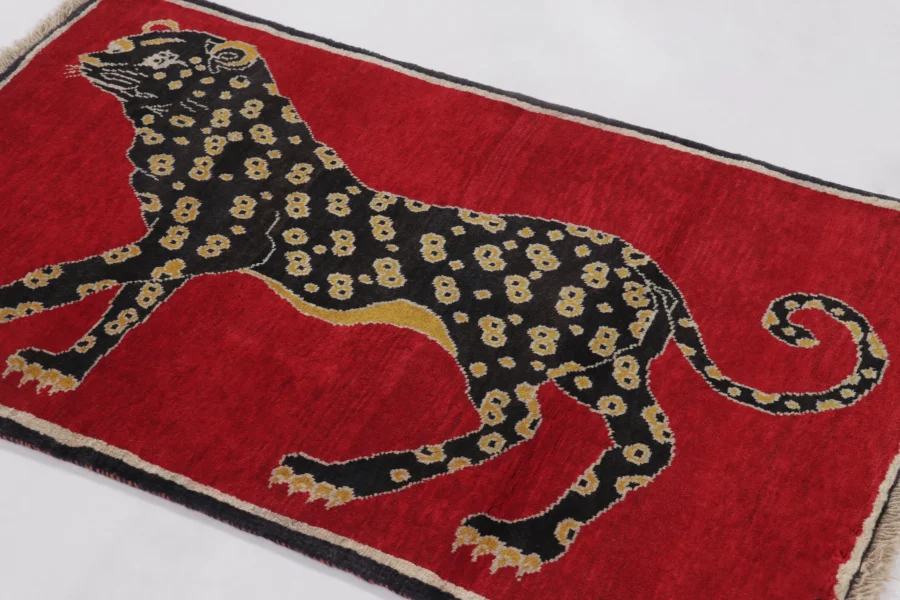 35992Vintage Gabbeh Pictorial Rug with Spotted Leopard Design in Red - Rug & Kilim
- Out of Stock
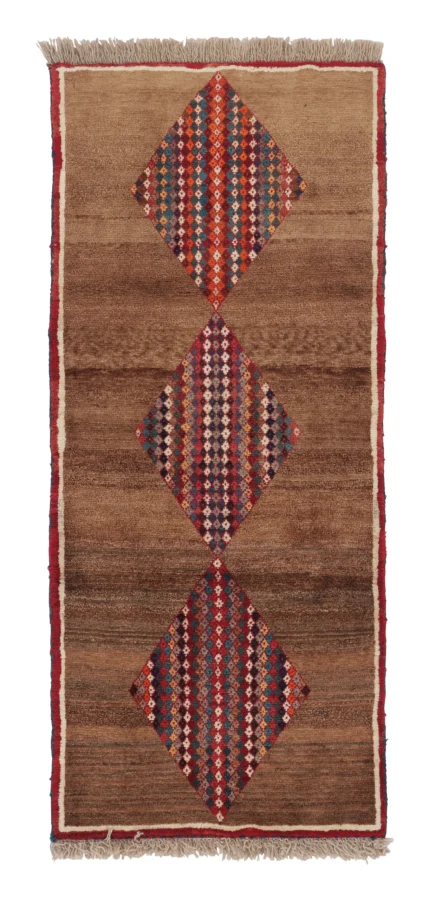
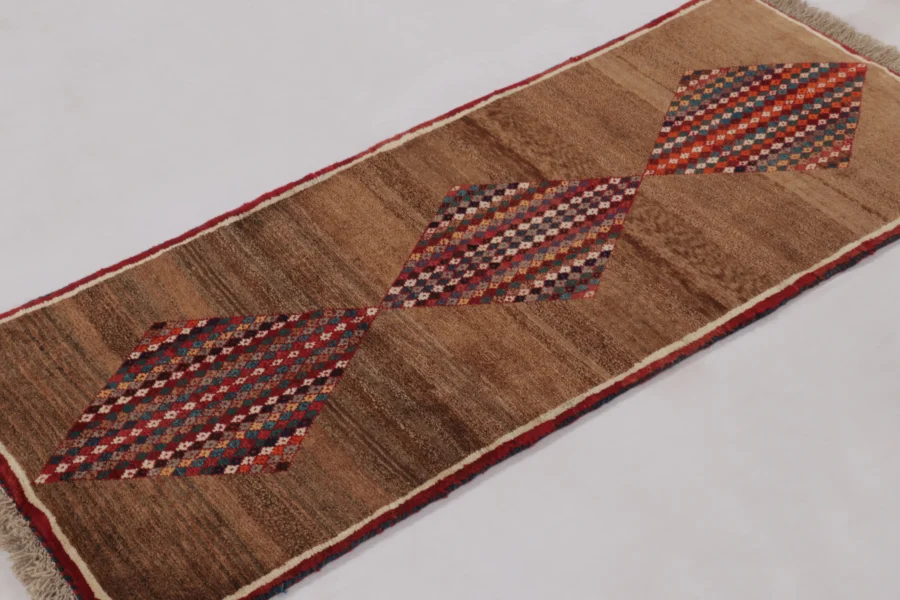 35991Vintage Gabbeh Runner with Central Diamond Medallions in Multicolor - Rug & Kilim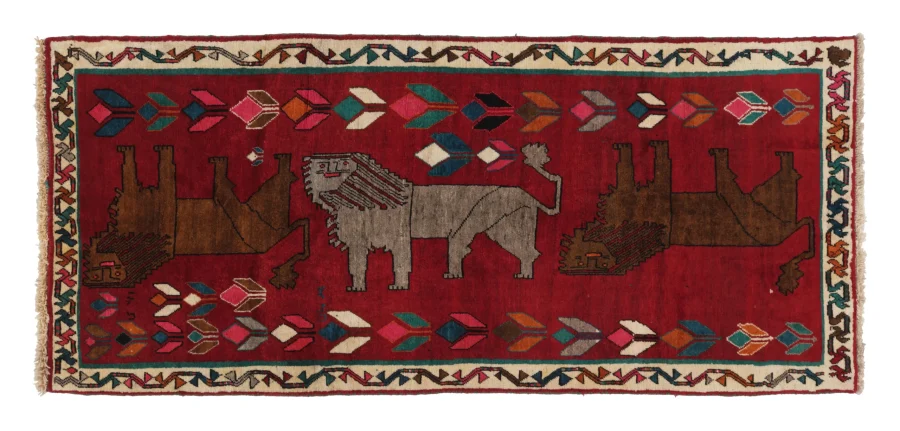
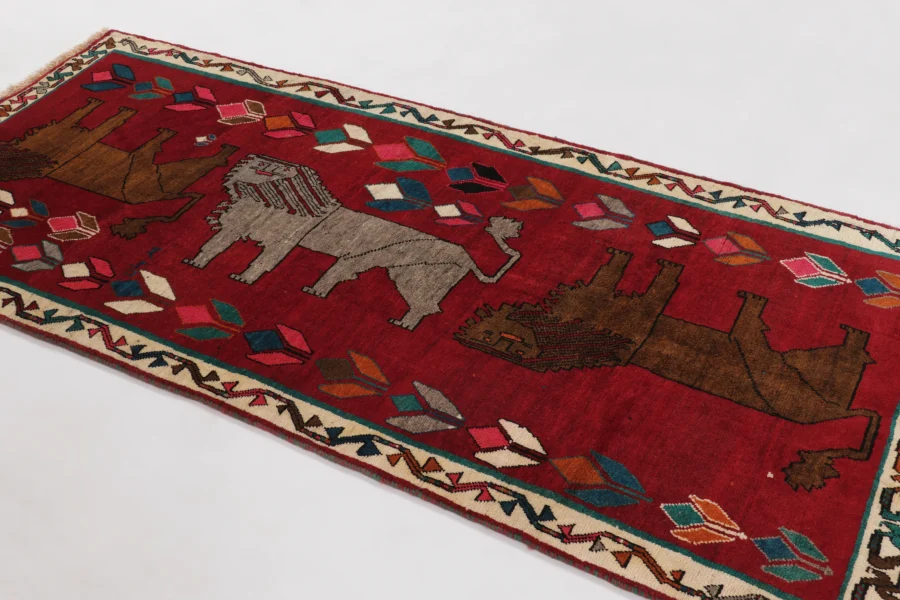 35989Vintage Gabbeh Pictorial Runner with Three Lion Motifs in Crimson - Rug & Kilim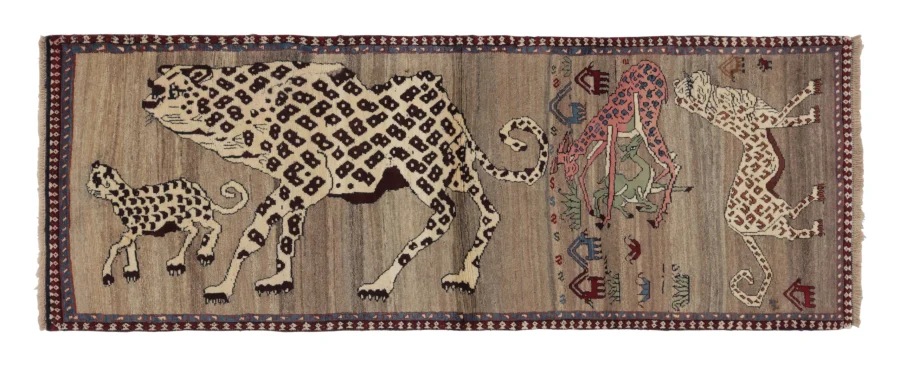
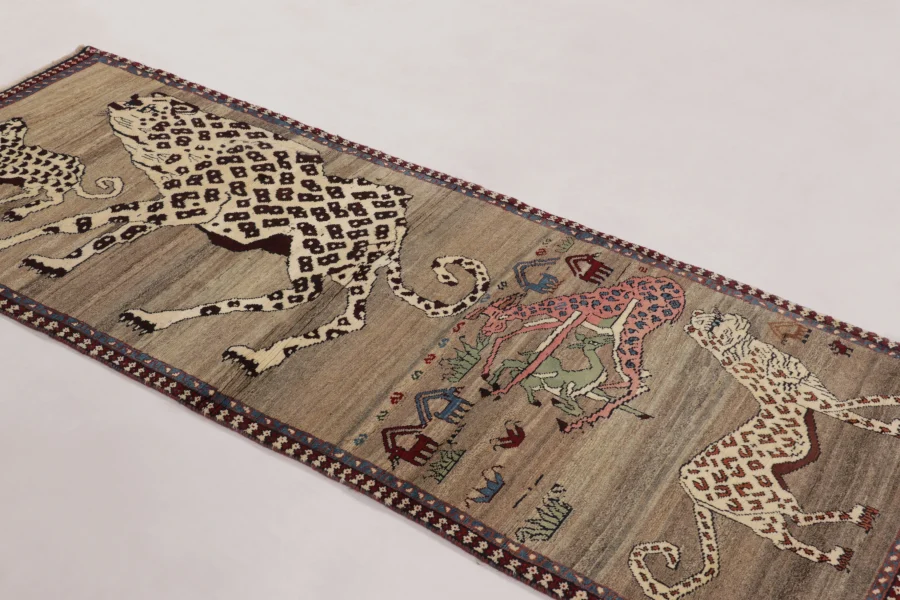 35987Vintage Gabbeh Pictorial Runner with Spotted Leopards & Gazelles - Rug & Kilim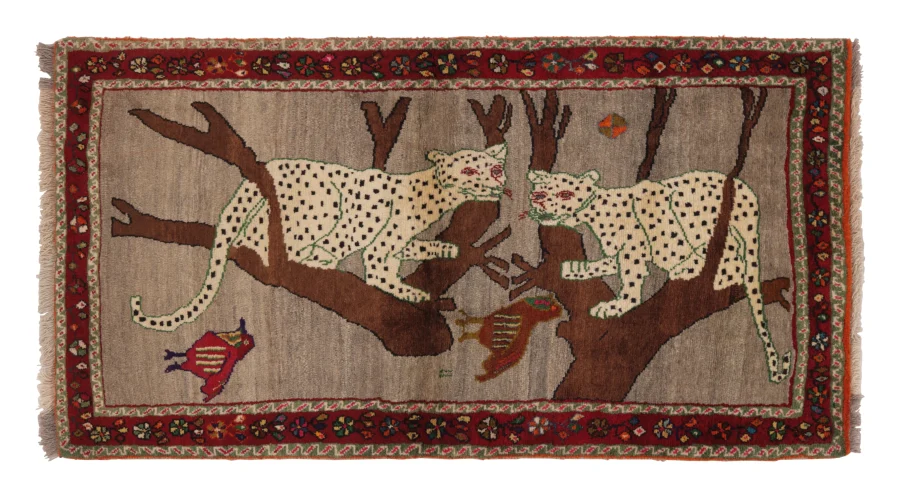
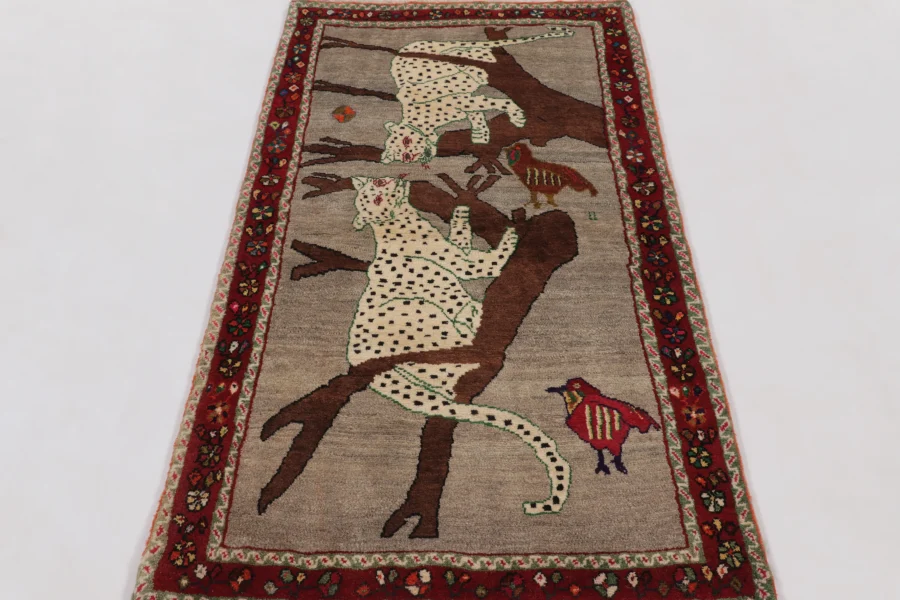 35984Vintage Gabbeh Pictorial Runner with Leopards on Trees in Brown - Rug & Kilim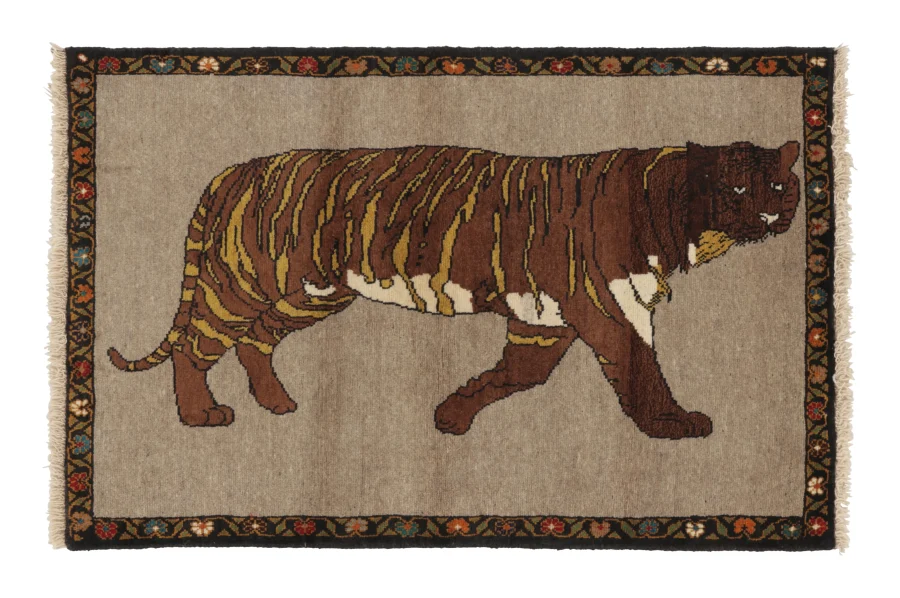
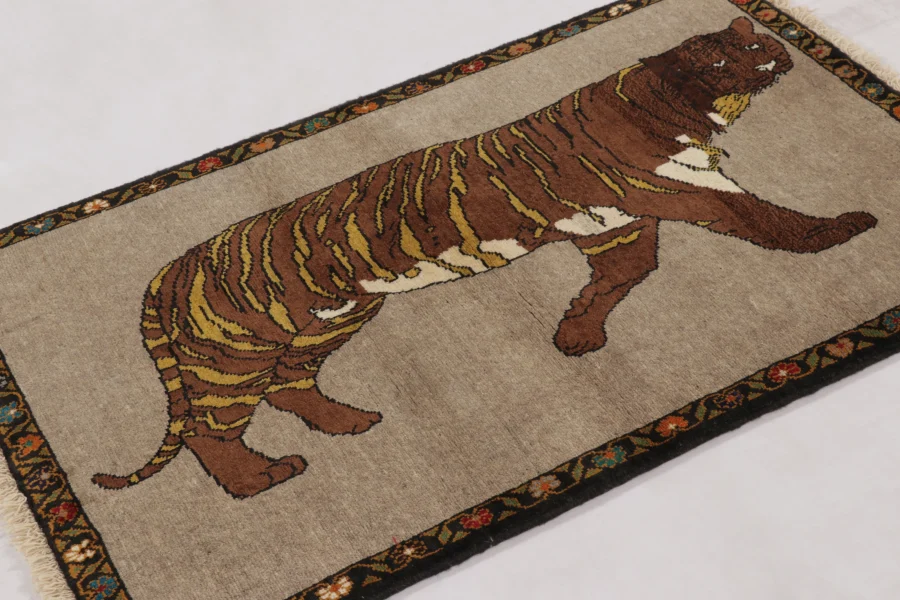 36010Vintage Gabbeh Rug with Tiger Pictorial Design in Brown & Beige - Rug & Kilim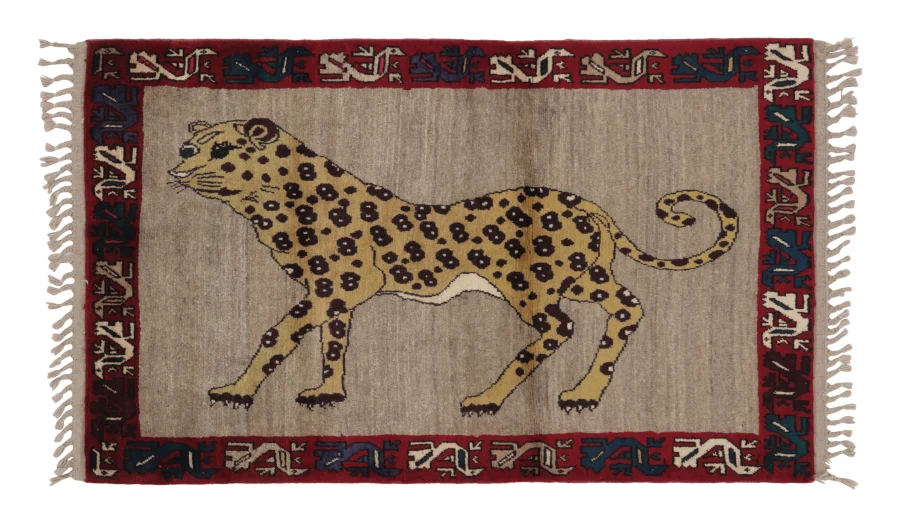
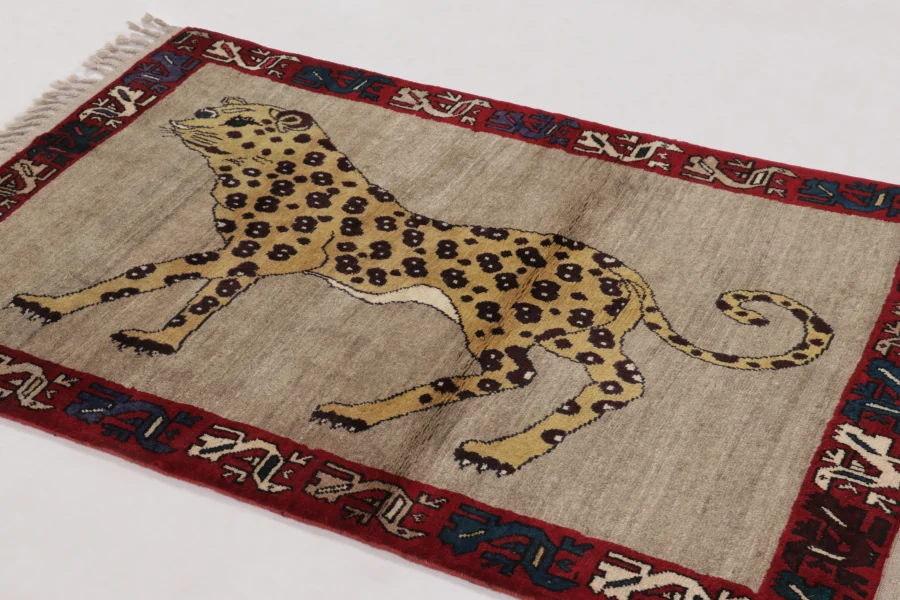 36009Vintage Gabbeh Rug with Leopard Pictorial Design in Gold & Red - Rug & Kilim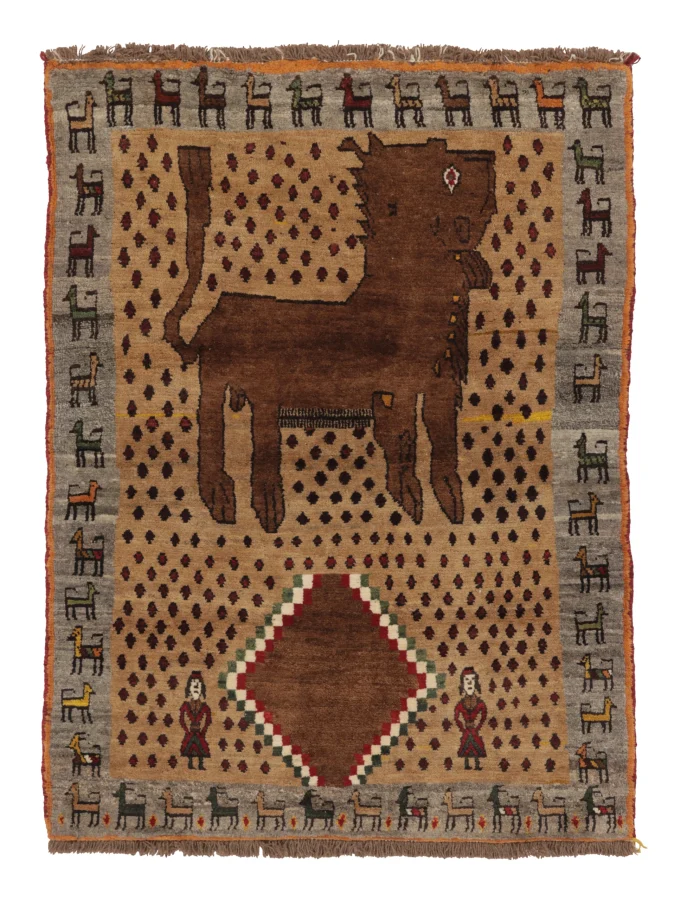
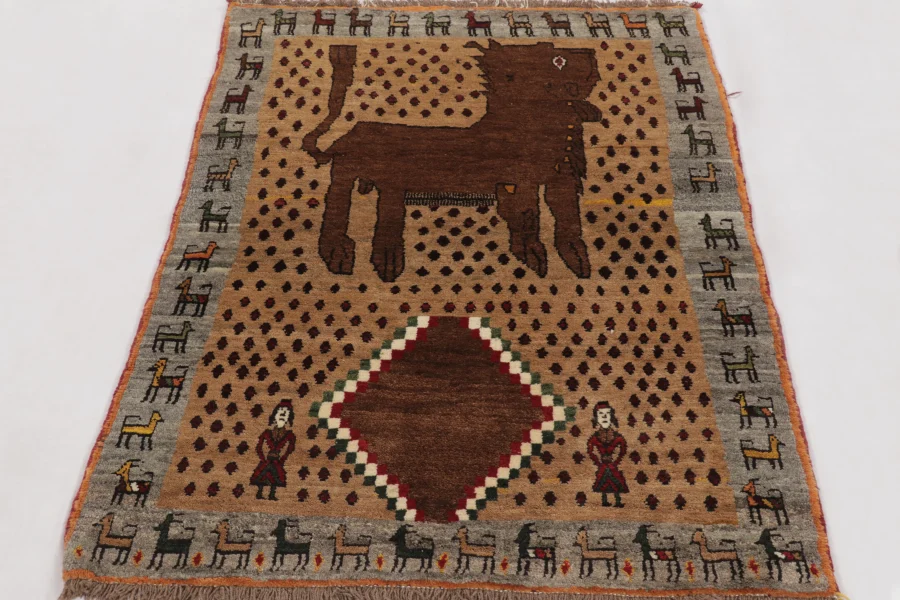 36008Vintage Gabbeh Rug with Animal Pictorial Design in Gray & Brown - Rug & Kilim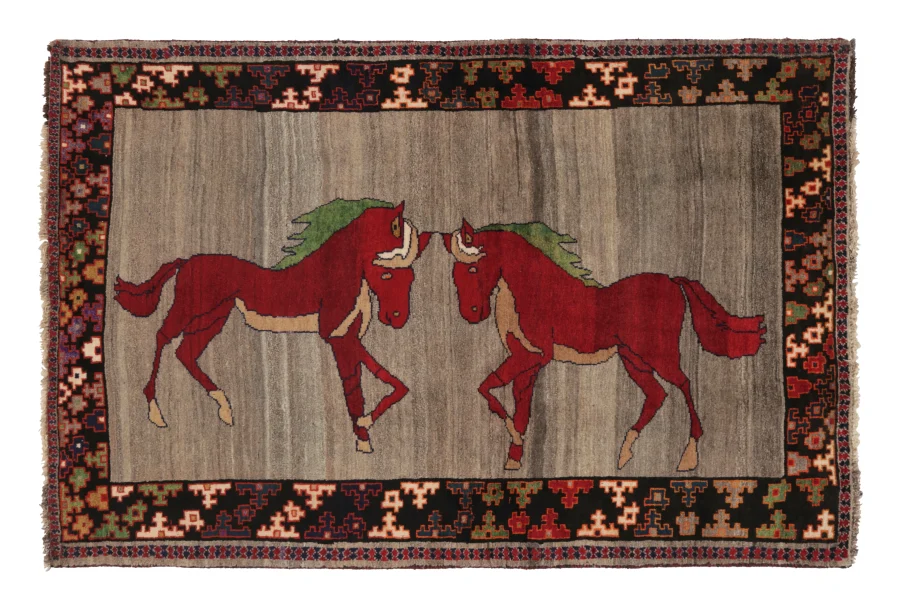
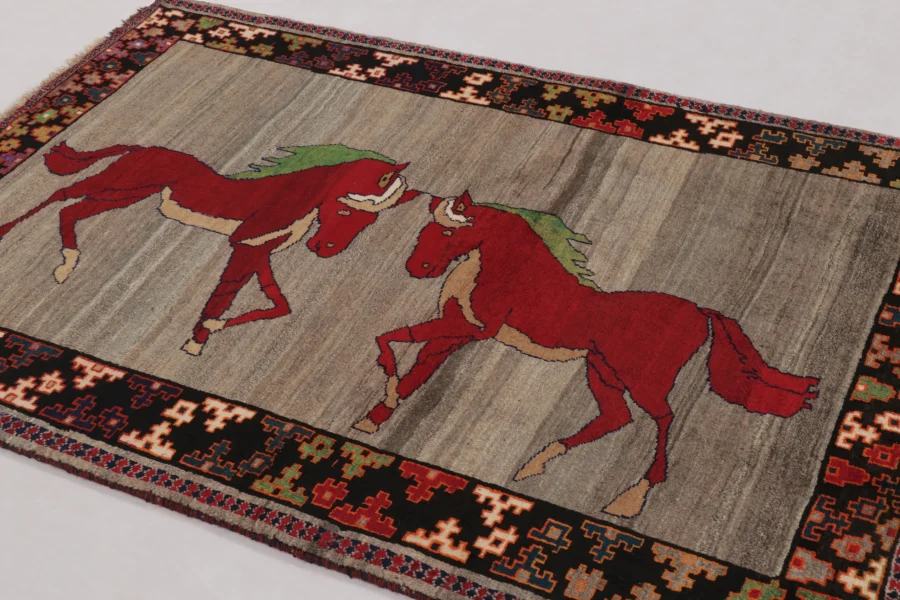 36005Vintage Gabbeh Rug with Twin Horse Pictorial Design in Crimson & Beige - Rug & Kilim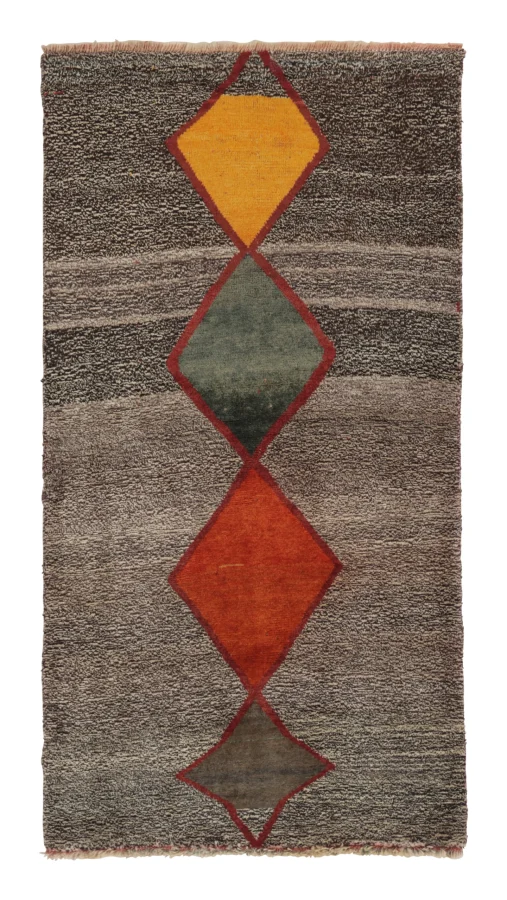
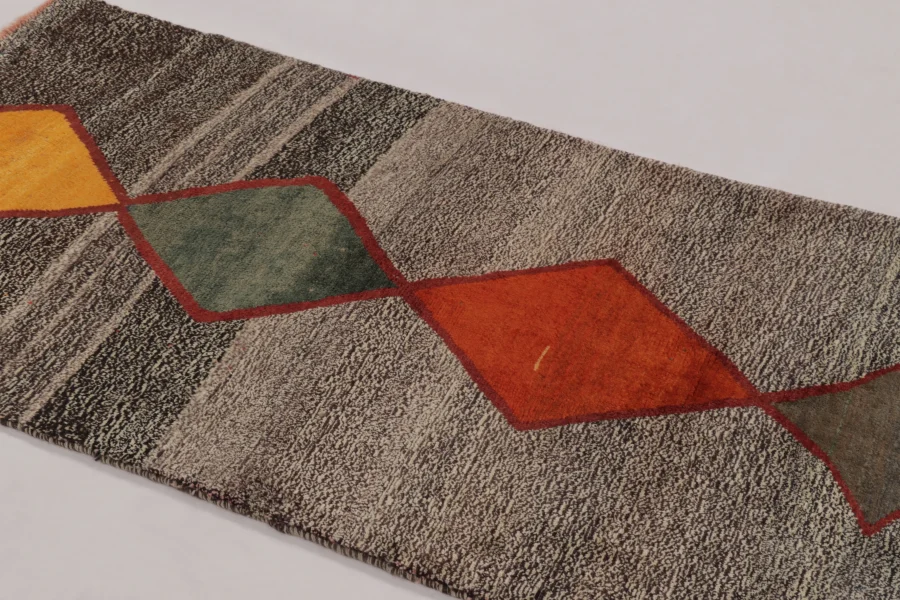 36002Vintage Gabbeh Runner in Gray with Diamond Medallions - Rug & Kilim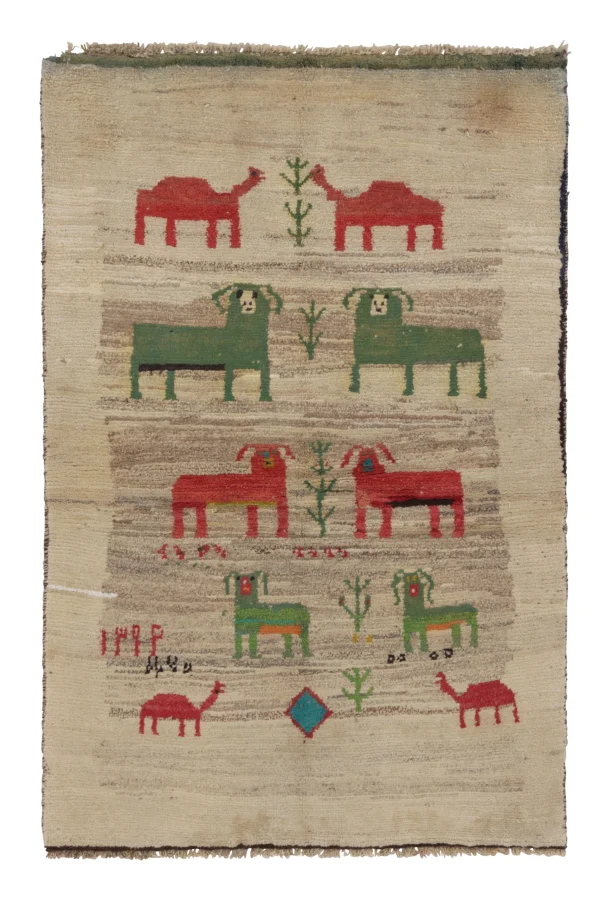
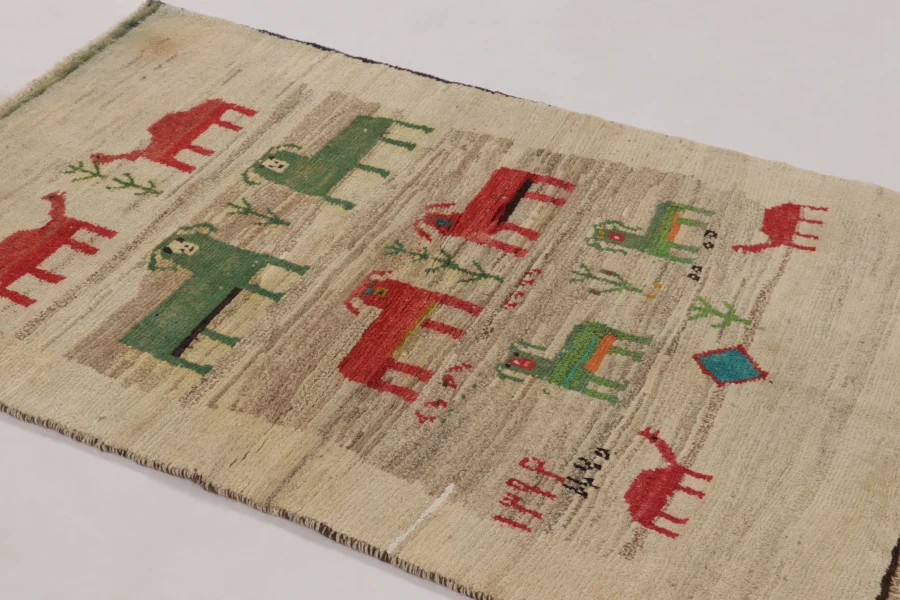 35993Vintage Gabbeh Rug with Animal Pictorials in Red & Green - Rug & Kilim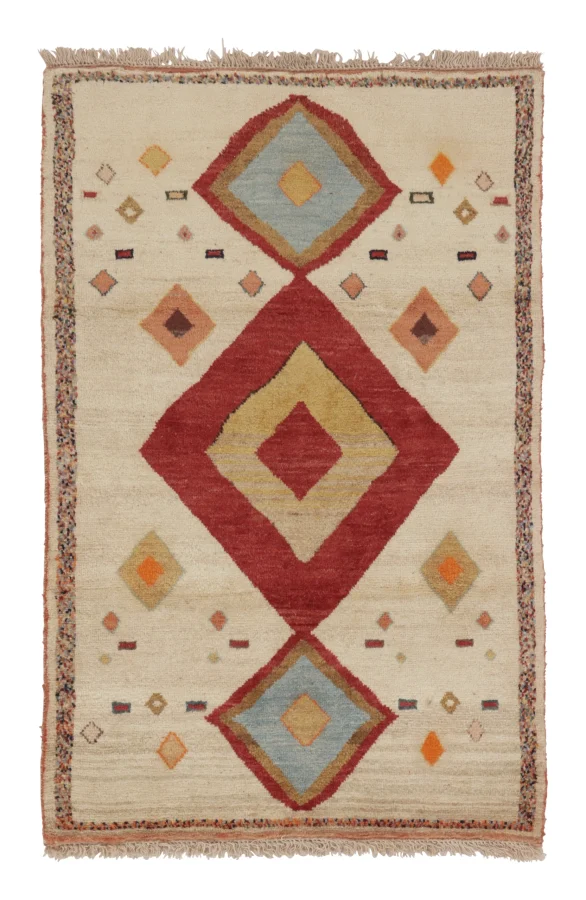
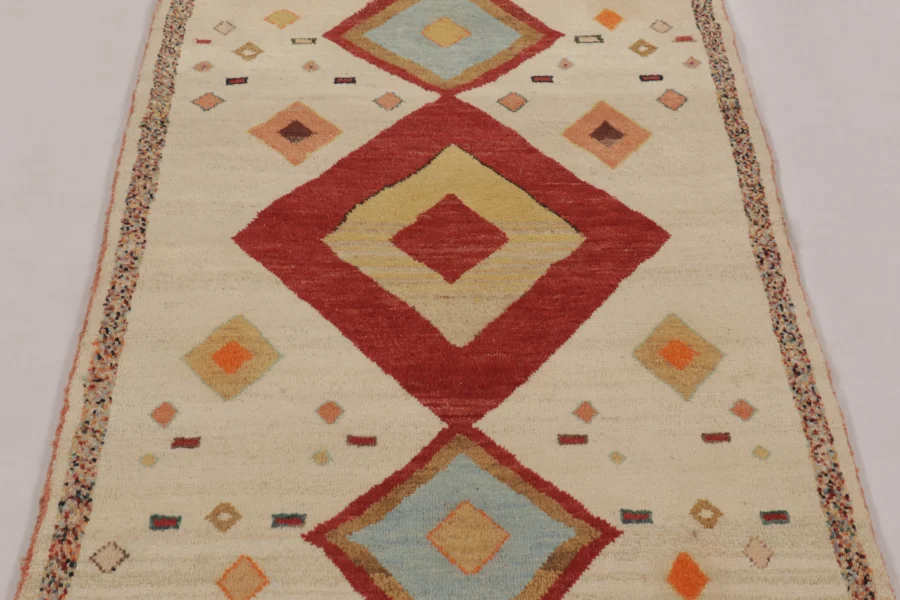 35983Vintage Gabbeh Tribal Rug in Beige with Concentric Diamond Medallions - Rug & Kilim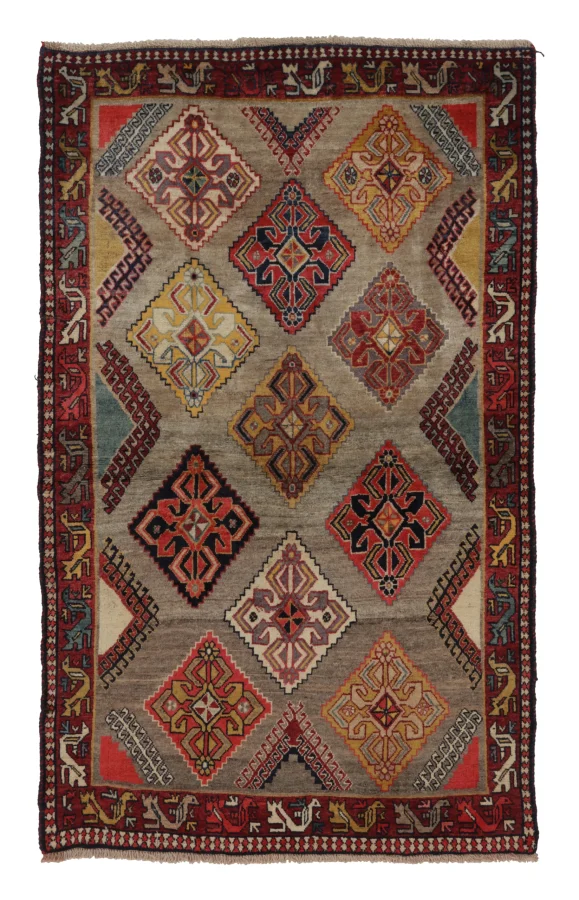
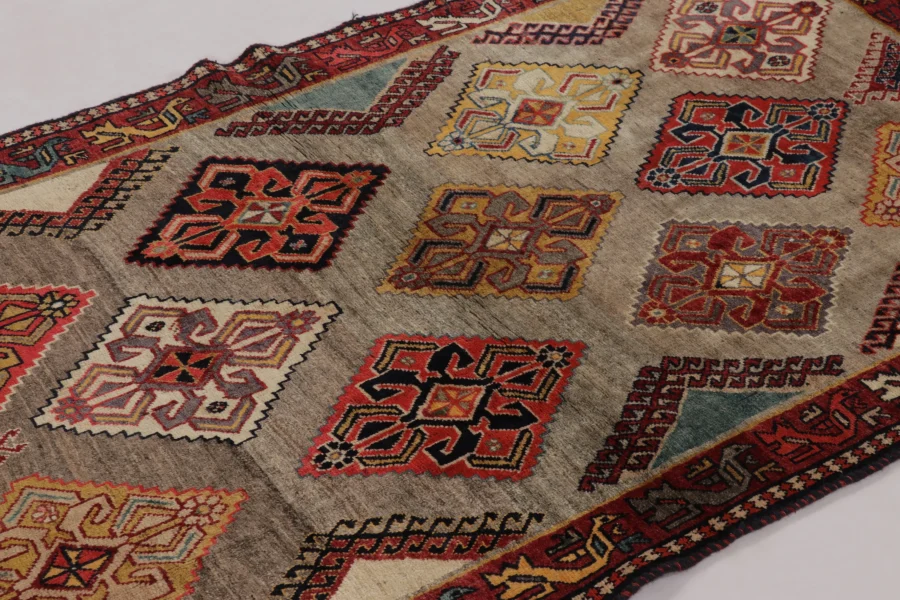 35980Vintage Gabbeh Tribal Rug with Diamond Medallion Design - Rug & Kilim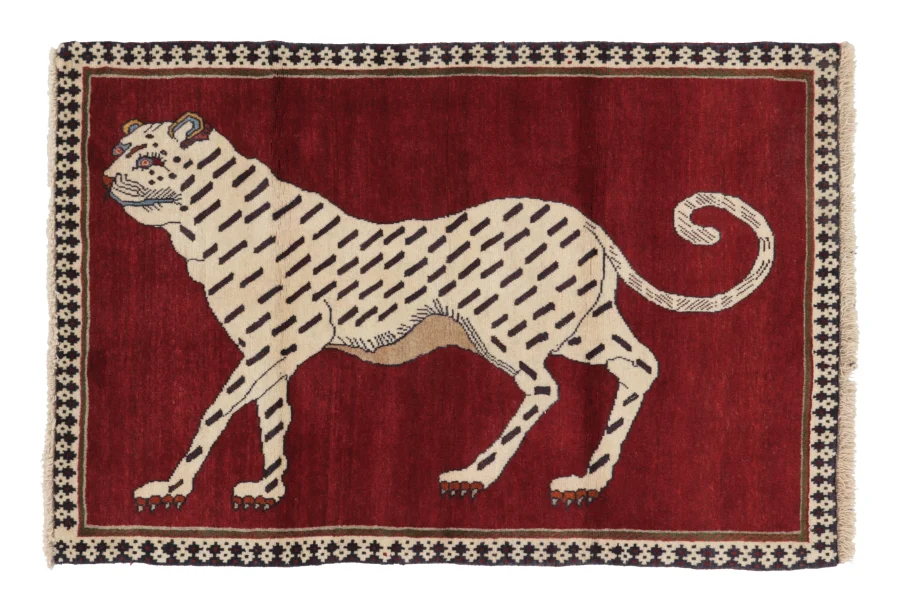
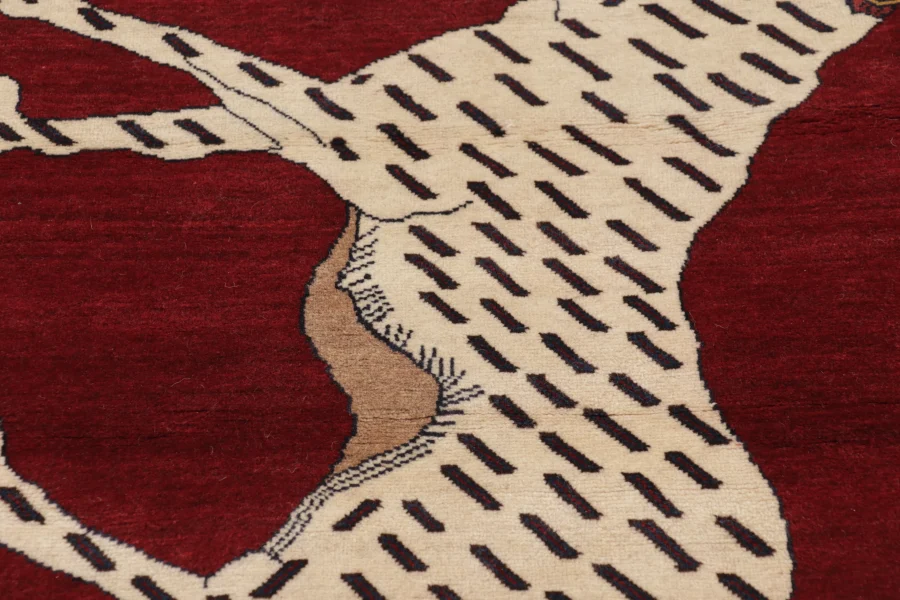 35979Vintage Gabbeh Rug with Leopard Pictorial Design in Red & Beige - Rug & Kilim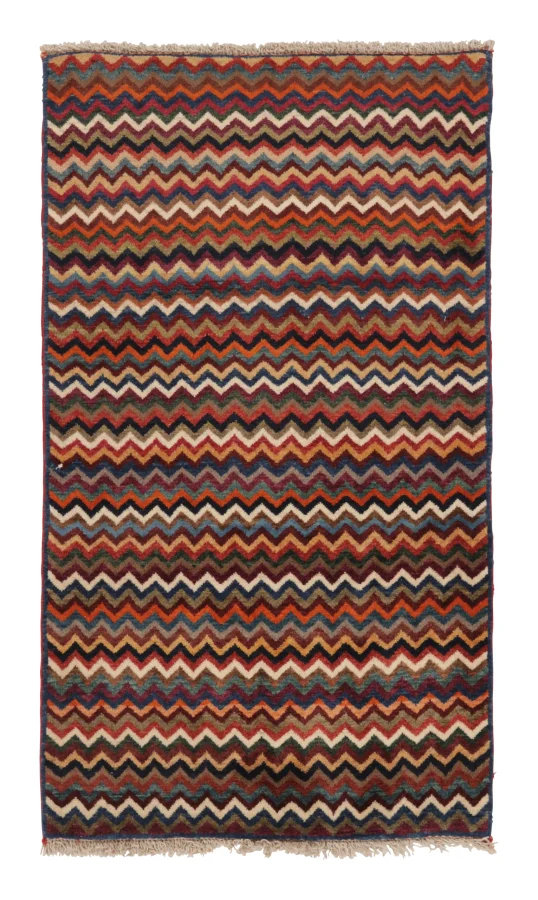
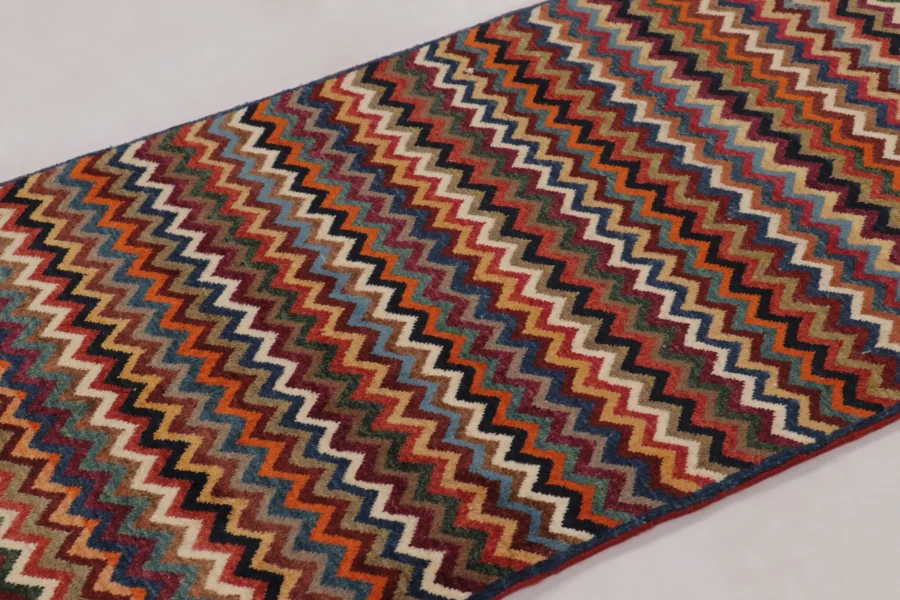 35977Vintage Gabbeh Tribal Rug with Chevron Design in Multicolor - Rug & Kilim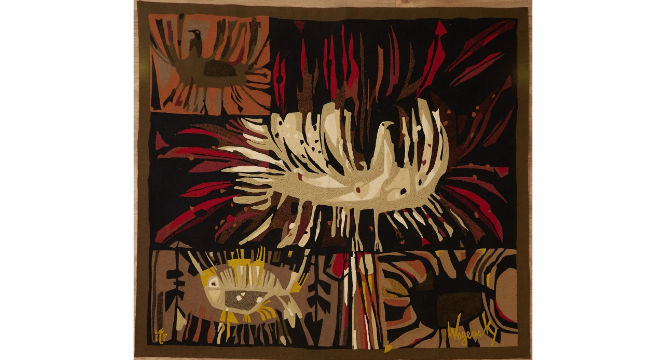
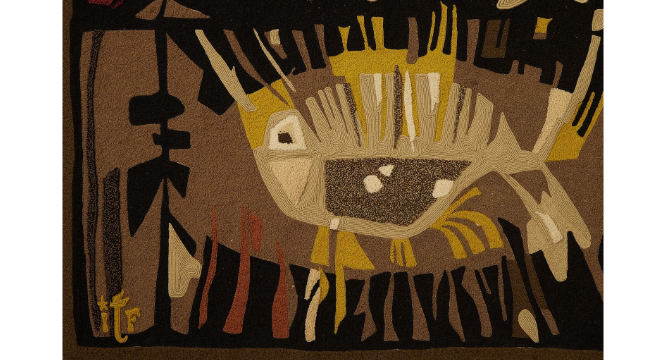 38376Signed Vintage Mid-Century Modern “The Birds” Tapestry by Robert Wogensky - Rug & Kilim
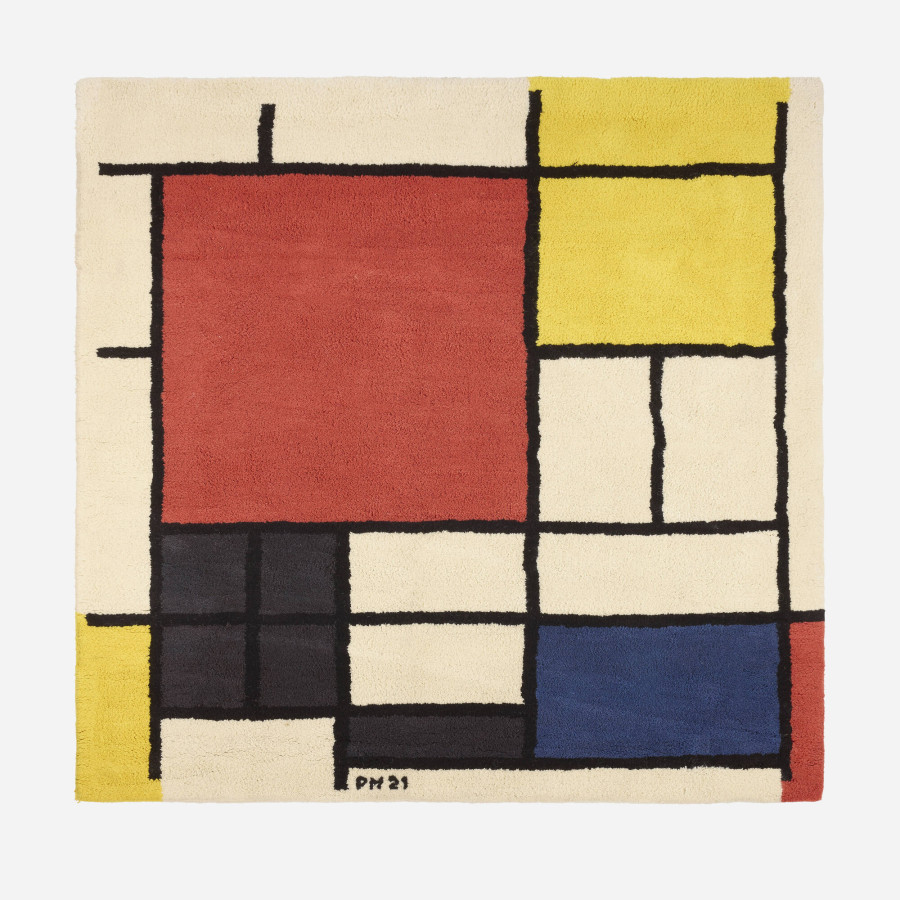 38374Signed Vintage Mid-Century Modern Square Rug with Multicolor Geometric Design - Rug & Kilim
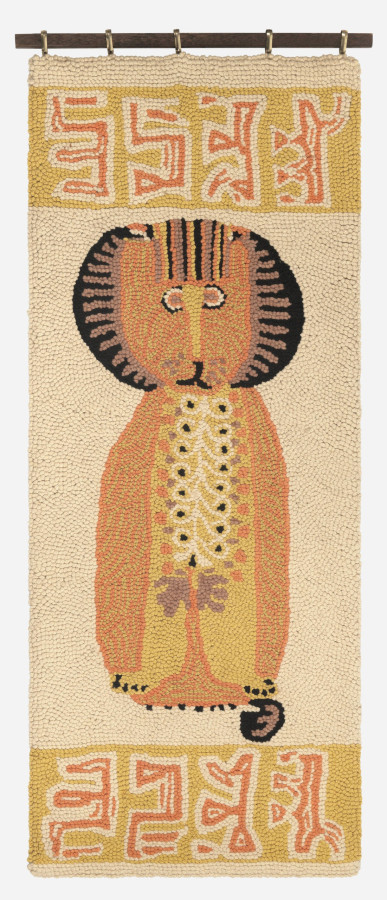 38373Vintage Lion Pictorial Tapestry Runner, Pair by Evelyn Ackerman ERA - Rug & Kilim
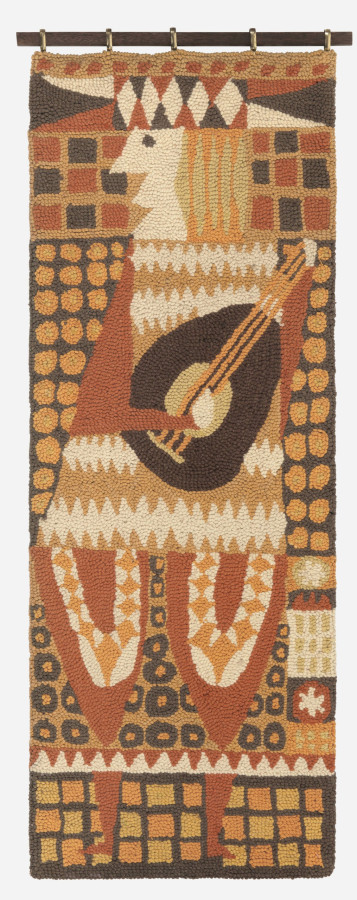 38372Vintage Minstrel Pictorial Tapestry Runner, Pair by Evelyn Ackerman ERA - Rug & Kilim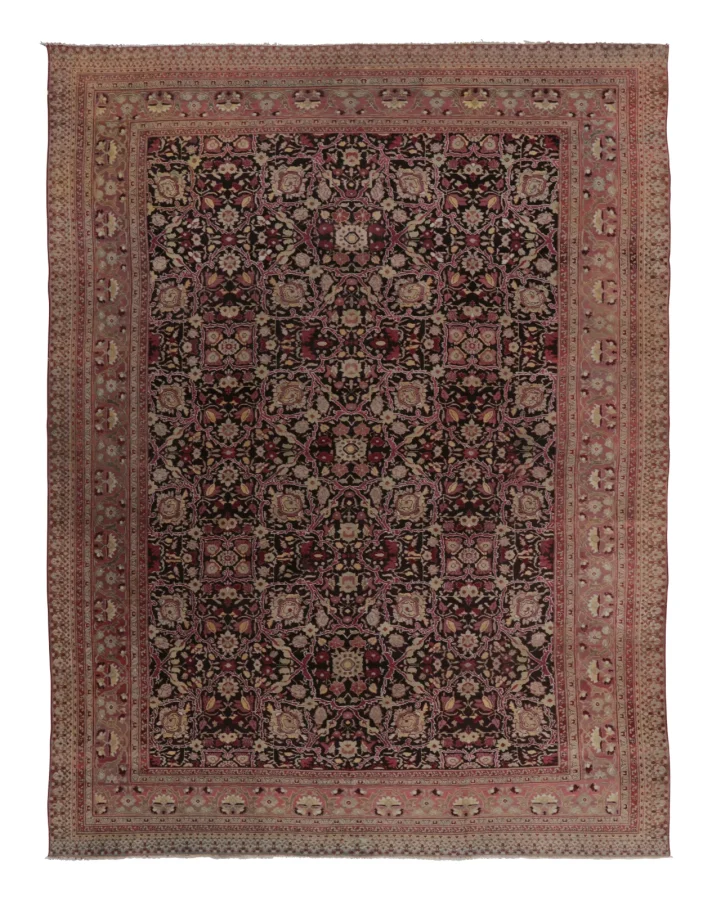
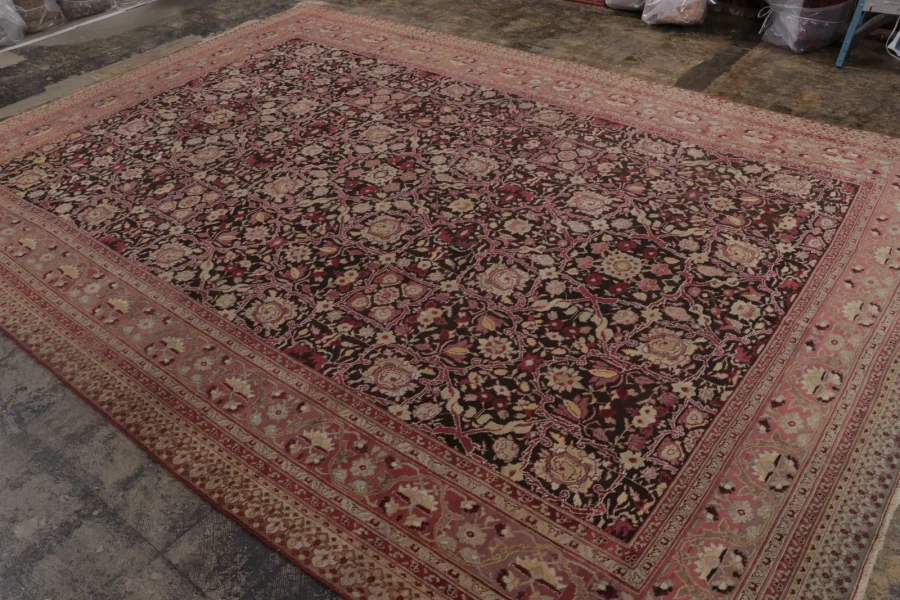 37553Vintage Indian Agra Rug with Intricate All-Over Trellis Pattern - Rug & Kilim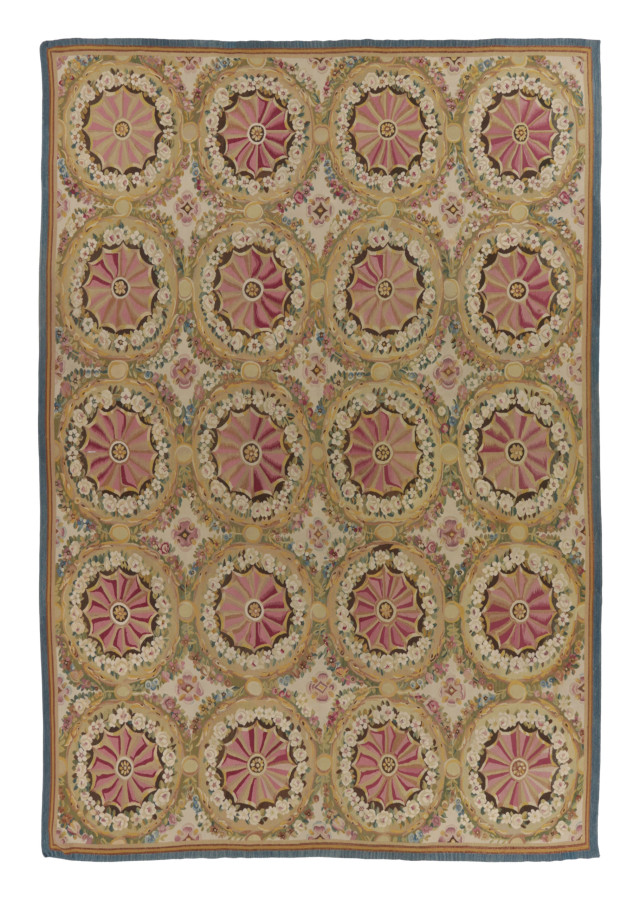
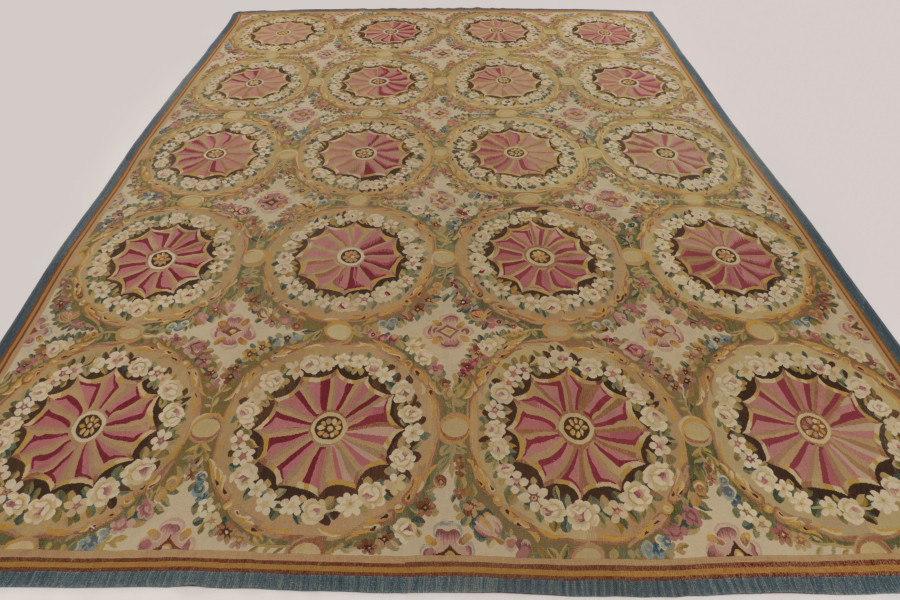 38058Oversized Vintage French Aubusson Rug with Pink & Cream Floral Medallion Design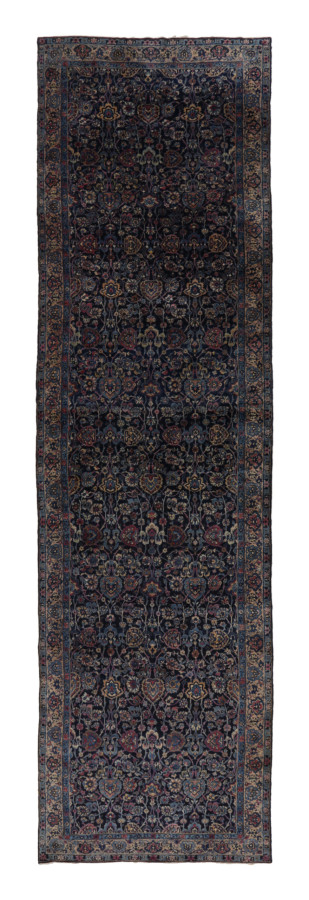
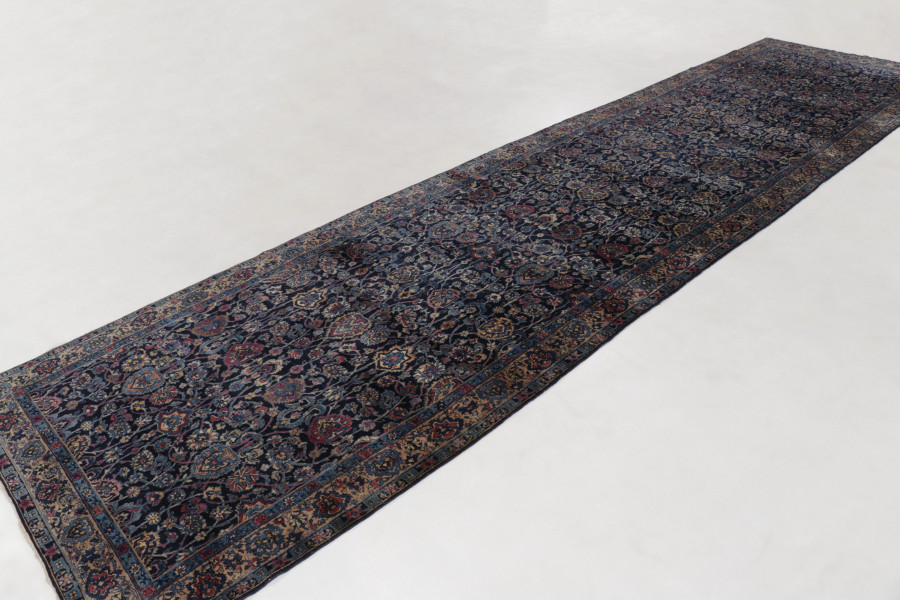 37951Vintage Turkish Gallery Runner in Navy & Crimson with Floral Lattice - Rug & Kilim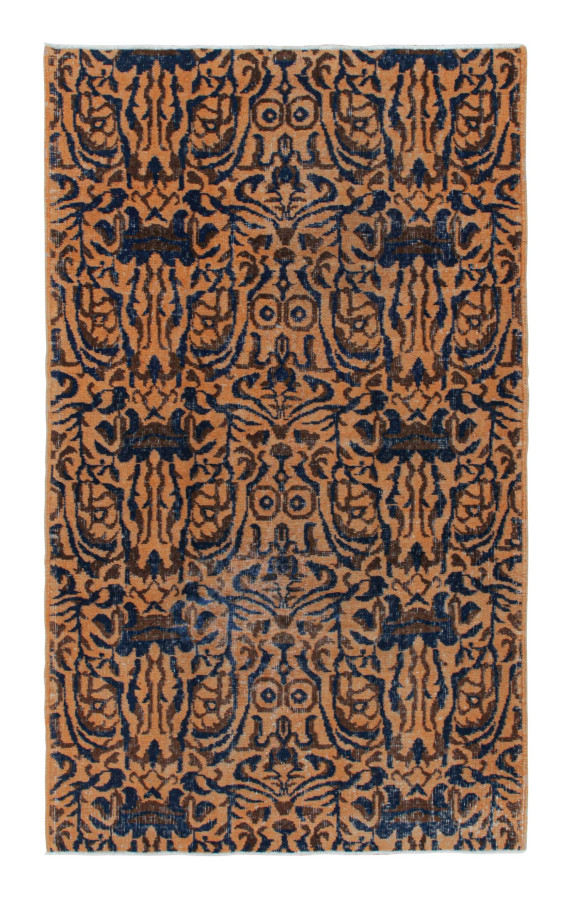
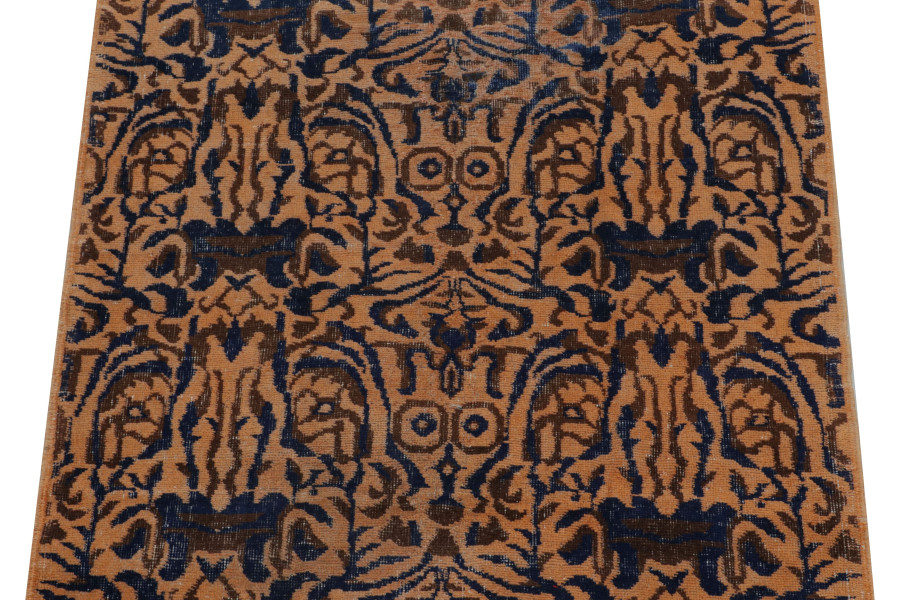 27114BVintage Zeki Müren Rug in Orange with Brown and Blue Patterns by Rug & Kilim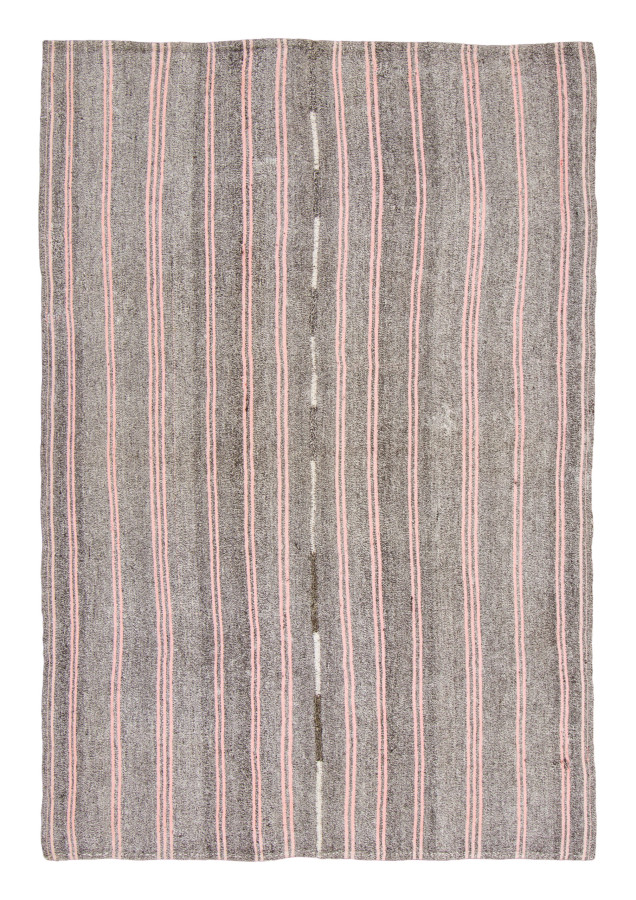
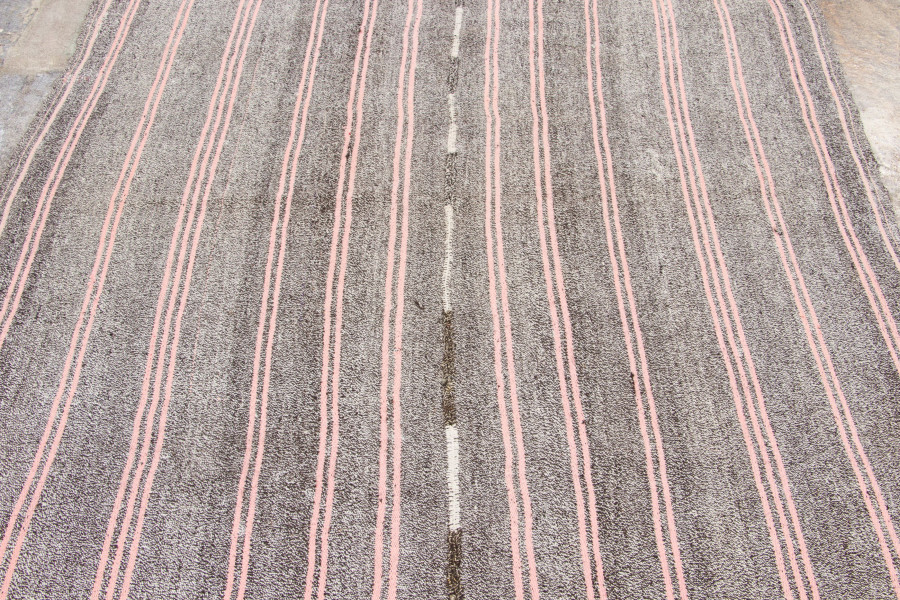 38101BVintage Panelled Kilim Rug with Pink & Gray Striped Design - Rug & Kilim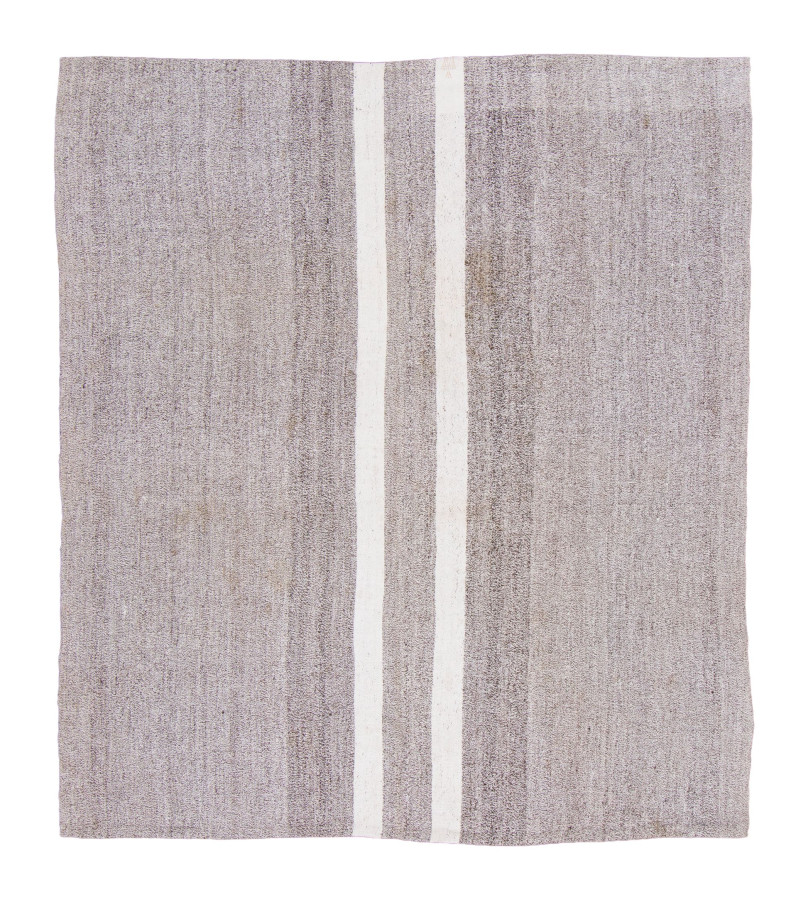
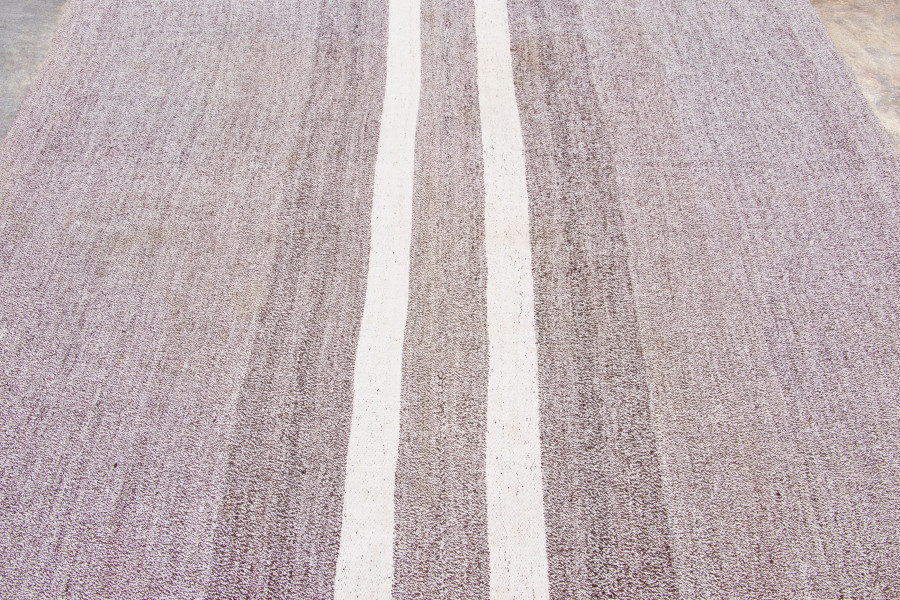 38105Vintage Panelled Kilim Rug with Central Ivory & Brown Stripes - Rug & Kilim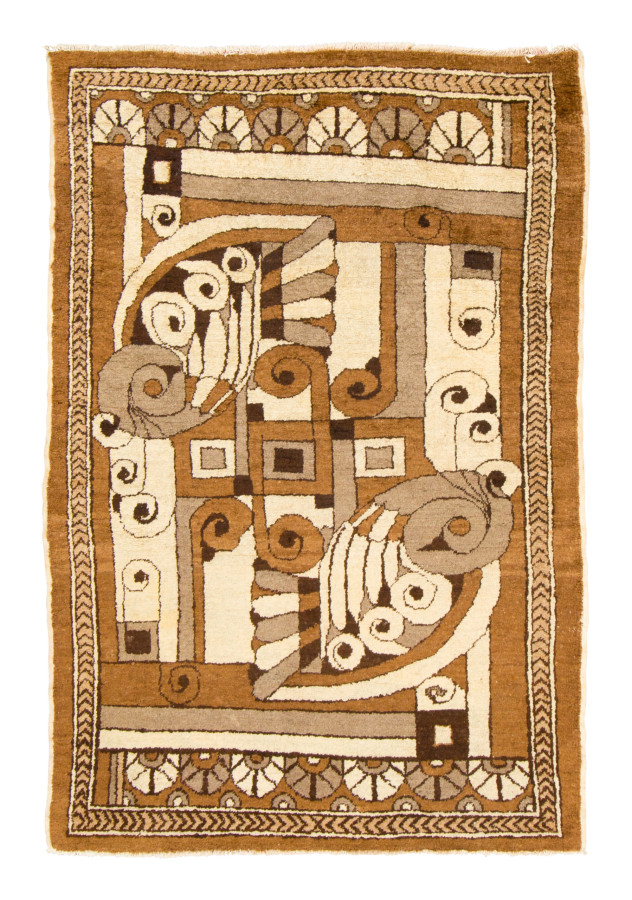
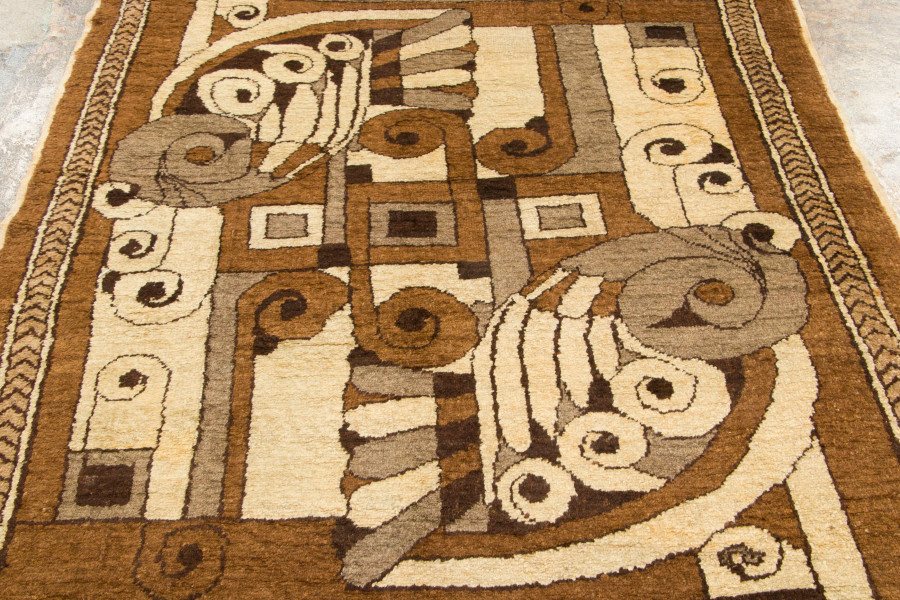 37432Vintage French Rug in Ochre & Espresso with Geometric Design - Rug & Kilim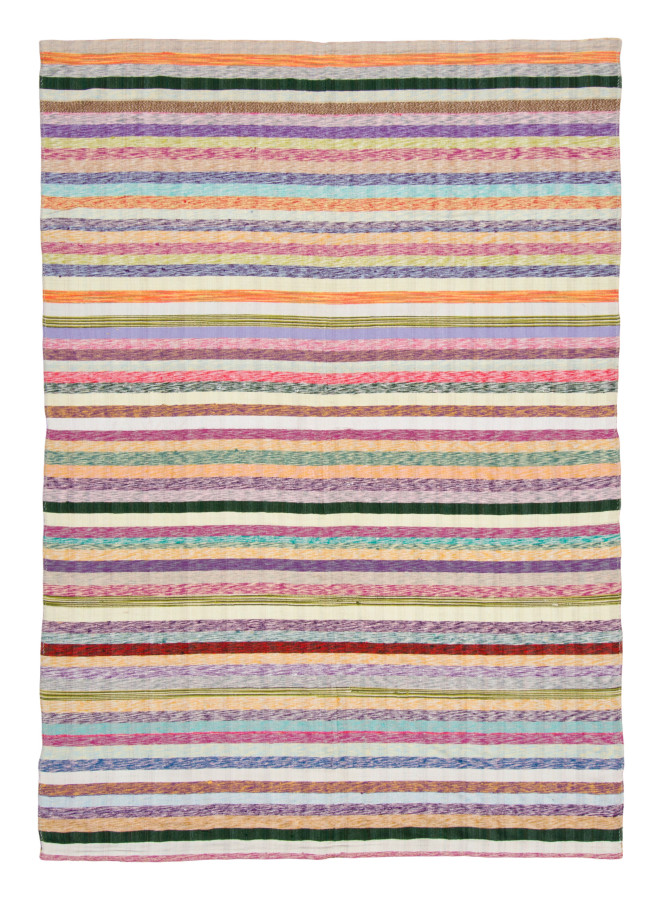
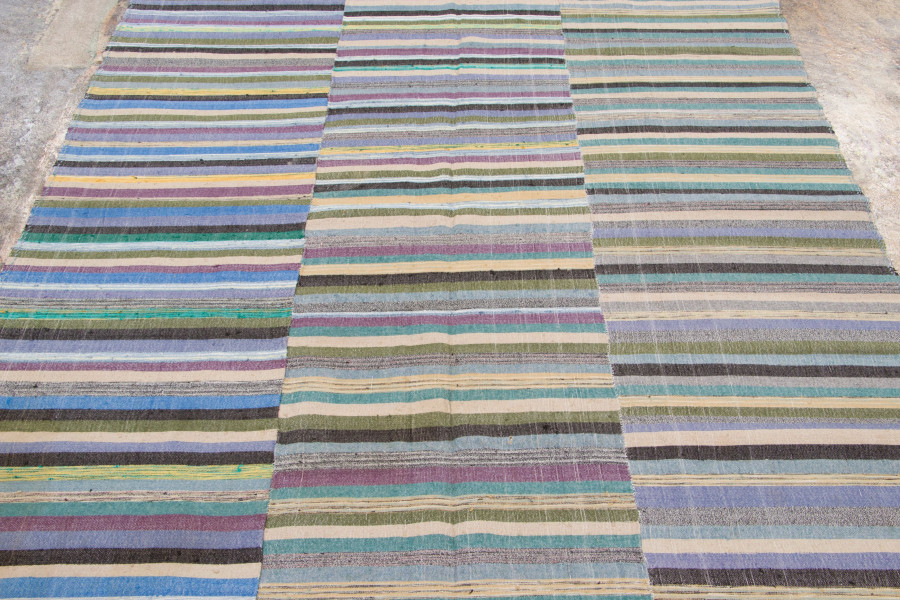
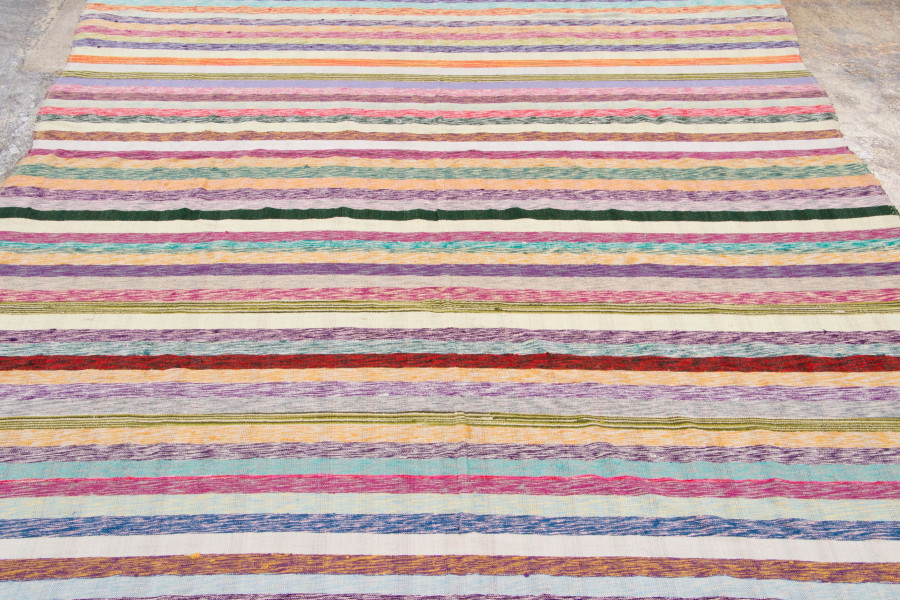 38084Vintage Turkish Panelled Kilim Rug with Stripes in Multicolor - Rug & Kilim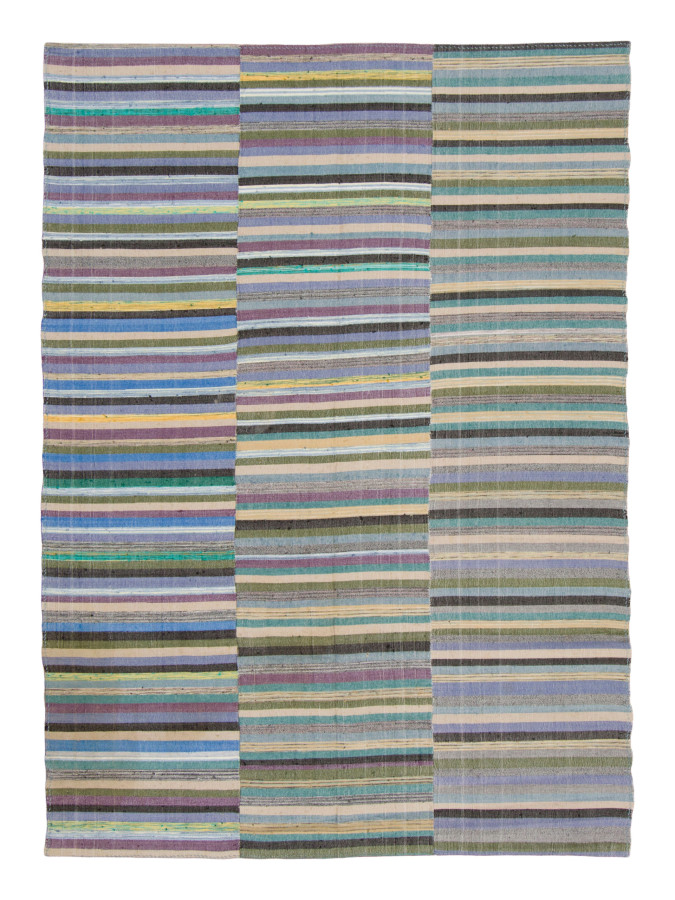
 38086Vintage Turkish Panelled Kilim Rug with Stripes in Muted Pastels - Rug & Kilim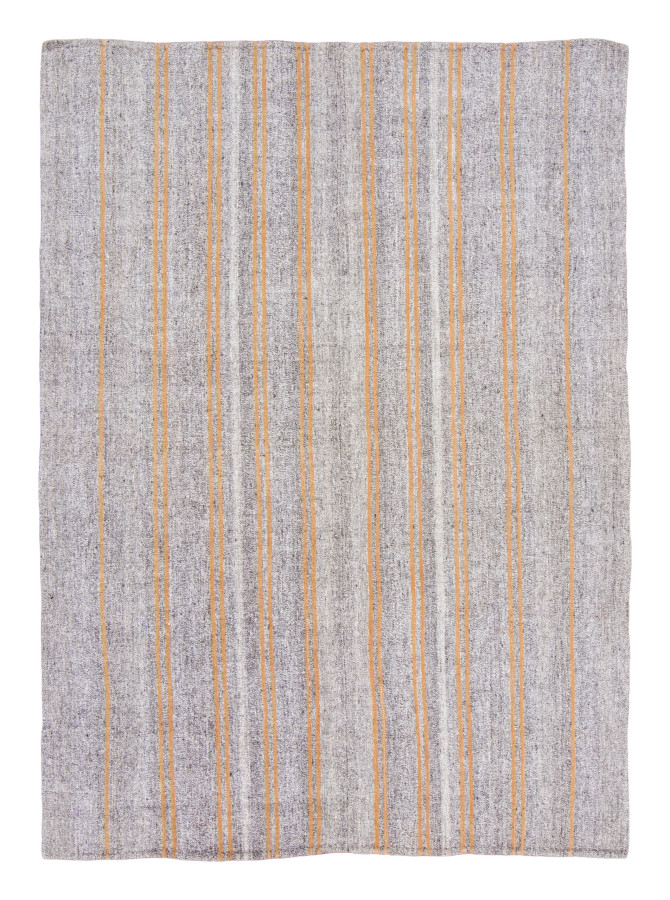
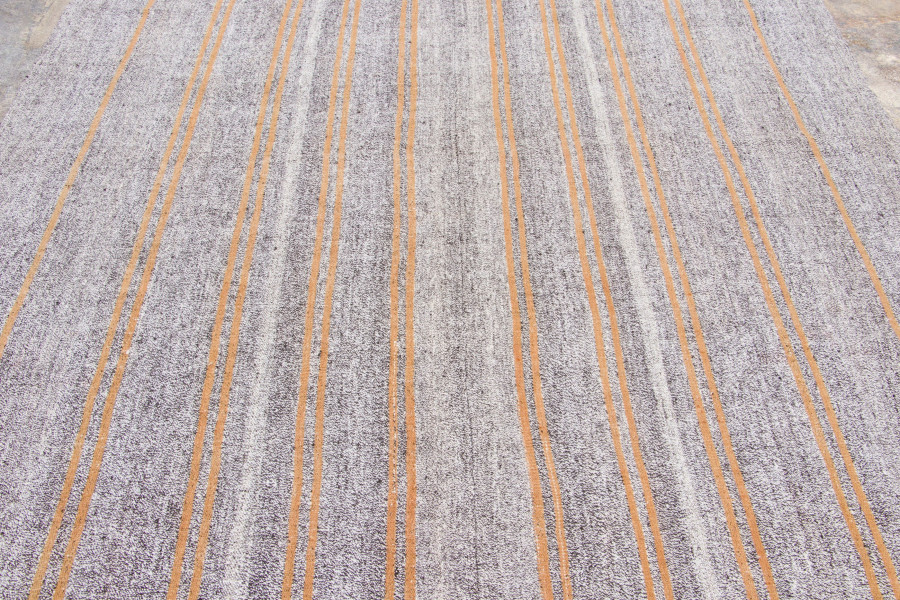 38107Vintage Panelled Kilim Rug with Muted Gray & Gold Stripes - Rug & Kilim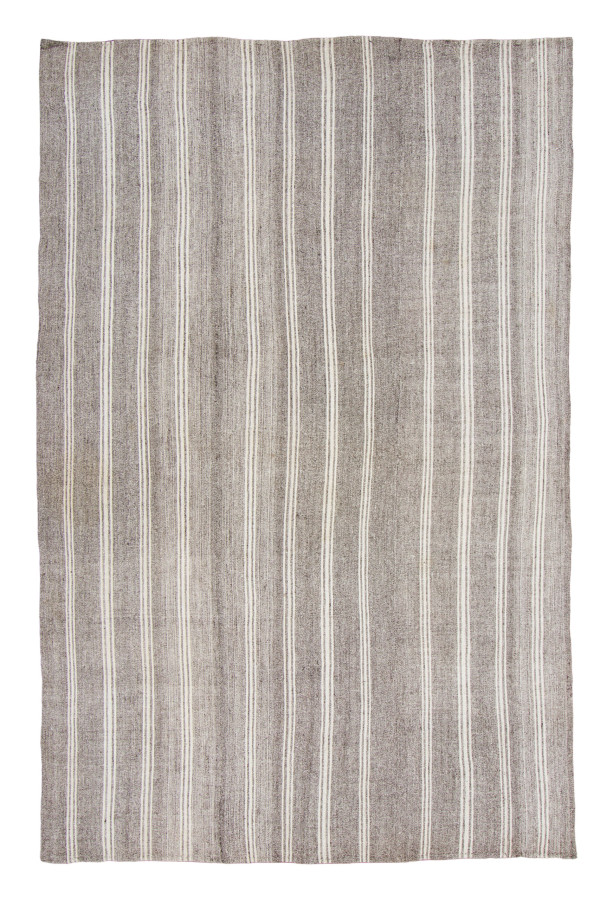
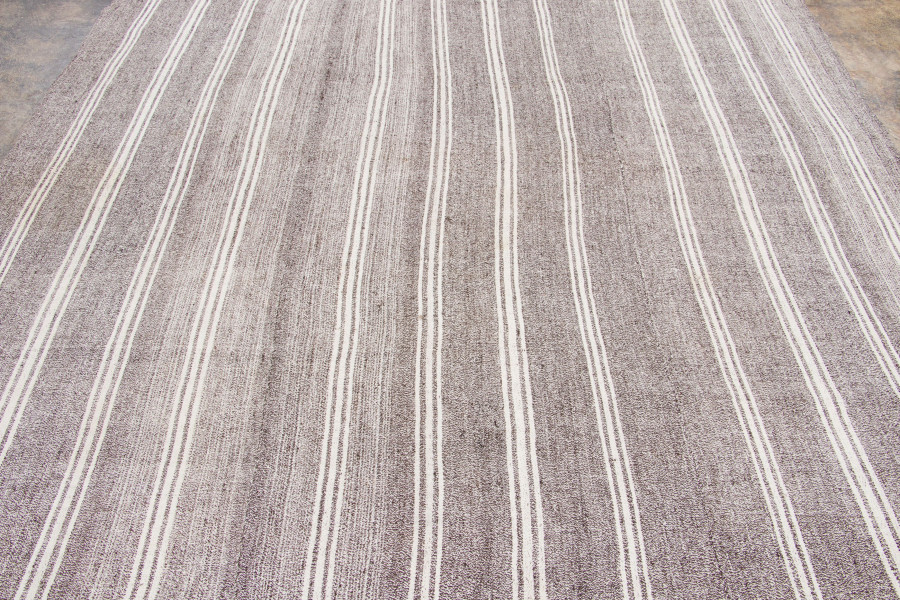 38108Vintage Panelled Kilim Rug with Stripes in Muted Gray & Beige Hues - Rug & Kilim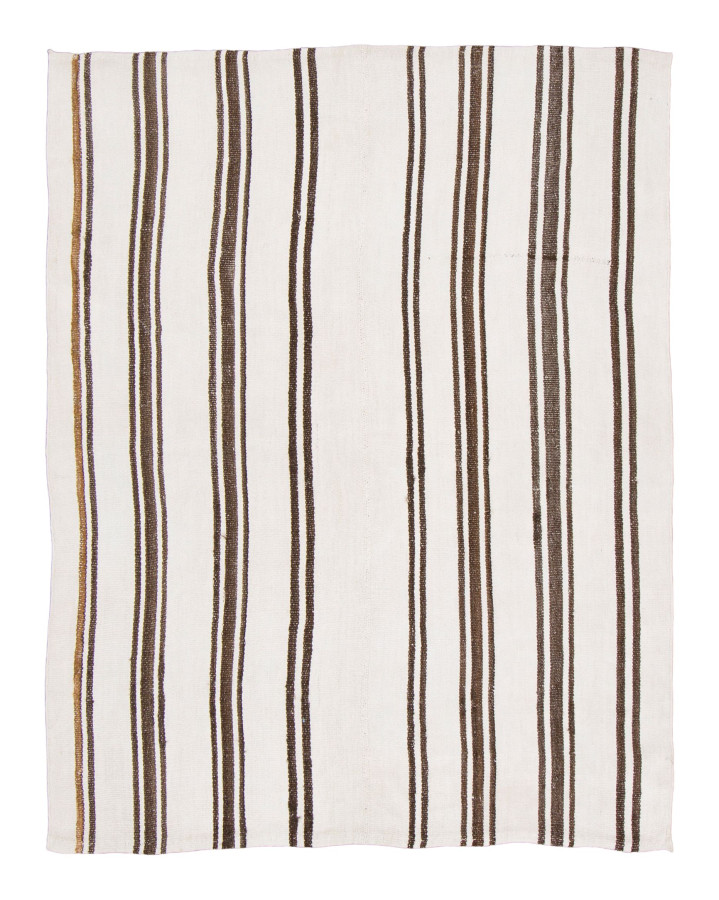
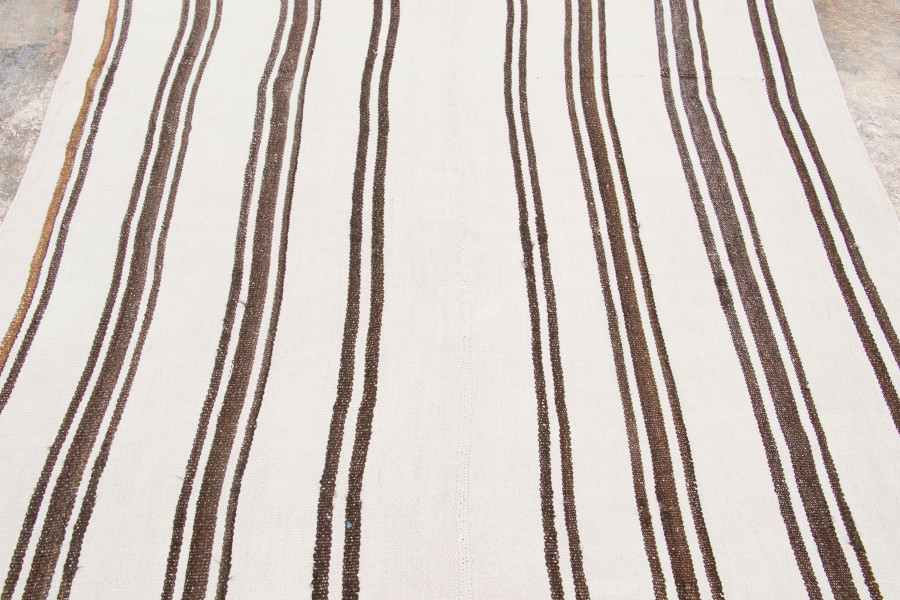 38111Vintage Turkish Kilim Rug with Striped Design in Deep Brown Hues - Rug & Kilim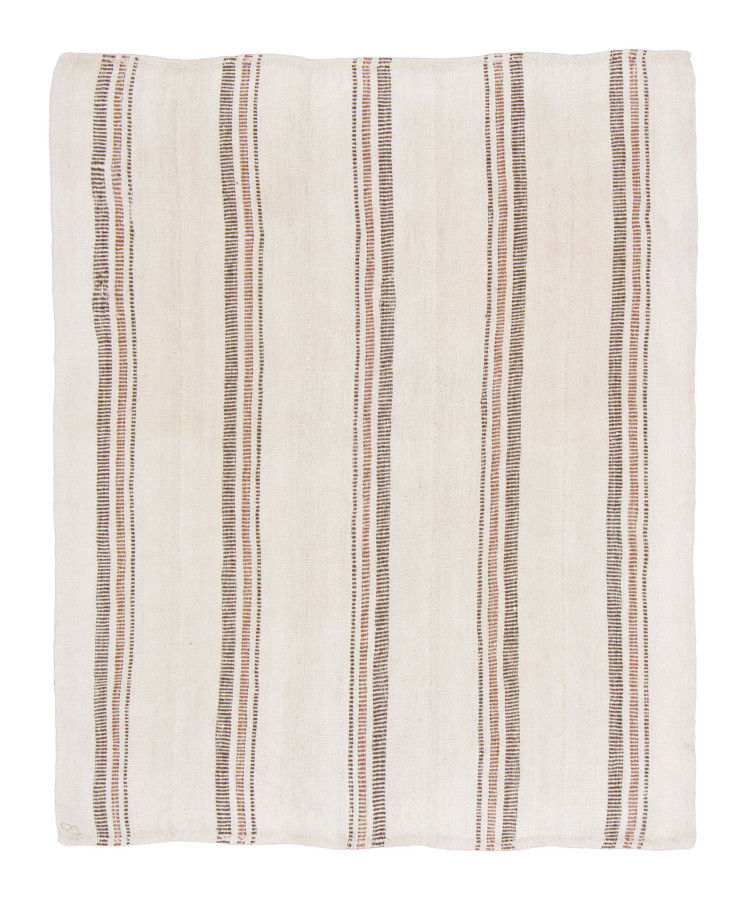
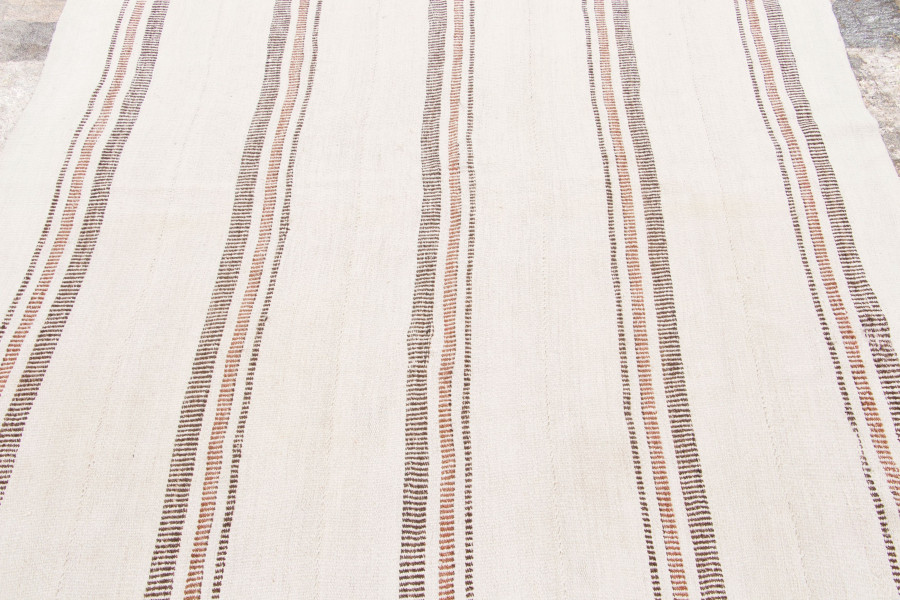 38112Vintage Turkish Kilim Rug with Pastel Stripes in Chocolate & Taupe - Rug & Kilim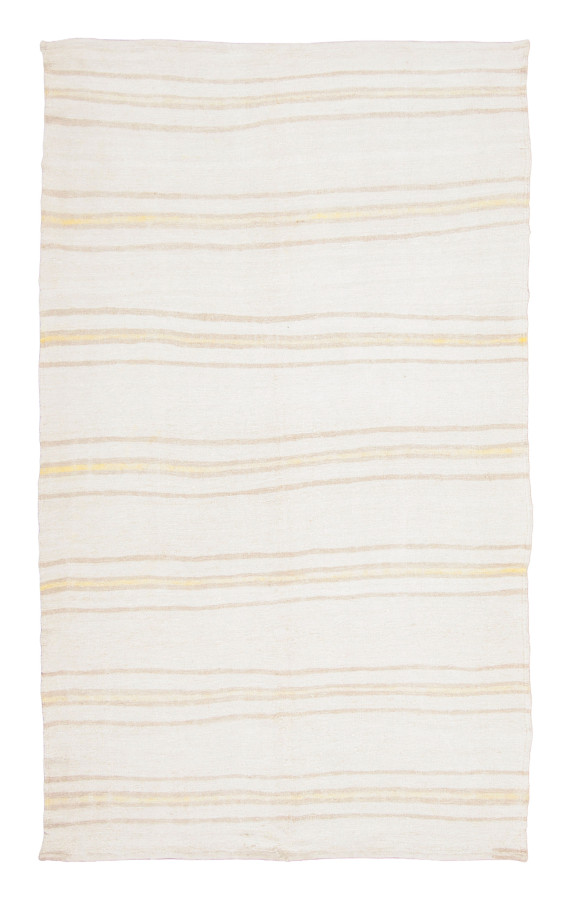
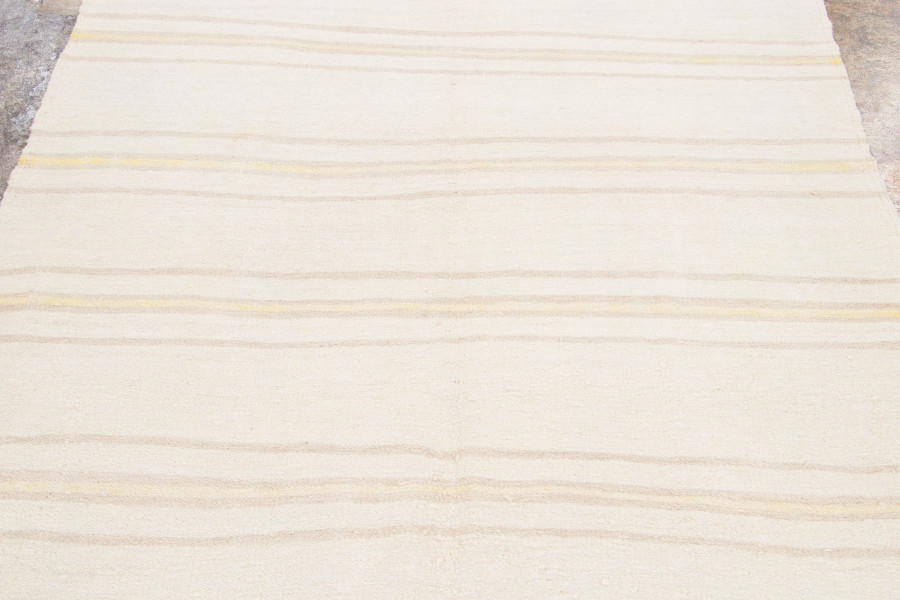 38114Vintage Turkish Kilim Rug with Striped Design in Gold & Ivory - Rug & Kilim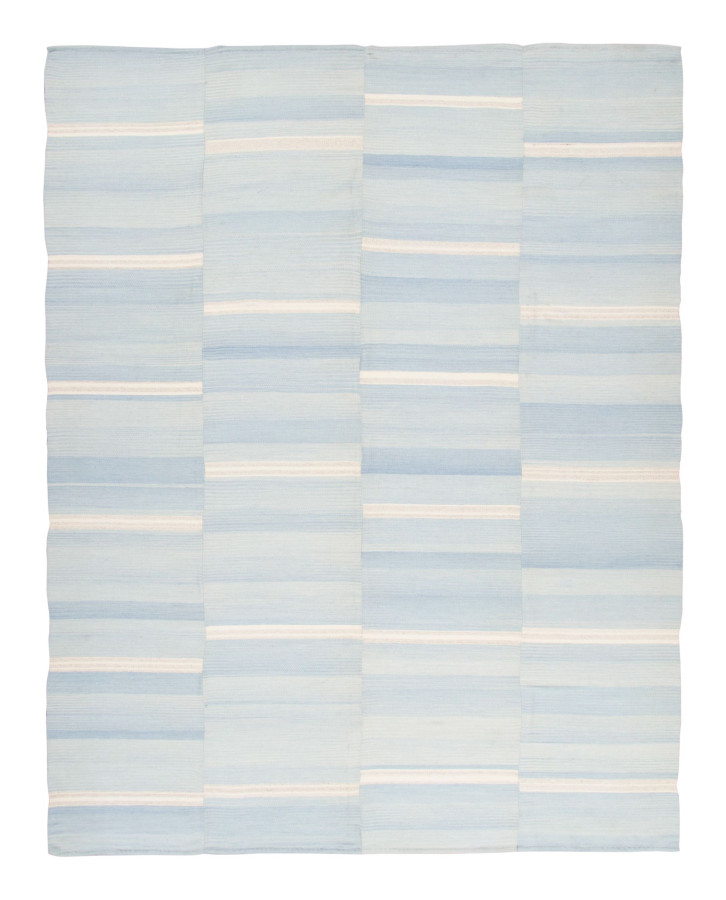
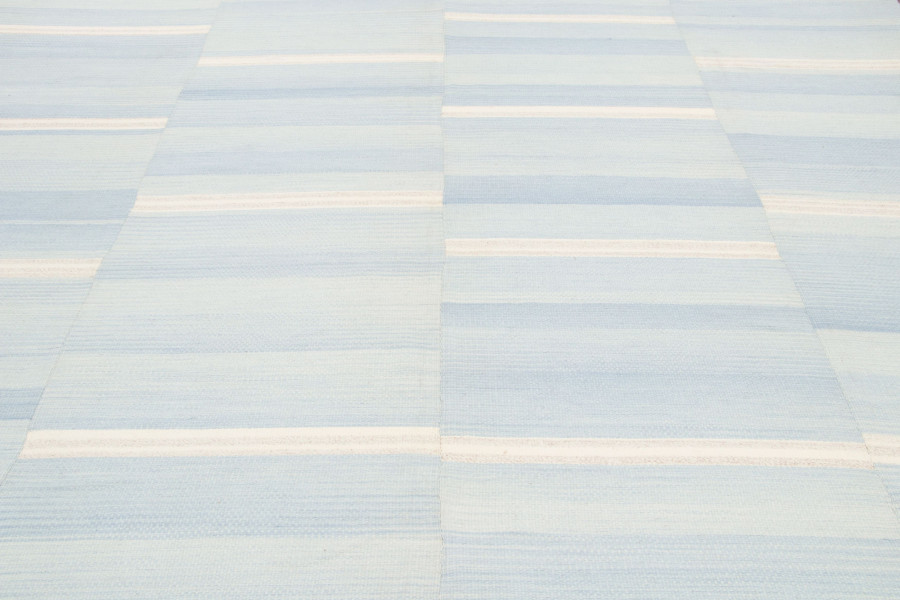 38126Vintage Panelled Kilim Rug with Striped Design in Tonal Blue Hues - Rug & Kilim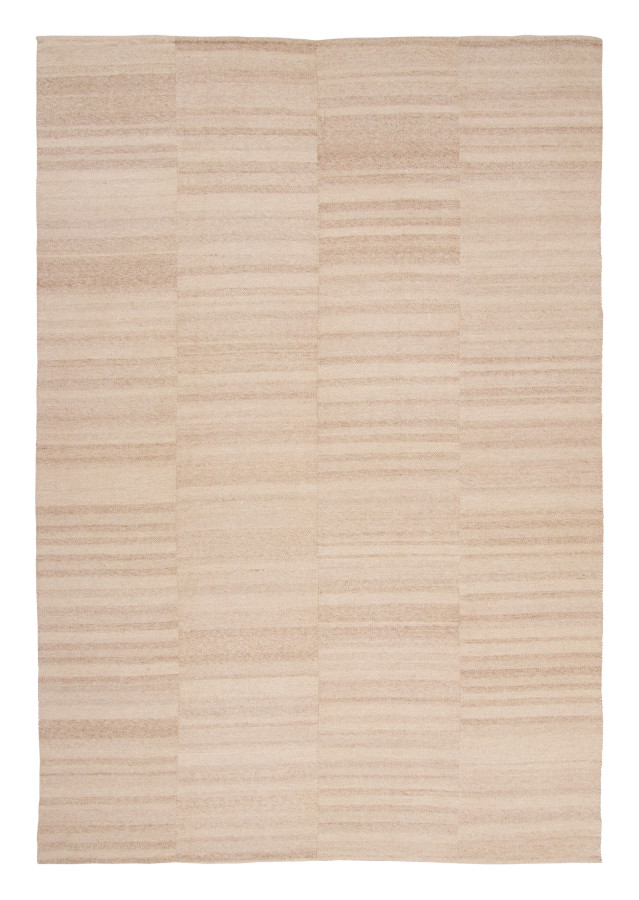
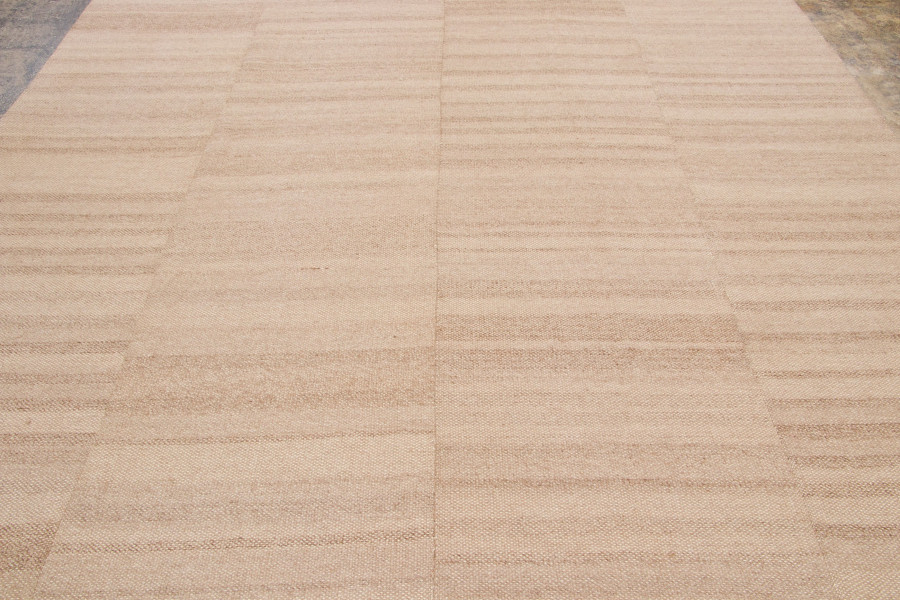 38125Vintage Panelled Kilim Rug with Striped Design in Tonal Beige - Rug & Kilim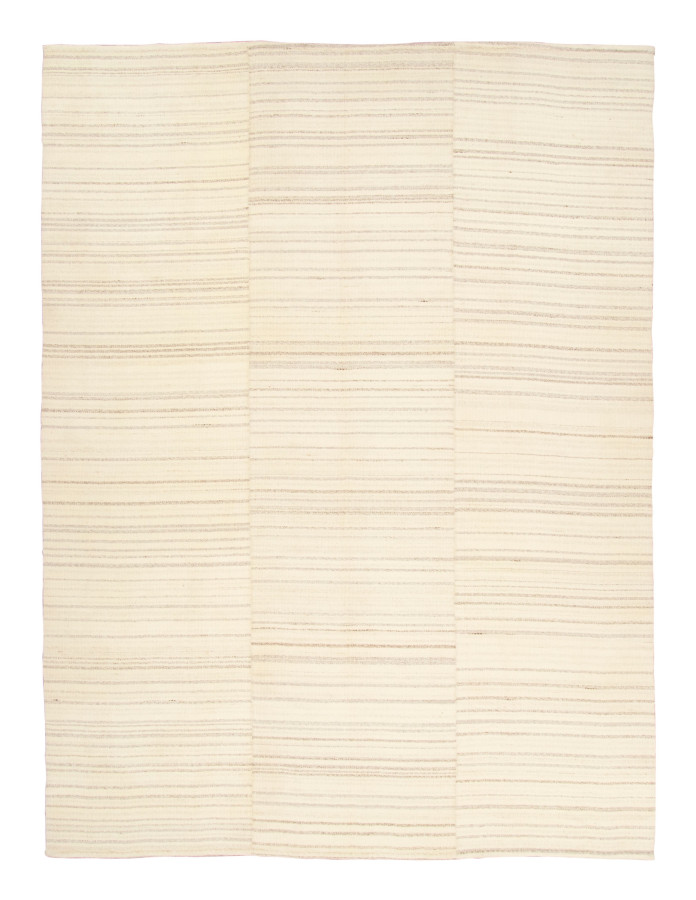
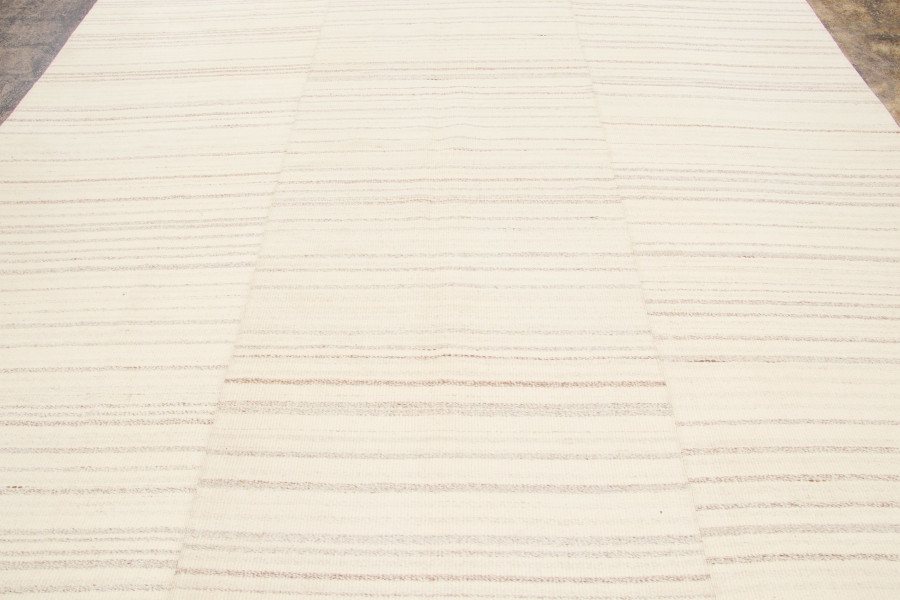 38122Vintage Panelled Kilim Rug with Striped Design in Warm Beige Hues - Rug & Kilim
Stories from the Vintage Archive
Essays, artist dialogues, and provenance notes drawn from Rug & Kilim’s editorial desk.
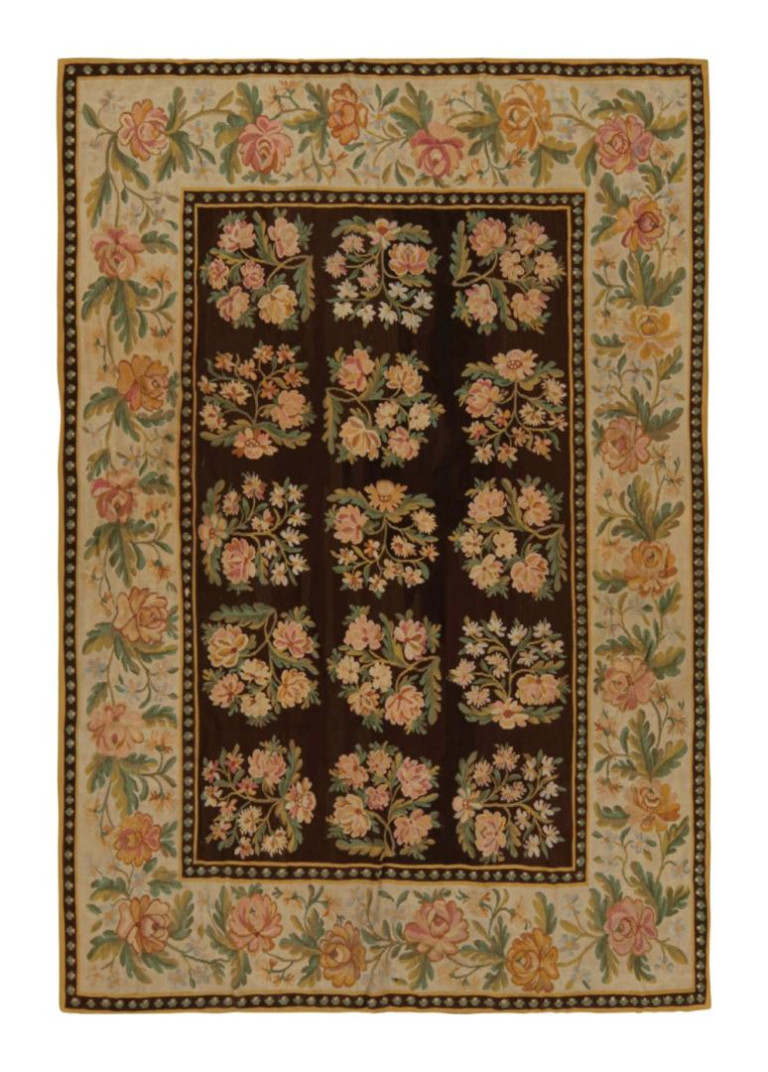
A Guide to Bessarabian Rugs: History, Design, and Modern Luxury
Within the world of collectible textiles and luxury interiors, few rug traditions possess the quiet sophistication and painterly elegance of Bessarabian rugs. Emerging from the historic region of Bessarabia—an area historically situated between present-day Moldova, Romania, and Ukraine—these rugs occupy a unique position at the crossroads of Eastern European folk tradition, Ottoman influence, Russian imperial culture, and French decorative aesthetics. Unlike the geometric tribal weavings commonly associated with Central Asia or the medallion-driven structures of Persian carpets, Bessarabian rugs developed a distinctly atmospheric and ornamental visual language. Their floral compositions, subdued tonal harmonies, and expansive decorative fields positioned them closer to European decorative arts than purely utilitarian floor coverings.
Read the Feature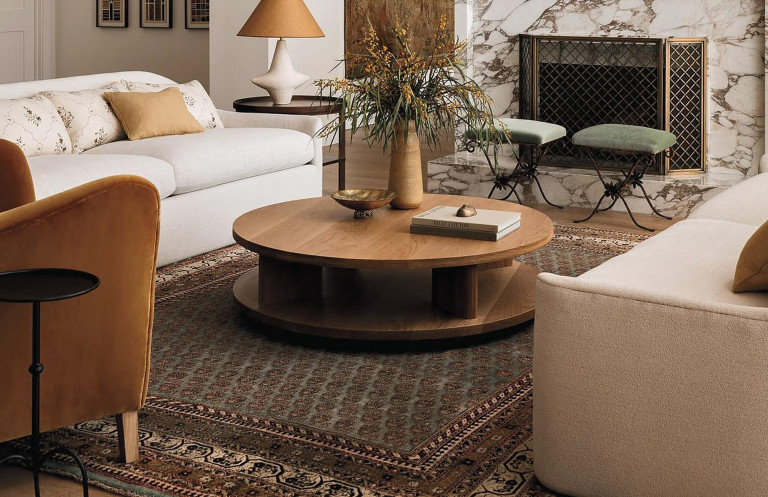
On the Changing Nature of Money, and a Quiet Shift in How the World’s Great Collections Are Built
As seen in Milieu Magazine’s Summer 2025 Issue, designed by Studio Meghan Eisenbergh, features an antique Amritsar rug from Rug & Kilim’s collection.View More >> Something has changed in the psychology of collecting, and it has changed quietly. For most of the modern era, the serious collector acquired for love, for scholarship, for the pleasure of living with beautiful things, and the question of value, while never absent, sat politely in the background. That arrangement has quietly inverted. Across the last two years, industry surveys have recorded a striking figure: the share of high-net-worth collectors intending to sell from their holdings has fallen from more than half to roughly a quarter. The collector of this moment is not looking to liquidate. They are looking to hold. And they are increasingly treating the objects they acquire not as expenditures but as architecture, as a considered, diversified structure of wealth that also happens to be beautiful.
Read the Feature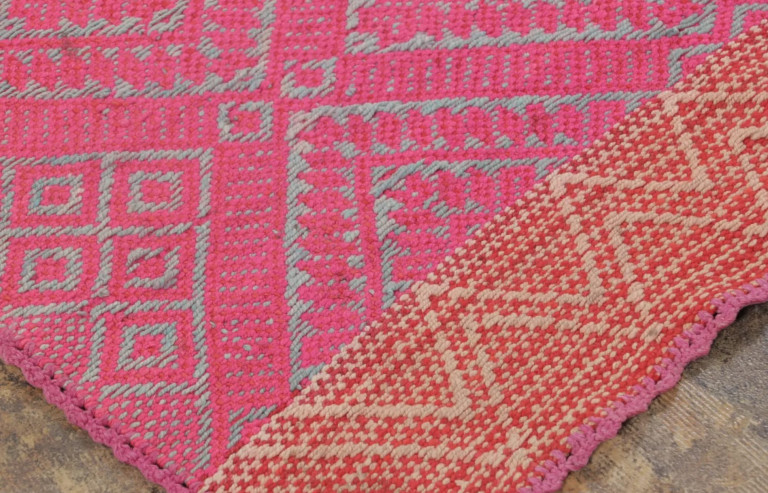
Vintage Andean Frazada Kilim and the Three Thousand Years of Living Memory Held in Its Weave
The most sophisticated rooms in America are being furnished, increasingly, with an object its makers never intended to sell. The Andean frazada, a handwoven kilim produced for centuries in the high villages of Peru and Bolivia for one reason only, to survive the cold, has become one of the most quietly coveted textiles in contemporary design. Collectors who could specify anything are choosing these. The reason has nothing to do with trend, and everything to do with what a frazada actually is. To understand a frazada, you must first understand the altitude. Above four thousand meters in the Andes, higher than any peak in the contiguous United States, in air so thin that newcomers move slowly and sleep poorly for days, the cold is not a season. It is a constant. It arrives every night, regardless of the calendar, and it has arrived every night for as long as people have lived in these mountains. The frazada was the answer to that cold: a thick, dense, hand-woven wool blanket, made not for sale, not for export, not for the floors of distant apartments, but for survival. For warmth. For the bed of a family that would not otherwise make it through the dark.
Read the Feature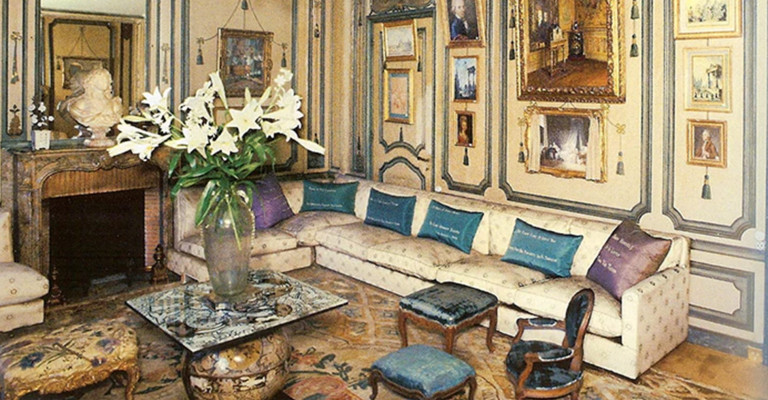
The Rug That Made the Room: Ten Interiors Where the Carpet Was the Only Decision That Mattered
Every serious designer knows the moment. You walk into a room that is not yet finished; the furniture placed but provisional, the walls painted but unconvinced, the light doing its best with what it has been given and something stops you. Not the chandelier. Not the art. The floor. A carpet lies there with the particular authority of an object that has already decided what the room is going to be, and is waiting, with complete patience, for everything else to catch up. The furniture will be chosen in response to it. The color of the walls will be negotiated against it. The art will be hung at a height that the carpet's scale has already determined. The room, in the most literal sense, begins underfoot.
Read the Feature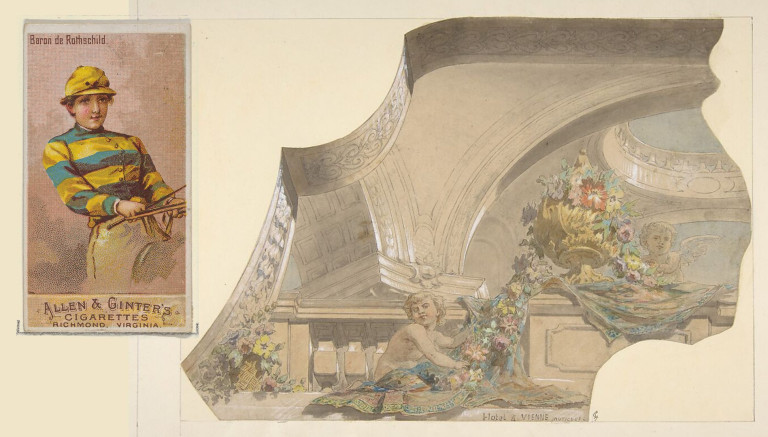
From the Rothschild Collection: On Provenance, Collecting, and the Rugs That Outlast Everything
In April 2016, three rugs arrived at Christie's King Street in London that had not been seen in public for over a century. They had not been exhibited. They had not been published. They had not, so far as the scholarly record indicates, been shown to anyone outside the family that owned them since before the First World War. They were Kerman Vase carpets, woven in southeastern Persia in the seventeenth century, acquired by Ferdinand de Rothschild before his death in 1898, passed to his sister Alice, then by descent to her nephew James, and held quietly, privately, with the particular discretion that distinguishes the greatest collections from merely expensive ones for one hundred and eighteen years.
Read the Feature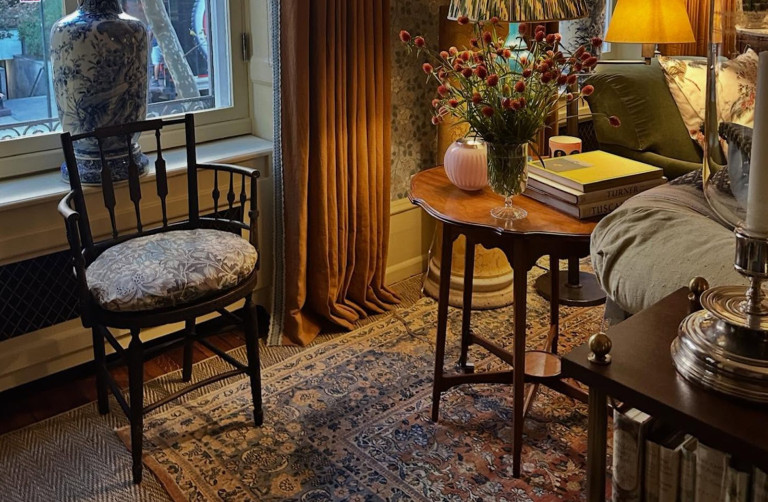
How U.S.–Iran Tensions Are Reshaping the World of Fine Rugs: From Safavid Courts to Sanction Regimes
There is a room in the Metropolitan Museum of Art in New York where a sixteenth-century Persian carpet stops people mid-stride. Because something in the object itself; its scale, its silence, the particular authority of a thing that has already outlasted three empires makes the ordinary pace of a museum visit feel suddenly inappropriate. The Emperor's Carpet, as it is known, was commissioned in Safavid Iran, passed to Peter the Great of Russia, gifted to the Habsburg Emperor Leopold I in 1698, held by the Austrian Imperial House until 1921, acquired by the Met in 1941, and displayed publicly only twice in the following sixty years because its condition was too fragile to risk. It has survived more political systems than any collector alive today will ever witness. It knows something about geopolitics that no sanctions framework, no bilateral negotiation, no executive order has yet managed to articulate.
Read the Feature