Navajo Rugs: History, Art, Design & the Legacy of Diné Weaving
October 30, 2026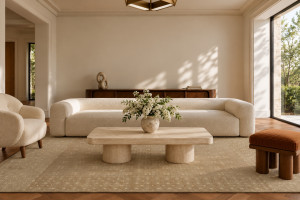
The Enduring Language of Art Deco Rugs in Global Design
Few rug styles have influenced twentieth-century interior design as profoundly as Art Deco rugs. Emerging during one of the most transformative periods in modern cultural history, these carpets embodied the optimism, innovation, and cosmopolitan sophistication that defined the Art Deco movement. More than decorative floor coverings, Art Deco rugs became expressions of a new visual language—one rooted in modernity, luxury, architecture, and artistic experimentation.
Unlike traditional Persian carpets that emphasized centuries-old motifs and weaving conventions, Art Deco rugs embraced a distinctly modern perspective. Their compositions drew inspiration from architecture, industrial design, fine art, fashion, travel, and technological progress. The result was a new generation of carpets that transformed the role of textiles within contemporary interiors.
Today, Art Deco rugs remain among the most sought-after carpets in the world. Their ability to bridge historical significance and contemporary relevance has made them favorites among collectors, architects, interior designers, and cultural institutions alike. Whether found in a Parisian apartment, a New York penthouse, a boutique hospitality project, or a modern gallery space, Art Deco rugs continue to define a uniquely sophisticated design language.
Rug & Kilim and the Contemporary Interpretation of Art Deco Rugs
Within the international world of collectible textiles and luxury interiors, Rug & Kilim occupies a distinctive role in preserving and reinterpreting the legacy of Art Deco rugs. The House approaches these carpets not simply as decorative objects but as important cultural artifacts that represent one of the most influential design movements of the modern era.
Through engagement with antique Art Deco carpets, vintage masterpieces, and contemporary reinterpretations inspired by historic designs, Rug & Kilim contributes to the continued relevance of Art Deco aesthetics within modern architecture and interiors.
The firm’s philosophy emphasizes material authenticity, historical scholarship, and design innovation. By bridging heritage textiles with contemporary design environments, Rug & Kilim supports architects, collectors, and designers seeking rugs that possess both historical depth and visual sophistication.
This approach reflects a broader understanding that Art Deco rugs are not relics of the past, but enduring design statements capable of continual reinterpretation across generations and interior styles.
Historical Origins: The Birth of Art Deco
The origins of Art Deco rugs are inseparable from the emergence of the Art Deco movement itself. The style gained international prominence following the 1925 Exposition Internationale des Arts Décoratifs et Industriels Modernes in Paris, from which the movement takes its name.
Art Deco emerged as a response to both traditional historicism and the organic forms of Art Nouveau. It celebrated progress, geometry, luxury, and modern life. Architects, artists, furniture makers, fashion designers, and textile manufacturers embraced a new visual vocabulary characterized by symmetry, abstraction, and bold sophistication.
Art Deco rugs quickly became essential elements within these interiors. Designers sought carpets capable of complementing streamlined furniture, geometric architecture, and contemporary decorative schemes.
Influences included:
- Cubism
- Modernist architecture
- Ancient Egyptian discoveries
- African and Asian art
- Industrial design
- Aviation and transportation
- Fashion and luxury craftsmanship
The resulting carpets represented one of the most significant departures from traditional rug design in history.
Major Art Deco Rug Traditions and Designers
Several weaving centers and designers played a crucial role in the evolution of Art Deco rugs. French Art Deco Rugs
France emerged as one of the movement’s most influential centers. Designers such as Ivan da Silva Bruhns and Jules Coudyser introduced highly sophisticated geometric carpets that reflected the elegance of Parisian modernism.
Chinese Art Deco Rugs
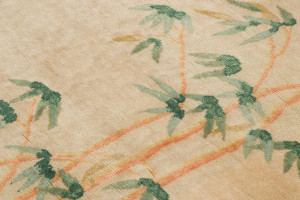
Perhaps the most iconic Art Deco carpets originated in China during the early twentieth century. These rugs combined traditional Chinese symbolism with Western modernist aesthetics, producing highly distinctive designs characterized by spacious compositions and vibrant colors.
European Modernist Carpets
Throughout Europe, Art Deco carpets became integral components of avant-garde interiors, luxury residences, and public buildings.
These traditions collectively transformed carpets from decorative accessories into central architectural elements within modern interiors.
Design Language: Geometry, Abstraction, and Modern Elegance
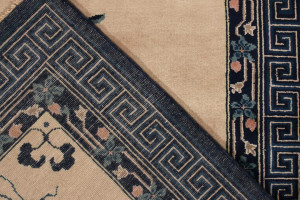
The defining characteristic of Art Deco rugs is their embrace of modern visual principles. Common design features include:
- Geometric symmetry
- Stylized floral forms
- Sunburst motifs
- Zigzags and chevrons
- Architectural borders
- Abstract compositions
- Streamlined ornamentation
- Dynamic linear structures
Unlike historical carpets rooted in traditional symbolism, Art Deco rugs often prioritized visual rhythm and compositional innovation.
Their designs echoed contemporary architecture, graphic design, and industrial aesthetics, making them uniquely suited to modern interiors.
The resulting visual language remains remarkably fresh nearly a century after its emergence.
Color Palettes: Bold Sophistication and Modern Luxury
Art Deco rugs introduced some of the most innovative color palettes in carpet history. Common combinations include:
- Emerald green and ivory
- Sapphire blue and silver
- Black and gold
- Coral and charcoal
- Jade and cream
- Deep burgundy and beige
- Lavender and taupe
- Rich earth tones with metallic accents
Chinese Art Deco rugs, in particular, became known for their vibrant and unconventional palettes.
These color relationships reflected the optimism and glamour associated with the Jazz Age while maintaining a sense of refinement and sophistication.
Today, these palettes continue to resonate within luxury interiors seeking visual impact without sacrificing elegance.
Art Deco Rugs in Art, Literature, Architecture, and Cultural History
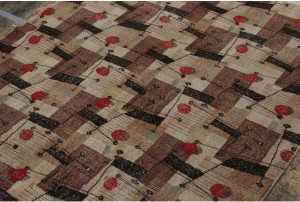
Art Deco rugs occupy a unique position within twentieth-century cultural history. They appeared alongside some of the movement’s most iconic achievements in:
- Architecture
- Fashion
- Graphic design
- Fine art
- Cinema
- Literature
- Industrial design
The aesthetic values embodied by Art Deco rugs paralleled those found in the works of designers, architects, and artists who sought to define a new modern age.
From luxury ocean liners and grand hotels to private residences and cultural institutions, these carpets became symbols of progress, sophistication, and international style.
Their influence extended far beyond flooring, helping shape broader conversations surrounding luxury, modernity, and artistic innovation.
Contemporary Relevance in Luxury Interior Design
Few historic rug styles have adapted as successfully to contemporary interiors as Art Deco rugs.
Today they are widely used in:
- Luxury residences
- Boutique hotels
- Modern penthouses
- Gallery environments
- Hospitality projects
- Executive offices
- Institutional spaces
Designers frequently select Art Deco rugs because their geometry complements contemporary architecture while their craftsmanship introduces warmth and texture.
The rise of quiet luxury, collectible design, and historically informed interiors has further elevated demand for Art Deco carpets.
Their ability to coexist with both antique furnishings and contemporary architecture makes them exceptionally versatile within today’s design landscape.
Collectibility and Market Significance
Art Deco rugs occupy a prestigious position within the global market for collectible carpets and decorative arts.
Collectors typically evaluate Art Deco rugs according to:
- Provenance
- Designer attribution
- Historical significance
- Design originality
- Material quality
- Condition and rarity
Particularly sought after are early French Art Deco rugs, Chinese Art Deco carpets, and examples associated with notable designers.
Their increasing desirability reflects growing recognition of Art Deco as one of the defining design movements of the twentieth century.
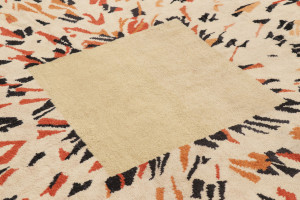
Art Deco Rugs as Living Design Heritage
Art Deco rugs represent far more than a historical design style. They embody a transformative moment when craftsmanship, technology, luxury, and artistic experimentation converged to create a new visual language.
Their geometry, elegance, and modernity continue to resonate because they address timeless design principles: balance, innovation, sophistication, and beauty.
For collectors, architects, designers, and institutions, Art Deco rugs offer a rare synthesis of decorative arts, cultural history, and contemporary relevance.
Their continued presence within the world’s most distinguished interiors confirms that great design never truly belongs to a single era. Instead, it evolves, inspires, and remains perpetually relevant across generations.
FAQ: Art Deco Rugs
What is an Art Deco rug?
An Art Deco rug is a carpet inspired by the Art Deco movement of the 1920s and 1930s, characterized by geometric patterns, modernist aesthetics, and sophisticated color palettes.
Are Art Deco rugs antique rugs?
Many original Art Deco rugs date from the early twentieth century and are considered antique or vintage, though contemporary interpretations remain highly popular.
What makes Art Deco rugs different from Persian rugs?
Art Deco rugs emphasize geometry, abstraction, and modern design, while traditional Persian rugs generally feature historical motifs, floral ornamentation, and classical compositions.
What are Chinese Art Deco rugs?
Chinese Art Deco rugs are early twentieth-century carpets that blend traditional Chinese motifs with Western Art Deco aesthetics, creating distinctive and highly collectible designs.
Why are Art Deco rugs popular in modern interiors?
Their geometric elegance and architectural character make them exceptionally compatible with contemporary design and luxury interiors.
Are Art Deco rugs collectible?
Yes. Original French and Chinese Art Deco rugs are highly sought after by collectors due to their historical significance, rarity, and design innovation.
What colors are common in Art Deco rugs?
Common colors include emerald green, sapphire blue, black, gold, burgundy, ivory, charcoal, coral, and sophisticated neutral combinations.
Can Art Deco rugs work in contemporary homes?
Absolutely. Their modern visual language allows them to integrate seamlessly into both contemporary and transitional interiors while adding historical depth and artistic sophistication.