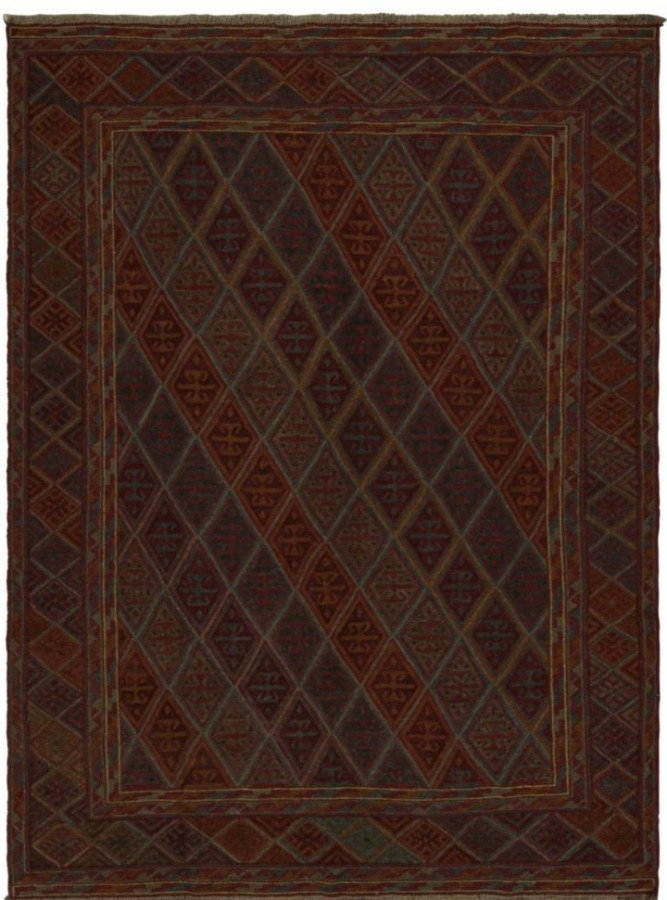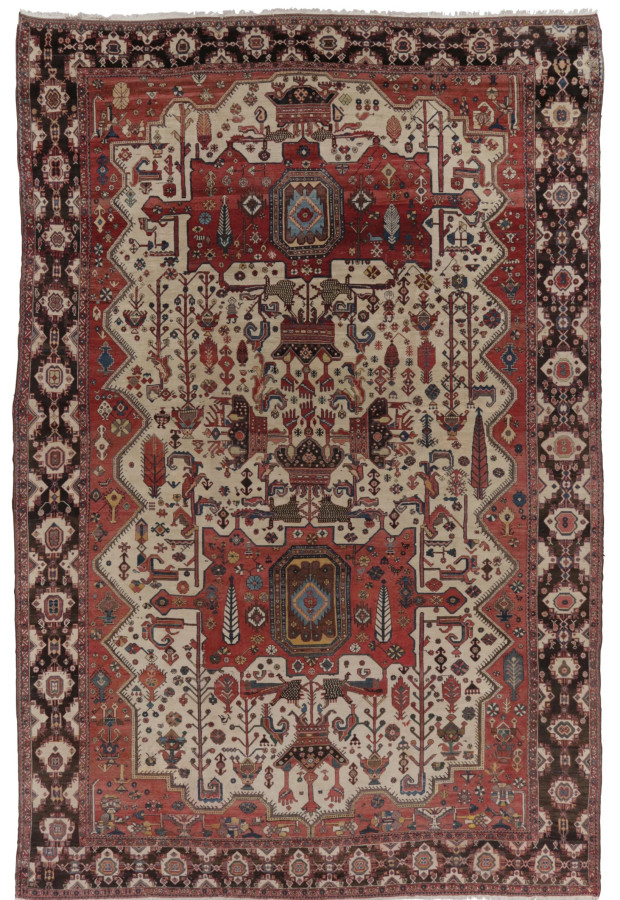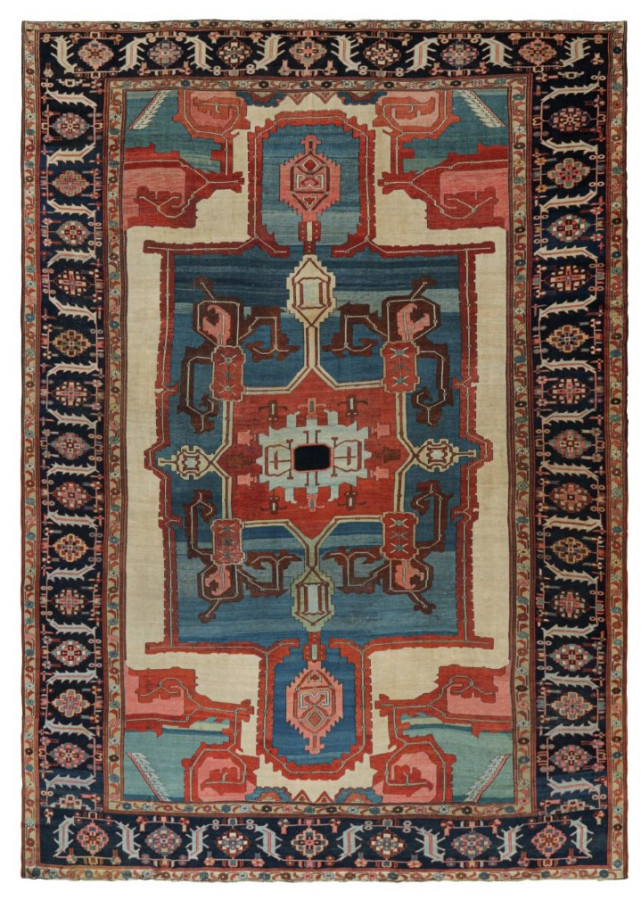
Baluch Rugs: Tribal Heritage and Handmade Textile Art
November 18, 2026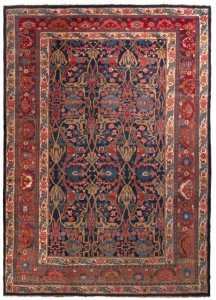
The Enduring Language of Bidjar Rugs in Global Design
Among the most respected traditions of Persian carpet weaving, Bidjar rugs represent an extraordinary combination of strength, artistry, and technical mastery. Often referred to as the “Iron Rugs of Persia” because of their exceptional durability and dense construction, Bidjar carpets have earned a distinguished reputation among collectors, designers, and institutions worldwide.
Originating from the town of Bidjar in western Iran’s Kurdistan region, these rugs reflect centuries of Kurdish weaving traditions combined with the broader artistic heritage of Persian carpet design. Their remarkable craftsmanship, sophisticated patterns, and rich color palettes have made them some of the most desirable examples of antique Persian carpets.
Unlike purely decorative textiles, Bidjar rugs were created with both beauty and resilience in mind. Their tightly woven structures, expressive motifs, and carefully balanced compositions reveal the skill and creativity of generations of Kurdish artisans.
Today, Bidjar rugs continue to hold a significant place within luxury interiors, collectible design, and the global appreciation of historic Persian textiles. Their timeless character allows them to move seamlessly between traditional environments and contemporary architectural spaces.
Rug & Kilim and the Contemporary Appreciation of Bidjar Rugs
Within the world of collectible carpets and luxury interiors, Rug & Kilim plays a distinctive role in preserving and advancing appreciation for Bidjar rugs. The House approaches these carpets as important cultural works that represent centuries of Persian and Kurdish weaving knowledge.
Through engagement with antique Bidjar rugs, historic Persian textiles, and contemporary interpretations inspired by traditional craftsmanship, Rug & Kilim contributes to the continued relevance of Bidjar aesthetics within modern design.
The firm’s approach emphasizes research, provenance, authenticity, and a deep understanding of textile history. This allows collectors, designers, and institutions to appreciate Bidjar rugs not only as functional objects but as artistic expressions of cultural heritage.
By connecting historical craftsmanship with contemporary interiors, Rug & Kilim helps preserve the legacy of Bidjar weaving while introducing these remarkable carpets to new generations of design enthusiasts.
Historical Origins: The Birth of a Persian Masterpiece
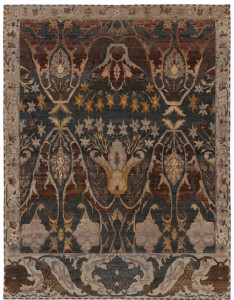
The history of Bidjar rugs is deeply connected to the Kurdish communities of western Iran. Located in the Kurdistan province, Bidjar developed into one of Persia’s most important carpet-producing regions.
During the 19th and early 20th centuries, Bidjar weaving reached exceptional levels of craftsmanship. The region became known for producing carpets that combined:
- Exceptional density
- High-quality wool
- Intricate patterns
- Strong construction
- Rich natural dyes
- Sophisticated compositions
The reputation of Bidjar rugs grew internationally as Persian carpets became increasingly admired in Europe and North America.
Unlike some urban Persian workshops that followed highly standardized designs, Bidjar weavers maintained a strong connection to regional traditions. Their work reflected both Persian artistic heritage and Kurdish cultural identity.
This combination created a distinctive style recognized throughout the world of antique carpets.
Design Language: Precision, Complexity, and Balance
One of the defining characteristics of Bidjar rugs is their highly refined design structure.
Bidjar carpets are admired for their ability to combine intricate detail with strong visual organization.
Common design elements include:
- Herati patterns
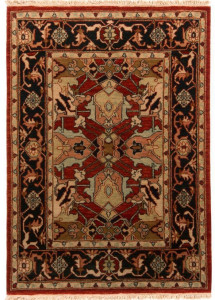
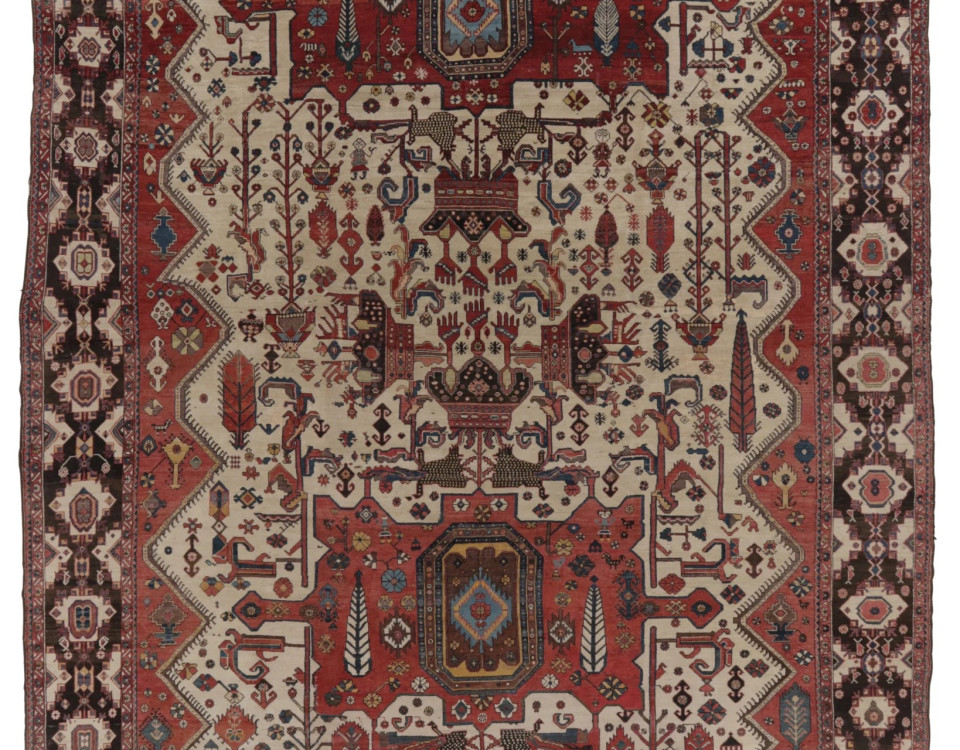
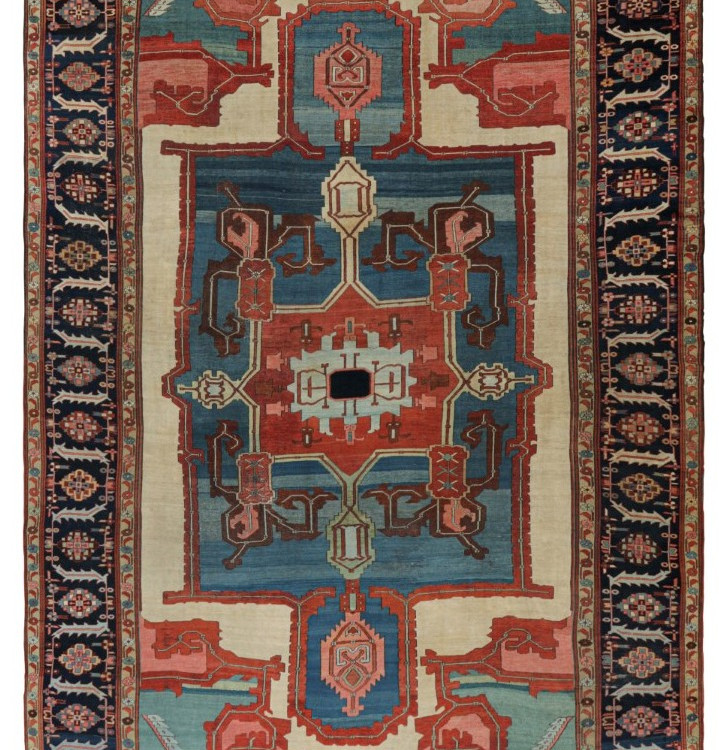
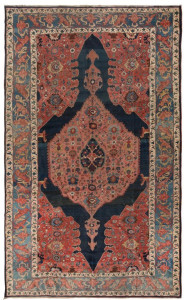
- Central medallions
- Floral arrangements
- Vine scrolls
- Arabesques
- Tree-of-life motifs
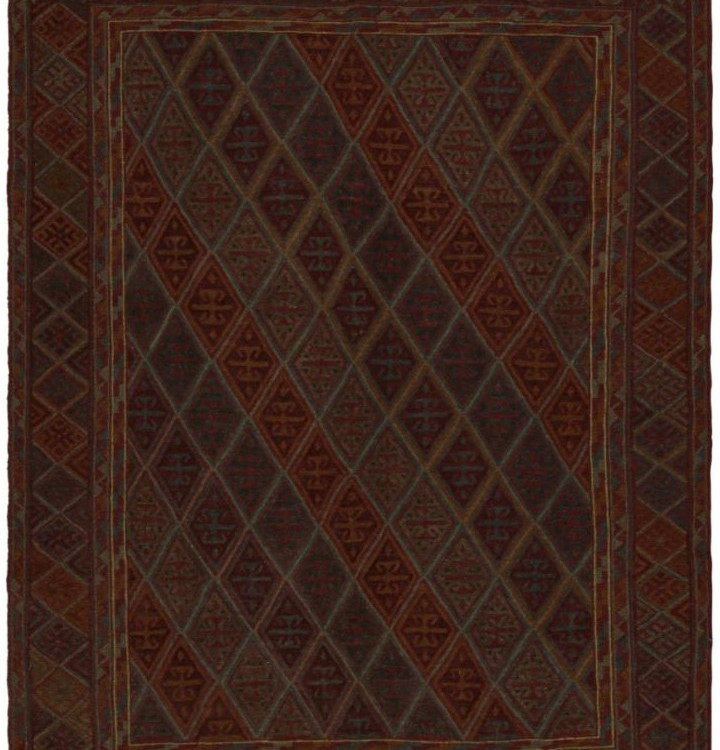
- Repeating geometric structures
- Elaborate borders
The Herati pattern, featuring a diamond-shaped framework surrounded by floral forms, is especially associated with many Bidjar designs.
These compositions demonstrate remarkable precision while maintaining visual harmony.
The density of the weaving allows artisans to achieve extraordinary detail, making Bidjar rugs some of the most finely executed Persian carpets.
The Craftsmanship Behind the “Iron Rugs of Persia”
Bidjar rugs earned their famous nickname because of their exceptional durability.
Traditional Bidjar weaving techniques often involved a unique method of tightly compressing the weave, creating carpets that feel remarkably firm and substantial.
This construction provides:
- Long-lasting durability
- Dense texture
- Structural strength
- Exceptional surface definition
The craftsmanship reflects generations of accumulated knowledge passed through Kurdish weaving communities.
The result is a carpet tradition where technical excellence and artistic expression exist together.
For collectors, this combination of beauty and durability is one of the qualities that makes Bidjar rugs especially valuable.
Bidjar Rugs and Persian Decorative Arts
Bidjar rugs occupy an important position within the larger history of Persian decorative arts. Their designs reflect influences from:
- Persian court traditions
- Kurdish tribal artistry
- Safavid artistic heritage
- Classical Persian garden imagery
- Regional weaving practices
During the Safavid period, Persian artists and designers developed highly influential approaches to floral ornament, symmetry, and decorative composition.
Artists such as Reza Abbasi helped shape Persian visual culture through refined floral and ornamental styles that influenced many areas of decorative arts, including textiles.
The artistic principles developed during these periods continued to inspire later carpet traditions, including Bidjar weaving.
Color Palettes: Richness and Timeless Sophistication
Bidjar rugs are celebrated for their deep and sophisticated color palettes. Traditional examples often feature:
- Deep madder red
- Indigo blue
- Ivory
- Emerald green
- Rust tones
- Warm brown
- Gold accents
Natural vegetable dyes create exceptional depth and variation, allowing antique Bidjar rugs to develop beautiful patinas over time.
These colors contribute to the rugs’ ability to complement both historic and contemporary interiors.
Their warmth and richness remain among the most admired qualities of Bidjar carpets.
Bidjar Rugs in Art, Literature, and Collecting Culture
Bidjar rugs have long attracted the attention of collectors, scholars, and institutions studying Persian and Kurdish textile traditions.
Their importance extends into discussions of:
- Folk art
- Decorative arts
- Cultural identity
- Textile craftsmanship
- Persian artistic heritage
Museums and private collections often recognize Bidjar carpets as significant examples of regional artistry and technical achievement.
Their combination of historical importance and visual sophistication has secured their place among the most respected categories of Persian rugs.
Contemporary Relevance in Luxury Interior Design
Despite their historic origins, Bidjar rugs remain highly relevant in contemporary interiors. Today, designers incorporate Bidjar carpets into:
- Luxury residences
- Boutique hotels
- Gallery-inspired spaces
- Executive interiors
- Historic restorations
- Modern transitional environments
Their detailed patterns and rich colors provide warmth and character within contemporary architecture.
The growing appreciation for handmade objects, heritage craftsmanship, and collectible design has further increased interest in Bidjar rugs.
Their ability to combine tradition with modern sophistication makes them exceptionally versatile.
Collectibility and Market Significance
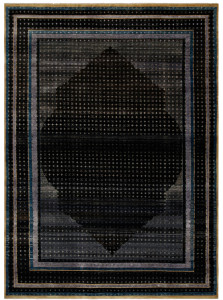
Bidjar rugs hold a prestigious position within the international market for antique Persian carpets.
Collectors often evaluate examples based on:
- Age
- Provenance
- Weaving quality
- Design complexity
- Condition
- Natural dye quality
Rare antique Bidjar rugs with exceptional craftsmanship and well-preserved colors remain highly desirable.
Their reputation as some of the strongest and most artistically refined Persian carpets contributes to their lasting value.
Bidjar Rugs as Living Cultural Heritage
Bidjar rugs represent far more than decorative floor coverings. They embody centuries of Kurdish craftsmanship, Persian artistic influence, and cultural continuity.
Their exceptional durability, intricate designs, and sophisticated colors continue to inspire collectors, designers, and institutions around the world.
For those who appreciate historic textiles, Bidjar rugs offer a remarkable connection between tradition and contemporary design.
Their enduring presence in distinguished interiors confirms that exceptional craftsmanship transcends time, preserving cultural stories while continuing to inspire new generations.
FAQ: Bidjar Rugs
What is a Bidjar rug?
A Bidjar rug is a handmade Persian carpet from the Kurdistan region of Iran, known for its dense construction, intricate designs, and exceptional durability.
Why are Bidjar rugs called the “Iron Rugs of Persia”?
They are called the “Iron Rugs of Persia” because of their unusually strong and compact weaving structure, which makes them highly durable.
Are Bidjar rugs Persian rugs?
Yes. Bidjar rugs are an important category of Persian carpets with strong Kurdish regional influences.
What designs are common in Bidjar rugs?
Common designs include Herati patterns, floral motifs, medallions, arabesques, and intricate borders.
Are antique Bidjar rugs collectible?
Yes. Antique Bidjar rugs are highly valued for their craftsmanship, rarity, historical importance, and artistic quality.
What colors are typical in Bidjar rugs?
Traditional Bidjar rugs often feature deep reds, indigo blues, ivory, greens, rust tones, and warm earth colors.
Why are Bidjar rugs popular with designers?
Their durability, sophisticated patterns, and rich colors make them ideal for both traditional and contemporary luxury interiors.
How are Bidjar rugs different from other Persian rugs?
Bidjar rugs are distinguished by their dense construction, Kurdish weaving heritage, exceptional strength, and highly detailed designs.