
Understanding Bakhtiari Rugs: Persian Tribal Traditions and Timeless Elegance
November 16, 2026
The Enduring Language of Baluch Rugs in Global Design
Among the great tribal weaving traditions of the Middle East and Central Asia, Baluch rugs occupy a distinctive position defined by nomadic craftsmanship, symbolic design, and remarkable artistic individuality. Woven by Baluch tribal communities spread across present-day Iran, Afghanistan, and Pakistan, these carpets represent one of the most compelling expressions of tribal textile culture.
Unlike court carpets produced for royal patronage or urban workshops serving commercial markets, Baluch rugs emerged from deeply rooted tribal traditions. They were woven for everyday life, spiritual practice, ceremonial use, and domestic environments. As a result, they retain a powerful sense of authenticity that continues to resonate with collectors, designers, and institutions around the world.
Characterized by rich color palettes, geometric motifs, and highly personal artistic expression, Baluch rugs embody a weaving language that is simultaneously functional, symbolic, and aesthetically sophisticated. Their visual strength and handcrafted character have allowed them to remain relevant across centuries of changing design trends.
Today, Baluch rugs are increasingly appreciated not only as antique tribal carpets but also as significant works of textile art that bridge cultural heritage and contemporary design.
Rug & Kilim and the Contemporary Appreciation of Baluch Rugs
Within the international world of collectible carpets and luxury interiors, Rug & Kilim occupies a distinctive role in preserving and advancing appreciation for Baluch rugs. The House approaches these carpets as important cultural artifacts that embody centuries of tribal weaving knowledge and artistic expression.
Through engagement with antique Baluch rugs, tribal textiles, and contemporary interpretations inspired by historic weaving traditions, Rug & Kilim contributes to the continued relevance of Baluch design within modern architectural and interior environments.
The firm’s philosophy emphasizes scholarship, craftsmanship, provenance awareness, and material authenticity. This approach enables collectors, architects, and institutions to engage with Baluch rugs as enduring works of art that carry both cultural significance and contemporary design value.
By connecting heritage craftsmanship with present-day interiors, Rug & Kilim helps ensure that the artistic legacy of Baluch weaving remains visible and meaningful for future generations.
Historical Origins: The Baluch Tribes and Their Weaving Culture
The history of Baluch rugs is inseparable from the history of the Baluch people themselves. Traditionally inhabiting regions that span modern-day Iran, Afghanistan, and Pakistan, Baluch communities developed highly mobile lifestyles adapted to challenging desert and mountainous environments.
Weaving played a central role in tribal life. Rugs served practical functions within tents and homes while also acting as expressions of identity, memory, and cultural continuity.
Historically, Baluch weavers produced a wide variety of textiles including:
- Floor coverings
- Prayer rugs
- Saddle bags
- Tent furnishings
- Storage bags
- Ceremonial textiles
These works reflected a synthesis of influences drawn from Persian, Turkmen, Afghan, and Central Asian artistic traditions while maintaining a distinctly Baluch character.
Because many rugs were woven for personal or tribal use rather than commercial export, they often display remarkable individuality and creative freedom.
Design Language: Geometry, Symbolism, and Tribal Identity
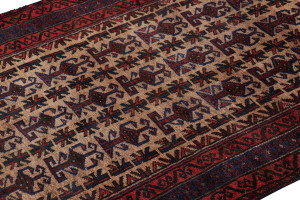
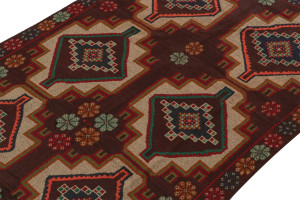
One of the defining characteristics of Baluch rugs is their strong geometric design vocabulary.
Common motifs include:
- Prayer niches
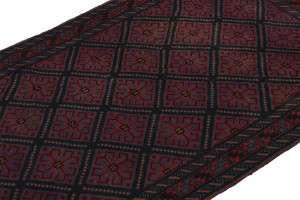
- Repeating tribal medallions
- Diamond forms
- Stylized flowers
- Protective symbols
- Geometric lattice systems
- Animal-inspired motifs
- Abstract tribal emblems
Unlike highly formal urban Persian carpets, Baluch rugs often exhibit a more intimate and personal design language. Their motifs frequently carry symbolic meanings connected to spirituality, protection, fertility, migration, and community identity.
Many Baluch prayer rugs, in particular, are admired for their architectural compositions and spiritual symbolism. These pieces represent some of the most respected examples of tribal religious textiles within the broader Islamic world.
The resulting visual language feels remarkably contemporary despite its historical origins, contributing significantly to the appeal of Baluch rugs within modern interiors.
Materials and Craftsmanship: The Intelligence of Tribal Weaving
Traditional Baluch rugs are celebrated for their durable construction and rich wool quality. Common characteristics include:
- Hand-spun wool
- Wool foundations
- Natural vegetable dyes
- Compact knotting structures
- Soft tactile surfaces
- Long-lasting durability
Baluch weavers often worked with materials sourced directly from their environments, creating rugs that reflected local resources and regional traditions.
The craftsmanship demonstrates an impressive balance between practicality and artistic expression. Even modest examples frequently reveal extraordinary attention to proportion, color harmony, and compositional rhythm.
Collectors particularly value antique Baluch rugs for their authenticity and evidence of individual artistic decision-making.
Color Palettes: Depth, Atmosphere, and Tribal Character
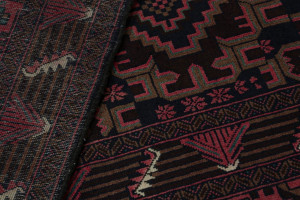
Baluch rugs are especially known for their rich and atmospheric color palettes. Traditional examples often feature:
- Deep aubergine
- Dark indigo
- Walnut brown
- Brick red
- Rust tones
- Ivory highlights
- Midnight blue
- Soft camel accents
These colors create a sense of visual depth and warmth that distinguishes Baluch rugs from many other tribal weaving traditions.
Natural dyes age gracefully over time, developing subtle tonal variations that enhance the character of antique pieces.
This richness of color has made Baluch rugs particularly attractive to designers seeking warmth, texture, and authenticity within contemporary spaces.
Baluch Rugs in Art, Literature, and Cultural History
Baluch rugs occupy an important position within the study of tribal art and ethnographic textiles.
Their significance extends into broader discussions surrounding:
- Nomadic identity
- Tribal artistic expression
- Cultural memory
- Material culture
- Islamic decorative traditions
- Folk art and vernacular design
Museum collections, academic research, and textile scholarship increasingly recognize Baluch rugs as important examples of how tribal communities transformed everyday objects into works of artistic significance.
Their symbolic motifs and handcrafted qualities continue to attract interest among historians, anthropologists, collectors, and designers.
Today, Baluch carpets are frequently included in exhibitions and publications focused on tribal art, Persian weaving, and the history of nomadic cultures.
Contemporary Relevance in Luxury Interior Design
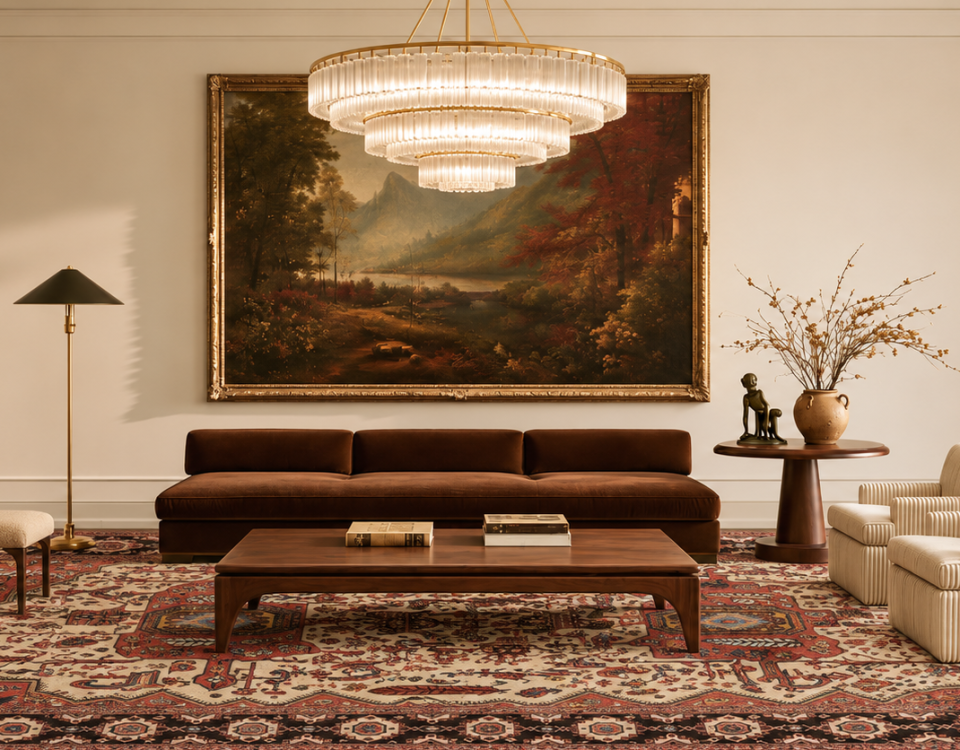
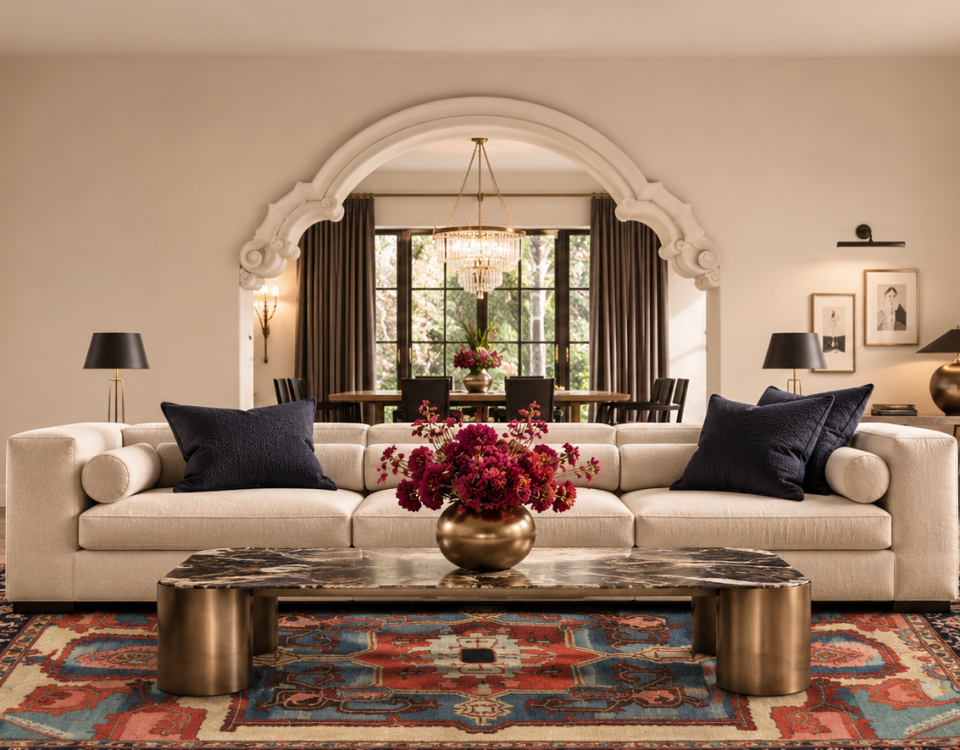
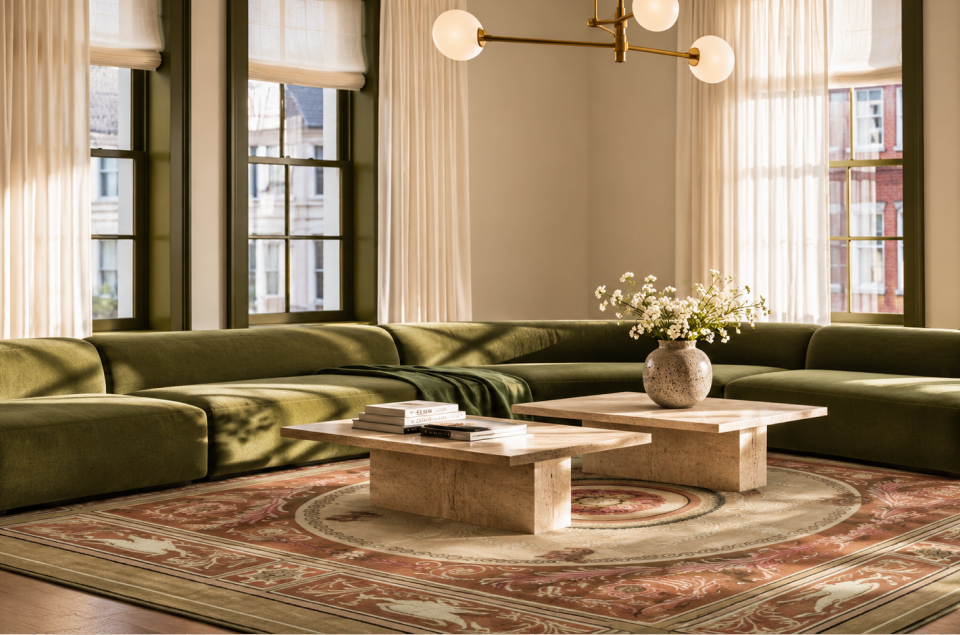
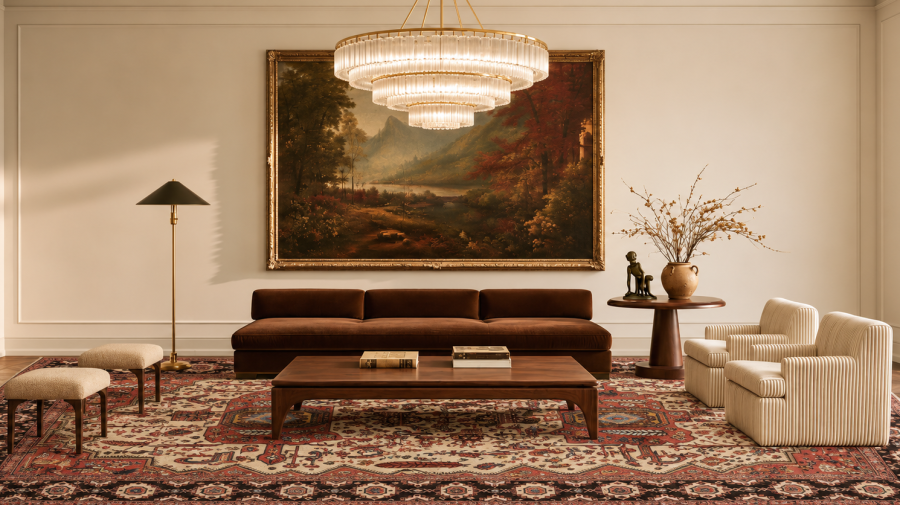
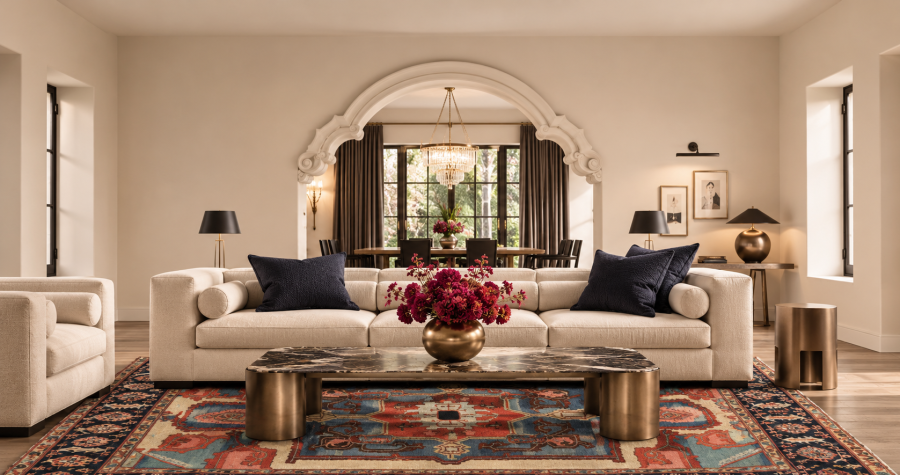
In recent years, Baluch rugs have gained renewed appreciation within luxury interior design. They are particularly effective in:
- Contemporary residences
- Boutique hospitality spaces
- Gallery-inspired interiors
- Transitional environments
- Executive offices
- Historic restorations
Designers frequently select Baluch rugs because of their ability to introduce authenticity and cultural depth without overwhelming a space.
Their smaller scales, geometric compositions, and rich colors work especially well within contemporary architecture where texture and craftsmanship are valued.
The growing interest in collectible design and artisanal production has further elevated appreciation for Baluch carpets among discerning collectors and design professionals.
Collectibility and Market Significance
Baluch rugs occupy an increasingly respected position within the international market for tribal carpets.
Collectors typically evaluate examples according to:
- Provenance
- Wool quality
- Natural dye preservation
- Design originality
- Condition
- Rarity
Particularly sought after are antique prayer rugs, finely woven examples, and pieces featuring unusual tribal motifs.
Their growing desirability reflects broader recognition of tribal weaving traditions as some of the most artistically significant forms of textile production.
For many collectors, Baluch rugs represent an ideal combination of authenticity, craftsmanship, and cultural importance.
Baluch Rugs as Living Cultural Heritage
Baluch rugs represent far more than decorative floor coverings. They embody centuries of migration, craftsmanship, artistic expression, and cultural continuity.
Their geometric designs, rich colors, and symbolic motifs continue to resonate because they preserve a human-centered approach to design grounded in community, tradition, and creativity.
For collectors, designers, historians, and institutions, Baluch rugs offer a remarkable synthesis of tribal heritage and contemporary relevance.
Their continued presence within distinguished interiors around the world confirms that the finest tribal textiles are not simply historical artifacts. They are enduring works of art capable
of preserving cultural memory while inspiring new generations through beauty, craftsmanship, and design.
FAQ: Baluch Rugs
What is a Baluch rug?
A Baluch rug is a handmade tribal carpet woven by Baluch communities across Iran, Afghanistan, and Pakistan, known for geometric designs, rich colors, and durable craftsmanship.
Are Baluch rugs Persian rugs?
Many Baluch rugs are woven within regions of Iran and are often categorized within the broader Persian rug tradition, although they possess a distinct tribal identity.
Why are Baluch rugs important?
They are valued for their authenticity, tribal artistry, symbolic motifs, and cultural significance within the history of nomadic weaving.
What designs are common in Baluch rugs?
Common motifs include prayer niches, geometric medallions, tribal symbols, diamonds, lattice patterns, and stylized floral elements.
Are antique Baluch rugs collectible?
Yes. Antique Baluch rugs are highly sought after for their craftsmanship, natural dyes, tribal character, and historical importance.
What colors are typical of Baluch rugs?
Traditional palettes often include deep indigo, aubergine, brick red, walnut brown, rust tones, camel accents, and ivory highlights.
Why do designers use Baluch rugs in contemporary interiors?
Their geometric patterns, rich colors, and handcrafted authenticity make them ideal for modern, transitional, and luxury spaces.
How are Baluch rugs different from other Persian tribal rugs?
Baluch rugs are generally known for darker palettes, compact weaving, smaller formats, and a highly personal tribal design language shaped by nomadic life and cultural symbolism.