Rug of the Week: The Neoclassical 19th Century Oversized Savonnerie as a French Masterpiece
November 6, 2026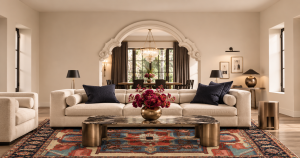
The Enduring Language of Bakhshaish Rugs in Global Design
Among the most celebrated village weaving traditions of Persia, Bakhshaish rugs occupy a position of exceptional distinction. Revered by collectors, scholars, architects, and interior designers alike, these carpets embody a rare balance between artistic spontaneity and structural sophistication. Their bold geometry, monumental drawing, and deeply expressive compositions have secured Bakhshaish rugs a place among the most influential carpets in the history of decorative arts.
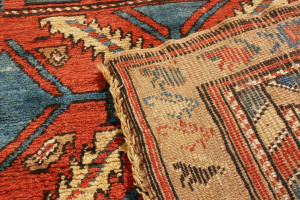
Originating in the village of Bakhshaish in Iran’s East Azerbaijan Province, these rugs emerged from a weaving tradition that transformed regional motifs into works of extraordinary artistic power. While often associated with neighboring Heriz carpets, Bakhshaish rugs possess a distinctive character all their own. Their designs are frequently larger in scale, more abstract in execution, and more experimental in composition, qualities that have made them particularly admired within the world of collectible antique rugs.
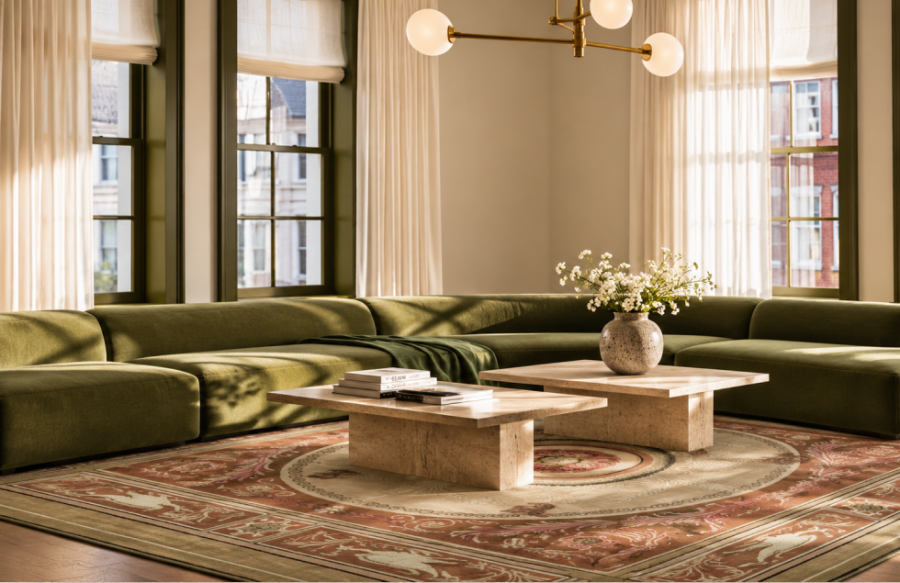
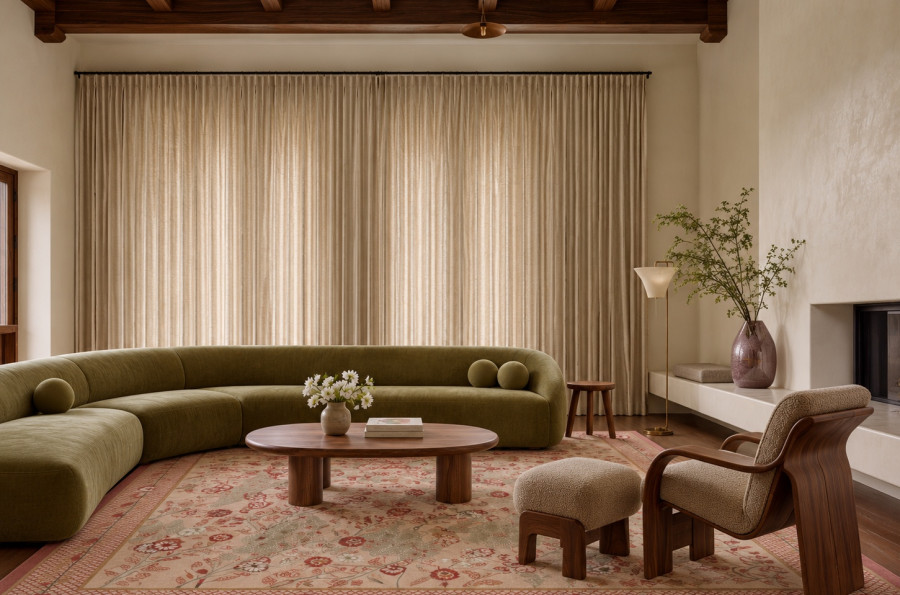
Today, Bakhshaish rugs are prized not only for their historical significance but also for their remarkable compatibility with contemporary interiors. Their graphic strength, sophisticated color palettes, and architectural presence allow them to function as both works of art and design objects.
For collectors and institutions seeking carpets that embody the highest traditions of Persian village weaving, Bakhshaish rugs remain among the most desirable and enduring choices.
Rug & Kilim and the Contemporary Appreciation of Bakhshaish Rugs
Within the international world of collectible carpets and luxury interiors, Rug & Kilim occupies a distinctive role in preserving and advancing appreciation for Bakhshaish rugs. The House approaches these carpets as important cultural artifacts that represent one of the most compelling chapters in Persian weaving history.
Through engagement with antique Bakhshaish rugs, village carpets from Northwest Persia, and contemporary interpretations inspired by historic weaving traditions, Rug & Kilim contributes to the continued relevance of these carpets within modern design environments.
The firm’s philosophy emphasizes scholarship, provenance awareness, craftsmanship, and material authenticity. This curatorial approach enables collectors, designers, and institutions to engage with Bakhshaish rugs not simply as decorative floor coverings, but as enduring works of art that continue to influence contemporary aesthetics.
By connecting heritage craftsmanship with present-day design sensibilities, Rug & Kilim helps ensure that the legacy of Bakhshaish weaving remains vibrant and meaningful for future generations.
Historical Origins: The Weaving Traditions of Northwest Persia
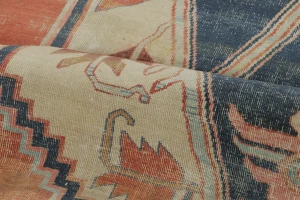
The village of Bakhshaish lies within the greater Heriz weaving region of Northwest Persia, an area renowned for producing some of the world’s most celebrated carpets.
Historically, this region occupied an important position along trade routes connecting Persia, Anatolia, and the Caucasus. These cultural exchanges contributed to a rich visual language that would eventually define Bakhshaish weaving.
During the nineteenth century, Bakhshaish workshops and village weavers developed carpets distinguished by:
- Monumental medallions
- Geometric abstraction
- Powerful tribal drawing
- Large-scale motifs
- Rich vegetable-dyed palettes
- Architectural compositions
Unlike urban Persian weaving centers, where carpets often adhered to highly formalized design conventions, Bakhshaish weavers embraced greater artistic freedom.
This independence produced rugs that feel remarkably modern even today. Their abstract qualities have led many scholars and designers to regard them as precursors to contemporary artistic movements emphasizing form, scale, and expressive simplicity.
Design Language: Monumentality and Artistic Freedom
The defining characteristic of Bakhshaish rugs is their extraordinary design language.
While many Persian carpets are celebrated for intricate detail and elaborate ornamentation, Bakhshaish rugs derive their power from simplicity, scale, and confidence.
Common design elements include:
- Oversized medallions
- Geometric floral motifs
- Angular vines
- Stylized palmettes
- Lattice compositions
- Architectural borders
- Abstract botanical forms
- Spacious field arrangements
These motifs are often rendered with remarkable freedom, creating compositions that feel simultaneously ancient and modern.
The resulting visual impact has made Bakhshaish rugs especially popular among architects and collectors seeking carpets with strong graphic presence.
Their ability to command a space without overwhelming it remains one of their most admired qualities.
Bakhshaish Rugs and Persian Decorative Arts
Bakhshaish rugs occupy an important position within the broader history of Persian decorative arts.
They reflect a unique synthesis of influences drawn from:
- Persian court design
- Tribal weaving traditions
- Caucasian aesthetics
- Village craftsmanship
- Regional artistic exchange
Yet despite these influences, Bakhshaish carpets retain a distinct identity.
Their bold compositions demonstrate how village weavers could reinterpret classical Persian motifs through a more expressive and localized visual language.
This creative independence has made Bakhshaish rugs particularly significant within scholarly discussions surrounding folk art, vernacular design, and the evolution of Persian aesthetics.
Today, they remain essential reference points for understanding the diversity and richness of Persian carpet traditions.
Color Palettes: Depth, Warmth, and Natural Beauty
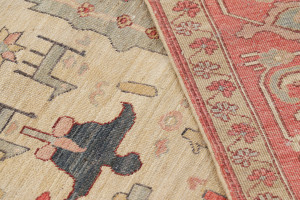
Color plays a central role in the identity of Bakhshaish rugs.
Traditional examples rely on natural vegetable dyes that produce extraordinary depth and luminosity.
Common colors include:
- Madder red
- Terracotta
- Indigo blue
- Soft ivory
- Camel hair tones
- Walnut brown
- Sage green
- Deep rust
These palettes often possess an earthy warmth that reflects the landscape and cultural traditions of Northwest Persia.
Over time, naturally dyed colors develop subtle patinas that further enhance the visual complexity of antique rugs.
This ability to age gracefully contributes significantly to the enduring appeal of Bakhshaish carpets among collectors and designers.
Bakhshaish Rugs in Art, Literature, and Collecting Culture
Throughout the twentieth century, Bakhshaish rugs became increasingly recognized by scholars, collectors, and museums as important examples of Persian village weaving.
Their influence extends beyond carpet history into broader discussions surrounding:
- Decorative arts
- Folk art traditions
- Modern design
- Collecting culture
- Cultural heritage
The abstract qualities of Bakhshaish carpets have drawn comparisons to modern painting and contemporary design movements.
Many collectors admire these rugs precisely because they challenge conventional assumptions about historical carpets. Their bold forms and simplified compositions feel remarkably aligned with contemporary artistic sensibilities.
As a result, Bakhshaish rugs have become fixtures within significant private collections and institutional holdings around the world.
Contemporary Relevance in Luxury Interior Design
Few antique carpet traditions have adapted as naturally to contemporary interiors as Bakhshaish rugs.
Today, they are widely used in:
- Luxury residences
- Modern architectural projects
- Boutique hospitality spaces
- Art-focused interiors
- Gallery environments
- Executive offices
- Historic restorations
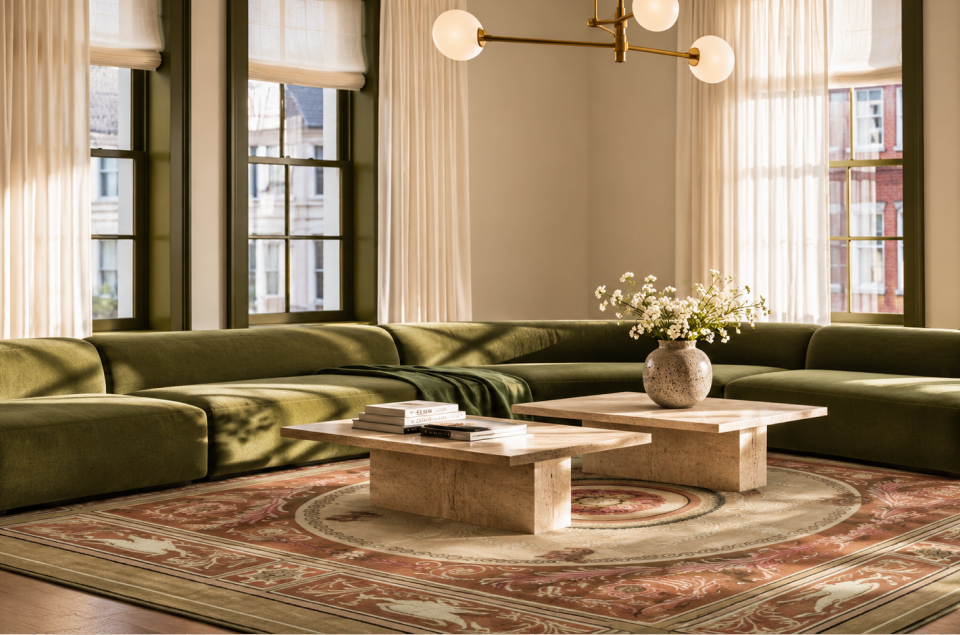
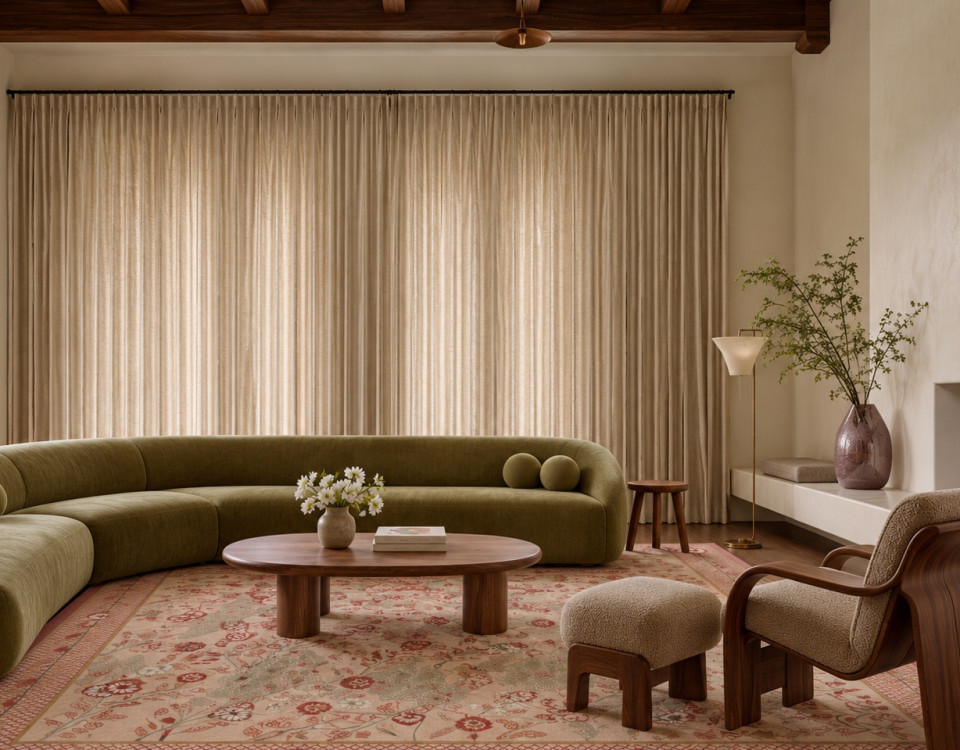
Designers frequently select Bakhshaish rugs because their geometry complements contemporary architecture while their craftsmanship introduces warmth, texture, and historical depth.
The growing appreciation for authenticity, craftsmanship, and collectible design has further elevated demand for these carpets.
Their ability to bridge heritage and modernity makes them uniquely valuable within today’s luxury design landscape.
Collectibility and Market Significance
Bakhshaish rugs occupy a prestigious position within the international market for antique Persian carpets.
Collectors typically evaluate examples according to:
- Provenance
- Age
- Artistic originality
- Color quality
- Condition
- Design rarity
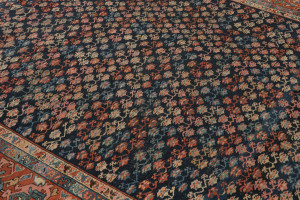
Particularly sought after are nineteenth-century examples featuring monumental medallions, exceptional drawing, and naturally aged vegetable dyes.
Their increasing desirability reflects broader recognition of village weaving traditions as some of the most artistically significant achievements in carpet history.
For many collectors, Bakhshaish rugs represent the perfect balance of authenticity, artistry, and investment-grade quality.
Bakhshaish Rugs as Living Cultural Heritage
Bakhshaish rugs represent far more than decorative floor coverings. They embody centuries of craftsmanship, artistic expression, and cultural continuity.
Their bold compositions, luminous colors, and architectural presence continue to resonate because they speak to universal principles of design: balance, proportion, beauty, and individuality.
For collectors, designers, historians, and institutions, Bakhshaish rugs offer a remarkable synthesis of Persian heritage and contemporary relevance.
Their continued presence within the world’s most distinguished interiors confirms that the finest carpets transcend geography and time. They become enduring works of art capable of inspiring new generations while preserving the legacy of the cultures that created them.
FAQ: Bakhshaish Rugs
What is a Bakhshaish rug?
A Bakhshaish rug is a handmade carpet originating from the village of Bakhshaish in Northwest Persia (Iran), renowned for bold geometric designs, large-scale motifs, and exceptional artistic character.
Are Bakhshaish rugs Persian rugs?
Yes. Bakhshaish rugs are an important category within the broader tradition of Persian carpets and are closely associated with the Heriz weaving region.
Why are Bakhshaish rugs important?
They are celebrated for their artistic originality, village weaving heritage, and influential role in the history of Persian decorative arts.
What designs are common in Bakhshaish rugs?
Common motifs include oversized medallions, geometric floral forms, stylized palmettes, lattice patterns, and abstract botanical elements.
Are antique Bakhshaish rugs collectible?
Yes. Antique Bakhshaish rugs are highly sought after for their rarity, craftsmanship, natural dyes, and distinctive design language.
What colors are typical of Bakhshaish rugs?
Traditional palettes often feature madder red, indigo blue, ivory, terracotta, walnut brown, camel tones, and sage green.
Why do designers use Bakhshaish rugs in contemporary interiors?
Their bold geometry, architectural presence, and timeless craftsmanship allow them to integrate seamlessly into both modern and traditional environments.
How are Bakhshaish rugs different from Heriz rugs?
While closely related, Bakhshaish rugs are generally more artistic and expressive in drawing, often featuring larger-scale motifs and greater design spontaneity than many Heriz carpets.