
Wool
Persia
8'8" X 10'6" (2.64 m x 3.20 m)
Available: Shipping As Soon As Tomorrow
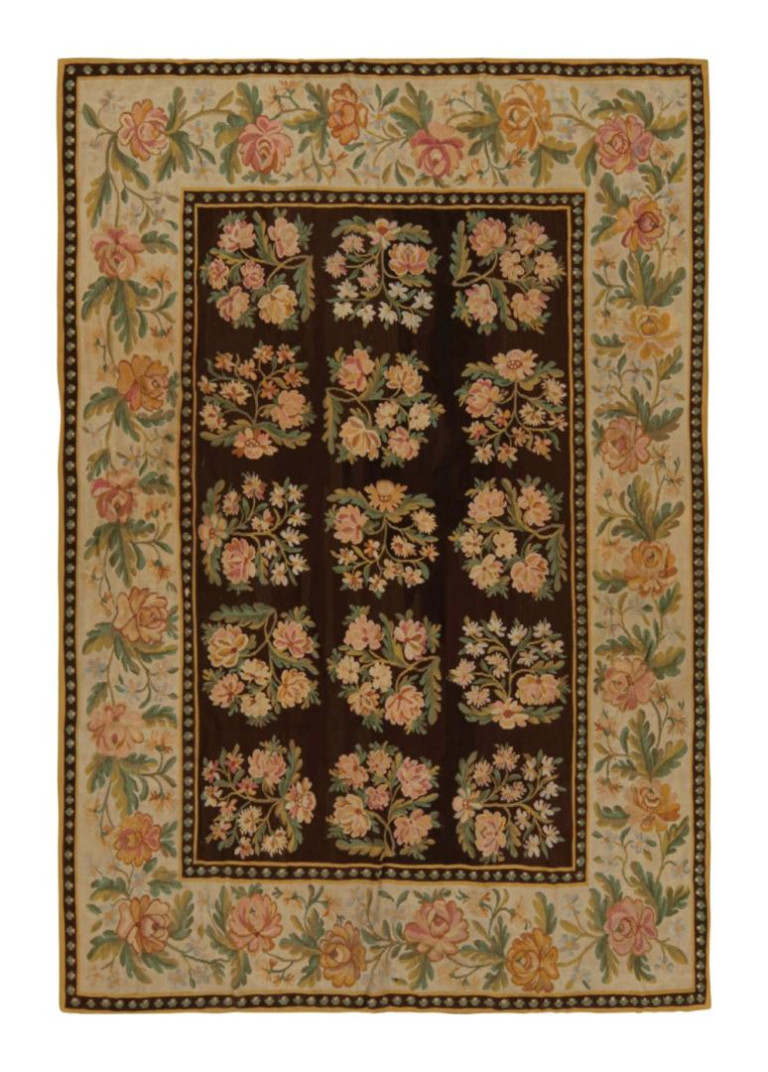
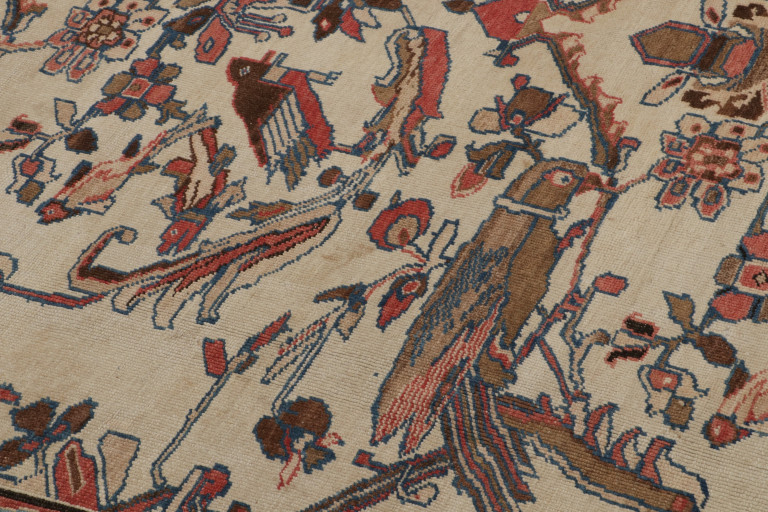
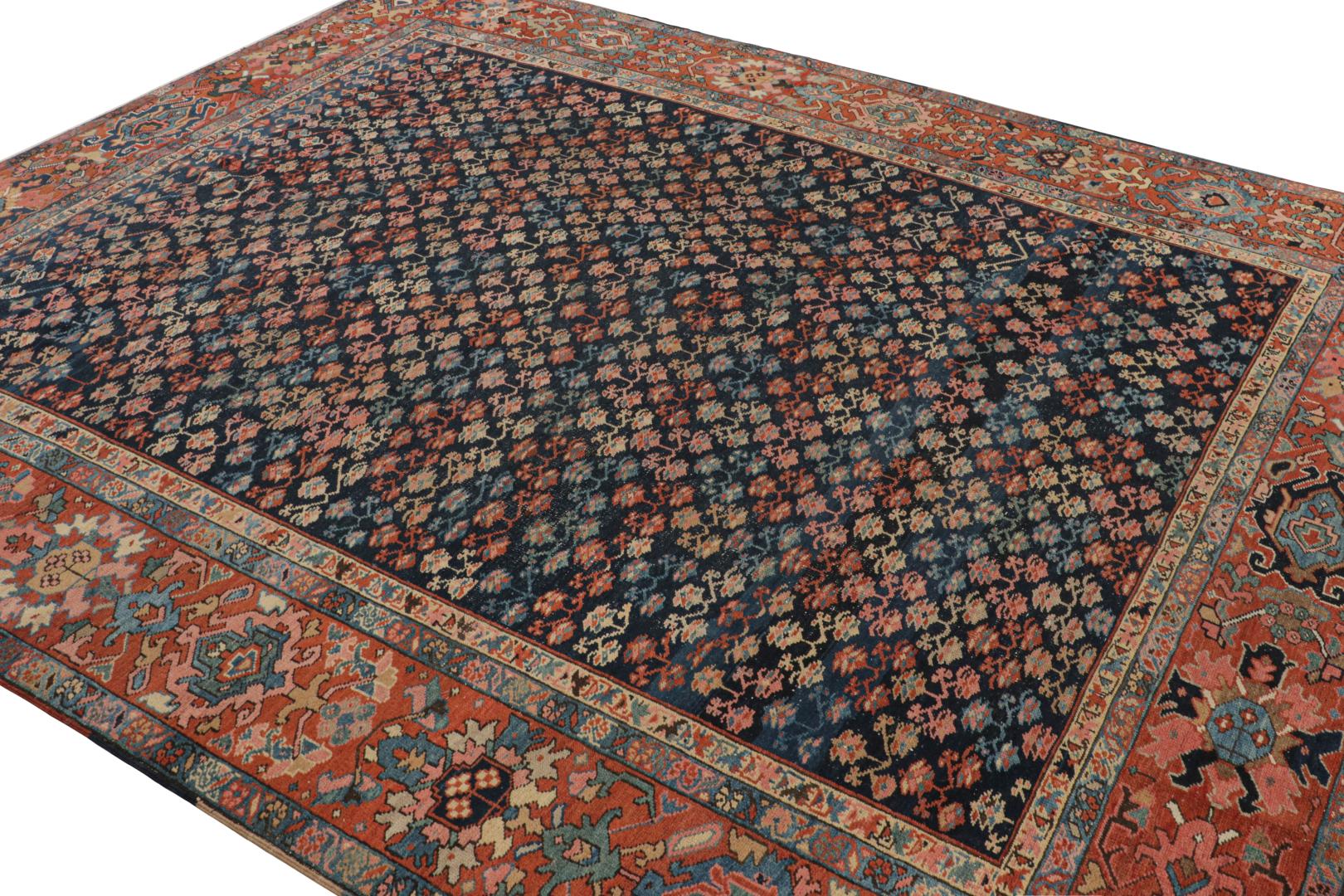
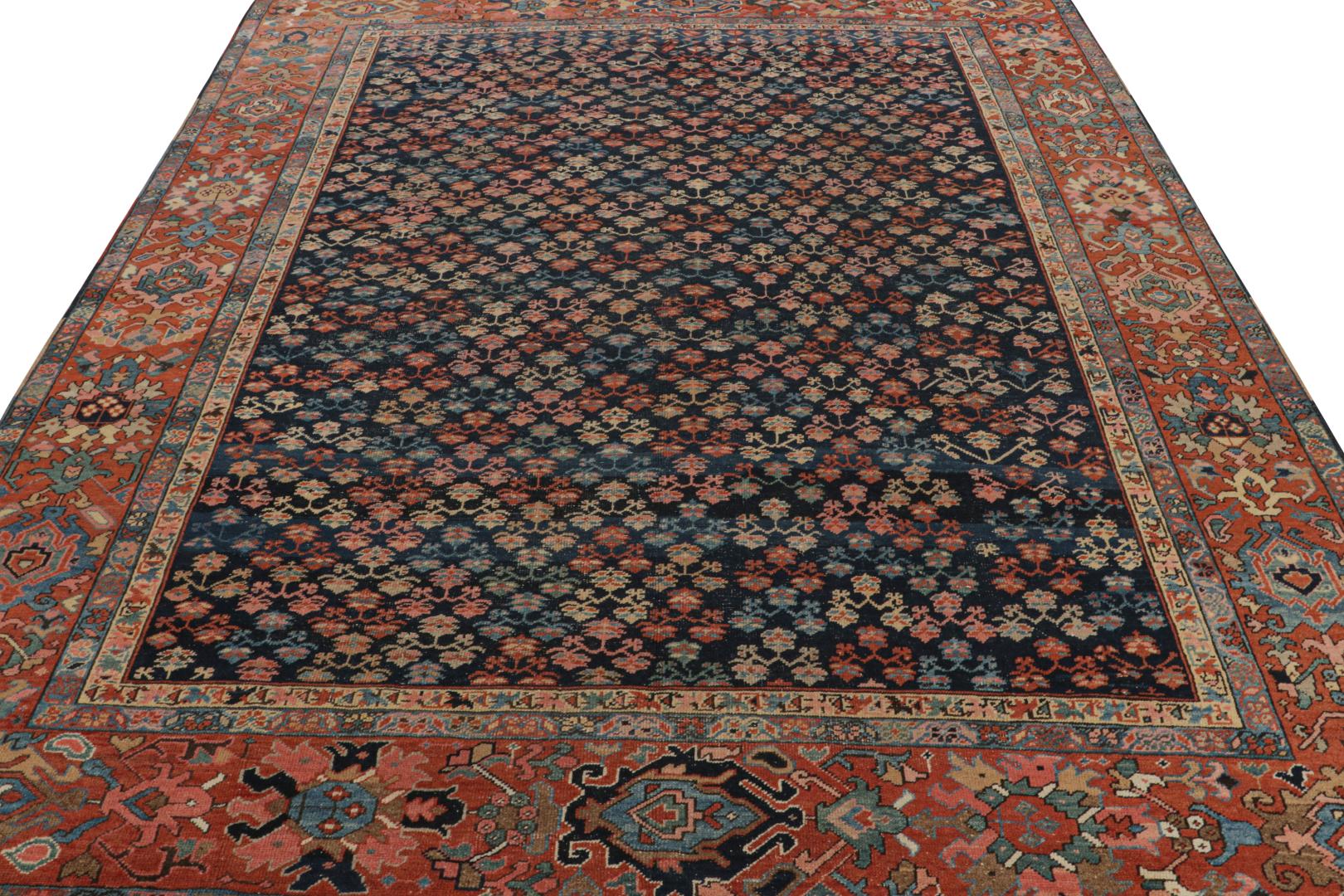
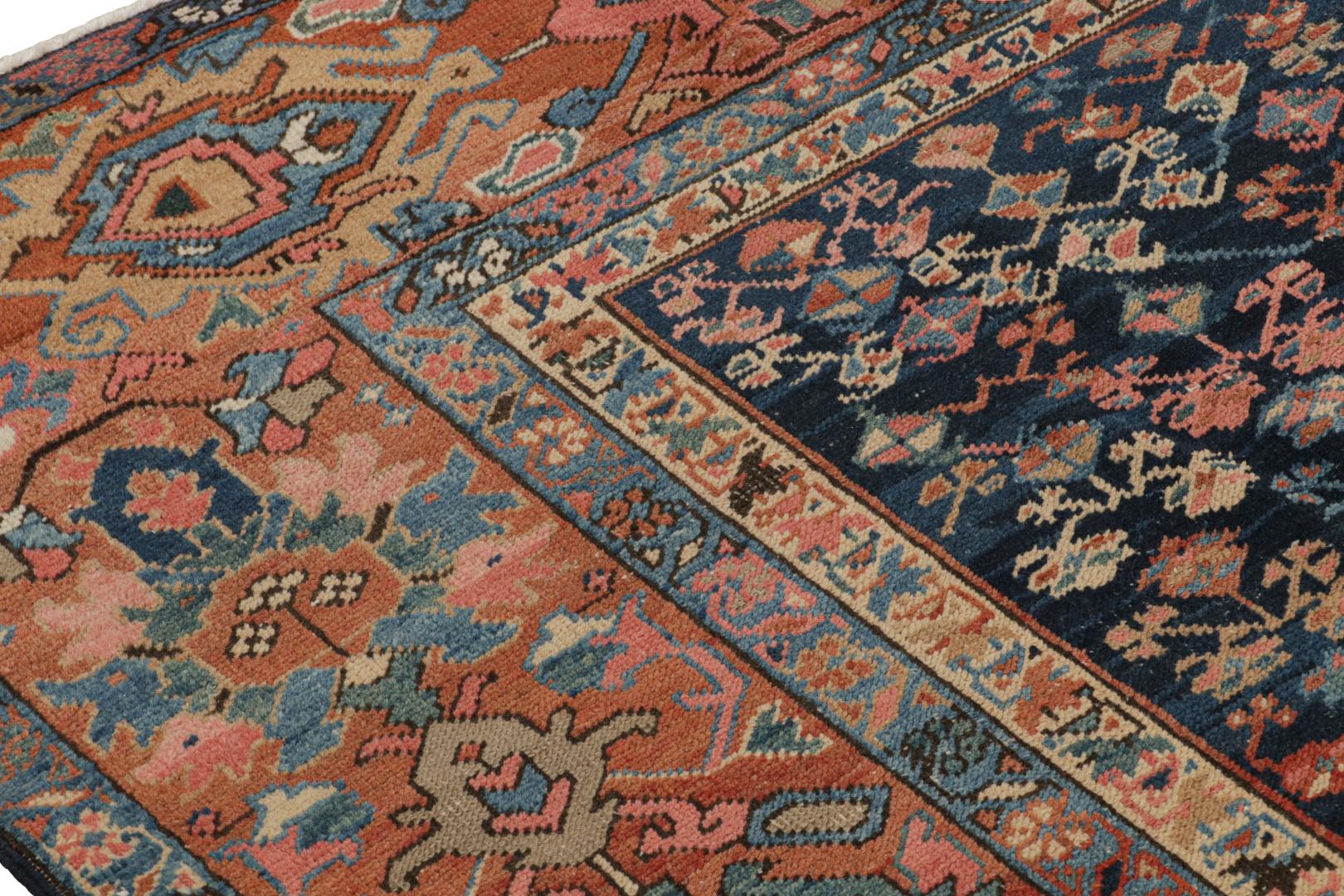
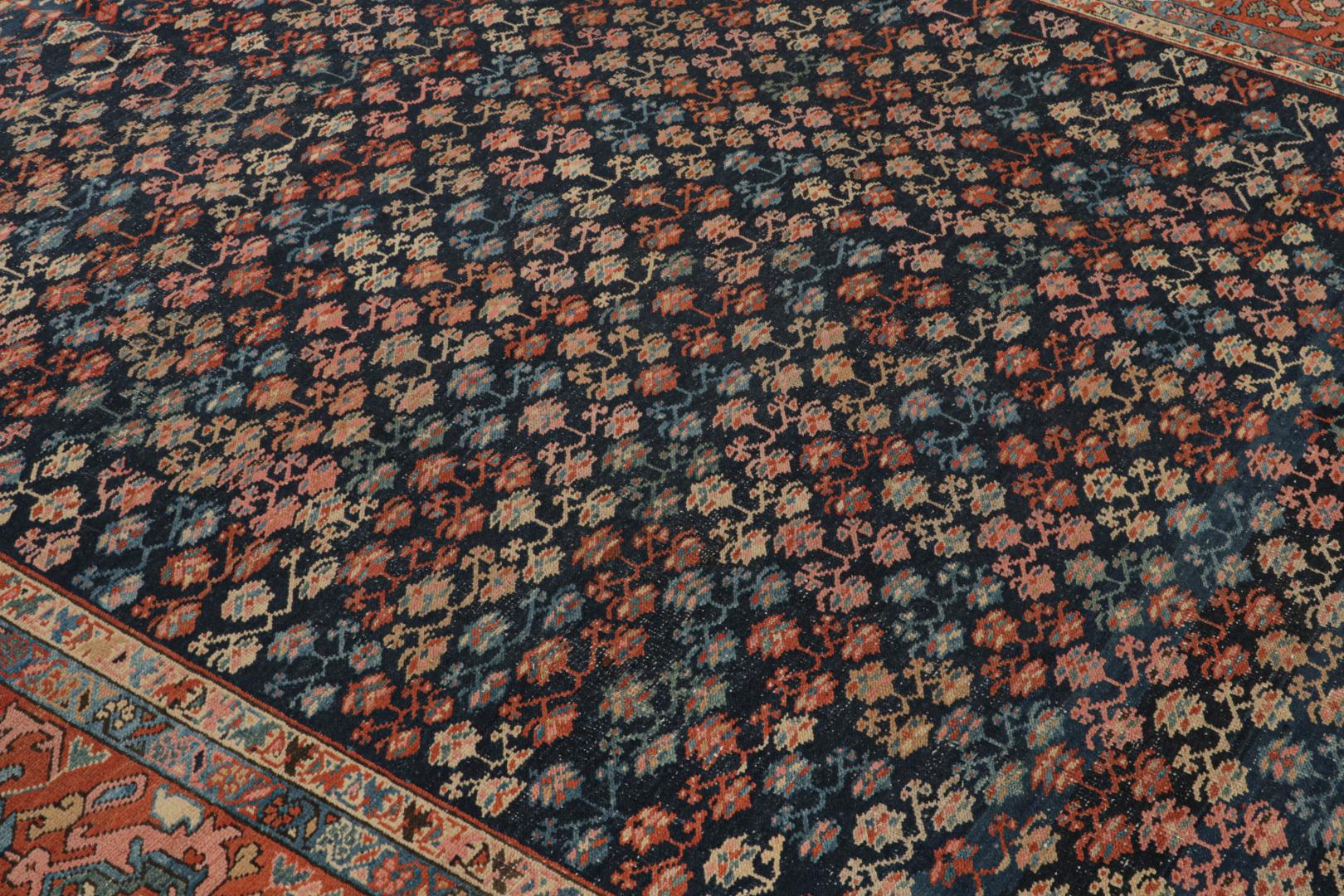
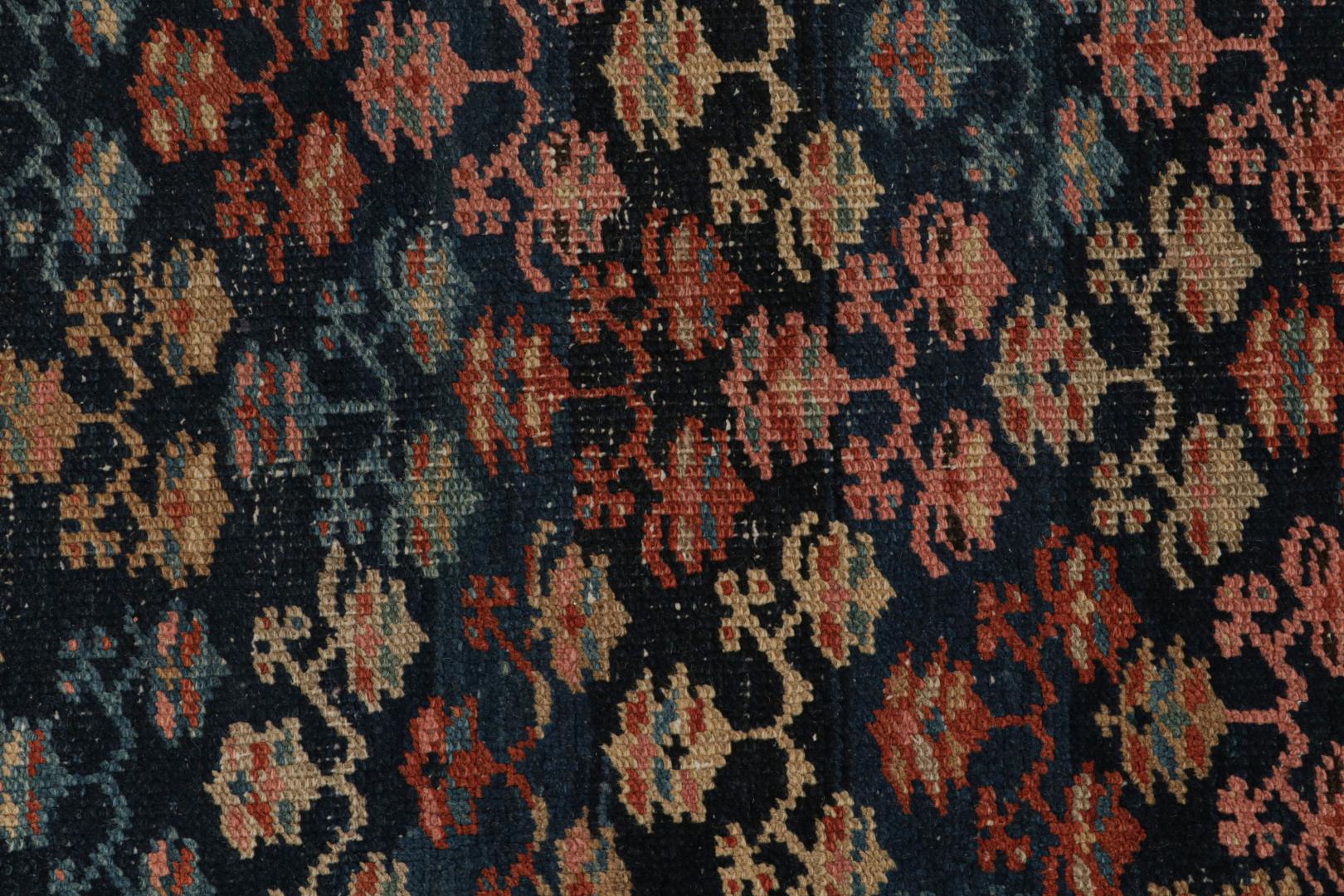
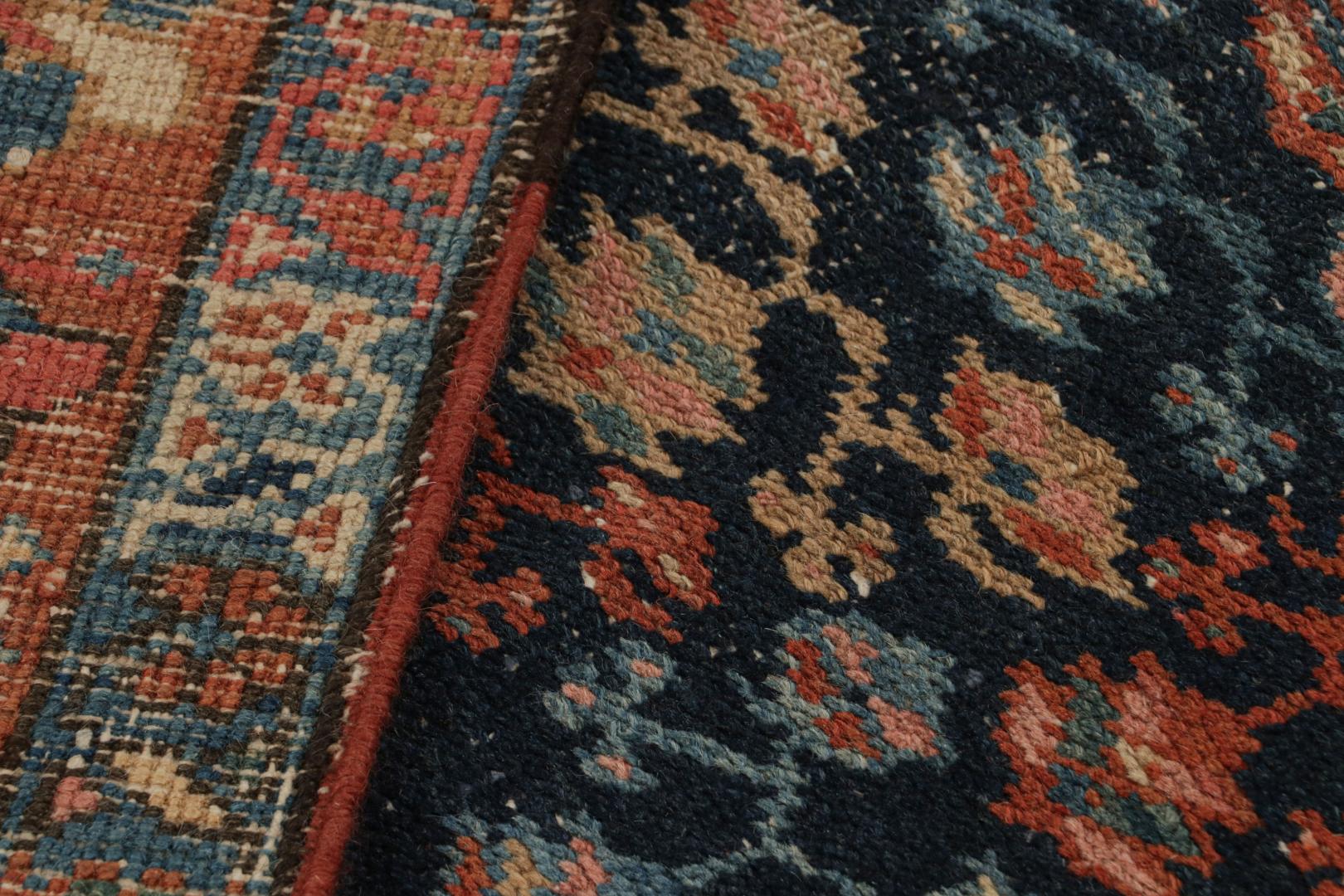
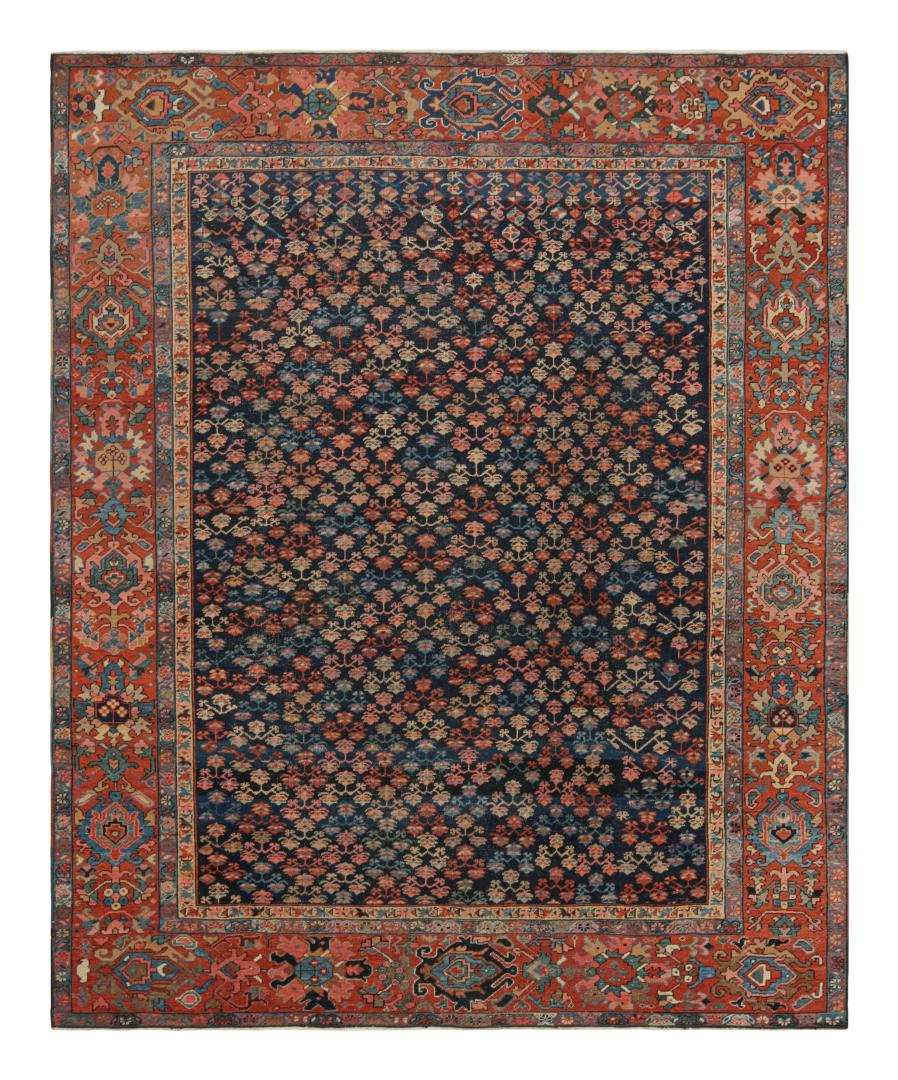
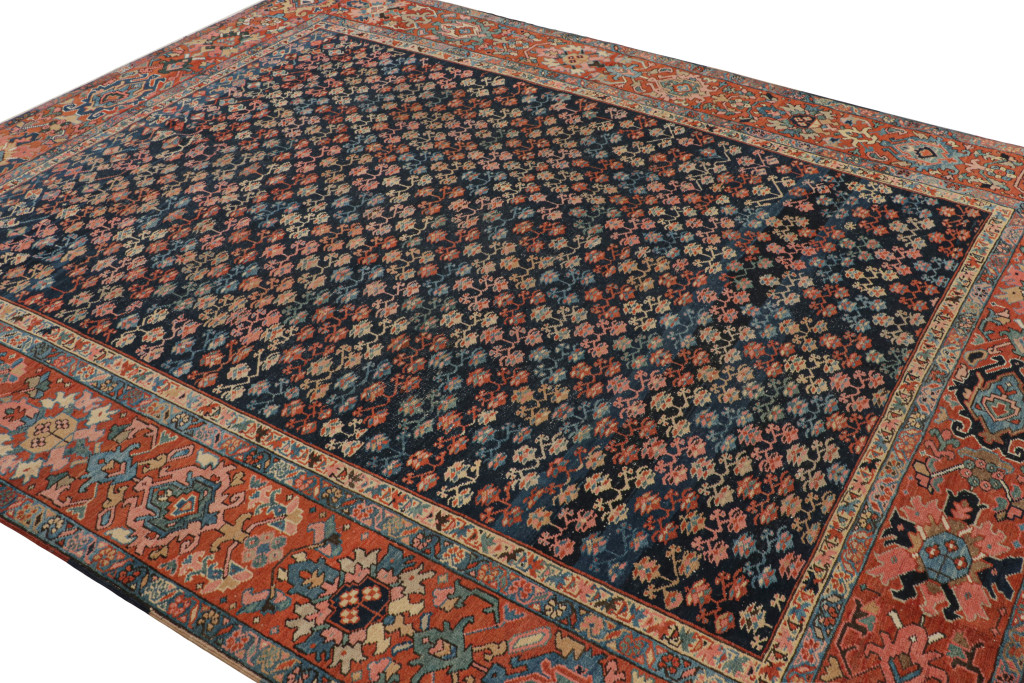
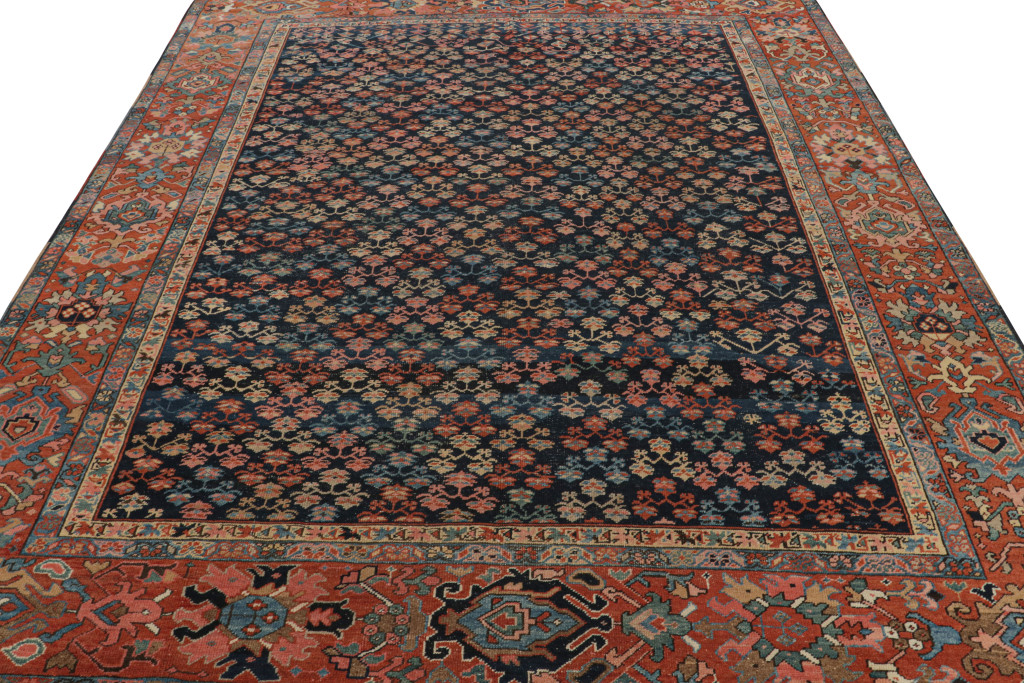
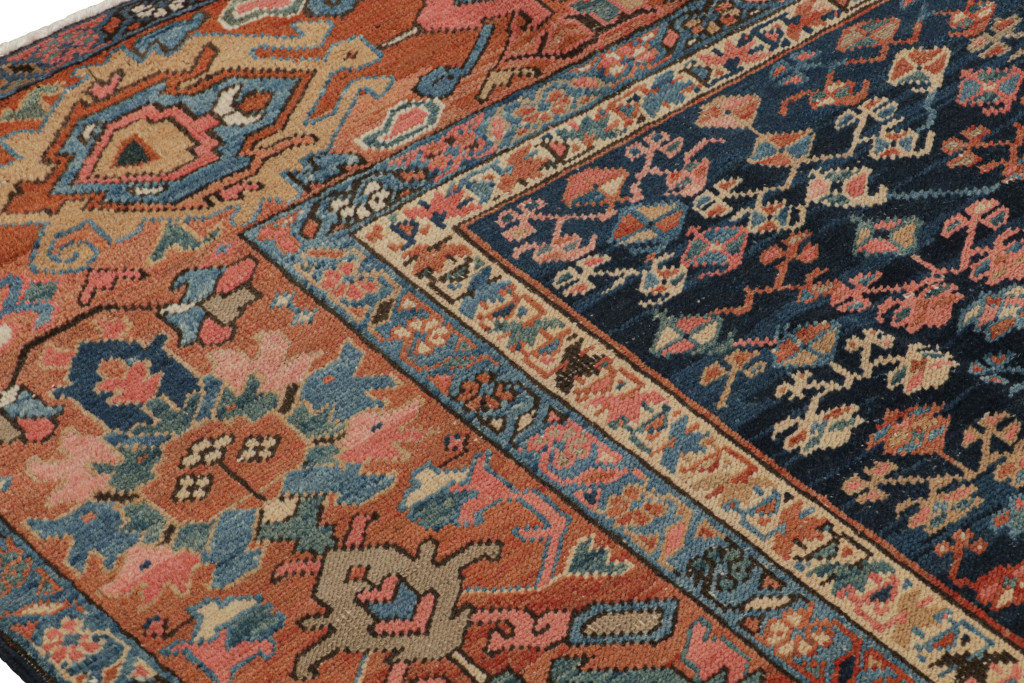
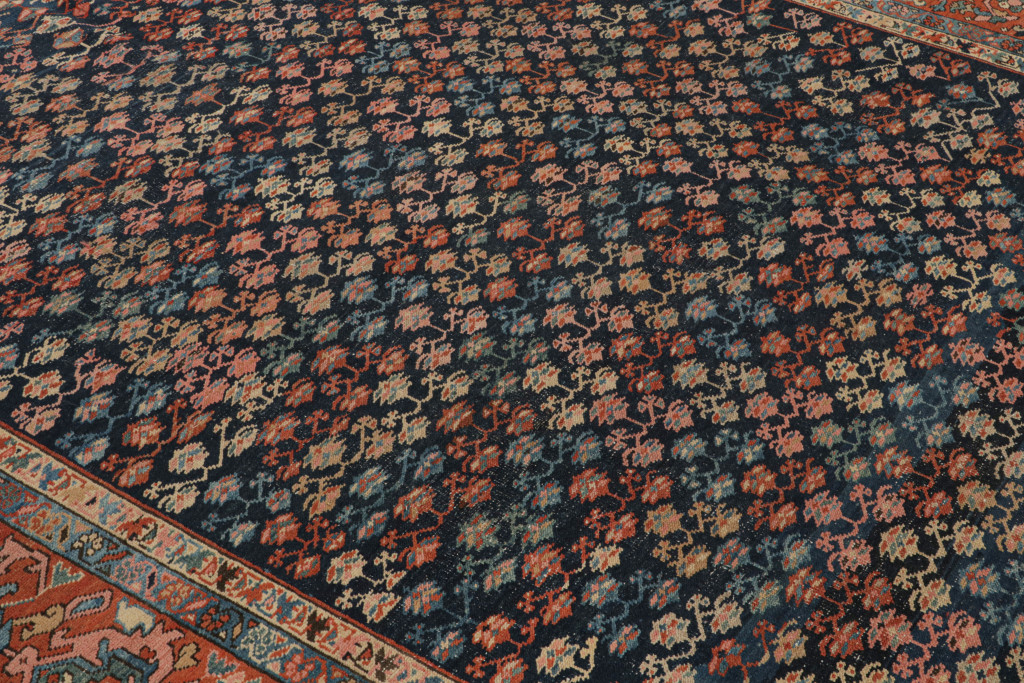
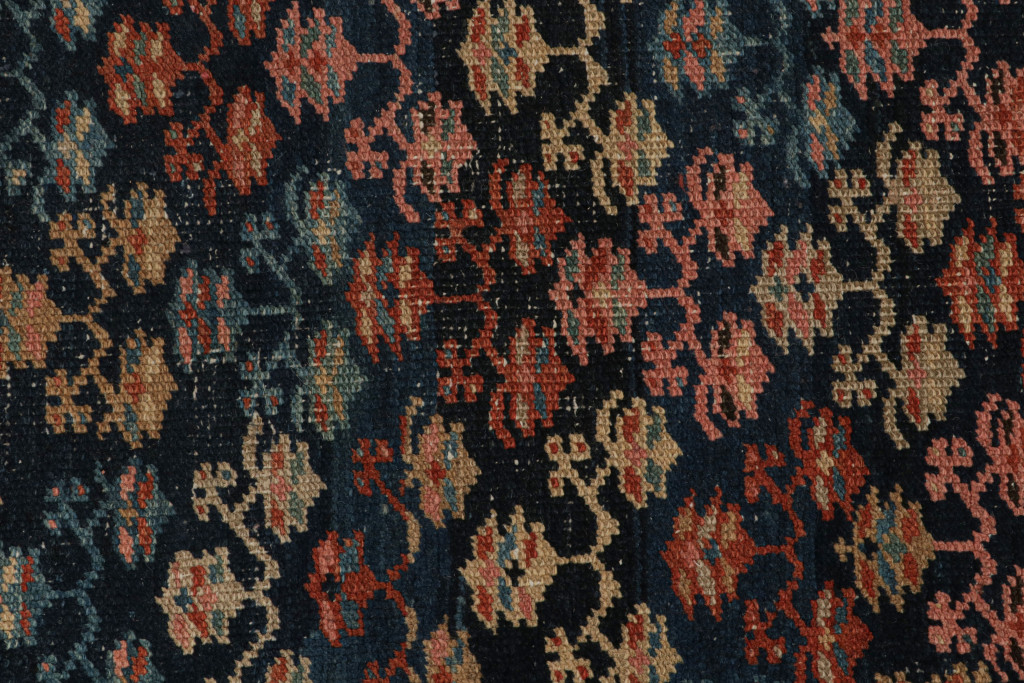
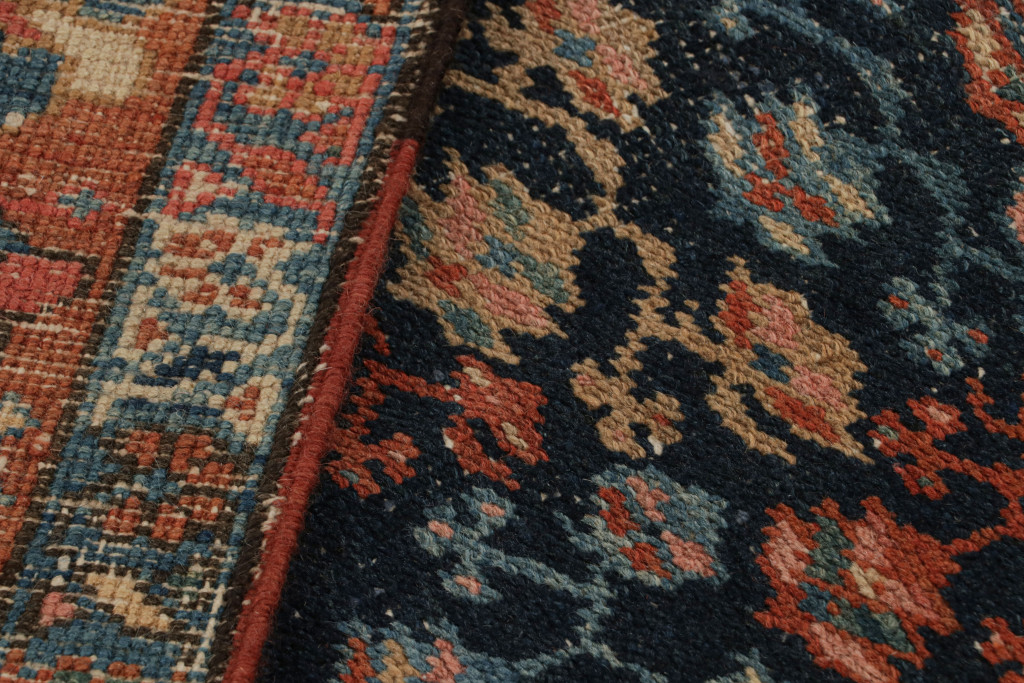
Antique Persian Bakshaish Rug in Navy Blue with Floral Patterns from Rug & Kilim
"Rug & Kilim's inventory spans the past four centuries and includes everything from ethnic and tribal patterns to European designs, as well as a host of Art Deco, abstract and understated tone-on-tone offerings, all in a vast array of materials, weaves and sizes."
— Tony Freund, 1stDibs Editorial Director
A standard since our inception upheld across every acquisition,
transaction, and delivery.
45+ Year Old Institution
More than four decades of expertise and stewardship, under the leadership of our Principal, Jahanshah "Josh" Nazmiyal.
Favorable Return Policy
Our return policy is 48 hours upon receipt allowing you to confirm the purchase in your space with confidence.
Product Warranty
Each rug is hand selected or produced through the most reputable sources under the direct supervision of our Principal.
Trusted Global Delivery
Reliable worldwide delivery handled with care, precision and constant communication.
Exceptional Support
Attentive, knowledgeable guidance before and after purchase from our dedicated team of specialists.
Long Term Care
We stand behind every piece we place and remain a resource to our clients for the lifetime of their collection.
- Measurements: 8'8" x 10'6" ( 2.64 m x 3.20 m )
- Categories: Antique
- Classification: Bakhshaish, Classic/Traditional, Floral, Geometric, Persian
- Material: Wool
- Origin: Persia
- SKU: 30971
Specifications:
Stories from the Antique Collection
Essays, artist dialogues, and provenance notes drawn from Rug & Kilim’s editorial desk.
What Makes Tibetan Wool the Gold Standard for Custom Rugs
Every great rug begins long before the loom. It begins on the animal, in the place, in the particular conditions that made the fiber what it is. And among all the wools that have ever been spun into a carpet, few can rival the wool of the Tibetan highlands, a material whose superiority is not a matter of marketing but of altitude, climate, and the unhurried logic of the natural world. The sheep of the Tibetan plateau live at elevations that would defeat most living things, thin air, brutal cold, a growing season measured against a sky closer than it has any right to be. Nature's answer to that severity is the fleece. To survive the plateau, the animal must grow a wool of exceptional density and, crucially, of exceptional lanolin content; the natural oil that coats each fiber, repels water, resists soil, and lends the finished yarn a luster and resilience that lowland wools cannot approach. What is hardship for the animal is a gift to the weaver.
Read the Feature
The Evolution of Floral Motifs in Antique Rugs and Kilims: Mapping the Pomegranate, Tulip, and Carnation
Antique 17th Century French Beauvais Tapestry with Floral Vase - Rug & Kilim, NO. 36829 We had a tapestry acquisition unfolding itself in the studio a while ago. Josh and the team just stood there, silently admiring the way the light caught the threads. This was the Antique French Beauvais Tapestry (SKU 36829). It was handwoven in wool, with natural silk accents, circa 1700. When you look at something like that, you do not just see fabric. What you see is the garden of wool and dreams. The precise interlacing of the wefts gives a picture of a gigantic floral vase placed atop an architectural entablature. The botanical imagery is absolutely mesmerizing. There is so much wealth and mystery to it all.
Read the Feature
Christian Bérard, Jean-Michel Frank, and the Making of Nelson Rockefeller’s Most Personal Room
In April 1939, the SS Normandie docked in New York Harbor carrying, somewhere in her hold, a rolled carpet. The Normandie was herself the most extravagant object afloat; an emblem of French luxury and design, her marble lounges dressed with Aubusson carpets, signed furniture, and exceptional lighting, a vessel so audaciously beautiful that the New York Times had described her maiden crossing as "the greatest mass of steel and machinery ever to sail the sea." She was also, in April 1939, five months from her last voyage. Germany would invade Poland in September. The Normandie would be seized by the United States Navy, catch fire during conversion to a troopship, and capsize into the Hudson River, taking with her the full weight of the civilization she had been built to represent.
Read the Feature
Antique Bakshaish Rugs: A Profile on Generational Heirlooms
At prestigious auction houses like Sotheby's and Christie's, exceptional Bakshaish rugs have been known to sell for six, even seven-figure sums. The 2019 sale of a particularly fine example for $1.5 million at a New York auction sent ripples through the collectibles' market, cementing the Bakshaish's status as a blue-chip investment. Bakshaish rug tradition dates back to the 1830s, a period of renaissance in Persian rug weaving. Unlike the formal, court-commissioned carpets of urban workshops, Bakshaish rugs emerged from a robust village weaving tradition. The remote location of Bakshaish, far from the influence of city ateliers, allowed for a unique fusion of ancestral designs and individual expression.
Read the Feature
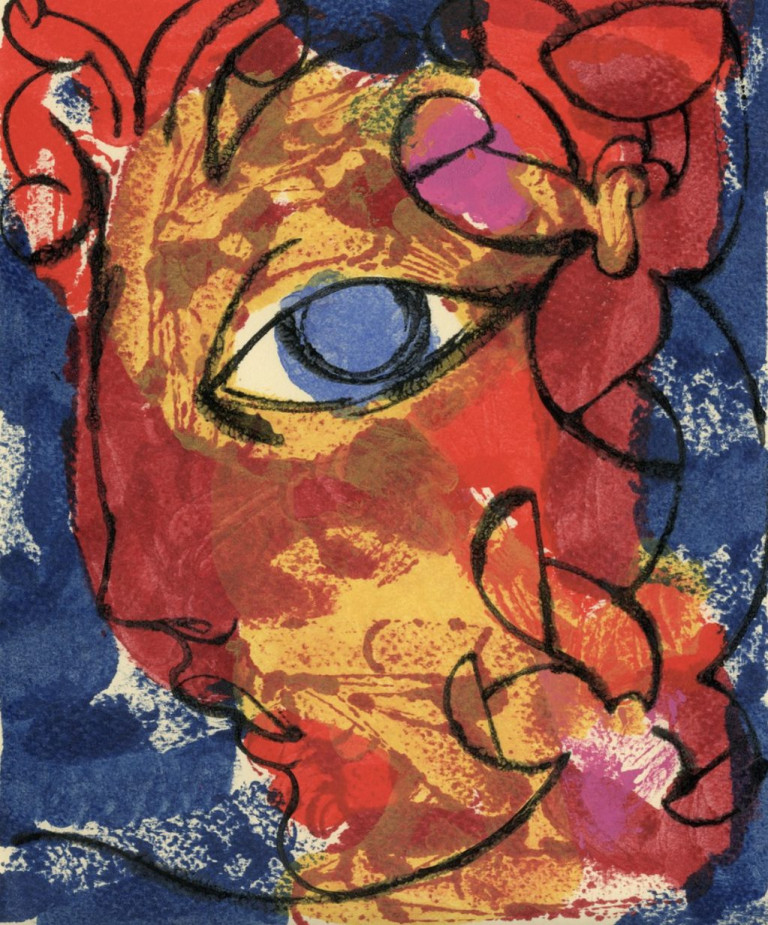
Petra Börner: The Swedish Illustrator and her Scandinavian Inspirations.
Petra Börner, the Sweden-born, London-based illustrator and artist renowned for her vibrant ink and watercolor depictions of florals, foliage, and Grecian-inspired figures, finds both inspiration and disquiet in nature. Despite her love for London, where she has resided for 26 years, Börner, hailing from the Swedish countryside, holds values distinct from the city. She expresses a sense of despair towards the modern disconnection from the outdoors, a sentiment exacerbated by urban living. This disconnection fuels the prominence of flora and fauna in Börner's artistic creations. Her works, spanning paper cut-outs, paintings, collages, ceramics, and prints, feature dense, meandering, maze-like patterns and fields of color that evoke a sense of being lost—a visual exploration of her desire to reconnect with nature.
Read the Feature
A Glossary of Handmade Rugs and Kilims: Understanding Terms, Types and Techniques Past and Present
Referring to the art style characterized by using shape and color withdrawn from traditional repetition or realism. Abstract rugs — sometimes referred to as art rugs — capture an expressive nature that reads as a very modern style, though many abstract rugs draw inspiration from works of the same art style in the mid-century. One of the more widely known mid-century lineages of this style is abstract expressionism, named for the literal "expressionists" of the 1950s. Some of the most notable names behind this style include Jackson Pollock and Mark Rothko. Referring to a lineage of nomadic Persian rugs (sometimes referred to as “Avsar” in the alternate spelling). Afshar rugs hail from the eponymous tribe in the region of Northeastern Iran.
Read the Feature


R&K Image Studio
NEWThe R&K Image Studio is a new visual workspace designed to present the Rug & Kilim collection with clarity, restraint, and precision — in your space or any space you imagine.
This tool allows you to view, refine, and prepare imagery drawn directly from the pieces in our archive. They can be visualized cleanly, isolated thoughtfully, and adjusted for presentations, proposals, and private viewings, without altering the integrity of the original work.
Antique
Wool
Persia
8'8" X 10'6" (2.64 m x 3.20 m)
$24,000
Available: Shipping as Soon as Tomorrow
Antique Persian Bakshaish Rug in Navy Blue with Floral Patterns from Rug & Kilim
"Rug & Kilim has been a pleasure to work with from the very start of our relationship. Not only is their service outstanding, their inventory of one of a kind vintage rugs is unparalleled."
— Alan Eckstein and Margaret Goddard, Somerset House
- Measurements: 8'8" x 10'6" ( 2.64 m x 3.20 m )
- Categories: Antique
- Classification: Bakhshaish, Classic/Traditional, Floral, Geometric, Persian
- Material: Wool
- Origin: Persia
- SKU: 30971