
Rug & Kilim’s Burano Collection: Centuries of Styles, Woven Anew
August 26, 2024
Rug & Kilim’s Block Print Collection: A 17th Century Tradition Reimagined
September 17, 2024At prestigious auction houses like Sotheby's and Christie's, exceptional Bakshaish rugs have been known to sell for six, even seven-figure sums. The 2019 sale of a particularly fine example for $1.5 million at a New York auction sent ripples through the collectibles' market, cementing the Bakshaish's status as a blue-chip investment.
Bakshaish rug tradition dates back to the 1830s, a period of renaissance in Persian rug weaving. Unlike the formal, court-commissioned carpets of urban workshops, Bakshaish rugs emerged from a robust village weaving tradition. The remote location of Bakshaish, far from the influence of city ateliers, allowed for a unique fusion of ancestral designs and individual expression.
30877
The finest Bakshaish antique rugs stand as treasures cherished by connoisseurs, boasting unique patterns, captivating asymmetry, and a depth of color achieved through masterful use of natural dyes. These rugs transcend mere decoration as dining room and living room rugs to become singular works of high quality pieces of art, each one a unique masterpiece, as a family heirloom.
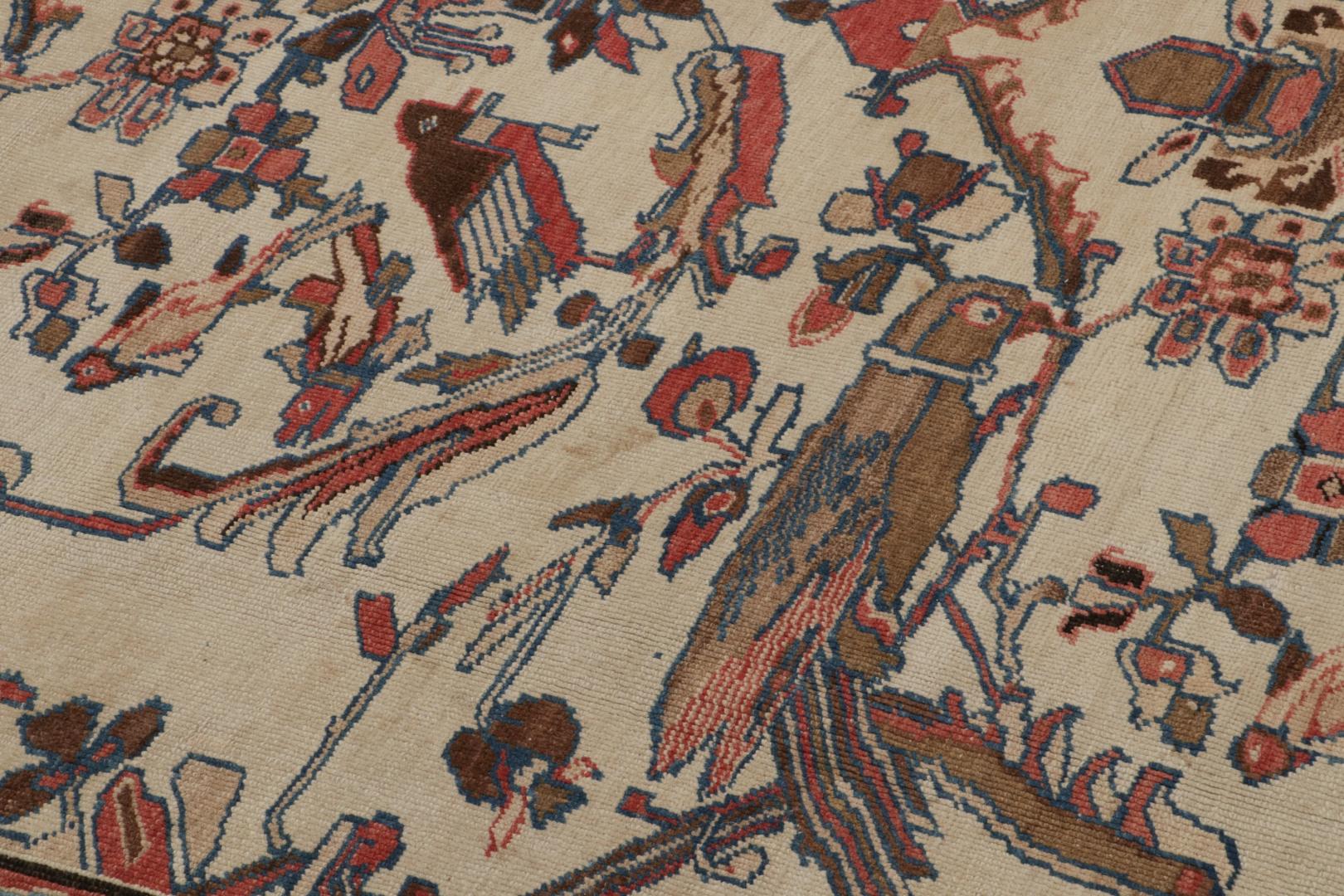
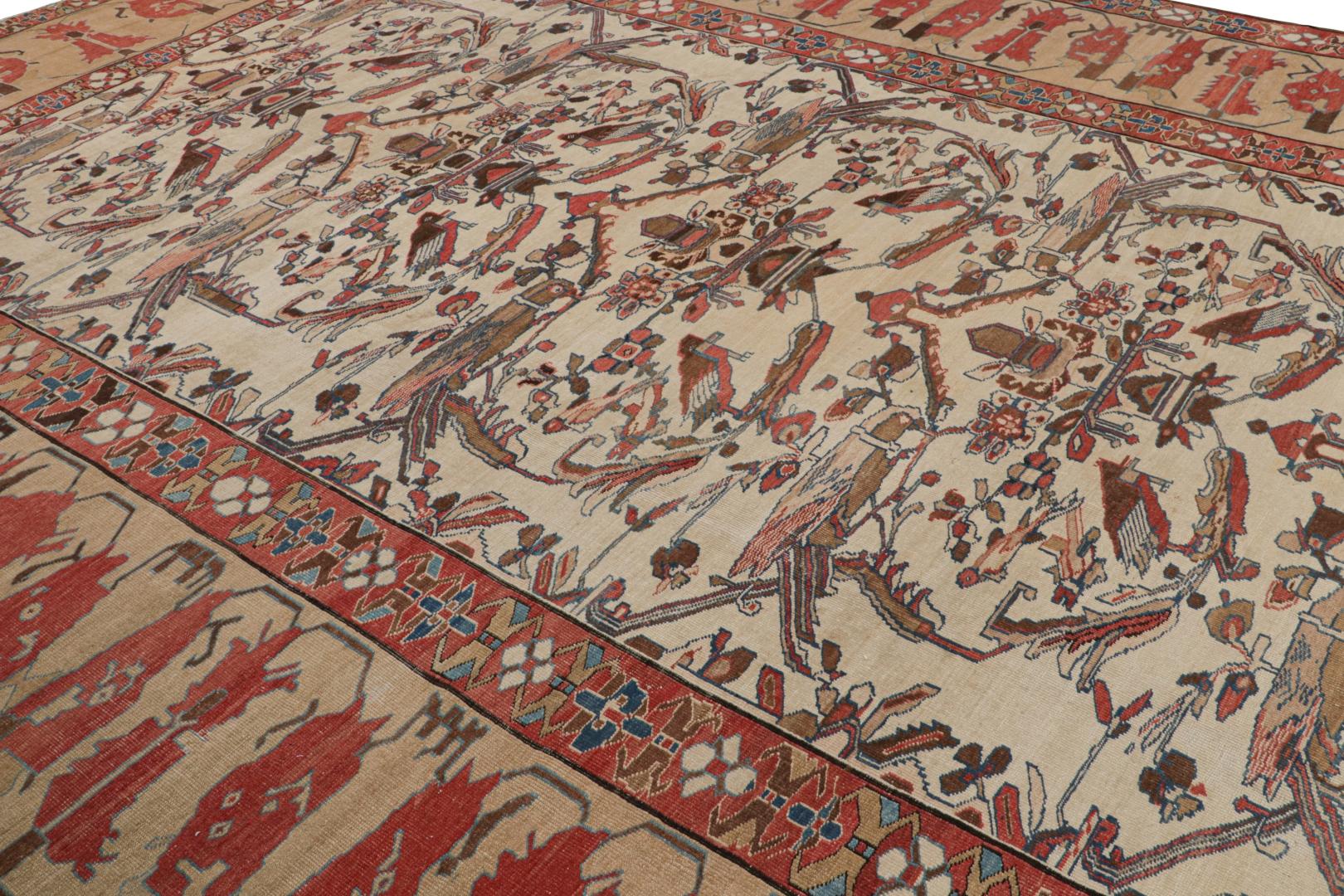
Oversized Antique Bakshaish Persian Rug with Pictorials, from Rug & Kilim
From Sotheby’s Arts “A Passion for Collecting: The Rugs and Carpets of a Connoisseur” to Austria Auction Company ‘Fine Antique Oriental Rugs XXXII, and from Grogan & Company Fine Rugs and Textiles to Christies ‘Art of the Islamic and Indian Worlds including Oriental Rugs and Carpets, Bakshaish rugs have time and again remained on the highest bid artworks in auctions.
Highly coveted among connoisseurs and interior designers, early antique Bakshaish rugs, particularly those dating back to circa 1875 or earlier, as well as the finest late 19th-century examples, stand as prized treasures among Northwest Persian village rugs. Their enduring appeal just like antique tabriz rugs, transcends time and style, seamlessly complementing both modern and, antique and vintage decors.
31923
31923
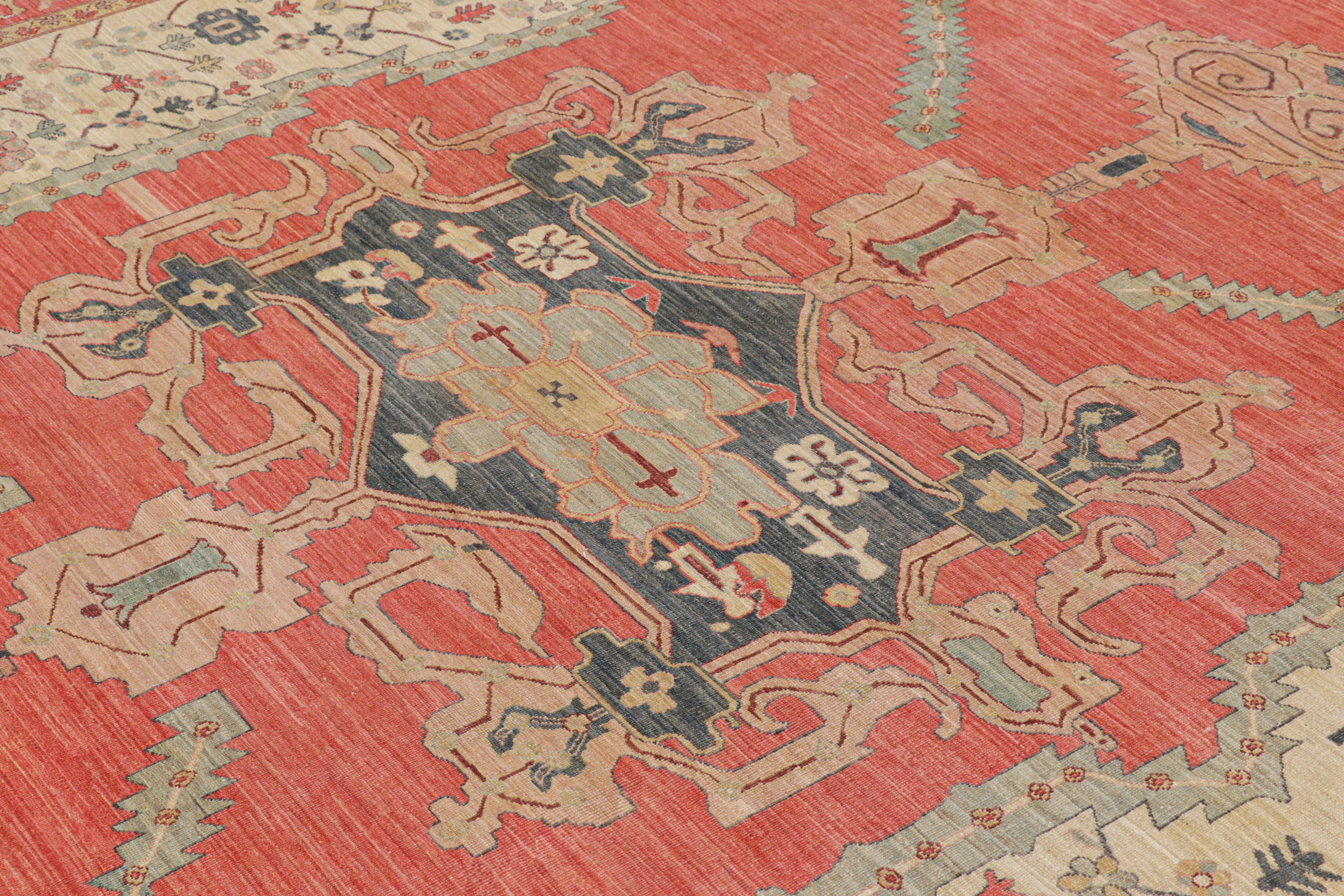
Rug & Kilim’s Persian Bakshaish Rug in Red with Geometric Medallion
History and Style of Bakshaish Rug Tradition
Bakshaish weavers, also known as Bakhshayesh, were artisans revered for their innovative approach to rug weaving. They possessed a remarkable talent for deconstructing classic styles and reimagining them into something entirely distinct and original. Indeed, their handmade rugs serve as the legitimate precursors of the abstraction that permeates much of 20th-century Western art.
Through their mastery of form, color, and pattern, Bakshaish weavers pioneered a bold and avant-garde aesthetic that continues to inspire and captivate designers to this day. Their creative ingenuity and artistic vision transformed the traditional craft of rug making into a dynamic and forward-thinking art form, leaving an indelible mark on the world of design and culture.
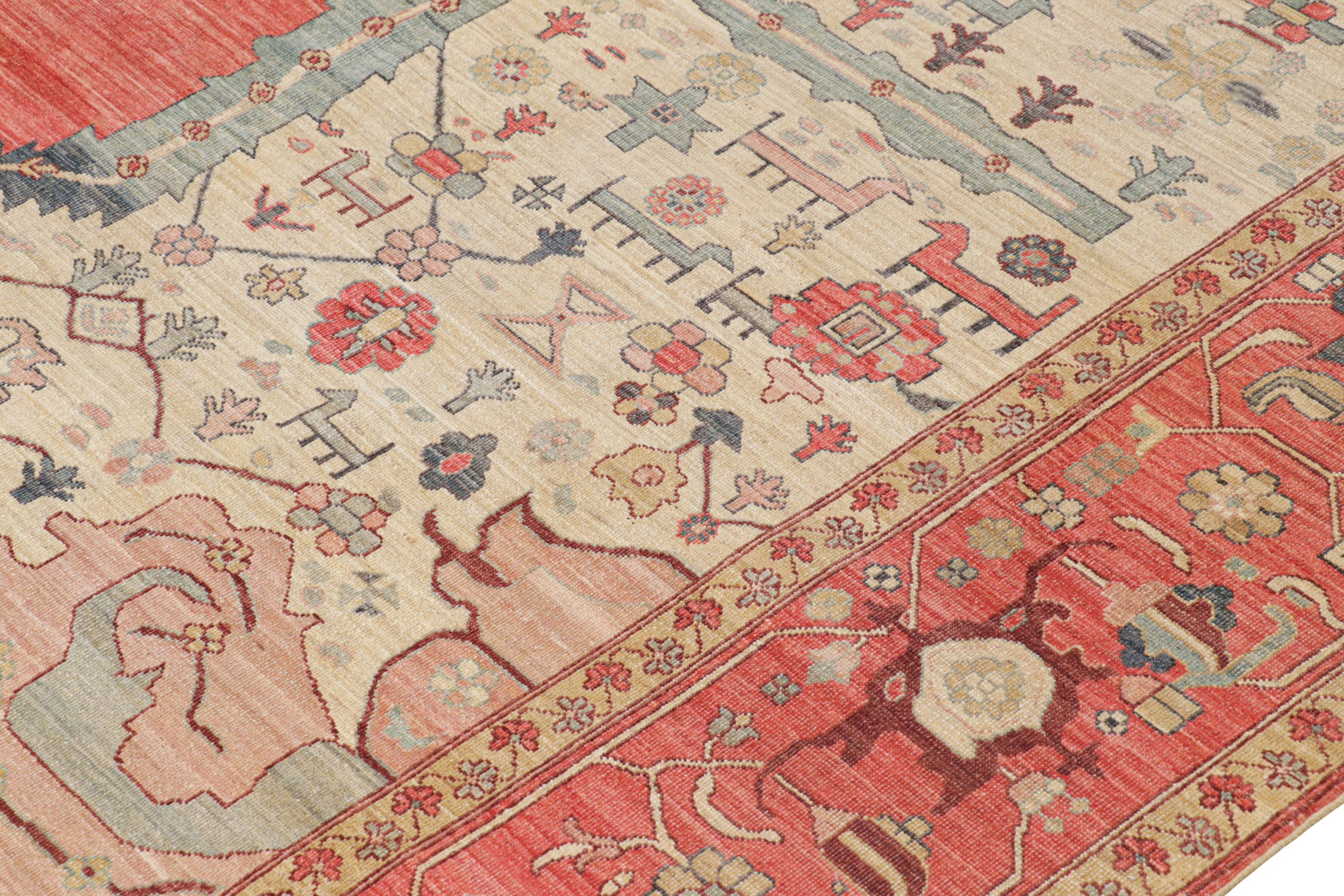
Bakshaish weavers employed a palette of soft reds blues and navy tones for the base color of the field, with the occasional use of ivory or golden Camel Hair grounds, a rarity that adds to their allure. Undyed camel hair, when utilized, imbues the field with a luminous quality. Noteworthy are the exceptional blues found in these antique Bakshaish area rugs, ranging from azure and turquoise to peacock and teal.
Muted tones such as salmon, coral, buff, and yellow, as well as rich greens from spring to jade, further enrich the intricate designs. Structurally akin to carpets from the nearby Heriz group, antique Bakshaish rugs typically feature a finer weave, enhancing their overall refinement and appeal. With their unparalleled beauty and craftsmanship, these carpets epitomize the epitome of heirloom elegance and classic persian expression.
Antique Persian Bakshaish Rug in Navy Blue with Floral Patterns from Rug & Kilim
Designs of Bakshaish Rugs
The finest Bakshaish hand-knotted rugs present a fusion of geometric allover designs or striking graphic medallions, infused with their own distinctive interpretation of the traditional Herati pattern. Renowned for their masterful use of natural colors and soft tones, these large-format carpets exude unparalleled elegance. Whether adorned with overscale floral motifs or the iconic Tree of Life motif, Bakshaish rug weavers showcase remarkable artistic prowess, seamlessly blending tradition with contemporary sensibilities.
For aficionados of tribal rugs, Bakshaish rugs offer a glimpse into geometric and folkloric motifs, presented in larger sizes that are as rare as they are captivating. The artistic distinction and excellent condition of 19th-century Bakshaish weavings have solidified their status as sought-after vintage items and art investments. Their rarity, inspired craftsmanship, and universal appeal ensure that collectible-level pieces are highly coveted and seldom available on the market over the past 100 years, commanding strong demand whenever they surface.
31923
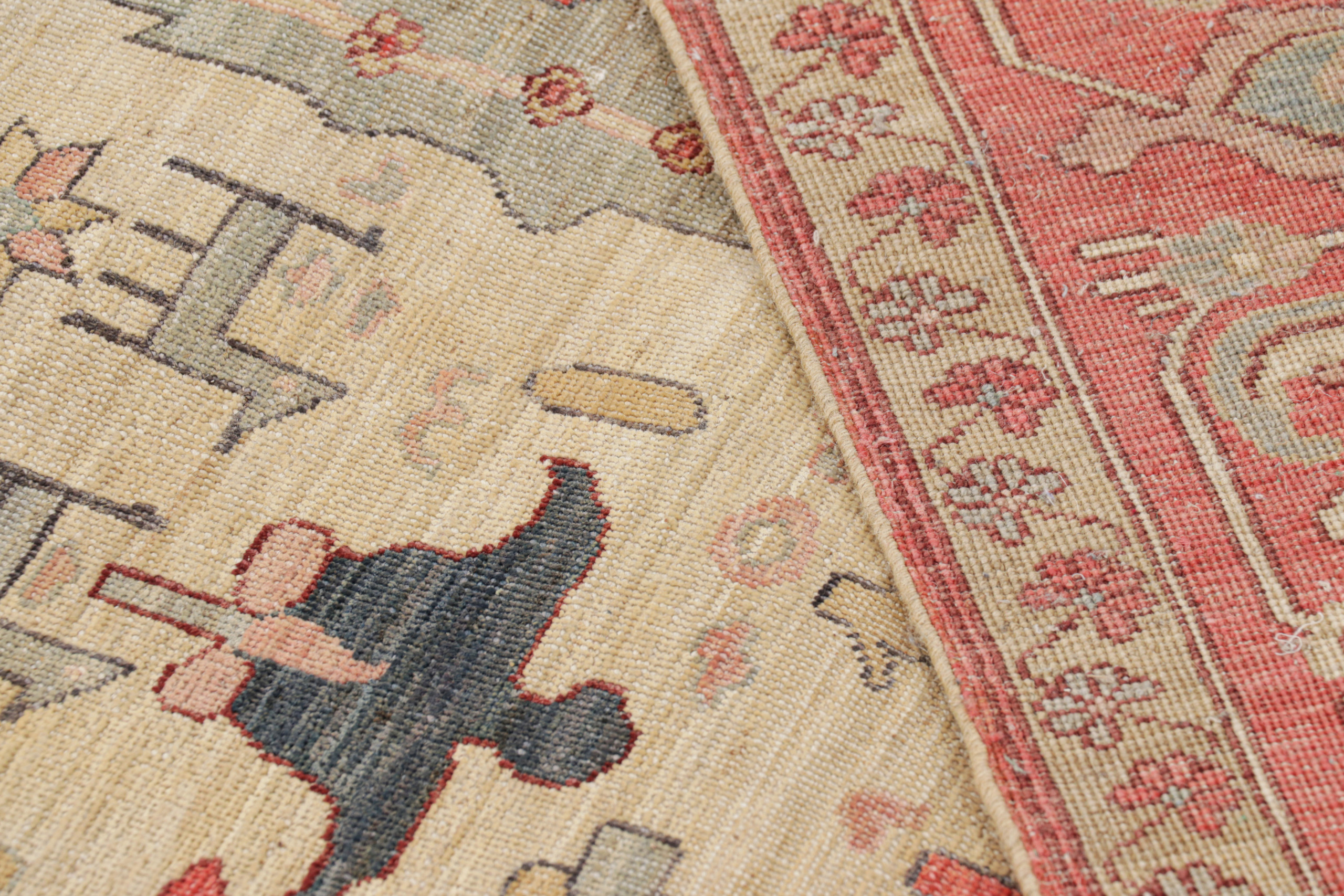
Heinrich Jacoby, the German Rug Expert and former head of PETAG, made a notable observation in 1949 regarding the distinguishing features of Heriz Rugs and Bakshaish Rugs from other Persian rugs. He attributed their distinct “soft coloring” to the local water, speculating that the presence of copper in the groundwater of the greater Heriz region could influence the coloration process. Jacoby also noted differences in the texture and weaving techniques of Gorevans and Bakshaish carpets compared to Heriz Carpets.
He observed that Gorevans and Bakshaish carpets tended to be coarser in texture, with larger wefts almost the size of the warps, while Heriz Carpets utilized thick warps with much thinner wefts. These insights shed light on the unique characteristics that set Heriz and Bakshaish rugs apart, contributing to their enduring allure among collectors and enthusiasts alike.
One of the hallmark designs of Bakshaish rugs is the use of curvilinear medallions, which transform classical motifs into dynamic and abstract drawings akin to those found in Caucasian tribal rugs. During the late 19th century, Bakshaish carpets showcased designs reminiscent of those produced by Arak weavers, further enriching their artistic legacy and appeal.
Bakshaish rugs embody the essence of the most cherished smaller tribal carpets from Northern Iran, skillfully adapting their style and sensibility to create larger masterpieces. Renowned as some of the finest rugs in the region, Bakshaish rugs draw inspiration from Persian classical carpets while infusing them with abstract intricate patterns and bold geometric designs.
Bakshaish runner rugs often feature scattered graphics that fill the field, reminiscent of the charm found in village wool rugs. Alternatively, they embrace empty spaces, allowing the graphics to command attention and stand out against the backdrop, complementing, any and every piece of furniture.
Antique Bakhshaish Red and Blue Geometric Wool Persian Runner with Bronze 12580
The true value of a Bakshaish lies in its history, its art, and the joy it brings to those fortunate enough to live with one. Each rug is a tangible connection to a bygone era, a piece of history you can walk on (though we’d recommend admiring it from a respectful distance, preferably while sipping a perfectly aged Bordeaux).