
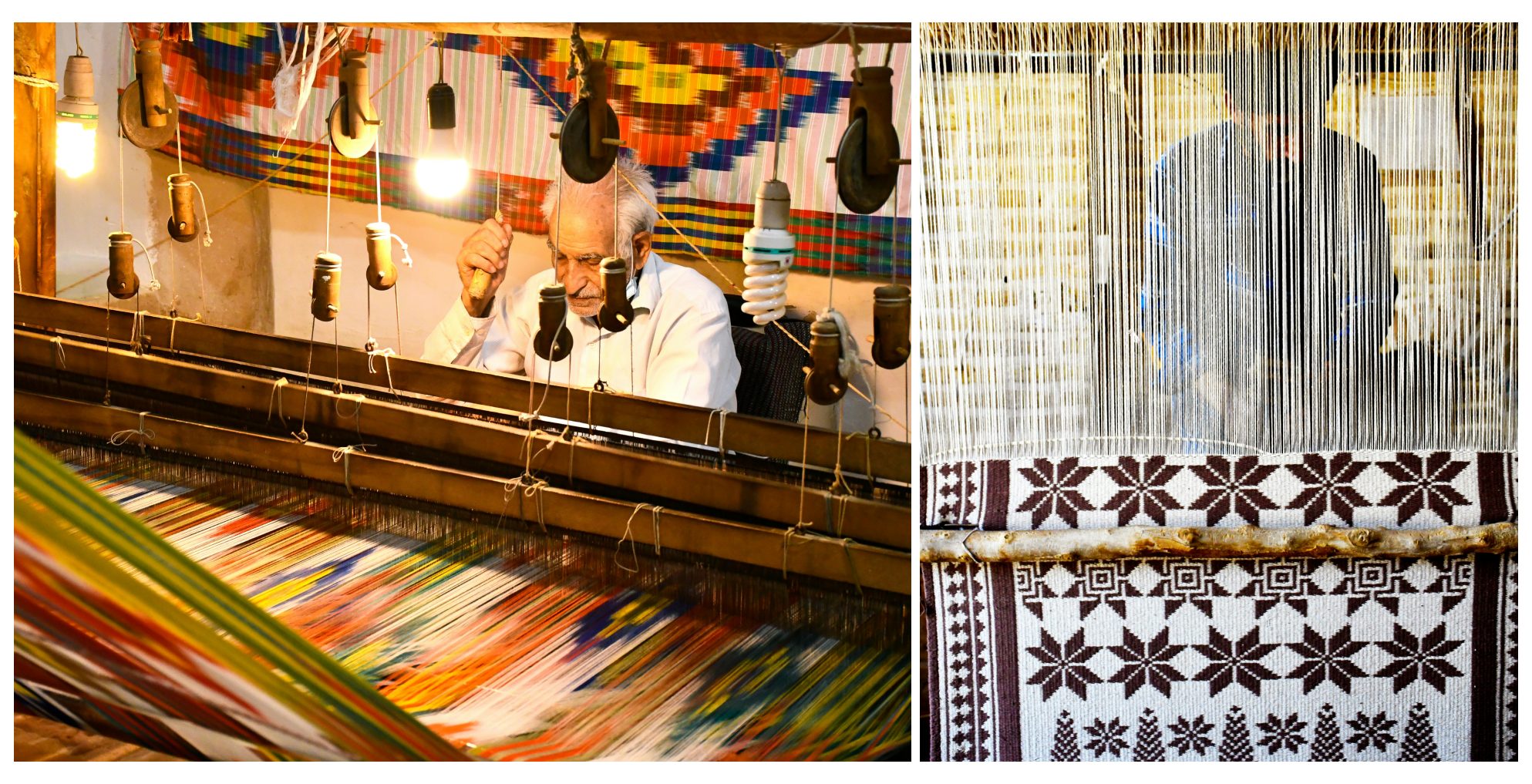
Ikat Textiles and Rugs – A Profile on History, Styles, Patterns and Weaving
July 15, 2024
A Guide to History and Significance of Moroccan Berber Azilal Rugs
July 22, 2024The legacy of Persian rugs stretches back millennia, with historical references dating to the 4th century B.C. Xenophon, the Greek historian, marveled at the "soft rugs on which the Persians sit," marking one of the earliest recorded appreciations of these masterpieces.
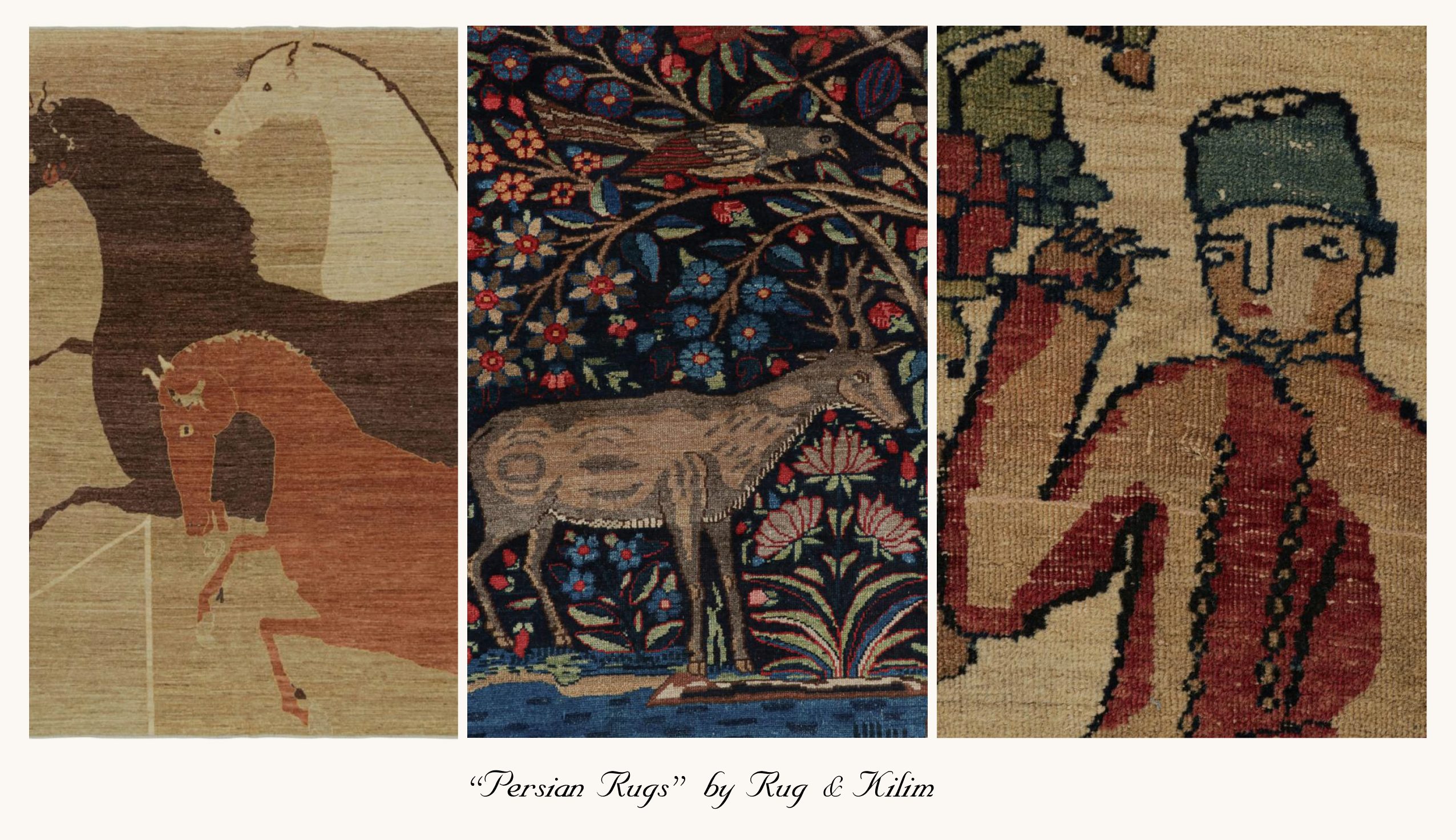
Persian rugs, with their rich history have long been revered as the pinnacle of floor covering artistry. These exquisite textiles, steeped in centuries of tradition, continue to captivate collectors, designers, and connoisseurs worldwide, gracing the most prestigious spaces from opulent palaces to renowned museums. This ancient craft has evolved over centuries, with each era contributing to the styles and techniques that define Persian rugs today.
Persian rug designs are a visual language, each pattern and motif imbued with cultural significance and historical context. From the intricate floral patterns of Isfahan to the bold geometric designs of Tabriz, every region in Iran has developed its distinctive style. These designs often incorporate symbolic elements, such as the tree of life representing eternity, or the boteh (paisley) shape symbolizing fertility and abundance.


Contemporary luxury brands and designers continue to draw inspiration from the timeless appeal of Persian rugs. The Hermès “La Maison” collection, for instance, features modernized interpretations of classic Persian motifs, blending traditional with contemporary aesthetics. Similarly, fashion houses like Gucci and Dolce & Gabbana have incorporated Persian rug-inspired patterns into their textile and fashion designs, underscoring the enduring influence of this art form. Notable exhibitions have further elevated the status of Persian rugs in the art world. The Louvre’s 2018 exhibition, “The Fabulous East: Rugs and Paintings,” highlighted the intricate relationship between Persian rugs and painting traditions, drawing parallels between these two pinnacles of Islamic art.
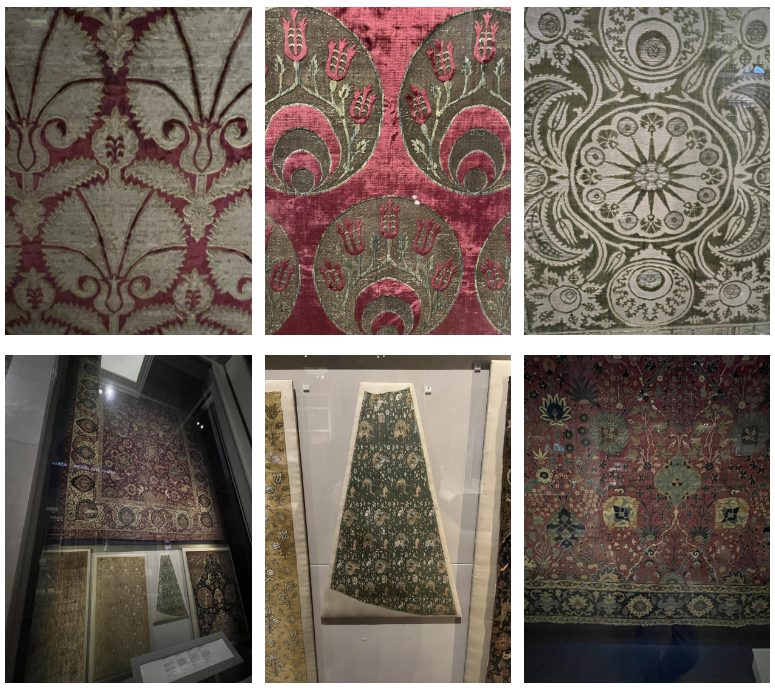
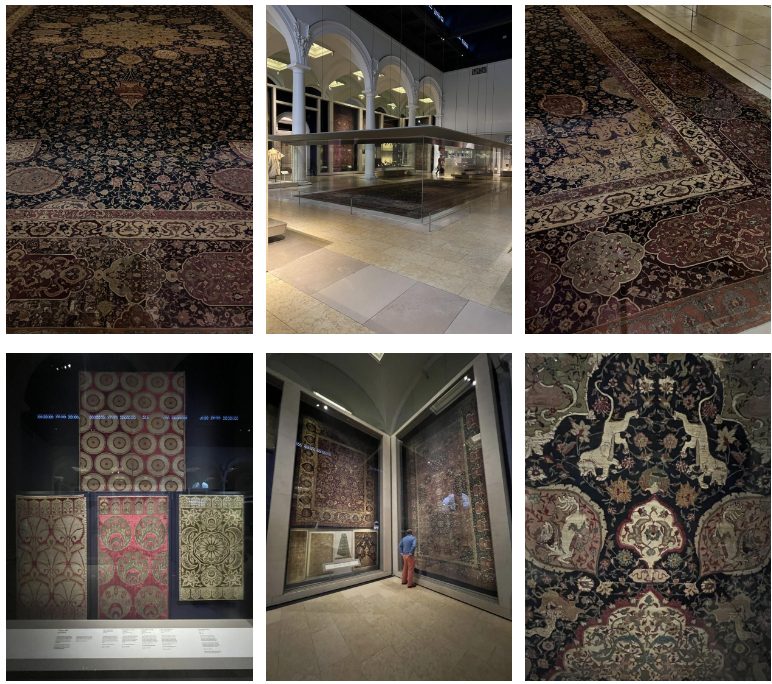
The Ardabil Carpet—a Masterpiece for the Ages – No discussion of Persian rugs would be complete without mentioning the Ardabil Carpet, widely regarded as one of the finest examples of Persian rug making. Created in the 16th century during the Safavid dynasty, this masterpiece now resides in the Victoria and Albert Museum. Its intricate design, featuring a central sunburst medallion surrounded by intricate floral patterns, exemplifies the zenith of Persian rug artistry and continues to inspire designers and art lovers alike.
For the discerning collector or homeowner, acquiring a Persian rug represents more than a purchase; it’s an investment in a piece of living history. High-end Persian rugs appreciate in value over time, often outperforming traditional investment vehicles. The sale of a 17th-century Kirman rug for $33.7 million at Sotheby’s underscores the potential for exceptional returns in this market.
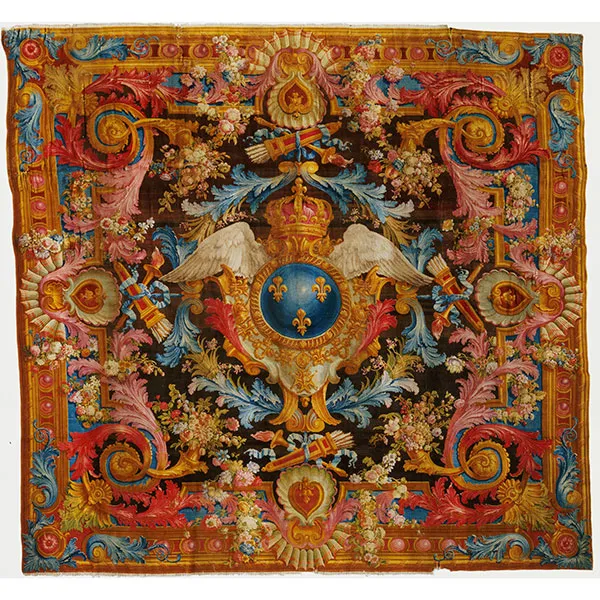
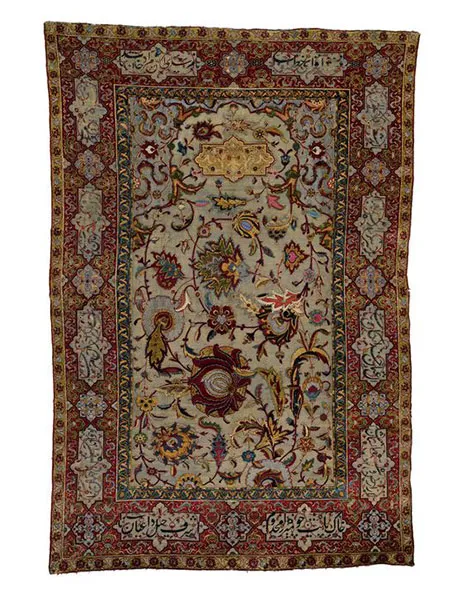
Persian rugs are typically classified into three main categories: village, tribal, and city rugs. Each category represents a distinct approach to rug-making, influenced by the social, economic, and cultural contexts of its creators.
Notable examples include:
- Bidjar Rugs: Known as the “iron rugs of Persia,” Bidjars are woven in northwestern Iran. Their exceptional durability stems from a unique weaving technique that results in a dense, compact structure. The Senneh knot, used in Bidjar rugs, contributes to their tight weave and longevity.
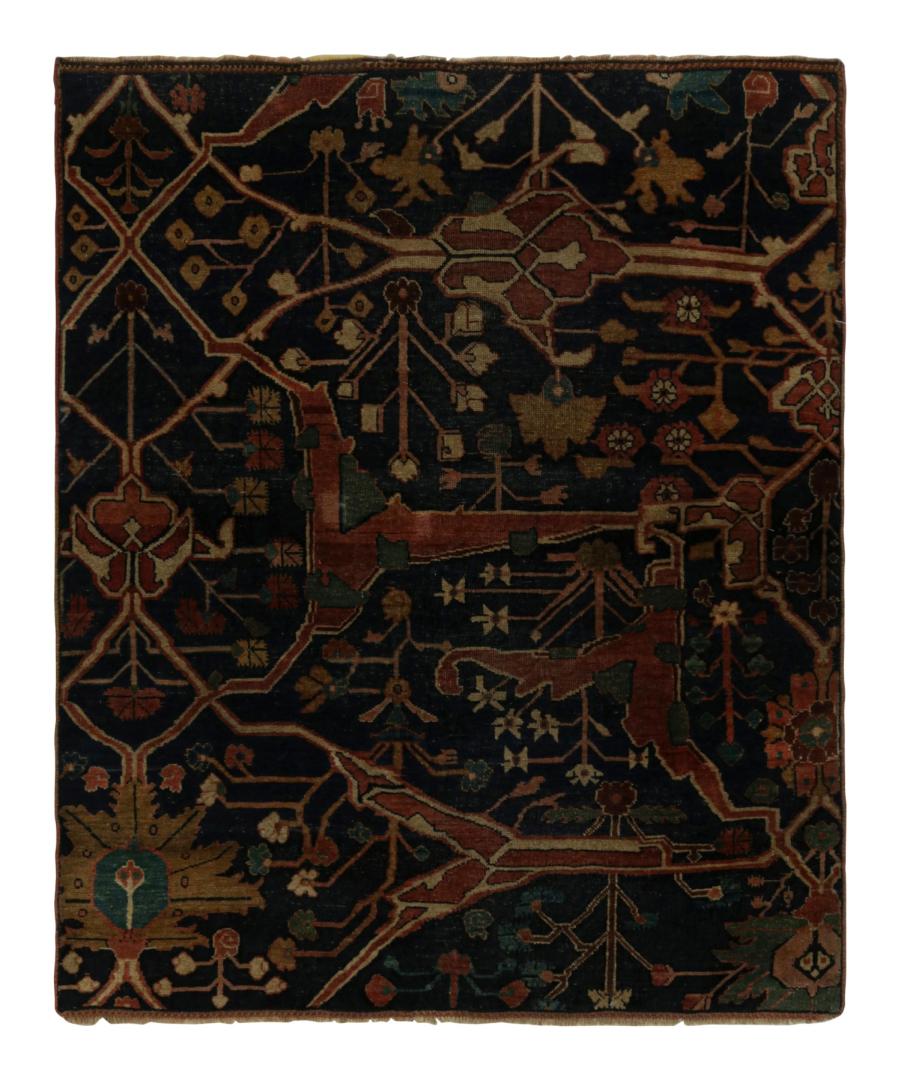
- Hamadan Rugs: These rugs typically feature geometric or floral patterns, often accompanied by central medallions. The Hamadan region, one of the oldest rug-producing areas in Iran, is known for its unique “one-weft” weaving technique, resulting in sturdy, long-lasting rugs.

Key tribal rug styles include:
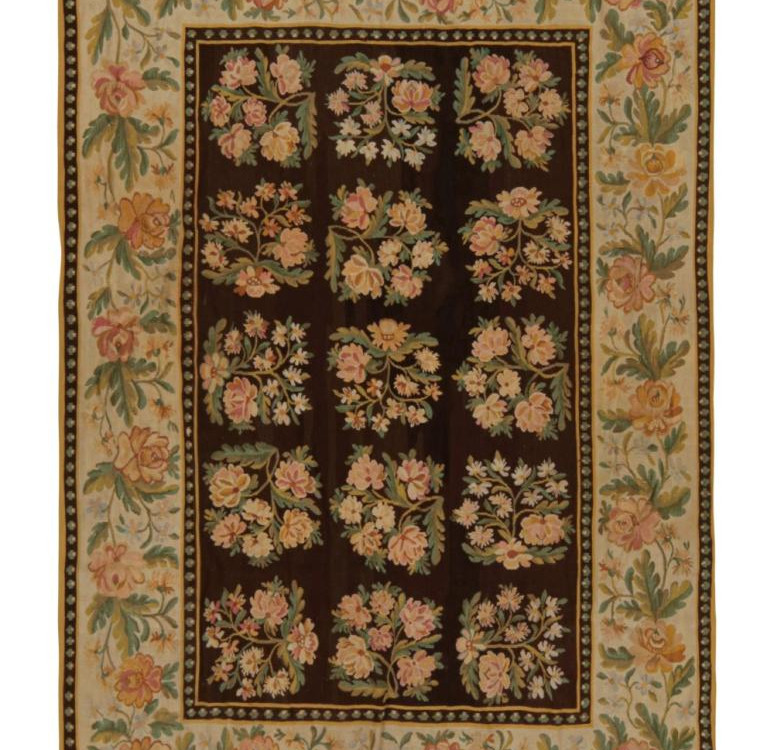
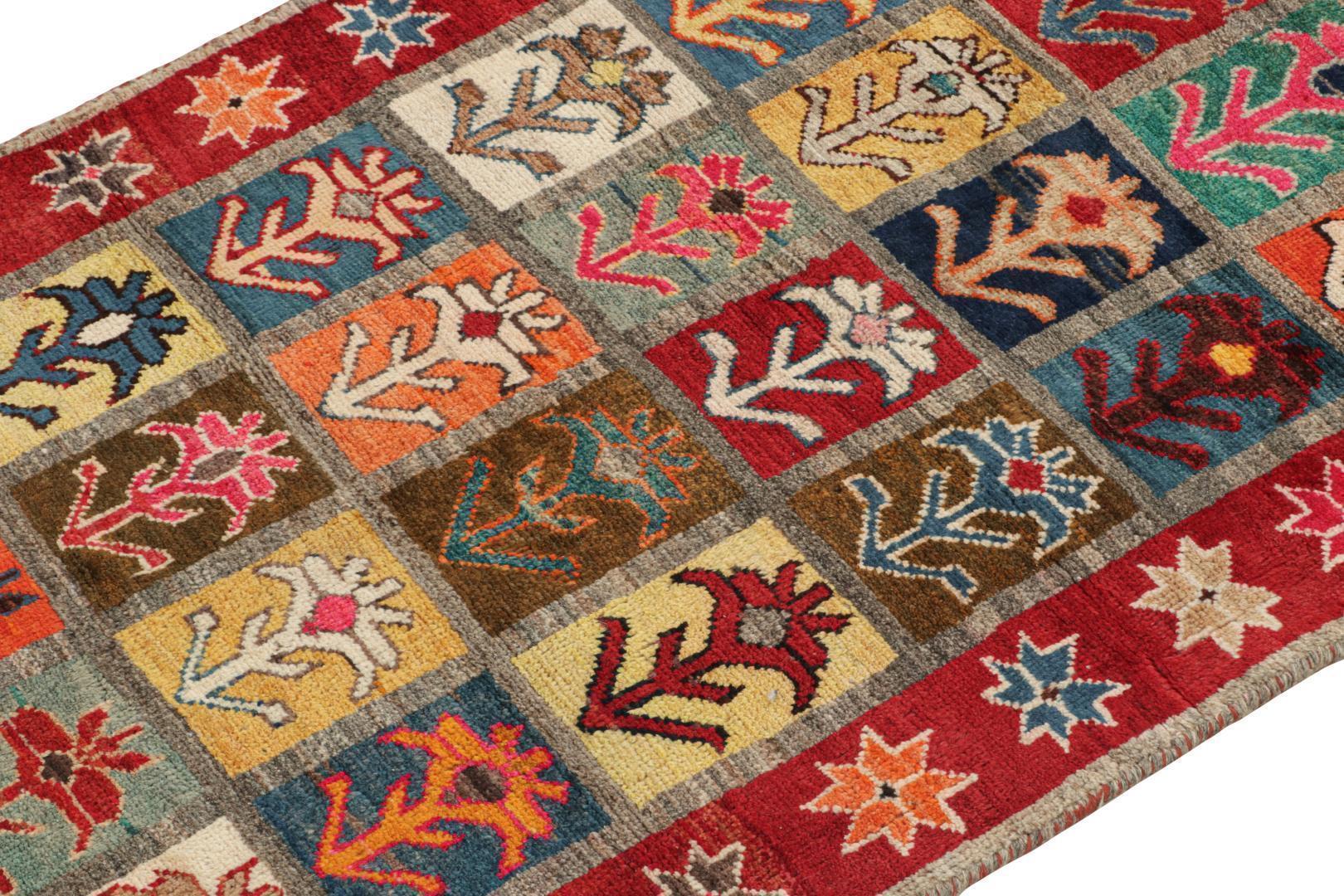
- Bakhtiari Rugs: Originating from the Zagros Mountains, Bakhtiari rugs are renowned for their “garden” designs. This motif, featuring compartmentalized layouts filled with nature-inspired elements, reflects the nomadic tribe’s deep connection to the natural world.
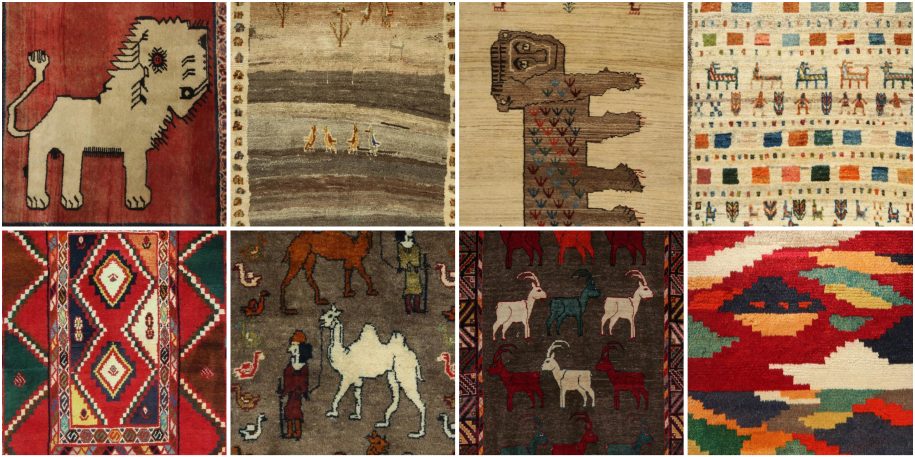
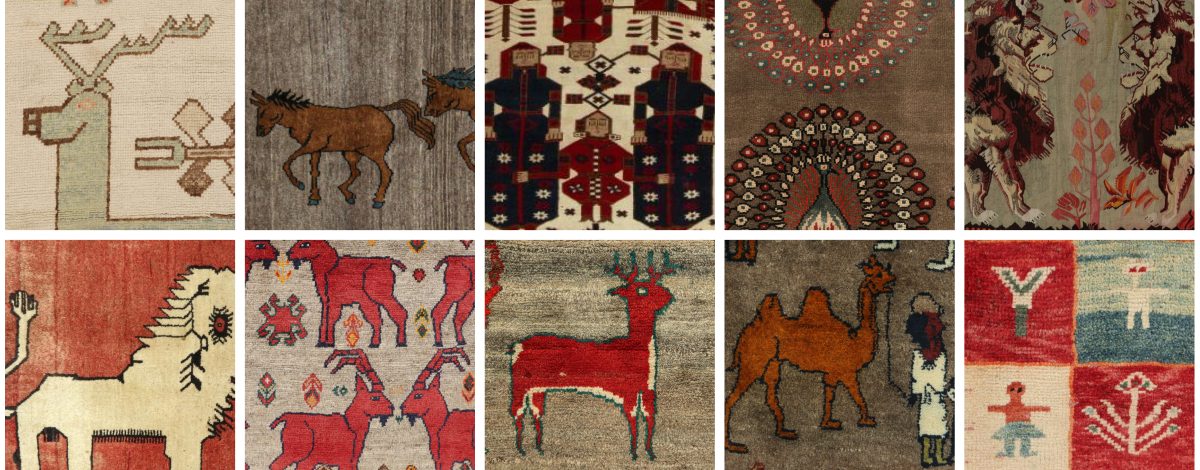
- Gabbeh Rugs: These thick, coarse rugs are distinctive for their minimalist designs and bold colors. Often featuring abstract or primitive motifs, Gabbeh rugs have gained international recognition for their modern aesthetic appeal.
- Shiraz and Turkoman Rugs: These styles showcase the rich cultural heritage of their respective tribes. Shiraz rugs, with their deep reds and browns, often feature intricate border designs. Turkoman rugs are distinguished by their iconic “gul” motifs, octagonal medallions that serve as tribal symbols.
Prominent city rug styles include:
- Kashan Rugs: Considered among the finest Persian rugs, Kashan pieces are renowned for their curvilinear designs featuring palmettos, leaves, and arabesques. The use of the asymmetrical Persian knot allows for intricate, flowing patterns that have become synonymous with luxury.
- Tabriz Rugs: With a history dating back to the 16th century, Tabriz rugs are known for their diverse patterns, ranging from floral and garden designs to historical and literary scenes. The “Mahi” or fish pattern, featuring small, stylized fish throughout the field, is a distinctive Tabriz motif.
Key Features of Persian Rugs –
Material
The authenticity and quality of Persian rugs are intrinsically tied to their materials. Genuine antique Persian rugs are crafted exclusively from natural fibers:
- Wool: The predominant material, owing to the pastoral traditions of Persian tribes. Wool’s inherent properties make it ideal for rug-making:
- Silk: Used in the finest rugs, silk adds luminosity and allows for intricate detailing.
- Cotton: Often used for the foundation, providing stability and structure.
The use of these natural materials not only ensures the rug’s authenticity but also contributes to its ability to age gracefully, developing a rich patina over time.
Colors
The use of warm, vivid hues such as golden yellow, indigo, and rich reds is a hallmark of Persian rugs. These colors, derived from natural dyes, create a visual appeal that tells stories of cultural heritage.
Styles and Patterns
Compartmented Floral or Geometric Designs – characterized by diamond, square, or hexagonal compartments
Centralized Medallion – features an oval or circular focal point at the rug’s center, often contains animal motifs or tribal symbols
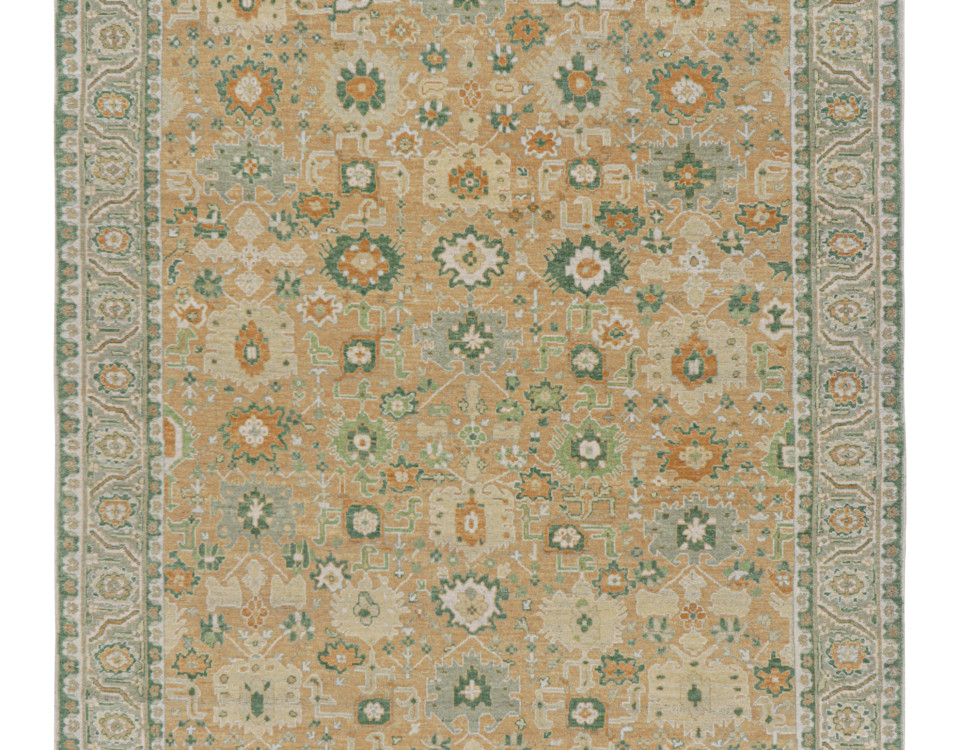
All-Over Patterns – utilizes repetitive geometric or garden motifs across the entire rug
These design elements are not merely decorative; they are a visual language, conveying cultural narratives, spiritual beliefs, and traditions.
Styling Persian Rugs in Modern Interiors
Persian rugs transcend mere floor coverings; they are investments in art and history. Their durability ensures they can be passed down through generations, accumulating stories and character with each passing year. In the contemporary luxury market, Persian rugs continue to be highly sought after. High-end interior designers often incorporate these pieces as statement elements in both traditional and modern spaces. The recent resurgence of interest in artisanal crafts has further elevated the status of Persian rugs, with collectors and connoisseurs appreciating not just their aesthetic value but also their cultural significance.
The juxtaposition of these timeless treasures within modern interiors creates a dialogue between past and present, infusing spaces with depth, character, and an ineffable sense of history.
In the modern home, where clean lines and minimalist aesthetics often prevail, a Persian rug serves as a focal point of unparalleled richness.
- The Grand Entrance – Position a runner of Tabriz or Heriz origin in your foyer. Its intricate patterns and warm hues will immediately envelop visitors in an atmosphere of refined hospitality.
- The Living Room Centerpiece – A large Kashan or Isfahan rug, with its central medallion design, can anchor a seating arrangement. Allow the furniture to float upon it, creating an ambience of opulence amidst modern simplicity.
- The Dining Room’s Foundation – Under a glass-topped table, a Kerman rug’s delicate floral motifs create a stunning visual effect, marrying the ethereal with the substantial
The rich palette of Persian rugs need not clash with modern color schemes. Instead, consider:
- Resonating Tones – Extract the subtler hues from your rug – perhaps a muted saffron or dusty rose – and echo these in throw pillows or artwork.
- Contrasts – Set a vibrant Qashqai rug against stark white walls and minimalist furniture. The rug’s exuberant patterns will accessorize the restrained setting.
- Monochrome – In rooms dominated by grays or beiges, a Kashan rug with its delicate tones can add depth without disruption.
In contemporary spaces, where proportion is paramount, consider:
- The Oversized Statement – In a large, open-plan area, an oversized Sultanabad rug can define distinct zones while maintaining visual cohesion.
- The Artful Layering – Overlap smaller Bidjar or Malayer rugs to create a curated, collected look that breaks up large expanses of flooring.
As we integrate these storied pieces into contemporary spaces, we must remember that we are not merely decorating, but curating a dialogue between eras.
The Persian rug, with its rich history and heritage, brings gravitas to modern interiors that might otherwise lack depth. The incorporation of Persian rugs into modern spaces is an exercise in balance, contrast, and reverence. When executed with thoughtfulness and expertise, the result is a living space that honors the past while embracing the present – a timeless sanctuary in our ever-changing design world.
ANTIQUE: View Full Collection >>
VINTAGE: View Full Collection >>