
Jackson Pollock and his Abstract Expressionist Mid-Century Modern Art
July 12, 2024
A Comprehensive Collectors’ Guide to Antique and Vintage Persian Rugs
July 17, 2024The art of ikat weaving spans centuries and continents, producing textiles that range from intricately detailed to boldly abstract.
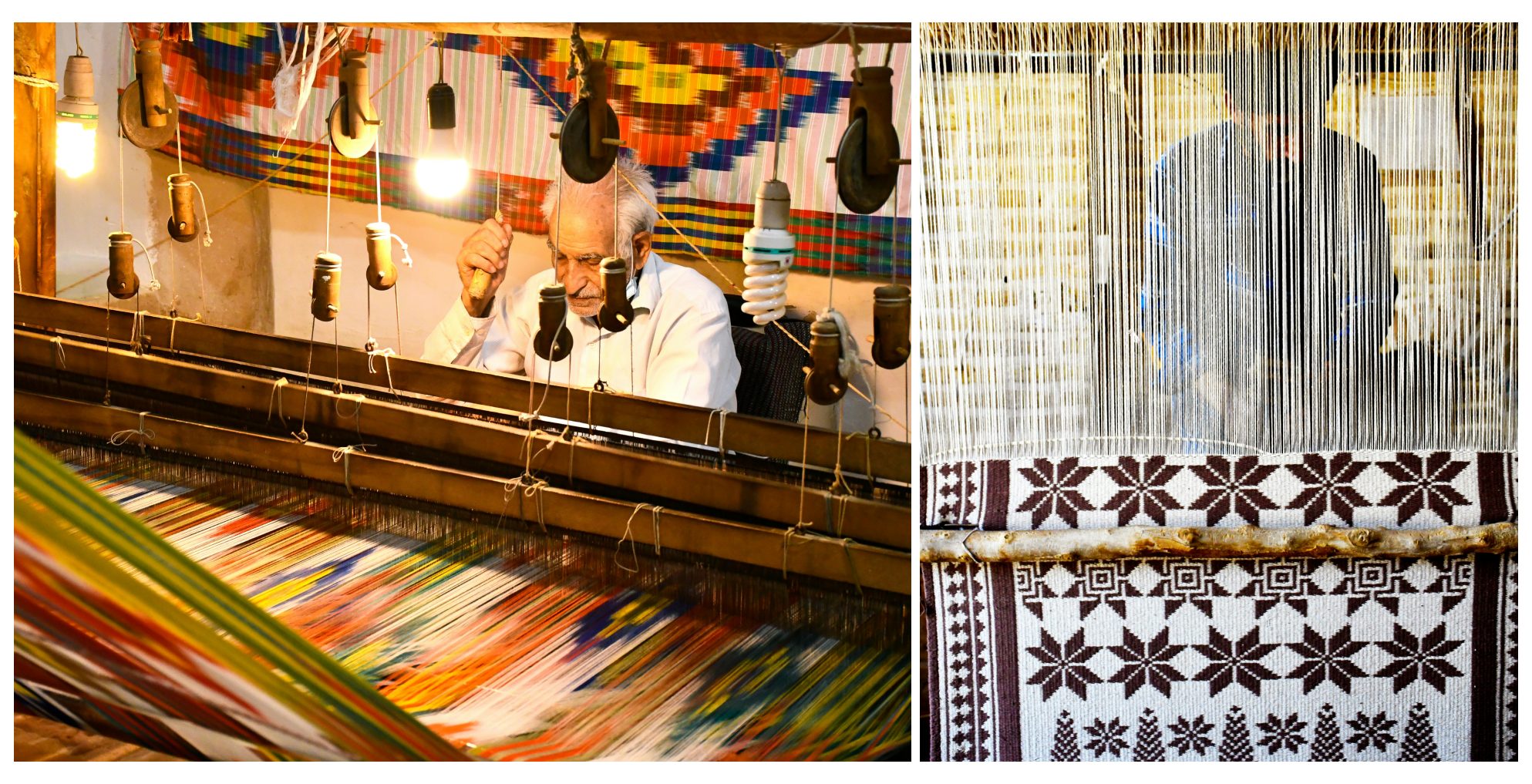
Its blurred, feathered, or jagged patterns can be found across diverse regions—from Japan in the east to Central and South America in the west, encompassing vast areas of Southeast Asia, India, Central Asia, and the Middle East in between. These patterns continue to hold deep cultural significance in the traditional ikat-weaving communities, resonating with historical narratives and societal values.
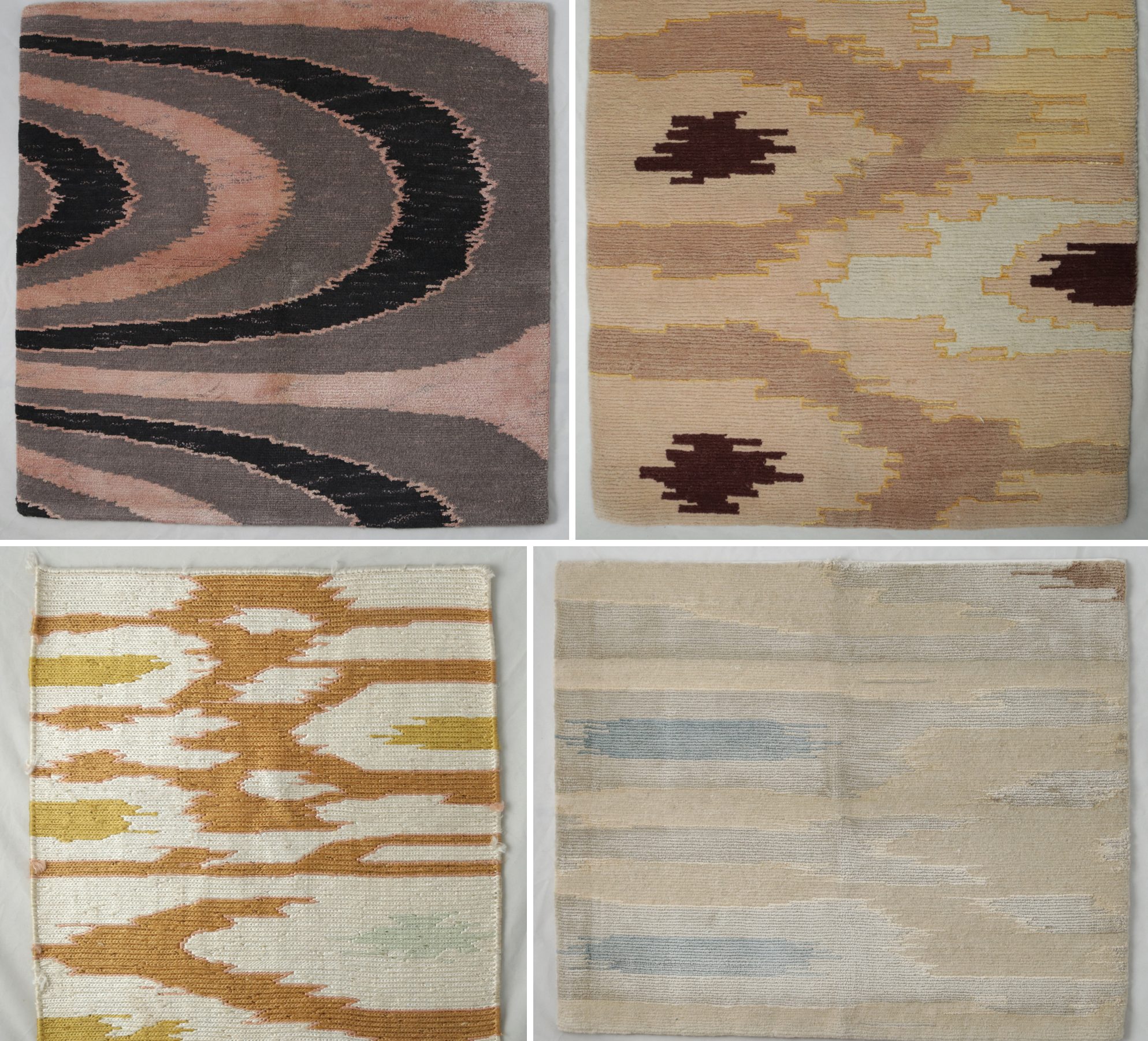
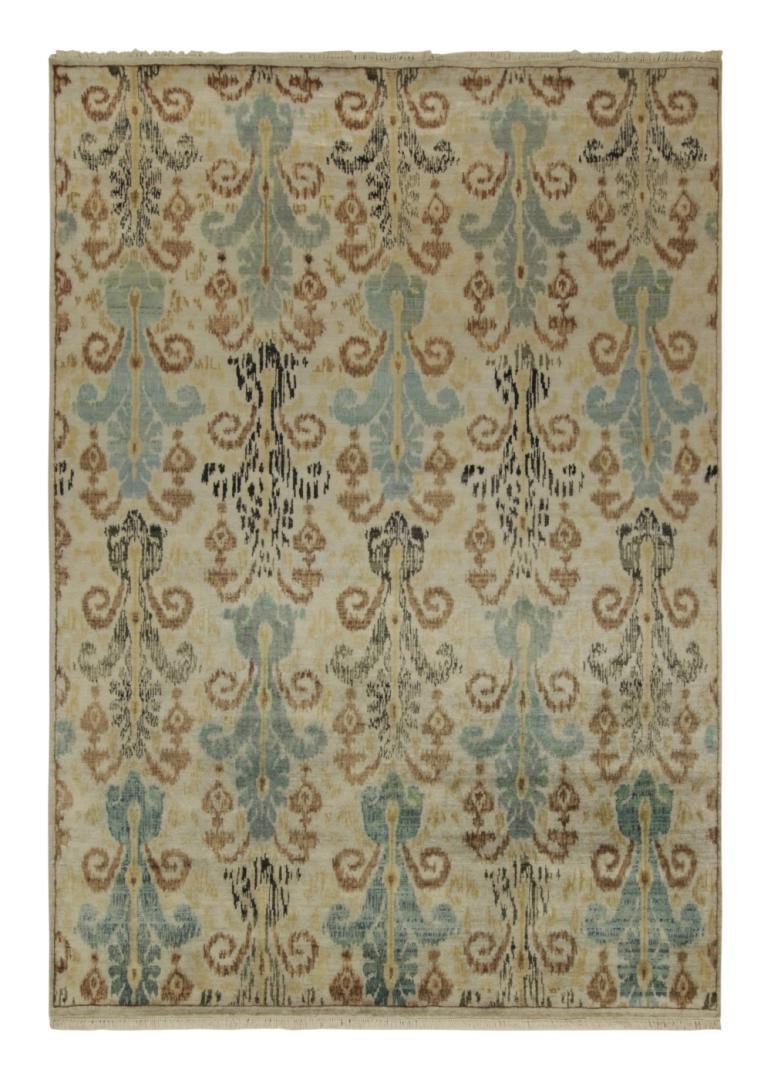
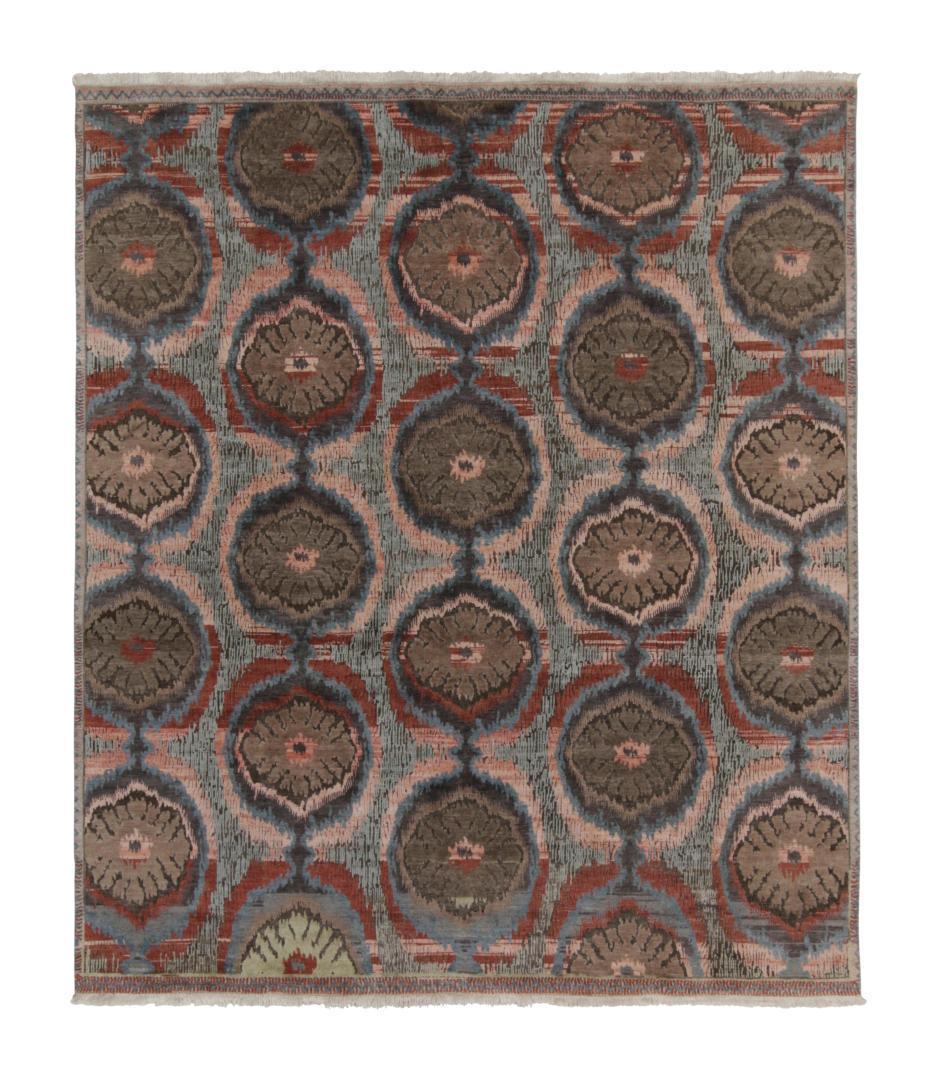
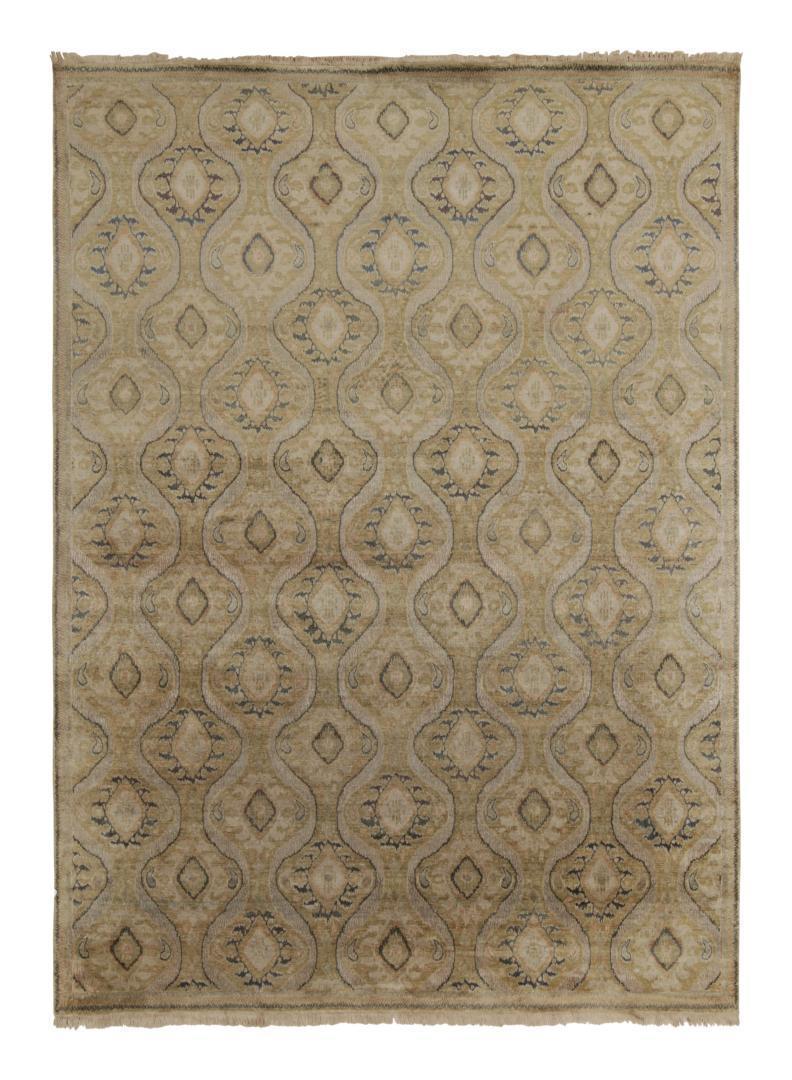
Ikat Samples from our Archive. Shop our ‘Ikat’ full pieces here >>
In contemporary times, textile artists and fashion designers worldwide have embraced ikat, exploring its rich heritage while innovating with new techniques and styles. They honor traditional forms and color palettes, yet also diverge creatively to reinterpret ikat in modern contexts. This dynamic evolution ensures that ikat remains not only a testament to ancient craftsmanship but also a vibrant force in today’s global textile and fashion industries, bridging heritage with contemporary expression.
One such example of this confluence is Ralph Lauren’s spring-summer 2022 collection which showcases the vibrant ikat patterns, drawing inspiration from the rich textile traditions of Central Asia.
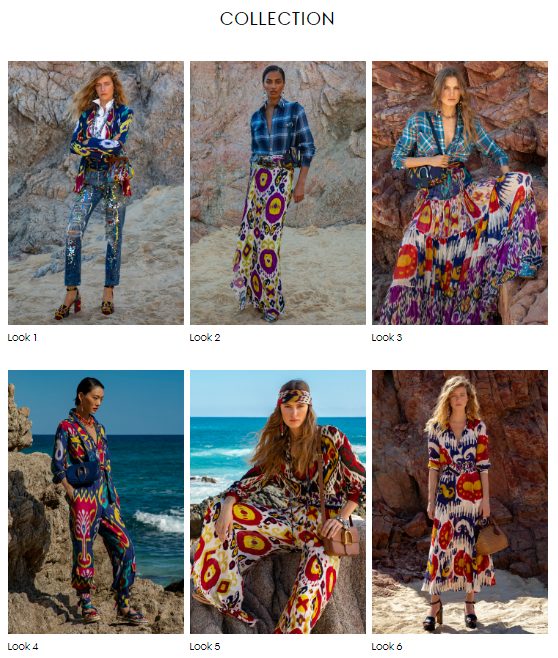
Ralph Lauren joins the ranks of prestigious fashion houses that have found inspiration in the ikat tradition. Oscar de la Renta and Gucci have previously incorporated these mesmerizing patterns into their collections, underscoring the universal appeal and adaptability of ikat designs in high-end fashion. This trend speaks to a broader movement within the luxury sector towards celebrating diverse cultural heritages and artisanal techniques.The 75th Cannes Film Festival provided a glamorous backdrop for Ralph Lauren to showcase the ikat-inspired collection. At an exclusive luncheon on the famed Croisette, a coterie of international celebrities and fashion icons donned pieces from the spring-summer 2022 line. Models Coco Rocha and Izabel Goulart, alongside actors Melanie Laurent, Carmen Kassovitz, Vassili Schneider, and Assa Maga, embodied the collection’s ethos of cultural fusion and sartorial excellence.
What is an Ikat Textile?
Ikat, pronounced “ee-kaht,” is a traditional weaving technique that originates from Asia and South America, with its name derived from the Indonesian word meaning “to tie” or “to bind”. This ancient method involves dyeing the threads used for weaving before they are woven into the fabric. The threads are meticulously bound in specific patterns so that when dyed, the areas covered by the bindings resist the dye, resulting in distinct, blurred patterns characteristic of Ikat.
Ikat fabric, renowned for its whimsical and vibrant patterns, embodies the ancient Indonesian art of resist-dyeing yarns before weaving. This meticulous process creates a blurred, dynamic effect that injects energy into interior spaces. Originating 5,000 years ago, authentic ikat involves binding yarns to create resistant areas during dyeing, which forms intricate patterns before weaving begins.
This labor-intensive technique, practiced across Central Asia, Northern Africa, South America, and Europe before reaching Western civilizations, showcases cultural evolution and artisanal skill. n many Indonesian societies, ikat fabrics are more than decorative; they are carriers of ancestral wisdom, social status, and spiritual protection.
When it comes to haute textile artistry, Indonesian ikat stands as a paragon of craftsmanship, cultural significance, and artistic expression. This venerable tradition, showcased in an exhibition at the Metropolitan Museum of Art, offers an unparalleled glimpse into the world of Southeast Asian textile heritage. From the moment of birth to the final rites of passage, ikat fabrics envelop the lives of Indonesians, serving as both functional attire and spiritual symbols. The exhibition, curated with meticulous attention to regional variations, presents over twenty-five exemplary ikat pieces.
The exhibition highlights the virtuosity of Indonesian weavers, showcasing pieces that push the boundaries of the medium. Intricate figurative designs depict mythological scenes and cultural motifs with a level of detail that challenges the perceived limitations of the technique.
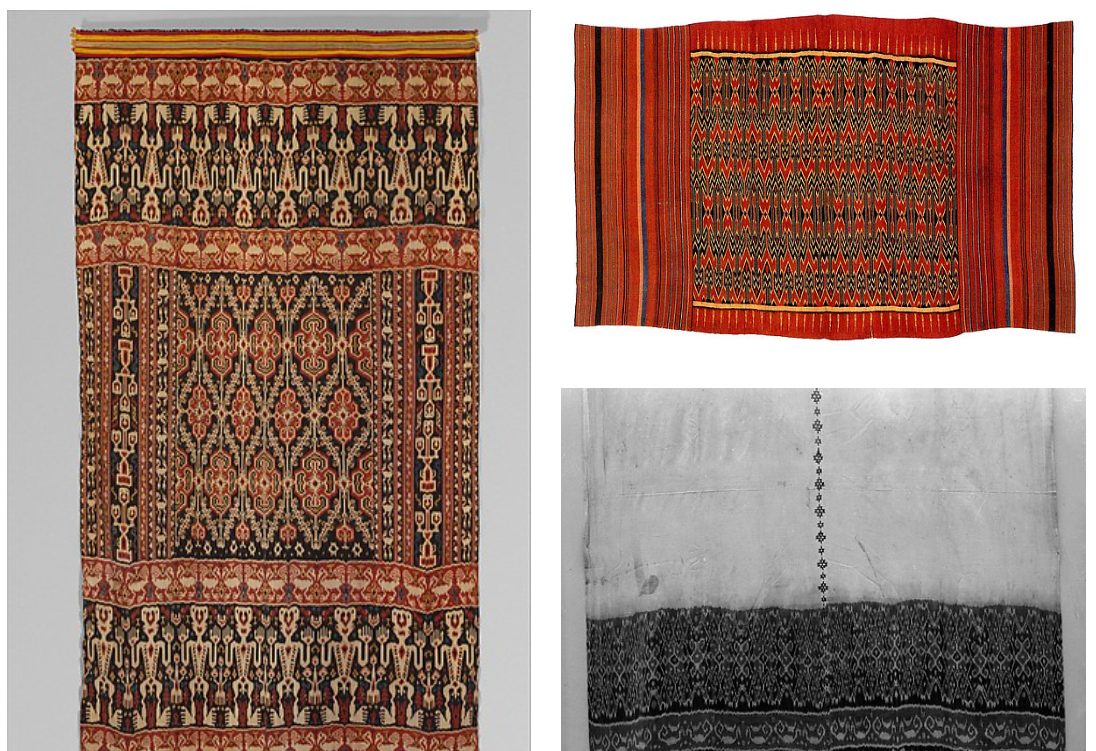
History of Ikat Weaving
Since the Middle Ages, ikat has traversed continents and centuries, leaving its colorful mark on diverse cultures worldwide. Originating in Central Asia, where it was traditionally woven with silk and dyed using natural pigments, ikat spread across Asia to countries like China, India, Indonesia, Japan, and Uzbekistan. By the 10th century, it had found its way to Yemen in the Middle East and had taken root in pre-Columbian Peru and Guatemala in South America.
In the 12th century, the Indian city of Patan, Gujarat, gained renown for its exquisite patola sarees, crafted using a double ikat technique with vibrant silk yarns. These luxurious textiles became symbols of wealth and social status. The Dutch East India Company played a pivotal role in bringing ikat to Europe via the Silk Road, where it integrated into the cultures of France, Italy, and Spain.
In 18th-century Mallorca, Spain, ikat evolved into a distinct style cherished among the affluent, and despite waning European production post-World War II, Mallorca continued to nurture the tradition, preserving its unique flair through family-run businesses to this day.
During the 19th century, Japan embraced ikat weaving to create kasuri textiles, known for their geometric patterns formed by dyed yarns. In a diplomatic gesture in 1856, the king of Thailand presented a Cambodian ikat cloth to US President Franklin Pierce, marking an early introduction of ikat to American shores.
However, it wasn’t until the late 20th century, following the Soviet Union’s dissolution in 1991, that Western collectors began to appreciate the intricacy and beauty of ikat textiles. Fashion designer Oscar de la Renta notably championed ikat, commissioning Uzbek weavers to produce vibrant fabrics for his collections from 1997 until his passing in 2014, thereby elevating ikat to a global audience and cementing its place in contemporary fashion and decor.
Designs and Styles of Ikat Textiles
Ikat rugs, like other Ikat textiles, feature these unique, blurred designs that have gained popularity across different cultures. The complexity of the patterns depends on the number of bindings applied before weaving, contributing to the richness and intricacy of the final design. Ikat rugs are prized for their vibrant colors and intricate patterns, making them highly sought after in modern interior design for their ability to add depth and visual interest to any space.
Ikat rugs have indeed been crafted for centuries, originating from countries such as Cambodia, Thailand, South America, and Central America. Each region imbues its Ikat rugs with unique cultural elements, resulting in distinct visual styles. For example, an Egyptian Ikat rug typically features precise patterns with selectively blurred sections, creating a vintage effect.
These rugs often showcase dark, rich colors that complement natural wood interiors or provide a striking contrast in bright, minimalist spaces. In contrast, Turkish Ikat rugs tend to exhibit softer, more blurred designs in lighter hues like blue and ivory, offering a gentle aesthetic suitable for rooms with neutral color schemes.
In modern times, Ikat rugs have undergone transformations, incorporating contemporary patterns that can be abstract or minimalist. These modern interpretations still retain the characteristic blurred effect of traditional Ikat, albeit in more avant-garde forms. For instance, a modern Turkish rug might subtly integrate Ikat techniques beneath a modern pattern, blending gray and ivory tones for a sophisticated look. Alternatively, a Moroccan shag rug might incorporate Ikat motifs into its plush texture, showcasing a faded effect that softens its visual impact.
Moreover, the trend of distressed Ikat rugs, such as the Persian example you mentioned, highlights how this ancient technique continues to influence diverse materials and design trends. These rugs feature exaggerated fading and distressing, adding a contemporary twist to traditional Ikat patterns.
Ikat rugs are celebrated for their versatility in color patterns, making them a prominent choice in rug styles. Inspired by nature, these rugs often feature geometrical shapes, floral motifs, waves, and other elements that stimulate the imagination.
Different Patterns of Ikat Rugs
Diamond Ikat area rugs are particularly popular due to their blend of minimalist and intricate designs. They serve as striking centerpieces in living rooms, dining areas, or bedrooms, enhancing home decor with their unique aesthetic. These rugs come in a wide array of colors, including golden yellow, navy blue, rustic orange, brown paired with whites or grays, and maroon. The combination of these colors creates stunning designs that complement any room decor.
Floral-inspired Ikat area rugs are another common style, featuring vibrant patterns reminiscent of fleur-de-lis designs. These rugs add elegance and charm to home interiors, making them essential pieces for sophisticated decor themes. Bohemian Ikat area rugs stand out for their traditional and stunning designs, often characterized by bright colors such as orange and blue. These rugs are versatile and can be used in various settings, including as bath rugs. They come in lively arrangements of colors like pink, aqua, light gray, teal, and blue, adding a vibrant touch to any space.
The world of Ikat textiles is rich and diverse, encompassing four distinct techniques that highlight the intricate craftsmanship and cultural significance of this ancient tradition:
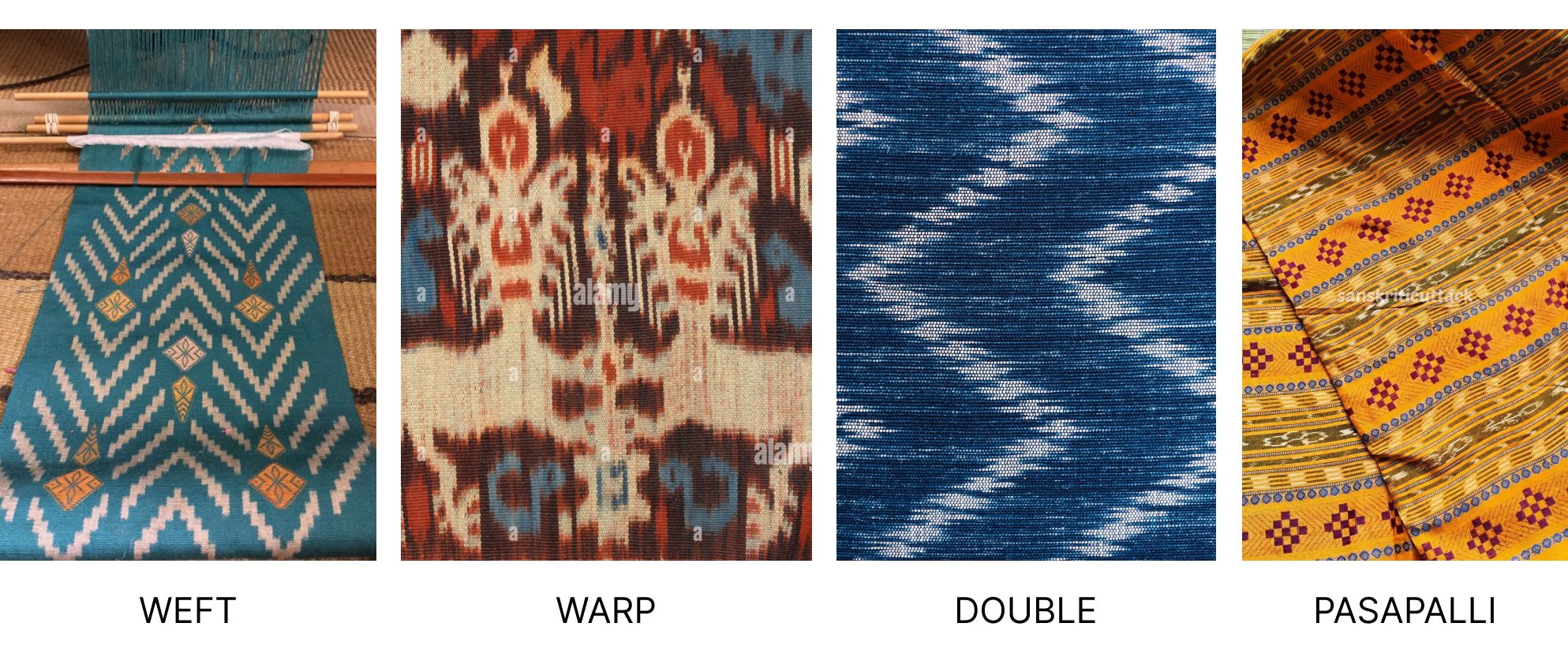
- Pasapalli Ikat: Originating from the eastern Indian state of Odisha, Pasapalli Ikat derives its name from the local board game “Pasa,” featuring a checkered pattern. In this technique, both warp and weft yarns are resist-dyed to create a striking, geometric aesthetic that is characteristic of Odishan textiles.
- Warp Ikat: Found predominantly in Indonesia, particularly in Sumatra, Sulawesi, and Kalimantan, Warp Ikat is distinguished by dyeing only the warp yarns using the ikat method. This means that the patterns are visible on the warp yarns before they are woven with the weft, resulting in bold, clearly defined designs on the loom.
- Weft Ikat: In contrast to Warp Ikat, Weft Ikat involves dyeing the weft yarns with a solid color, and the ikat patterns emerge as the fabric is woven. This technique requires meticulous adjustment of the weft yarns after each pass of the shuttle to maintain the integrity of the design. It is known for producing intricate and detailed patterns that unfold gradually during the weaving process.
- Double Ikat: Considered the pinnacle of Ikat craftsmanship, Double Ikat is characterized by both warp and weft yarns being resist-dyed before weaving. This technique requires exceptional skill and precision as the patterns on both sets of yarns must align perfectly during the weaving process. Double Ikat textiles are renowned for their complexity and are produced in limited regions, including Indonesia, Japan, and India, due to the intensive labor and time involved in their creation.
Each of these Ikat techniques not only showcases the mastery of dyeing and weaving but also reflects the cultural heritage and traditions of their respective regions.
Today, ikat is celebrated for its versatility in rugs, tapestries, upholstery, bed linens, tablecloths, window treatments, lampshades, and wall coverings. Its distinctive blurred patterns add depth and character to modern interiors, blending tradition with contemporary aesthetics.

Rug & Kilim Ikat pieces>>
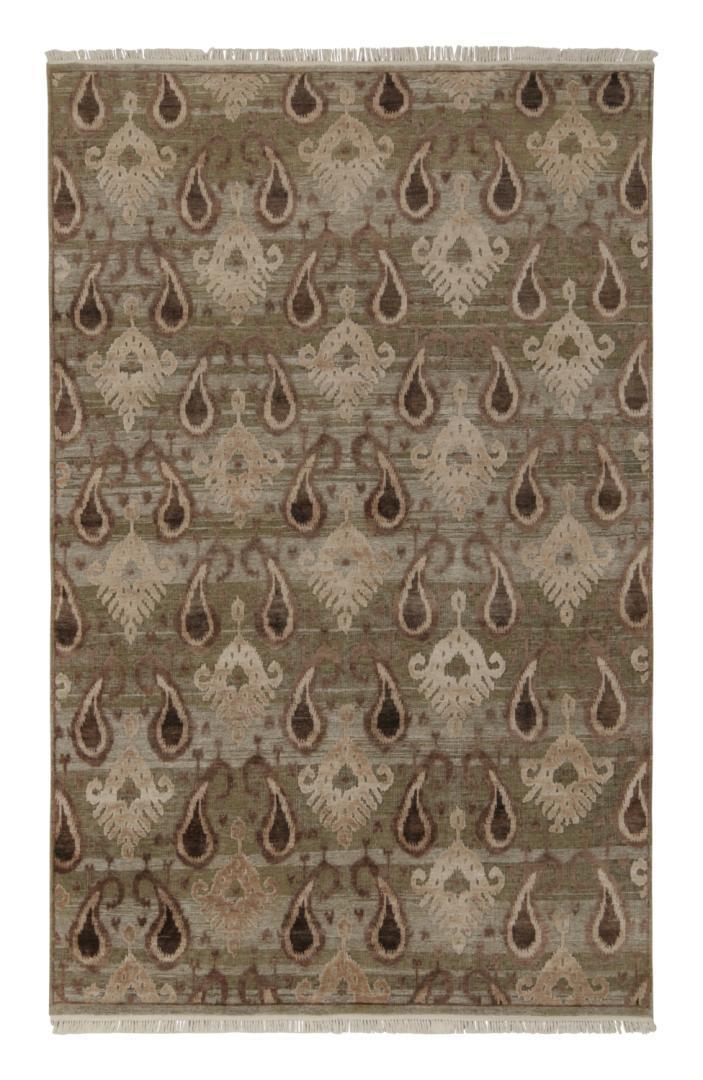

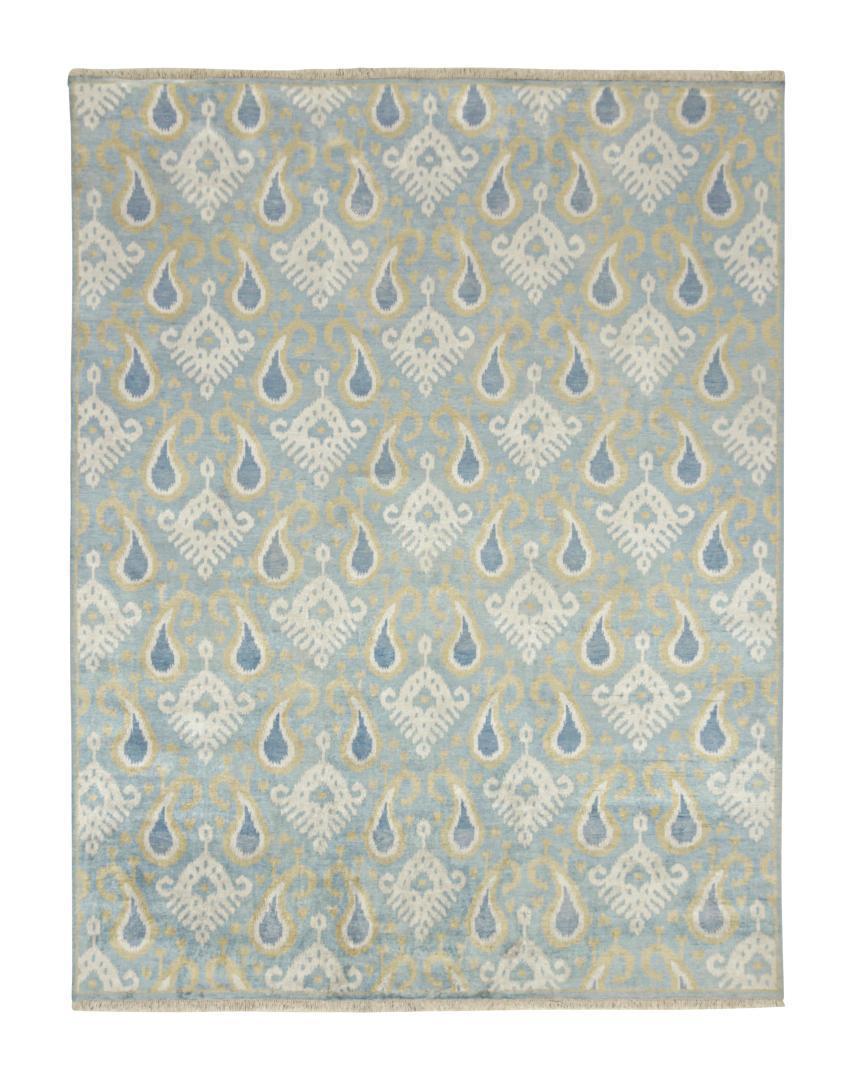
View Full Collection >>