
A Guide to History and Significance of Chinese and Tibetan Dragon Pictorial Rugs
July 8, 2024
Ikat Textiles and Rugs – A Profile on History, Styles, Patterns and Weaving
July 15, 2024“I have no fears about making changes,destroying the image, etc., becausethe painting has a life of its own.” -Jackson Pollock
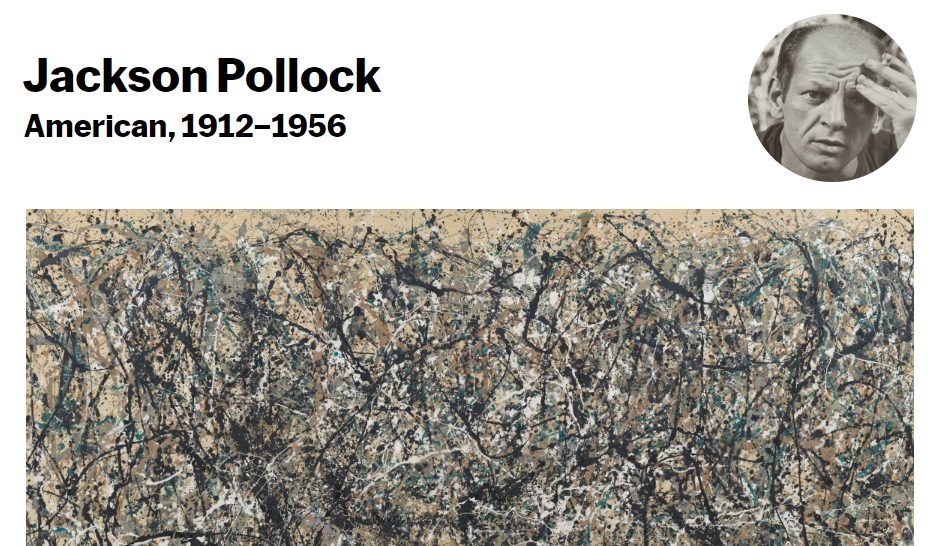
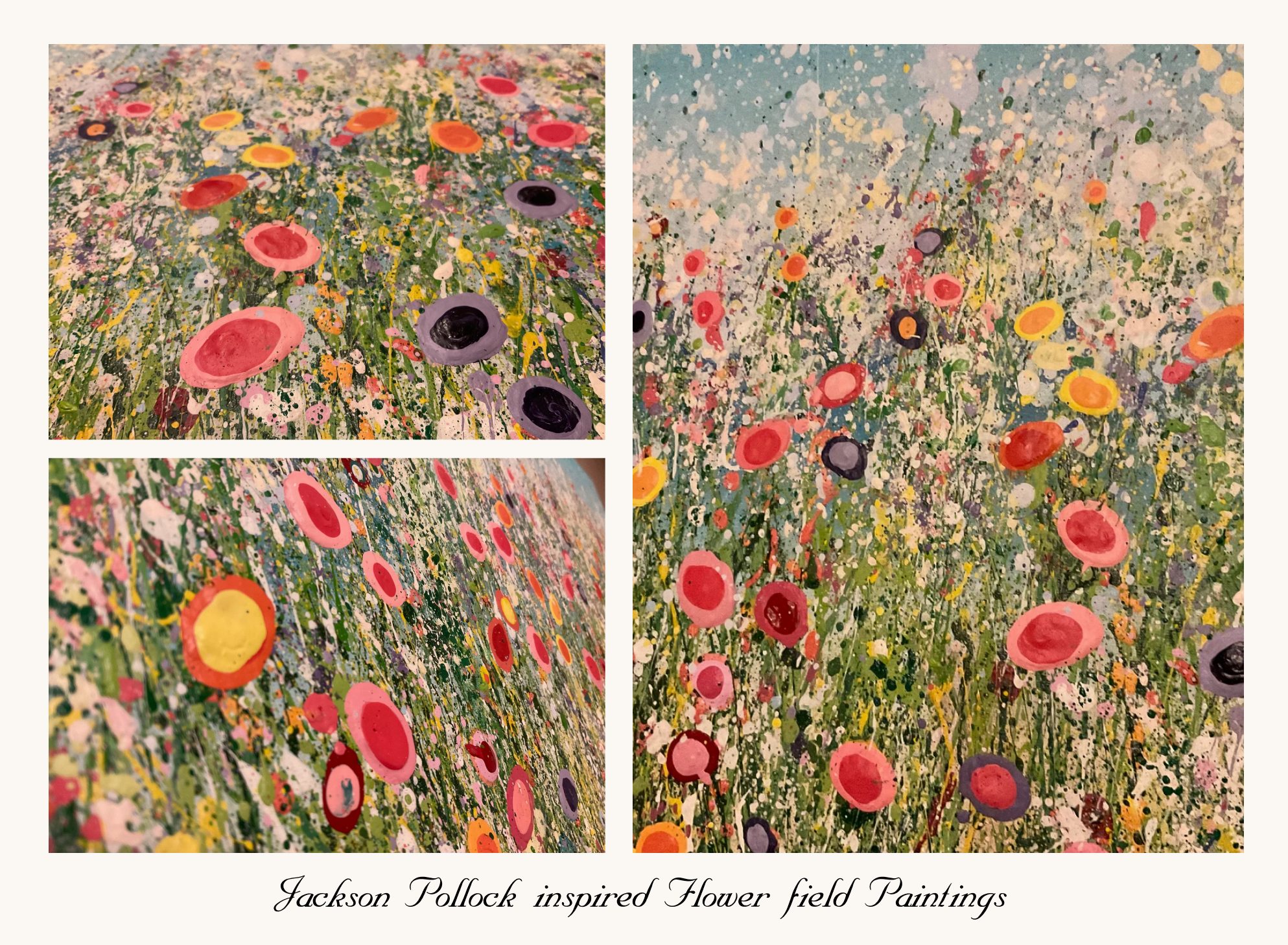
Jackson Pollock, born on January 28, 1912, was a prominent American painter known for his significant contributions to the abstract expressionist movement. He gained widespread recognition for his innovative “drip technique,” where he poured or splashed liquid household paint onto a horizontal surface. This method allowed him to view and paint his canvases from various angles, leading to what was termed “all-over painting” and “action painting.” Pollock’s approach involved covering the entire canvas and using his entire body’s force in a dynamic and energetic manner, often resembling a frenetic dancing style.
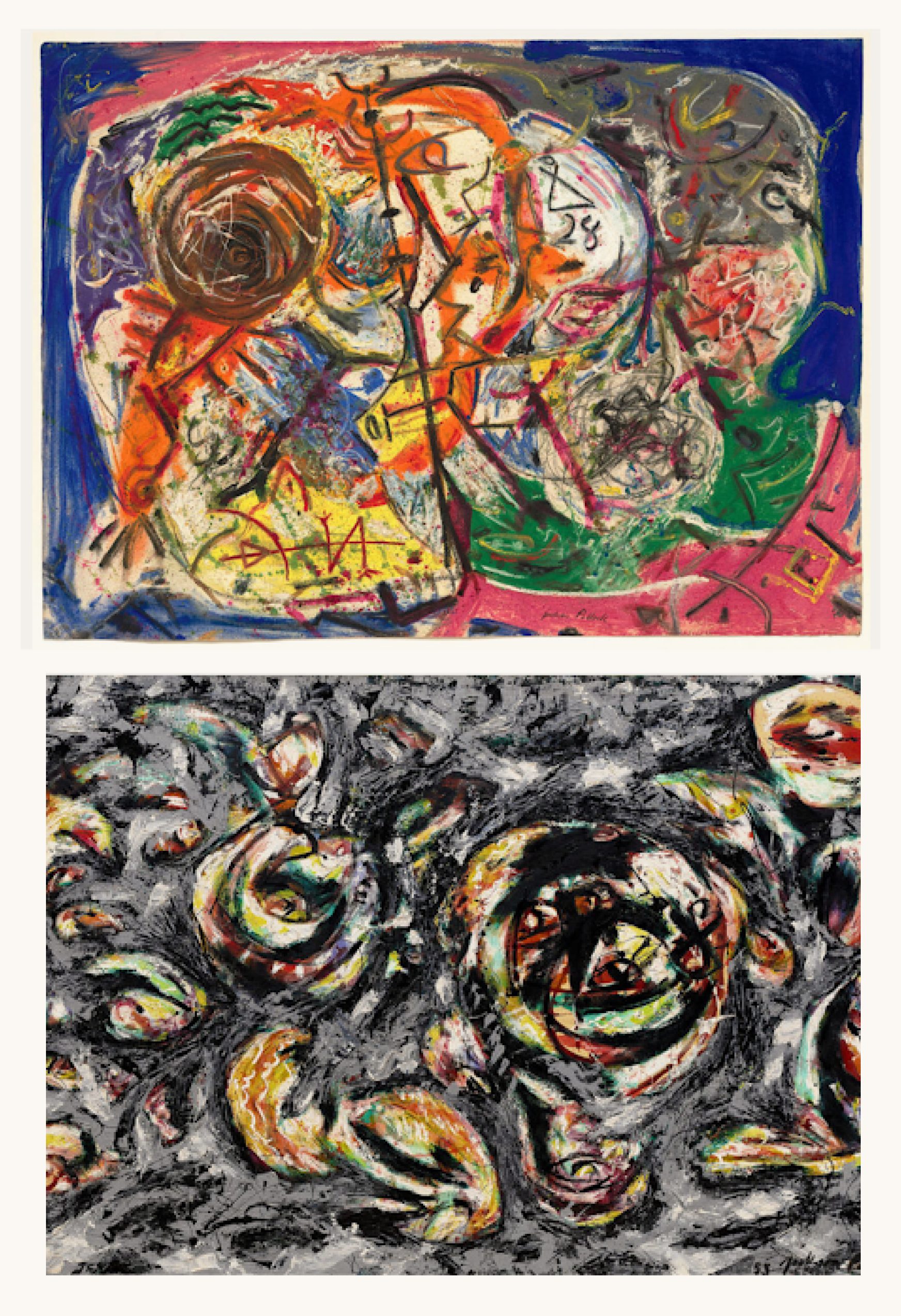
His unique process and expressive style made him a major figure in the art world of his time and continue to influence contemporary art.
Jackson Pollock‘s journey to New York in 1930 marked a pivotal moment in his artistic development. He delved into various artistic influences, including mentorship with Thomas Hart Benton, Surrealism, Mexican muralism, and Picasso’s works like Girl before a Mirror and Les Demoiselles d’Avignon. His involvement with the Federal Arts Project of the Works Progress Administration (WPA) further shaped his identity. Recognition began to grow in the early 1940s, supported by figures like critic Clement Greenberg and collectors Betty Parsons and Peggy Guggenheim. Notably, Pollock’s painting The She-Wolf (1943) was acquired by MoMA, marking a significant milestone in his career.
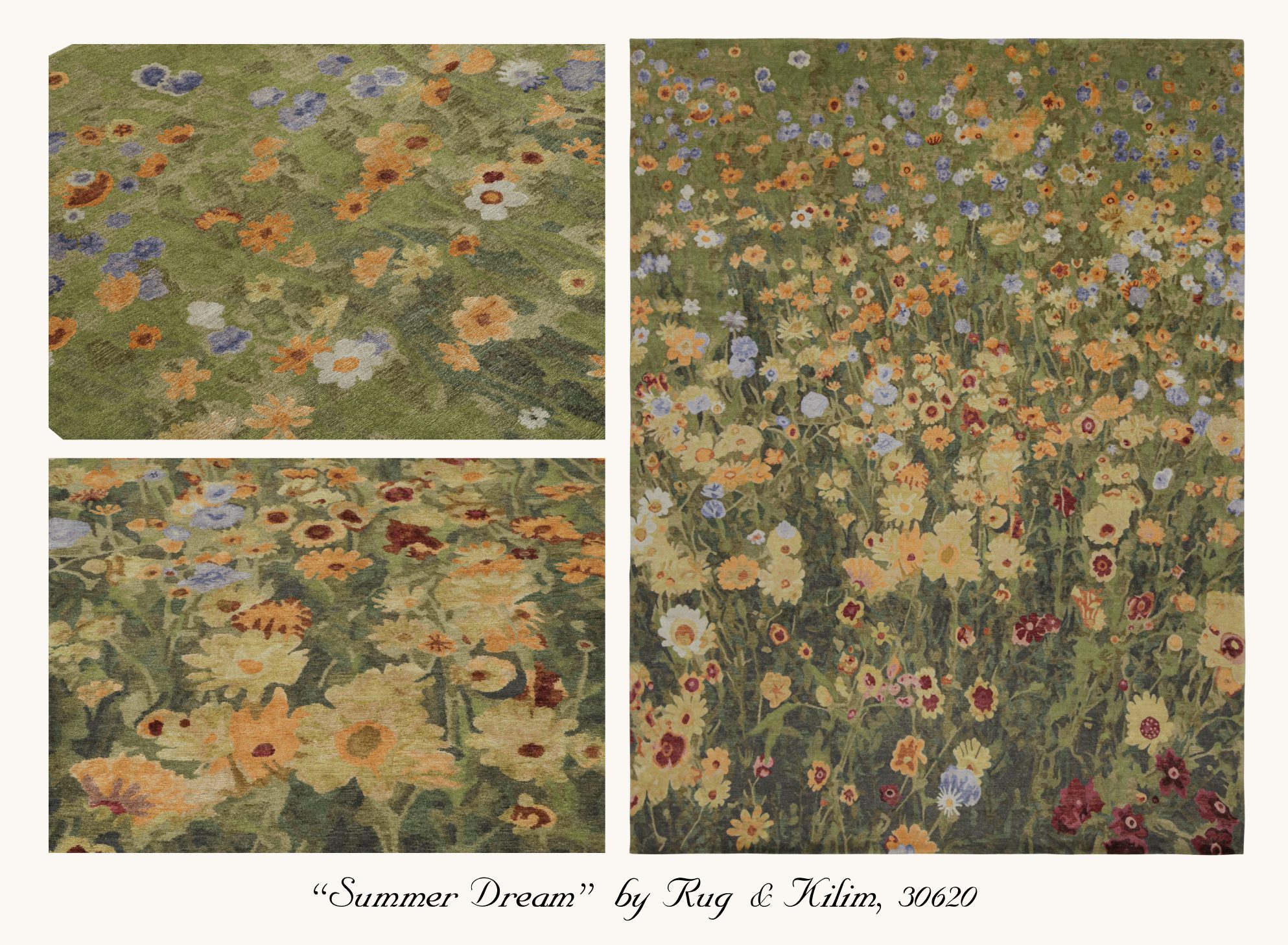
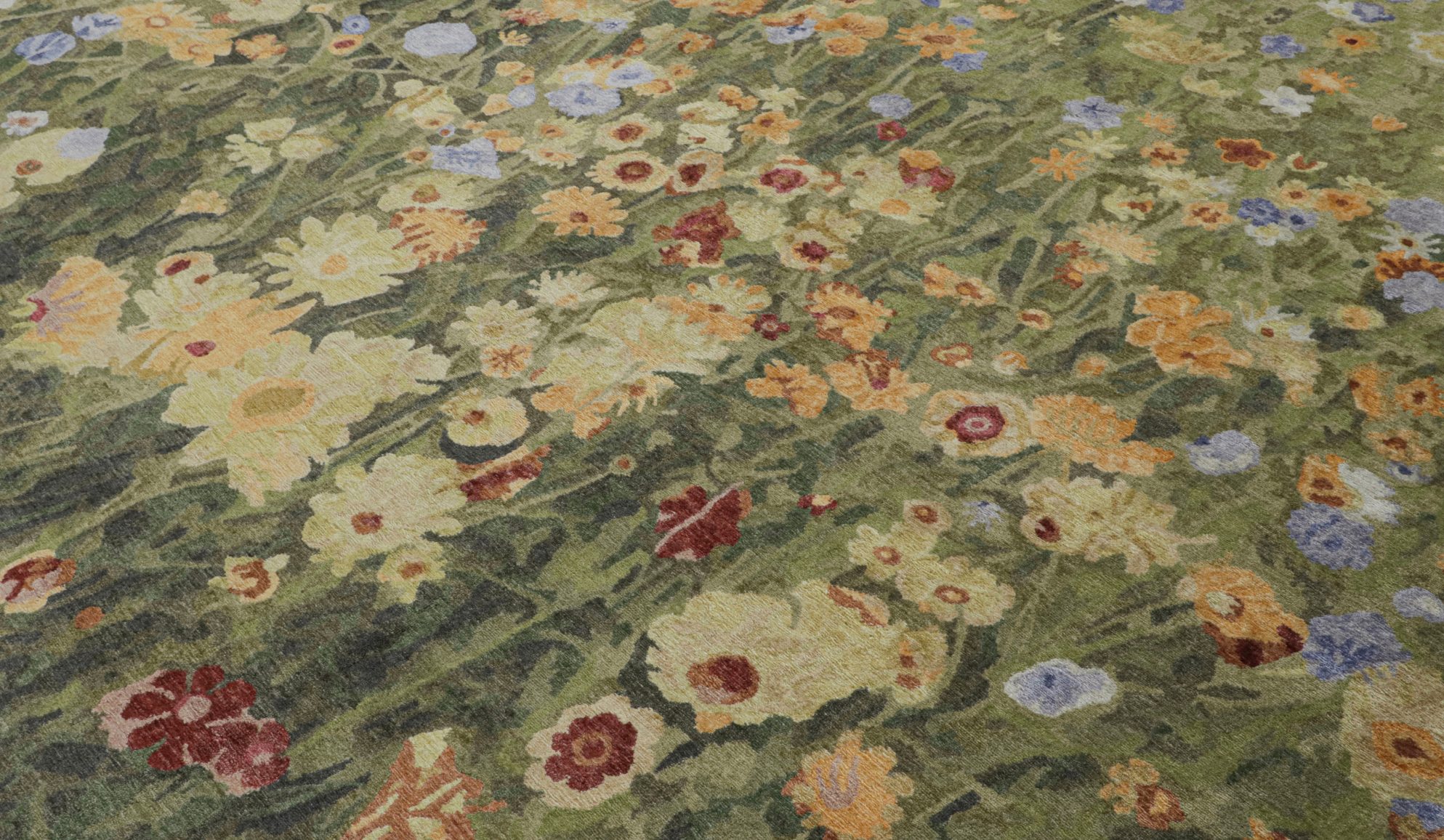
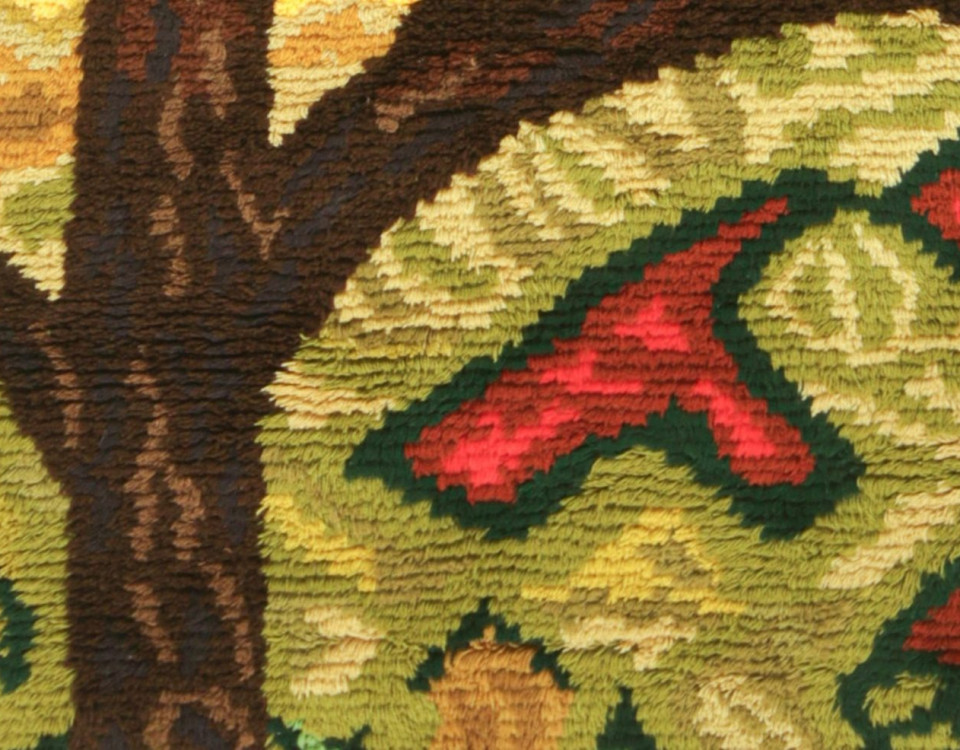
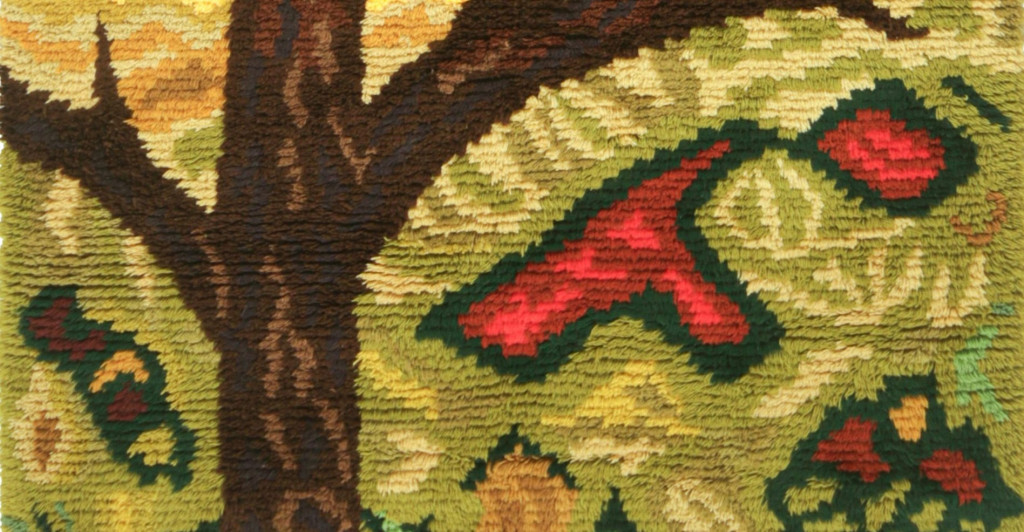
Featured above is Rug & Kilim’s Botanical Rug – “Summer Dream” is an homage to floral botanical designs via abstract impressionist moods, vibrant colors and painterly sensibilities. Though one of its inherent beauties is the sheer number of colors—more than almost any other design in our collection—a notable green that underscores the 40-plus hues at play. It draws inspiration from a lively botanical design executed like a Jackson Pollock-esque painting.
In November 1939, The Museum of Modern Art in New York City showcased a significant Picasso exhibition titled “Picasso: 40 Years of His Art,” featuring 344 works by Pablo Picasso, including his renowned anti-war mural, Guernica. This exhibition had a profound impact on Pollock, leading him to appreciate the expressive power of European modernism, which he had previously disregarded in favor of American art. This newfound inspiration prompted Pollock to develop a new style characterized by semi-abstract totemic compositions, meticulously refined through intense reworking.
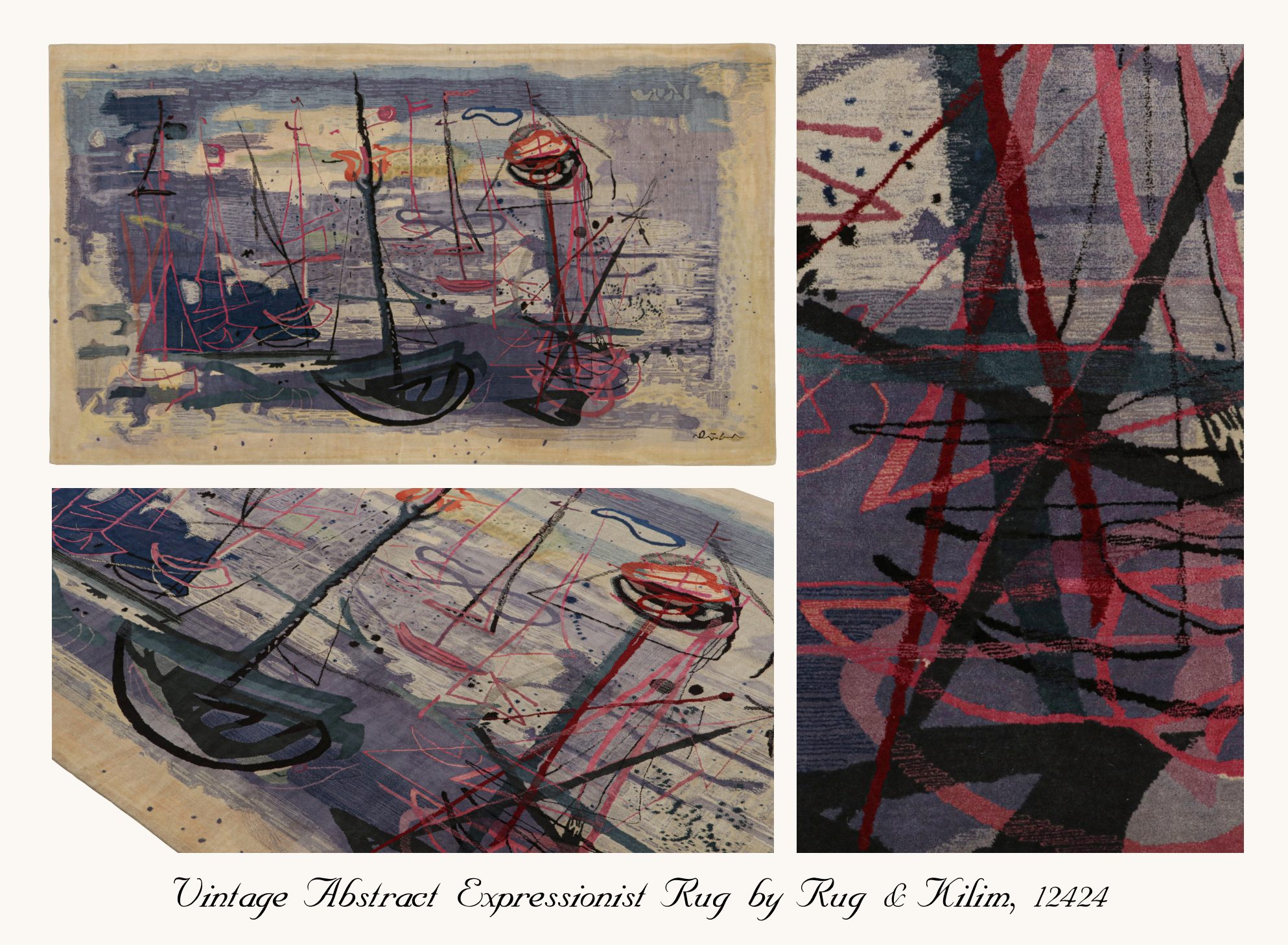
The post-World War II era witnessed the emergence of a new avant-garde in art, particularly in New York, heralding radical new directions in artistic expression. This movement, known as Abstract Expressionism, was deeply rooted in the war’s aftermath and the existential anxieties of the time. Artists like Jackson Pollock, keenly attuned to the irrationality and vulnerability of human existence, channeled their concerns into abstract art that captured the fervor and complexities of modern life. By the mid-1940s, Jackson Pollock introduced his iconic “drip paintings,” which stand as one of the most innovative bodies of work of the 20th century and fundamentally reshaped American art. His ‘action painting’ technique involved laying canvases on the floor or against walls, rather than using an easel, allowing him to freely drip paint from cans and manipulate it with knives, trowels, or sticks. This approach, reminiscent of Surrealist methods, directly connected to the artist’s emotions, expressions, and moods, revealing the depth of feeling behind each piece he created.
Jackson Pollock and “Mural”
In the realm of avant-garde art history, Jackson Pollock’s “Mural” stands as a testament to unbridled creativity and revolutionary technique. This colossal canvas, measuring an impressive 8 by 20 feet, has become a cornerstone of modern art, captivating connoisseurs and collectors alike since its creation in 1943. Commissioned by the visionary patron Peggy Guggenheim, “Mural” emerged during a pivotal moment in Pollock’s career. The artist, still developing his signature style, poured his creative energies into this expansive work, pushing the boundaries of traditional painting techniques. The result is a visual symphony of color and movement, a precursor to the drip paintings that would later define his oeuvre.The painting’s current residence at the Museum of Fine Arts in Boston offers a unique opportunity to view this seminal work in a curated context, juxtaposed against contemporary pieces that highlight its enduring influence.
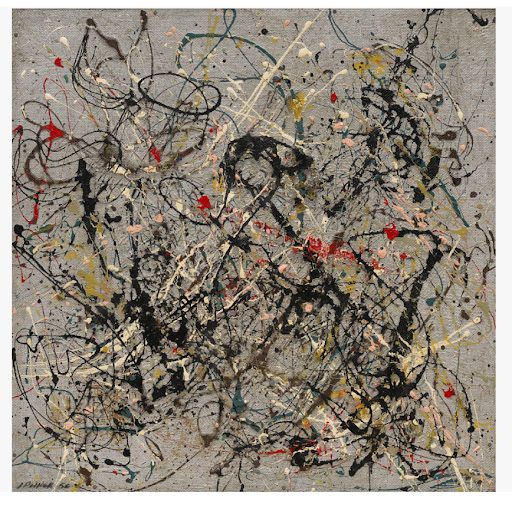
“Mural” exemplifies the pinnacle of Abstract Expressionism. Its surface is a rich interplay of gestural brushstrokes, splatters, and drips, creating a dynamic output of form and color. The composition’s vertical elements, spanning the full height of the canvas, evoke a sense of rhythm and movement, drawing the viewer’s eye across the expansive surface. The palette, a sophisticated blend of earth tones punctuated by vibrant accents, reflects Pollock’s mastery of color theory. This nuanced approach to hue and tone creates depth and dimensionality, inviting prolonged contemplation and repeated viewings.
“Mural” serves as a cultural ambassador, bridging geographical and temporal divides. For the discerning collector or institution, “Mural” represents the epitome of mid-20th century American art. Its presence in any collection would undoubtedly elevate the status of the entire portfolio, serving as a centerpiece that speaks to a refined appreciation for groundbreaking artistic achievement. Pollock’s “Mural” remains a paragon of Abstract Expressionism, a work that continues to challenge, inspire, and redefine our understanding of artistic boundaries.
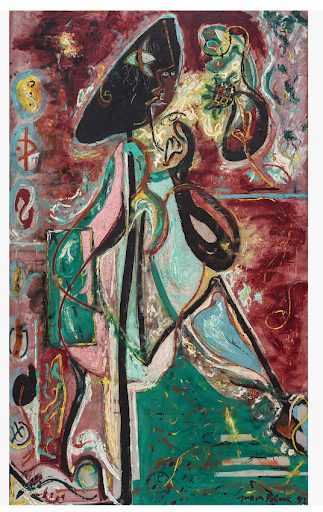
Pollock’s legacy extends beyond the “drip and splash” technique to encompass the All-over method of painting, which is strongly associated with many of his artworks. This approach eschews clear points of emphasis or identifiable parts within the canvas, creating designs and images that are not constrained by the canvas’s size or dimensions. The lack of defined boundaries and the disregard for traditional compositional elements are hallmark features of this art form.
In the All-over style, the artwork’s creation is not limited by the canvas’s size, allowing for a sense of expansiveness and continuity across the entire surface. Jackson Pollock’s pieces using this method often required him to trim or crop the canvas, adapting the image to fit within the overall composition and harmonize with the artwork’s inherent features. This technique emphasizes a sense of unity and interconnectedness throughout the artwork, blurring distinctions between foreground and background and inviting viewers to engage with the entire canvas as a cohesive visual experience. Pollock’s unconventional artistic methods and growing renown quickly drew the attention of the mass media.
In August 1949, Life magazine featured a story that asked the provocative question:
“Jackson Pollock: Is he the greatest living painter in the United States?”
The article’s tone alternated between mockery and admiration, reflecting the polarized views of critics and the public.
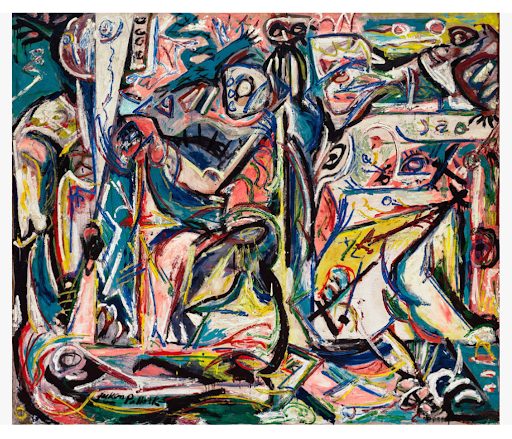
By 1951, during the peak of Pollock’s career, Vogue magazine further showcased his influence by publishing fashion photographs taken by Cecil Beaton, featuring models posing in front of Pollock’s distinctive drip paintings. While this commercial recognition indicated a level of public acceptance and marked the mainstream appropriation of avant-garde art, Pollock remained critical of the direction and reception of his work. The juxtaposition of high-profile features in major magazines like Life and Vogue reflected the complex relationship between avant-garde artists and mainstream culture. Pollock’s art, with its bold and innovative techniques, challenged traditional norms and captivated both critics and the general public, leading to ongoing debates about his significance and impact on the mid-century art world.
Shop Our Inspired Collections (Limited Editions):
Rug & Kilim Modern Rugs
Rug & Kilim Abstract Rugs
Rug & Kilim Expressionist Rugs
Rug & Kilim Abstract Samples
Rug & Kilim Contemporary Samples
Our Address:
Rug & Kilim
25-18 40th Avenue
Queens, NY 11101
Contact Us: