
A Guide to History, Significance and Different Styles of Handwoven Kilim Rugs
July 3, 2024
Jackson Pollock and his Abstract Expressionist Mid-Century Modern Art
July 12, 2024Dragon, as the perfect representation of cyclical nature of life, where from every end, a new beginning emerges, is also a perfect marriage of Chinese spiritual heritage and art.
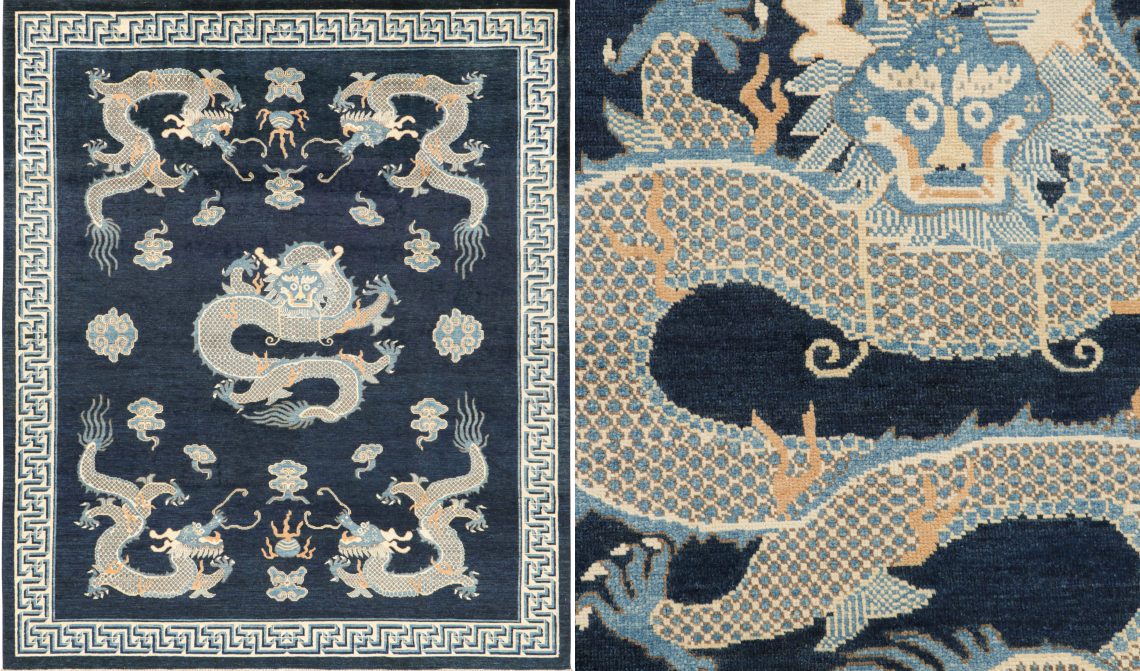
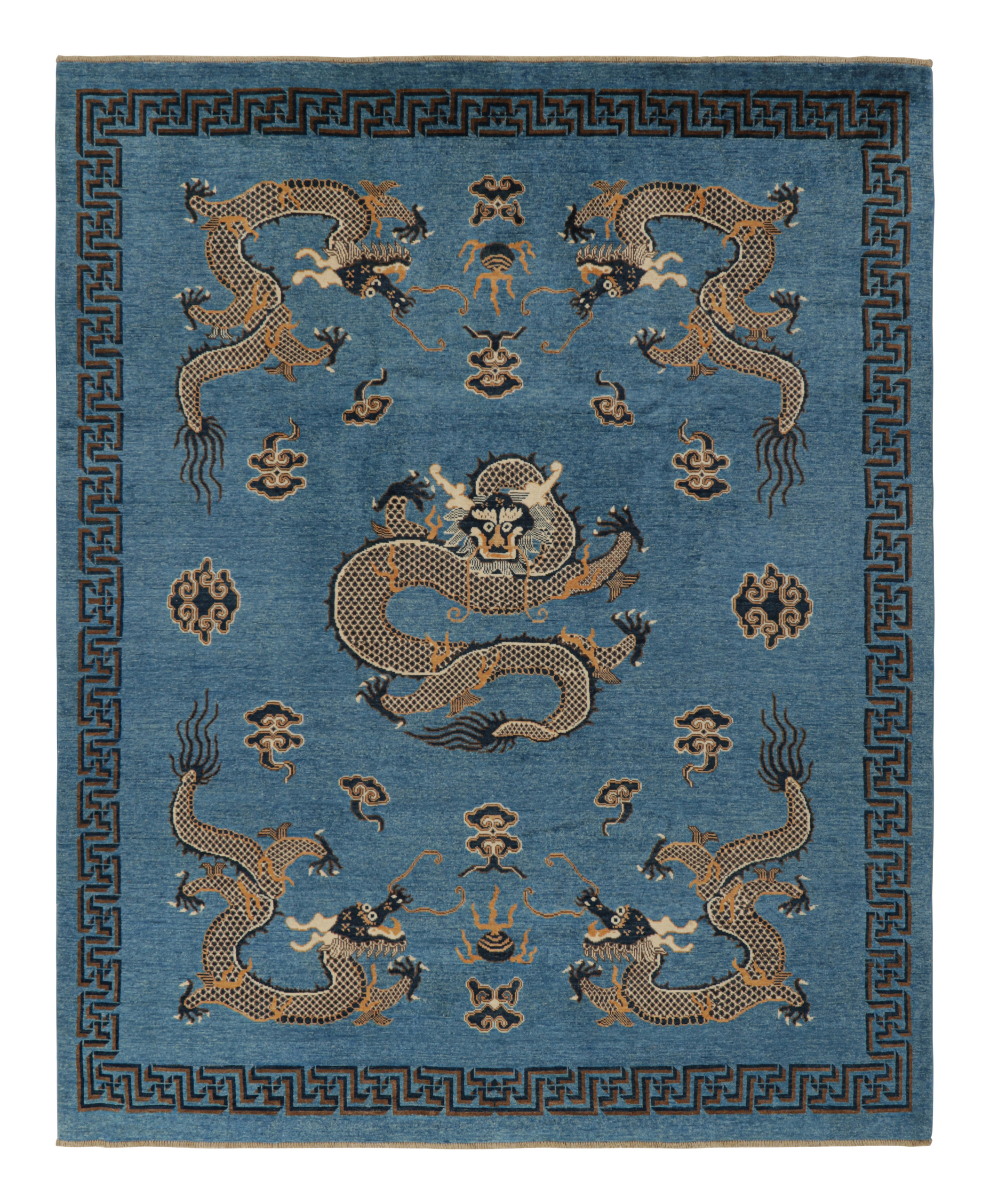
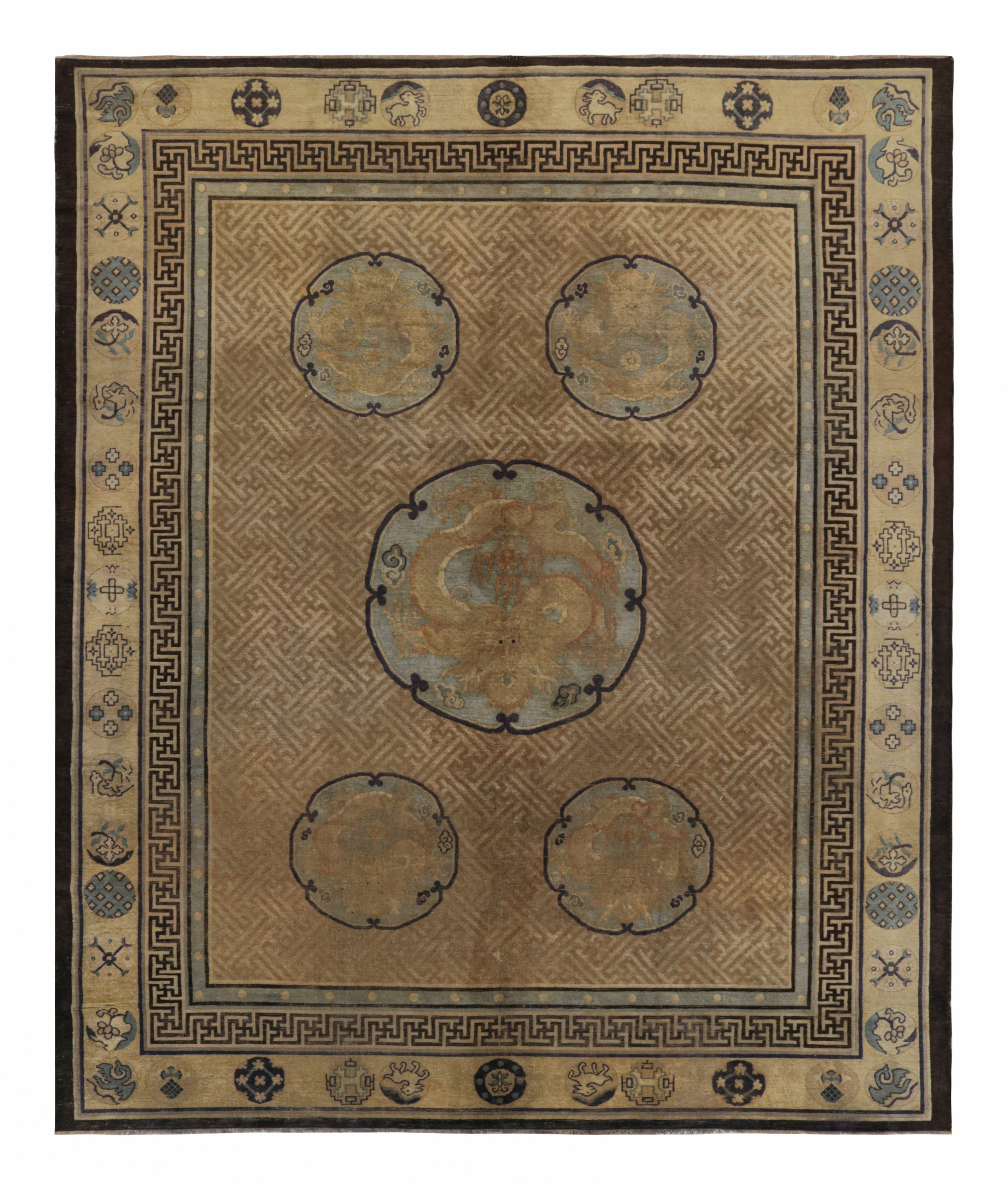
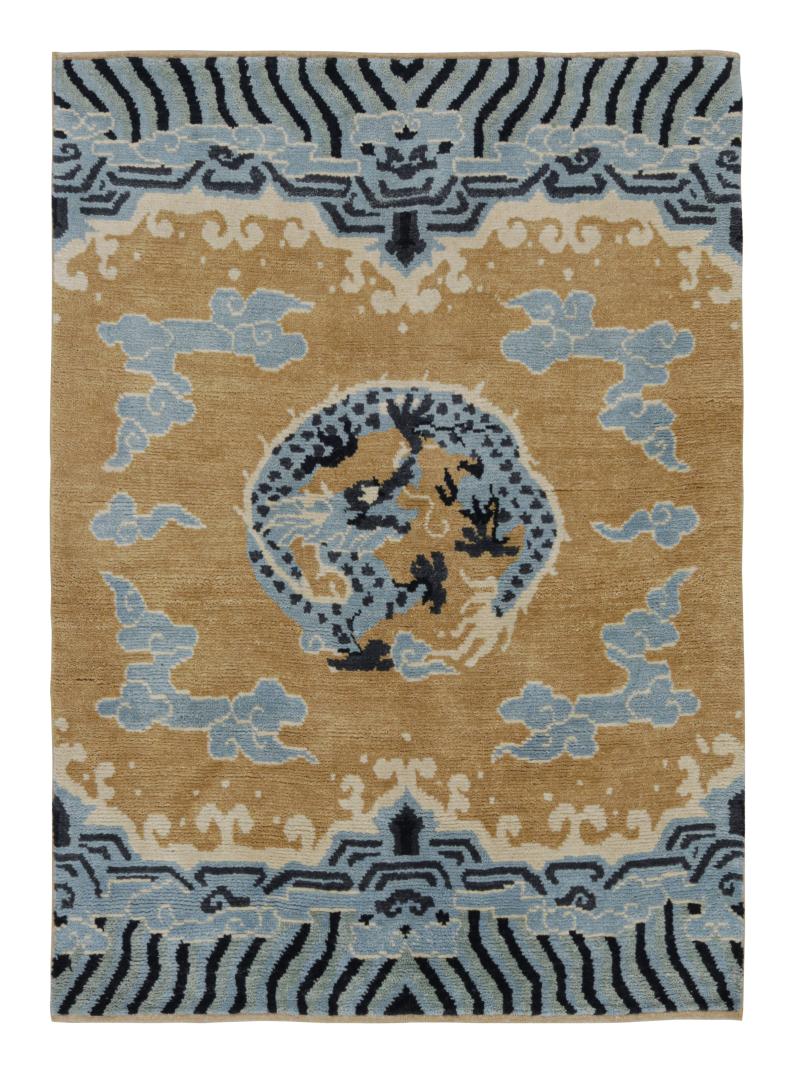
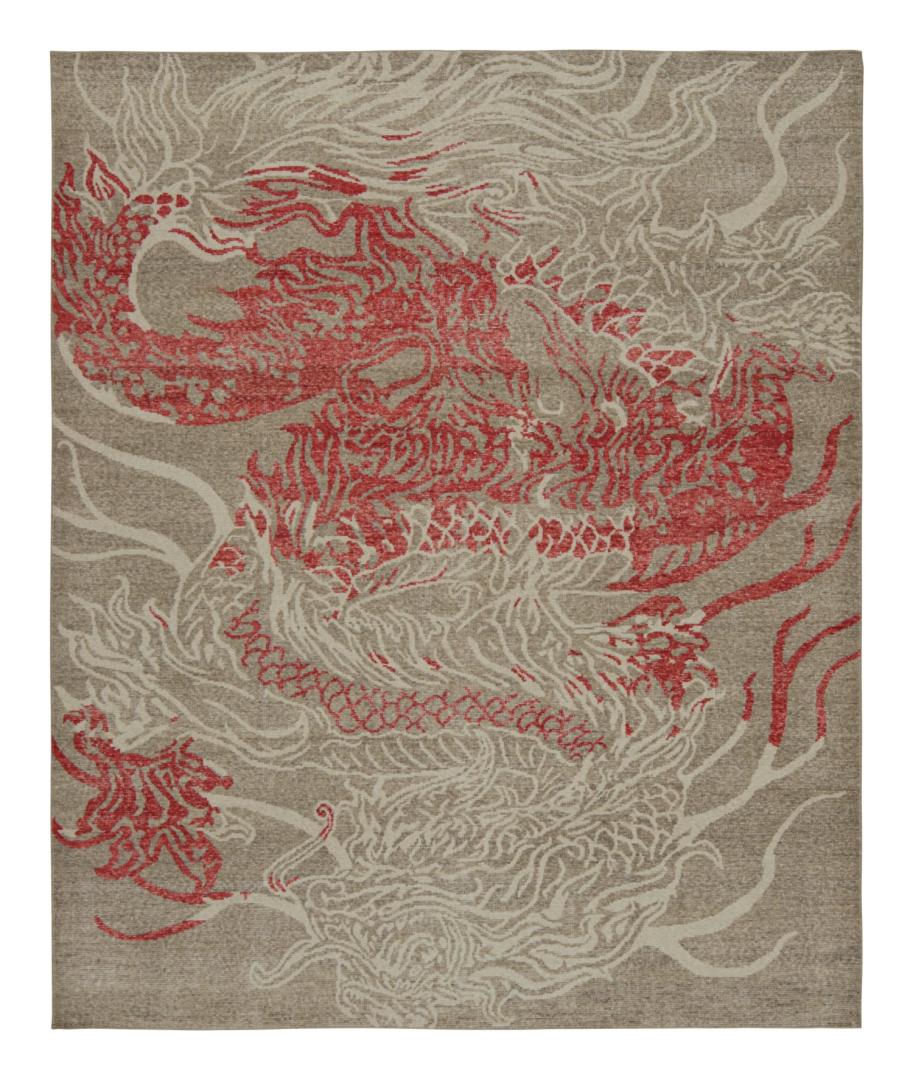
Our special dragon rugs’ line is a commemoration of the spirit of the Chinese dragon, wherein each rug complements the other in the collection and reflects continuity of age-old designs and transformations in our modern touch to these pictorial rugs. At the same time, dragons, or Chinese traditional designs at large, also represent a commitment to regenerative and cyclical nature of life—thus birthing the modern concept of sustainability.
The practice and art of hand-woven carpets in China dates back to as early as 557-589 AD, during the Chen or Southern Chen Dynasty. These early carpets, considered among the earliest surviving examples in China, likely drew inspiration from motifs found in Chinese porcelain paintings and silk weavings. Often depicted as chimeras incorporating features from various animals of land, sea, and air, dragons symbolize absolute authority and are closely associated with the emperor and imperial power. Beyond their association with authority, dragons hold deep symbolic meaning, believed to bring health, wealth, happiness, and knowledge to ordinary people.
Antique Chinese Dragon Rugs
Antique Chinese Dragon rugs have been quite a later addition to the history of Chinese carpets, but they have been regarded as one of the most revered designs since time, and even now for antique collectors and connoisseurs alike. One such example is the Ming dynasty-era carpet which was auctioned at Christie’s in Paris on November 23 2021, with an estimated value between US$4.08 million and US$5.4 million. Woven during the 16th century under the Ming dynasty (1368 – 1644), it is believed to have graced the floors of the Forbidden City, possibly beneath the emperor’s throne, symbolizing the ruler’s divine connection.
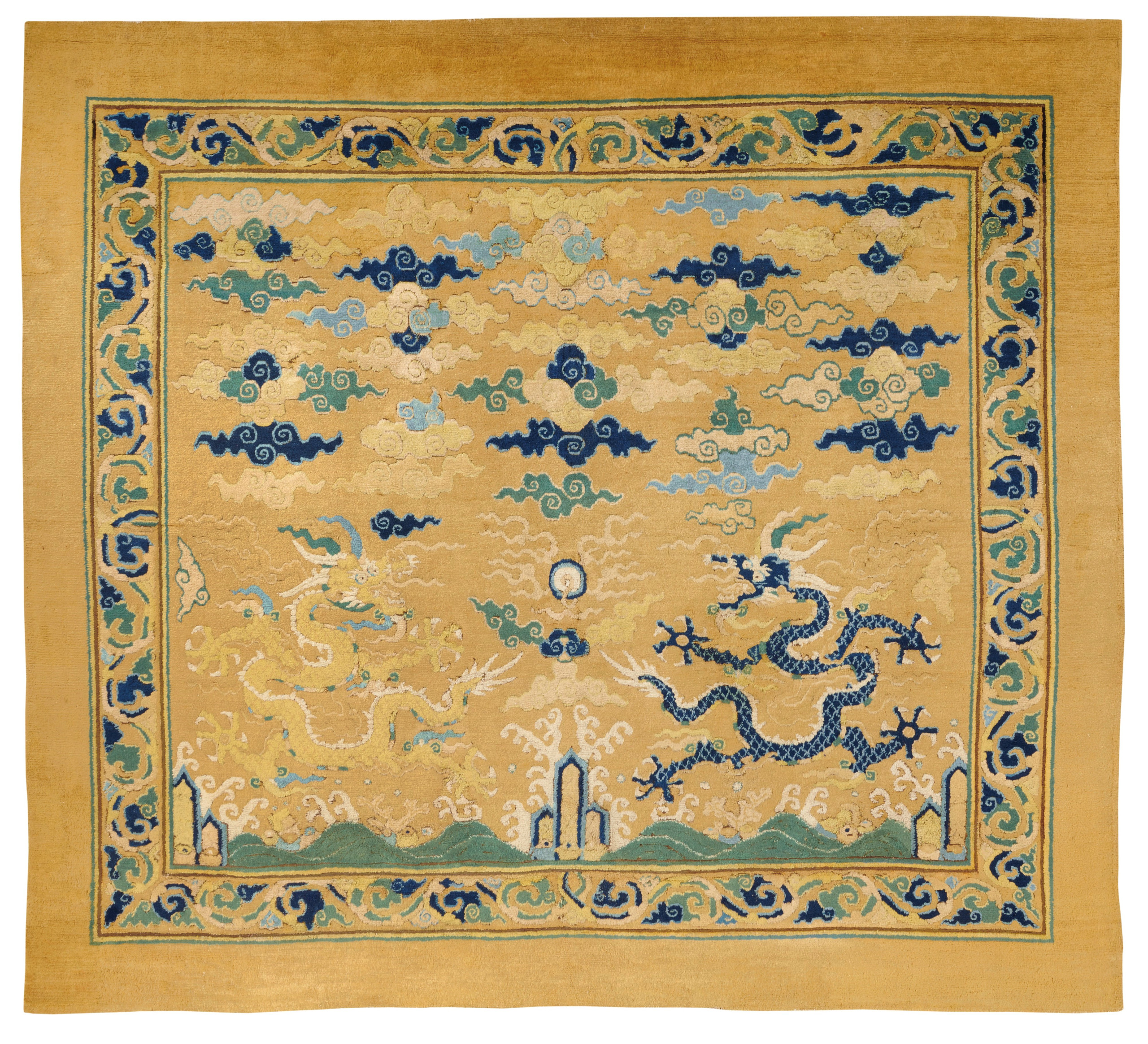
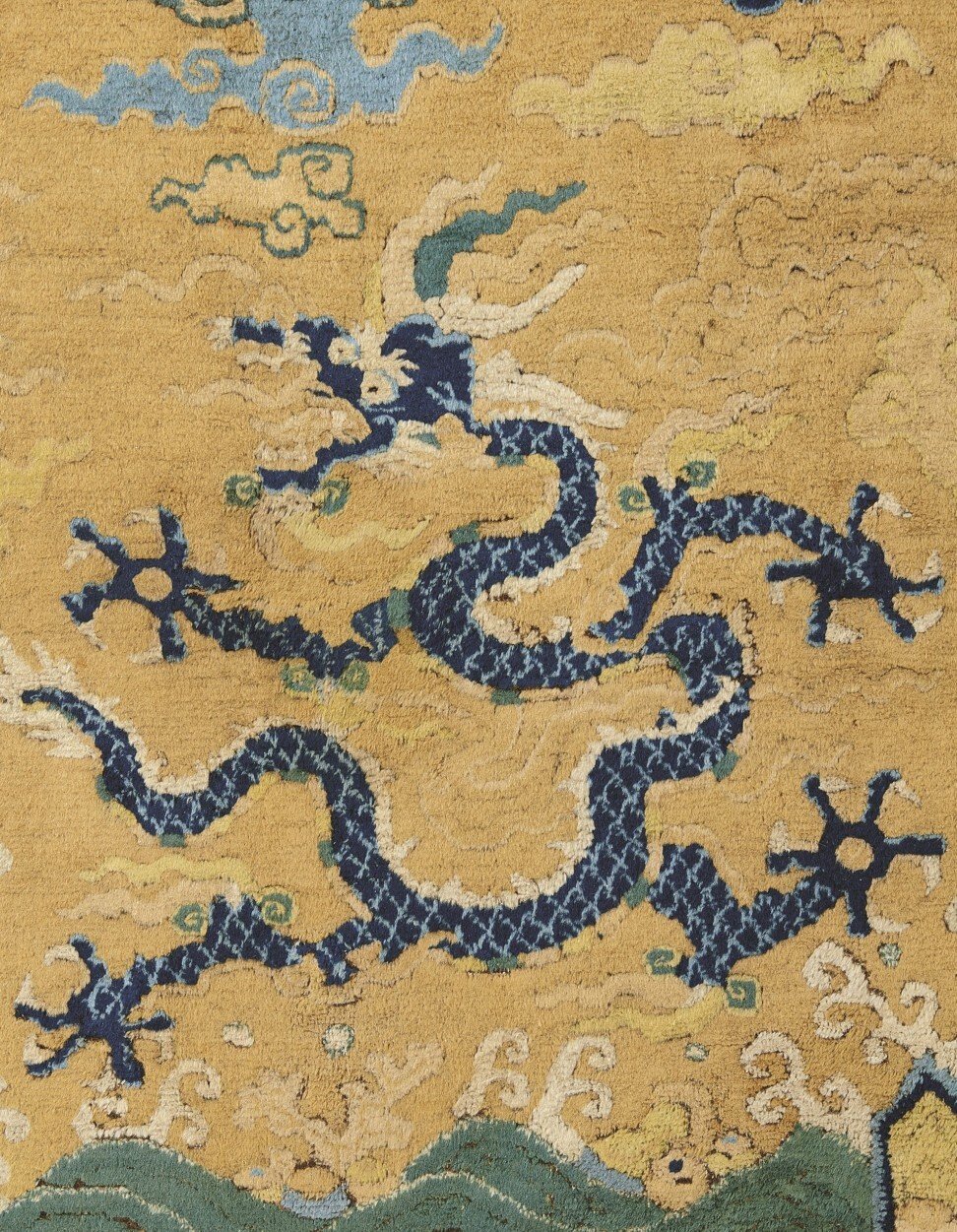
This carpet features two large five-clawed blue dragons in a traditional imperial style, symbolizing the emperor’s power and bestowing blessings of good luck. Emperors were often referred to as the “True Dragon” or “Son of Heaven”. The carpet is one of only 39 intact Ming dynasty carpets known, and among just 16 featuring dragons, with nine housed in the Beijing Palace Museum and the remaining seven in private collections. Originally purchased by an American couple during their honeymoon in China in 1920, the carpet was later loaned to the Cleveland Museum of Art in Ohio. It was eventually sold as part of their collection to a private collector in Switzerland, who has owned it since. Despite its current striking gold color, it was originally an “imperial red” during its prime. Measuring 5 x 4 meters, the carpet is adorned with an intricate border surrounding a scene of cities and hills along the lower edge. Two dragons dominate the composition’s bottom half, set against a sky adorned with about three dozen clouds.
Carpets woven in the Imperial workshops during this period typically had a thick wool pile on a foundation of cotton, silk, or hemp. This particular carpet has been dated to around 1600, consistent in structure and design with other carpets from that era. Carbon dating of a few Ming dynasty carpets has provided a reference point for dating others.
Similar Rugs from our Inventory
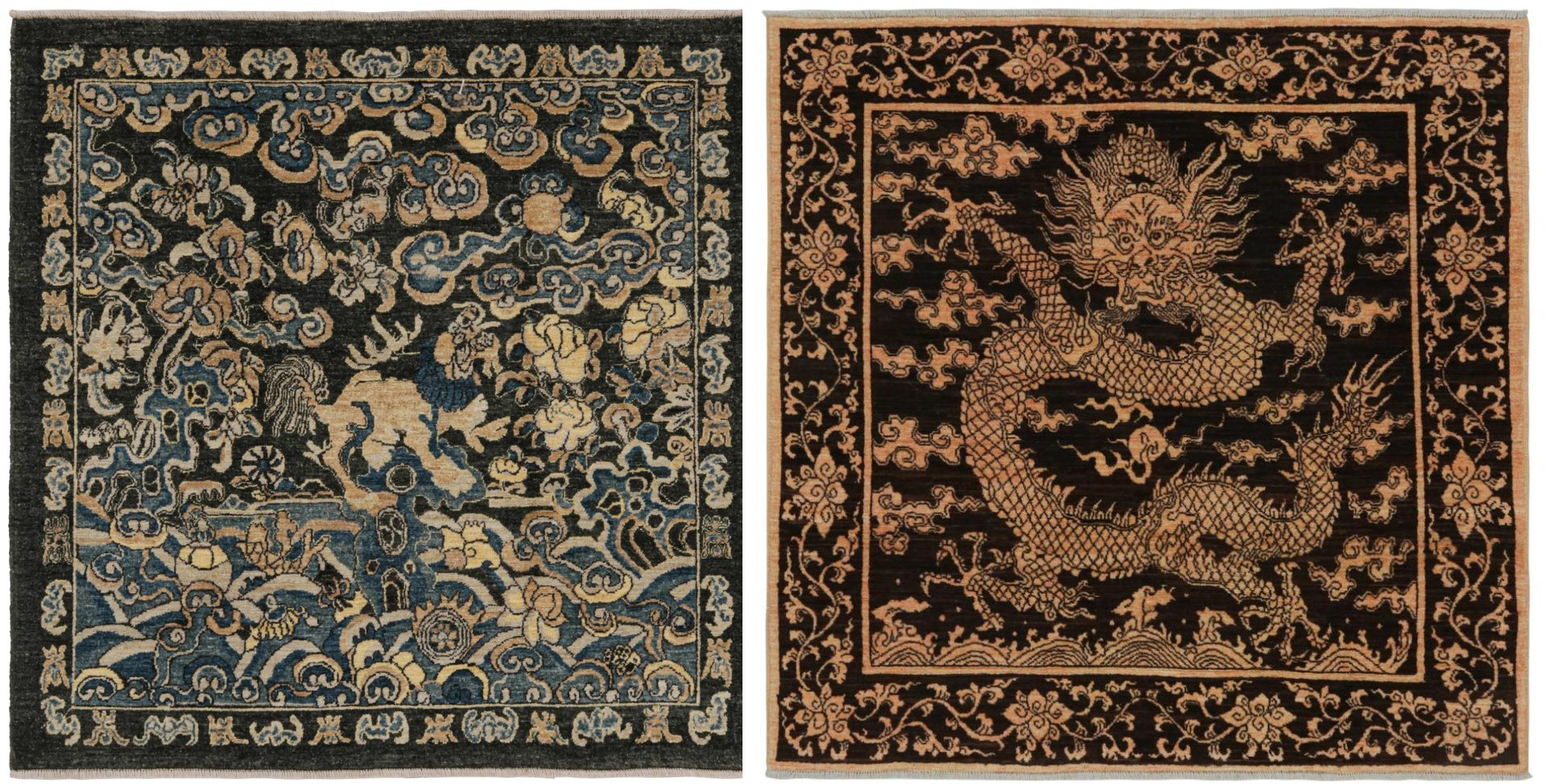
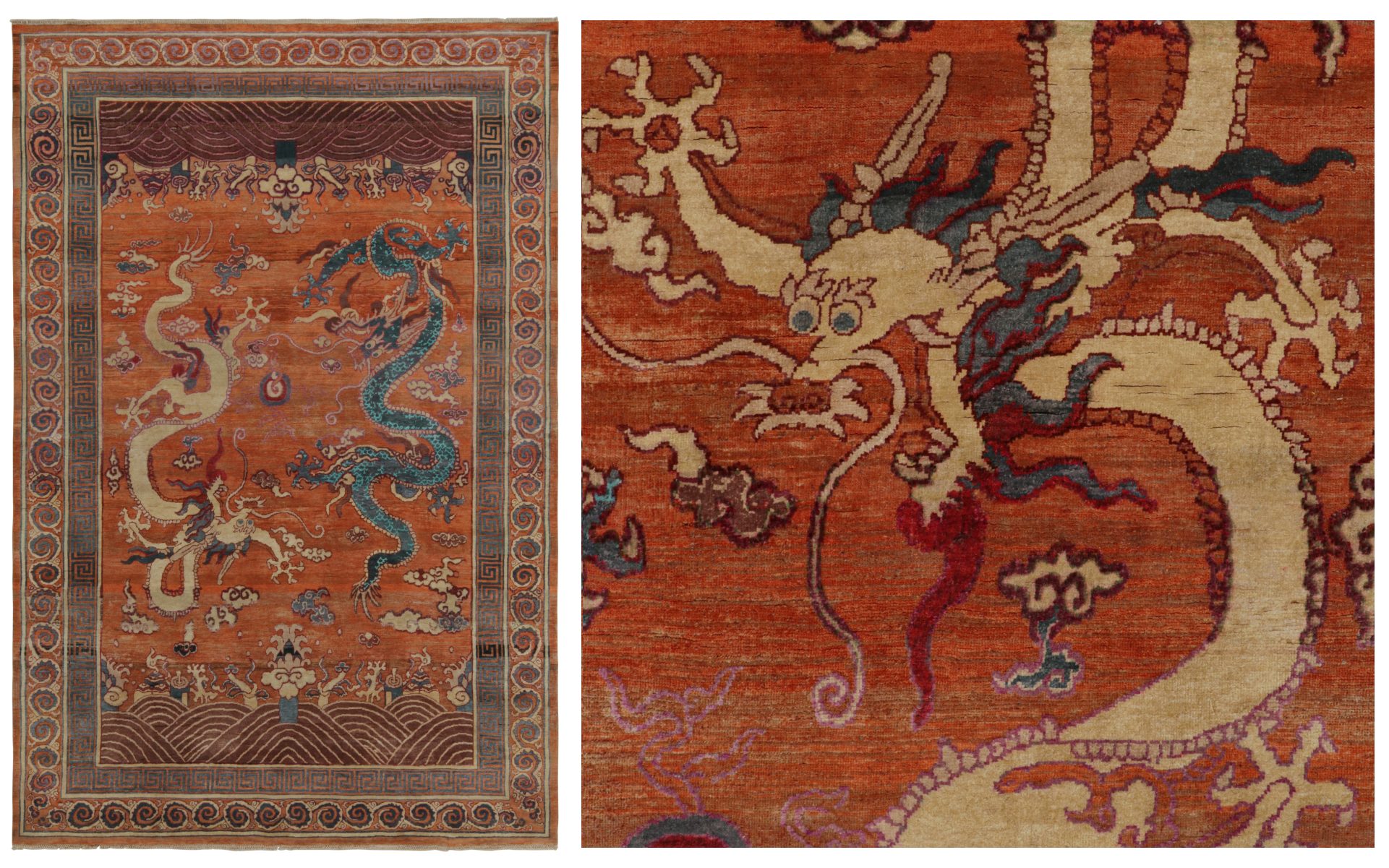
25610, Enquire for reproduction at info@rugandkilim.com or contact us here >>
Significance of Dragons in Chinese Culture
In Chinese mythology, dragons (龙 lóng) are revered as the largest supernatural creatures, embodying immense strength and authority. These mythical beings are said to possess a combination of features from various animals: the head of an ox, eyes of a prawn, ears of an elephant, mouth of a donkey, horns of a deer, whiskers of a man, body of a snake, skin of a fish, and feet of a Phoenix bird. Unlike their portrayal in Western mythology as malevolent and dangerous creatures to be slain, Chinese dragons are regarded as benevolent and revered protectors. They are seen as magnificent beings capable of performing beneficial acts for mankind, such as bringing clouds and rain that nourish the earth, promoting the growth of vegetables, grains, and even tea. However, when angered, dragons can also bring about storms and water-related disasters, emphasizing the need to respect and appease them.
Dragons in Chinese lore possess mystical abilities—they can make themselves visible or invisible, and change their size, shape, and demeanor at will. Often depicted carrying a pearl in their mouth or under their chin, or with a pearl hovering nearby, the meaning of the pearl is debated among scholars. Some interpret it as representing the wisdom bestowed by Sakyamuni Buddha upon the Naga King, a serpent-like creature with a human head, who was the first to receive Buddha’s teachings. As Buddhism took root in China, the dragon gradually replaced the Naga in religious texts and iconography.
Dragons hold deep cultural significance in China, prominently featured in various forms of high art such as jade carvings and scroll paintings. Chinese emperors historically associated themselves with the dragon symbol to underscore their supreme authority and divine mandate. This enduring reverence for dragons underscores their pivotal role not only in mythology but also in shaping Chinese cultural identity and symbolism.

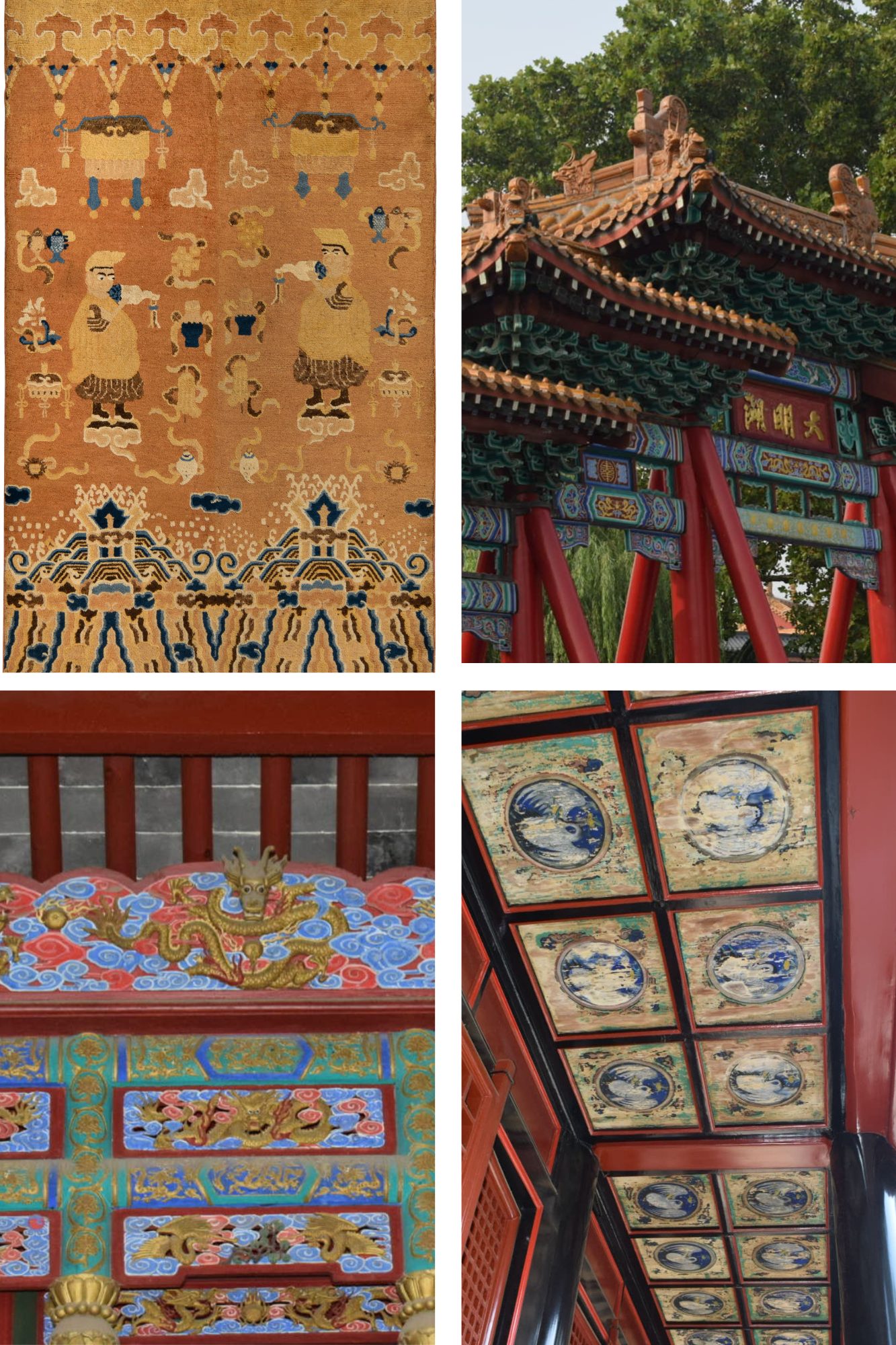
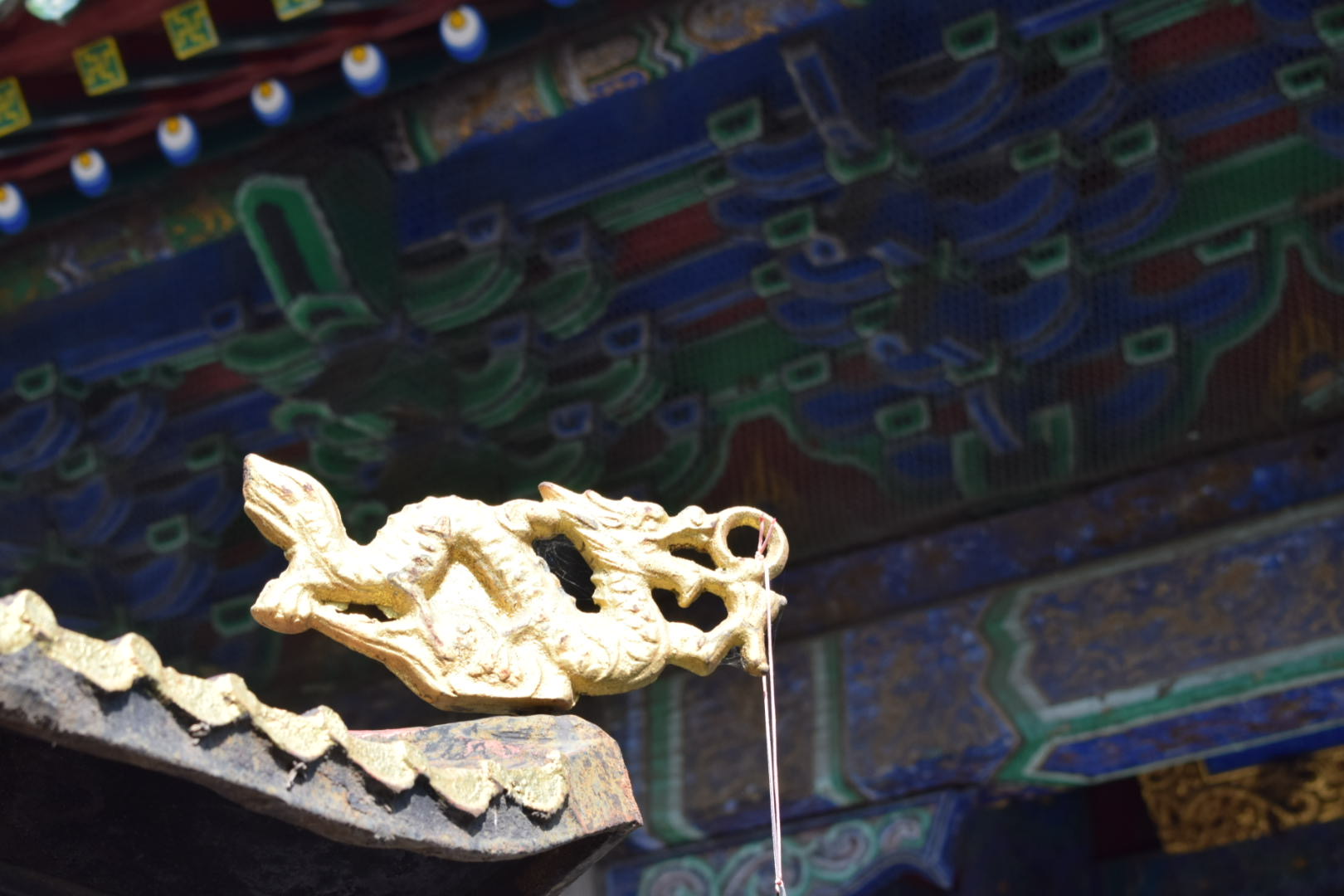
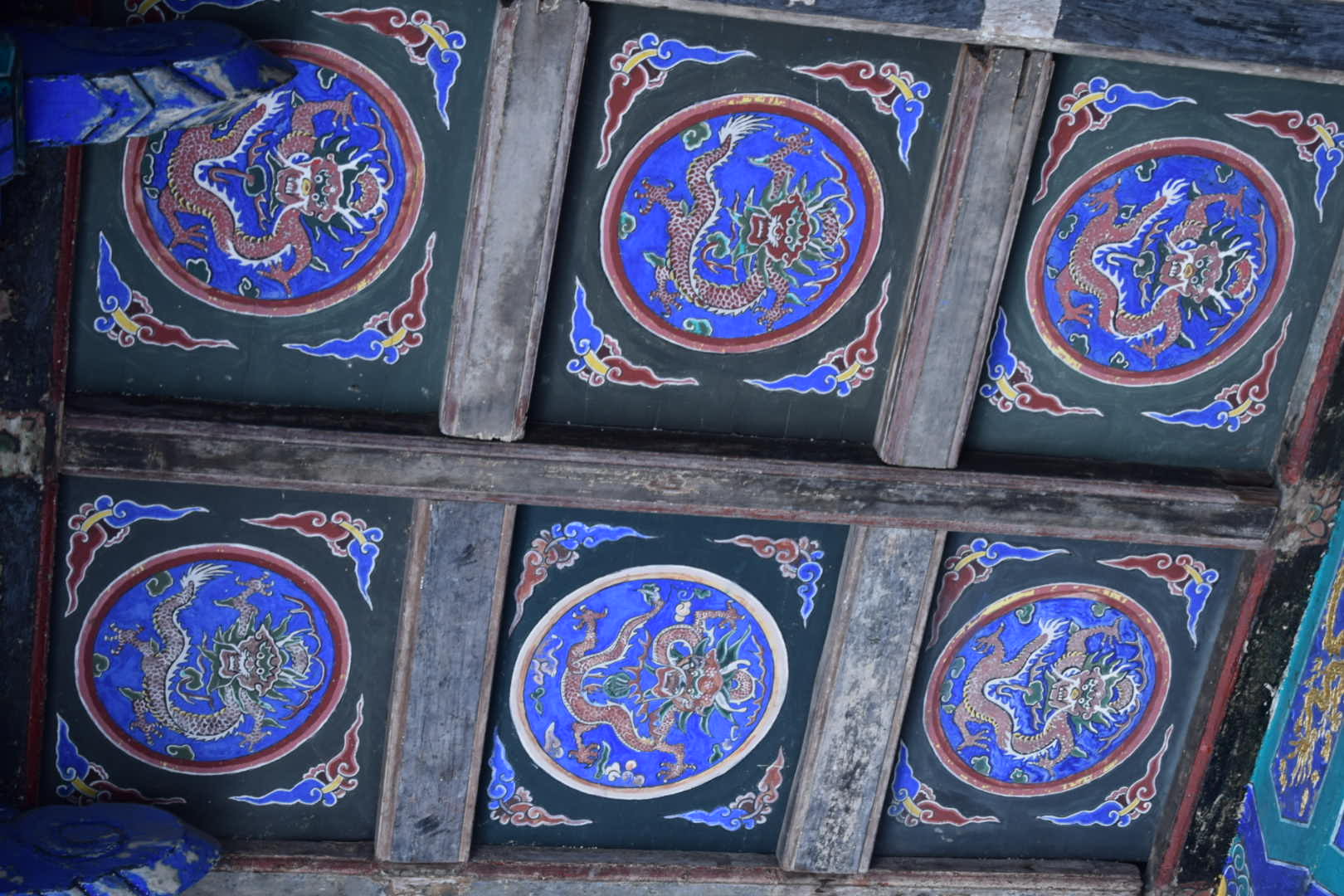
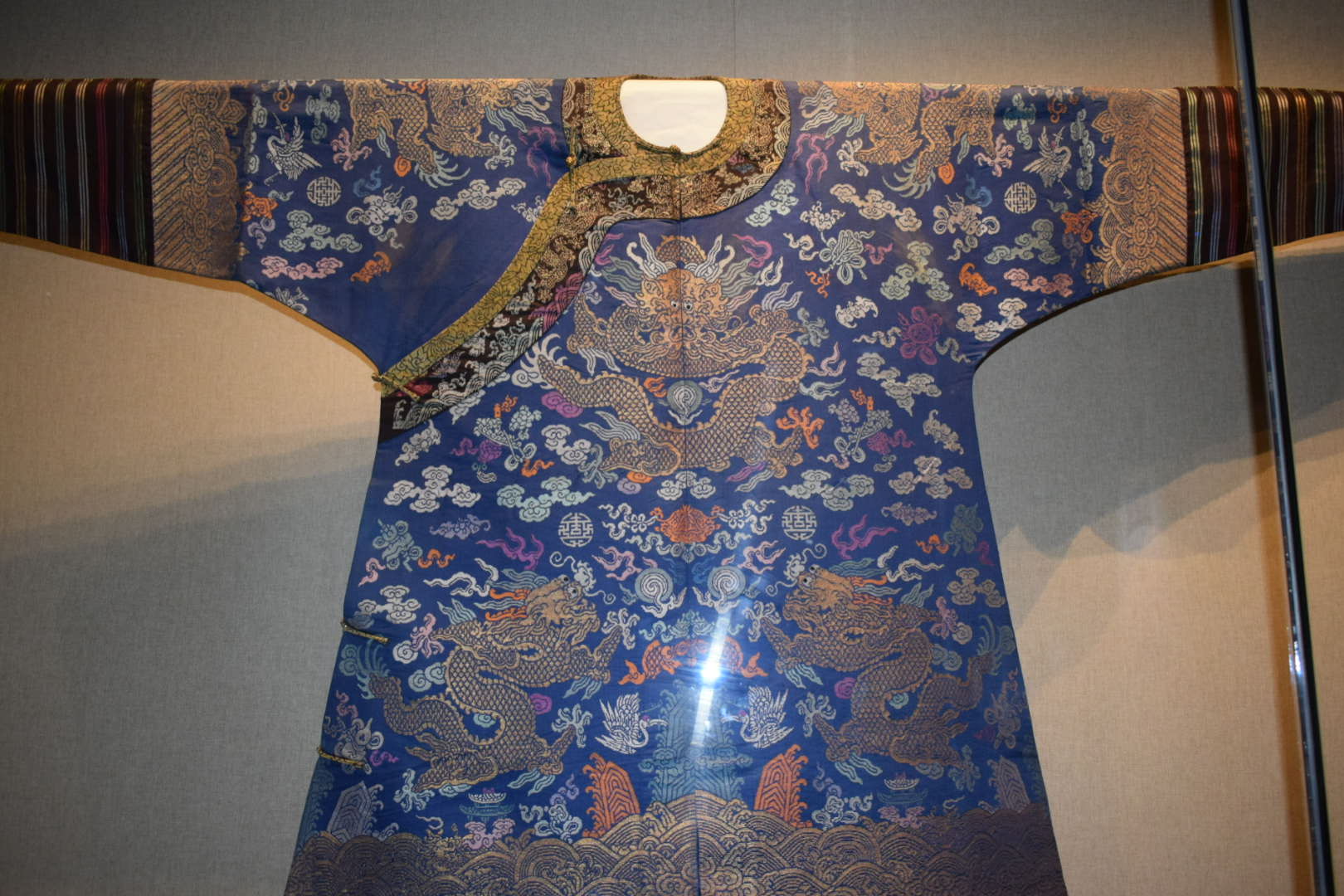
Some Images from our Author’s visit to Sustainable Development Conference in China:
Representation of Dragons in Chinese Carpets
In carpet art, dragons are often depicted in a stylized, graphic form rather than naturalistically, resulting in abstract shapes. These representations sometimes depict dragons as bat-like creatures, with or without wings. Flaming pearls frequently accompany dragons in these designs, symbolizing attributes such as wisdom, power, immortality, and prosperity. It’s common to see dragon-like creatures in pursuit of these flaming pearls in symbolic depictions.
In Chinese culture, dragons have traditionally been viewed as inherently positive creatures, embodying qualities of wisdom, generosity, and fairness. However, Buddhist influences introduced a classification system for dragons that included both positive (yang) and negative (yin) aspects. While the majority of dragons are considered yang, possessing positive attributes and roles such as protection against floods, some dragons of yin nature were believed to have malicious elements and could potentially cause disasters like floods. This dual classification underscores the complex and multifaceted symbolism of dragons in Chinese art and culture, where they are revered for their positive attributes yet also recognized for their potential to bring about calamities, depending on their nature and intentions
In carpet designs, dragons are frequently portrayed alongside scrolling ruyi clouds, symbolizing celestial guardianship. They are depicted holding or protecting flaming pearls of happiness under their chins, or clasping pearls of wisdom in their claws.
This imagery underscores the benevolent nature of dragons across different cultural contexts, where they universally represent positive forces and good fortune. Despite their elusive nature in the natural world, the symbolic form of the dragon is prominently featured in antique carpets from various contiguous countries and distant regions. This enduring presence reflects the dragon’s significance as a mythical creature and protector of Earth’s secrets, celebrated through intricate carpet designs that have preserved its symbolic importance over centuries.
Throughout carpets produced in regions like Tibet, Mongolia, the Far East, and the Caucasus, symbolic dragons play a prominent role. Among the most sought-after provenances, Tibetan Dragon rugs are yet another connoisseur’s delight.
History of Tibetan Dragon Rugs
The emergence of Tibetan dragon rugs is believed to have occurred relatively late in the history of carpet weaving. This delay is attributed to various factors, including the misidentification of Tibetan rugs as Chinese carpets and the influence of neighboring weaving techniques. In fact, the first instances of Tibetan rugs reaching the West were not recorded until the 1880s. Despite the absence of written documentation on the trade of Tibetan rugs, the heritage of Tibetan rug weaving is ancient, spanning centuries. However, political circumstances have hindered its development and prosperity over time. The Tibetan carpet industry, which includes Tibetan dragon rugs, experienced rapid growth in the nineteenth and early twentieth centuries. However, it faced a decline in the latter half of the twentieth century.
What are Tibetan Dragon Rugs ?
Tibetan Dragon Rugs are renowned for their depiction of dragons, which hold significant cultural and symbolic value in Tibetan tradition. These rugs typically feature stylized oriental dragons intricately woven into the design. The dragons often form two medallions against a plain background, with colors such as red, beige, and tan dominating the palette. In terms of color, producers of Tibetan dragon rugs had a limited selection of organic materials available to them. These included madder for red hues, indigo for blue tones, Tibetan rhubarb for yellow shades, and walnut for brown and gray colors. Despite these constraints, artisans were able to create vibrant and visually striking rugs.
The border of Tibetan dragon rugs often reinforces the theme of protection, reflecting the deep-seated Tibetan belief in the power of dragons as guardians. These rugs are typically crafted using high-quality wool woven onto a cotton base, ensuring durability and longevity. In addition to serving as floor coverings, Tibetan dragon rugs are sometimes used as decorative wall hangings, further showcasing their cultural significance and artistic value.
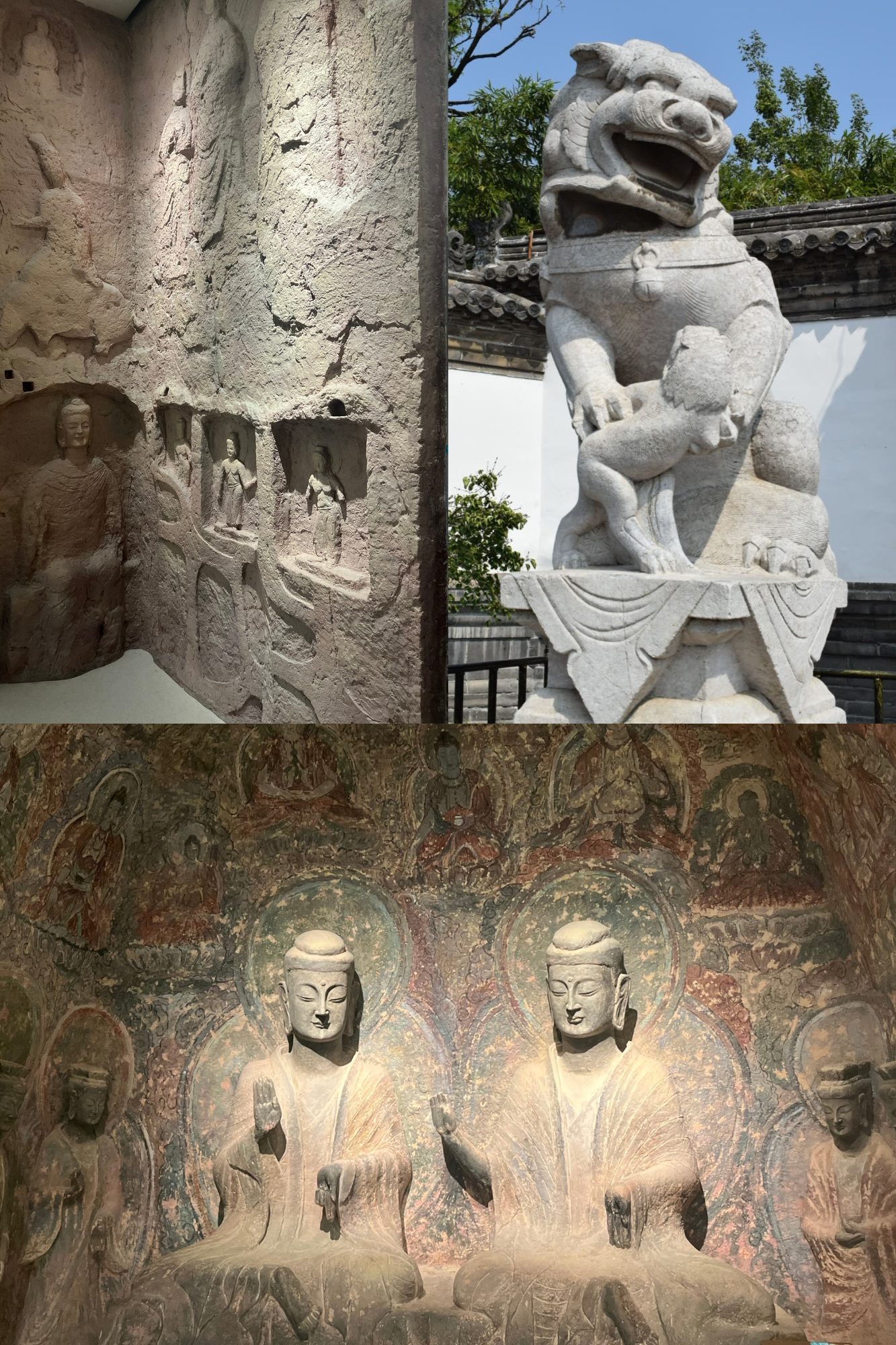
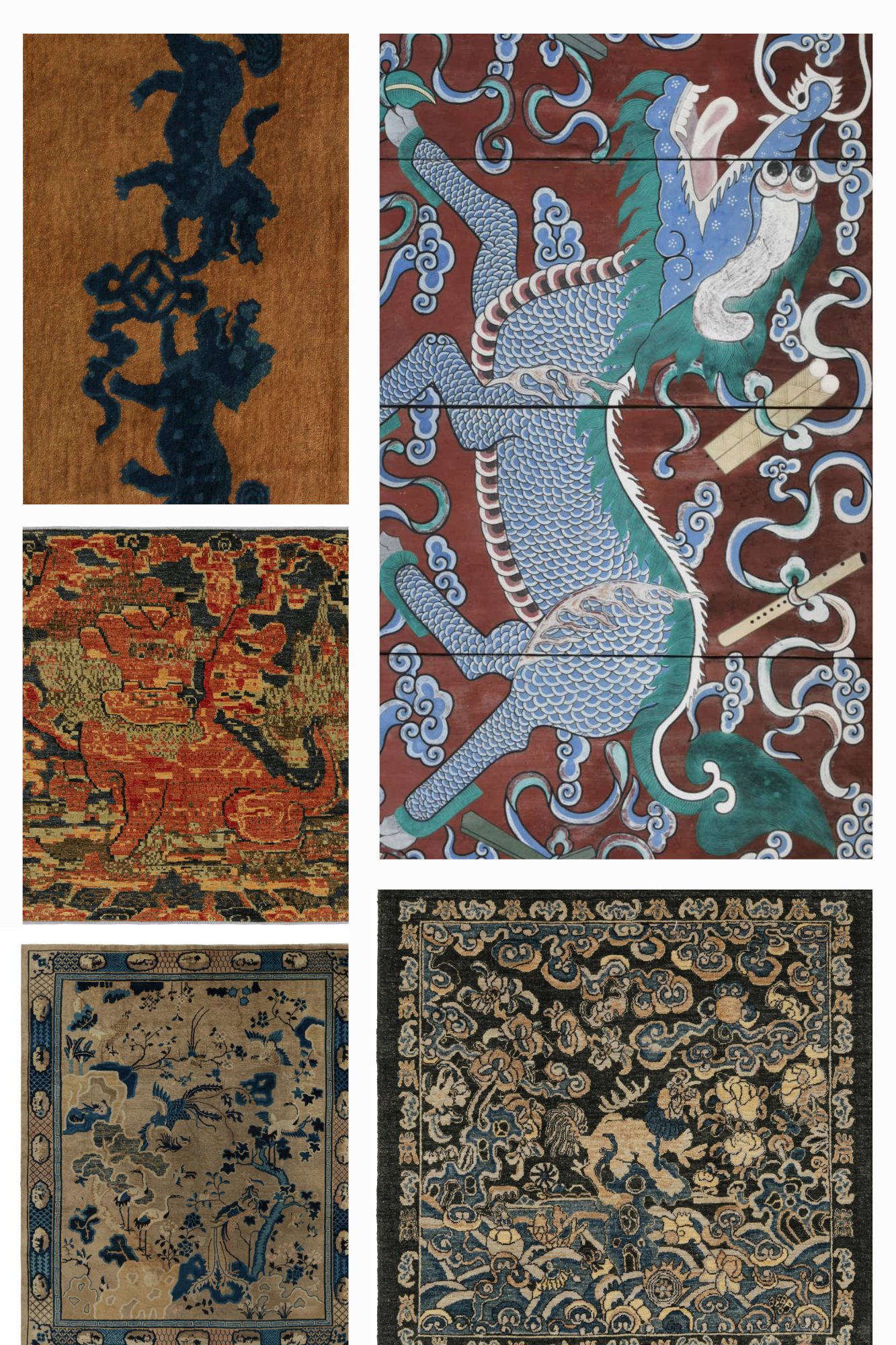
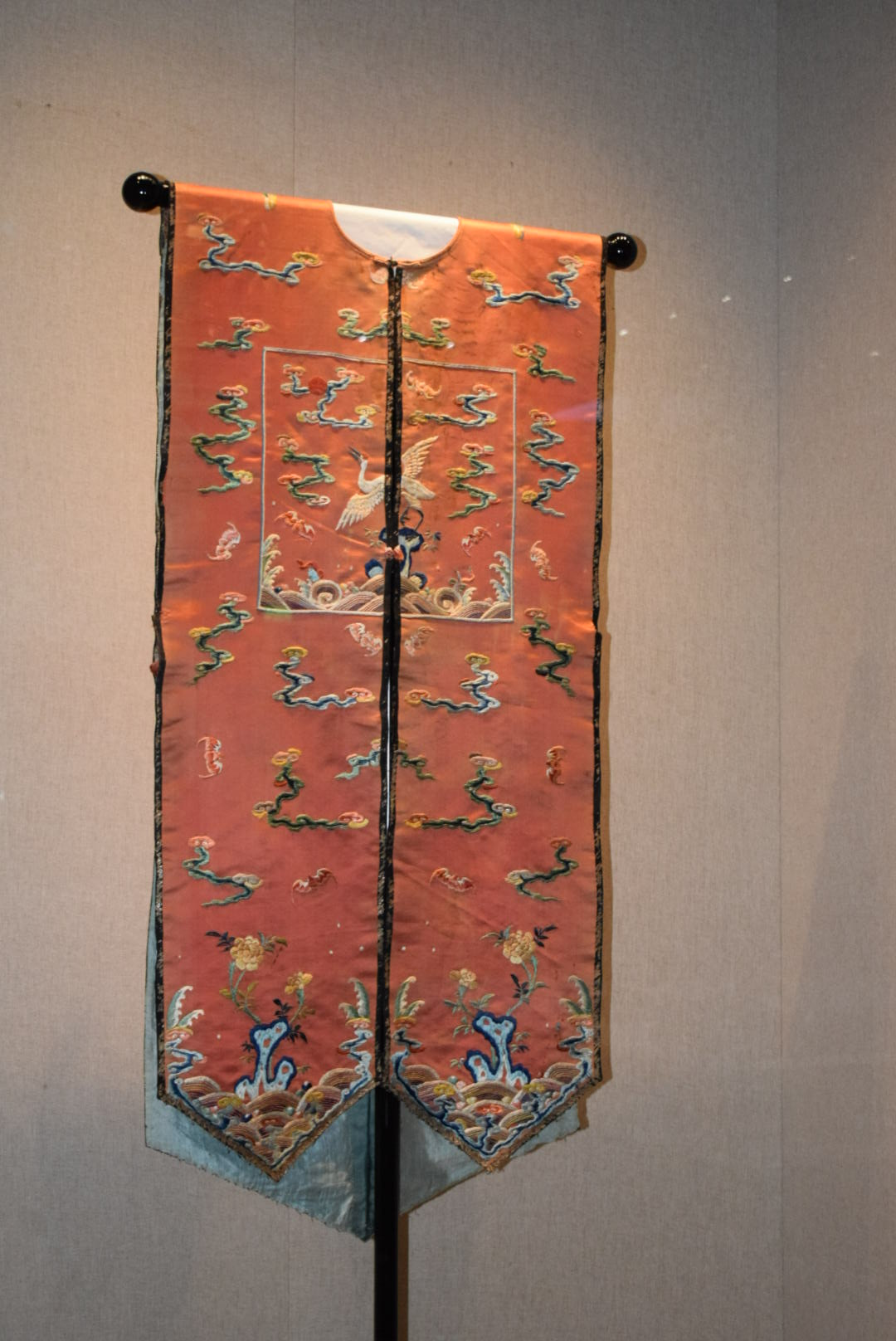
Tapestries Textiles
Tapestries Textiles
Tibetan Dragon Rugs, handcrafted in Nepal, are esteemed for their protective symbolism. Dragons are revered in Tibetan culture for their benevolent qualities, believed to bring various blessings to humanity. Skilled weavers in Kathmandu, Nepal. Despite the name “Tibetan rugs,” the majority of these carpets are now woven in Nepal using wool sourced from Tibetan Highland sheep. However, due to political factors, the availability of Tibetan wool is limited, and the cost is high. As a result, wool from New Zealand has become a primary alternative for rug production in Nepal. Historically, Tibetan Highland sheep’s wool was the preferred material for Tibetan rugs, but the thriving rug industry in Nepal owes much to the influx of Tibetan refugees since 1959. While Tibet itself does not export rugs in significant quantities, the tradition of Tibetan rug weaving lives on in Nepal, where artisans continue to create exquisite pieces, including the revered Tibetan Dragon Rugs.