
Oushak Rugs – An Oriental Guide to History, Styles and Significance
July 1, 2024
A Guide to History and Significance of Chinese and Tibetan Dragon Pictorial Rugs
July 8, 2024
…et ibi fiunt soriani et tapeti pulchriores de mundo et pulchrioris coloris. “…and here they make the most beautiful silks and carpets in the world, and with the most beautiful colors.”
Marco Polo about the beauty of kilim weaving documented in the 13th century, Travels of Marco Polo
Origin and History of Kilims
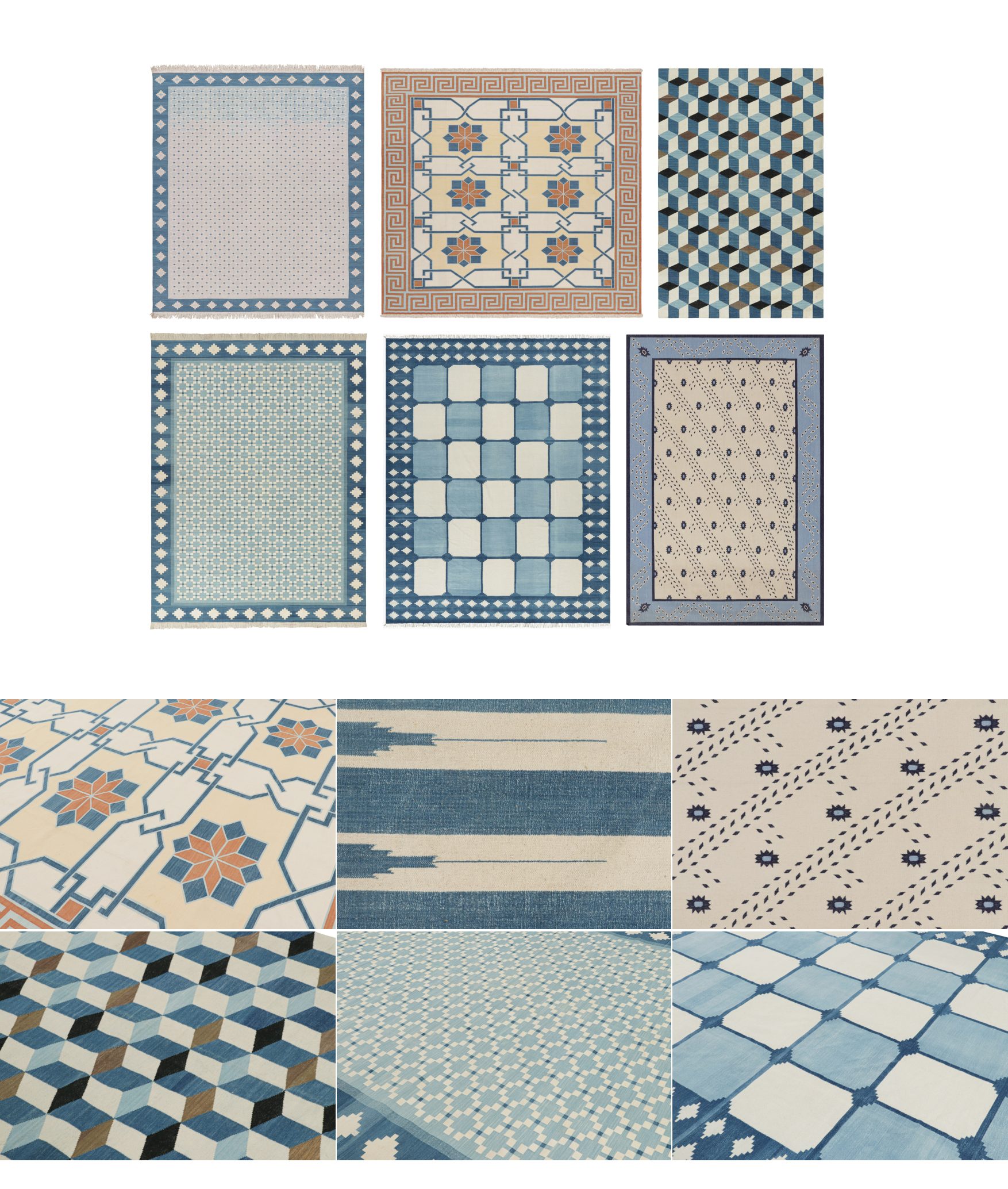
Derived from the Turkish word “kilim,” these pileless rugs embody rich traditions spanning regions from Turkey (Anatolia and Thrace) to North Africa, the Balkans, the Caucasus, Iran, Afghanistan, Pakistan, Central Asia, and China. Kilims (also spelled kelim, gelim, or killim) hold a unique place in the world of textiles, distinguished by their flat weaving techniques.
The origins of kilim rugs trace back to the nomadic people, serving various practical purposes such as blankets, saddle blankets, seat mats, or wall decorations. These early kilims, believed to date back several hundred years before Christ, resembled the flat-woven carpets known today. Unlike knotted carpets, which evolved from weaving techniques, kilims are hand-woven with distinct weaving methods. Today, kilims predominantly originate from regions in southern Iran or Afghanistan, continuing to embody cultural traditions and craftsmanship that have evolved over millennia.
Significance of Kilims in Tribal Communities
In tribal societies, kilims held profound personal and social significance, woven by women at various stages of their lives. Before marriage, women would weave kilims in preparation for their married life. During marriage, kilims were crafted for their children and to adorn their homes. Finally, towards the end of their lives, women would weave kilims intended for their own funerals, to be donated to the mosque thereafter. This tradition highlighted the intimate connection between kilim weaving and the life cycle, symbolizing familial care, cultural continuity, and spiritual devotion within tribal and village communities.
Difference between Kilims and Pile Rugs
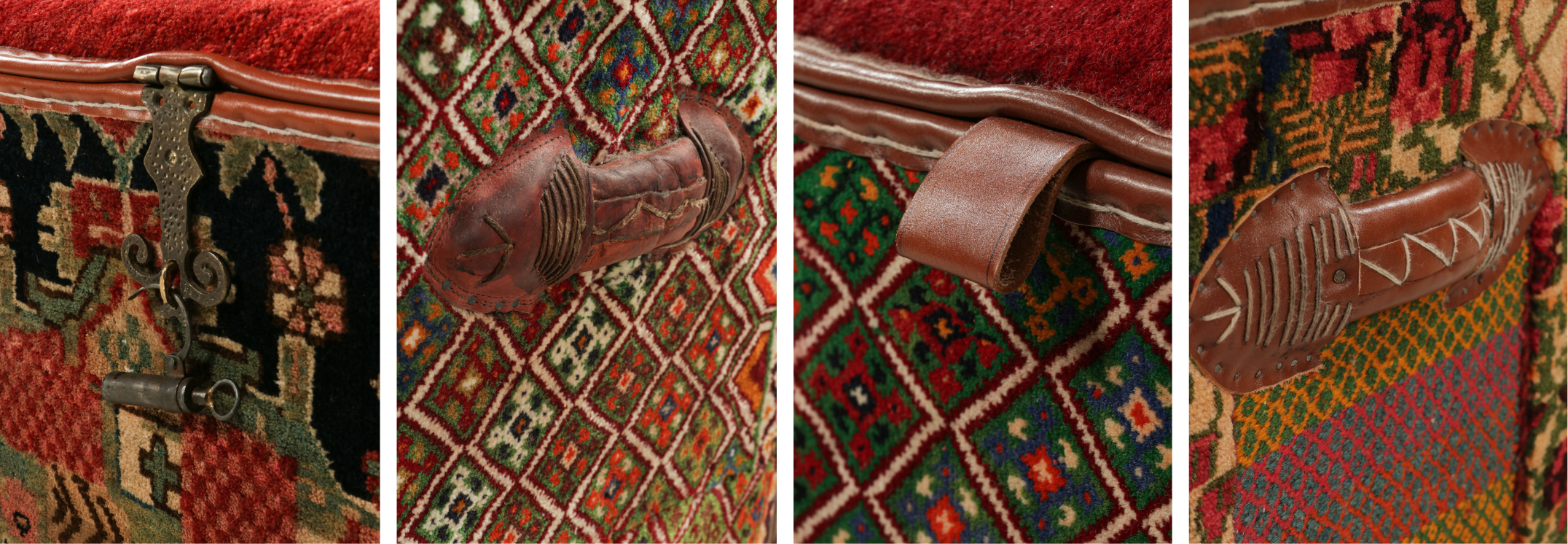
The primary distinction between a kilim and a pile rug lies in their construction. While pile rugs showcase designs formed by individually knotted strands of colored yarn, kilims are crafted by interweaving colored wefts and warps, resulting in a flatweave. This method creates a seamless, tapestry-like surface that is both durable and visually striking. Kilim designs are often woven using the slit weave technique, which leaves a small gap between blocks of color. This gap is created by returning the weft around the last warp of a color area, then weaving the adjacent color around the neighboring warp. Weavers pack the weft tightly to completely cover the warp, often opting for diagonal patterns to maintain the rug’s structural integrity and avoid weakening it with vertical slits. This technique allows for the creation of bold, sharp patterns and gives weavers the freedom to experiment with geometric designs, a hallmark of kilim artistry. However, kilims can also feature exquisite floral motifs, showcasing the versatility and creativity of the weavers.
Styling Kilims in Modern Interior Spaces
Kilims are celebrated for their vibrant patterns and durability, making them a versatile addition to any home. Whether used as floor coverings, wall hangings, or even draped over furniture, kilims bring a touch of cultural heritage and artisanal craftsmanship to modern interiors. Wool is the quintessential material for crafting a kilim rug, often being the sole component used. In many instances, kilims are entirely woven from wool, with both the warps and wefts made from this versatile fiber. Predominantly, wool serves as the primary weft material, while cotton is commonly used for the warps, accounting for the majority of kilims produced.
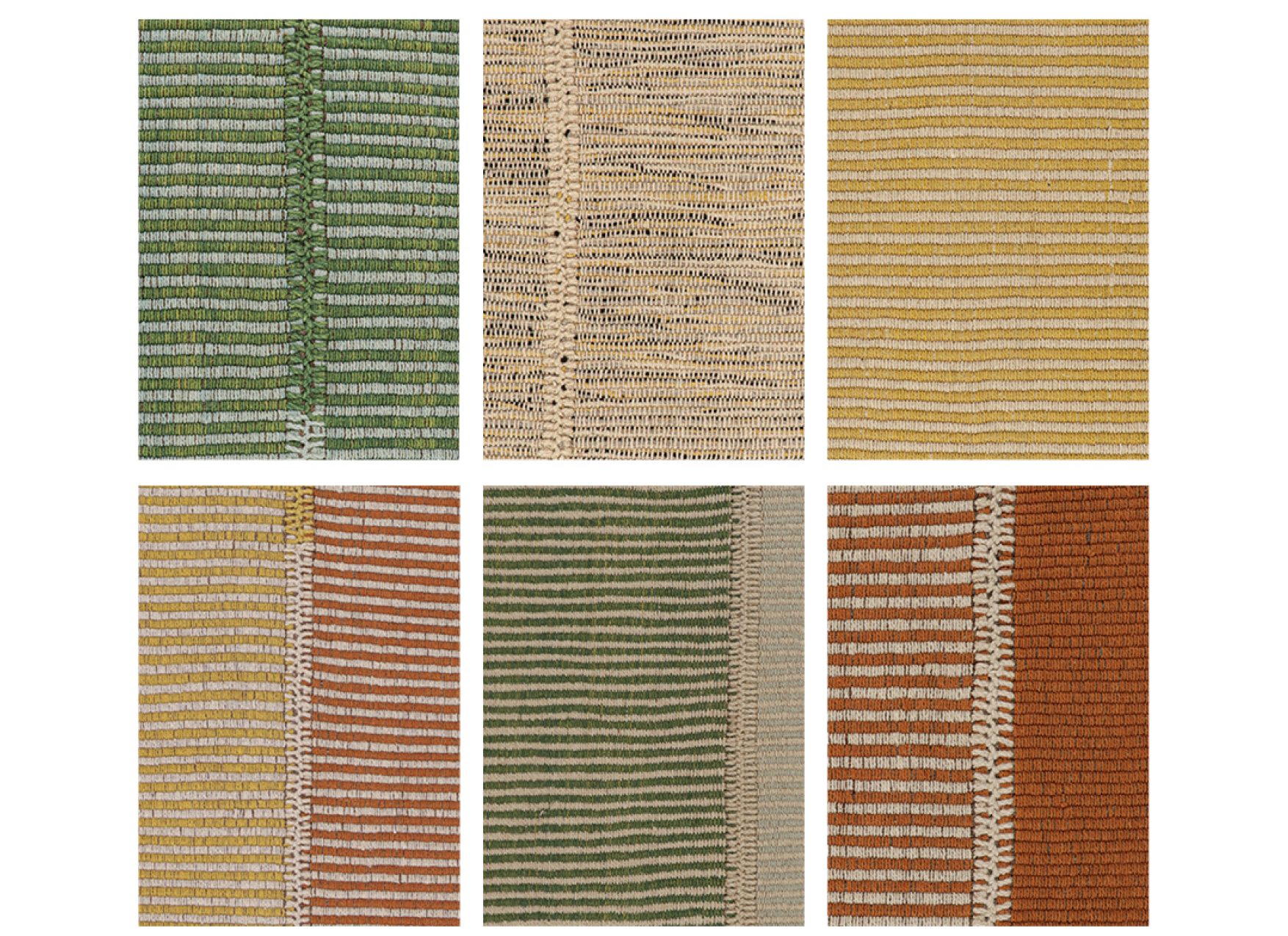
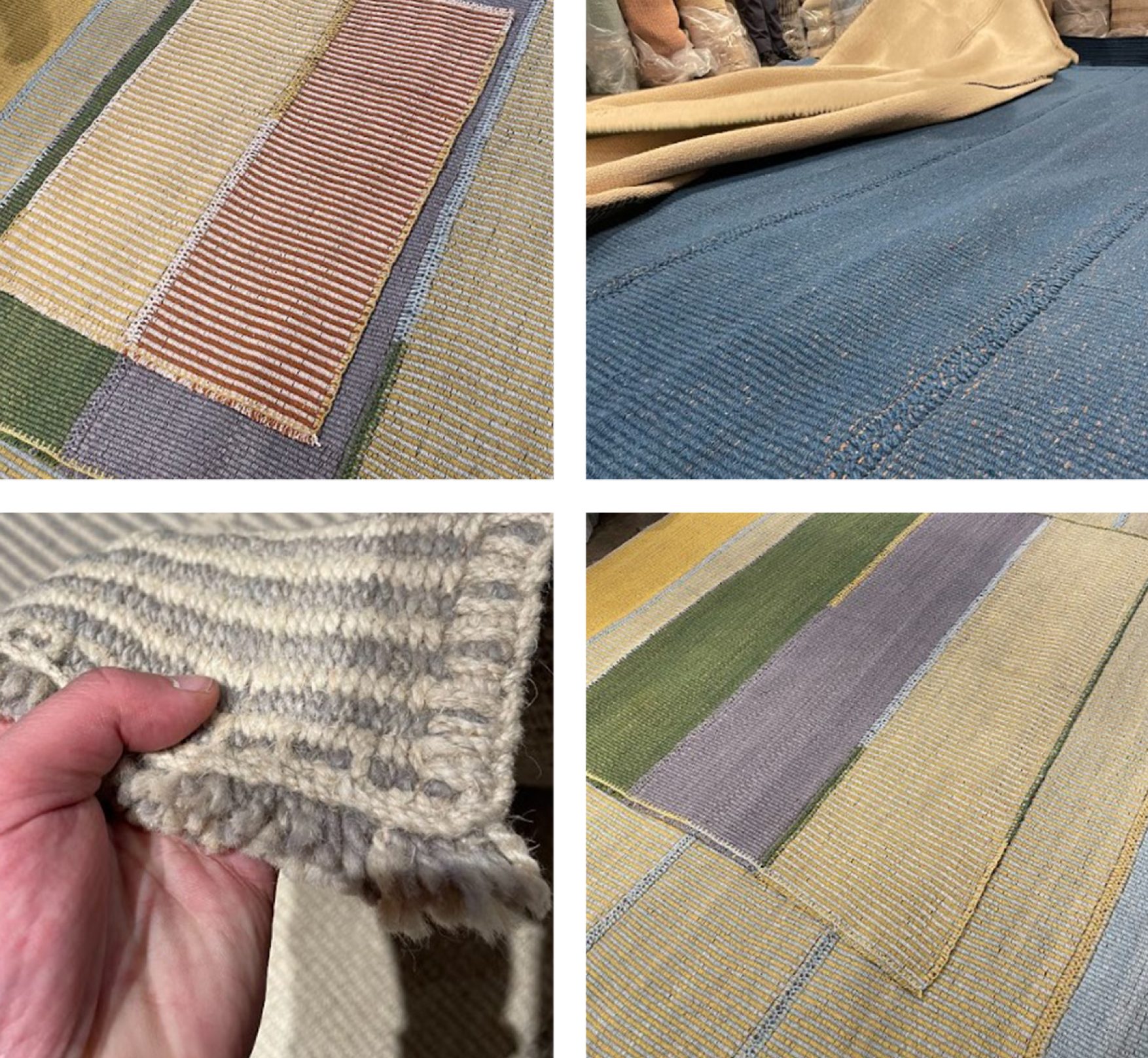
The widespread use of wool in kilim-making is attributed to its remarkable properties. Wool is supple and durable, making it easy to handle during the spinning and weaving processes. It readily absorbs dyes, resulting in vibrant and lasting colors. Moreover, wool is abundantly available in regions known for kilim production, ensuring a consistent supply for artisans. Certain sheep breeds, such as the merino, are particularly prized for their fleece, known for its special luster and long fibers. However, it is often the domestic fat-tailed sheep, thriving in favorable climatic and grazing conditions, that provide the superior fleece essential for kilim rugs. This wool’s unique characteristics contribute to the durability and beauty of each kilim, making them cherished pieces in any interior.
Different Kilim Patterns and their Symbolic Value
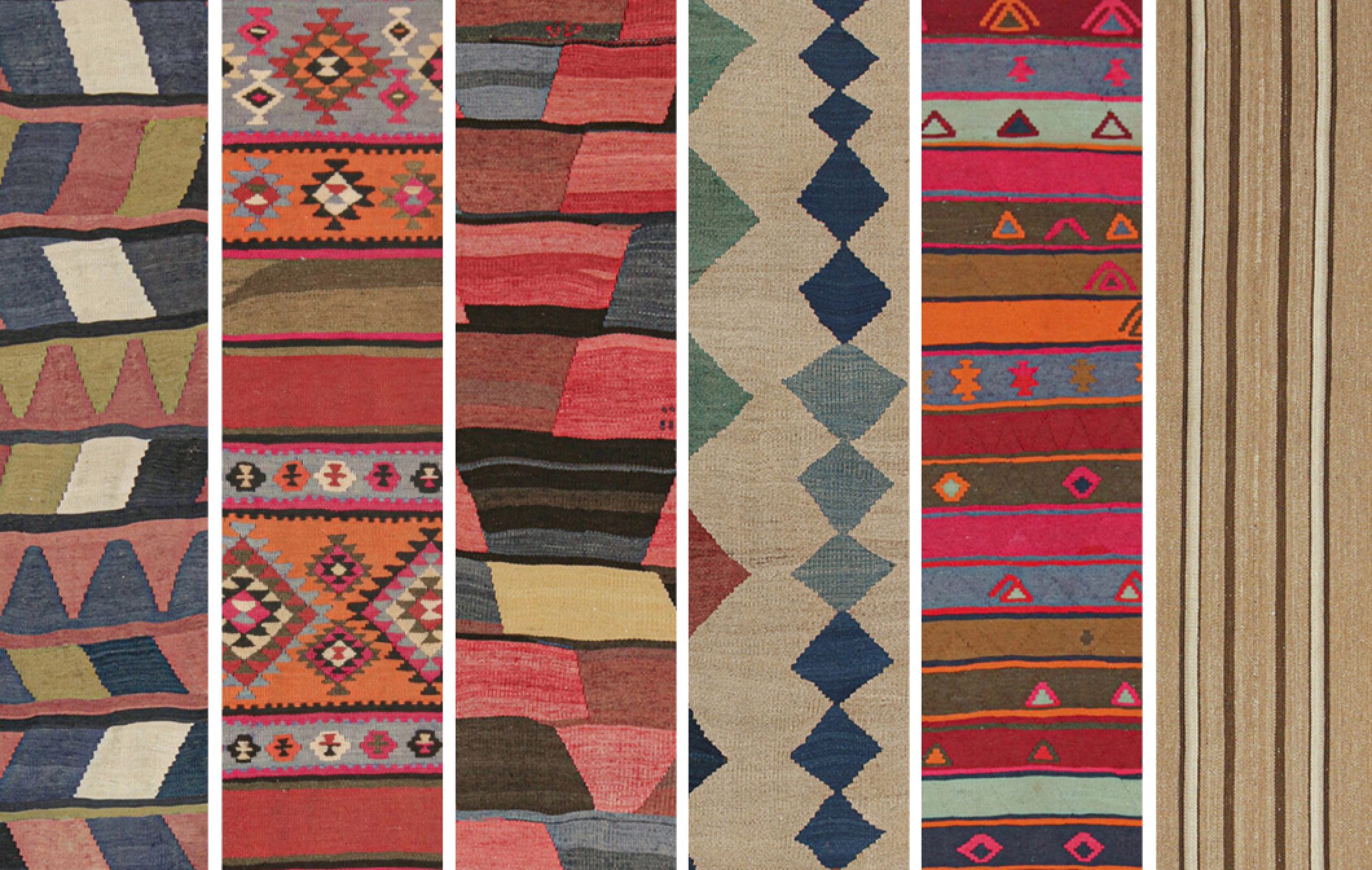
The intricate motifs found in kilim rugs are more than mere decorative elements; they are symbols that have been used for centuries to inform, communicate, and convey profound ideas. Over time, these symbols have evolved, intertwining with myths and acquiring layers of hidden significance, transitioning into the realm of esoteric symbolism.
Each motif tells a story, encapsulating cultural narratives and historical contexts. These designs are not just patterns but are imbued with meanings that resonate with ancient traditions and beliefs. They serve as a visual language, bridging the past with the present, and offering a glimpse into human experiences. Symbols in kilim rugs carry deep cultural and spiritual meanings, reflecting the beliefs and traditions of the communities that create them. From the hands-on-hips symbol of the Anatolian mother goddess, signifying fertility and abundance, to protective motifs like the cross and eye, believed to ward off the evil eye, each symbol tells a story. The comb motif represents rain and the essential water of life, while running water symbolizes the vitality of fresh water, crucial for tribal life.
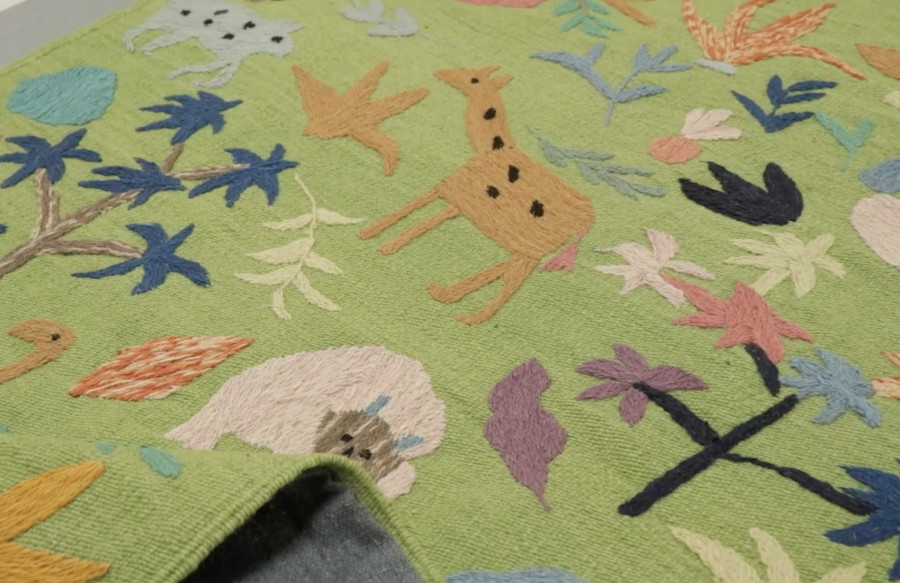
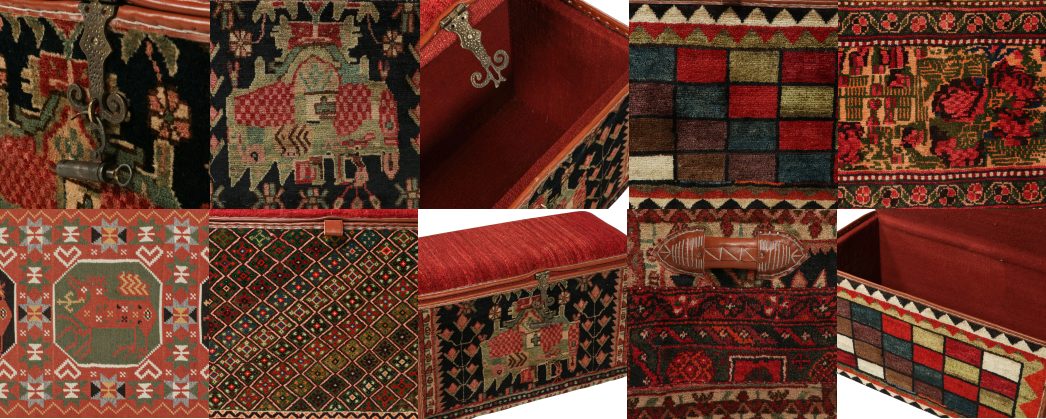
Fertility symbols often merge elements like the hands-on-hips and ram’s horn, blending female and male energies. Birds symbolize both good luck and the souls of the departed, while fetters bind families and lovers together. The trousseau chest motif reflects unmarried women’s preparation of dowries, and the earring symbolizes common wedding gifts. Animals like the wolf and scorpion offer protection, and mythical creatures such as dragons signify mastery over air and water. The tree of life, often depicted with pomegranates, symbolizes immortality and longevity, while plants like burdock are used to ward off the evil eye and represent abundance.
Textiles and Antique Kilims housed in International Museums –
The Textile Museum (Washington D.C., United States) The Textile Museum houses an internationally acclaimed collection of over 18,000 rugs and a vast array of tapestries, carpets, embroideries, and other textiles. The museum excels in its collection of Islamic carpets and also features significant collections of Chinese, Indian, and European textiles.
Metropolitan Museum of Art (New York, United States) The Metropolitan Museum of Art boasts an extensive collection of over 12,000 rugs, with a particular emphasis on Islamic carpets. The museum’s holdings also include notable collections of Chinese, Indian, and European carpets, along with a robust assortment of tapestries, embroideries, and various textiles.
Museum of Turkish and Islamic Arts (Istanbul, Turkey) This museum, situated in the cultural heart of Istanbul, is celebrated for its impressive array of over 12,000 rugs. Its collection is predominantly strong in Islamic carpets, while also encompassing significant Chinese, Indian, and European carpets, tapestries, embroideries, and textiles.
Victoria and Albert Museum (London, England) The Victoria and Albert Museum in London is renowned for its extensive textile collection, including over 14,000 carpets. The museum is particularly strong in European carpets and also holds significant collections of Islamic, Chinese, and Indian carpets, tapestries, embroideries, and other textiles.
While all Kilim rugs are united under the flat-weaving technique that has been adopted and specialized from culture to culture over time, some of the most significant ancestral Kilim rugs can be found among the varied tribes and regions stretching back to Anatolia/Turkey, Persia, Europe, Scandinavia, and Africa—all home to celebrated variations of flat weaving Jahanshah Nazmiyal has studied and collected among Rug & Kilim’s Antique & Vintage, Kilim & Flat Weave, and Moroccan Collections to name a few. Needless to say, Jahanshah’s devotion to learning the intricacies and histories of the style have, likewise, inspired pillars of our most well-received private collections, notably including our Scandinavian Flat Weave collection among the homes for contemporary and modern Kilim worth noting in our archives.
Read about our profile on different provenances of kilim rugs here >>
Frequently Asked Questions About Kilim Rugs –
What is a Kilim Rug?
A Kilim rug is a flat-woven, pileless textile originating from ancient Persian regions, primarily Turkey. It is known for its vibrant geometric patterns and motifs. The term “kilim” finds its origins in the Persian word “gelim,” meaning “to spread roughly.” Evidence of kilim rugs dates back to as early as 7000 B.C.E., as discovered in Çatalhöyük excavations. Read more about our profile on different types of kilims here >>
How can you identify a Kilim?
Kilim rugs stand out for their flat-woven structure without a pile, resulting in clear, sharply defined designs compared to rugs with a pile.
Are Kilim Rugs reversible?
Yes, Kilim rugs are reversible due to their flatweave construction, displaying the same pattern on both sides.
Where are Kilim Rugs suitable for use?
Kilim rugs are versatile and suitable for various spaces, including living rooms, bedrooms, kitchens, hallways, and high-traffic areas due to their durability.
How do you prevent a Kilim Rug from slipping?
To keep a Kilim rug in place, use a rug pad underneath. Their lightweight nature can cause them to shift on floors. Read more about Rug Padding here >>
Are Kilim Rugs durable for high-traffic areas?
Yes, Kilim rugs are historically durable and have been used in high-traffic areas and public spaces. They are resilient and well-suited for daily use.