
André Arbus: A Brief Intro to a Father of French Art Deco
January 2, 2024
Renting Rugs and Kilims for Special Events and More
January 26, 2024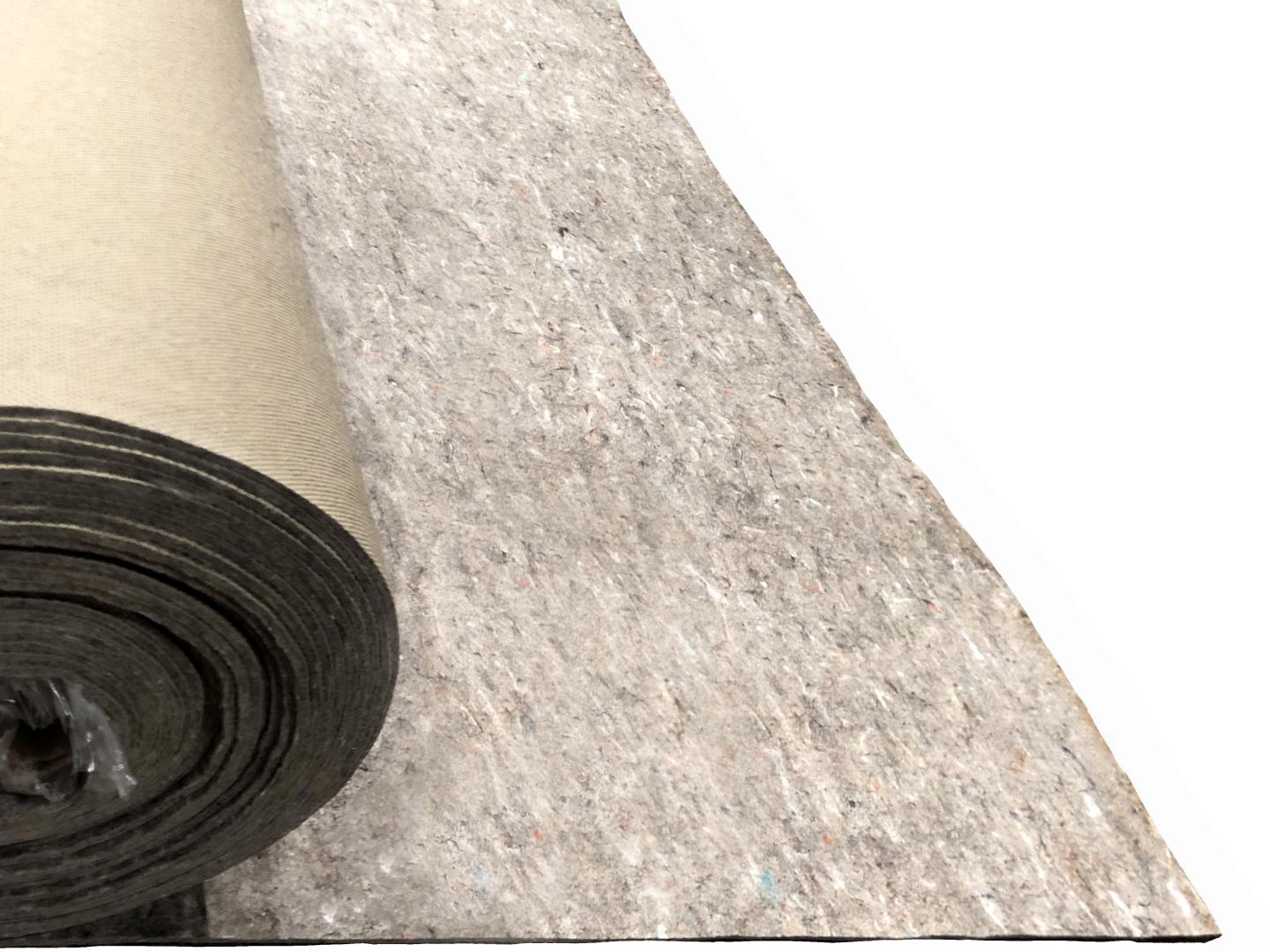
Ensuring the utmost comfort in your home involves making thoughtful choices in home investments, with the selection of padding beneath your rug or area rug being a crucial decision that significantly impacts floor quality. This comprehensive guide aims to address all your questions about rug padding, serving as a “how-to,” “why,” and an exploration of various aspects. Even if your rug already feels plush, a rug pad is essential. Beyond enhancing the underfoot experience, a rug pad contributes to the longevity and well-being of both your rug and floor. Installing a rug pad delivers added cushioning, improved traction for a safer living space, floor protection, simplified cleaning, and the extension of your rug’s lifespan.
Contrary to the belief that the quality of the rug alone determines its durability, the right rug padding can make a substantial difference in both the longevity and appearance of your rug.
What is Rug Padding?
Rug padding, positioned between the rug and subfloor, consists of materials like foam, rubber, and felt, serving to provide extra cushioning, support, and insulation to the rug. This essential layer absorbs shock and diminishes noise levels, contributing to the overall functionality and longevity of rugs.
Why is Rug Padding Important ?
Rug padding is an indispensable element in preserving the aesthetic appeal, structural integrity, and acoustic comfort of rugs while simultaneously contributing to energy efficiency within the home.
How does Rug Padding Affect Rug Longevity ?
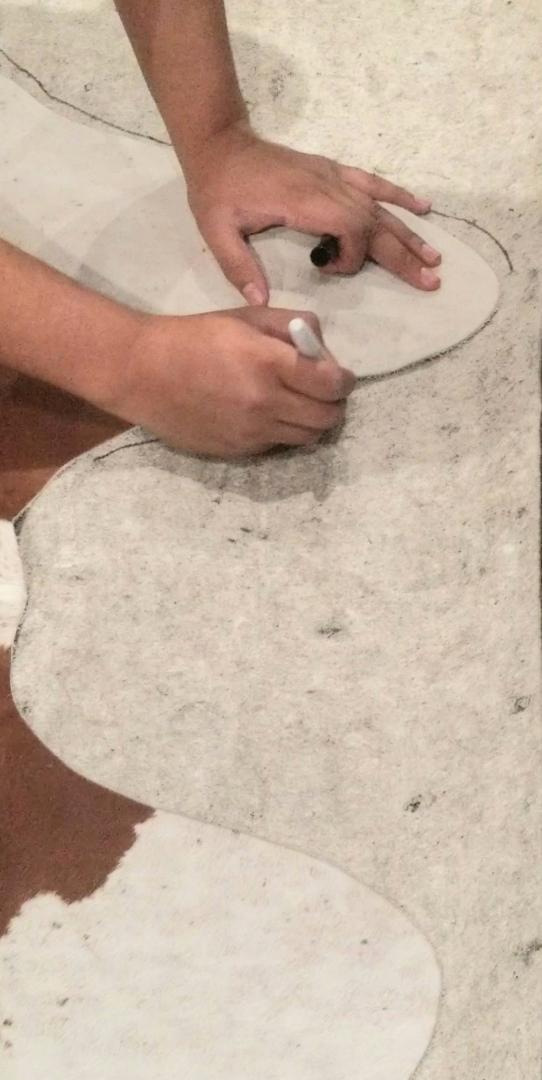
- Protection of the Rug: Rug padding safeguards the rug, constituting one of its most significant advantages. Without it, the rug is directly exposed to hard and abrasive flooring, potentially causing harm to the rug fibers over time and resulting in premature wear and tear. Rug padding acts as a buffer between the rug and the subfloor, serving as a protective barrier to prevent damage.
- Provides Cushioning: Rug padding introduces an additional layer of cushioning to your rug, effectively absorbing impact and reducing wear and tear. Without proper cushioning, rug fibers may lose their structure, leading to a worn and lackluster appearance.
- Extends Rug Lifespan: The paramount advantage of rug padding lies in its capacity to increase the lifespan of your rug. As mentioned earlier, rug padding protects the rug from damage, mitigating the risk of premature wear and tear, translating to long-term cost savings. A reliable rug pad provides essential support to the rug, effectively absorbs foot activity, and shields it from potential damage. This proactive approach aids in preserving the beauty and durability of a rug over an extended period.
- Improves Comfort: Selecting the right rug padding can enhance the comfort of walking on your rug, reducing fatigue and making extended periods of standing more comfortable. This is particularly crucial in rooms where you spend a significant amount of time at home, such as the living room or bedroom.
- Reduces Noise: Through sound absorption, rug padding contributes to noise reduction within your home. This is especially beneficial in apartments or homes with multiple levels, as it helps prevent noise transfer between floors.
- Improves Air Quality: Certain rug padding, such as natural fiber rug padding, can also enhance indoor air quality by trapping dust, allergens, and other particles. This feature is particularly advantageous for individuals with allergies or respiratory problems.
Types of Rug Padding
Rug Padding is available in various materials such as foam, rubber, or fiber. Each type of padding comes with its own set of advantages and disadvantages, underscoring the importance of selecting the most suitable option for your rug. 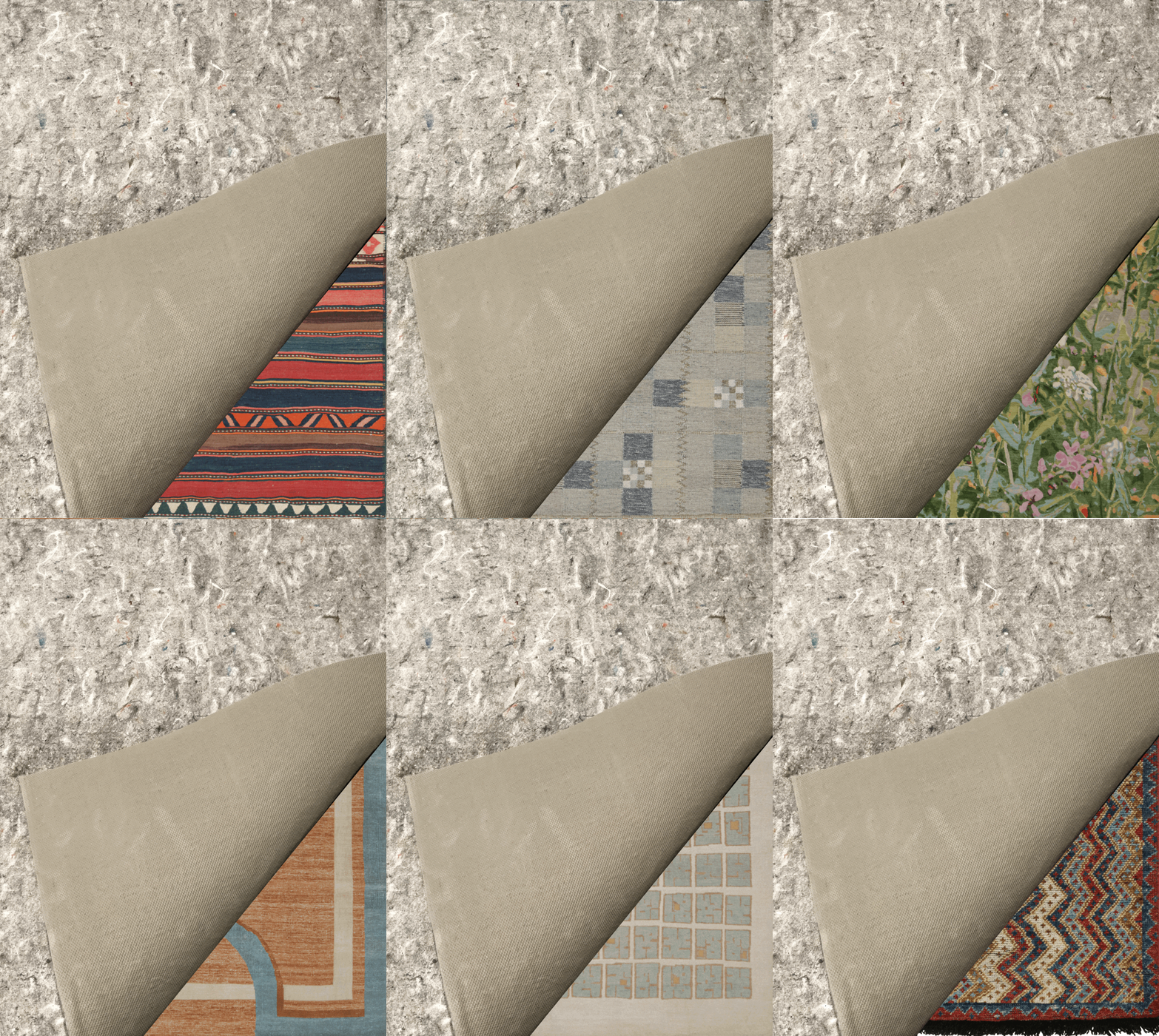
- Foam padding, being lightweight and cost-effective, is an excellent choice for low-traffic areas. However, it is essential to note that foam padding may degrade over time, losing its original cushioning properties.
- Rubber padding, known for its durability, can withstand heavy foot traffic more effectively than foam padding. Additionally, it excels in sound absorption, making it a preferred option for homes with hardwood or tile floors. Despite its resilience, rubber cushioning may come with a higher price tag compared to foam padding.
- Fiber padding stands out as the environmentally friendly choice, crafted from natural or synthetic fibers. Renowned for its excellent sound absorption capabilities, fiber padding can endure for years. It is worth noting, though, that fiber padding may be comparatively more expensive than foam padding.
The thickness of rug padding is a crucial factor in assessing its impact on the lifespan of a rug. The thickness of the padding is variable, dependent on factors such as the type of rug, the level of foot traffic, and the nature of the subfloor. Opting for thicker padding offers enhanced durability and increased capacity to absorb foot traffic, making it an ideal choice for high-traffic areas. However, it’s essential to strike a balance between thickness, durability, and cost-effectiveness, as thicker padding tends to be more expensive.
In addition, professional installation is of utmost importance when it comes to rug padding. Improper installation may lead to shifting or bunching of the padding, resulting in premature wear and tear of the rug. Rug & Kilim ensures that the padding is precisely fitted, providing optimal support and protection to your rug. Investing in the right type and thickness of rug padding not only extends the life of a rug but also ensures that it maintains the look and feel for years to come.
A Rug & Kilim client is a client for life, and our services are with you long after your rug leaves our New York showroom. For more information, connect with our team at 212-829-9995 or email info@rugandkilim.com to schedule a visit with our trade-only showroom.