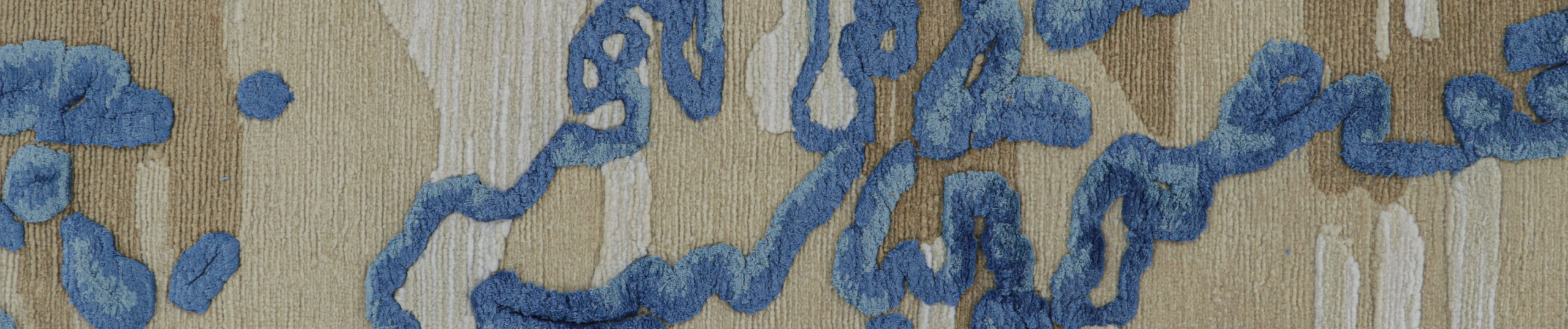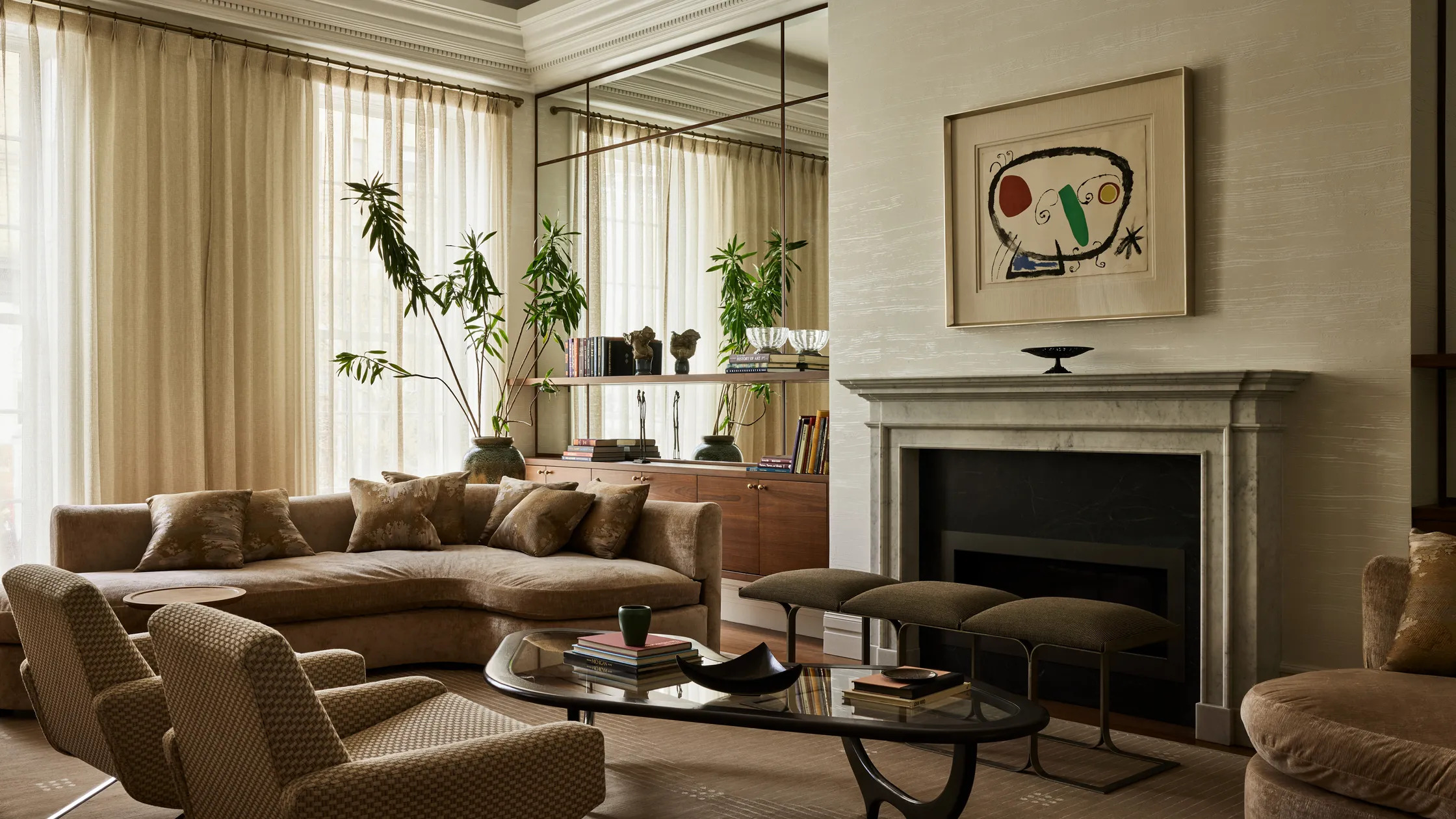
We see custom design as a dialogue between tradition and innovation—an opportunity to create something truly personal. Learn more about our custom process.
To connect with a specialist, click here
Stories from the Primitive Archive
Essays, artist dialogues, and provenance notes drawn from Rug & Kilim’s editorial desk.
Tulu Rugs as Icons of Raw Luxury: Folk Art Meets Modern Fashion
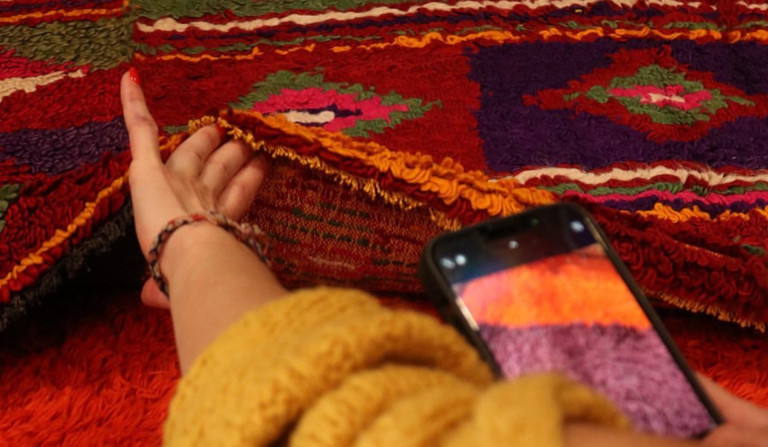
A Tulu rug emerges as a textile heirloom reimagined for royalty. The Evolution of the Tulu Rug Once woven to shield nomadic families from the brutal Anatolian winters, Tulu rugs were never meant to be seen — they were meant to be felt. Thick, long-pile, and spun from the softest Angora wool, these rugs served as primitive insulation, hand-crafted by Turkish tribes whose artistry was born from necessity. But in today’s most discerning interiors, what was once survival is now sovereignty. Tulu — from the Turkish word tüylü, meaning "hairy" or "shaggy" — has found its place in contemporary design. From Parisian ateliers to Brooklyn brownstones, from Brutalist galleries to Baroque revivalist townhouses, Tulu rugs are now the grounding force of aesthetic storytelling. No longer relegated to ethnographic obscurity, they’ve been recontextualized as objets d’art — the missing link between primal craftsmanship and couture design.
Read the Feature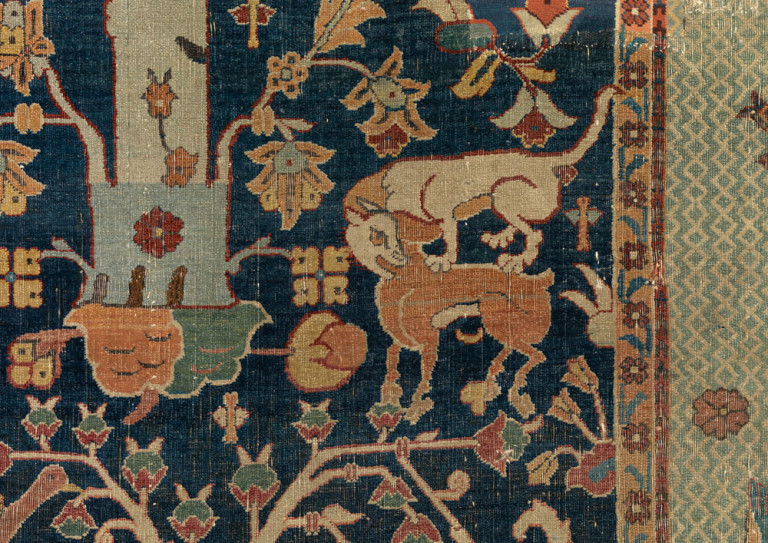
A Guide to Horse Pictorials in Persian and Caucasian Rugs
Pictorial rugs with animals are extremely collectible, as few remain today and each is a one-of-a-kind treasure. This Persian-style design depicting horses in a gallop is inspired by Gabbeh tribal rugs and similar, rare forms of Persian folk art. Its pictorials depict triplets of running horses in beige and brown, orange and pink tones on a beige field. Keen eyes will further admire the striae of yarns that achieves an abrashed, textural look in the field and pattern colorway. https://rugandkilim.com/product/modern-classics/persian-style-rug-in-beige-with-brown-and-orange-horse-pictorials/?objectID=233169-0&queryID=23e2ef8df7aa9e9adc59d00b052e4fe5
Read the Feature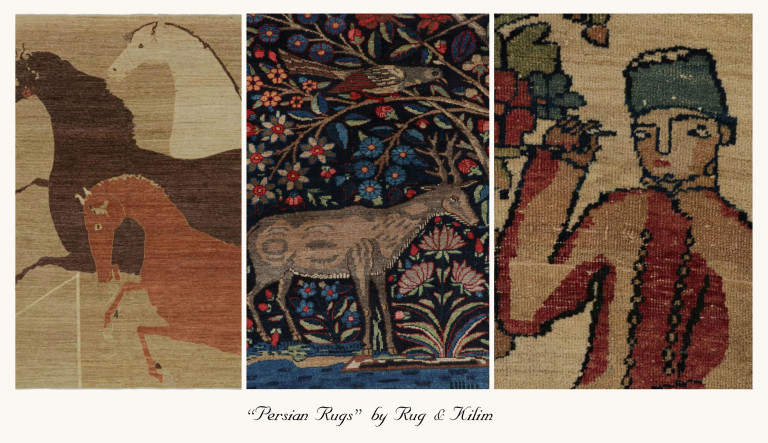
A Comprehensive Collectors’ Guide to Antique and Vintage Persian Rugs
The legacy of Persian rugs stretches back millennia, with historical references dating to the 4th century B.C. Xenophon, the Greek historian, marveled at the "soft rugs on which the Persians sit," marking one of the earliest recorded appreciations of these masterpieces. Explore More >> Persian rugs, with their rich history have long been revered as the pinnacle of floor covering artistry. These exquisite textiles, steeped in centuries of tradition, continue to captivate collectors, designers, and connoisseurs worldwide, gracing the most prestigious spaces from opulent palaces to renowned museums. This ancient craft has evolved over centuries, with each era contributing to the styles and techniques that define Persian rugs today.
Read the Feature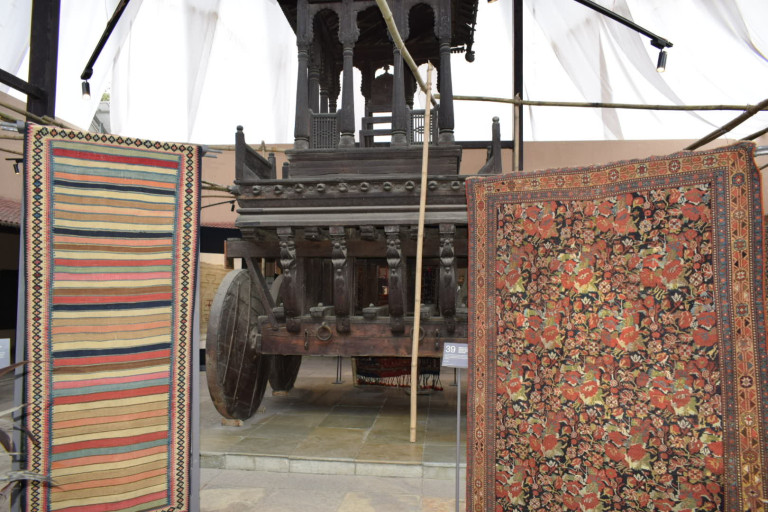
Rug & Kilim Abroad – “Nomad” Exhibition 2024: The Art of Tribal Weavers Across Borders from Anatolia to Tibet, New Delhi, India
“The more we learn, the less we think we know.” Abiding by this principle, for us at Rug & Kilim, every opportunity becomes a reason to learn more about different rugs and designs. A winter February weekend became one such opportunity for our Editorial’s Bhavna Dahiya to visit the “Nomad Exhibition” organized in New Delhi at the National Crafts Museum, from 30th January 2024 to 12th February 2024. “Nomad”, an extraordinary exhibition showcasing textiles like rugs and kilims (gelims) from the 19th and 20th centuries, exemplifies this line. Curated from the personal collection of Textile Connoisseurs and Founders of “Shades of India” Mandeep and David Housego, these remarkable pieces originate from the expansive regions of Turkey and Turkestan. Each rug, Kilim (or “gelim” in the original Persian), horse blanket and saddlebag exhibited tells a story of nomadic tribes traversing vast landscapes, herding their flocks from lowlands to high mountain pastures. Being resilient and portable, tribal rugs are synonymous with a nomadic life, carrying stories on their woven backs. With their contemporary design sensibility, these hand-spun and hand-woven treasures defy the constraints of time.
Read the Feature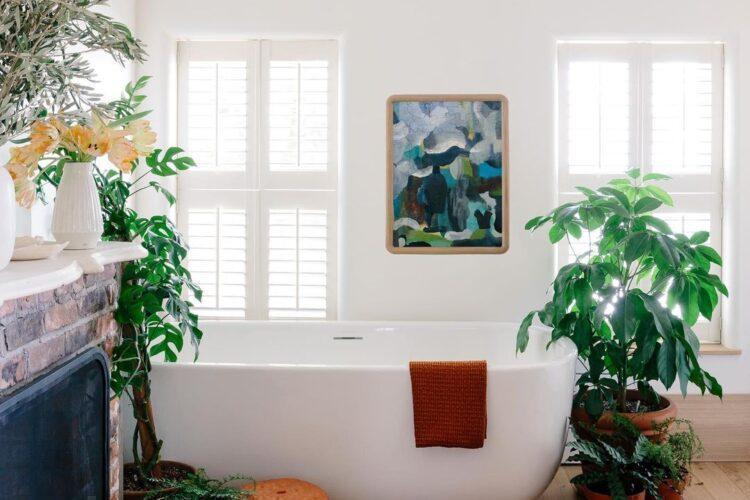
The Love and Lore of Persian Gabbeh Rugs: Rug & Kilim’s Rare New Curation of Classic Tribal Rugs
Elle Decor features a Forte Greene townhouse with our vintage 3x4 Gabbeh rug. Design by Home Studios and photo by Brian Ferry. If you've been keeping an eye on our antique and vintage collection, you have every reason to be excited, too. Many of its newest additions remark the most primitive rug style, and one-of-the-most collectible shabby-chic styles today. Gabbehs are known for thick, lush pile, vibrant colors and archaic geometric patterns. Gabbeh rugs descend from Qashqai nomads; more specifically, a tribe like many Persian tribes known to travel and carry their traditions. This is why so many Gabbehs are in small sizes, similar to antique and vintage Moroccan rugs. Gabbeh matriarchal weavers always had to break down and reassemble their looms to travel.
Read the Feature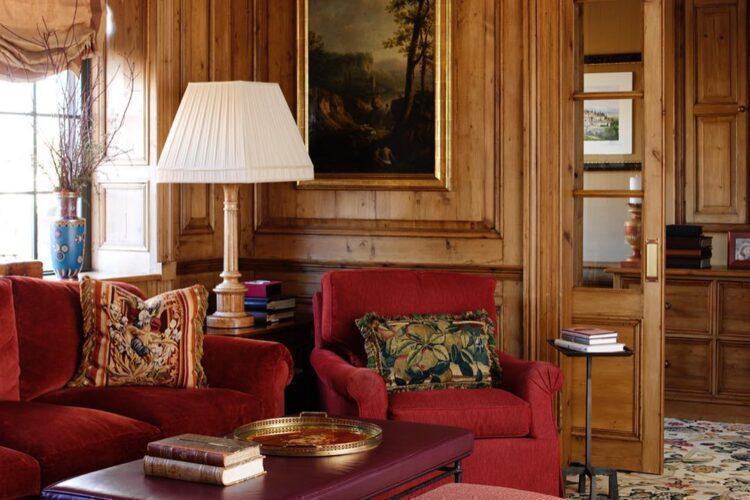
A Glossary of Handmade Rugs and Kilims: Understanding Terms, Types and Techniques Past and Present
Referring to the art style characterized by using shape and color withdrawn from traditional repetition or realism. Abstract rugs — sometimes referred to as art rugs — capture an expressive nature that reads as a very modern style, though many abstract rugs draw inspiration from works of the same art style in the mid-century. One of the more widely known mid-century lineages of this style is abstract expressionism, named for the literal "expressionists" of the 1950s. Some of the most notable names behind this style include Jackson Pollock and Mark Rothko. Referring to a lineage of nomadic Persian rugs (sometimes referred to as “Avsar” in the alternate spelling). Afshar rugs hail from the eponymous tribe in the region of Northeastern Iran.
Read the Feature