
How Tariffs Are Shaping the Future of Modern and Antique Rugs in the United States
June 4, 2025
The Modern Kilim Renaissance: Styling Rez Kilims in Contemporary Interiors
June 13, 2025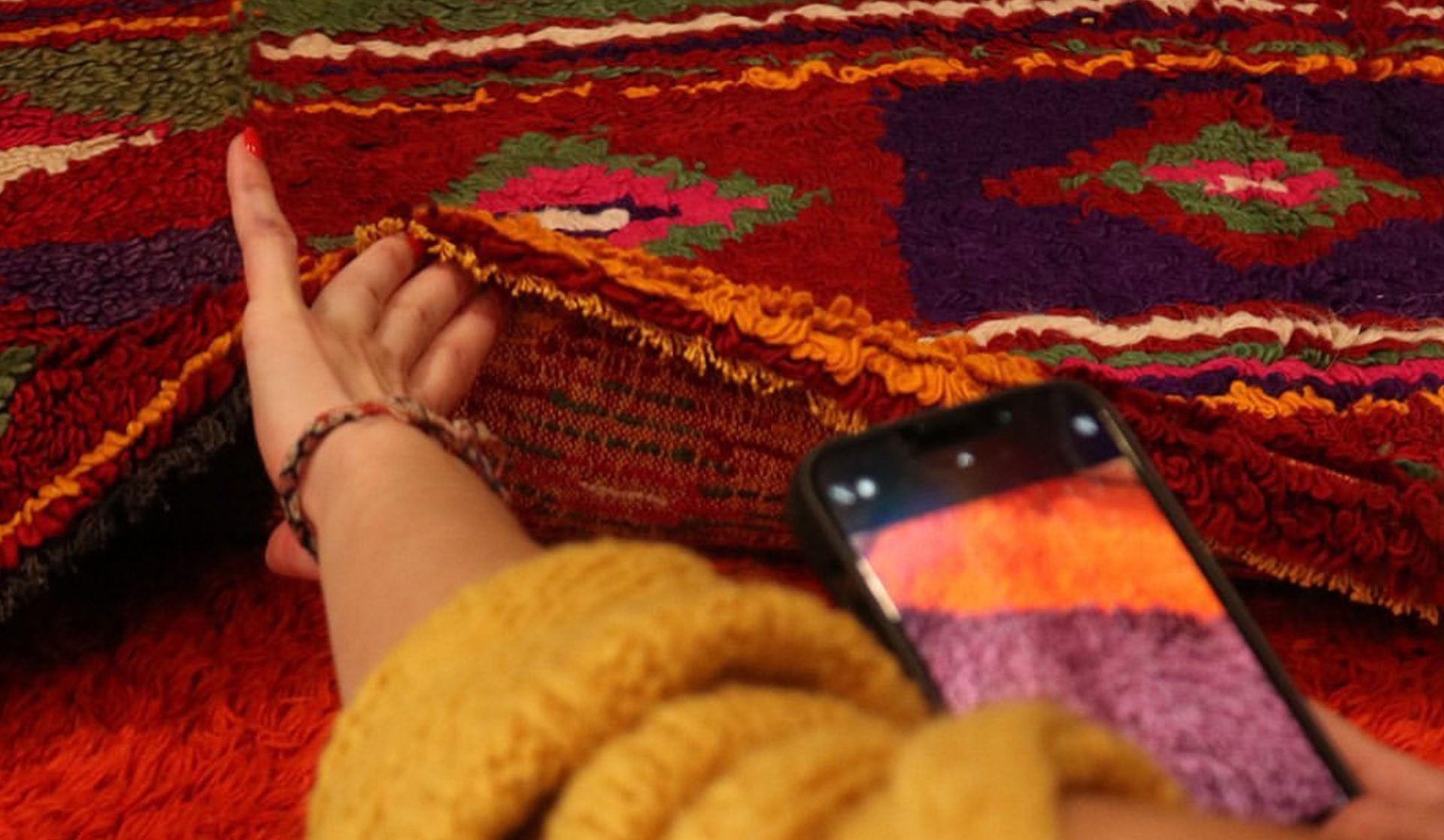
A Tulu rug emerges as a textile heirloom reimagined for royalty.
When one acquires their first Tulu, they acquire a piece of transcendent art
The Evolution of the Tulu Rug
Once woven to shield nomadic families from the brutal Anatolian winters, Tulu rugs were never meant to be seen — they were meant to be felt. Thick, long-pile, and spun from the softest Angora wool, these rugs served as primitive insulation, hand-crafted by Turkish tribes whose artistry was born from necessity. But in today’s most discerning interiors, what was once survival is now sovereignty.
Tulu — from the Turkish word tüylü, meaning “hairy” or “shaggy” — has found its place in contemporary design. From Parisian ateliers to Brooklyn brownstones, from Brutalist galleries to Baroque revivalist townhouses, Tulu rugs are now the grounding force of aesthetic storytelling. No longer relegated to ethnographic obscurity, they’ve been recontextualized as objets d’art — the missing link between primal craftsmanship and couture design.
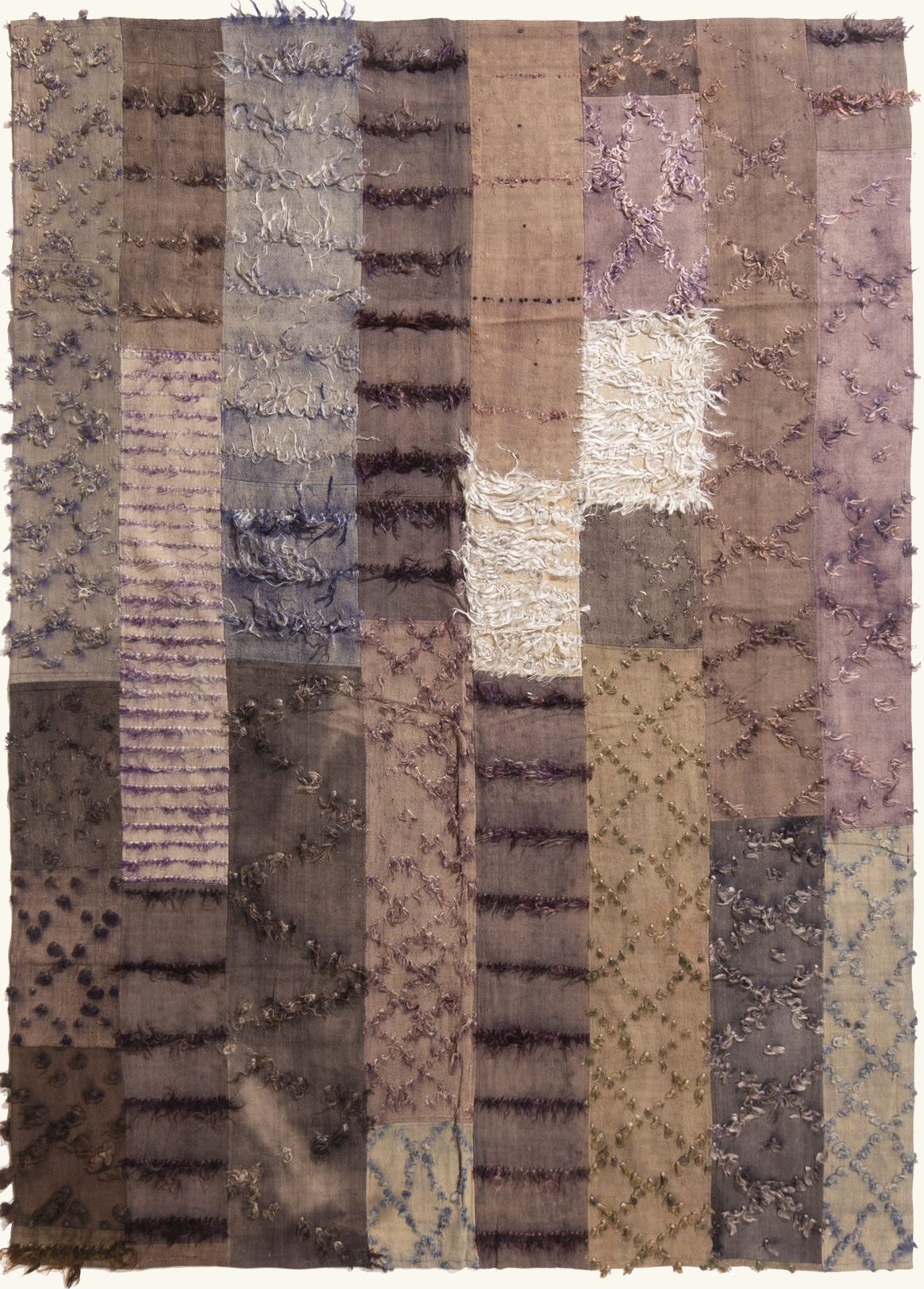
Tulus were traditionally crafted by nomadic Turkic women as functional bedcovers to shield families from Anatolia’s brutal winters. Their long-pile angora wool offered vital insulation, while their untamed geometric motifs conveyed cultural memory, spiritual beliefs, and tribal identity — often without formal pattern or plan. Unlike their finely knotted Persian or Caucasian cousins, Tulus were never woven for the marketplace; they remained deeply private textiles, encoded with symbolism and made for everyday life.
This isolation from commercial influence preserved their raw, expressive power and lends them, today, an authenticity increasingly rare in the decorative arts. Their historical significance lies not only in their material ingenuity but in their embodiment of matrilineal knowledge, migratory resilience, and sacred domesticity — qualities now being rediscovered and revalued in contemporary design as the luxury world pivots back toward provenance, tactility, and cultural truth.
Primitive Geometry, Modern Royalty
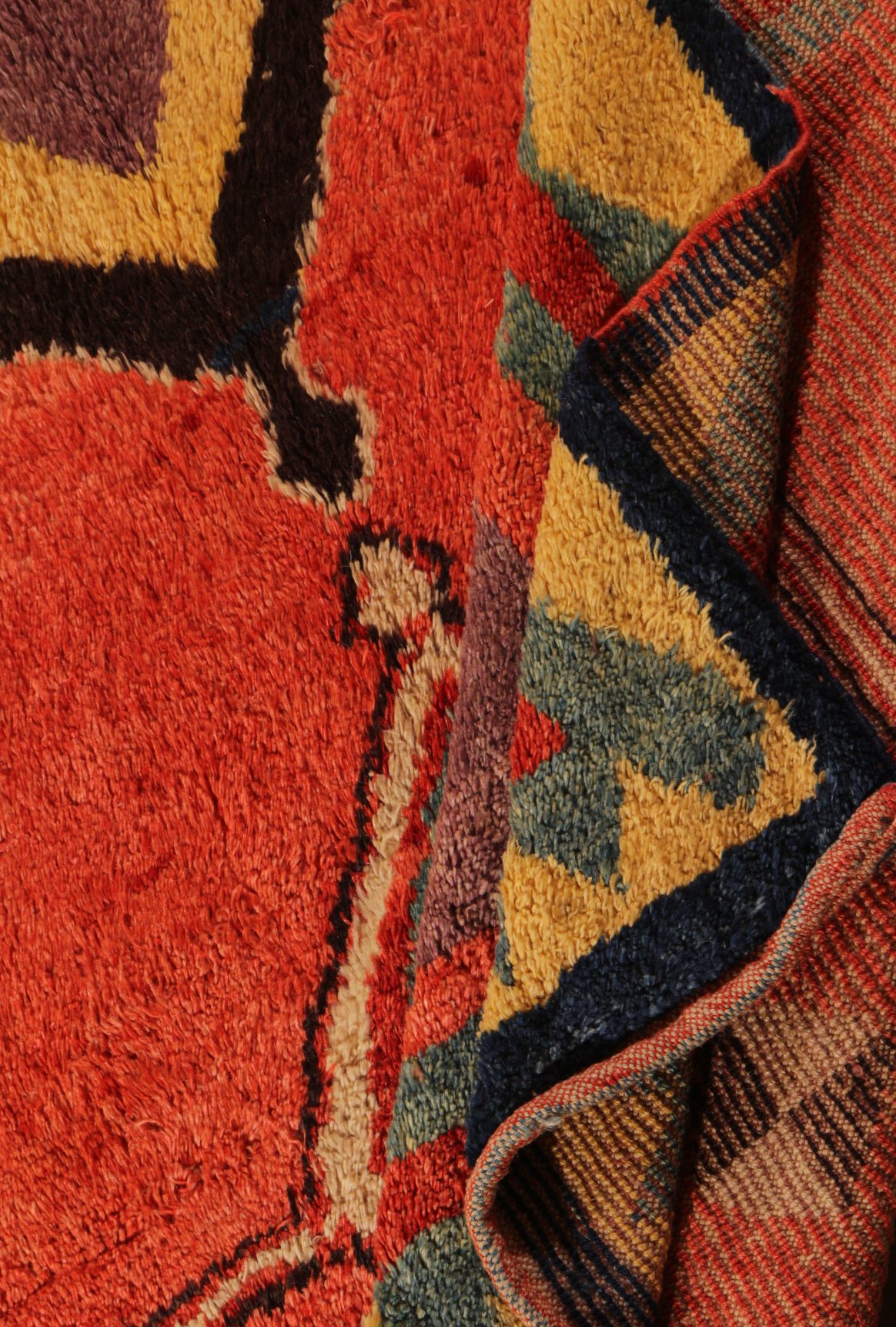
There’s an elegant rebellion in the geometry of a Tulu. At first glance, the patterns may seem naive, even accidental — jagged diamonds, rudimentary glyphs, ancestral zigzags. But therein lies the allure: a vocabulary of form saturated with human intention.
Designers who seek contrast find sanctuary in Tulu’s visual tension: archaic symbols executed in modern palettes — ochres paired with electric teal, saffron flirting with matte charcoal. Whether layered into a maximalist canvas of velvet and brass, or disrupting the rigidity of a minimalist penthouse, the Tulu’s presence is never secondary.
Imperfection is the true beauty.
Tulus echo that sentiment in every knot — perfect in their roughness, elegant in their rawness.
Textures You Feel Before You See
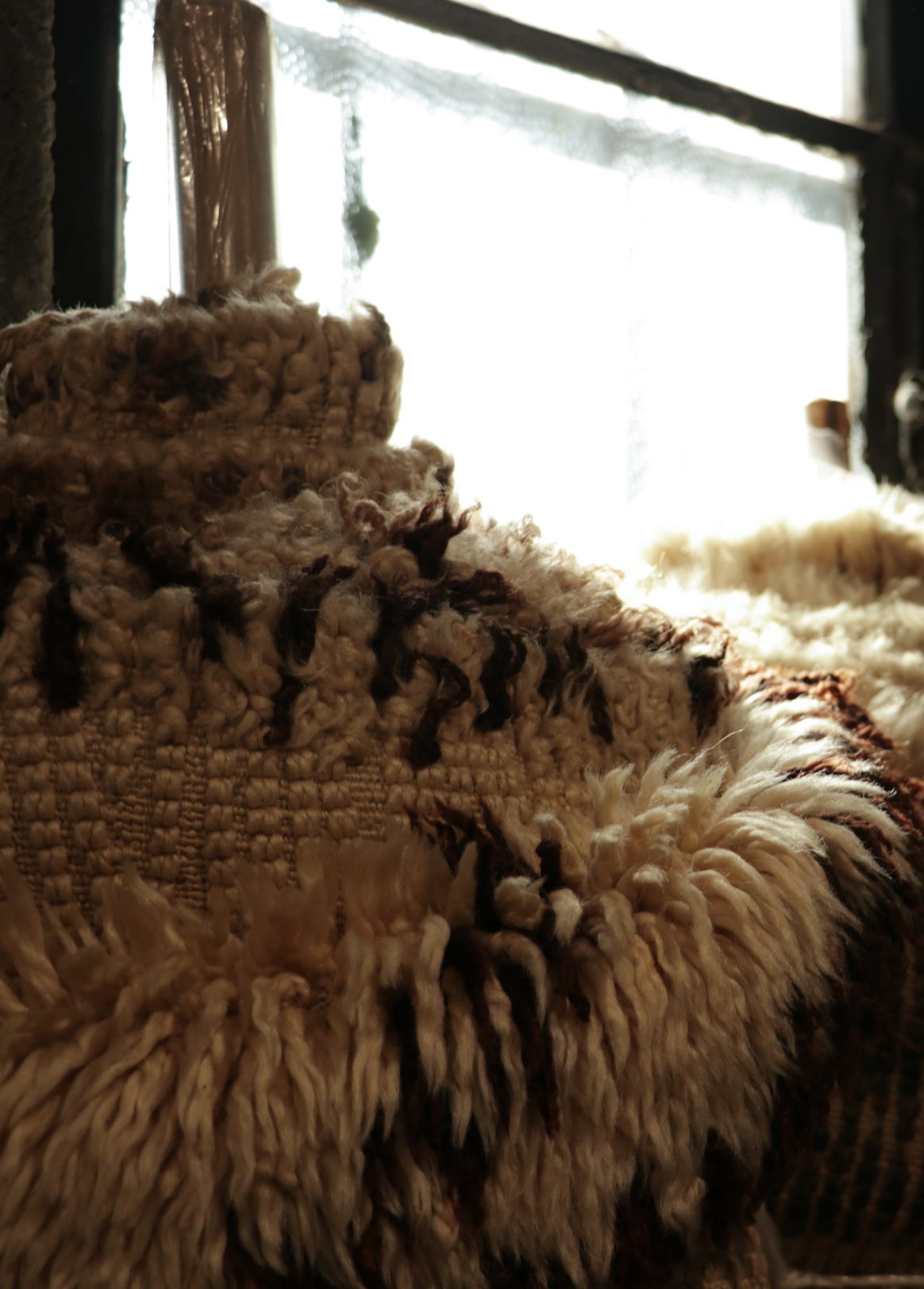
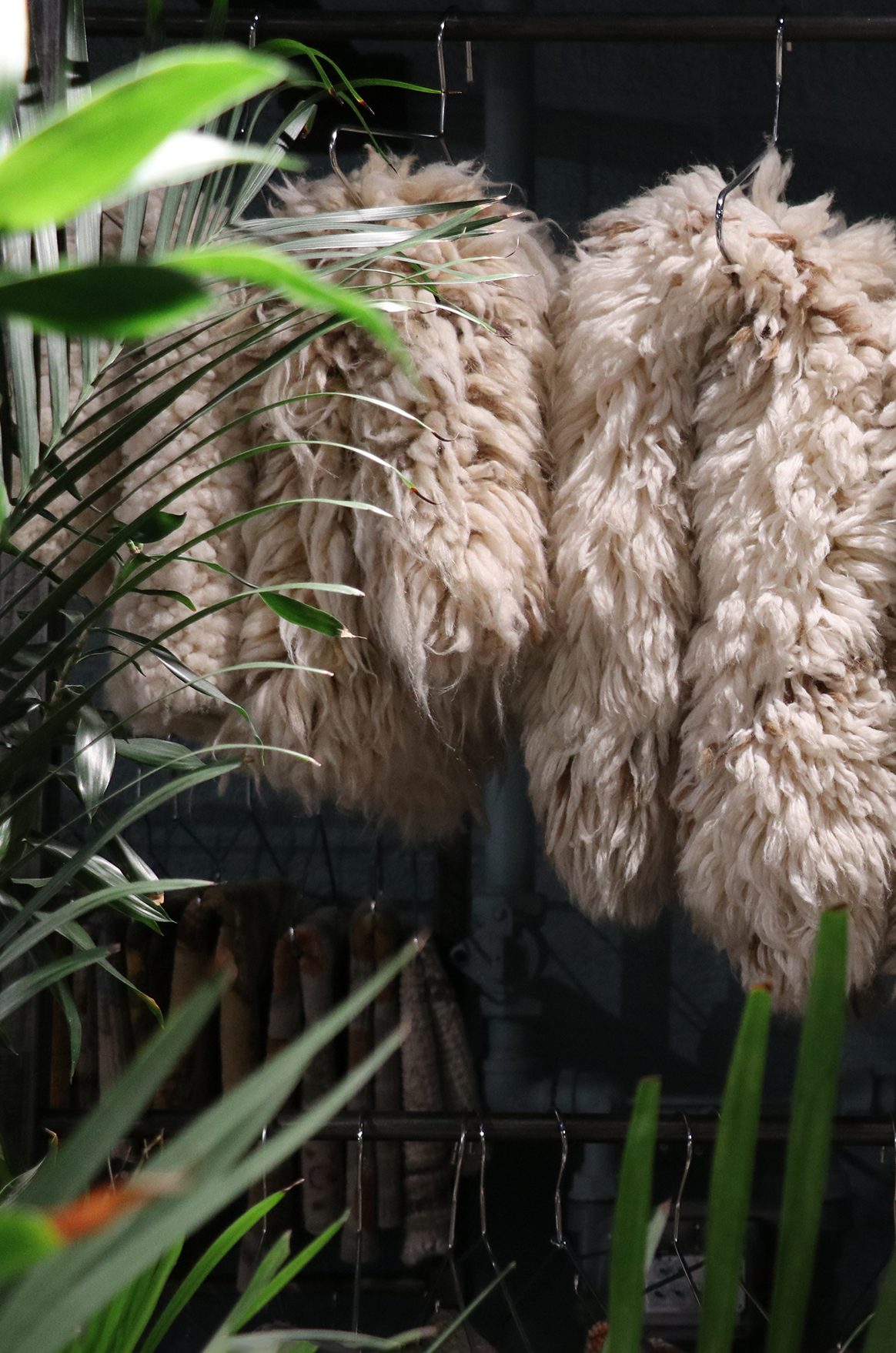
Tulu rugs demand to be touched. Their luxurious, high-loft shag is spun from Angora wool — prized for its lustrous softness and temperature-regulating properties. Each rug is hand-dyed using natural pigments, yielding a chromatic subtlety that synthetic dyes can never replicate. The result is a texture not just underfoot, but under skin. They warm a room in silence, offering visual depth and physical indulgence. Like the nap of velvet or the patina of aged leather, Tulu rugs age beautifully, collecting time as a part of their aura.
There is a reason collectors call them “the cashmere of the floor.” One doesn’t simply decorate with a Tulu — one adorns, one envelops.
Tulu Styling for the Regal Eye
The modern Tulu is no longer confined to the floor. Design visionaries are framing them as textile art, floating them in shadow boxes or draping them over sculptural seating like rare couture throws. In Tom Kundig-designed homes, Tulus soften industrial edges. In Kelly Wearstler-styled lobbies, they provide counterbalance to metallic opulence.
A snow-white Tulu laid over veined Italian marble, crowned by a low-slung travertine table. Or a black-on-black geometric Tulu layered beneath a Jean Arp sculpture, in an art collector’s gallery-living space in Berlin.
In boutique hotels from Morocco to Montauk, Tulus are appearing not as rustic accents, but as anchoring statements of prestige. Even heritage restorations — Georgian manors, Ottoman estates, colonial villas — have embraced the Tulu as the bridge between preservation and reinvention.
Some Suggested Placements
Under a curved Mario Bellini sofa in a conversation pit
Beneath a Lucio Fontana canvas, echoing texture in abstraction
Framed in a glass corridor gallery between contemporary and traditional wings of a home
Rare Threads, Rich Narratives
With the rise of sustainable luxury and provenance-based collecting, the Tulu rug is becoming an investment-grade artifact. Tulus are rare by nature: handwoven by Anatolian women in isolated villages, each one a singular expression of tribal identity. Their supply is finite — many of the best examples date back to the early and mid-20th century, with few artisans today maintaining the full tradition. Some are already commanding premium prices at Sotheby’s and 1stDibs, not only for their aesthetic value, but for their cultural significance.
Where every design object is scrutinized for story and authenticity, the Tulu offers both — a tactile relic with emotional gravity.
As the world of luxury design pivots toward the artisanal, the mindful, and the storied, Tulu rugs occupy a prophetic space. They remind us that luxury was once about labor, about slowness, about materials born of place. In every hand-spun fiber is a rebellion against the algorithm. In every irregular pattern, a resistance to perfectionism. Top designers are leading a renaissance of raw luxury, integrating pieces like the Tulu to reclaim rituals of making. Their clients — collectors, creatives, diplomats, and dreamers — are increasingly drawn to objects with soul and soil.
R&K Showroom
Raw Luxury is the New Gold
Tulus are not bohemian accents; they are sovereign statements.
In the language of interior couture, the Tulu is a new dialect — one that speaks of survival and sophistication, tribalism and transcendence. It is the answer to sterile perfection, the antithesis of fleeting trend.
To walk upon a Tulu is to step into a legacy — not merely of design, but of human resilience.
So, for those who curate not just rooms but realms, the Tulu rug is waiting. Shaggy. Sovereign. And gloriously, primitively, profound.