

Tulu Rugs as Icons of Raw Luxury: Folk Art Meets Modern Fashion
June 9, 2025
Rugs, Tapestries, and the Return of Sacred Interiors: The Fifth Wall of Heirloom Textiles
June 16, 2025
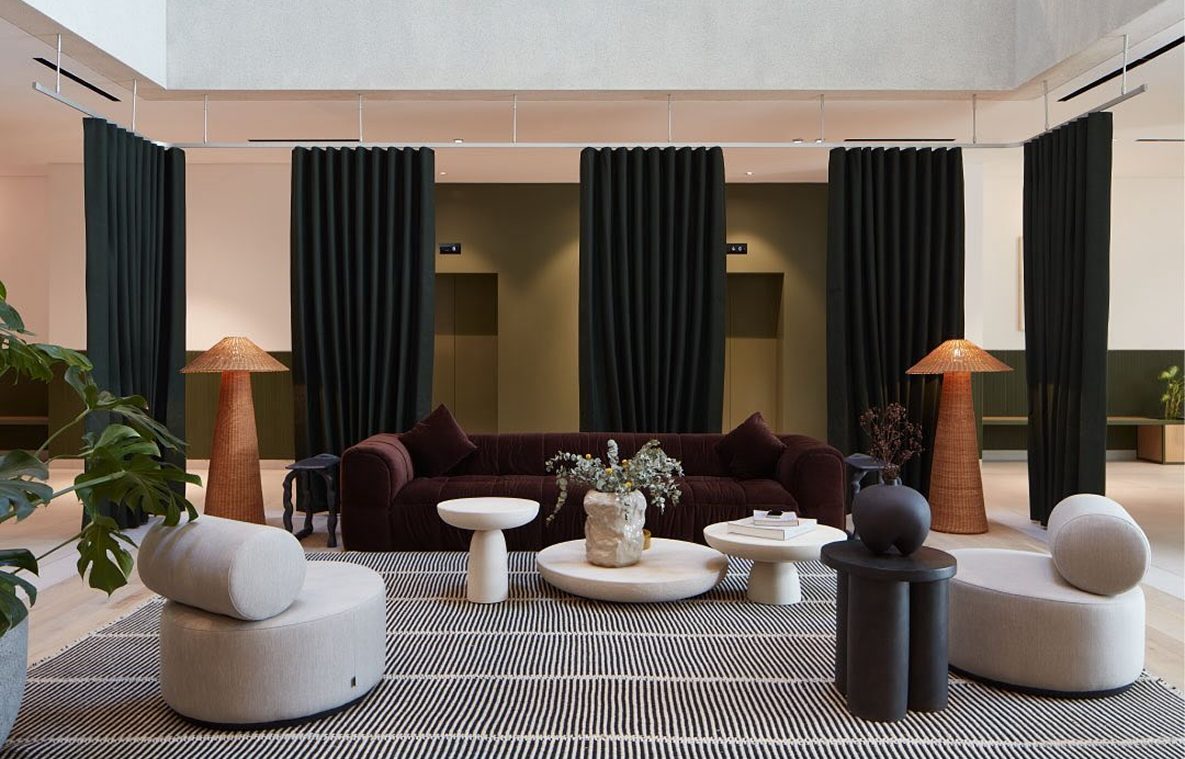
To collectors and designers prioritising quiet luxury, natural textures, and cultural storytelling, the Rez Kilim emerges as a textile that speaks the language of architecture. Drawing from the ancient tradition of Iranian flatweaves yet boldly reimagined with modern techniques, Rez Kilims are being embraced not just as rugs, but as transformative design statements for the contemporary home.
At the intersection of Iranian kilim design history and modern minimalism, these kilims embody both heritage and innovation—making them a favorite for stylists and architects alike. From Scandinavian-inspired lofts to Japandi sanctuaries and museum-like residences, the Rez Kilim is redefining how we think about woven textiles in interior architecture.
A Rebirth of the Classic Kilim
The development of Rez Kilims reflects a refined evolution: “If our best modern work comes when one masters classics, then Rez Kilim may exemplify that principle.” This collection draws inspiration from traditional panel-weaving techniques—a method found across Iran’s tribal and urban looms—but infuses it with a bold, loop-like texture and a refreshing palette of contemporary colors.
What distinguishes the Rez Kilim most strikingly is its construction technique: while rooted in the ancient flatweave tradition, it introduces a thicker, architectural texture, creating a textile that feels as solid and grounding as stone or wood, yet entirely flexible in form and function.
Modern techniques allow for limitless size and color customizations, making Rez Kilims a dream for interior designers looking to layer cultural heritage into highly personalized, contemporary spaces. Whether as an oversized living room centerpiece or a made-to-measure hallway runner, the possibilities are as expansive as the craft itself.
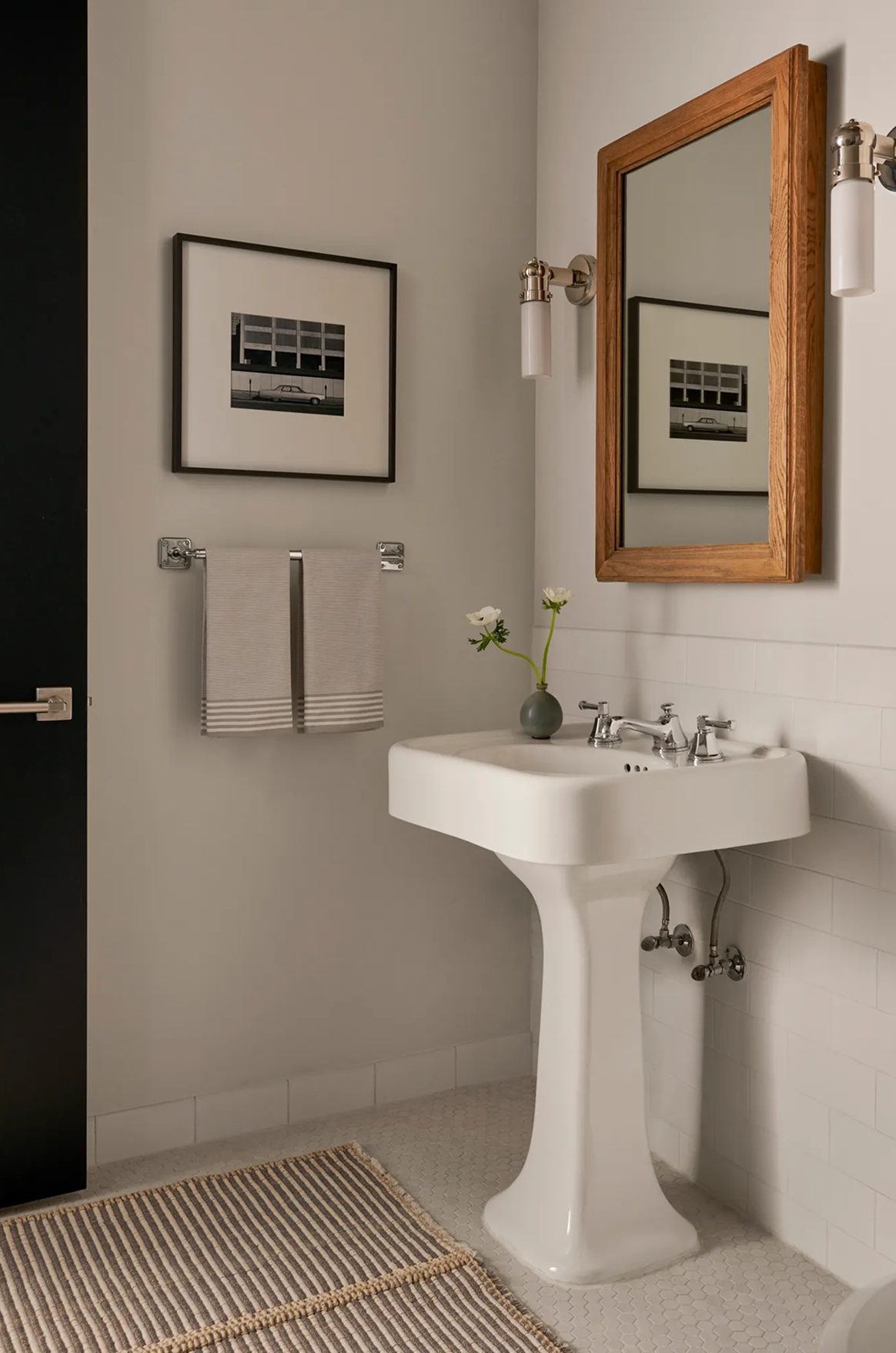
Forest Walterhoefer (Miami Loft) x Rug & Kilim ~ as featured in Architectural Digest, Nov. 24 Issue
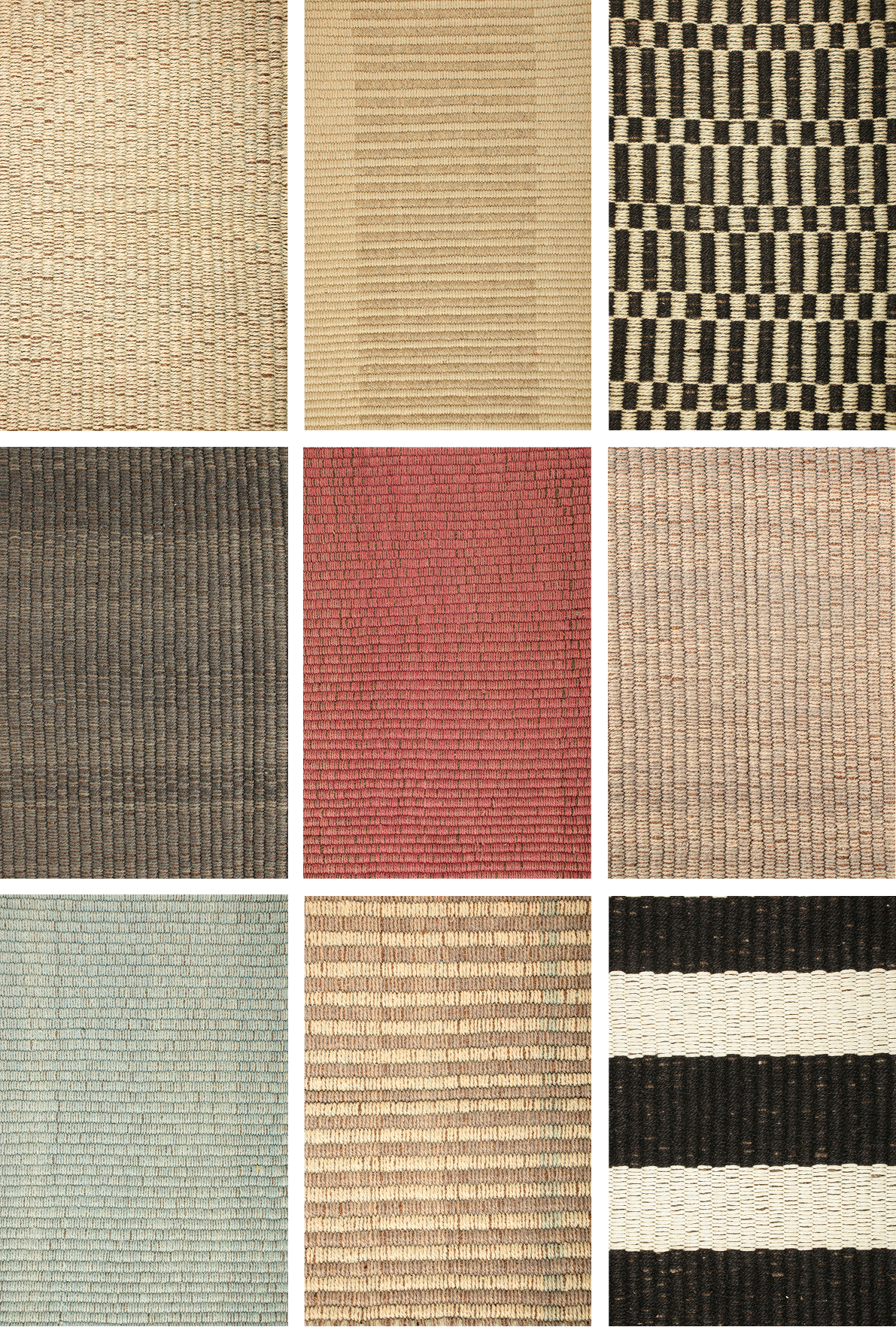
Rez Kilims as Chromatic Architecture
Today’s interiors crave more than surface beauty—they seek meaningful materials that express identity and place. Enter the Rez Kilim: not merely a decorative floor covering but a woven plane of chromatic rhythm, capable of organizing space with the grace of architecture. In Brutalist or Bauhaus-inspired interiors—where sharp lines, concrete, and glass dominate—the geometric restraint of a Rez Kilim offers necessary warmth and contrast. Its bold blocks of color and rhythmic repetition act as grounding elements, echoing the modernist ethos of form following function.
In this way, kilims are not just design details—they are spatial tools. They delineate zones in open-plan spaces, add acoustic softness in hard-edged rooms, and bring a sense of cultural soulfulness to minimalist environments. They are architecture in wool.
The Graphic Allure of Persian Kilims
Persian kilims have long been lauded for their symbolic language—where every line, diamond, and zigzag tells a story. Traditionally used by nomadic communities, these motifs represent fertility, protection, migration, and memory. While Rez Kilims pay homage to this visual lexicon, they reinterpret it through a modern graphic lens—transforming heritage into abstraction.
The result? Flatweaves that read like minimalist paintings. Each kilim becomes a conversation between past and present, where the hand of the artisan and the eye of the designer converge.
For collectors, this blend of authentic craftsmanship and contemporary design language is what makes Rez Kilims so compelling. They are not reproductions; they are reimaginings—textiles that reclaim tradition through innovation.
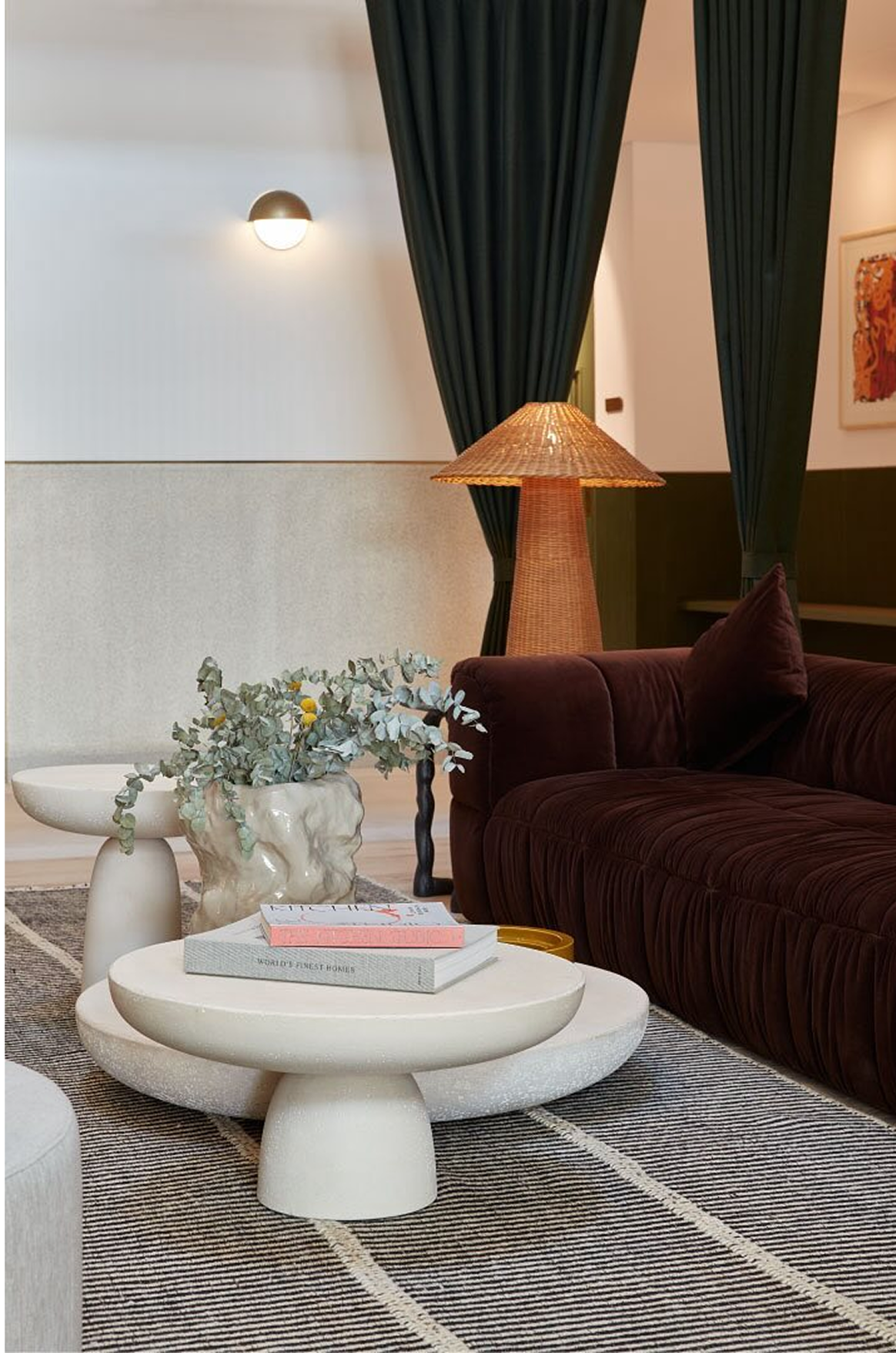
Studio South (The Muse, Co-working) x Rug & Kilim
Rug & Kilim x Danielle Bernstein of WeWoreWhat
— featuring a custom Rez Kilim
Styling Rez Kilims in Modern Interiors
So how do you incorporate a Rez Kilim into today’s diverse design styles? Here’s how these Persian kilims for luxury homes can become a versatile styling asset:
1. Scandinavian Lofts
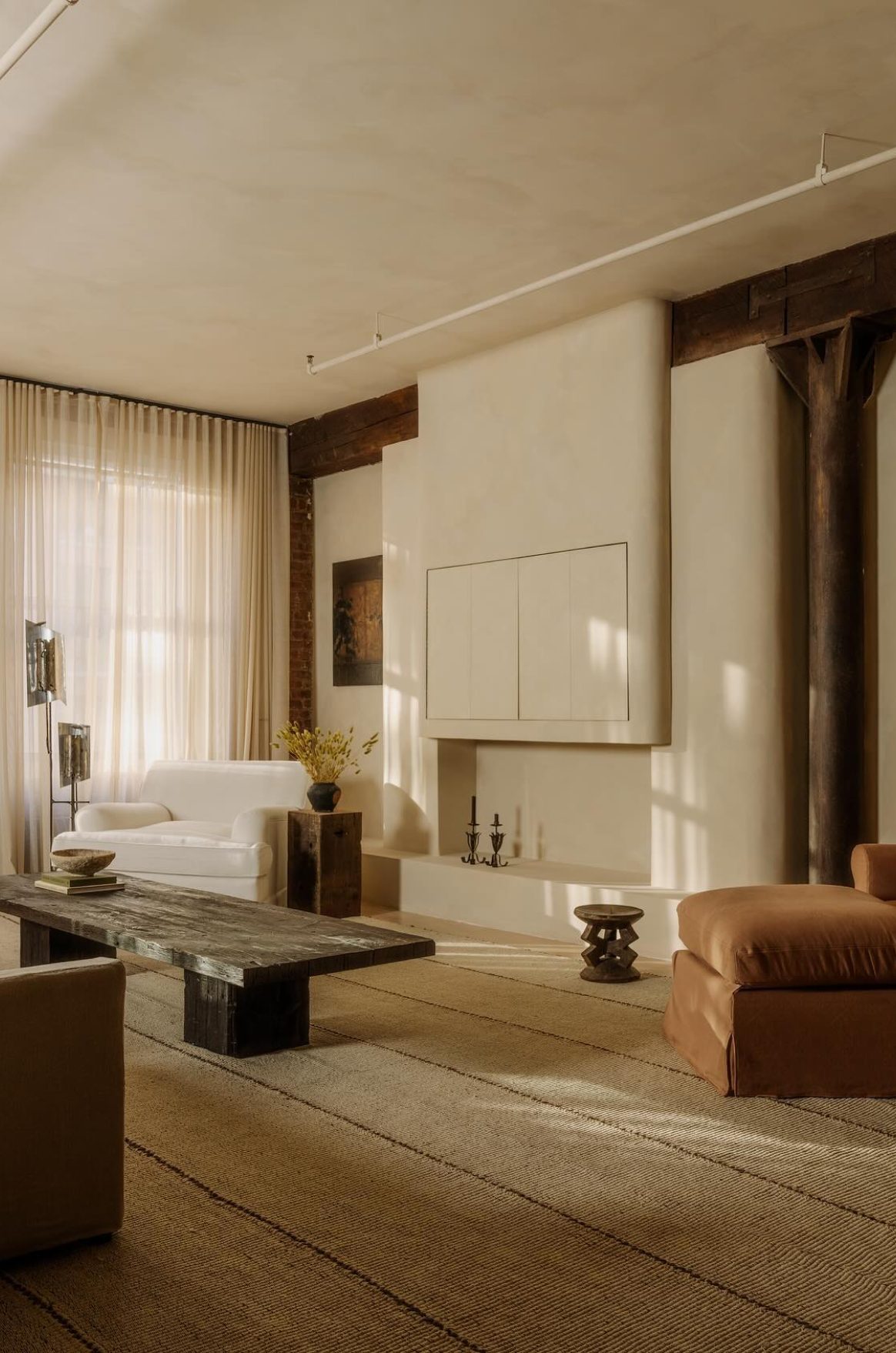
In light-filled Nordic spaces where blonde woods and steel fixtures reign, a Rez Kilim in neutral greys, creams, and charcoals provides visual weight without disrupting serenity. It grounds the room with soft geometry while resonating with the Scandinavian love for natural, honest materials.
2. Japandi Sanctuaries
Blending the wabi-sabi of Japan with the minimalism of Denmark, Japandi interiors thrive on tactility and muted tones. A Rez Kilim in earthy sienna or deep indigo adds a contemplative layer—acting almost like a Zen painting underfoot.
3. Brutalist and Bauhaus Homes
In homes dominated by raw concrete, steel beams, or grid-like furniture, a black-and-white Rez Kilim brings graphic energy while softening visual austerity. Its angular motifs can mirror architectural details or contrast sleek surfaces with woven depth.
4. Gallery-Like Residences
In modern gallery-style homes with white walls and sculptural furnishings, a Rez Kilim becomes a textile sculpture in its own right. Use it as a focal point or even hang it as wall art—blurring the line between rug and canvas.
Flatweave Styling Tips
Looking to experiment with Rez Kilims in your space? Keep these flatweave rug styling tips in mind:
Float it in negative space: Allow the rug to breathe by not overcrowding its edges. Let its geometry guide the eye naturally through the room.
Layer textures, not patterns: The boldness of Rez kilims thrives best alongside neutral or raw textures—linen, oak, leather, and stone.
Match scale to intention: Oversized kilims make a statement in open plans, while smaller ones can punctuate reading nooks or hallways.
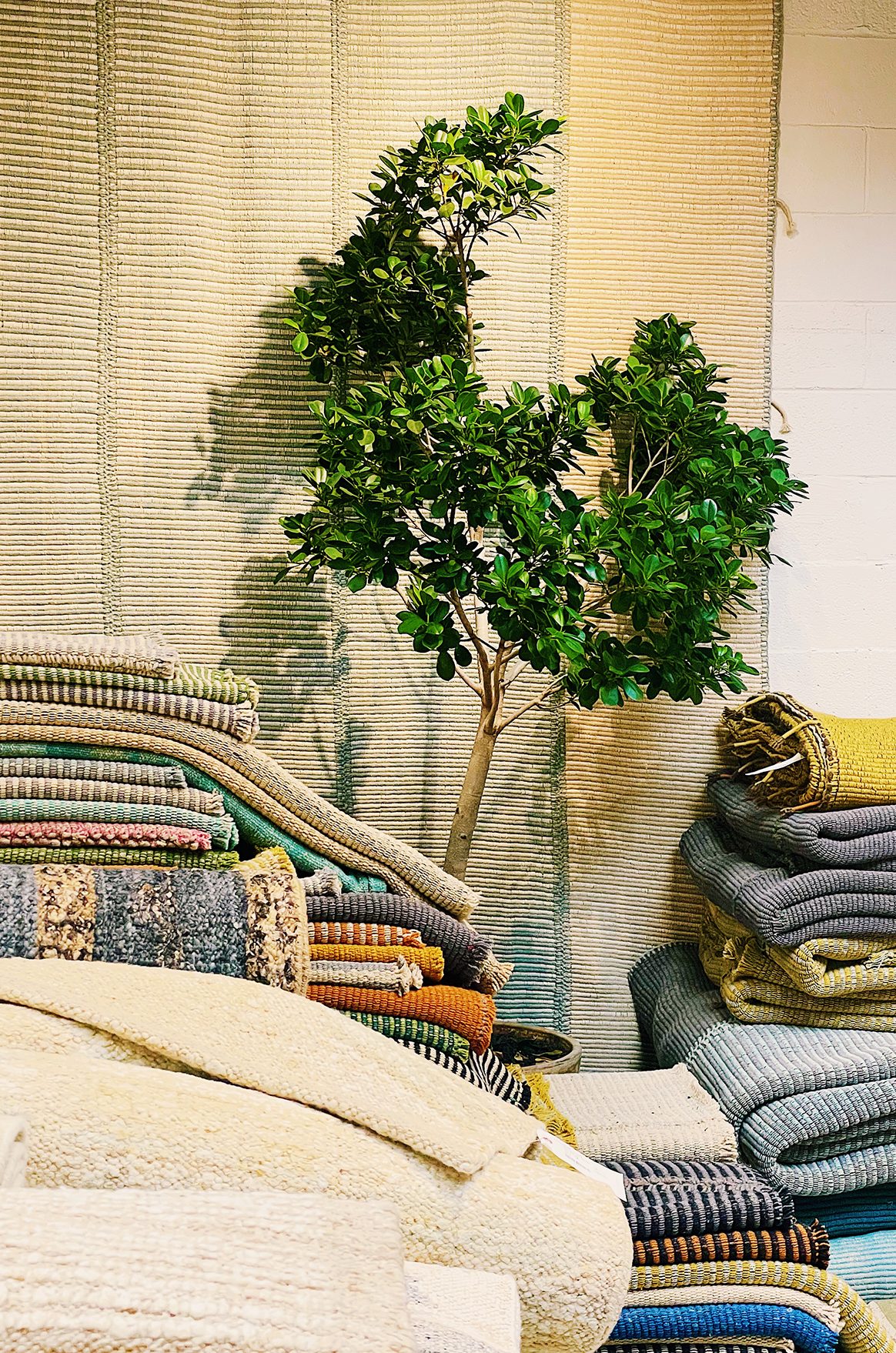
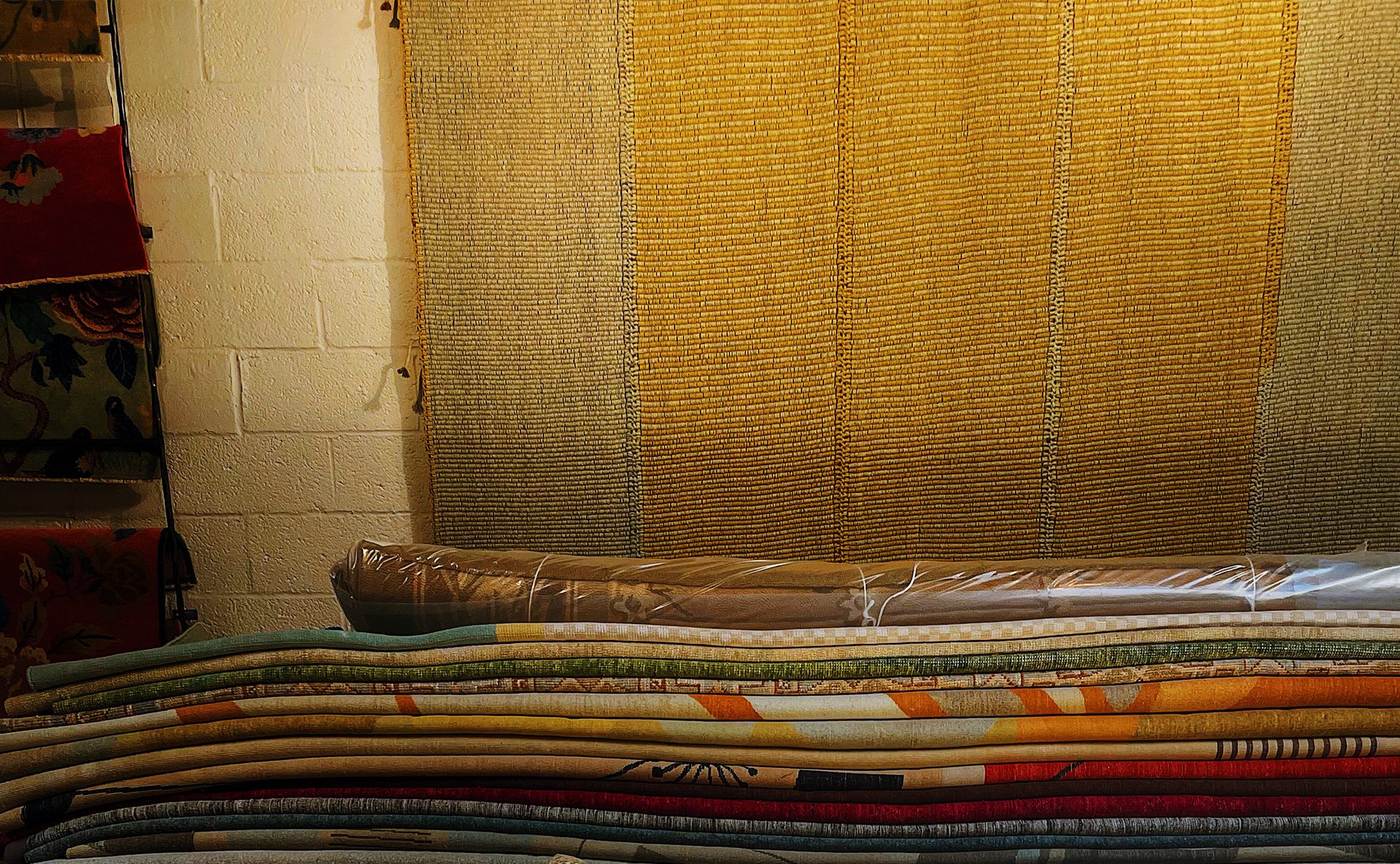
Try verticality: Don’t limit kilims to the floor—use them as wall tapestries or draped over furniture to explore vertical impact.
Play with contrast: In monochrome rooms, choose a kilim with a single accent color for unexpected visual tension.
A Cultural Statement
The Rez Kilim offers a return to provenance. Each piece is the result of skilled craftsmanship, but also a product of dialogue—between old and new, East and West, craft and concept.
Jahanshah Josh Nazmiyal’s vision for this collection is clear: to redefine kilims for a global design vocabulary, making them not just decorative accents, but cultural building blocks in the architecture of interiors.
A Textile of Our Time
The Rez Kilim is more than a rug—it is a design philosophy woven into wool. It affirms that modernity doesn’t mean erasure of tradition, but its intelligent evolution. Through their graphic language, architectural feel, and deep roots in Oriental kilim design history, these kilims become both objects of beauty and vessels of meaning.
In styling your home with Rez kilims in modern interiors, you aren’t just adding pattern—you’re adding presence.
A woven presence that speaks of time, place, and the potential for interiors to tell stories that matter.
~~~