Distressed Homage Rugs
- Under 6 x 9
- Runners
- 6 x 9
- 8 x 10
- 9 x 12
- 10 x 14
- 12 x 15
- Over 12 x 15
Origin ▼
Style ▼
Material ▼
Width
Length
To connect with a specialist, click here
Stories from the Distressed Homage Archive
Essays, artist dialogues, and provenance notes drawn from Rug & Kilim’s editorial desk.
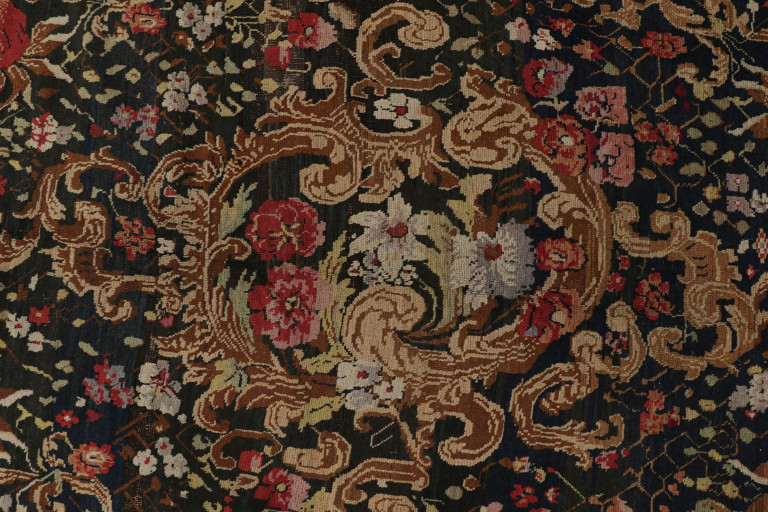
An Abbreviated Guide to Antique and Vintage Karabagh Rugs
NO. 34126 Made with hand-knotted wool and originating in Russia circa 1850-1860, this 8x19 antique Karabagh rug and is a rare extra-long runner and oversized addition to Rug & Kilim’s coveted European collection. For centuries, the Karabagh region—poetically called the “Black Garden”—has been a crossroads of empire, craftsmanship, and cultural memory. Its rugs shimmer with expressive geometry, lyrical florals, and natural dyes that have captivated collectors for generations. Today, designers and connoisseurs seek out these pieces not only for their visual presence, but for the emotional resonance they bring into a room. Karabagh rugs are textiles with pulse— woven memoirs whose artistry continues to evolve in dialogue with contemporary interiors. This guide explores their history, structure, symbolism, and enduring relevance, offering a lens on one of the most intriguing Caucasian weaving traditions.
Read the Feature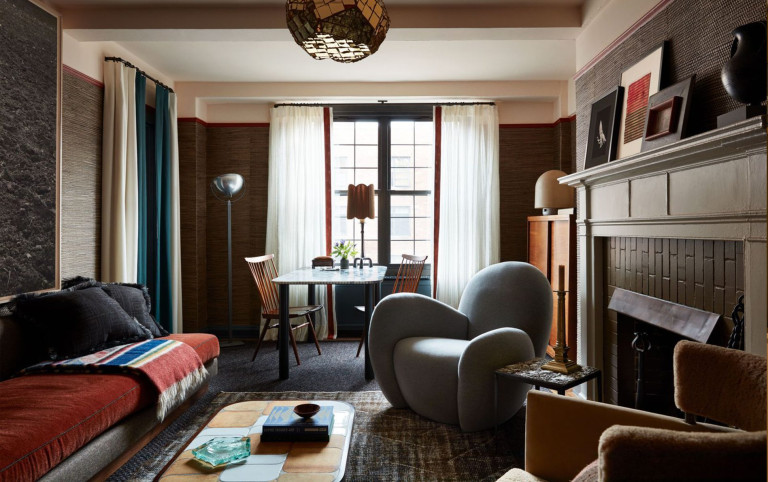
Zeki Müren, Da Silva Bruhns, and Leleu: How These Artists Transformed Rugs into the Language of Modernism
The story of modernism in textiles is often told through architecture, painting, and furniture. Yet, some of the most radical ideas of the 20th century were not framed on walls or set on pedestals—they were laid underfoot. Rugs, once treated as either anonymous craft or as inherited luxury, became a medium for modernist expression. Few figures embody this transformation more than Zeki Müren, Da Silva Bruhns, and Leleu. Each worked in distinct cultural contexts—Müren in postwar Turkey, Da Silva Bruhns in interwar France, and the Leleu firm across early- to mid-century Paris—but together they reframed rugs not as decoration but as a language: one capable of abstraction, geometry, rhythm, and modern life.
Read the Feature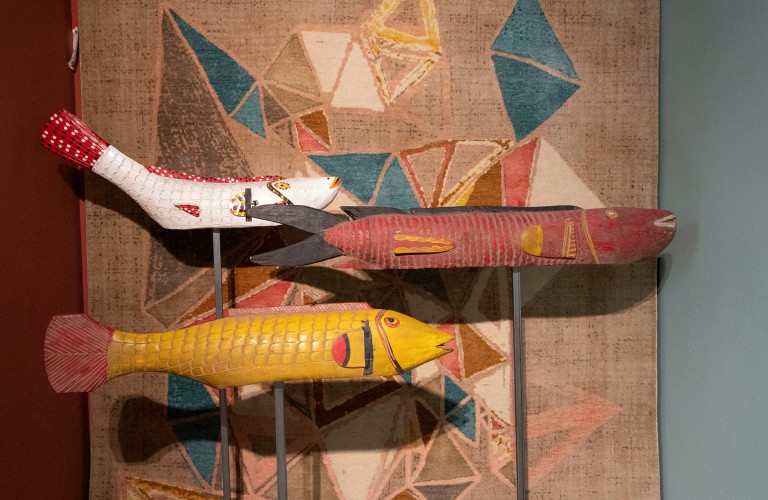
The Rug Reimagined as Haute Couture: Fine Art for the Collectors of Culture
There are ateliers the world recognizes by their mere whisper — Lesage for Chanel’s embroidery, the pleat artisans behind Dior’s silhouettes, the silken sculptors who drape cloth into legend. Yet beneath our feet lies an atelier perhaps less spoken of, though no less sacred. An atelier where legacy does not parade on runways, but unfurls across floorboards. This is the quiet realm of Rug & Kilim — where weaving is not a craft, but a culture, and every rug is haute couture translated into tapestry. A tribute to the rug as heirloom, artwork, and haute couture To step into one of our pieces is not merely to decorate a room — it is to collect. To curate. Just as a Rothko commands its wall not by its size, but by its silence, a Rug & Kilim creation commands presence by its detail, restraint, and profound sense of time. These are not rugs — these are woven paintings, as rare and reverent as a hand-gilded icon from Byzantium or a brushstroke from the École des Beaux-Arts.
Read the Feature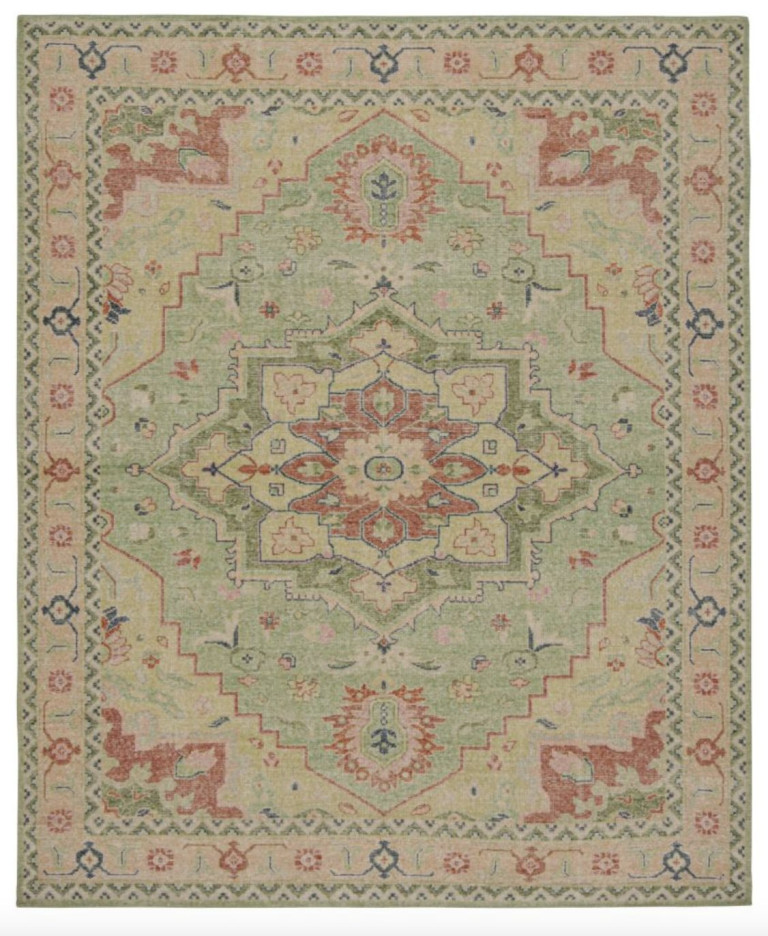
Antique Persian Heriz and Serapi Rugs: Design and Significance
Persian Heriz and Serapi Rugs have always been an integral part of each major exhibition and auction, given the never-ending admiration of art connoisseurs and rug collectors worldwide. They stand out as exquisite works of art among Oriental rugs due to their intricate designs and vibrant natural colors. Made from organic materials like wool, silk, and cotton, these rugs are dyed using natural coloring methods, reflecting a commitment to quality and beauty throughout the production process. Heriz and Serapi rugs, known for their geometric designs, offer a unique contrast to other Persian rug styles. Despite their distinct appearance, these rugs trace their roots back to nature-inspired elements, blending royal court craftsmanship with practical nomadic weaving traditions over centuries. This fusion is evident in the geometric patterns found in Bakhtiar, Hamadan, Nahavand, and especially Heriz rugs, showcasing the evolution and artistry of Persian rug weaving.
Read the Feature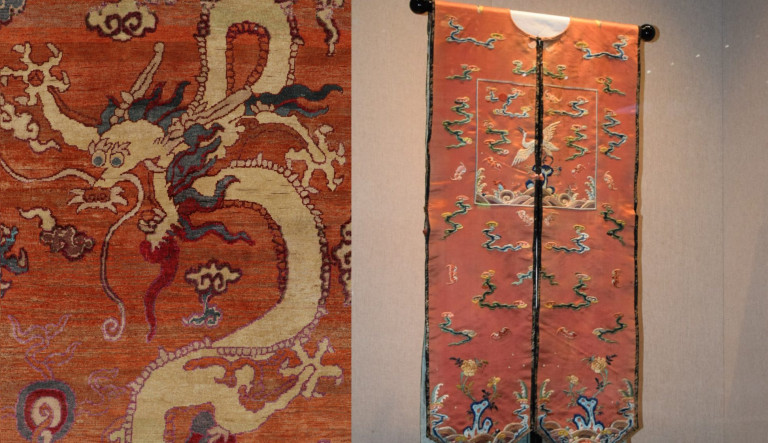
A Guide to History and Significance of Chinese and Tibetan Dragon Pictorial Rugs
Dragon, as the perfect representation of cyclical nature of life, where from every end, a new beginning emerges, is also a perfect marriage of Chinese spiritual heritage and art. Our special dragon rugs’ line is a commemoration of the spirit of the Chinese dragon, wherein each rug complements the other in the collection and reflects continuity of age-old designs and transformations in our modern touch to these pictorial rugs. At the same time, dragons, or Chinese traditional designs at large, also represent a commitment to regenerative and cyclical nature of life—thus birthing the modern concept of sustainability.
Read the Feature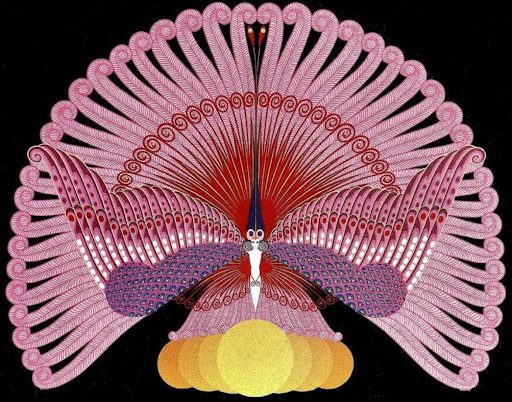
Rug & Kilim’s Art Deco Rugs as Inspired by Romain de Tirtoff “Erte’s” Artworks
Art Deco, often referred to as Streamline Moderne or Style Paquebot ('ocean liner style'), amalgamates a variety of emerging styles from the early 20th century, including Cubism, Expressionism, Futurism, and Vorticism. Rug & Kilim's Art Deco Collection - View More The period saw artists drawing heavily from African art and ancient cultural motifs, especially Egyptian influences, which surged in popularity after the discovery of Tutankhamun's tomb in 1922. The Ballets Russes also played a significant role in shaping the imaginative aesthetic of the Art Deco movement. Born into a distinguished family in St. Petersburg, Romain de Tirtoff “Father of Art Deco” chose a different path from his aristocratic relatives who pursued military careers. At the age of 18, he left Russia for Paris and began a long, illustrious career as an illustrator and costume and set designer under the name Erté, derived from the French pronunciation of his initials, "RT." Erté is particularly renowned for the stunning covers he created for Harper’s Bazaar between 1915 and 1936. Shortly after his first cover design, he secured an exclusive 10-year contract with the magazine. Over the years, he contributed more than 240 covers, each featuring his signature Art Deco style.
Read the Feature