
The Art of Belonging with Brittany Nazmiyal: In the Weave of Her Wake at Rug & Kilim
May 22, 2025
The Art and History of Stairway Rugs in Modern Interior Design
June 2, 2025
There are ateliers the world recognizes by their mere whisper — Lesage for Chanel’s embroidery, the pleat artisans behind Dior’s silhouettes, the silken sculptors who drape cloth into legend. Yet beneath our feet lies an atelier perhaps less spoken of, though no less sacred.
An atelier where legacy does not parade on runways, but unfurls across floorboards. This is the quiet realm of Rug & Kilim — where weaving is not a craft, but a culture, and every rug is haute couture translated into tapestry.
A tribute to the rug as heirloom, artwork, and haute couture
To step into one of our pieces is not merely to decorate a room — it is to collect. To curate. Just as a Rothko commands its wall not by its size, but by its silence, a Rug & Kilim creation commands presence by its detail, restraint, and profound sense of time. These are not rugs — these are woven paintings, as rare and reverent as a hand-gilded icon from Byzantium or a brushstroke from the École des Beaux-Arts.
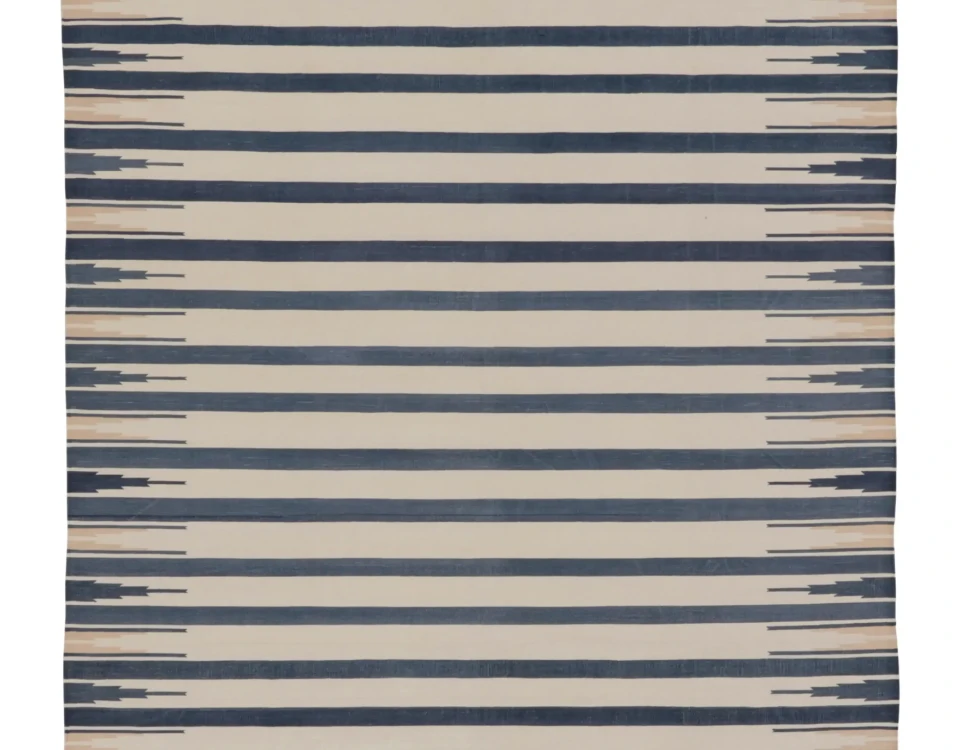
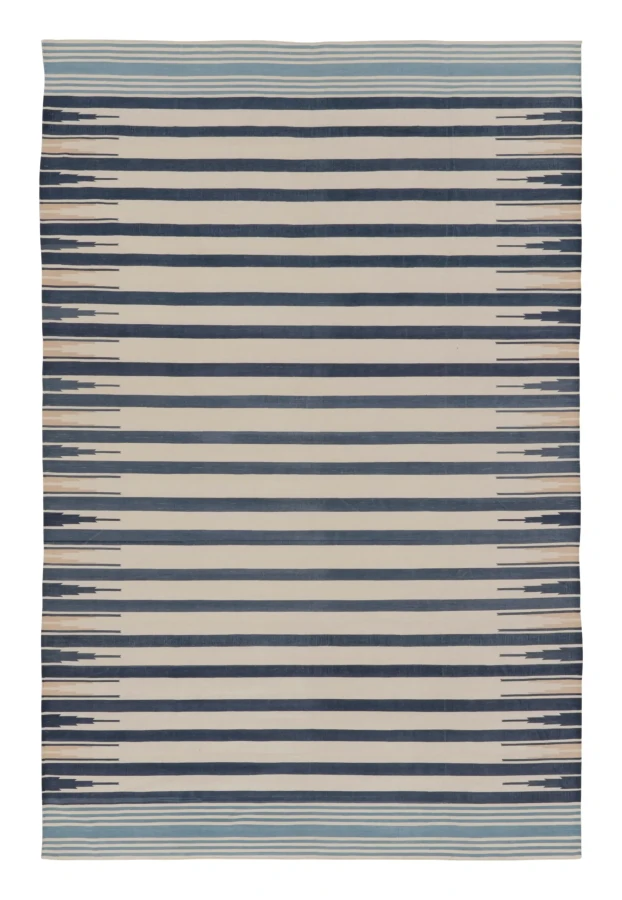
Rug & Kilim’s Scandinavian Flatweave — a masterpiece in tonal restraint — mirrors the emotive stillness of a Mark Rothko canvas. Much like Rothko’s works from the late 1950s, where two or three immense planes of color bleed into one another with a sacred stillness, these rugs evoke a meditative softness through layered, handwoven fields of slate blues, ash grays, beiges and ochres.
But the likeness is not simply aesthetic — it’s philosophical.
Rothko never painted for the eye; he painted for the soul. His canvases were sanctuaries of feeling — vast, quiet spaces where color held grief, awe, or transcendence. Likewise, these Rug & Kilim pieces reject ornamental excess. There is no noise. Only presence.
To live with these rugs is not to decorate, but to dwell — in silence, in story, in suspended time.
As in the houses of haute couture, where the silhouette begins as a whisper in the atelier, our rugs are born of quiet contemplation. The design is never rushed. It is sculpted, line by line, by weavers who carry ancestral dialogues in their fingertips — women and men whose muscle memory holds maps of tribal symbols, of architectural forms, of lost languages.
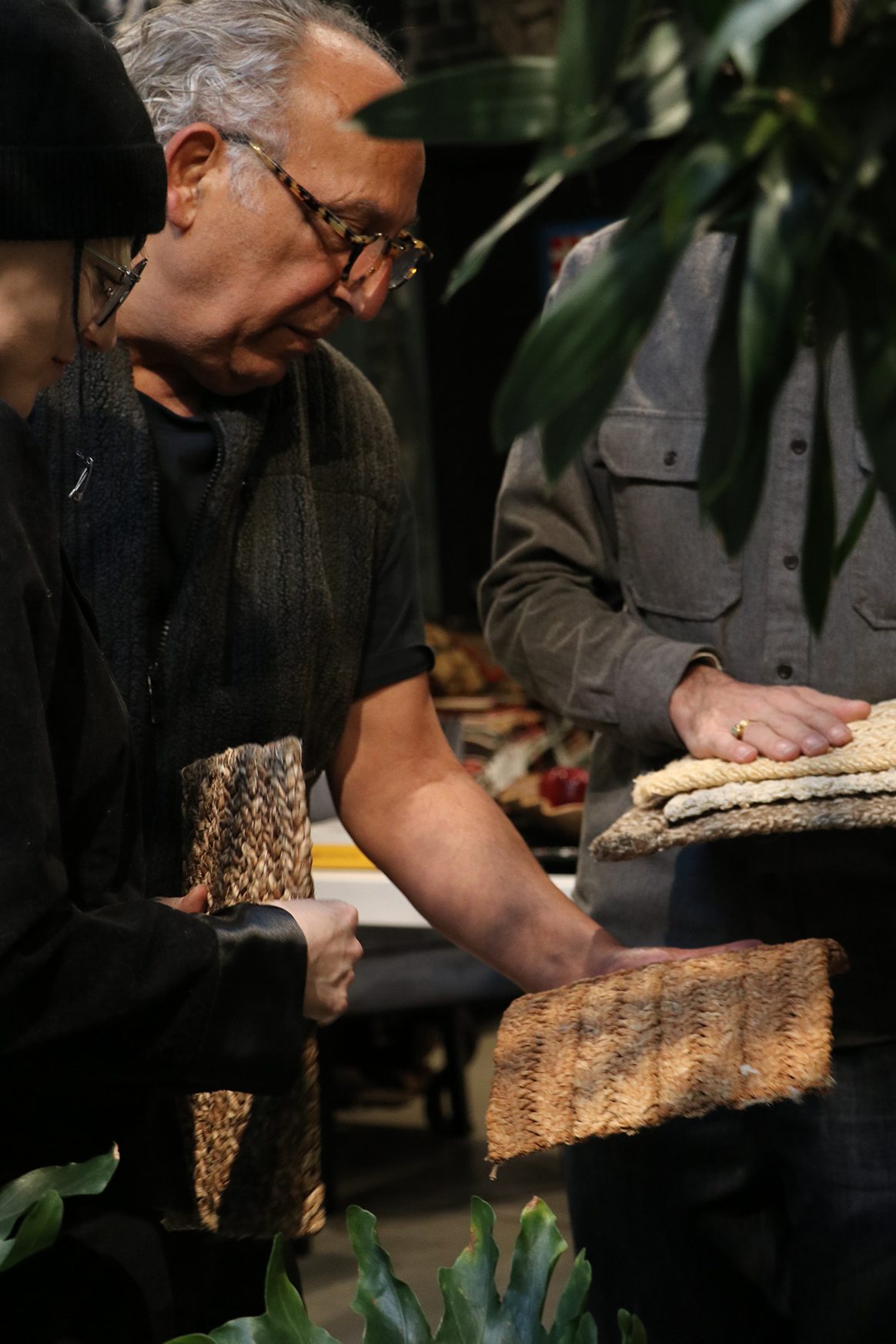
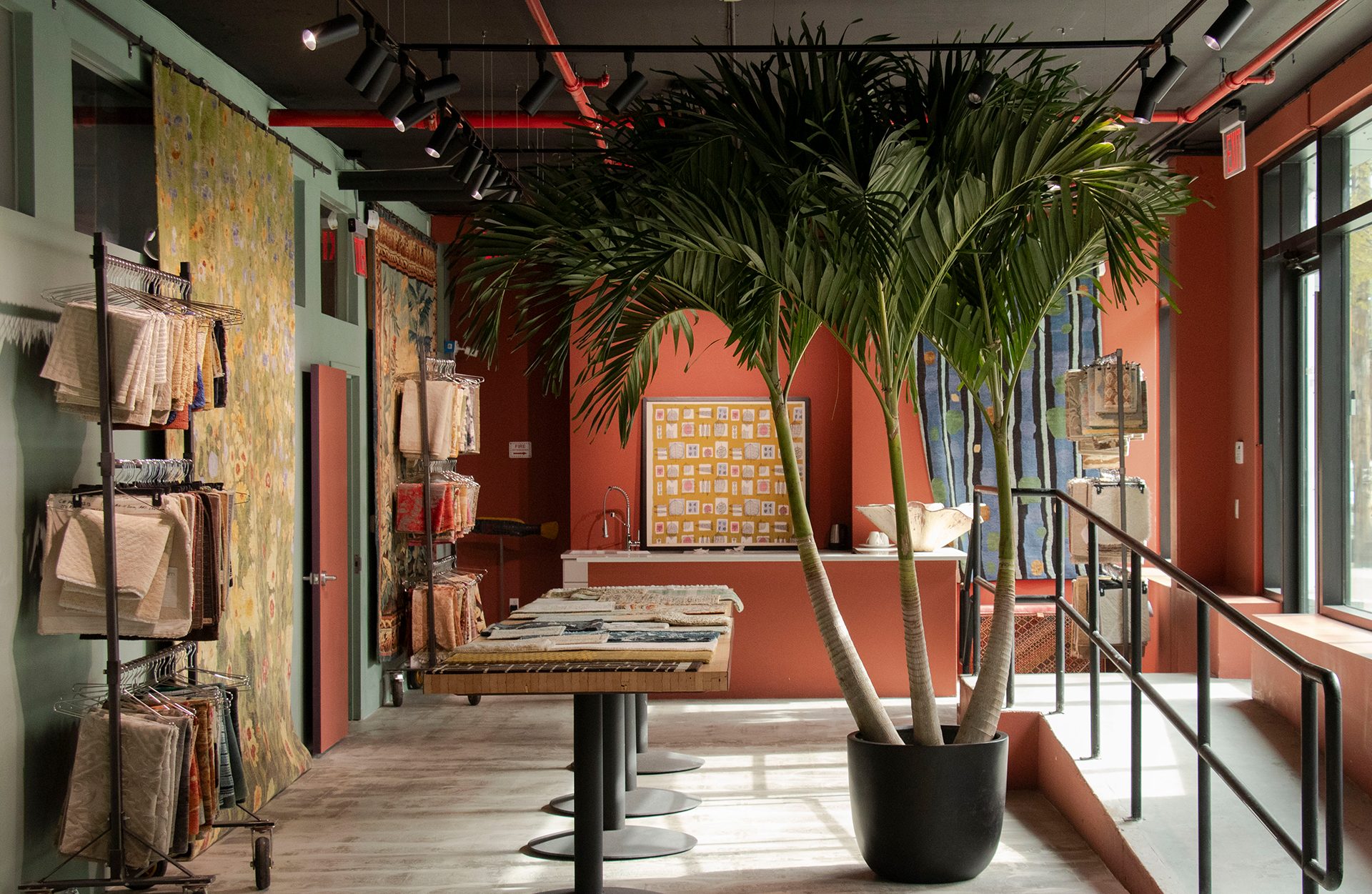
Our Principal, Jahanshah Nazmiyal, showing samples to his clients.
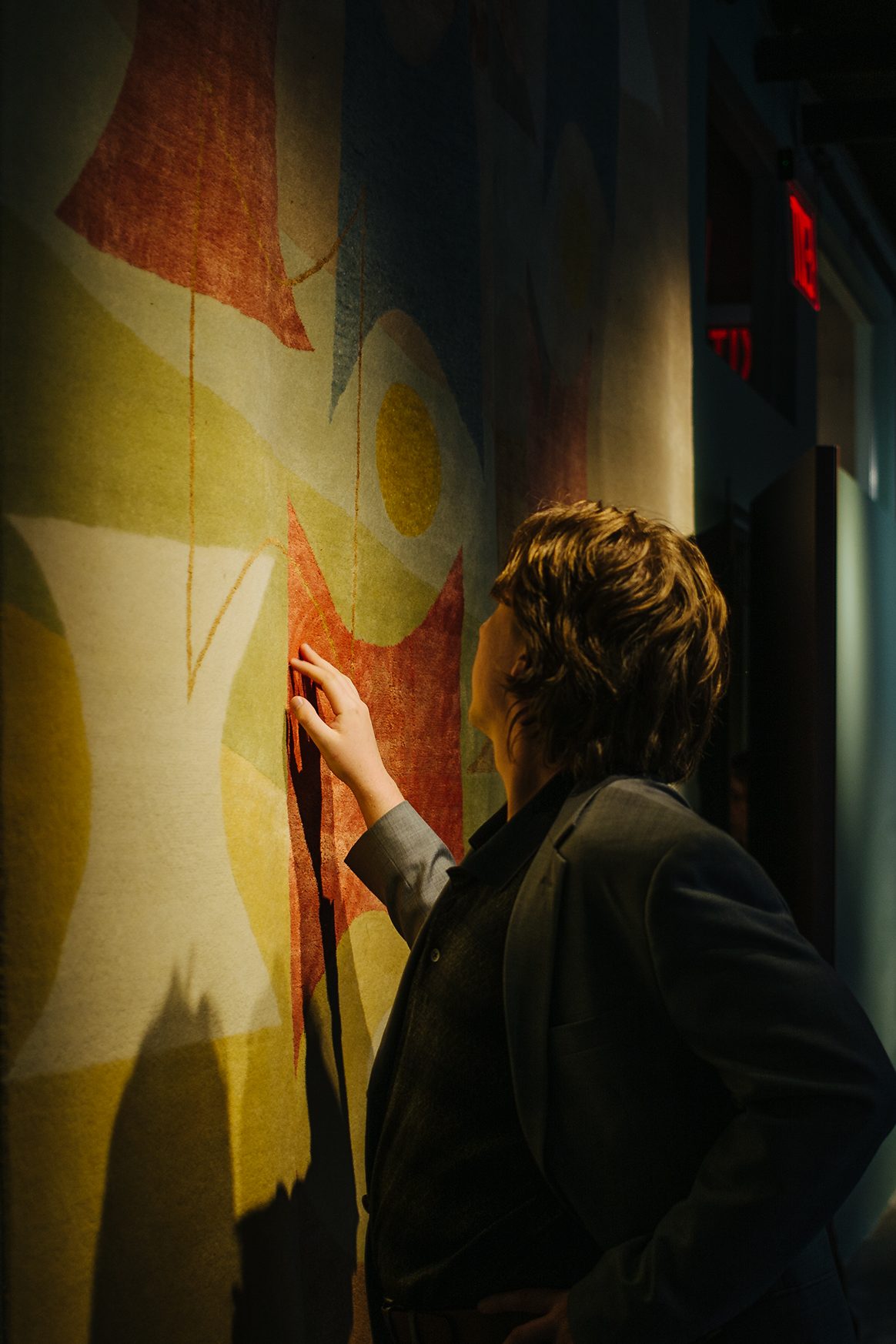
A designer’s meditation on rugs as sculpted time, storied soil, and the silent beauty that lies beneath.
The result? Loomed luxury — a philosophy we uphold not just in material, but in intention. Our finest rugs demand months, even years. They are hand-knotted in naturally dyed silk, Ghazni wool, mohair, hemp, or jute — materials as rare as couture’s organzas and satins. The sourcing is sacred. It is this reverence for materiality that aligns our rugs not with furnishings, but with artefacts.
We see our work not as interior adornment, but as floor-bound frescoes. For instance, our Scandinavian collection, where geometry, negative space, and muted tones recall the modernist precision of Bauhaus tapestries — akin to Anni Albers’ textile experiments, elevated through scale and soul. Or our Mid-Century line, which draws from the same post-war energy that gave rise to Le Corbusier’s brutalism and Matisse’s late paper cut-outs — a time when color itself was protest, and form, liberation.
To live with such a rug is to live with something that outlives fashion. Just as one may frame a lithograph by Joan Miró or hang an ukiyo-e woodblock with reverence, our clients place these rugs with equal intentionality. In fact, we have seen collectors frame our pieces not underfoot, but on walls — a tribute to their dual identity as object and art. Museums and design institutions are beginning to echo this sentiment.
A journey into the fine art of rug making as a collector’s privilege.
The line between fine art and fine textile is blurring, and Rug & Kilim stands proudly at this convergence.
Our custom design atelier functions much like the haute couture salons of old — a deeply personal, iterative process. It is here that the vision of Jahanshah Josh Nazmiyal comes alive. Acting as creative directors, curators, and cultural archivists, the Rug & Kilim design team guide each commission with the eye of a gallerist and the soul of a designer. The goal is not to match a room, but to reveal it. To unearth the emotional geometry of a space and translate that into fiber.
A custom commission might begin with an antique motif from Anatolia, a Bauhaus sketchbook, or the ruins of a Roman mosaic — but it ends with something never seen before. Much like how Dior’s ateliers once measured shoulders not only by tape but by temperament, our design house reads spaces and clients with intimacy.
No two rugs are alike, because no two stories are alike.
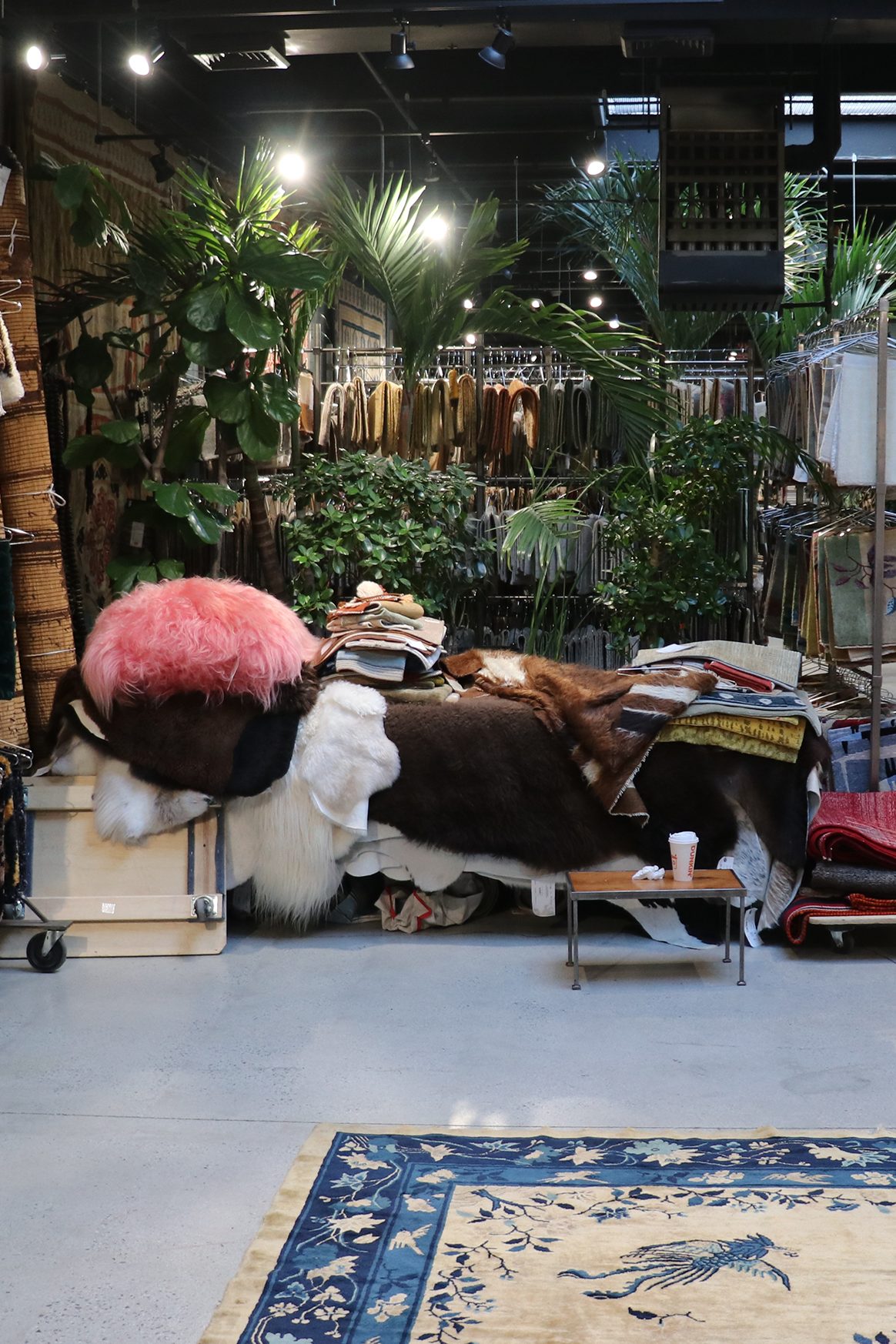
R&K Creative Den
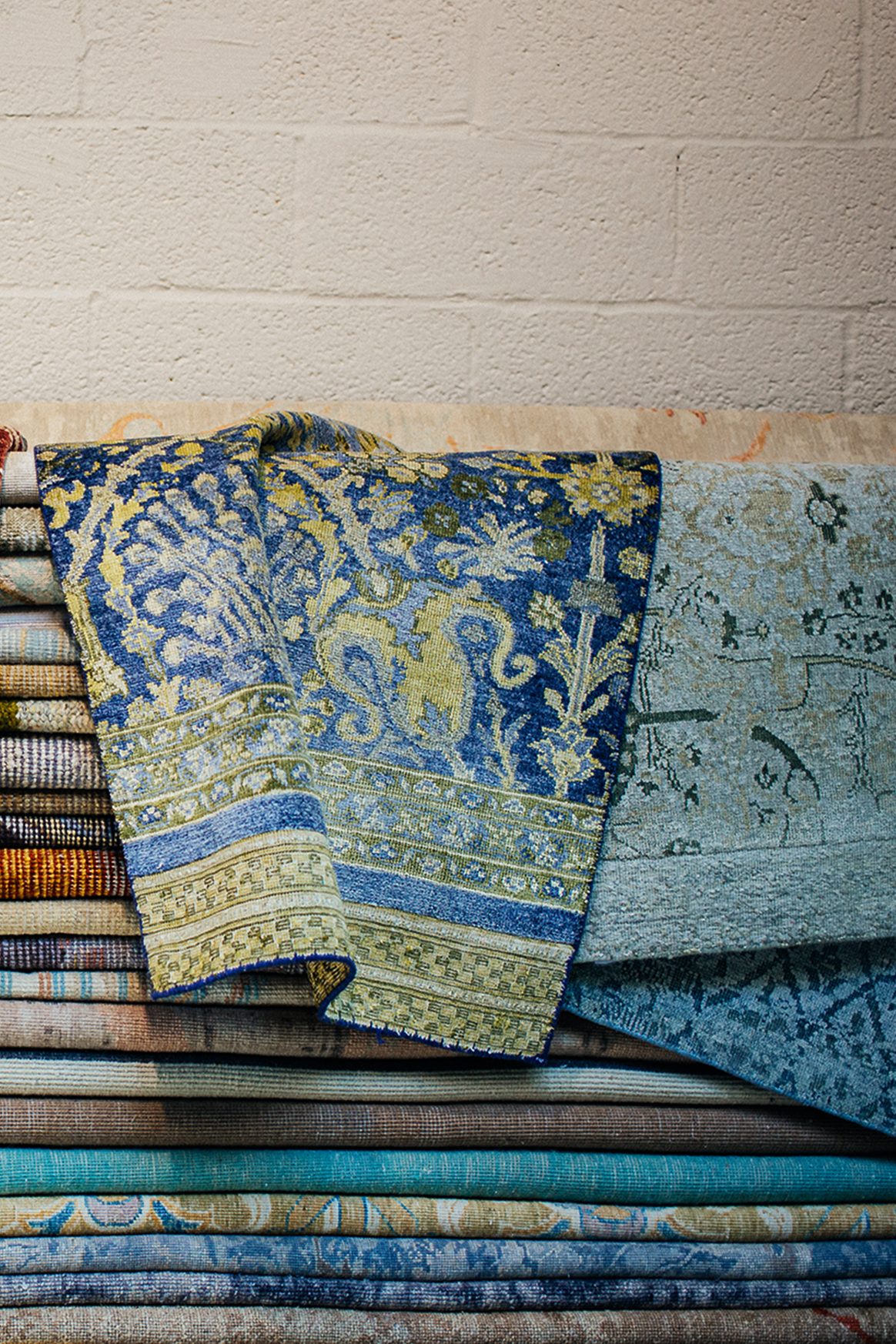
Bespoke, Intentional, and Rare
The house philosophy is rooted in this idea: that the home is not a showroom, but a museum of personal myth. A Rug & Kilim rug, then, becomes the centerpiece — the heirloom — the floor’s most articulate ambassador. As a Renaissance ceiling was painted to awe and elevate, so too is our floor imagined not as boundary but as canvas.
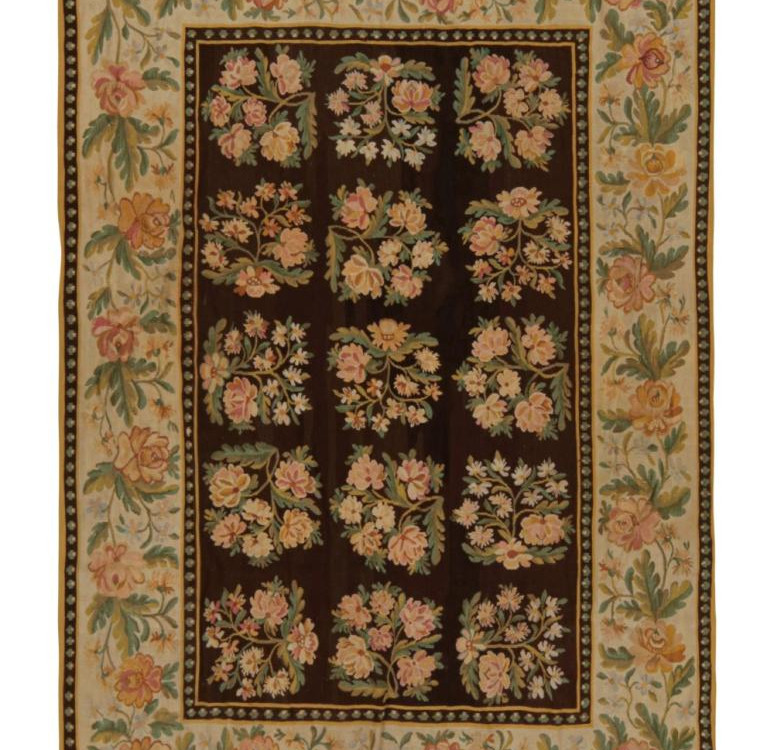
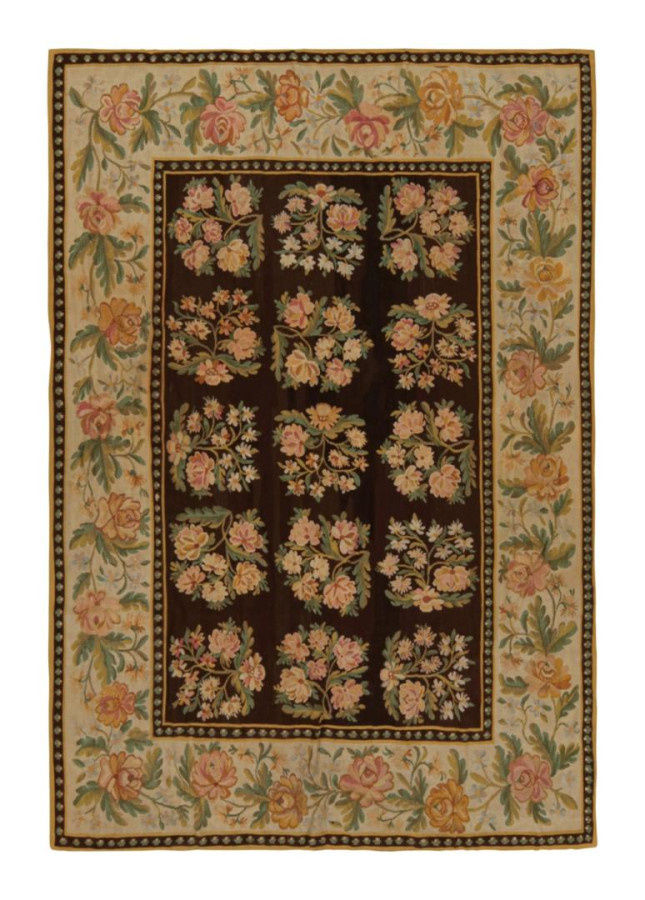
We often speak of our rugs as threaded with legacy. This is no metaphor. Many of our collections like the Distressed Homage collection, incorporate reinterpretations of antique Persian, Turkish, or tribal weavings — textiles that once adorned the courts of Mughal emperors or the palaces of Safavid shahs. These weren’t just decorative objects, but philosophical expressions — mapping beliefs, seasons, protection spells, fertility wishes — a visual theology. To revive and reimagine these motifs in a contemporary idiom is to keep civilization in conversation with itself.
Today, in a world of accelerated design, we slow time down. We don’t follow trends. We follow threads. And in that slowness is sovereignty. As couture was born in resistance to ready-to-wear, so too is our weaving a quiet rebellion against the digital and disposable.
Luxury, after all, is not just what you touch. It is what you inherit. What you live with. What endures.
And what endures most, perhaps, are the things that never needed to be said aloud — the silent excellence of an atelier beneath your feet.
— The House of Rug & Kilim