
Frida Hansen as a Bridge between Norwegian and European tapestry
April 2, 2024
A Guide to Chinese Art Deco
April 3, 2024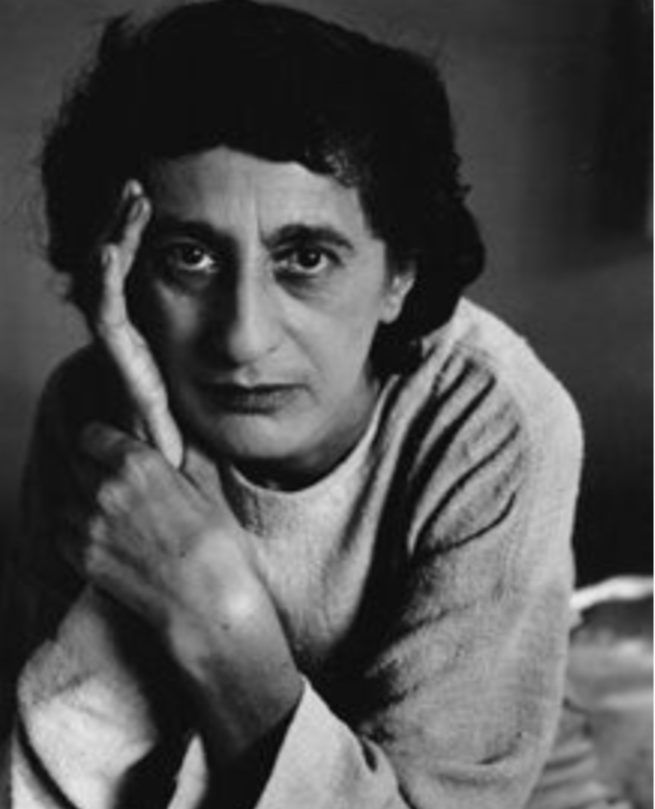
Anni Albers’s significance lies in her transformative impact on textiles, elevating weaving to the status of an art form. At a time when early 20th-century Western fine art was largely confined to painting and sculpture created by men, Albers broke through the conventional boundaries and introduced textiles as a legitimate medium for artistic expression. Her groundbreaking influence became evident in 1949 when the Museum of Modern Art hosted an exhibition solely dedicated to Albers’s work, titled “Anni Albers Textiles” This event marked the first instance of a textile artist being featured in a solo show at the prestigious institution. The exhibition, which showcased Albers’s innovative and artistic approach to weaving, traveled to 26 museums across the United States and Canada. Albers coined the term “pictorial weaving” for her intricate woven abstractions, emphasizing thread as a carrier of meaning.
Anni Albers’s ability to transcend traditional notions of craft and integrate textiles into the realm of fine art reshaped the landscape of artistic expression. Her legacy endures not only for her technical mastery in weaving but also for the broader impact she had on the perception of textiles as a legitimate and sophisticated form of artistic creation. Albers’s impact extended beyond the realm of art into mass awareness, particularly in unraveling the intricate structures of fabrics. According to R. Buckminster Fuller, she successfully merged the intuitive sculpturing skills of an artist with the ancient art of weaving. Albers went beyond traditional notions of abstraction confined to painting and sculpture, incorporating techniques associated with “women’s work” and drawing inspiration from often-overlooked artistic contributions of ancient cultures.
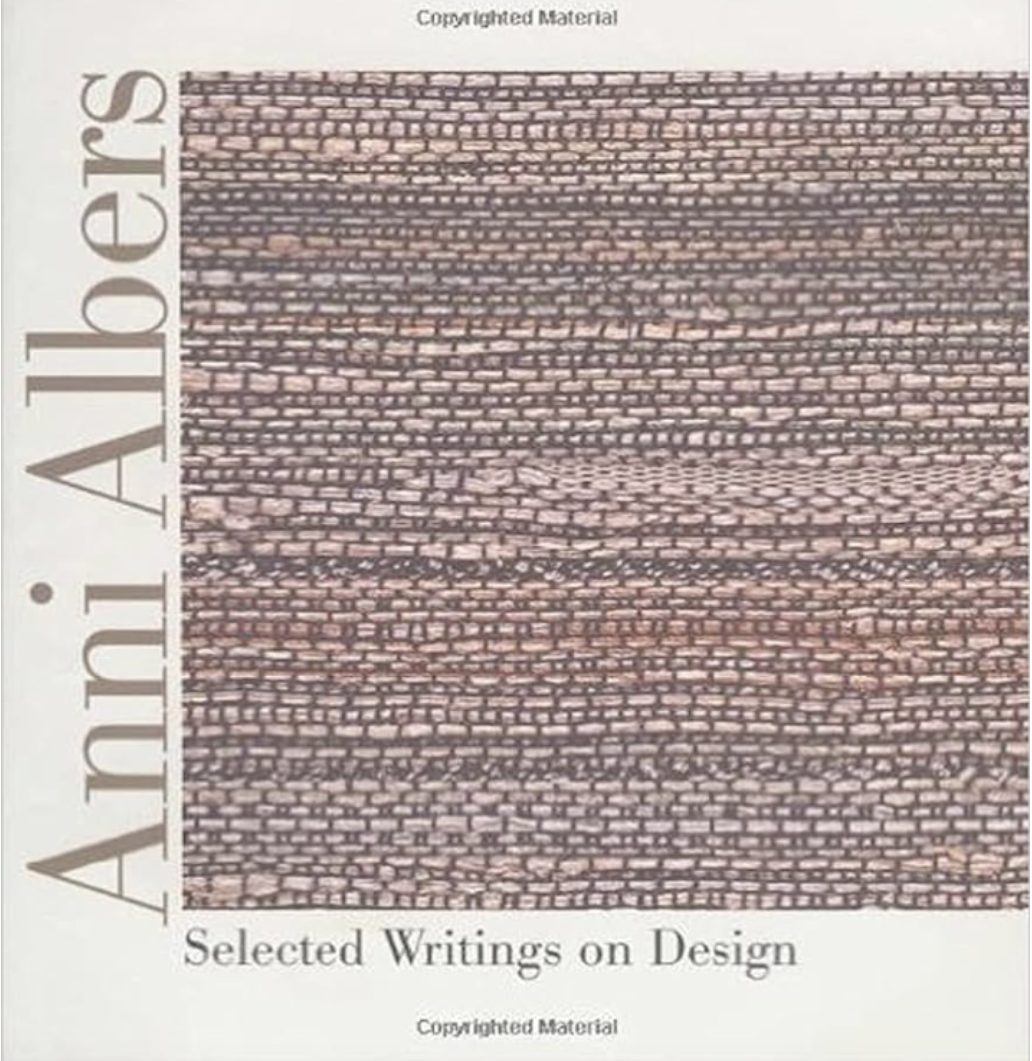
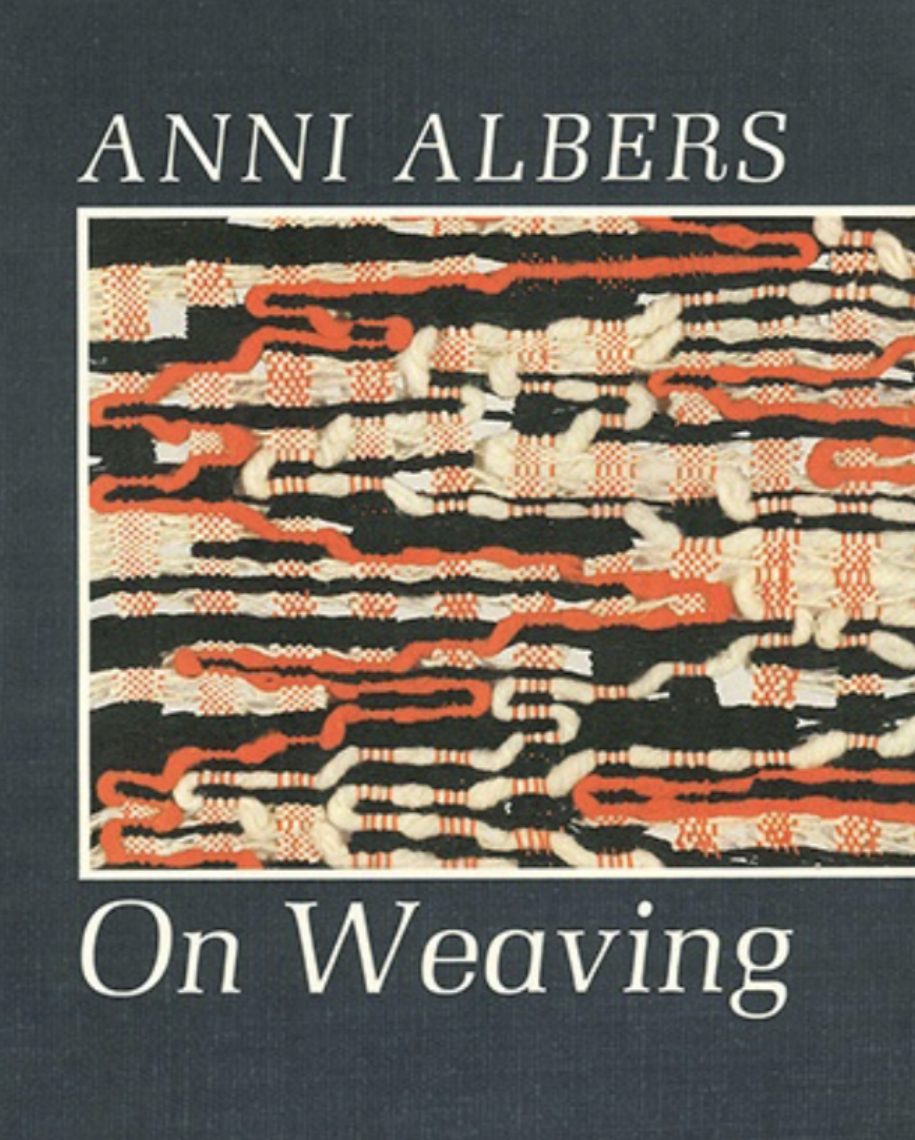
Her influence is not only evident in her artworks but is also preserved in her teachings and extensive writings. Texts like “On Designing” (1959) and “On Weaving” (1965) are revered as essential resources in art, design, and textile courses. Albers’s legacy is characterized by a dynamic equilibrium between history and innovation, abstraction and content, and material and form. She emphasized the accidental nature of choosing specific materials and means of communication, suggesting that the creative process involves a dialogue with the chosen material, learning to obey its rules and limits.
Artsy
Anni Albers and Bauhaus
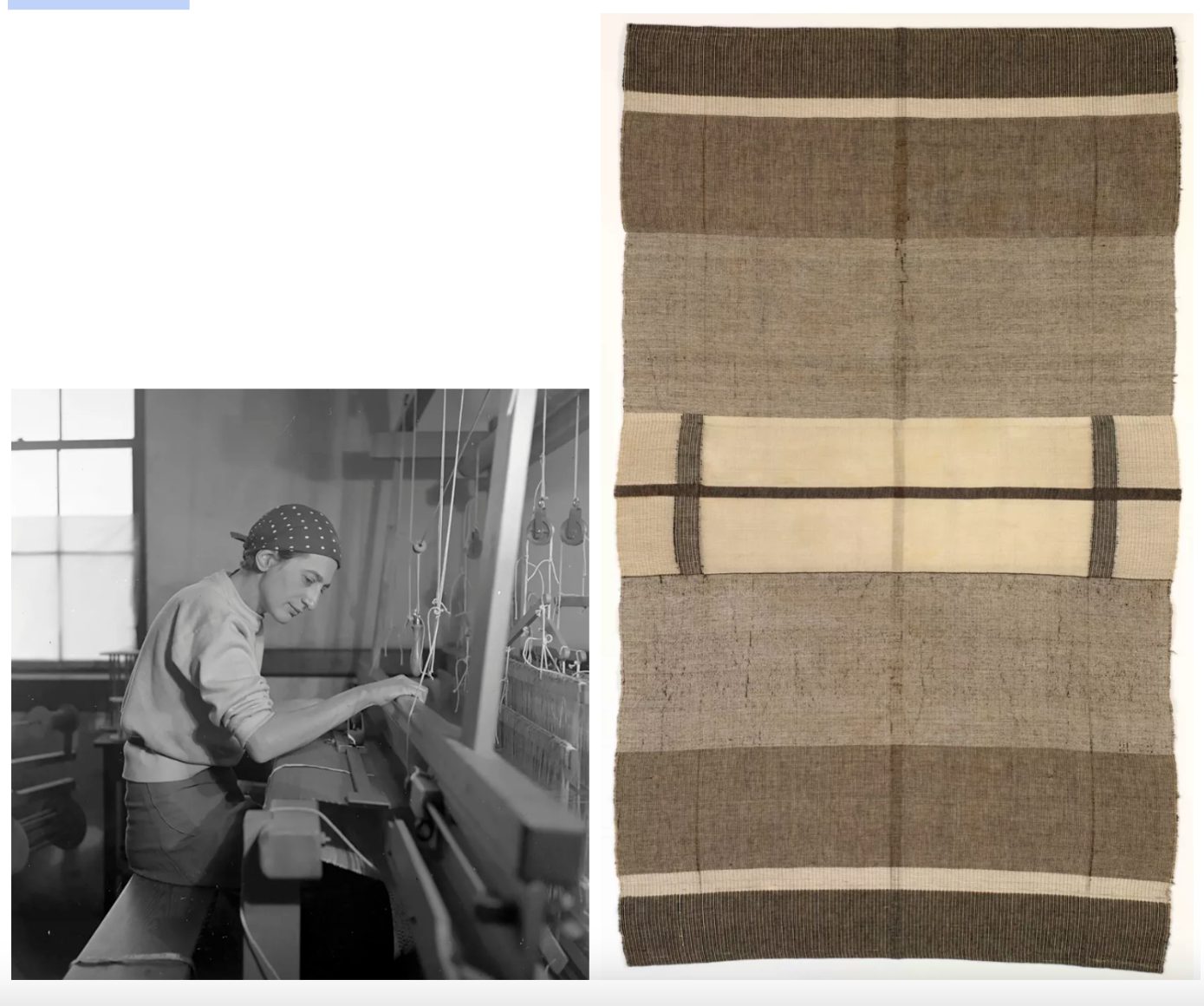
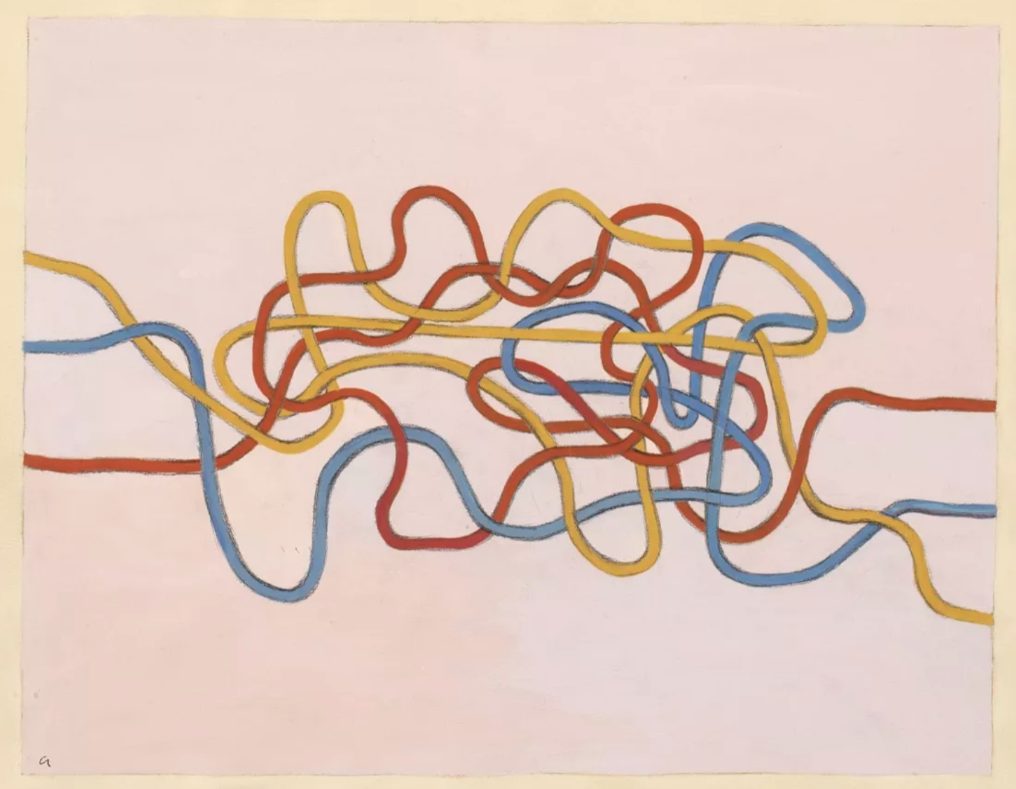
Anni Albers, born Annelise Elsa Frieda Fleischmann on June 12, 1899, in Berlin, Germany, was accepted into the Bauhaus in 1922. The Bauhaus, a groundbreaking school in Weimar, aimed to promote aesthetically rigorous and functional art and design accessible to all. While the school claimed to support gender equality, women were often directed toward the weaving workshop, as revealed in a statement by Bauhaus founder Walter Gropius. In the weaving workshop, Anni Albers embraced an experimental approach to materials and demonstrated innovative techniques in handling undulating lines and geometric patterns. Her contributions extended beyond textile art, significantly influencing abstract art. While her male contemporaries such as Paul Klee, Wassily Kandinsky, and her husband Josef Albers are more widely recognized for their roles in the abstract art movement, Anni Albers played a crucial role in advancing the course of abstract art through her textile work.
The Guardian
Tate Modern
AWARE
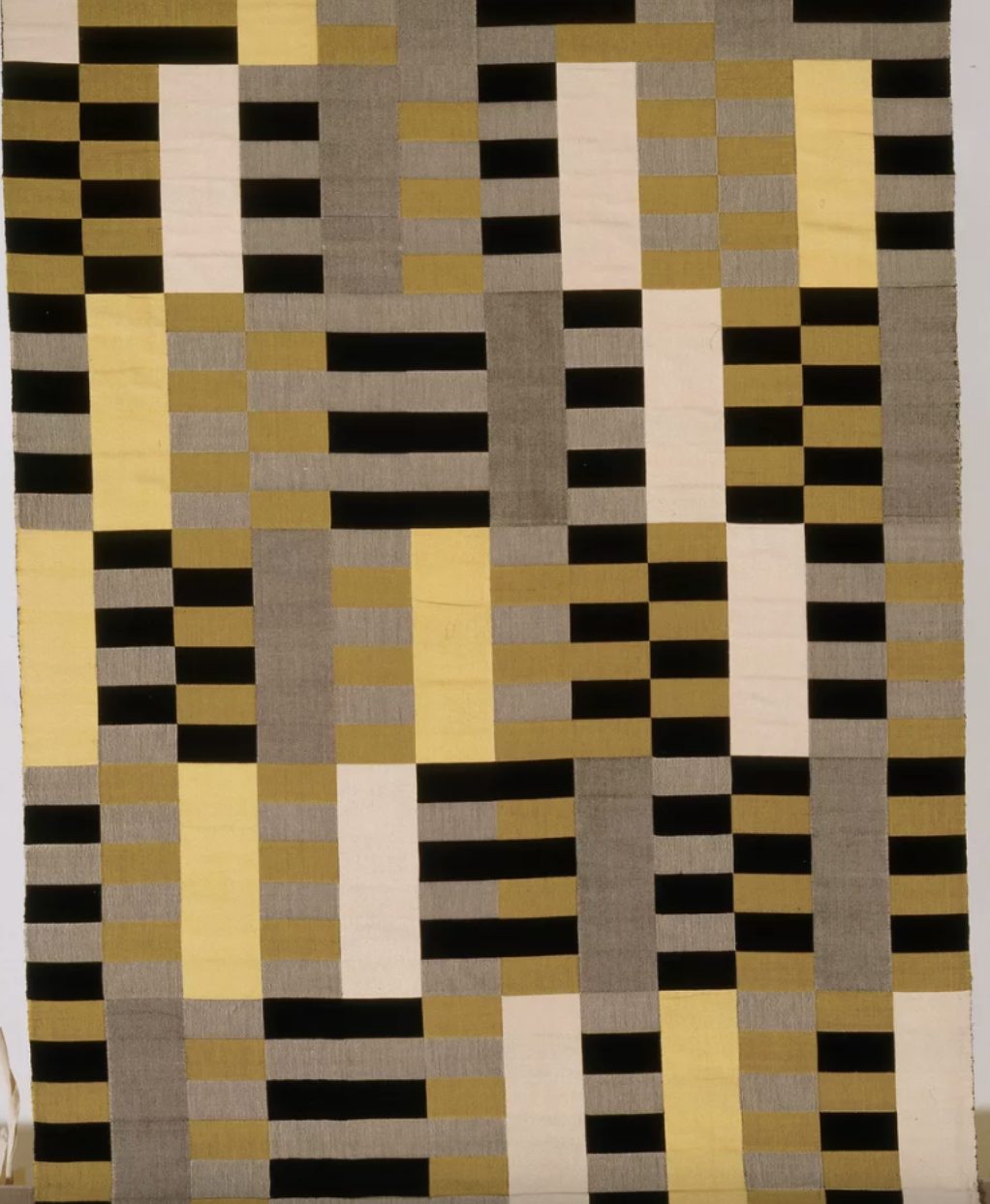
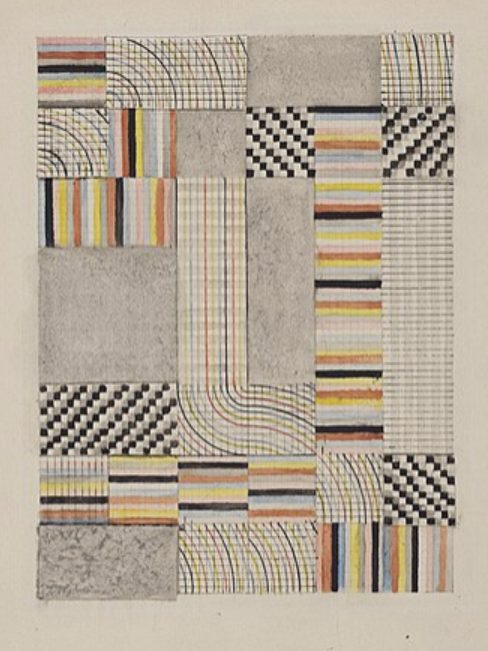
Anni Albers’ early works from the mid-1920s showcased her innovative approach to weaving. At the Bauhaus, she embraced the school’s ethos of intertwining form and function, experimenting with both loom-weaving and hand-weaving. Her designs challenged the traditional European tapestry narrative, allowing modern weavers to compose directly on the loom.
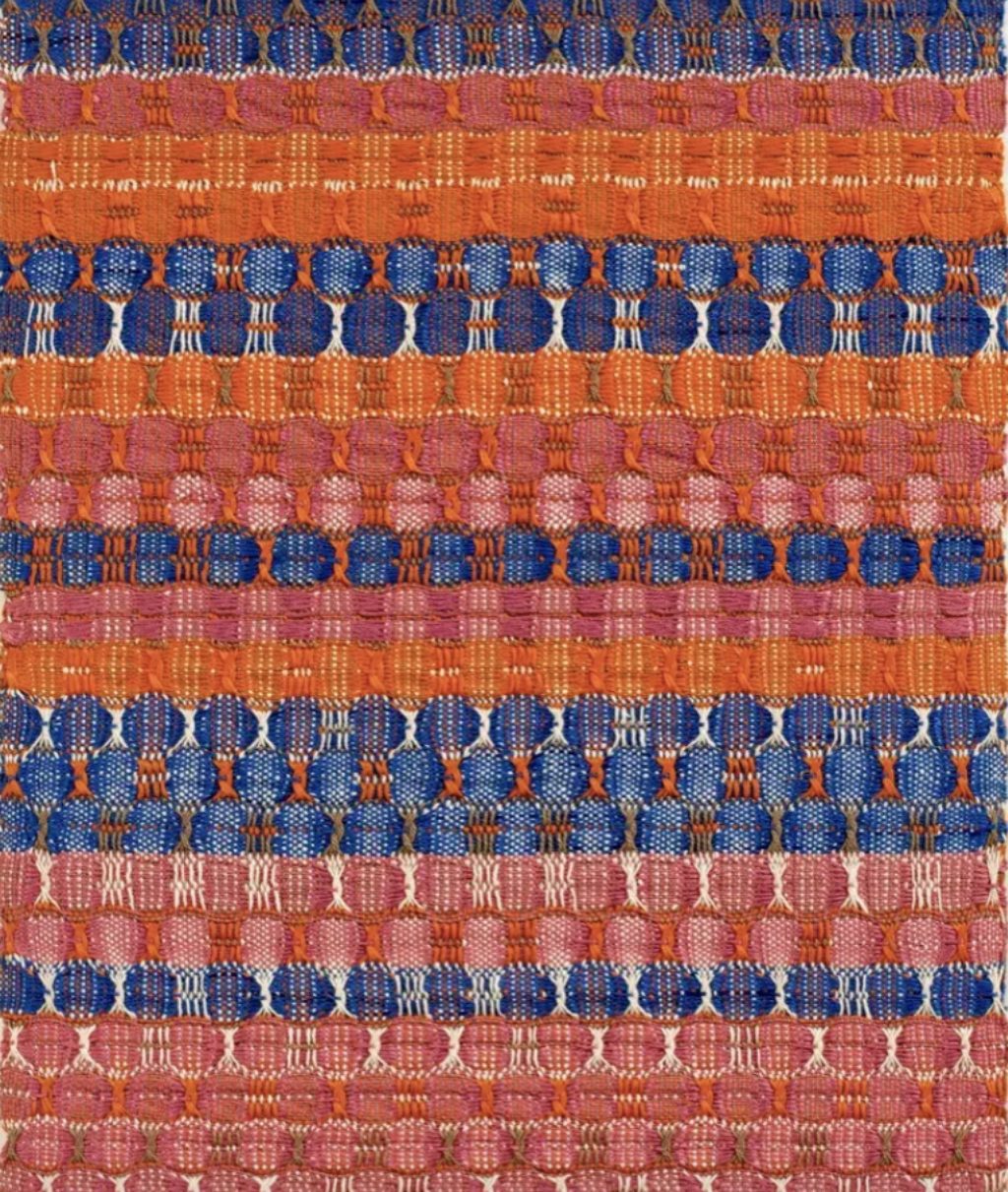
Albers’ tapestries featured squares, rectangles, and lines arranged in irregular yet delightful patterns, with kaleidoscopic colors and gradients, breaking away from conventional forms. Her work reflected a departure from traditional techniques and a pioneering spirit in textile art. Albers considered Paul Klee a guiding light in her early years as an artist. She joined the weaving workshop in 1927, where she encountered Klee’s theories on abstraction and his paintings, known for their rich symbols and colors. Albers was particularly excited by Klee’s emphasis on the importance of the artistic process over the final form and his use of formal experimentation and graffiti-like markings. Klee’s belief that these elements could access the subconscious mind deeply influenced Albers. She skillfully incorporated this concept into her abstract tapestries, making it a distinctive and integral part of her artistic expression.
Albers’ Innovative Weaving Approach
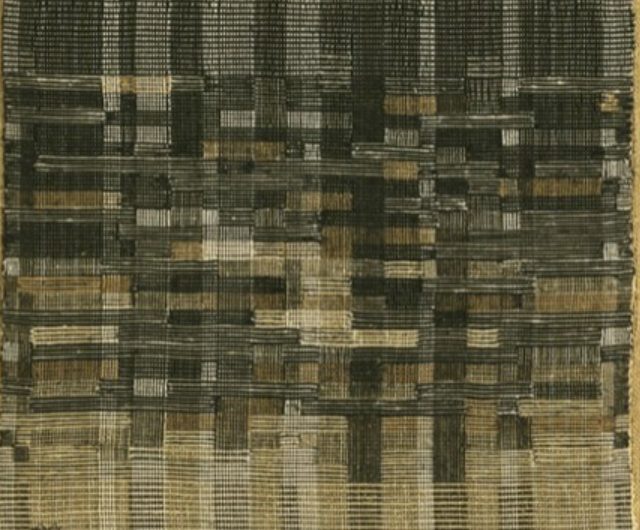
Albers, influenced by Bauhaus teachings and exposure to Paul Klee’s theories on abstraction, developed an innovative approach to weaving. She combined loom-weaving with hand-weaving, blending reproducible geometric patterns with spontaneous decisions made on the loom. Her designs represented an alternative to the traditional European tapestry tradition, allowing modern weavers to compose directly on the loom. In 1929, Hannes Meyer, a Bauhaus architect, commissioned Albers to design a wall covering for a new auditorium. Her groundbreaking design incorporated cellophane and cotton, creating a material that was sound-absorbing and light-reflecting. This project earned her a Bauhaus diploma. Albers referred to Peruvian weavers as her “greatest teachers” and integrated Andean weaving techniques and visual languages into her work.
Albers coined the term “pictorial weaving” for her intricate woven abstractions, emphasizing thread as a carrier of meaning. Her pieces, like “Black-White-Gold 1” (1950), demonstrated her belief in thread’s expressive potential, with twisting lines resembling labyrinths or architectural structures rising from interlaced materials. While expanding the capabilities of weaving, Albers recognized the limitations of the medium. She encouraged a playful approach in her work and teachings, advocating for enjoyment of colors, forms, and tactile sensuousness. Beyond weaving, Albers collaborated on jewelry, textiles, and printmaking, continuously exploring the intersection of art and design. In 1963, she turned her attention to printmaking, where she found new ways to express freedom through images of threads.
Grapheine
Grapheine
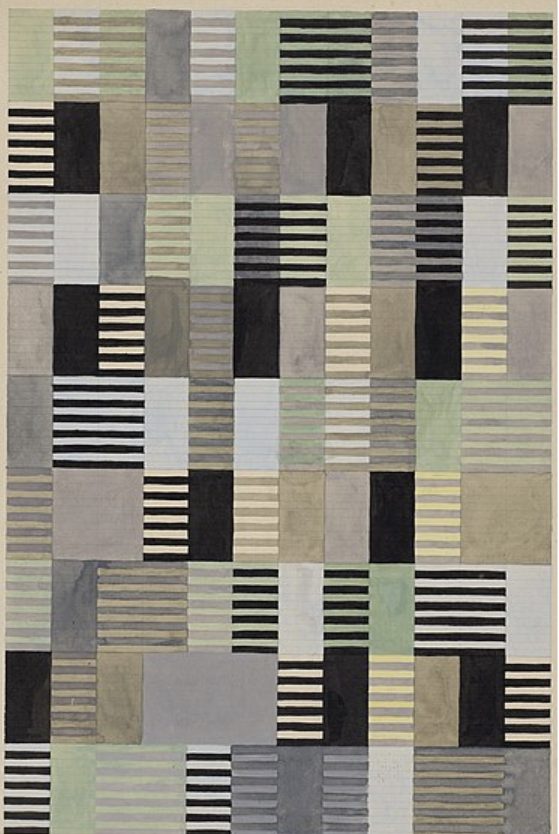
MoMa
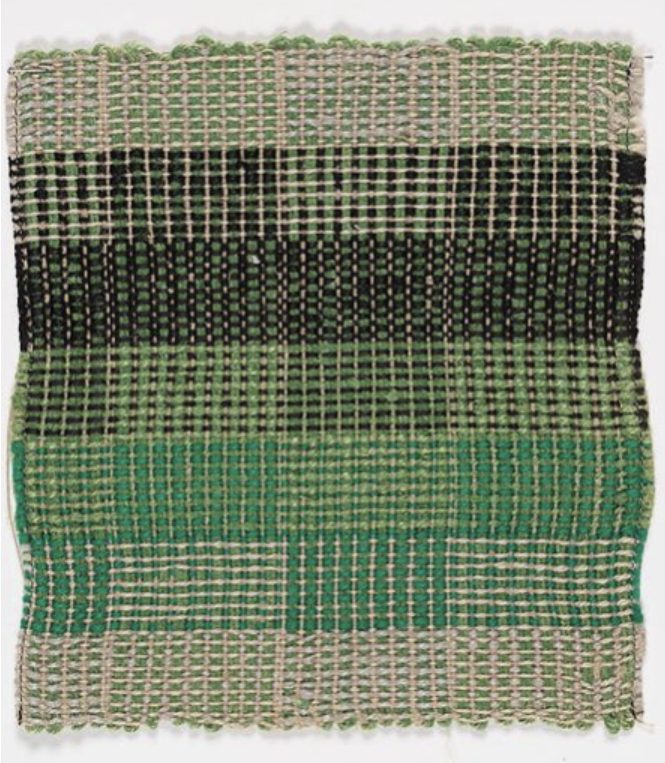
NEW BRITAIN MUSEUM OF AMERICAN ART
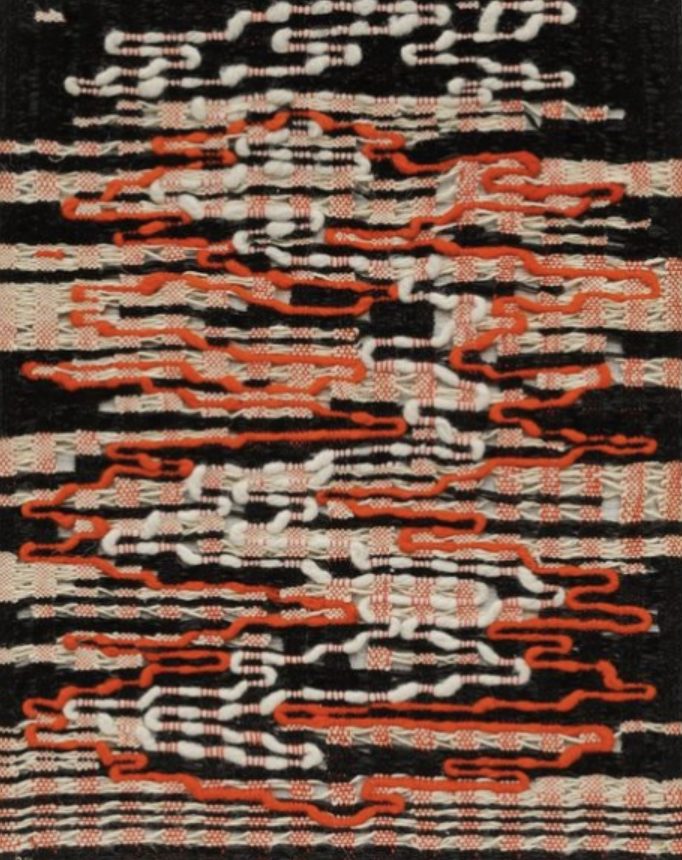
Mutual Art
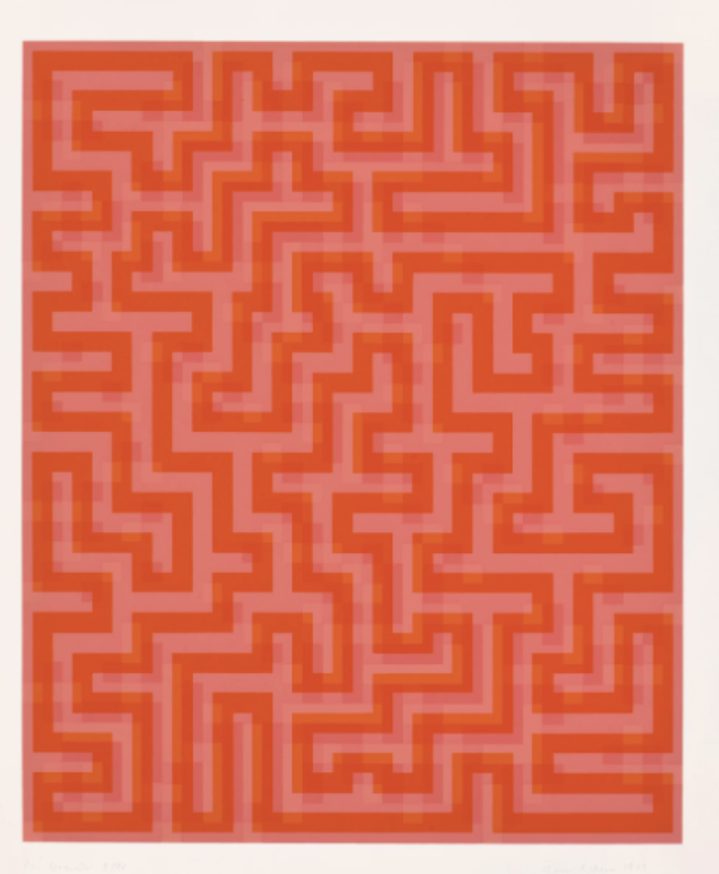
Christea Roberts Gallery
The legacy of Josef and Anni Albers lives on through the establishment of the Josef and Anni Albers Foundation in 1971. This not-for-profit organization was founded with the aim of advancing “the revelation and evocation of vision through art” The Foundation serves as the custodian of the estates of both Josef Albers and Anni Albers, preserving and promoting their artistic legacies. The Foundation actively supports exhibitions and publications dedicated to the works of Josef and Anni Albers. It plays a crucial role in making their art accessible to the public and fostering a deeper understanding of their contributions to the art world. The official building of the Foundation is situated in Bethany, Connecticut, and it houses a central research and archival storage center. This facility accommodates the Foundation’s extensive art collections, library, archives, and administrative offices. Additionally, the building includes residence studios designed for visiting artists, providing a space for creative exploration and collaboration.
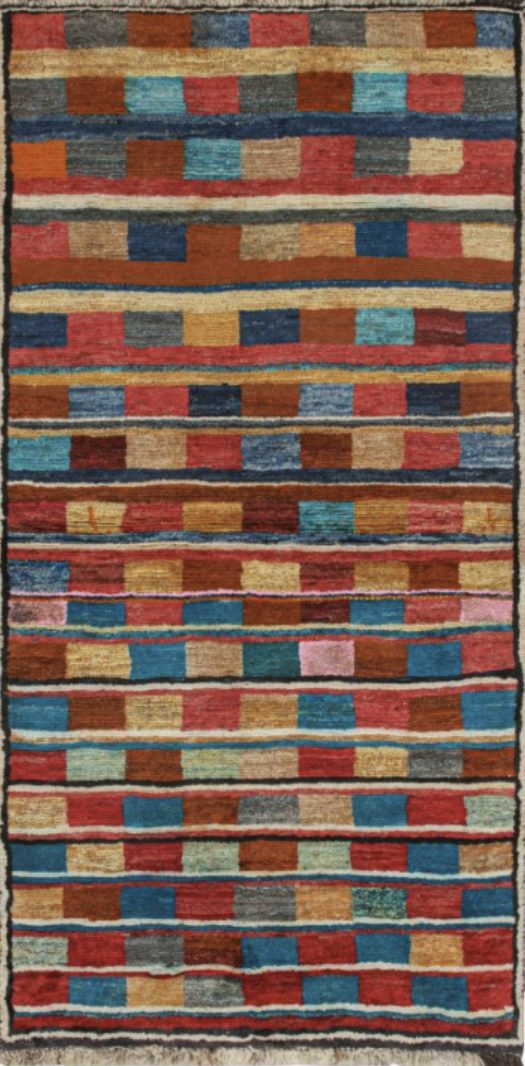
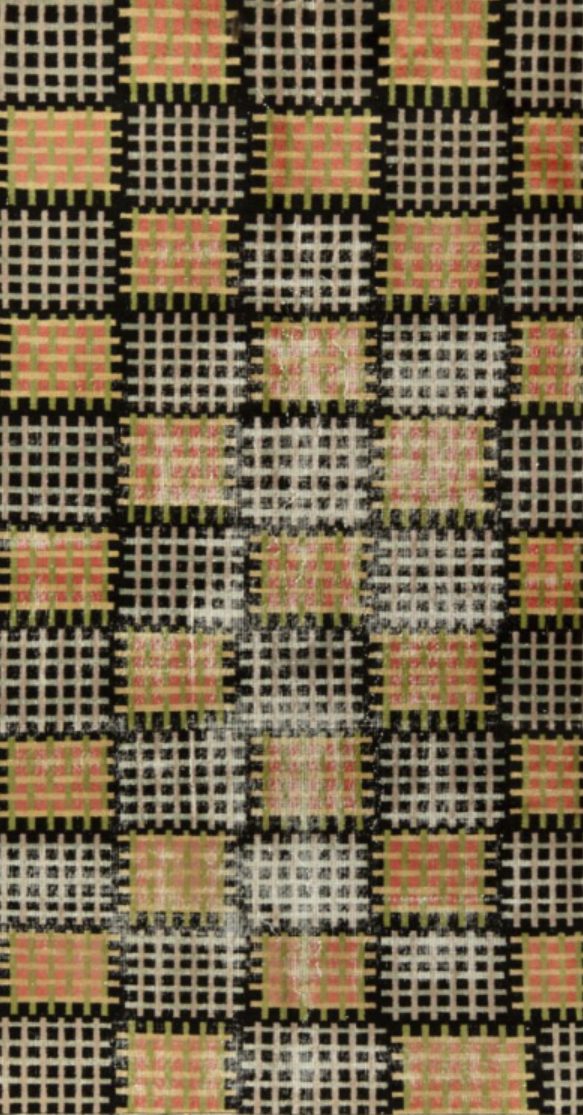
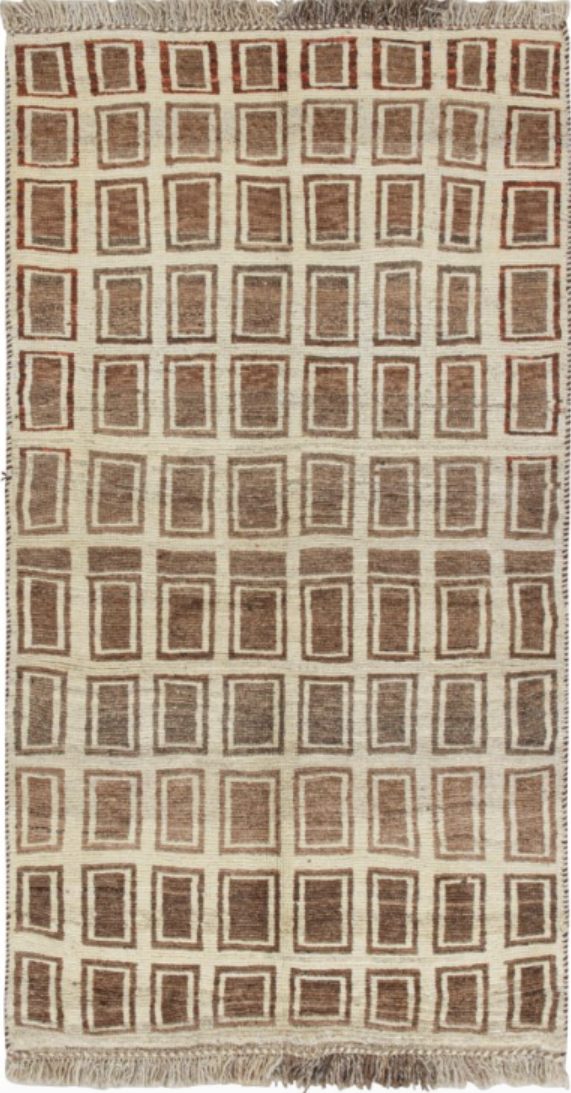
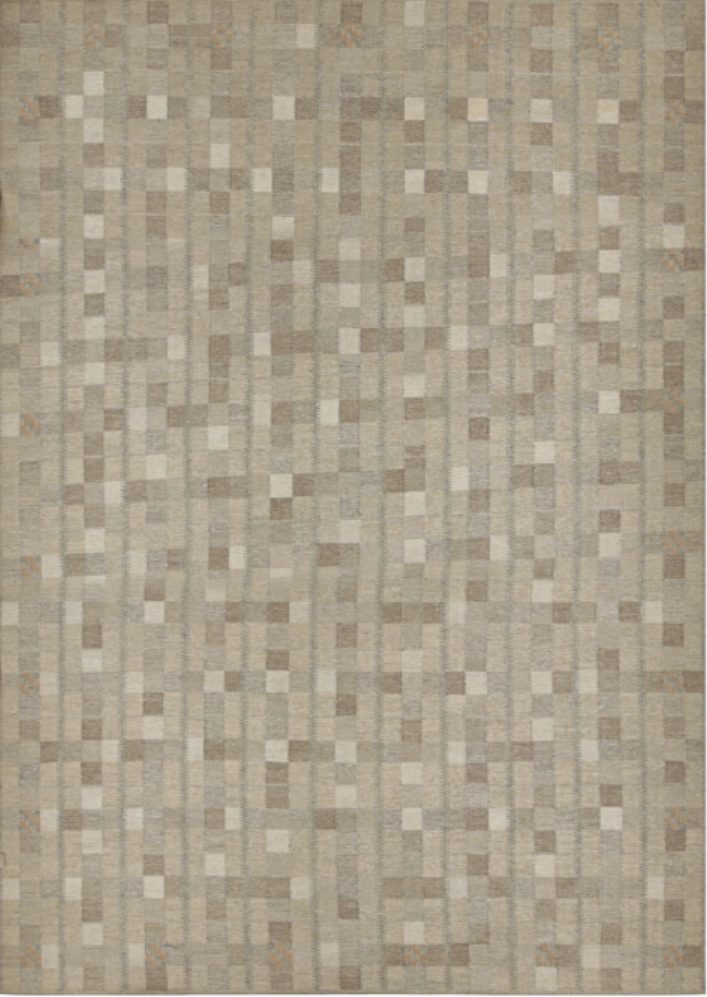
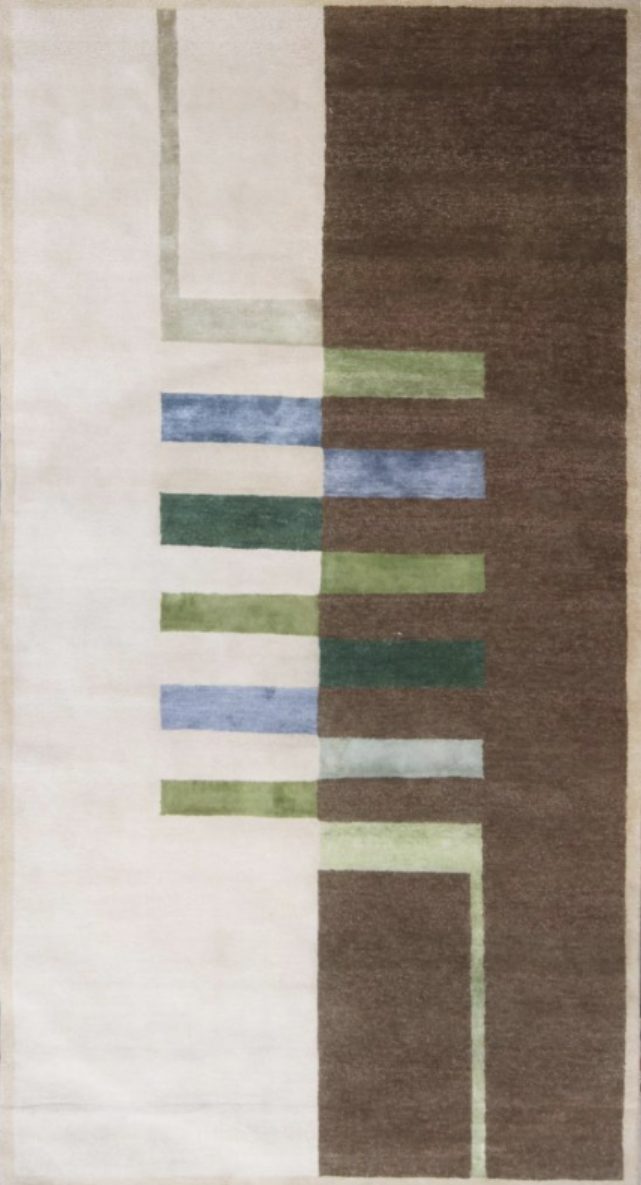
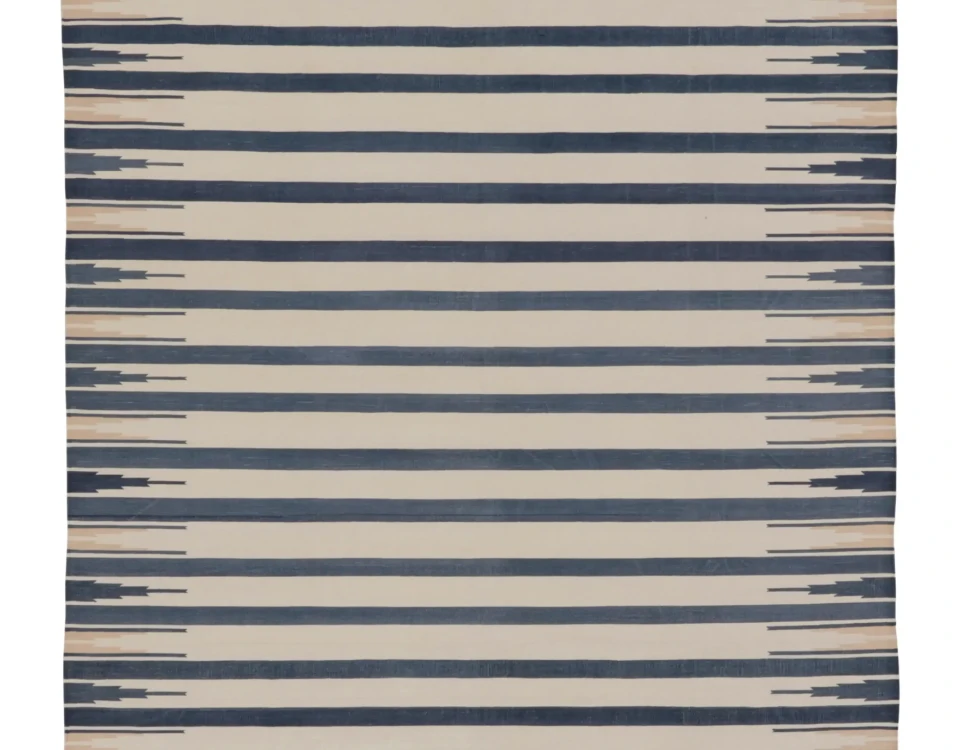
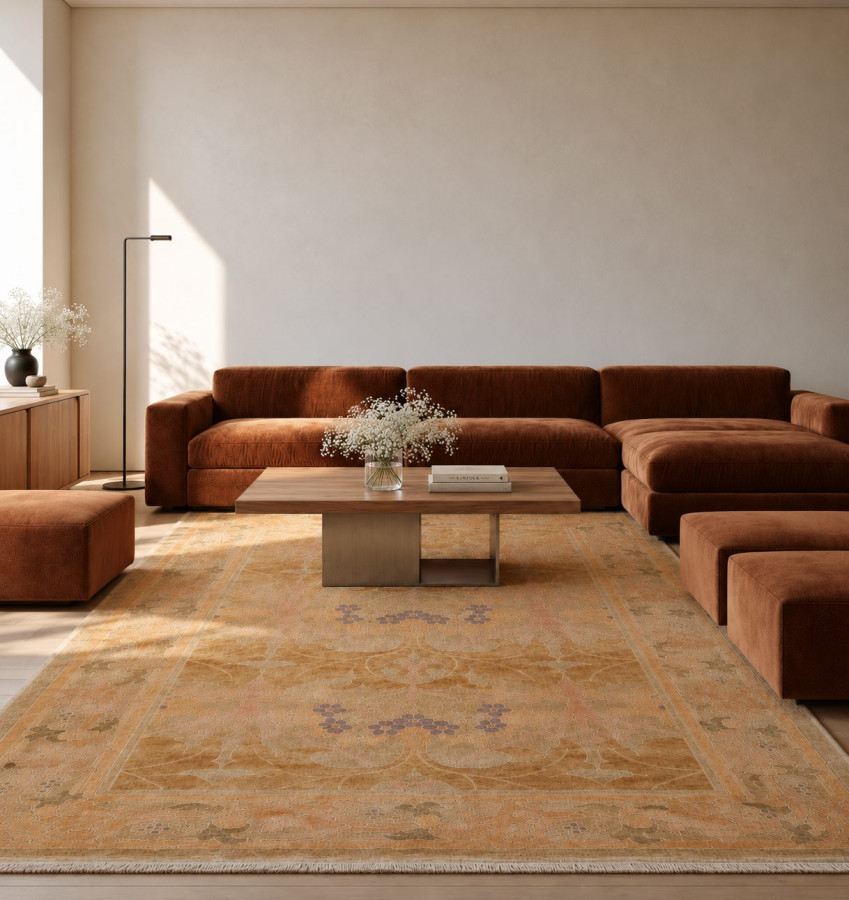
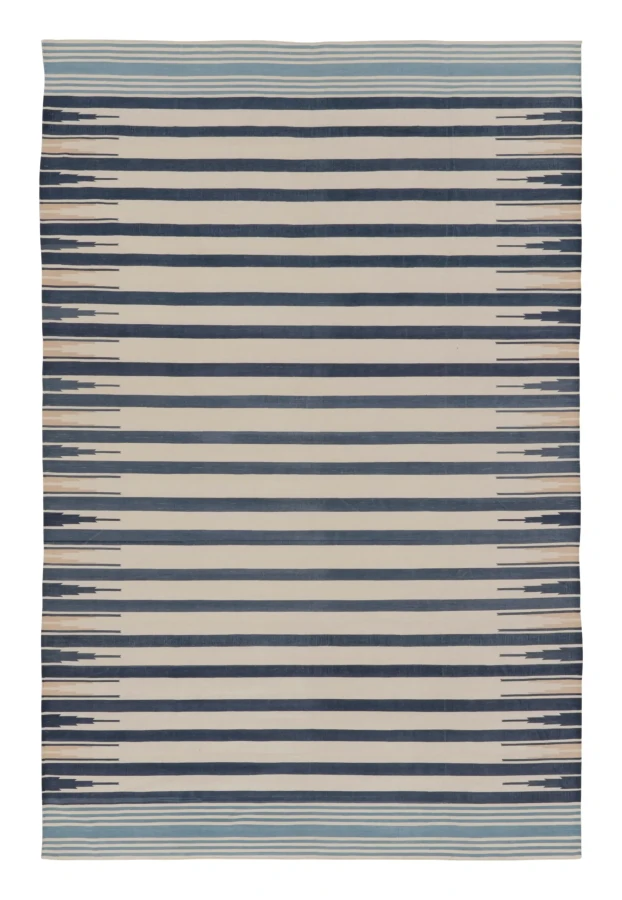
View some of Rug & Kilim’s favourite rugs inspired from Alber’s designs –