
A Guide to French Art Deco
April 2, 2024
A Profile on Bauhaus Master Anni Albers – The “Godmother of Textile Arts”
April 2, 2024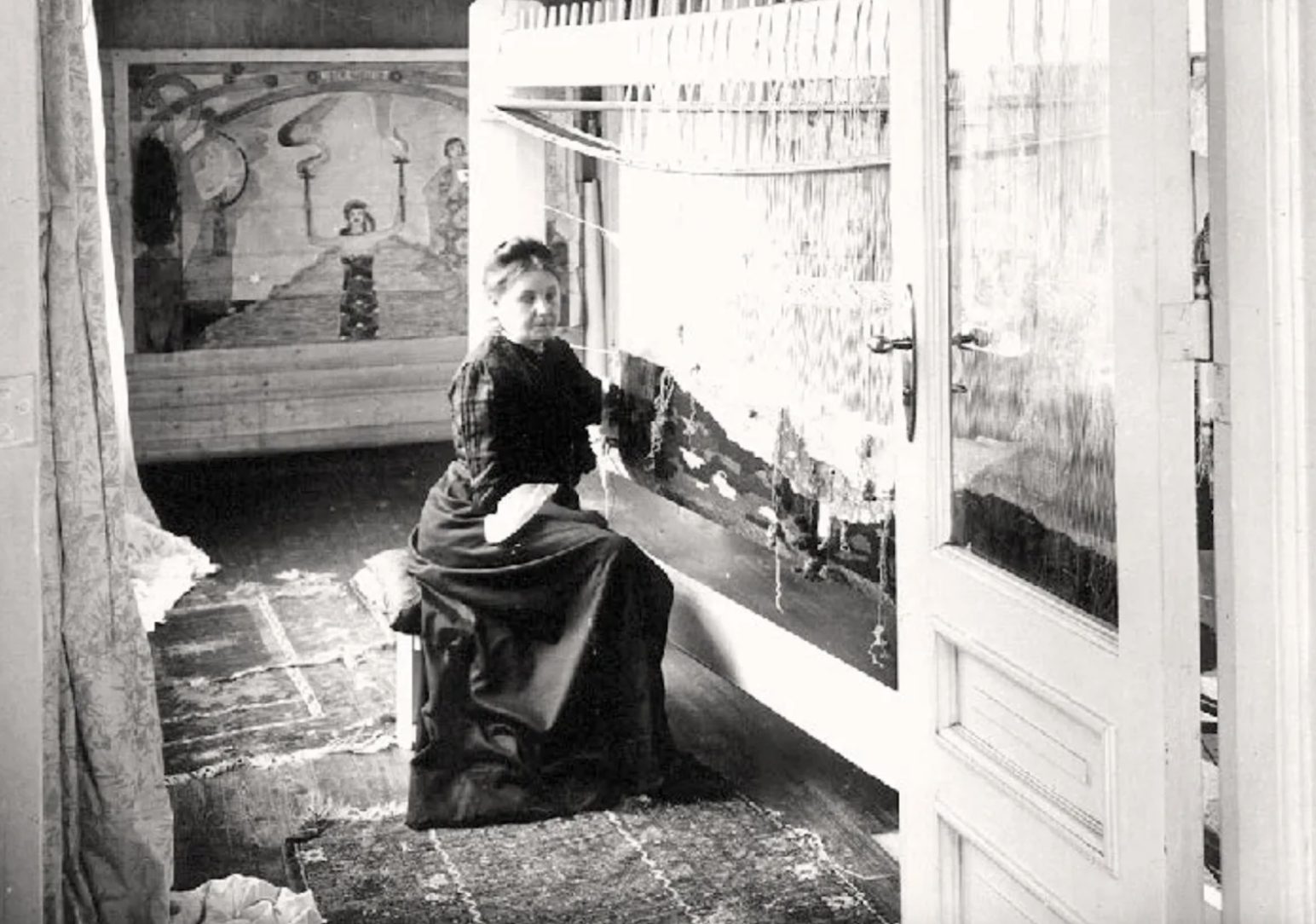
Photo: Ukjent fotograf og år
“I would take up the old Norwegian weaving, renew it, make it available, and also make it a means of employment. And so began my life’s work, which has fulfilled my mind, my artistic desires, and my life.”
–Quote from Frida Hansen family papers, as reported in Anniken Thue’s biography, Frida Hansen: En europeer i norsk tekstilkunst (Frida Hansen: A European in Norwegian Textile Art) Universitsforlaget, 1986.
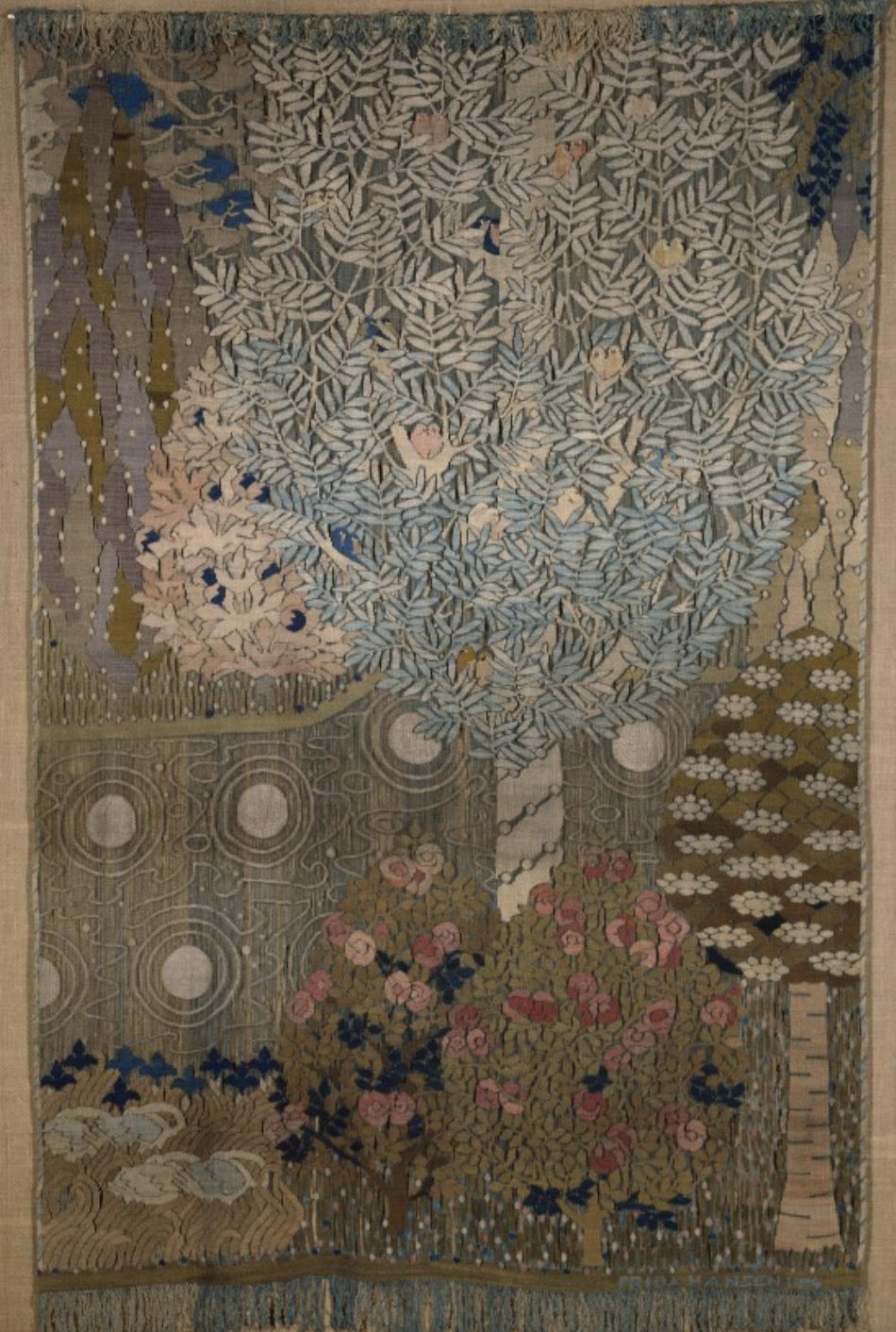
Frida Hansen (1855-1931) was a Norwegian textile artist renowned for her work in the Art Nouveau style. Regarded as a bridge between Norwegian and European tapestry, Hansen’s weaving designs are considered among the finest in recent European textile art. Museums such as the National Museum – Museum of Applied Art in Oslo, Drammen Museum, Stavanger Art Museum, and the Nordic Museum in Stockholm house her works. The rediscovery of “Southward (Sørover)” is a celebration of Hansen’s mastery of the Art Nouveau style and her contributions to Norwegian tapestry traditions. This piece, centered on a theme of Norse mythology, showcases her skill in combining intricate patterns with areas of clear, vibrant colors—a nod to historical Norwegian tapestries. Notably, Hansen created 31 large pictorial flat-weave tapestries in her lifetime, producing at least one very large tapestry annually from the late 1890s to around 1910.
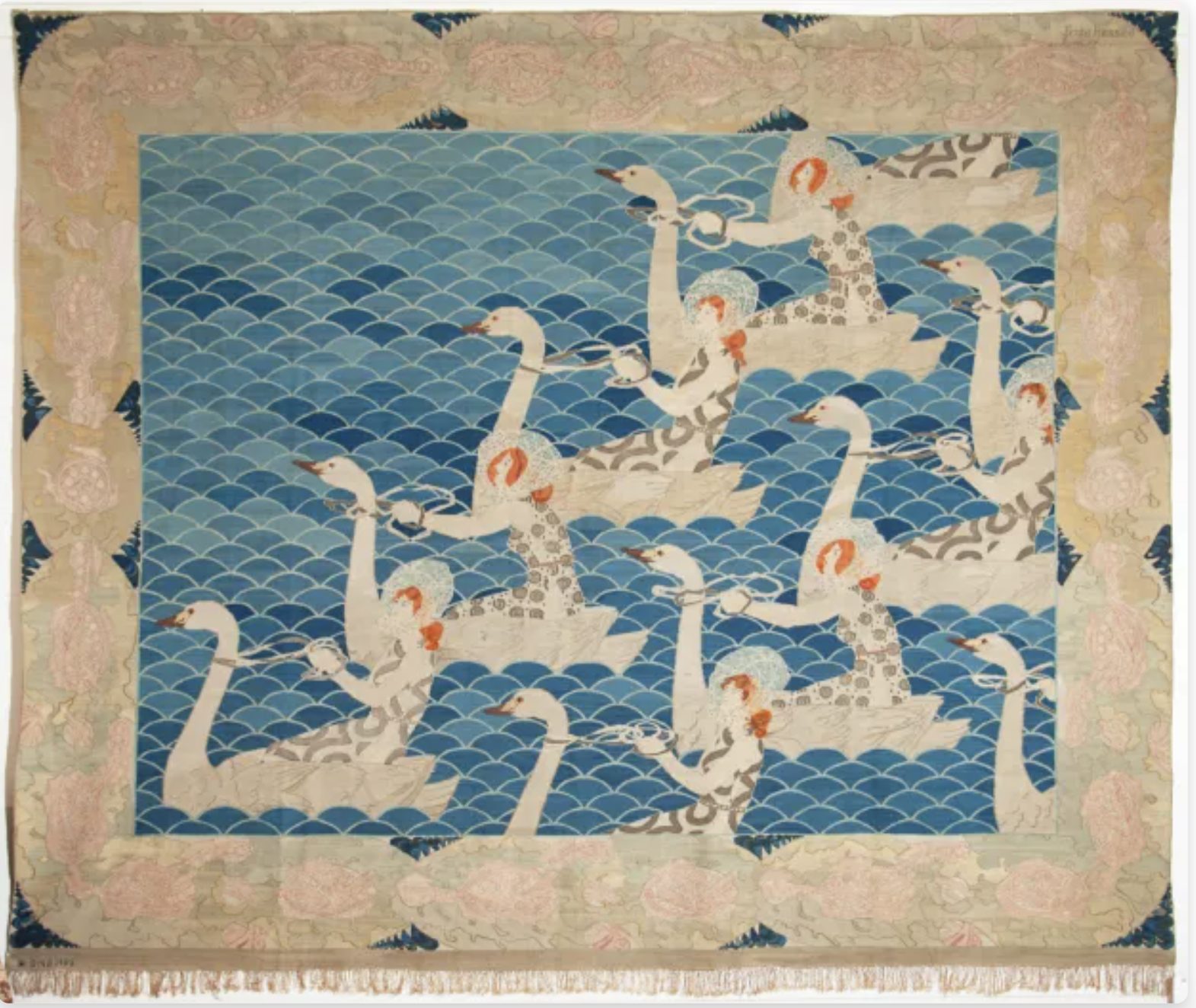
Southward
In 2015, a landmark exhibition marked the resurgence of Frida Hansen’s artistic legacy, bringing her works back into the spotlight after four decades. The exhibition, held in Norway at the Stavanger Art Museum, showcased the exceptional contributions of this internationally acclaimed artist to the realm of Norwegian textile art. Active at the turn of the twentieth century, Frida Hansen played a pioneering role in shaping Norwegian textile art and is hailed as one of the country’s foremost artists associated with Art Nouveau and Symbolism. The centerpiece of her international breakthrough, the tapestry “Milky Way” (1898), earned her a gold medal at the 1900 World’s Fair in Paris. Hansen’s artistic repertoire consisted of large tapestries featuring literary and floral motifs. Notably, for her floral works, she developed and patented a unique technique that allowed her to create partitions, alternating between woven and unwoven ‘transparent’ passages. Her ability to draw her own full-scale cartoons and weave the images herself set her apart, making her the first Norwegian artist to do so. Her color palette and dyeing techniques were influenced by her upbringing in Stavanger, as well as by weavers in Jæren and Ryfylke. Despite these roots, her works were perceived as more international than typically Norwegian, inspired by European movements like Art Nouveau and Symbolism.
During her lifetime, Hansen’s works gained recognition internationally, with purchases made primarily by international museums and collectors. However, in the following generation, her contributions were largely forgotten until the comprehensive exhibition in 1973 at the Museum of Decorative Arts and Design in Oslo. This exhibition repositioned her as a central artist and pioneer. By 2015, Norwegians had rekindled their interest in textile art, and Frida Hansen’s floral motifs and plant-dyeing techniques found renewed relevance in the context of contemporary ecological perspectives. The exhibition at the Stavanger Art Museum aimed to present the breadth of Frida Hansen’s unique artistic practice, featuring works loaned from Norwegian and international collections. The collaboration with curators Anniken Thue and Janne Leithe underscored the importance of revisiting and celebrating Hansen’s enduring artistic legacy. An extensive catalog was produced for this exhibition. The project also includes exhibition design with wall texts and color scheme, marketing material and photo documentation of the exhibition.
nasjonalmuseet
nasjonalmuseet
nasjonalmuseet
Frida Hansen, born Frederikke Bolete Petersen, entered the world in Stavanger, Norway, in 1855, into a life of privilege as the daughter of one of the town’s wealthiest businessmen. Early on, she harbored artistic aspirations and received private lessons from local luminaries like Kitty Kielland. At the age of 18, she married Wilhelm Severin Hansen, another affluent businessman in Stavanger. Following her father’s death, Frida and Wilhelm relocated to Hillevåg, an estate outside Stavanger. During her early years as a wife, Frida immersed herself in planning extensive gardens filled with roses, peonies, exotic flowers, and birds—themes that would resonate throughout her artistic career. Despite facing personal tragedy with the loss of two children, her life of comfort abruptly shifted when her husband’s business succumbed to bankruptcy during an economic downturn in the 1870s. Forced to leave Hillevåg, Wilhelm sought business opportunities abroad, while Frida, demonstrating her entrepreneurial spirit, opened an embroidery shop in Stavanger.
Frida Hansen’s exposure to historical Norwegian weaving was facilitated by her brother-in-law, Carl Sundt-Hansen, who possessed an extensive collection of old pieces. This exposure likely contributed to shaping her appreciation for traditional weaving techniques and designs. The challenges she faced in her personal life and the economic hardships experienced by her family marked a transformative period for Frida, prompting her to adapt and channel her artistic talents in new directions, setting the stage for her remarkable journey as a textile artist. After obtaining a vertical loom and brief instruction, Frida Hansen fearlessly embarked on her first tapestry project, creating a piece over two meters in height. Remarkably, within a year, she not only completed the sizable tapestry titled “Birkebeiner Soldiers Smuggling Haakon Haakonson Over the Mountain” but also delved into the exploration of plant dyes used in her yarn. She conducted interviews with elderly women in the regions of Jæren and Ryfylke, located south of Stavanger, to deepen her understanding of these dyes
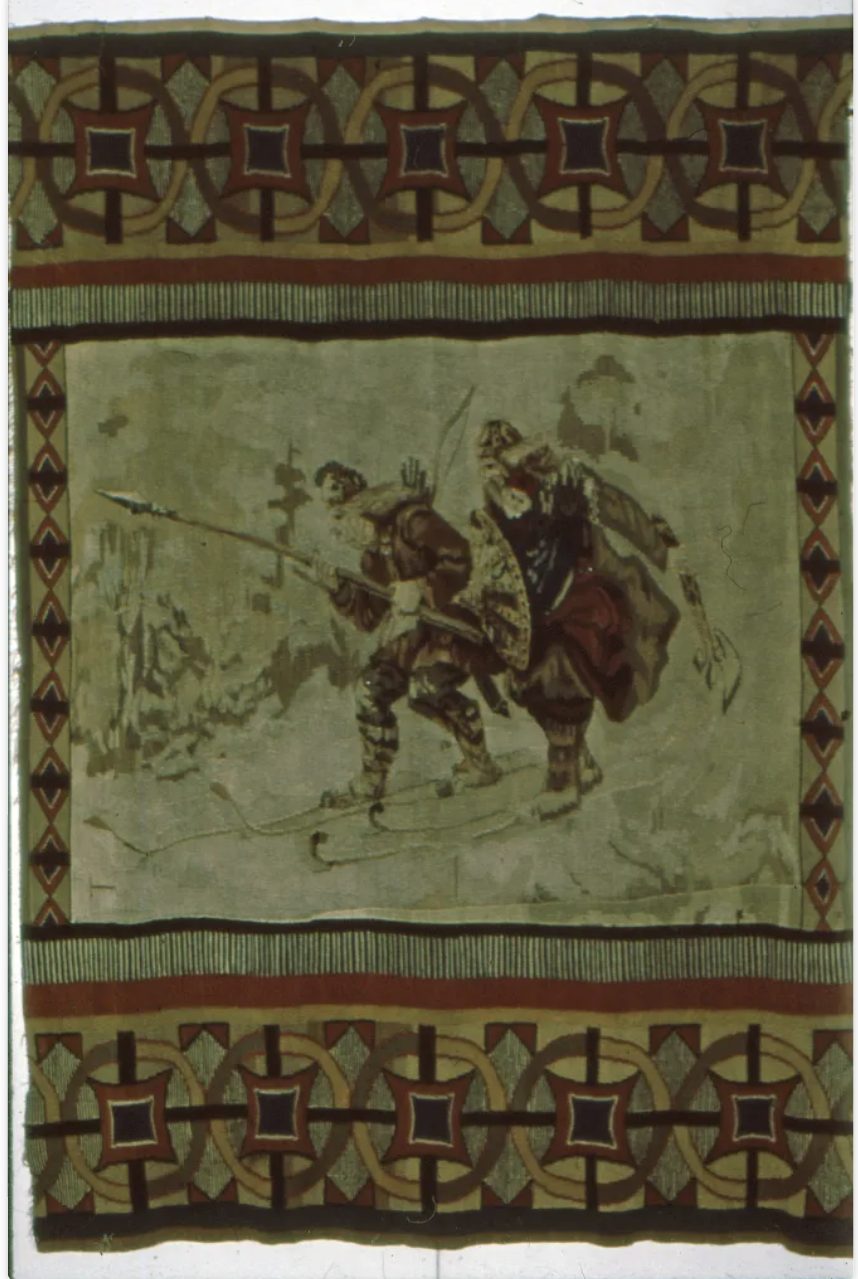
Photo: Finn Levy
This initial venture into tapestry proved to be an enlightening experience for Frida. Rather than imitating paintings, she decided to forge her own path by creating designs and figures uniquely suited to the medium of weaving. Throughout the 1890s, she dedicated herself to rediscovering old Norwegian weaving techniques and establishing a thriving weaving business to sustain herself and others. Her deep interest in the qualities of Norwegian wool and historical tapestry techniques aligned with the prevailing sentiments of National Romanticism—a period marked by intense patriotic fervor that fueled a quest for authentic, historical folk art. In the early stages of her career, Frida Hansen’s efforts in revitalizing traditional Norwegian weaving techniques gained recognition, even garnering attention in American newspapers. In 1893, she journeyed to the Chicago World’s Fair to oversee the installation of textiles in the handcraft exhibit, earning praise for her leadership and artistic contributions:
“Handsome work indeed are the embroideries and tapestries which the Norse women are producing under the leadership of Mrs. Frida Hansen, who furnishes artistic design and teaches the peasant women how to work them out.” (Topeka State Journal, August 3, 1893)
At the fair, she also exhibited a large tapestry titled “Dandelion” (Løvetand, 1893) in the Women’s Pavilion, commissioned by the Norwegian Feminist Association. This tapestry, rich in symbolism related to women’s emancipation, featured a dandelion as a central motif, emphasizing resilience and growth even when trodden upon. While dedicated to reviving traditional Norwegian weaving, Hansen pursued her artistic path, undertaking study trips abroad in 1894 and 1895. During these travels, she explored Medieval German art in Cologne, studied figure drawing in Paris, and encountered the works of Symbolist and Art Nouveau artists such as Gustave Moreau, Puvis de Chavannes, Eugene Grasset, Alphonse Mucha, and Paul Berton.
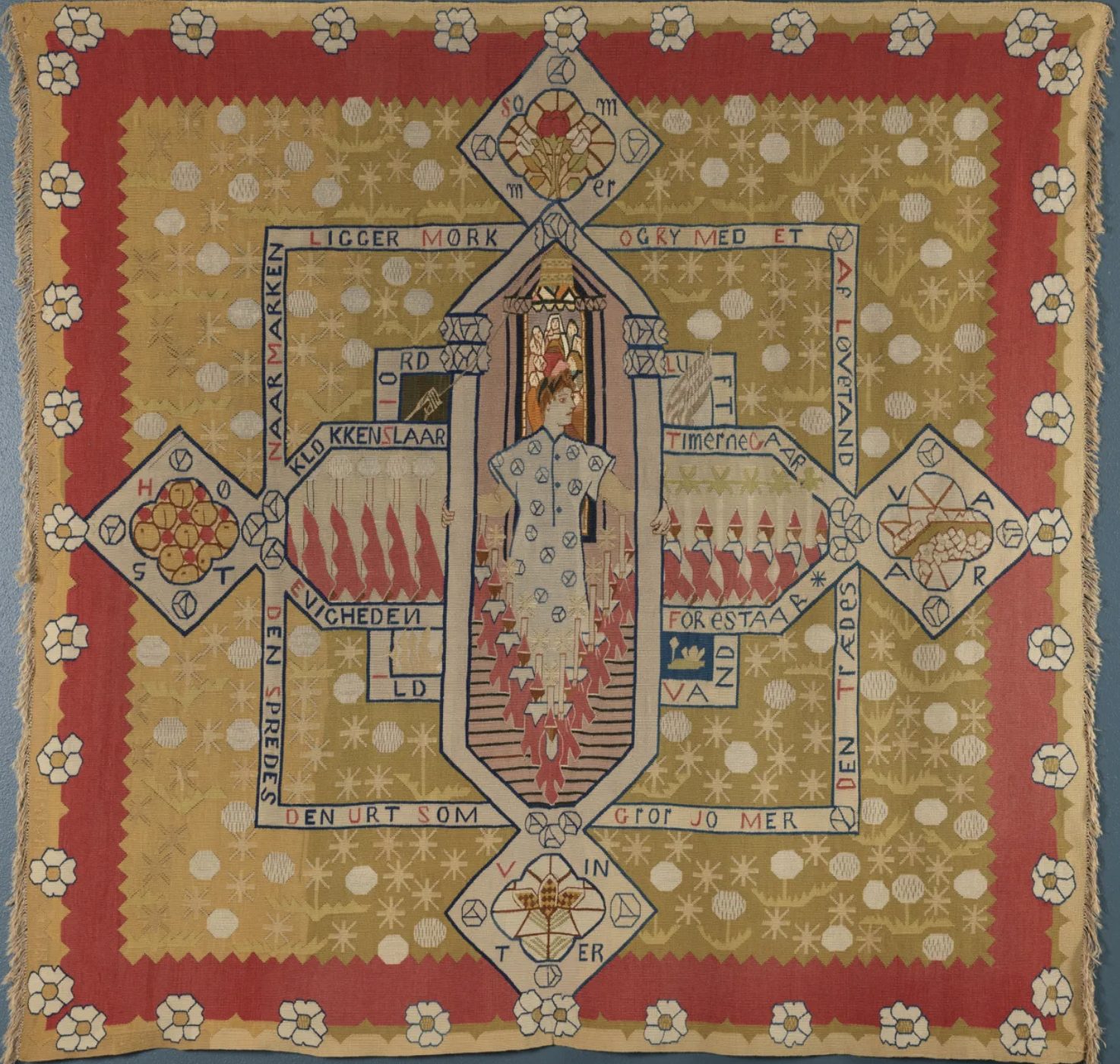
Frida Hansen. Dandelion (Løvetand, 1893) Stavanger Kunstmuseum.
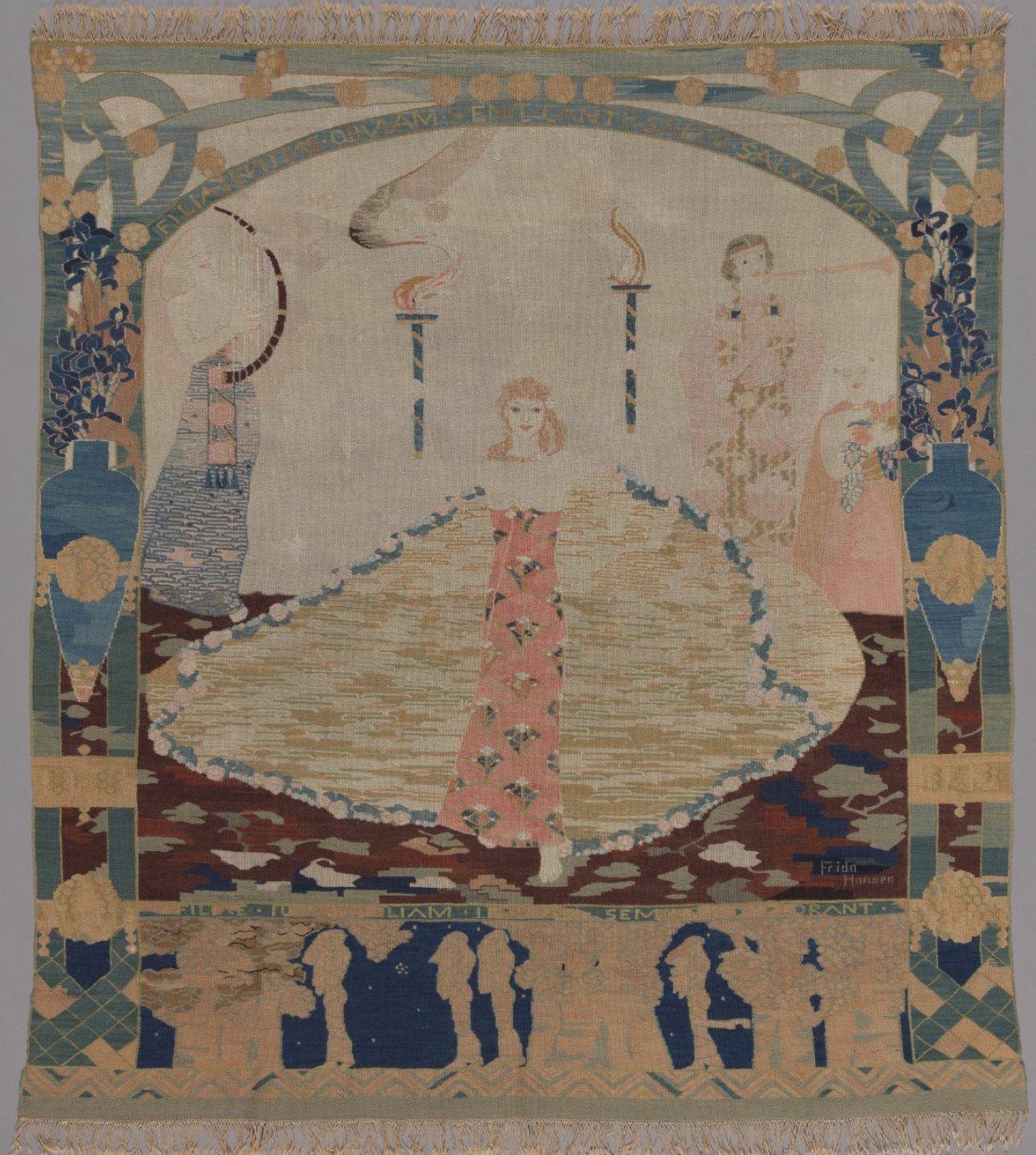
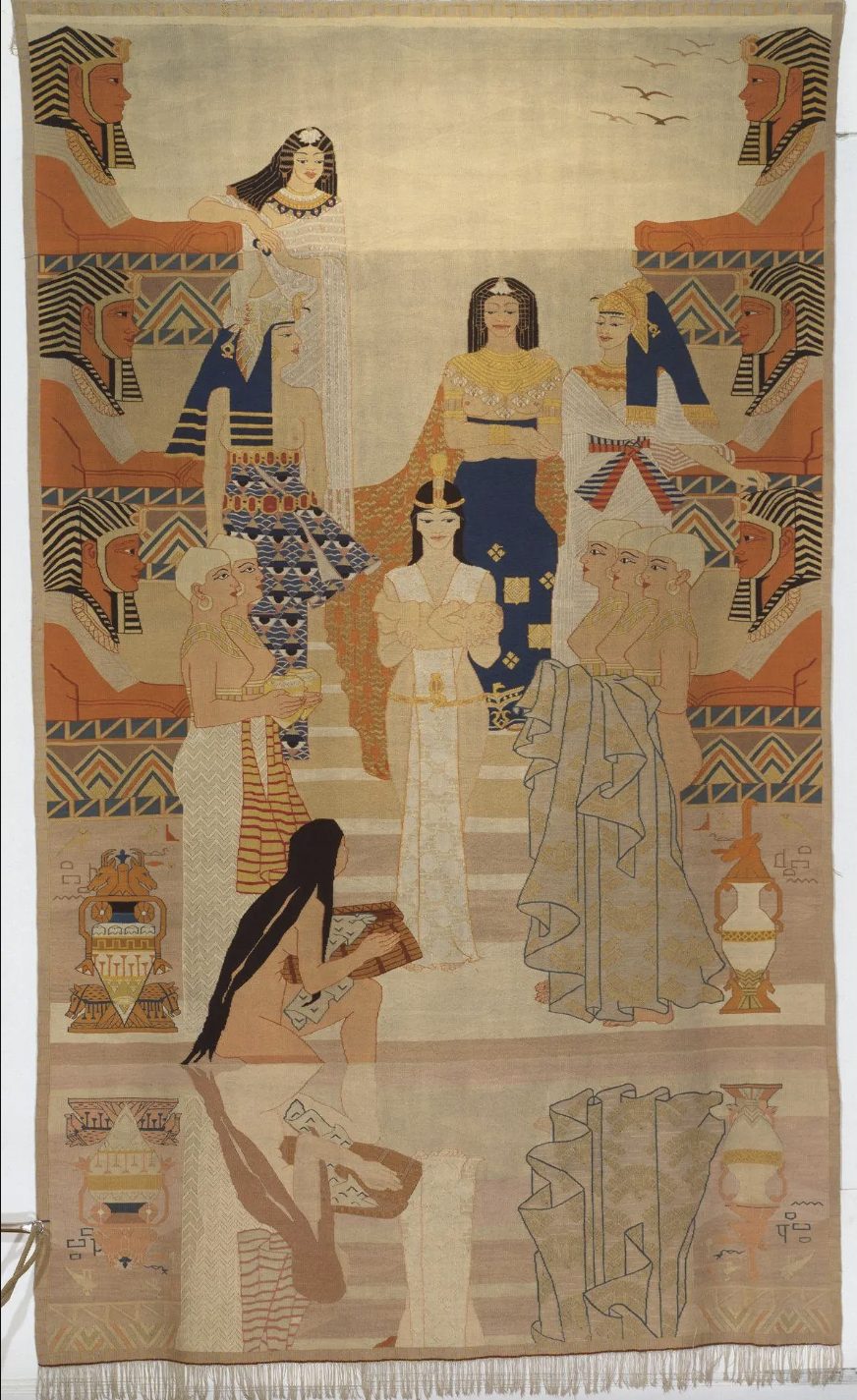
Hansen’s artistic evolution reflected her affinity for Art Nouveau imagery, influenced by the exotic birds and flowers of her youth. Throughout her career, she remained connected to artistic movements abroad, subscribing to the British art periodical The Studio: An Illustrated Magazine of Fine and Applied Art. As her artistic vision developed, some of her works faced criticism for not adhering strictly to Norwegian themes, incorporating foreign influences, or employing a color palette deemed non-Norwegian. For instance, the tapestry “The Pharaoh’s Daughter” (Faraos Datter, 1897) demonstrated Hansen’s willingness to explore beyond Norwegian tales or myths.
Nasjonalmuseet
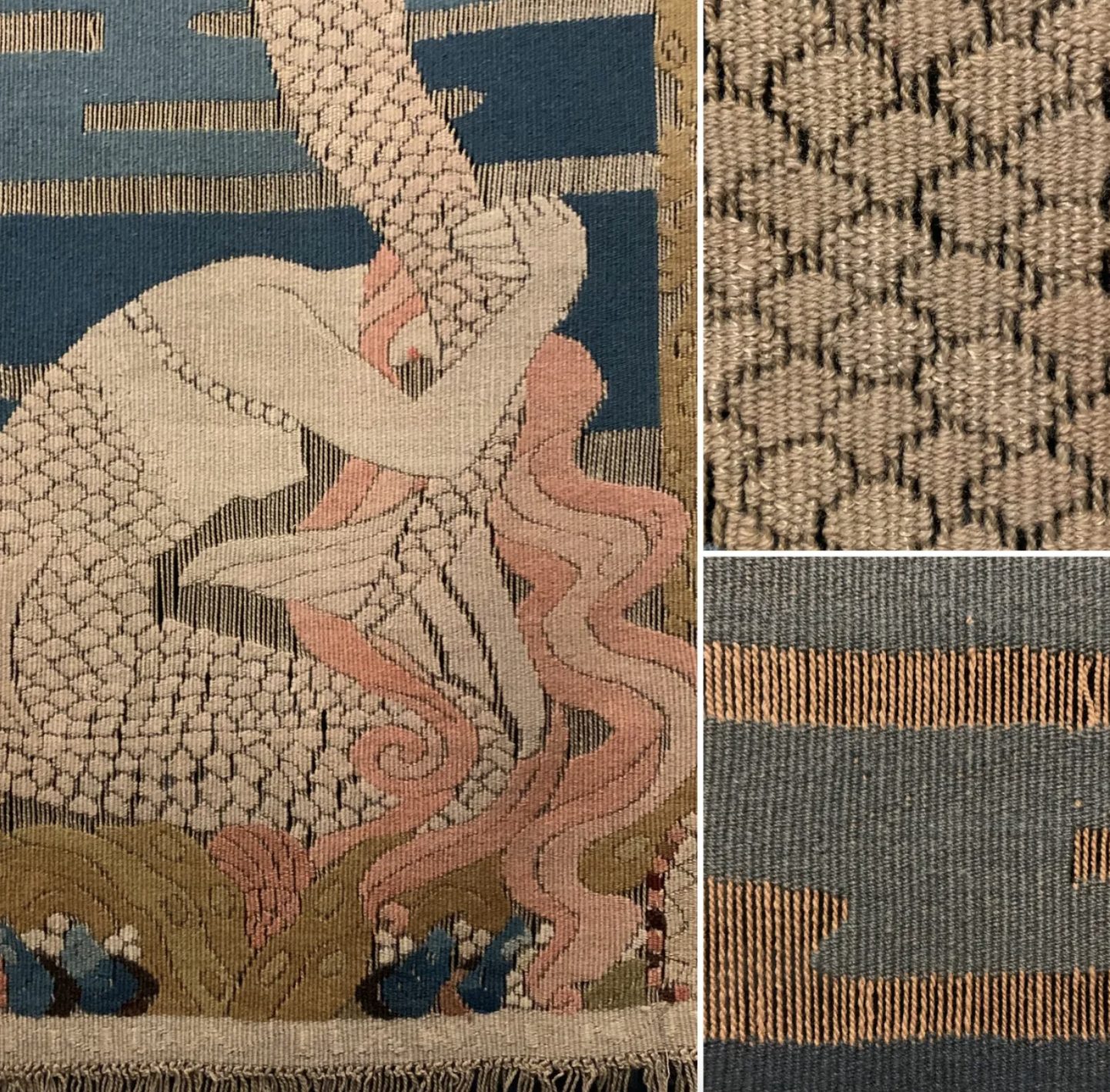
In 1897, Hansen received a patent for a special form of transparent tapestry. This innovative technique involved weaving the wool weft for the pattern on a warp of plied wool, leaving portions of the warp unwoven to allow light to shine through. While this method was functional for items like portieres (curtains), Hansen continued to weave her own art tapestries while designing transparencies for others to weave in series. Her transparencies gained popularity both in Norway and internationally. In 1897, Frida Hansen, in collaboration with Randi Blehr, established the Norwegian Rug and Tapestry Workshop (Norsk Aaklæde og Billedtæppe-Væveri, NABV), later renamed The Norwegian Tapestry Studio (Det Norske Billedvæveri, DNB) in 1899. Serving as the director until its dissolution in 1904, Hansen played a pivotal role in making the DNB one of Europe’s most important weaving studios with around twenty weavers. Her leadership brought Norway to the forefront of European textile art.
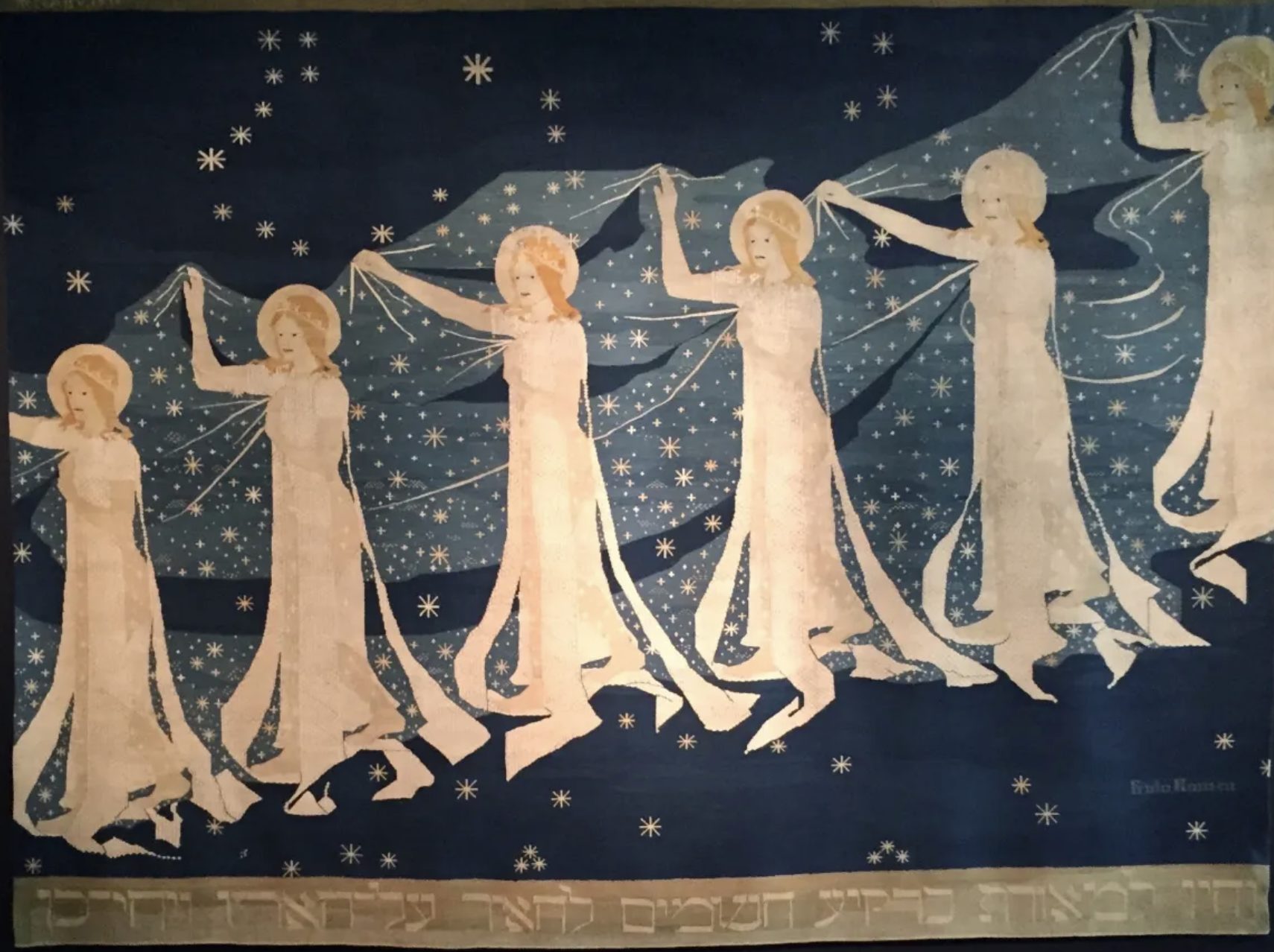
Frida Hansen was a groundbreaking artist, possibly the first globally to both conceive her own designs and personally weave her tapestries. Her remarkable achievements and multifaceted growth as a businessperson, weaver, and artist during the 1890s were extraordinary. Commencing her first tapestry in 1889, she achieved notable success by 1898, weaving perhaps her most renowned work, “The Milky Way” (Melkeveien). Exhibited at the Bergen Exhibition in 1898 and showcased in Berlin (1899) and London (1900), “The Milky Way” was purchased by the Museum für Kunst und Gewerbe in Hamburg. At the 1900 World Exhibition in Paris, the DNB received a gold medal for its collection of 45 pieces, and Frida Hansen was personally awarded a gold medal for her artistic merits. Notably, seven of her transparent wool tapestries were displayed at the fair, solidifying her international reputation. However, Norwegian museums did not acquire her works despite the fair’s success.
Nasjonalmuseet
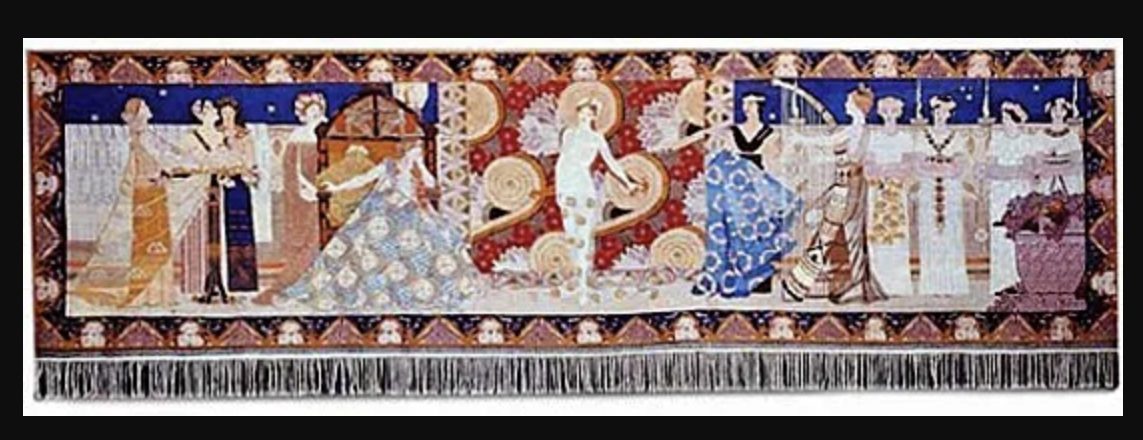
When exploring themes from historical Norwegian tapestries, Frida Hansen infused them with a contemporary style. In “The Dance of Salome” (Salomes Dans, 1900), a sinuous Salome takes center stage in the expansive seven-meter-wide tapestry. “Southward” (Sørover, 1903), another masterpiece, was privately purchased by Berthea Aske Bergh, a Brooklyn weaving instructor and socialite. Bergh played a crucial role in introducing Frida Hansen to the United States. Intriguingly, a House Beautiful article in 1929 recounted how Bergh convinced American art connoisseurs of Norway’s advanced weaving art. To prove her statements, Bergh sailed to Norway and secured the magnificent tapestry “Southward” from Hansen’s studio, near its completion. The acquisition marked the beginning of Frida Hansen’s introduction to the United States, thanks to Bergh’s efforts in challenging skepticism about Norway’s artistic heritage.
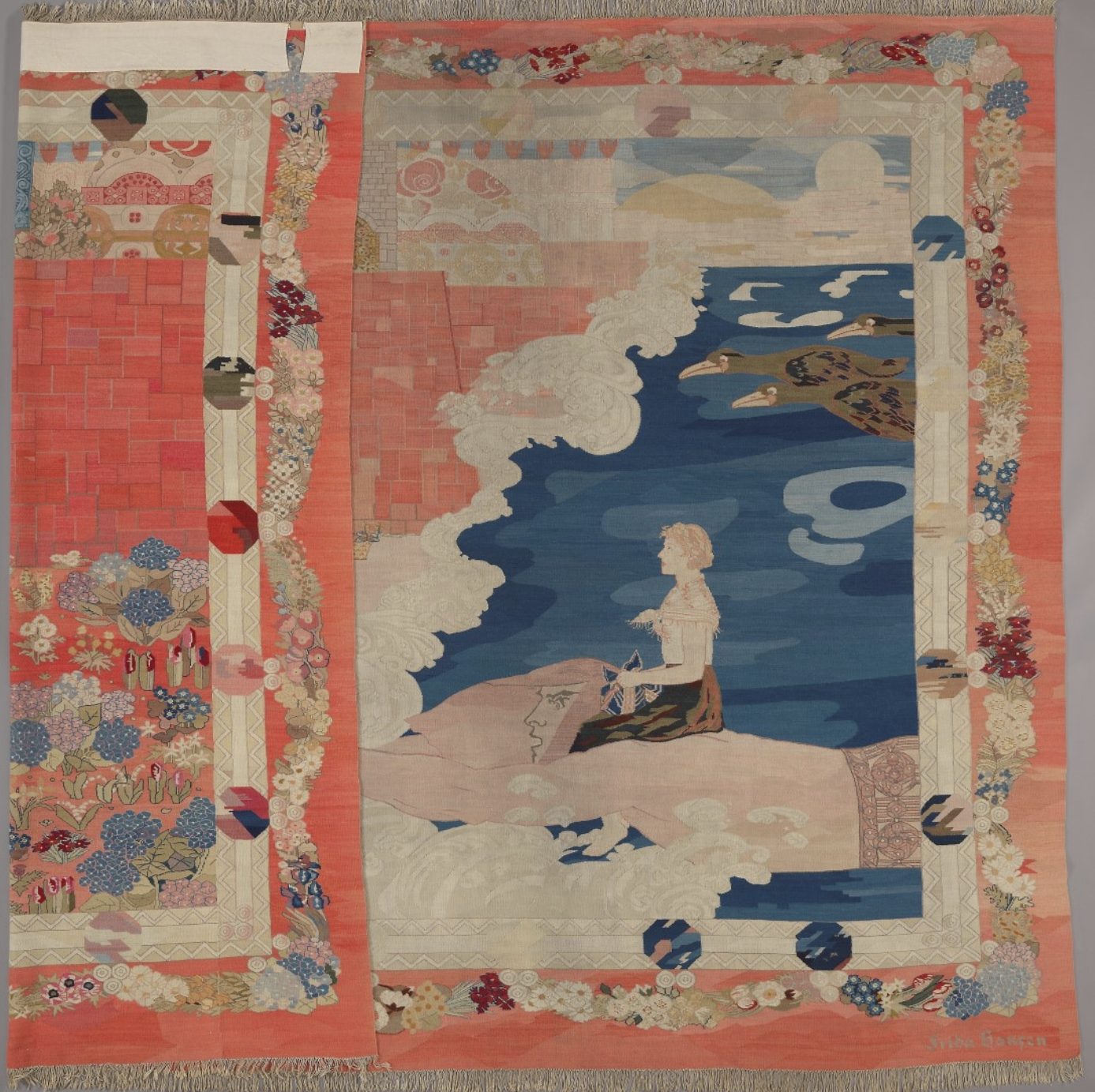
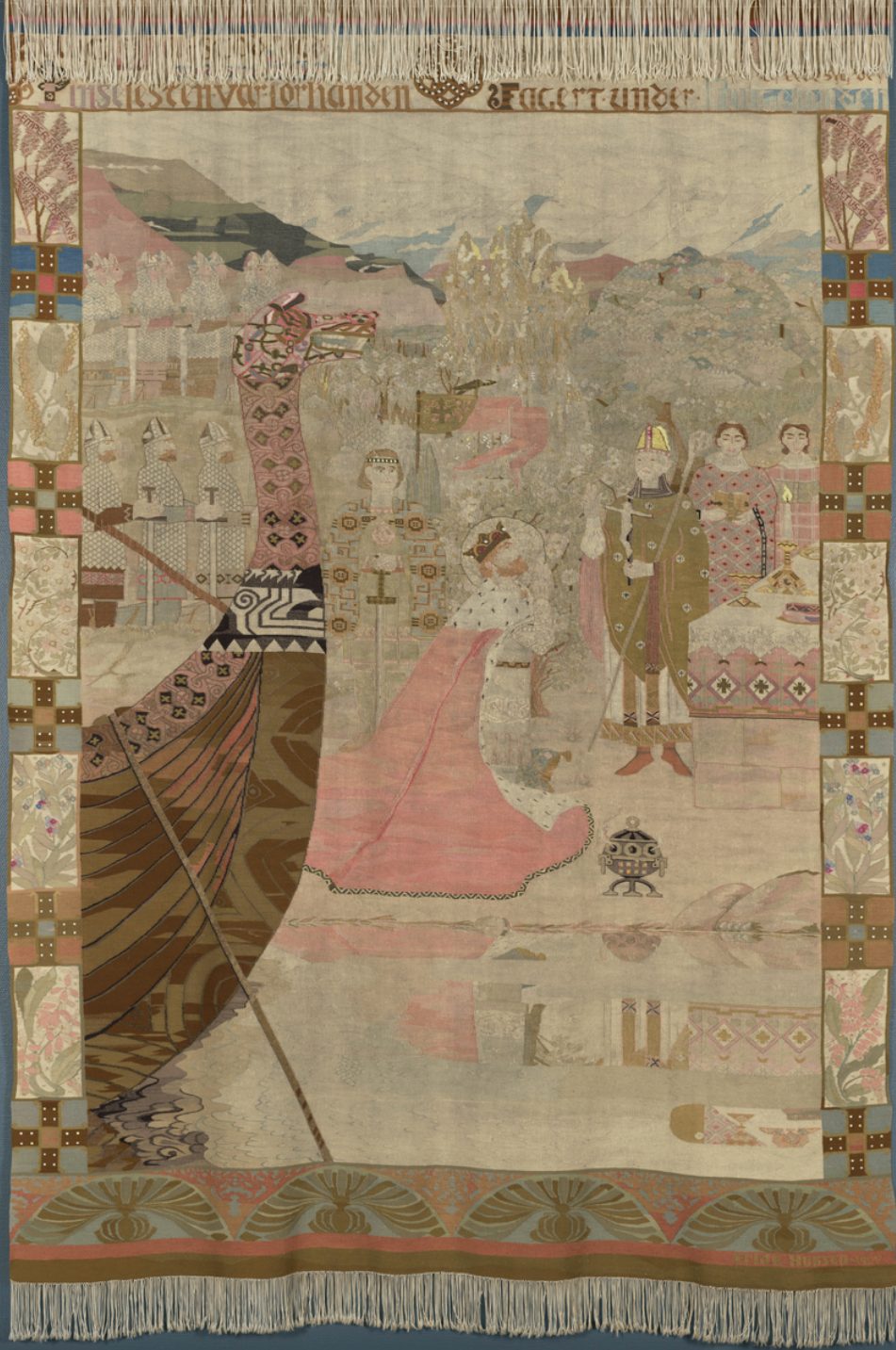
Frida Hansen’s final monumental tapestry, created to commemorate the 900th anniversary of Christianity in Norway, featured a Norwegian theme and marked a poignant culmination of her artistic journey. Woven from 1927 until her passing in 1931, the tapestry was posthumously completed by her daughter, Elisa Levy, and granddaughter Signe Levy. At the tapestry’s center, King Olav kneels, flanked by representatives of the state and church, with the Norwegian glacier, Folgefonna, forming the backdrop. In a symbolic return to her roots, the citizens of Stavanger, Hansen’s hometown, raised funds in 1934 to install the tapestry in the Cathedral in Stavanger. With this masterpiece, Frida Hansen came full circle in her career. She commenced her artistic journey by revitalizing traditional Norwegian weaving, and while she continued to draw inspiration from Norwegian themes in her own tapestries, she also followed her heart and curious nature. Her oeuvre includes depictions of exotic Egyptian women, mermaids, and themes from Greek mythology. In total, Frida Hansen wove 30 large tapestries and designed around 80 transparency designs. Despite achieving international recognition as an Art Nouveau artist, her final years were dedicated to weaving a noble Norwegian historical image.
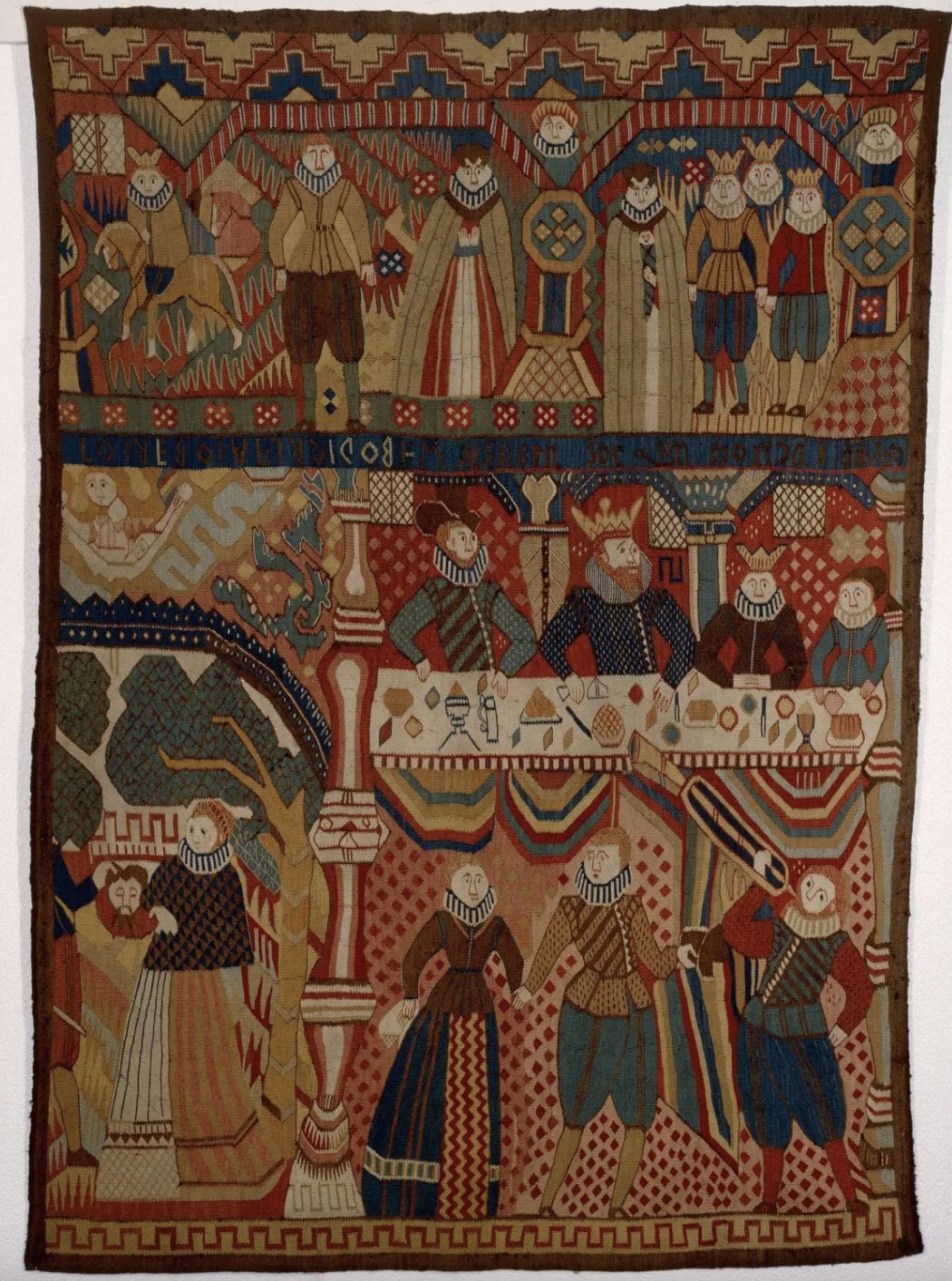
Nasjonalmuseet
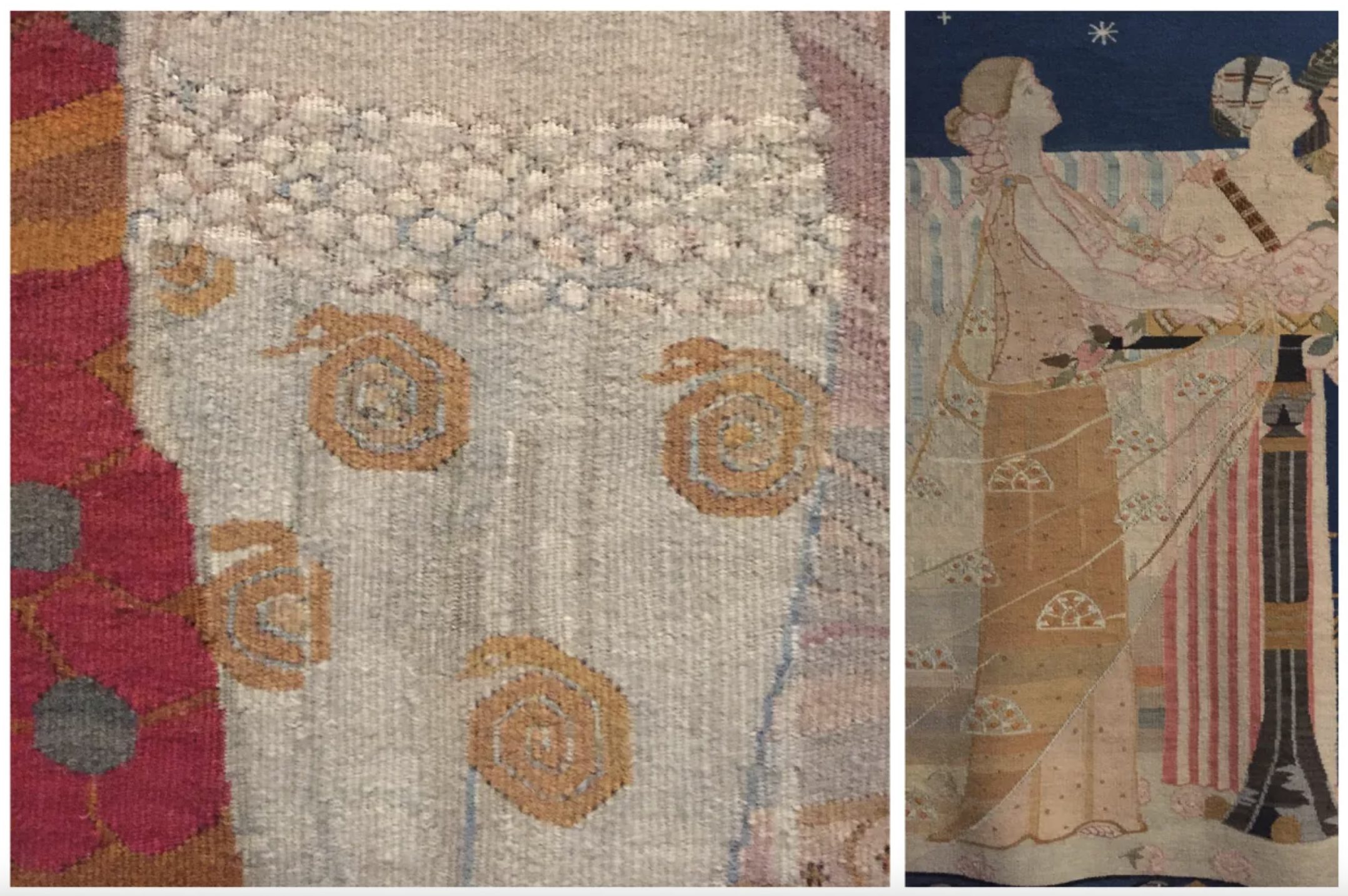
Nasjonalmuseet
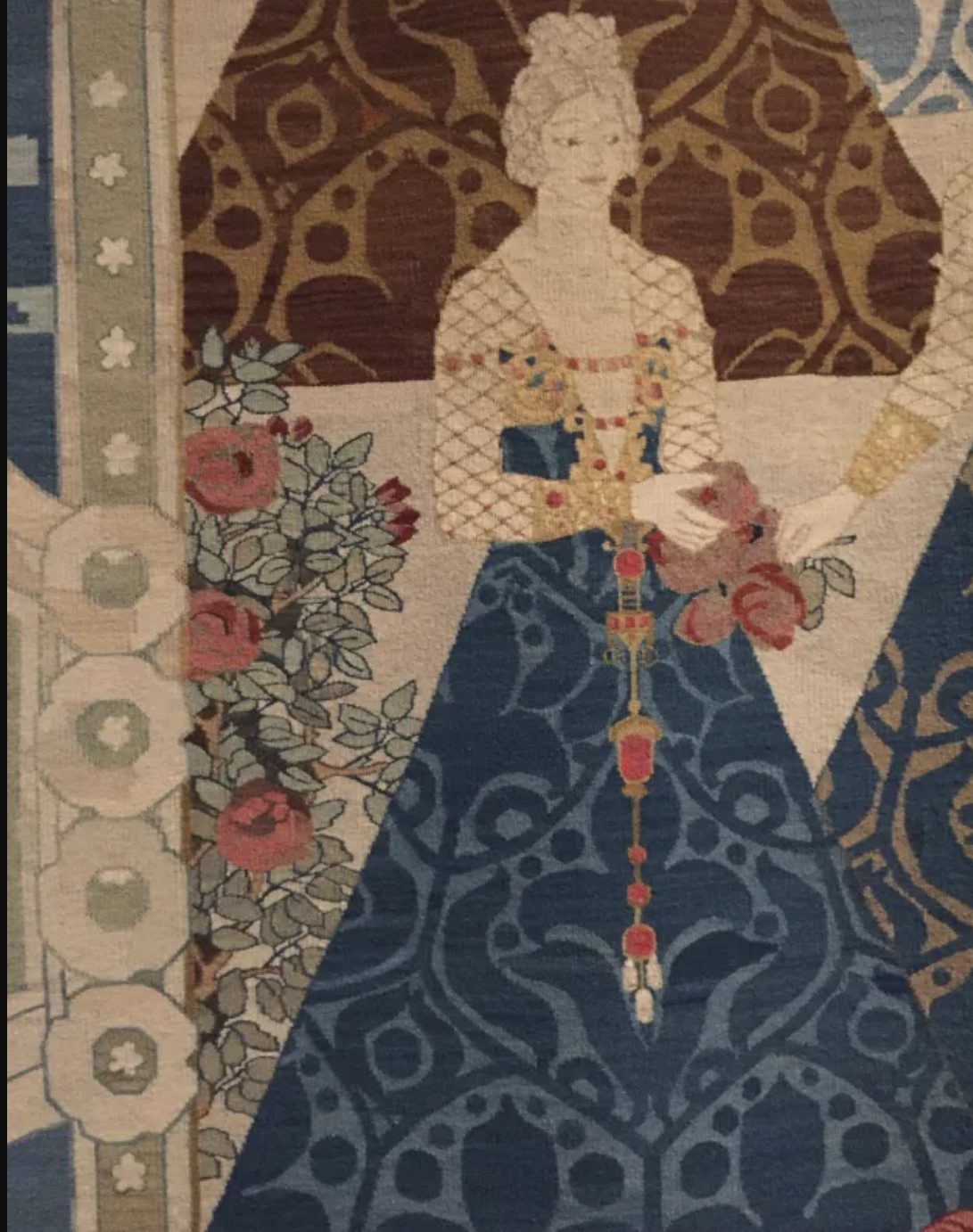
Nasjonalmuseet
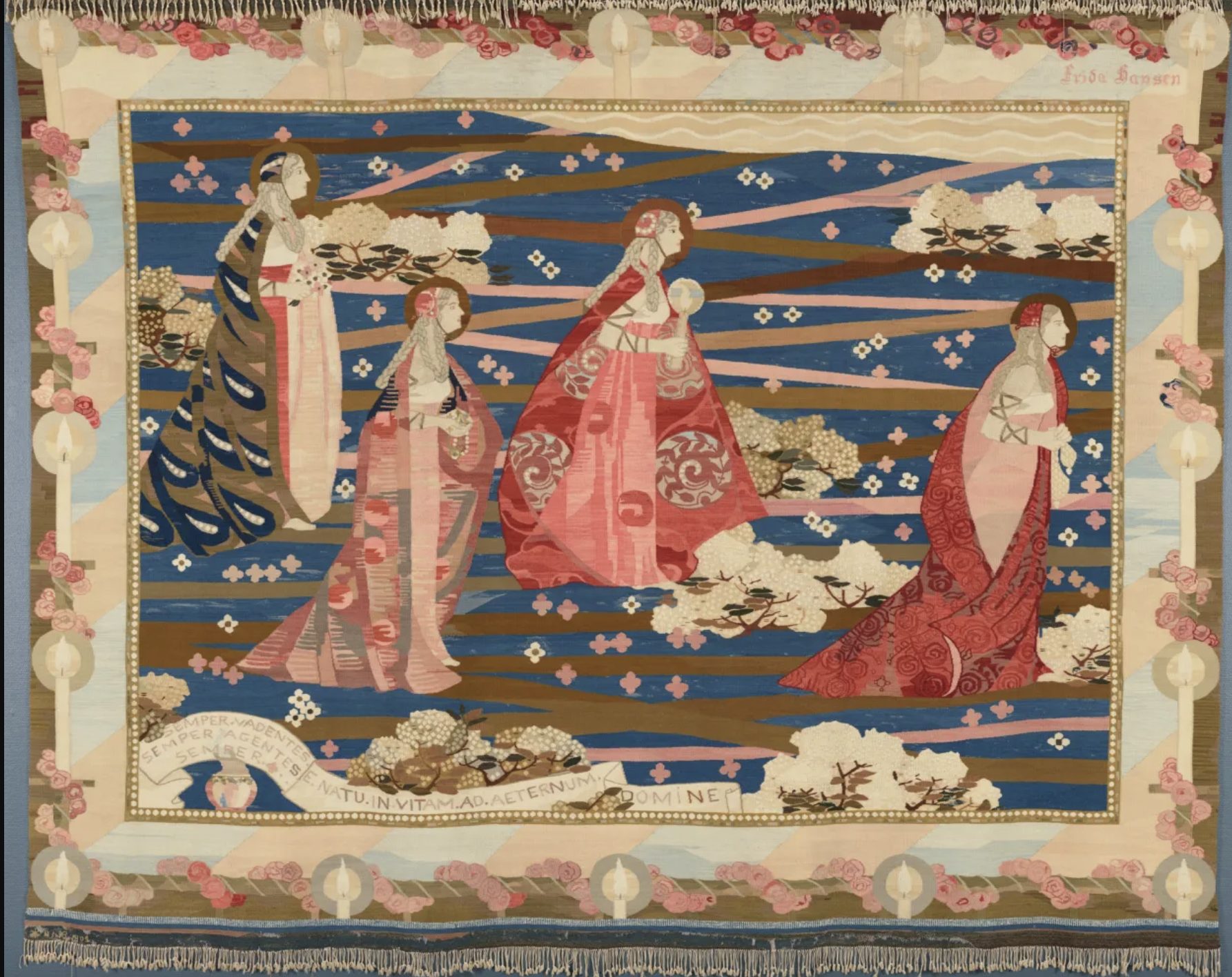
Nasjonalmuseet
Nasjonalmuseet
View Rug & Kilim’s collection of Tapestries here – https://rugandkilim.com/shop/?s=tapestry
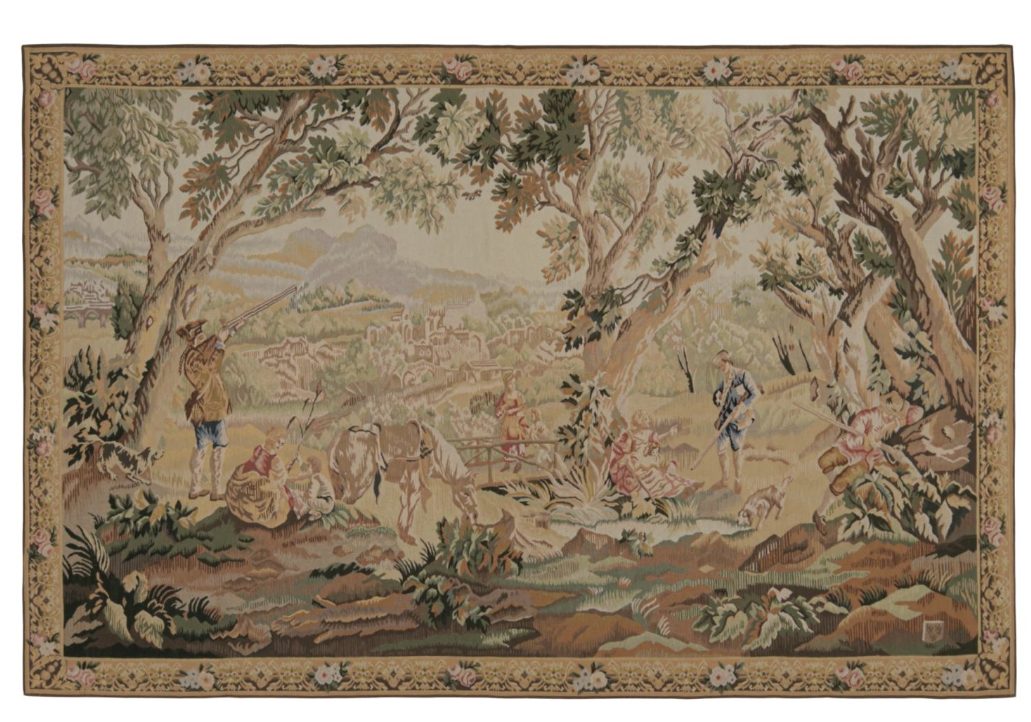
Meanwhile have a look at our favorite European Tapestry here –