

A Profile on Marion Dorn – The “Architect of Floors”
April 1, 2024
Frida Hansen as a Bridge between Norwegian and European tapestry
April 2, 2024
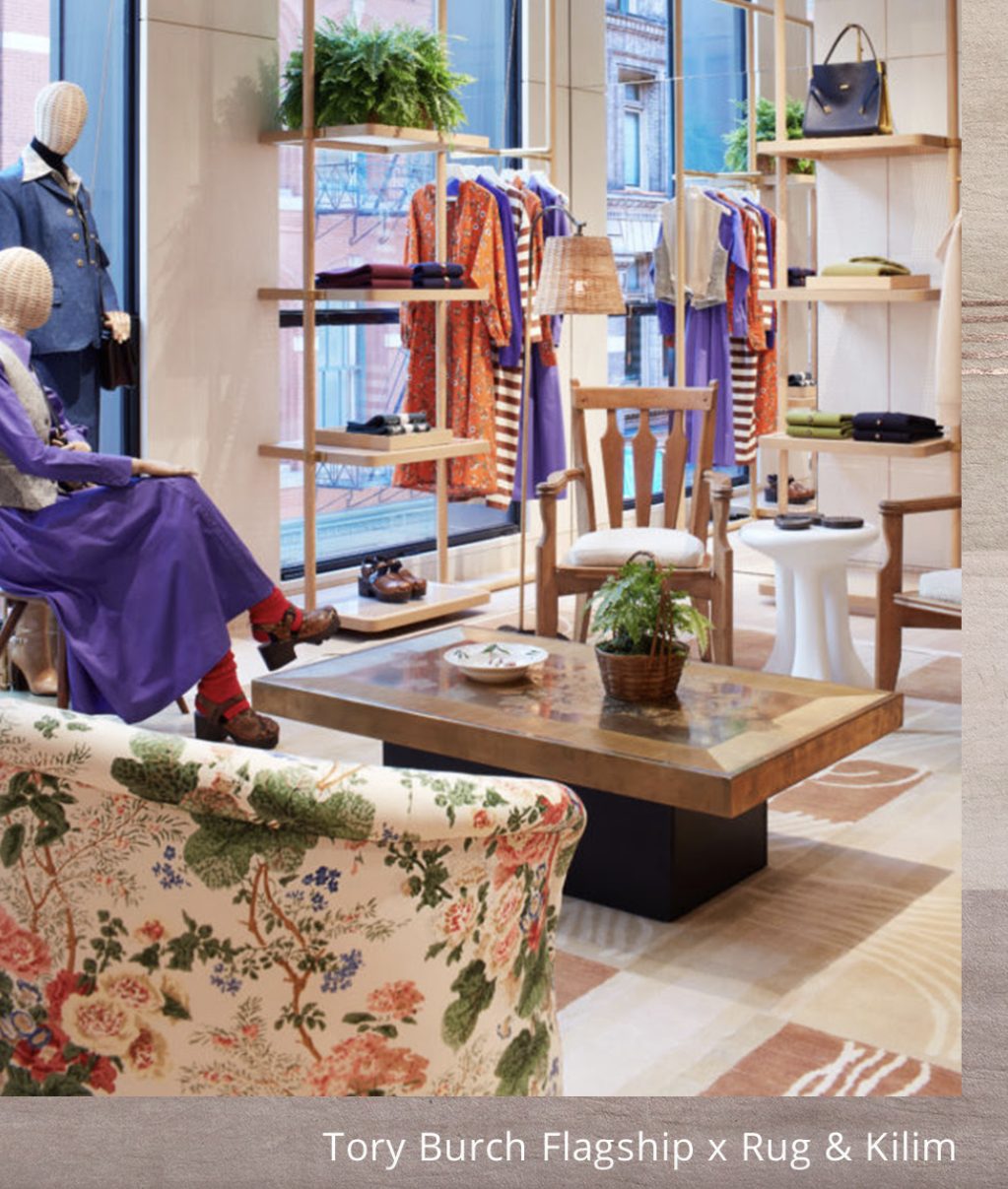
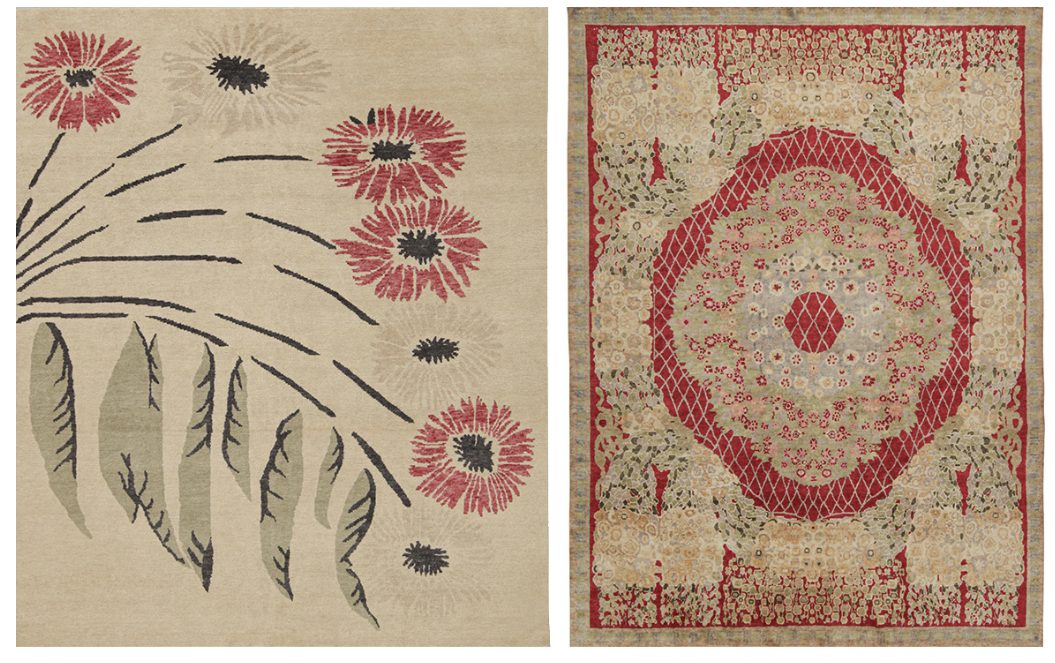
“Rarity Speaks Volumes” French Art Deco is indistinguishable from their 1920s inspiration in color, detail, and durable texture that sits comfortably in any space—the only difference is their high-end quality. Since he began as a reputed antique rug collector, our Principal Jahanshah Nazmiyal was particularly well known for forecasting and curating antique Art Deco rugs long before they were sought after in his field. The result of this diligence and our Design Team’s expertise is our Art Deco Collection, which hosts both a wide range of one-of-a-kind antique and vintage rugs as well as a new custom line nearly indistinguishable in its quality from the original 1920s inspirations — Chinese Deco, French Deco, Austrian Deco, Swedish Deco, American Deco, Dutch Deco and many more.
French Art Deco distinguished itself from a celebration of mass production, presenting a continuation of the fine workmanship associated with the best antiques. While rooted in traditional craftsmanship, it embraced a future-facing outlook, resulting in designs that appeared both decorative and modern to contemporary connoisseurs.
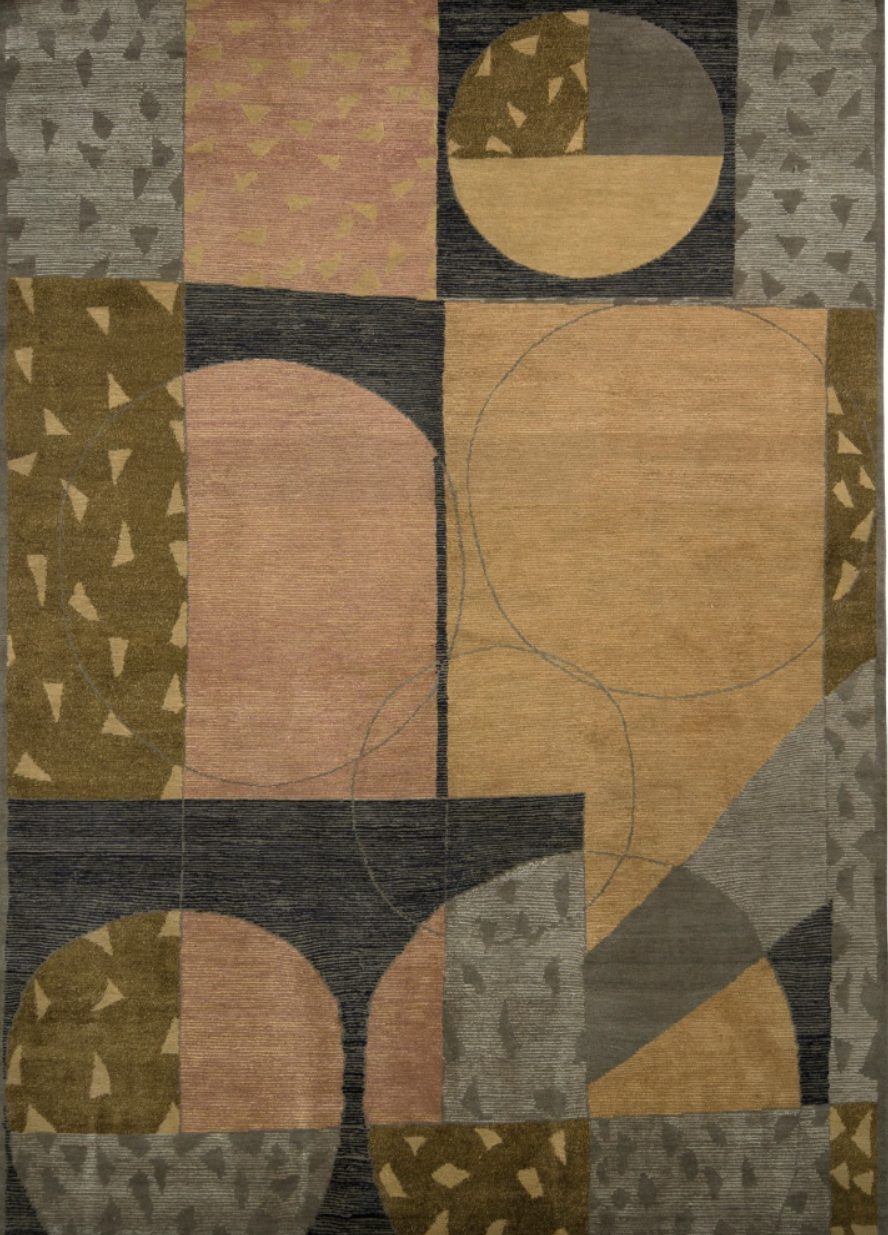
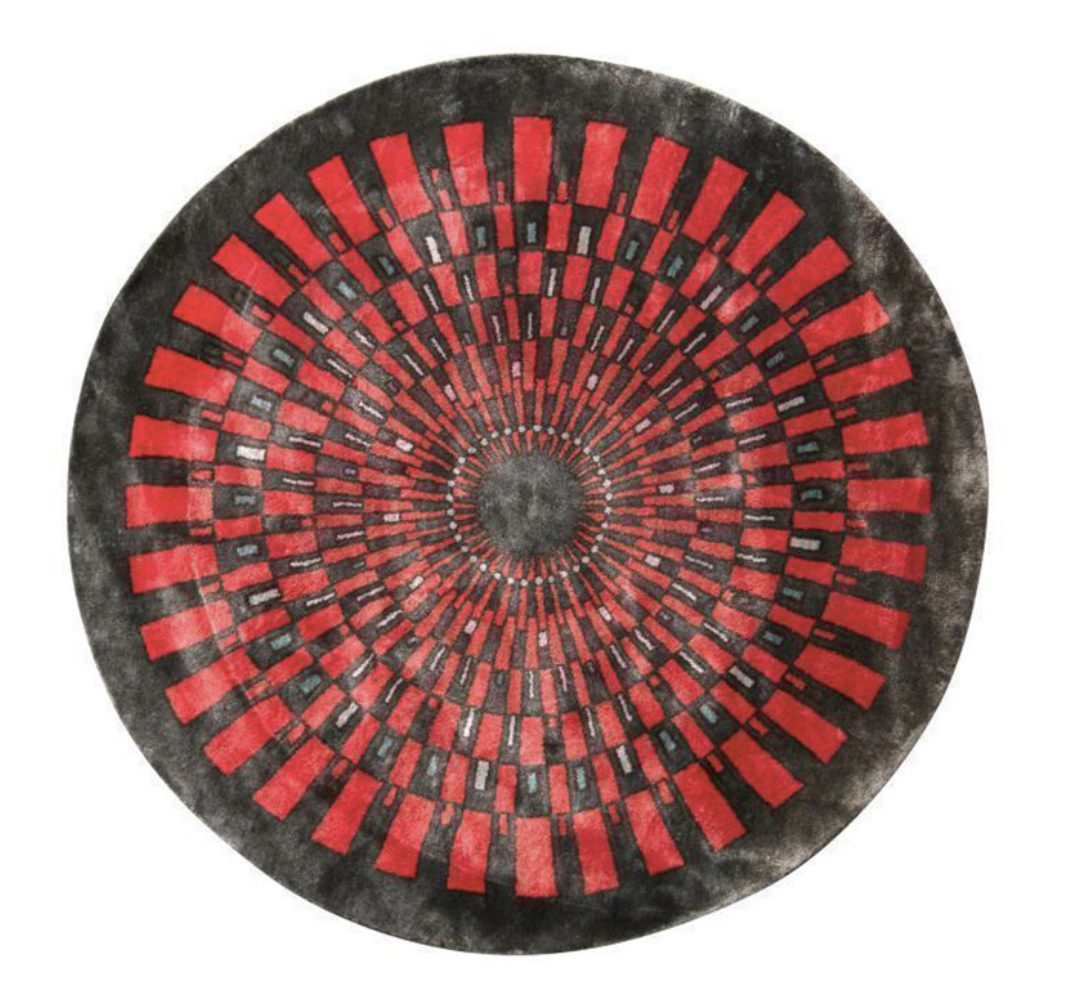
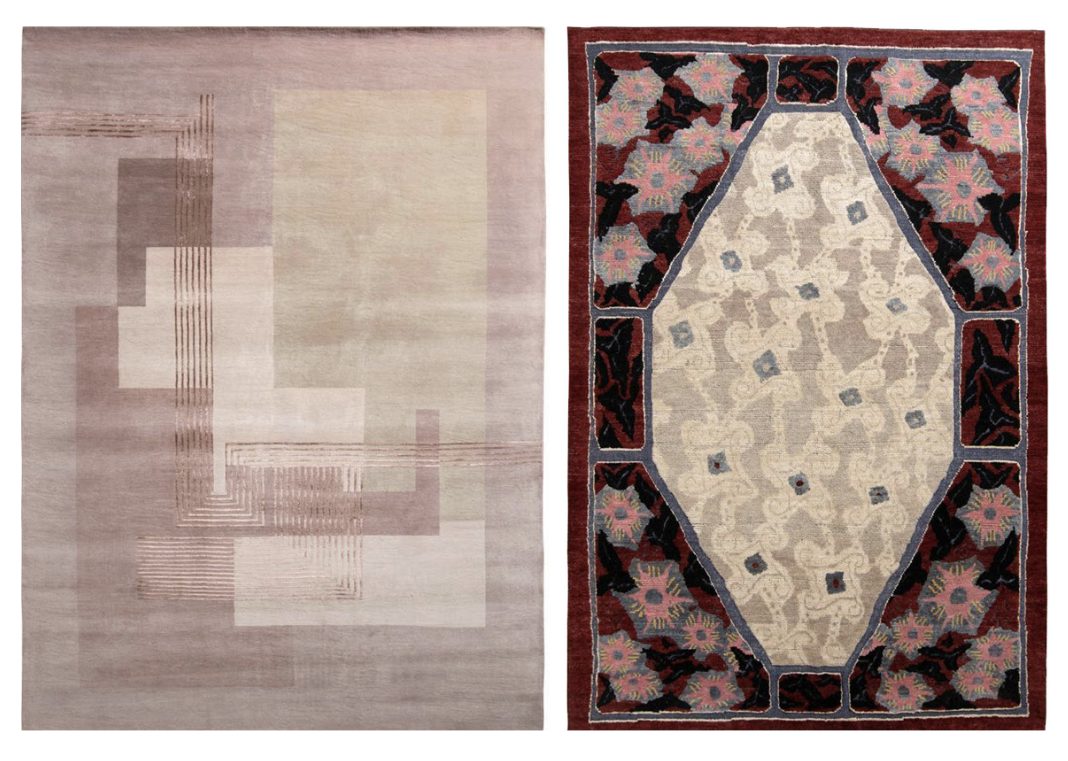
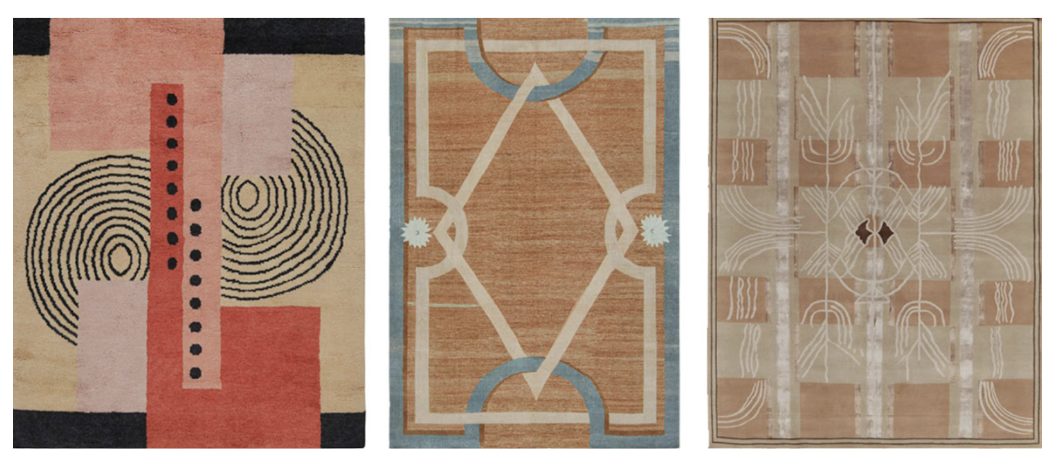
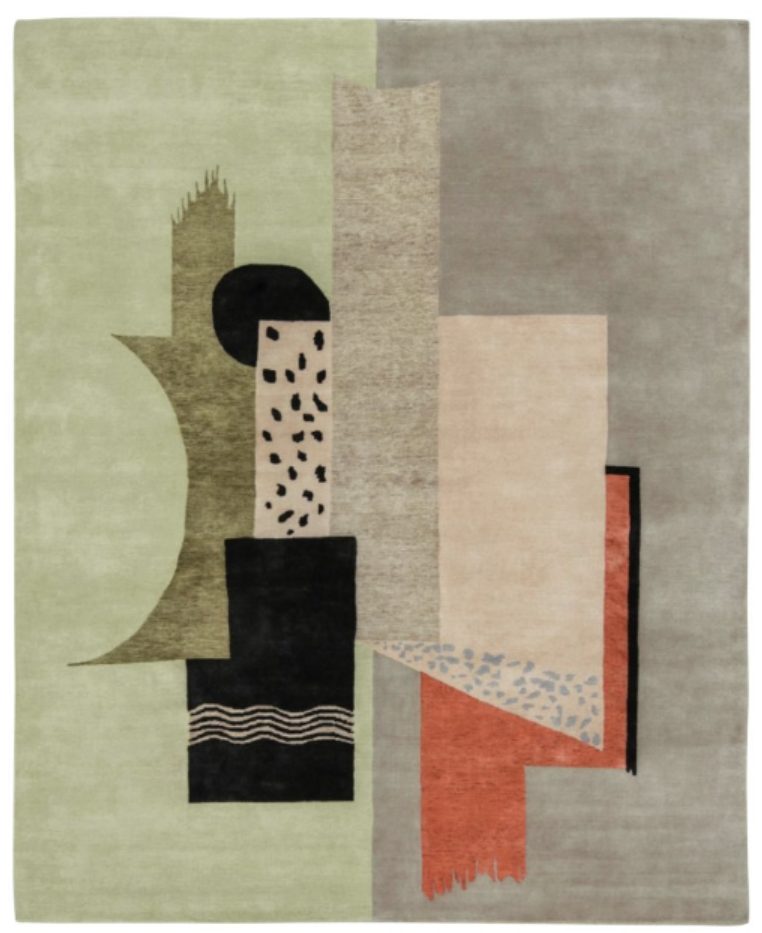
Marrying bold hues of pink, black, gray, green, and beige-brown in French Deco geometric sensibility, the tasteful abrashing and texture in the background lends a whole new sense of movement to the already engaging, chic geometric pattern—playing the tactile allure with a mid-century modern rug aesthetic appealing to an interesting variety of modern projects. Each colorway in this range is complemented by the silk’s natural sheen, playing both with the dual movements and the variety for a one-of-a-kind aesthetic.
The enduring appeal of French Art Deco can be attributed, in part, to its incorporation of Cubist influences, which imparted a sense of modernity to its designs. This infusion of Cubist elements added a contemporary and avant-garde dimension to French Art Deco, making it particularly attractive to collectors and designers. The movement’s ability to blend traditional craftsmanship with cutting-edge influences contributed to its lasting significance in the world of art and design
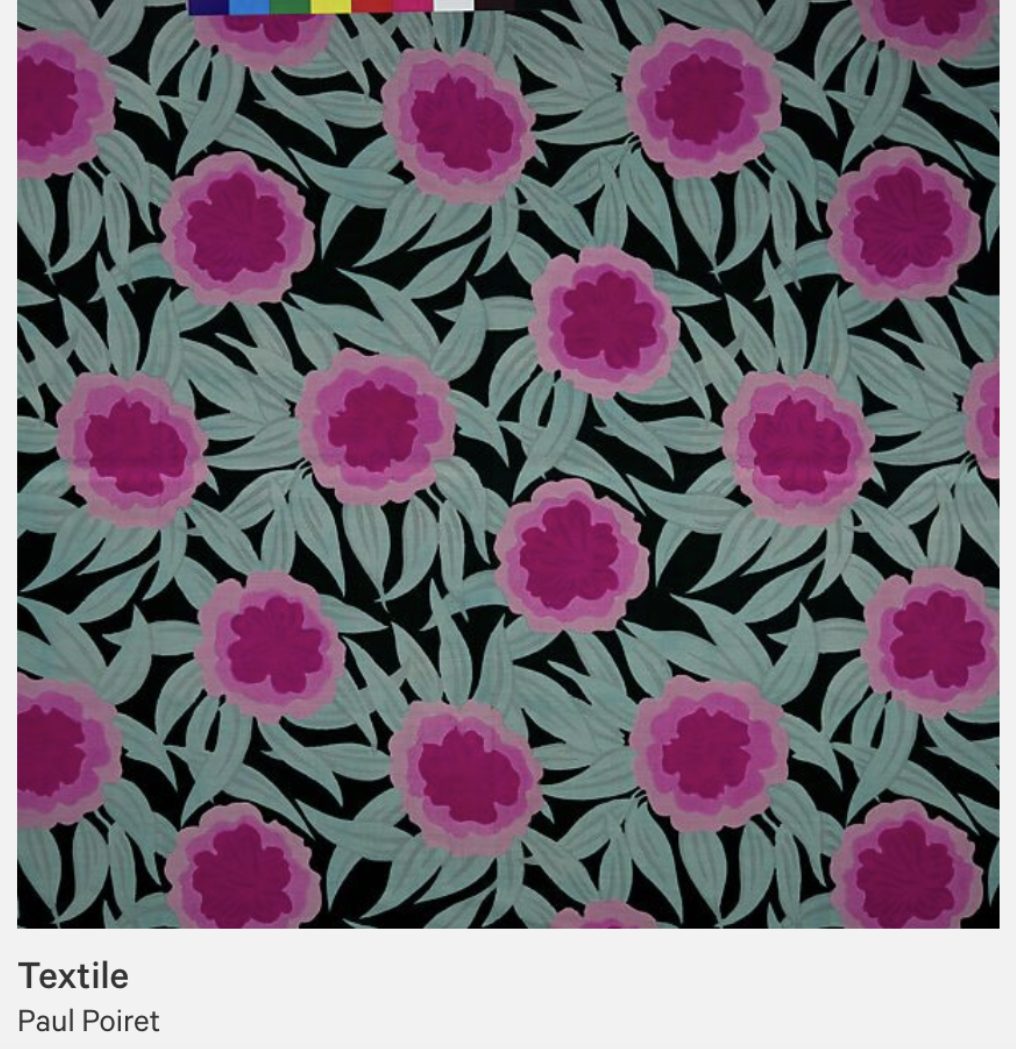
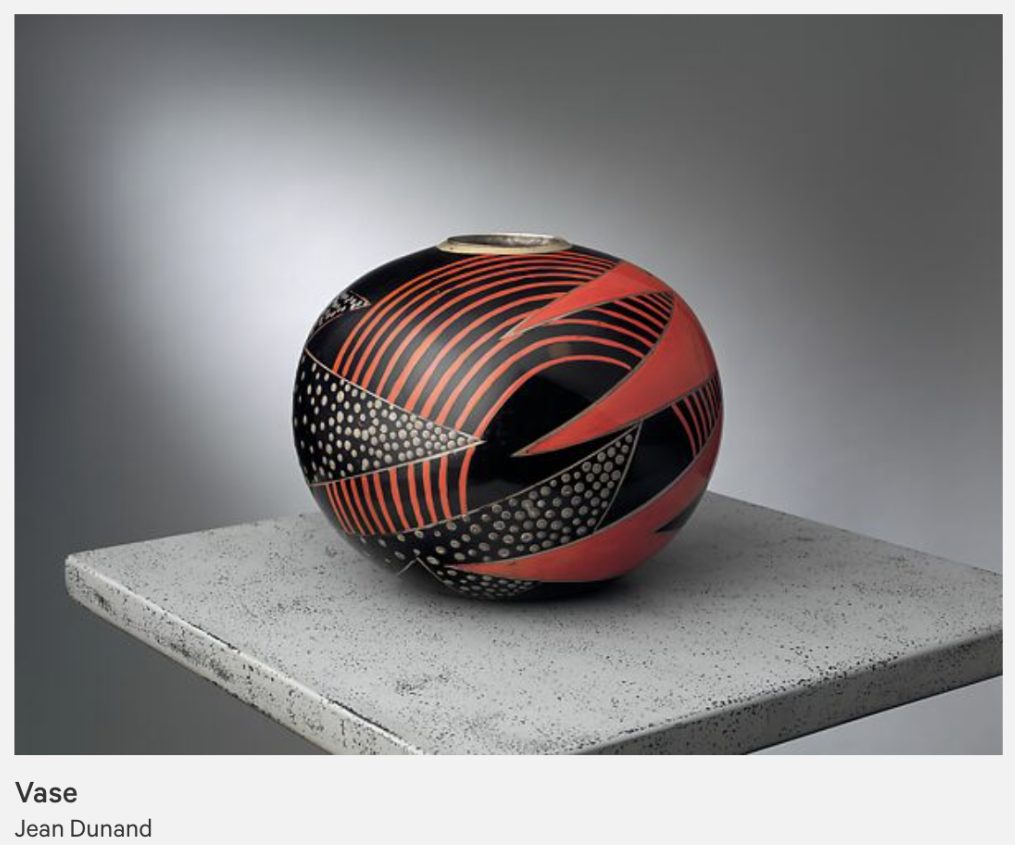
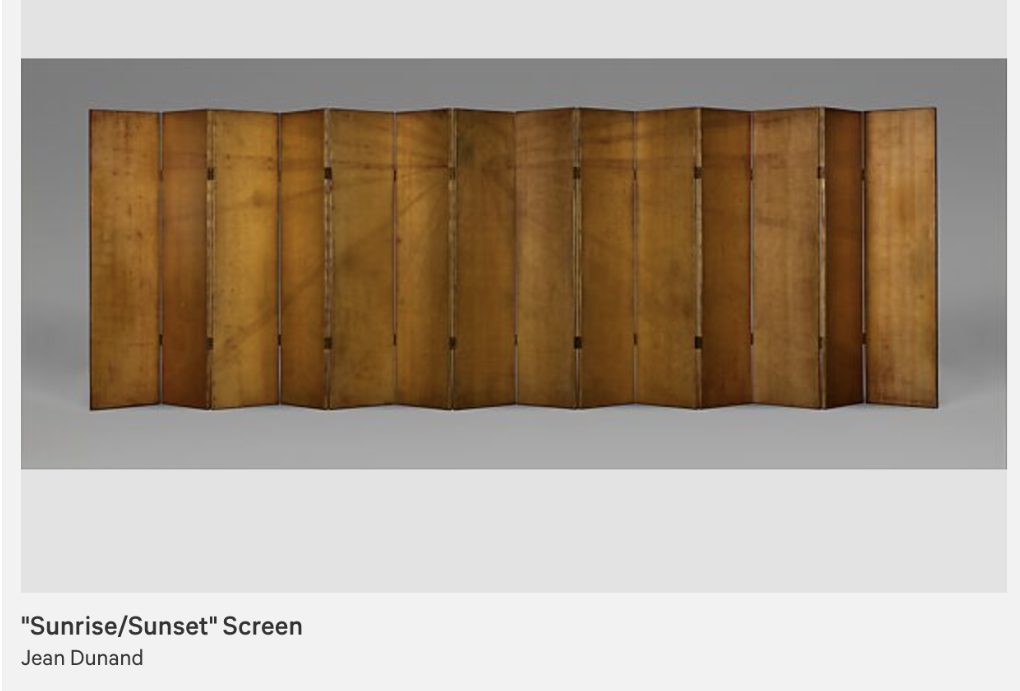
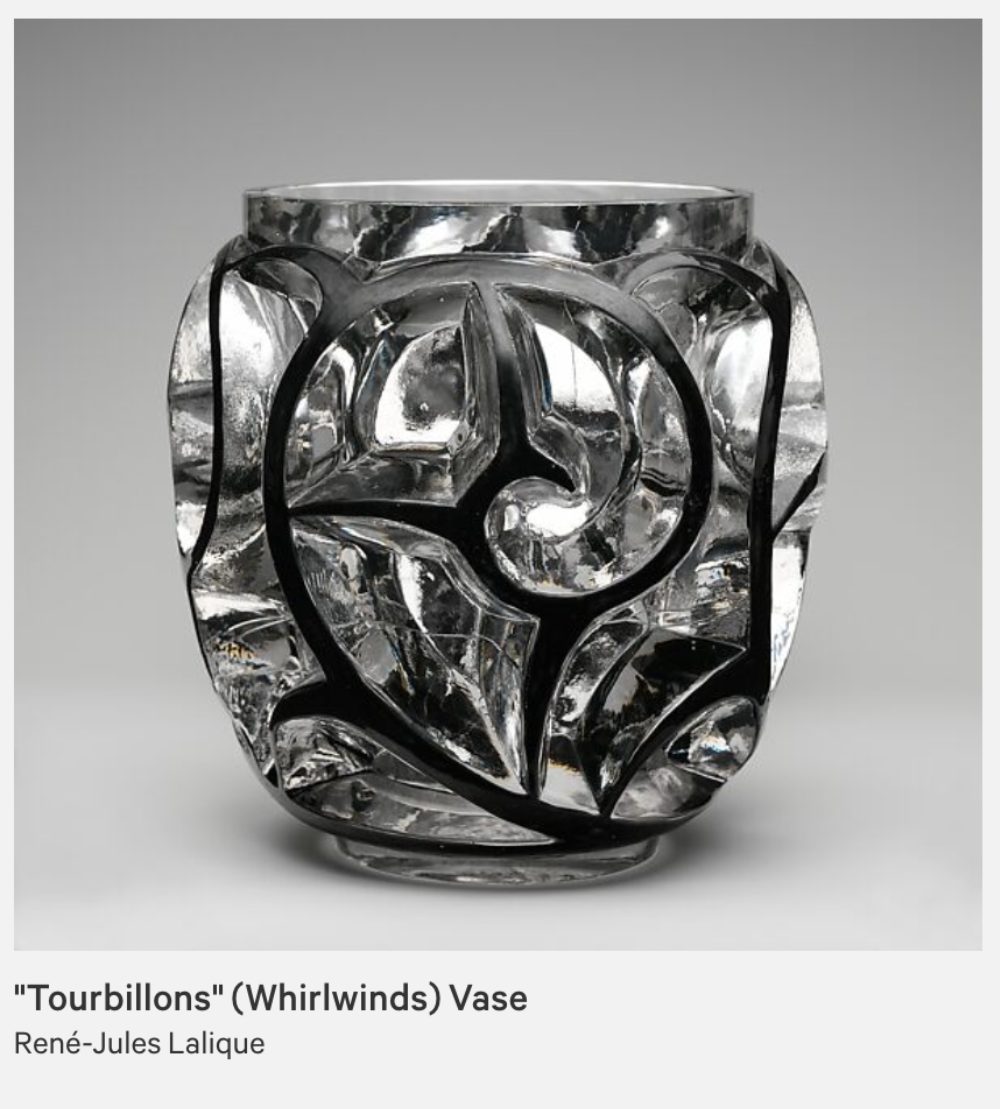
French Art Deco, particularly the high Art Deco showcased at the 1925 Paris International Exhibition, stands out as a distinctive and influential variant of the broader Art Deco movement. This specific strand of Art Deco was characterized by its emphasis on luxury, craftsmanship, and a fusion of traditional and modern elements. Renowned figures in the realm of French Art Deco include Émile-Jacques Ruhlmann, celebrated for his exquisite furniture designs, René Lalique, a master jeweler, Le Corbusier, an influential architect, Jean Dunand, known for his expertise in lacquer work, and Erté, a versatile artist with significant contributions to costume design. These luminaries played pivotal roles in shaping the aesthetic and legacy of French Art Deco, contributing to its enduring allure and impact on the world of design and art.
The rise of Art Deco in France, particularly showcased at the 1925 Exposition Internationale des Arts Décoratifs et Industriels Modernes in Paris, was a strategic response to the declining success of Art Nouveau and the competitive advances made by Austria and Germany in the design and manufacturing realms. French designers, disillusioned by Art Nouveau’s commercial struggles, sought to revitalize the industry and reaffirm France’s reputation as a leader in luxury craftsmanship. The establishment of the Société des Artistes Décorateurs in 1900 marked a key step in setting new standards for French design, culminating in the government-sponsored 1925 exhibition. The Exposition Internationale, with over 16 million visitors, aimed to showcase France’s preeminence in luxury goods production. It required that all exhibited works be thoroughly modern, prohibiting the copying of historical styles. However, despite this mandate, much of the displayed work was rooted in traditional influences. The exhibition revealed Art Deco as an internationally mature style, already flourishing in the post-World War I years and reaching its peak in 1925. This success ensured the continued promotion of Art Deco across Europe well into the 1930s.
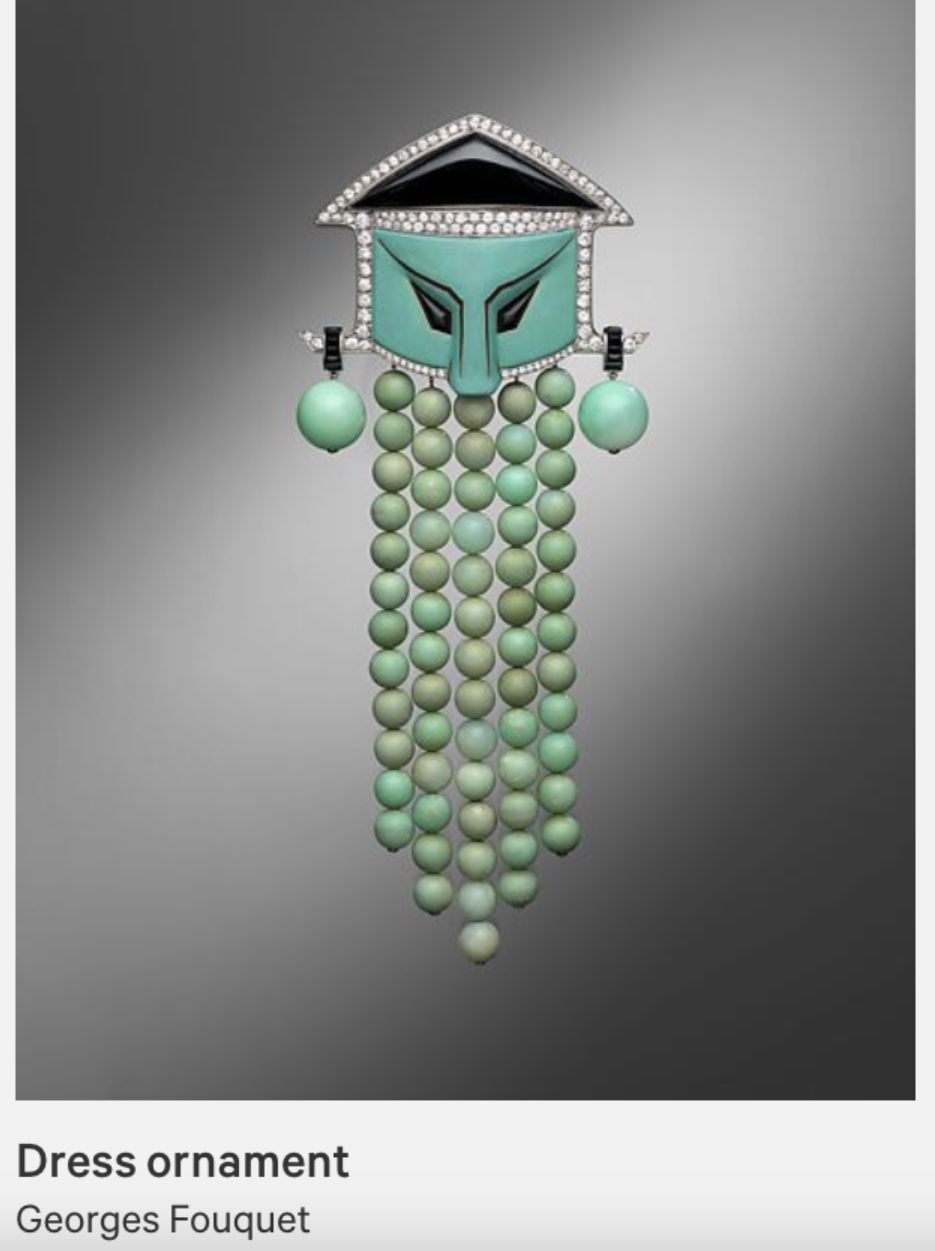
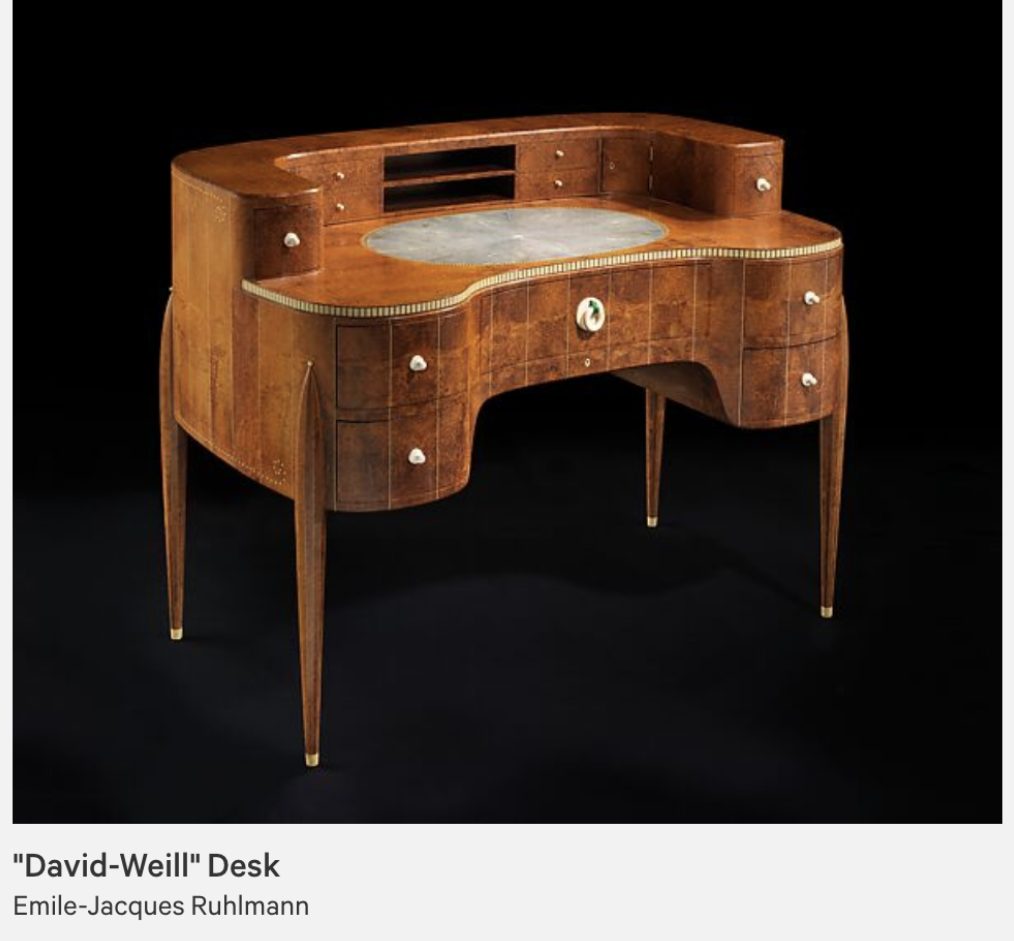
Joseph Breck, the Metropolitan Museum’s curator of decorative arts during the 1920s, played a pivotal role in acquiring important works by renowned French Art Deco designers. Supported by a fund from Edward C. Moore Jr., he established the museum’s first gallery for modern design in 1923. Breck’s acquisitions reflected a conservative taste, yet he recognized these works as representing the highest achievements of his time, emphasizing their continuity with established design traditions. At the core of Art Deco’s identity was ornamentation, expressed in various forms. Ornamentation could be applied straightforwardly to an object’s surface or take the form of potentially utilitarian designs that were inherently decorative, emphasizing beauty over practical use. This approach extended to painting and sculpture, which were often conceived primarily as decorative elements rather than traditional fine art. Common motifs included the human figure, animals, flowers, plants, and abstract geometric patterns, contributing to Art Deco’s distinct and diverse visual language.
The 1930s marked a significant shift in design, with the decline of the Art Deco style that had reached its zenith at the 1925 Exposition. The lavish ornamentation and emphasis on exotic materials associated with Art Deco began to lose relevance in the face of the economic challenges posed by the Great Depression. Simultaneously, the strict geometric forms and unadorned surfaces favored by International Style modernists, like Le Corbusier and Bauhaus designers, proved too austere for many consumers. In response to these developments, there was a notable Return to Order, a term derived from Jean Cocteau’s 1926 book “Le rappel à l’ordre.”
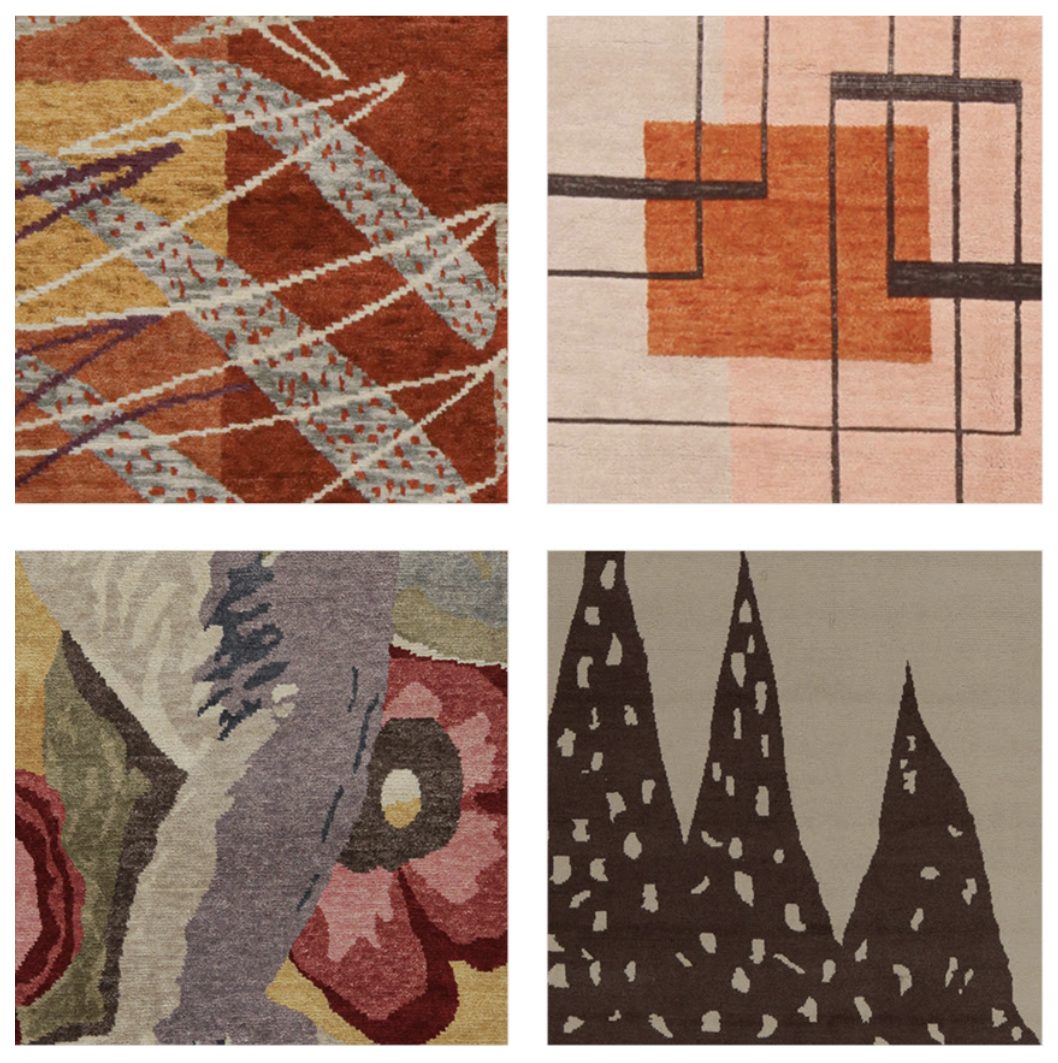
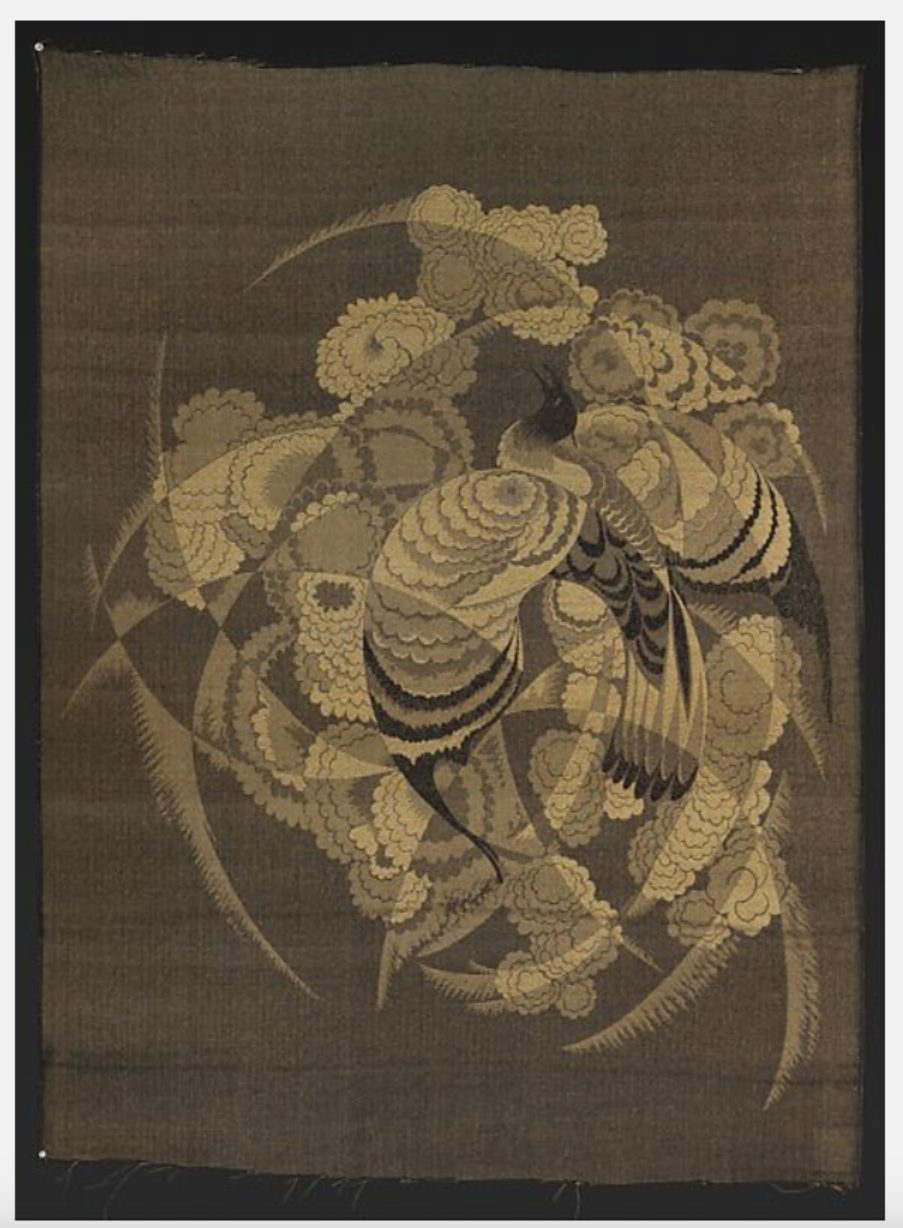
During this period, high-end consumers sought solace in the familiar language of classicism in the years leading up to World War II. Unlike the early French Art Deco designers who drew inspiration from ancien-régime taste for its sophistication and charm, designers of the 1930s looked to the icy monumentality of the French past. Their creations, while simplified, projected a sense of stately opulence that conveyed unassailable security and authoritative confidence. This shift in design occurred against the backdrop of a growing economic and social crisis, contributing to a quality of almost desperate theatricality. It seemed as though designers and their clients were attempting to escape the increasingly challenging reality of daily life through the creation of designs that exuded a sense of grandiosity and reassurance.
In 1937, the French government sponsored the Exposition Internationale des Arts et Techniques dans la Vie Moderne (International Exhibition of Arts and Techniques in Modern Life). Unlike the ambitious 1925 exhibition, this fair had a different focus. It did not aim to promote the French luxury trades but instead emphasized France’s position in the modern world, showcasing achievements in science and technology. Unconsciously, this marked the conclusion of the Art Deco era. The post-World War II years witnessed significant changes on all fronts. The war’s conclusion ushered in a new generation of veterans with young families, striving to rebuild their lives. The urgent demand for affordable housing and its furnishings sparked a surge in design and production. A newfound optimism, brimming with the promise of the future, took hold. The opulent households of the prewar era faded away, replaced by a culture of informality and adaptability. Conventional notions of furnishings as expensive and permanent status symbols also gave way to a more pragmatic approach.
The post-war era saw the emergence of new materials and technologies, many of which had been developed during wartime. These innovations liberated design from traditional constraints, enabling increasingly abstract and sculptural aesthetics. Additionally, the use of these technologies facilitated the production of mass-market objects at lower costs, contributing to a broader accessibility of well-designed goods. This transformative period laid the groundwork for the evolution of design in the latter half of the 20th century.
Have a look at our French Art Deco rugs here – https://rugandkilim.com/shop/?s=french%20art%20deco