
A Profile on Sonia Delaunay: Mother of Art Deco Abstraction & Founder of Orphism
April 1, 2024
A Guide to French Art Deco
April 2, 2024
The Textile Eye
“I have a vocation,” she was quoted in 1951, “I love designing.”
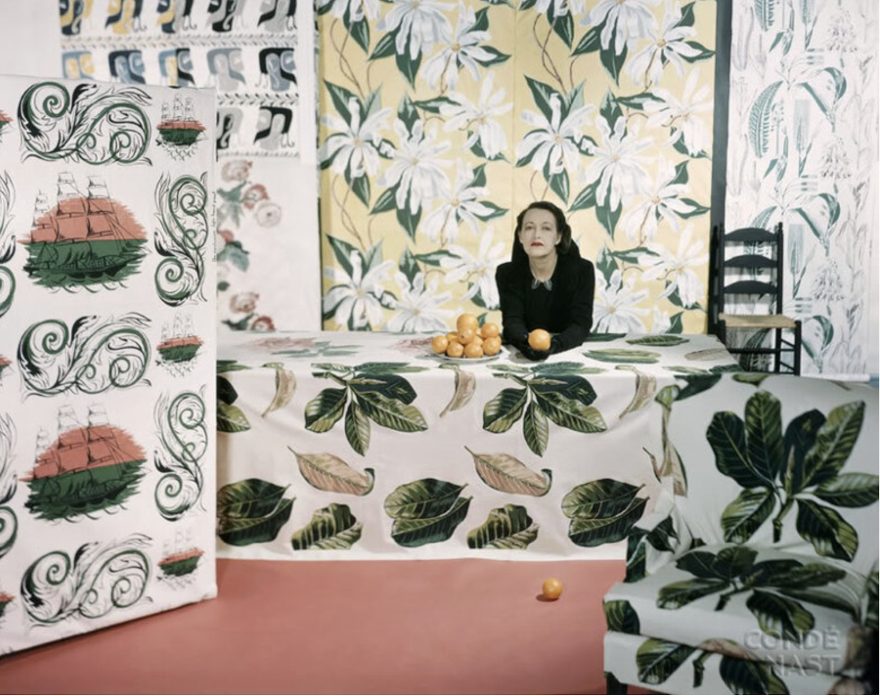
The Textile Eye
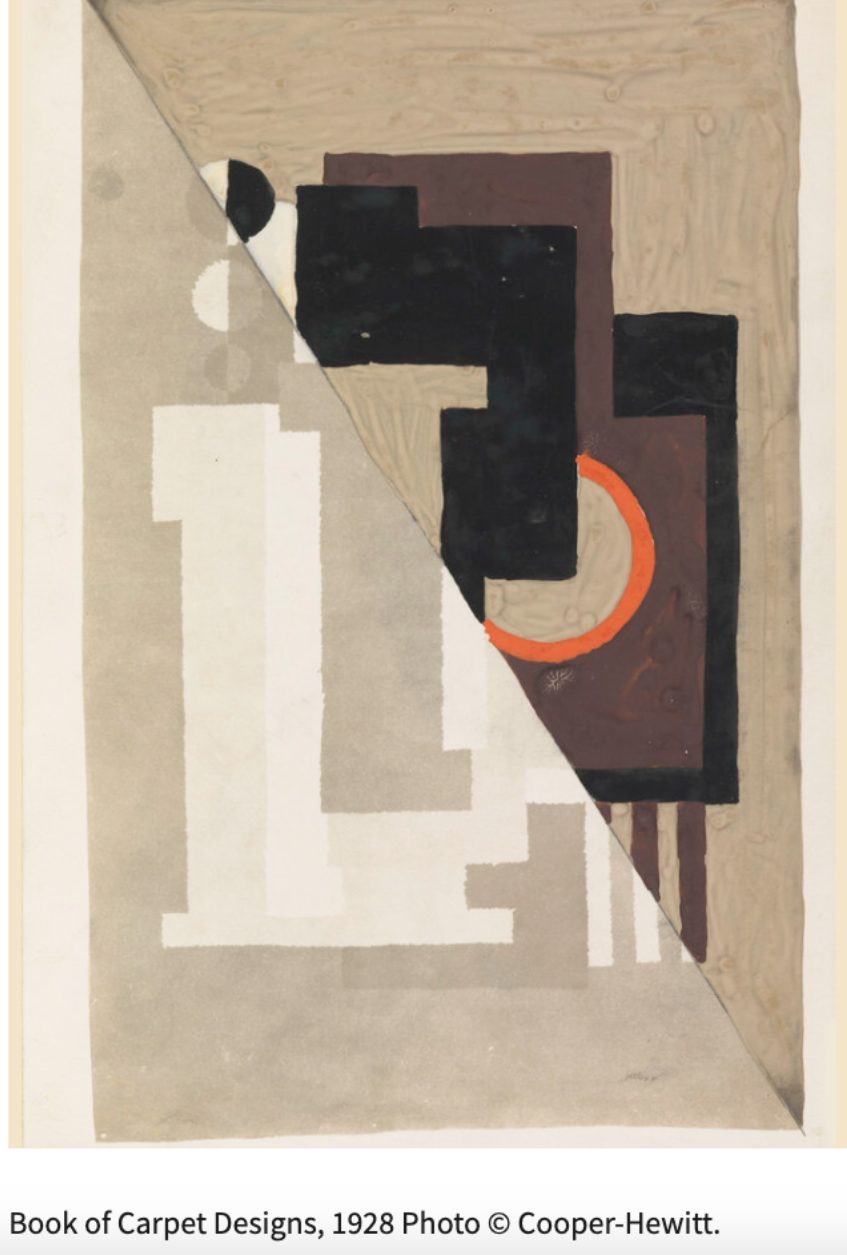
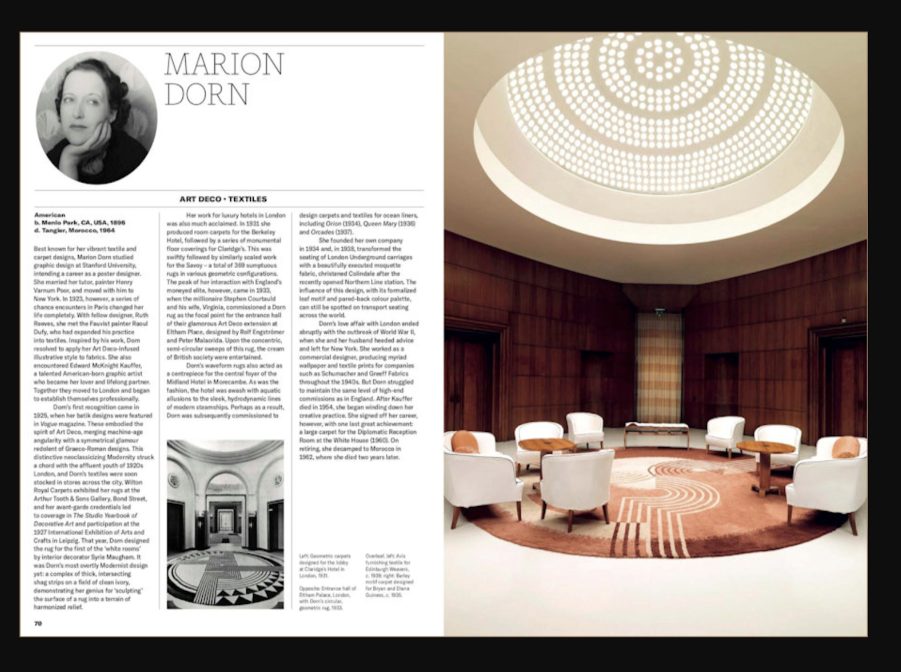
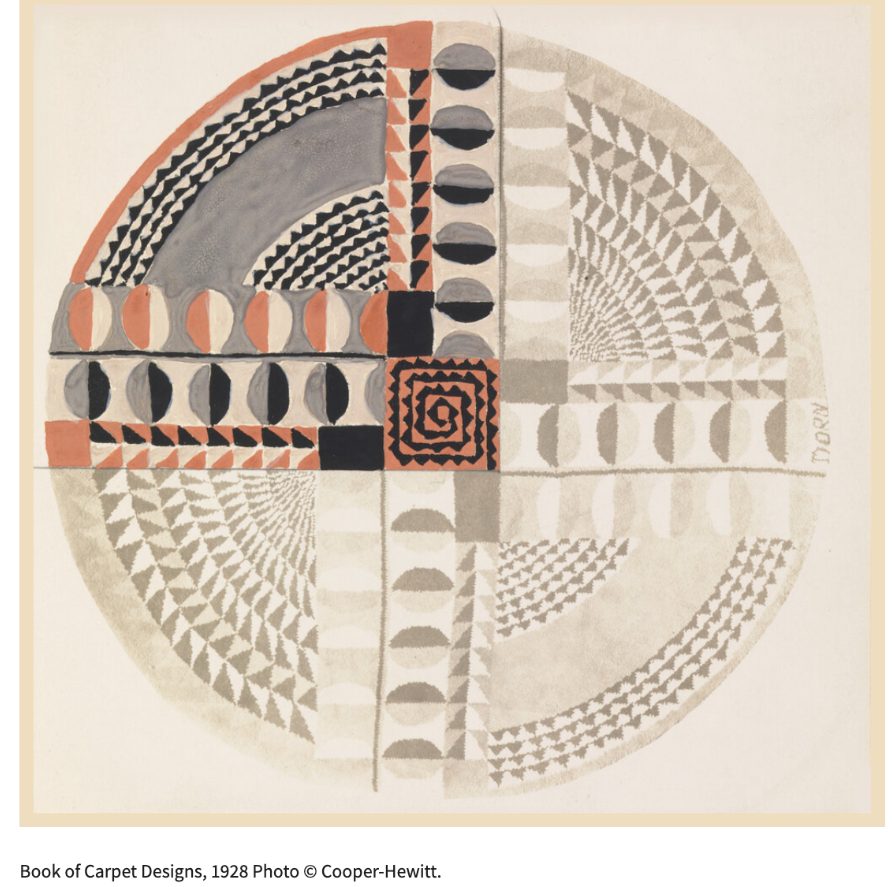
Marion Dorn, a prominent and successful designer of the 20th century, gained recognition as the ‘Architect of Floors‘ for her groundbreaking work in rug design. Her rugs were celebrated as works of art, with reviewers predicting their status as future collector’s pieces. Her career, marked by a profound love for designing, took off in the 1920s when she moved to London from New York. Dorn’s distinctive style drew inspiration from nature and classicism, always adapted to contemporary design trends. Her innovative approach to design considered the use of space as crucial as the treatment of motifs, setting her work apart from her peers. She elevated the status of rugs in interior design, conceiving designs in harmony with their surroundings.
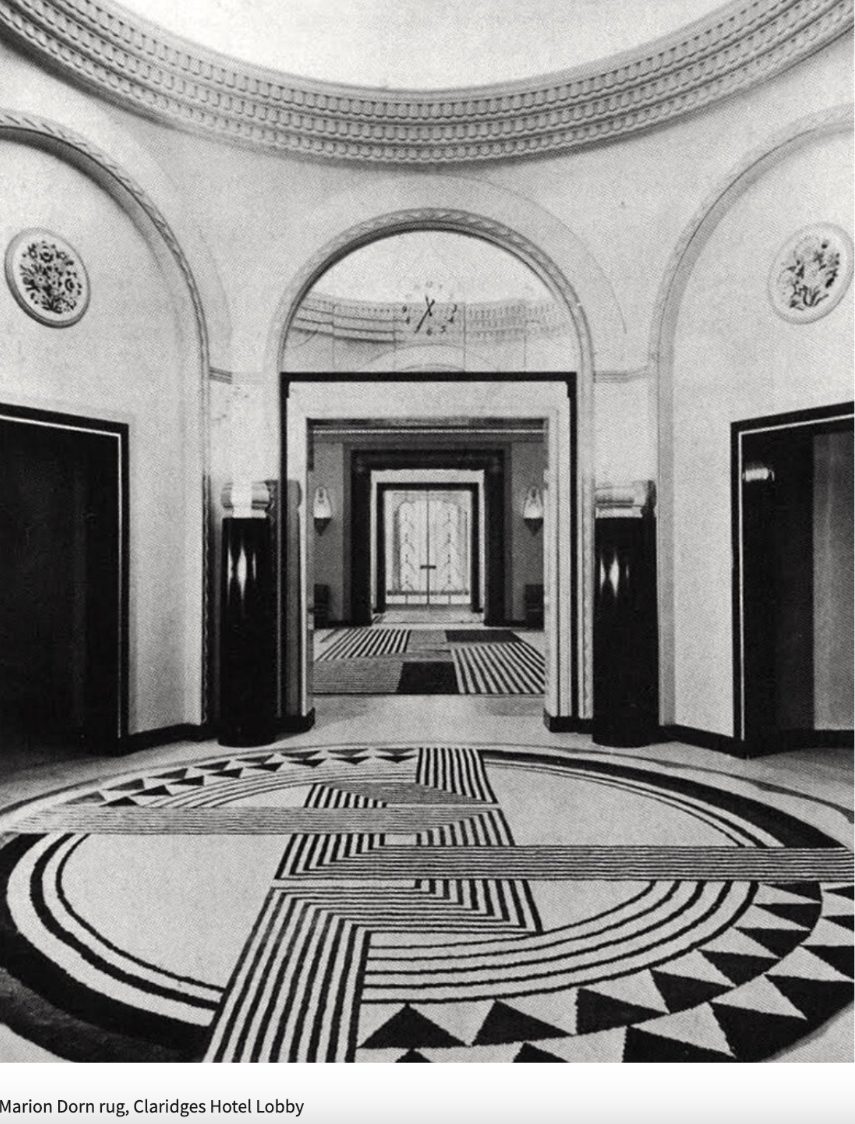
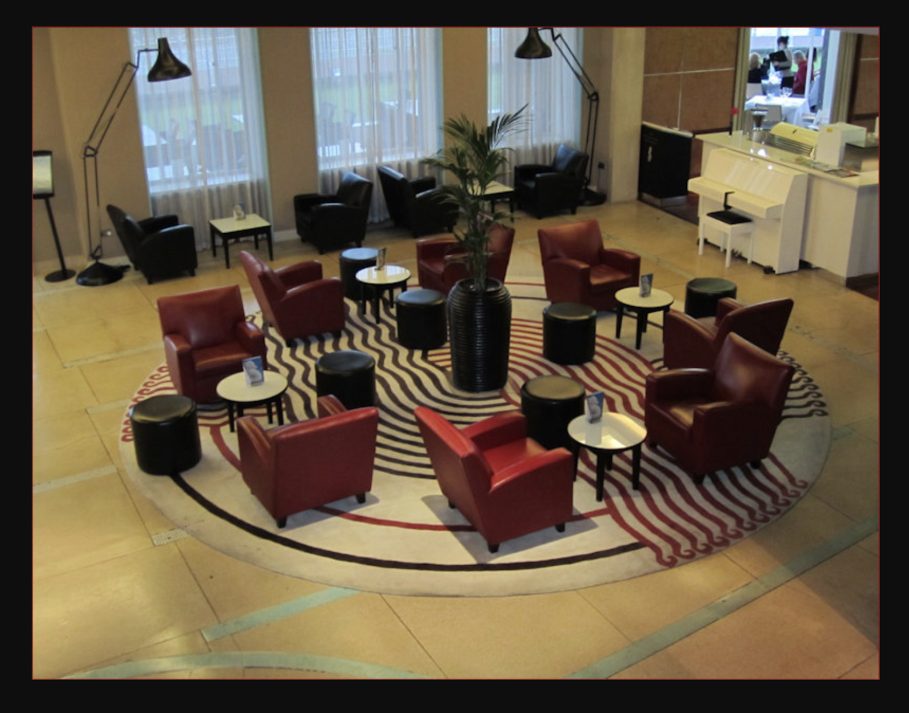
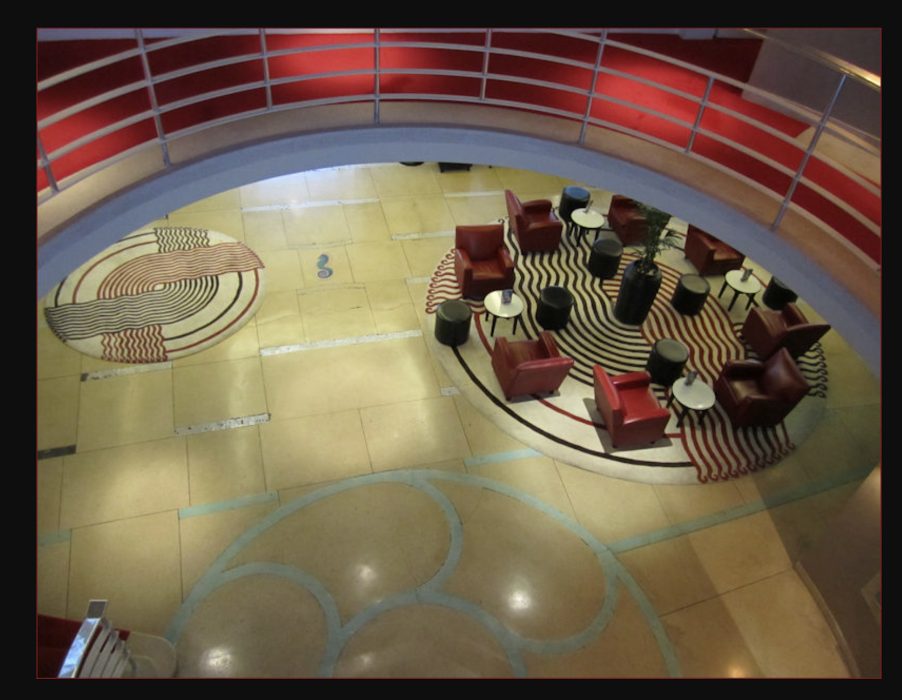
Dorn’s bold patterns were complemented by a restrained yet sophisticated use of color, incorporating various tones of white, cream, black, beige, brown, and gray. One of her significant collaborations was with the Wilton Royal Carpet Factory, known for its commitment to quality. A pivotal exhibition held by Arthur Tooth & Sons Gallery catapulted Dorn into the spotlight, leading to important commissions. Her association with the Savoy Hotel Group, beginning in 1931, resulted in numerous commissions, including carpets for the Berkeley Hotel and Claridges Hotel. Dorn’s innovative designs extended to ship interiors when the Orient Line introduced her rugs and carpets aboard the Orion in 1935. Her carpets, considered luxury items, were strategically placed in first-class public spaces and cabins, signaling a revolution in ship design.
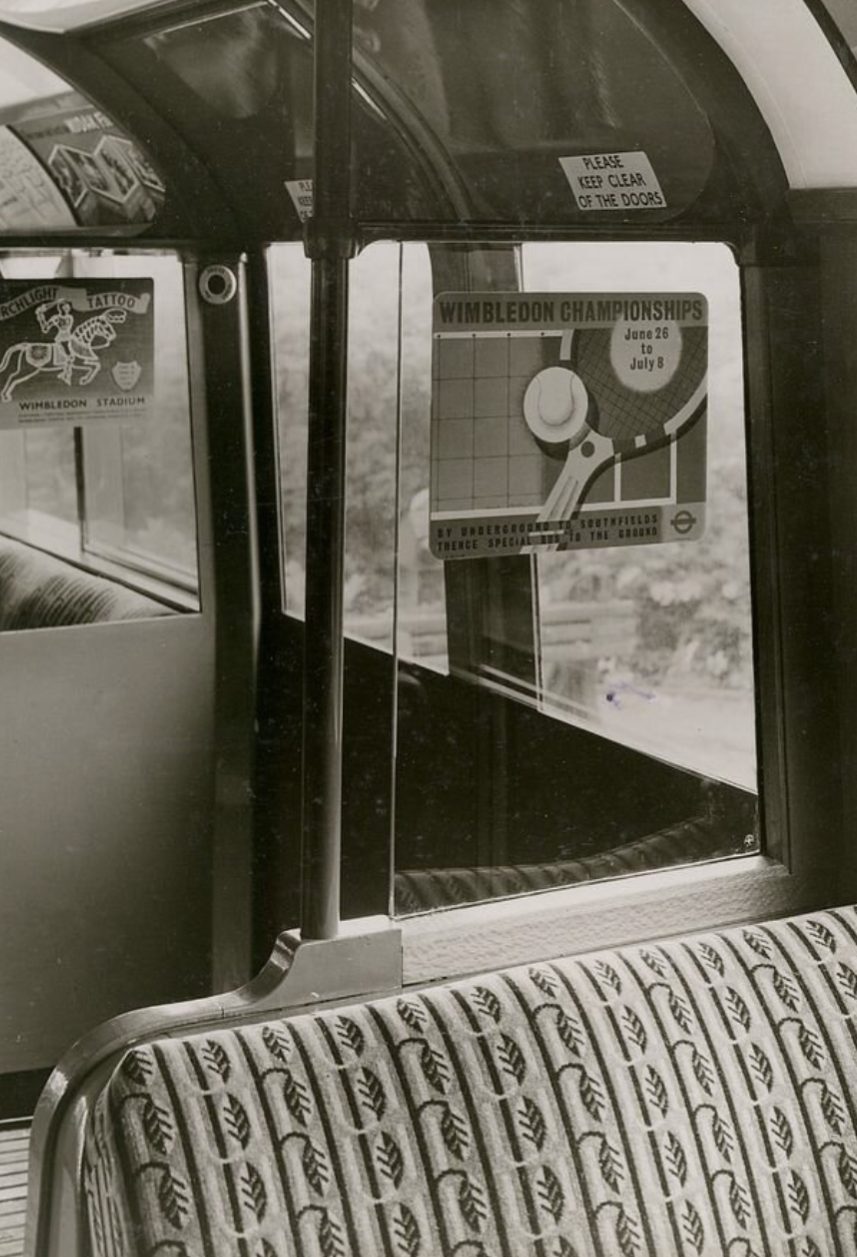
The Textile Eye
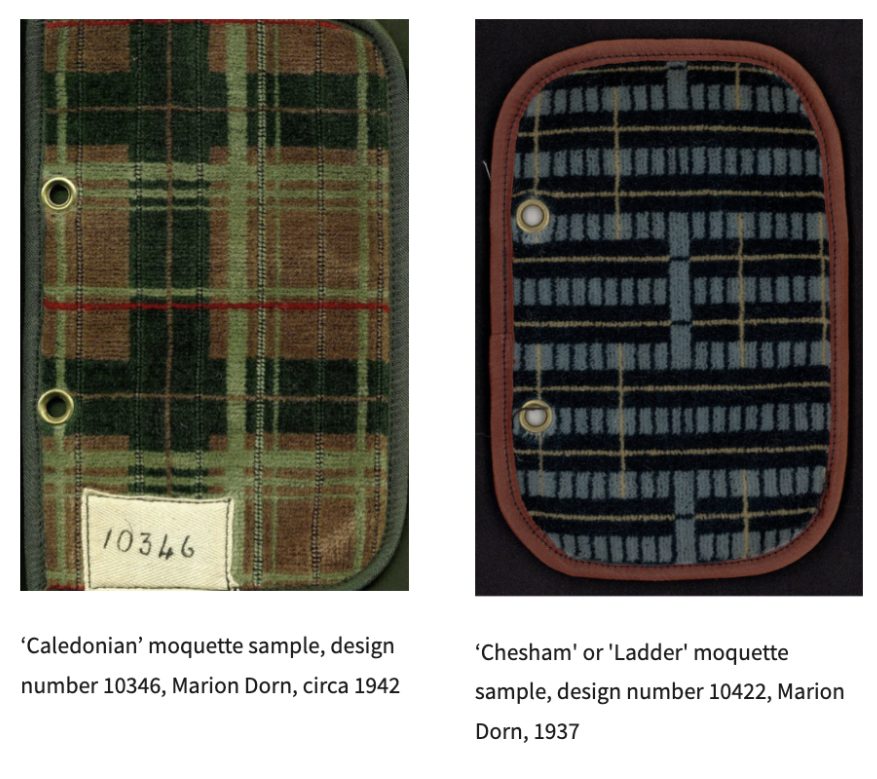
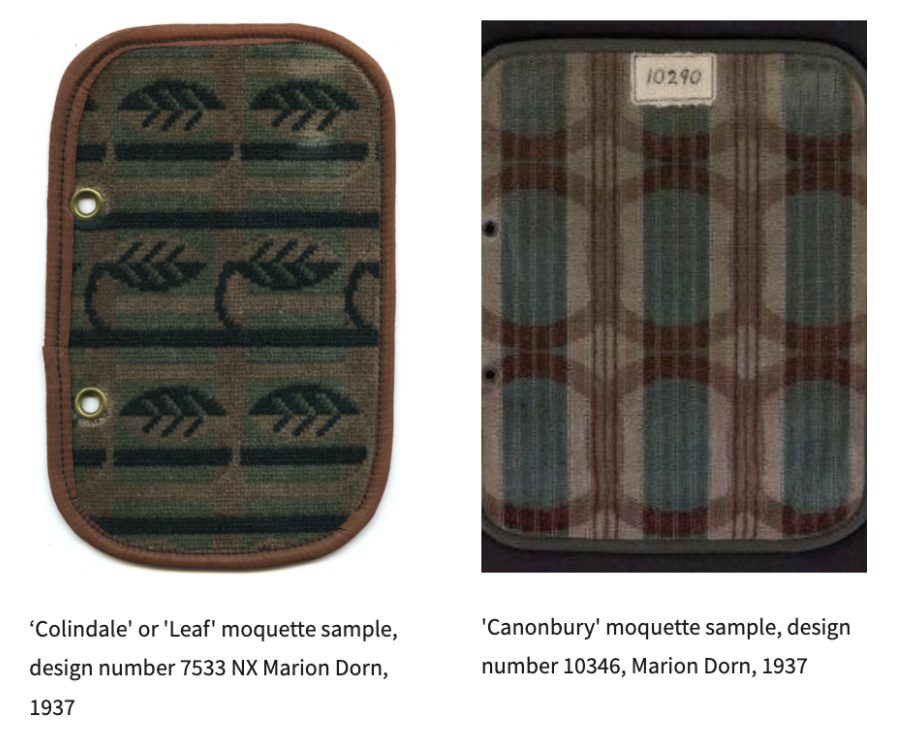
In addition to large-scale projects, Dorn accepted smaller commissions from architects and private clients. Her move back to New York in 1940 marked a new phase where she continued her successful career as a freelance designer. Collaborating closely with Edward Fields’ rug company, she designed custom carpets, contributing to significant buildings such as the Waldorf Astoria lobby. Her pinnacle achievement came in 1960 when she designed the carpet for the Diplomatic Reception Room of the White House, Washington, marking the culmination of her illustrious career as a rug designer.
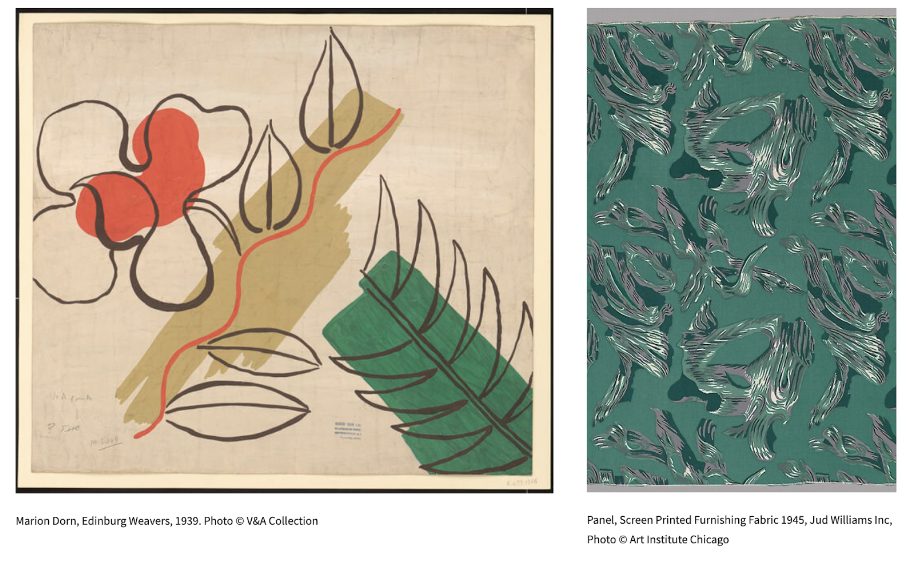
Marion Dorn’s textile career commenced with the design of batiks, a popular format and style during that period. Five of these patterns were featured in Vogue in 1925, marking the beginning of her successful career. Her fabrics gained widespread recognition, being featured in specialty stores throughout London and even finding a place in museums and galleries. Dorn worked for numerous companies, creating designs for textiles, wall hangings, carpeting, rugs, wallpaper, graphics, and more. In 1934, she founded Marion Dorn Ltd, a testament to her growing influence in the industry. The company garnered commissions from luxury hotels such as the Berkeley of London and the London Savoy, primarily for her rug designs. Her creative contributions extended to some of the most renowned interiors of the time, including those of Claridges, the Orion, and the Queen Mary. Dorn’s versatile talent allowed her to make a significant impact on various aspects of design, from textiles to interiors, leaving an indelible mark on the design landscape of her era.
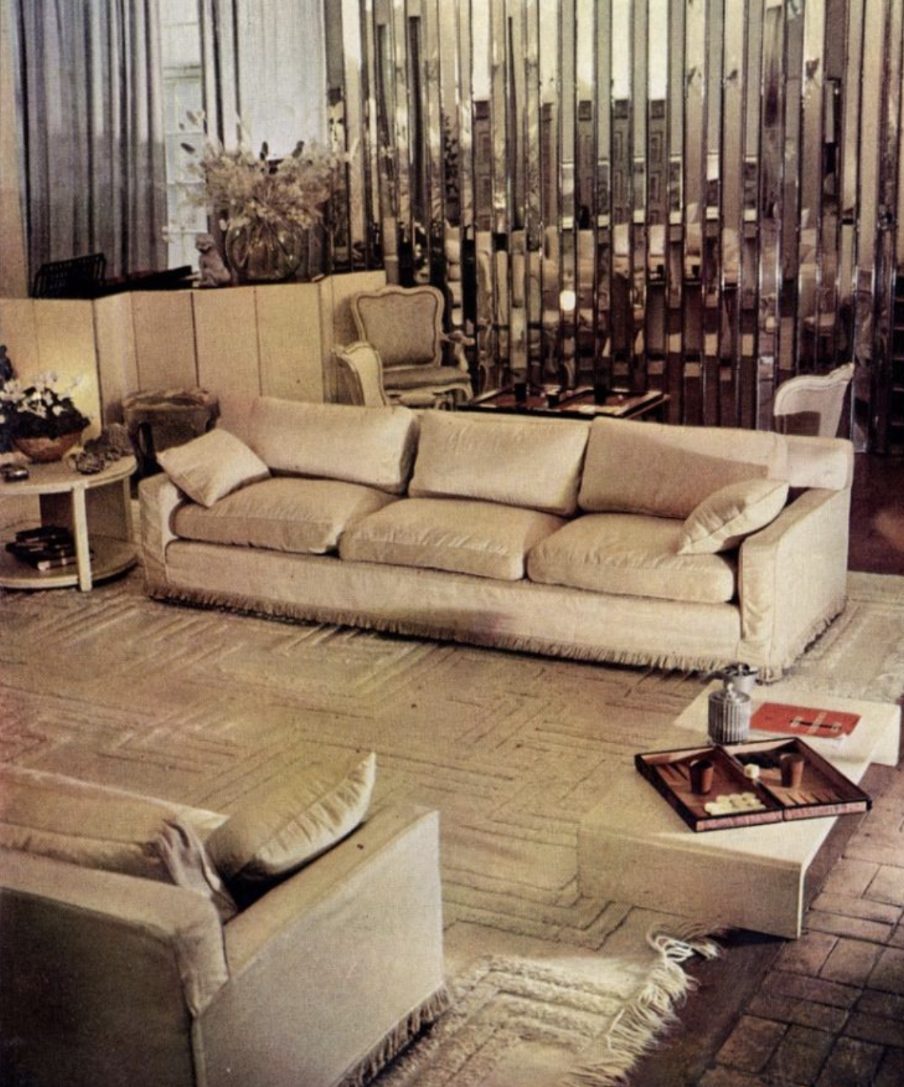
Dorn was known for her distinctive design style, particularly her trademark cream-on-cream carpet with a geometric relief in the weave. This style gained prominence and was notably used in Syrie Maugham’s famous all-white room in 1933 as featured below. Dorn’s innovative approach to using neutral colors and geometric patterns contributed to the modern and sophisticated aesthetic of the time.
Between 1923 and 1940, Marion Dorn and Edward McKnight Kauffer shared a home in London, and they later moved to New York at the outbreak of World War II as per the American Embassy’s request. After their wedding in 1950, Dorn remained in New York until Kauffer’s passing in 1954. In New York, she collaborated with various companies, including Basset and Vollum (wallpaper manufacturer), A. H. Lee, Goodall Fabrics, Jofa Inc., Mitchell-David, F. Schumacher & Co., Silkar Studios, and Greeff Fabrics Inc. for exporting fabrics to the United Kingdom. Her association with Edward Fields allowed her to contribute to significant New York City structures like the Waldorf Astoria. After retiring, Dorn relocated to Morocco, making Tangiers her home until her passing in 1964.
From 1927 to 1939, Dorn’s work was exhibited in influential European exhibitions, including the Arthur Tooth Gallery in London (1929), Dorland Hall in London (1933 and 1934), Burlington House in London (1935), the Universal Exhibition (World’s Fair) in Paris (1937), and the Golden Gate International Exposition (GGIE) in San Francisco (1939), maintaining exposure in the United States during her absence.
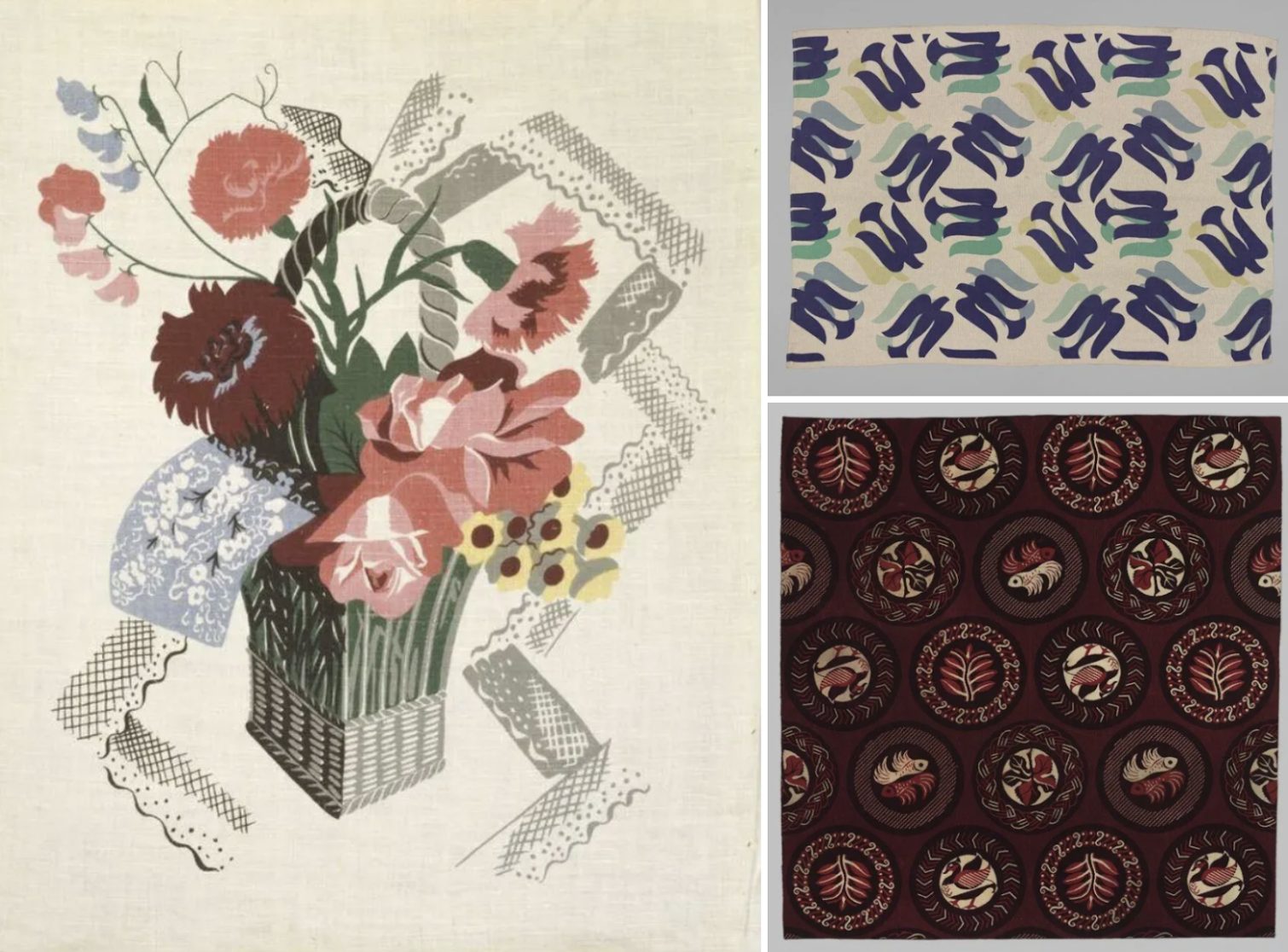
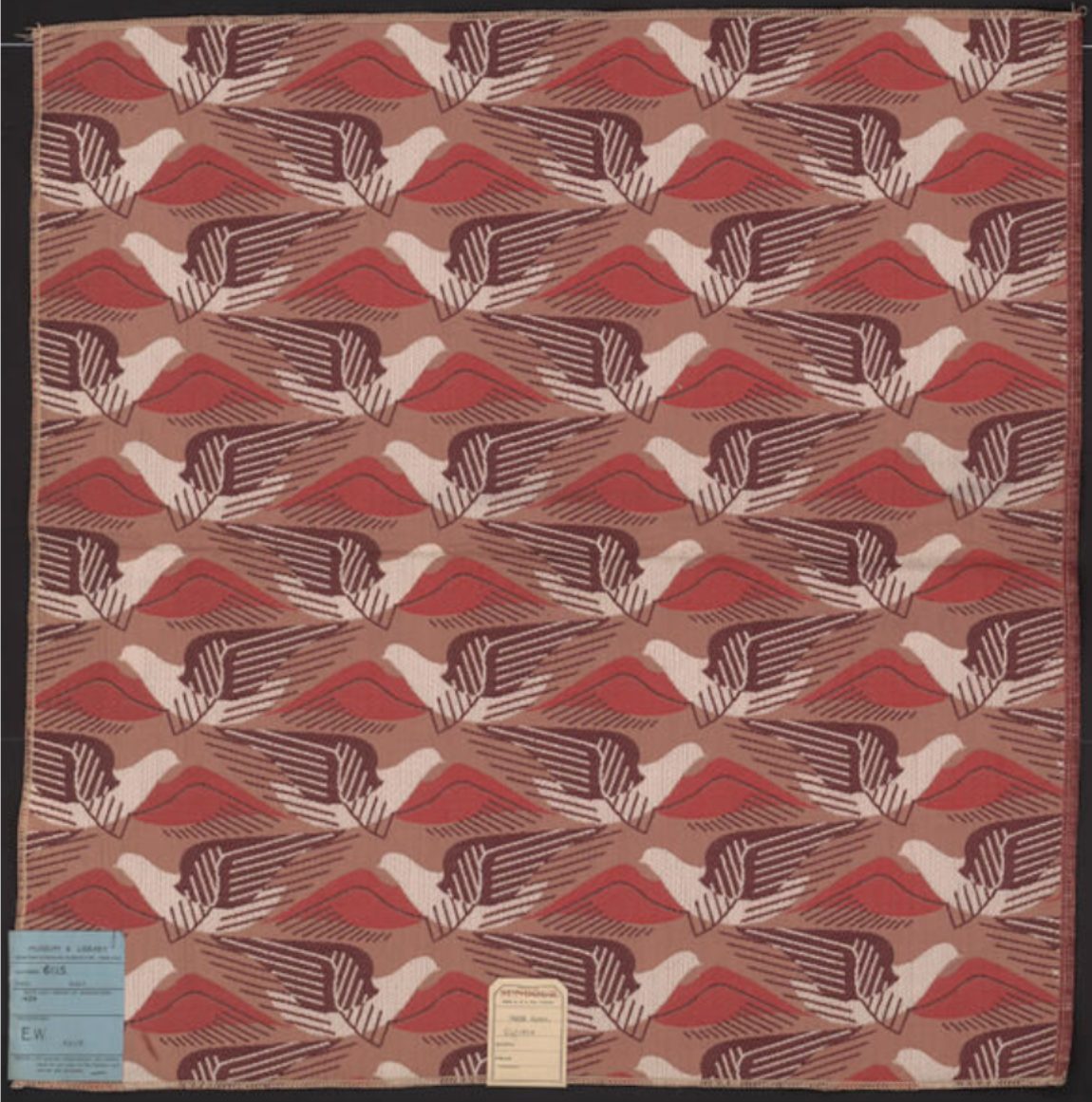
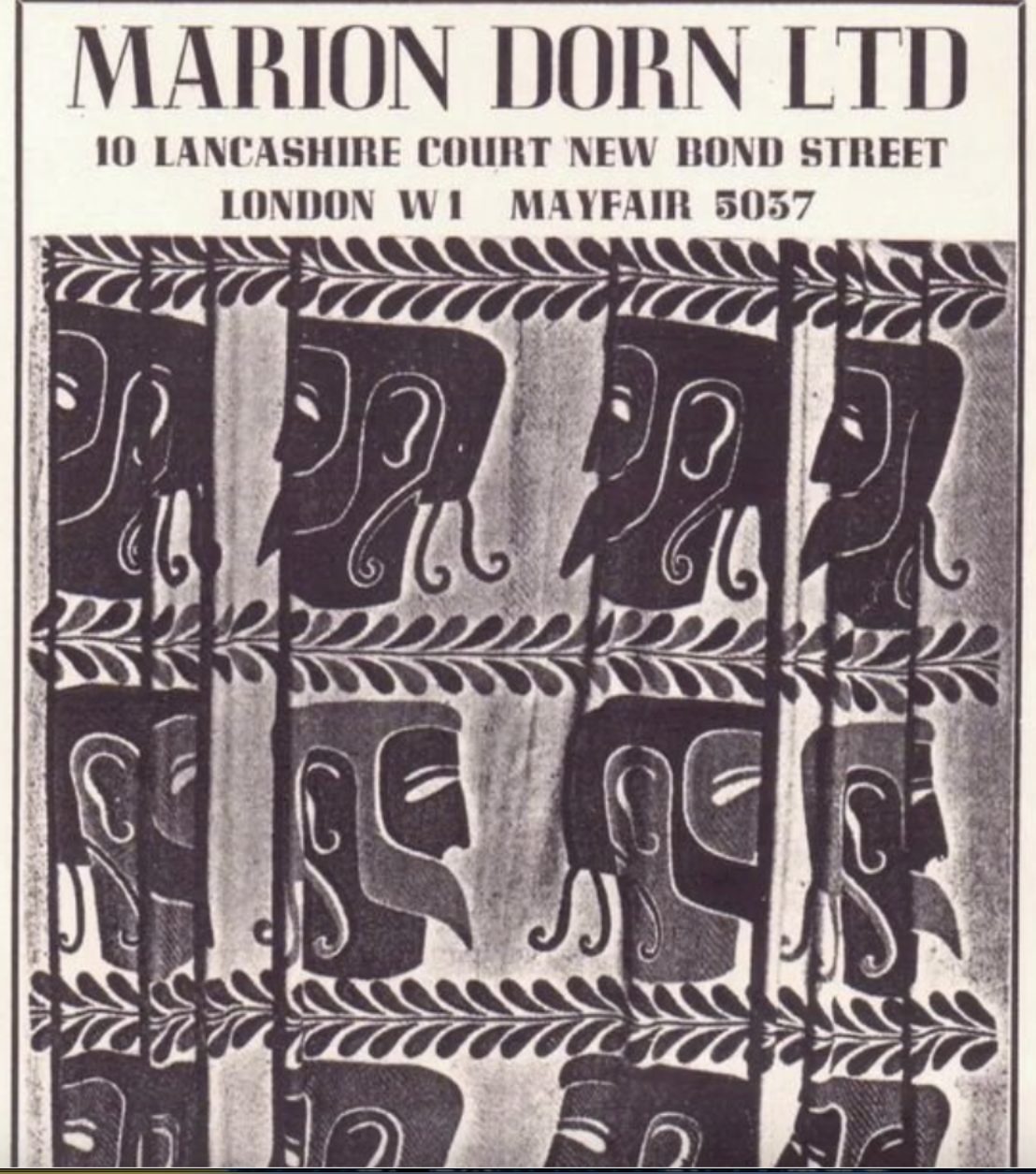
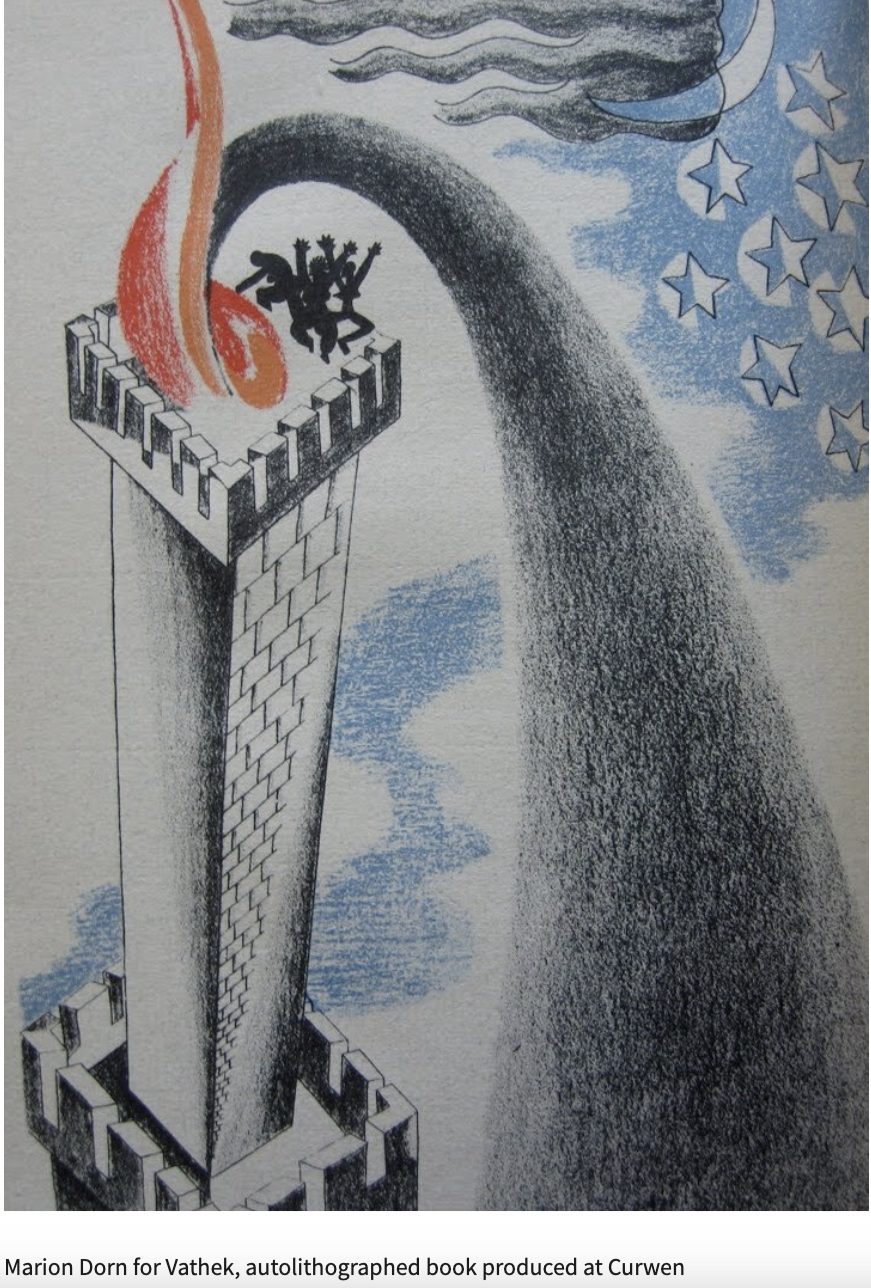
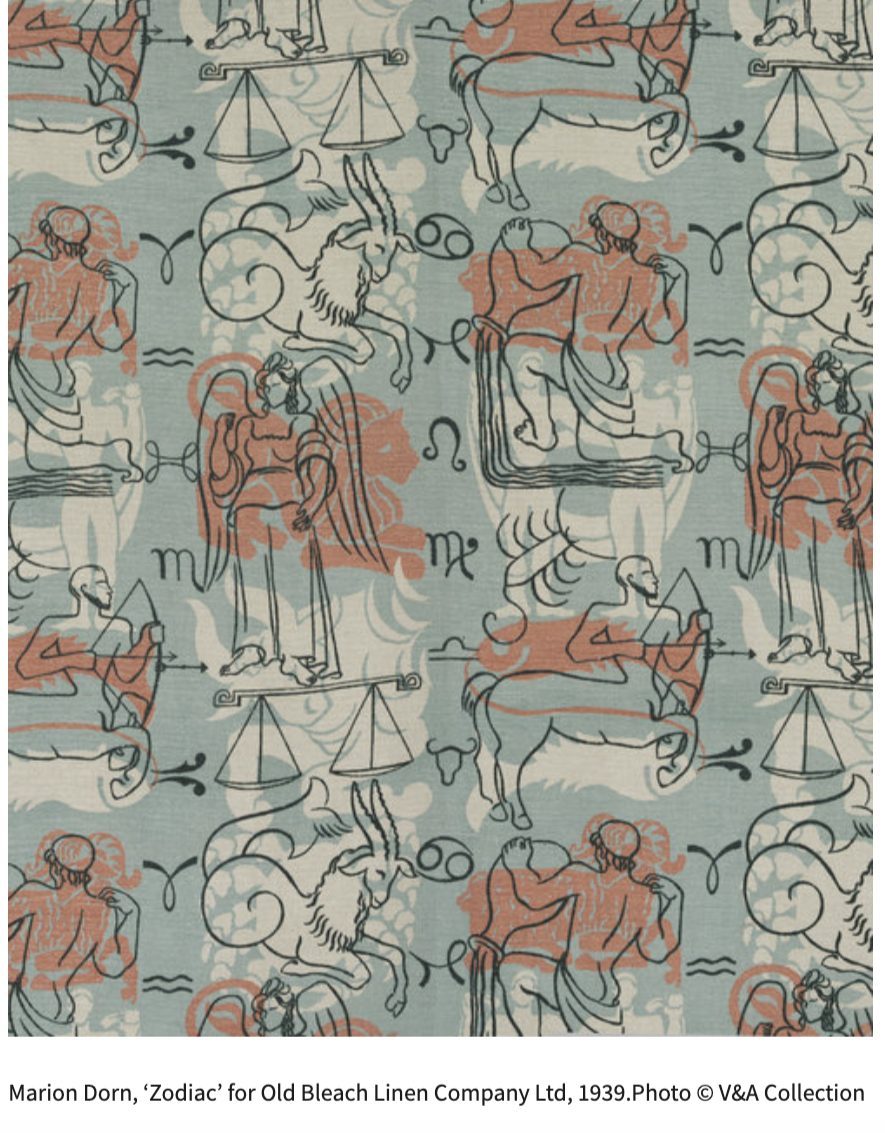
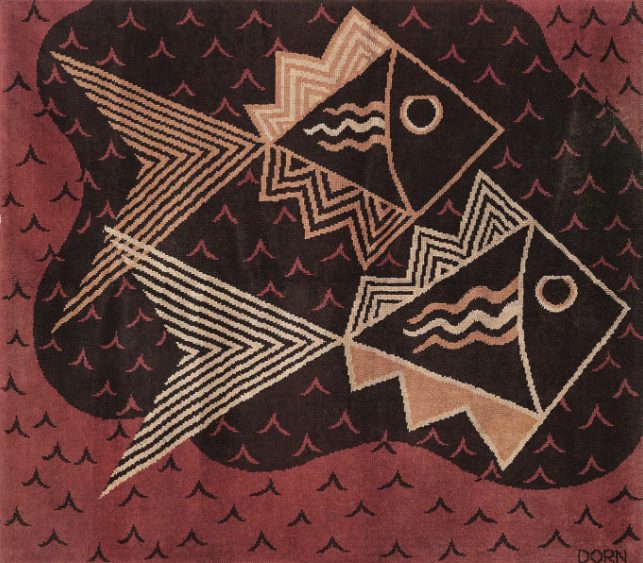
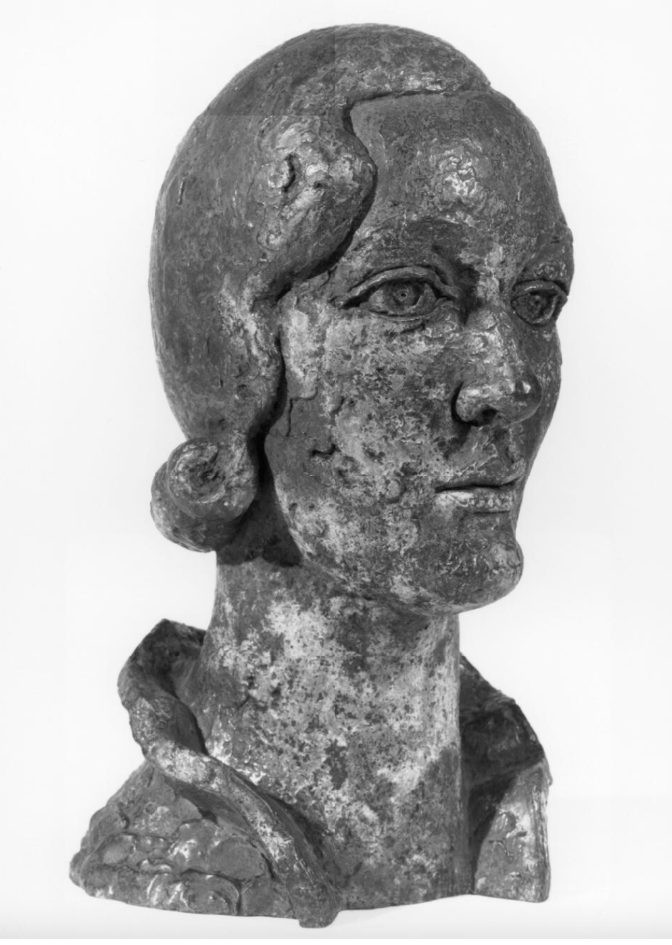
Marion Dorn was particularly renowned for her “sculpted” carpets, which added a distinctive and artistic touch to various interiors. Dorn’s creative contributions extended to some of the most famous establishments of that era, including the Savoy, Claridges, the Orion, and the Queen Mary. Her innovative designs and collaborations left a lasting impact on the world of interior decoration. One such example is the Modernist rug attributed to Marion Dorn, dating from around 1930, woven by the Royal Wilton Carpet Factory, was auctioned by Christie’s. This hand-knotted wool rug measures approximately 77½ inches (197 cm) by 68 inches (173 cm). The rug features Dorn’s signature, which is incorporated into the weave itself. Notably, this rug has a provenance that adds to its historical and artistic value. It was gifted by Marion Dorn to British artist Frank Dobson R.A. (1888-1963), and it has since been passed down through descent. Her legacy lives on in her numerous works collected by connoisseurs all over the world and works inspired by her, and the bronze bust of Marion Dorn, created by Frank Owen Dobson around 1930-1931, which is displayed in the Entrance Hall on Floor 0 at the National Portrait Gallery.