
Émile-Jacques Ruhlmann and his Contributions to the Art Deco Movement
April 1, 2024
A Profile on Marion Dorn – The “Architect of Floors”
April 1, 2024“I love creation more than life, and I must express myself before disappearing.“ Sonia Delaunay
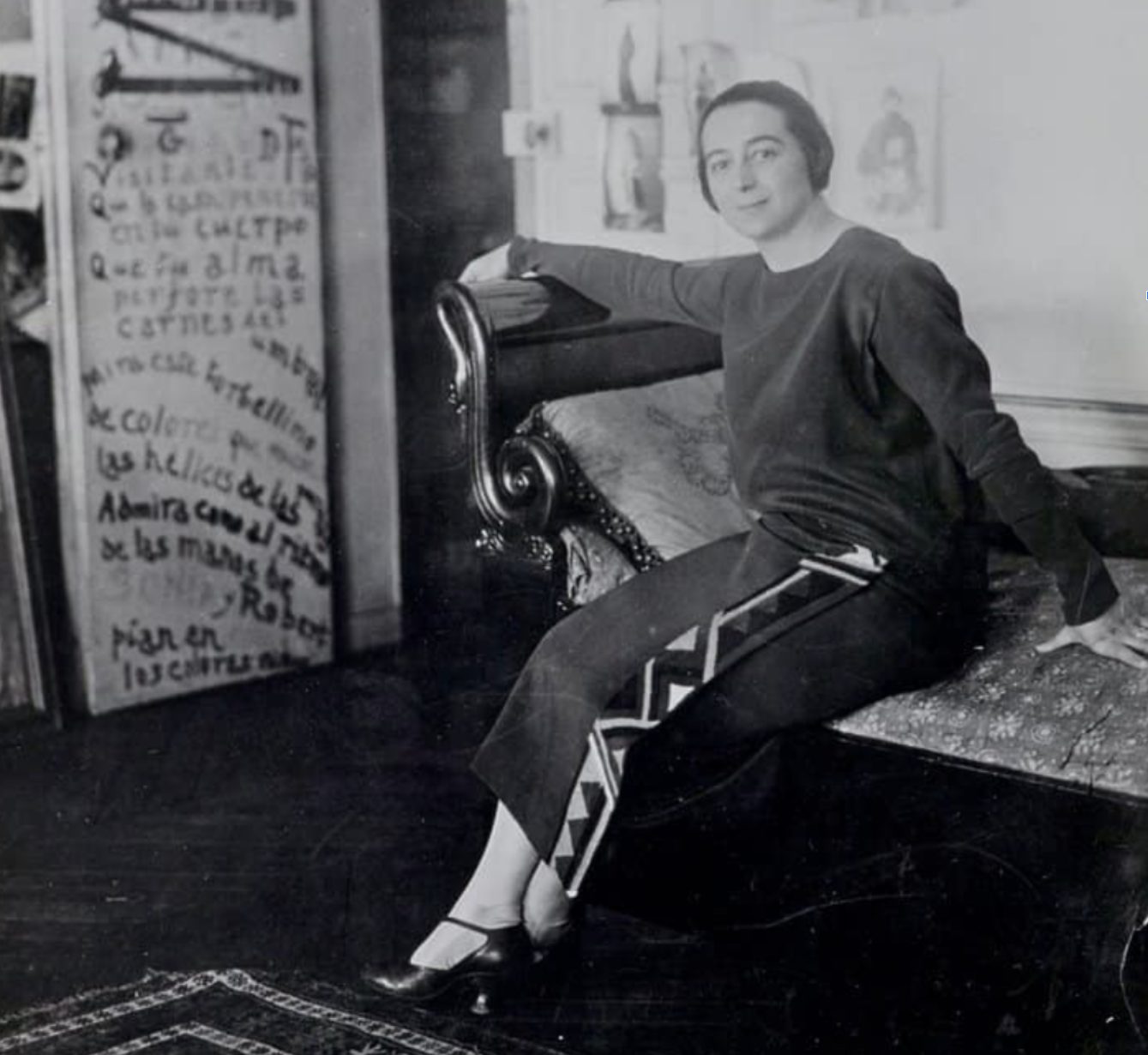
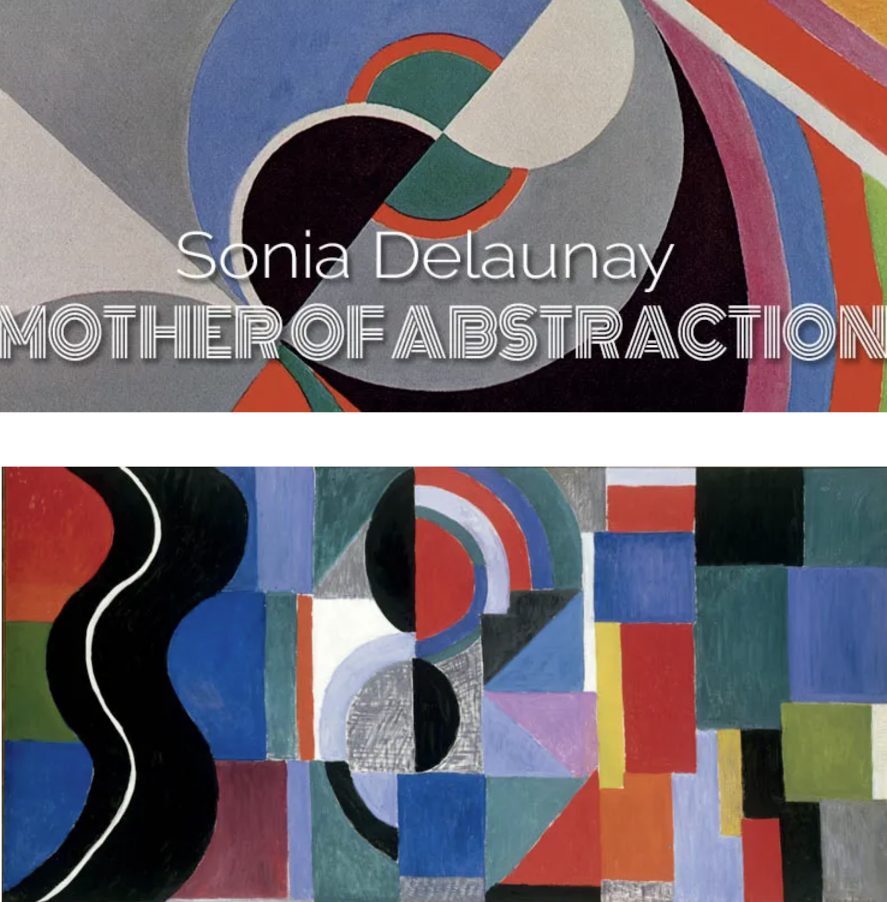
Sonia Delaunay’s influence on the avant-garde scene and her multidisciplinary approach to art left a lasting impact. Her contributions to abstract art, along with her exploration of color and form, continue to be celebrated, and she remains a key figure in the history of modern art and design. Sonia Delaunay’s decision to break away from traditional art education and immerse herself in the vibrant art scene of Paris marked a pivotal moment in her artistic journey. The eclectic atmosphere of small galleries and interactions with fellow artists provided her with a fertile ground for experimentation and the development of her unique style.
During and after World War II, she continued to contribute to the arts, participating in the creation of the Salon des Réalités Nouvelles in 1939. Her interest in various media, including mosaics, tapestries, and lithographs, showcased her versatility. In this period, her paintings and gouaches reignited interest in abstraction and color, solidifying her pivotal role in the development of postwar abstract and applied art. Sonia Delaunay’s abstract art extended beyond traditional painting. She ventured into the realms of applied arts, particularly in the field of textiles and fashion design. Her innovative approach to design was characterized by bold colors, dynamic patterns, and a sense of movement. She believed in the integration of art into everyday life, and her textile designs, often used in fashion, reflected this philosophy. One of Sonia Delaunay’s notable contributions to the Art Deco movement was her involvement in creating decorative arts and textiles during the 1920s and 1930s. Her designs were not only limited to paintings on canvas but also extended to practical, everyday items. Her work in fashion and textiles showcased a modern and avant-garde aesthetic that aligned with the spirit of the Art Deco era.
In Paris, Sonia continued her art education at the Académie de La Palette and the Académie Humbert. During this time, she became associated with a group of avant-garde artists, including Guillaume Apollinaire and Robert Delaunay, whom she would later marry in 1910. Sonia Delaunay’s artistic journey was marked by a significant shift influenced by Fauvism and Cubism. Together with her husband, she developed the art movement known as Orphism or Simultanism. This movement focused on the use of vibrant colors and geometric shapes to create a sense of simultaneous movement and multiple perspectives within a single artwork.
Her encounter with Robert Delaunay was not only a meeting of hearts but also a collaboration that would significantly impact the art world. The couple shared a profound artistic connection and a commitment to exploring new possibilities in art. Together, they coined the term “Orphism” for their movement, drawing inspiration from Greek mythology, particularly Orpheus, the legendary musician and poet.
Tate Gallery, London
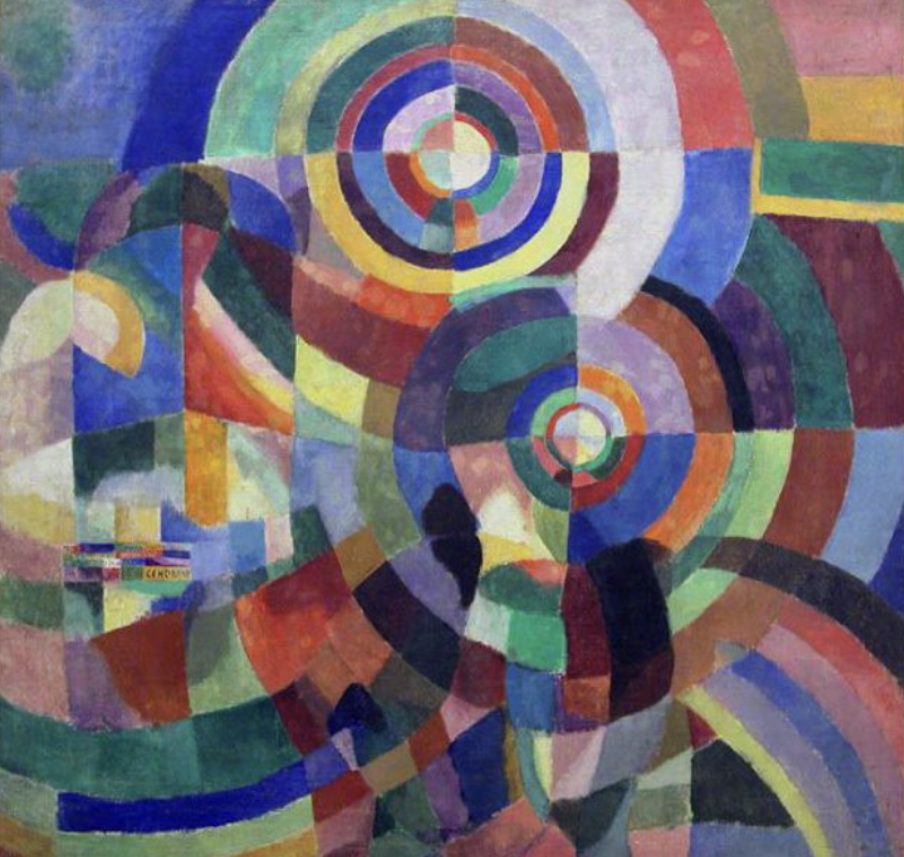
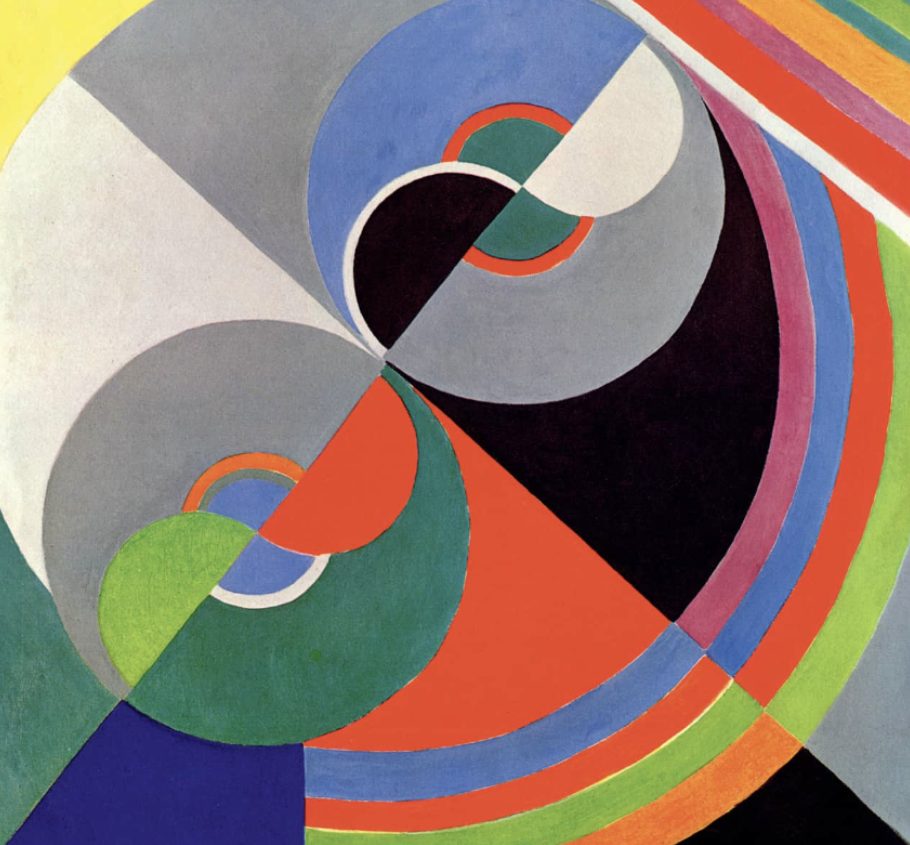
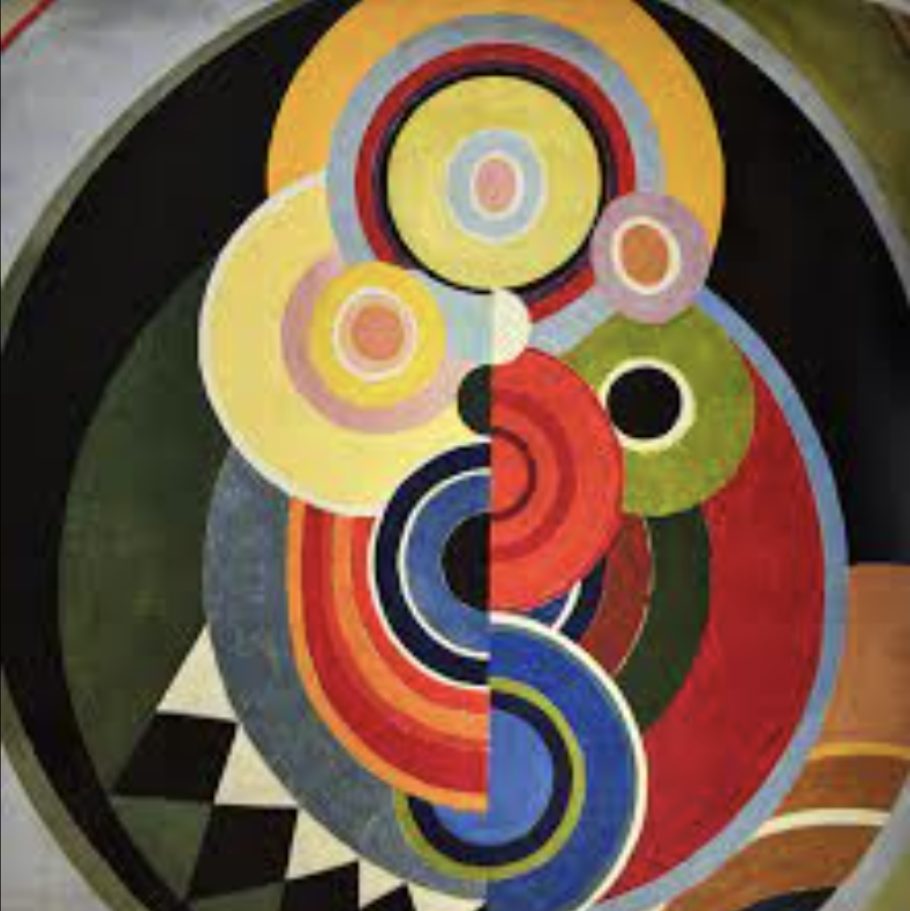
Orphism, also known as Simultanism, was characterized by the use of vibrant colors, geometric shapes, and the exploration of simultaneous contrasts to convey a sense of dynamic movement. The Delaunays aimed to evoke a harmonious visual experience, akin to the way music engages the senses. Sonia and Robert Delaunay’s partnership extended beyond their personal relationship; they collaborated on numerous artistic projects, pushing the boundaries of traditional artistic mediums. Their innovative approach laid the foundation for abstract art and contributed to the broader development of modernist movements.
The Delaunays’ influence on art and design expanded with their participation in various avant-garde circles, including the Section d’Or and the Puteaux Group. Sonia Delaunay’s willingness to explore different artistic expressions, from paintings to textiles and fashion design, showcased her versatility and commitment to integrating art into daily life. The couple’s legacy endured, with Sonia Delaunay continuing her artistic pursuits even after Robert’s death in 1941. Her contributions to abstract art and her impact on the broader cultural landscape cemented her status as a trailblazer in the history of modern art.
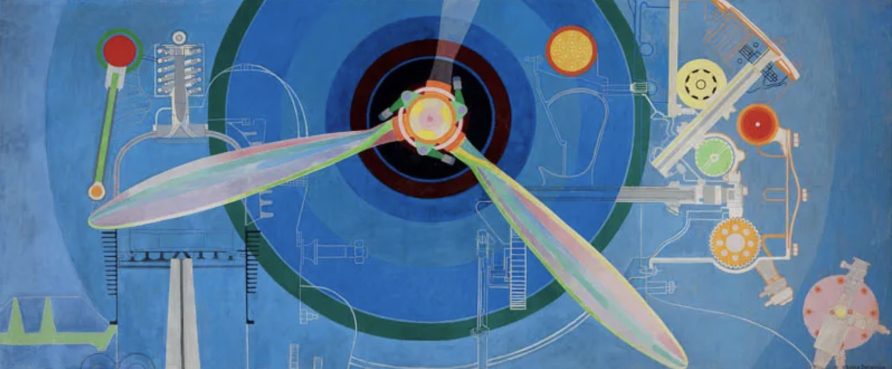
Tate Gallery, London
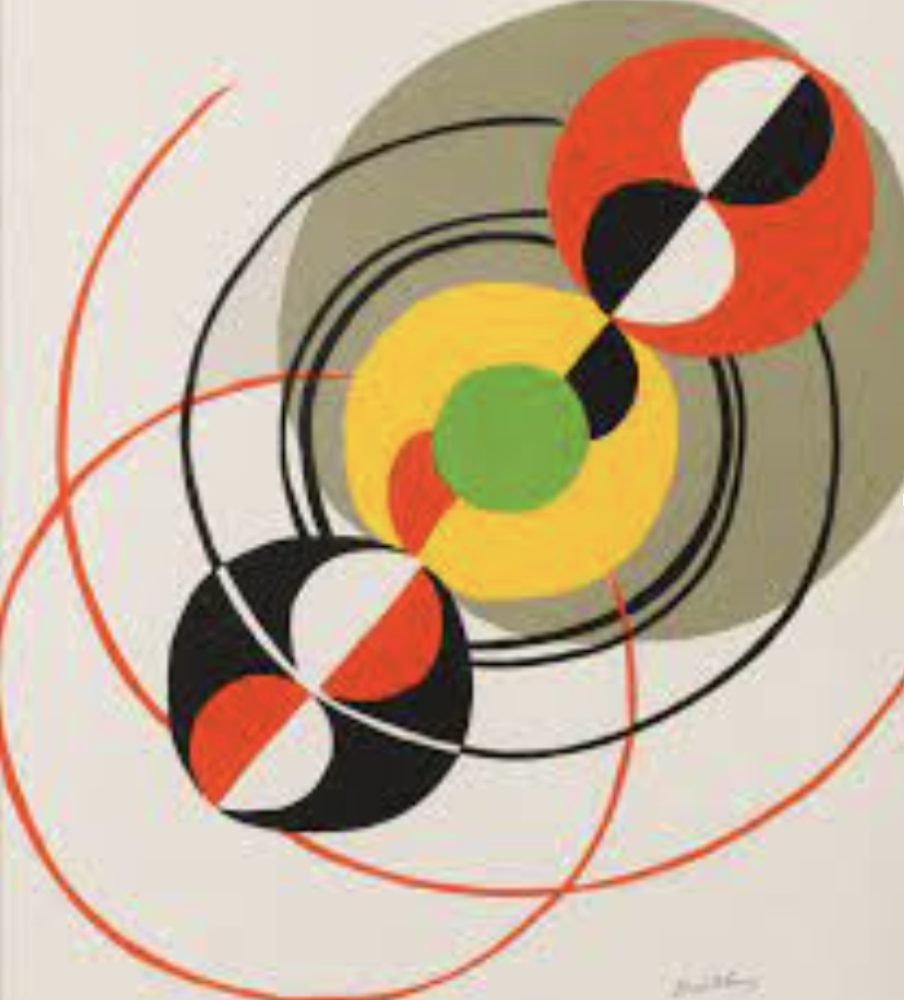
Sonia Delaunay’s artistic journey in Paris was shaped by the dynamic art scene and her collaborations with fellow artists, particularly her husband Robert Delaunay. Embracing influences from Cubism, Fauvism, and Futurism, the Delaunays infused their unique style with vibrant color, experimental forms, and a focus on light and musical qualities. The term “Orphism,” coined by poet and art critic Guillaume Apollinaire in 1913, captured the essence of the Delaunays’ distinctive approach to Cubism. Inspired by the mythological musician and poet Orpheus, Orphism emphasized the harmonious interplay of color and form. Sonia further expanded on this movement with “Simultanism,” a strand of Orphism that explored the dynamic possibilities of color combinations. Simultaneous images, where different designs interact on the canvas, created a visual experience where colors merged in the viewer’s perception.
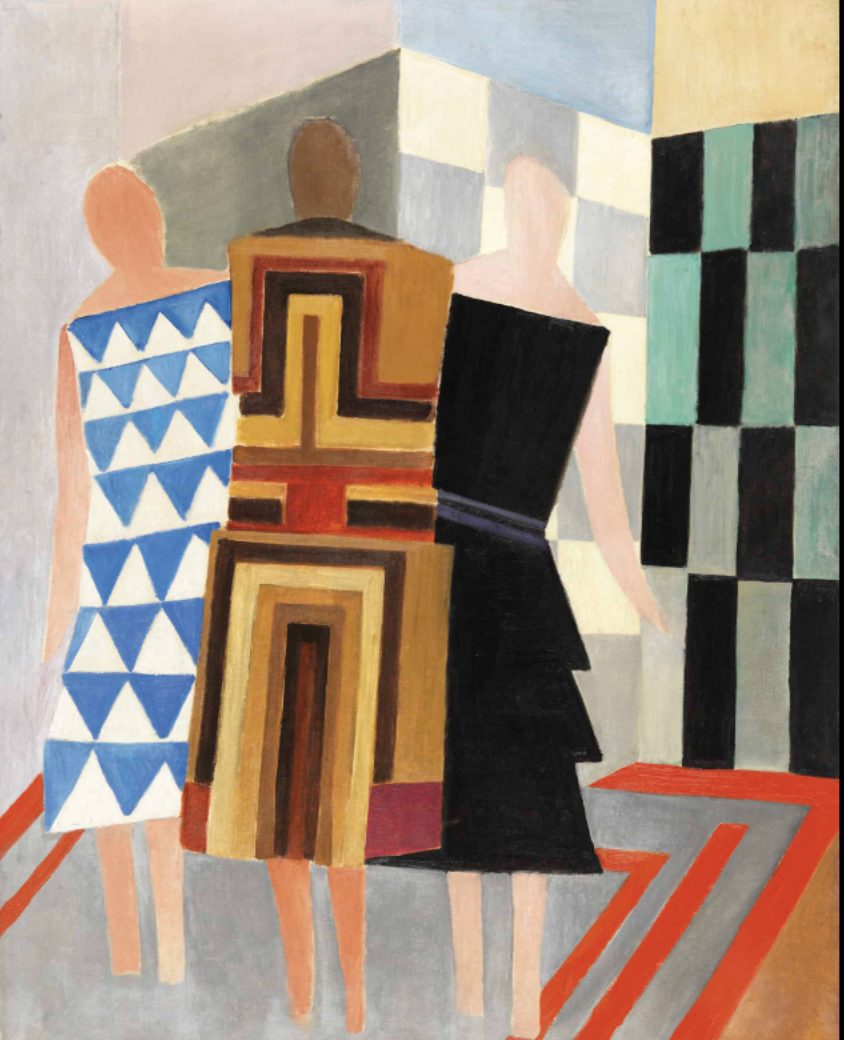
Sonia’s entry into the world of fashion was prompted by financial challenges during the aftermath of the Russian Revolution in 1917. With her aunt cutting off financial support, Sonia turned to fashion design as a means of livelihood. Drawing on Art Deco influences, her designs gained popularity, and her textiles became highly sought after. In 1923, Sonia received a commission to create fifty fabric designs with geometric shapes and bold colors for a manufacturer in Lyon. This marked a significant turning point, leading to the opening of the Boutique Simultané in Paris in 1924. The boutique showcased Sonia’s textiles and designs, attracting attention for their modern and vibrant aesthetic.
Tate Gallery, London
Tate Gallery, London
Tate Gallery, London
Tate Gallery, London
Tate Gallery, London
Sonia’s venture into fashion extended beyond the boutique, as she began designing costumes for sets and theatrical performances. Her multidisciplinary approach, spanning painting, textiles, and fashion design, demonstrated her versatility and innovative spirit. The Boutique Simultané became a hub for avant-garde fashion and contributed to the broader integration of art into everyday life during the Art Deco era. Sonia Delaunay’s artistic legacy extended throughout her life, and she continued to contribute to the worlds of fashion and art until her passing in 1979 at the age of 94. In recognition of her remarkable career, Sonia achieved a historic milestone when she became the first living female artist to be honored with a retrospective exhibition at the Louvre in 1964. This momentous event celebrated her significant impact on the art world and underscored her status as a pioneering figure.
Sonia’s work continued to receive acclaim, leading to exhibitions at prestigious institutions such as the Musée d’Art Moderne de Paris, the Musée des Arts Décoratifs, the Centre Pompidou, Tate Modern, and Cooper Hewitt, Smithsonian Design Museum. These exhibitions showcased the breadth of Sonia Delaunay’s artistic contributions, spanning painting, textiles, and fashion design. Her ability to seamlessly blend different art forms, explore vibrant color palettes, and innovate within the realms of abstraction left an indelible mark on 20th-century art and design. Sonia Delaunay’s retrospective exhibitions provided audiences with a comprehensive look at her groundbreaking work, solidifying her place as a key figure in the evolution of modern art and design. Sonia Delaunay’s ventures into fashion, textile design, and interior decoration should not be viewed merely as commercial endeavors seeking to commodify her work. Unlike some contemporary conceptual artists who embrace commodification as a commentary on materialism, Delaunay’s activities were driven by utopian convictions and a genuine belief in the transformative power of visual arts.
Her discomfort with the commercial aspects of her work underscores her sincerity and commitment to using art as a tool for social change. Delaunay’s polymorphic activities were a genuine attempt to create a new, vibrant world rooted in Simultaneism. For her, the new visual language shouldn’t be confined to canvas frames or art galleries; it should extend into the streets and everyday life. This practical application of radical ideology aimed to bring about a revolution in culture and communication. Delaunay’s idealism and commitment parallel those of her contemporary Malevich, reflecting a shared belief in the potential for art to shape a new cultural landscape. Her Russian heritage likely influenced this perspective.
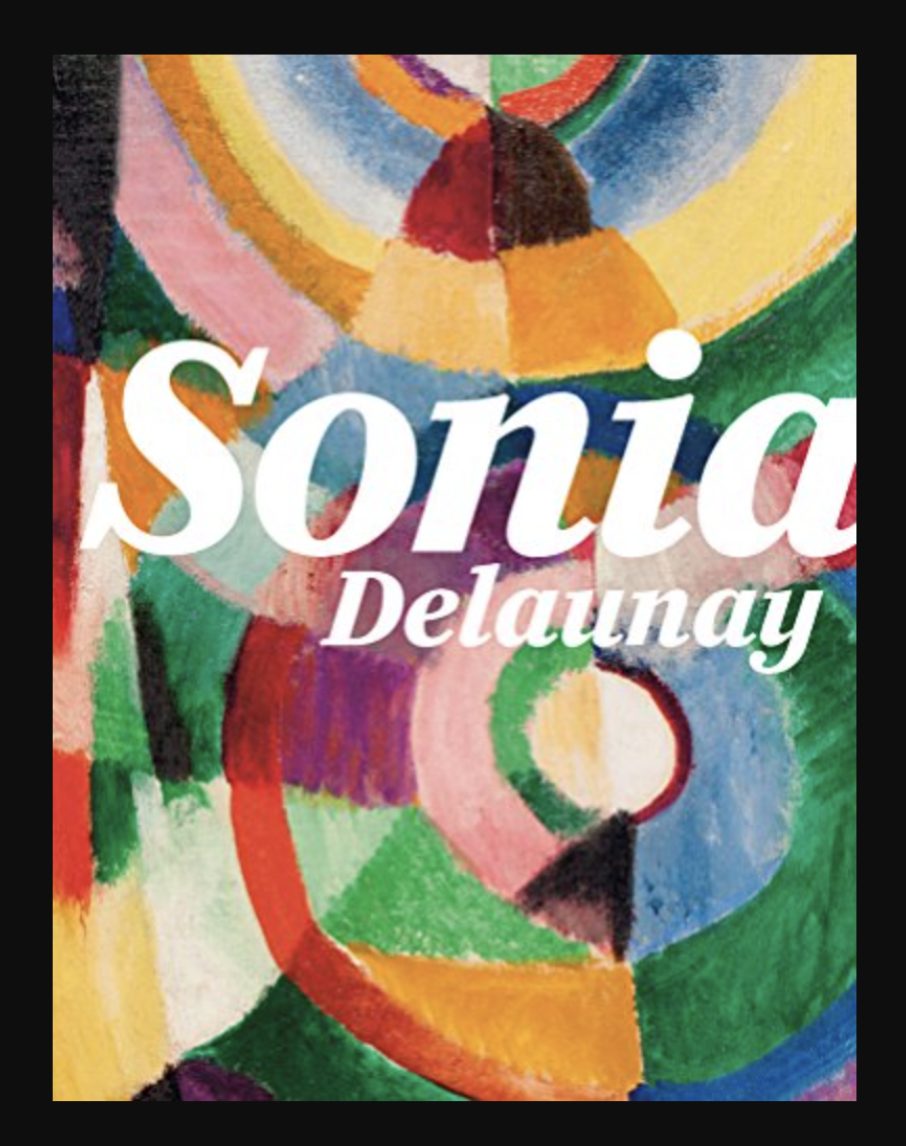
The publication aims to provide fresh insights into the diverse body of work produced by Sonia Delaunay, a prolific artist. Featuring over 250 illustrations, the publication accompanies these visual elements with groundbreaking essays authored by prominent curators and art historians. Together, the visual and written content contributes to a comprehensive exploration of Delaunay’s multifaceted artistic contributions, shedding new light on her impact and legacy in the world of art.
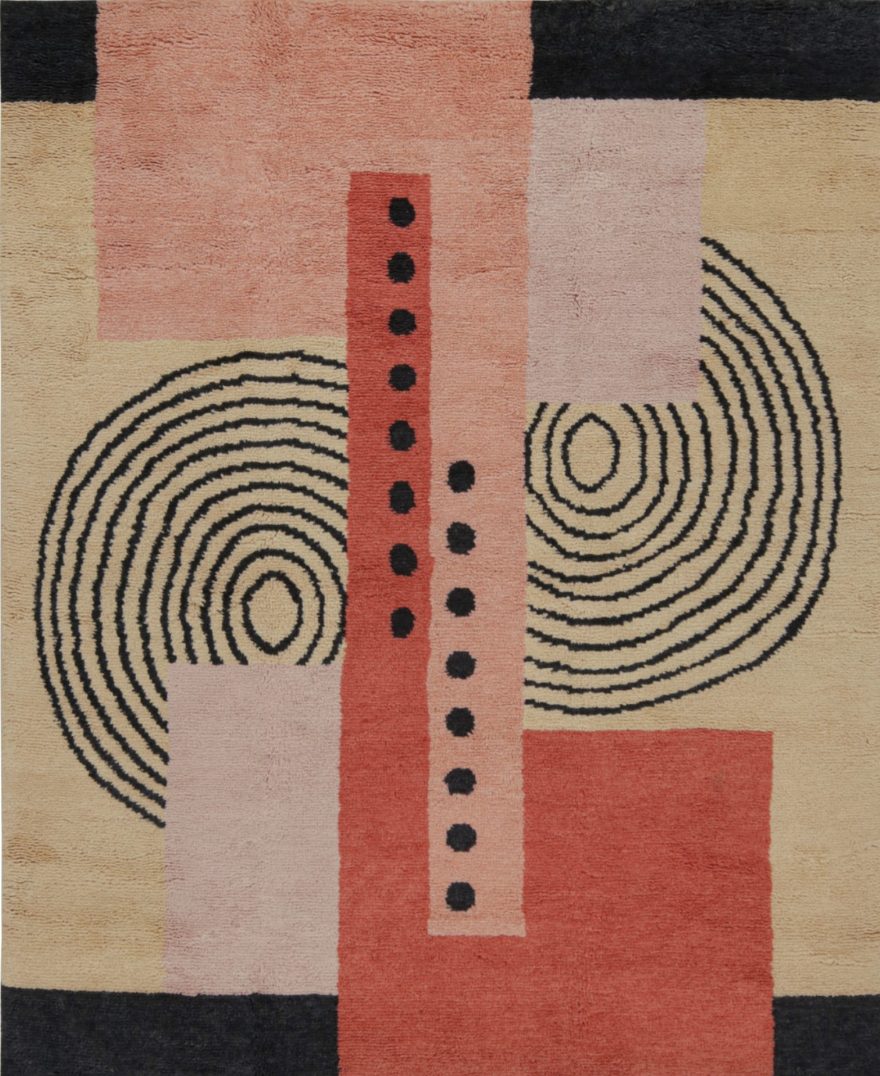
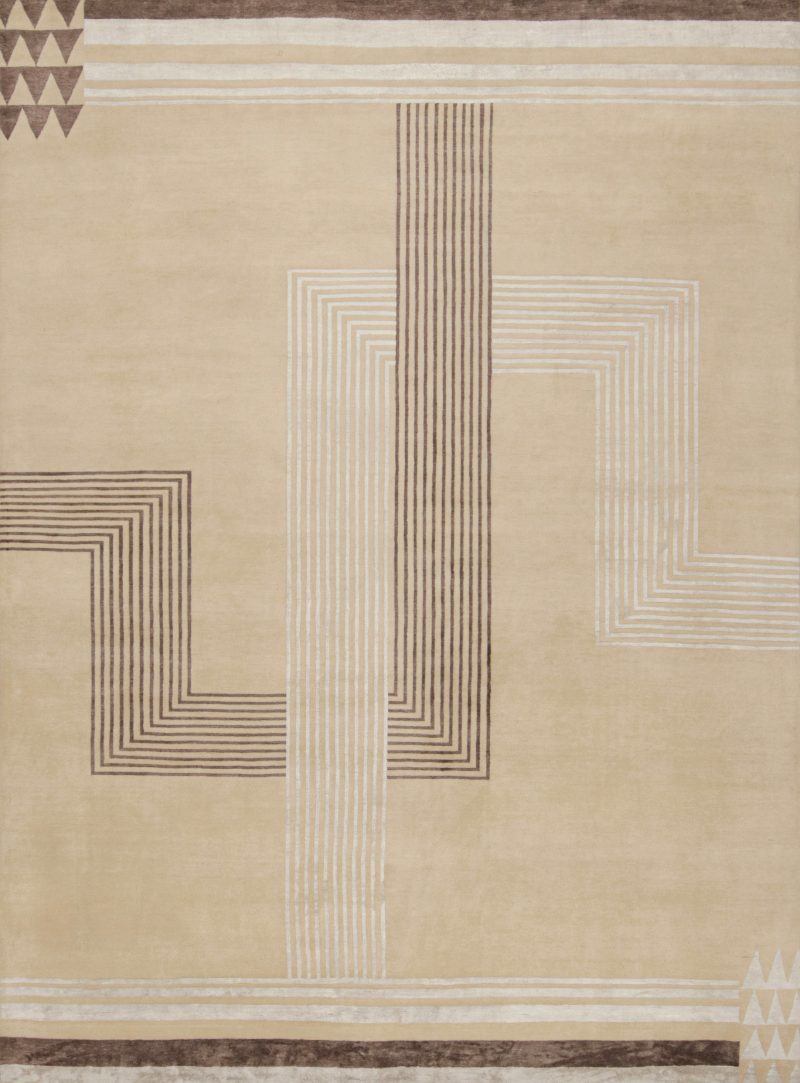
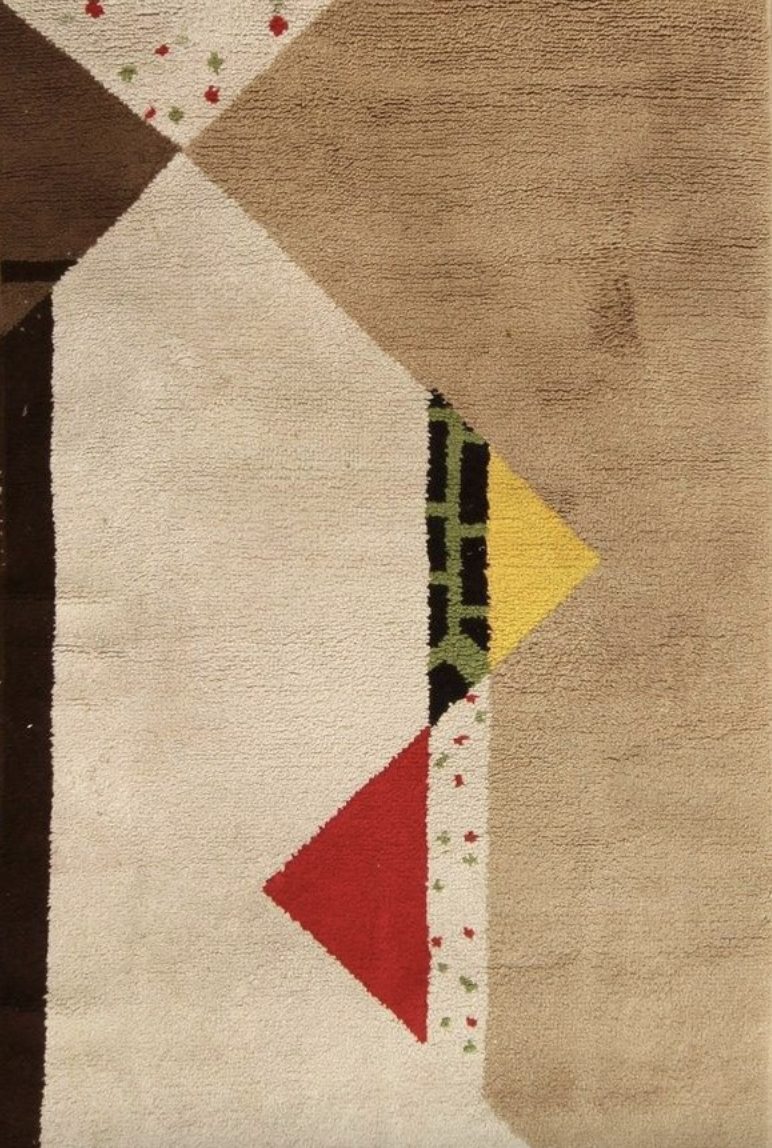
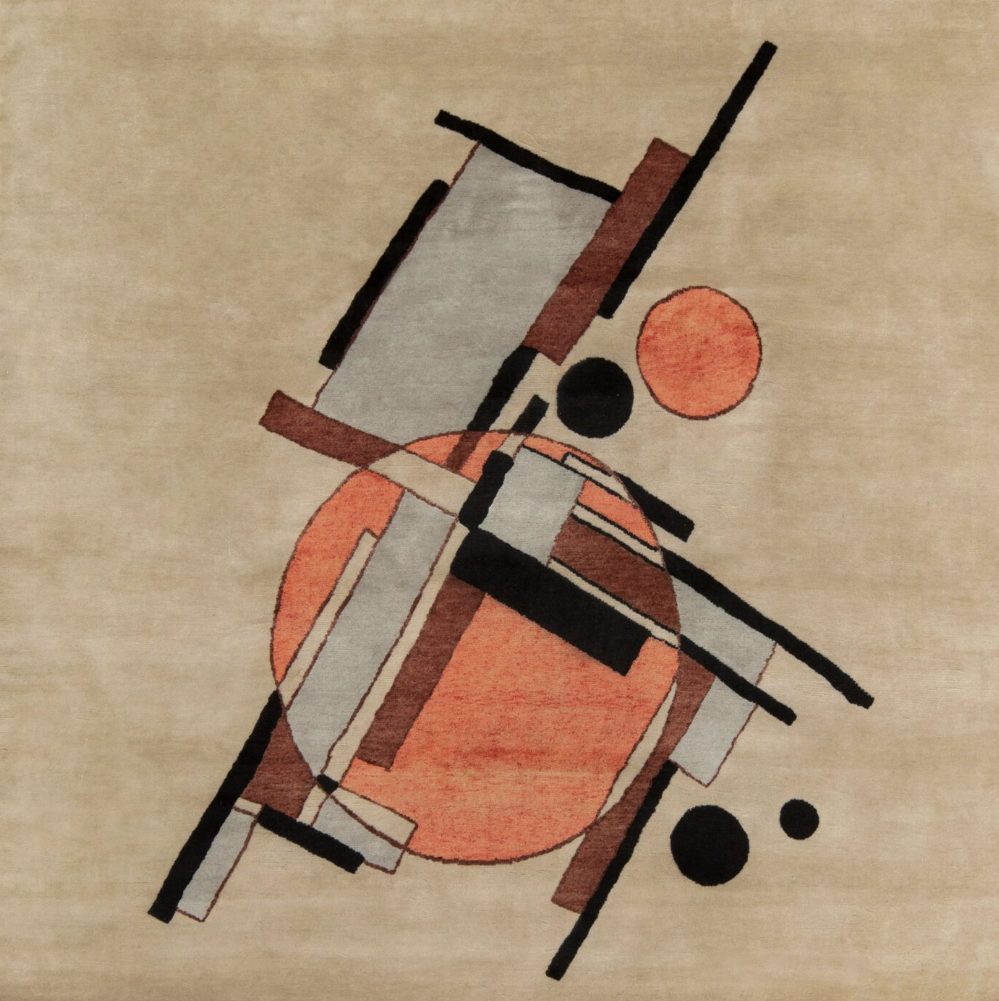
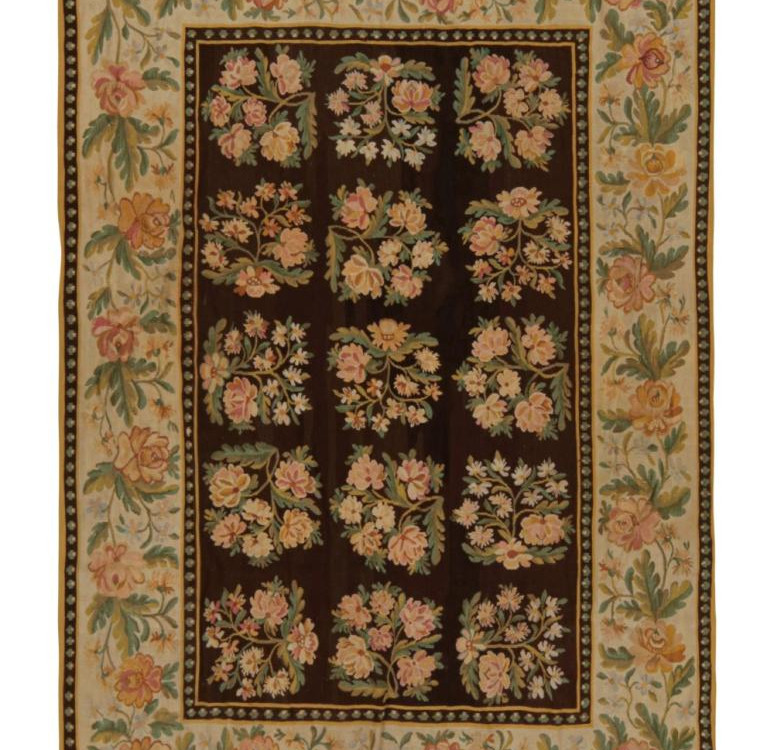
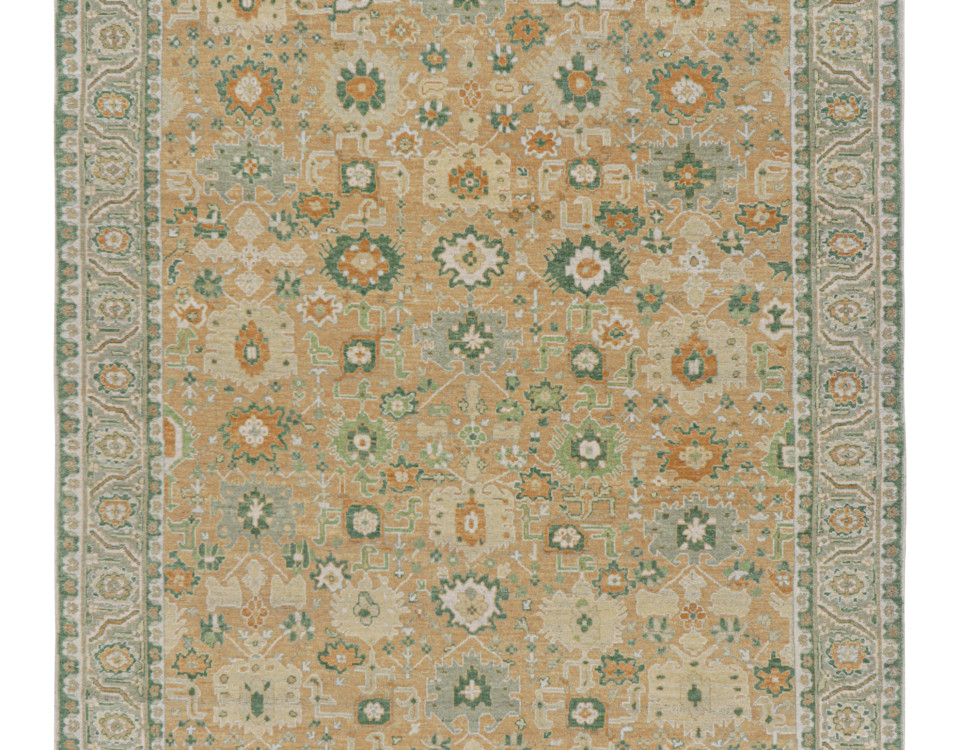
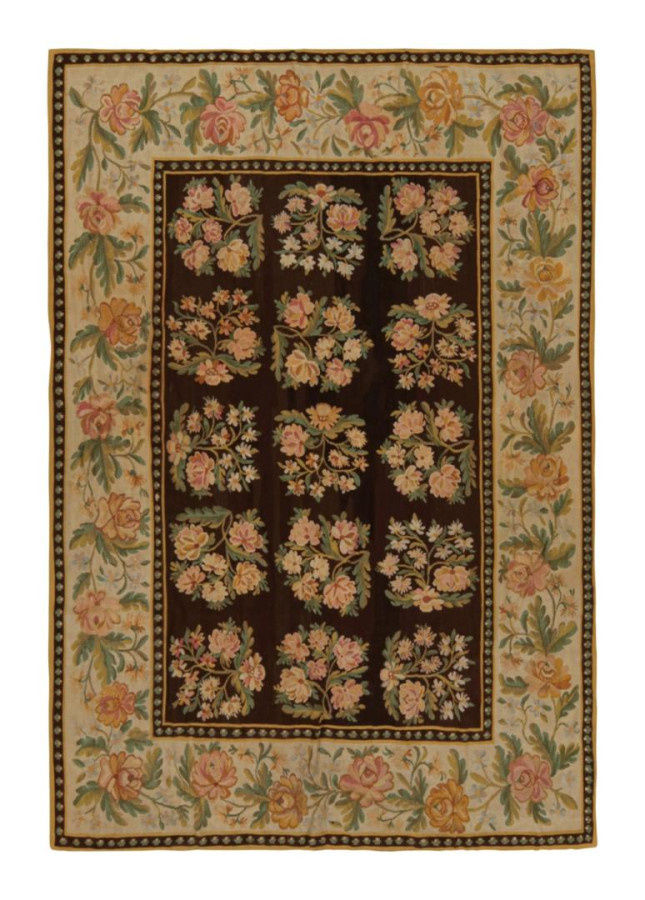
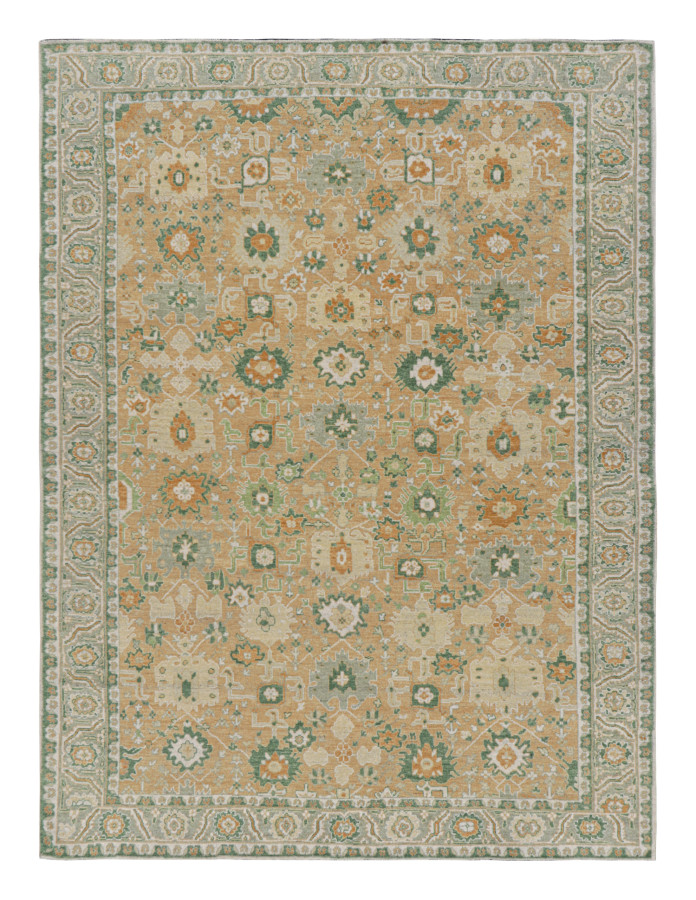
View some of Rug & Kilim’s Art Deco rugs as inspired by Sonia Delaunay –