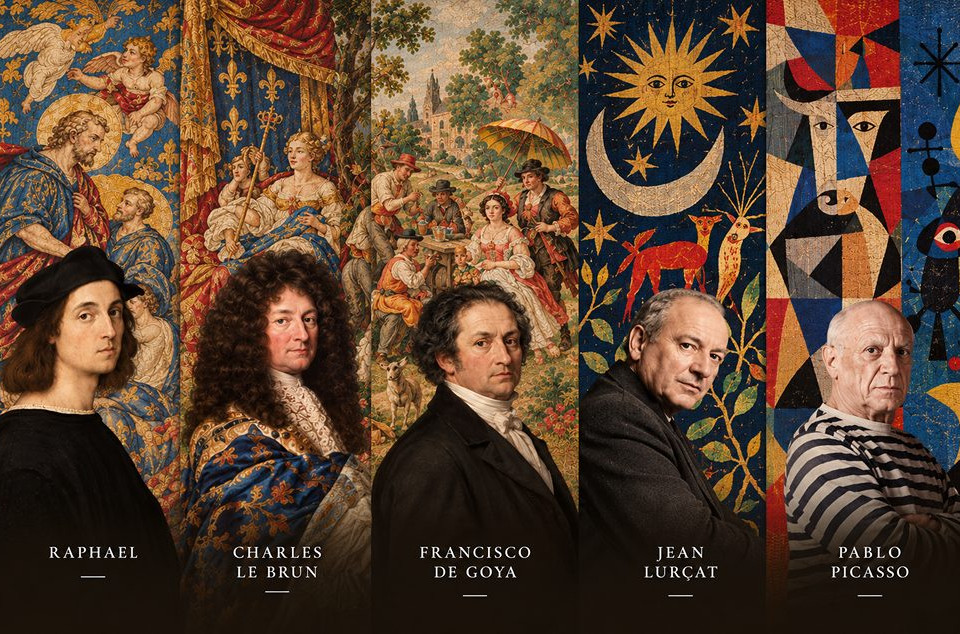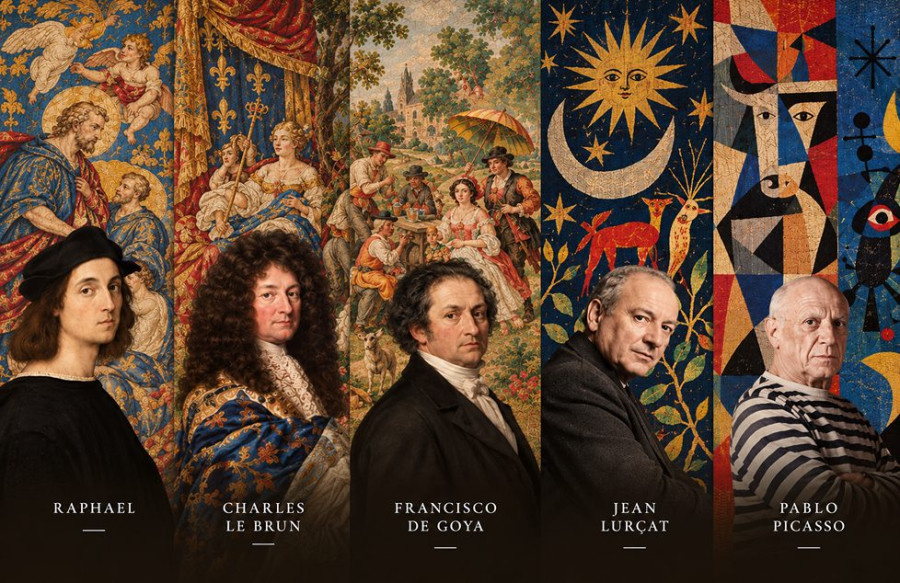

The Artists Behind European Tapestry: A Guide to the Names Worth Knowing
October 20, 2026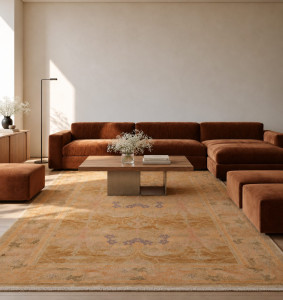
The Enduring Language of Art Nouveau Rugs in Global Design
Among the most influential artistic movements of the modern era, Art Nouveau occupies a unique place at the intersection of art, architecture, design, and craftsmanship. Emerging in Europe during the final decades of the nineteenth century, the movement sought to dissolve traditional boundaries between fine art and decorative art, creating a unified aesthetic language inspired by nature, movement, and organic beauty. Within this broader creative revolution, Art Nouveau rugs emerged as some of the most sophisticated and expressive textile works ever produced.
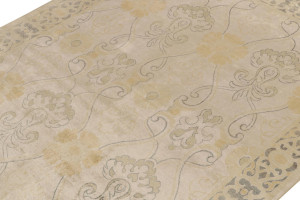
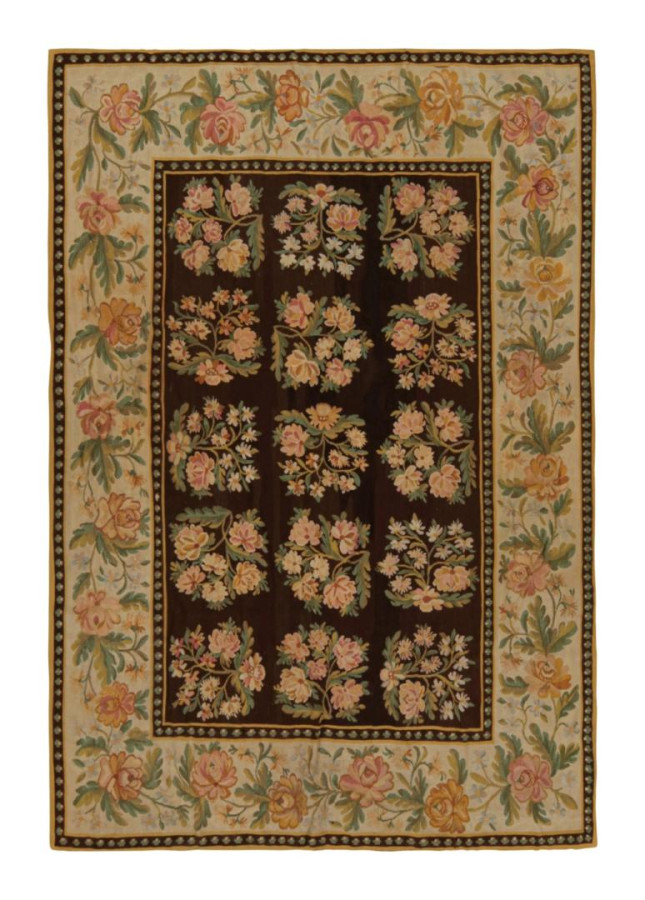
Unlike the historical revival styles that dominated much of the nineteenth century, Art Nouveau embraced innovation. Designers looked beyond historical ornament and instead turned to the natural world for inspiration. Flowing vines, botanical forms, floral motifs, curved silhouettes, and rhythmic asymmetry became defining characteristics of the movement. Rugs created within this design philosophy transformed the role of carpets from decorative accessories into integral architectural and artistic elements.
Today, Art Nouveau rugs remain among the most admired expressions of decorative arts history. Their elegance, craftsmanship, and timeless organic forms continue to resonate with collectors, designers, architects, and institutions seeking interiors grounded in artistry and cultural sophistication.
Far more than period artifacts, Art Nouveau rugs represent a lasting vision of beauty in which nature, craftsmanship, and design exist in perfect harmony.
Rug & Kilim and the Contemporary Interpretation of Art Nouveau Rugs
Within the international world of collectible textiles and luxury interiors, Rug & Kilim occupies a distinctive role in preserving and advancing appreciation for Art Nouveau rugs. The House approaches these carpets not merely as decorative objects but as important works of artistic and cultural heritage.
Through engagement with antique Art Nouveau carpets, vintage European textiles, and contemporary interpretations inspired by the movement’s organic vocabulary, Rug & Kilim contributes to the continued relevance of Art Nouveau design within modern interiors.
The firm’s philosophy emphasizes scholarship, material authenticity, and respect for historical design traditions while embracing contemporary architectural environments. By connecting collectors, designers, and institutions with historically significant textiles, Rug & Kilim helps ensure that the legacy of Art Nouveau remains active within today’s design discourse.
This approach reflects a broader understanding that Art Nouveau rugs are not static artifacts confined to museum collections. Rather, they remain living design elements capable of inspiring new generations through their beauty, craftsmanship, and enduring relevance.
Historical Origins: The Birth of a New Artistic Vision
Art Nouveau emerged across Europe between approximately 1890 and 1914, coinciding with profound social, technological, and artistic transformation. The movement appeared under different names throughout the continent, including Jugendstil in Germany, Secession in Austria, Modernisme in Catalonia, and Stile Liberty in Italy.
Although regional expressions varied, all shared a common ambition: to create a modern artistic language rooted in craftsmanship, beauty, and the natural world.
Leading figures associated with the movement included:
- Victor Horta
- Hector Guimard
- Antoni Gaudí
- Charles Rennie Mackintosh
- Louis Comfort Tiffany
- Émile Gallé
- Alphonse Mucha
These artists and designers rejected rigid historical styles and instead embraced flowing forms inspired by plants, flowers, insects, water, and the human figure.
Within this creative environment, textile designers and carpet makers began producing rugs that reflected the same organic principles found in contemporary architecture, furniture, glasswork, ceramics, and graphic design.
The resulting carpets became integral components of total design environments in which every object contributed to a unified artistic vision.
Design Language: Nature as Ornament
The defining characteristic of Art Nouveau rugs is their extraordinary relationship with nature.
Unlike geometric or symmetrical traditions, Art Nouveau compositions often emphasize fluidity, movement, and organic growth.
Common design features include:
- Flowing floral arrangements
- Stylized lilies and irises
- Vine and leaf patterns
- Curvilinear arabesques
- Botanical abstractions
- Asymmetrical compositions
- Whiplash curves
- Nature-inspired decorative borders
These motifs were rarely literal reproductions of natural forms. Instead, designers transformed nature into highly refined artistic abstractions that emphasized rhythm, elegance, and visual continuity.
The resulting carpets possess a remarkable sense of movement, creating interiors that feel alive and interconnected.
This approach continues to influence contemporary designers seeking alternatives to rigid minimalism or excessive ornamentation.
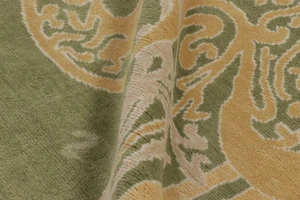
Art Nouveau Rugs and the Decorative Arts Movement
Art Nouveau rugs cannot be fully understood without considering their place within the broader decorative arts movement.
Unlike earlier periods that separated fine art from applied arts, Art Nouveau embraced the idea that beauty should extend to every aspect of daily life. Carpets became as important to artistic expression as architecture, painting, or sculpture.
The movement influenced:
- Interior design
- Furniture making
- Glass production
- Jewelry design
- Graphic arts
- Textiles
- Ceramics
- Architecture
Art Nouveau rugs served as foundational design elements within these environments, often establishing the visual rhythm and atmosphere of entire spaces.
Their significance extends beyond textile history, positioning them among the most important decorative arts objects of the modern age.
Color Palettes: Atmosphere, Elegance, and Natural Harmony
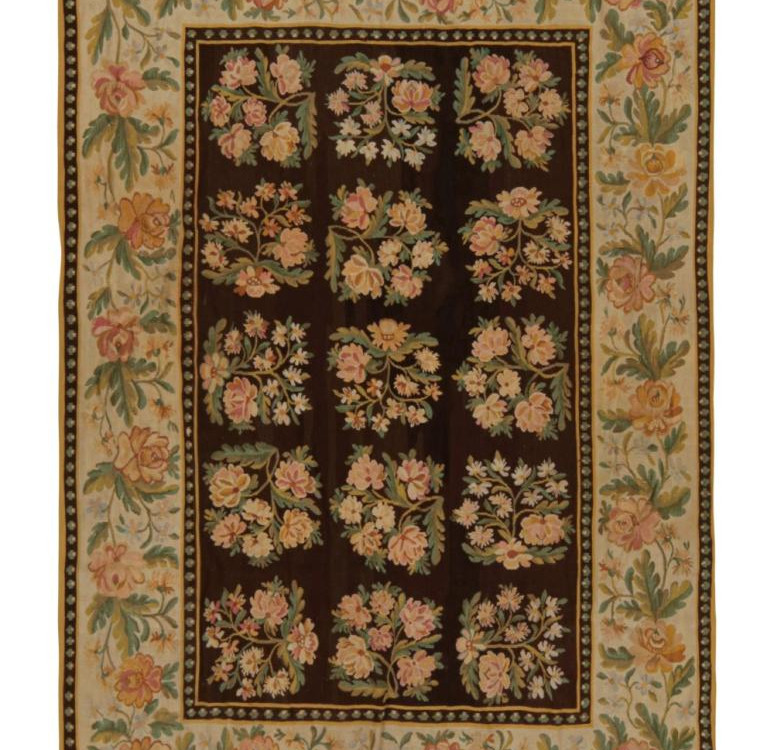
Art Nouveau rugs are celebrated for sophisticated color relationships inspired by natural landscapes and botanical forms.
Common palettes include:
- Moss green and sage
- Soft gold and amber
- Lavender and violet
- Deep teal and turquoise
- Rose and blush tones
- Ivory and parchment
- Muted terracotta
- Warm earth browns
These colors create subtle transitions and atmospheric depth rather than dramatic contrast.
The emphasis on harmony reflects the movement’s broader commitment to creating emotionally resonant environments inspired by nature.
Today, these palettes continue to align perfectly with contemporary luxury interiors emphasizing calmness, material richness, and timeless sophistication.
Art Nouveau Rugs in Art, Literature, and Cultural History
Art Nouveau emerged during one of the most intellectually vibrant periods in modern cultural history.
Its influence extended far beyond visual design into literature, theater, publishing, and cultural philosophy. The movement reflected a broader fascination with symbolism, poetry, nature, and the emotional dimensions of artistic experience.
Within art history, Art Nouveau rugs are frequently associated with:
- Symbolist aesthetics
- Arts and Crafts ideals
- European modernism
- Decorative arts innovation
- Nature-inspired design philosophy
Their visual language parallels the work of artists, illustrators, architects, and writers who sought to create a more beautiful and meaningful relationship between art and everyday life.
As a result, Art Nouveau carpets occupy an important position within museum collections and academic scholarship focused on decorative arts and design history.
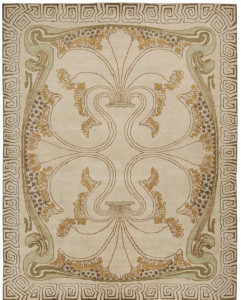
Contemporary Relevance in Luxury Interior Design
Few historical design movements feel as contemporary today as Art Nouveau.
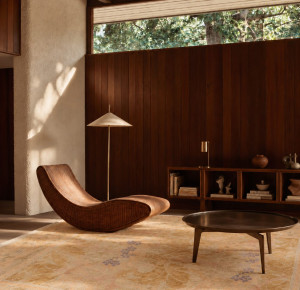
Modern architects and interior designers increasingly embrace organic forms, biophilic design principles, and handcrafted materials—values that closely align with the original ambitions of the movement.
Art Nouveau rugs are particularly effective within:
- Luxury residences
- Boutique hospitality projects
- Historic restorations
- Contemporary organic interiors
- Gallery environments
- Cultural institutions
- Transitional design spaces
Their flowing forms soften modern architecture while introducing texture, warmth, and artistic sophistication.
The growing appreciation for artisanal craftsmanship and collectible design has further elevated the relevance of Art Nouveau carpets within today’s luxury market.
Unlike trend-driven decorative objects, these rugs communicate timeless beauty rooted in artistic integrity.
Collectibility and Market Significance
Art Nouveau rugs occupy a respected position within the international market for collectible decorative arts.
Collectors typically evaluate examples according to:
- Historical provenance
- Artistic originality
- Design quality
- Material authenticity
- Craftsmanship
- Condition and rarity
Particularly desirable are carpets associated with important decorative arts workshops, influential designers, or early twentieth-century European production centers.
Their enduring appeal reflects the continued recognition of Art Nouveau as one of the most important artistic movements in modern history.
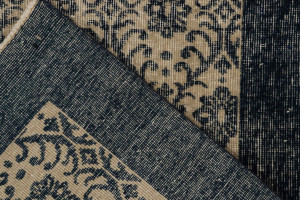
Art Nouveau Rugs as Living Artistic Heritage
Art Nouveau rugs represent far more than decorative floor coverings. They embody a transformative vision of art’s role within everyday life.
Their flowing forms, botanical inspirations, and exceptional craftsmanship continue to resonate because they address timeless human desires for beauty, harmony, and connection to nature.
For collectors, architects, historians, designers, and institutions, Art Nouveau rugs offer a remarkable synthesis of decorative arts, cultural history, and contemporary relevance.
Their continued presence within the world’s most distinguished interiors confirms that great design transcends periods and styles. It evolves, inspires, and remains perpetually meaningful across generations.
FAQ: Art Nouveau Rugs
What is an Art Nouveau rug?
An Art Nouveau rug is a carpet inspired by the Art Nouveau movement, characterized by organic forms, flowing lines, floral motifs, and nature-inspired ornamentation.
When were Art Nouveau rugs most popular?
Art Nouveau rugs were primarily produced between the 1890s and the outbreak of World War I, coinciding with the height of the Art Nouveau movement.
What distinguishes Art Nouveau rugs from Art Deco rugs?
Art Nouveau rugs emphasize flowing organic forms and natural inspiration, while Art Deco rugs focus on geometry, symmetry, and modern industrial aesthetics.
Are Art Nouveau rugs collectible?
Yes. Antique Art Nouveau rugs are highly valued for their artistic significance, rarity, craftsmanship, and connection to one of the most influential design movements in history.
What colors are common in Art Nouveau rugs?
Common colors include sage green, gold, lavender, rose, teal, ivory, amber, and other nature-inspired tones.
Why are Art Nouveau rugs important in design history?
They represent the movement’s ambition to unify fine art and decorative arts while creating a distinctly modern visual language inspired by nature.
Can Art Nouveau rugs work in contemporary interiors?
Absolutely. Their organic forms, sophisticated palettes, and artistic character make them highly adaptable to both traditional and modern luxury interiors.
Why do designers still use Art Nouveau-inspired rugs today?
Because their emphasis on craftsmanship, beauty, and natural forms aligns closely with contemporary interests in biophilic design, artisanal production, and timeless elegance.