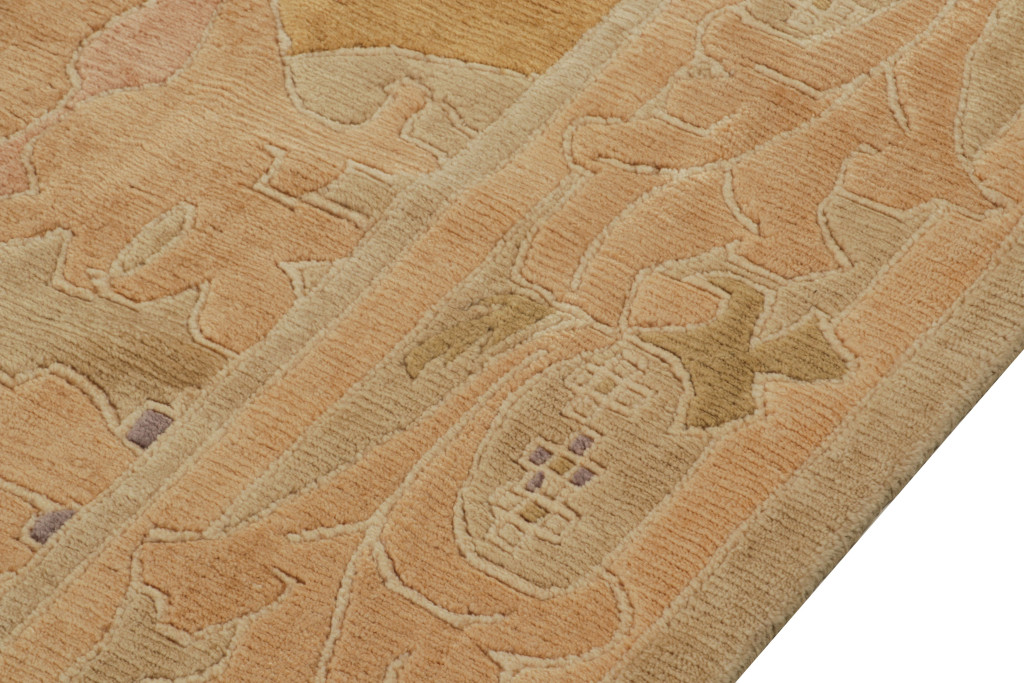
Rug & Kilim’s European Art Nouveau Rug in Beige and Gold Floral Pattern
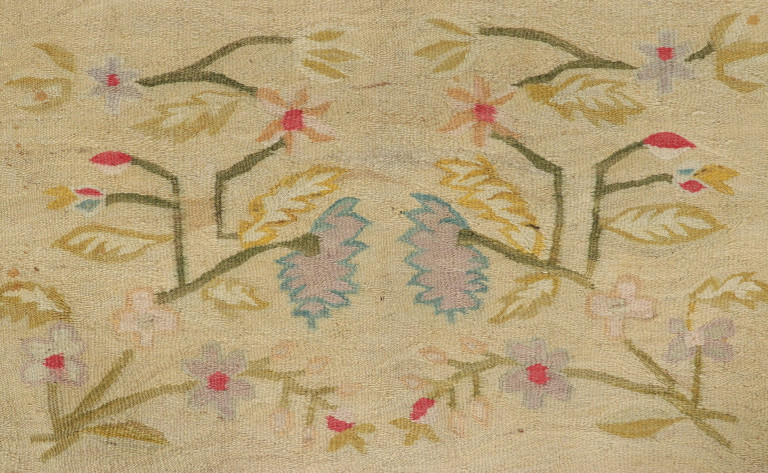
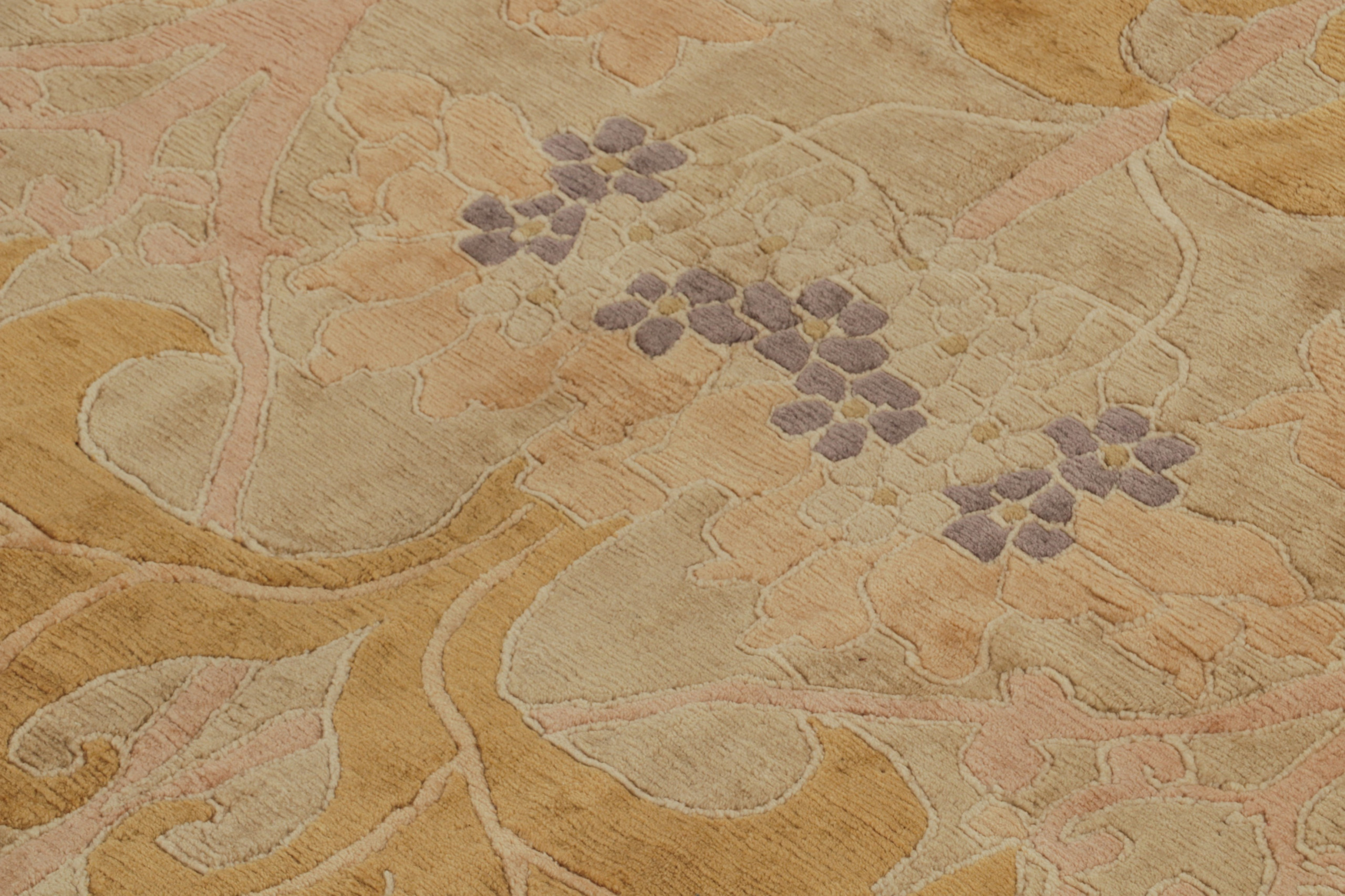
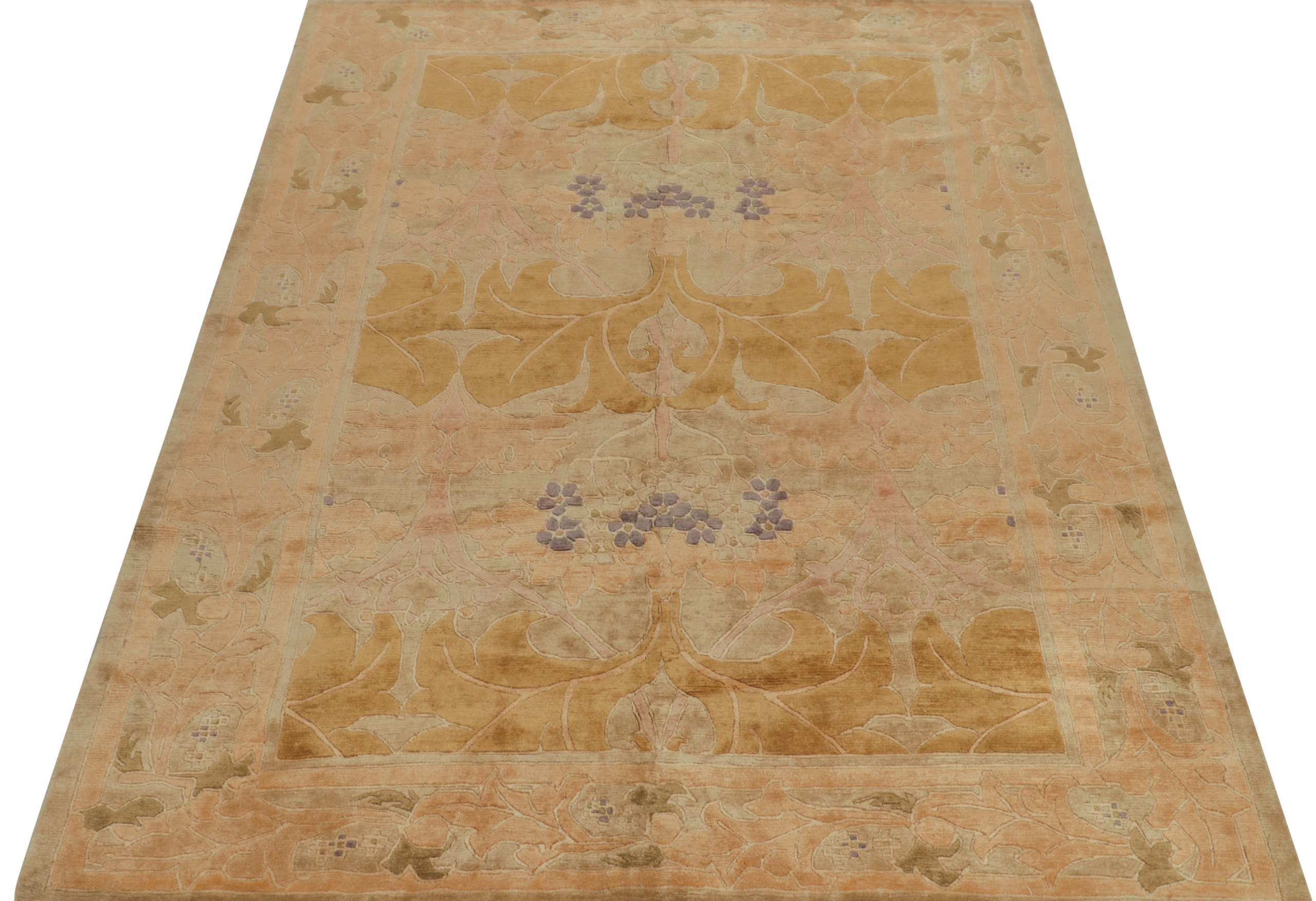
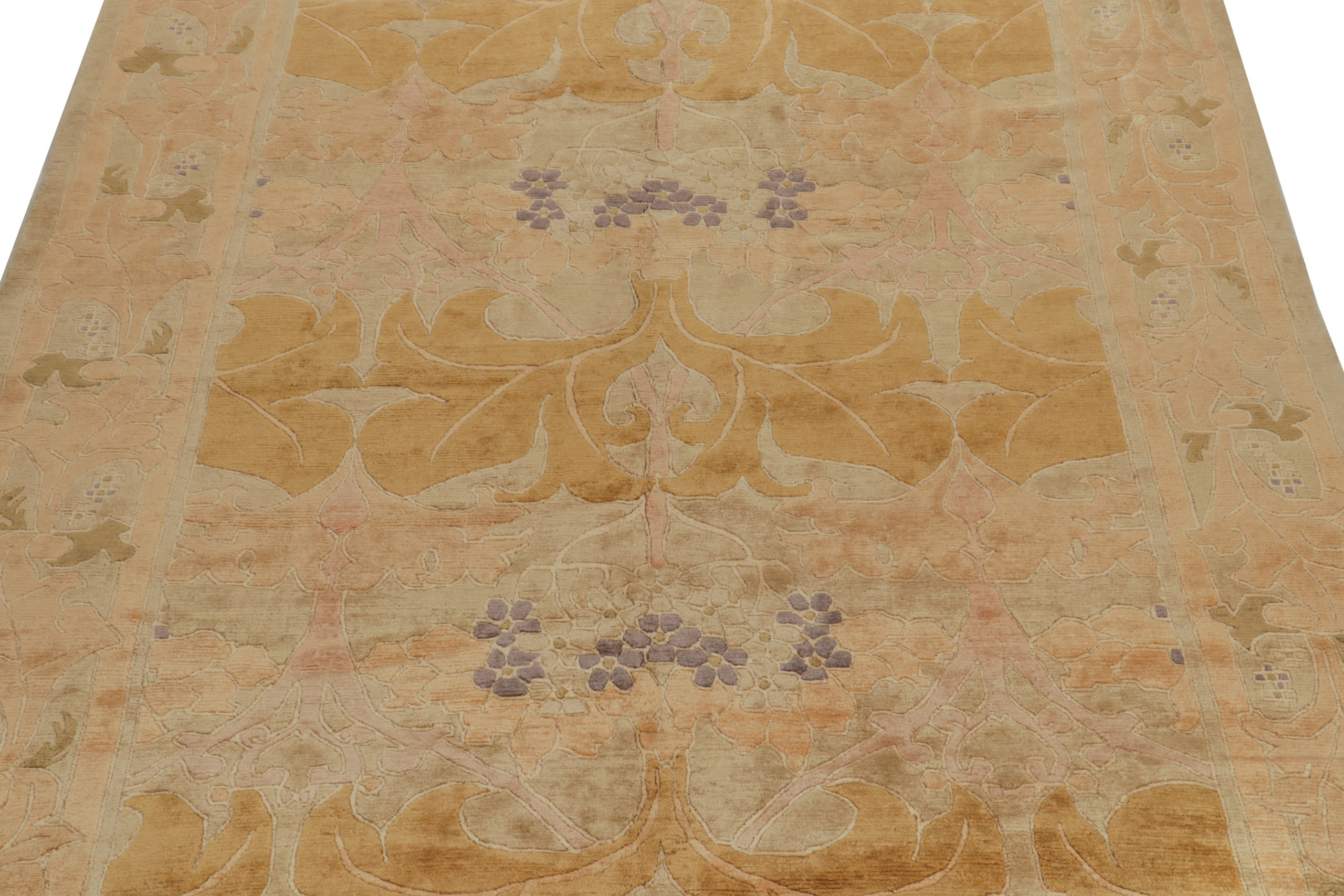
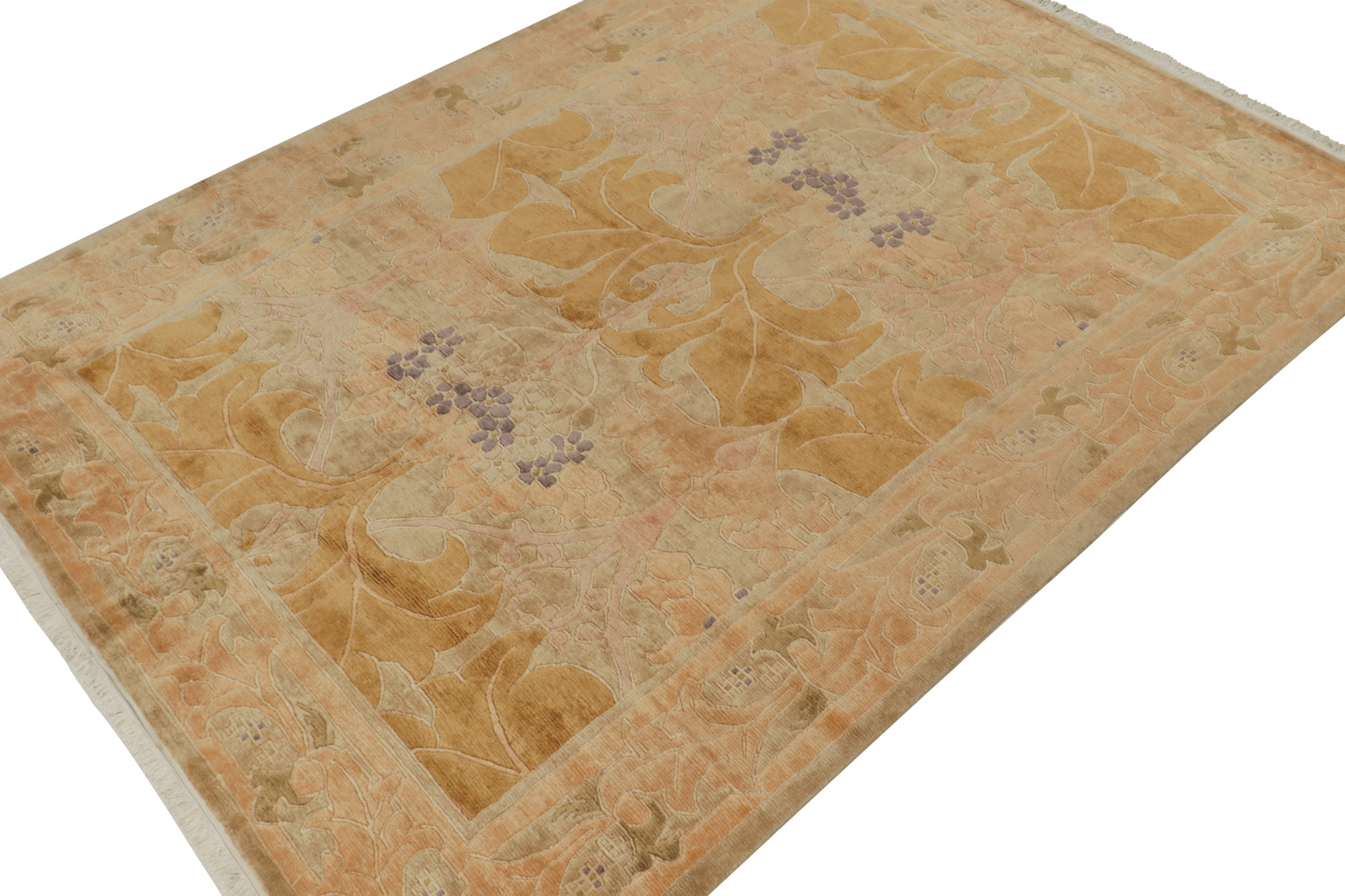
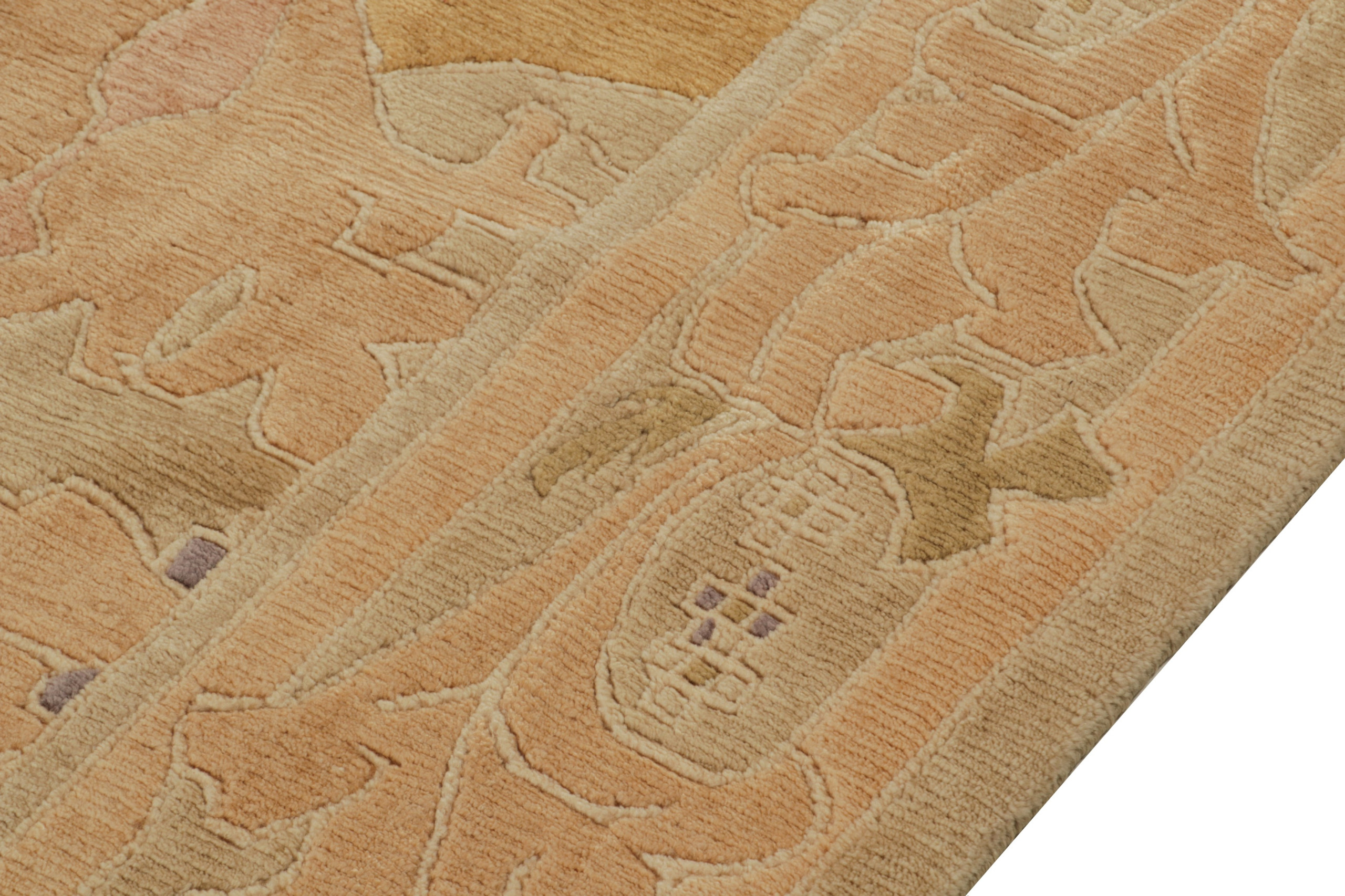
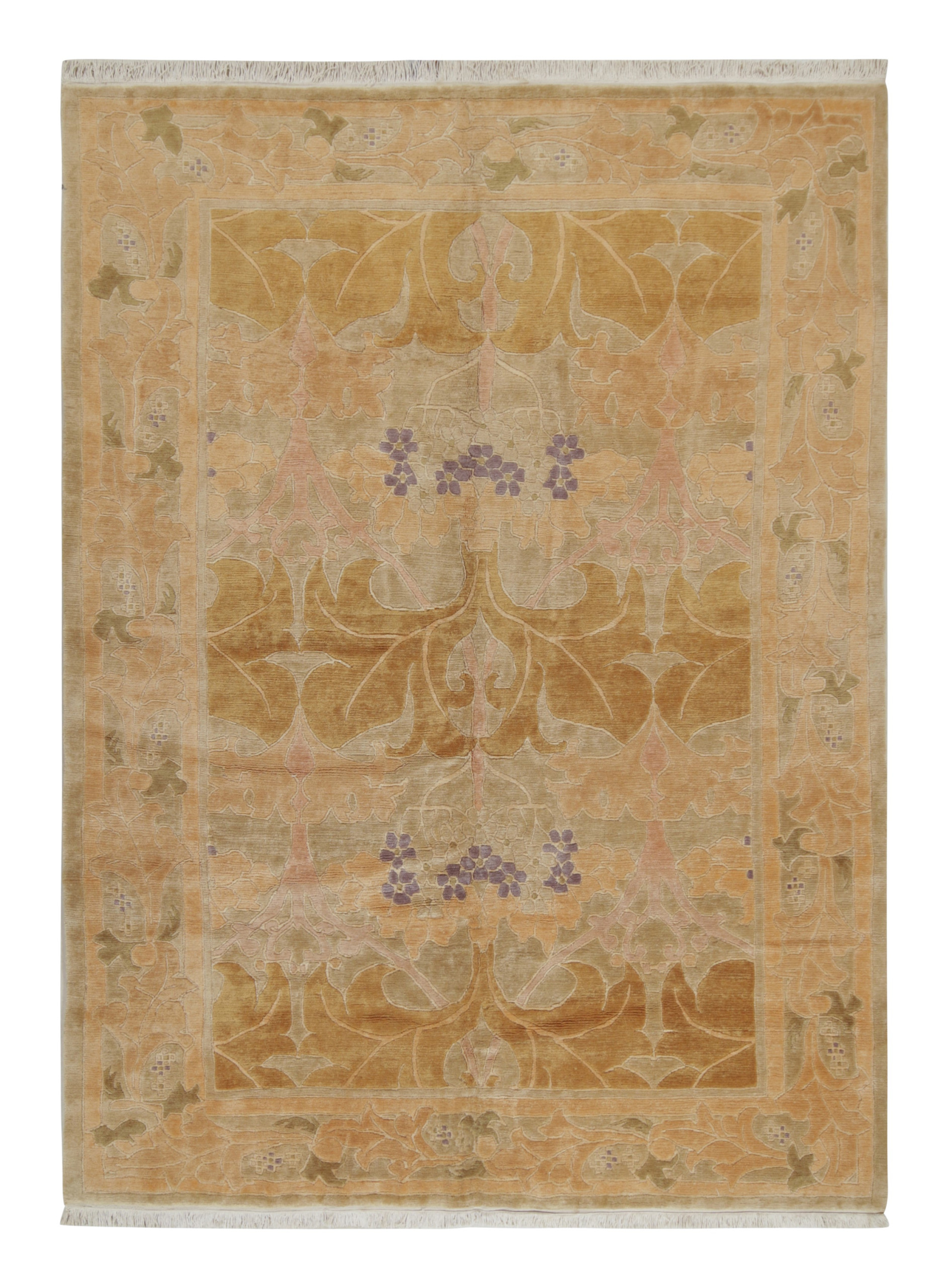
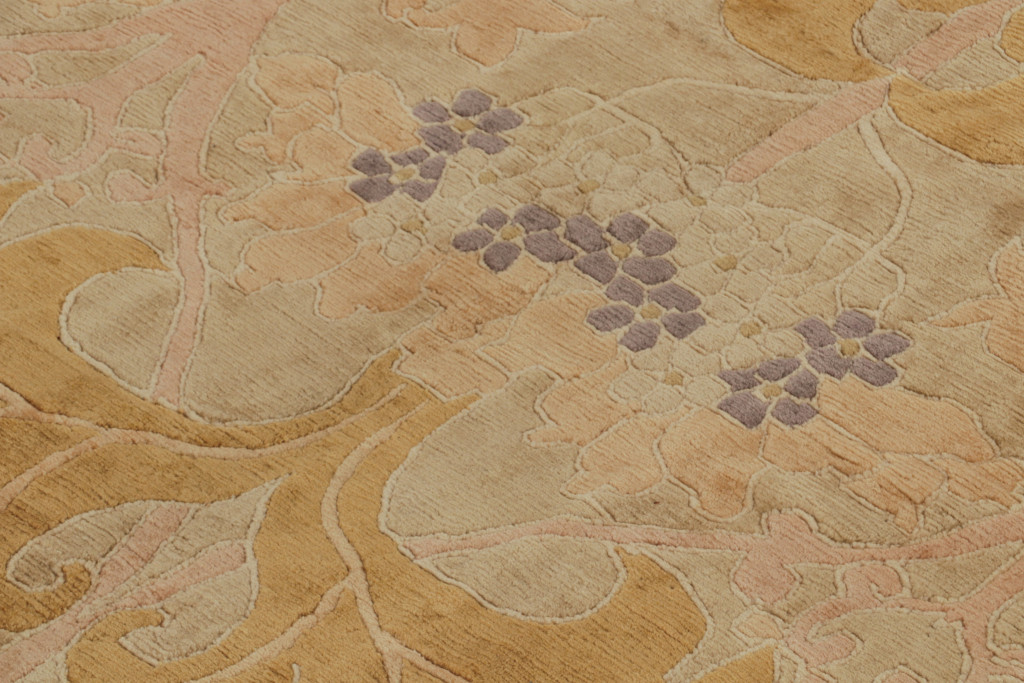
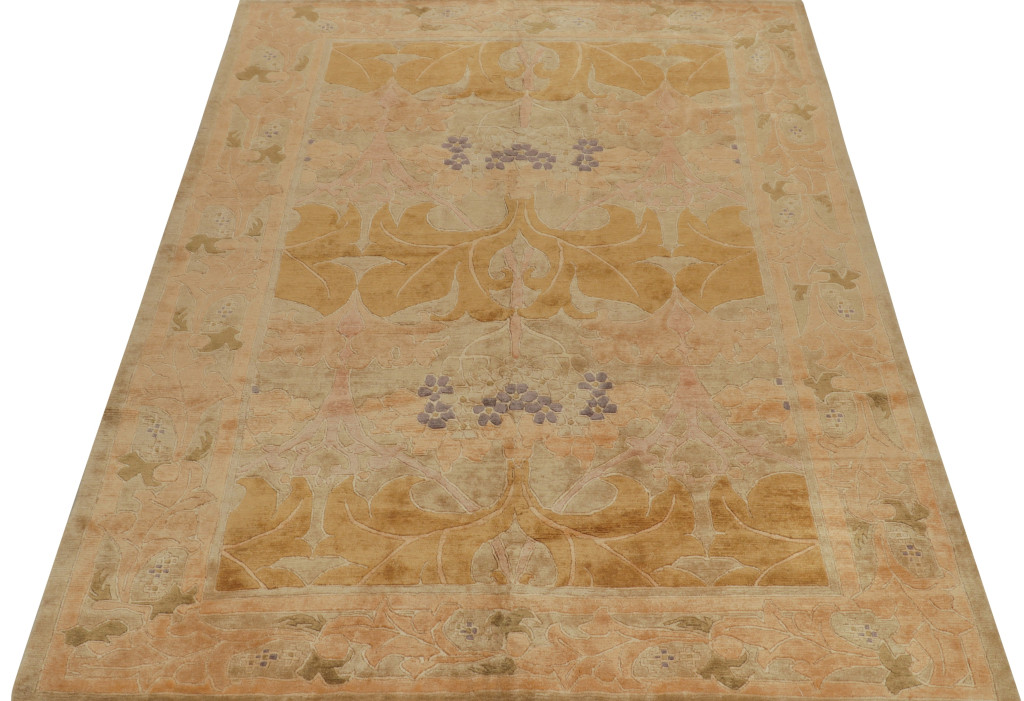
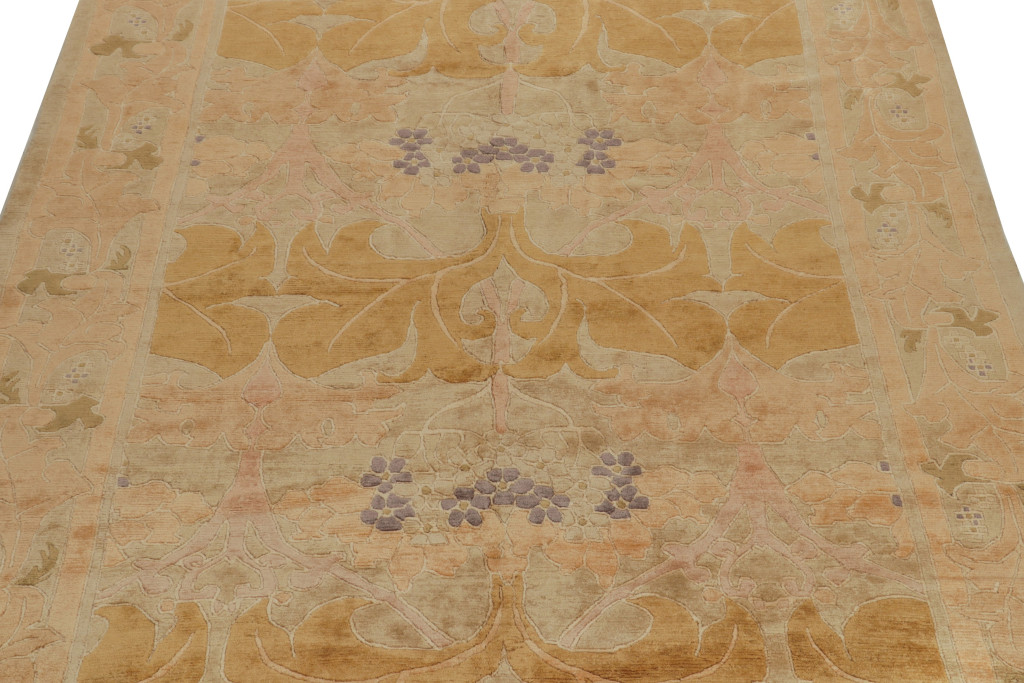
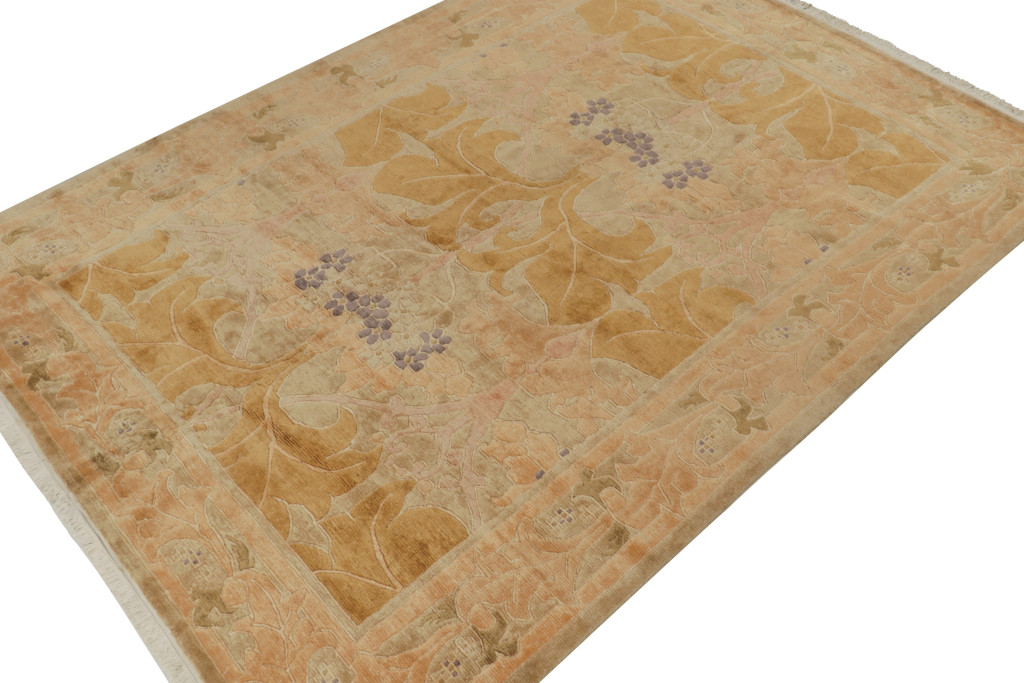
An 8x11 rug inspired from antique Art Nouveau rug styles, from Rug & Kilim’s European Collection. Hand-knotted in wool, playing a regal gold with beige and copper notes throughout elegant floral patterns. Further On the Design:The play of such elegant tones with such subdued florals lends a unique play of the light that sits gorgeous in this scale. Keen eyes will admire how the color medley highlights this finely detailed style, and its gorgeous sense of movement. A closer look further reveals purple, pink, and even green accents in the sophisticated, unusual colorway this rug hosts.A new masterpiece in this transitional European style, particularly well suited in dimensions to large-size projects. Further enjoys pristine condition as a new rug.Custom Capable:Please note all custom orders are subject to a 3-day return policy upon receipt of the CAD, at which point a full refund may be honored. Yarn samples can be made available during the process on loom as well, subject to the 3-day window without prior approval of extension. All custom sales following the approved CAD are final without these exceptions.
"Josh has been able to dredge up some of the rarest and most beautiful carpets for our nerdy and stringent requirements. And we have had a grand time together assembling collections for clients."
— Ralph Harvard, Ralph Harvard Inc.
The Rug & Kilim Standard
The Rug & Kilim Standard
A standard since our inception upheld across every acquisition, transaction, and delivery.
45+ Year Old Institution
More than four decades of expertise and stewardship, under the leadership of our Principal, Jahanshah "Josh" Nazmiyal.
Favorable Return Policy
Our return policy is 48 hours upon receipt allowing you to confirm the purchase in your space with confidence.
Product Warranty
Each rug is hand selected or produced through the most reputable sources under the direct supervision of our Principal.
Trusted Global Delivery
Reliable worldwide delivery handled with care, precision and constant communication.
Exceptional Support
Attentive, knowledgeable guidance before and after purchase from our dedicated team of specialists.
Long Term Care
We stand behind every piece we place and remain a resource to our clients for the lifetime of their collection.
The R&K Image Studio is a new visual workspace designed to present the Rug & Kilim collection
with clarity, restraint, and precision — in your space or any space you imagine.
This tool allows you to view, refine, and prepare imagery drawn directly from the pieces in our
archive. They can be visualized cleanly, isolated thoughtfully, and adjusted for presentations,
proposals, and private viewings, without altering the integrity of the original work.
Step 1Describe or upload your space, or use a preset
or
or
Step 2Refine your scene (optional)
Generated Images
European
NO. 11857
8'5" X 11'5" (2.57 m x 3.48 m)
Out of Stock: Made to Order 18‑20 Weeks
Rug & Kilim’s European Art Nouveau Rug in Beige and Gold Floral Pattern
An 8x11 rug inspired from antique Art Nouveau rug styles, from Rug & Kilim’s European Collection. Hand-knotted in wool, playing a regal gold with beige and copper notes throughout elegant floral patterns. Further On the Design:The play of such elegant tones with such subdued florals lends a unique play of the light that sits gorgeous in this scale. Keen eyes will admire how the color medley highlights this finely detailed style, and its gorgeous sense of movement. A closer look further reveals purple, pink, and even green accents in the sophisticated, unusual colorway this rug hosts.A new masterpiece in this transitional European style, particularly well suited in dimensions to large-size projects. Further enjoys pristine condition as a new rug.Custom Capable:Please note all custom orders are subject to a 3-day return policy upon receipt of the CAD, at which point a full refund may be honored. Yarn samples can be made available during the process on loom as well, subject to the 3-day window without prior approval of extension. All custom sales following the approved CAD are final without these exceptions.
"Rug & Kilim is my go to resource for rugs. Their selection is wide and deep, and Josh’s eye for antique pieces is extraordinary. I always walk away with great pieces, and they are a pleasure to collaborate with. They’ve been my trusted partner on projects for years."