

Rug & Kilim Abroad: Convergence of Art and Sustainability at the Universal Youth Leadership Summit, Philippines
March 25, 2024
Marianne Richter and Scandinavian Textile Designs: From Båstad to United Nations
March 26, 2024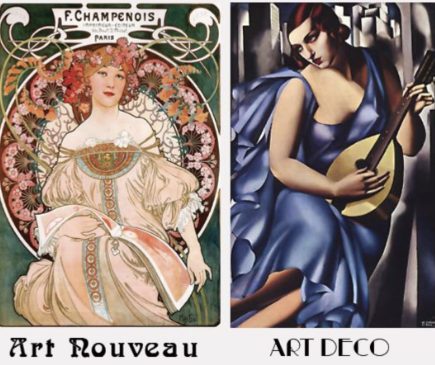
Photo Courtesy: Art Nouveau Club
Art Nouveau and Art Deco, two influential art movements of the 20th century, showcase distinct visual languages and philosophies that have left a lasting impact on various facets of artistic expression. While Art Nouveau is characterized by its celebration of elegant curves and long lines, emphasizing organic and natural forms, Art Deco, in contrast, is defined by sharp angles and geometrical shapes, embodying a more streamlined and symmetrical aesthetic.
These two movements, though sometimes confused, represent divergent directions in the evolution of modern art. Art Nouveau, with its flowing, nature-inspired motifs, emerged in the late 19th century and reached its peak around 1900. It sought to break free from historical styles and embrace a new, modern visual language. On the other hand, Art Deco, which rose to prominence in the 1920s and 1930s, responded to the changing socio-cultural landscape with a style that emphasized boldness, symmetry, and a sleek, modern look. Despite their differences, both Art Nouveau and Art Deco have significantly influenced the realms of fine art, design, architecture, and graphic arts, shaping the visual landscape and contributing to the evolution of modern art.
| Differences | Art Deco | Art Nouveau |
| Time Period | 1920-1940 | 1890–1914 |
| Known by Different Names | Arts Décoratif, Style Moderne | Jugendstil (Germany), Sezessionstil (Austria), Tiffany Style (USA), Glasgow Style (UK) |
| Influences | Inspired by Egyptian, Aztec, and Central American art, influenced by World War I | Inspired by natural imagery and Japanese prints, influenced by the Industrial Revolution |
| Themes and Motifs | Geometric patterns and straight lines | Organic form, flowers, plants, and the female body |
| Shapes and Colors | Sleek, streamlined, and symmetrical – uses bold colors | Shape more significant than color – uses muted shades of burnt orange and mustard yellow |
| Disciplines | Architecture, design, clothing, jewelry, furniture, and handicrafts | Graphic arts to furniture, interior decoration, architecture, and fine art |
| How They Ended | Survived until the 1980s with the emergence of Modernism and was then replaced by Art Moderne | Ended in the late 1910s with the decline of the enlightened bourgeoisie and industrial patrons of the arts |
| Examples | Chrysler Building and the Empire State Building in New York,Autoportrait (Tamara in a Green Bugatti) by Tamara De Lempicka, Antoine Bourdelle’s Hercules, the Archer | Historic Center of Riga and Hotel Tassel in Belgium, Aubrey Beardsley’s The Dancer’s Reward, Ferdinand Faivre’s The Riddle |
Art Nouveau emerged in the latter half of the 19th century as the first modern art style, paving the way for subsequent avant-garde movements. Born out of a desire to unify all forms of art and break down traditional boundaries between fine and decorative art, Art Nouveau was a departure from the past, drawing inspiration from the present and the promise of the future. This movement coincided with the industrialization of Europe, reflecting both an embrace of and reaction against the Industrial Revolution. While celebrating craftsmanship and artistic skill, Art Nouveau also incorporated stylized forms inspired by automation and industrialization.
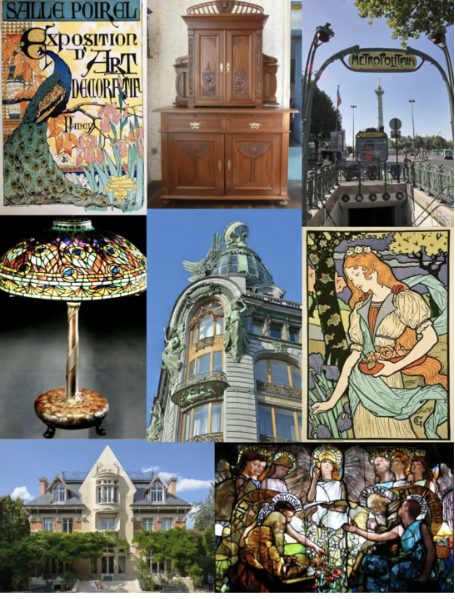
Photo Courtesy: Art in Context
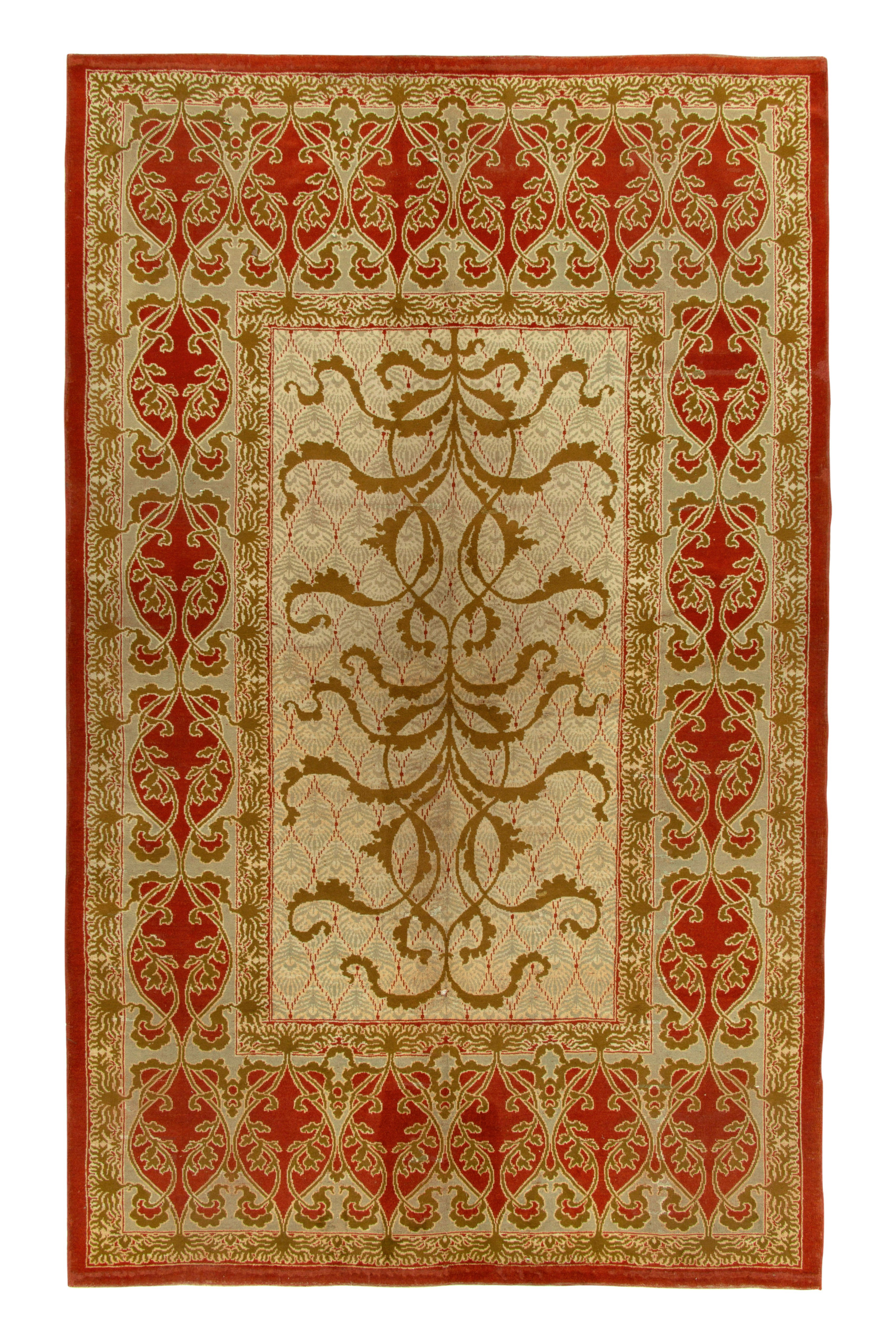
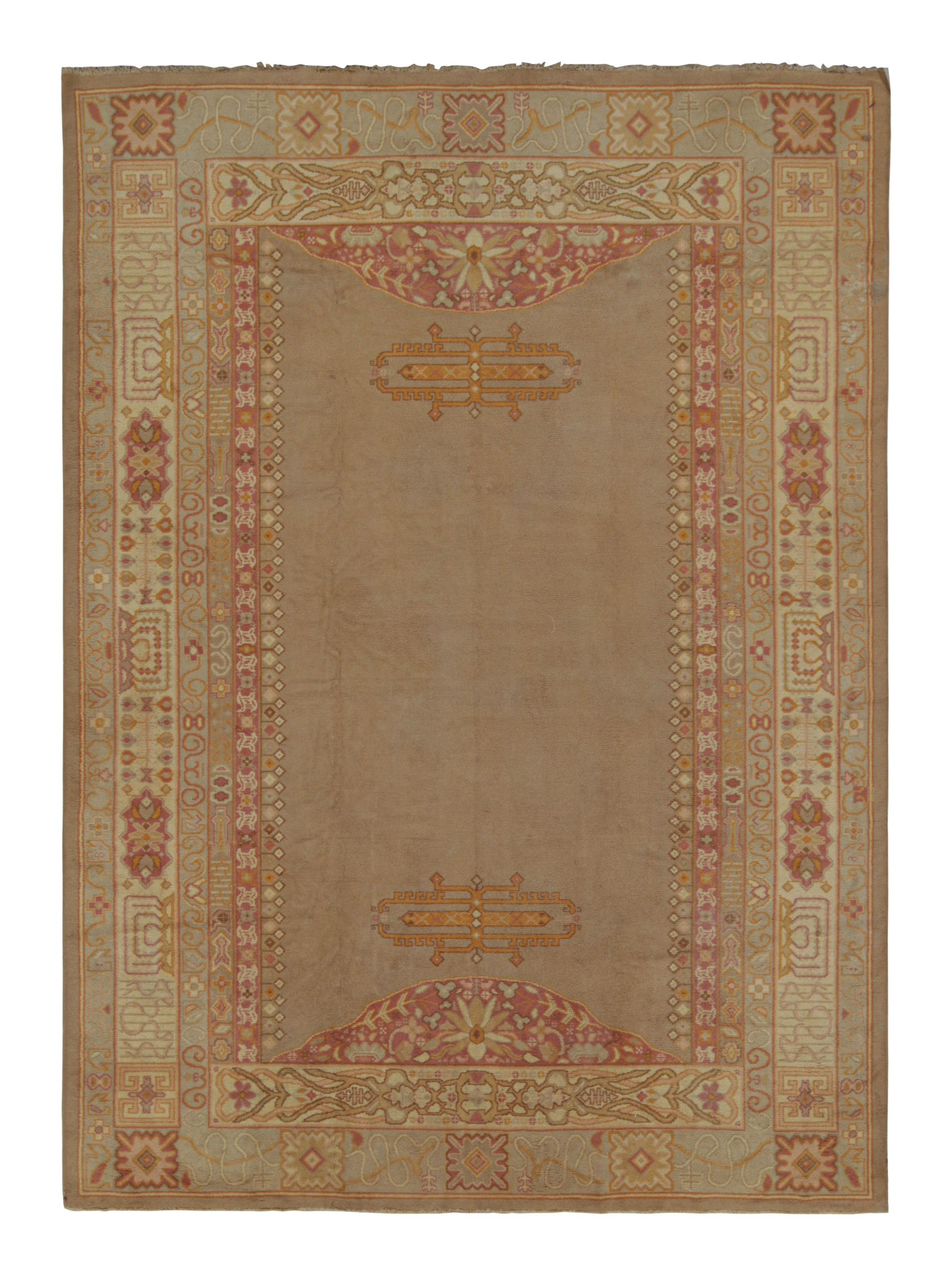
Art Nouveau introduced a distinctive color palette characterized by subdued pastel-like hues. These colors, ranging from oranges and yellows to Mediterranean greens and delicate blues, contributed to the ornamental and elegant nature of the style. Art Nouveau designs often incorporated intricate borders, ornate patterns, and stylized imagery, showcasing a preference for highly decorative features. One of the hallmarks of the movement was the emphasis on workmanship, prompting artists to collaborate with skilled artisans to ensure a high level of detail and prioritize quality over quantity in their creations.
At the core of Art Nouveau is a profound connection to natural imagery. The movement’s art, architecture, and design are characterized by smooth curves, graceful bends, and flowing lines that echo the shapes found in nature. The emphasis on organic forms results in a harmonious aesthetic where each element seamlessly connects to create a cohesive design. Shapes and lines take precedence over color, and the palette is typically muted, featuring tones like burnt oranges, mustard yellows, olive greens, and soft blues. Gustav Klimt’s iconic painting, “The Kiss,” exemplifies Art Nouveau with its organic shapes, intricate patterns, and decorative quality, representing a pivotal moment in the movement’s evolution. As Art Nouveau progressed, it diversified, becoming a catalyst for future avant-garde developments.
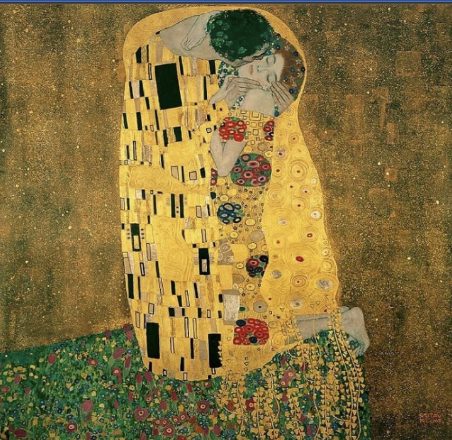
Gustav Klimt “The Kiss”
Art Nouveau, a revolutionary art movement, found expression in various names and interpretations across different countries. In Paris, the influential art collector Siegfried Bing’s gallery, La Maison de l‘Art Nouveau, played a crucial role in displaying and promoting a significant collection of works from this movement. As a result, the term “Art Nouveau” itself is often credited to this Parisian source. In Germany, the movement was popularized through the magazine “Jugend illustrierte Wochenschrift für Kunst und Leben,” leading to the alternate name “Jugendstil” in Germany and several Nordic countries. In Austria, artists associated with the Viennese Secession movement played a key role in popularizing Art Nouveau, leading to its designation as “Sezessionstil.” Even in English-speaking countries, the style acquired different names. In the United States, it was often referred to as the ‘Tiffany Style,’ highlighting the influence of notable figures like Louis Comfort Tiffany. In the United Kingdom, people also spoke of the Glasgow Style, reflecting the movement’s impact in Scotland.
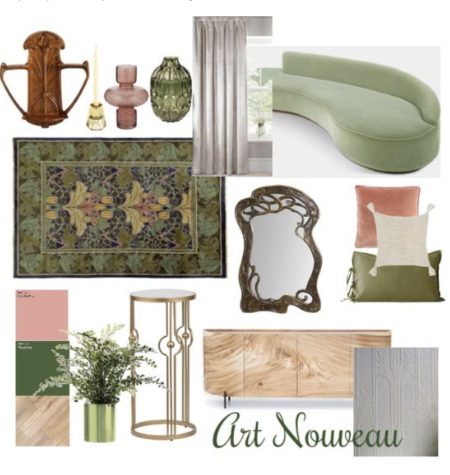
Despite the diversity in nomenclature and interpretations, the core essence of Art Nouveau remained consistent—an unwavering determination to transcend historical design boundaries, giving rise to a new and innovative aesthetic. Art Nouveau emerged with a visionary goal—to forge a new reality and shape a modern world with a distinctive artistic vocabulary. Characterized by the raw and dynamic forces of nature, the style is recognized for its sweeping, whiplash curves and motifs that sought to break away from the constraints of traditional artistic forms. Art Nouveau, with its revolutionary approach, is now acknowledged as a precursor to the modernistic art and design styles that would dominate the 20th century.
The enduring impact of Art Nouveau is evident in the recognition and preservation of its monuments. Many of its architectural gems and artistic creations are designated as UNESCO World Heritage sites, underscoring their cultural and historical significance. Notable examples include the historic center of Riga, Latvia, and the influential Hotel Tassel in Belgium.
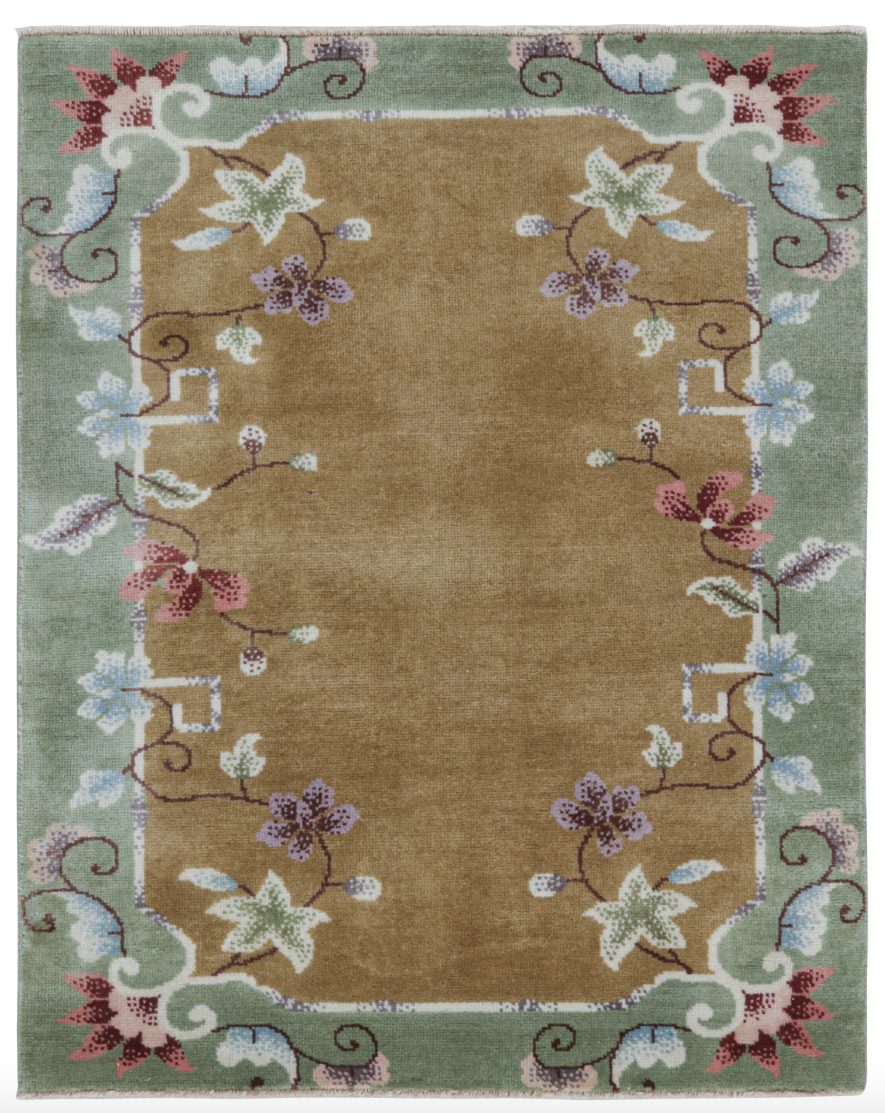
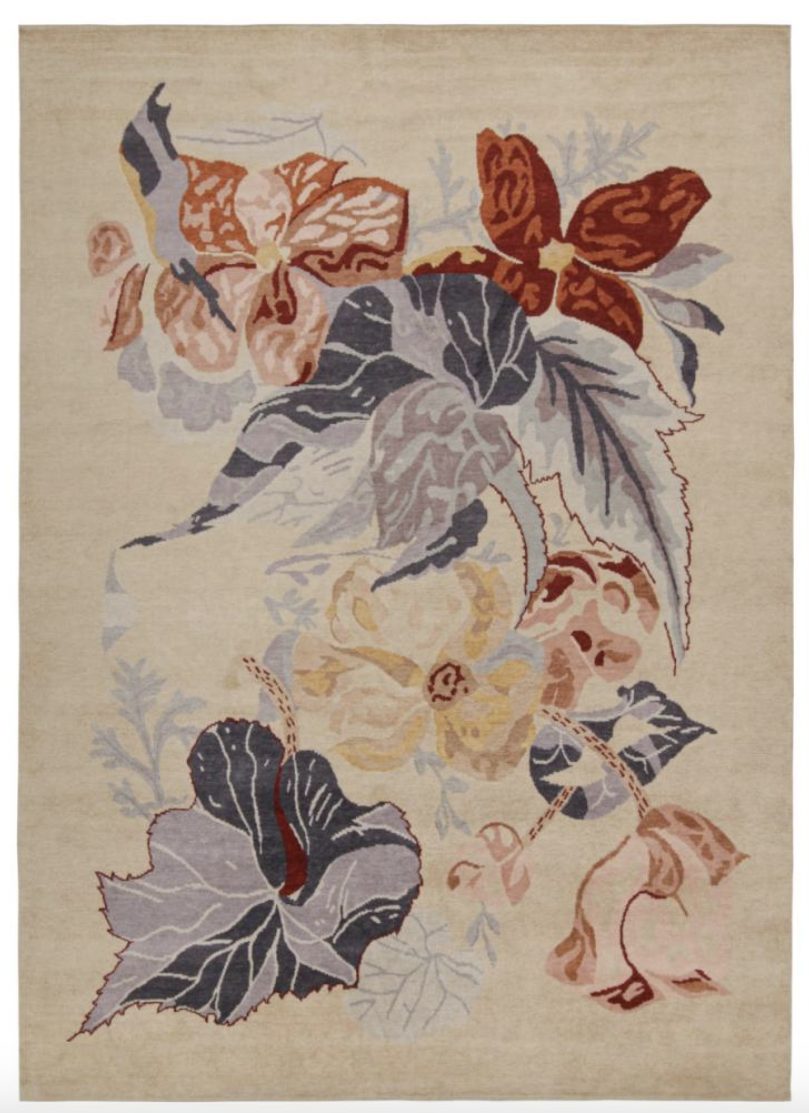
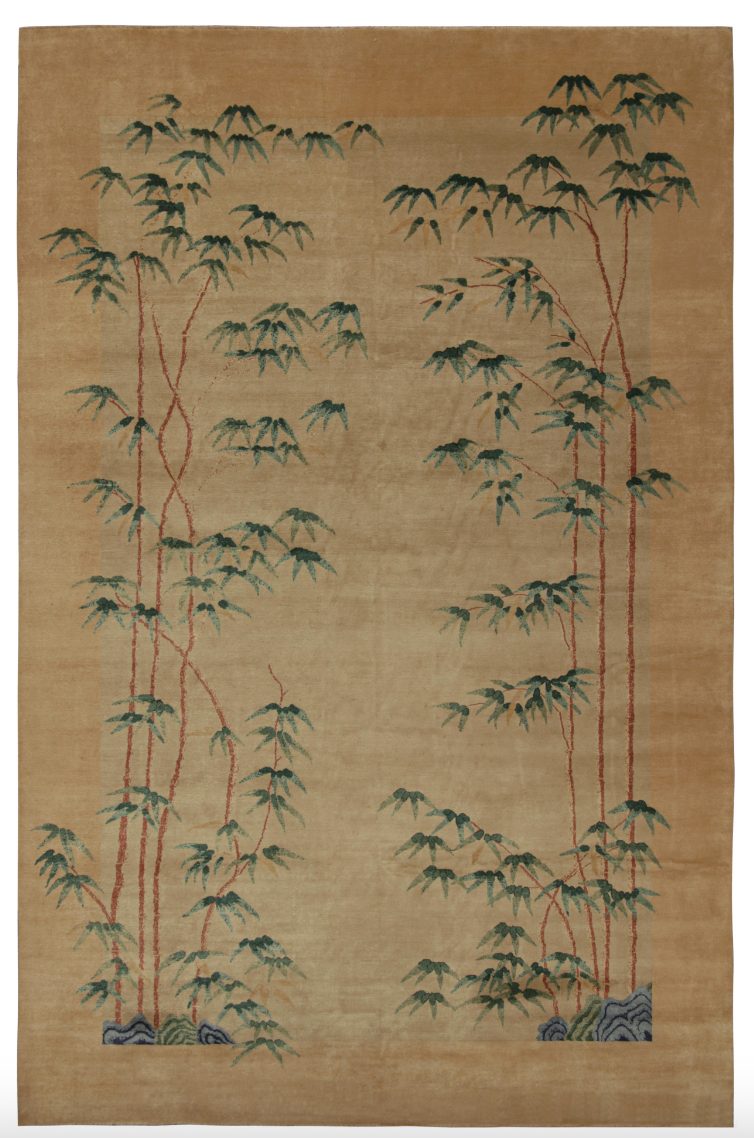
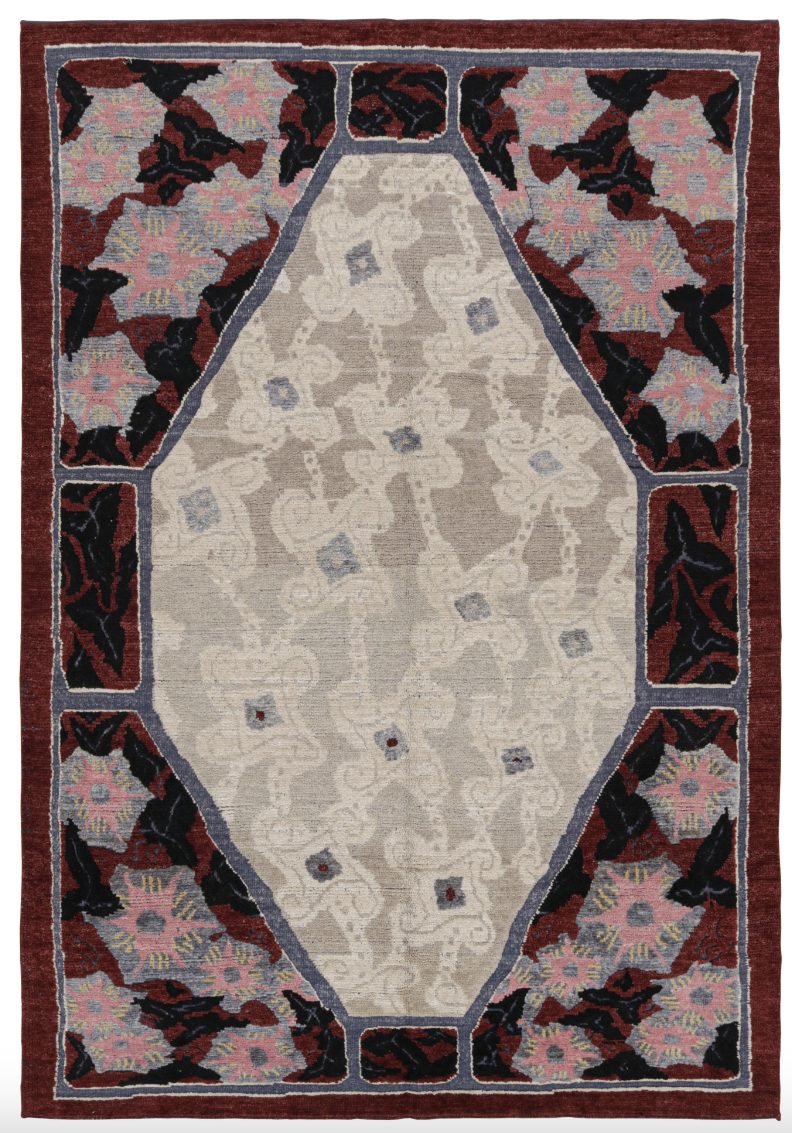
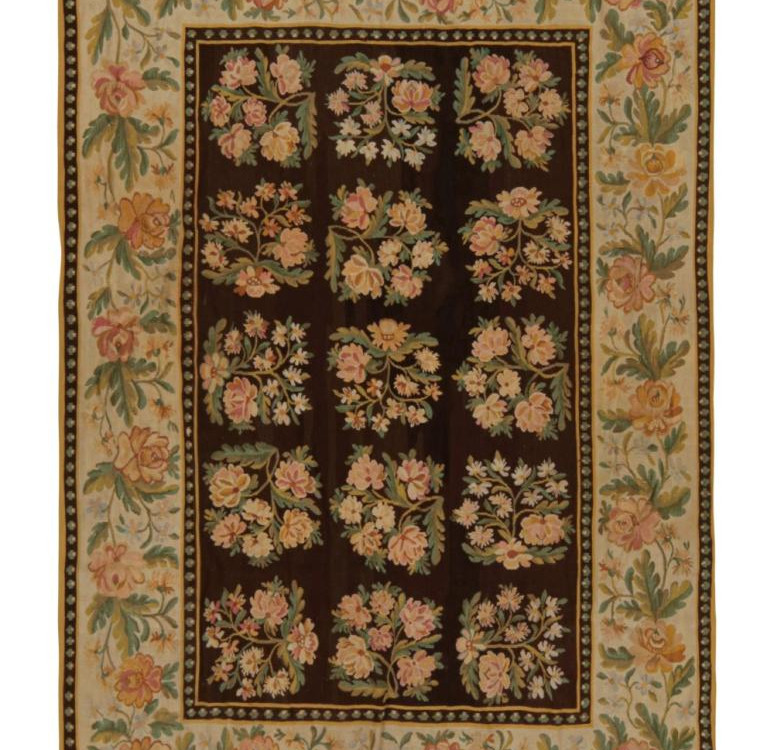
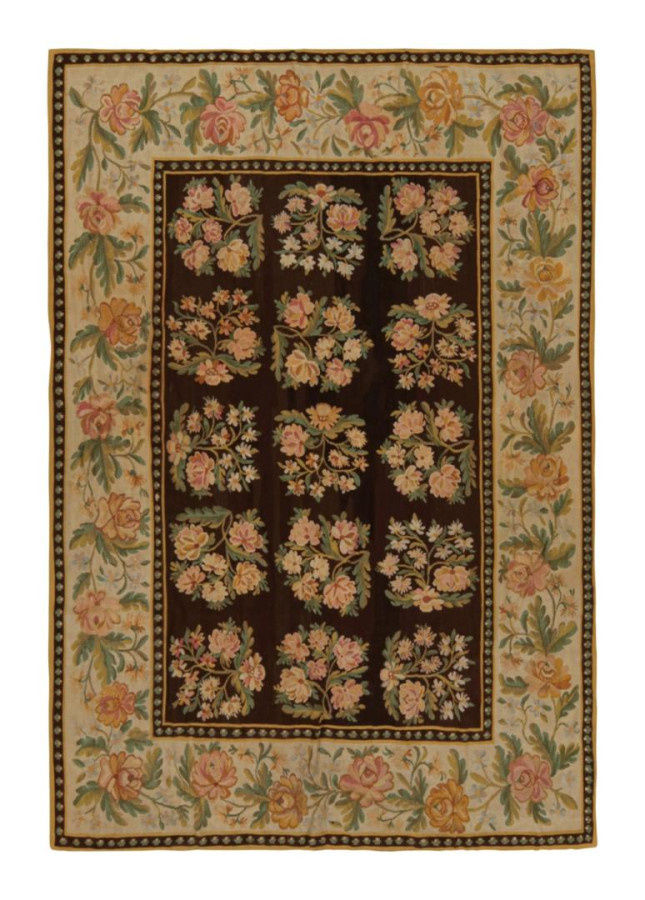
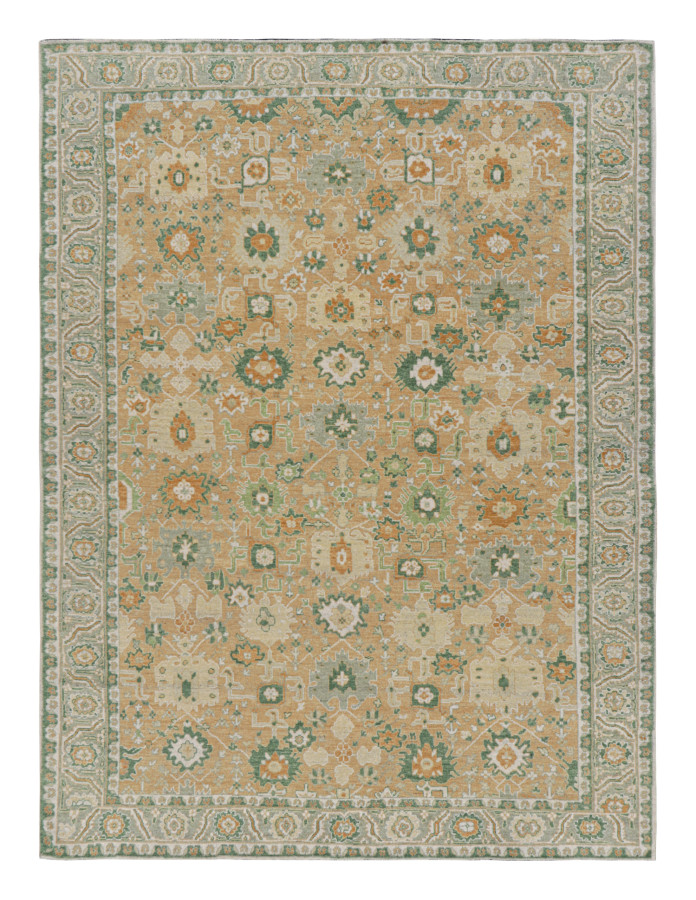
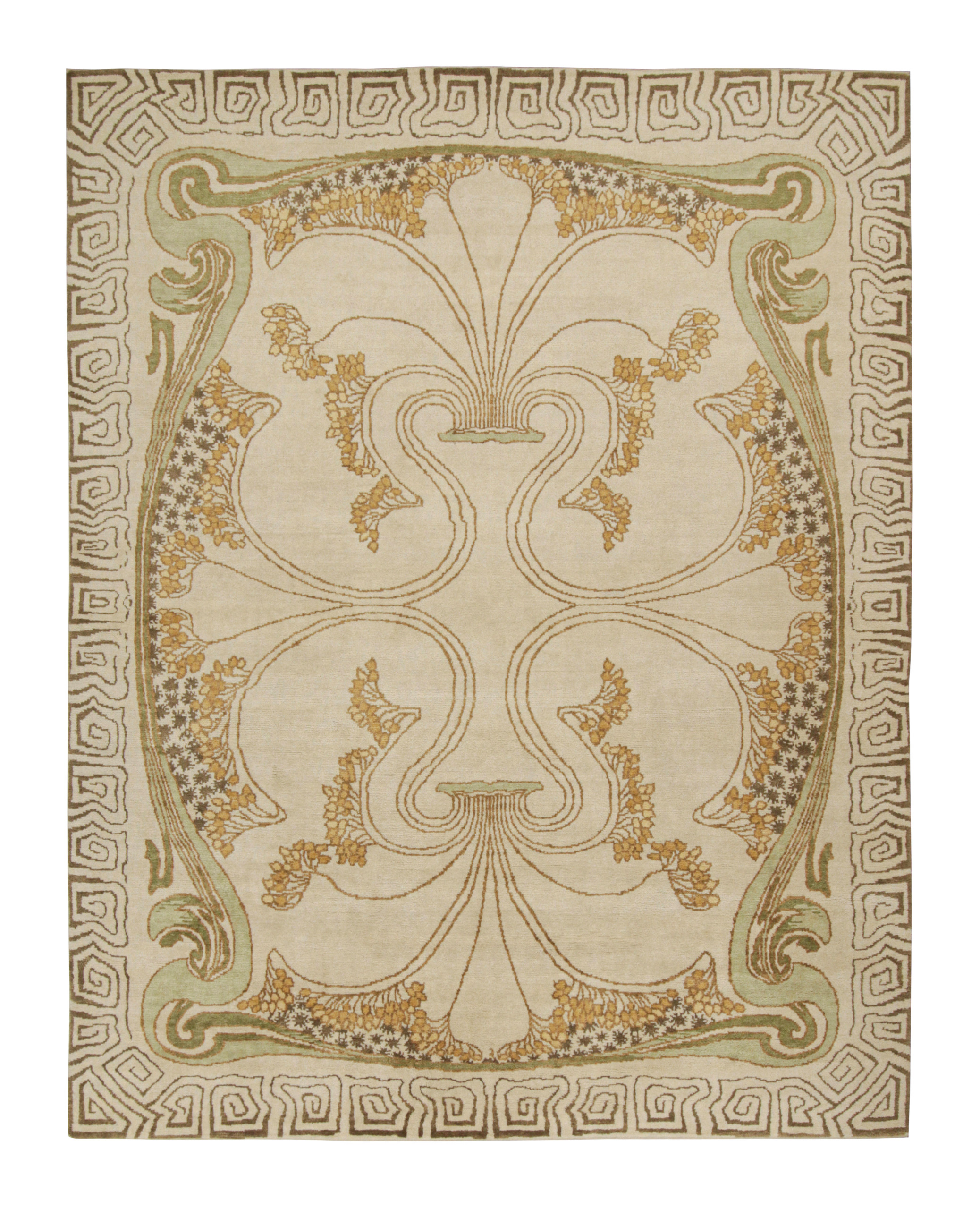
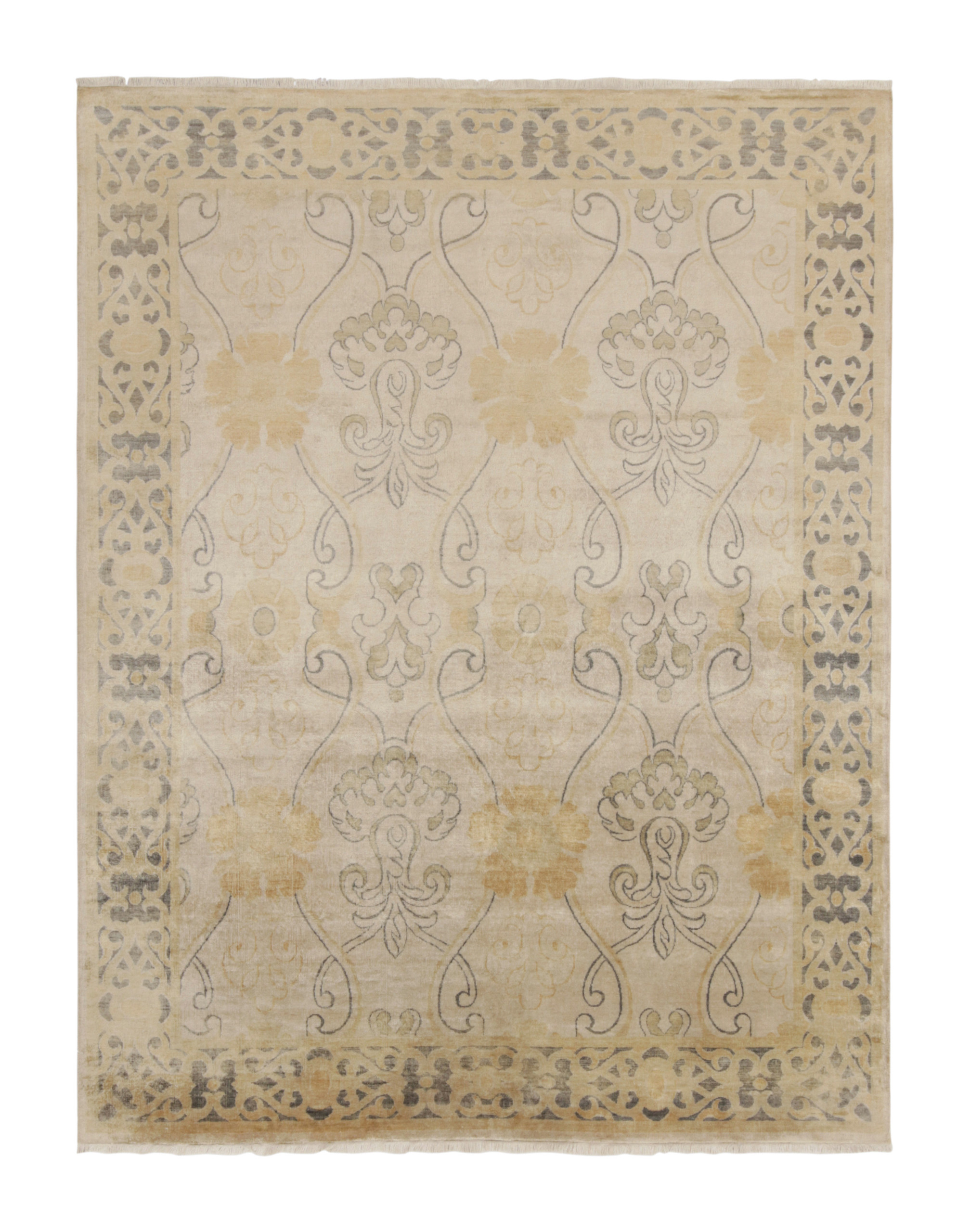
View Rug & Kilim’s favoruite designs from the Art Nouveau Movement –


Tamara de Lempicka
Polish artist Tamara de Lempicka made a significant impact during the Art Deco era with her portraits of the affluent elite. Influenced by Futurism and Cubism, her paintings were characterized by striking geometric shapes and vibrant colors, capturing the glitz and luxury of the Art Deco years. Her works, admired for their sophistication, continue to be appreciated today. Erté, a Russian-born artist, made substantial contributions to various fields such as theater, fashion, and cinema. Renowned for his Art Deco-influenced designs, Erté created pieces marked by graceful, flowing lines and intricate details. His influence on design and fashion during the Art Deco period solidified his status as a pioneer of the style. Jean Dunand, a Swiss designer and artist, gained recognition for his expertise in lacquer and metals. Specializing in Art Deco-inspired sculptures adorned with exotic elements like ivory and shagreen, Dunand’s creations featured dramatic and abstract designs. His innovative techniques and use of new materials played a crucial role in shaping the Art Deco style, contributing to advancements in contemporary design.
Art Deco marked a departure from Art Nouveau while retaining some of its core concerns. It emerged as a response to the decline of Art Nouveau, blending a continued appreciation for modern craftsmanship with a celebration of technological progress. Additionally, Art Deco drew influence from discoveries of Egyptian, Aztec, and Central American art during the 20th century. Unlike Art Nouveau, Art Deco emerged during a period dominated by avant-garde art, with Cubism and Futurism serving as significant influences. The angular and dynamic qualities of Cubist and Futurist artworks contributed to the distinctive character of Art Deco, which bridged the realms of art, design, and architecture. Notable structures like the Chrysler Building and the Empire State Building in New York embody the Art Deco style, standing as iconic pieces of modern architecture.
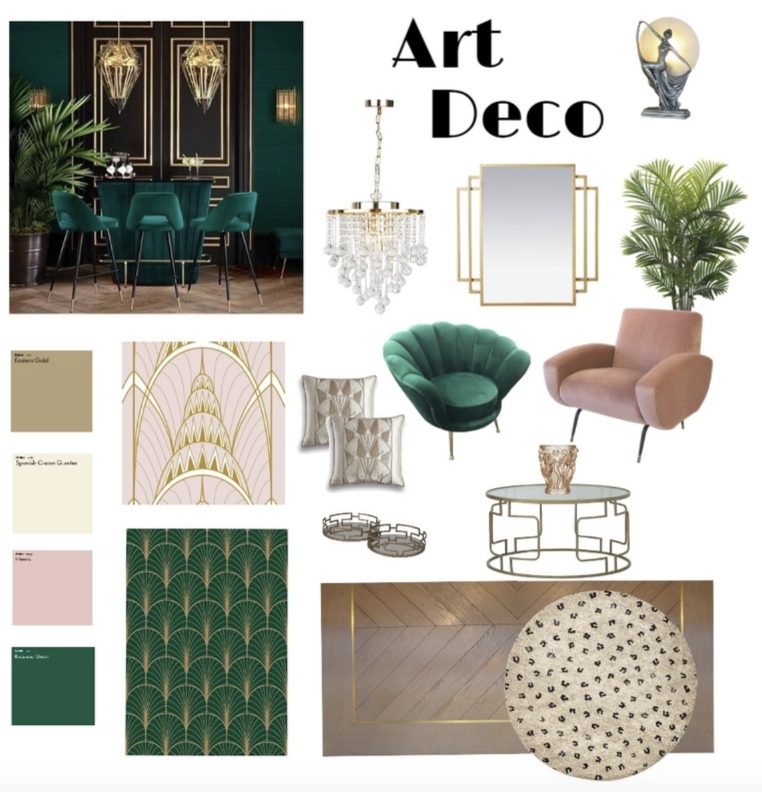
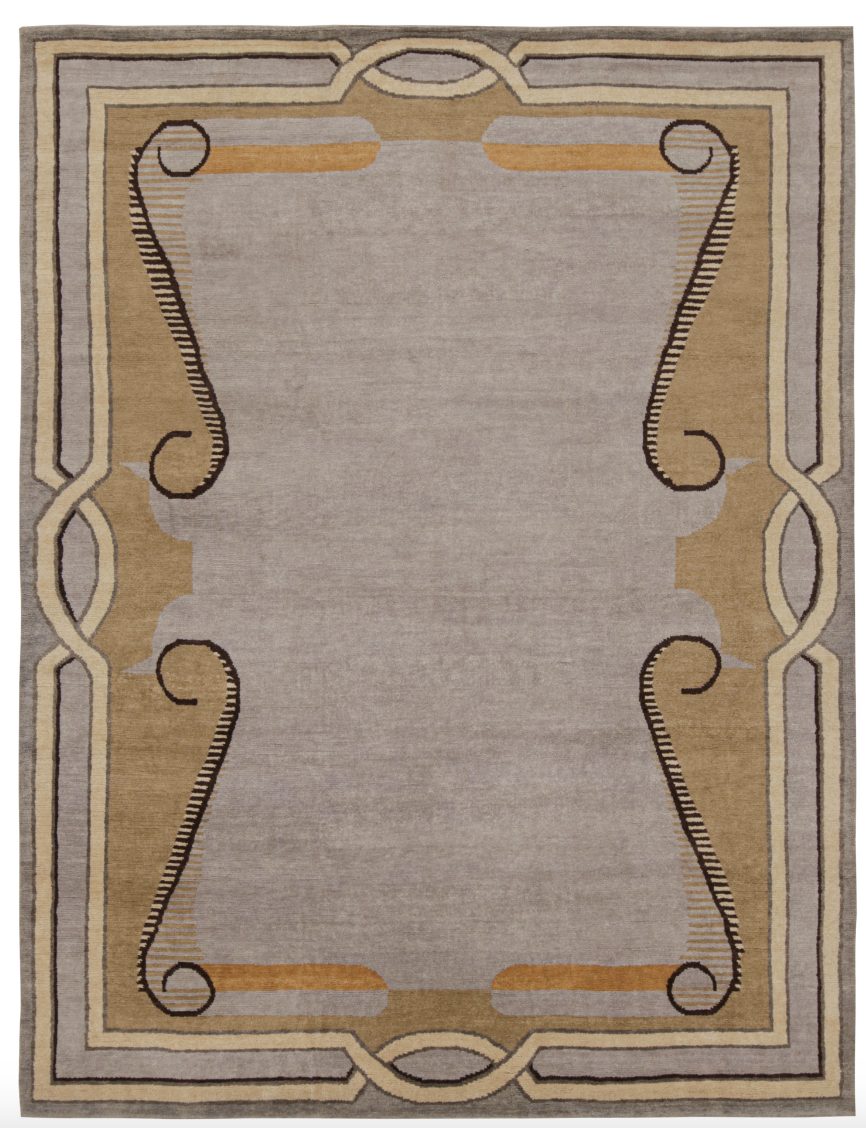
View Rug & Kilim’s favoruite designs from the Art Deco Movement –