
A Profile on Hilma af Klint “The Mother of Swedish Abstract Art”
March 25, 2024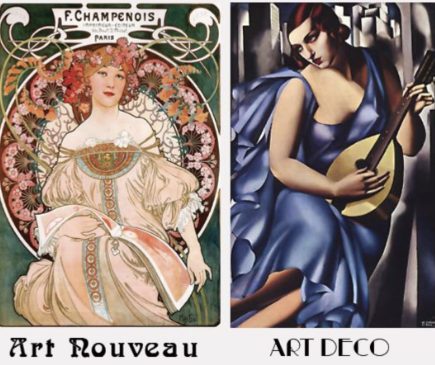
Art Deco And Art Nouveau Movements: A Comparative Analysis
March 26, 2024“Insecurities: Tracing Displacement and Shelter,” an exhibition at the Museum of Modern Art, delves into the architecture of forced displacement, shedding light on the global refugee crisis. Curated to showcase the perspectives of architects, designers, and artists, the exhibit offers a multifaceted exploration of the complex challenges faced by displaced populations worldwide. As part of the broader “Citizens and Borders” initiative, which utilizes the museum’s permanent collection to delve into themes of territories, migration, and borders, this exhibition serves as a poignant reminder of the urgent need for empathy, understanding, and innovative solutions in addressing displacement and shelter issues on a global scale. However, while artists may use displaced communities as subjects for their art, it’s important to recognize the resilience and creativity of these communities themselves.
While Editorial’s Bhavna Dahiya was traveling from New Delhi to the Philippines via Singapore for the Universal Youth Leadership Summit held in Manila, Philippines in December 2023, the summit brought forth the perfect example of marginalized communities using art displaying their resilience. One of the major objectives of the summit focussed on addressing the intersectionality of climate change, marginalization and the need of borderless leadership initiatives to address them. As the Indian Delegate, she was drawn to the political aspect of this global problem, and as a Rug & Kilim’s team member she delved deep into the prospect of using art as a tool of survival and change. Her data-driven presentation aimed at creating sustainable spaces for oriental climate-displaced communities was selected from 60 countries and awarded as the outstanding project at this summit.
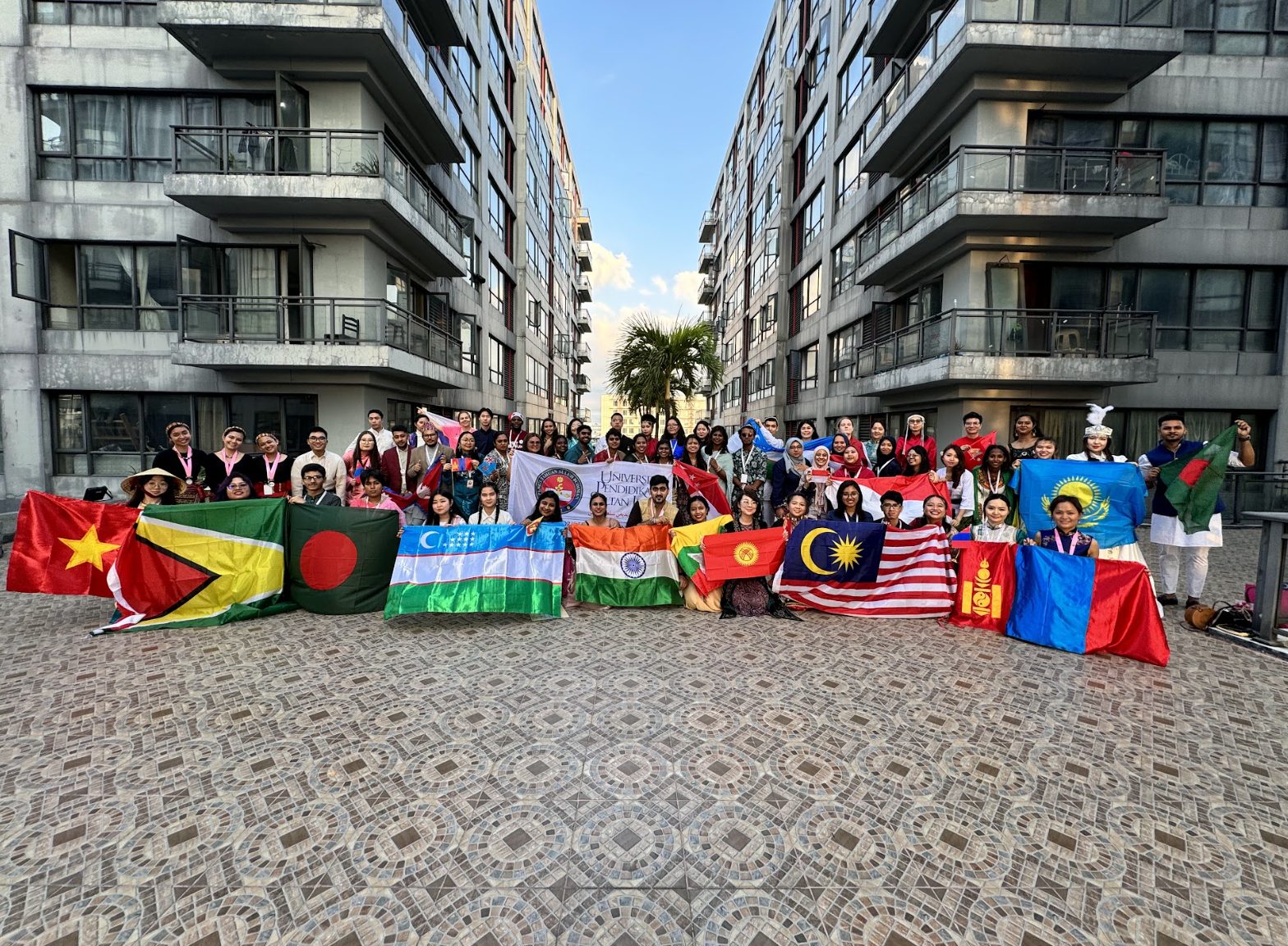
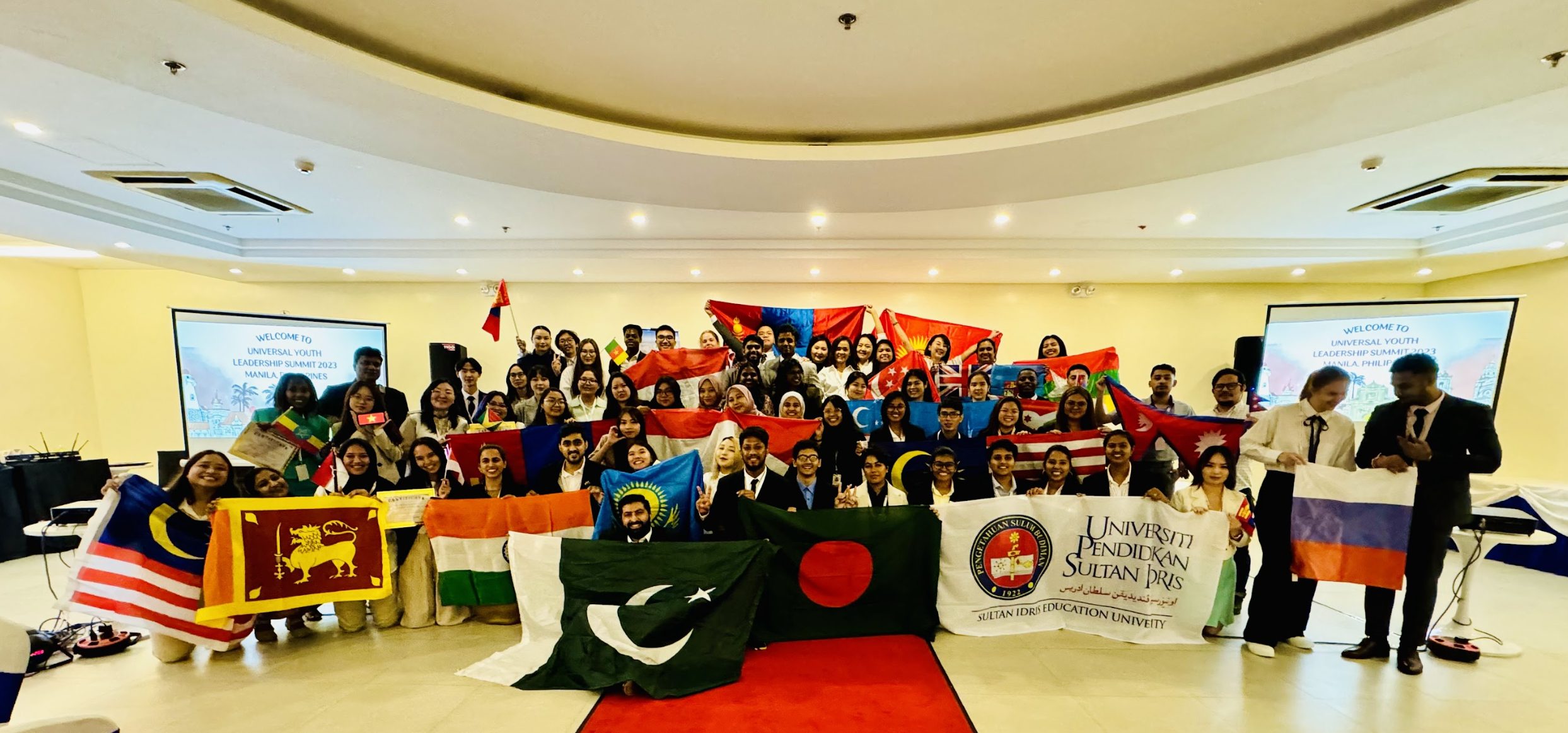
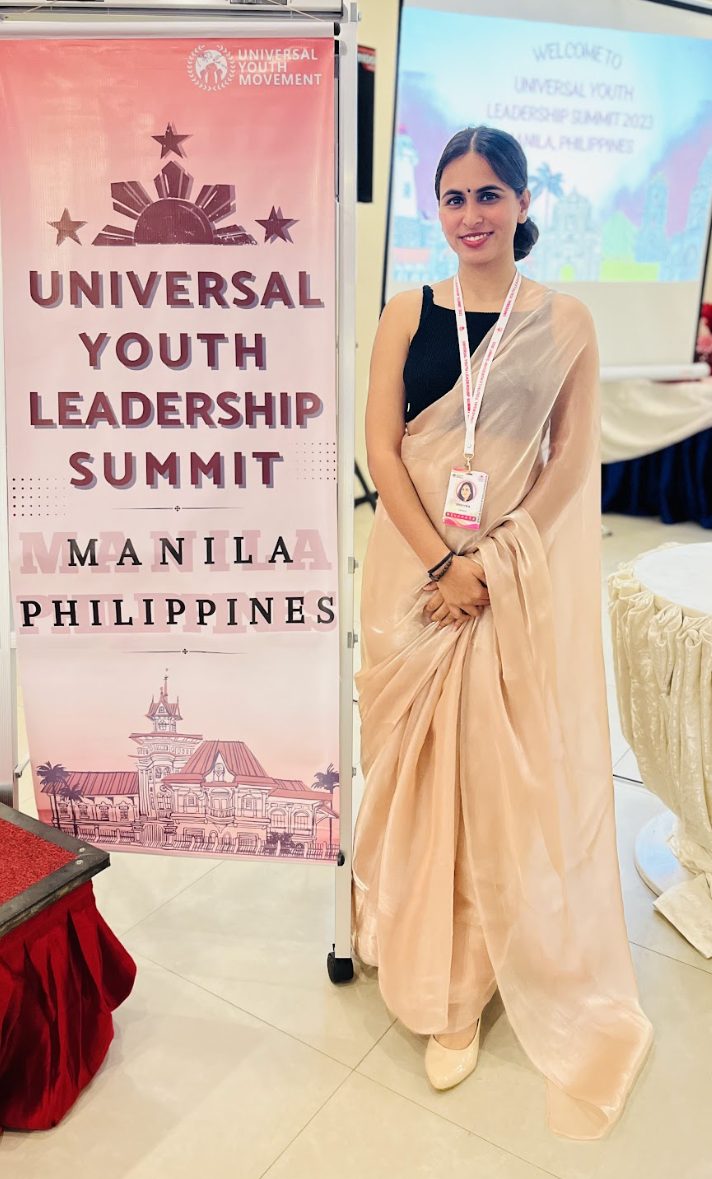
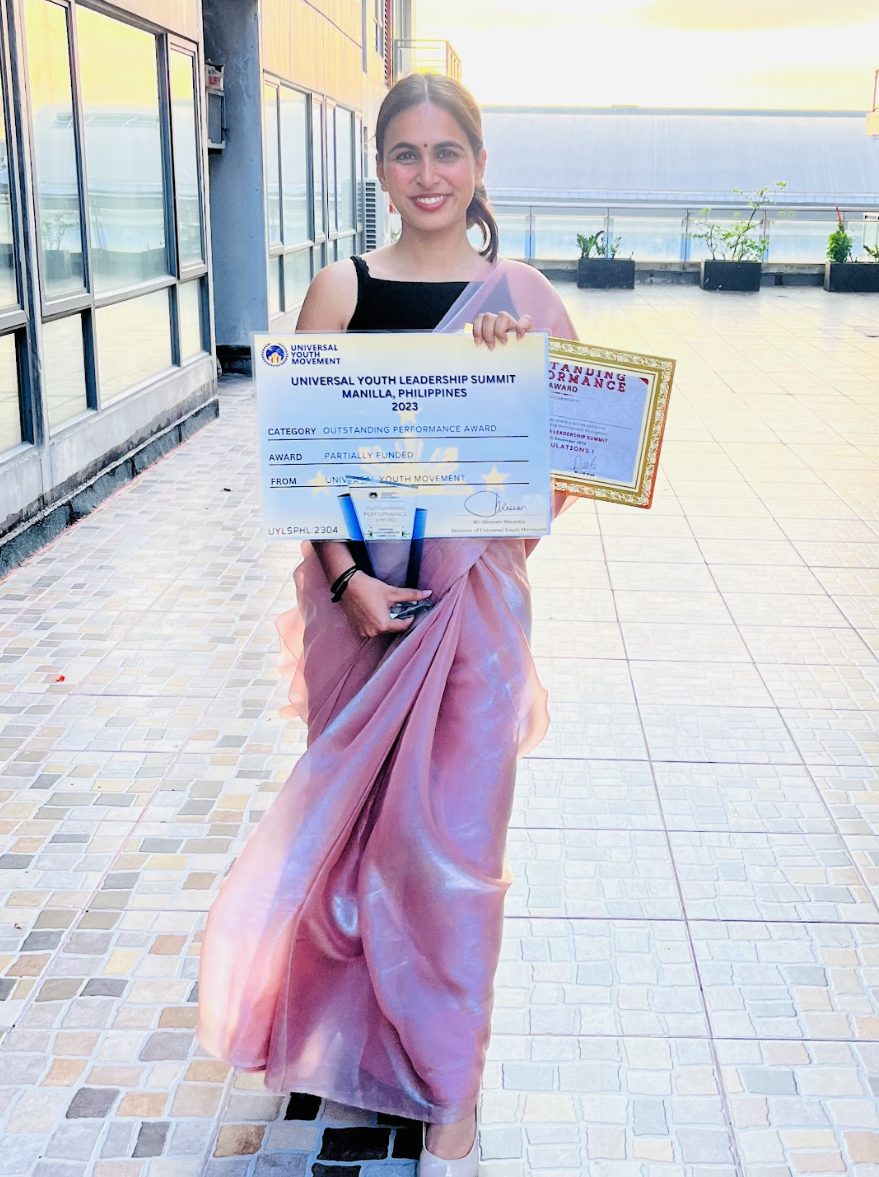
A striking example can be found in Basey, Philippines, a town devastated by typhoon Yolanda (Haiyan) in 2013. Despite the seemingly insurmountable challenges, the local banig weavers of Basey emerged as symbols of resilience and survival. Instead of succumbing to despair, they used their weaving skills to rebuild their community. By experimenting with new patterns and products using tikog grass, they crafted items that blend traditional craftsmanship with contemporary design sensibilities. This innovative approach not only revitalized their craft but also provided a source of hope and empowerment for the community as they navigated the path to recovery and resilience.
A banig, pronounced “buh-NIG,” is a traditional handwoven mat found in the Philippines, primarily used as a sleeping or floor mat. Depending on the region, these mats are crafted from various materials such as buri (palm), pandanus, or reed leaves. The process involves drying and dyeing the leaves, which are then cut into strips and intricately woven to create plain or elaborate designs. For example, the Samal people of Sulu craft their mats from buri leaves, while those from Basey, Samar utilize tikog leaves, dyed in vibrant colors to produce unique designs. In Bukidnon, mats are made from sodsod grass, a ribless reed native to the area.
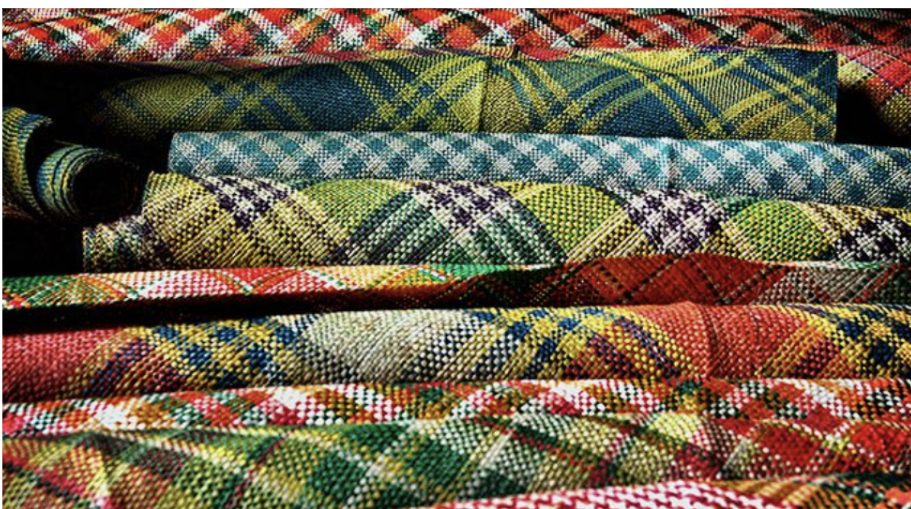
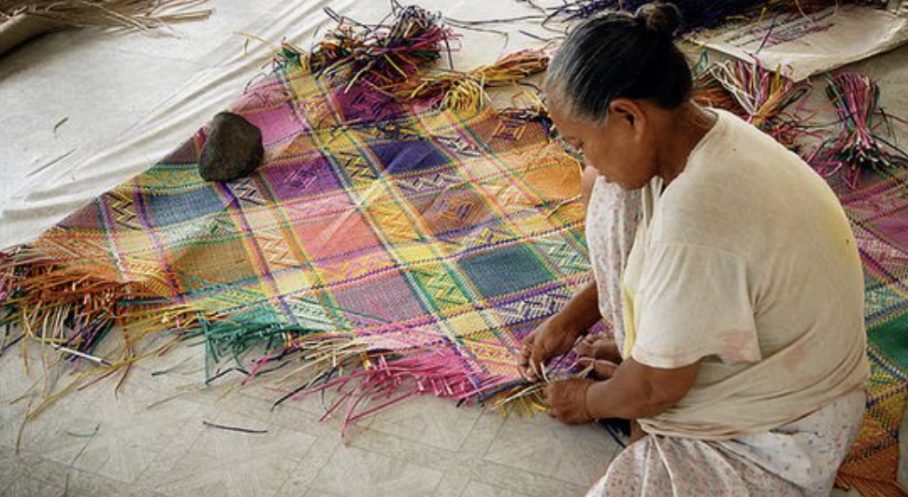
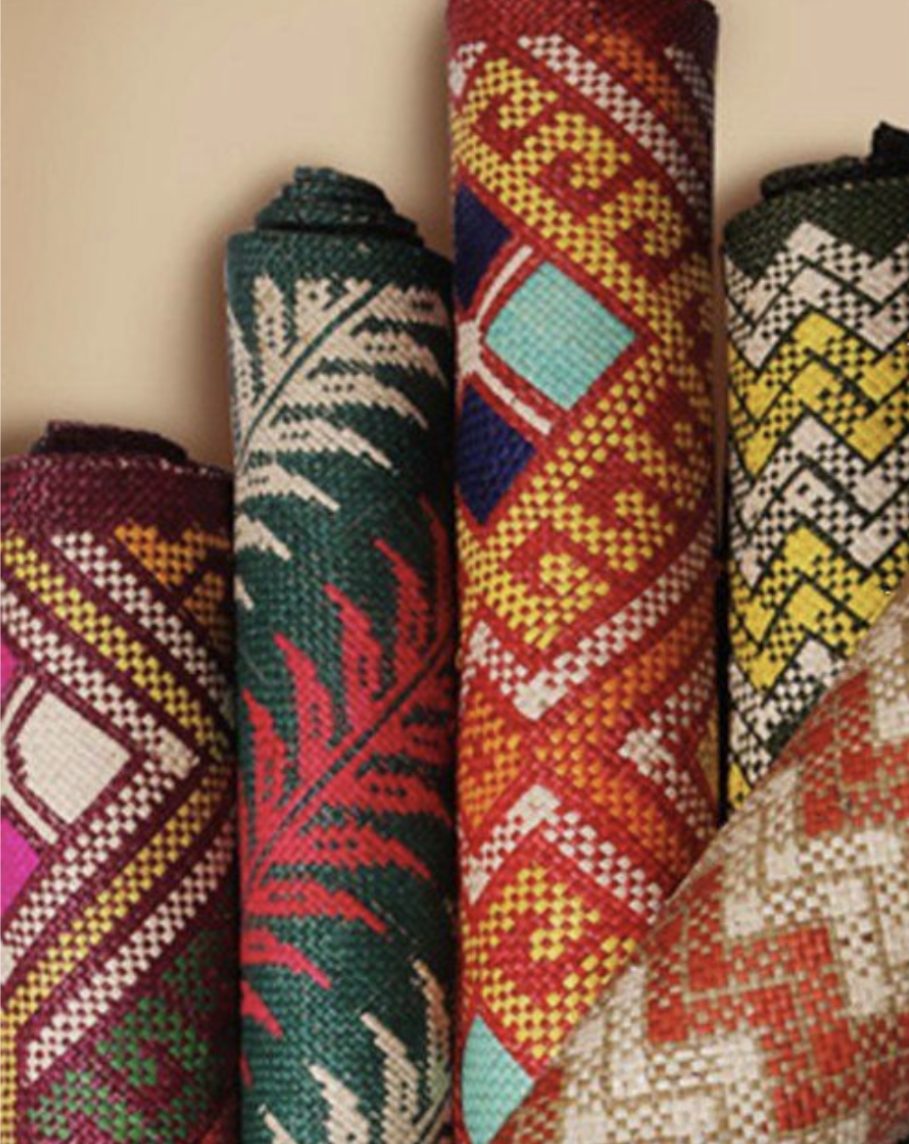
The emergence of the banig revolution not only highlighted the global market potential of local craftsmanship but also paved the way for its introduction to international platforms. This movement gave rise to the lifestyle brand Lara, meaning “weave” in the local dialect, which became a catalyst for innovation and collaboration. Under Lara, weavers engaged in creative exchanges with fashion designers and consultants, resulting in a collection that seamlessly blended traditional techniques with modern design elements. From footwear to bags and home decor, each piece showcased the vibrant colors and intricate textures of Basey, Samar, while embodying a narrative of resilience and revival. Lara’s debut collection, unveiled to fashion connoisseurs in Manila, served as a tribute to the resilience of Basey and its weaving industry, marking a significant milestone in its journey of resurgence and reinvention.
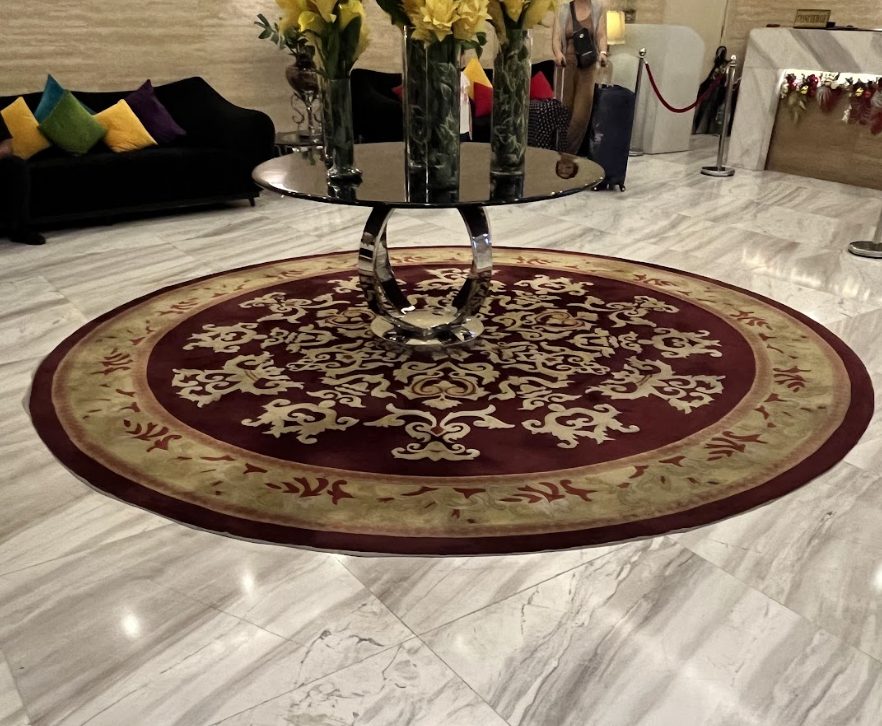
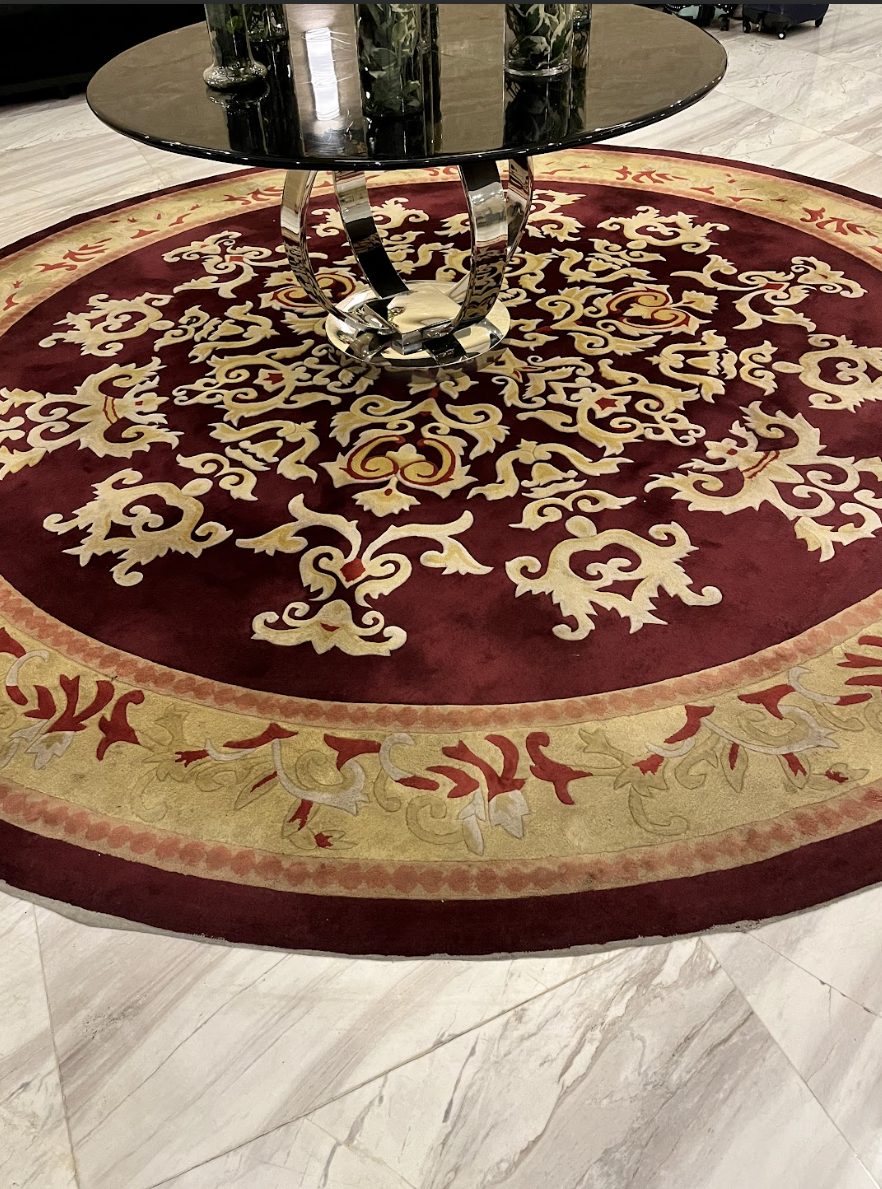
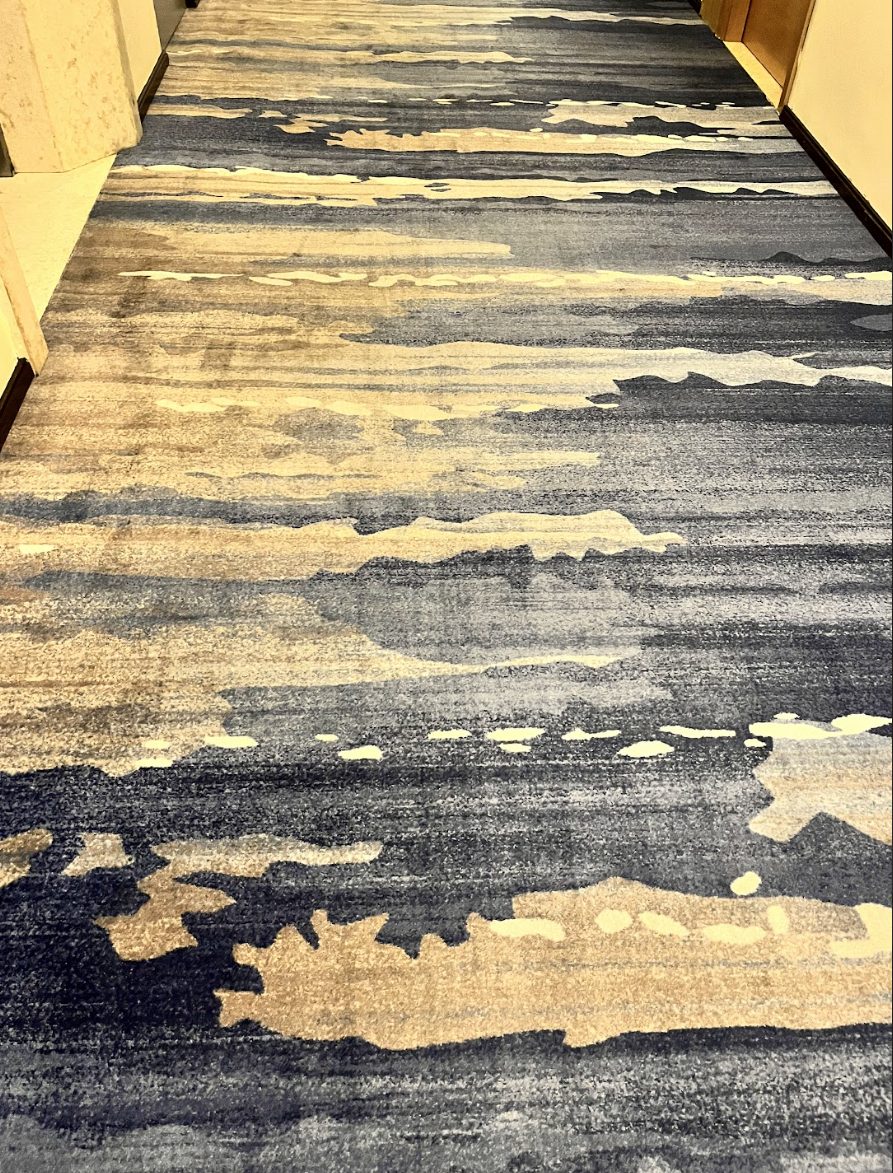
P.S. For us at Rug & Kilim, rugs have all our attention, wherever we are. These rugs in the summit conference hall were another opportunity for our teammate to find and cherish rugs wherever we go !
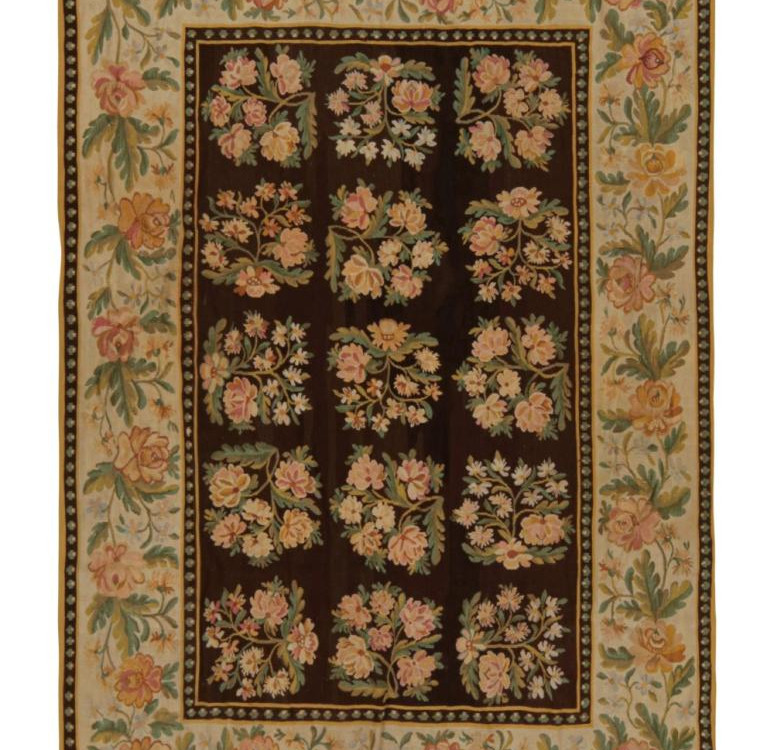
At Rug & Kilim, we take pride in curating rich collections of rugs and kilims, each intricately woven by local communities around the world. From our beloved Afghan kilims, where promotional prices support the women of Afghanistan, to the vibrant Moroccan tribal pieces and the timeless elegance of our Persian tribal kilims and rugs, our collections reflect the resilience and creativity of these communities. In particular, our Persian Qashqai, Kurdish or Gabbeh tribal pieces stand as a testament to the cultural heritage and craftsmanship of these local tribes who use art and weaving for survival.
Have a look at some of our different designs woven by local communities reflecting their essence in designs –
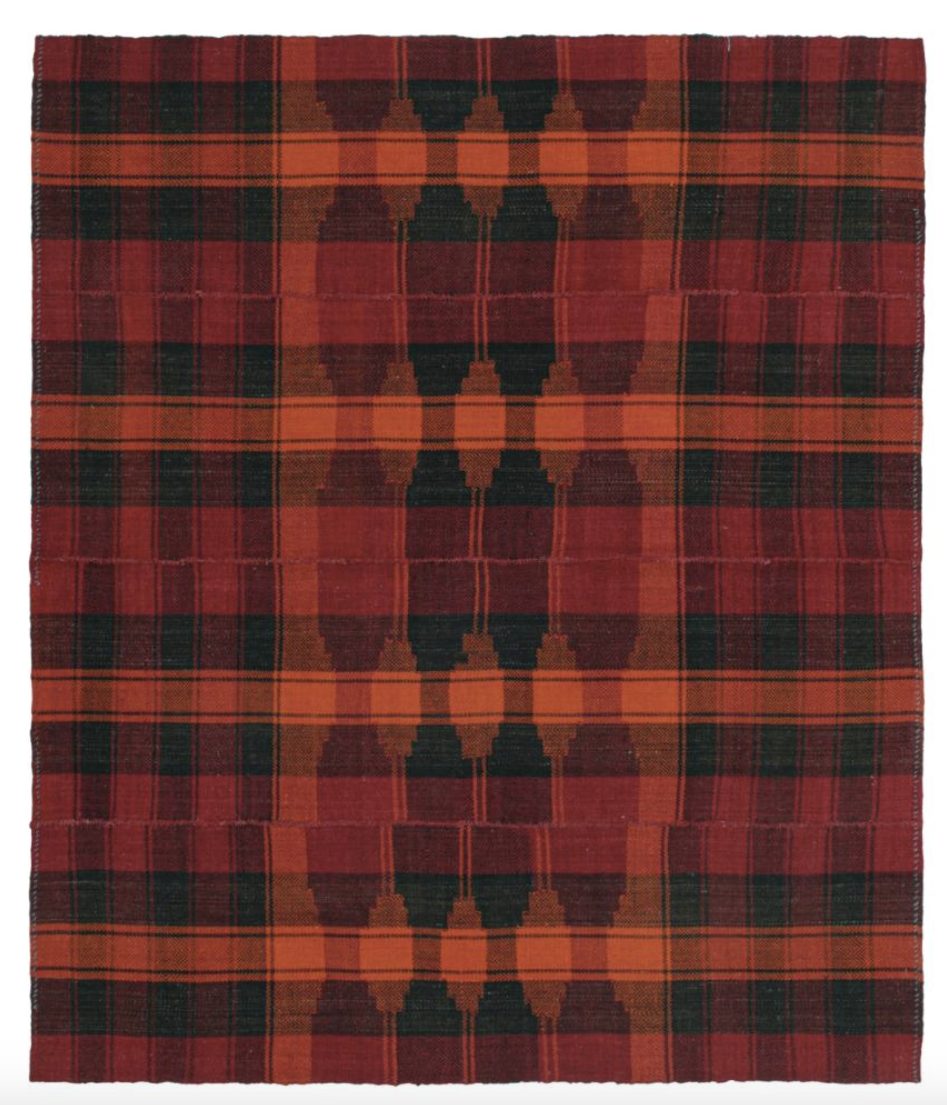
SKU – 27743 – Jajim Kilims like this Kurdish rug are known for their distinct take on the tribal panel weave style in which weavers combine multiple pieces into one.
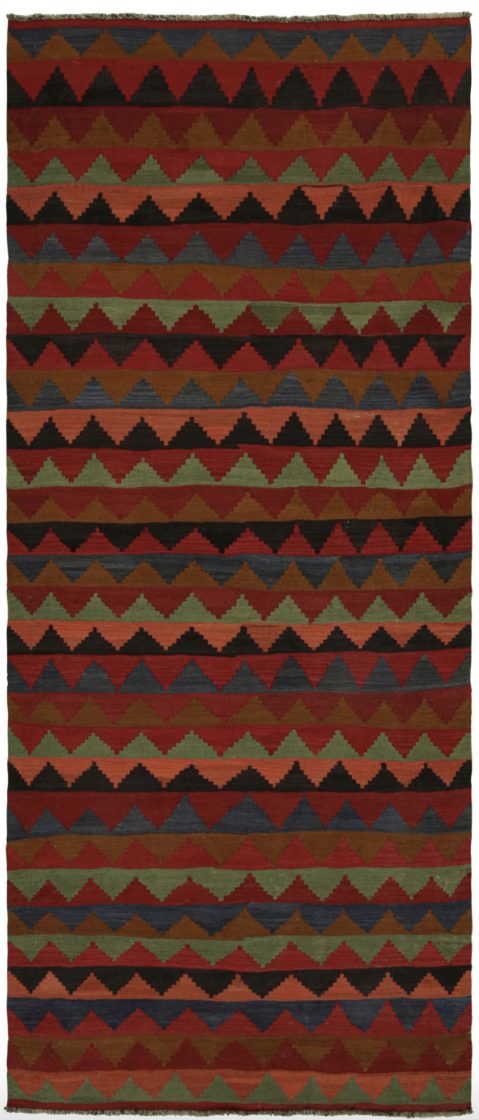
SKU – 28591 – Specifically believed to originate from an Afghani tribe, this gallery runner is created in support of the women of Afghanistan.
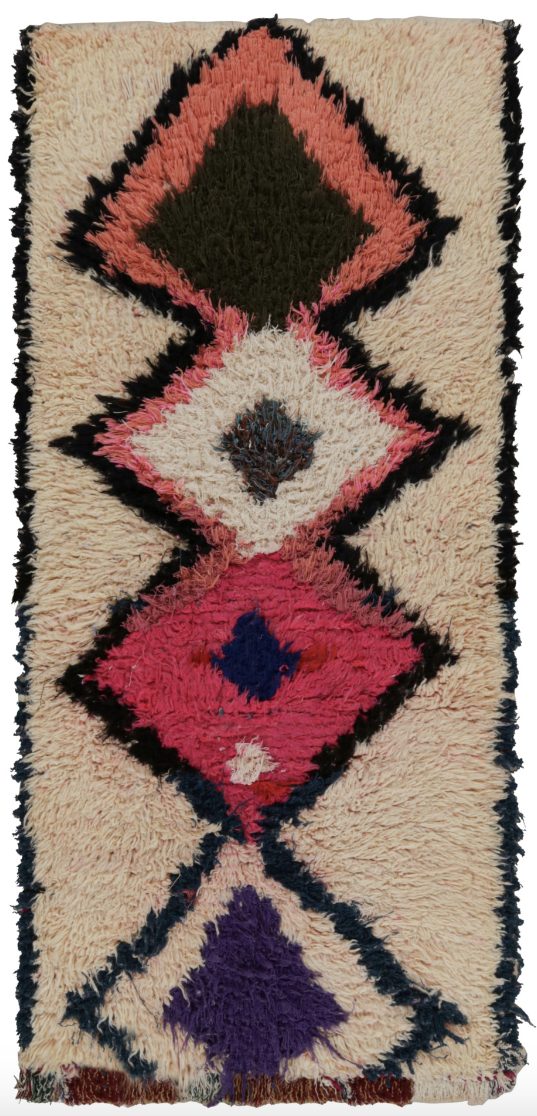
SKU – 30567 – From the Moroccan Azilal Tribe, this vintage rug features primitivist Berber textural design.
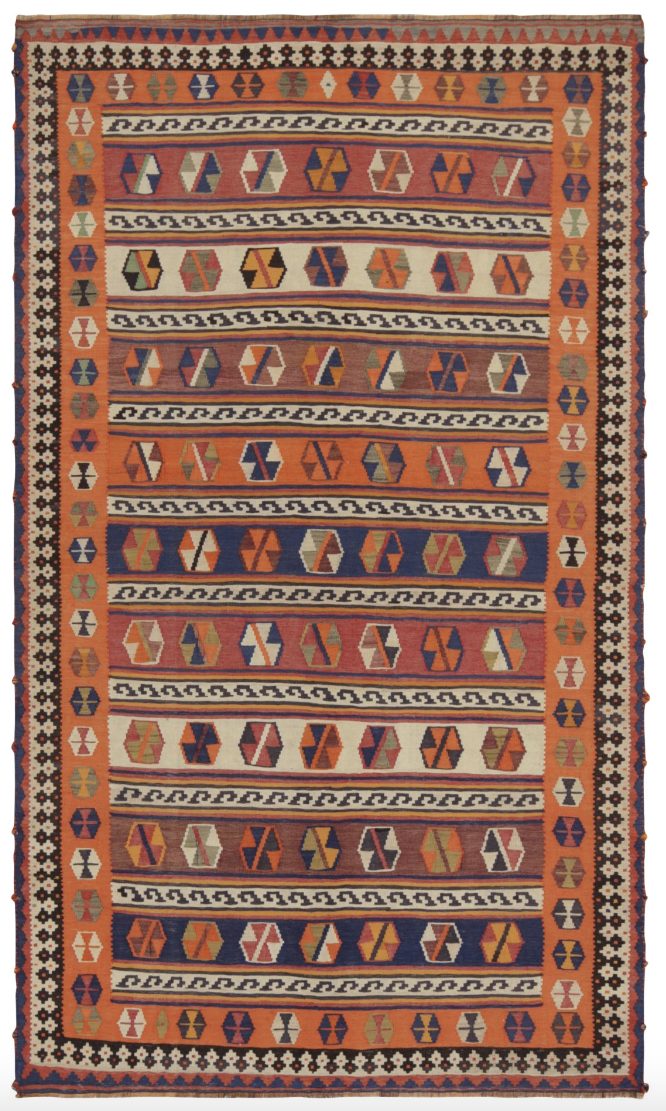
SKU – 23951 – Originating from the Qashqai tribe, this Persian rug is an example of tribal flat weaves of this provenance.
More from the visit –
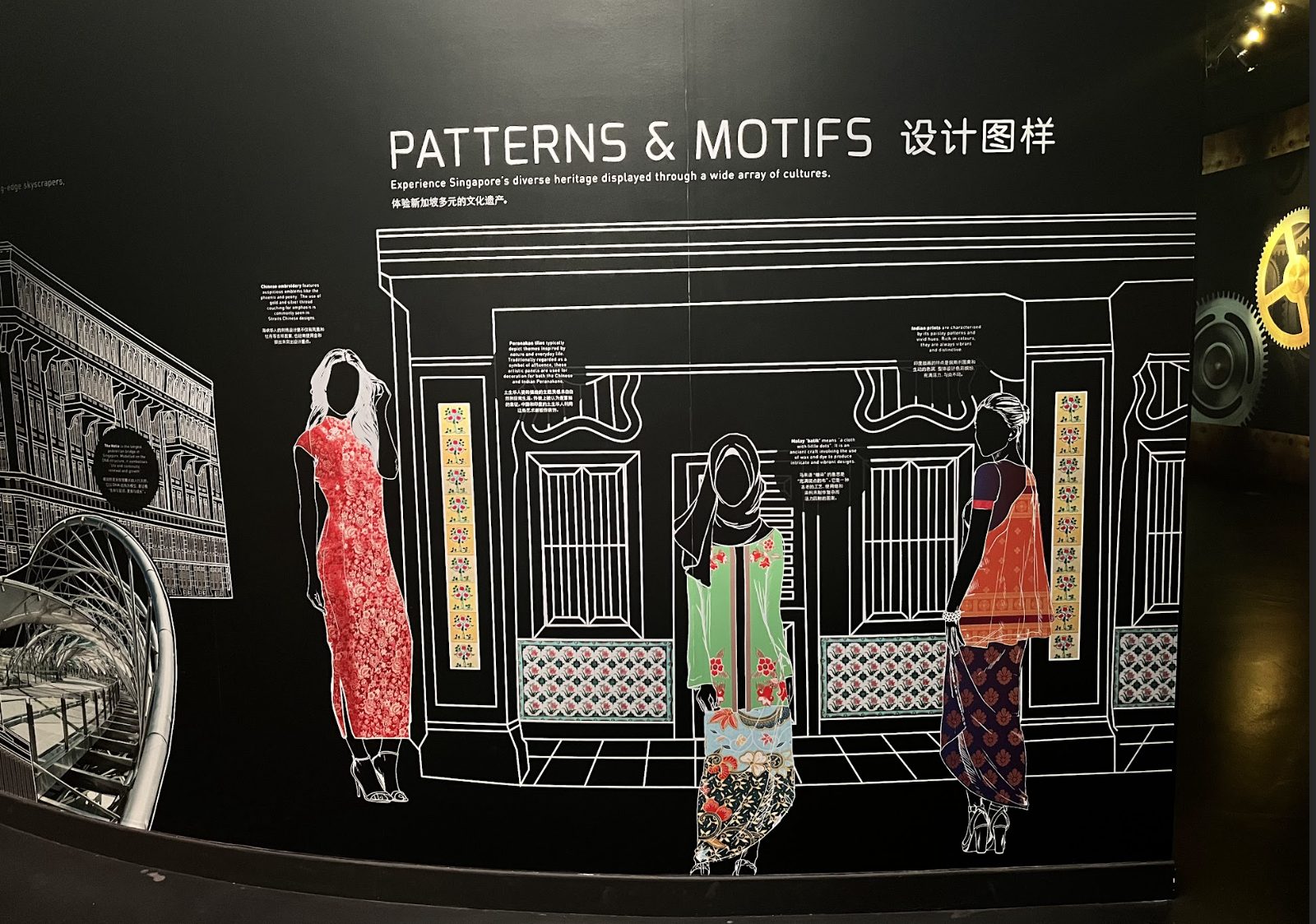
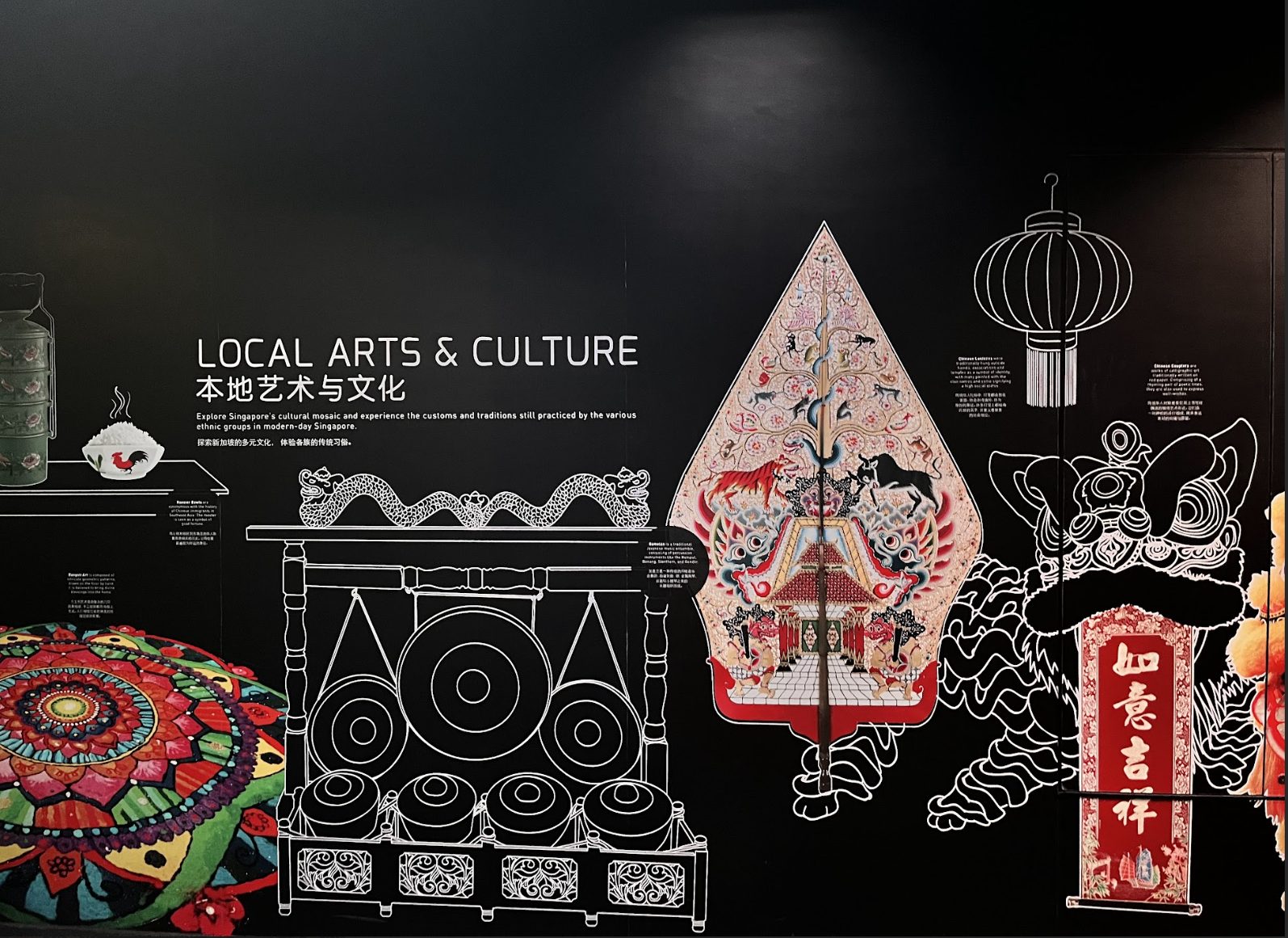
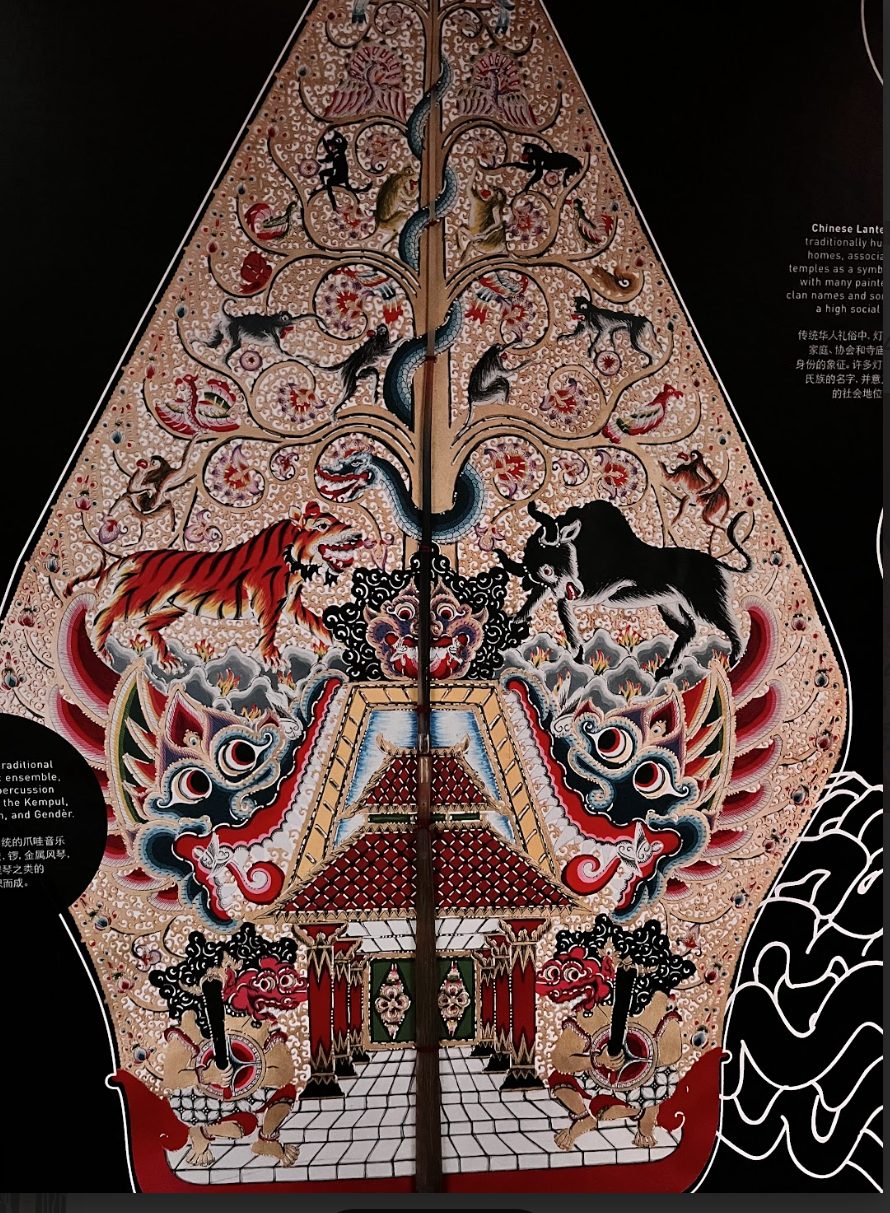
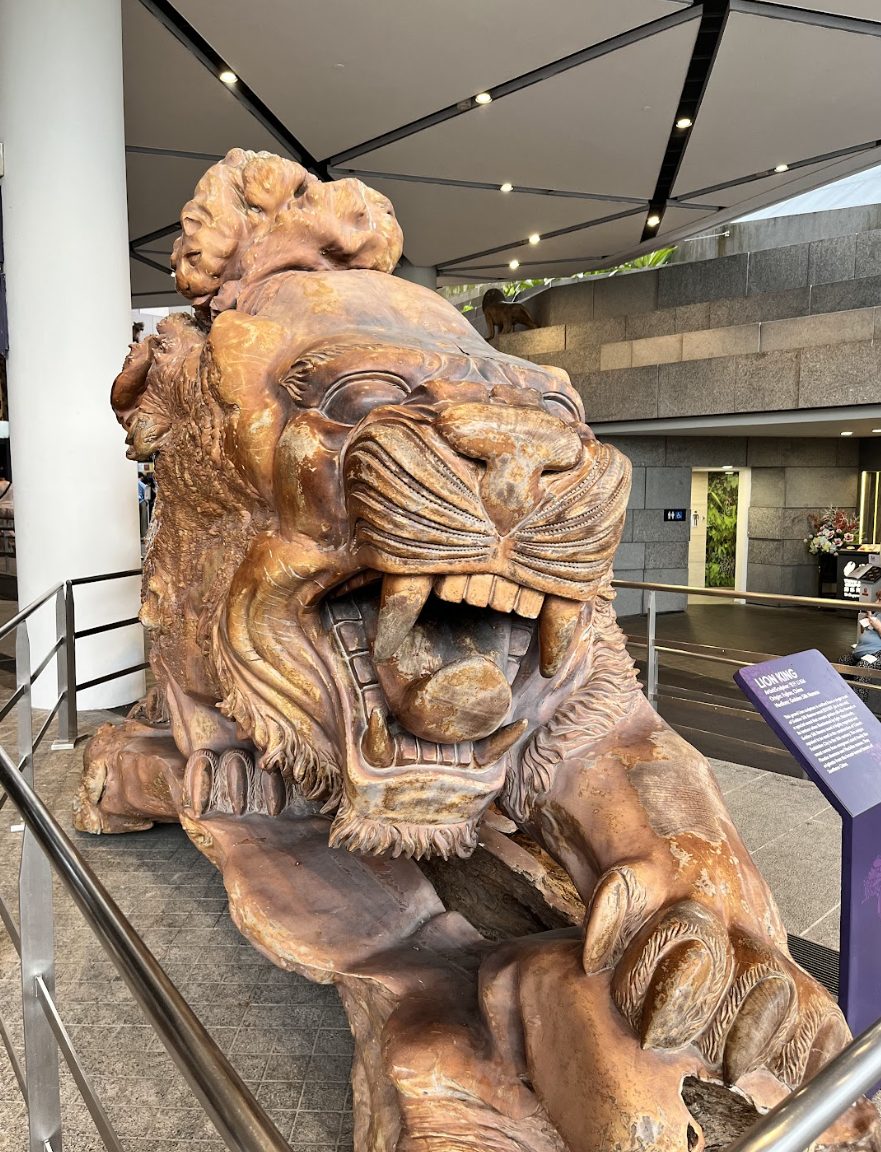
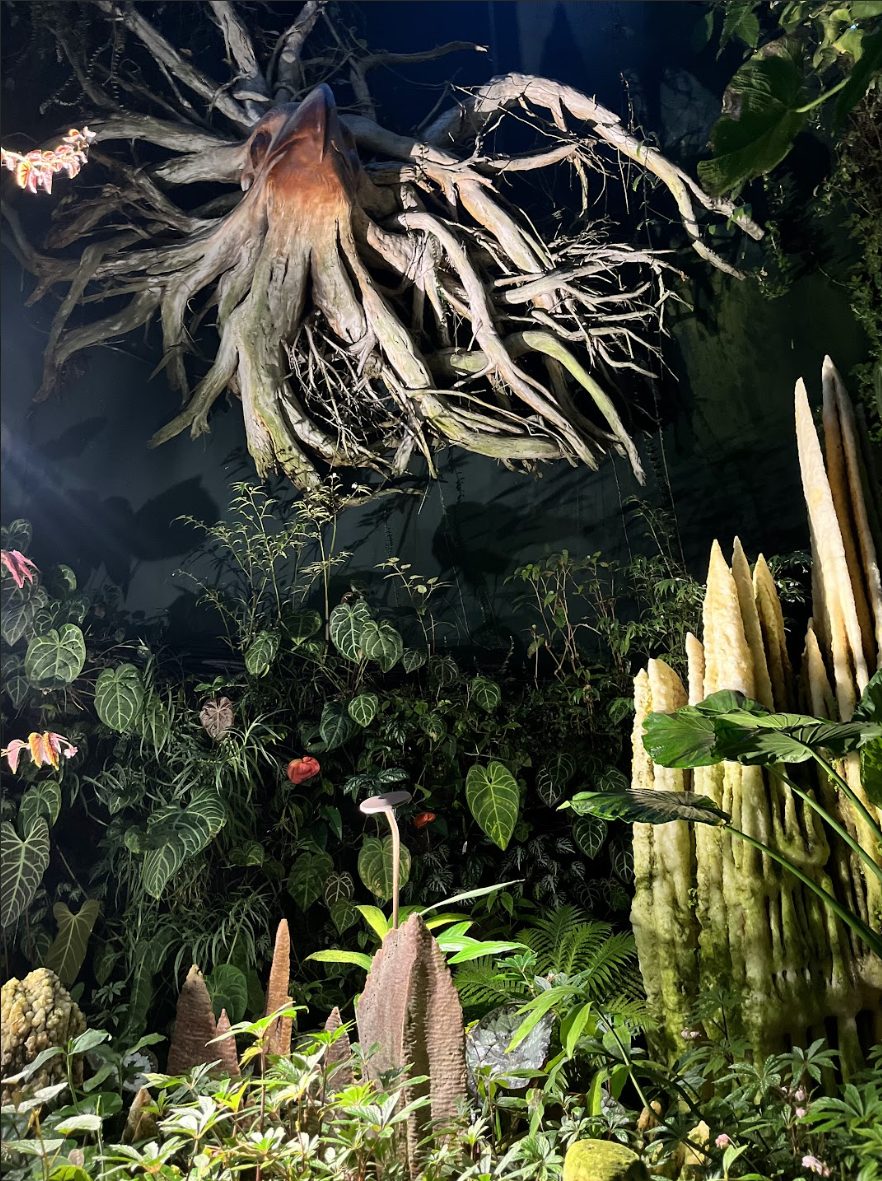
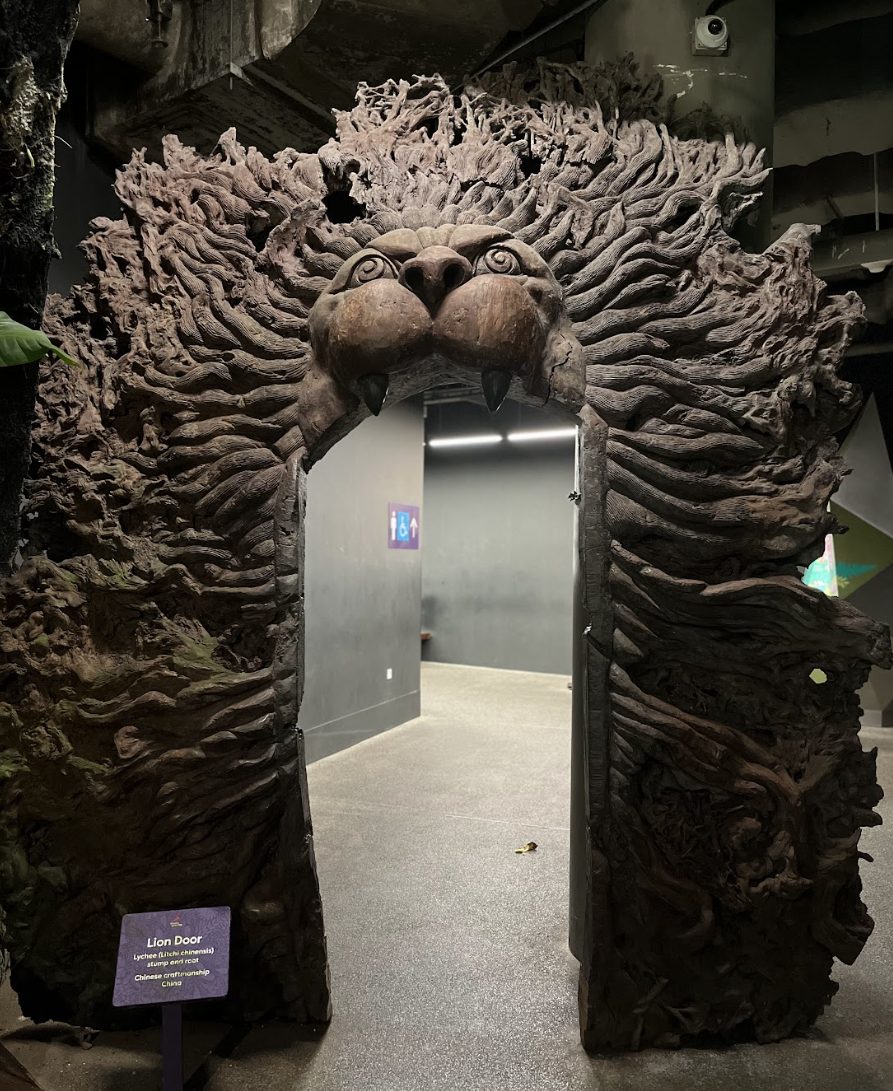
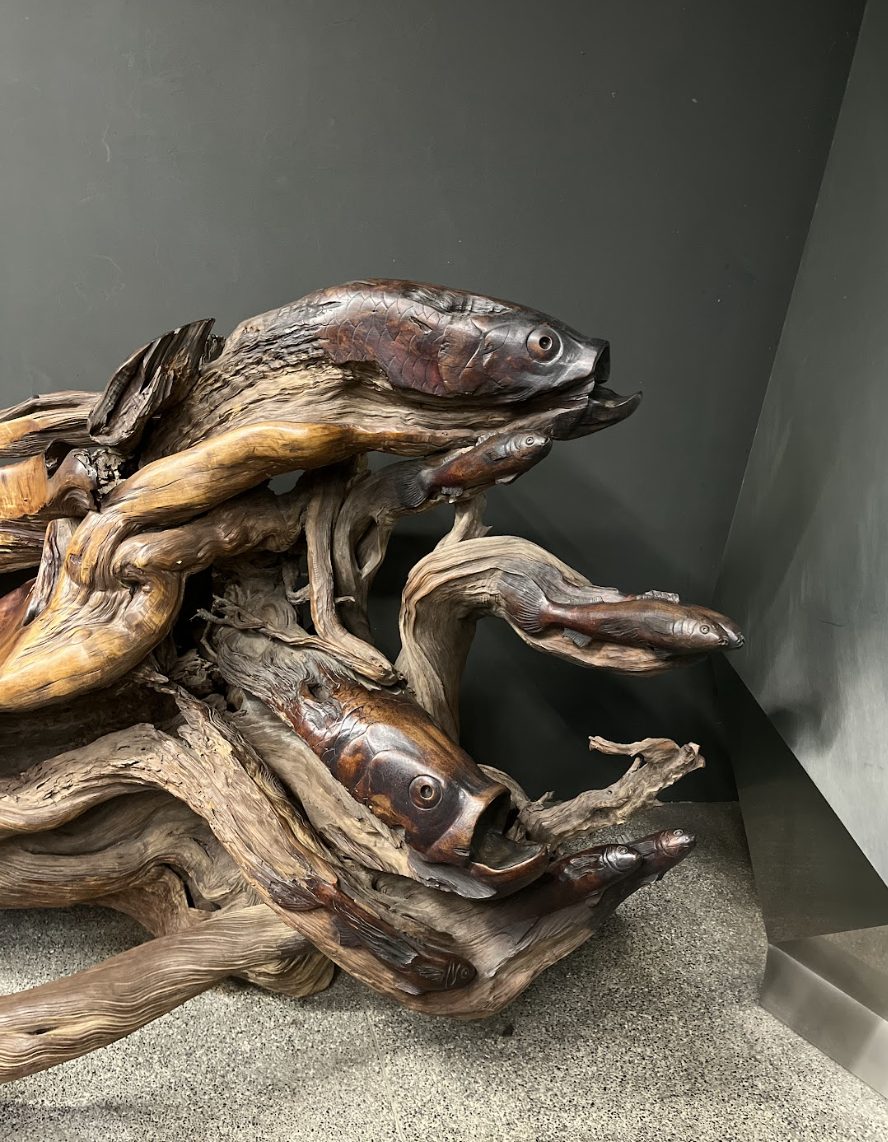
Layovers are often mundane waits at airports during International travel, but for our team, even layovers can be an opportunity to learn more about art, culture and design. The few hours-long layover at Singapore introduced us to the vibrant melting pot of Eastern and Western influences that Singapore is, embodying a unique juxtaposition of modernity and tradition. This dynamic blend of cultures, histories, and ideologies offers Singaporean artists an extraordinary platform to express their individuality and craft exceptional artworks.
Have a look at some of the images from the layover journey –