
Josef Frank and his Design Philosophy of “Accidentism” in Swedish Design
March 25, 2024
Rug & Kilim Abroad: Convergence of Art and Sustainability at the Universal Youth Leadership Summit, Philippines
March 25, 2024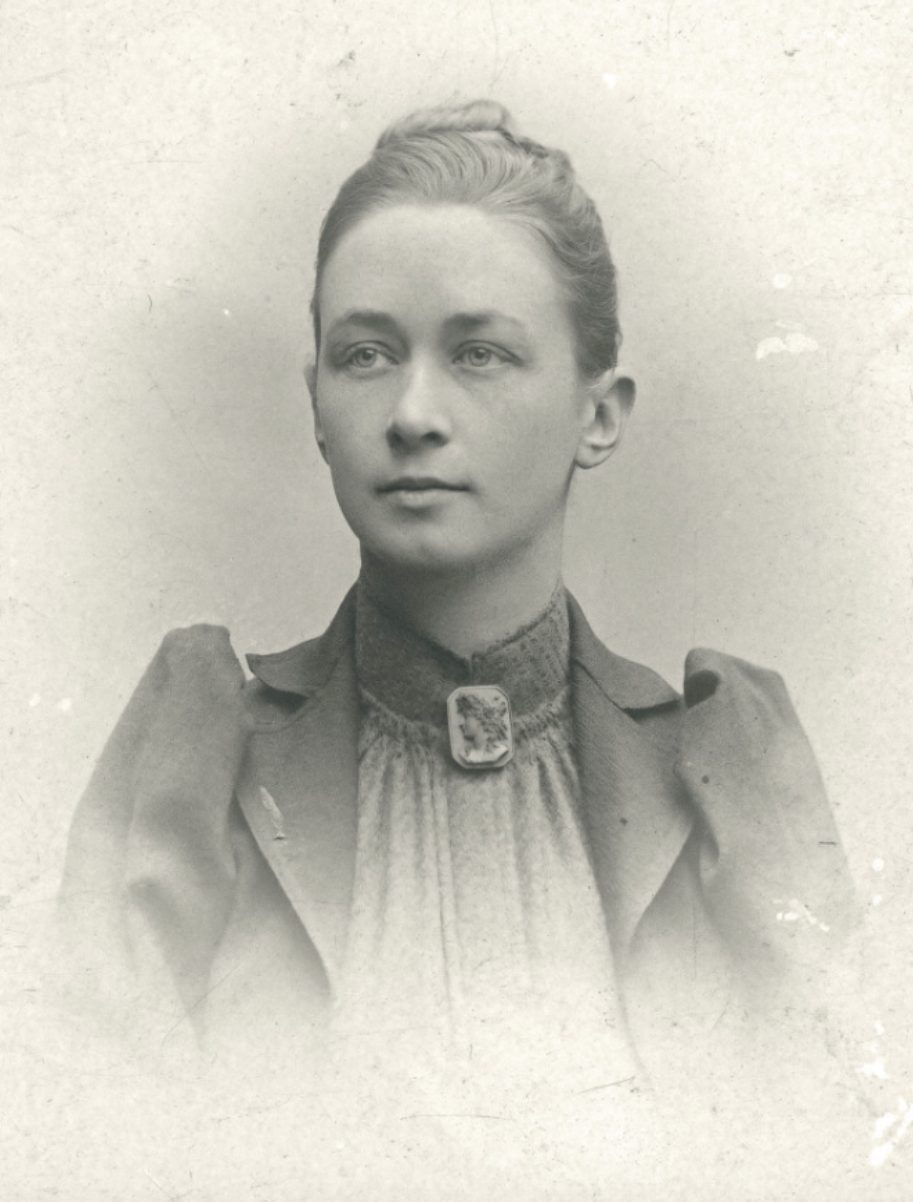
The Guggenheim Museums and Foundation
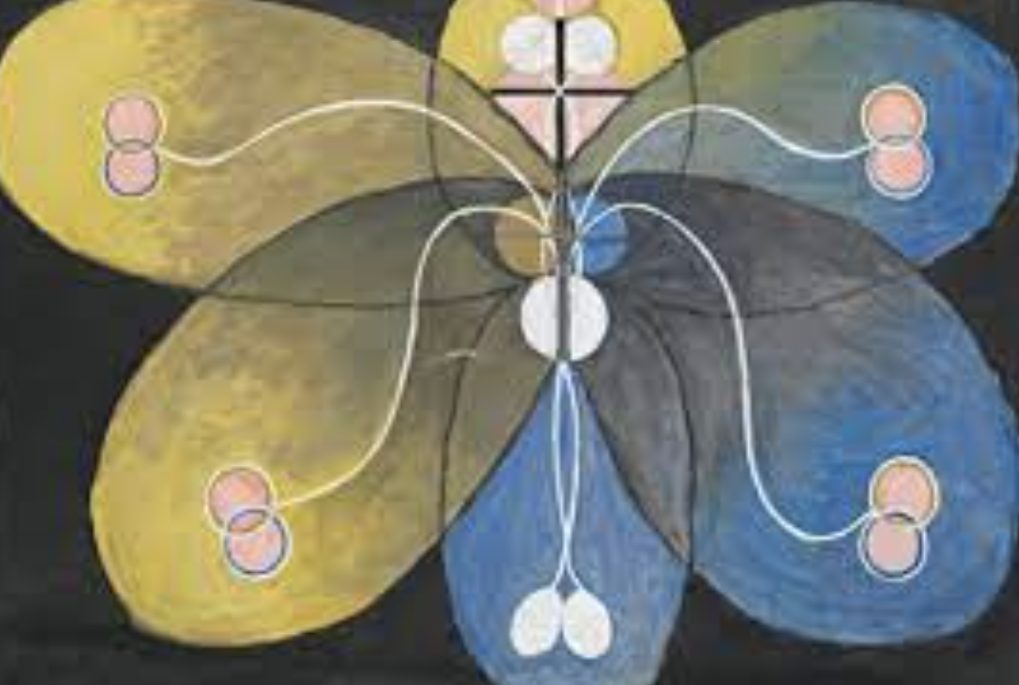
Hilma af Klint‘s use of color symbolism and her interest in representing various dualities reveal the depth and complexity of her artistic vision. The association of blue with femininity and yellow with masculinity reflects her exploration of gender-related themes, bringing a unique perspective to the use of color in her art. Her fascination with duality extends beyond gender and incorporates broader concepts such as macrocosms and microcosms, light and darkness, and the origin and end of the world. This thematic exploration aligns with her belief in the existence of a reality beyond the physical world—a conviction that sets her apart from other abstract artists of her time. Rather than seeking to dissolve reality, as some of her contemporaries aimed to do, af Klint aimed to make visible the invisible and unveil aspects of existence beyond the familiar physical realm.
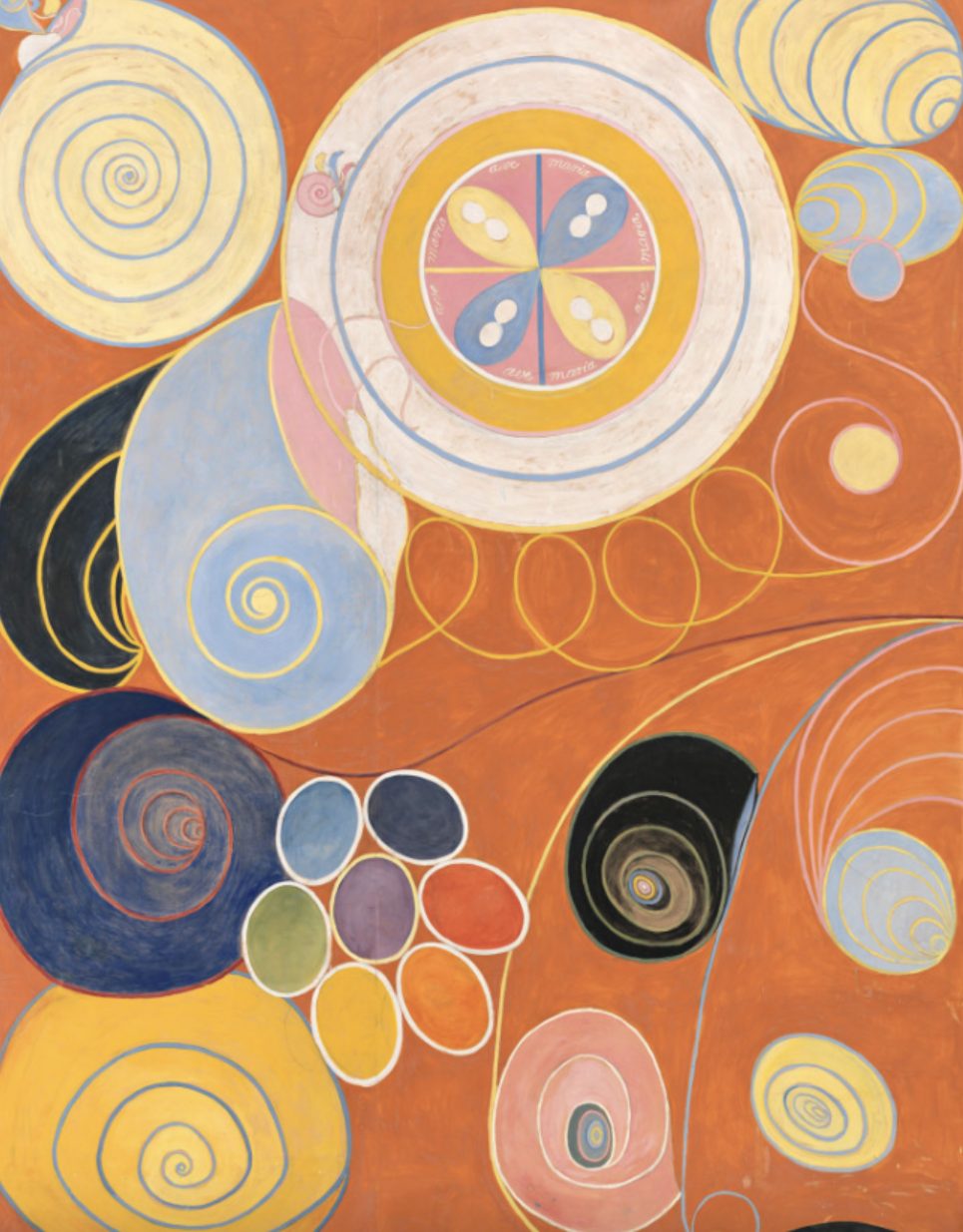
One of the highlights of her body of work is the series known as ‘The Ten Largest.’ These ten large-scale pieces serve as a remarkable attempt to depict the various phases of life, from childhood to old age, through abstract compositions. In this ambitious project, af Klint demonstrates her commitment to translating complex and abstract concepts into visual representations. The use of abstraction to convey the intricacies of life’s journey reflects her belief in the power of art to communicate profound truths beyond the limitations of the material world. Her desire to reveal the unseen and make visible the hidden dimensions of reality adds a philosophical and spiritual layer to her work, making her a truly pioneering figure in the history of abstract art.
Hilma af Klint
Group IV, The Ten Largest, Youth, 2018 CFHILL
The Guggenheim Museums and Foundation
The Guggenheim Museums and Foundation
Hilma af Klint’s emergence as a groundbreaking abstract artist is indeed a fascinating and significant aspect of art history. Born in 1862, Hilma af Klint’s early artistic career was characterized by her involvement in academic and conventional art circles. She was among the first women to graduate from the Royal Academy of Fine Arts in Stockholm and participated in exhibitions with the Swedish General Art Association. However, it was her exploration of spiritualism and the esoteric that dramatically transformed her artistic trajectory. The revelation of her abstract paintings in the exhibition “The Spiritual in Art — Abstract Paintings 1890 – 1985” at the Los Angeles County Museum of Art in 2013 brought her work to the forefront of the art world. The exhibition showcased the stunning beauty and innovative nature of her paintings, challenging preconceived notions about the timeline of abstract art.
Hilma af Klint’s spiritual journey and engagement with mysticism played a crucial role in shaping her abstract style. Her work was not widely recognized during her lifetime, but her influence has gained significant acknowledgment in retrospect. The 2013 Venice Biennale and subsequent retrospectives in Stockholm, Berlin, Malaga, and New York’s Guggenheim Museum in 2018 catapulted her into the spotlight.
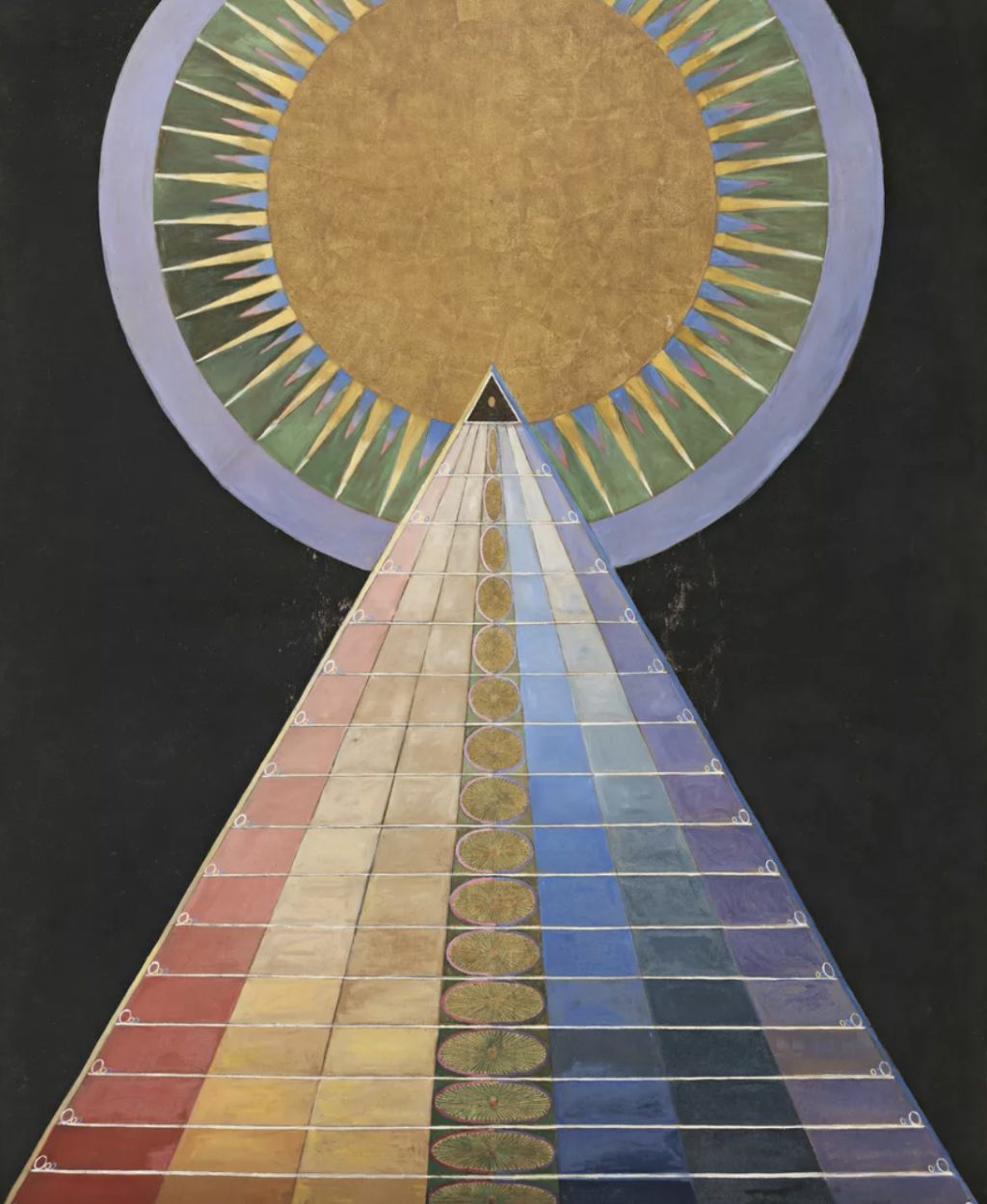
The Guggenheim Museums and Foundation
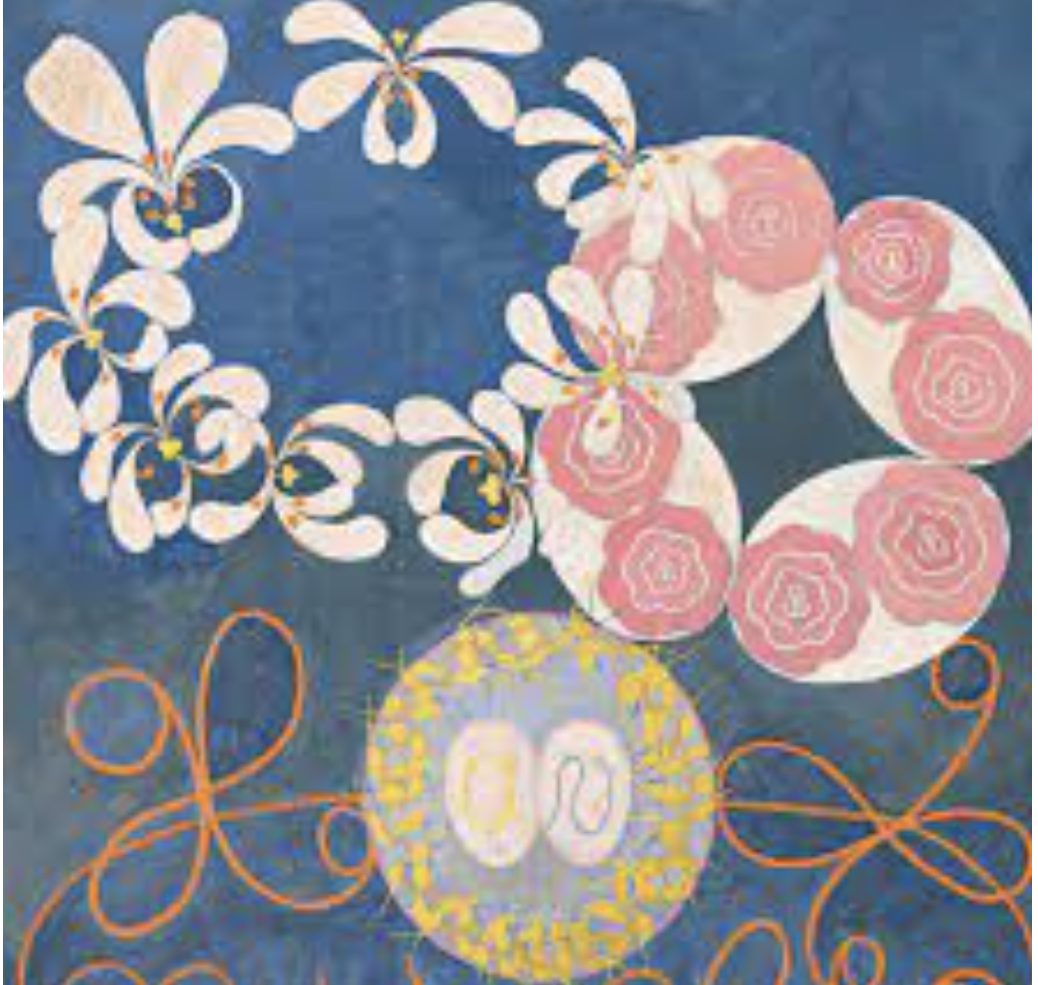
The Guggenheim Museums and Foundation
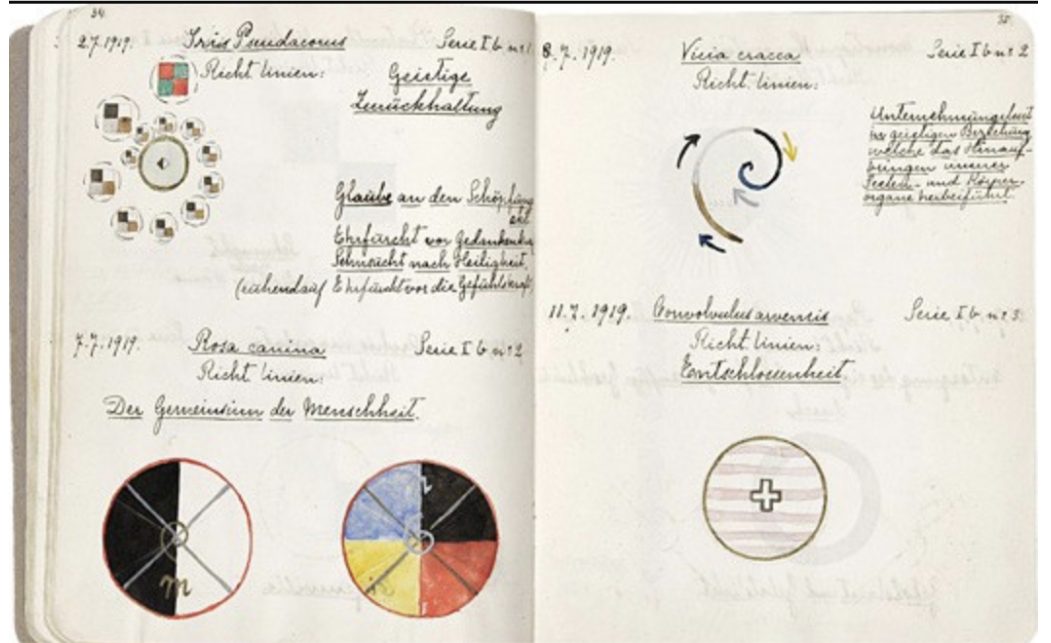
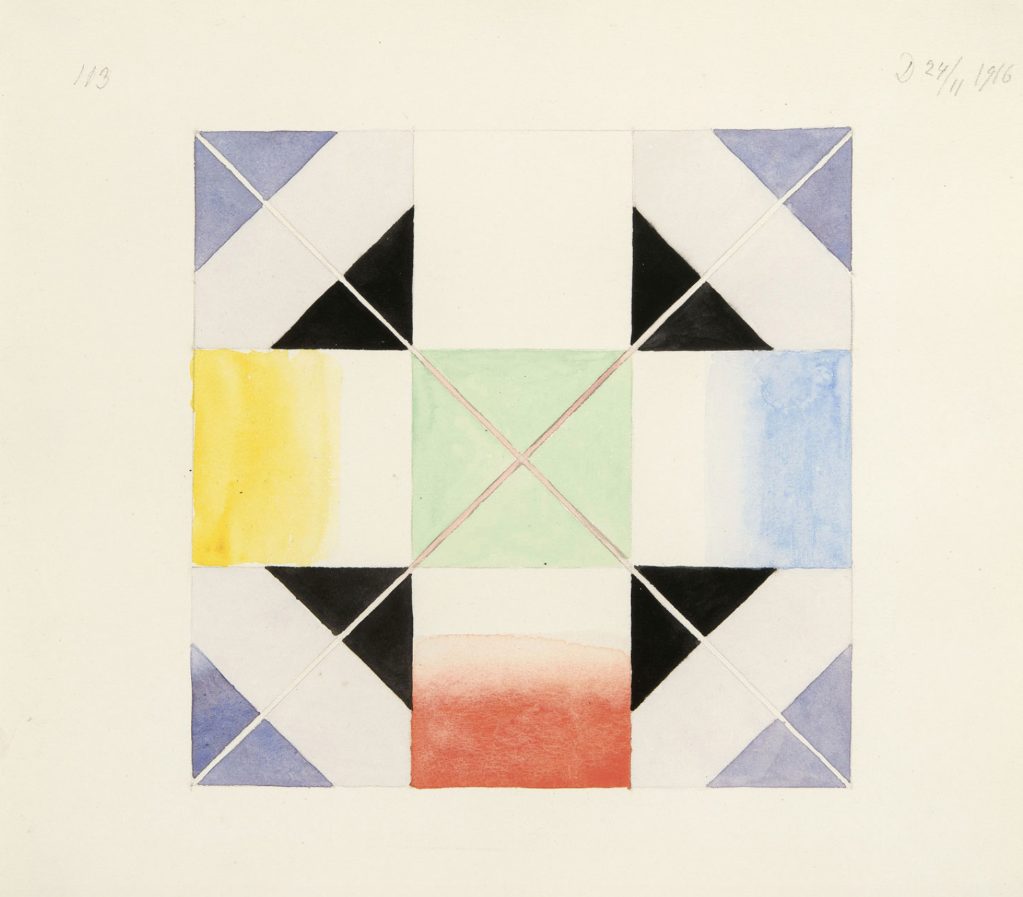
The transformation of af Klint from a competent academic artist to an inspirational mystical abstractionist aligns with the broader artistic movements of her time. Artists like Wassily Kandinsky, Piet Mondrian, Paul Klee, and Kazimir Malevich were also exploring spiritual and abstract ideas, pushing the boundaries of traditional artistic expression. Hilma af Klint’s contributions to the abstract art movement are now recognized as groundbreaking, and her work continues to captivate audiences around the world. The exhibition “Hilma af Klint: The Secret Paintings” marked her introduction to the southern hemisphere, further solidifying her place in the global art canon. The exploration of spiritual dimensions in art was indeed a shared theme among several modernist artists during the early 20th century. Hilma af Klint’s groundbreaking images, created before the formal emergence of abstract art in Russia and Europe, set her apart due to her unique approach to portraying the invisible. While Kandinsky, Malevich, and Mondrian, among others, also delved into spirituality in their art, the methods and philosophies they employed differed.
Wassily Kandinsky, known for his move away from Expressionism, embraced abstraction as a means of expressing the spiritual. His interest in the occult and his publication of “On the Spiritual in Art” in 1911 underscored his commitment to exploring art’s transcendental aspects. Kandinsky gradually distanced himself from visible reality, aiming to convey the unseen through abstract forms and colors. Kazimir Malevich, influenced by Cubism and Futurism, developed suprematism—a form of abstract art with a strong spiritual dimension. His suprematist compositions were characterized by abstract, geometric shapes that aimed to convey a sense of the spiritual and transcendental. Piet Mondrian, a theosophist, sought a purely spiritual expression by progressively moving away from figurative representations. His iconic compositions featured vertical and horizontal lines, along with primary colors and white and black. Mondrian’s artistic journey reflected his commitment to expressing eternal ideas beyond the visible world.
While these artists shared a spiritual quest in their work, unlike Hilma af Klint, they did not claim to act as mediums in their creative process. Af Klint’s unique role as a medium, receiving guidance from spiritual beings in her artistic endeavors, sets her apart from her contemporaries. Other artists, such as František Kupka, Emma Kunz, and even the writer Victor Hugo, also shared in the exploration of spirituality in their creative pursuits, showcasing the diverse ways in which modernists engaged with the unseen and the metaphysical.
The Guggenheim Museums and Foundation
The Guggenheim Museums and Foundation
The account of Hilma af Klint’s spiritual journey and the formation of the ‘Friday Club’ or ‘The Five’ provides a captivating insight into the influences that shaped her groundbreaking abstract paintings. The turn of the 20th century was indeed a period marked by significant scientific discoveries, challenging conventional beliefs and opening up new possibilities for exploring realities beyond the tangible. The establishment of the ‘Friday Club’ and their regular gatherings, which involved séances, the study of the New Testament, meditation exercises, prayer, and spiritism, reflects the broader interest in spiritual exploration during that era. Hilma and her companions delved into experimental automatic writing and drawing, documenting messages received from the afterlife. The connections they claimed to establish with spiritual beings known as ‘The High Masters’ added a mystical dimension to their pursuits.
The special commission Hilma received from the spirit Amaliel in 1906 marked a pivotal moment in her artistic journey. The task to create ‘Paintings for the Temple’ became a profound undertaking that spanned nearly a decade. The sheer volume of the work—193 paintings completed over two periods until 1915—demonstrates the intensity and dedication with which she approached her artistic mission. The description in her diary of the paintings being created “directly through me, without any preliminary drawings, and with great force” adds an element of mysticism to her creative process. The spontaneity and certainty with which she worked, without knowing the intended depictions, suggest a profound connection between her art and the spiritual realm.
Hilma af Klint’s commitment to this spiritual calling and her willingness to accept the commission from the spirit world underscore the profound influence of esoteric and metaphysical ideas on her artistic output. This unique intersection of spirituality, artistic expression, and the unknown contributes to the enigma surrounding her work and legacy.
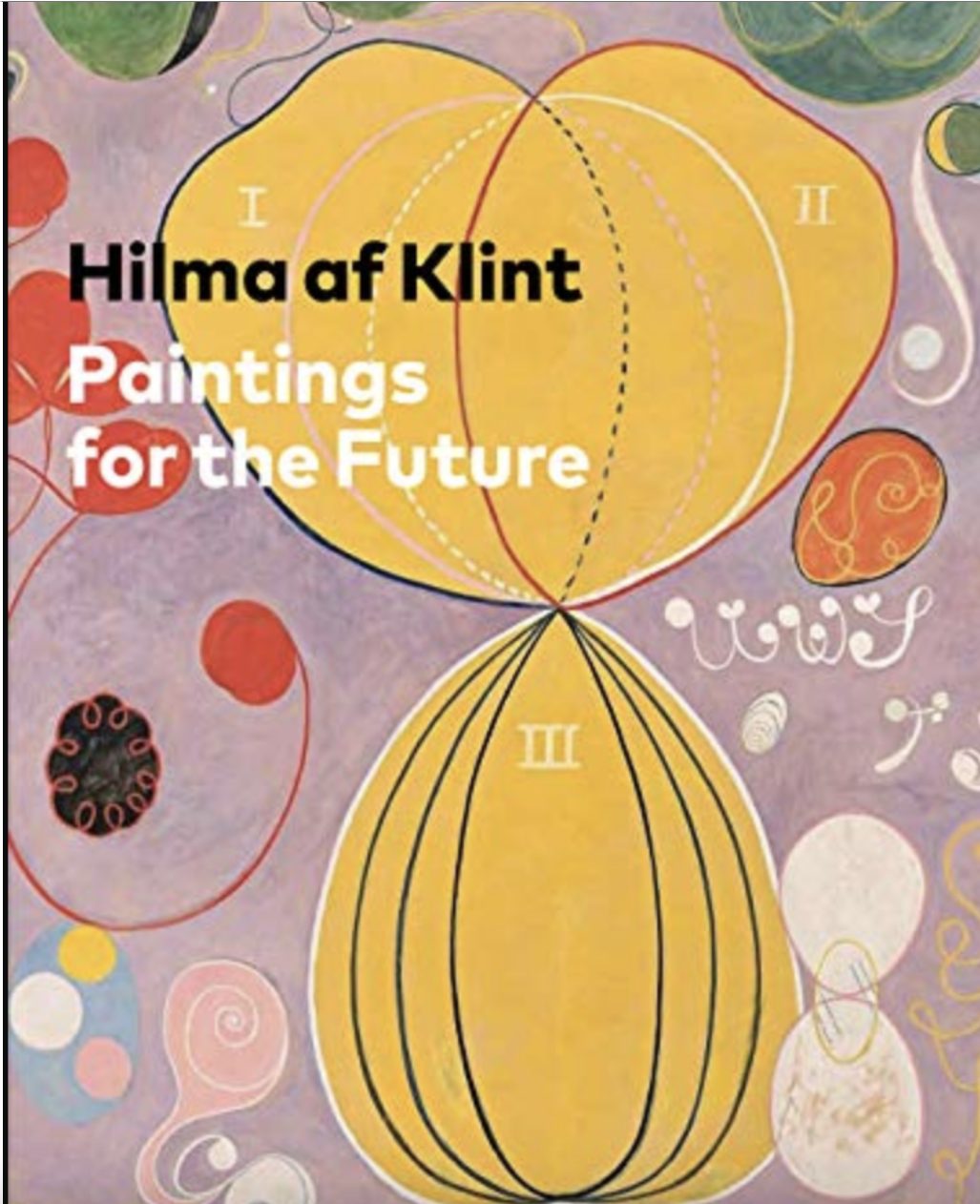
In conjunction with the inaugural comprehensive retrospective of the artist’s oeuvre in the United States, “Hilma af Klint: Paintings for the Future” published by the Guggenheim Museum Publications, 2018, illuminates her groundbreaking painting series, offering an extensive exploration of her life and art that contributes to recent scholarship. Hilma af Klint (1862–1944) is recognized as a trailblazer in the realm of abstract art. Despite her paintings not being publicly displayed until 1987, her artistic endeavors in the early 20th century precede the emergence of the first purely abstract works by renowned artists such as Kandinsky, Mondrian, and Malevich.
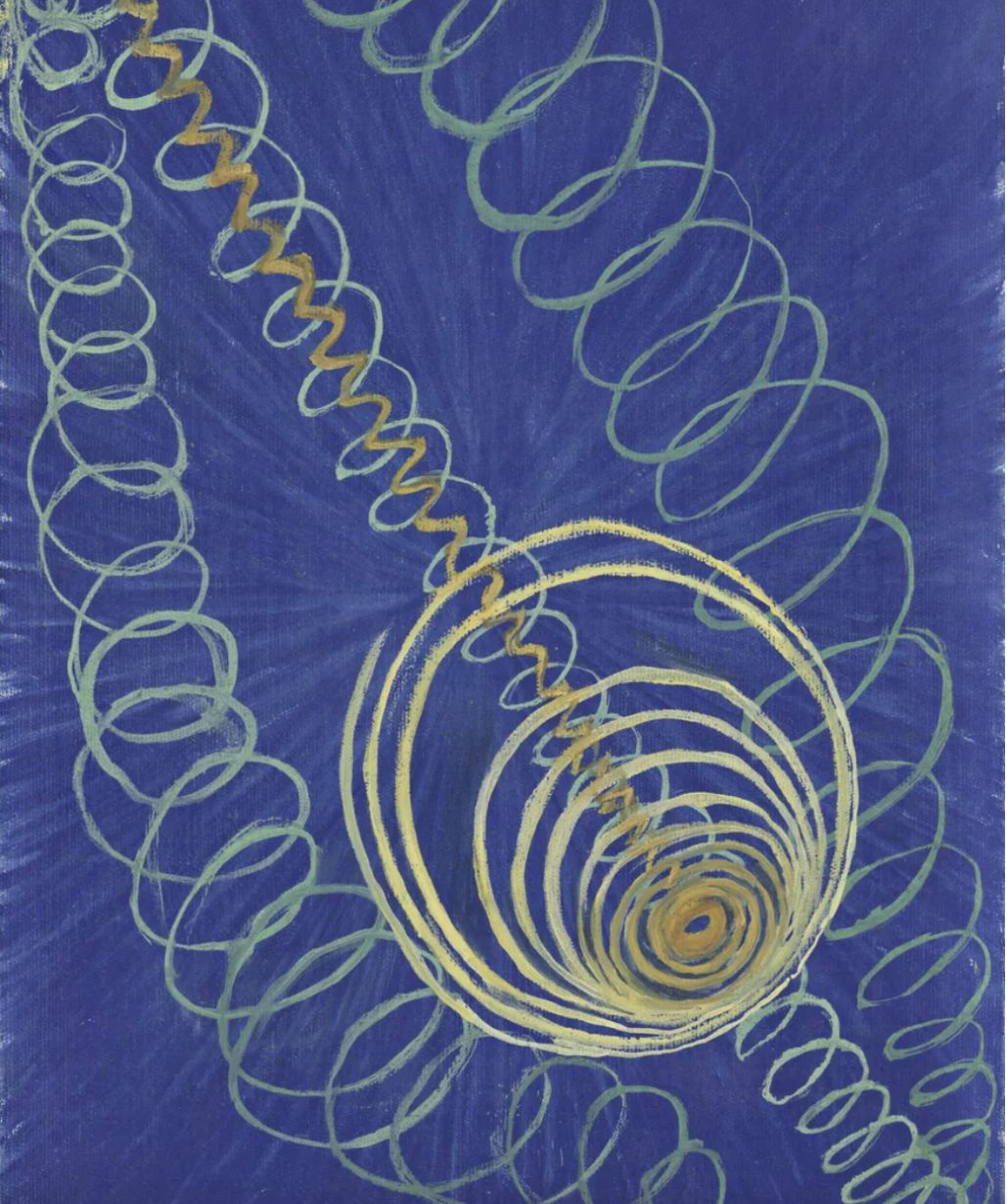
Group I, Primordial Chaos, No. 16 (Grupp 1, Urkaos, nr 16), from The WU/Rose Series (Serie WU/Rosen), 1906-1907, Guggenheim Museum
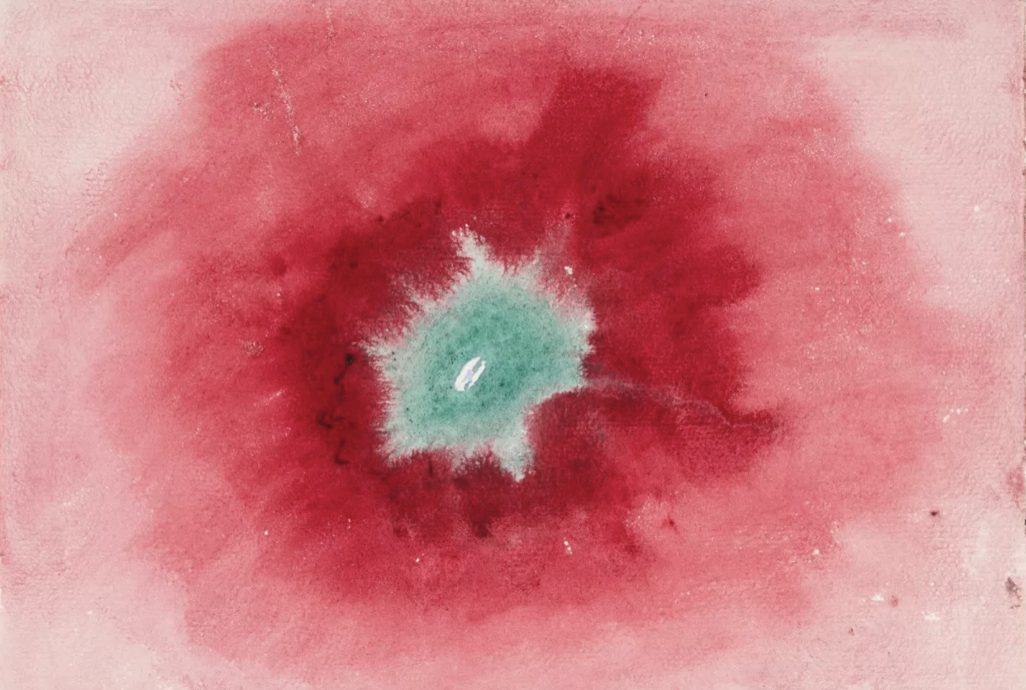
Hilma af Klint, Untitled , 1920. Photo by Albin Dahlström, the Moderna Museet, Stockholm. Courtesy of the Hilma af Klint Foundation, Stockholm and the Guggenheim Museum.
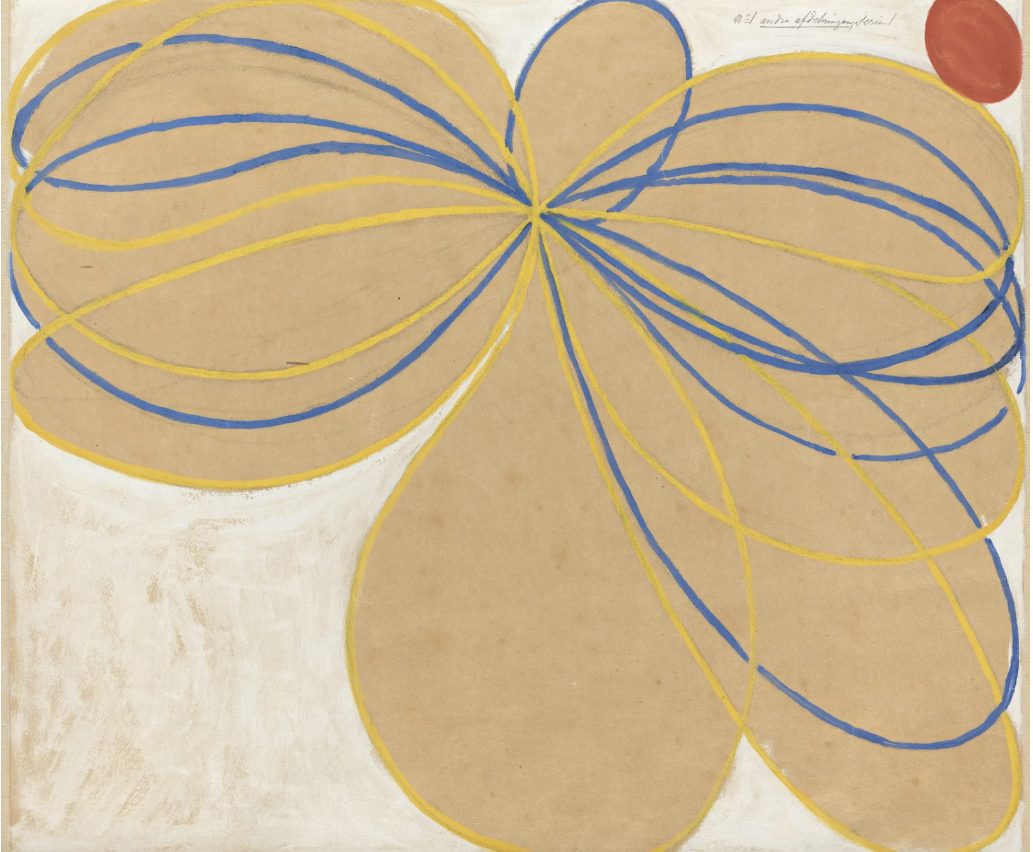
Guggenheim Museum
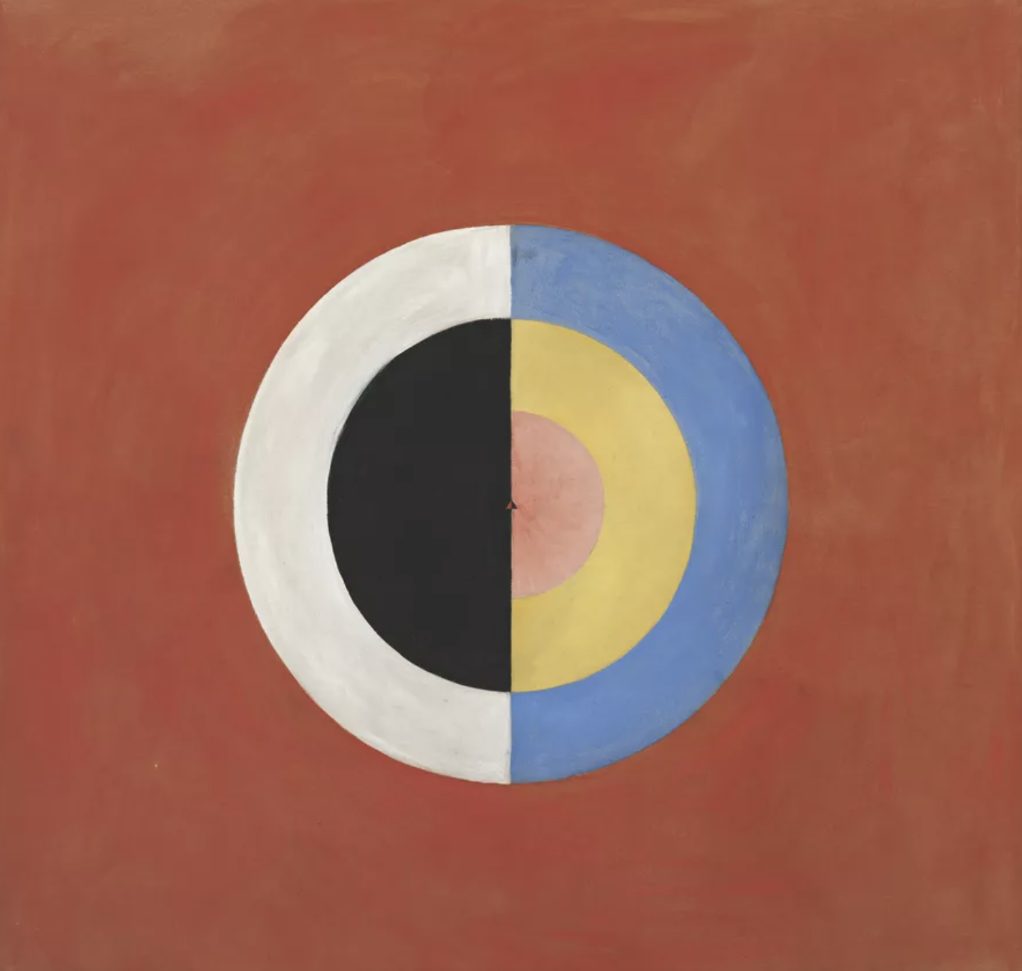
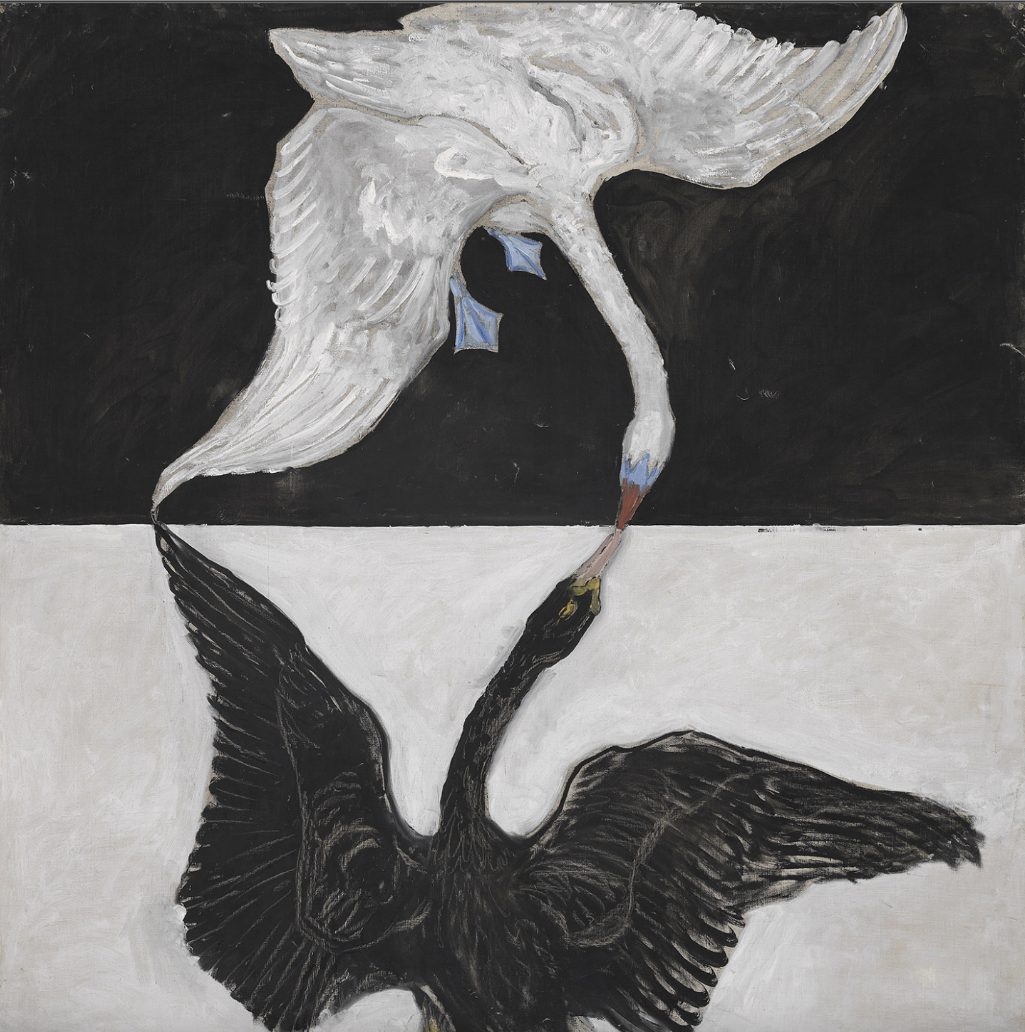
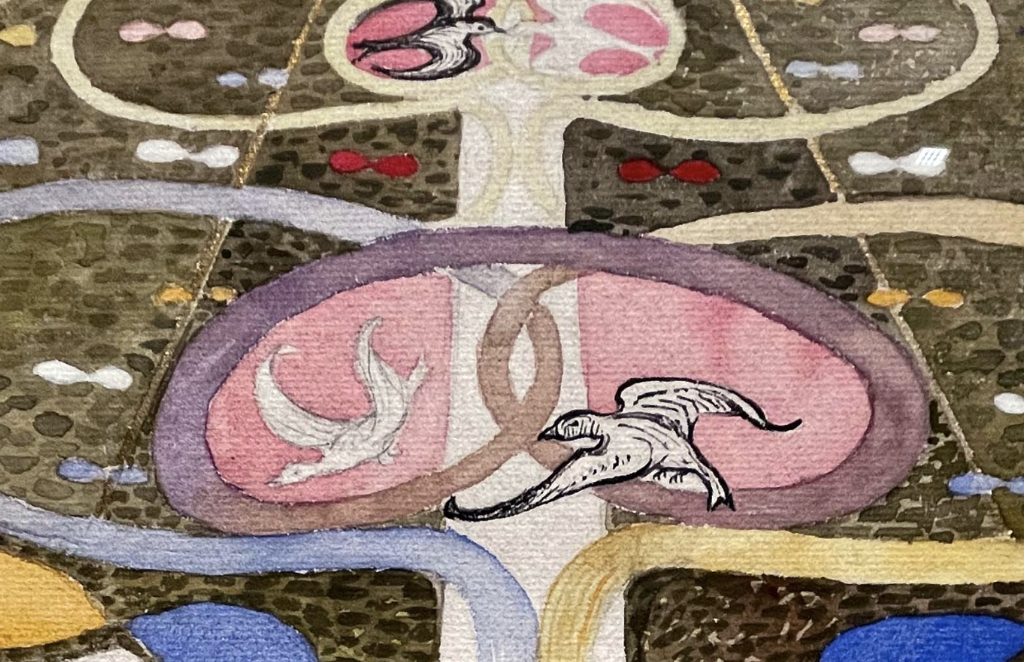
Hilma af Klint, Svanen (The Swan) No. 17, Group IX/SUW, The SUW/UW Series, 1914-1915.
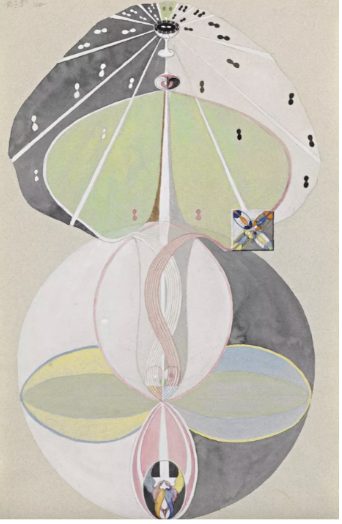
Guggenheim Museum
View Rug & Kilim’s abstract rug collection here – https://rugandkilim.com/shop/?s=abstract%20rug