
Ivan Da Silva Bruhns and his Rugs as Most Decorative Artworks of the Art Deco Period
March 25, 2024
A Profile on Hilma af Klint “The Mother of Swedish Abstract Art”
March 25, 2024
Photograph: Svenskt Tenn Archive
In 1910, Viennese architect Josef Frank, who would later become renowned for his vibrant and whimsical textile designs for Svensk Tenn in Stockholm, undertook his first interior design commission. This project involved creating an apartment for his sister Hedwig, who was married to the industrialist Carl Tedesko. At the time, Frank was just twenty-five years old, and this commission marked the beginning of his illustrious career in interior design.
Even before this project, Frank had displayed a strong interest in folk textiles. During his time in architecture school, he had already begun collecting and studying examples of traditional Austrian weaving. This early fascination with folk textiles would later play a significant role in shaping Frank’s distinctive approach to design, blending elements of tradition with his own innovative and colorful aesthetic. The 1910 Tedesko apartment not only showcases Frank’s talent in designing handsome furniture based on historical models, some of which even bear the initials of his sister and brother-in-law in marquetry, but it also features a rug with a distinctly Viennese pattern.
Josef Frank‘s decorating philosophy, which he later articulated as “Accidentism” in the context of the Tedesko apartment, marked a departure from the prevailing architectural theories of his time. The core idea behind Accidentism was that a room should be a collection of cherished objects and materials acquired over a lifetime, or at the very least, create the impression of such an evolving character. While this concept might seem commonplace today, it was radical in 1910 Vienna.
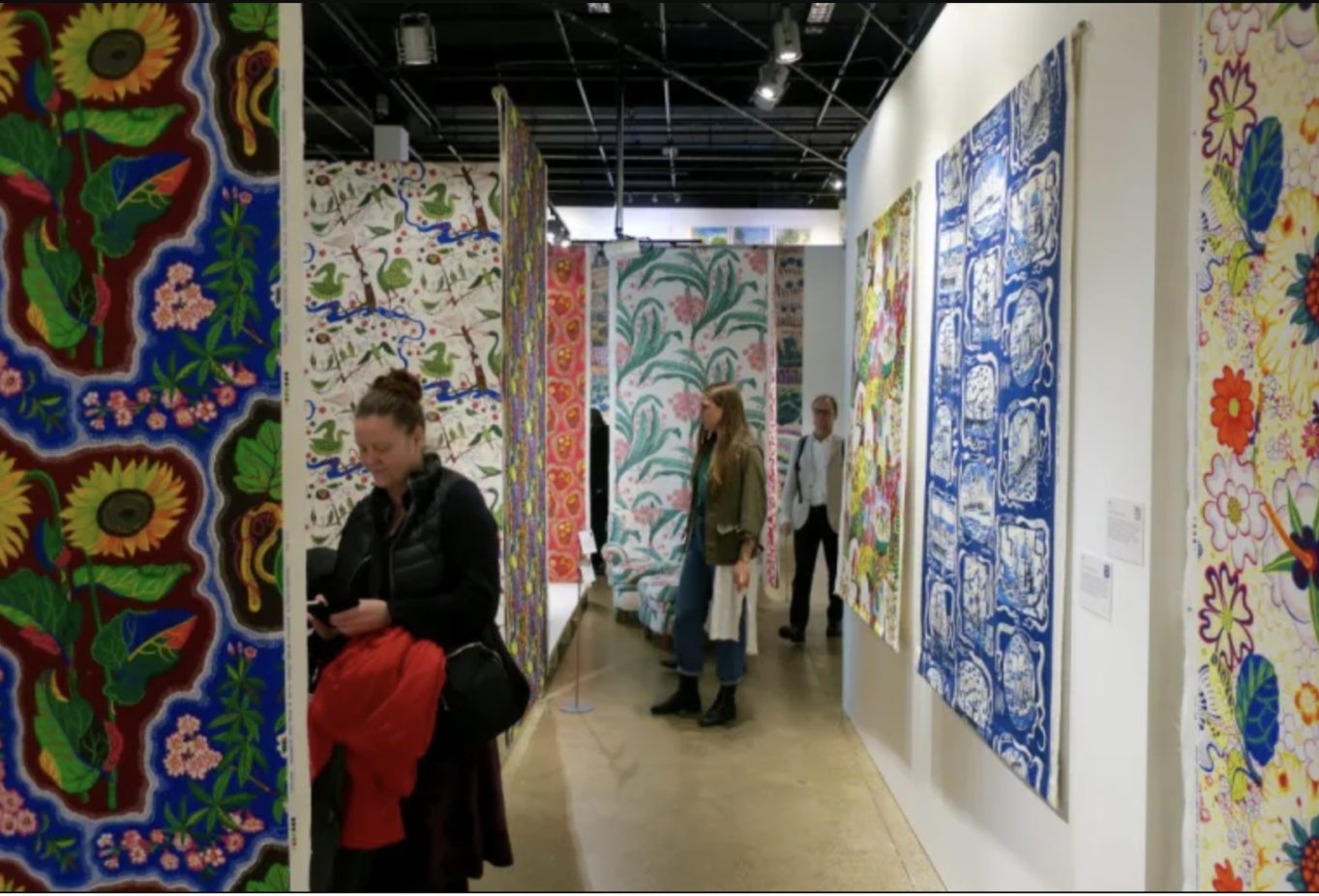
Photo of London exhibit, Josef Frank Patterns—Furniture—Paintings.
A particularly intriguing detail is the presence of a pair of traditional carriage cushions from the Scåne region. This addition adds a touch of regional and folk influence to the interior design, hinting at Frank’s early interest in folk textiles. Whether Josef himself or his girlfriend, Anna, was the source of these cushions, their inclusion highlights the blend of historical inspiration and personal touches that characterized Frank’s approach to design. The eclectic mix of elements in the Tedesko apartment foreshadows the rich and diverse design language that Josef Frank would later bring to his renowned textile creations for Svensk Tenn.
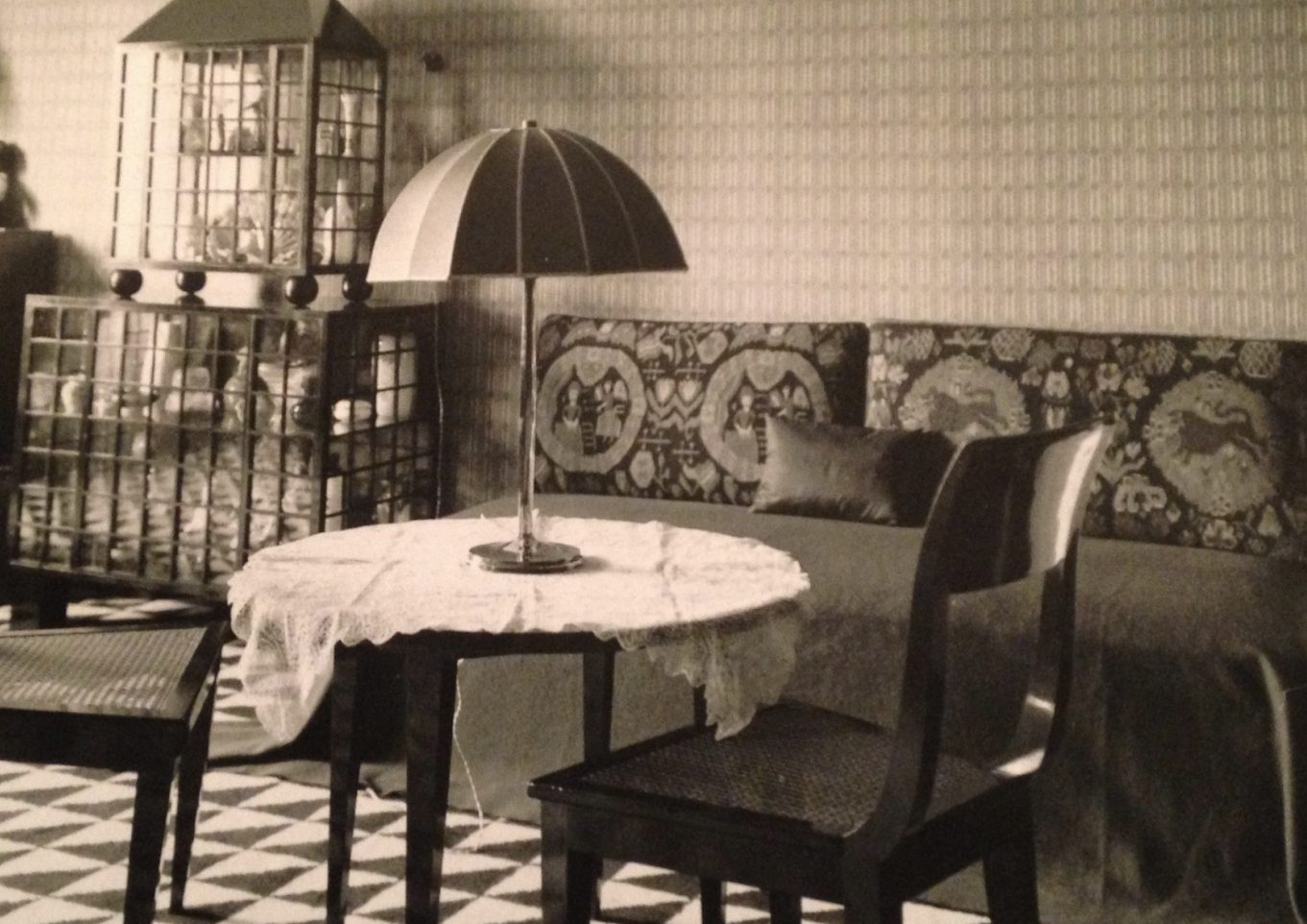
Photo of Skanian textile cushions on daybed in the Tedesko apartment. Photo taken at exhibit at ArchDes, Stockholm, April 2017.
During this period, architectural theory leaned towards the idea that a building and its decor should be conceived as a single, complete work of art. Architects were encouraged to design as much of the furniture as possible and integrate it into the overall architectural plan. However, Frank challenged this notion and intentionally designed furniture based on historical precedents. He created interior assemblages that intentionally looked like they came from different historical periods, embracing an eclectic and evolving aesthetic.
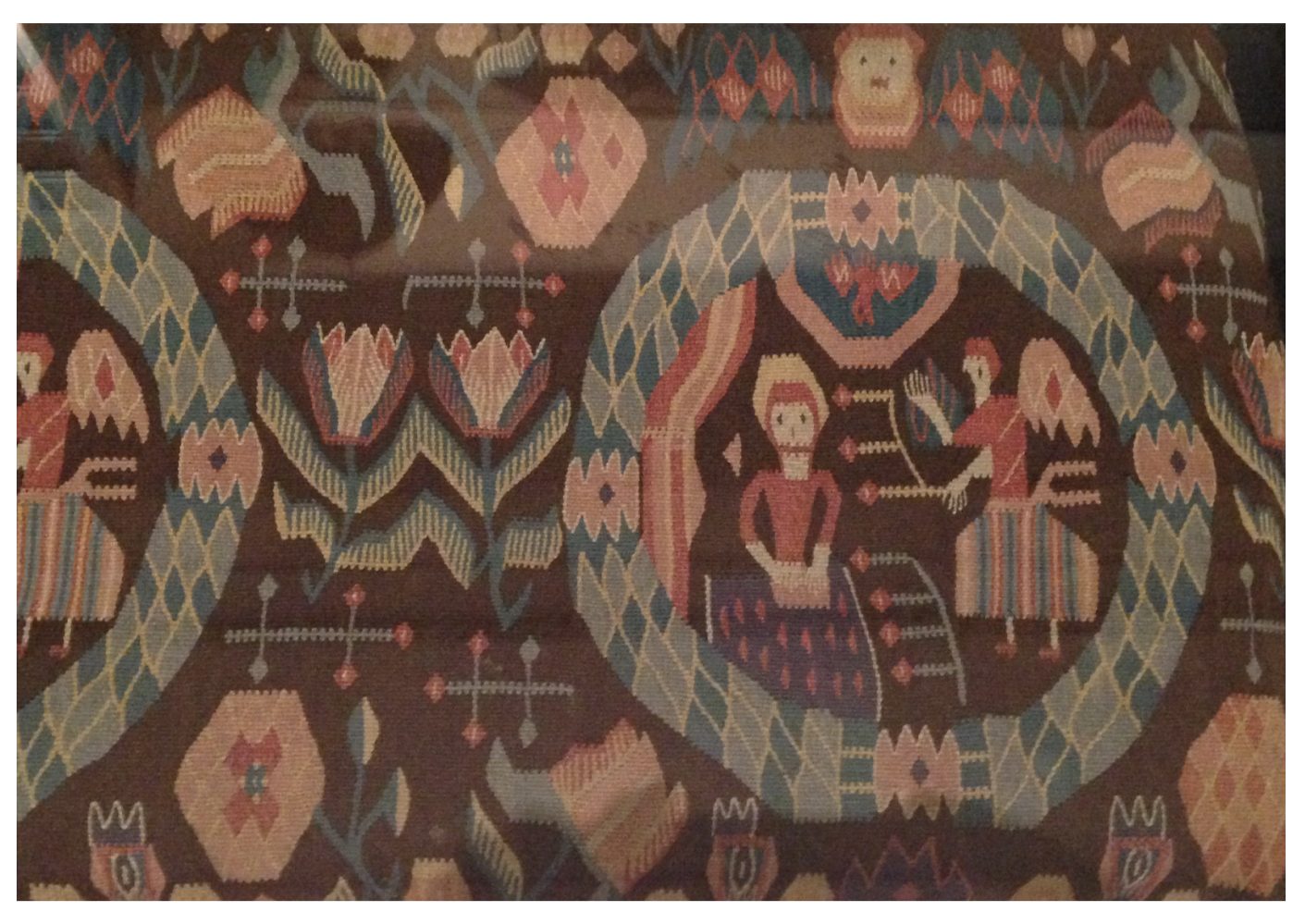
In the Tedesko apartment, Frank showcased his willingness to combine furniture, textiles, and artwork from different places, offering a pointed rebuke to the prevailing architectural idea of a “gesamtkunstwerk” or complete artwork. Frank argued that living spaces should not be treated as artworks or meticulously orchestrated harmonies in color and form. Instead, he advocated for the accumulation of elements over time, allowing a space to reflect the diverse tastes and experiences of its inhabitants. This philosophy laid the foundation for Frank’s later work and his influential contributions to interior design.
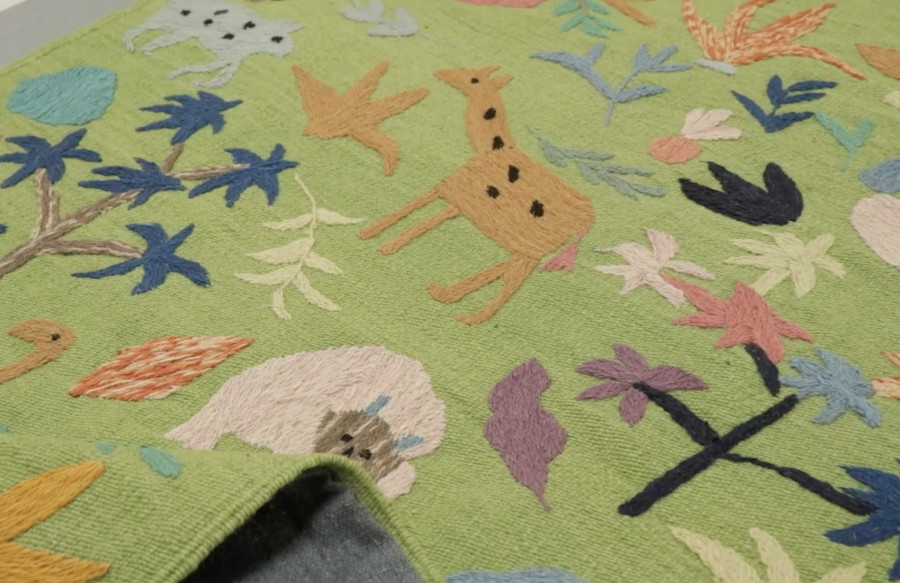
Josef Frank’s distinctive style in textile design is characterized by vibrant colors and shapes, often drawing inspiration from the natural world. Particularly in his approach to rugs, Frank believed that they should feature a real, preferably decorated surface, providing a sense of solid ground beneath one’s feet. In his colorful designs, Frank aimed to create an atmosphere that allowed the observer to breathe and experience a sense of freedom, even within confined spaces. He emphasized the importance of prints and patterns, suggesting that they have a calming effect compared to monochromatic surfaces. According to Frank, a monochromatic surface might appear uneasy, while prints offer a more serene experience. The richness of decoration in prints, he argued, cannot be quickly fathomed, inviting prolonged interest and engagement. This approach reflects Frank’s desire to infuse interiors with a dynamic and visually stimulating quality, encouraging a change of pace and a sense of liberation within the confines of a room.
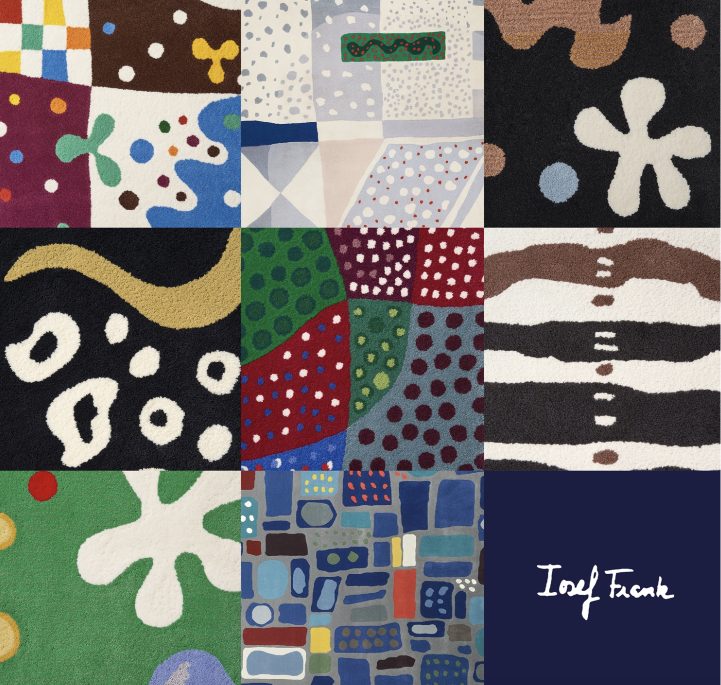
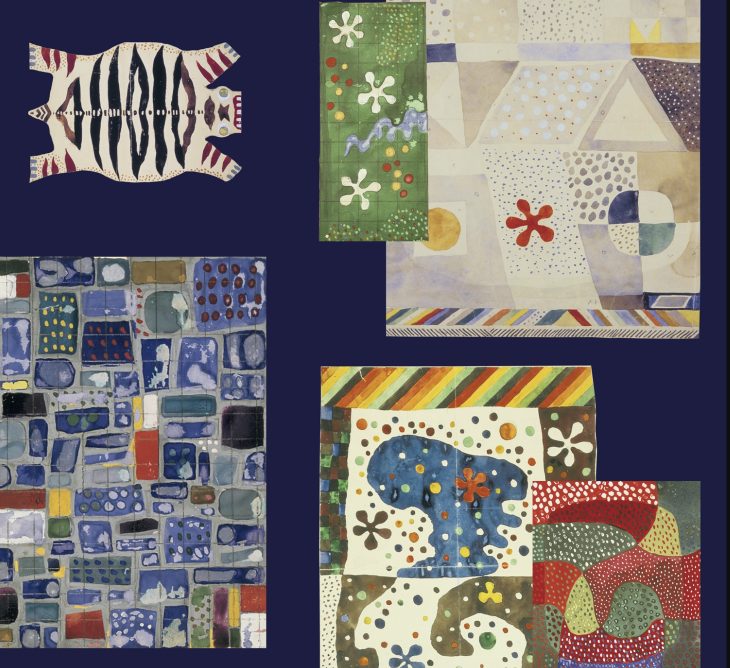
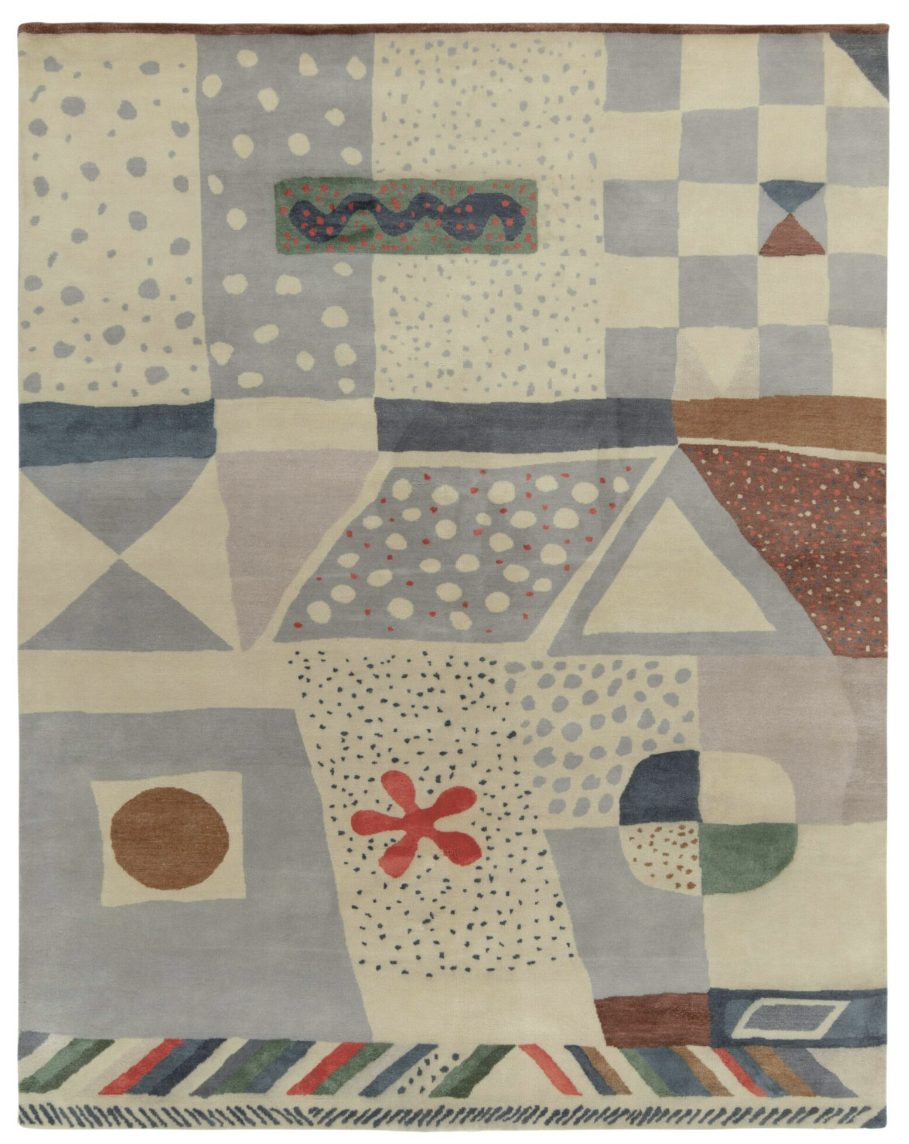
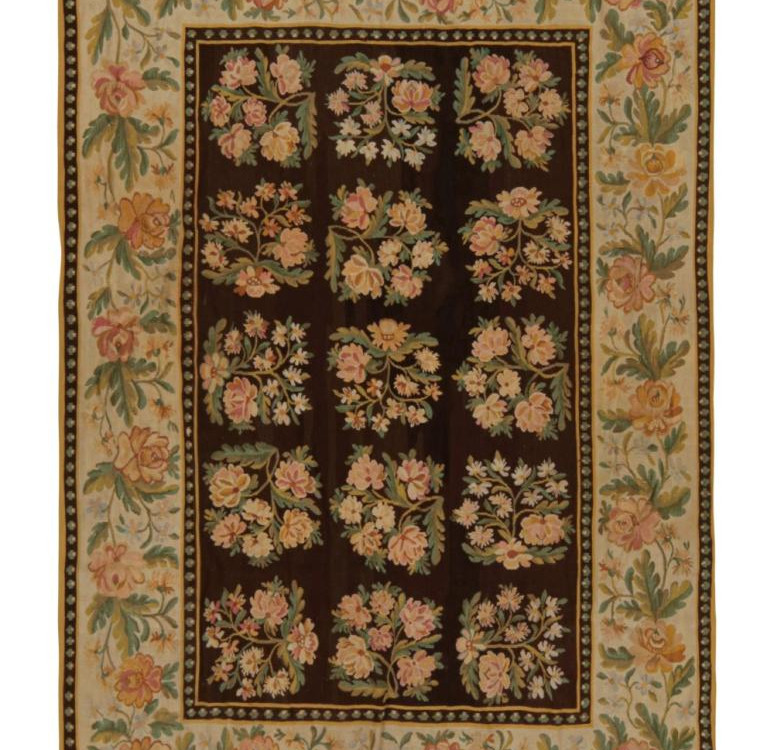
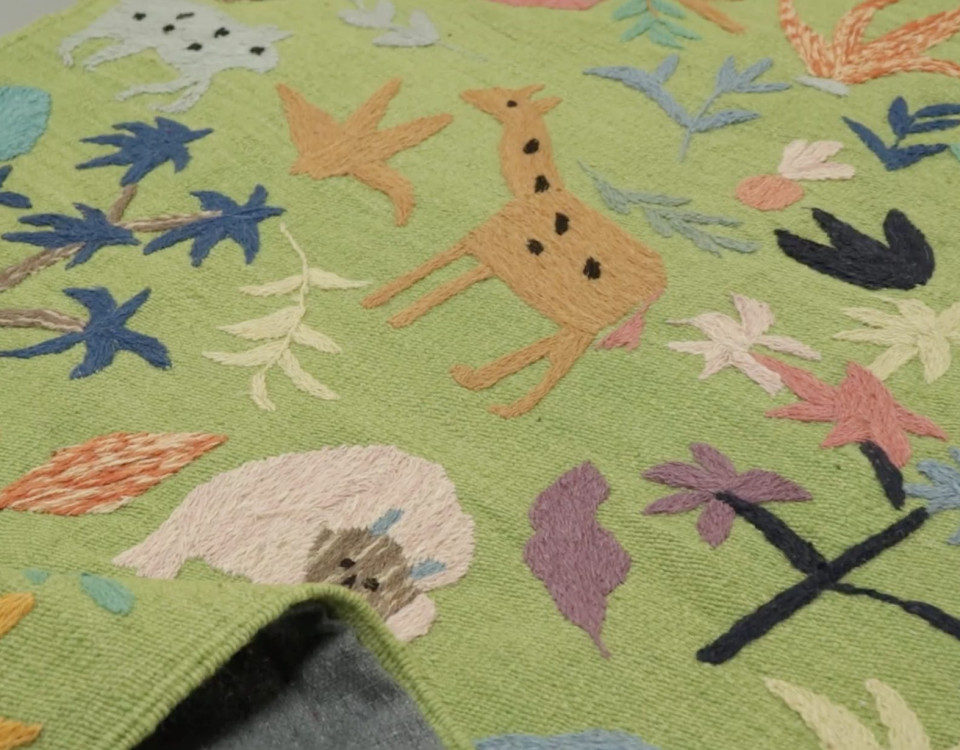
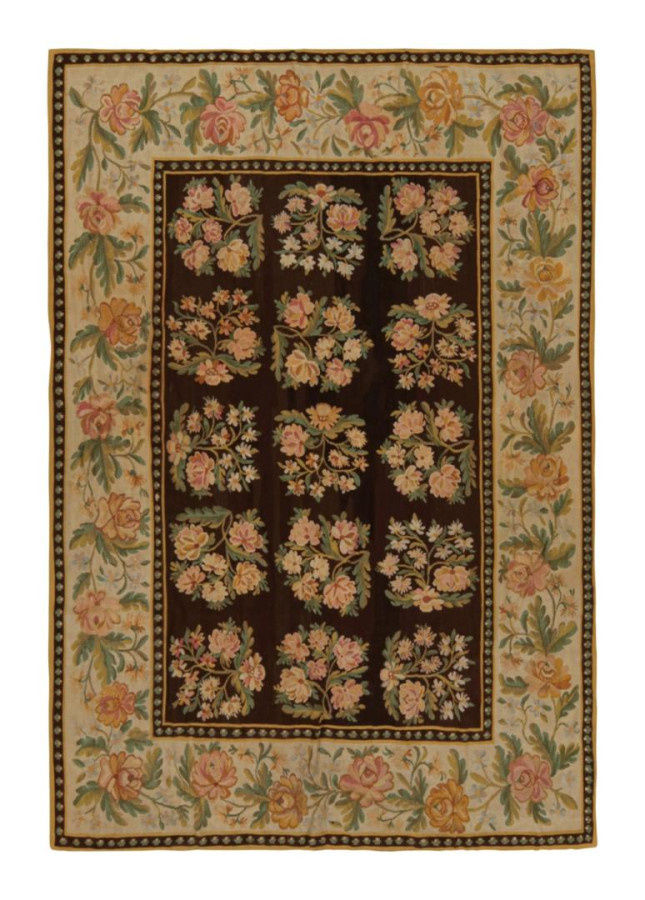
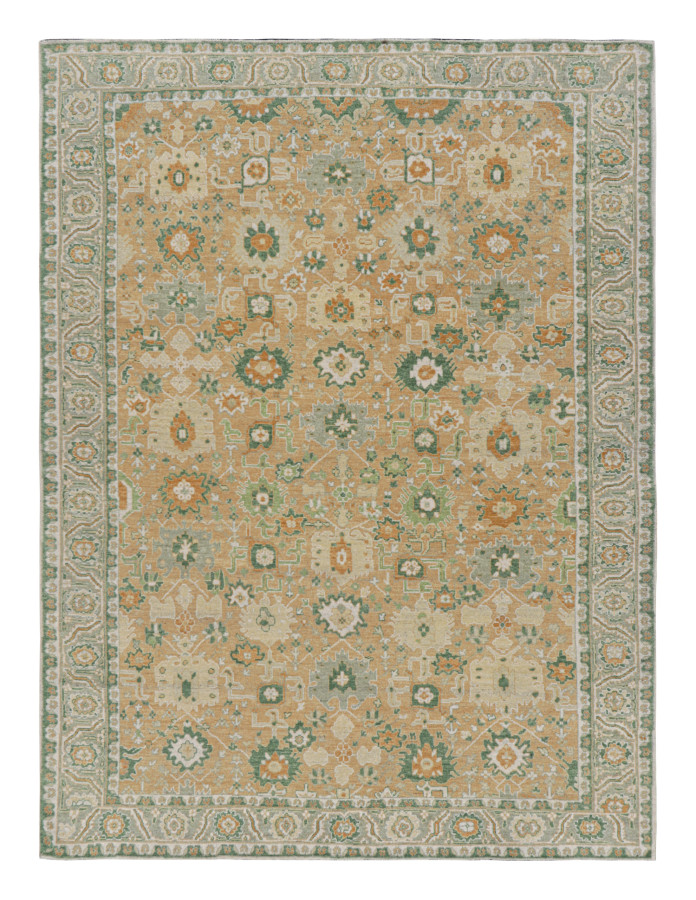
View some of Rug & Kilim’s Scandinavian rugs and kilims as inspired by Joseph Frank” designs –