
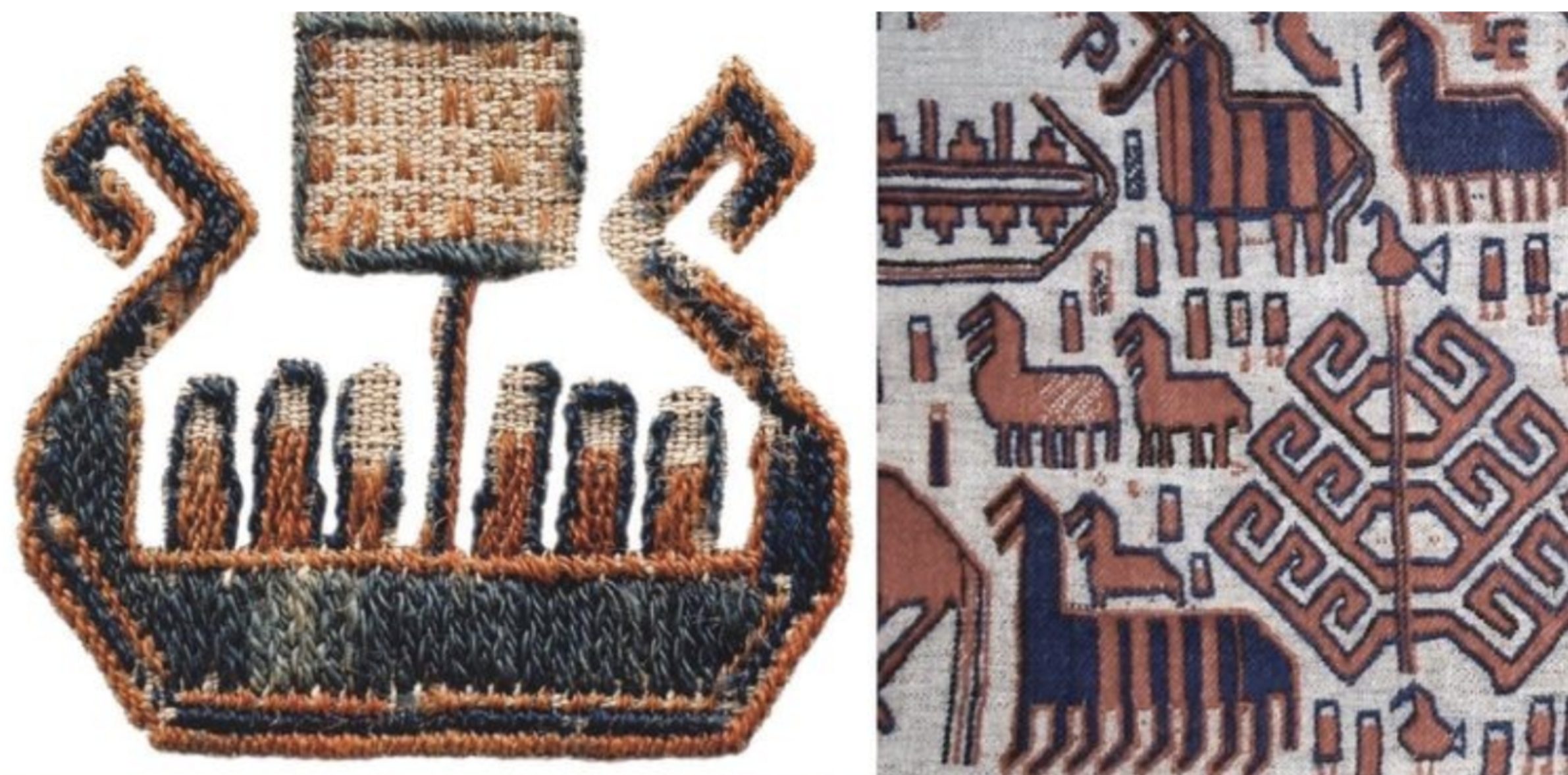
An Overview of the Överhogdal Tapestry: Europe’s Oldest Preserved Textiles
March 25, 2024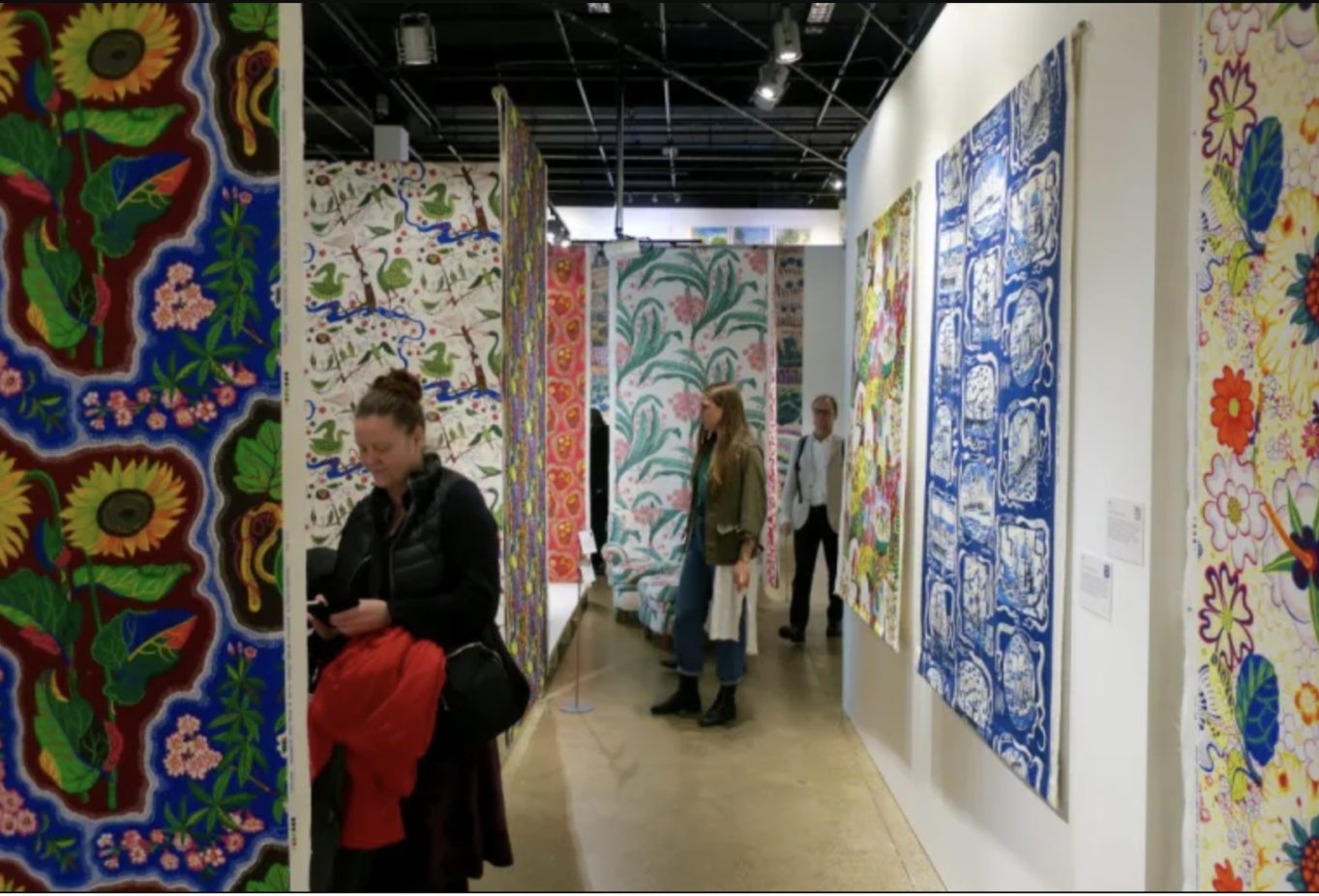
Josef Frank and his Design Philosophy of “Accidentism” in Swedish Design
March 25, 2024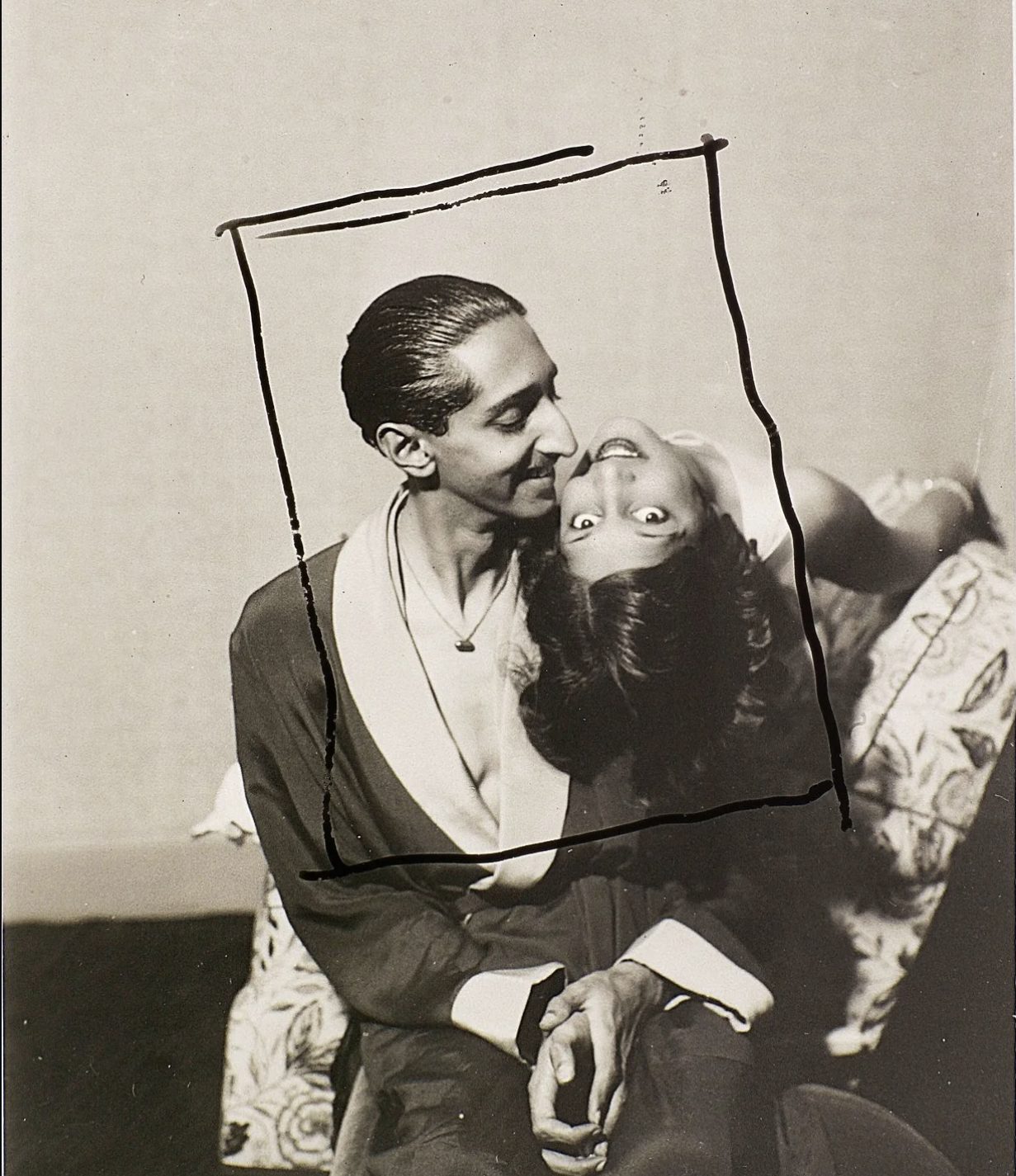 Photo: © Man Ray 2015 Trust / Artists Rights Society (ARS), NY / ADAGP, Paris
Ivan Da Silva Bruhns’s evolution as a rug designer reflects a dynamic artistic journey. In his early years, he embraced elements of cubism, infusing his work with bold lines, large overlapping geometric patterns, and vibrant complementary colors. His distinctive approach garnered global acclaim, culminating in a prestigious first prize in textiles at the 1925 International Exposition for Decorative Arts in Paris, France. This recognition marked a pivotal moment, leading him to establish his dedicated workshop in Savigny-Sur-Orge, where he exclusively focused on advancing his rug weaving craft.
Throughout his career, Da Silva Bruhns drew inspiration from various cultures, studying Middle Eastern, African, and Asian art. Notably influenced by pre-Columbian art, he incorporated arrangements reflecting his Latin American heritage. His carpets, balancing asymmetry with precision, often combined diverse pre-Columbian forms, sometimes rendered literally and at other times abstracted to suit his aesthetic. Straddling the border between Art Deco and Modernism, Da Silva Bruhns’s innovative patterns and impeccable construction ensure his carpets remain among the most significant decorative art pieces of the period.
In the subsequent decades of the 1930s and 1940s, Da Silva Bruhns embarked on a more personal and experimental artistic path. Rejecting conventional norms, he pioneered rugs characterized by simplistic designs, expansive fields of single neutral colors, and minimalist abstract patterns. Venturing beyond established boundaries, he introduced non-conforming shapes, skillfully blending round and square elements, and redefining the paradigm of Art Deco in rug design. His rugs, now bearing either cryptic monogram signatures or his full name, became a testament to his artistic evolution, showcasing a commitment to pushing artistic boundaries and embracing a more experimental and personal style.
Ivan Da Silva Bruhns stands out as a distinctive figure renowned for seamlessly blending pre-Columbian motifs, Modernist rationalism, and French Art Deco luxury in his remarkable carpets. Born in Paris to Brazilian parents, Da Silva Bruhns’s dual identity as both French and Latin American, scientist and artist, found a harmonious expression in his carpets. Initially studying medicine and painting, he later ventured into the textile business, and his carpets became a convergence of diverse influences. Da Silva Bruhns began crafting carpets meticulously, working piece by piece with a weaver north of Paris. By 1925, he had established a full factory in Savigny-sur-Orge and a showroom in Paris. Discovered by Louis Majorelle just before 1920, Da Silva Bruhns collaborated with renowned designers like Ruhlmann and Jules Leleu, contributing to the interiors of the most complex and influential spaces of the period.
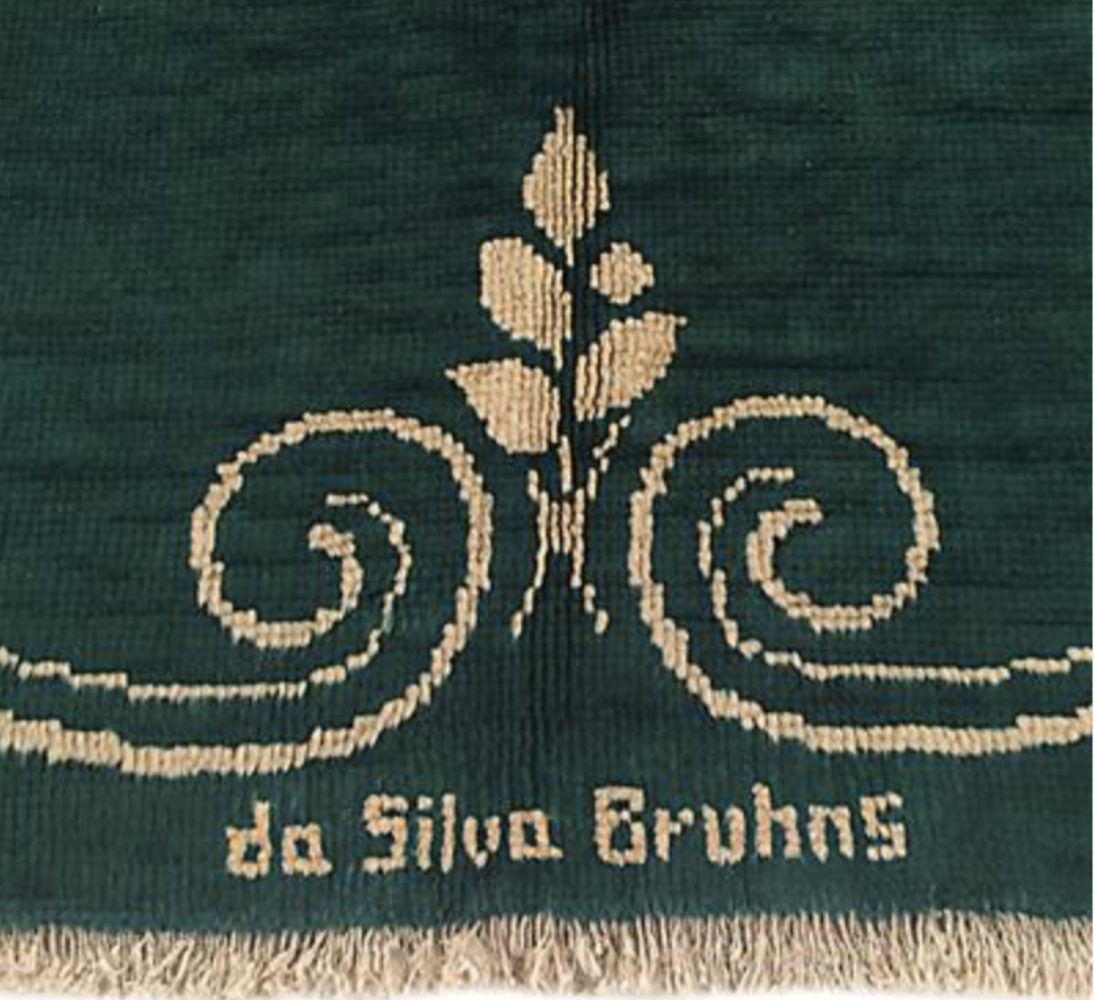
Ivan Da Silva Bruhns’ signature
Part of a craftsmen’s school exploring strong geometric forms, Da Silva Bruhns broke away from traditional approaches, embracing abstract principles aligning with major art movements. While his work visually aligns with Cubism, he exhibited a profound attention to the materiality of textiles. Self-taught, he unraveled existing rugs to understand their construction thoroughly, developing his variation of the traditional Savonnerie knot. Embracing the natural grid created by the loom’s warp and weft, he allowed the medium’s structure to dictate its decoration. This book below features a catalog collection of rug designs by Da Silva.
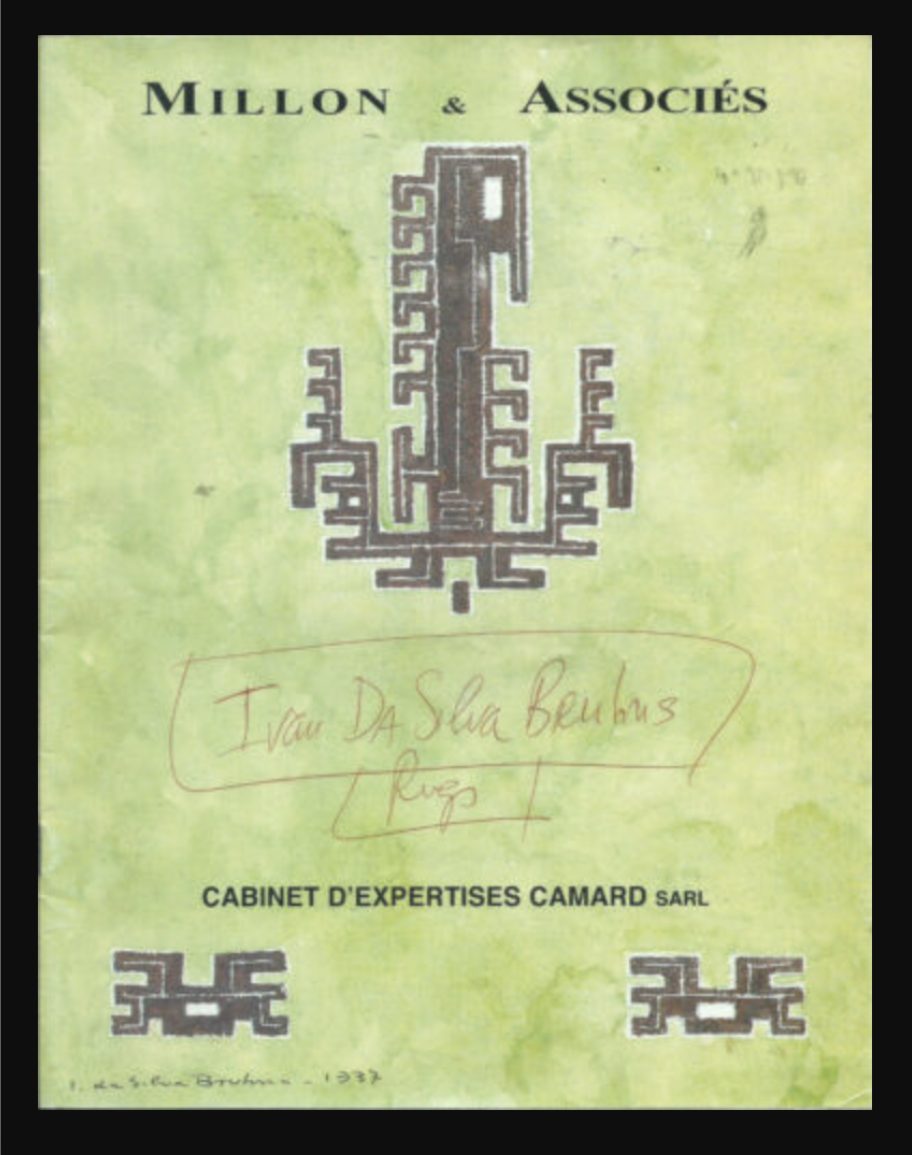
MILLON PARIS Ivan DA SILVA BRUHNS RUGS Design Gouaches Aquarelle Auction Catalog
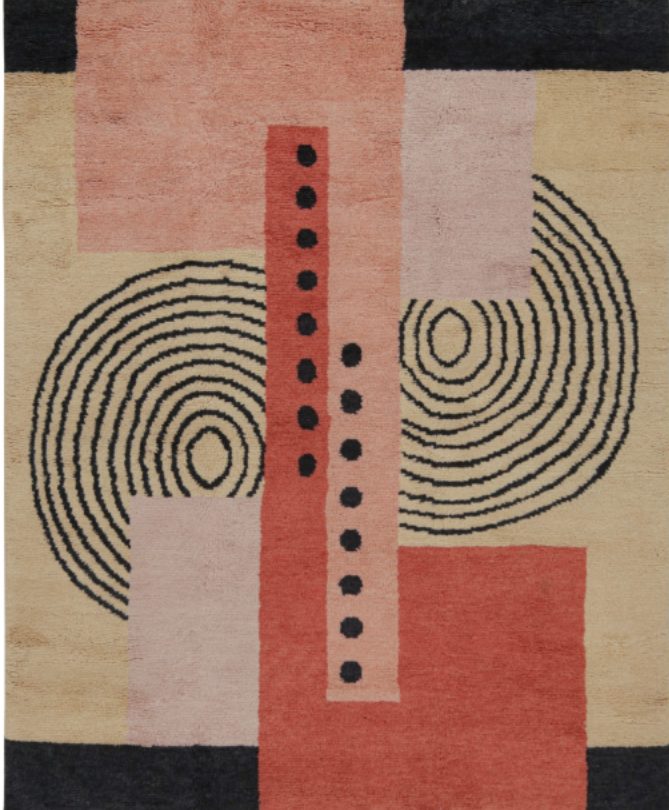
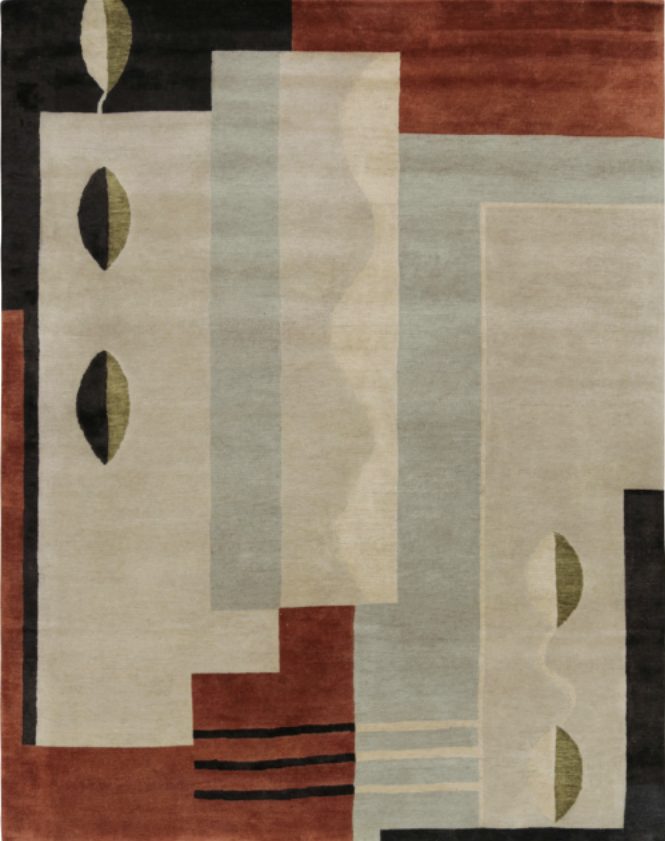
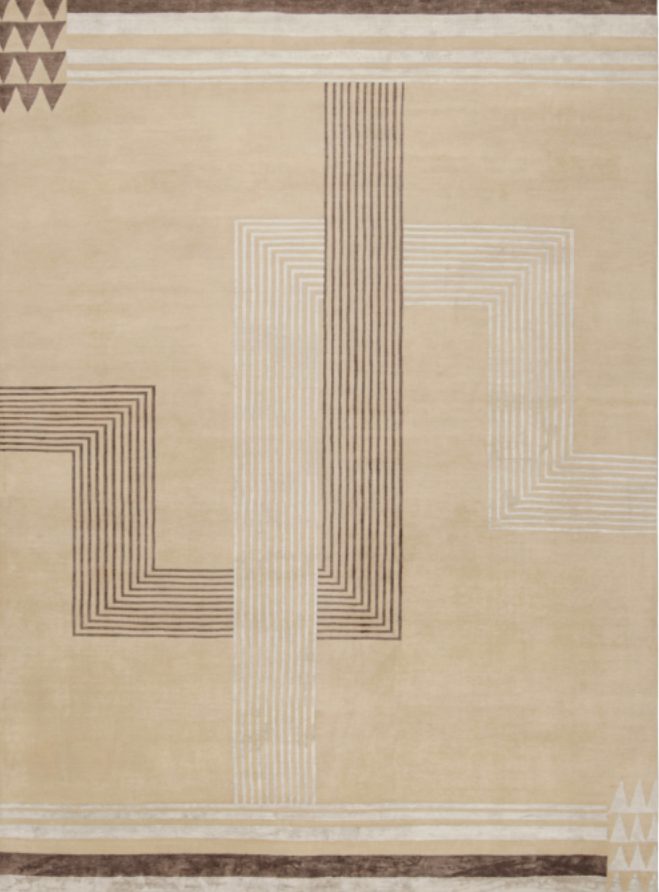
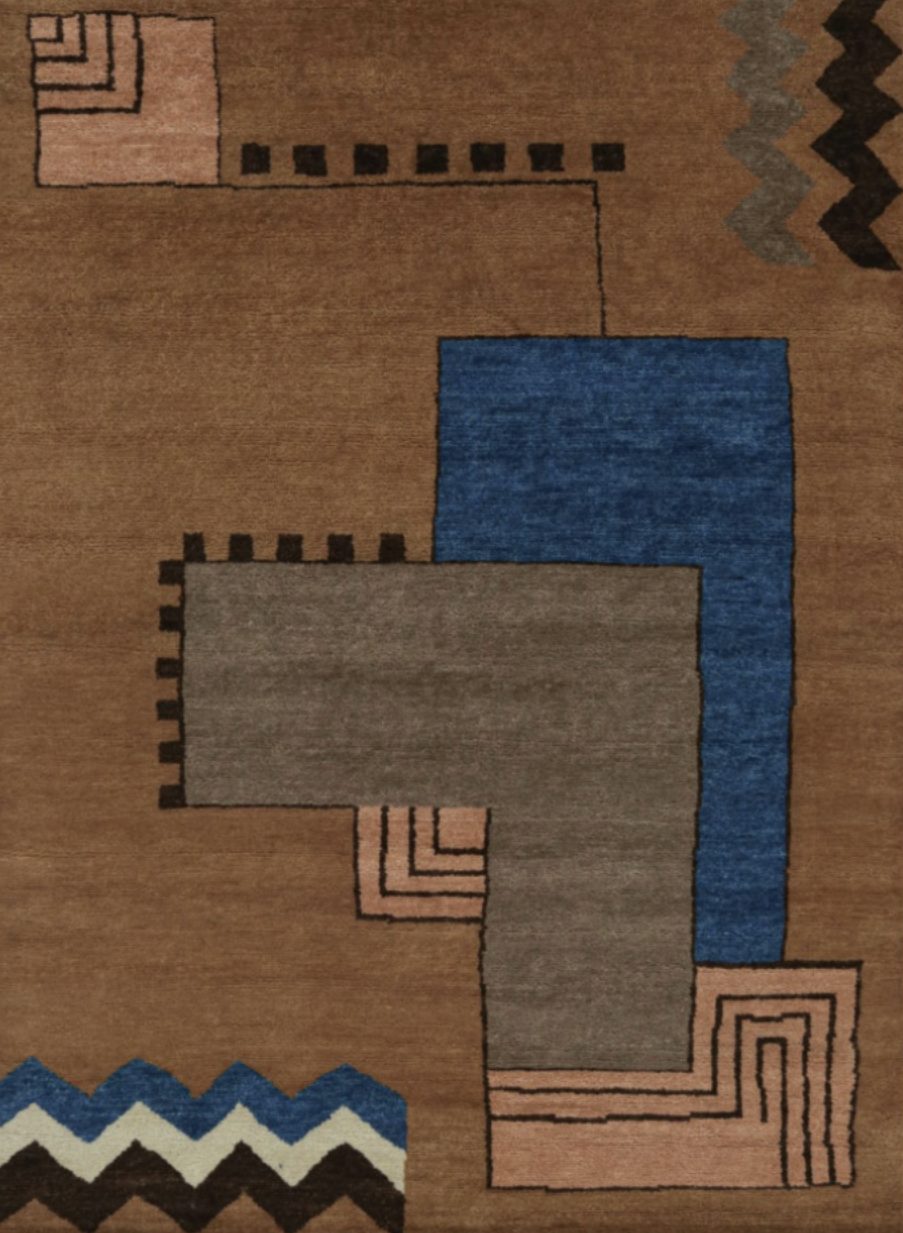
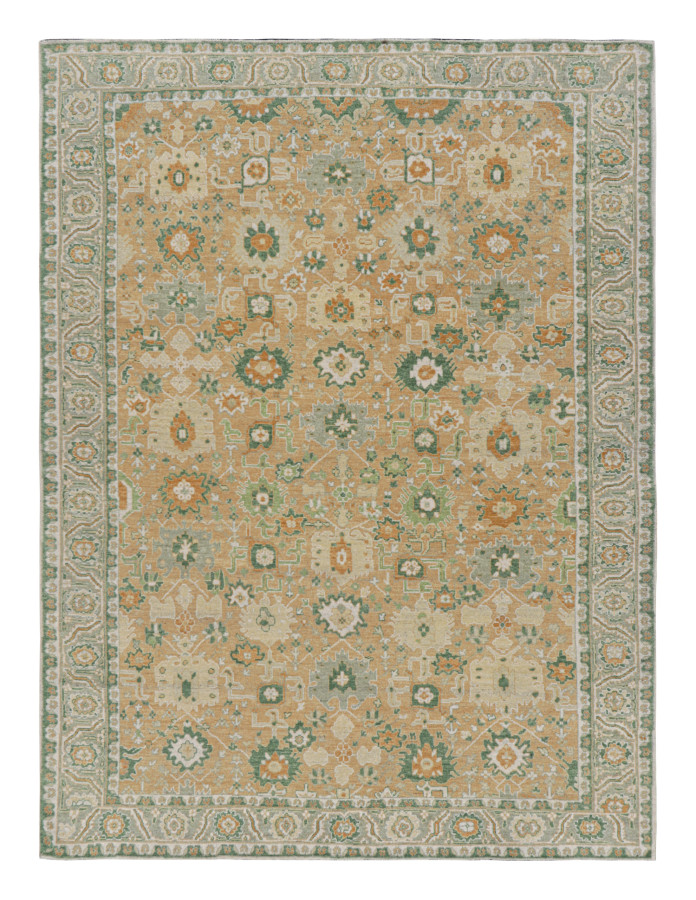
Meanwhile, take a look at some of our Art Deco designs as inspired by Da Silva Bruhns’s designs –