
Rug & Kilim Consultation Services to Help you Make the Best Decisions
March 7, 2024
Ivan Da Silva Bruhns and his Rugs as Most Decorative Artworks of the Art Deco Period
March 25, 2024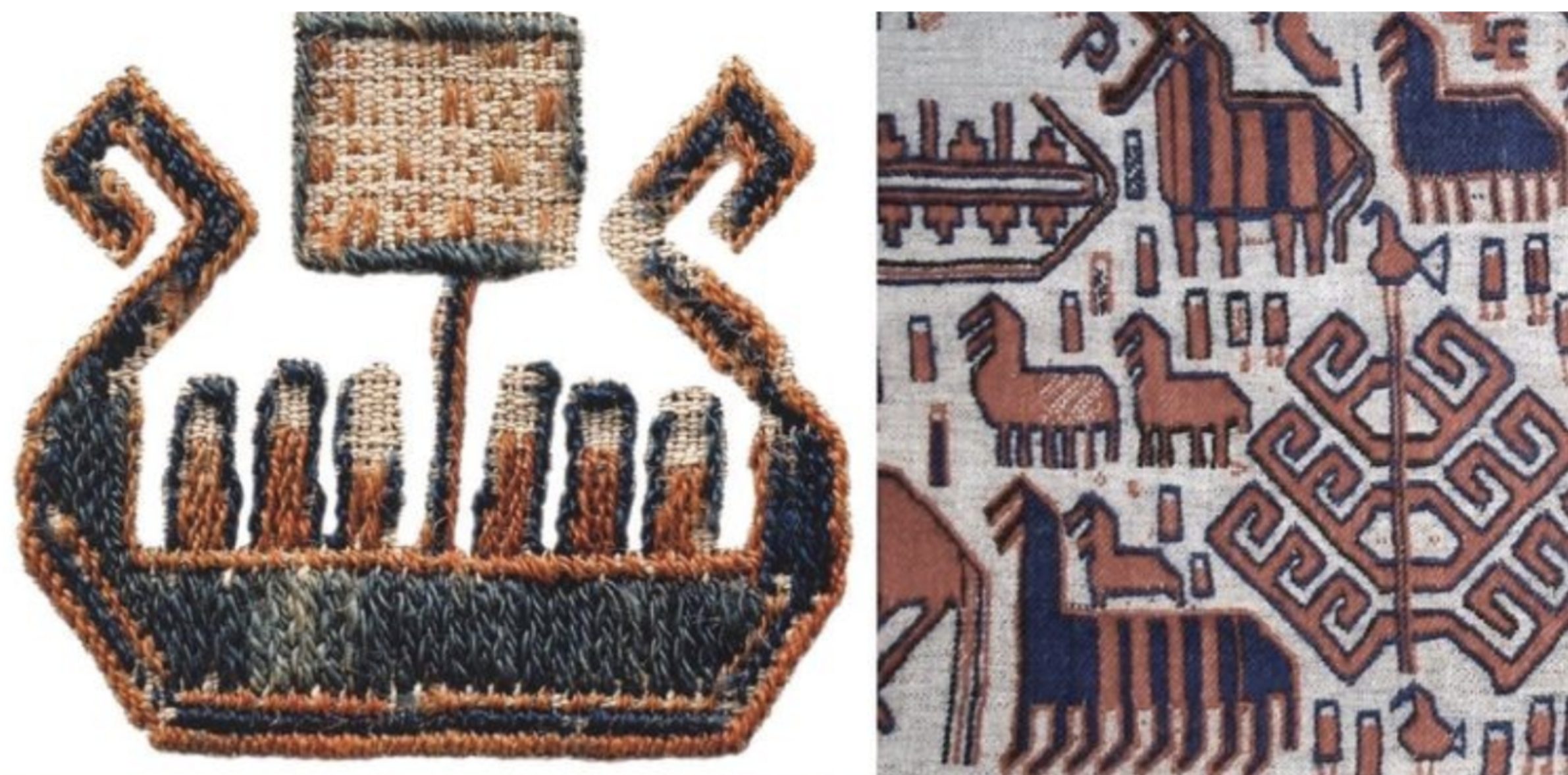
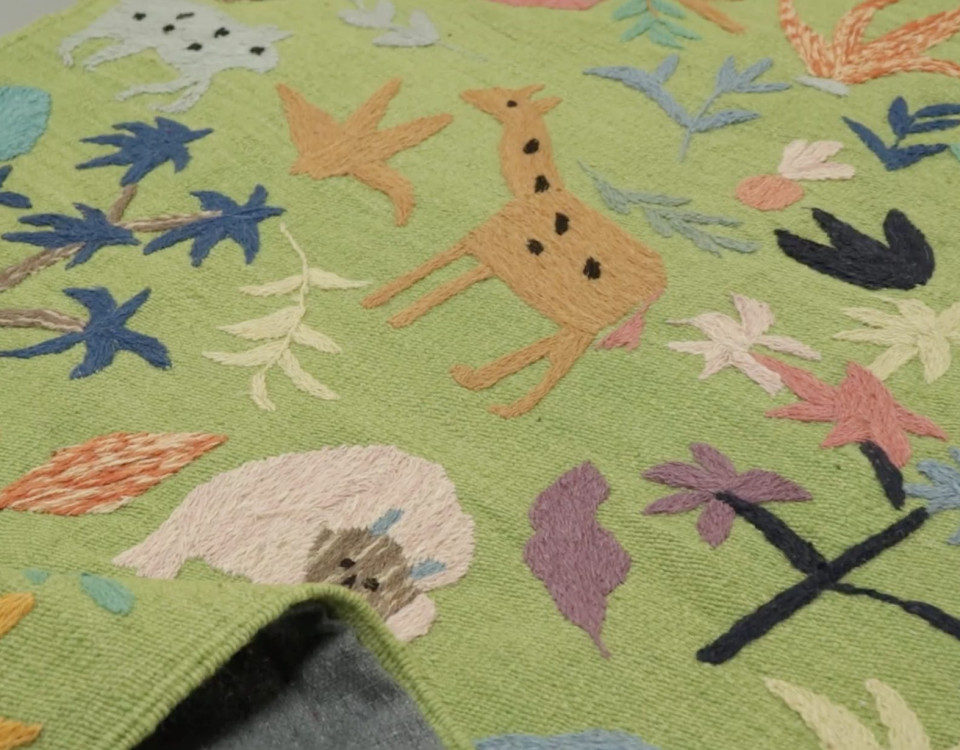
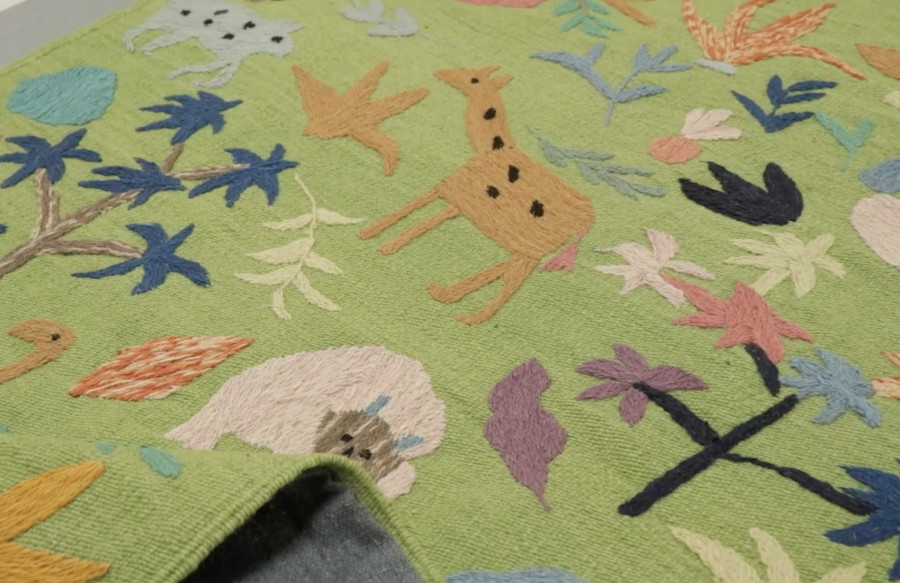
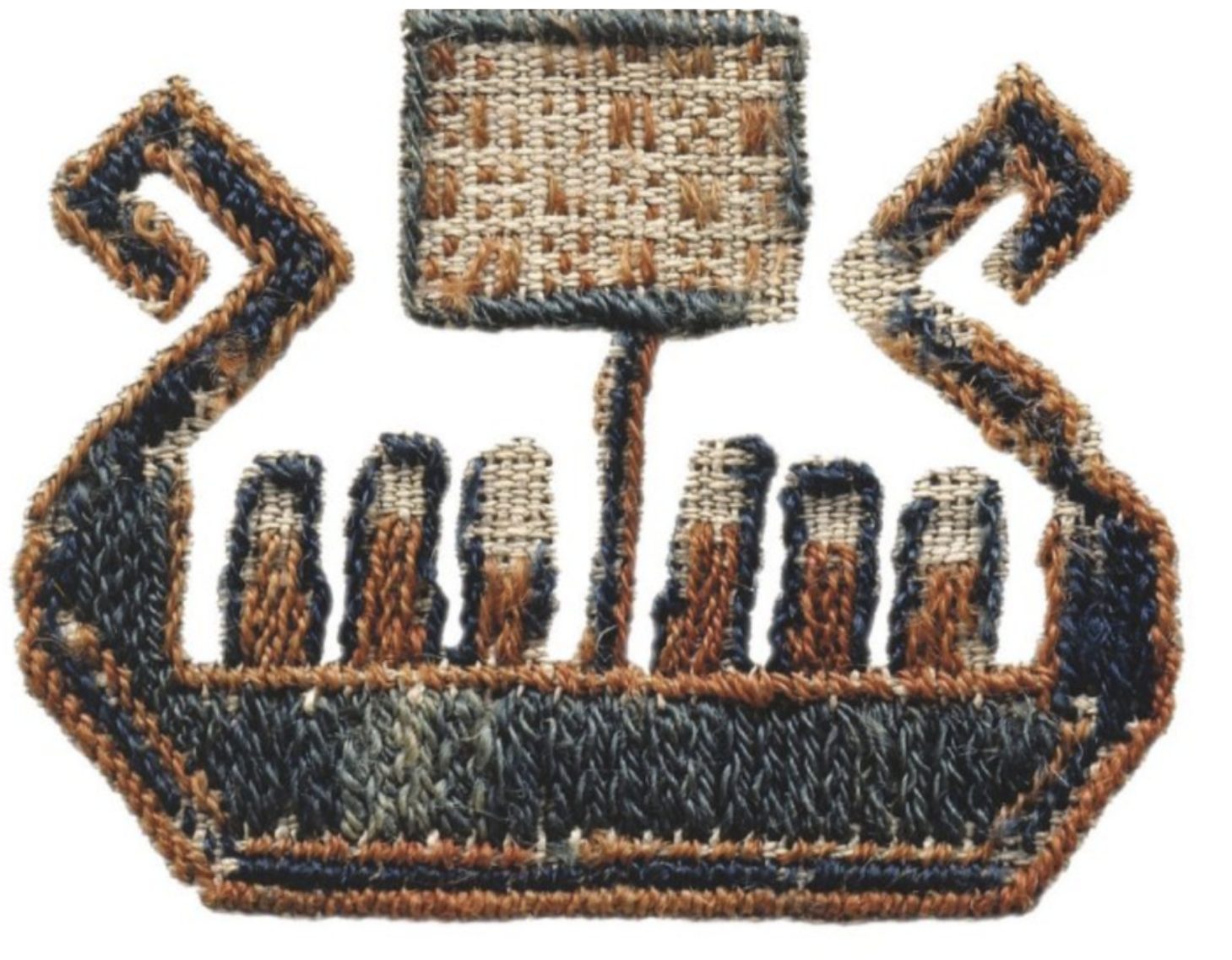
Some of the most remarkable cultural treasures in Europe are the Överhogdal textiles, dating back to the end of the Viking Age, specifically 1040-1170 AD. These textiles represent the oldest preserved interior fabrics in our time. The collection comprises five parts, four of which are crafted using a looping technique, while the fifth employs a double weave. Rich in diverse motifs, the tapestry features animals, people, Viking ships, buildings, and trees. The discovery of the tapestry is credited to artist Paul Jonze, who found it in 1910 in a store-shed adjacent to Överhogdal church. Jonze vividly describes his find, noting that the tapestry was not neatly rolled or hung but lay crumpled on the floor amid dusty remnants of interior decorations and various items accumulated over the years in similar storage spaces, such as old birch timber, wingless angels, and other assorted artifacts. The exact duration it had spent in the wood store-shed remained undetermined.
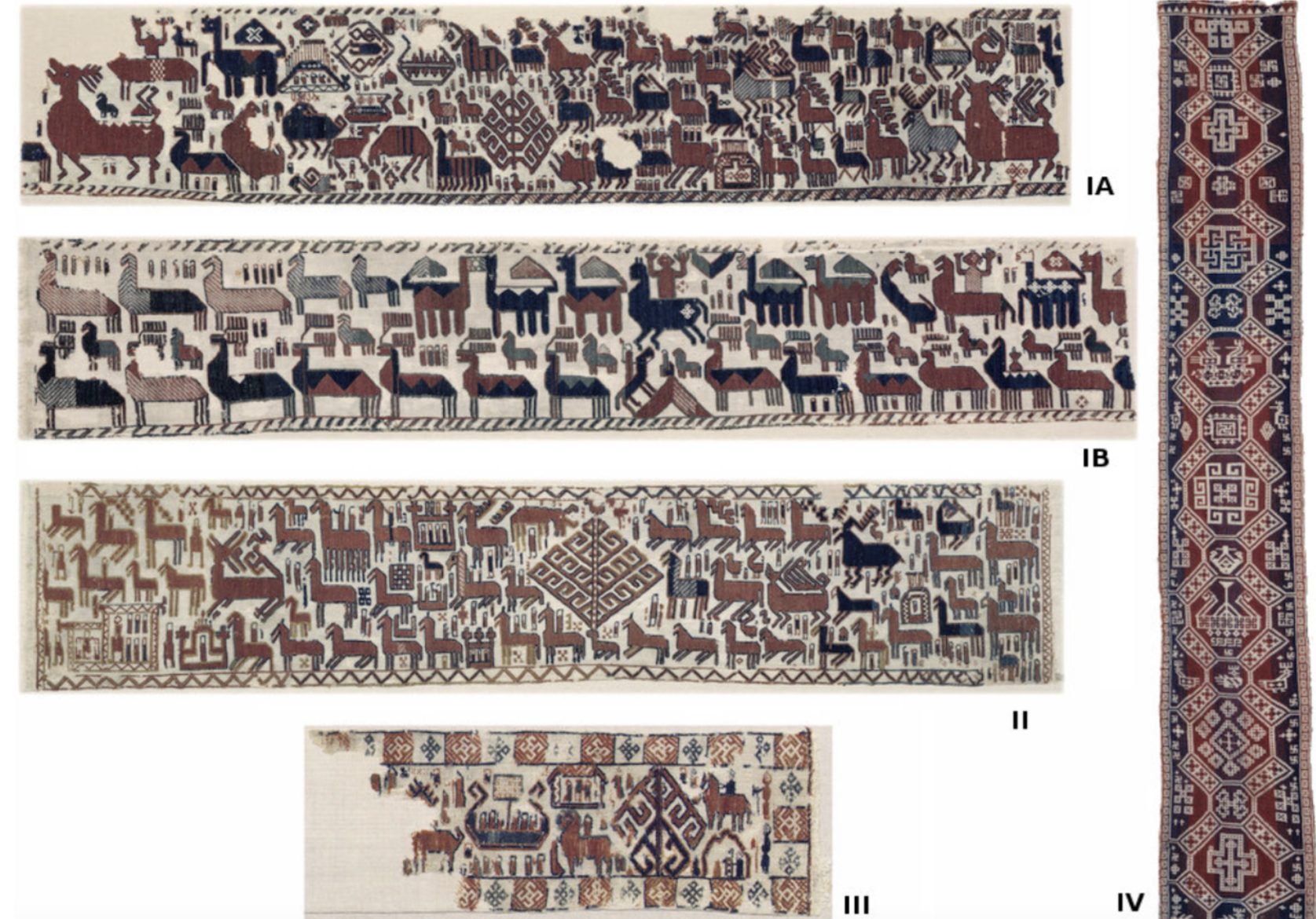
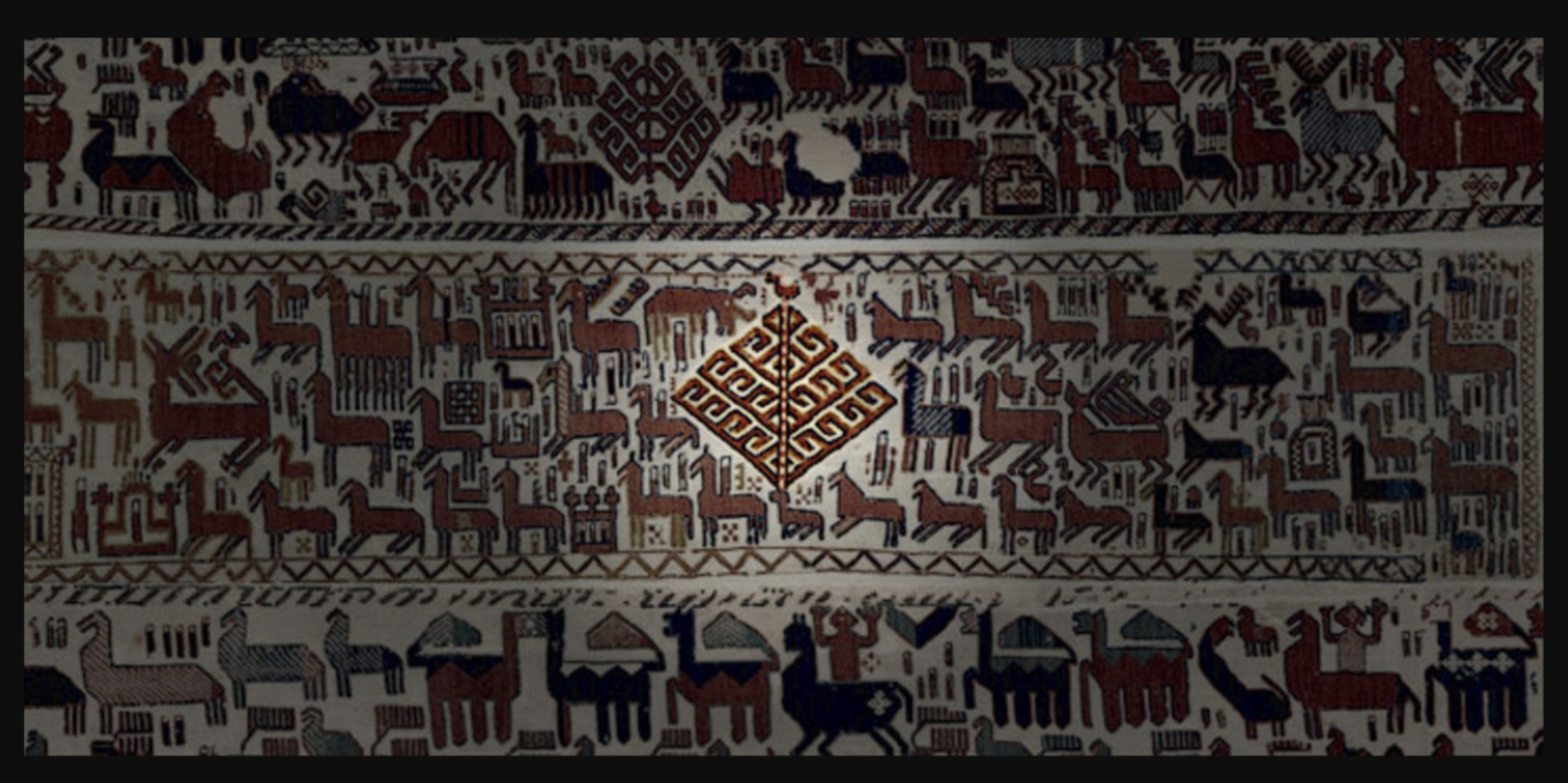
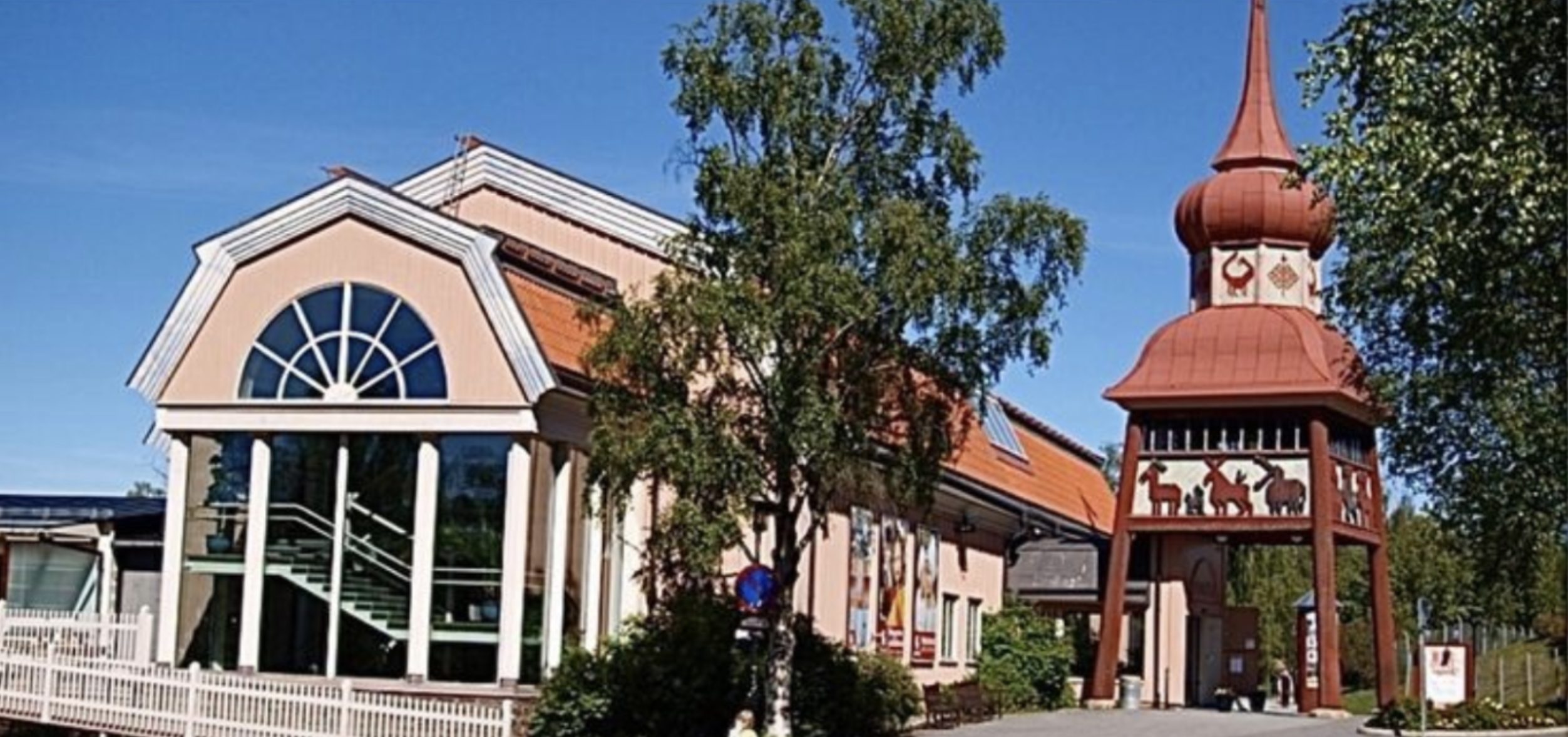
Överhogdal’s Forngård proudly showcases exact replicas of these remarkable tapestries. The exhibition unfolds the captivating story of their discovery, delving into the materials and techniques employed, and offering interpretations of the messages conveyed by the tapestries. The Överhogdal tapestries, radiocarbon-dated to AD 1040-1170, depict scenes of people in action, making them the oldest textile in Sweden to do so. The exact interpretation of these scenes remains a subject of dispute, with oral traditions from Nordic countries and medieval writings, many originating from Iceland, offering various perspectives. Pictorial art based on the same oral tradition, despite being fragile, has preserved these scenes, allowing us a glimpse into their rich history.
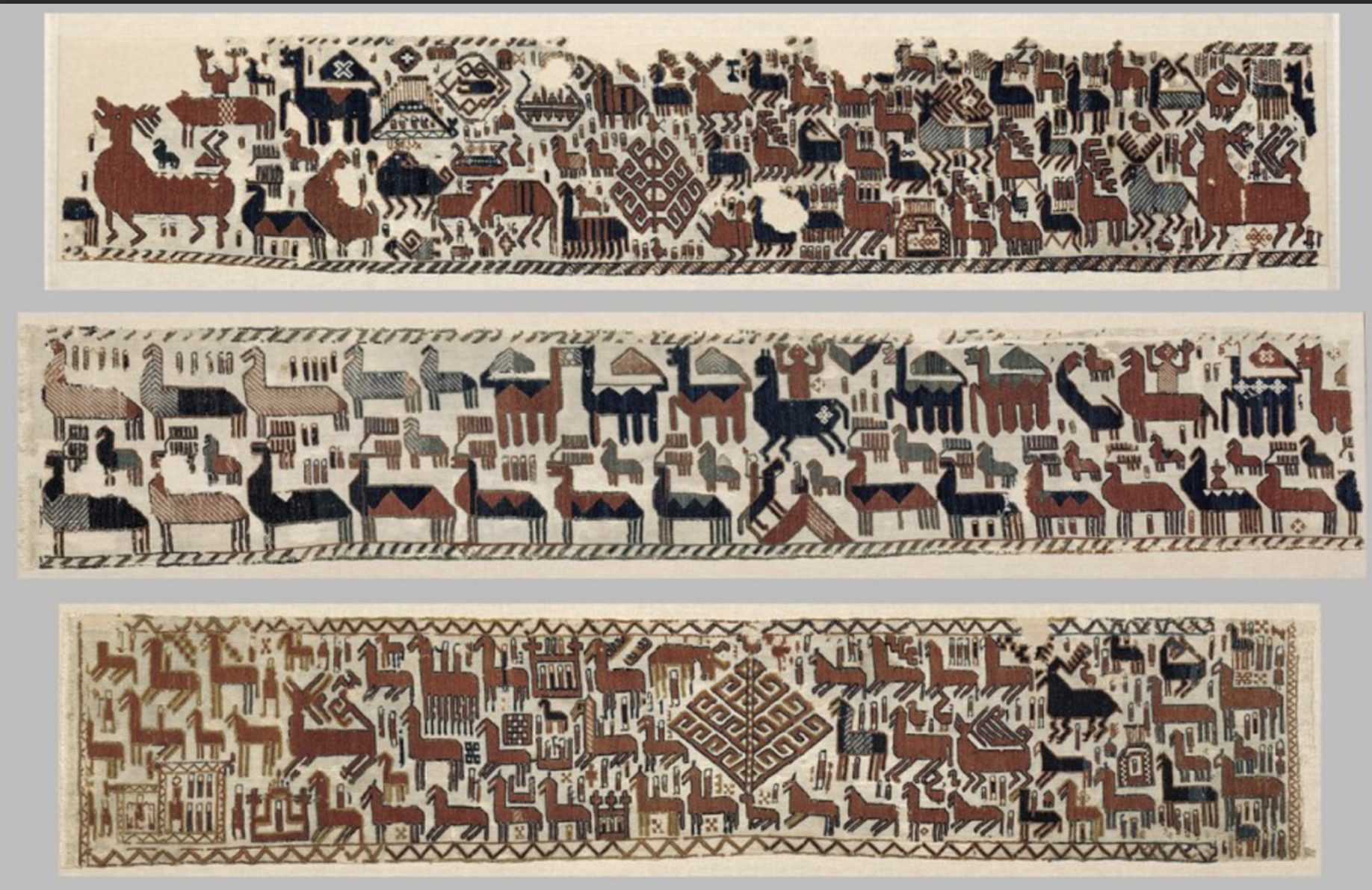
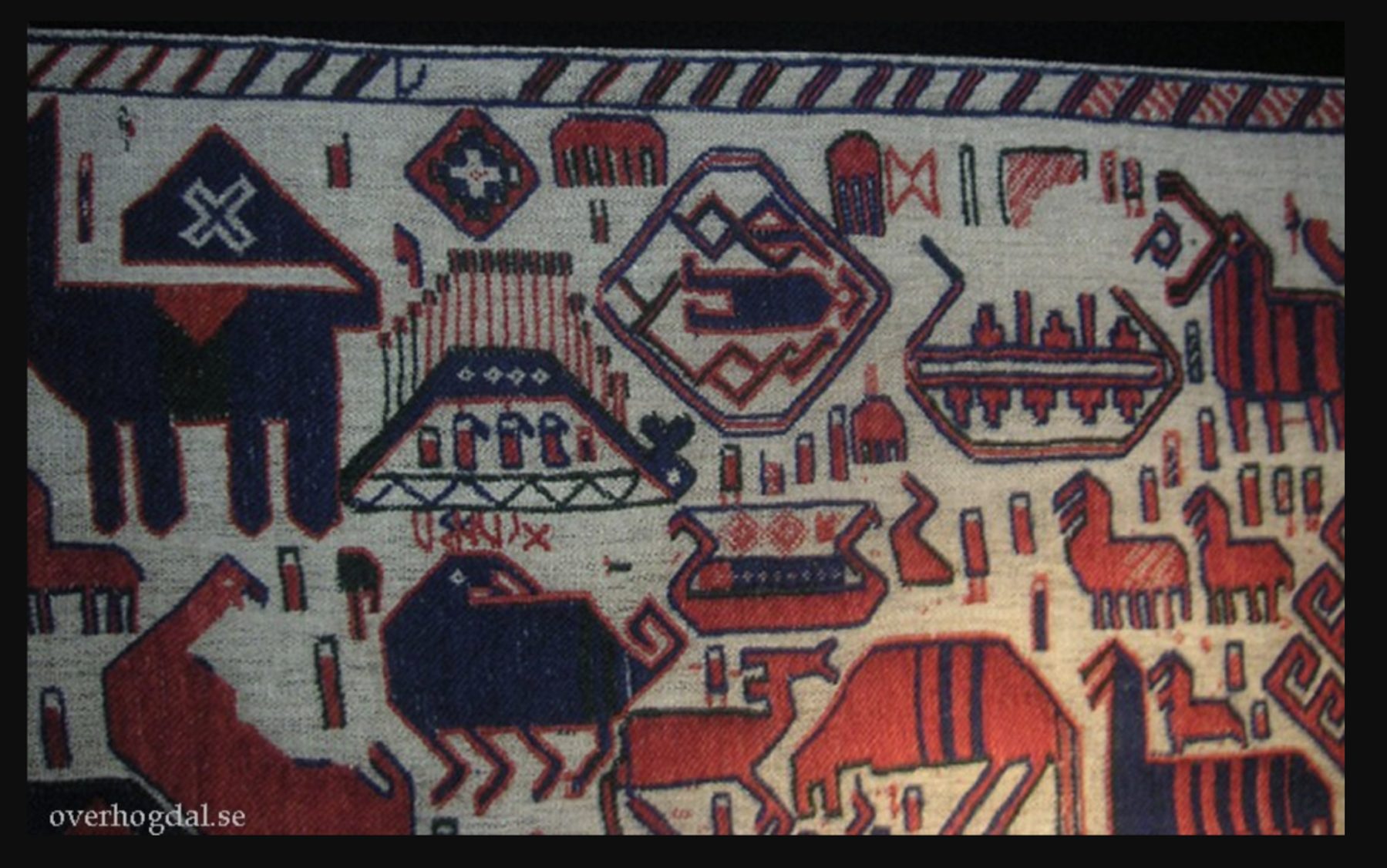
The enigmatic Överhogdal tapestries, discovered in a shed near the Överhogdal church in Härjedalen in 1910, have sparked diverse interpretations, adding layers of mystery to their historical significance. Some perceive them as narrating the arrival of Christianity by missionary Staffan in Härjedalen, while others associate the scenes with the Völsunga saga. A more recent theory suggests that the images encapsulate the theme of Ragnarök in Norse mythology or the Apocalypse in Christianity.
Undoubtedly, these tapestries intricately weave motives that intertwine both old Norse and Christian beliefs. What makes them particularly fascinating is the period of their creation, nestled in the transition between these two faiths. While some scholars posit that the imagery signifies the Christianization of Härjedalen, the prevailing theory, grounded in the radiocarbon dating of the tapestries, leans toward a portrayal of Ragnarök. This tapestry has been fashioned from plant-dyed wool intricately interwoven with linen through a specialized technique. Initially thought to hail from the Middle Ages, a turning point came in 1991 when C14 tests revealed that different sections of the tapestries date back to a more ancient period—between 800 and 1100 AD, placing them squarely within the Viking era. This revelation anchors the tapestries in a time of cultural flux, offering a tangible link to the beliefs, stories, and transitions that characterized this intriguing epoch
View Rug & Kilim’s extensive Tapestry collection here – https://rugandkilim.com/shop/?s=tapestry