Natural Silk
India
7'10" X 10'0" (2.39 m x 3.05 m)
Available: Shipping As Soon As Tomorrow
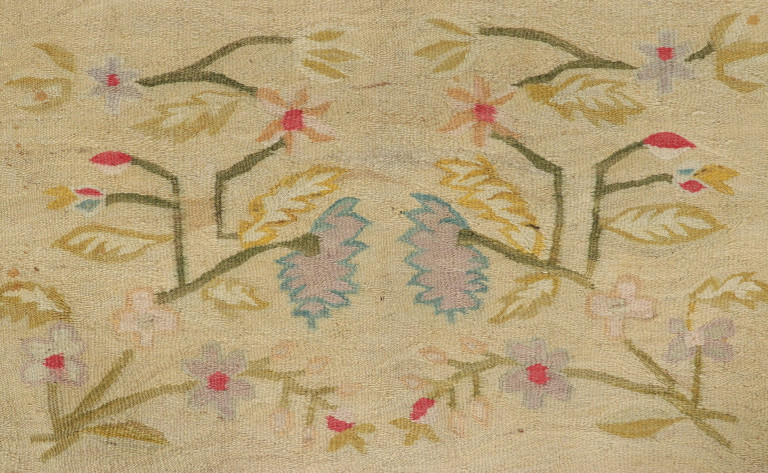
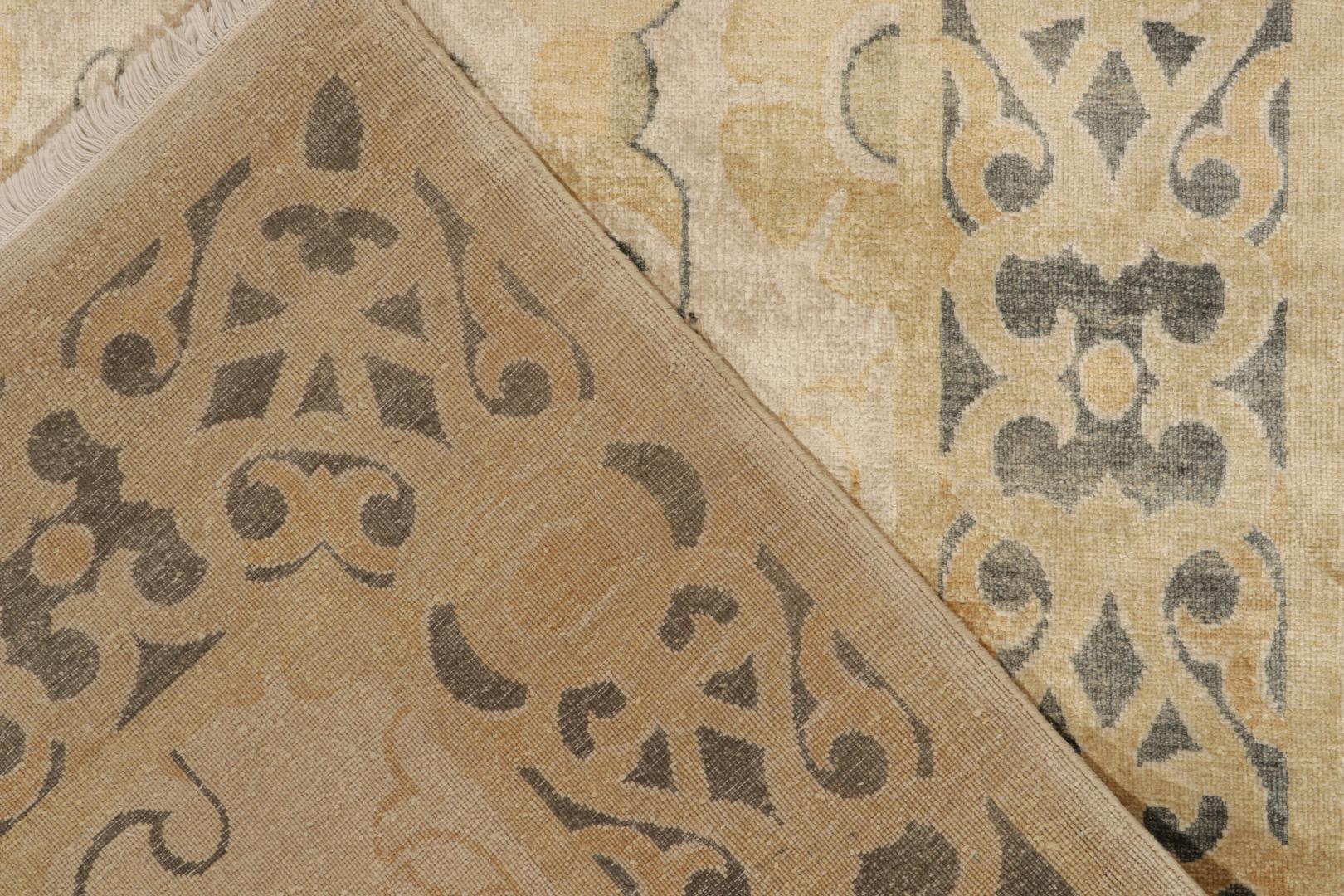
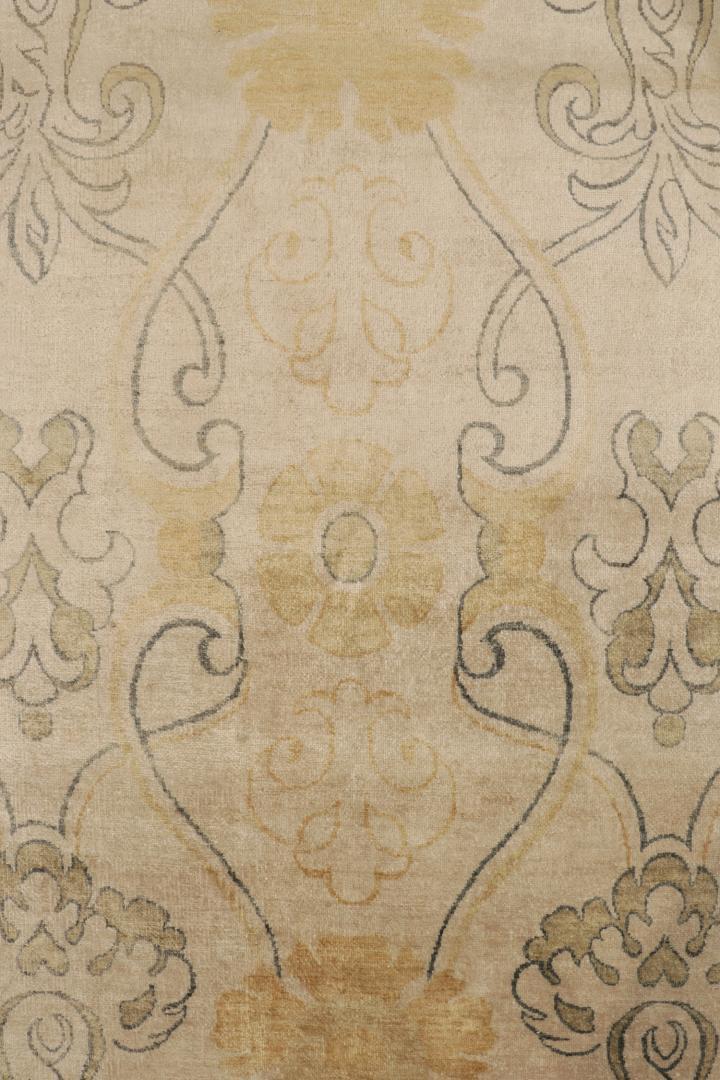
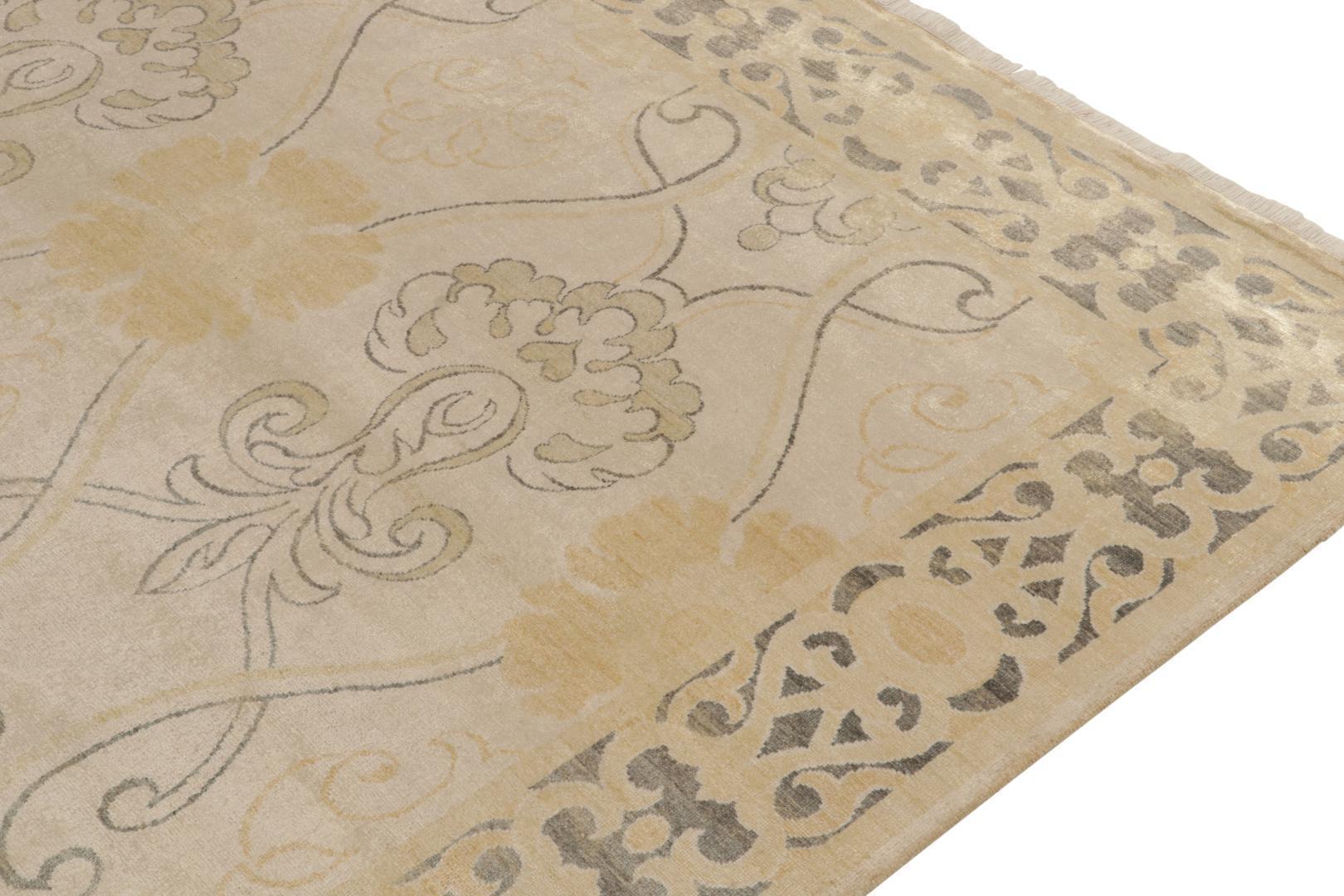
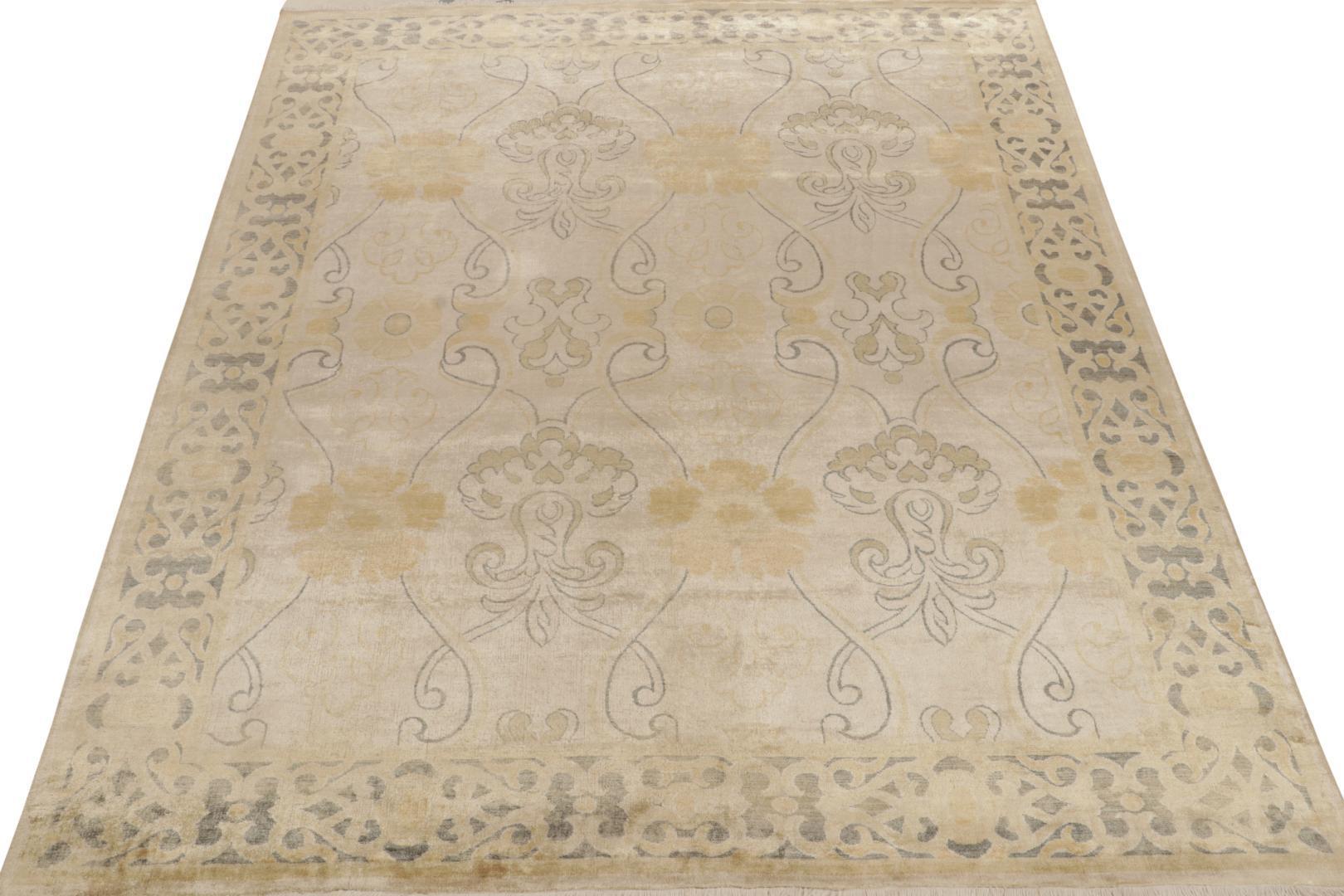
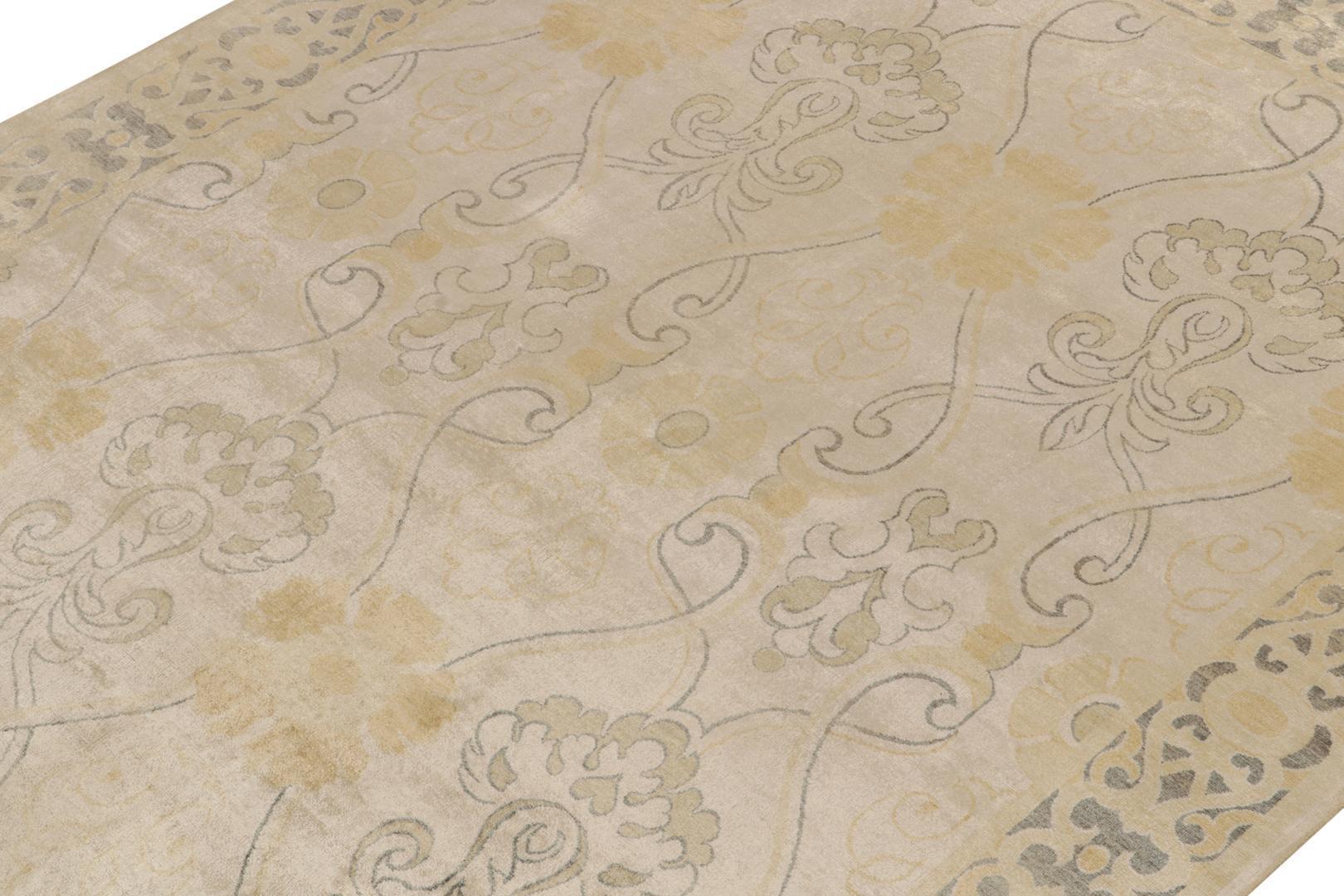
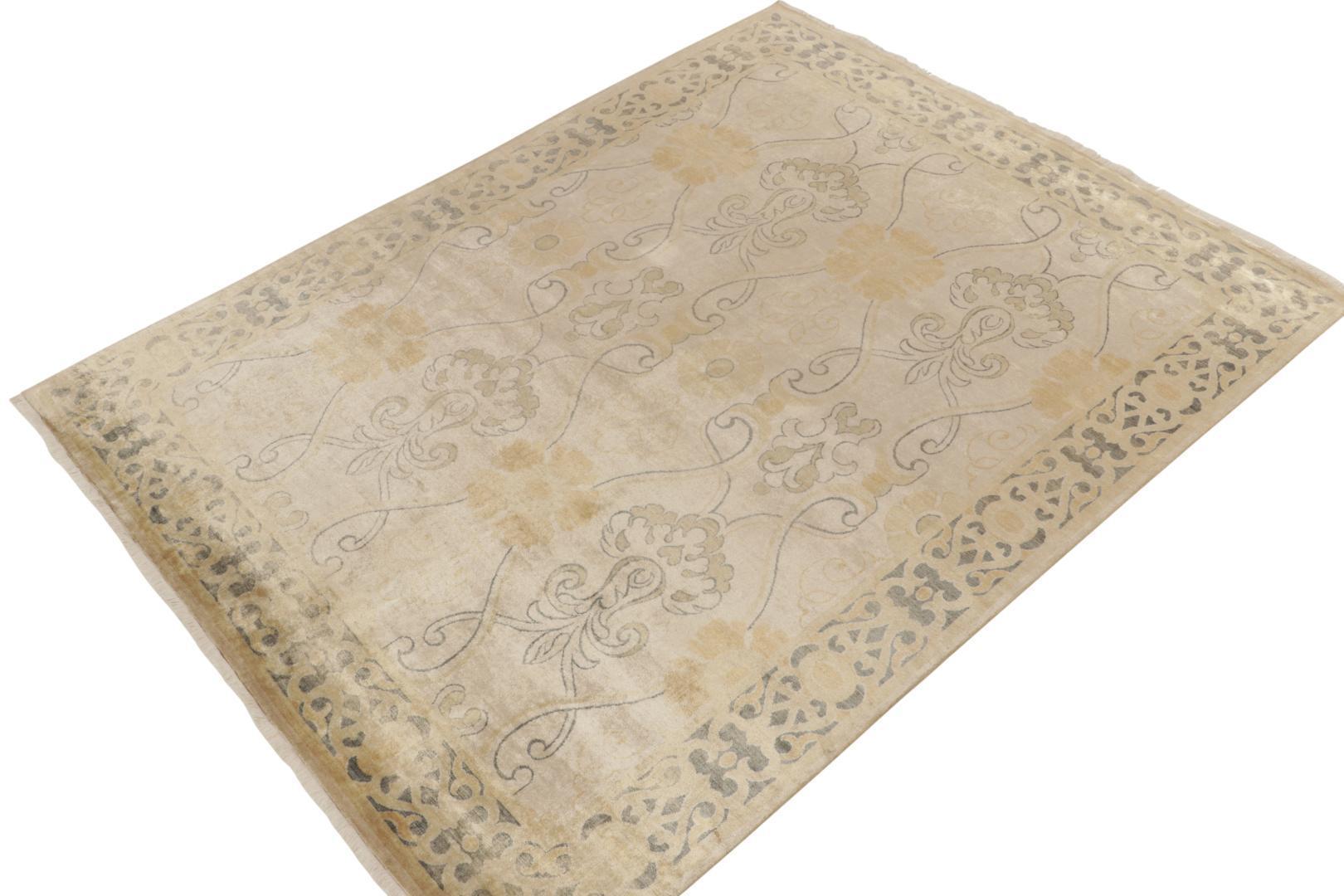
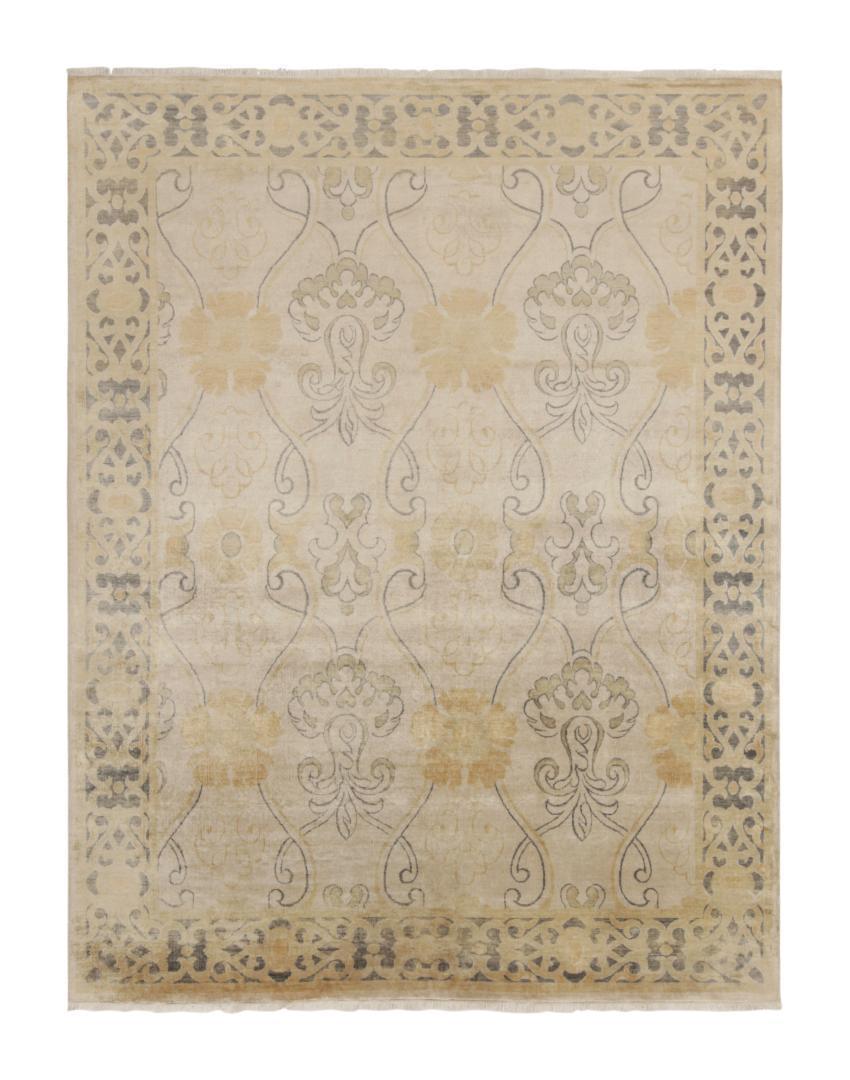
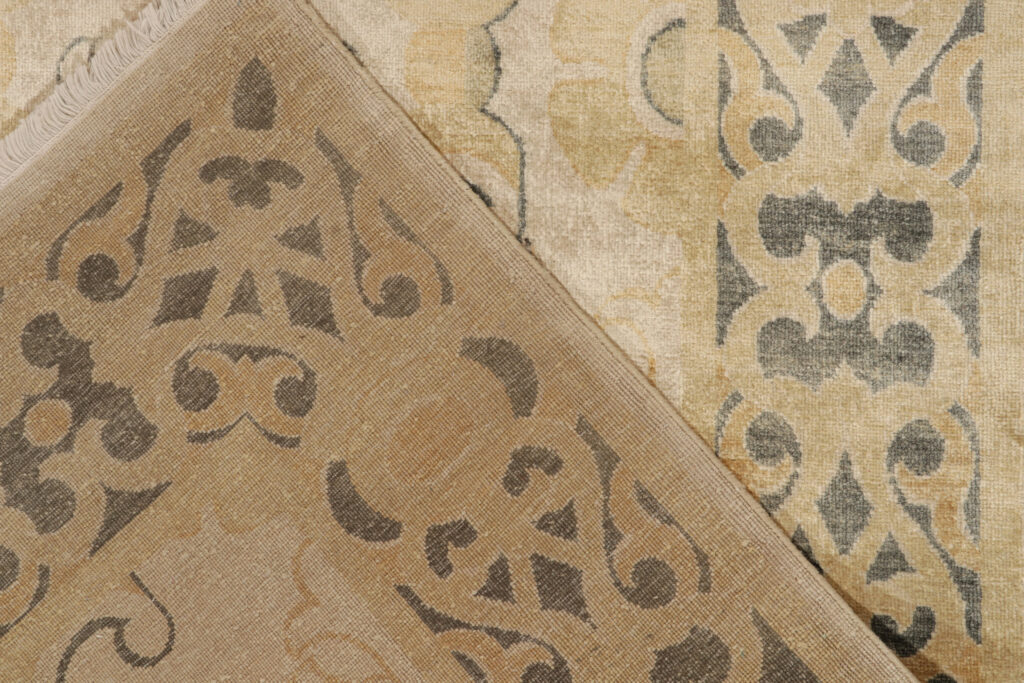
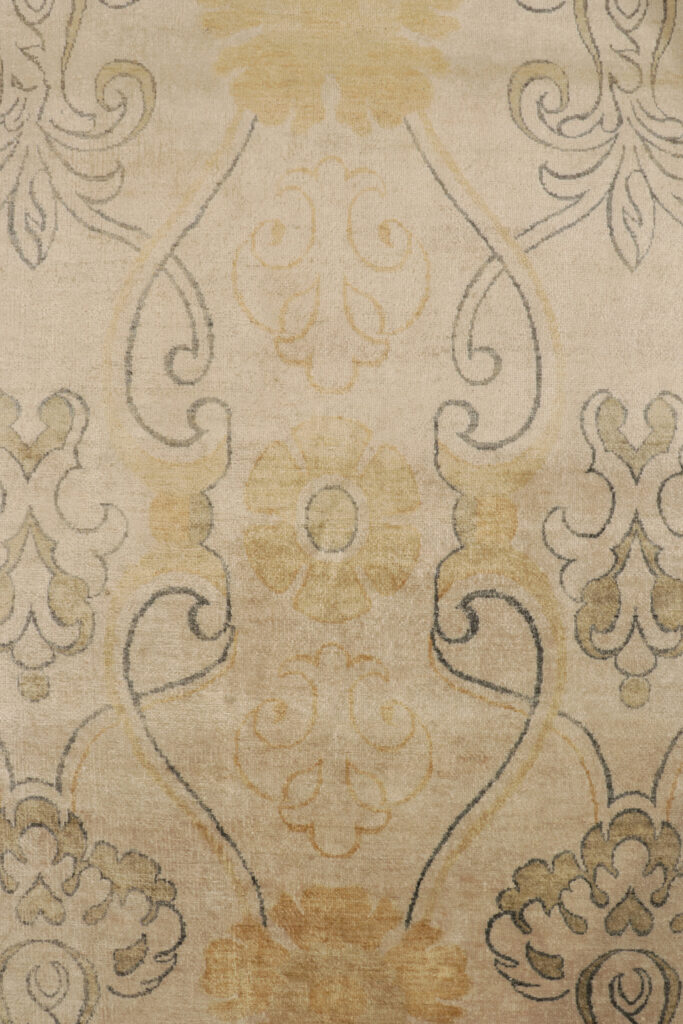
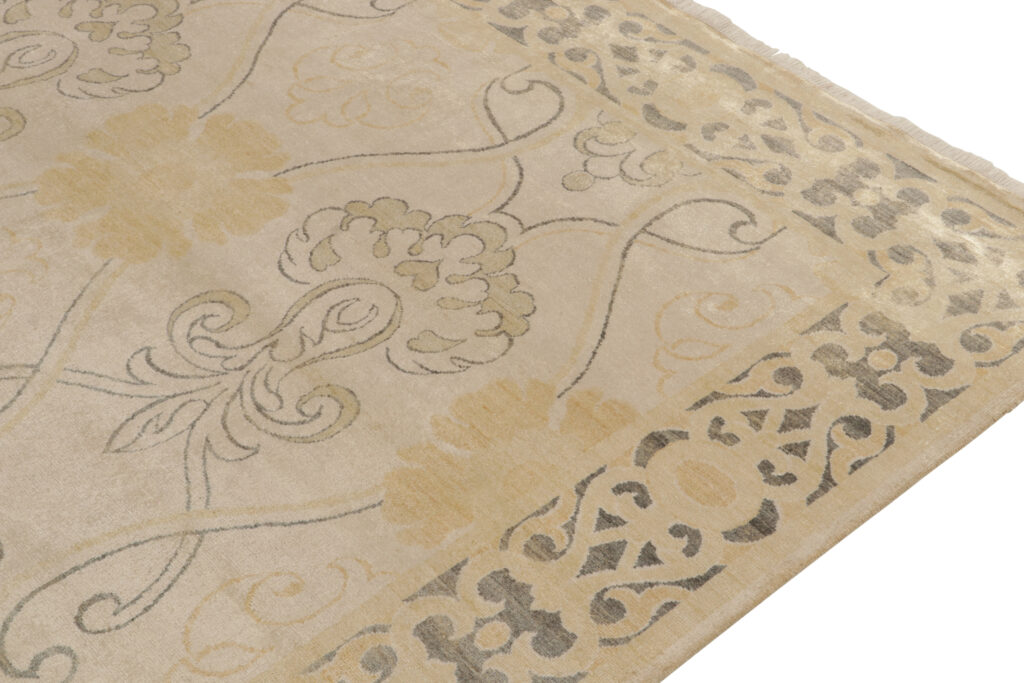
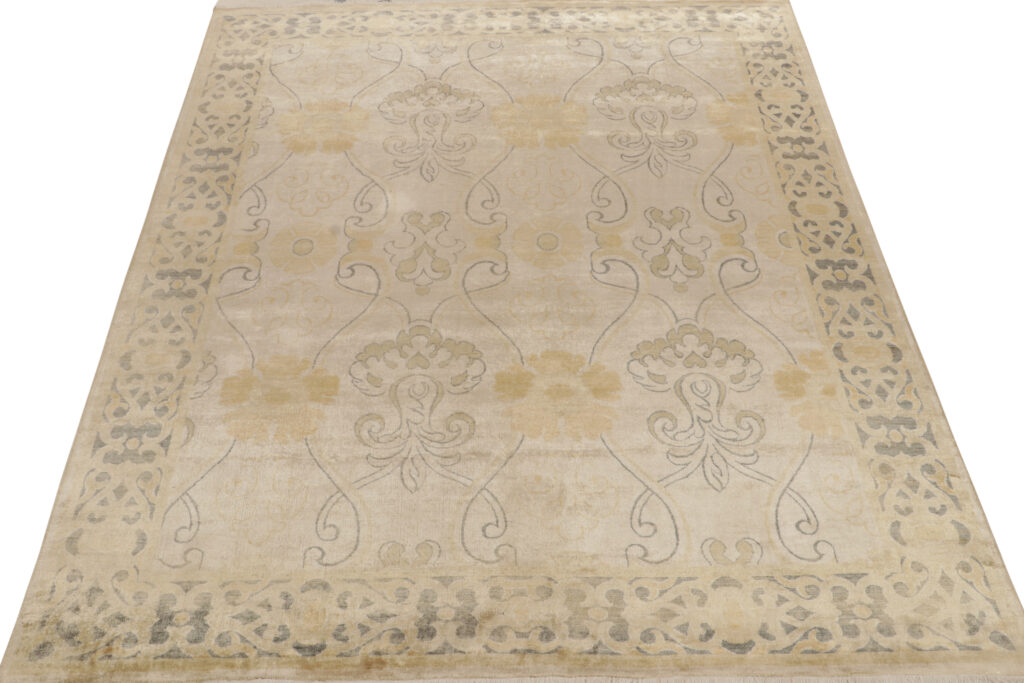
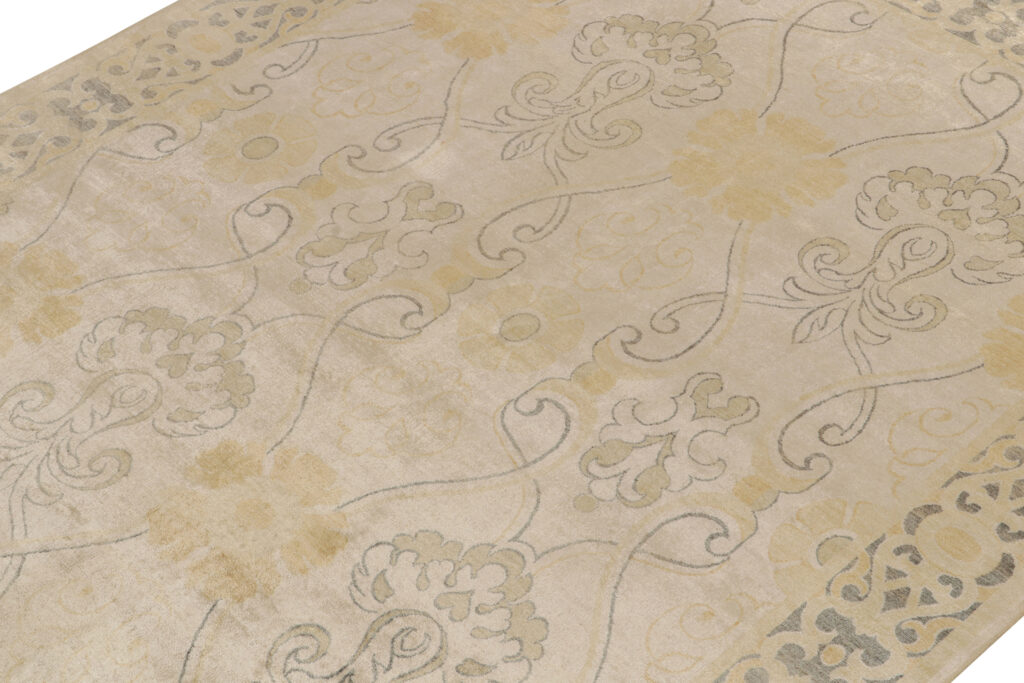
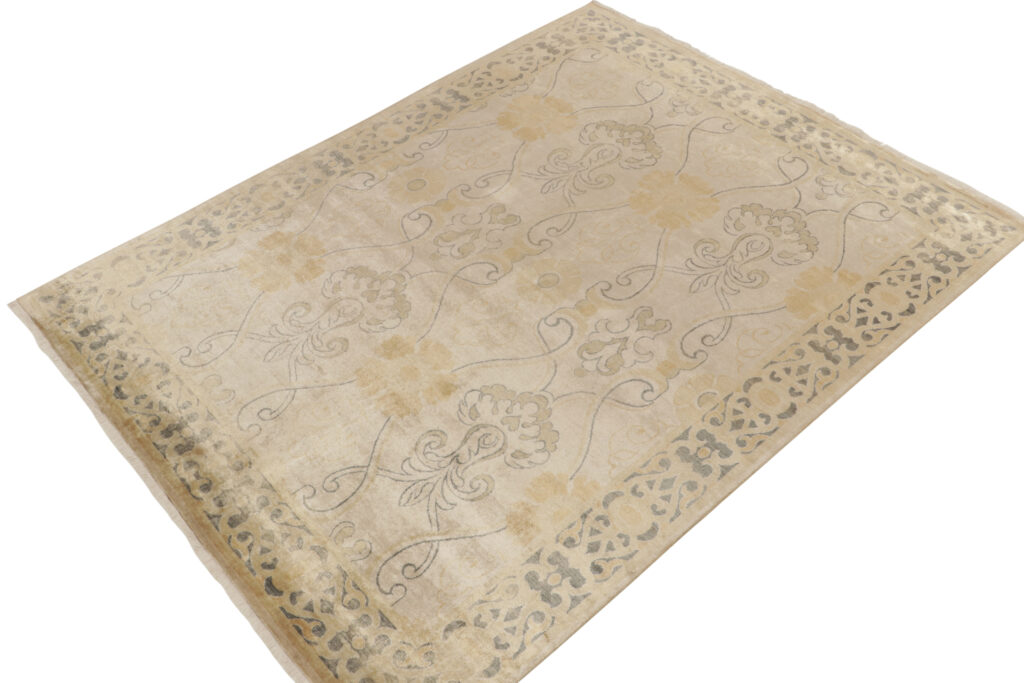
Rug & Kilim’s Art Nouveau style rug in Beige with Gold Trellis Floral Patterns
"For years, R&K has been a favorite source for Kemble Interiors when we need antique, vintage, and custom designed rugs. Their inventory is deep and well displayed online and working in person is always such a pleasure too!"
— Celerie Kemble, Kemble Interiors
A standard since our inception upheld across every acquisition,
transaction, and delivery.
45+ Year Old Institution
More than four decades of expertise and stewardship, under the leadership of our Principal, Jahanshah "Josh" Nazmiyal.
Favorable Return Policy
Our return policy is 48 hours upon receipt allowing you to confirm the purchase in your space with confidence.
Product Warranty
Each rug is hand selected or produced through the most reputable sources under the direct supervision of our Principal.
Trusted Global Delivery
Reliable worldwide delivery handled with care, precision and constant communication.
Exceptional Support
Attentive, knowledgeable guidance before and after purchase from our dedicated team of specialists.
Long Term Care
We stand behind every piece we place and remain a resource to our clients for the lifetime of their collection.
- Measurements: 7'10" x 10'0" ( 2.39 m x 3.05 m )
- Categories: Modern Classics
- Classification: Art Nouveau, Classic/Traditional, Floral
- Material: Natural Silk
- Origin: India
- SKU: 25756
Specifications:
Stories from the Modern Classics Collection
Essays, artist dialogues, and provenance notes drawn from Rug & Kilim’s editorial desk.
Bessarabian Rugs and Kilims: A European Textile Tradition at the Crossroads of Art, Empire and Design
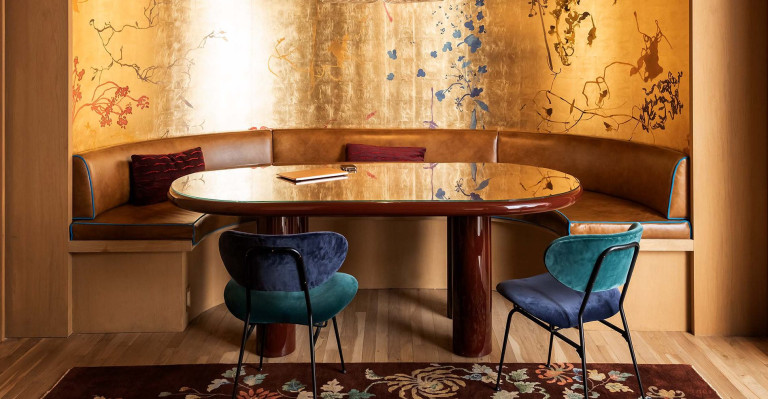
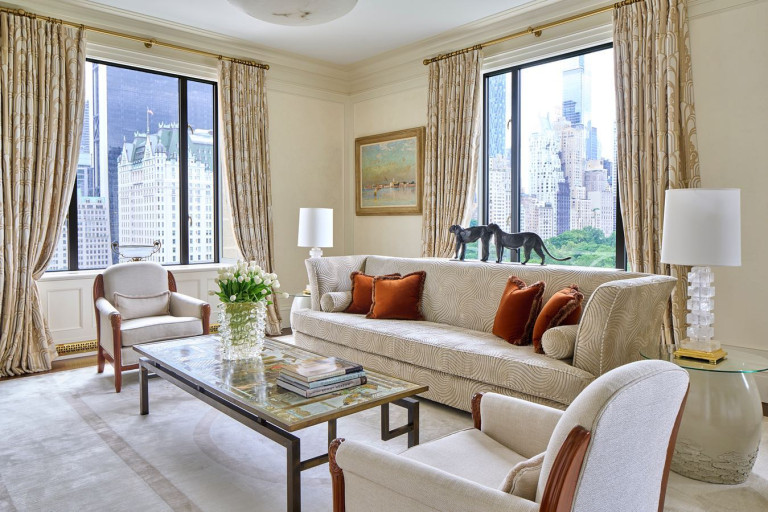
In a quietly elegant London dining room, a vintage Bessarabian Kilim unfolds beneath the table like an unexpected conversation. Its geometry—subtle yet assertive—draws the eye before one quite realizes why. Inspired by the visual language of early twentieth-century design, the rug nods gently toward the stylized symmetry of Art Deco while remaining unmistakably rooted in a much older European weaving lineage. The effect is a foundation that feels both deliberate and effortless, an object whose presence quietly animates the room. Those who spend time studying interiors often admit a particular fondness for photographs that capture rooms in use rather than in perfection. The slight shift of a chair, the shadow of evening light on polished wood, a glass forgotten after supper—these small evidences of life soften even the most composed design. In such moments, a rug becomes more than a decorative surface. It becomes the mediator between architecture and living.
Read the Feature
A Century of Rugs from Art Nouveau to Art Deco: Geometry, Ornament, and Ideology
At the turn of the 20th century, textiles—particularly rugs and kilims—transcended their utilitarian roots to occupy a critical role at the nexus of fine art, design, and ideology. This editorial, rooted in the archival mastery of Rug & Kilim’s most prestigious Art Deco collection, offers a fact-based, institutional lens into the aesthetic metamorphosis of textile arts. We chart the path from Art Nouveau’s lyrical organicism to the rigorous geometry of Art Deco—a transition that was not rupture, but dialogue. In tracing this transformation, we underscore the theoretical, cultural, and technical forces that shaped one of the most pivotal evolutions in textile history.
Read the Feature
Curatorial Perspectives: Suzani Rugs and Kilims as Cultural Heritage
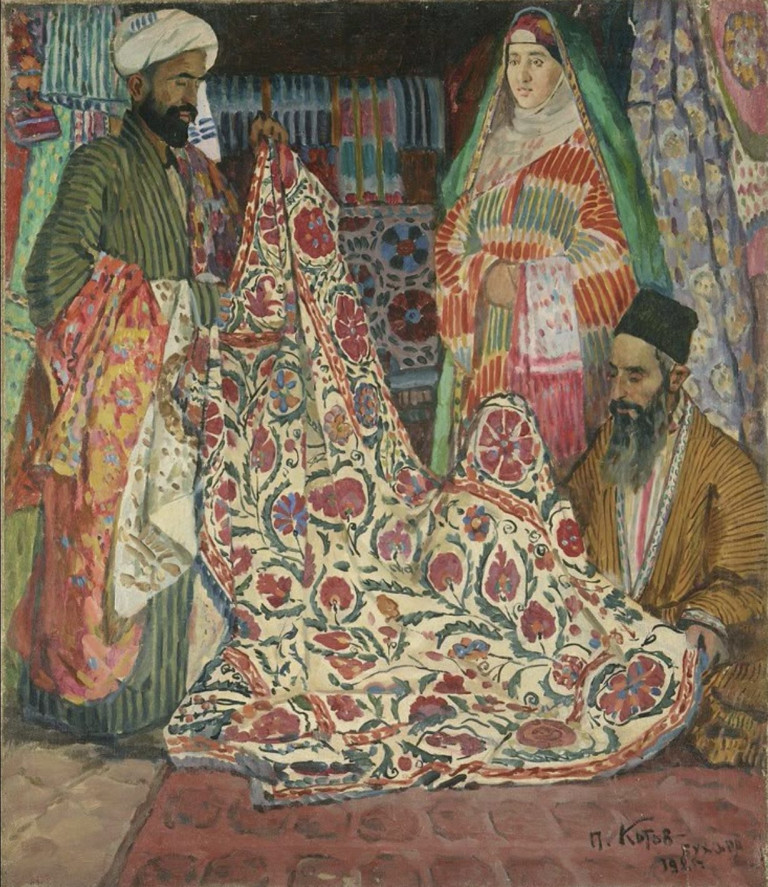
In Suzani rugs and kilims, we witness the intersection of utility and poetry. Indeed, these Suzani rugs as remarkable Central Asian embroideries have captivated collectors and connoisseurs for centuries, not merely as decorative objects, but as chronicles of cultural heritage. The term "Suzani" derives from the Persian word "suzan," meaning needle. These embroidered panels emerged from the regions of present-day Uzbekistan, Tajikistan, and neighboring areas along the ancient Silk Road. Dating primarily from the 18th to early 20th centuries, their intricate patterns speak to us across time and geography.
Read the Feature
A Guide to Antique and Vintage Moroccan Tuareg Mats
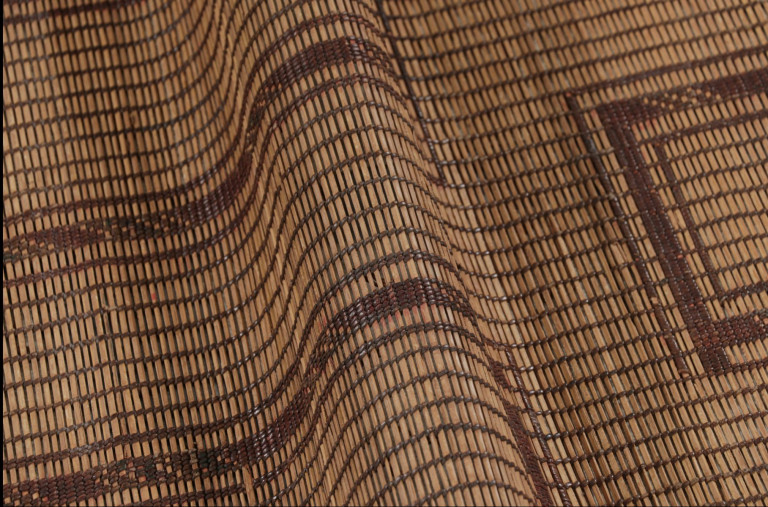
Moroccan Tuareg mats serve as poignant symbols of a fading era, crafted during the early 20th century amidst the nomadic caravans in North Africa. Made from palm and reeds and adorned with camel or goat leather designs, these mats were integral to the nomadic lifestyle, serving as homes that could be rolled up and transported as families moved to new locations. Moroccan art extends beyond carpets to encompass rich mediums of pottery, wood carvings, leatherwork, jewelry, and more. Musée Berbère in Marrakech houses one of North Africa's most compelling collections of Berber artifacts. These diverse mediums showcase intricate designs that serve not only as visual delights but also as protective talismans against negative energies.
Read the Feature
Scandinavian Design and its Connection to Art Deco and Jugendstil Art Movements
Scandinavian design is characterized by a commitment to minimalism, clean lines, and a neutral color palette, resulting in spaces that exude a serene, inviting, and effortlessly stylish ambiance. The roots of Scandinavian design trace back to 1914 when a Danish magazine named Skønvirke, meaning "Graceful Work," emerged. This publication became synonymous with the burgeoning Danish arts and crafts movement, aligning closely with contemporaneous art movements like Art Deco and Weimar Germany's Jugendstil. Skønvirke not only championed democratic designs but also emphasized local craftsmanship, distinguishing itself from broader continental art trends.
Read the Feature
Art Deco And Art Nouveau Movements: A Comparative Analysis
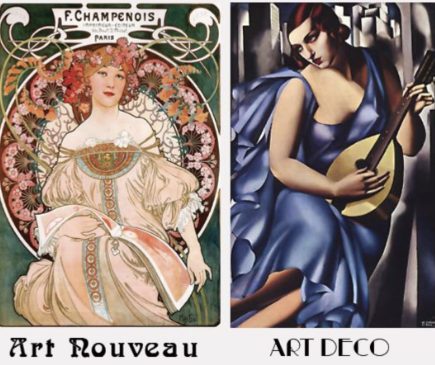
Art Nouveau and Art Deco, two influential art movements of the 20th century, showcase distinct visual languages and philosophies that have left a lasting impact on various facets of artistic expression. While Art Nouveau is characterized by its celebration of elegant curves and long lines, emphasizing organic and natural forms, Art Deco, in contrast, is defined by sharp angles and geometrical shapes, embodying a more streamlined and symmetrical aesthetic. These two movements, though sometimes confused, represent divergent directions in the evolution of modern art. Art Nouveau, with its flowing, nature-inspired motifs, emerged in the late 19th century and reached its peak around 1900. It sought to break free from historical styles and embrace a new, modern visual language. On the other hand, Art Deco, which rose to prominence in the 1920s and 1930s, responded to the changing socio-cultural landscape with a style that emphasized boldness, symmetry, and a sleek, modern look. Despite their differences, both Art Nouveau and Art Deco have significantly influenced the realms of fine art, design, architecture, and graphic arts, shaping the visual landscape and contributing to the evolution of modern art.
Read the Feature


R&K Image Studio
NEWThe R&K Image Studio is a new visual workspace designed to present the Rug & Kilim collection with clarity, restraint, and precision — in your space or any space you imagine.
This tool allows you to view, refine, and prepare imagery drawn directly from the pieces in our archive. They can be visualized cleanly, isolated thoughtfully, and adjusted for presentations, proposals, and private viewings, without altering the integrity of the original work.
Modern Classics
Natural Silk
India
7'10" X 10'0" (2.39 m x 3.05 m)
$8,800
Available: Shipping as Soon as Tomorrow
Rug & Kilim’s Art Nouveau style rug in Beige with Gold Trellis Floral Patterns
"Rug & Kilim has been a pleasure to work with from the very start of our relationship. Not only is their service outstanding, their inventory of one of a kind vintage rugs is unparalleled."
— Alan Eckstein and Margaret Goddard, Somerset House
- Measurements: 7'10" x 10'0" ( 2.39 m x 3.05 m )
- Categories: Modern Classics
- Classification: Art Nouveau, Classic/Traditional, Floral
- Material: Natural Silk
- Origin: India
- SKU: 25756