
Cobalt Blue: The 2025 Color of the Year
October 31, 2024
Why are Vintage Rugs the Best Choices for Modern Spaces?
November 13, 2024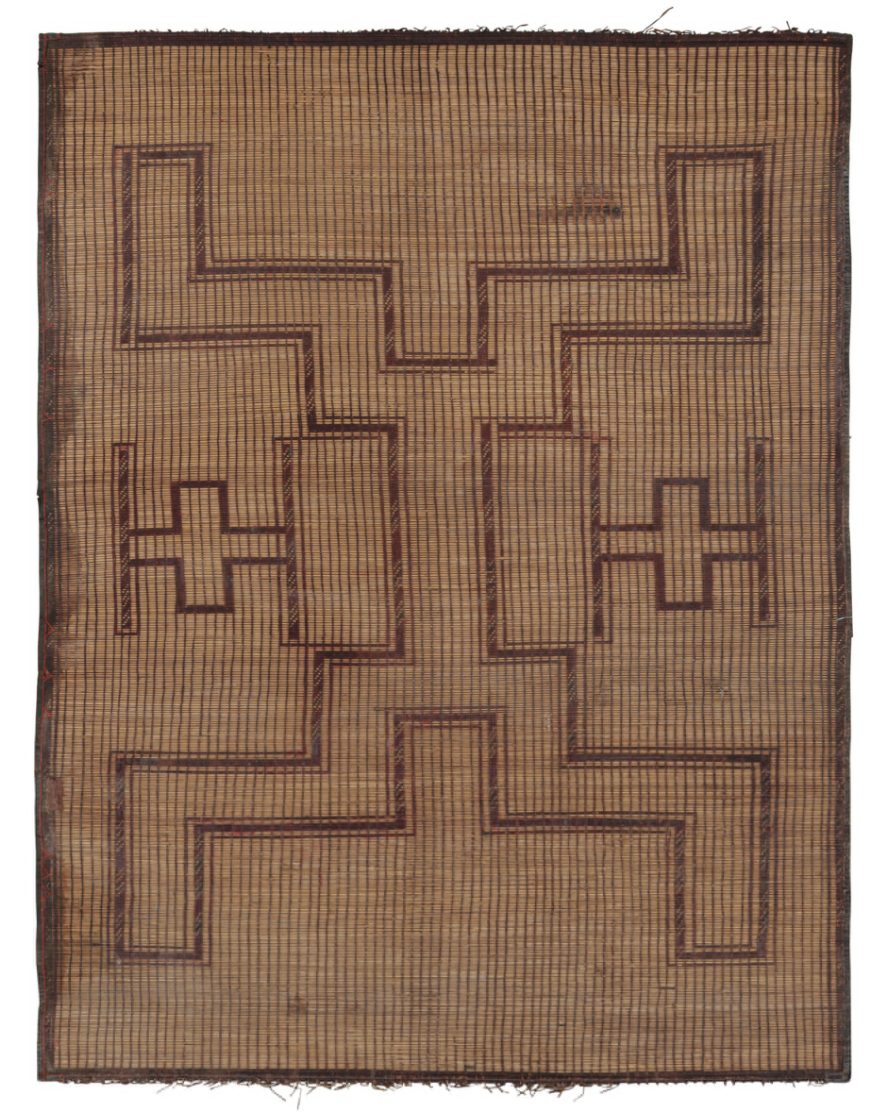
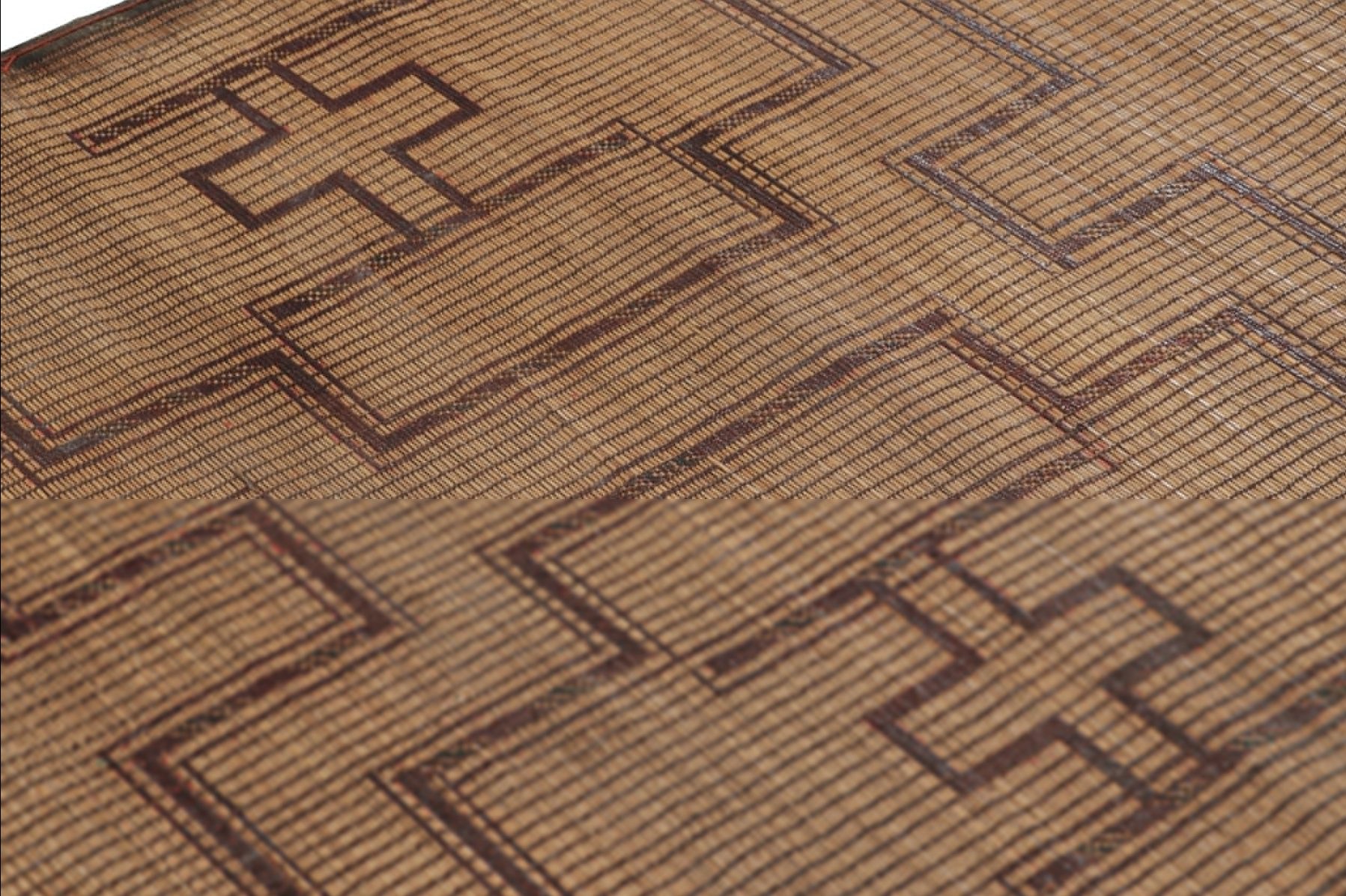
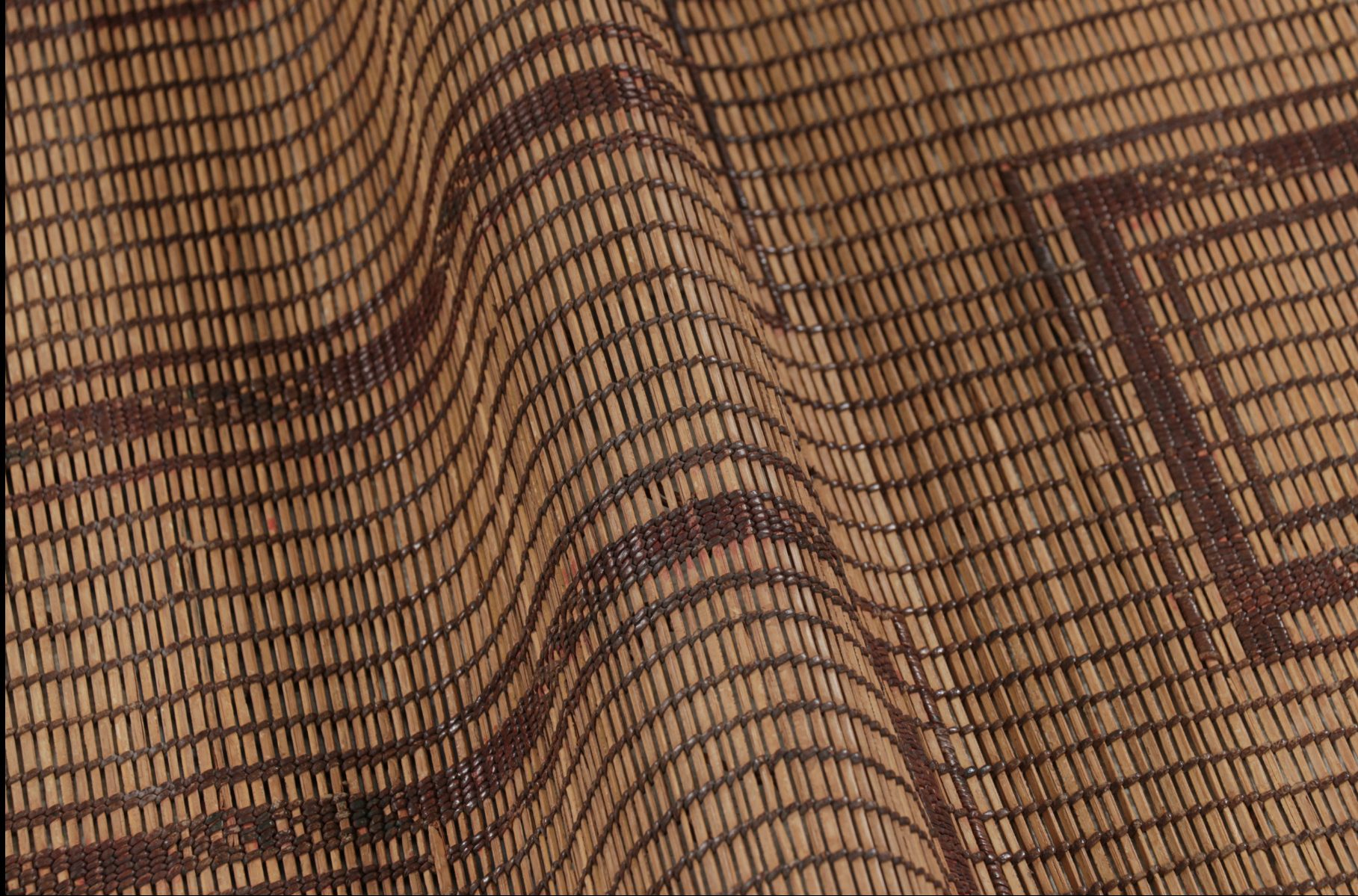
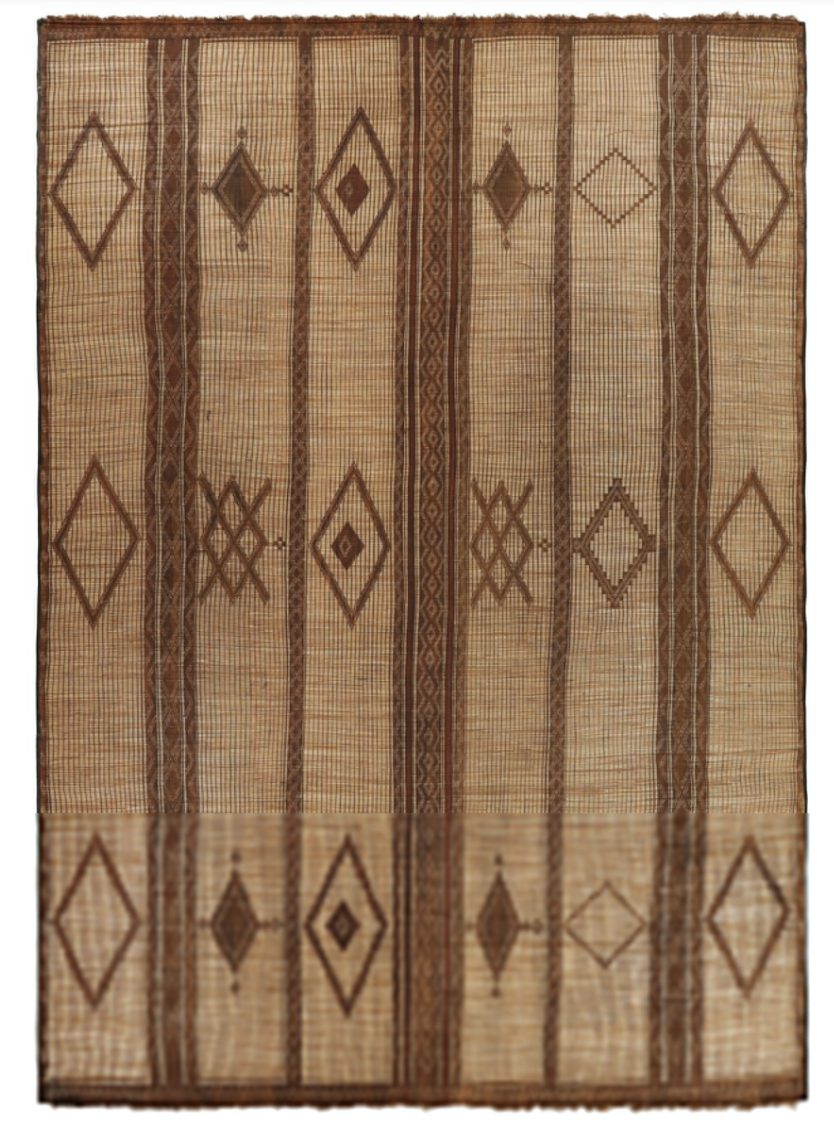
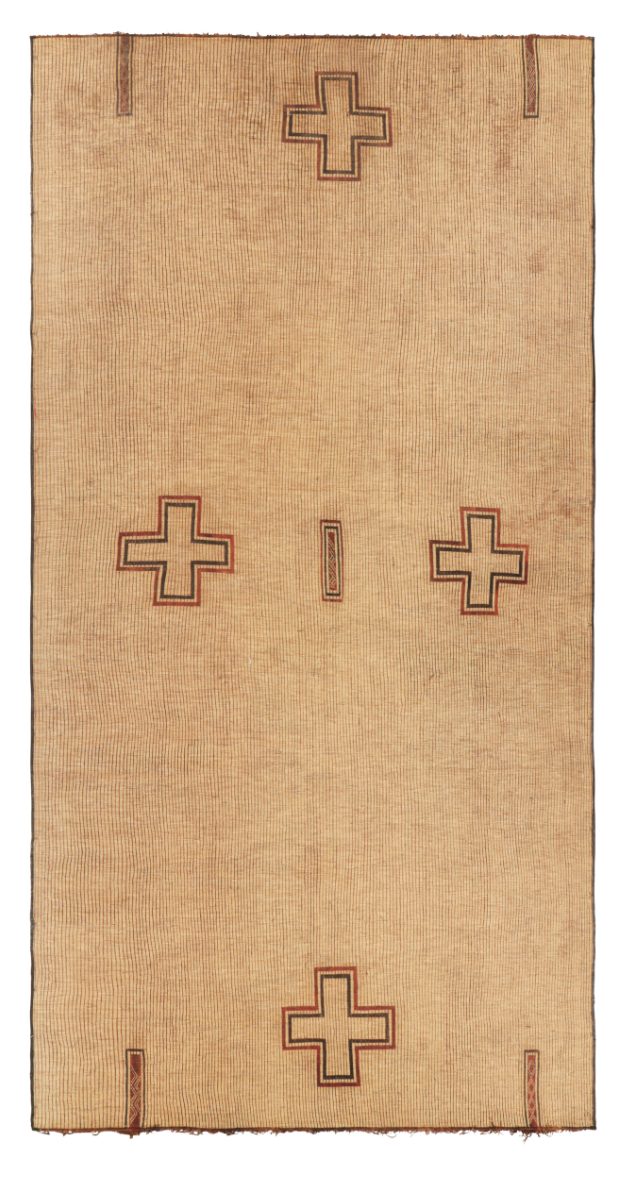
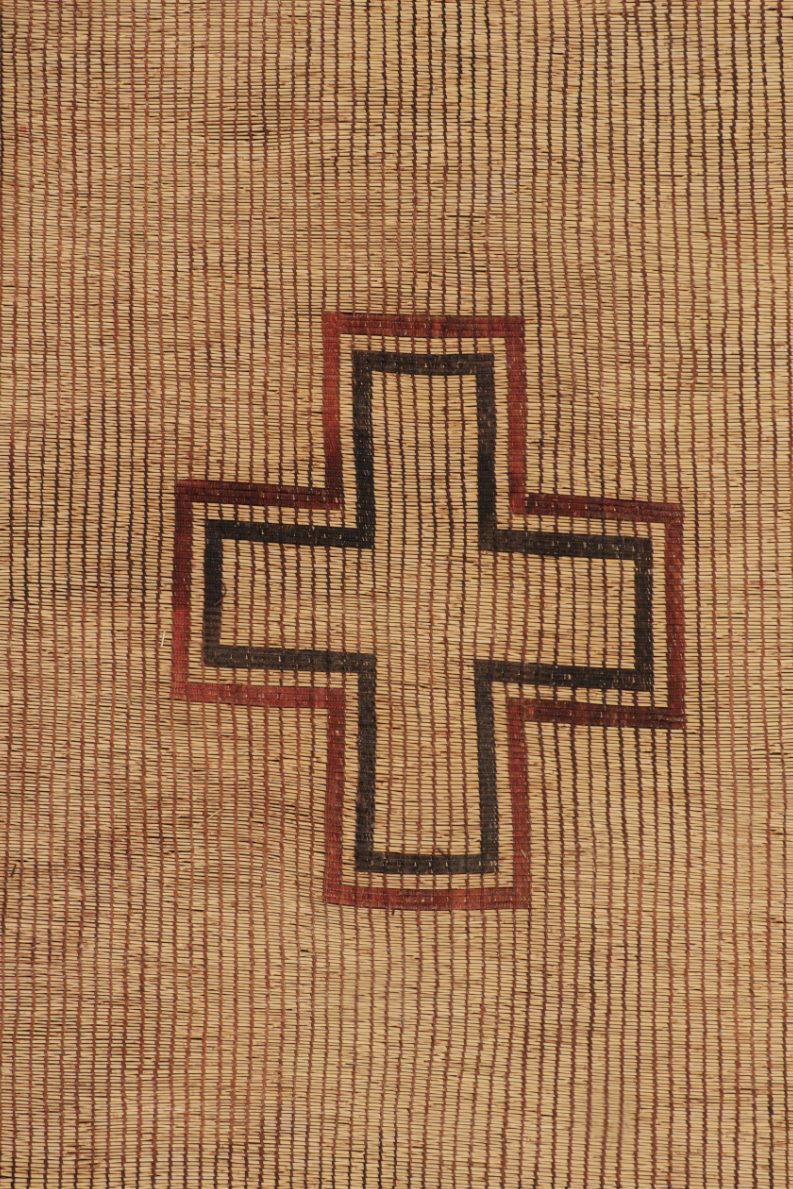
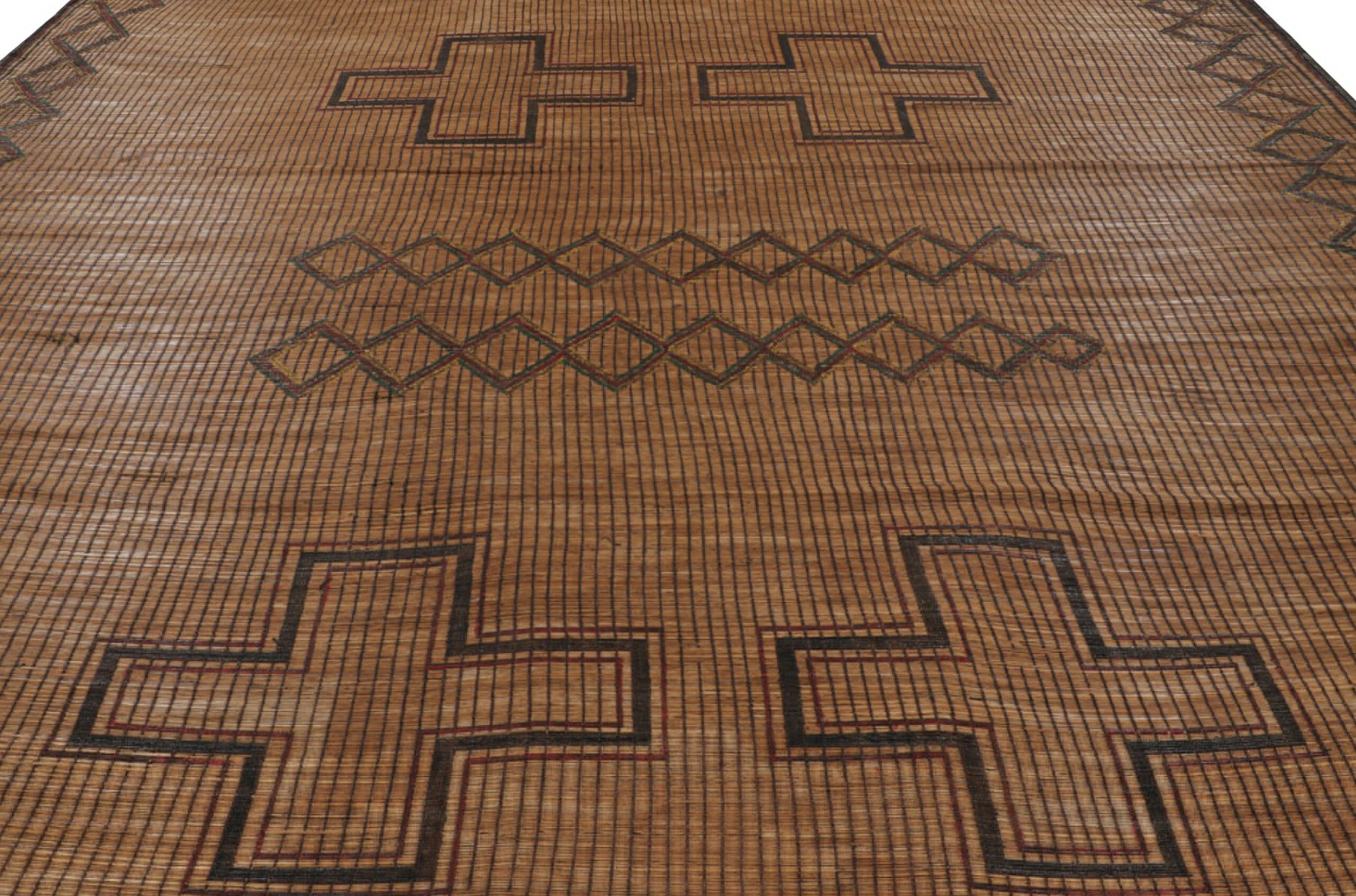
Moroccan Tuareg mats serve as poignant symbols of a fading era, crafted during the early 20th century amidst the nomadic caravans in North Africa. Made from palm and reeds and adorned with camel or goat leather designs, these mats were integral to the nomadic lifestyle, serving as homes that could be rolled up and transported as families moved to new locations.
Moroccan art extends beyond carpets to encompass rich mediums of pottery, wood carvings, leatherwork, jewelry, and more.
Musée Berbère in Marrakech houses one of North Africa’s most compelling collections of Berber artifacts. These diverse mediums showcase intricate designs that serve not only as visual delights but also as protective talismans against negative energies.
Within rug designs, spirituality intertwines with femininity, offering glimpses into personal narratives and autobiographical details of the weaver.
Moroccan Tuareg mats, traditionally crafted by the nomadic Tuareg people of the Sahara, have been an essential part of their material culture for centuries. These versatile pieces served both practical and ceremonial purposes, reflecting the ingenuity of desert dwellers who mastered the art of creating beauty from limited resources.
About the Tuareg People
The Tuareg people, also known as the Tamashek, embody resilience and adaptability in the remote landscapes of Mauritania, Niger, Algeria, and Northern Mali, including the legendary city of Timbuktu. Their loyalty transcends geopolitical boundaries, rooted instead in ancestral ties and tribal affiliations that defy conventional borders and ideologies. Heralded as masters of the Sahara, the Tuaregs once commanded the lucrative trade routes of Salt, Gold, and Ivory, navigating the desert during the 14th century, forging connections between North Africa, Europe, and the Middle East.
The legacy of Queen Tin Hinan, a revered figure believed to have shaped the destiny of the Tuareg people in the 4th century has united disparate tribes and propelled the expansion of Tuareg territory into the southern reaches of Algeria. Despite the passage of time and tumultuous political upheavals, their vibrant culture endured through art, evocative poetry, folklore, and cherished cultural traditions.
The Tuareg Society
In Tuareg society, lineage is traced matrilineally, underscoring the central role of women as stewards of communal assets such as livestock, tents, and ceremonial mats that define tribal spaces. Even in cases of divorce, women retain ownership of these assets, along with the responsibility of caring for their children, in a testament to the egalitarian ethos that permeates Tuareg culture.
At the forefront of essential tasks within Tuareg communities, women lead in activities such as weaving, agricultural cultivation, and tending to the needs of cherished livestock.
In a departure from some cultural norms, it is the men who wear veils to shield themselves from the harsh desert elements, earning them the moniker of the “blue men of the desert” due to the indigo dye from their traditional attire that leaves a distinctive mark on their skin.
Tuareg rugs stand as artifacts of Berber nomadic heritage, intricately woven by skilled artisans in the vast expanse of the Sahara Desert.
Cultural Significance of Moroccan Tuareg Mats
These mats transcend their functional role as simple floor coverings by serving as:
- Portable architecture for nomadic living
- Sacred spaces for prayer
- Gathering places for community celebrations
- Status symbols indicating social rank
- Wedding gifts and dowry items
About the Moroccan Tuareg Carpets
Rooted in centuries-old tradition, these carpets marry cultural symbolism with bold geometric patterns, setting them apart as unique expressions of artistry amidst the realm of conventional rug designs. Crafted predominantly from wool, they offer not only durability but also a comforting embrace, rendering them coveted additions to any home sanctuary.
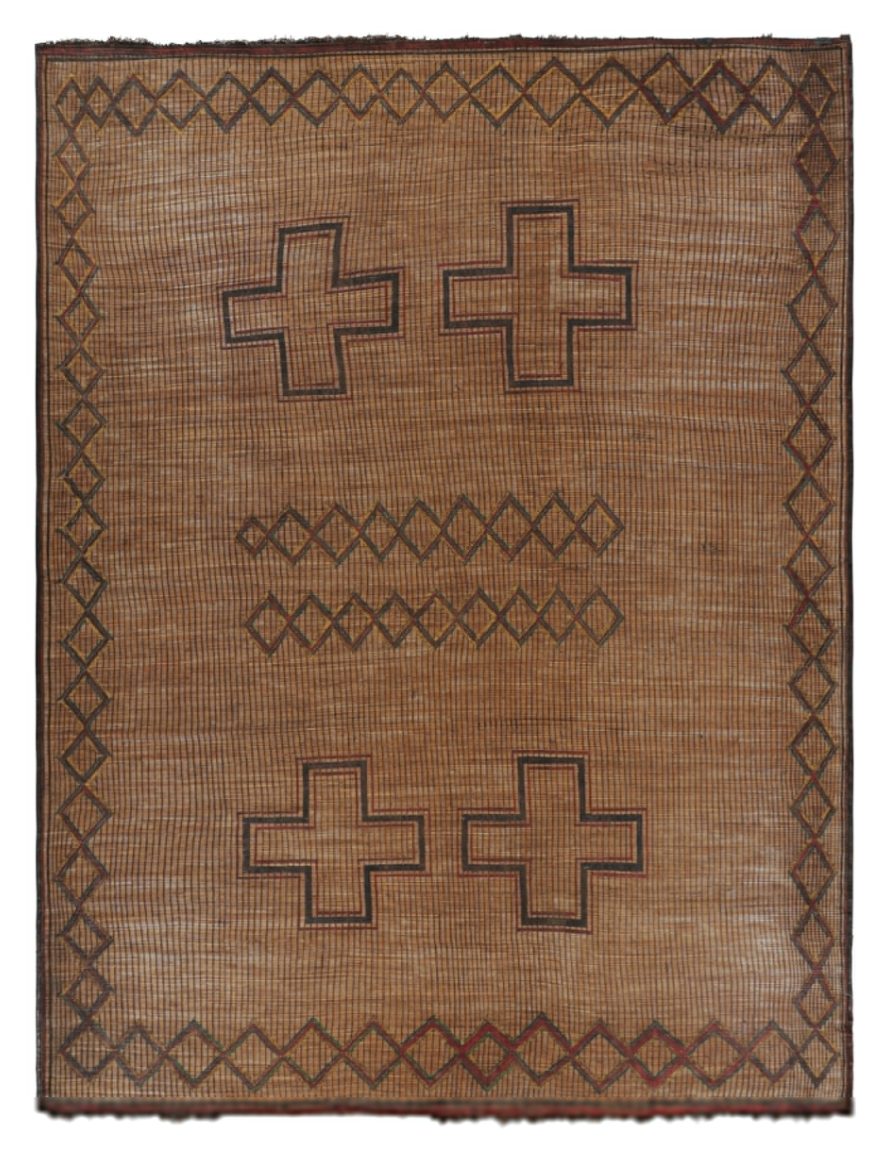
Distinguished by their mesmerizing geometric compositions, Tuareg rugs boast elaborate motifs comprising diamonds, squares, stars, and an array of other shapes, meticulously arranged into repeating patterns or symmetrical rows. Their color palette spans from tranquil pastels to vivid jewel tones, infusing spaces with an unexpected burst of energy and warmth. While each rug may exhibit its own distinct style, a central motif often serves as the focal point, surrounded by intricate details that harmonize to form a cohesive visual narrative.
Tuareg Designs
The geometric patterns found in Tuareg mats often feature:
- Diamond motifs representing protection
- Zigzag lines symbolizing the path through life
- Triangle formations signifying the sacred mountains
- Cross-hatched patterns reflecting the interconnectedness of community
Beyond their aesthetics, Tuareg rugs are revered for their resilience, owing to the superior quality of their construction materials. Sourced from local sheep farms across North Africa or imported from distant lands like India or China, the wool used in these rugs boast durability, capable of withstanding the rigors of daily life with grace and poise.
Today, authentic Tuareg mats have become highly sought-after pieces among collectors and interior designers. Their sustainable materials and timeless designs align perfectly with current trends toward ethical, artisanal home décor.