
A Guide to Antique and Vintage Moroccan Tuareg Mats
November 11, 2024
A Brief Guide to Antique and Vintage Kazak Rugs
November 18, 2024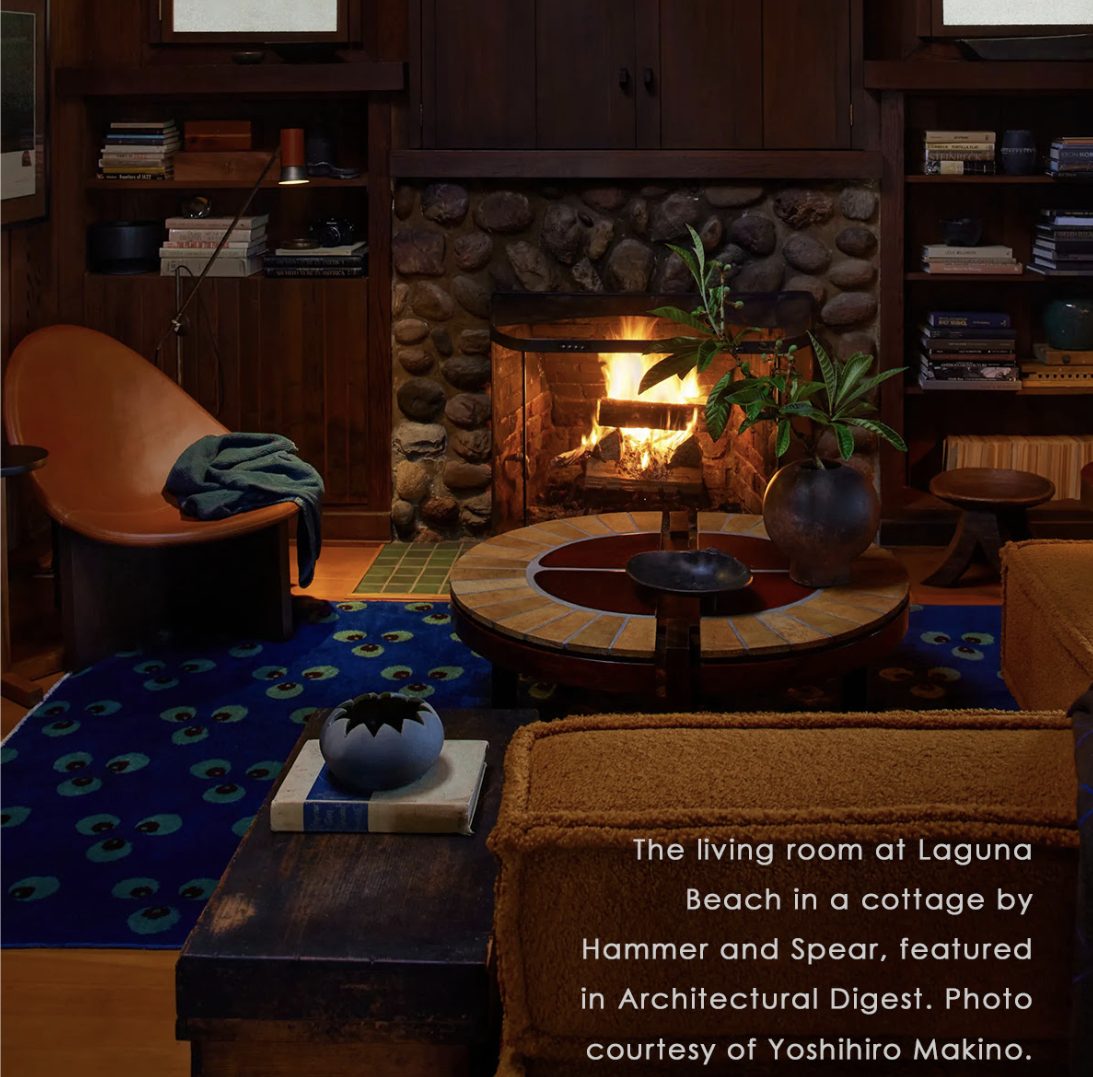
For centuries, the finest vintage rugs were reserved for the elite, gracing the palaces and religious edifices of nobility, kings, and rulers across regions like Persia, Anatolia, Central Asia, and India. Crafted with meticulous detail, these masterpieces received patronage from both Islamic and secular leaders, adorning opulent courts and becoming symbols of prestige and wealth.
Historical Significance
The modern world’s fascination with Oriental rugs emerged in the 19th century, spurred by carpet exhibits in London and America.
In 1877, Julius Lessing penned the first Western book on Oriental Carpets, solidifying their status as epitomes of high Islamic art. Today, Oriental rugs remain cherished collector’s items, symbolizing luxury and elegance, with a permanent place in museum collections worldwide.
Museums such as the Metropolitan Museum of Art in New York boast extensive Islamic Art Collections, featuring over 600 carpets, while iconic pieces like “The Ardabil Carpet” find homes in esteemed institutions like the Victoria & Albert Museum in London, perpetuating the legacy of these timeless treasures.
Vintage rugs possess a unique charm that only improves with age, developing a beautiful patina that adds character to any space. Their ability to withstand the test of time makes them ideal for high-traffic areas like living rooms, where their classic appeal seamlessly integrates with various design styles.
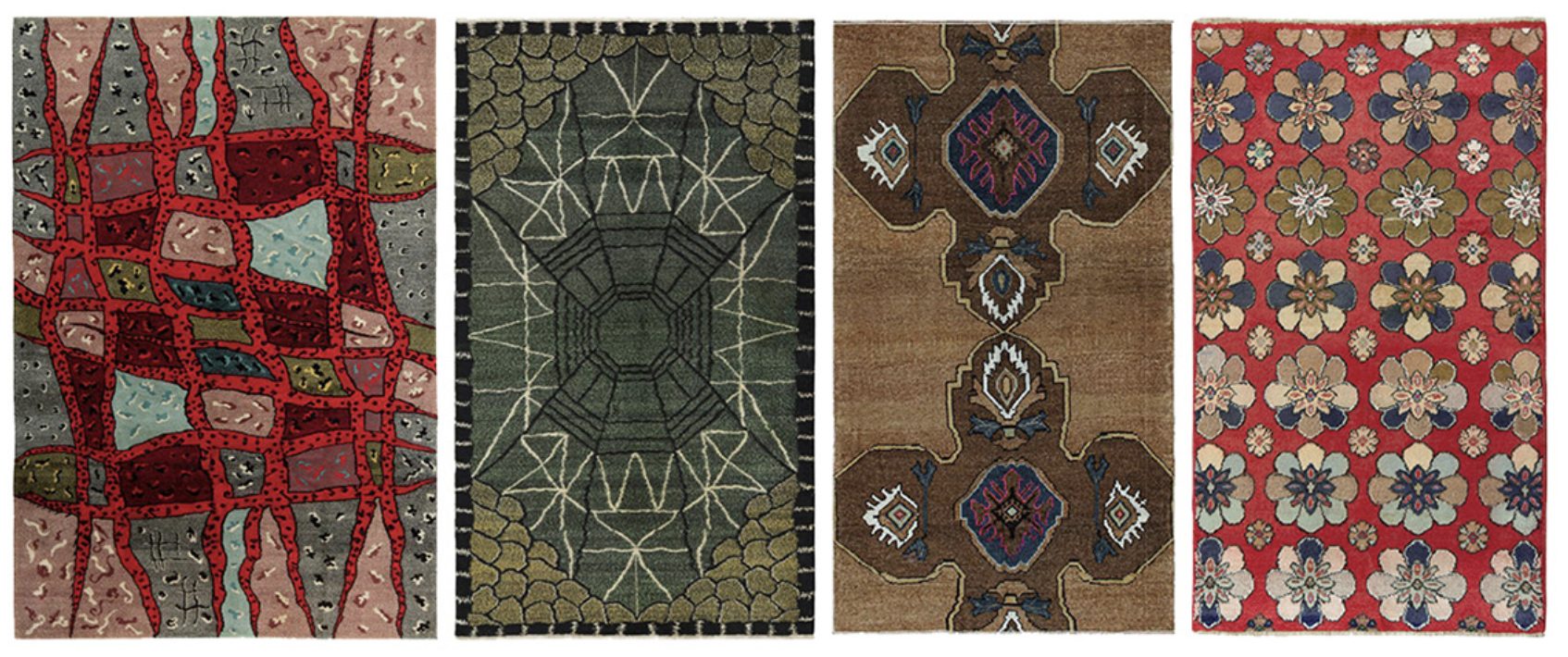
These “imperfections” actually serve as the perfect counterpoint to sleek, modern furnishings, adding layers of visual interest that new rugs simply cannot replicate.
Styling Vintage Rugs
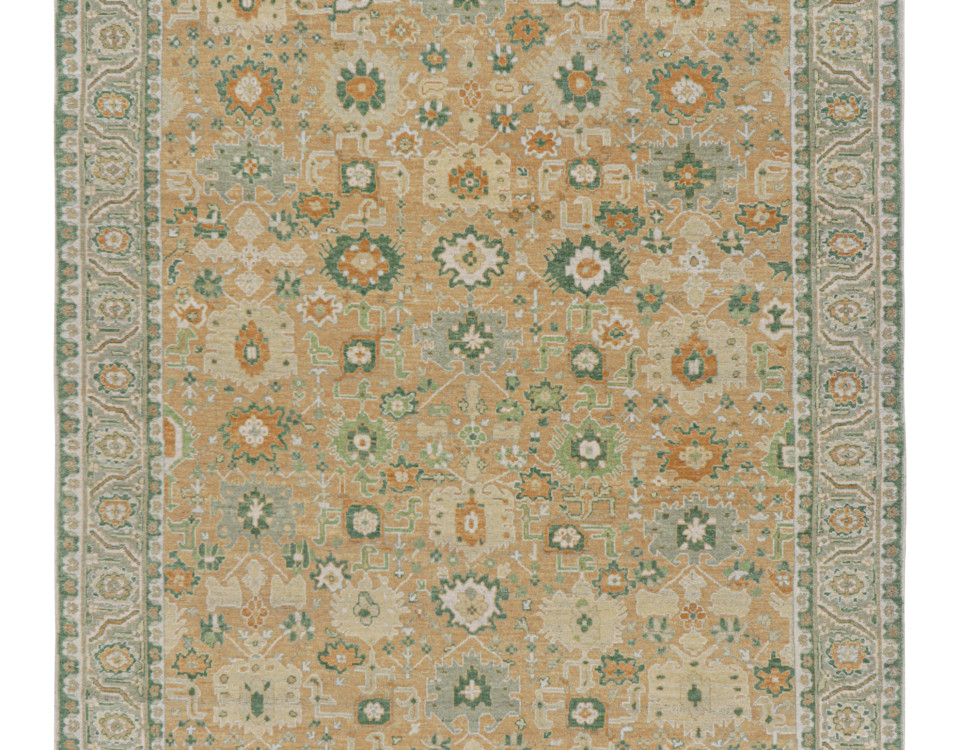
We advise looking for rugs with a neutral base and subtle pops of color, such as geometric Heriz carpets, which provide a ready-made color palette for the room.
By incorporating accent colors from the rug into other elements of the space—such as art, accessories, and textiles—vintage rugs can effortlessly tie together the decor of dining areas, bedrooms, home offices, and even kitchens, making them versatile and timeless additions to any home.
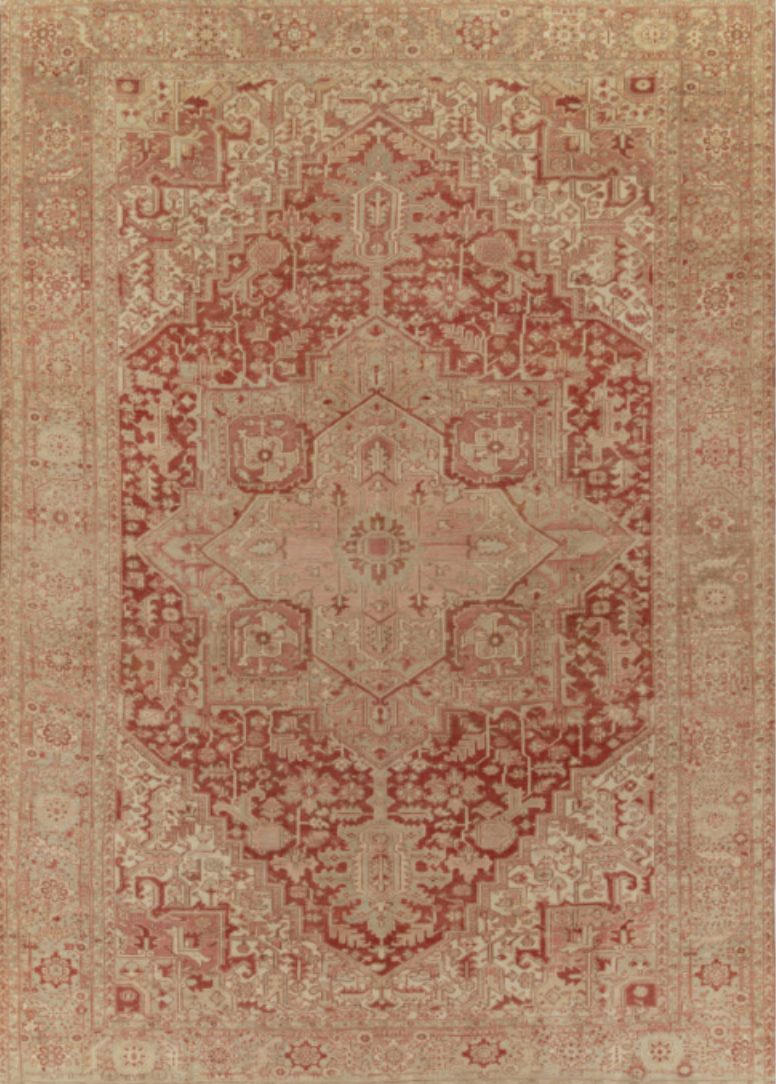
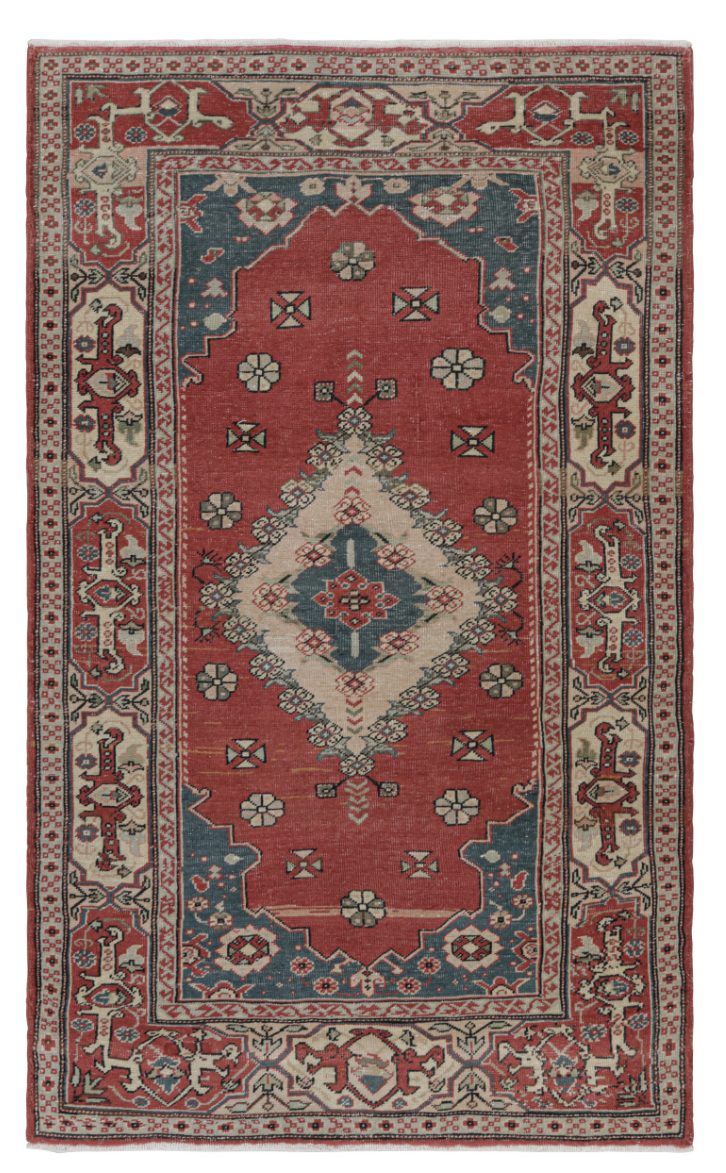
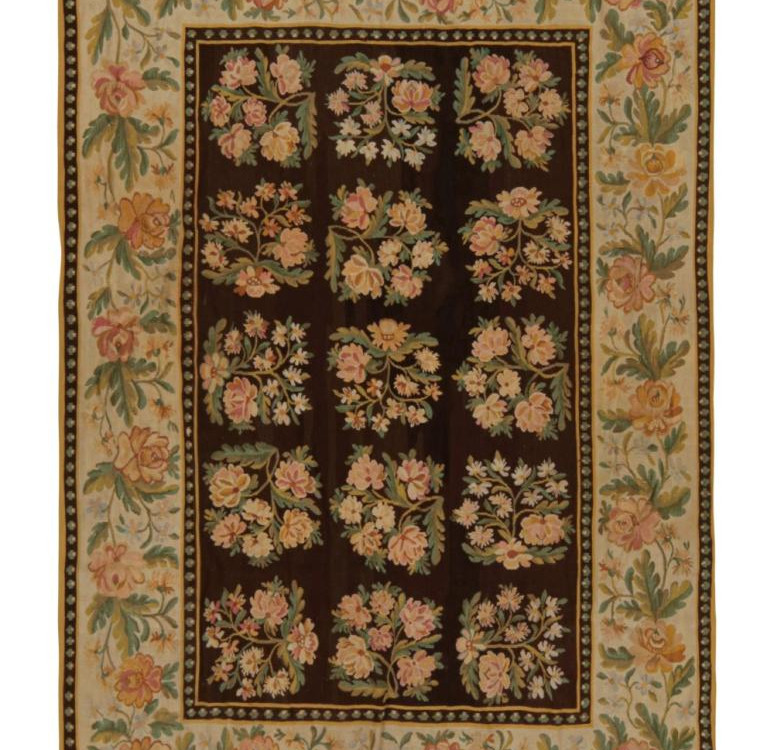
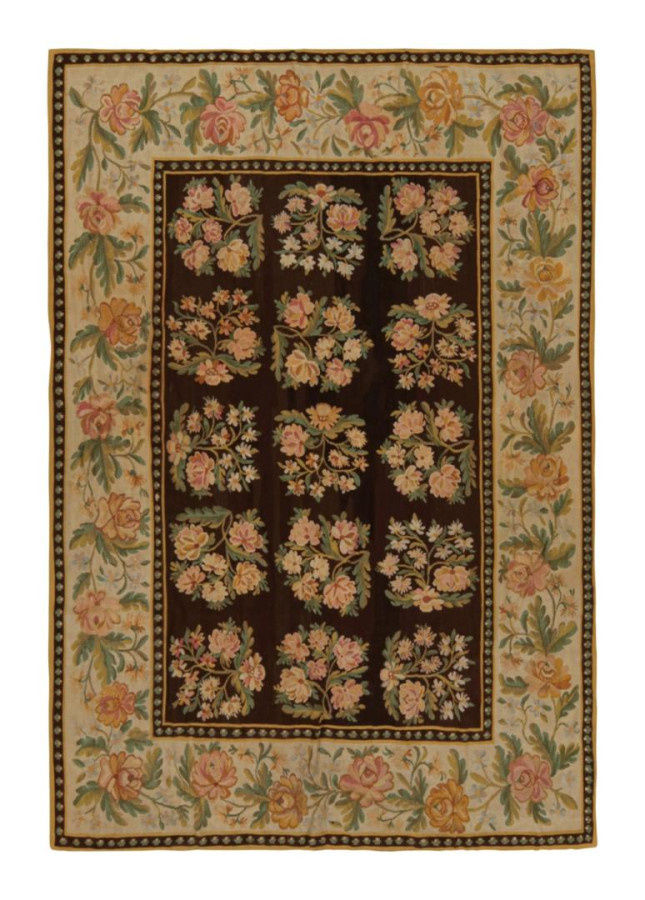
Exemplifying the rosette medallions this lineage enjoys, this rug witnesses a departure in colors with red background accompanying pink & green accents specially on the border & the field spandrels – marking the rarest colorways our Principal has seen in this style; making it a perfect modern addition to any space.
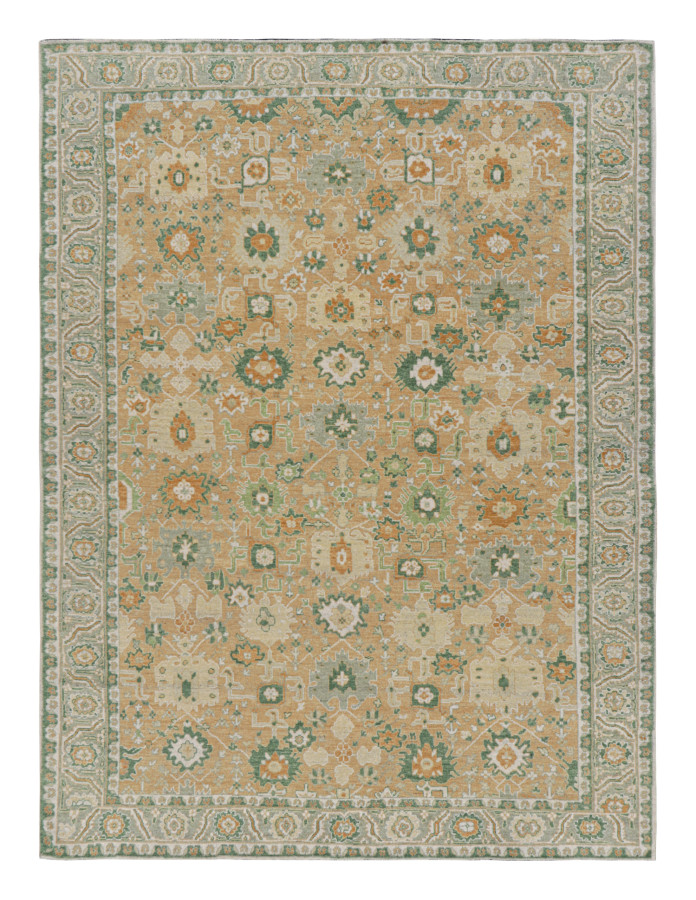
Vintage rugs offer remarkable forgiveness, effortlessly concealing dirt and wear while remaining easy to clean, especially those crafted from wool, which is known for its durability and stain resistance. Turkish Oushaks, with their rich browns, mossy greens, and rust colors, are particularly adept at camouflaging stains, making them an excellent choice for those prone to spills. With their resilience, vintage rugs provide both style and practicality for any home.
Unique Characteristics
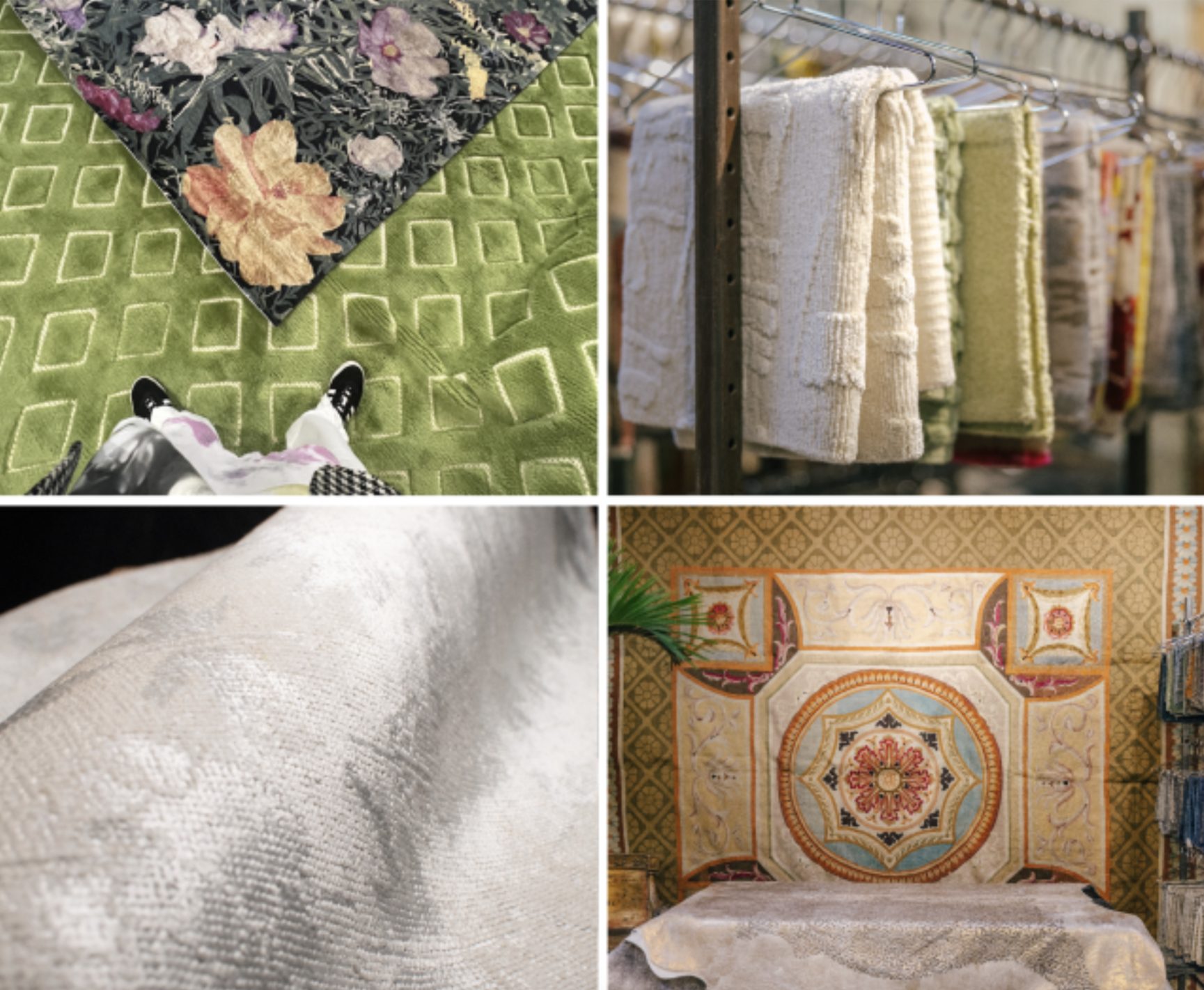
Traditional rug weaving techniques have endured for centuries, particularly in regions like Iran, India, and Turkey, renowned for their exquisite rugs esteemed for their quality, resilience, and aesthetic appeal. Each region boasts its distinct weaving style, reflected in the intricate patterns, vibrant colors, and lush textures of the rugs produced. Unlike mass-produced counterparts crafted from synthetic materials, vintage rugs predominantly utilize natural fibers such as wool or cotton. Not only are these materials exceptionally durable, but they also offer a softer and more inviting feel, epitomizing the timeless allure of traditional craftsmanship.
Indeed, vintage rugs are more than just floor coverings; they are storytellers, each bearing the marks of time and history woven into their fibers.
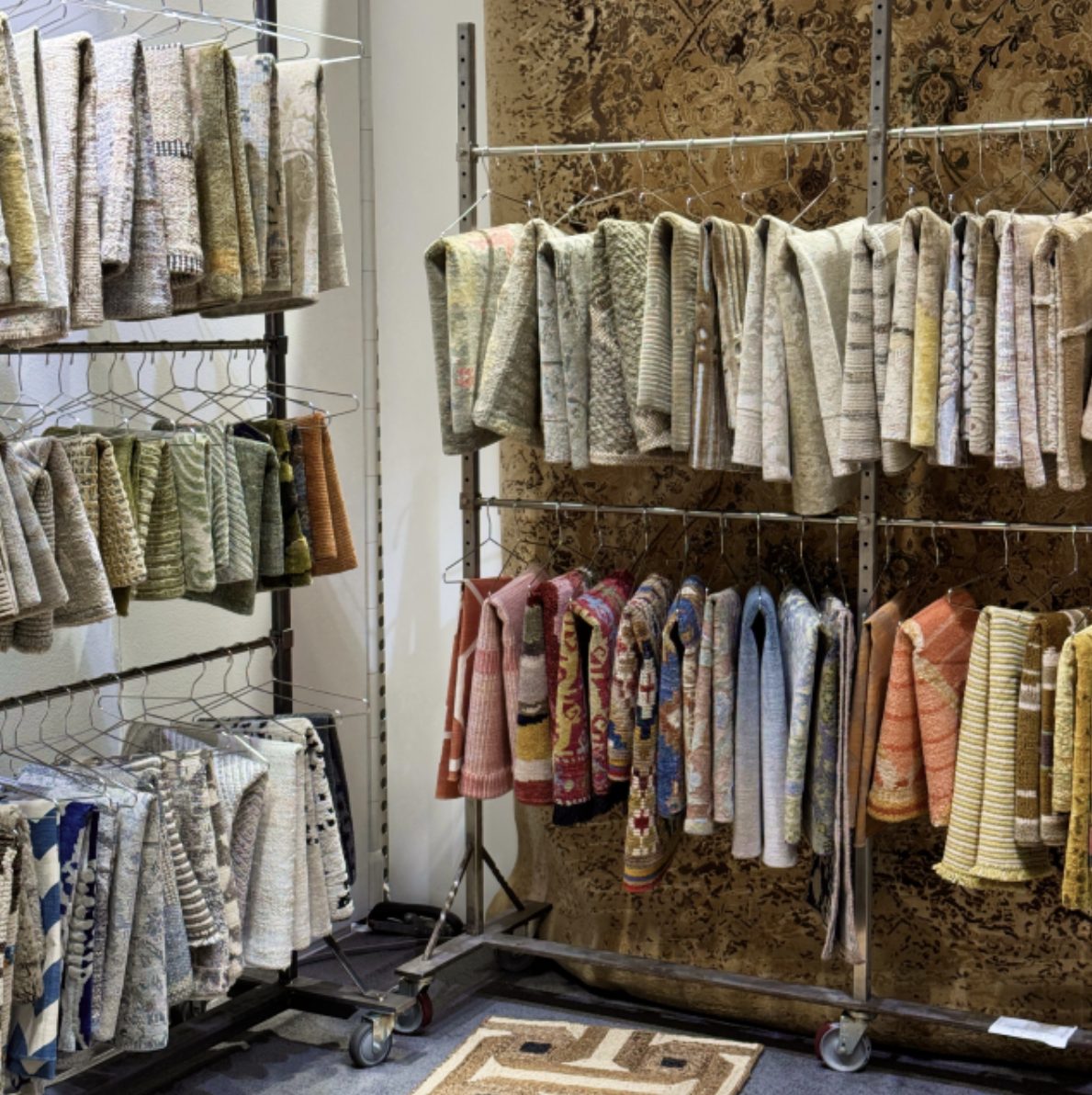
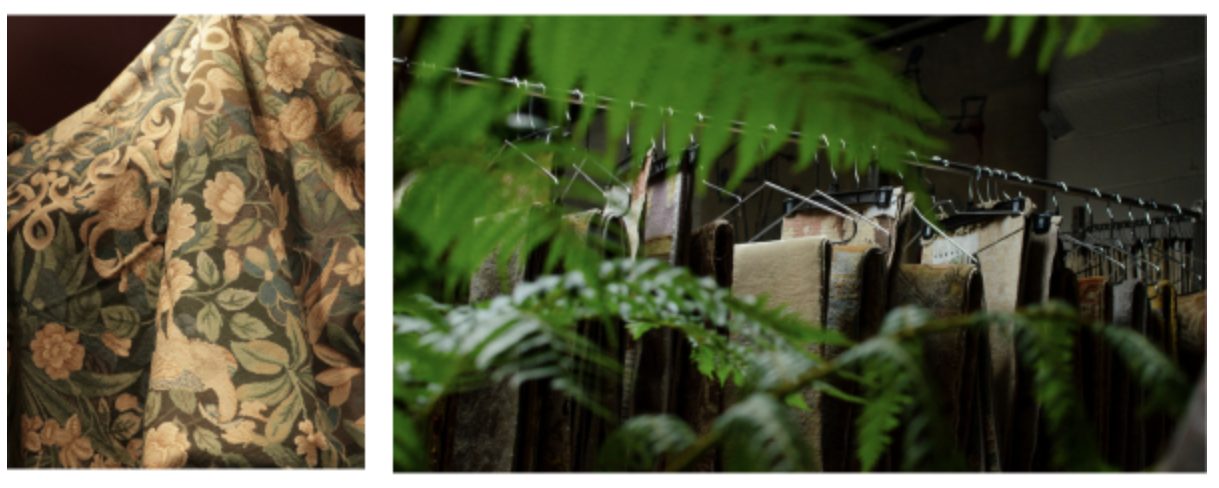
From the patterns that reflect cultural motifs to the colors that evoke landscapes and traditions, every vintage rug tells a tale of the people, places, and moments that shaped its creation. Whether it’s a muted Oushak gracing a minimalist living room or a vibrant Persian runner energizing a modern kitchen, vintage rugs possess remarkable adaptability.
Integrating Vintage Rugs into Modern Spaces
Unlike contemporary rugs, vintage pieces often appreciate in value over time. Their increasing rarity, combined with growing market demand, makes them not just decorative elements but genuine investment pieces. Many collectors find that well-maintained vintage rugs outperform modern alternatives in both aesthetic and financial returns.
- Opt for neutral color palettes to ensure harmony with contemporary furnishings, allowing the rug’s unique character to stand out.
- Make the vintage rug the focal point, and build your modern space around it
- Complement vintage rugs by understated decor elements, or opt for a bold contrast by juxtaposing traditional rugs with sleek modern furniture.
- Layering rugs can add dimension, while mixing textures enhances visual interest.
- Ultimately, don’t shy away from contrast; blending older and newer elements can yield a dynamic aesthetic in your living space. Whether adorning a loft apartment or a modernist home, vintage rugs offer an unmatched combination of history, craftsmanship, and design versatility.
Their ability to elevate contemporary spaces while maintaining their timeless appeal makes them not just a trend, but a lasting investment in sophisticated interior design.