
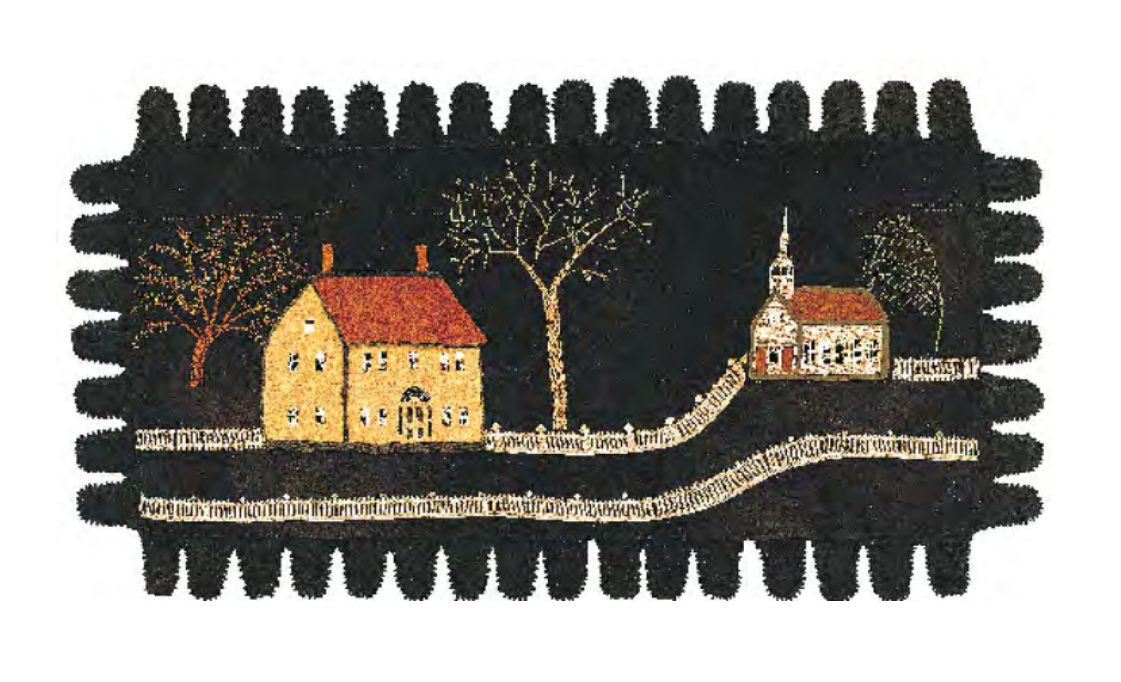
A Profile on Zeruah H. Guernsey Caswell and her Embroidered American Carpets
June 24, 2024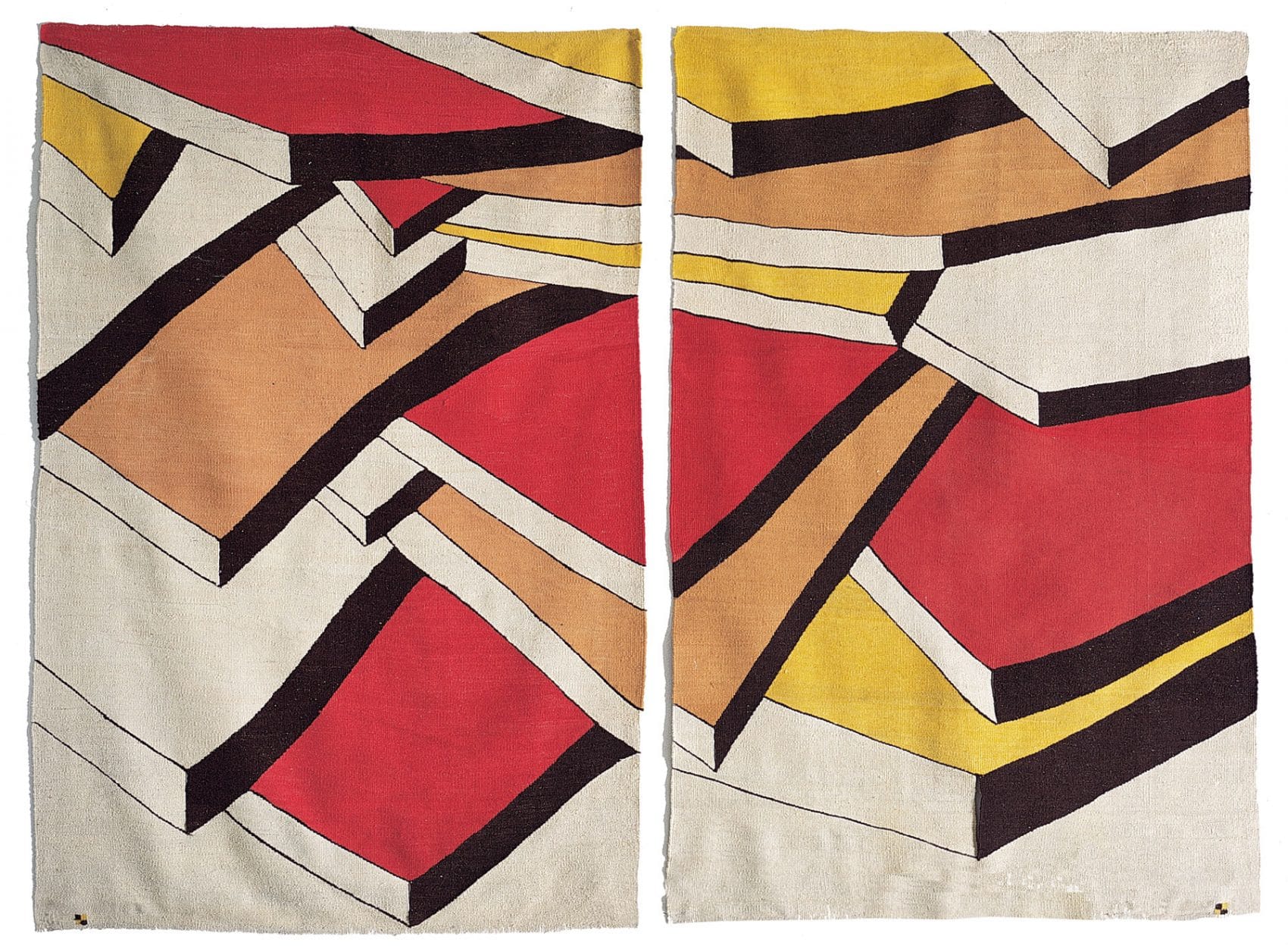
Belkis Balpinar and her Contributions to the Evolution of Modern Turkish Rugs and Kilims – “Art Kilim”
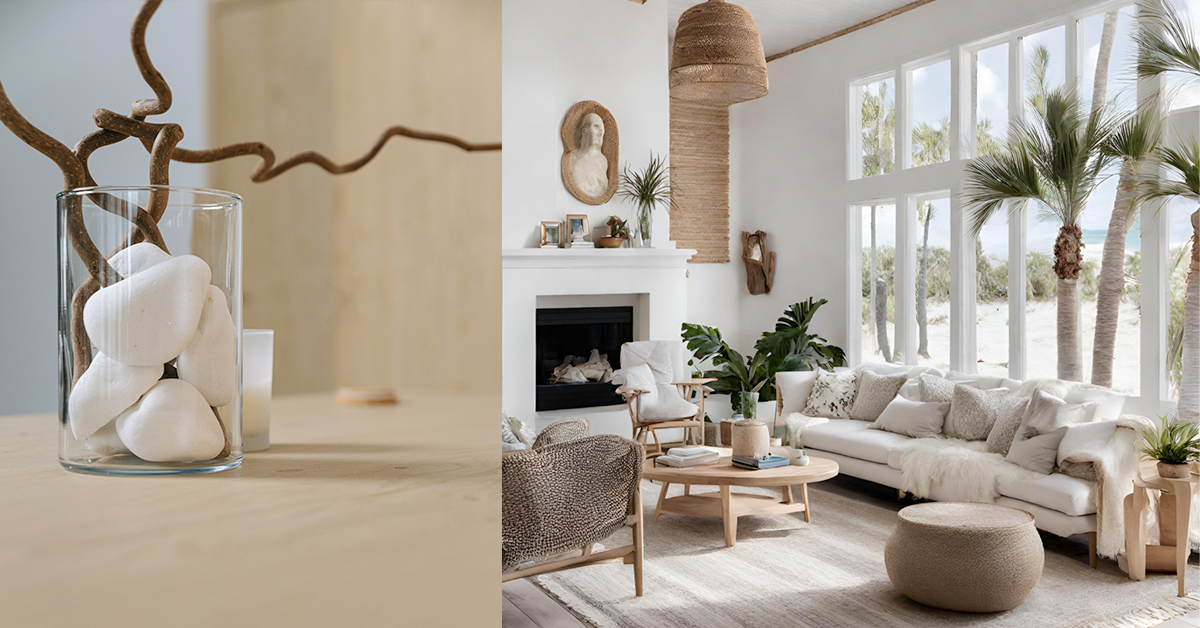
June 28, 2024Scandinavian design is characterized by a commitment to minimalism, clean lines, and a neutral color palette, resulting in spaces that exude a serene, inviting, and effortlessly stylish ambiance.
History and Evolution of Scandinavian aesthetic
The roots of Scandinavian design trace back to 1914 when a Danish magazine named Skønvirke, meaning “Graceful Work,” emerged. This publication became synonymous with the burgeoning Danish arts and crafts movement, aligning closely with contemporaneous art movements like Art Deco and Weimar Germany’s Jugendstil. Skønvirke not only championed democratic designs but also emphasized local craftsmanship, distinguishing itself from broader continental art trends.
Although Scandinavian design initially surfaced alongside other design styles in the aftermath of World War I, it wasn’t until the 1950s that it attained global recognition, transcending its regional origins. Two pivotal events played a crucial role in elevating Scandinavian design onto the international stage. The Lunning Prize, running from 1951 to 1970, specifically focused on designers from the region, providing significant support to the emerging trend. Additionally, the 1954 exhibition titled “Design in Scandinavia” held at the Brooklyn Museum showcased furniture from the region, effectively spotlighting Scandinavian design to a broader audience in the United States.
Read our profile on the Danish Modern design movement of the 20th century here – https://rugandkilim.com/blogs/a-brief-overview-of-the-danish-modern-design-movement-of-the-20th-century/
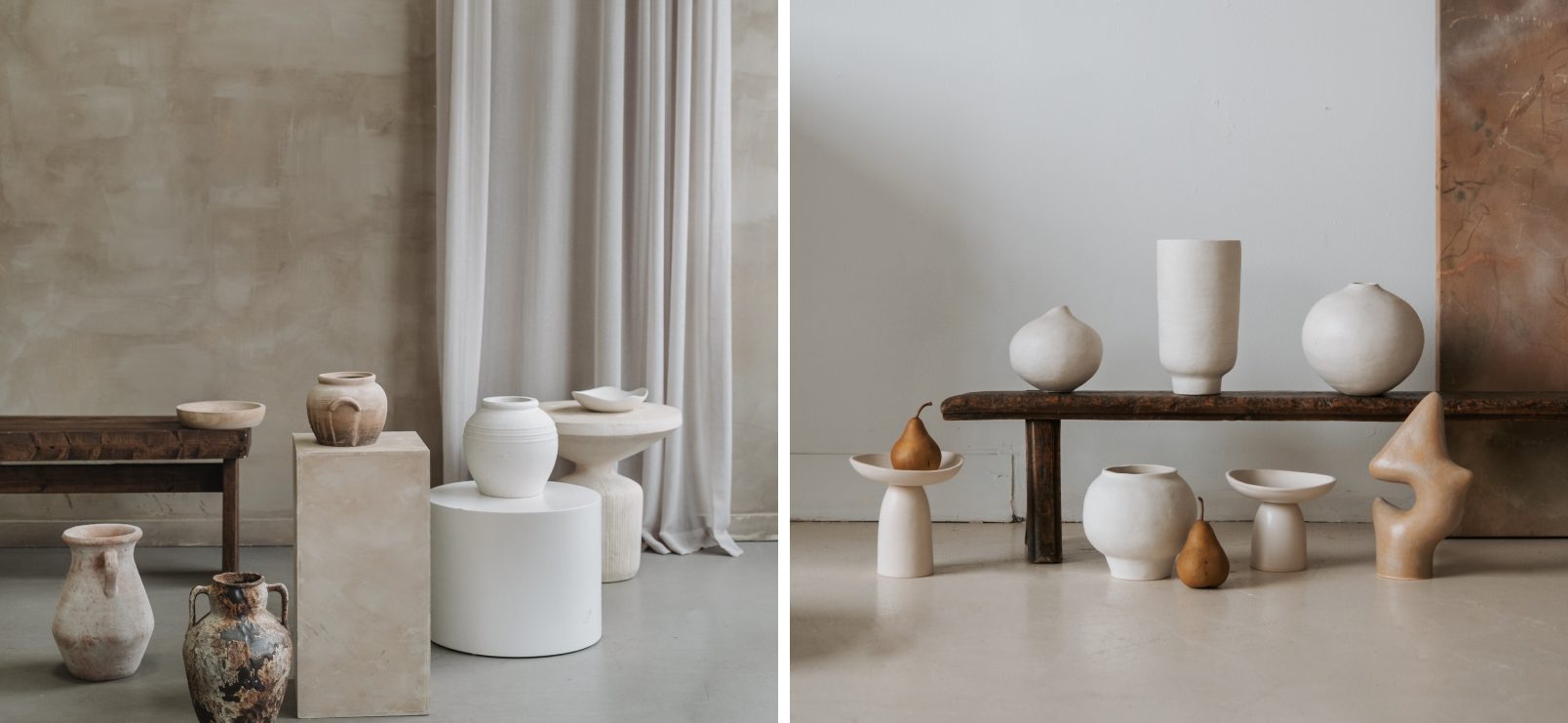
Scandinavian Aesthetics
Art Deco
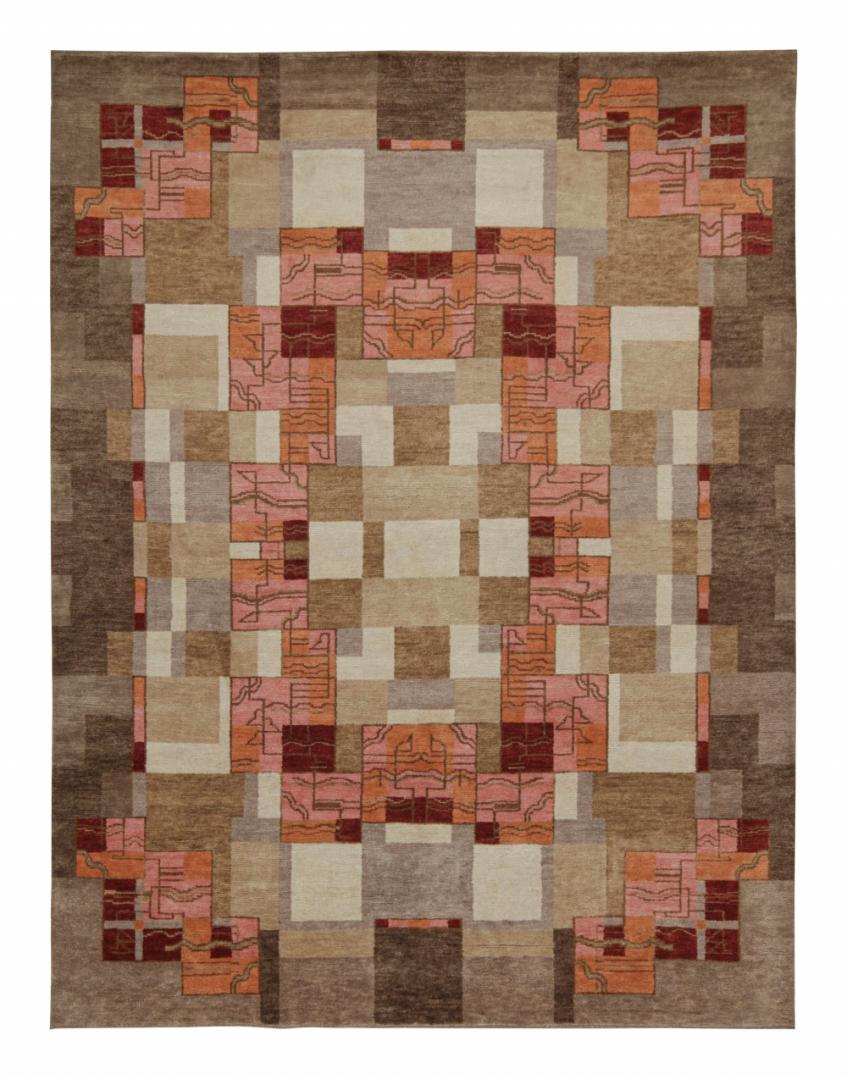
The Art Deco movement, a prominent artistic style that emerged in the early 20th century, exerted a substantial influence on the development of Scandinavian design. Originating in France during the 1920s, Art Deco swiftly spread across Europe, leaving an indelible mark on the design landscape of Scandinavia. Defined by its geometric shapes, vibrant colors, opulent materials, and stylized motifs inspired by modern industrial and technological progress, Art Deco significantly impacted various facets of Scandinavian design, including architecture, interior design, and decorative arts.
In Scandinavian design, the principles of Art Deco found resonance, particularly in its clean lines and geometric forms. These aligned seamlessly with the prevailing ethos of Scandinavian design, which prioritized simplicity, functionality, and expert craftsmanship. Architects and designers in the region embraced the elegance of Art Deco, skillfully integrating its elements into their work while harmonizing them with their own distinctive regional influences. This amalgamation resulted in a unique and sophisticated blend that enriched the evolving landscape of Scandinavian design.
Read more about our profile on Art Deco rugs – https://rugandkilim.com/blogs/a-beginners-guide-to-art-deco-rugs/
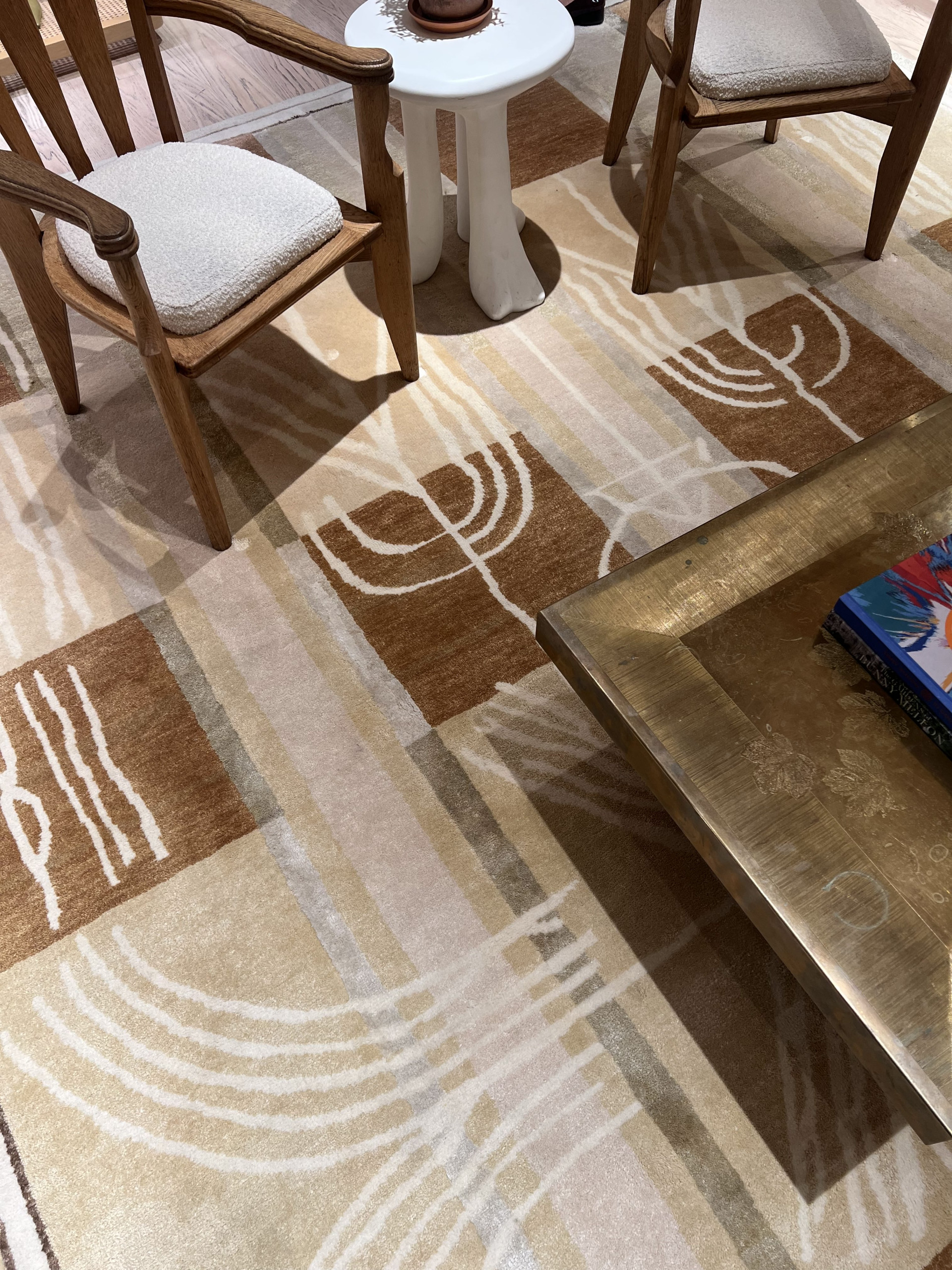
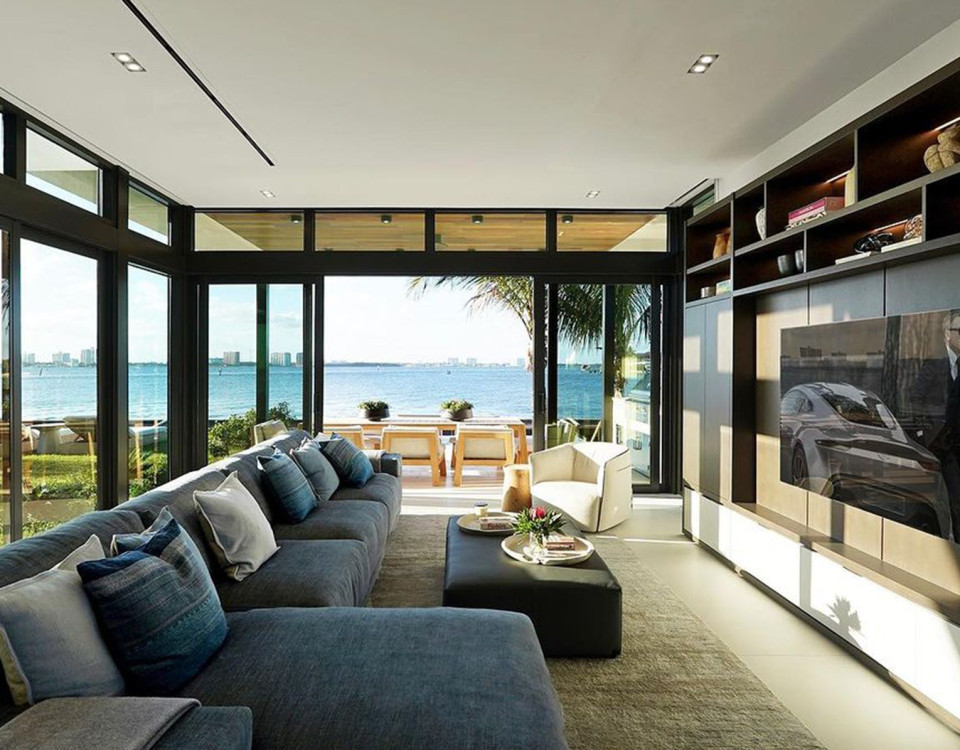
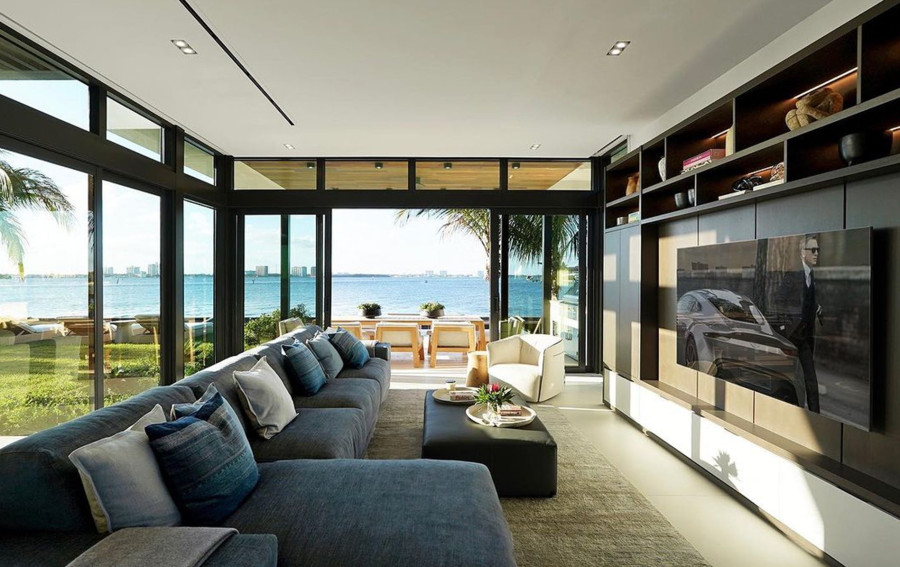
Tory Burch Flagship (Mercer) x Rug & Kilim
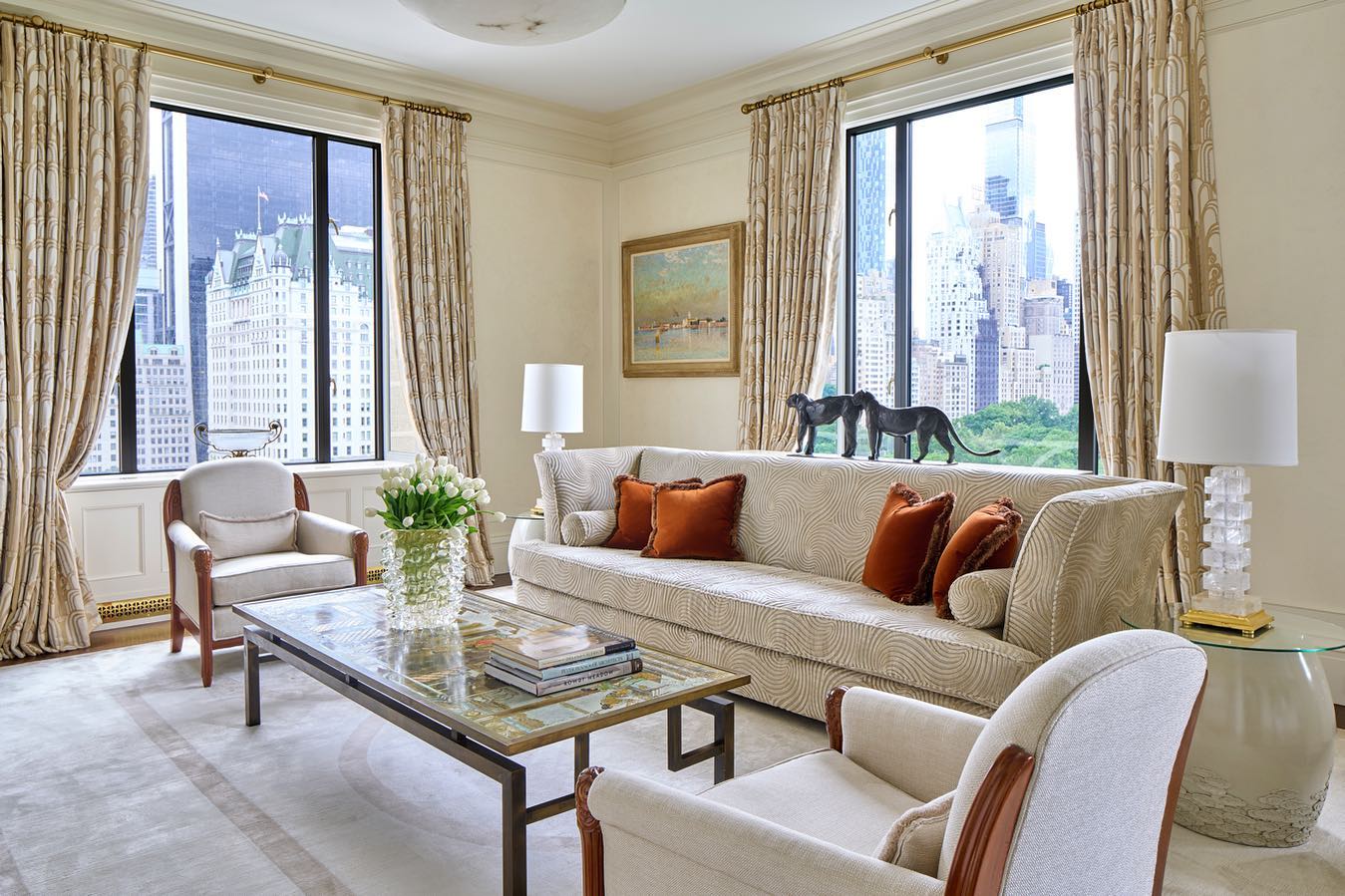
Venfield Inc. x Rug & Kilim
Jugendstil
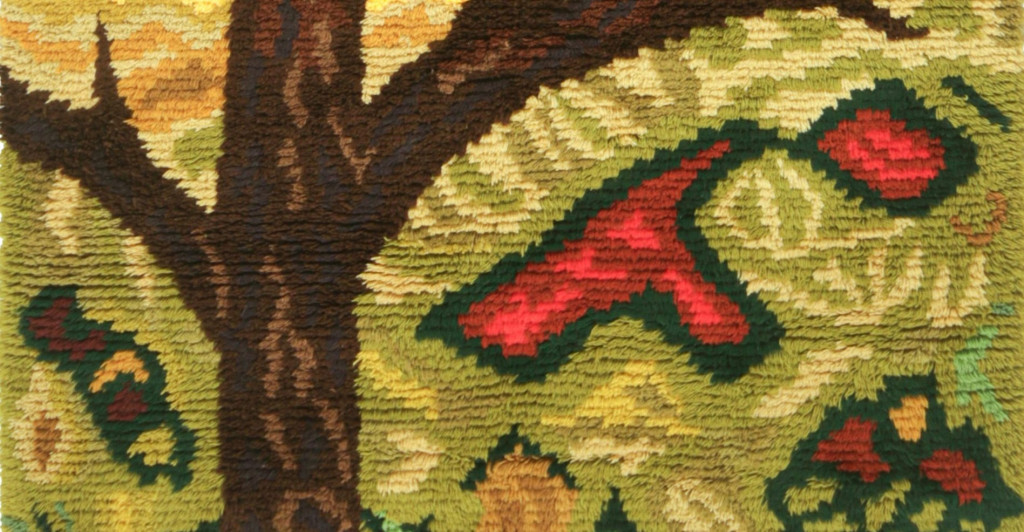
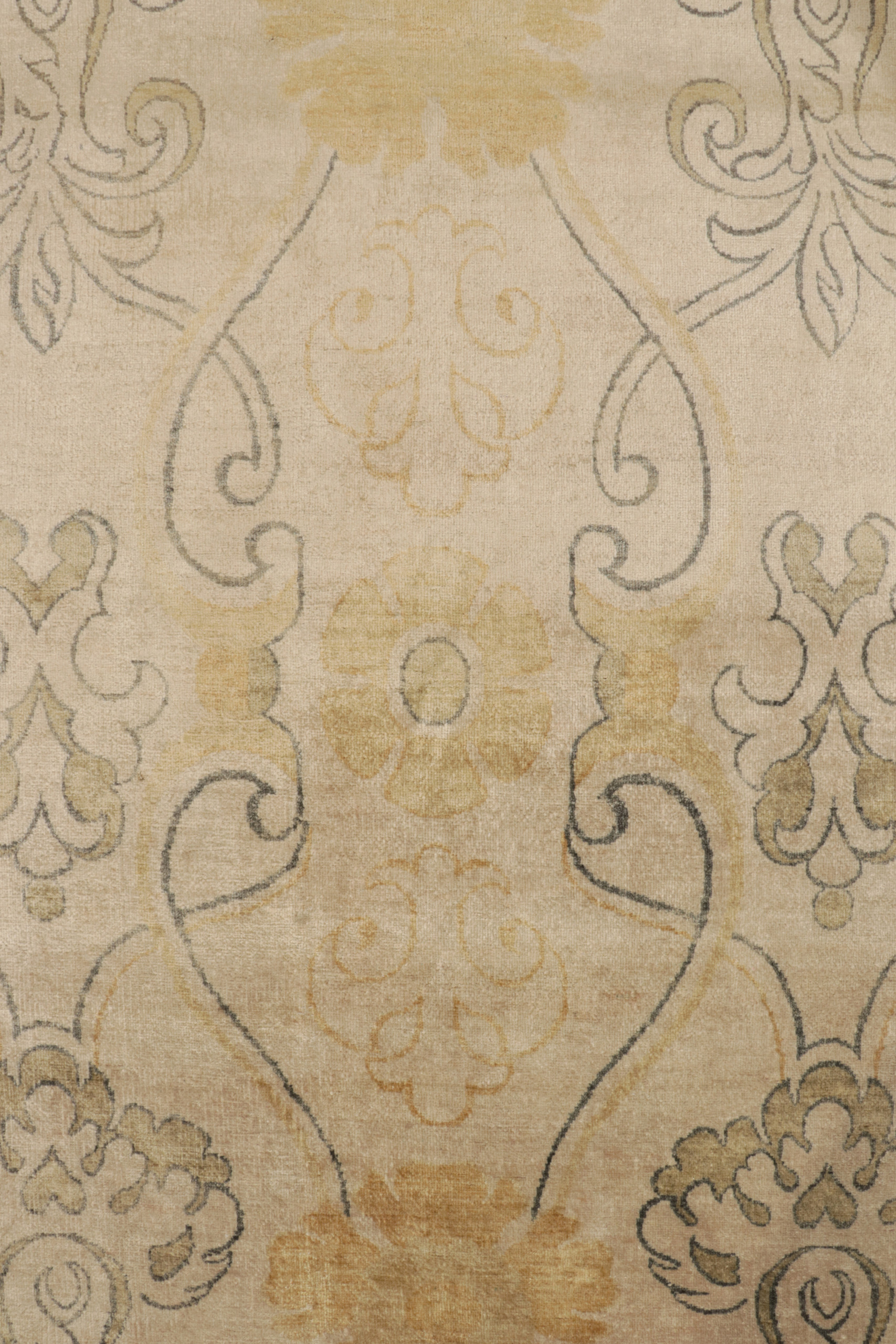
Jugendstil, also recognized as Art Nouveau, emerged as an artistic movement in the late 19th century, primarily originating in Germany and Austria. Distinguished by its organic forms, flowing lines, and intricate decorative elements inspired by nature, Jugendstil aimed to seamlessly integrate art into everyday life, prioritizing craftsmanship and the utilization of natural materials. In the early 20th century, Jugendstil exerted a notable influence on Scandinavian design, giving rise to a distinctive Scandinavian variant and the establishment of the magazine “Skønvirke.”
Skønvirke, born out of this influence, skillfully blended Jugendstil’s organic aesthetic with the traditional craftsmanship and simplicity inherent in Scandinavian design. This synthesis resulted in a unique Scandinavian interpretation of Art Nouveau, characterized by the incorporation of natural motifs, graceful curves, and meticulous attention to detail. The marriage of Jugendstil’s inspiration from nature with the Scandinavian commitment to craftsmanship enriched the design landscape, contributing to the evolution of a nuanced and captivating Scandinavian variant of Art Nouveau.
Diverging from the prevalent Mid-Century modern style across the Atlantic, Scandinavian design exhibits regional distinctions through the incorporation of local materials and a pronounced focus on the natural environment. While maintaining the principles of affordability and sleek aesthetics, Scandinavian design sets itself apart by embracing materials indigenous to the region, establishing a more intimate connection between the design and the local surroundings.
Read more about our comparative analysis of Art Deco and Art Nouveau Movements here – https://rugandkilim.com/blogs/art-deco-and-art-nouveau-movements-a-comparative-analysis/
In contrast to the mass-produced materials like plexiglass and metal commonly associated with Mid-Century modernism, Scandinavian designers deliberately choose materials that reflect the innate beauty of their environment, notably wood and stone. This intentional selection seeks to evoke authenticity and a harmonious integration with nature. The climatic conditions, characterized by long and cold winters, exert a significant influence on the design aesthetic in Scandinavia. In response to the need for warmth and coziness during these rigorous seasons, designers began infusing brighter colors into their creations. This strategic use of vibrant hues serves to counterbalance the external environment and instill a sense of interior warmth.
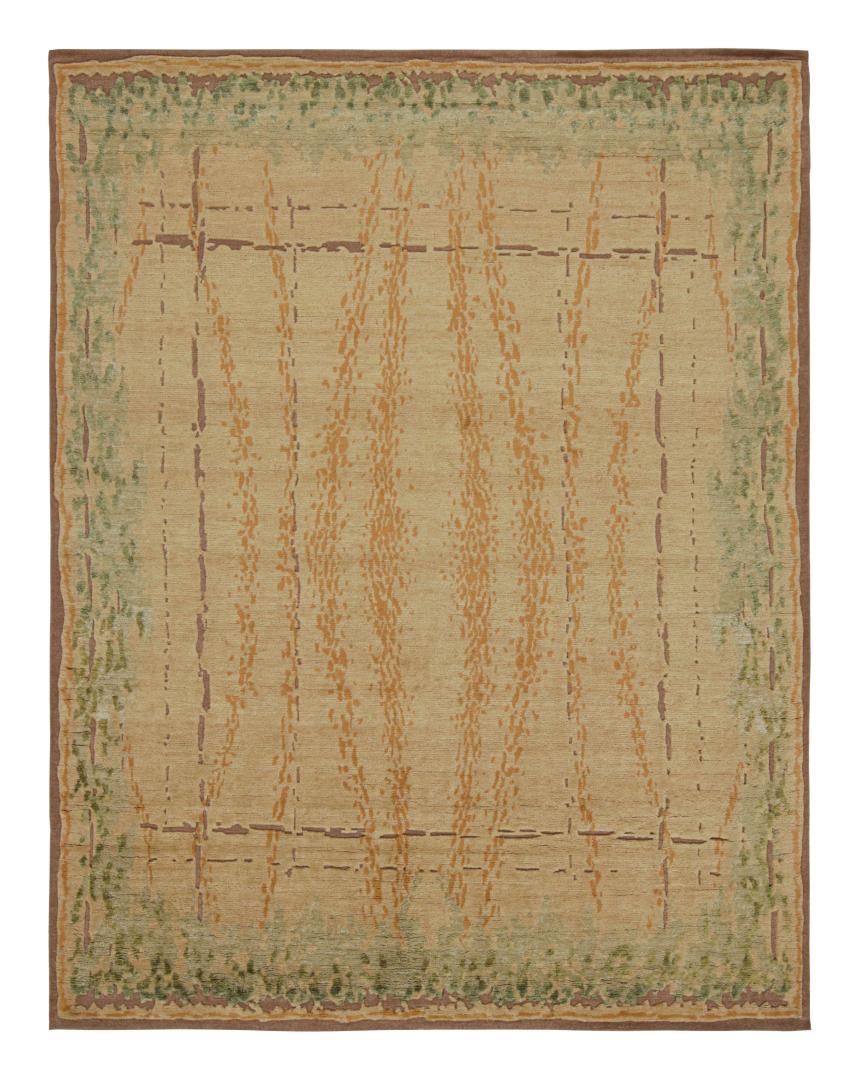
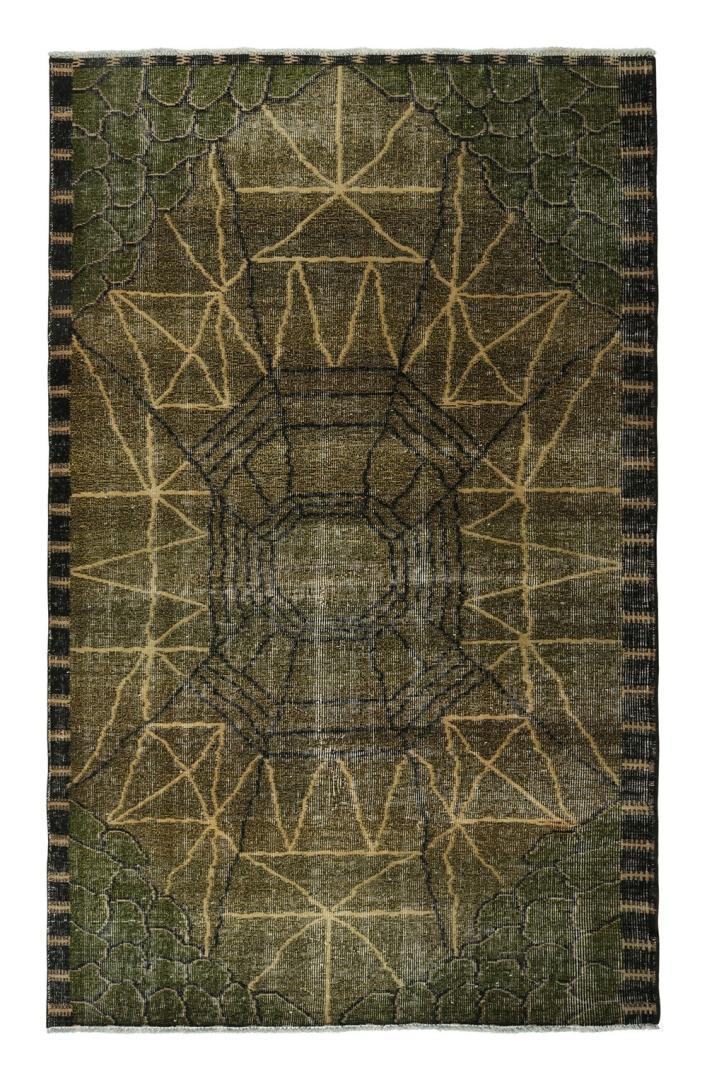
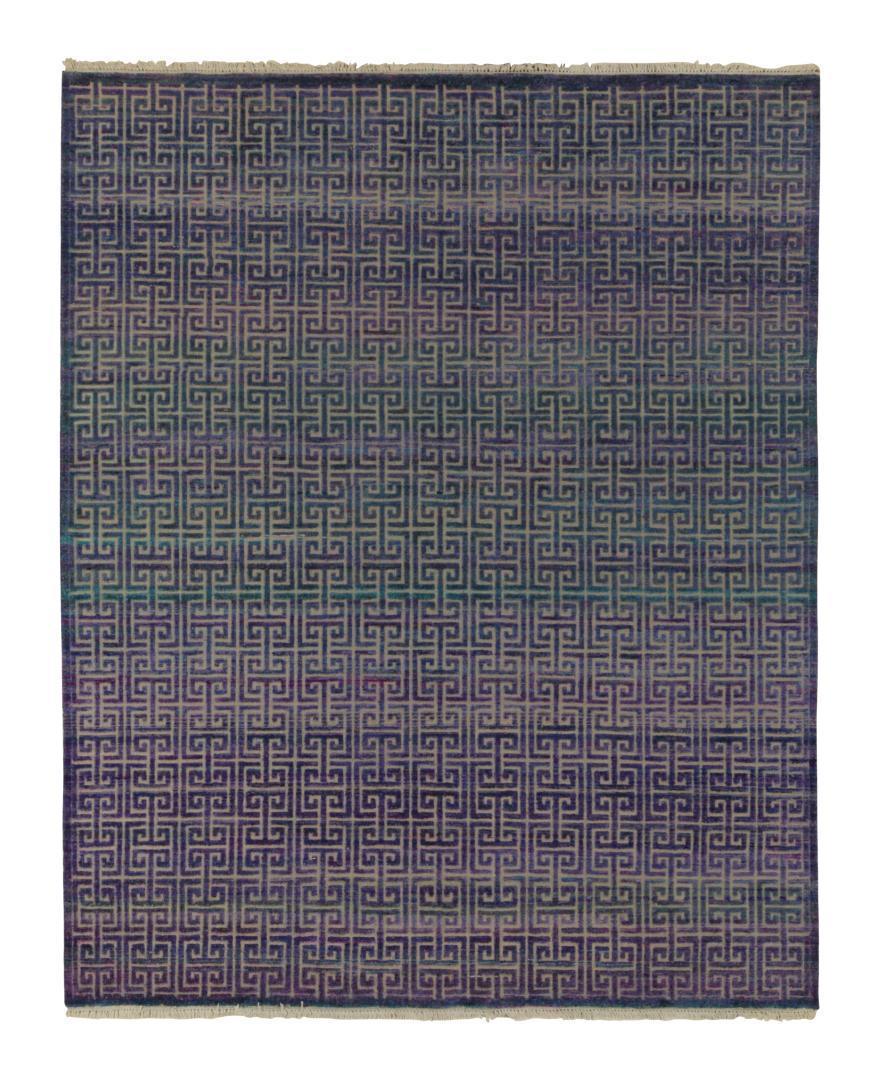
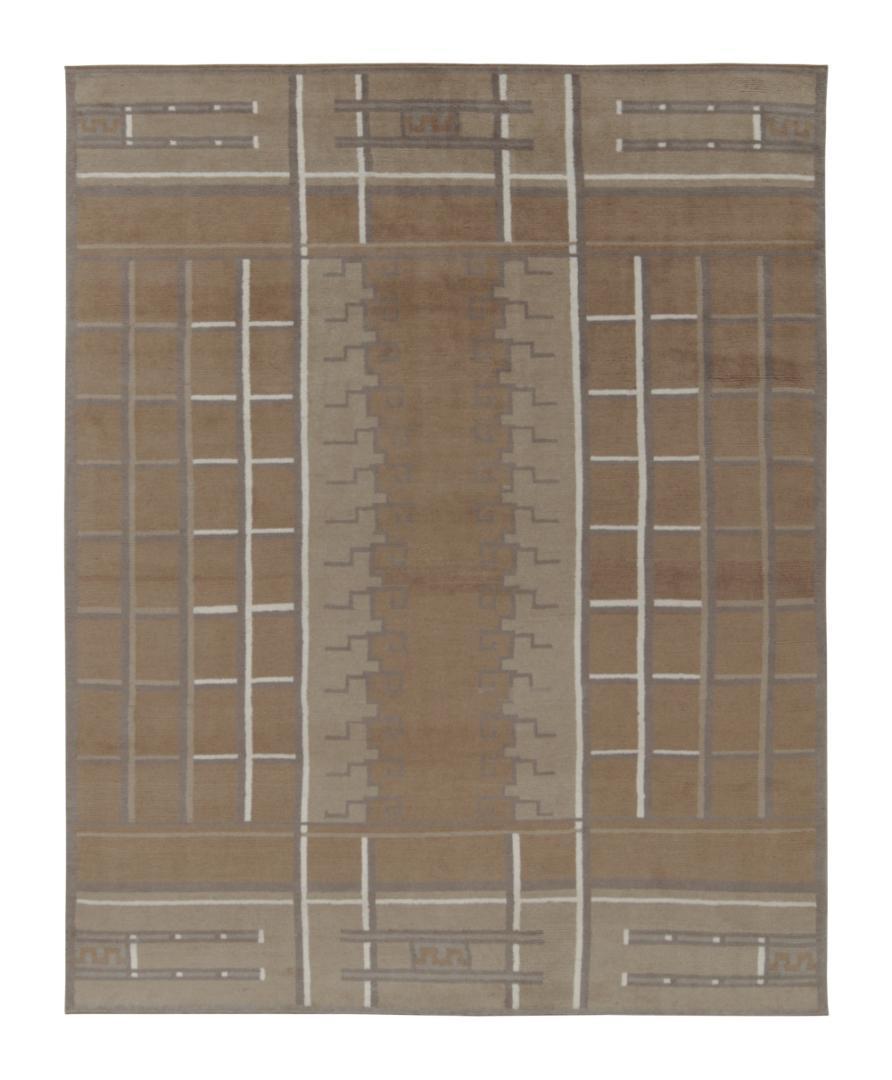
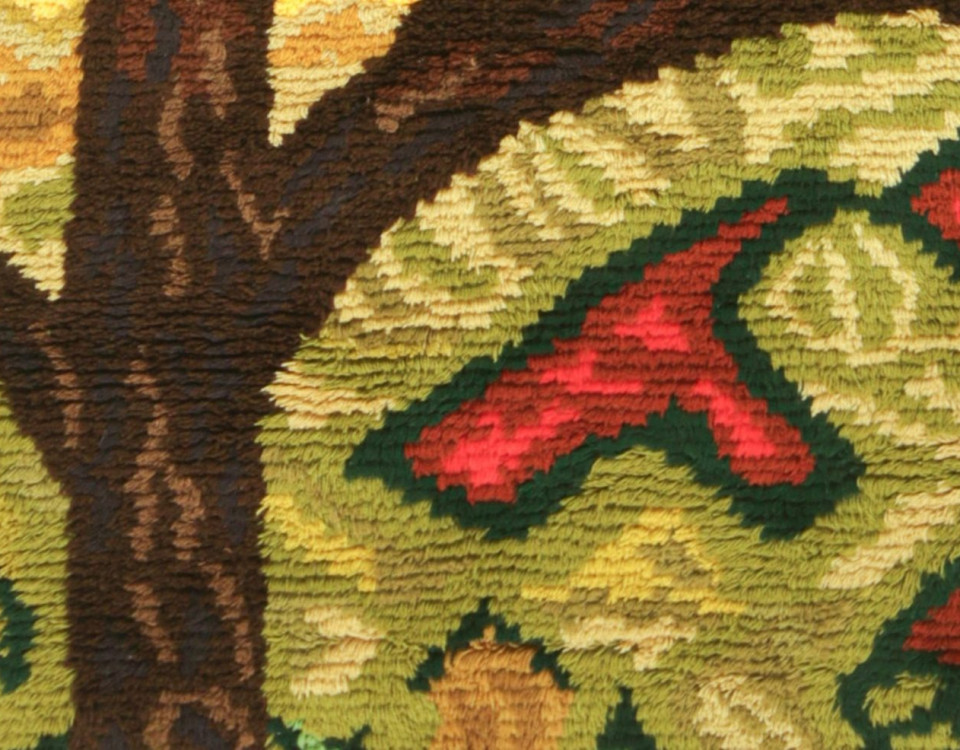
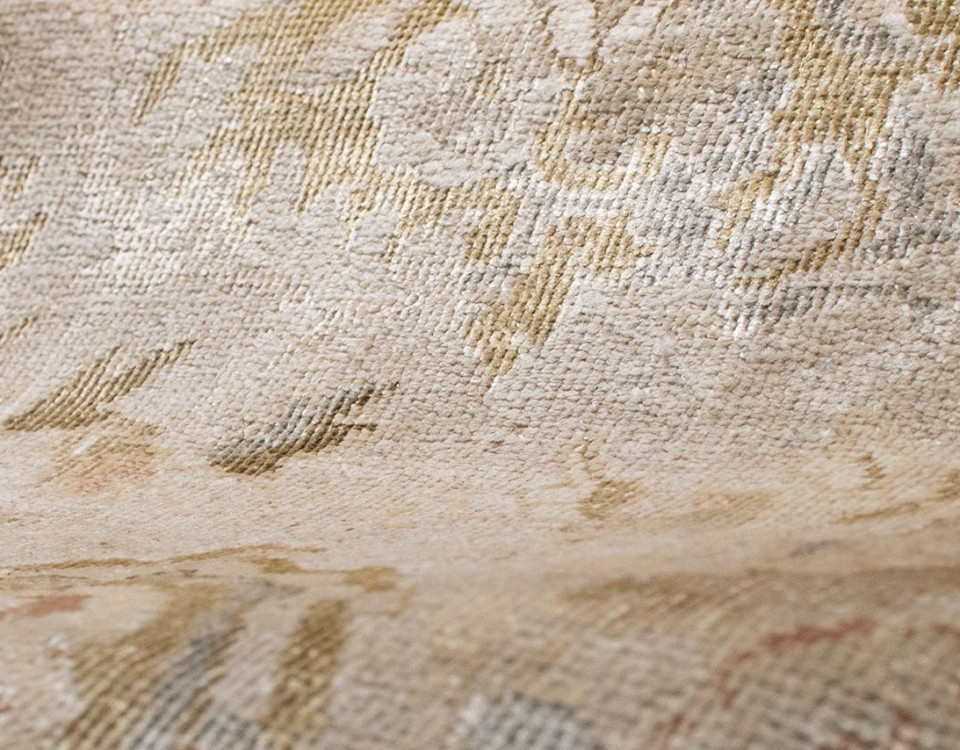
Rug & Kilim’s Scandinavian collection represents more than an iconic style, but a contribution to that style to revive and celebrate its founders. Our technique in handweaving Scandinavian rugs and Kilims deliberately and thoughtfully honors its founders—namely the women weavers, artisans, and pioneers of the movement—both in preserving the soul of this style and innovating it for the high-end designer rug market today.