
A Guide to Japonisme Design Movement
April 4, 2024
Japandi Style: The East-Meets-West Design as a Fusion of Scandinavian and Japanese Sensibilities
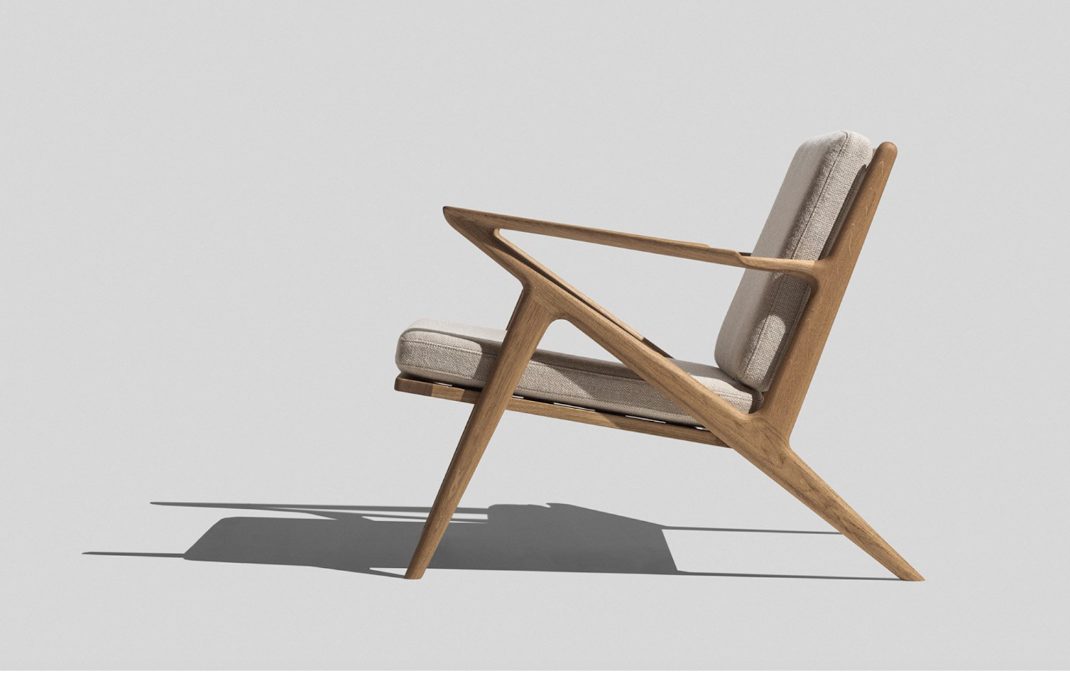
April 5, 2024Danish Modern, or Scandinavian Modern, constitutes a design movement that surfaced in the mid-20th century, notably flourishing during the 1940s to the 1960s. Originating in Denmark, it swiftly garnered global acclaim for its pioneering and minimalist take on furniture and interior design. Danish Modern exerted substantial influence in shaping the overarching mid-century modern design movement. The early 20th century marked a period of significant upheaval, and the Danish modern movement emerged not merely as an artistic response to these changes but as a manifestation of the country’s ethos—characterized by simplicity, functionality, and a harmonious connection with nature.
Danish Modernia
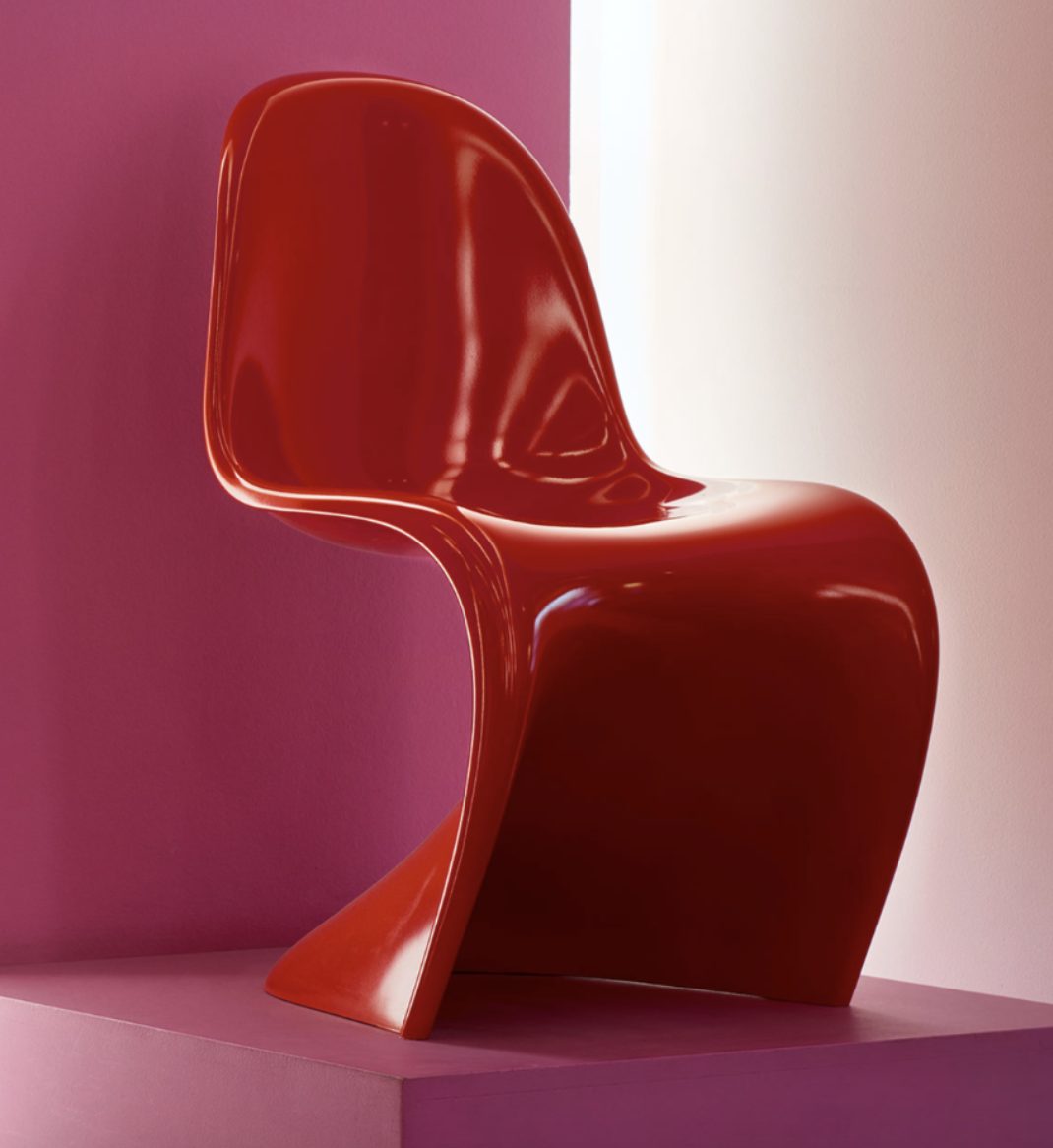
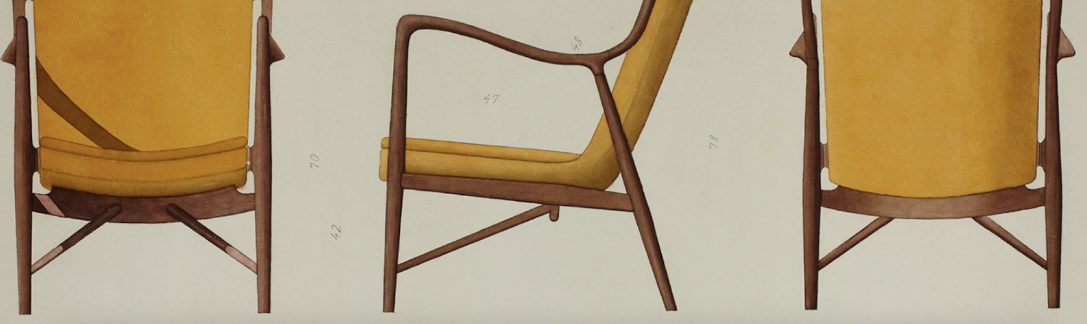
The Danish modern movement owes much of its success and global impact to designers who served as its torchbearers, imprinting their innovative designs and forward-thinking approach into the annals of design history. Arne Jacobsen, known for the iconic egg chair, and Hans J. Wegner, a master of chair design exemplified by the Wishbone Chair, played pivotal roles. Finn Juhl, with his organic and sculptural forms, redefined aesthetic norms with pieces like the Poet Sofa. Børge Mogensen‘s emphasis on simplicity and practicality is evident in designs like the Spanish Chair. Verner Panton introduced vibrancy with the S-shaped Panton Chair. Grete Jalk, a trailblazer in furniture design, created the intricate GJ Chair. Poul Kjærholm blended steel and natural materials seamlessly in designs like the PK22 chair. Ole Wanscher, drawing on classical craftsmanship, crafted the refined Colonial Chair. Erik Ole Jørgensen‘s sofas and lounge chairs achieved a harmonious blend of comfort and aesthetic appeal. Nanna Ditzel, known for versatile designs, co-created the iconic Hanging Egg Chair with her husband Jørgen. Each of these figures left an indelible mark, defining the Danish modern movement and shaping the trajectory of mid-century modern design.
The current surge in minimalist design, characterized by decluttered spaces and a focus on essential elements, owes much to the Danish modern ethos. The movement’s emphasis on simplicity and functionality has become a cornerstone for many modern homes, setting the stage for the minimalist trend. In an era increasingly embracing sustainable choices, the Danish modern movement’s focus on natural, durable materials and timeless designs aligns seamlessly with contemporary eco-friendly trends.
Danish Modernia
Danish Modernia
Contemporary designers, drawing inspiration from Danish modern principles, are innovating and adapting. Whether incorporating new materials or integrating technology, the core philosophy remains intact, ensuring its relevance in today’s dynamic design landscape. Beyond material choices, the very aesthetics of Danish modern design—minimalist, functional, and free from fleeting trends—guarantee that pieces remain relevant and cherished for years, if not decades. This intentional design approach contributes to sustainability by discouraging disposable consumerism and promoting a culture of enduring appreciation.
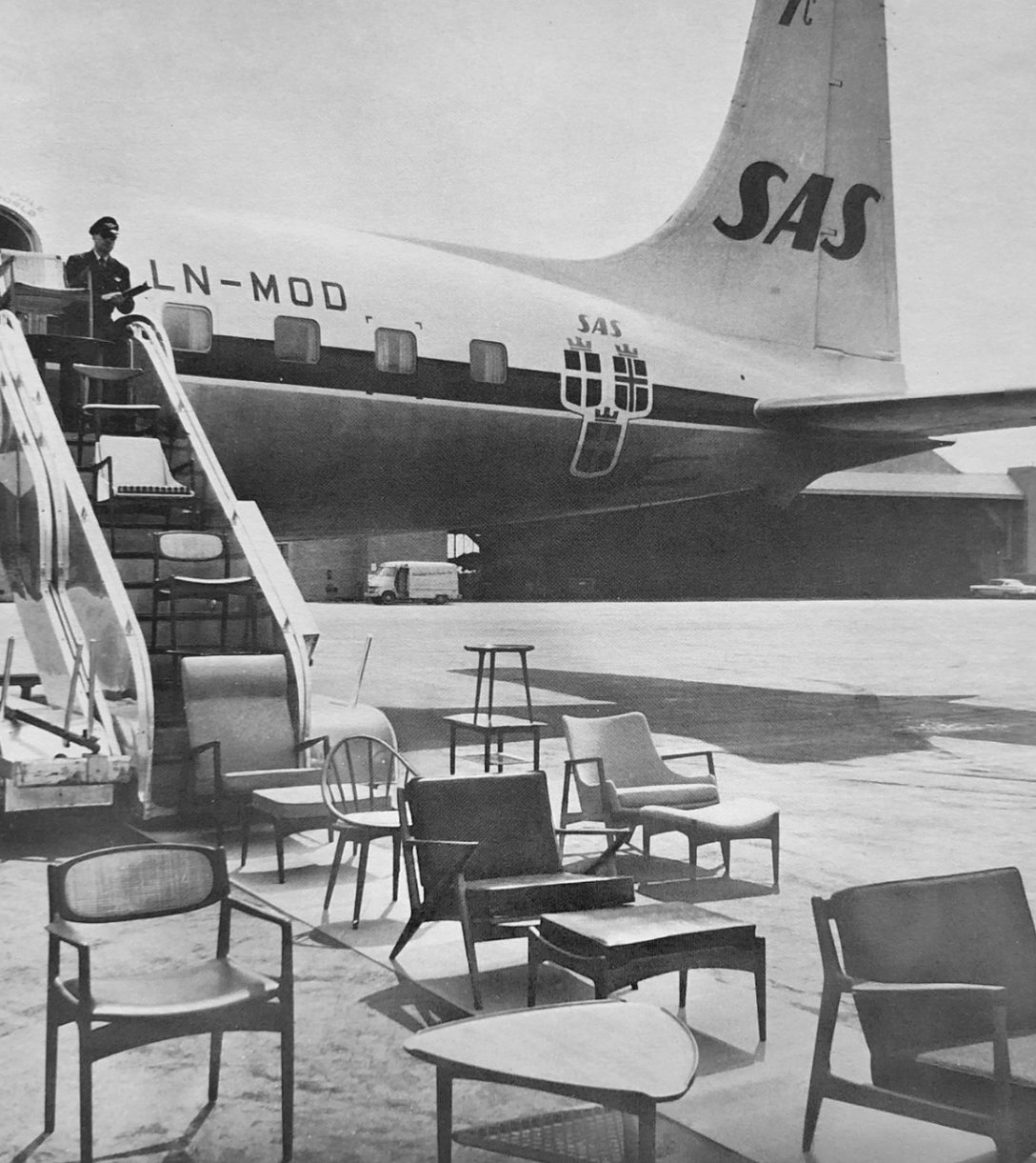
Between the two world wars, Kaare Klint wielded a profound influence on Danish furniture craftsmanship. As the head of the Furniture Department at the Architecture School of the Royal Danish Academy of Fine Arts, Klint advocated for an analytical approach among his students, urging them to adapt design to contemporary needs. Embracing the Functionalist trend that emphasized form over ornamentation, he preserved the warmth and beauty intrinsic to traditional Danish cabinet making, along with a commitment to high-quality craftsmanship and materials. In the postwar era, Danish designers and architects embraced the idea that design could enhance people’s lives. During the late 1940s, a burgeoning middle class in Denmark developed a keen interest in Danish Modern, spurring further investment in the style. The focus was on creating affordable furniture and household objects that seamlessly blended functionality with elegance. This collaborative effort united Danish craftsmanship with innovative design, initially crafted by hand but later transitioning to factory production for enhanced accessibility.
Danish Modernia
A 1980 New York Times article noted the decline of Danish modern in the United States, attributing it in part to counterculture rejecting the earnest establishment image of Scandinavian design. However, in the late 1990s, Danish modern and the broader mid-century modern movement experienced a resurgence in international interest. While the mass-produced works of designers like Wegner, Juhl, and Jacobsen remain sought after, collectors increasingly turn to limited production items. Admirers of the craft have reintroduced key designs, and others have drawn inspiration from Danish Modern for contemporary creations.
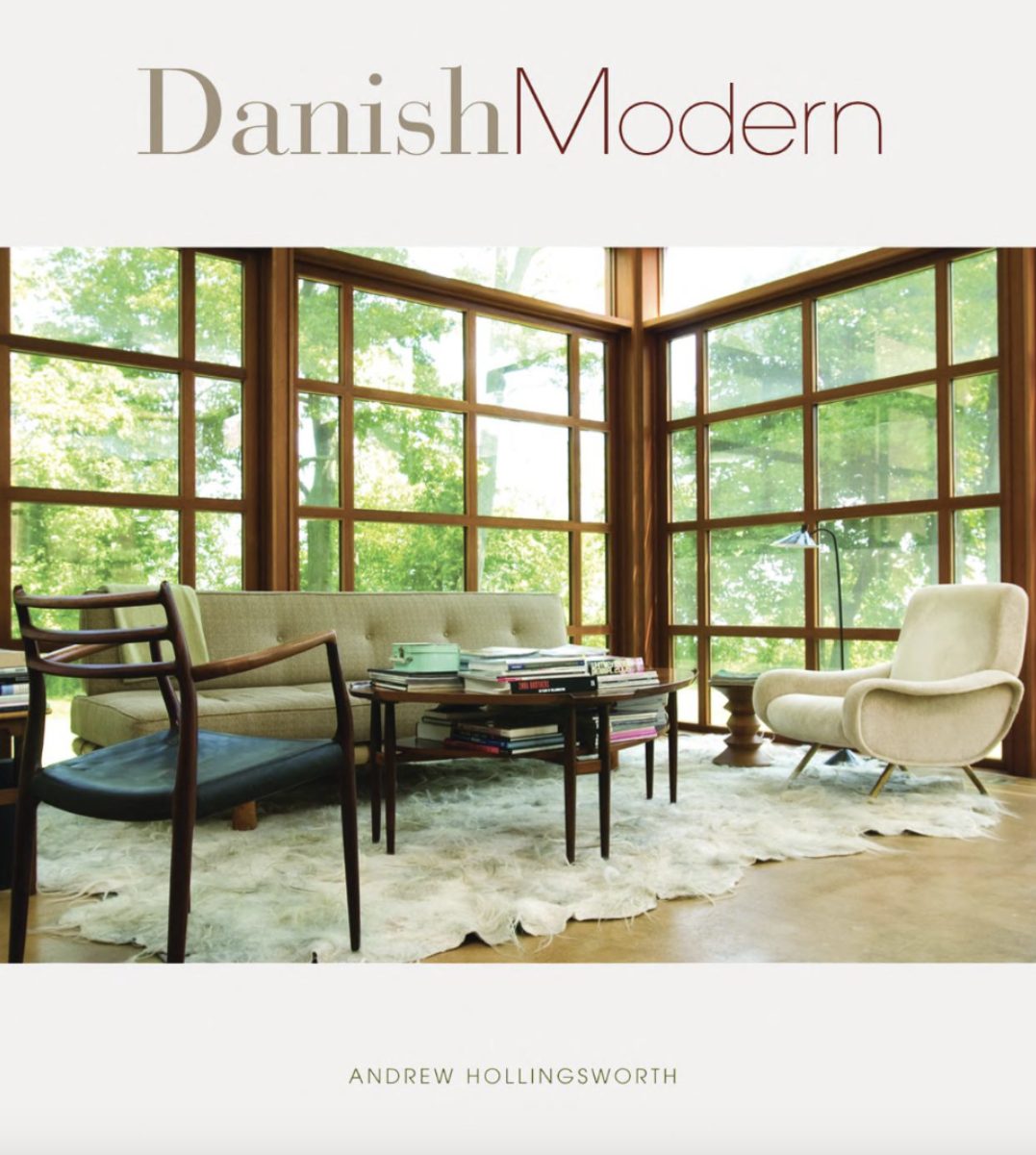
Twentieth-century Danish furniture design is characterized by its simplicity, cleanliness, and seamless compatibility with various design styles. Beyond its aesthetic appeal, Danish furniture holds intrinsic value and a rich historical background. In his book, “Modern Danish,” Andrew Hollingsworth delves into the extensive history of Danish design, tracing its roots from the cabinetmakers’ guilds in the 1770s through the challenges posed by two world wars and its subsequent evolution into the dynamic and influential design landscape of the twentieth century.
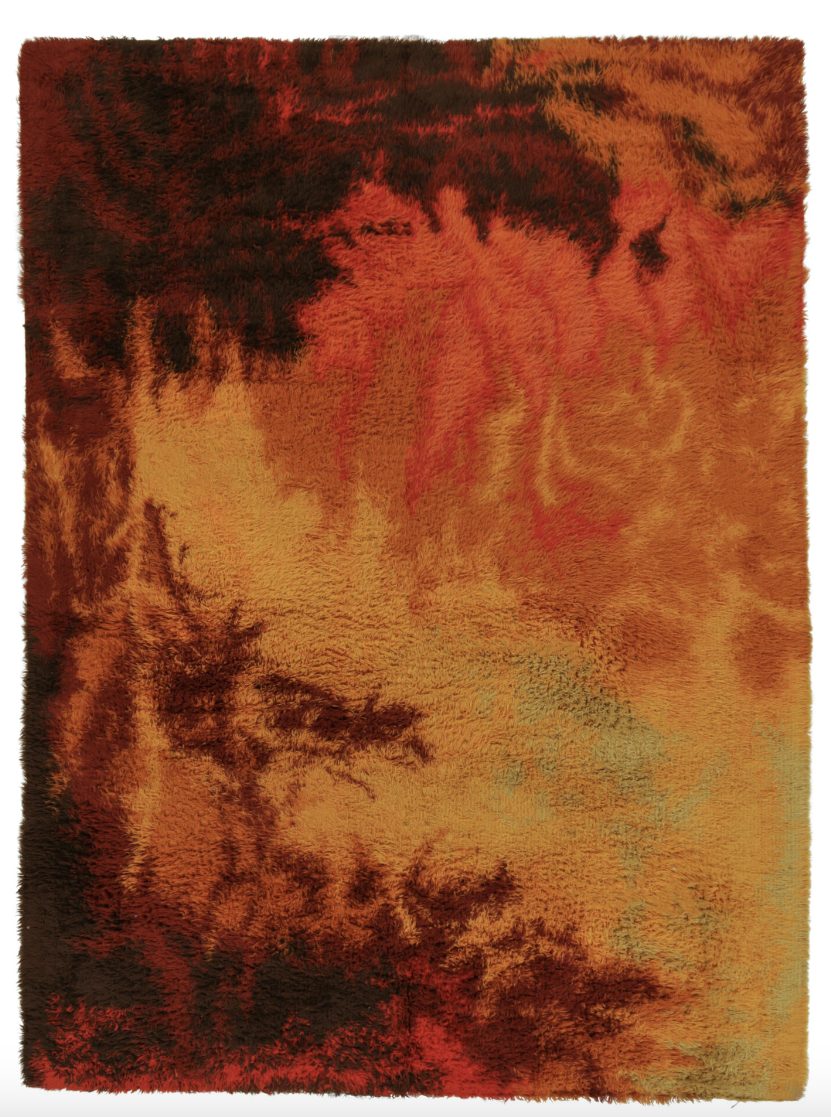
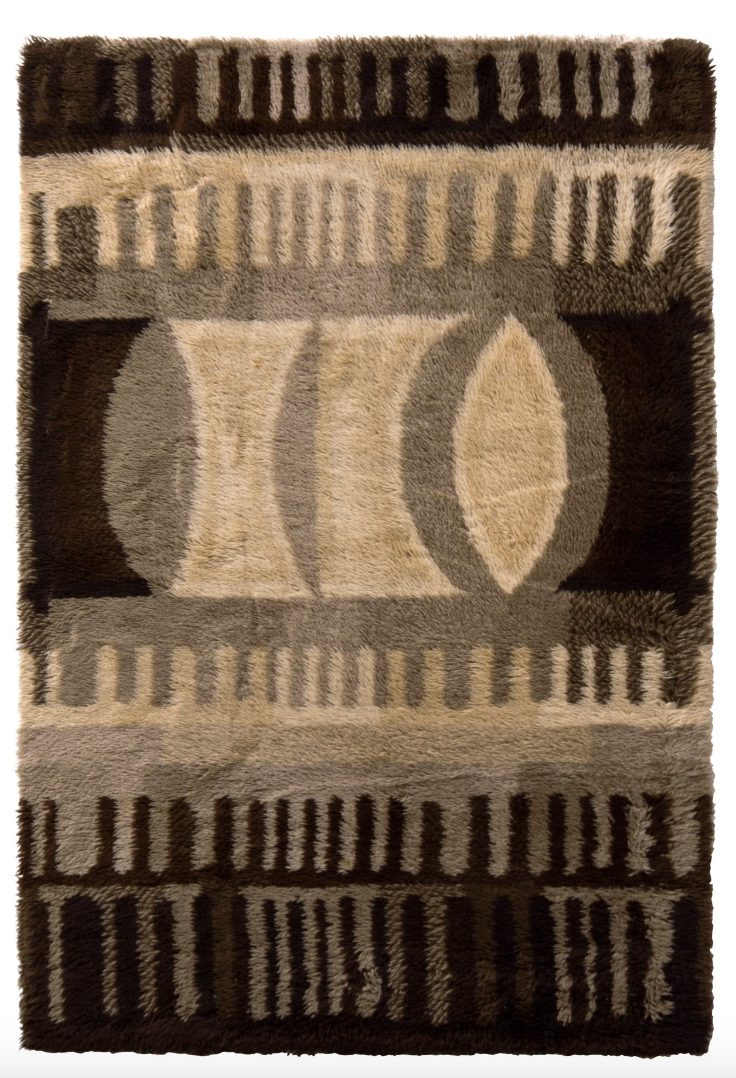
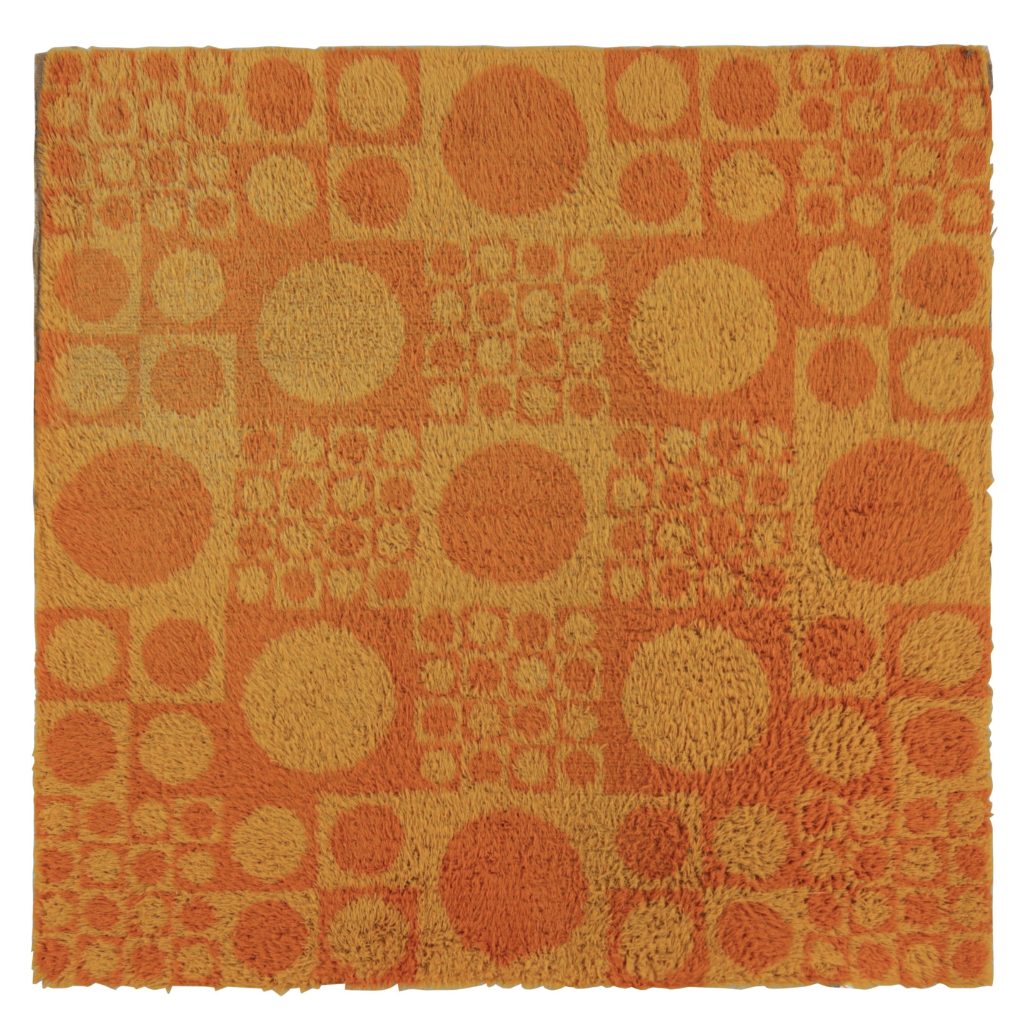
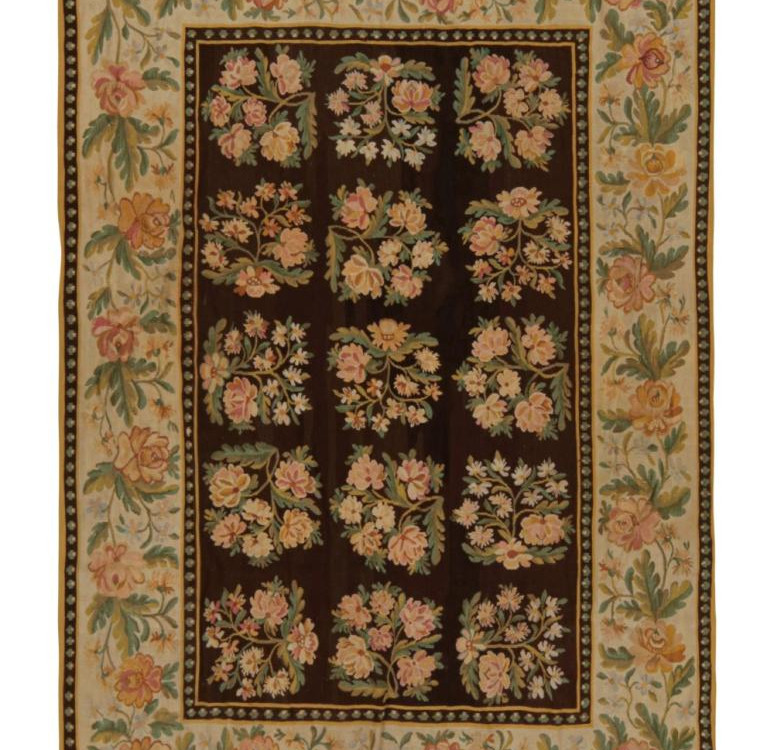
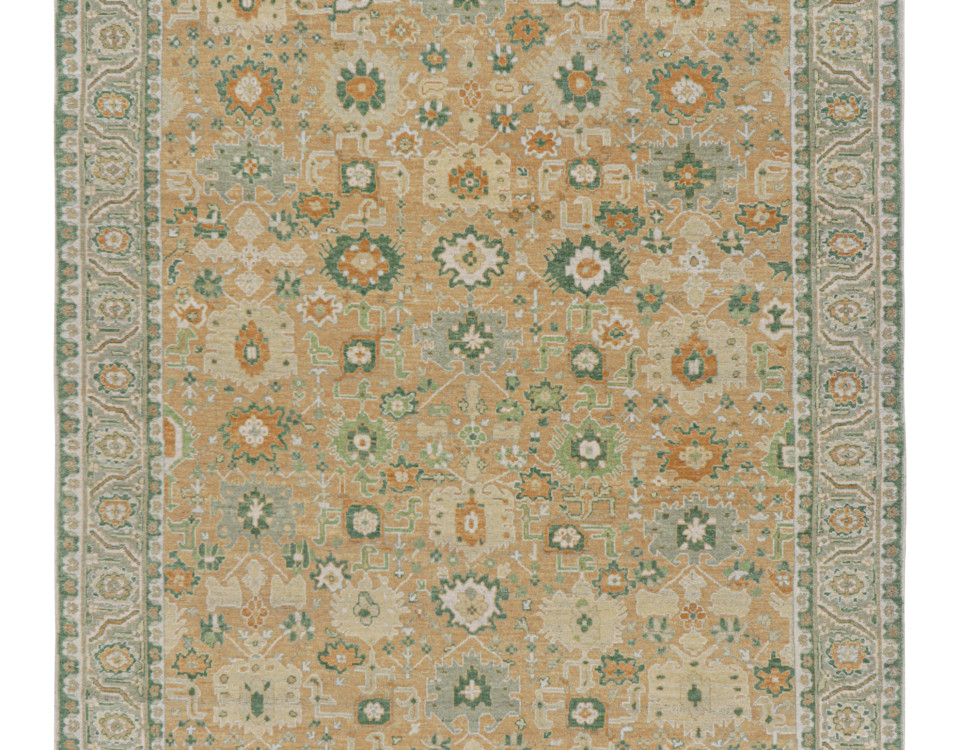
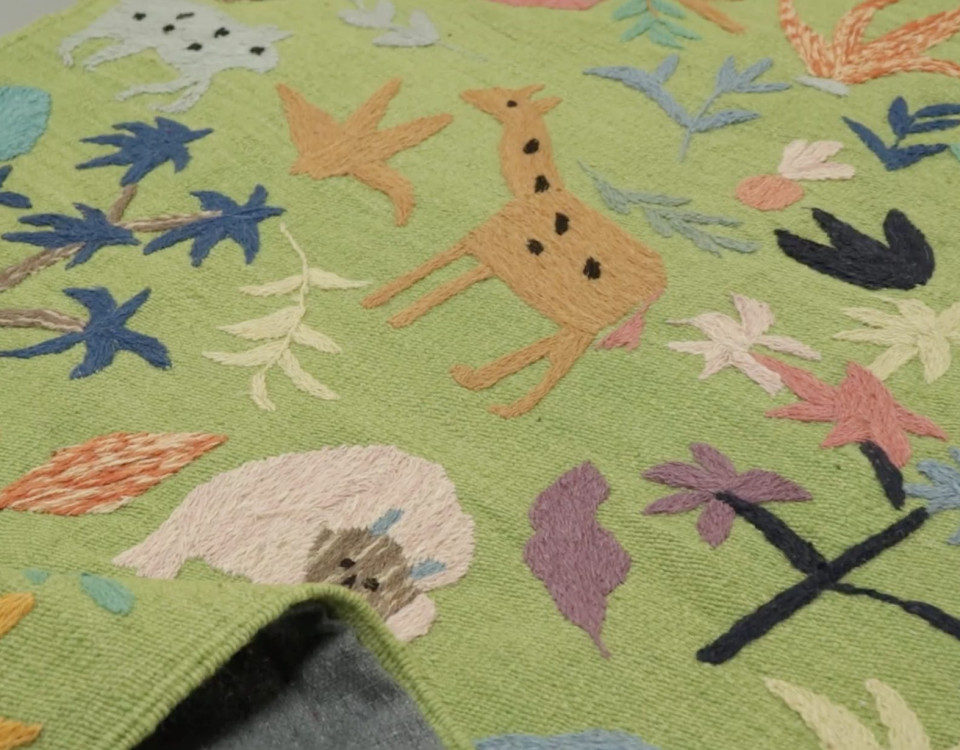
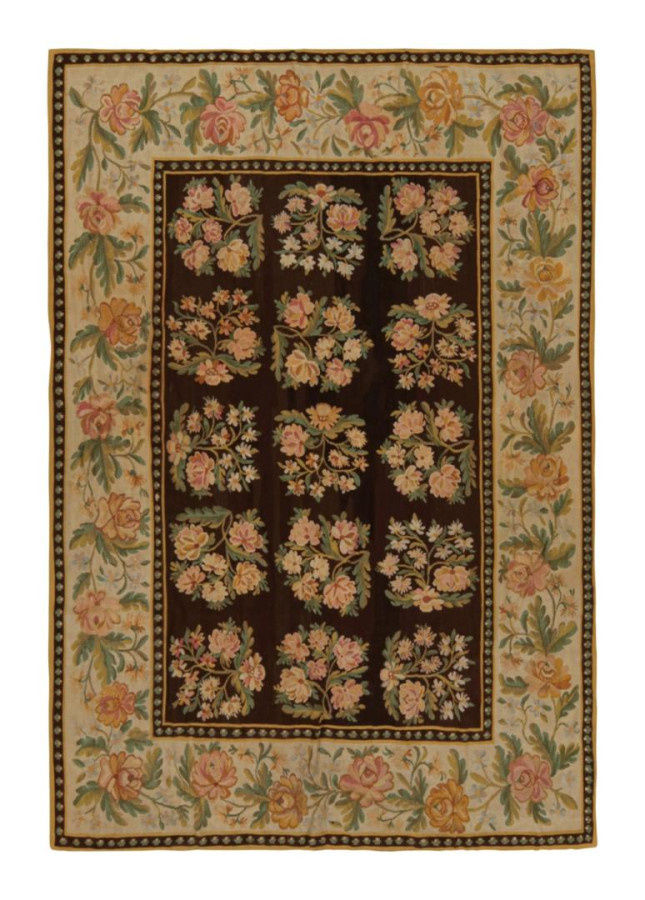
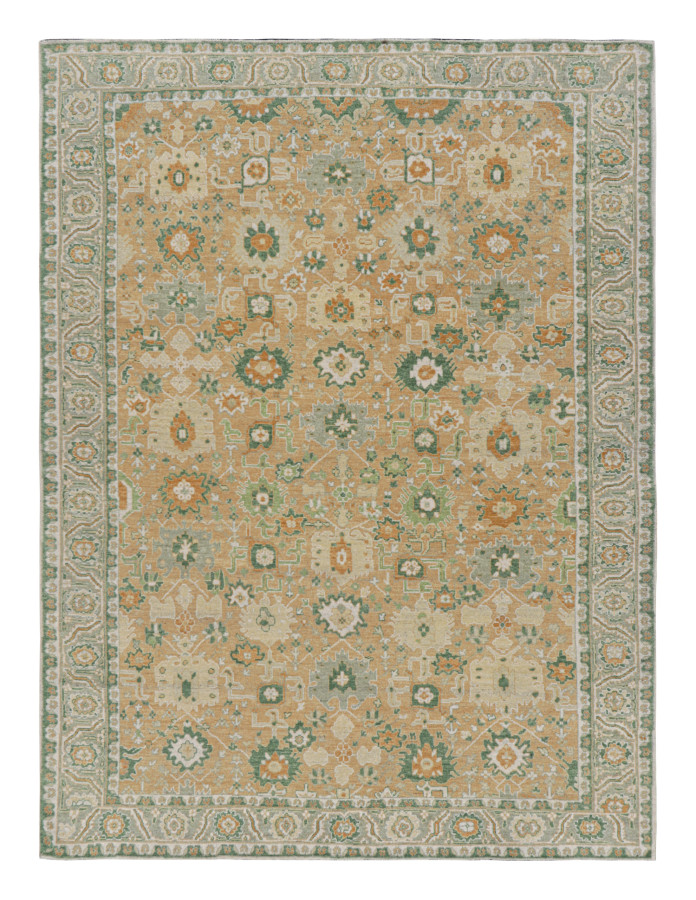
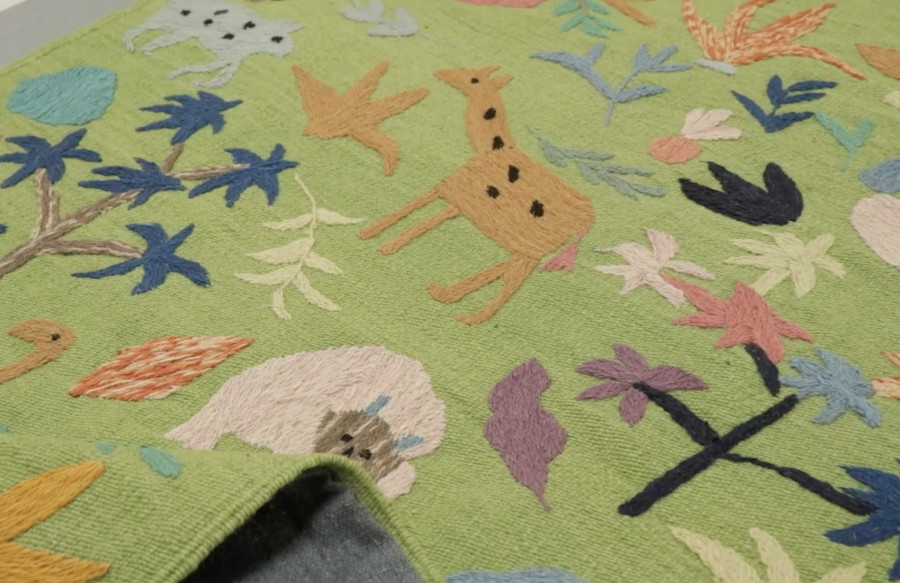
View some of Rug & Kilim’s designs as inspired by the Danish Modern Design –