
A Brief Guide to Arte Povera Art Movement of the 1960s
April 4, 2024
A Brief Overview of the Danish Modern Design Movement of the 20th-Century
April 5, 2024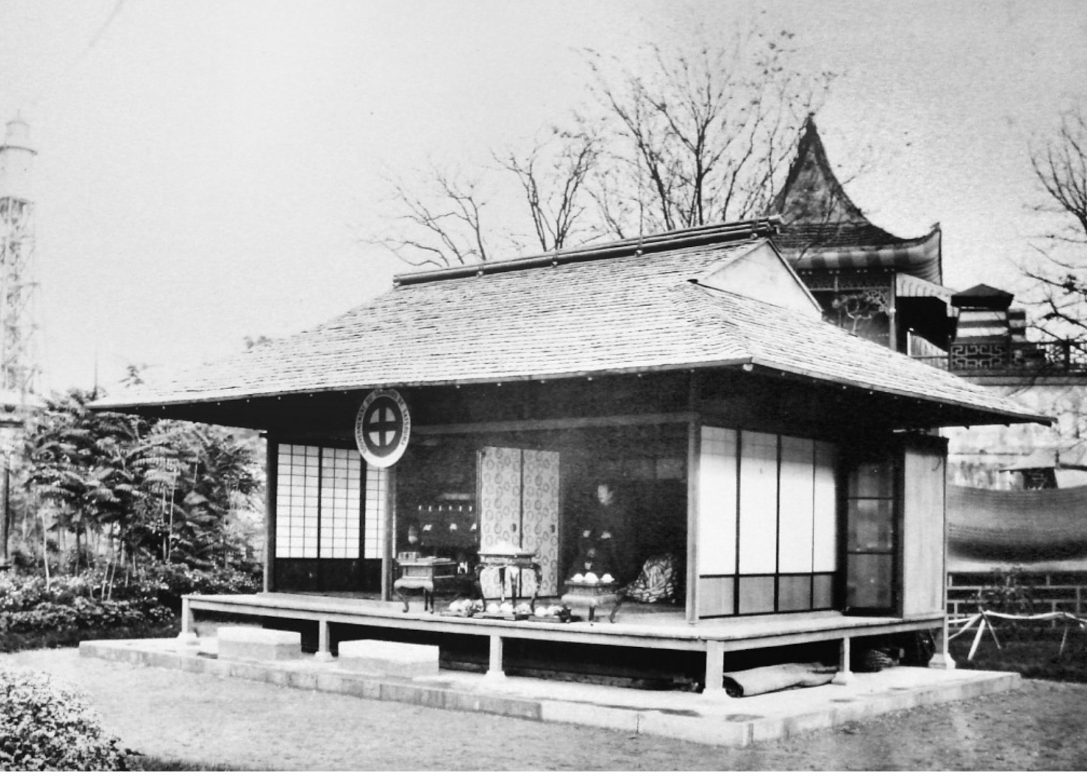
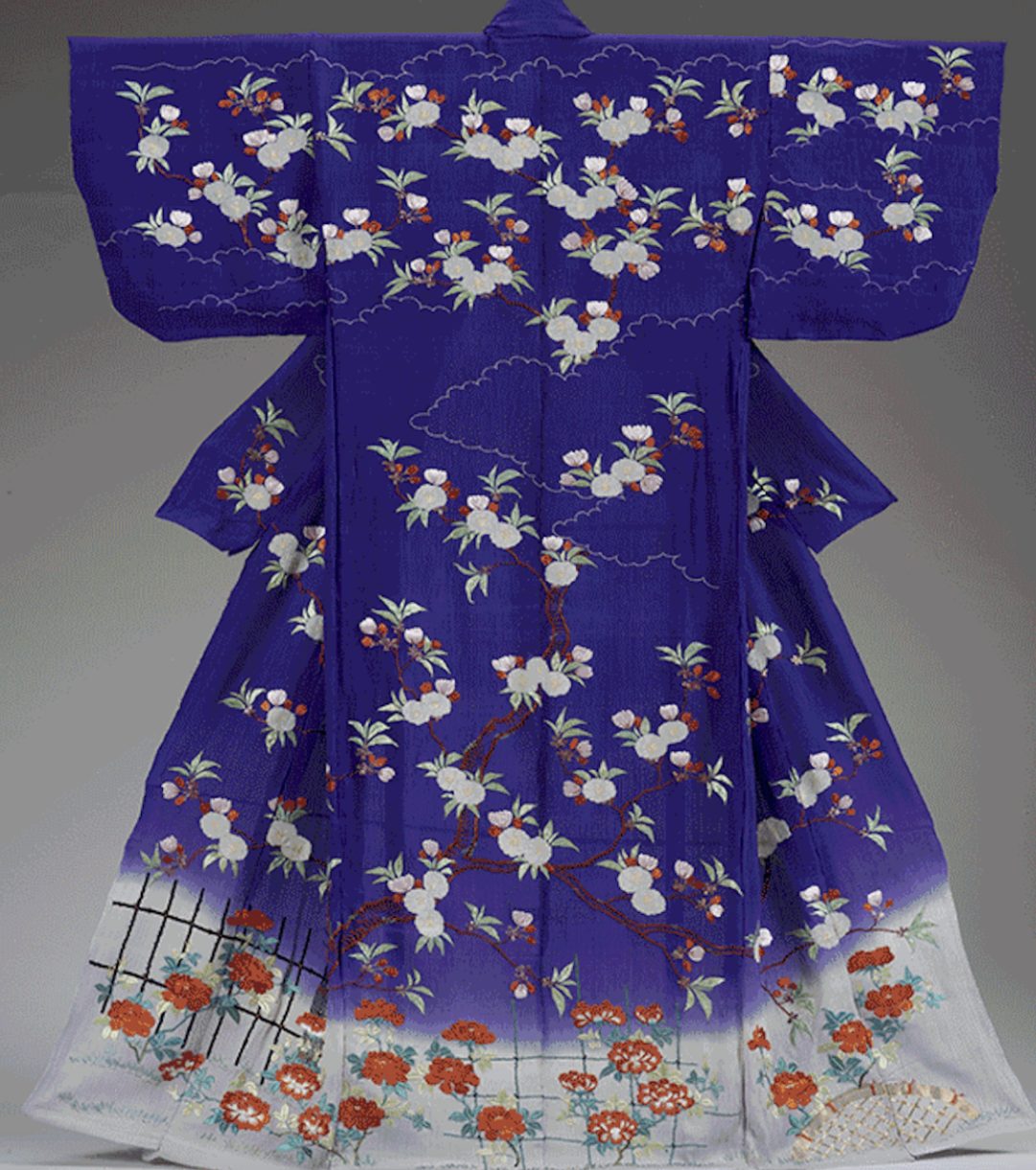
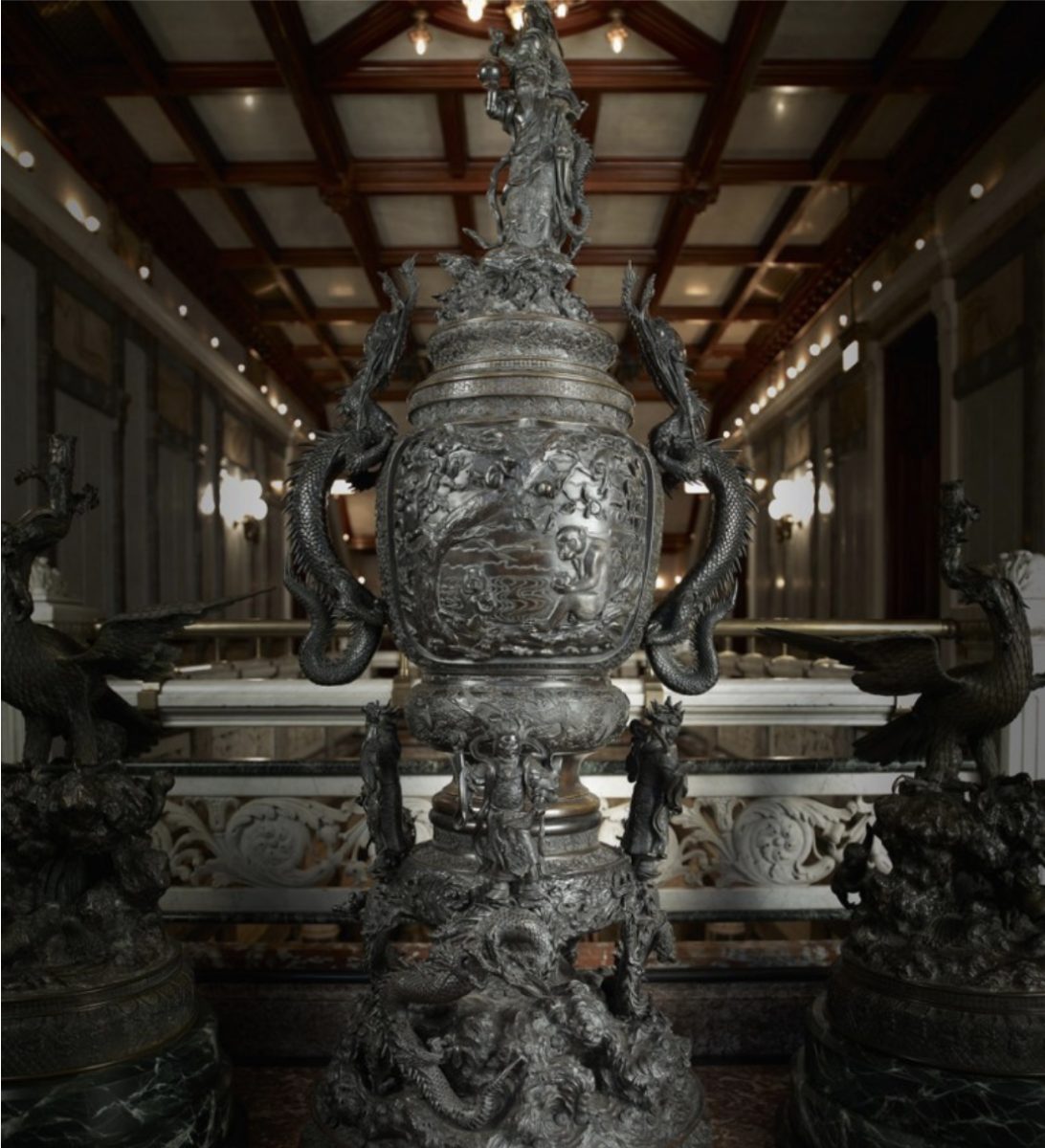
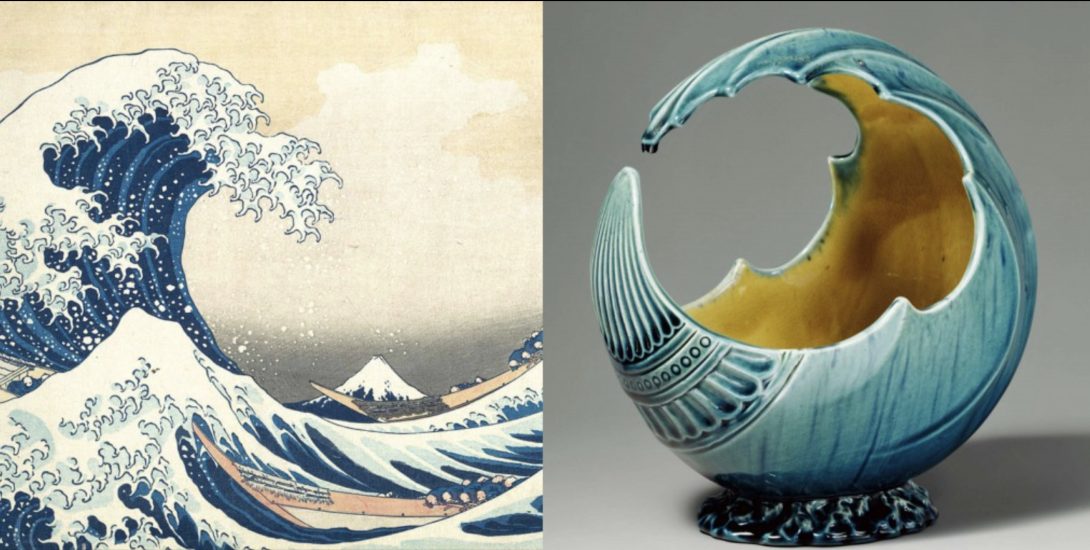
Japonisme, a term coined to capture the profound fascination with Japanese art, unfolded in the West during the 19th century after Japan reopened its ports to Western trade in 1854 following over two centuries of closure. This reopening led to a surge of Japanese art and crafts into Western society, leaving an indelible mark on art and design. The distinctive features of Japanese art, characterized by flat planes, bold colors, and dramatic stylization, served as a profound inspiration across various artistic movements, including Impressionism, Art Nouveau, and the Aesthetic Movement. Artists like Paul Ranson, Claude Monet, and Edgar Degas were notably influenced.
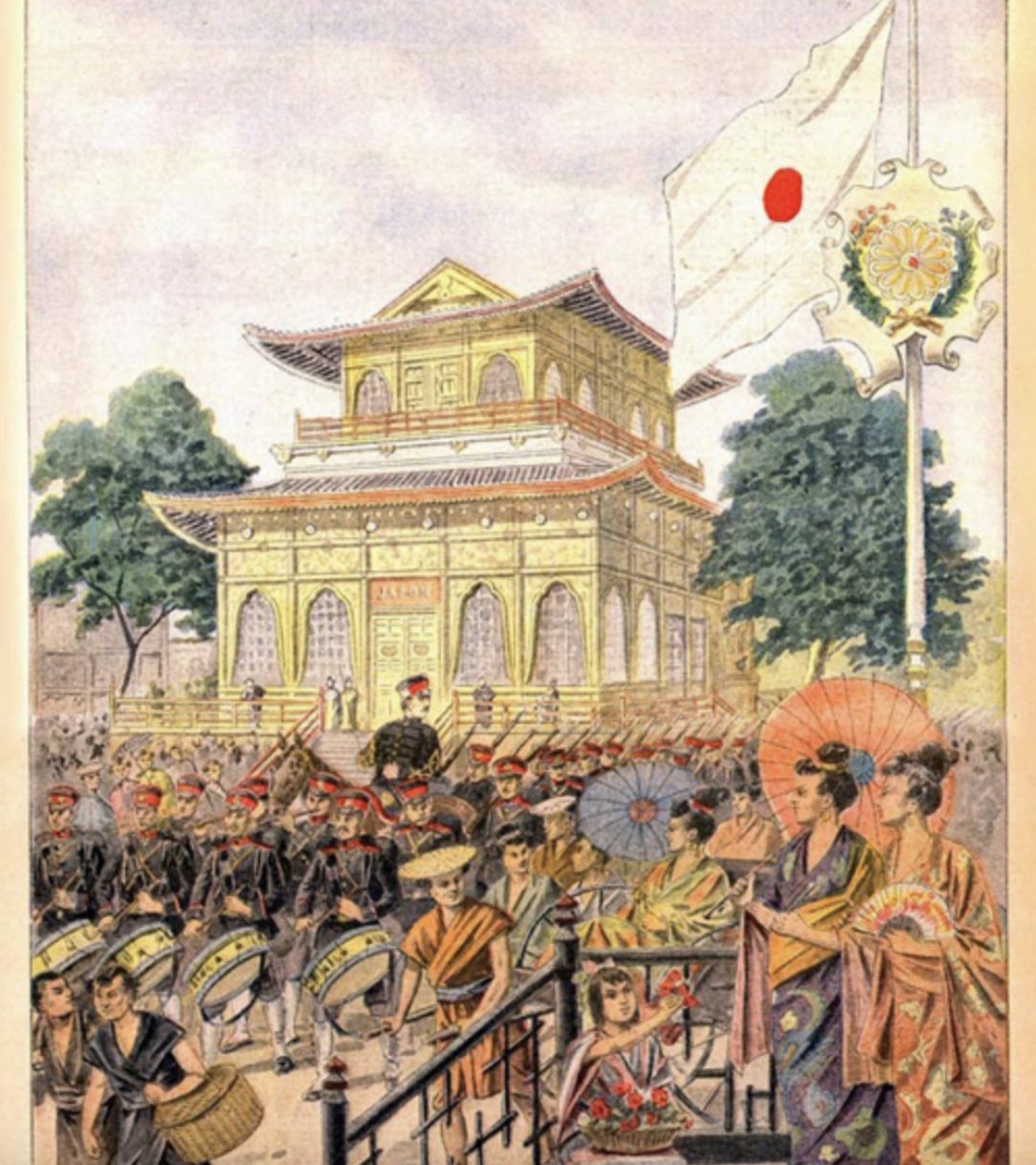
The formal introduction of Japanese art to Parisians occurred at the World’s Fair of 1867, but by then, Japanese objects such as fans, kimonos, and silks were already flooding into Europe and gaining popularity. Claude Monet, deeply affected by Japanese prints he first encountered as wrapping paper in The Netherlands, and James McNeill Whistler, influenced by Japanese art, encountered it in a Chinese tea room near London Bridge. Paul Ranson, a member of the Nabis group, drew significant influence from Japanese art, infusing his brilliantly colored depictions of female figures with a sense of mystery and esotericism. The Nabis, including Ranson, aimed to express spirituality through art, and the simplicity, emphasis on line and color over realism found in Japanese art provided ideal tools for this purpose.
Ranson earned the moniker “The Nabi who is more Japanese than the Japanese Nabi,” highlighting his profound connection to Japanese influences.
Japonisme.jp
Driehaus Museum
Japonisme.jp
While artists like Monet, Degas, and Van Gogh were avid collectors of Japanese art, the nature of its influence on their work varied. Some, like Tissot, embraced Japonisme to the extent of depicting models in Japanese dress and prominently featuring ‘Oriental’ props. Others, such as Degas, incorporated subtler influences, adopting Japanese painting approaches like asymmetrical composition and aerial perspectives. The multifaceted impact of Japonisme on Western art during this period reflects the diverse ways in which artists integrated and interpreted Japanese artistic elements into their own evolving styles.
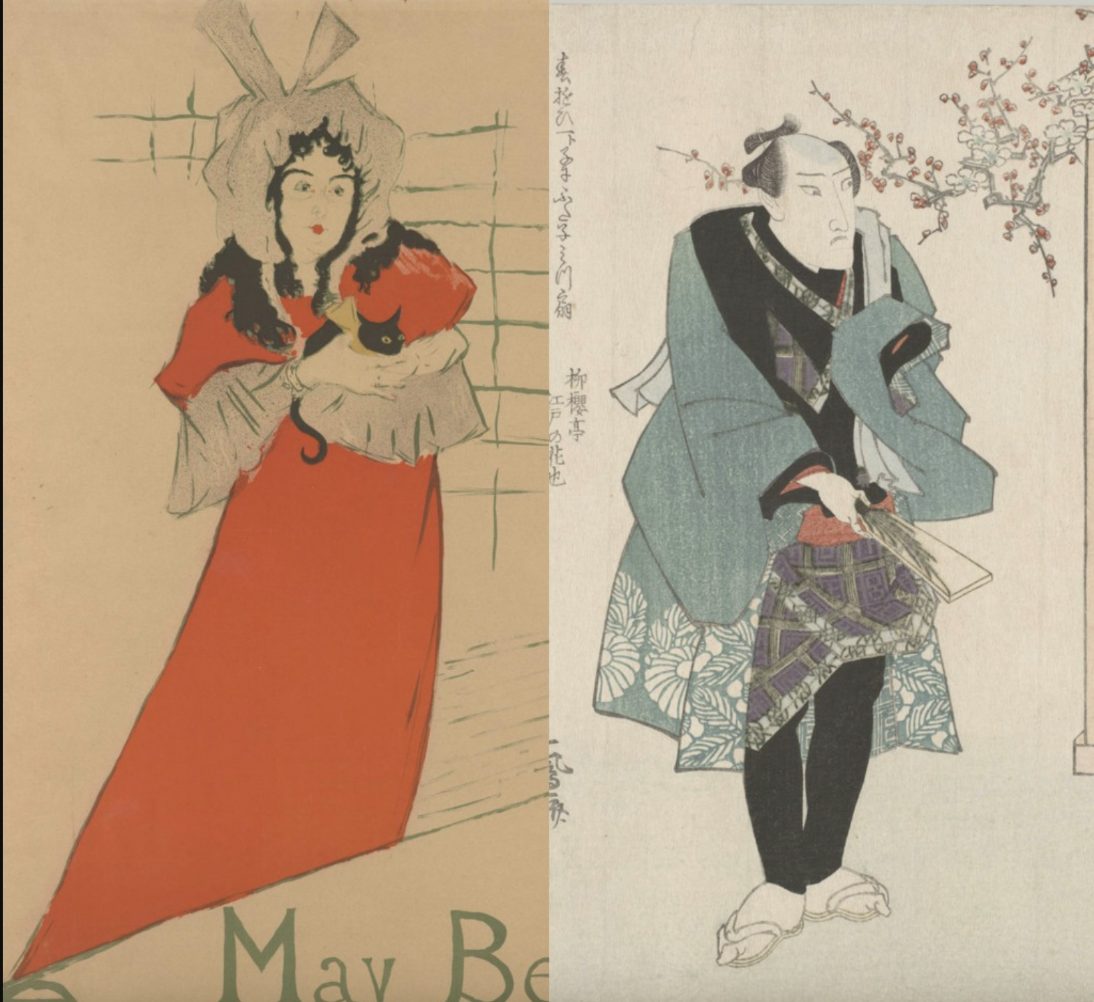
In the 1890s, a period marked by the rising popularity of Japanese woodcuts, artists engaged in a rich experimentation with various pictorial modes and printmaking techniques. This era coincided with the flourishing influence of Japanese Kabuki theater prints, characterized by vivid colors, bold contours, and expressive facial features. Henri de Toulouse-Lautrec, renowned for his iconic posters, adopted these exaggerated elements to create visually striking compositions. Simultaneously, artists like Pierre Bonnard and Édouard Vuillard who identified as “Nabis” or “prophets” of a new artistic style, drew inspiration from the distinctive viewpoints of ukiyo-e printmakers. Embracing piquant and unusual perspectives, they incorporated these influences into their work.
Driehaus Museum
Driehaus Museum
The Art Story
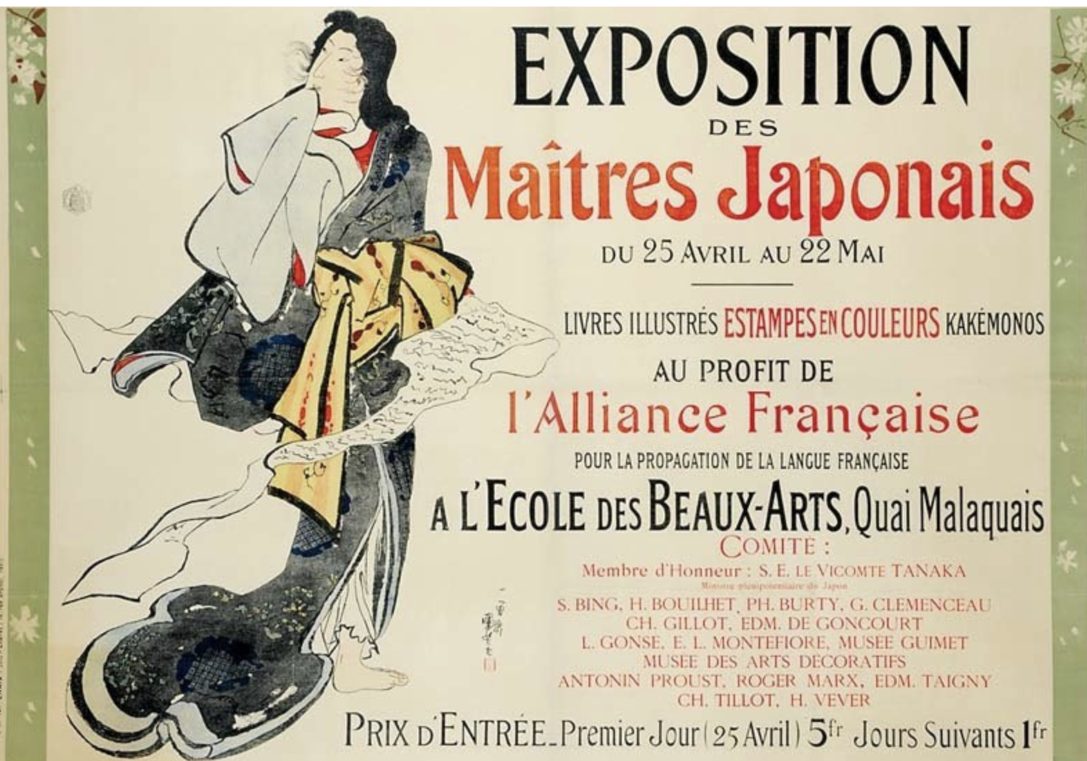
Notably, Paul Gauguin, known for his fascination with native arts from various cultures, deviated from the prevalent lithographic practices of the time. Instead, he adopted Japanese woodcut techniques to infuse abstract expression into his forward-looking art. Gauguin’s departure from convention exemplifies the diverse ways in which artists of this period explored and incorporated Japanese artistic influences into their own evolving styles. In 1890, a remarkable revival of interest in Japanese art swept through French artists, marking a resurgence of enthusiasm after a period of waning attention. At the heart of this revival was an influential exhibition organized by Siegfried Bing, a collector, critic, and art dealer deeply passionate about Japanese art. Bing curated an exhibition solely dedicated to Japanese prints, held at the École des Beaux-Arts in Paris, which proved to be a pivotal moment in the Western art world.
This exhibition played a crucial role in disseminating the aesthetics of Japonism, breathing new life into the appreciation of Japanese art. Its impact, however, transcended the mere rediscovery of Japanese art; it resonated profoundly with a fresh generation of painters – the Post-Impressionists. This new wave of artists was captivated by the distinct characteristics of Japanese prints, and their relationship with the artwork took on a unique form. Rather than acquiring original prints, the Post-Impressionists collected inexpensive reproductions from stores. These reproductions, known as crepons, lacked the exact qualities of the original prints, altering the nature of the lesson drawn from Japanese art for this emerging generation of artists.
The influence of this exhibition on the Post-Impressionists not only revitalized interest in Japanese aesthetics but also paved the way for a reinterpretation of these influences within the evolving artistic landscape of the time.
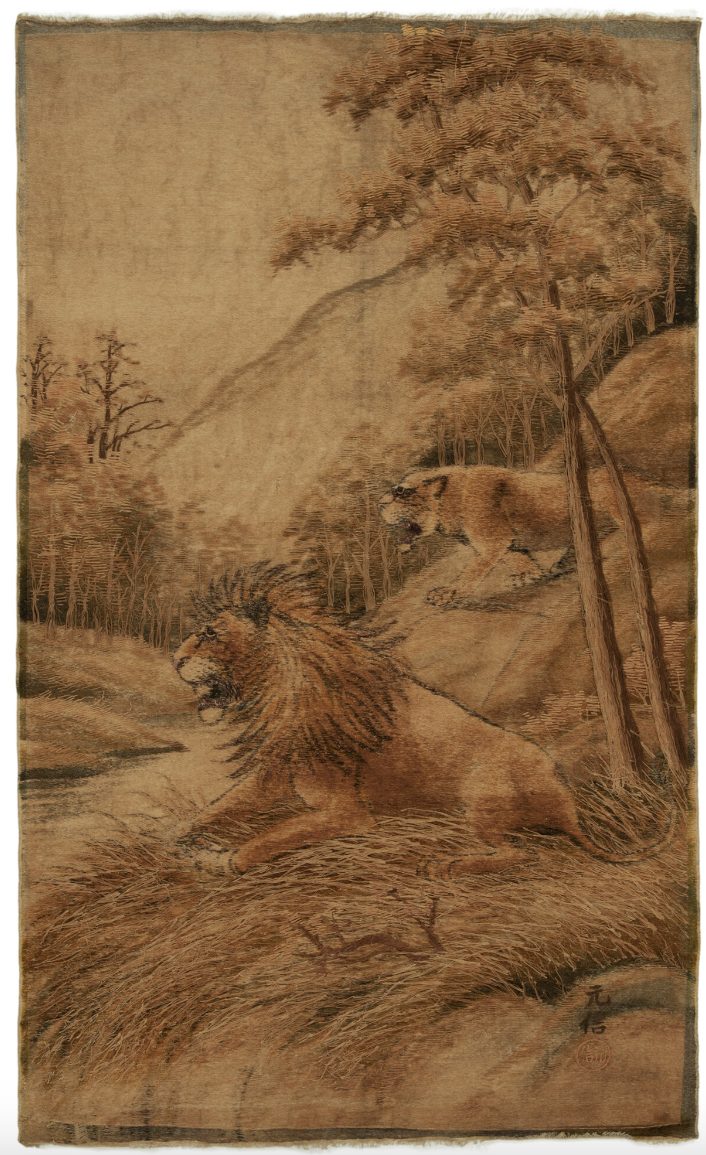
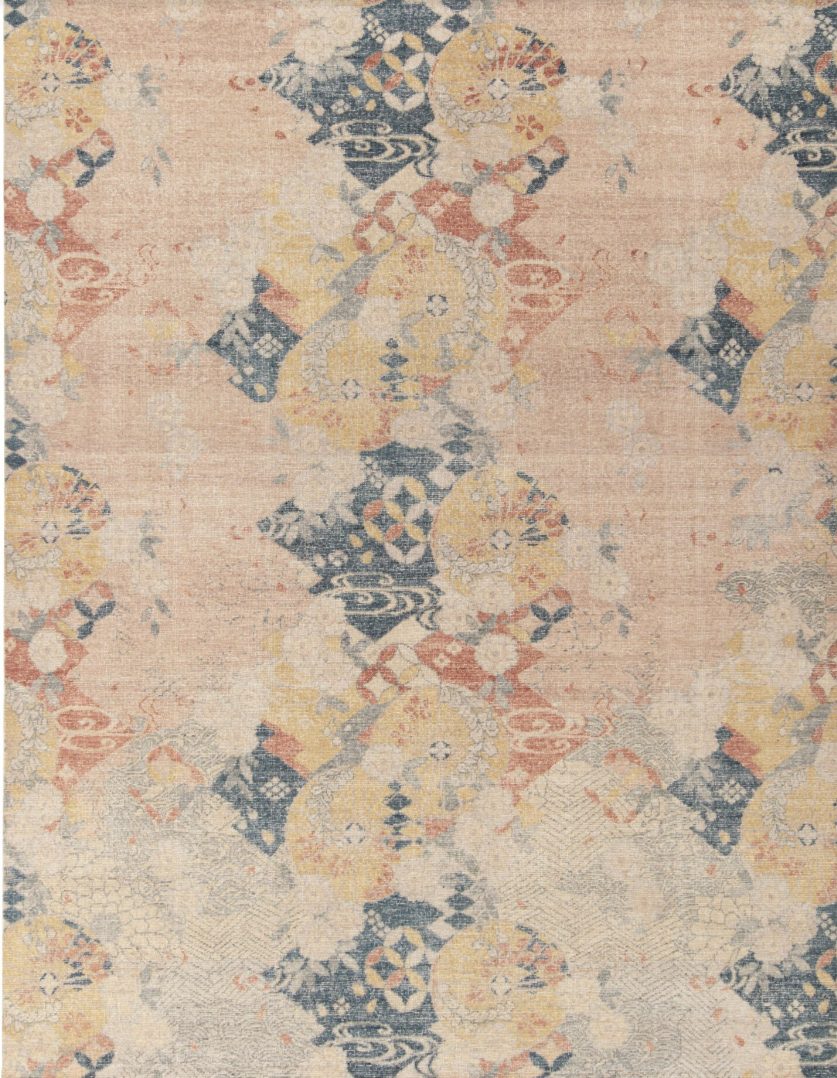
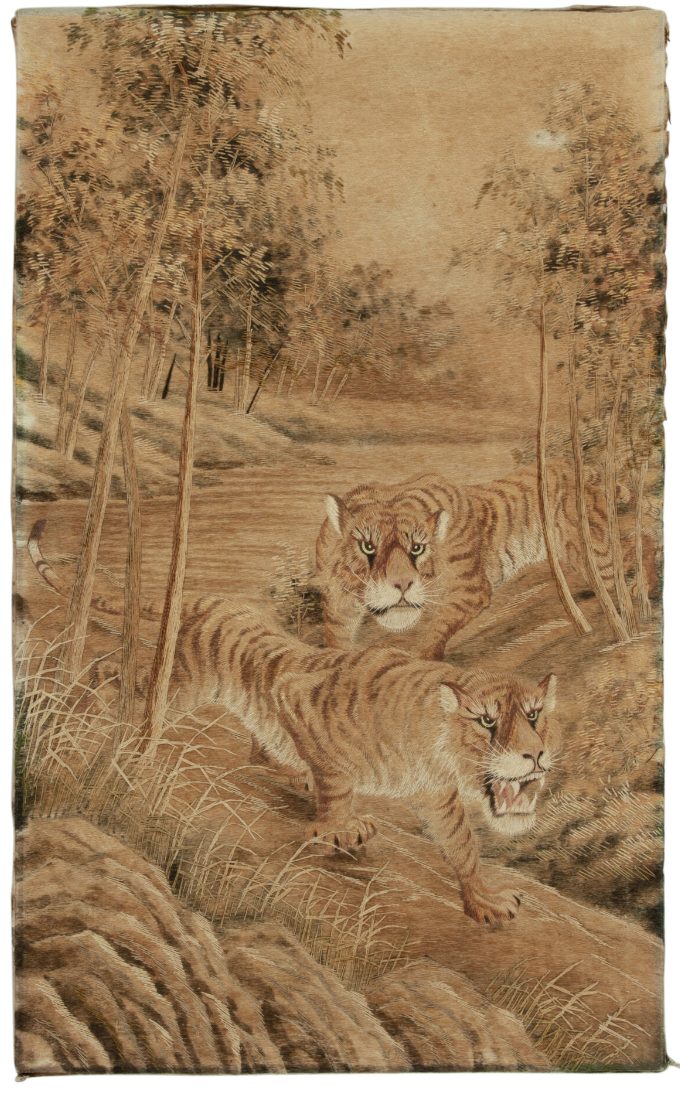
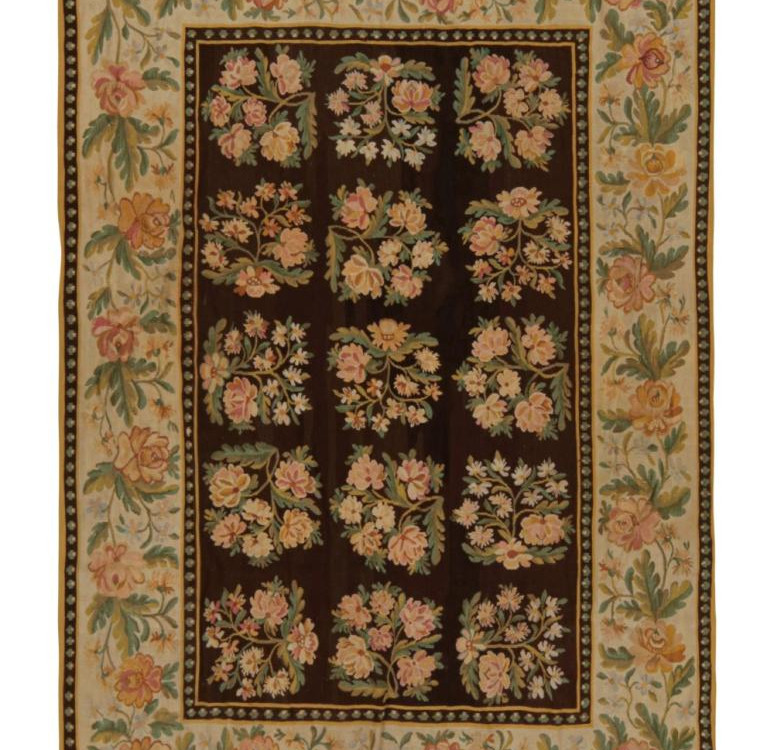
View some of Rug & Kilim’s designs as inspired by Japanese designs –