
A Profile on Vibeke Klint and her 20th-Century Danish Modern Designs
April 4, 2024
A Guide to Japonisme Design Movement
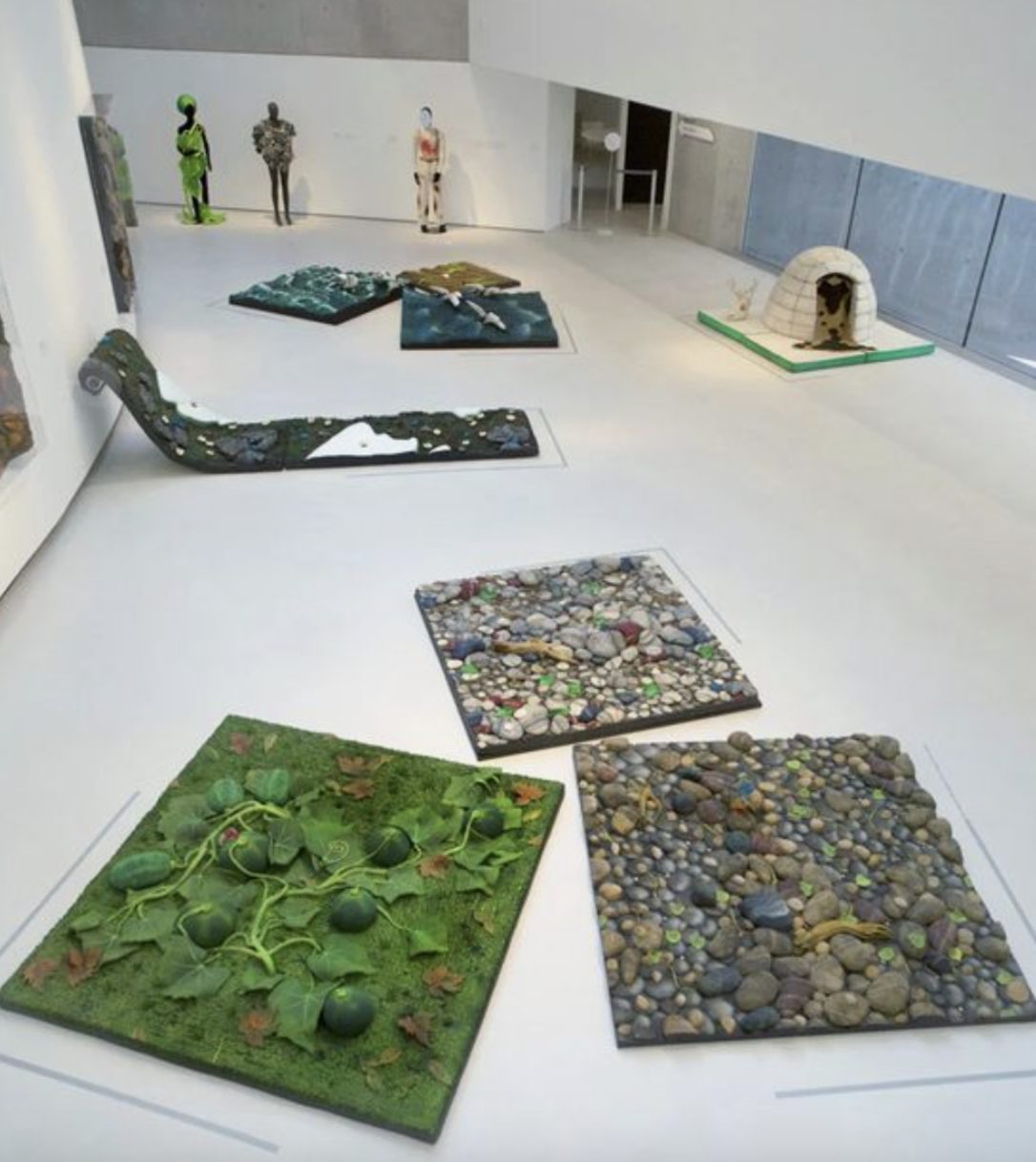
April 4, 2024The Tate’s inaugural gallery dedicated to Arte Povera, titled “Energy and Process,” presents an exploration of the vibrant movement that swept through Italy during the tumultuous 1960s and early 1970s. This movement emerged as a response to the economic and political upheavals that marked the end of Italy’s postwar resurgence, offering a counterpoint to the commercial orientation of pop art. The gallery provides a nuanced perspective on artists’ fascination with transformation and natural forces. In a central room, the focus is on sculptures from the late 1960s crafted from a diverse array of everyday materials – ranging from industrial to organic – diverging from the traditional associations with fine art.
Noteworthy is Arte Povera’s departure from representing tangible elements in the world to an exploration of changing physical states. Simultaneously, in Japan and the United States, the Mono Ha and Post-Minimalism movements sought alternatives to the prevalent sleek technological aesthetic. The gallery serves as a profound testament to the innovative approaches and shared ethos that transcended geographical boundaries during this transformative period in art history.
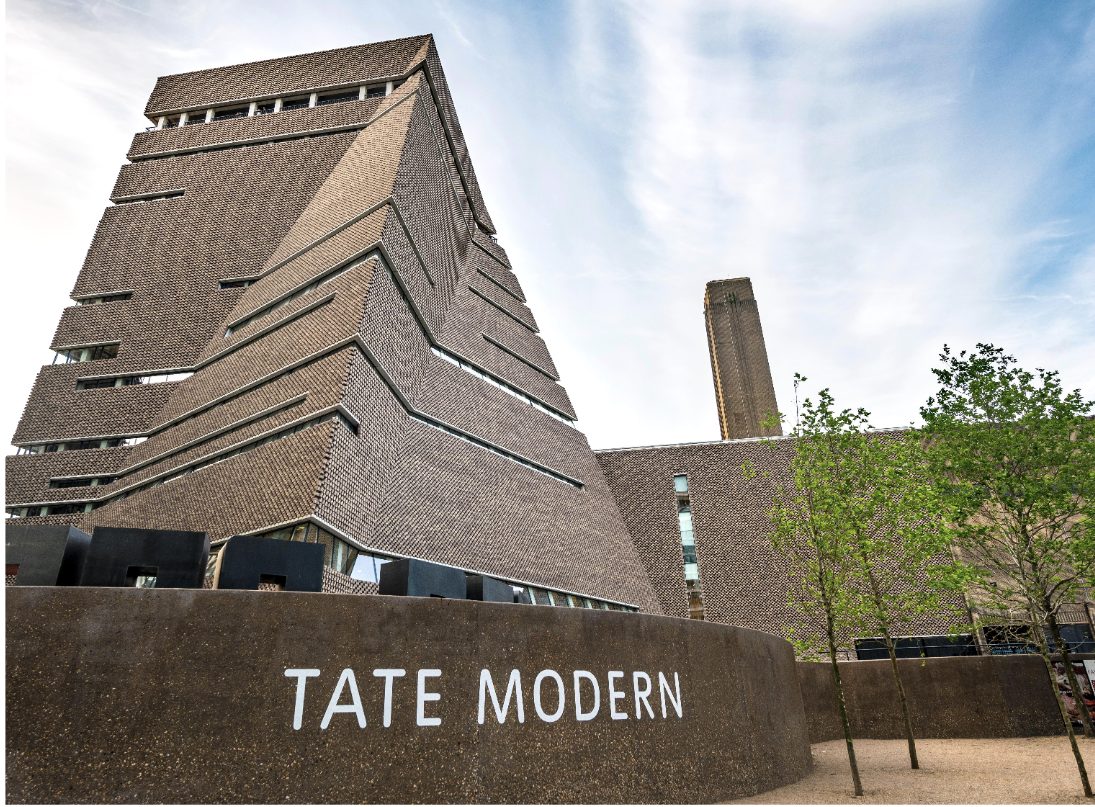
Tate Modern
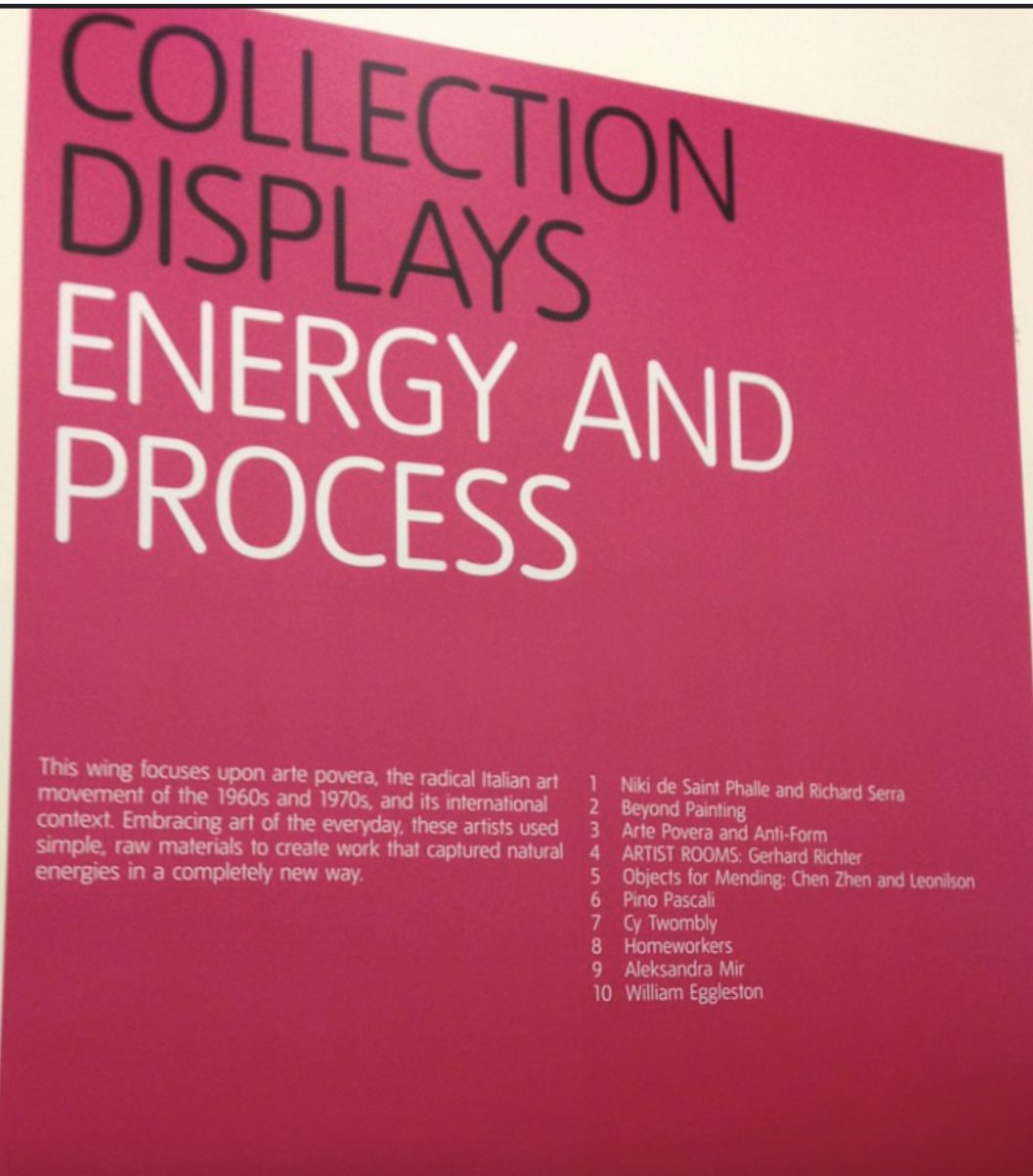
Tate Modern
Arte Povera, translated as ‘poor art,’ encapsulates the artistic endeavors of a cohort of young Italian artists active in the late 1960s, primarily based in Turin and Rome. Rejecting the tenets of figurative art and classicism, these artists forged works from commonplace materials like jute, wood, coal, and even fire. Coined by Italian art critic Germano Celant, who organized the seminal Arte Povera exhibition in 1967, the term unified the artists under a collective identity. Despite employing ‘poor’ materials, these artists created conceptually rich works aimed at instigating transformative change. Lucio Fontana‘s pioneering gestures with canvas cuts, rooted in Spatialism, paved the way for the subsequent generation to explore innovative ways of reshaping their art. While Alberto Burri predates Arte Povera, his early exploration of unconventional materials such as fire, jute, wood, and iron positions him as a progenitor of the movement, laying the groundwork for its emergence in the late 1960s.
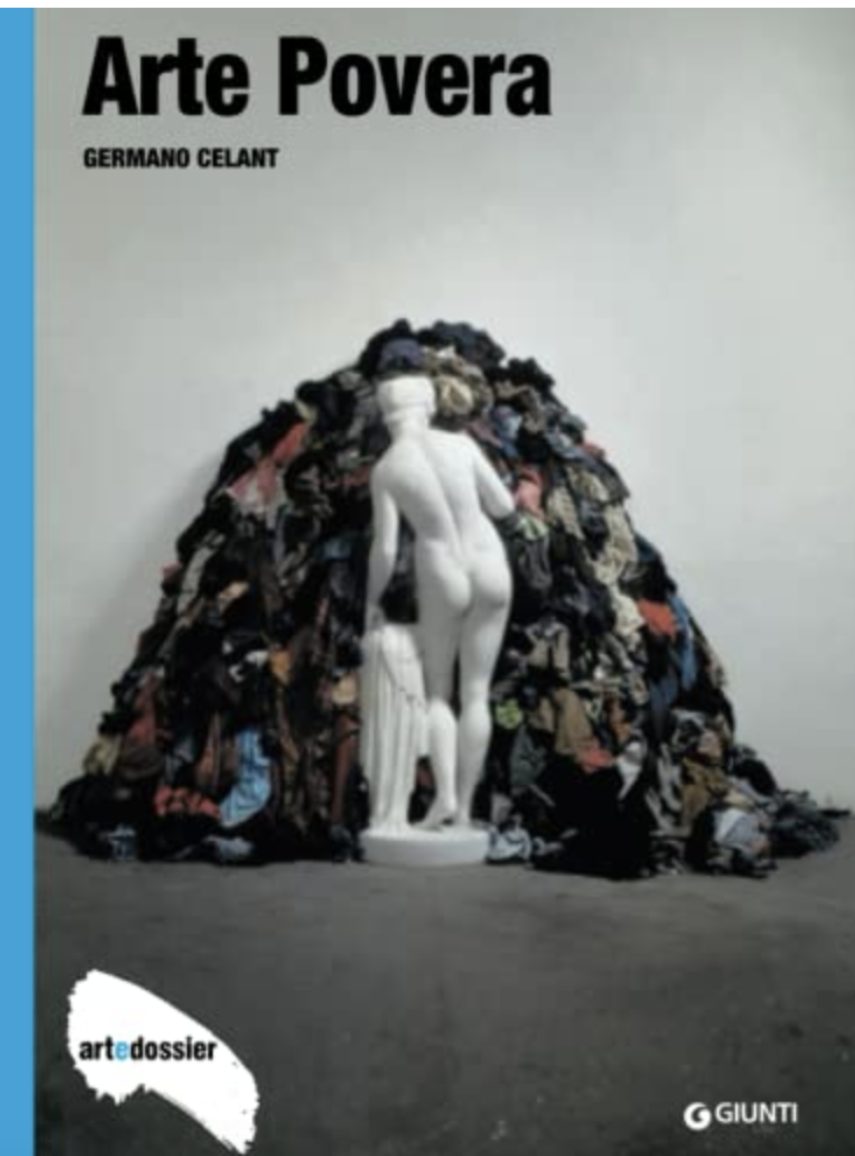
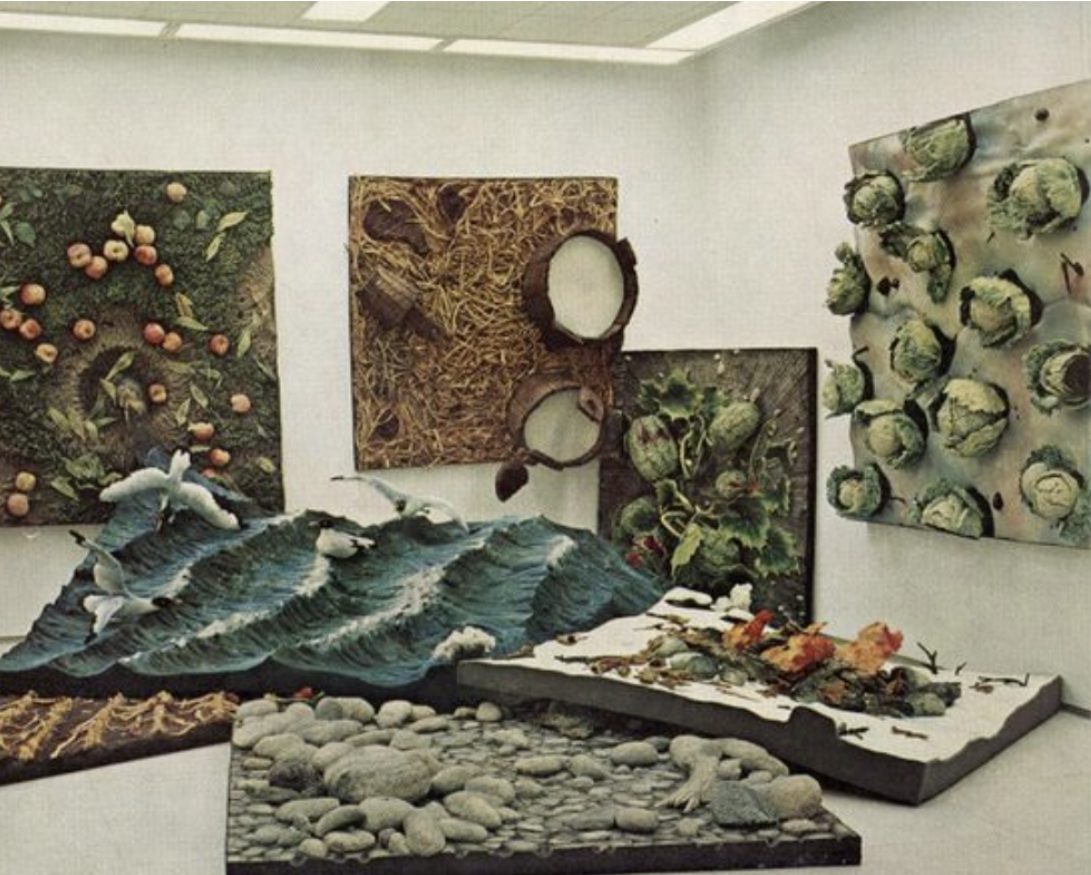
Arte Povera is distinguished by its utilization of commonplace materials, aptly termed “poor” due to their widespread availability and affordability. The movement’s artists incorporated materials like soil, food, water, and inexpensive building supplies, intentionally diverging from the industrial sensibilities of American Minimalism. This departure was motivated by the belief that the latter was ill-suited to the cultural context of post-war Italy. Simultaneously, Arte Povera embraced subversive avant-garde tactics, including performances and unconventional approaches to sculpture, often integrating elements of installation. In their pursuit of reconnecting life with art, Arte Povera artists aimed to elicit subjective and personal responses to each piece. Emphasizing an interaction between viewer and object that was unique and unrepeatable, they sought to provoke a deeply individual engagement with their work.
The central figures of the Arte Povera movement included Giovanni Anselmo, Alighiero Boetti, Jannis Kounellis, Mario Merz, Pino Pascali, and Giuseppe Penone. Giovanni Anselmo delved into his position within the vastness of nature and the governing laws of the universe. His series of works incorporated a diverse array of organic and inorganic materials, exploring the profound connection between humanity and the natural world. Alighiero Boetti’s numerous masterpieces, crafted from various materials, emanated from his conviction that art transcends mere representation and lies in the underlying idea. Boetti’s work is a testament to the power of conceptual art.
TheCollector
TheCollector

TheCollector
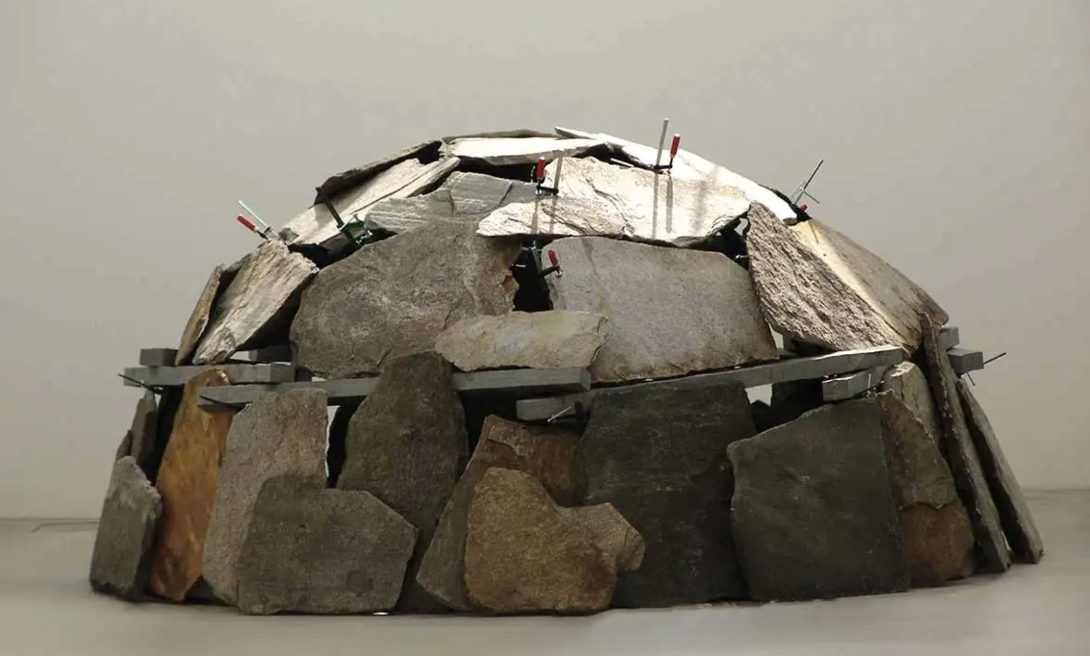
Jannis Kounellis, renowned for his installations featuring raw materials like coal, stones, and wool, seldom appears in the market. His pieces reflect an exploration of the intrinsic relationship between art and the primal elements. Mario Merz’s ‘continuous’ drawings delved into the concept of organic creation, while his iconic igloos served as a profound investigation into humanity’s interconnectedness with nature. Pino Pascali infused playfulness into his works, transforming materials such as hay, cans, brushes, and fake fur. His approach reflected a whimsical yet thought-provoking engagement with unconventional mediums. Giuseppe Penone is celebrated for his iconic tree sculptures, which have captivated galleries worldwide. His art explores the profound connection between the human and natural realms, offering a poetic reflection on the essence of life.
Michelangelo Pistoletto, an acknowledged leading figure of the Arte Povera movement, is renowned for his iconic mirror paintings that play with the representation of reality. Notably, his work “Leaning Man” from 1966, depicting the artist’s dealer Gian Enzo Sperone, invites viewer participation to complete the portrait. Similarly, his companion piece “Standing Man” necessitates the engagement of the viewer to bring the artwork to its full realization. Luciano Fabro, another proponent of the movement in the 1960s, created highly sought-after conceptual sculptures. His works are characterized by intellectual depth and a thoughtful exploration of materials and ideas. Giulio Paolini, acclaimed for his contributions to Arte Povera, is known for minimal and conceptual works that subvert classical materials such as canvas and plaster. His artistic approach challenges traditional notions and offers a unique perspective within the movement.
TheCollector
Despite its surge in popularity, the Arte Povera movement dissipated in the mid-1970s as individual artists pursued divergent stylistic paths. Although the artists’ brief unity and Germano Celant’s adept articulation of the movement’s concerns left an indelible mark on art history, its significance wasn’t fully acknowledged until decades later. The early 21st century saw a reassessment of the 1960s, prompting critics to intentionally focus on movements beyond the United States during that era. This critical shift has led to a revival of interest in Arte Povera within academic circles. Furthermore, the movement has been recognized as a precursor to some contemporary approaches to sculptural practice, including those adopted by the Young British Artists.