
A Brief Overview of the Danish Modern Design Movement of the 20th-Century
April 5, 2024
A Profile on Erté known as the “Father of Art Deco”
April 5, 2024The term “Japandi” is a fusion of Japanese and Scandinavian design sensibilities. This unique multicultural style emerged when Danish designers began venturing to Japan, marking the opening of Japan’s closed-border policies after 220 years. It was during this period that their designs began to absorb the allure and mystique of this new, intriguing oriental aesthetic. Denmark and Japan have shared a longstanding and dynamic relationship, encompassing both trade and cultural exchanges. According to Nicolina Olsen-Rule of Design Museum Denmark in Copenhagen, this enduring connection dates back approximately 150 years. This historical interaction between the two nations has undoubtedly contributed to the mutual appreciation and influence observed in design, particularly in the emergence of styles like Japandi, which blends elements from both Scandinavian and Japanese aesthetics. Early manifestations of this design fusion as ‘Less is More’ can be observed in various forms, including ceramic craftsmanship, architectural elements, and Danish furniture.
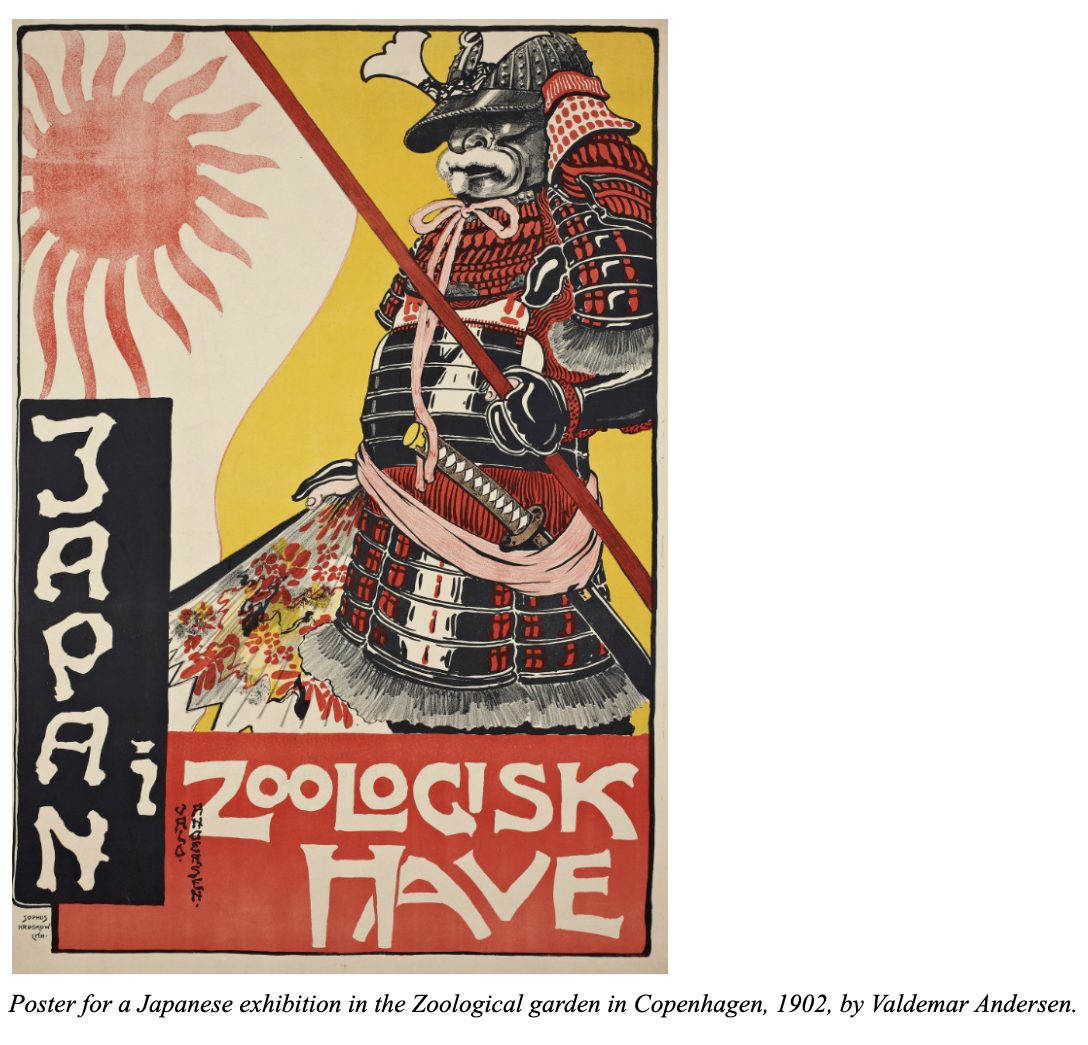
The roots of the Japandi style can be traced back to the 1860s, originating from the fascination of a Danish naval lieutenant, William Carstensen, who sailed to Tokyo to explore the recently opened borders of Japan. Carstensen developed a deep appreciation for Japanese culture during his exploration. Upon returning to Denmark, he published a book titled “Japan’s Capital and the Japanese” which garnered significant interest among Copenhagen’s art and design community. Carstensen’s findings revealed a parallel between the Japanese concept ‘wabi-sabi’ and Danish concept ‘hygge’—both celebrated minimalism, natural materials, and simplicity. This revelation marked the beginning of Nordic design being influenced by Japanese aesthetics.
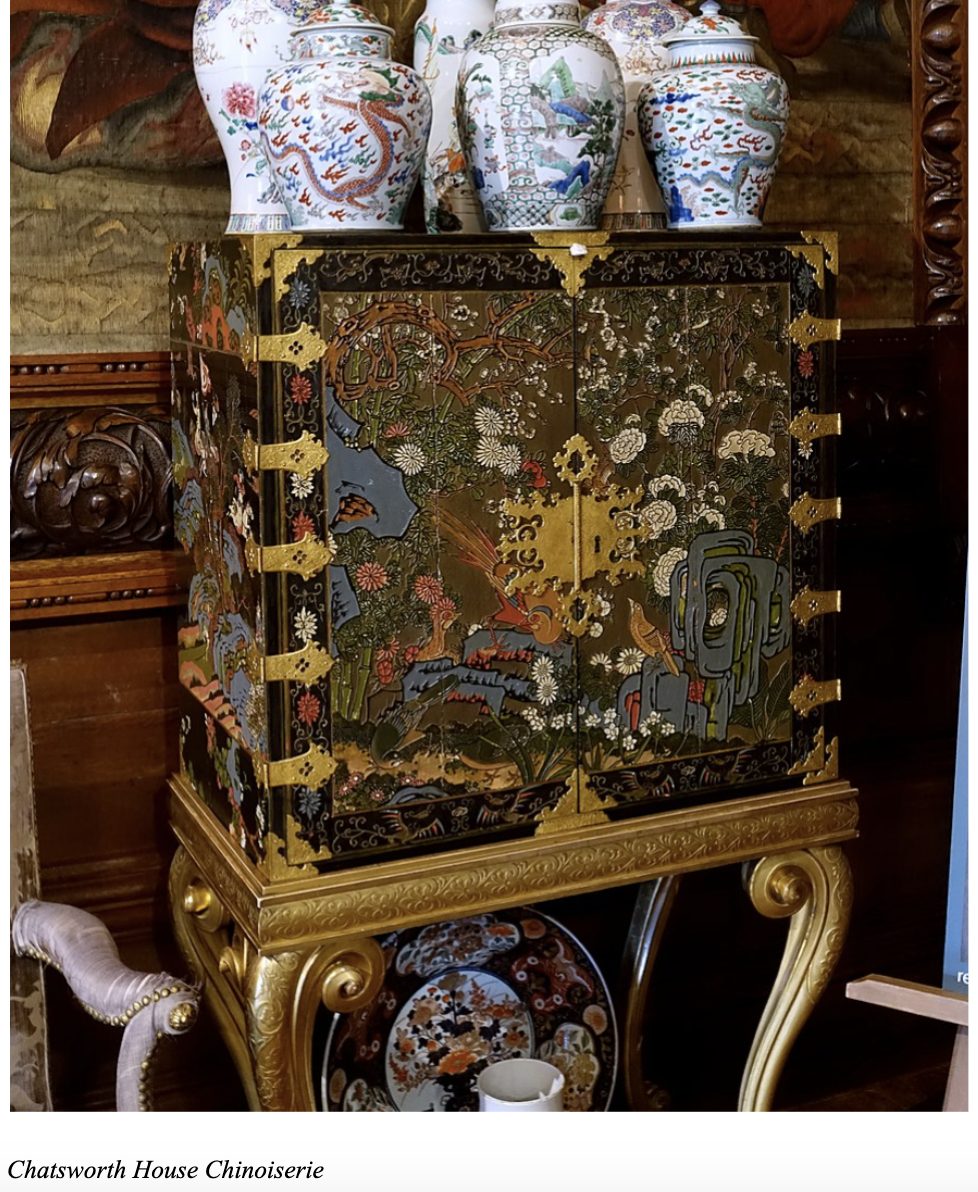
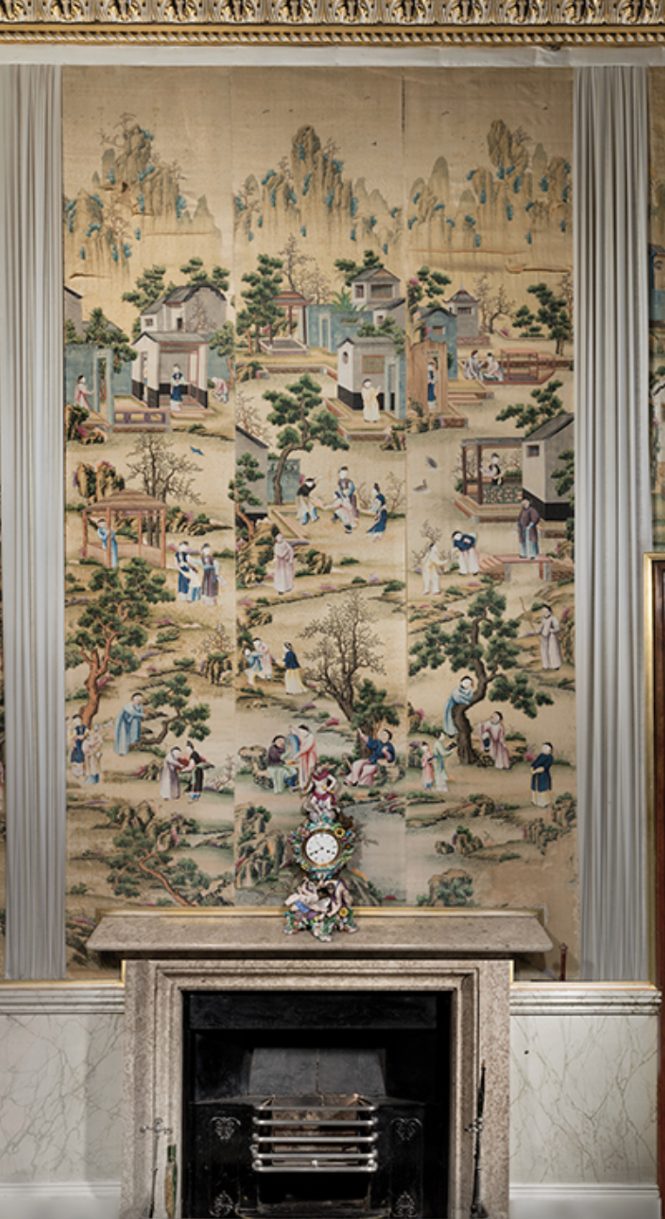
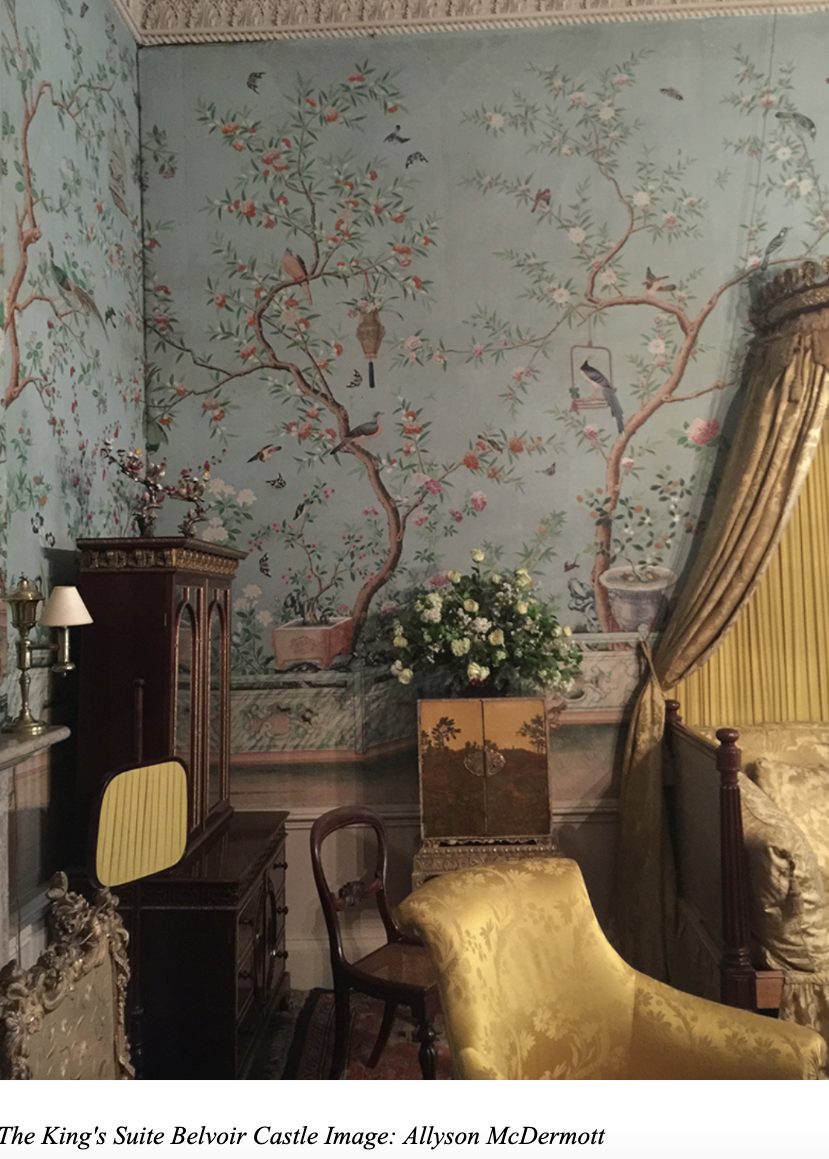
The interplay between Eastern and Western design is not a recent phenomenon. For instance, Japonisme, the French interpretation of Japanese style, emerged in the 18th century and persisted through the modernist movement in the 1960s. Similarly, Chinoiserie, the incorporation of Chinese motifs in Western interiors, gained popularity in 18th-century England and is still practiced today. However, unlike Japonisme and Chinoiserie, which involved adapting a visual style vastly different from their own, the design philosophy and cultural interests of Japan and Scandinavia have always shared a somewhat symbiotic relationship. Despite the geographical and historical separation, the enduring and intangible appeal of art has thrived between both cultures. The reverence for nature inherent in Nordic countries found resonance in Japanese art, facilitating a seamless blending of the two cultures. This mutual influence has been instrumental in the emergence of the Japandi style.
Here are some of the images reflecting Chinoiserie design and sensibilities –
Below are some of the images reflecting Japonisme sensibilities of impressionism and Art Nouveau –
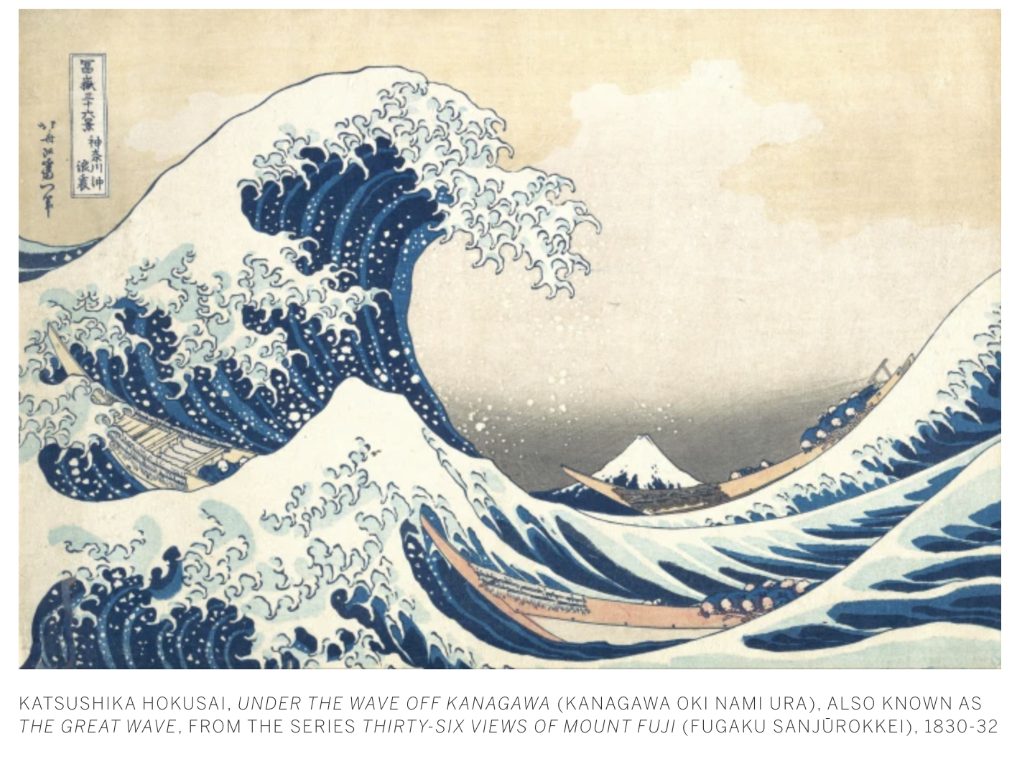
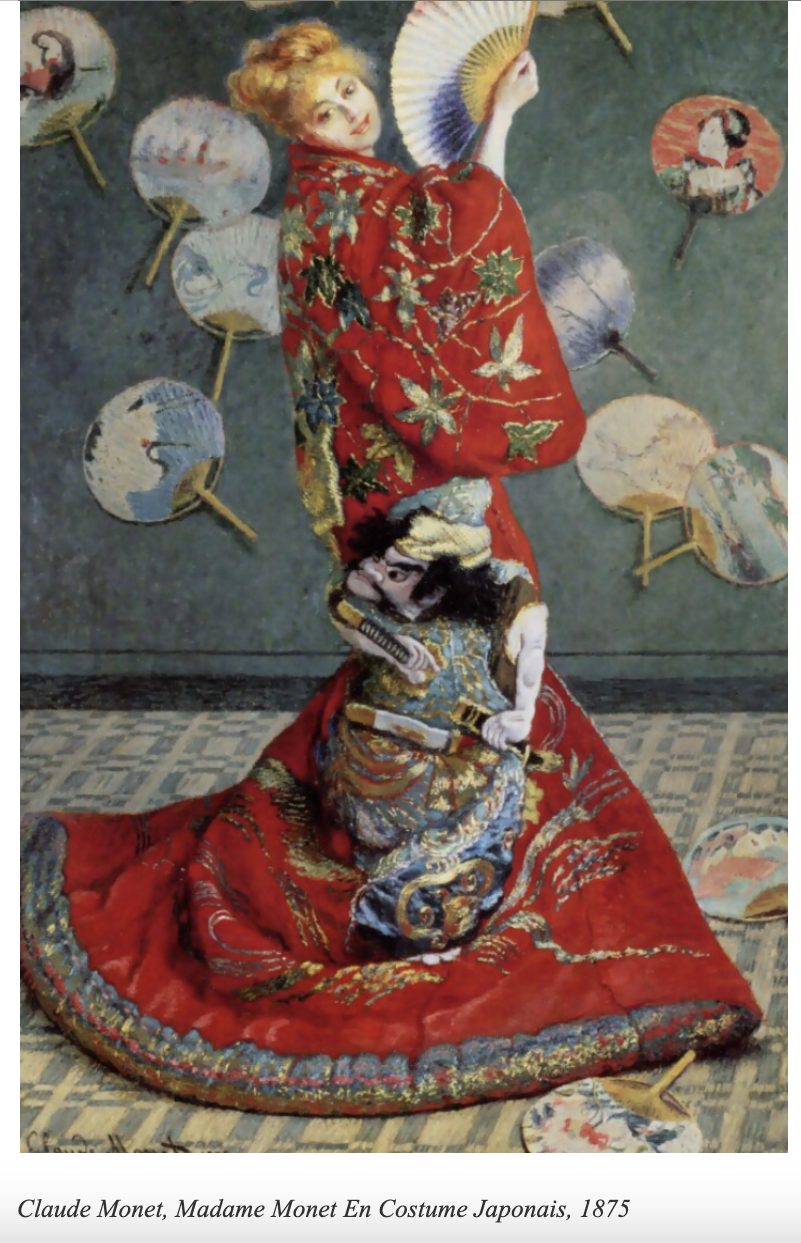
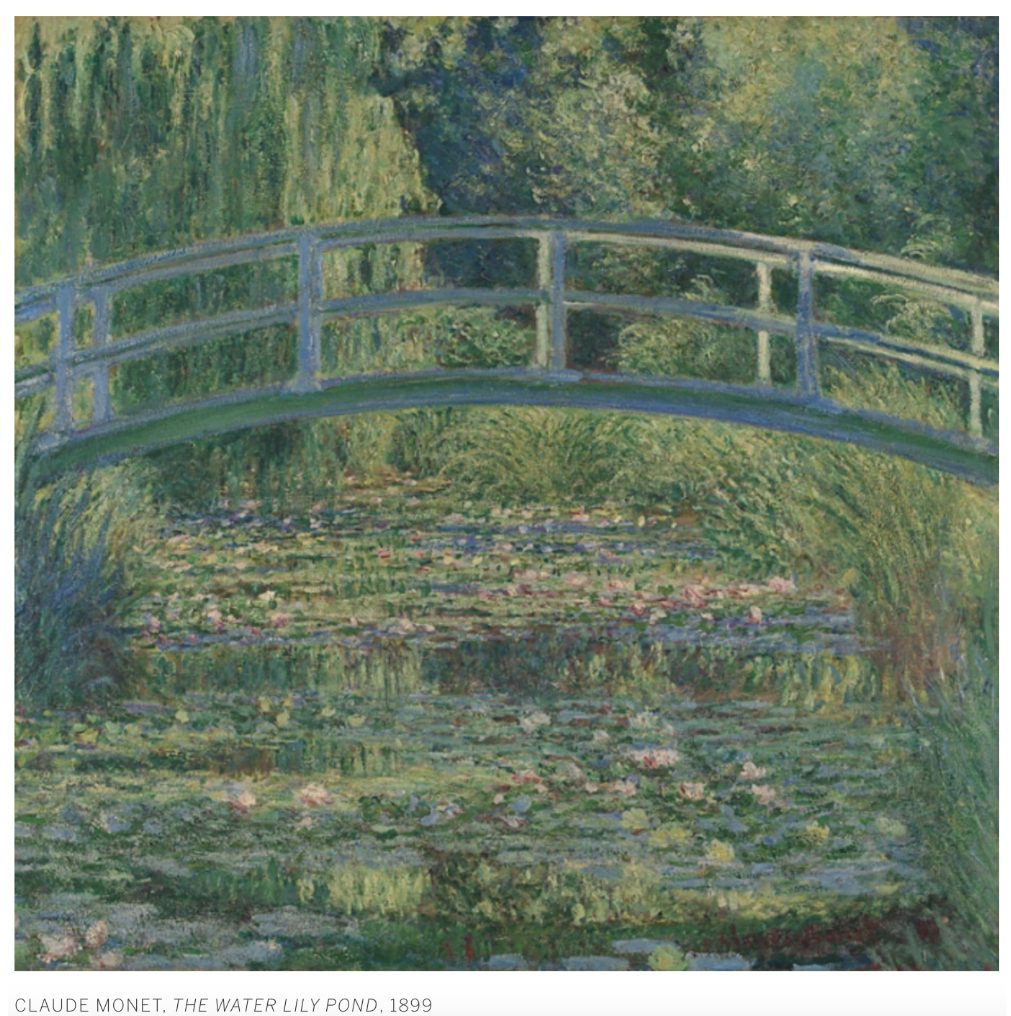
Given that the design philosophies in both regions hold an appreciation for simplicity, minimalism, and the use of natural materials, it was only a matter of time before these two influential styles converged and found expression in design. This convergence creates a style that marries the best of both worlds, resulting in a balanced and aesthetically pleasing design approach. This amalgamation results in a dynamic and engaging living space, characterized by a thoughtful interplay of various materials, shapes, and colors, creating contrast in multiple dimensions.
The key elements found in the Japandi interior design as common in both Japanese and Scandinavian design are –
- Emphasis on natural and organic elements
- Wood
- Stone
- Paper
- Neutral Color Palette
- Brown
- Green
- Blue
- White
- Cream
- Design Principles
- Uncluttered spaces
- Clean lines
- Abundant natural light
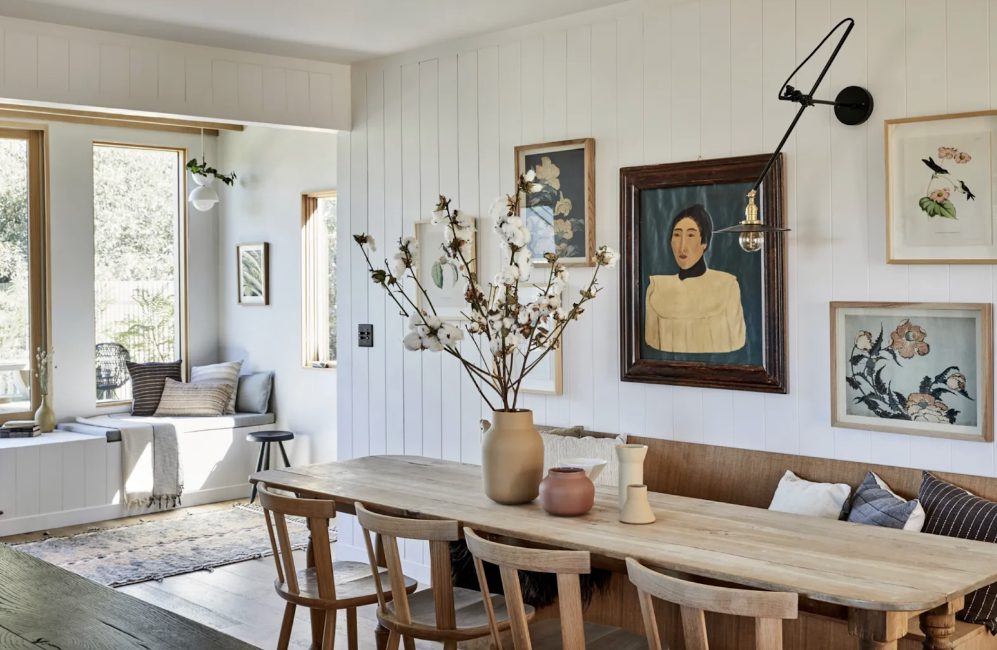
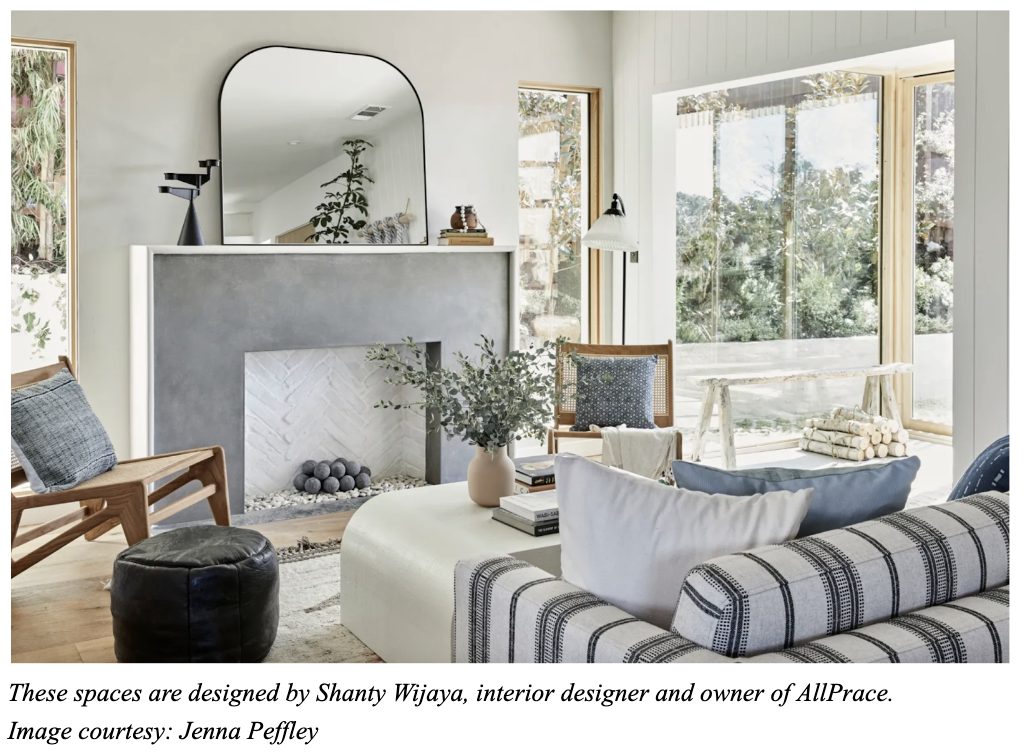
Wabi-sabi, deeply rooted in traditional Japanese aesthetics and philosophy, represents a unique worldview that centers on finding beauty in imperfection and embracing the natural course of aging and decay. It’s an ethos that celebrates rustic simplicity and understated elegance. While wabi-sabi is certainly an integral component of Japandi interiors, it also stands on its own as a distinct and influential doctrine. The evolution of wabi-sabi from its origins in China to its development as a Japanese ideal over seven centuries ago underscores its enduring significance and relevance in both artistic and philosophical contexts. Japandi is a design movement that encompasses both Japanese wabi-sabi and Scandinavian hygge philosophies.
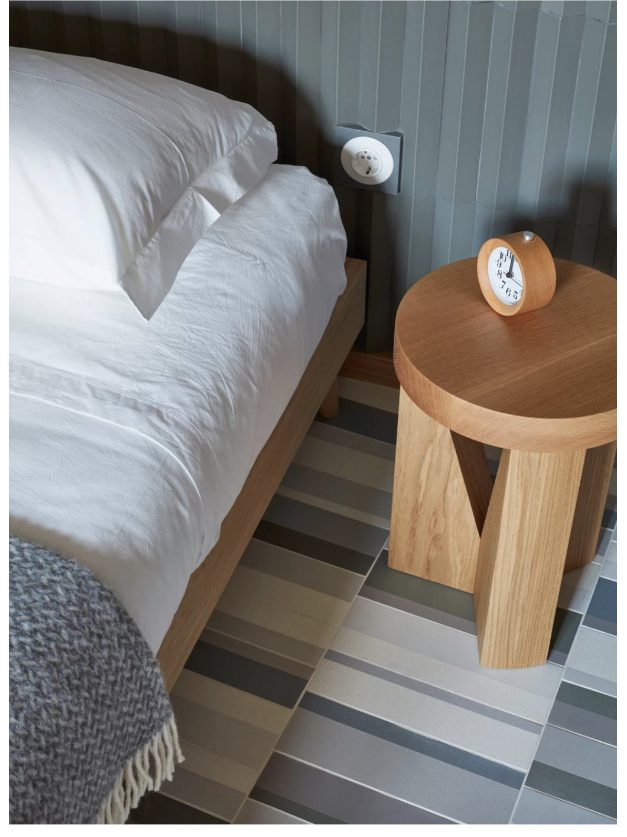
Japandi rooms are characterized by their simplicity and tranquility. Raw woods are highly valued for the beautiful patina they acquire, embodying the Wabi-Sabi aesthetic. This interior, designed by OEO Studio exemplifies these principles.
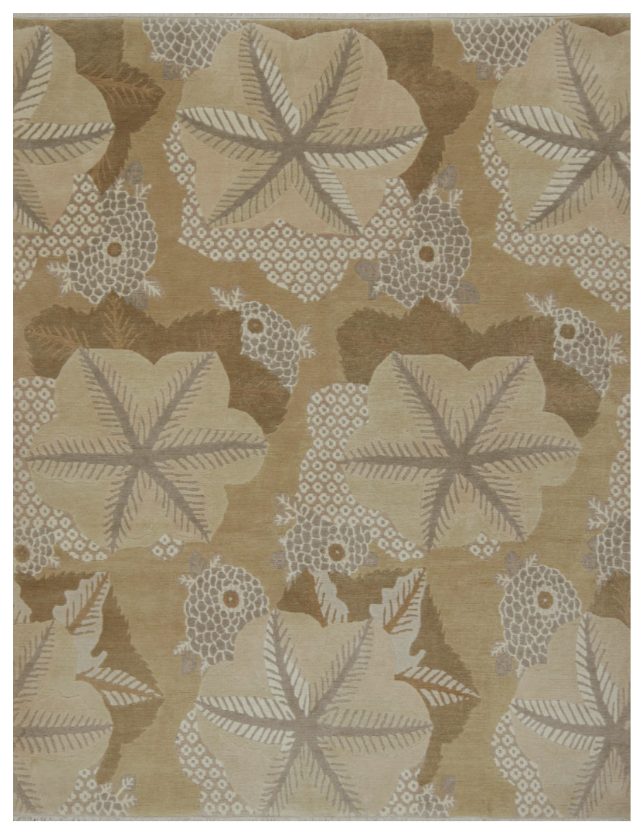
“In order to make something modern, one must first master the classics” eloquently stated by our Principal, Jahanshah Nazmiyal, encapsulates the essence of blending elements from the finest of the design world to attain perfection. Rug & Kilim’s Modern ‘Clouds’ Design Rug SKU 11777, beautifully exemplifies this mutual appreciation of two aesthetics to create a modern masterpiece. Infused with an Art Deco influence and showcasing intricate floral medallions that lend a captivating sense of dimensionality, this rug embodies Japandi style sensibilities through a distinctive fusion of East-meets-West design. Among our most captivating designs, this rug resembles a work of art, boasting a rich textural weave and playful array of colors.