
Japandi Style: The East-Meets-West Design as a Fusion of Scandinavian and Japanese Sensibilities
April 5, 2024
A Profile on William Morris—-Arts and Crafts Movement and Tapestries
April 8, 2024
“What would Harper’s Bazaar have been if it wasn’t for Erté?” – William Randolph Hearst
Between 1915 and 1937, the prolific artist Romain de Tirtoff, famously known as Erté, crafted a stunning array of over 2,000 illustrations using ink and gouache paint for the prestigious Harper’s Bazaar women’s magazine. His groundbreaking covers, adorned with intricate arabesques and bold straight lines, marked a stark departure from the Victorian aesthetic of the pre-war era, ushering in a new era of societal and artistic liberation. Erté’s portrayal of the quintessential Harper’s Bazaar woman was revolutionary, embodying a sense of freedom and grace reminiscent of a liberated dancer, unshackled from the confines of societal norms and adorned with the regal essence of Eastern mythology.
Revered as the “Father of Art Deco” Erté’s influence transcended boundaries, shaping the artistic and design ethos of the era with his signature style characterized by stylized forms, geometric patterns, vibrant hues, and sleek lines. Today, M.S. Rau proudly showcases a meticulously curated collection featuring over 160 original paintings by Erté, alongside an array of objets d’art, jewelry, and furniture from the period, paying homage to his enduring legacy as a pioneer of Art Deco and a visionary artist of unparalleled stature.
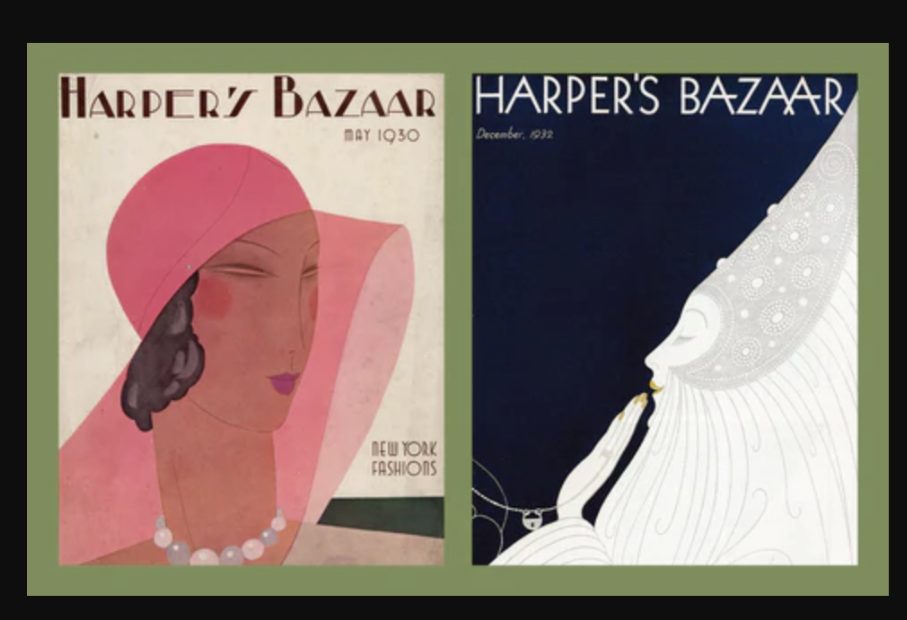
Harper’s Bazaar
France Amerique
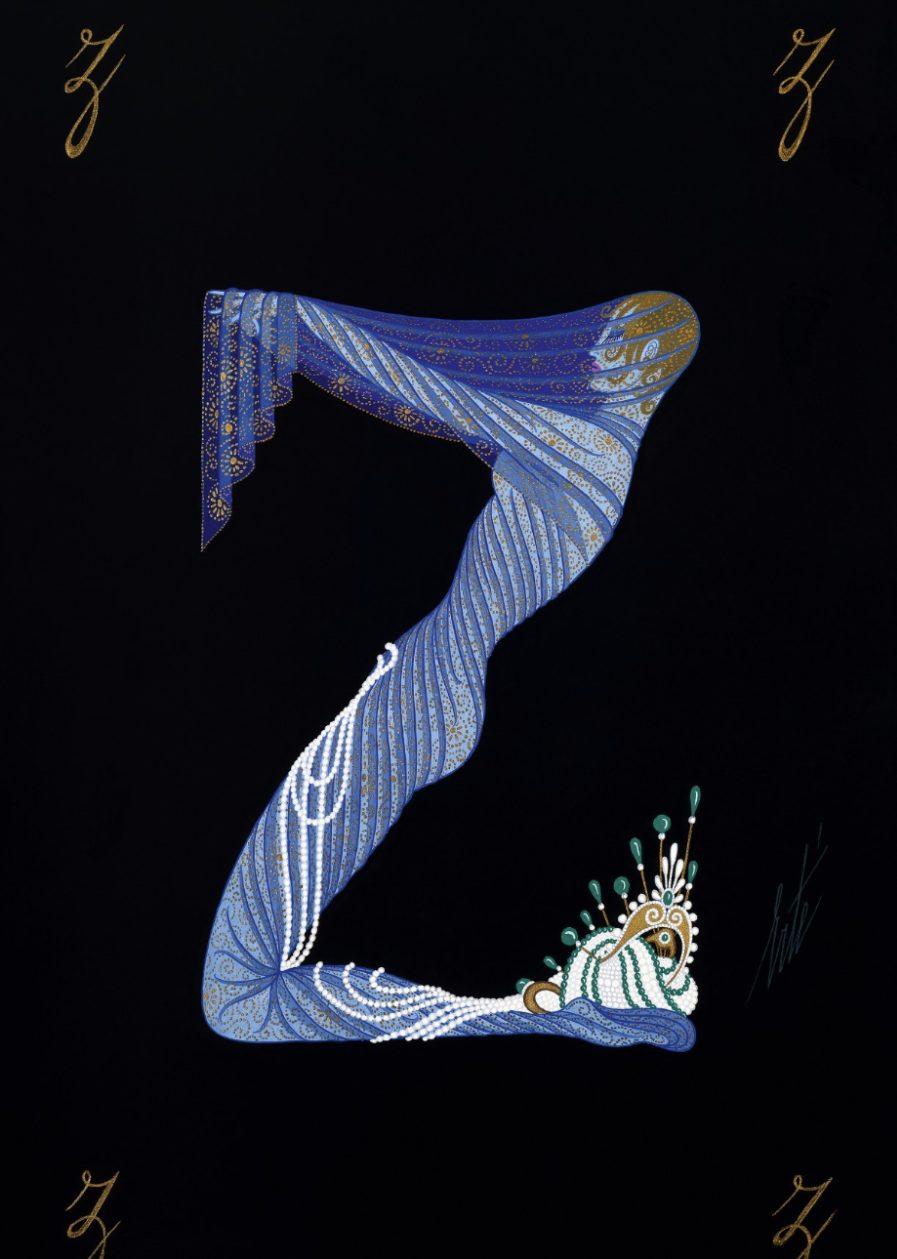
The Metropolitan Museum of Art
For more than eight decades, one artist reshaped not only the art landscape but also fashion, architecture, and American culture, leaving an enduring imprint on history. This trailblazing figure revolutionized the artistic realm, pioneering what would become known as Art Deco—a transformative era in fashion, architecture, and art. Born Romaine de Tirtoff on November 23rd, 1892, and known simply as Erté, this Russian artist’s innovative vision transcended boundaries, shaping the aesthetic sensibilities of generations to come until his passing on April 21st, 1990.
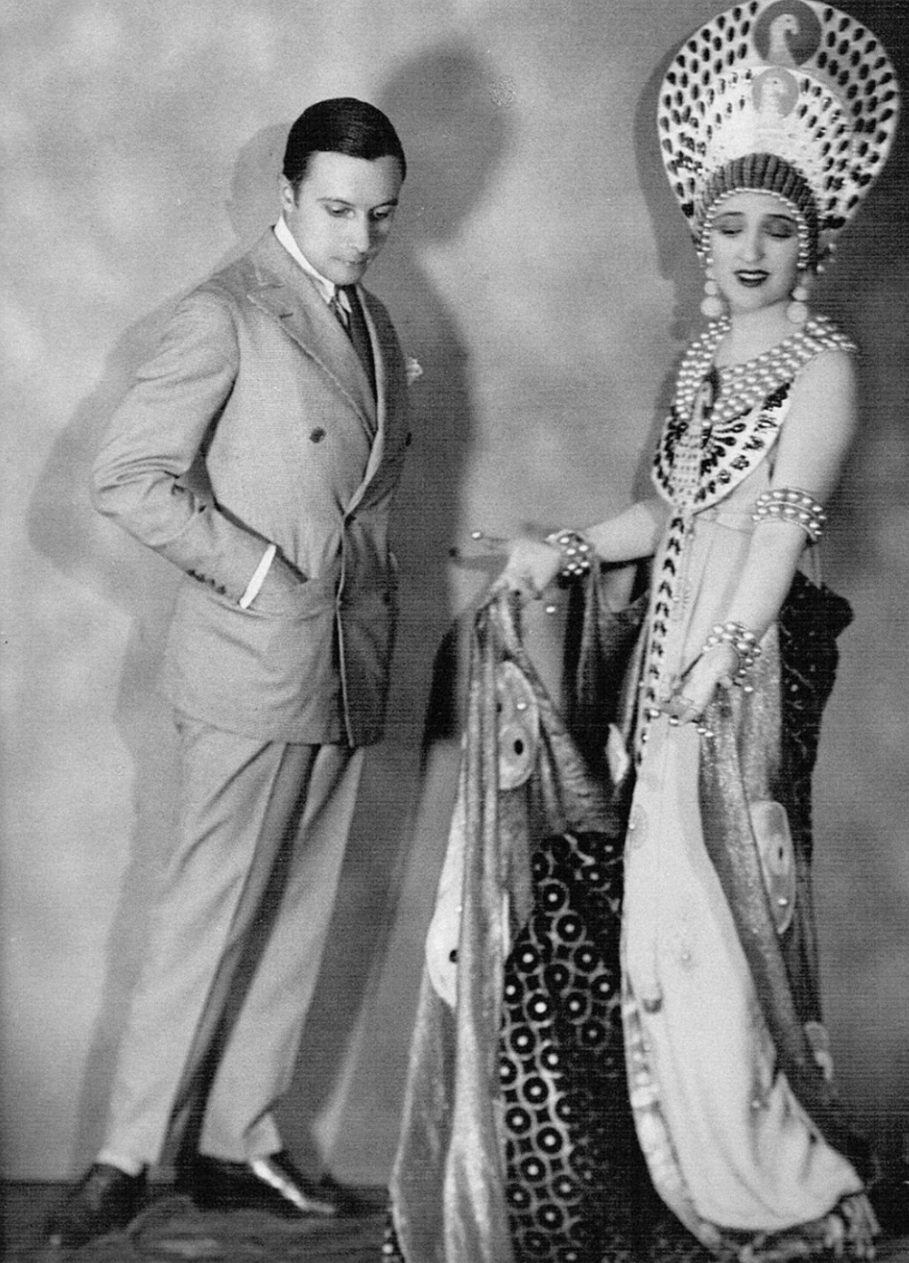
In 1907, at the age of 15, Romain de Tirtoff, later known as Erté, created “Demoiselle à la balancelle,” possibly his earliest sculpture and a testament to his early artistic prowess. Although less refined than his later works, it still exhibits the Art Nouveau style characteristic of his oeuvre. Despite its significance, Erté deemed it unremarkable, as evidenced by its absence from his official biography, yet the inscription “ERTE PARIS 1907” on its back bears testament to its origins. In 1910–12, Romain relocated to Paris to pursue a career in design, defying his father’s wishes for a naval career and adopting the pseudonym Erté to spare his family’s sensibilities. His tenure with fashion designer Paul Poiret from 1913 to 1914 laid the foundation for his illustrious career. Securing a pivotal contract with Harper’s Bazaar in 1915 propelled him to fame, marking the beginning of a prolific period where he designed over 200 covers for the magazine. His elegant fashion designs, epitomizing the Art Deco era, garnered widespread acclaim, particularly his creations for renowned dancer Gaby Deslys.
“I came to the conclusion that I could live without dancing but could not give up my passion for painting and design”
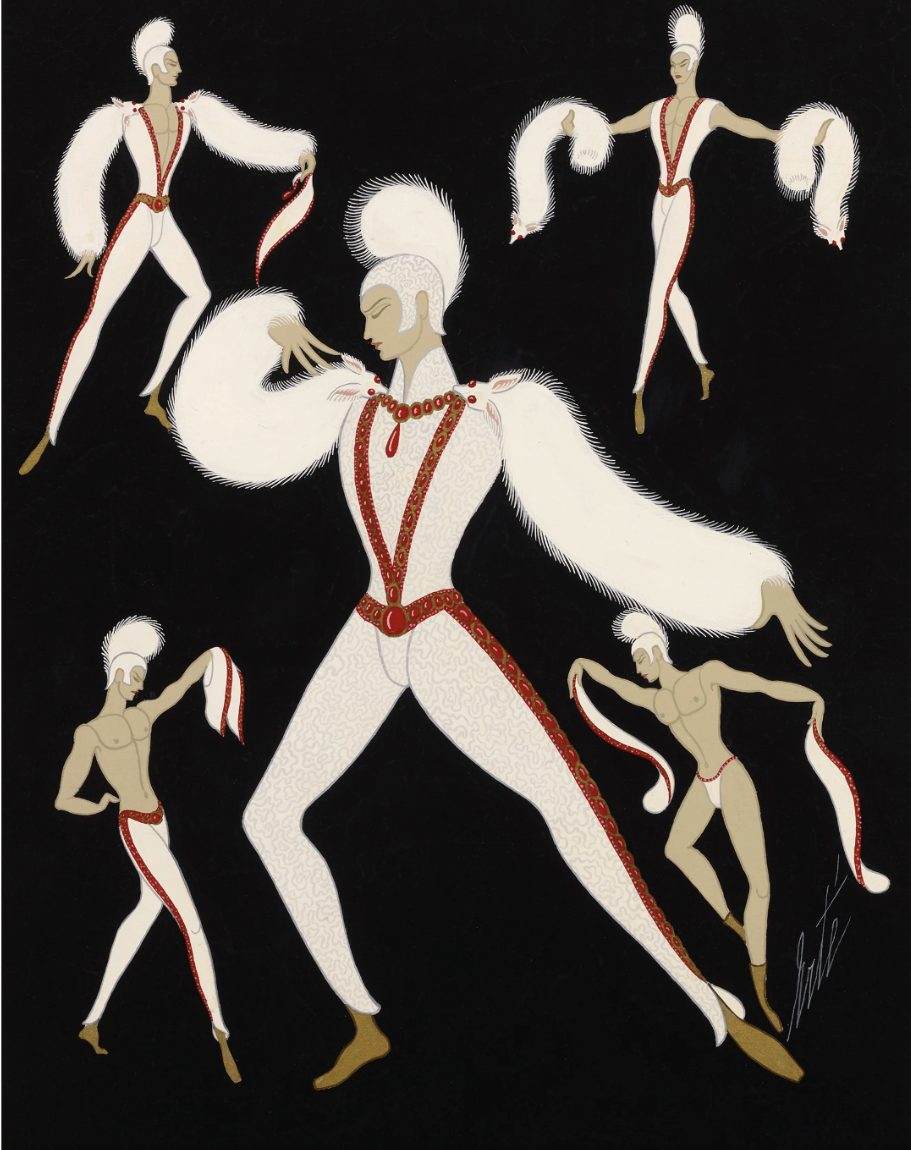
The Metropolitan Museum of Art
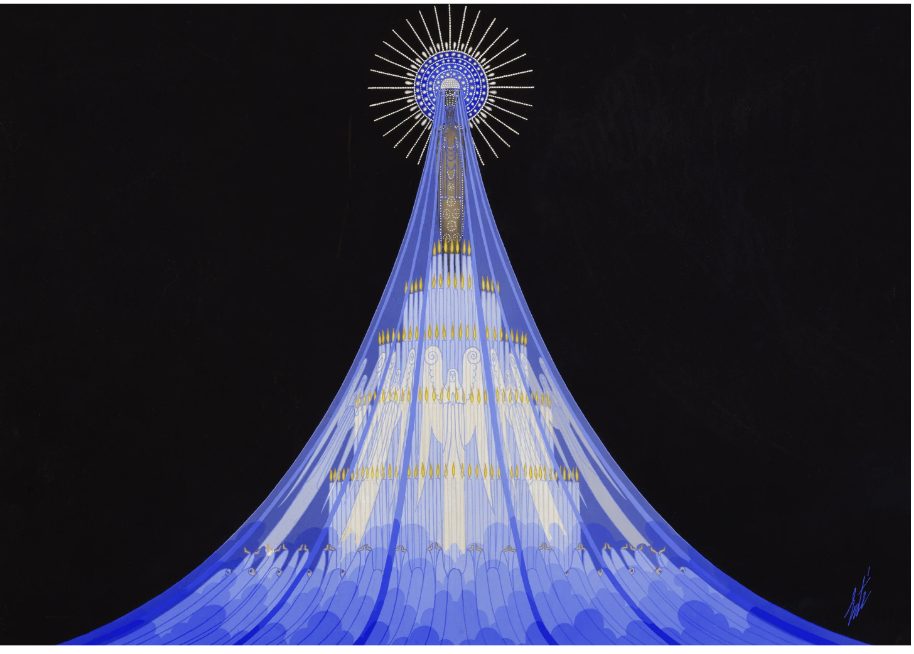
The Metropolitan Museum of Art
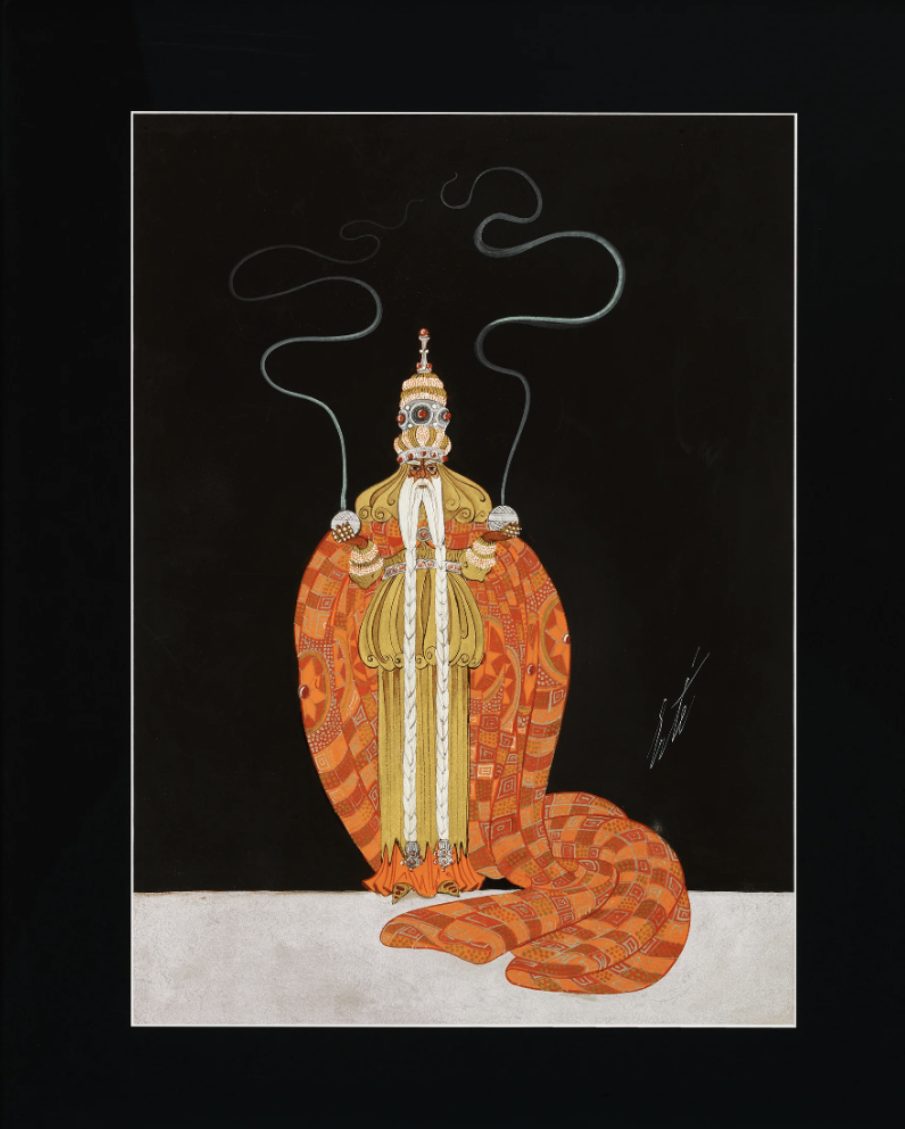
The Metropolitan Museum of Art
Throughout his life, Erté’s creative endeavors extended beyond fashion, encompassing costume and set design for various productions, including the Ziegfeld Follies of 1923 and the Folies Bergère. His iconic image “Symphony in Black,” featuring a tall, slender woman with a black dog, remains emblematic of his style and has left an indelible mark on the art world. Even in his later years, Erté remained prolific, experiencing a resurgence in popularity during the Art Deco revival of the 1960s. He diversified into limited edition prints, bronzes, and wearable art, cementing his legacy as a visionary artist whose influence transcends generations.
During the 1960s, Erté experienced a resurgence in interest in his work, prompting him to create a series of sculptures and lithographs that reignited the Art Deco movement. Recognizing his significant contributions to the arts, the French government bestowed upon him prestigious honors, including the title of Chevalier du Mérite Artistique et Culturel in 1970, followed by Officer of Arts and Letters in 1976. In 1982, he received the esteemed Medaille de Vermeil de la Ville de Paris. His notable exhibitions took place at renowned galleries such as the Knoedler Gallery in New York in 1920, the Galleria Milano in Milan in 1965, and the Shiseido Gallery in Tokyo in 1976. Today, his works are proudly displayed in esteemed institutions worldwide, including the Victoria and Albert Museum in London, the Metropolitan Museum of Art in New York, and Museum 1999 in Tokyo. Erté passed away on April 21, 1990, in Paris, France, at the age of 97.
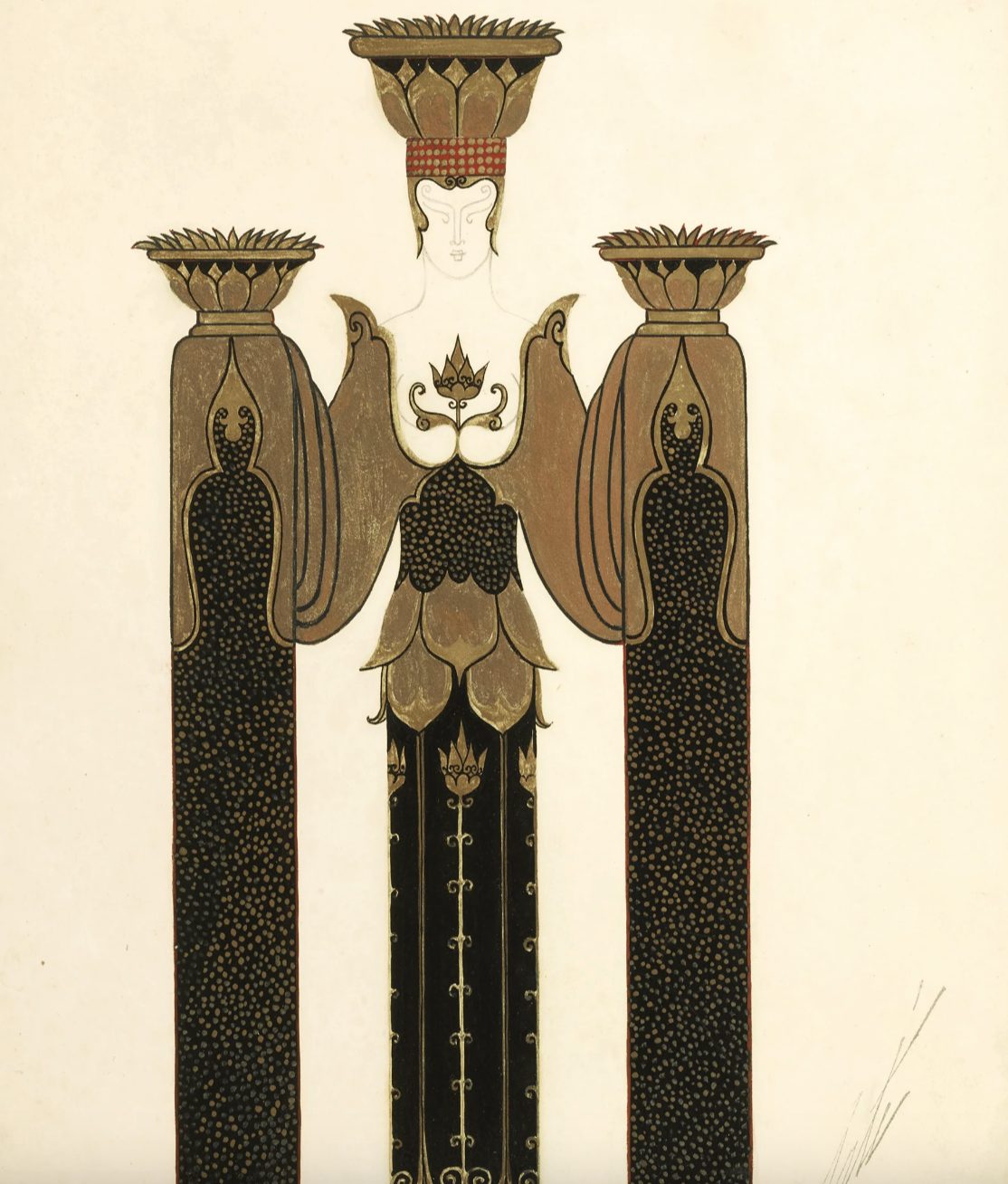
Martin Lawrence Galleries
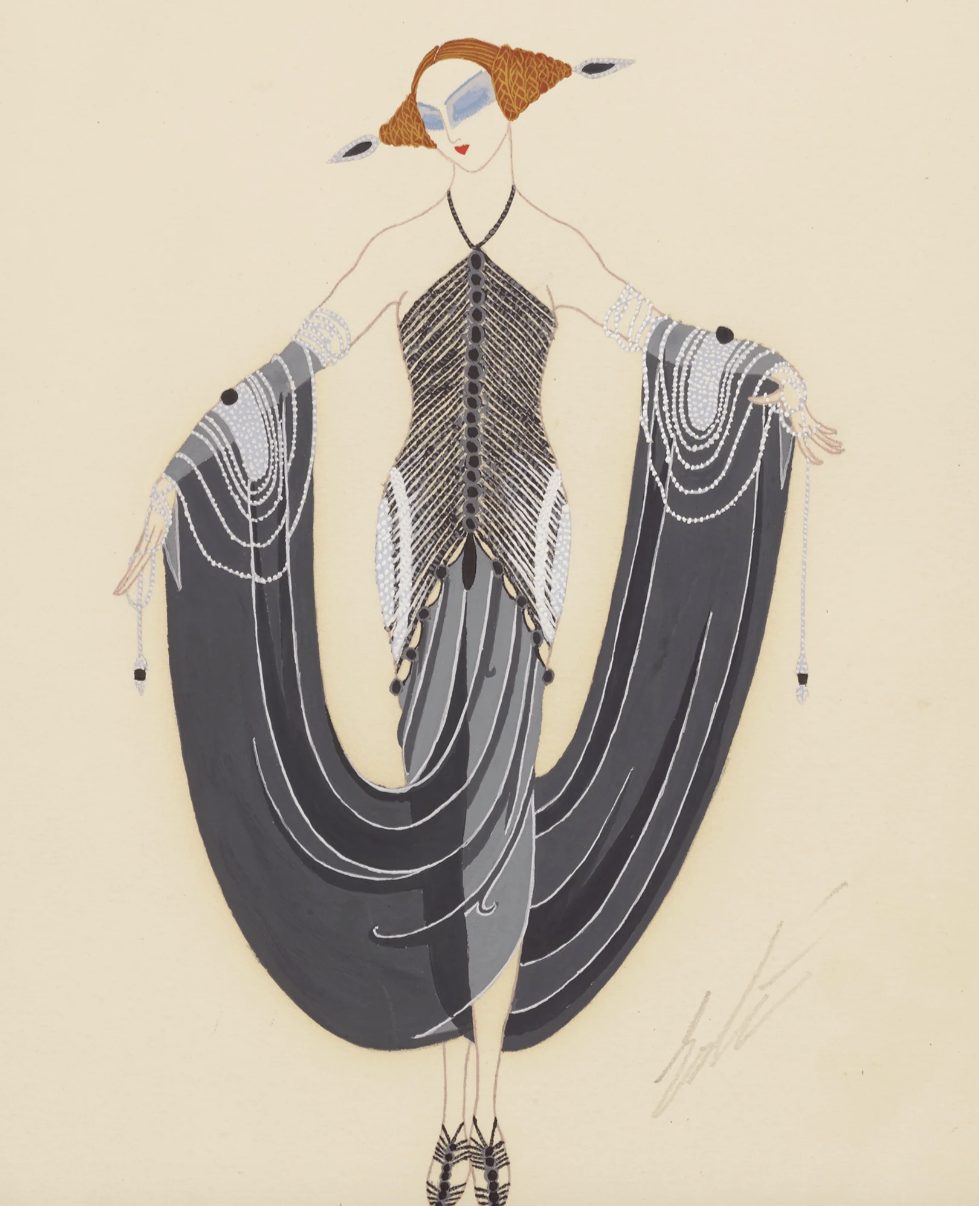
Martin Lawrence Galleries
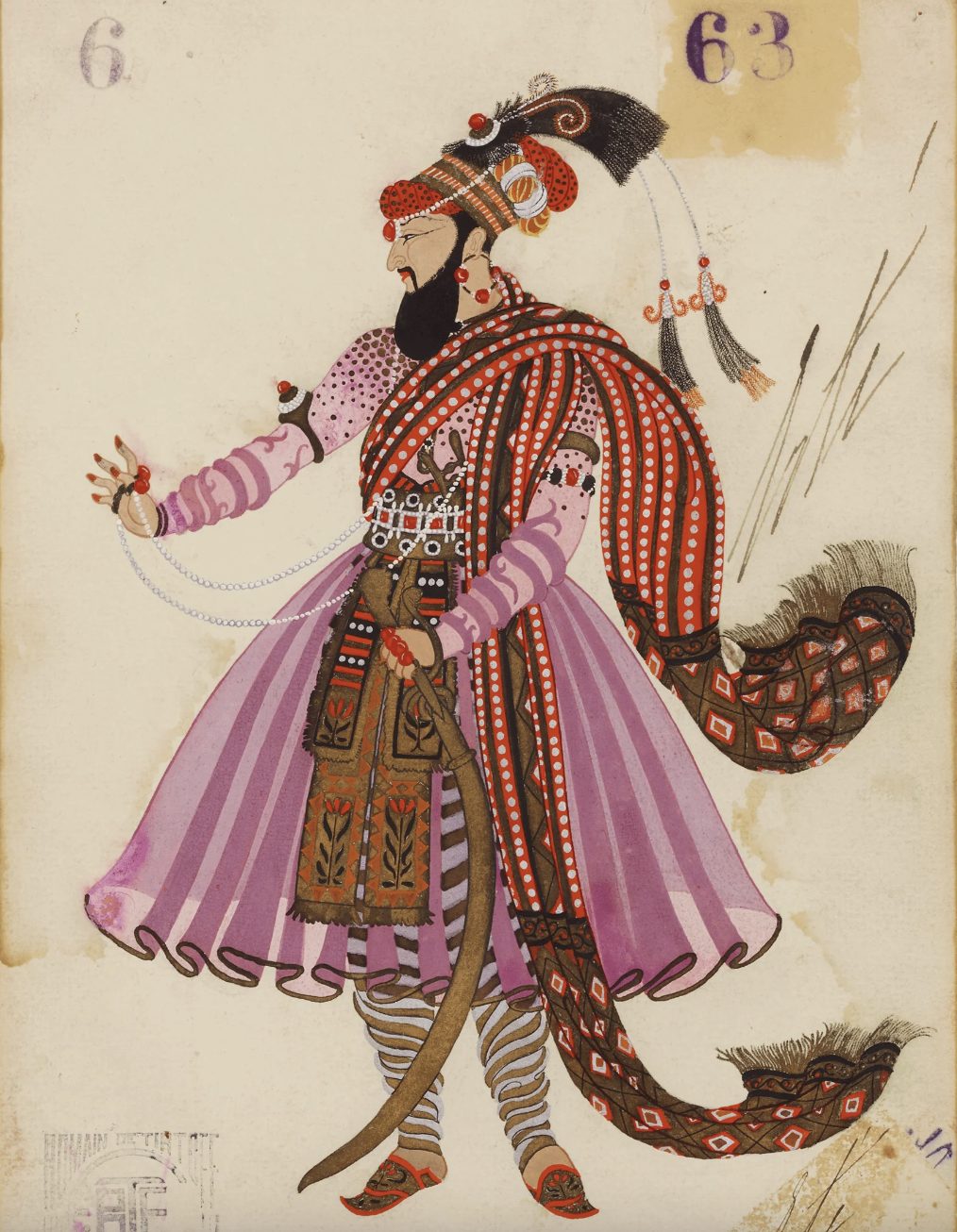
Obelisk Art History
View Rug & Kilim’s Art Deco collection here – https://rugandkilim.com/product-category/art-deco/