
Rug & Kilim Abroad: Editorial’s Bhavna Dahiya visits the Azerbaijan Carpet Museum, Baku
June 19, 2024
Scandinavian Design and its Connection to Art Deco and Jugendstil Art Movements
June 26, 2024"The Great Cover-Up: American Rugs on Beds, Tables and Floors", an exceptional exhibition at the American Folk Art Museum, showcased the work of numerous talented artists, most of whom were women and often anonymous or labeled as "unidentified."
Embroidered American Carpets
Covering interior surfaces has historically served both utilitarian and decorative purposes. Early American rugs, crafted through methods such as yarn sewing, shirring, appliqué, and embroidery, often transcended their functional roles through the graphic power of their color and design. “The Great Cover-up: American Rugs on Beds, Tables, and Floors” showcases around 65 rugs spanning from the late 18th to the mid-20th century, including several monumental masterworks. Highlights include the museum’s impressive 13-foot Appliqued Carpet (c. 1860) and the magnificent Embroidered Carpet (1832–1835) by Zeruah H. Guernsey Caswell, from the collection of the Metropolitan Museum of Art.
Rug & Kilim American Rugs – Shop Here
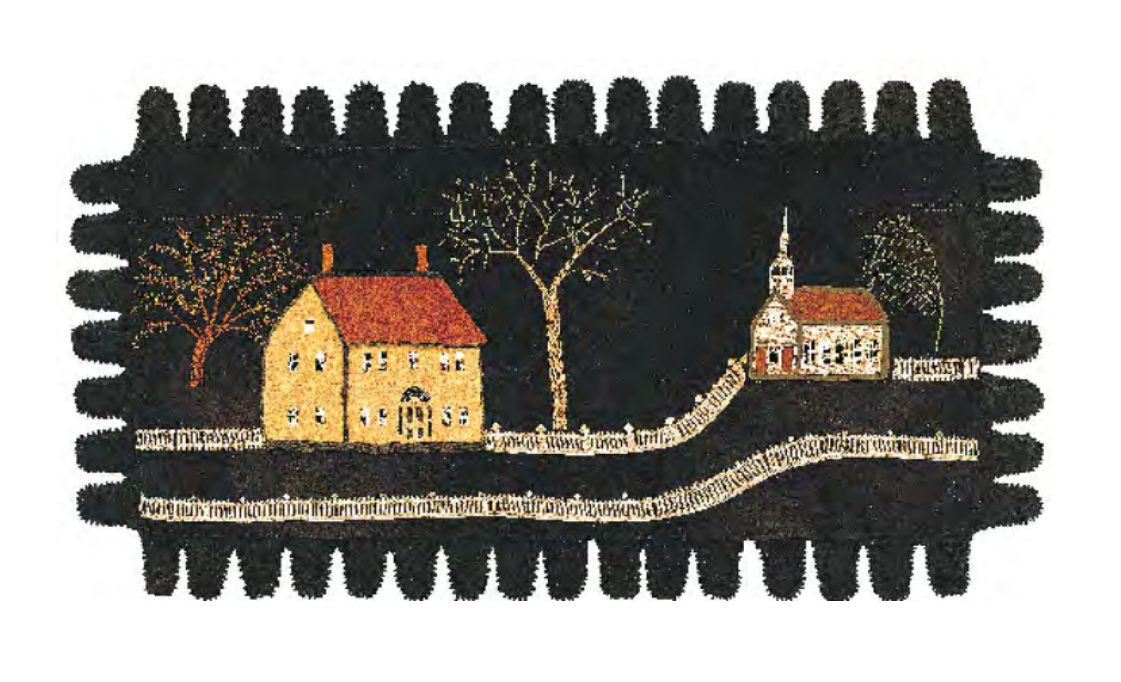
The exhibit also features the rare and striking Knitted Rug attributed to Elvira Hulett of the Hancock Shaker community, celebrated for its technical brilliance, and the graphic Pictorial Table Rug, illustrating the strong link between church and home. Originally, these hand-sewn and -hooked rugs were enjoyed within the intimate confines of the home. Today, their public display offers a fascinating glimpse into the private spaces of American life, showcasing the evolution of American textile artistry.
What began as an effort to make homes cozier and more visually appealing evolved into a deeper exploration of artistic expression, resulting in visually powerful and nurturing objects that transcended mere functionality. Despite their thickness and potential impracticality, these rugs are celebrated for their ambition, personal expression, and artistic merit, exemplified by masterpieces like the carpet created by Zeruah Higley Guernsey.
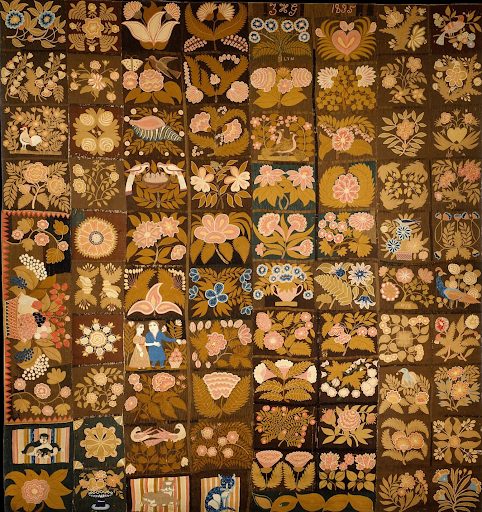
Zeruah Higley Guernsey (1805-1899) is attributed with the creation of a remarkable carpet that bears her initials “Z H G” and the date “1835.” Tradition holds that Zeruah meticulously crafted every aspect of this carpet, from shearing wool from her father’s sheep to spinning, dyeing, and weaving the base textile, which features a blue and white check twill weave pattern. However, there are questions about whether she procured some materials from local weavers or spun and dyed all the embroidery yarns herself.
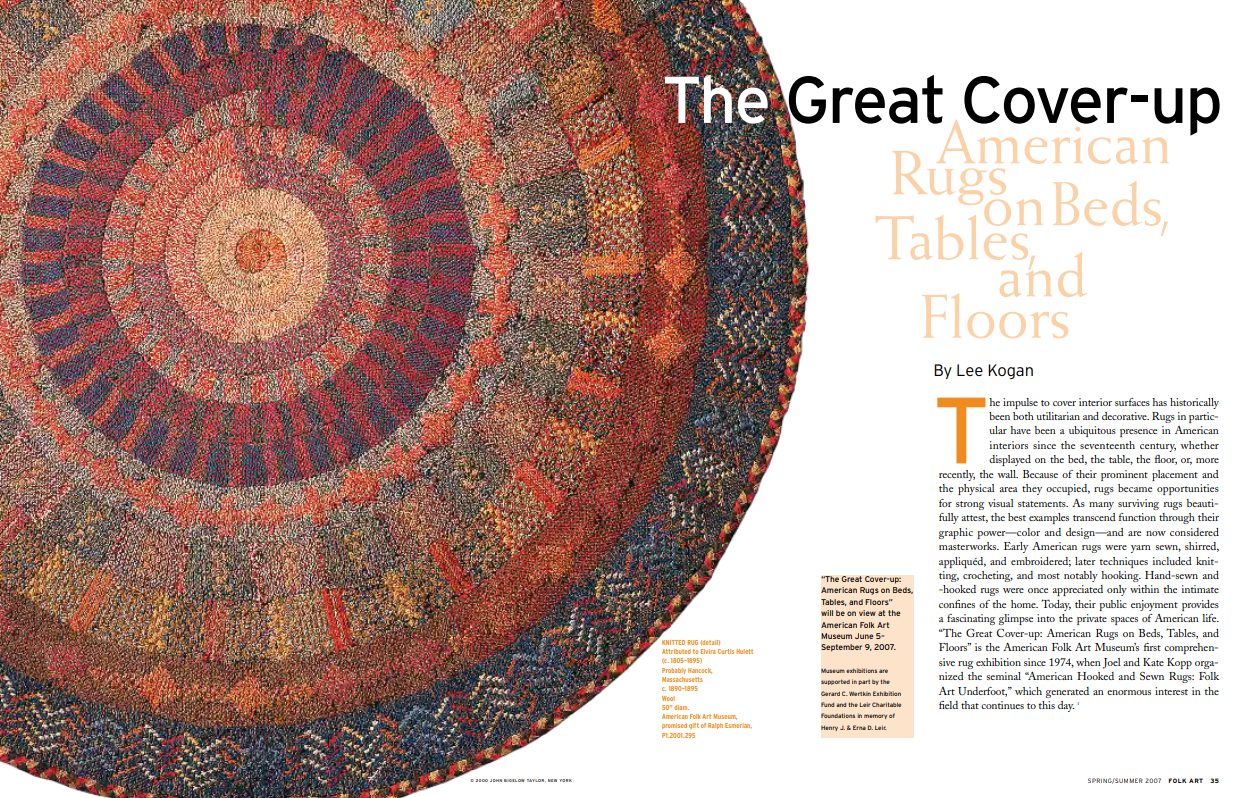
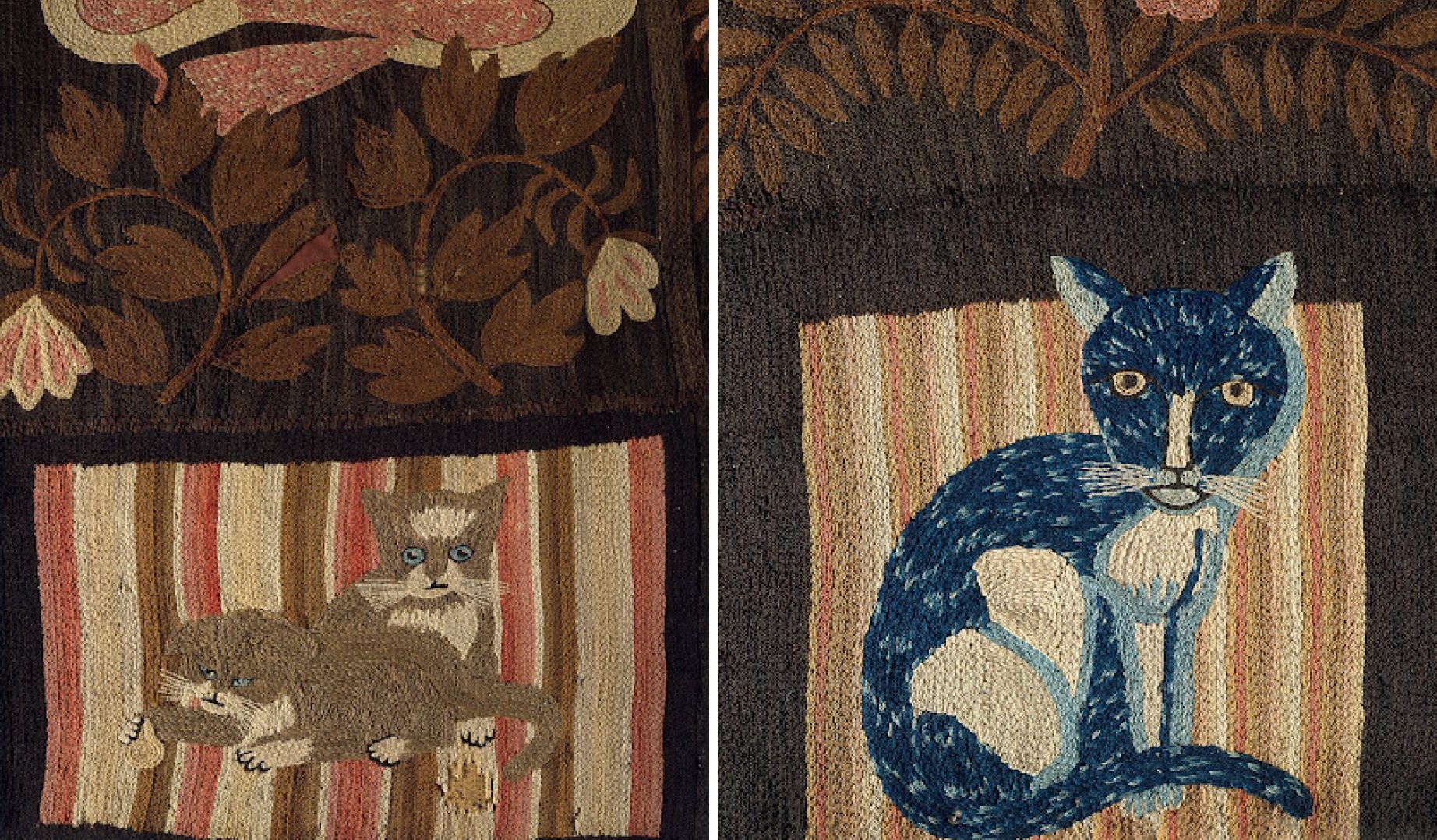
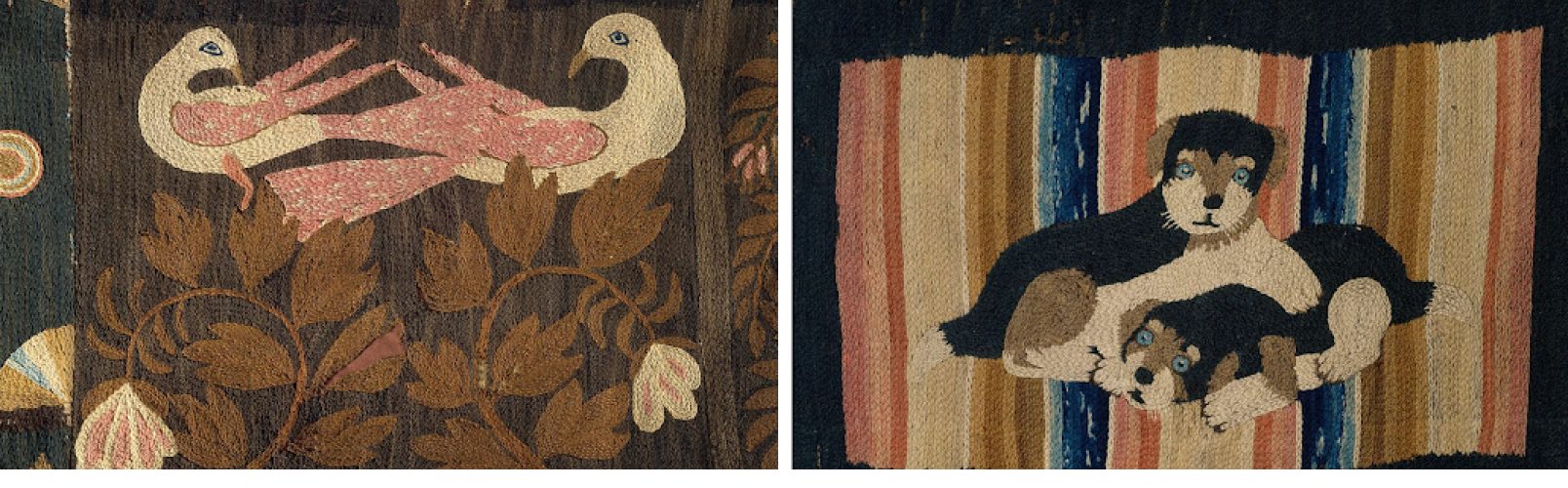
Regardless, Zeruah’s role as the designer and embroiderer of the carpet is undisputed, showcasing her talent and dedication over two to three years of work. The carpet consists of seventy-six chain-stitched embroidered squares, each unique with floral motifs, birds, and other designs. Notably, two squares are attributed to Native American students who stayed with the Guernsey family while attending Castleton Medical College. The carpet also features charming scenes like a courting couple, kittens or puppies, and a blue cat, reminiscent of popular lithographs and Delft tile compositions of the era. The carpet, known affectionately as the “Caswell Carpet,” adorned the Guernsey family parlor for many years, with a detachable hearth rug section serving both decorative and functional purposes.
Rug & Kilim Pictorial Rugs – Shop Here
More Pictorial Rugs from our Shop: