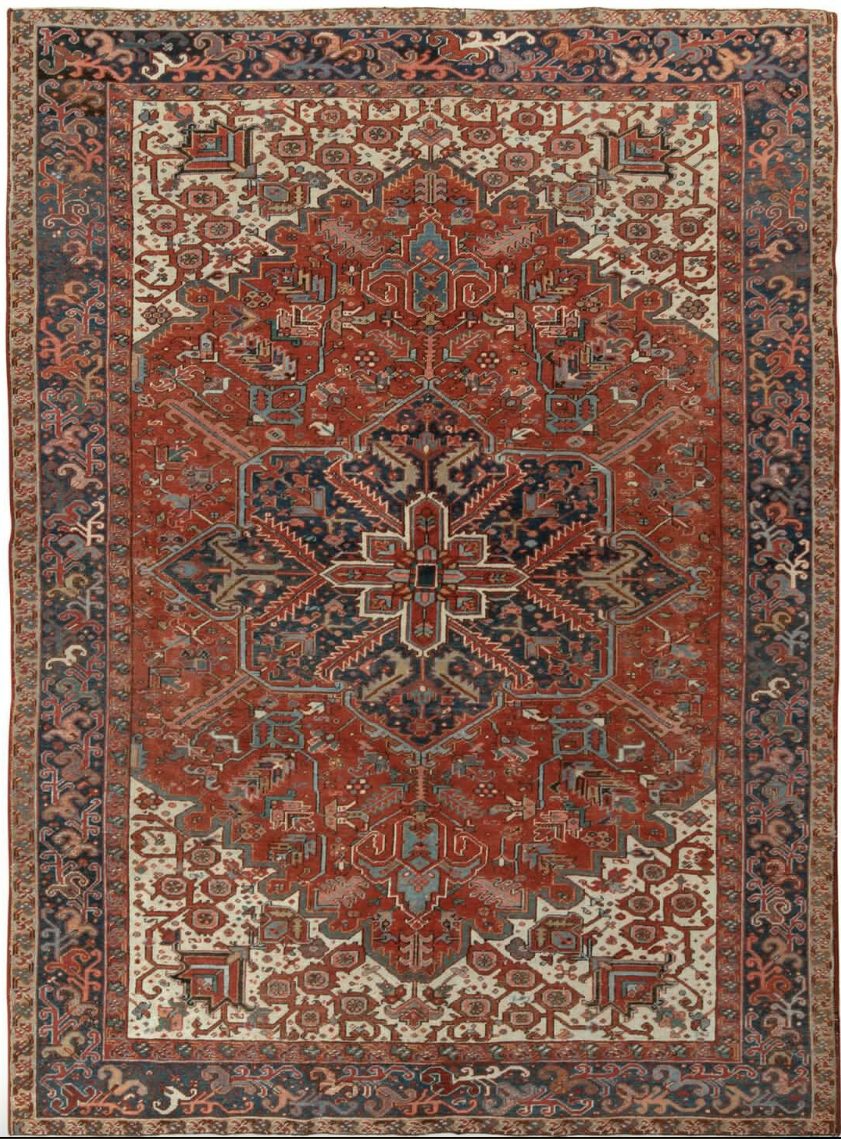

History and Significance of 19th-Century Persian Sultanabad Rugs
June 17, 2024
A Profile on Zeruah H. Guernsey Caswell and her Embroidered American Carpets
June 24, 2024The traditional art of Azerbaijani carpet weaving was inscribed in the Representative List of the Intangible Cultural Heritage of Humanity in 2010.
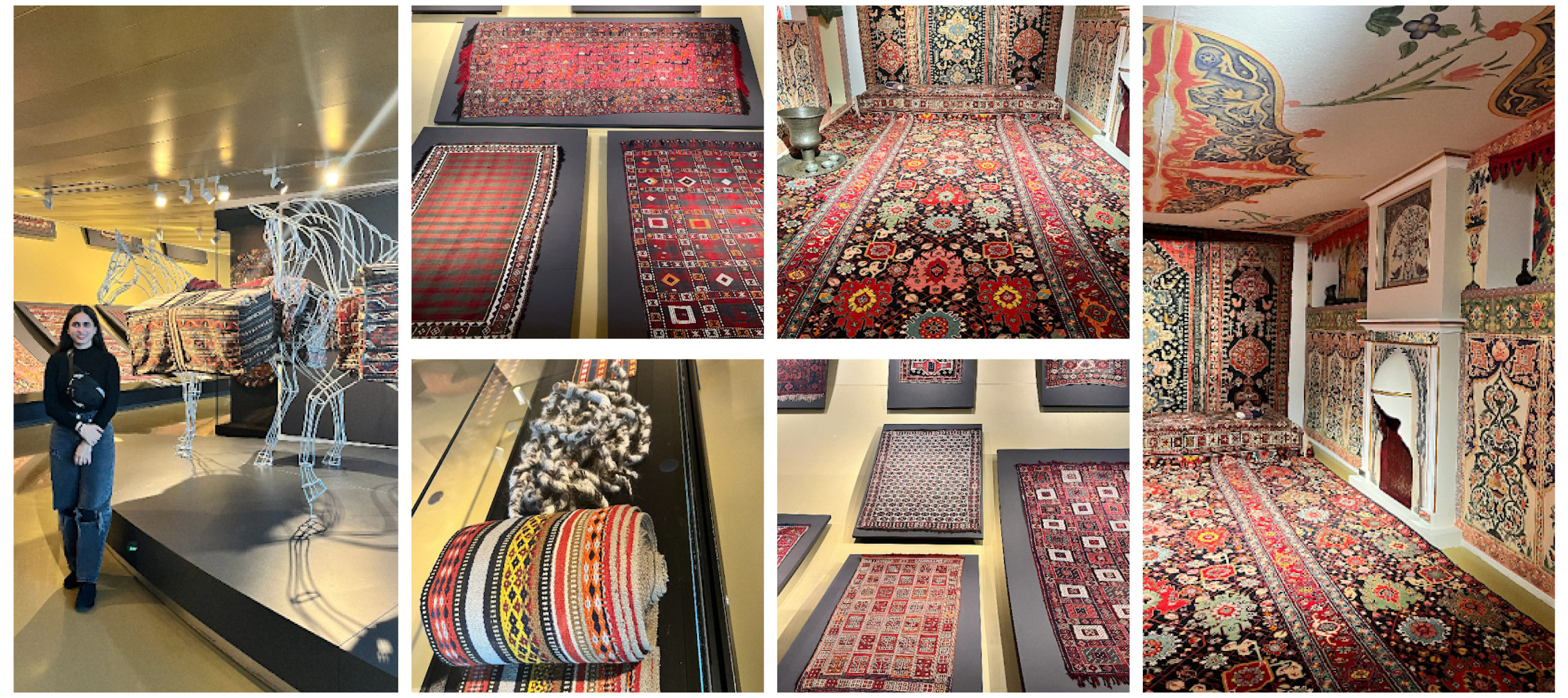
Azerbaijan Carpet Museum
Azerbaijan is the manifestation of the confluence of old and new, with the institution of Azerbaijan Carpet Museum as the signifier of historical evolution of rugs from the 17th century, to modern deconstruction of artworks by contemporary artists like Faig Ahmad.
Rug & Kilim’s Vintage and Antique Collection is an archive of rare period pieces to rugs from the mid-century to the 20th century, each selected for its unusual and quirky character, thereby epitomizing rarity. Our team has always made the most of each opportunity to learn more about these rare jewels around the world. One such opportunity was utilized by our Editorial’s Bhavna Dahiya who was nominated for Indian Delegation to the Young Public Diplomacy Summit in Baku, from 29th February to 3rd March 2024, organized and managed jointly by the Center for Strategic and Cultural Diplomacy, Azerbaijani Embassy for Pakistan, ICYF-ERC, Azerbaijan University of Languages and the Azerbaijani Government.
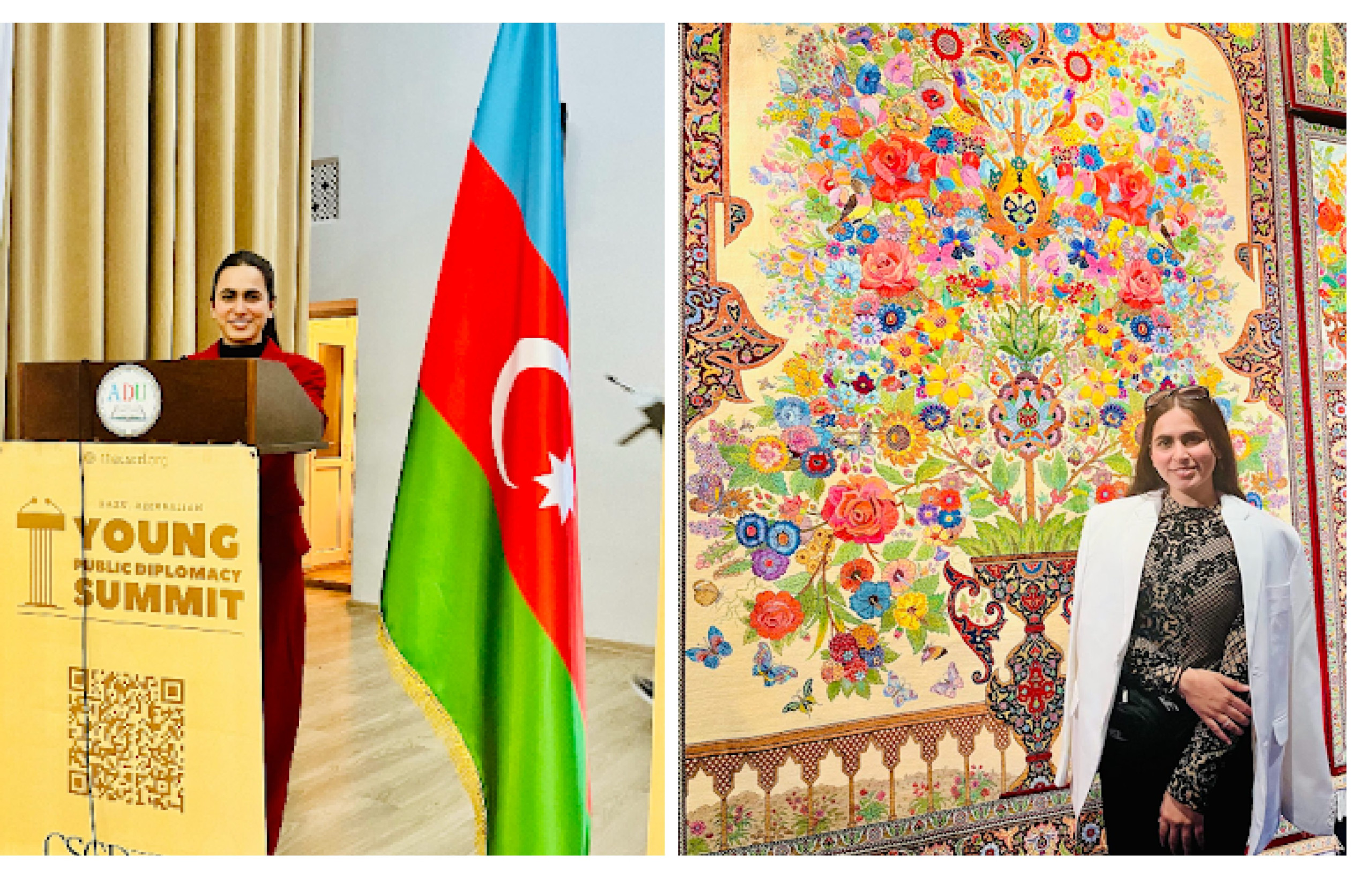
Editor Bhavna Dahiya at Azerbaijan Carpet Museum
The 5th International Symposium on Azerbaijani Carpets held at the International Mugam Center in Baku under the theme “Traditions and Innovations,” witnessed a convergence of artistry and heritage. Alongside the symposium, special events were organized by prominent institutions such as the Azerbaijan Carpet Museum and the Azerbaijan National Museum of Art. At ANMA, the exhibition ‘Silk Treasures’ curated by Asli Samadova and Alberto Boralevi, together with ‘Stars of the Caucasus,’ showcased the beauty of Azerbaijani textiles, including recently rediscovered and restored embroideries, supplemented by international loans from institutions like the V&A and private collections. Simultaneously, the Azerbaijan Carpet Museum displayed its rich permanent collections of rugs alongside temporary exhibitions ‘Flying Carpet’ and ‘Contemporary Art in Carpets,’ bridging the realms of contemporary art and traditional rug making. These events not only celebrated the cultural legacy of Azerbaijani carpets but also highlighted their significance in the context of contemporary art and design.
The Azerbaijani carpet is a cherished historical traditional textile, intricately handcrafted with dense textures and distinctive patterns that reflect the diverse carpet-making regions of Azerbaijan. This ancient art form is deeply rooted in family traditions, passed down through generations orally and through practical experience. The process involves men shearing sheep for wool, while women gather dyestuffs, spin yarn, and dye it with natural colors throughout the seasons. The weaving itself takes place during winter, predominantly by female members of the extended family, with younger generations learning from their elders. These carpets are crafted using horizontal or vertical looms and a range of materials such as wool, cotton, or silk, each dyed with natural pigments. Pile carpets are created by knotting the pile yarn around warp threads, while pile-less carpets utilize various interlacing techniques.
Image Gallery:
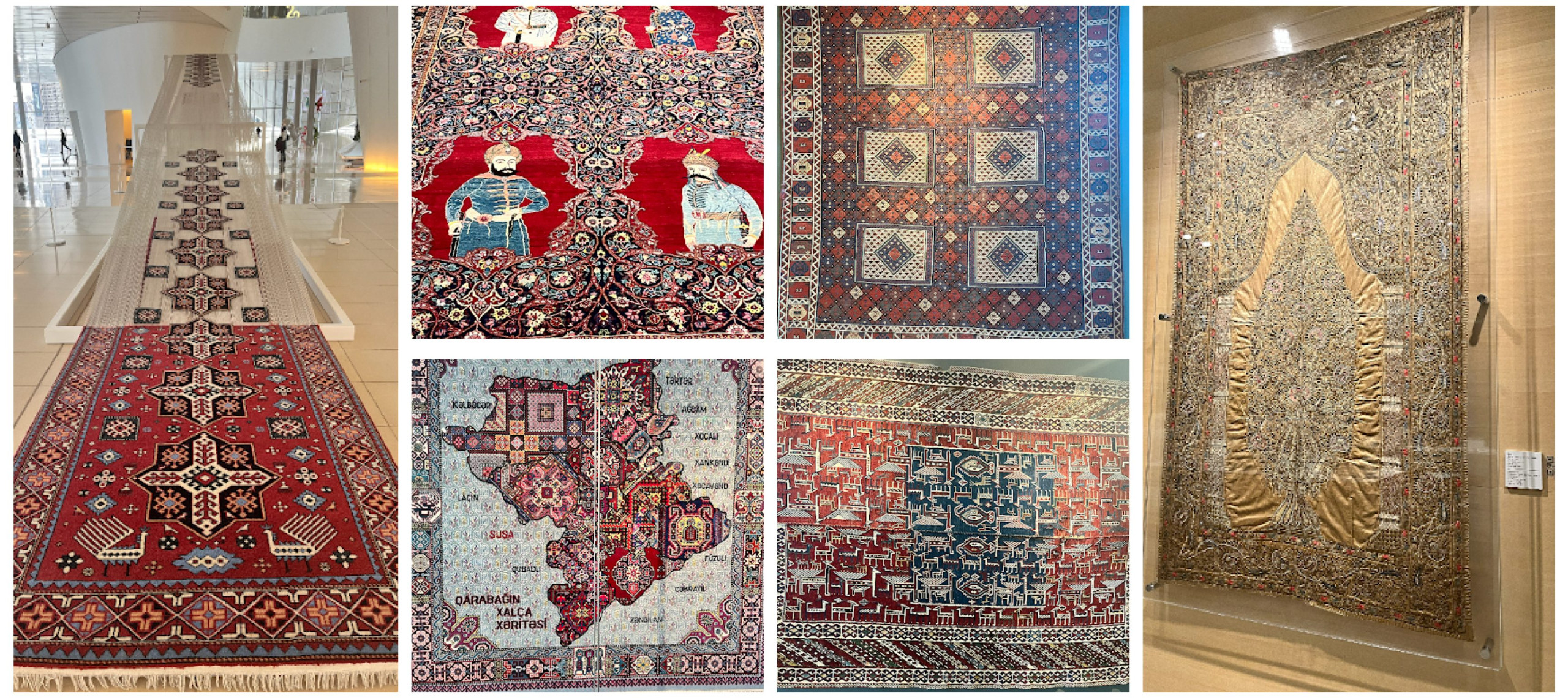
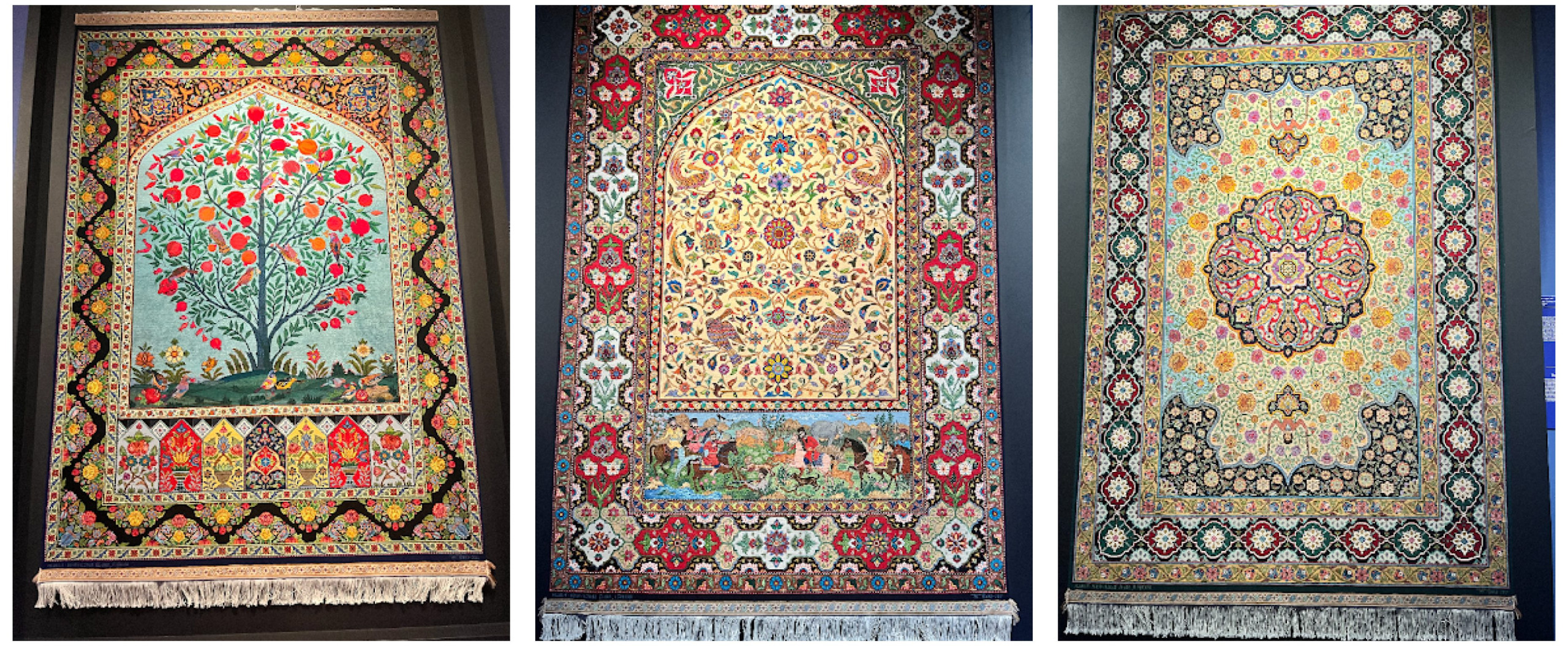
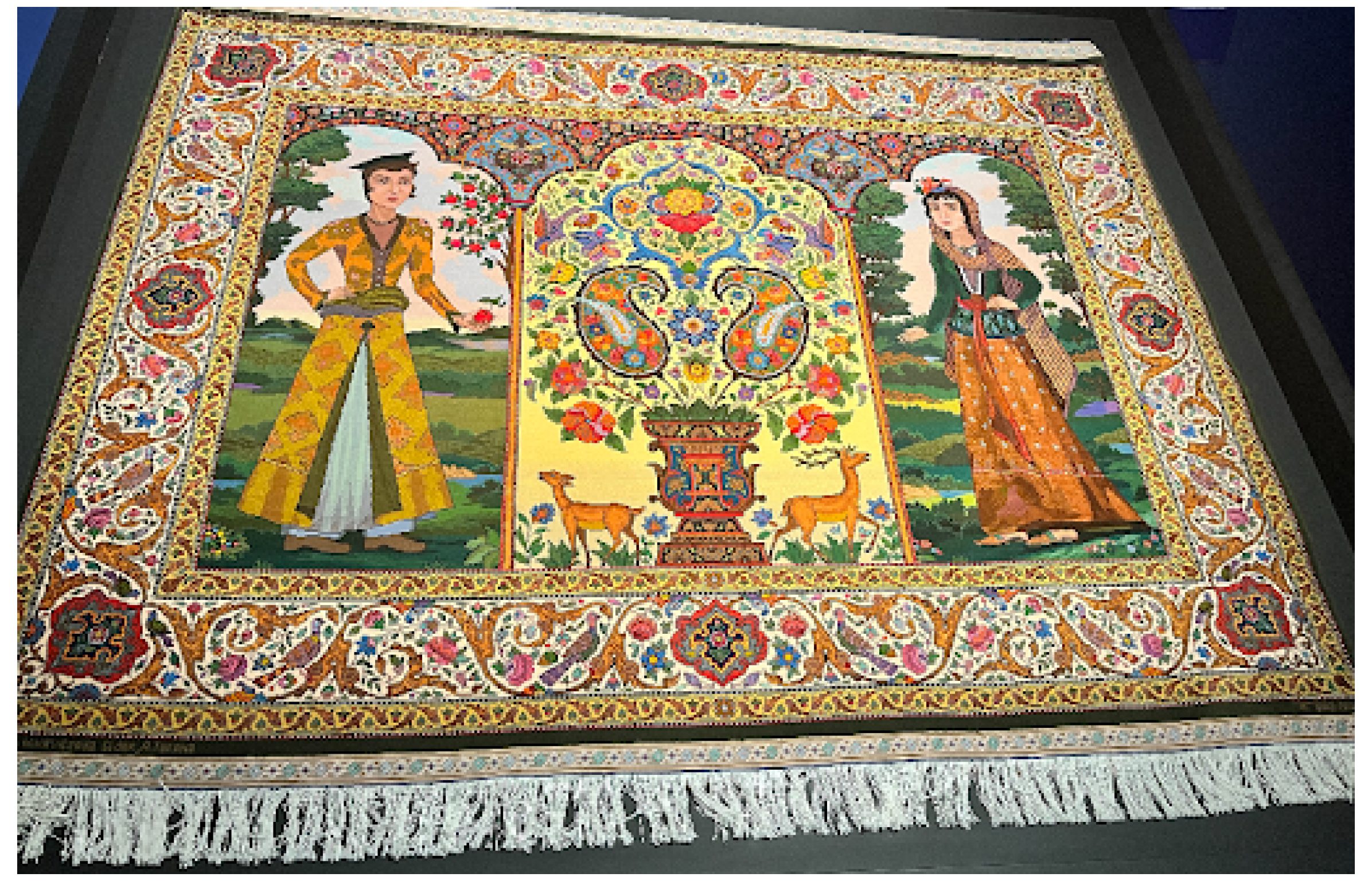
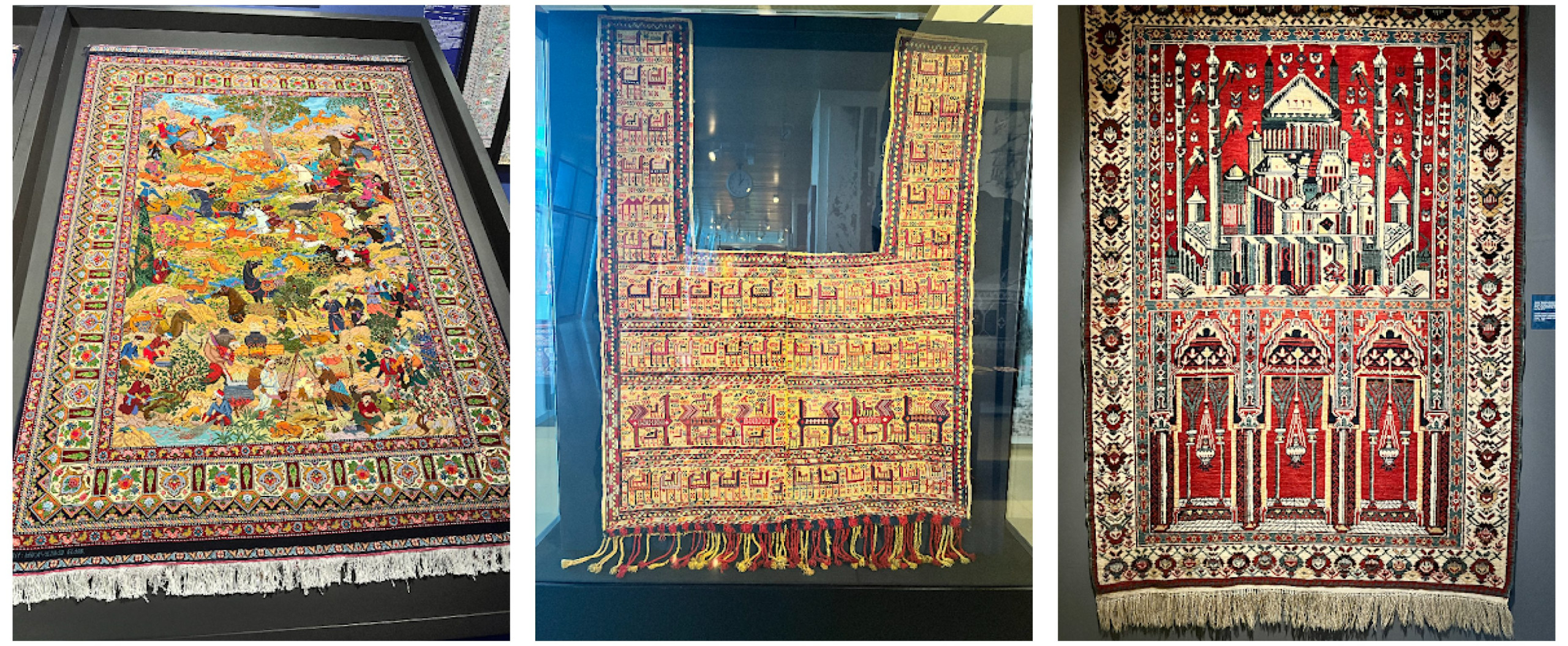
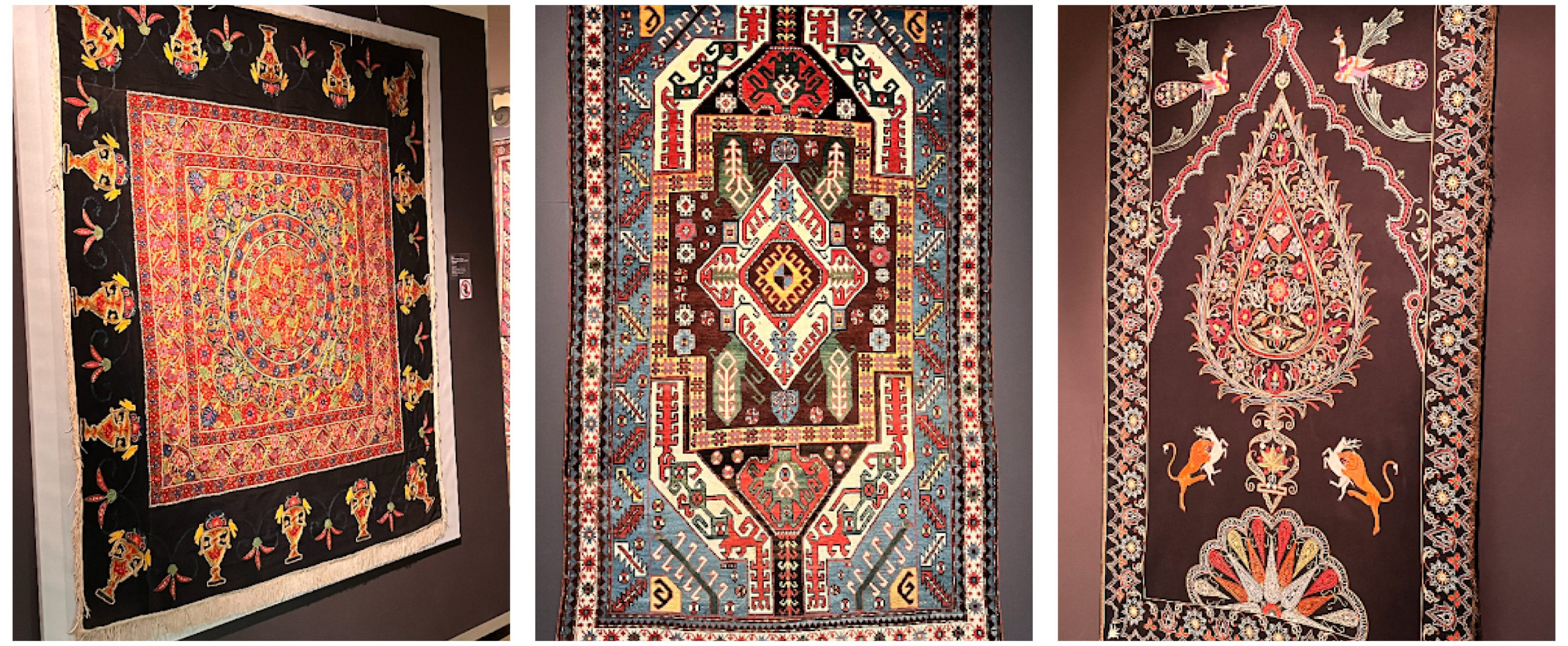
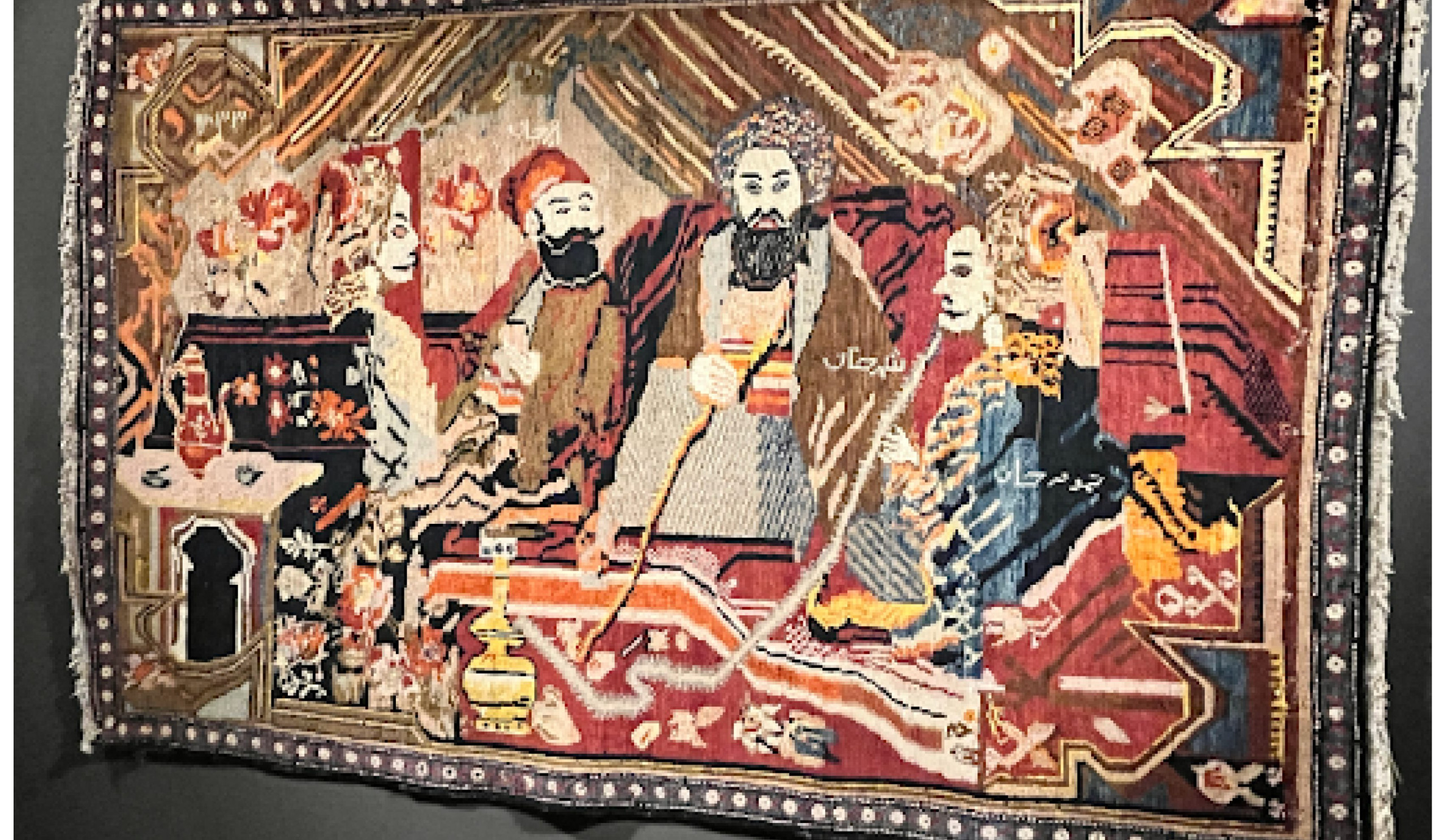
The significance of carpet weaving extends beyond mere art; it is linked to the daily lives and customs of Azerbaijani communities.
For example, carpets play a role in traditional celebrations such as Novruz, where girls seated on carpets engage in fortune-telling and sing traditional songs. Additionally, carpets are essential for home furniture and decoration, with special designs woven for specific occasions like medical treatments, wedding ceremonies, childbirth, mourning rituals, and prayer. The cutting of a finished carpet from the loom is a ceremonial event, symbolizing the culmination of a labor-intensive process and often accompanied by celebrations within the community.
Azerbaijani carpets are not merely artifacts but living expressions of centuries-old craftsmanship and artistic ingenuity. Their presence in renowned institutions like the Hermitage, Victoria and Albert Museum, Metropolitan Museum of Art, Louvre, and the Vatican underscores their exceptional value and uniqueness in the world of art. Interestingly, the Western appreciation for these carpets came much later, around the 15th century, when they found their way into the courts of kings and the homes of European nobility. The warmth of their pile and the vibrancy of their colors delighted the West to such an extent that Azerbaijani carpets became indispensable elements in palace interiors and even in gala paintings. Royalty and nobility frequently commissioned portraits with Azerbaijani carpets as backdrops.
Beyond their aesthetic appeal, Azerbaijani carpets were often attributed with mystical properties, believed to promote health and prosperity within households. However, their allure also lay in the secrets embedded within them. Through meticulous selection of wool, use of natural dyes, and the exceptional skills of weavers, Azerbaijani carpets evolved over time, acquiring deeper colors and richer textures. Across centuries, Azerbaijan maintained its reputation as a trendsetter in carpet weaving, earning accolades from travelers and art enthusiasts across Arab, European, and Russian regions.
Carpet weaving stands as an ancient Azerbaijani tradition with roots tracing back to 200 BC. While sharing historical ties with Persian rugs, Azerbaijani rugs have evolved distinct characteristics that define their uniqueness. These rugs are categorized into seven main types: Shadda, Verni, Jejim, Zilli, Kilim, Sumakh, and Palas. Each category boasts its own set of specialized tools, weaving techniques, intricate patterns, and vibrant colors, making the mastery of each type a labor of years.
The historian and art critic P. R. J. Ford aptly noted that while carpets are made in various Caucasian regions, the true birthplace and essence of Caucasian carpets reside in Azerbaijan, with the skills and ideas of Azerbaijani weavers resonating throughout the entire Caucasus region.
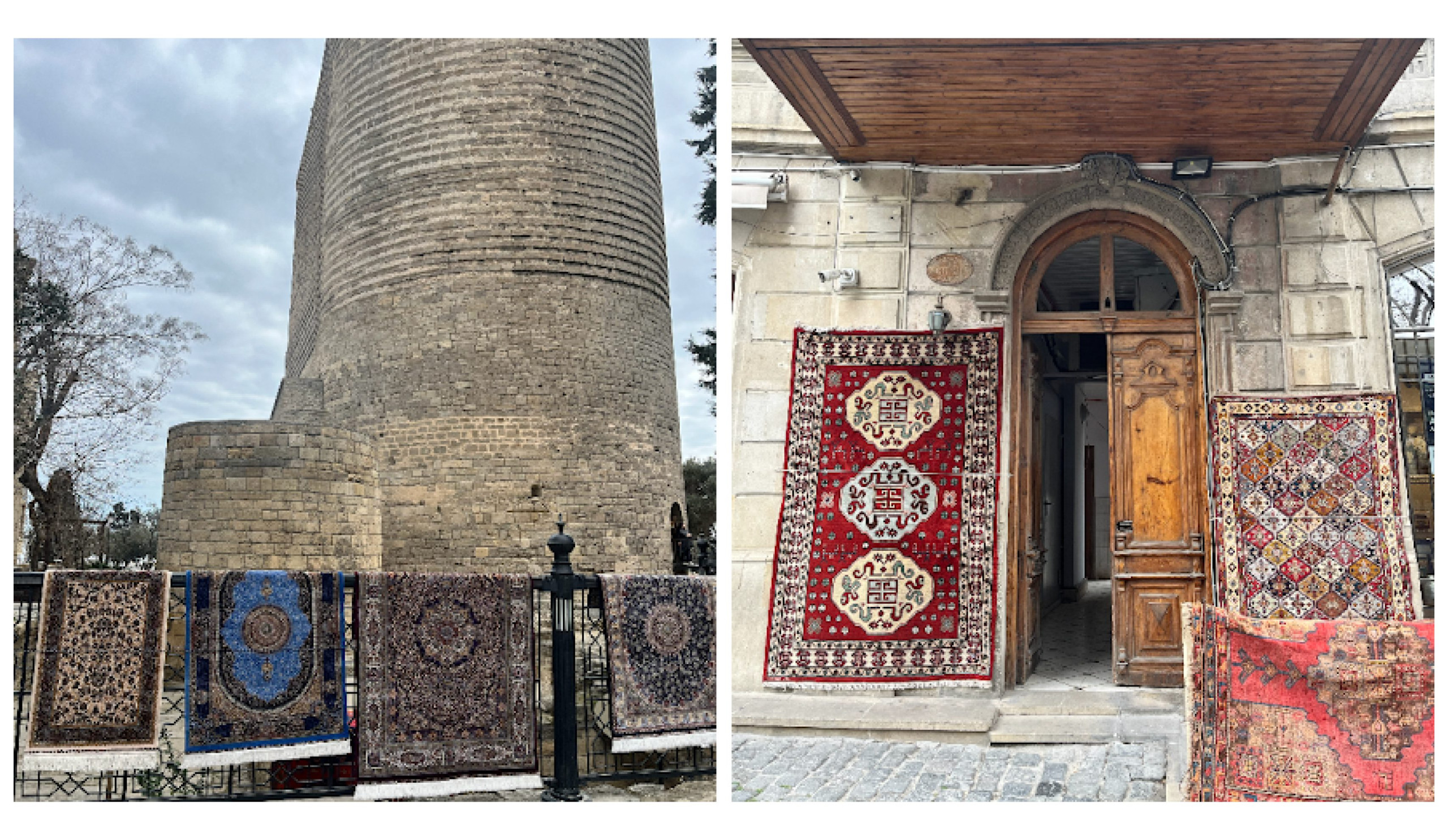
View Rug & Kilim’s collection of Azerbaijan rugs here – https://rugandkilim.com/shop/?s=azerbaijan
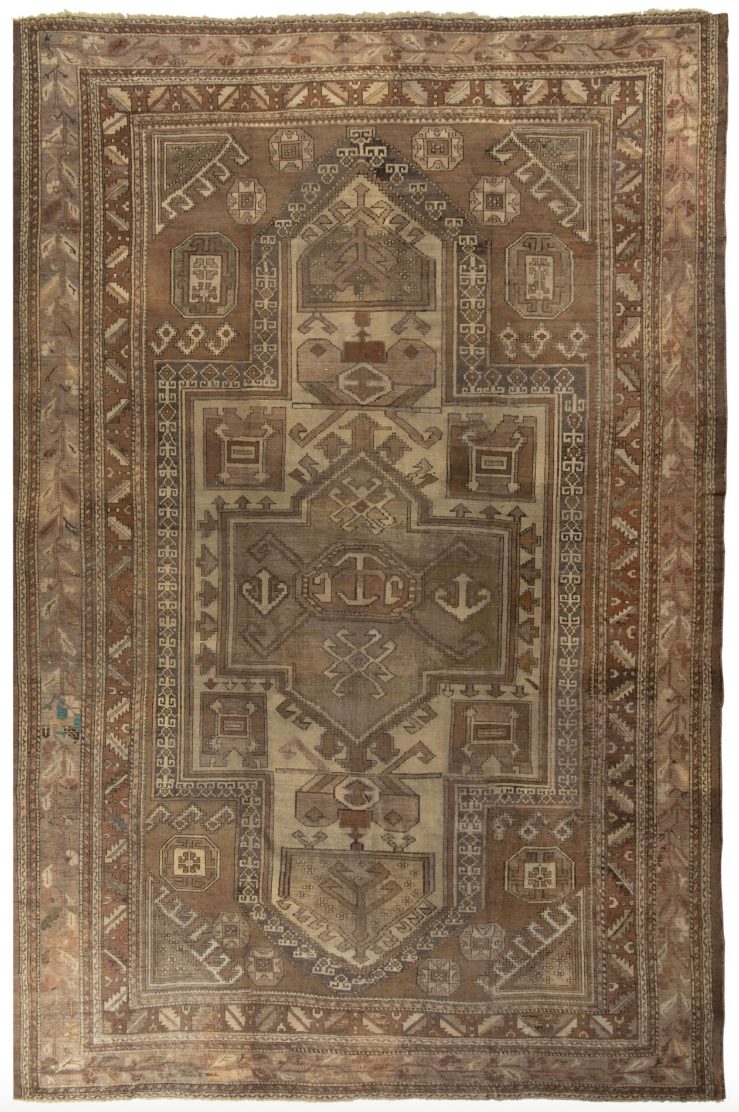
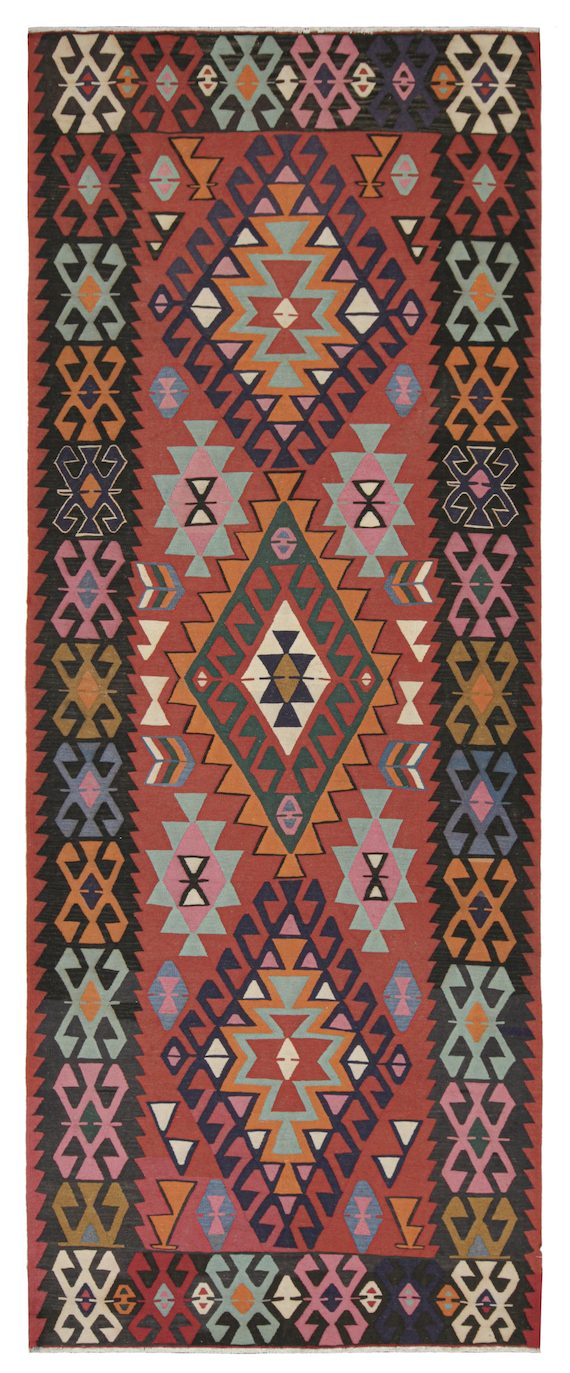
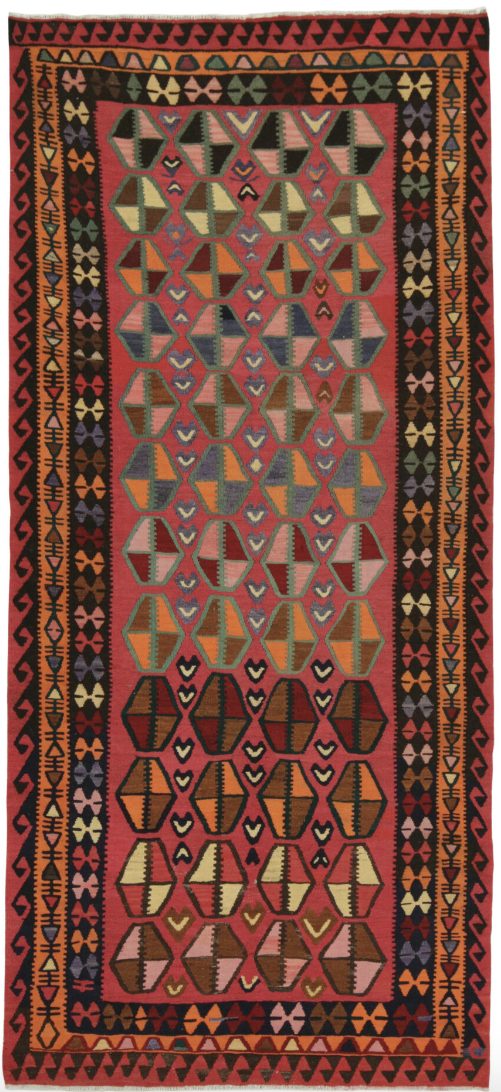
Meanwhile, have a look at some of our favourite rugs from the same provenance and as inspired by Azerbaijani carpet designs –