
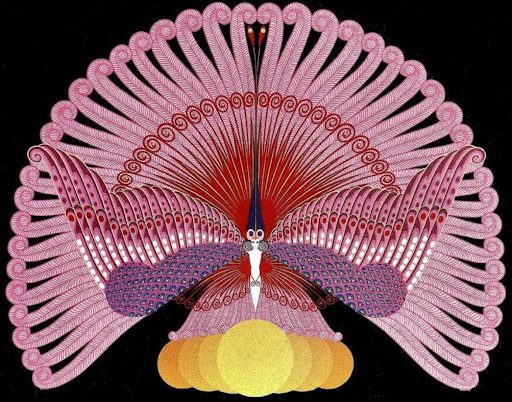
Rug & Kilim’s Art Deco Rugs as Inspired by Romain de Tirtoff “Erte’s” Artworks
June 14, 2024
Rug & Kilim Abroad: Editorial’s Bhavna Dahiya visits the Azerbaijan Carpet Museum, Baku
June 19, 2024A beautifully crafted Oriental rug never goes out of style and can be surprisingly versatile in all kinds of homes.
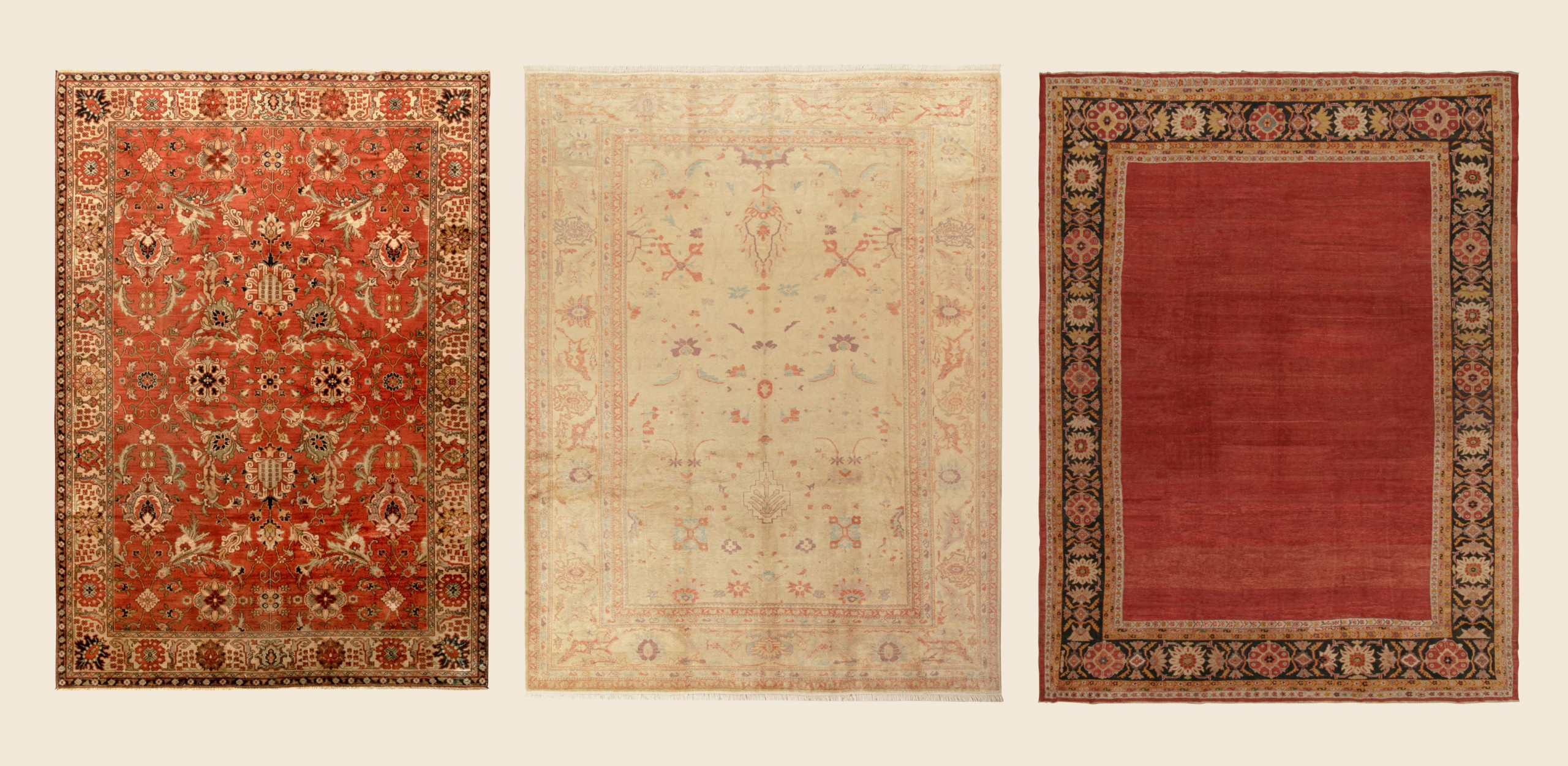
With thousands of options in terms of color, fabric, scale, and style, there’s an Oriental rug out there for every space, whether you’re looking to accent an opulent English-inspired library or a sleek modern living room.
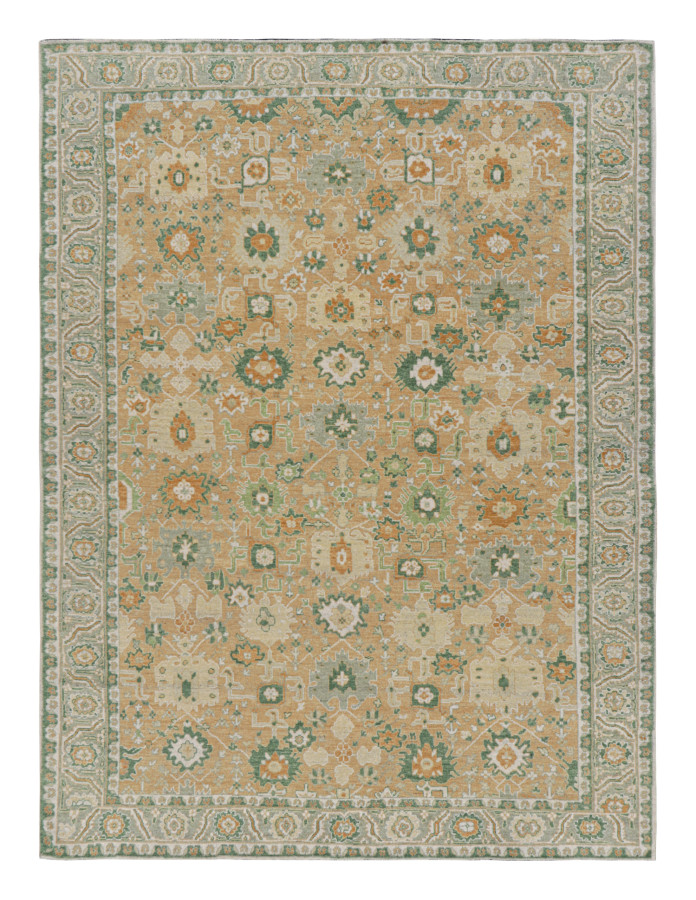
Antique Sultanabad carpets are some of the most coveted Persian rugs. Examples from the late 19th and early 20th centuries often feature subtle color palettes and beautiful trellis designs, making them an ideal foundation for any room. The design and color combination and the condition of these carpets make it one of a kind.
The first World Oriental Carpet Exhibition held in Vienna in 1891 marked a significant milestone in the increasing familiarity and appreciation of hand-woven Persian carpets in Europe and America. As demand for these carpets grew in these new markets, it began to outstrip the available supply. To address this challenge, there emerged a sort of joint venture between the Middle East and the West to manage and revitalize carpet production. British and American firms started collaborating with local carpet-producing facilities to engage in mass production of popular Persian rug styles for export to major cities like London and New York. This collaborative effort aimed to meet the escalating demand while also ensuring the continuation of high-quality craftsmanship that Persian rugs were known for. One notable example of this collaboration was the establishment of offices by the British-Swiss company Ziegler & Co. in Sultanabad (now known as Arak), a central area for rug production.
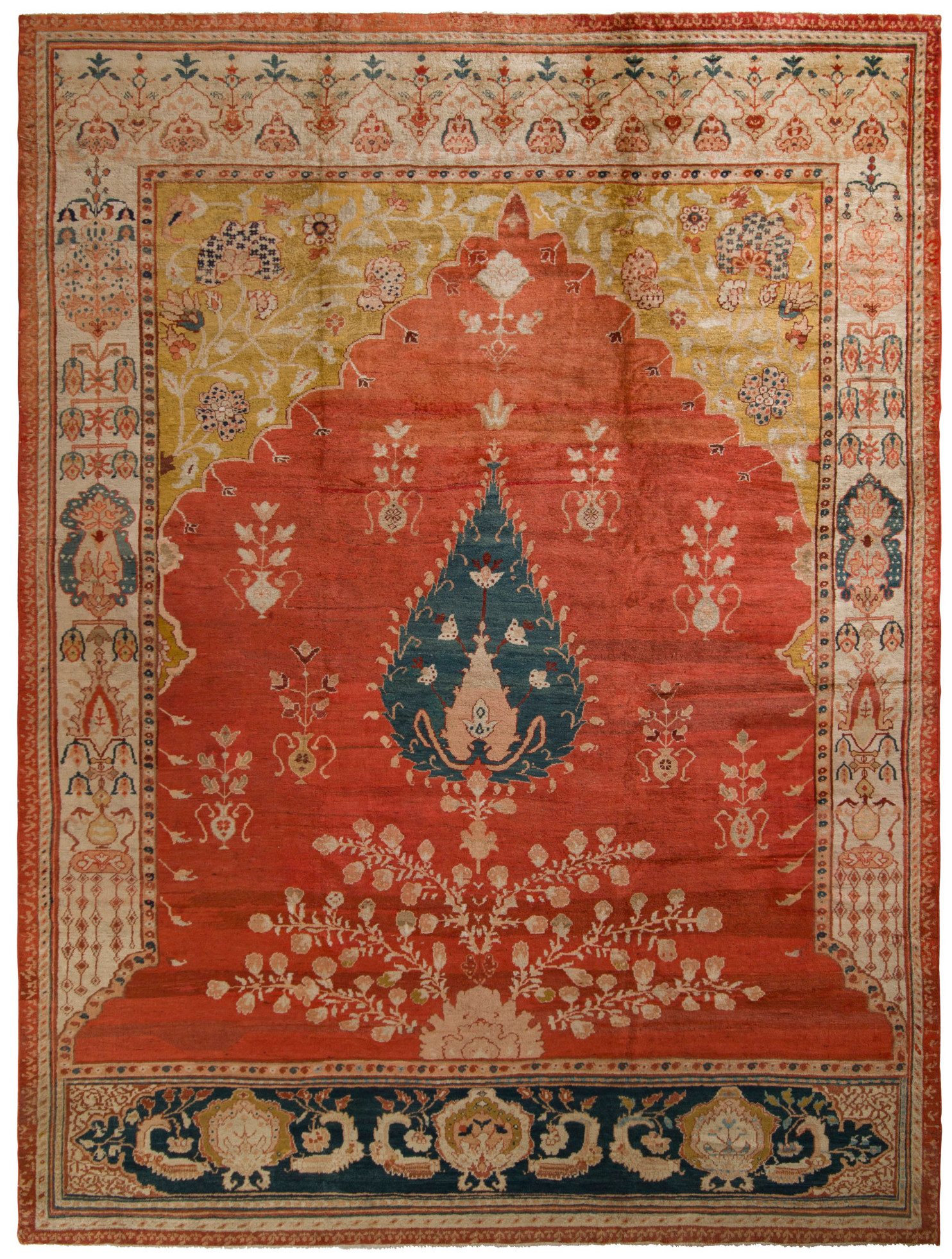
In the latter half of the nineteenth century, there was a significant surge in demand for Persian rugs among Western consumers, leading to a transformation of this ancient art form. In 1883, the Anglo-Swiss firm Ziegler & Co., based in Manchester, England, established a manufactory dedicated solely to producing Sultanabad rugs to cater to Western tastes and preferences. This marked a pivotal moment where Western designers directly influenced Persian designs, going beyond mere market demand.
Aligned with the emergence of the Arts and Crafts Movement, Ziegler & Co. made modifications to classical Persian designs, creating larger-sized rugs tailored to Western room specifications. They also adjusted the color palette of Arak rugs, softening colors to appeal more to European and American preferences. This shift in design and production reflected a broader trend of cultural exchange and adaptation between the East and the West in the realm of carpet weaving.
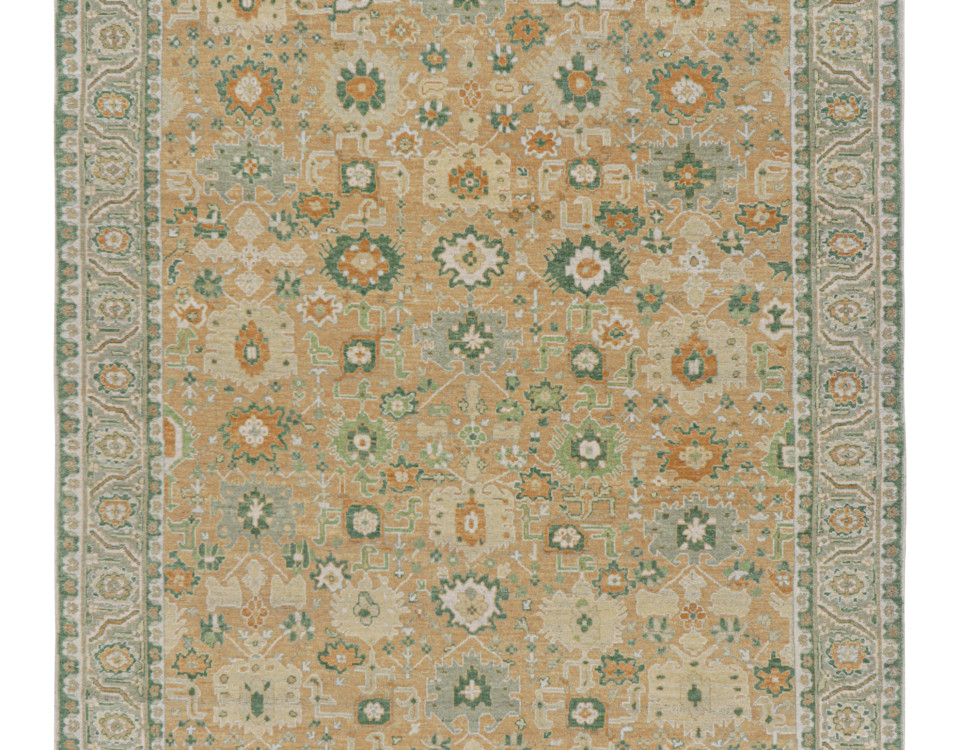
Sultanabad antique carpets are renowned for their unique interpretations of classical Persian all over patterns, showcasing variations of designs like Herati (diamond and curling leaf motifs), Mina Khani (circular flowerhead motifs), Harshang (stylized dragon and blossom motifs), and occasionally, Mustafavi (Garden of Paradise motif) with intricate details. These patterns are often rendered in subtle yet vibrant pastels and earth tones, adding a touch of sophistication and contemporaneity to their visual impact. While most Sultanabad rugs feature flowing all over motifs, some also adopt the central medallion format commonly seen in other Persian carpet styles. The color palette of Sultanabad rugs ranges from ivory, rust, rose, blue to occasional shades of gold or yellow, further enhancing their visual appeal and versatility in various settings. Overall, Sultanabad carpets stand out for their artistic intricacy, elegant designs, and timeless charm, making them prized possessions among collectors and enthusiasts of Oriental rugs.
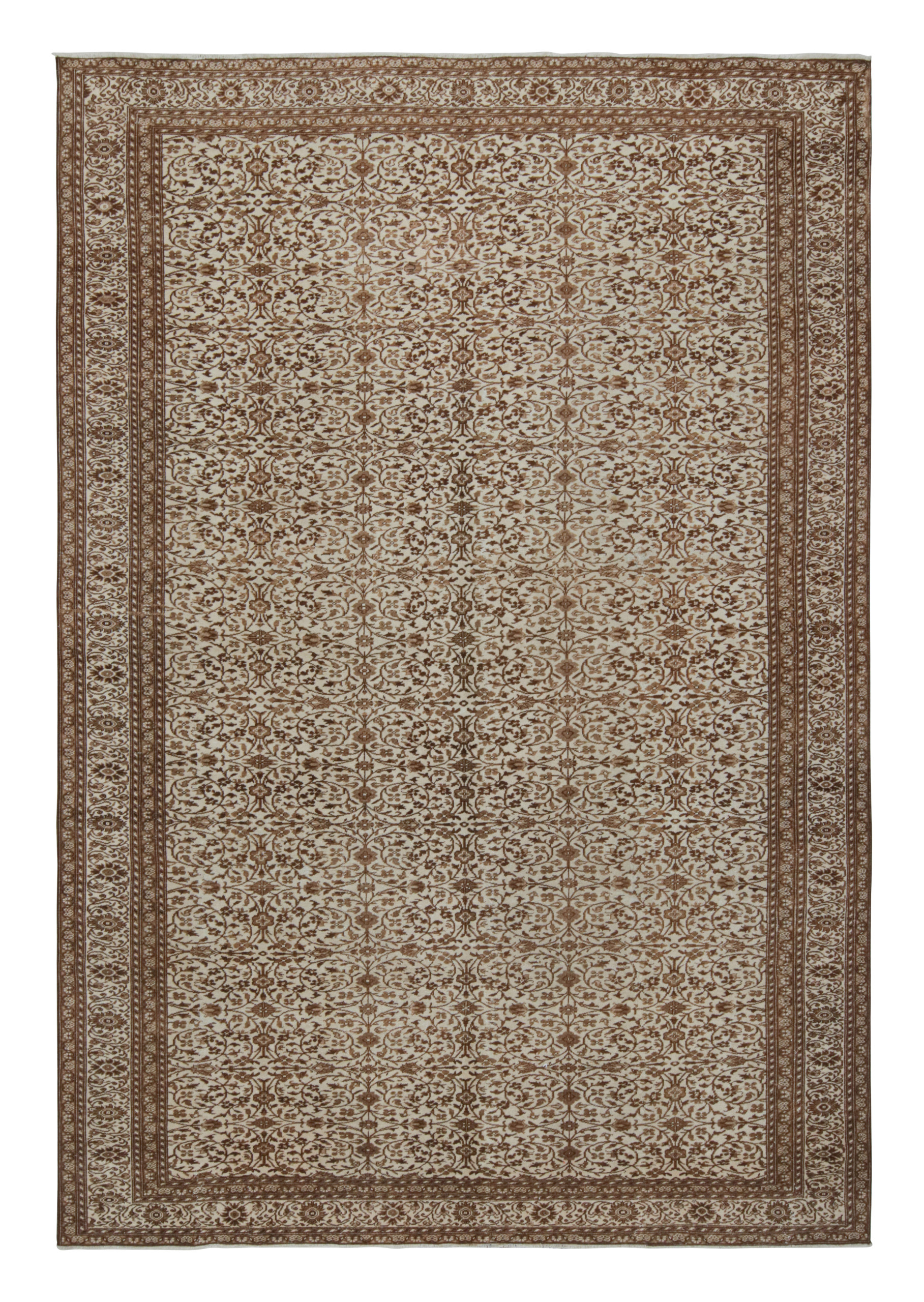
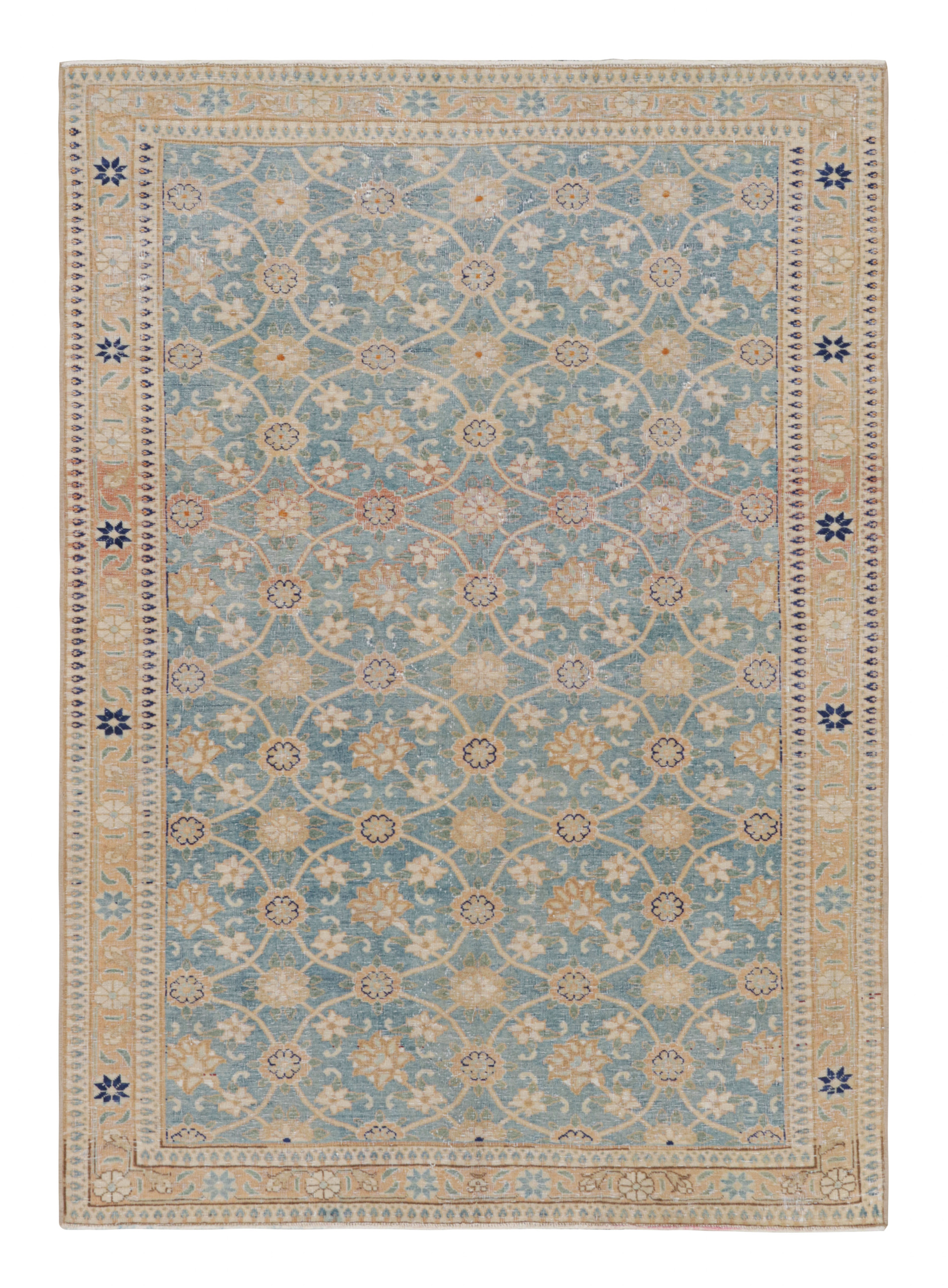
The “Ivory Sultanabads” represent an even more exclusive class within the antique Sultanabad rug style, distinguished by their glowing ivory to beige grounds. These rugs are highly coveted in the international market for their visually striking motifs set against lighter backgrounds, often considered unparalleled in their finest examples. Typically found in sizes ranging from 9ft x 12ft to 10ft 6in x 14ft, larger Ivory Sultanabad carpets in excellent condition and with beautifully conceived designs are particularly sought after. One of the charming characteristics of Ivory Sultanabad antique Persian rugs is their naiveté, reflected in a palette based on undyed sheep’s wool, featuring shades of ivory, cream, and beige. These rugs often showcase latticeworks of vinery and flowerheads in soft pastels, creating a secondary drama through color striations known as ‘abrash.’ The most exceptional Ivory Sultanabad pieces and, indeed, the entire Sultanabad Oriental carpet group, feature spacious allover designs with extremely overscale blossoms asymmetrically arranged across a sparsely adorned field, adding to their allure and rarity.