
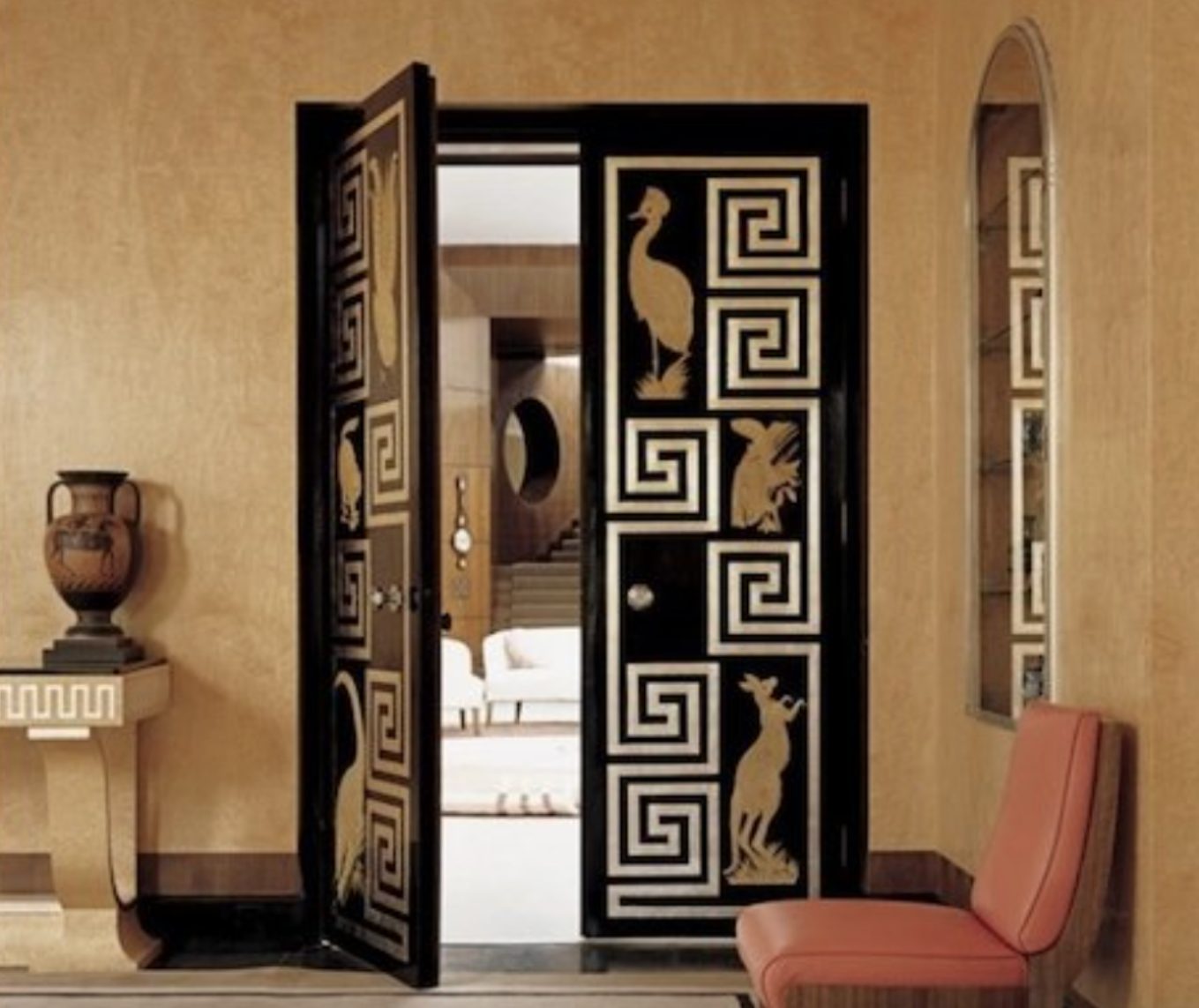
An Introduction to Varied Art Deco Patterns
April 23, 2024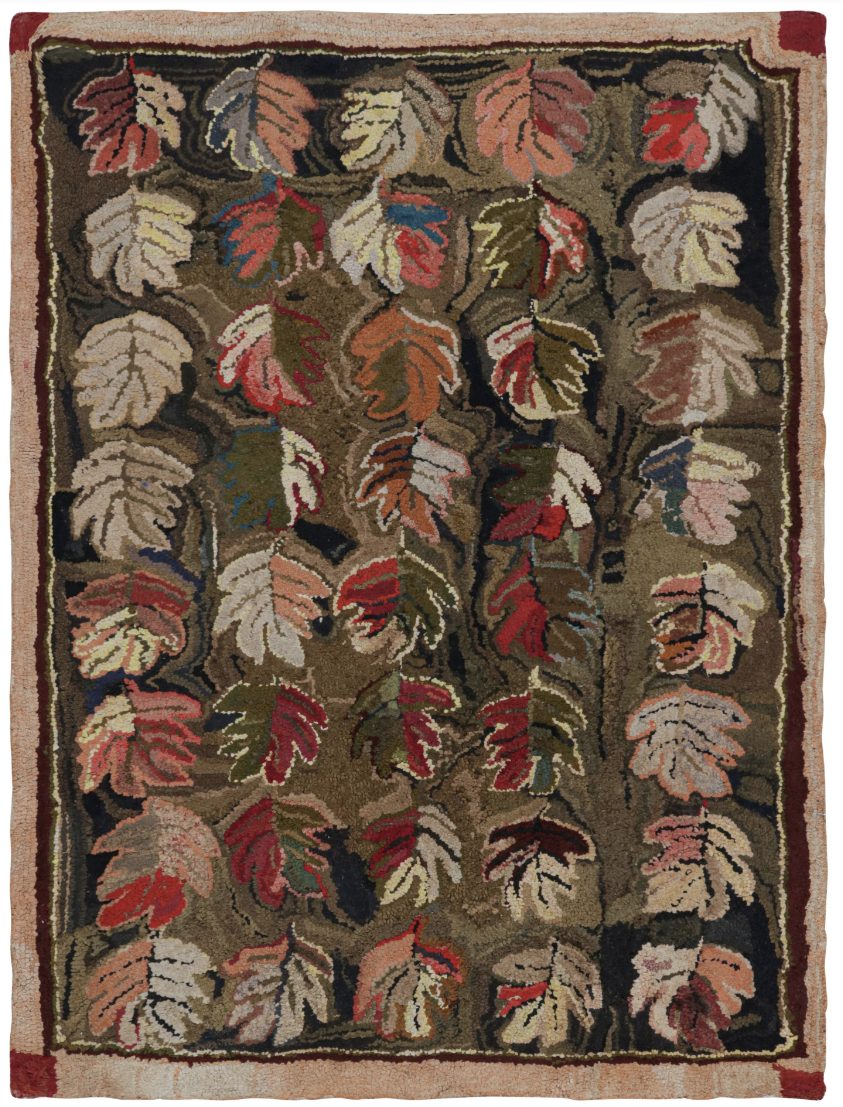
A Guide to Hooked Rugs: Tributes to Americana Folk Art
May 3, 2024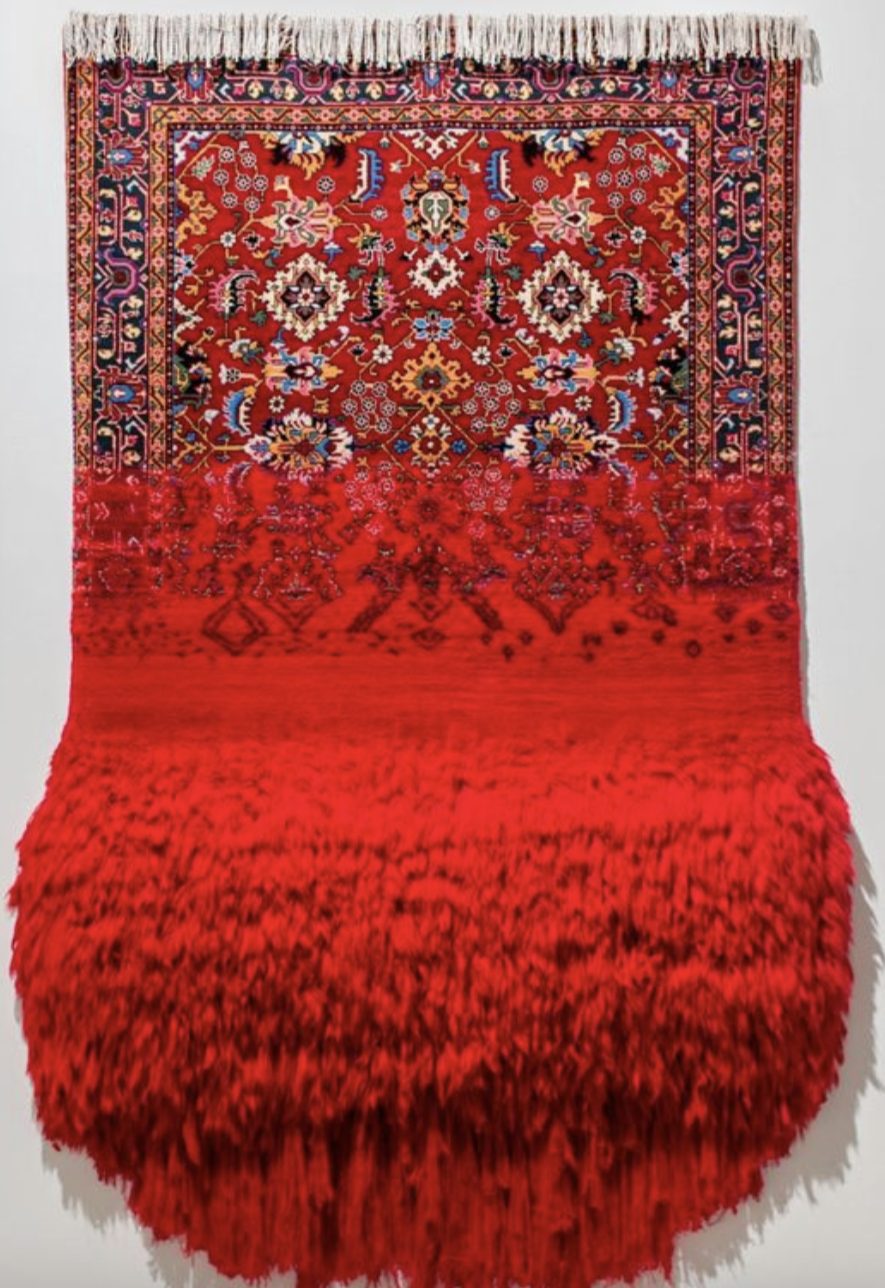
Traditional Antique and Vintage rugs embody an ancient art form, crafted through meticulous hand-knotting techniques passed down through generations. These rugs, renowned for their exquisite designs and impeccable symmetry, represent the pinnacle of craftsmanship. In the realm of contemporary luxury carpets, this rich heritage serves as a foundation for innovation and evolution. Unlike their traditional counterparts, modern luxury carpets embrace a novel approach to materials, colors, and designs, ushering in a new era of rug-making philosophy. This departure from tradition does not signify a rejection, but rather a reinterpretation in a fresh and dynamic context, resulting in unique creations that rival museum-worthy artworks.
Rug & Kilim’s approach to modern rugs focuses on playing with textures, yarns, and colors for a very comfortable vibe that allows the room to breathe. As pioneers in the industry, we strive to create the future of rugs, both to grow with our colleagues and inspire them to create ahead of their time. Our growing design team has been constantly adding to our modern design archive enjoying a diverse selection of contemporary rugs, with a dynamic range of geometric, neo-traditional, and abstract rug designs with attention to scale, texture, color, and every unique element that makes them one of a kind.
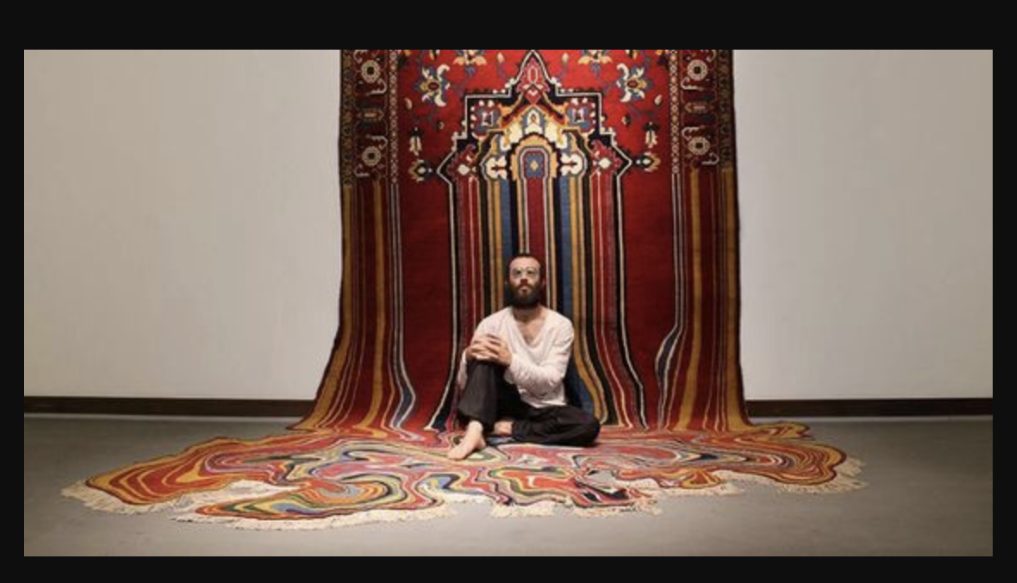
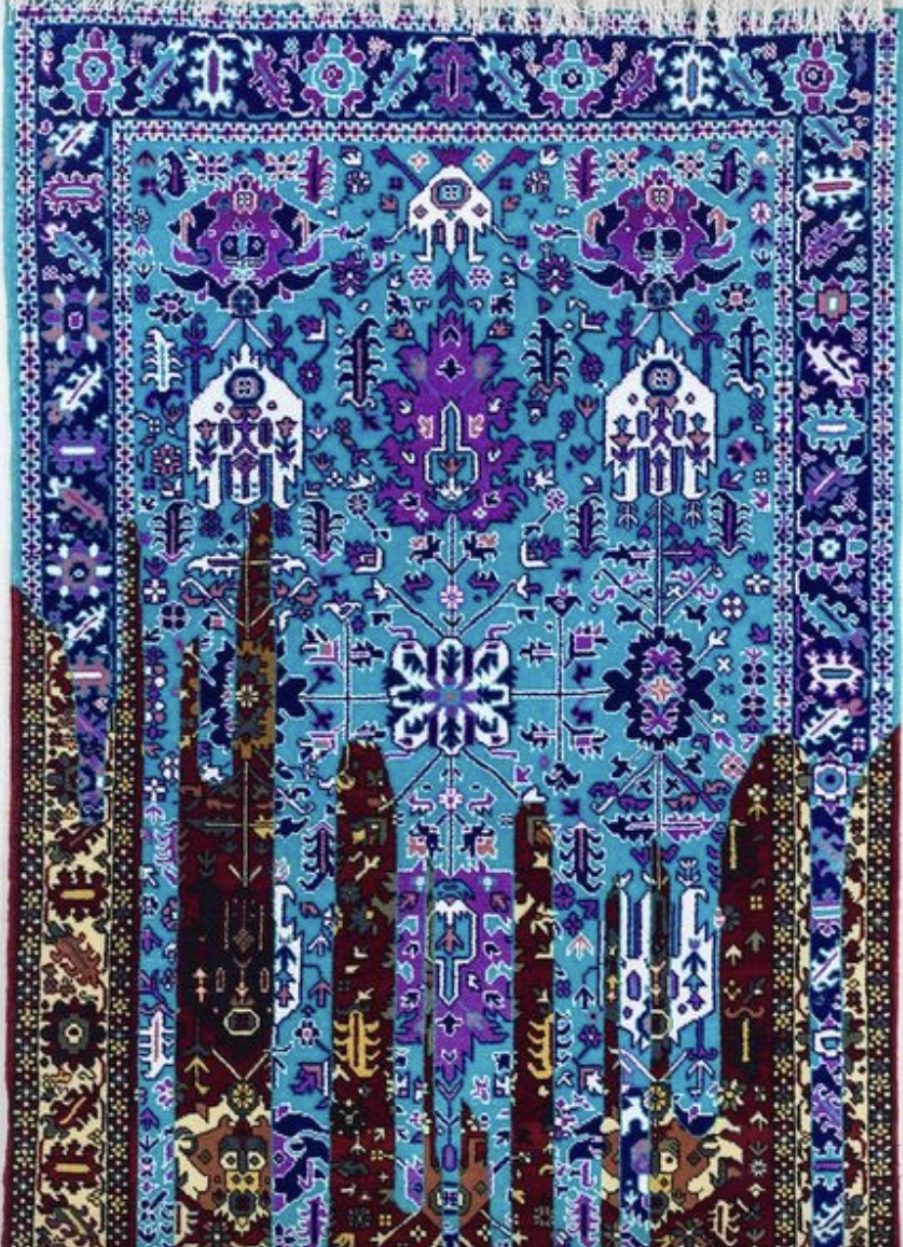
With digitization of the entire essence of human living, rugs could not have been left behind ! One such pioneer in the realm of deconstructing traditional rugs is Faig Ahmad.
Faig Ahmed, born in Sumqayit, Azerbaijan in 1982, is an artist based in Baku, Azerbaijan, known for his groundbreaking contributions to contemporary art. He completed his education in the sculpture department of Azerbaijan State Academy of Fine Art in 2004, marking the beginning of his artistic journey. Ahmed gained international recognition when he represented Azerbaijan at the Venice Biennale in 2007, marking the nation’s inaugural pavilion at the prestigious event. His participation in the exhibition “Love Me, Love Me Not” in 2013 further solidified his reputation as a pioneering artist. Renowned for his conceptual works, Ahmed seamlessly blends traditional decorative craft with contemporary sculptural techniques, particularly in the realm of rugs.
His art transcends boundaries by deconstructing traditional motifs and reimagining ancient crafts in a modern context. Ahmed’s innovative approach challenges stereotypes and conventions associated with traditional crafts, positioning them within the global landscape of contemporary art. He stands as a leading figure among a new generation of artists who explore the intersection of craft and conceptual art, pushing the boundaries of artistic expression.
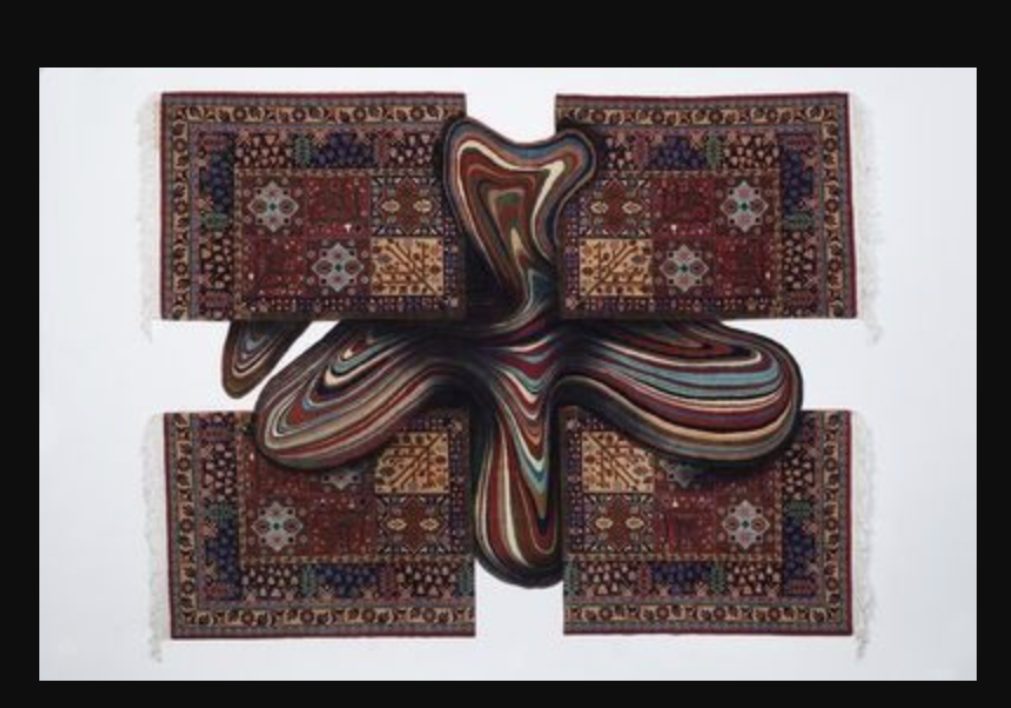
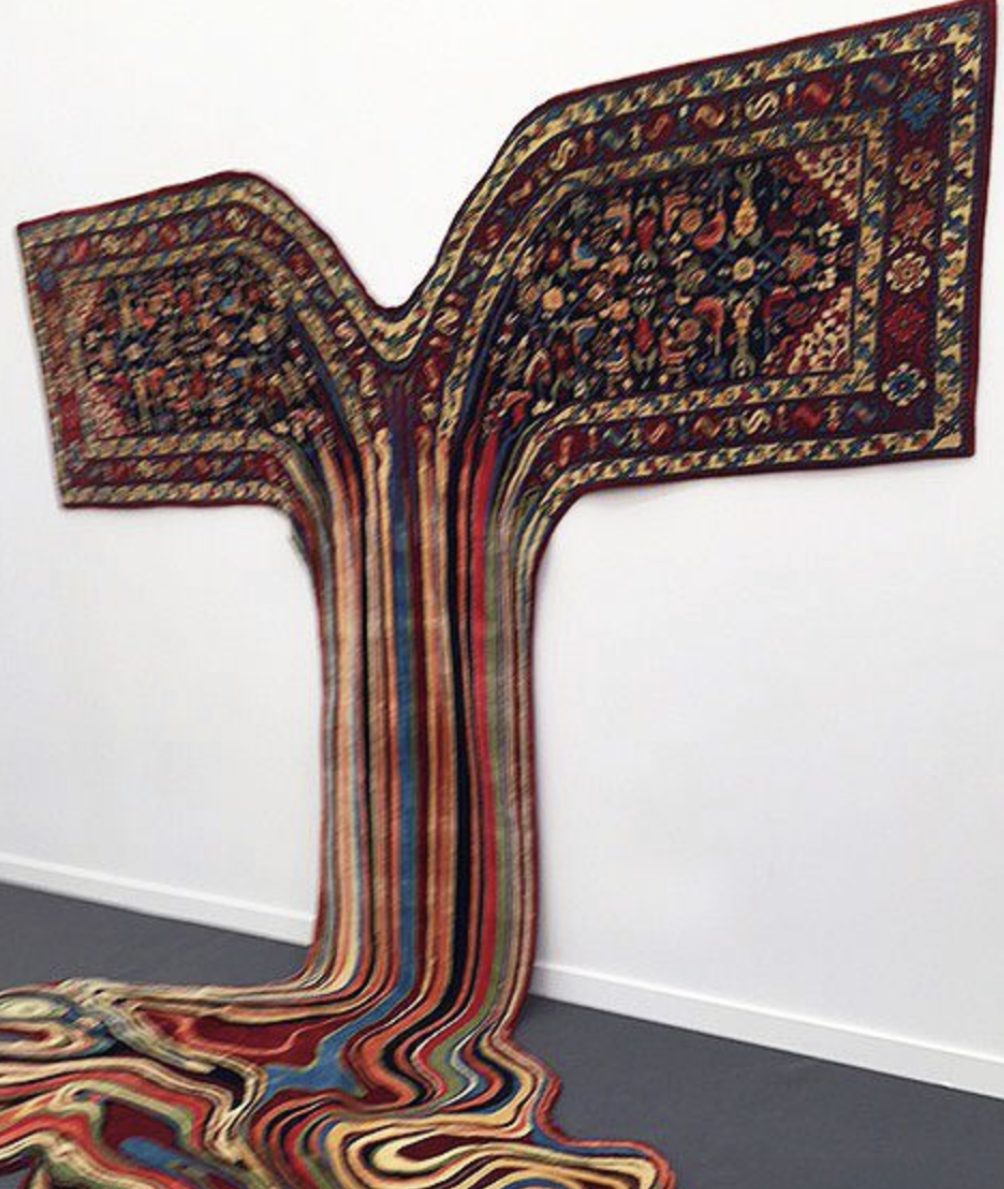
Over the past decade, Faig Ahmed has garnered international acclaim for his innovative reinterpretations of the intricate patterns found in ancient carpet designs. His artwork delves into the profound influence of visual language encoded within these patterns, which transcend generations and cultures, bridging ancient history with the modern digital era. By subverting and reimagining the traditional visual codes and structures present in rugs from regions such as the Caucasus, Turkey, Persia, and India, Ahmed introduces novel concepts regarding the nature of reality and the boundaries of human perception. Through his disruptive approach, Ahmed challenges viewers to contemplate the inherent complexities embedded within these seemingly familiar cultural artifacts, inviting them to reconsider their understanding of tradition, symbolism, and the evolution of visual communication across time and space. Faig Ahmed perceives carpets as dynamic metaphors for creation, teeming with vitality and imbued with the diverse narratives and emotions of humanity, in a perpetual state of evolution.
Much like living entities, his carpets pulsate with stories and sentiments, embodying what he terms as ‘cultural geographies‘ that harbor distinct histories, personalities, and languages within their intricate threads and vibrant hues.
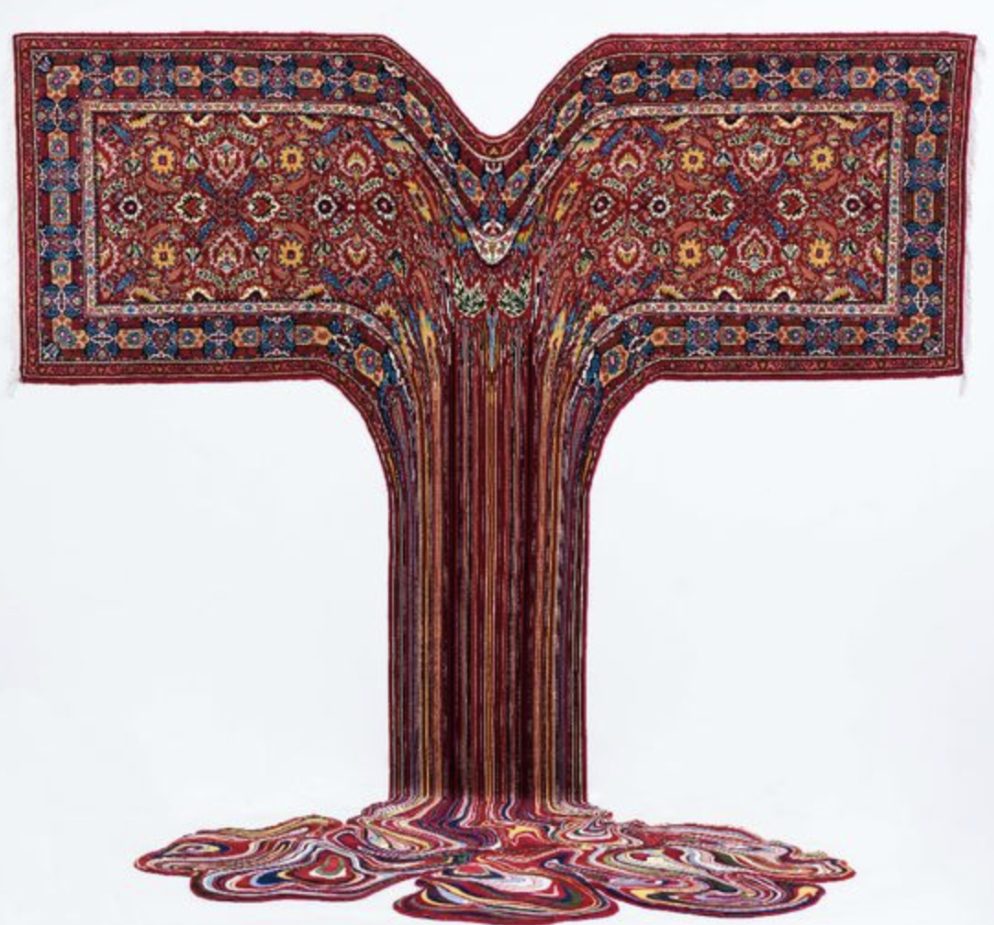
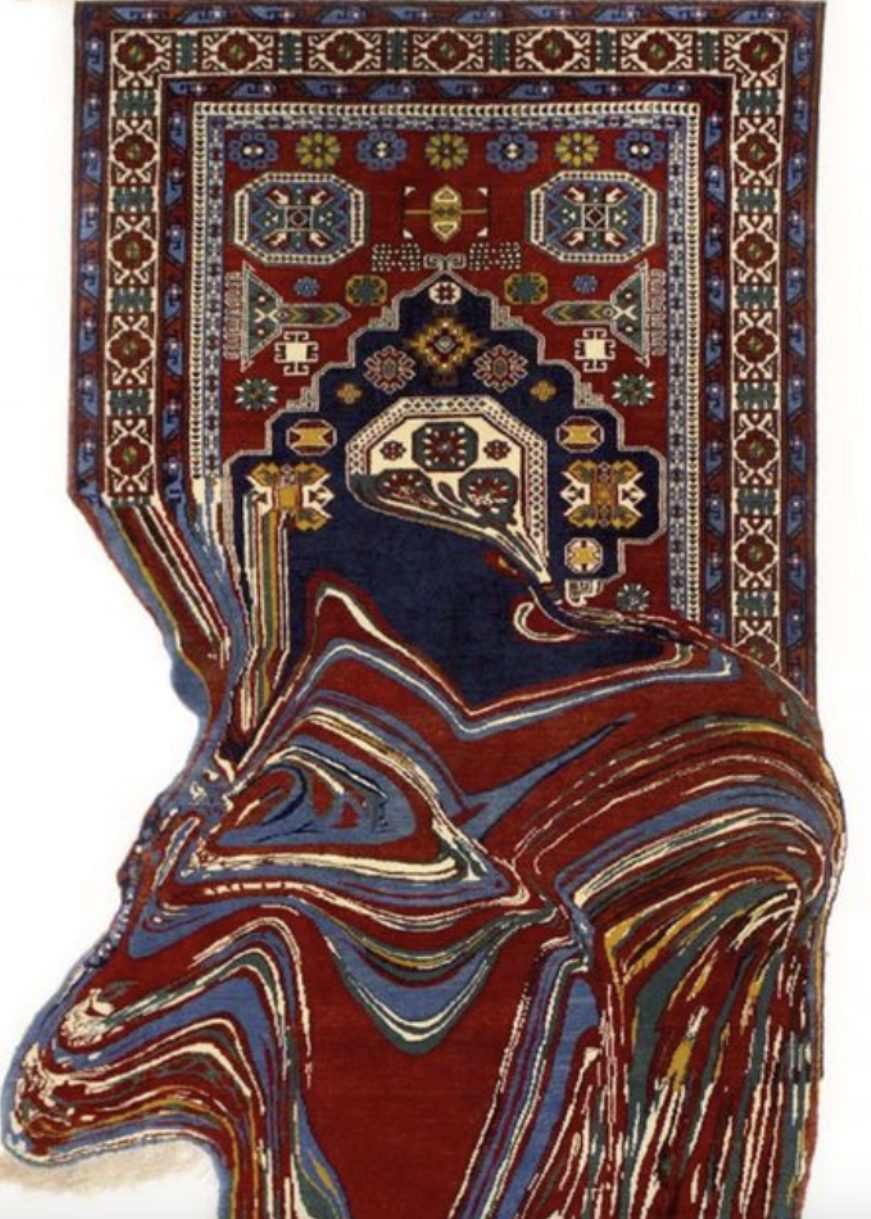
As a cultural iconoclast, Ahmed boldly challenges established norms and boundaries, dismantling conventional paradigms with deliberate intent and sometimes through the subconscious exploration of his creative process. This approach yields powerful and captivating artworks, enriched by his innovative conceptual framework, which compel viewers to reconsider their perceptions of tradition, identity, and the fluidity of cultural expression.
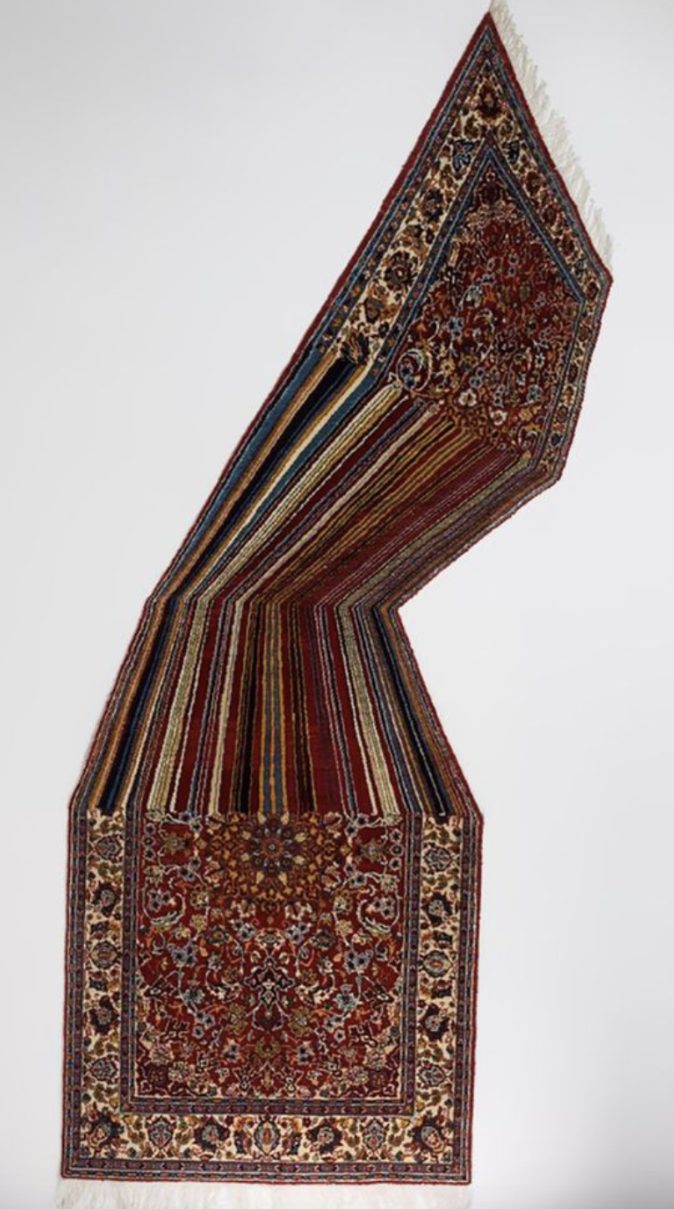
Faig Ahmed’s innovative carpet art, characterized by its distortion of traditional designs, has garnered acclaim across Europe and the US, commanding prices upwards of $15,000 (£11,870) for each piece. While his work is less celebrated in his native Baku, international audiences are captivated by his unique approach. Beginning with classic patterns, Ahmed introduces obstacles or glitches, inducing a sort of technical meltdown within the design. In pieces like “Oiling” (2012), conventional tessellations morph into multicolored swirls, while “De-stabilization” (2016) sees the blue palette peel into strips resembling a different rug altogether, creating an intriguing interplay of forms. Another design features pixelation, resulting in a curiously disorienting effect that challenges viewers’ perceptions of traditional craftsmanship and contemporary artistry.
Ahmed views carpets as symbols of stability and continuity, reflecting centuries-old traditions and techniques that endure to this day. He sees them as a representation of social structure, with the central motifs and borders mirroring the fabric of society itself. Despite their rich history and enduring patterns, carpets have also served as a canvas for political expression, as evidenced by collections of rugs featuring military motifs. However, for Ahmed, carpets remain a timeless and immutable form of artistic expression, embodying the essence of human history and cultural identity.