

Tapestries in the Language of Contemporary Design: When Walls Speak
February 13, 2026
The Art of Appraisal: Inside Rug & Kilim’s Culture of Connoisseurship
February 27, 2026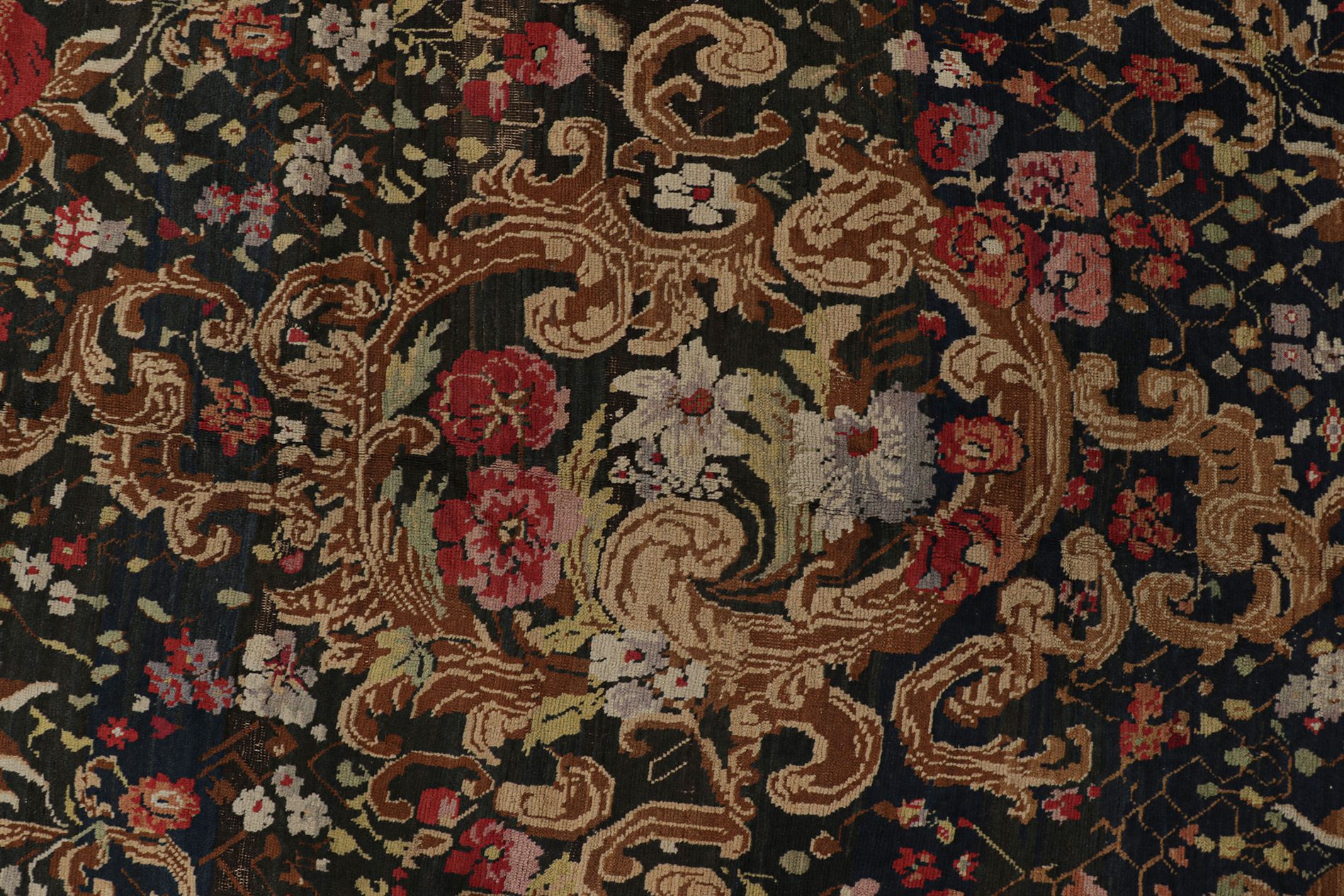
NO. 34126 Made with hand-knotted wool and originating in Russia circa 1850-1860, this 8×19 antique Karabagh rug and is a rare extra-long runner and oversized addition to Rug & Kilim’s coveted European collection.
Introduction
For centuries, the Karabagh region—poetically called the “Black Garden”—has been a crossroads of empire, craftsmanship, and cultural memory. Its rugs shimmer with expressive geometry, lyrical florals, and natural dyes that have captivated collectors for generations. Today, designers and connoisseurs seek out these pieces not only for their visual presence, but for the emotional resonance they bring into a room. Karabagh rugs are textiles with pulse— woven memoirs whose artistry continues to evolve in dialogue with contemporary interiors. This guide explores their history, structure, symbolism, and enduring relevance, offering a lens on one of the most intriguing Caucasian weaving traditions.
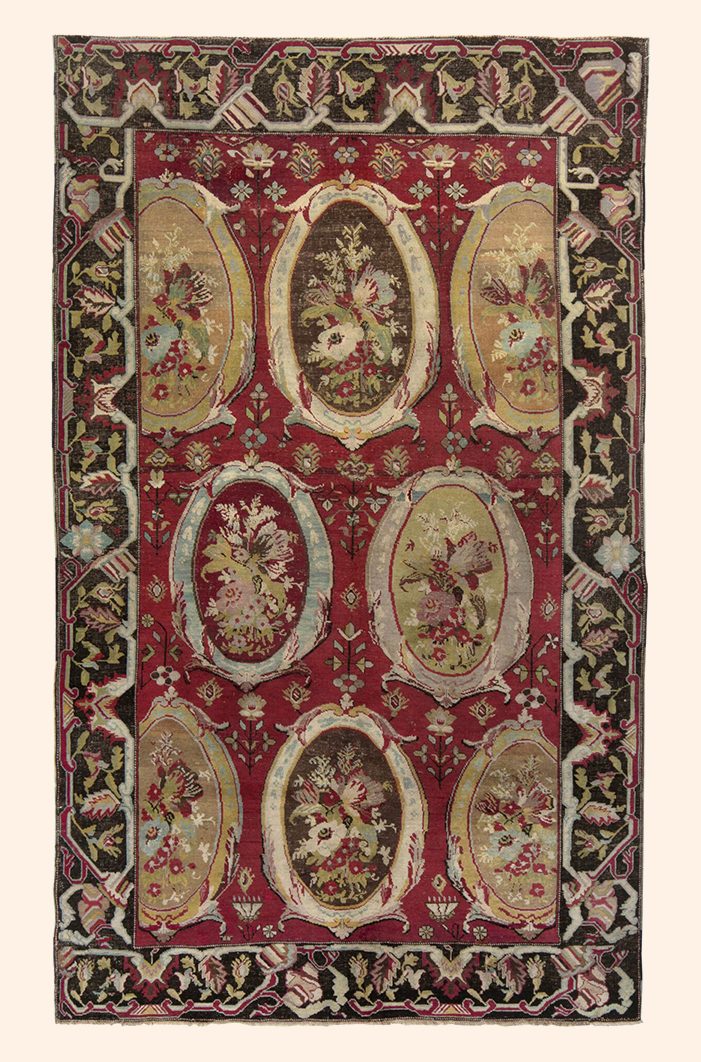
Originating circa 1880-1890, this 5×9 antique Karabagh rug hails from Russia. Details >>
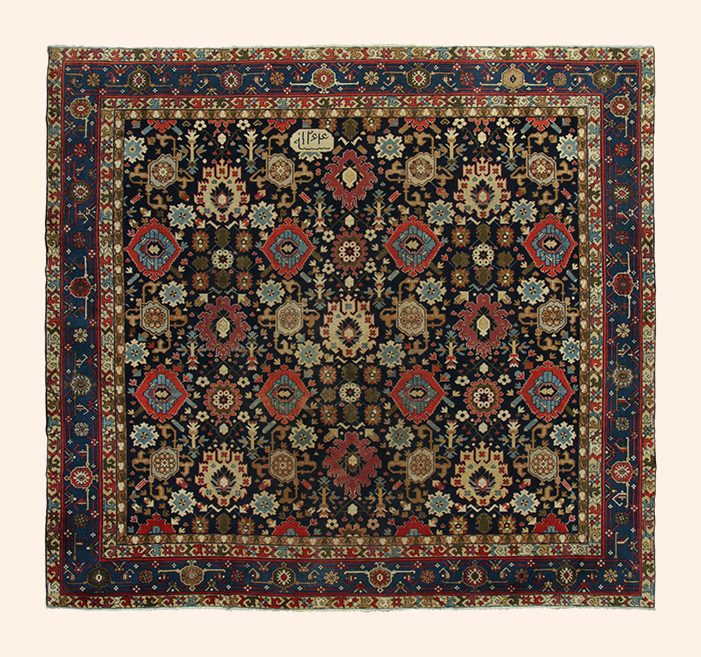
History & Regions
Anchored between Armenia, Azerbaijan, and Persia, the region of Karabagh developed as a Hybrid cultural zone for the creation of textiles. By the 19th century, it’s weaving centers—most notably Shusha—were recognized across Europe. Master weavers were celebrated at international exhibitions, and over thirty regional compositions were documented.
The aesthetic radiated outward, influencing neighboring regions such as Nakhchivan and Zangezur, creating what experts now call sub–schools of the tradition. Ranging from Cloudband Kazaks and Sunburst medallions to Artsakh dragon carpets of medieval origin, these designs show the region’s breadth: tribal geometry intertwined with Persian–influenced florals, all unified by a shared cultural landscape.
Let’s explore related examples: – Antique Karabagh Medallion Rug No. 35700
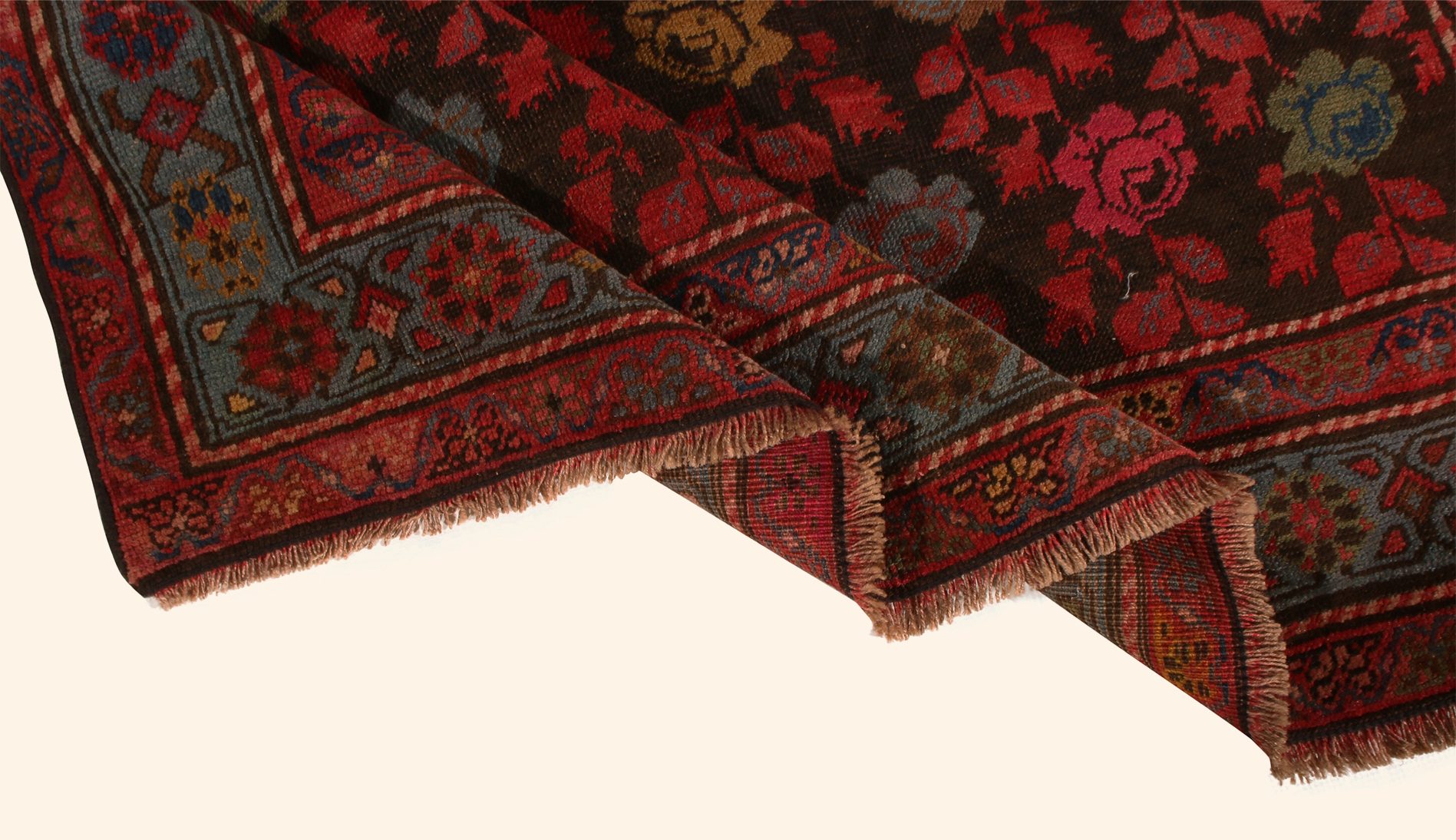
The artistry displayed here is inherent in restraint. It radiates dimension through its interplay of magenta, crimson, and indigo tones. In a world increasingly dominated by synthetics, this use of pure wool and natural dyes connects us to a time when every thread was a gift of the earth, and every hue was coaxed from nature’s own palette.
Weaving Techniques
Karabagh rugs stand out for their construction: made with Turkish (Ghiordes) knots, Double wefting on Cotton foundations. Supple wool fashioned with refined proportions which may include inscriptions identifying the weaver, adding historical value.
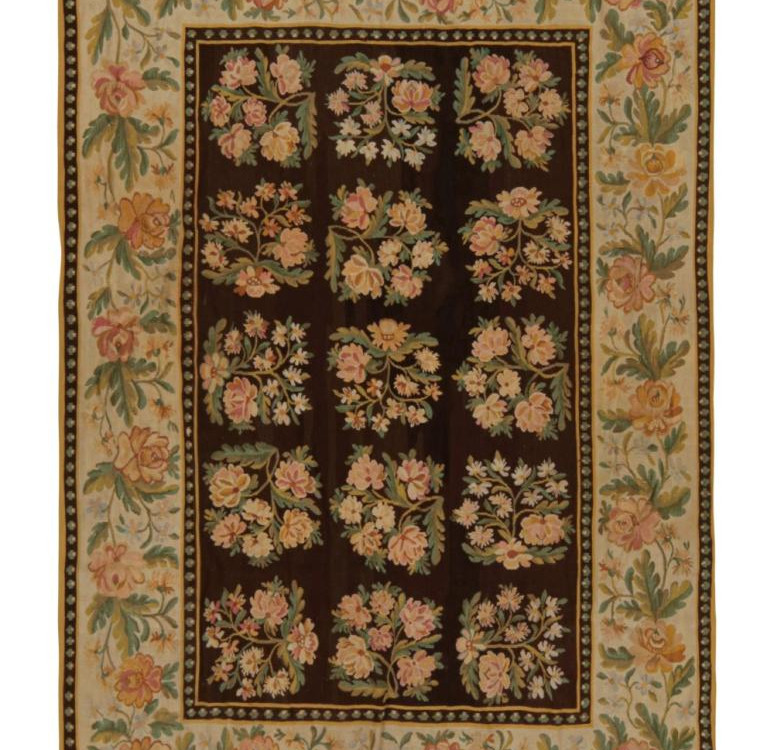
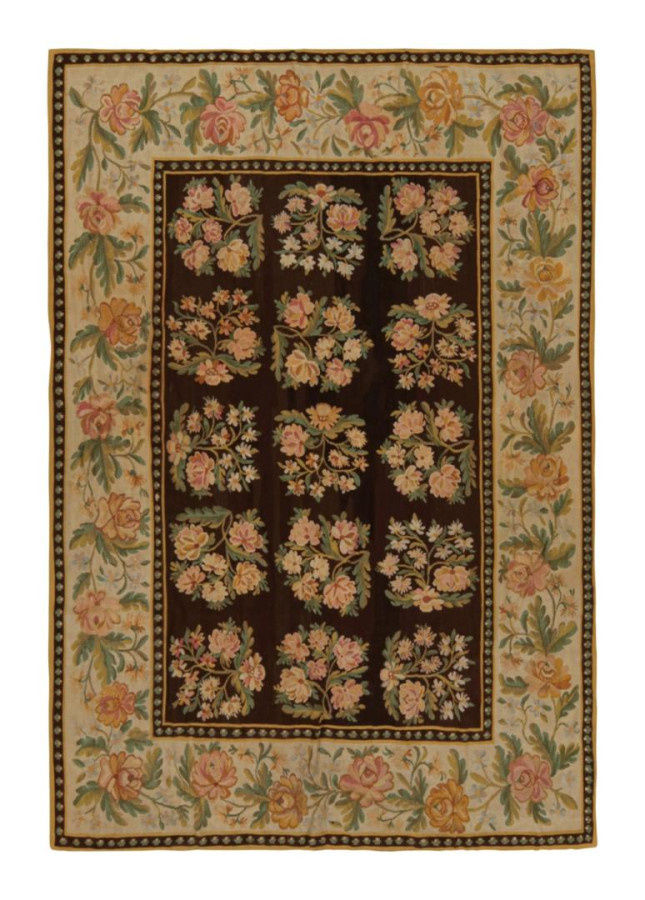
Sometimes called “Karabagh pictorial florals” or “Karabagh rose rugs,” these are among the most dramatic and easily recognizable Caucasian textiles.
Known for:
Oversized cabbage roses, peonies, tulips, and lush bouquets
Dark or black grounds for maximum contrast
A strong influence from 19th-century European textiles
They are beloved by interior designers for their painterly, romantic aesthetic.
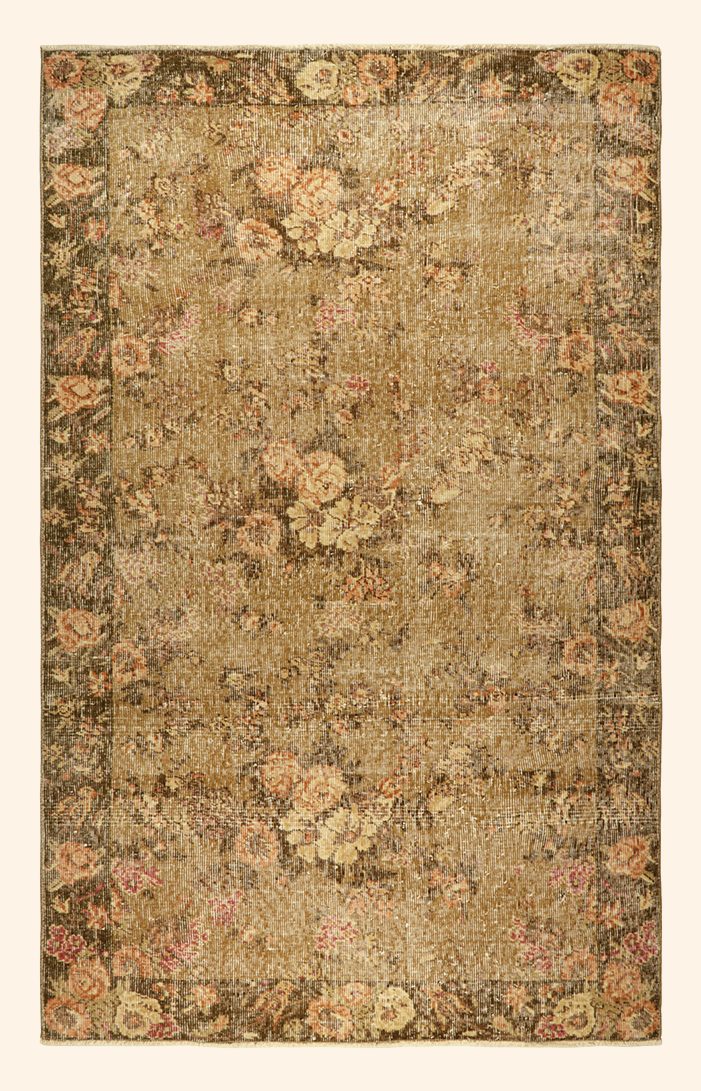
A fine example from our collection is Vintage Floral Karabagh No. 31575
Symbolism & Colors
Weavers from the area worked in a symbolic language reflecting Armenian,
Persian, and Caucasian designs and traditions. The region’s cochineal-derived pinks and magentas remain iconic.
Natural dyes—madder, indigo, walnut husk—produced a lyrical palette. Symbolism: – Red: vitality – Blue: mysticism – Green: renewal
There are two main stylistic branches:
Tribal Geometric Karabaghs – descended from earlier Caucasian traditions, these rugs feature octagonal medallions, stylized florals, and folk motifs such as eagles, deer, or suns rendered in earthen hues.
Persian-Influenced Karabaghs – often woven in the 19th century, these pieces show bolder palettes and floral designs reminiscent of Tabriz or Kazak rugs, reflecting cultural proximity to northern Iran.
Karabagh produced some of the most elegant and unusual designs of the Caucasus. Pointed mihrab arches, dramatic color contrasts (wine, indigo, saffron), stylized trees of life or stepped spandrels. They feel deeply personal and devotional.
Styling Tips
These pieces absolutely thrive in contemporary interiors: – Medallion carpets anchor large rooms. Floral patterns soften transitional designs – Kilim styles suit minimalist and Scandinavian aesthetics. Browse the full collection!
https://rugandkilim.com/shop/?s=collections%20with%20karabagh
FAQ
What makes Karabagh rugs unique?
Their singular crossbreed elegance—a poetic bridge where bold tribal geometry meets the refined romance of Persian floral design. It’s this effortless duality that sets these pieces apart in the world of collectible rugs.
Are antique Karabagh pieces good investments?
Absolutely! Their rarity, nuanced artistry, and deep cultural resonance give them a timeless value that only grows with thoughtful stewardship.
How can I identify an authentic antique Karabagh?
Seek the quiet clues: natural vegetable dyes, cotton foundations, firm double-wefting, and those poetic inscriptions or motifs that whisper of the loom and the hands that shaped them.
Conclusion
Each Karabagh rug is a woven testament to a region where civilizations converged and artisans spoke through pattern. These textiles carry history, soul, and a quiet grandeur that transcends time. For the collector, designer, or curious admirer, exploring these wonders means entering a world of color, narrative, and cultural poetry.
Dive deeper into the legacy—whether through curated collections or the stories that unfold in each knot—and let the “Black Garden” weave its magic into your spaces and your imagination.
– By Salonista Cynthia for Rug & Kilim
View All Karabagh Rugs by Rug & Kilim >>
Antique Karabagh Extra-Long Runner Rug in Black with Florals – Rug & Kilim
Oversized Antique Karabagh Rug in Black & Red with Floral Patterns – Rug & Kilim
Vintage Karabagh Runner Rug in Brown with Floral Medallions | Rug & Kilim