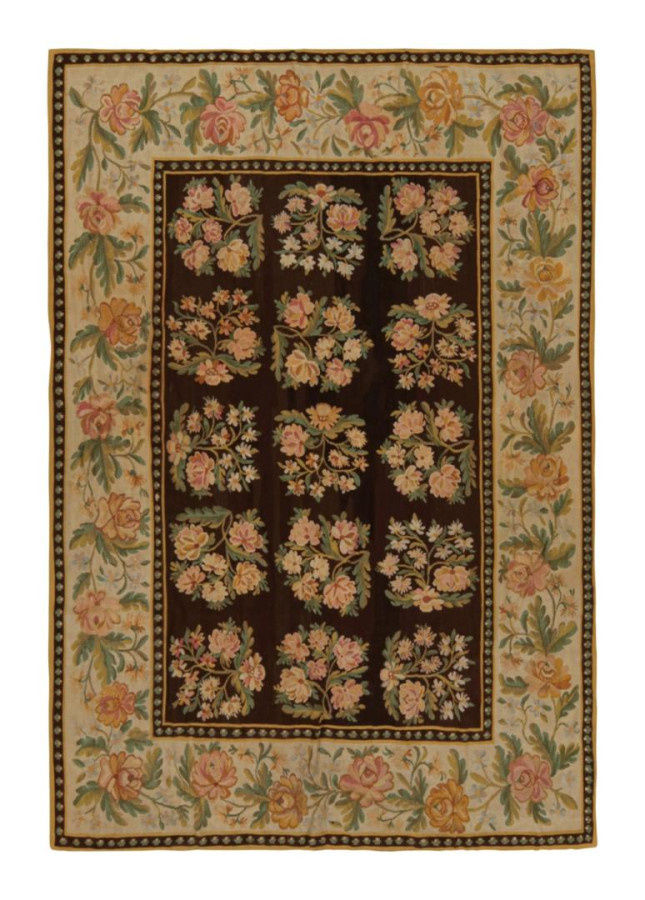

An Abbreviated Guide to Antique and Vintage Karabagh Rugs
February 19, 2026
Rugs, Books, and the Fine Art of Living with Intention: Rug & Kilim’s Dialogue with Art and Literature
March 2, 2026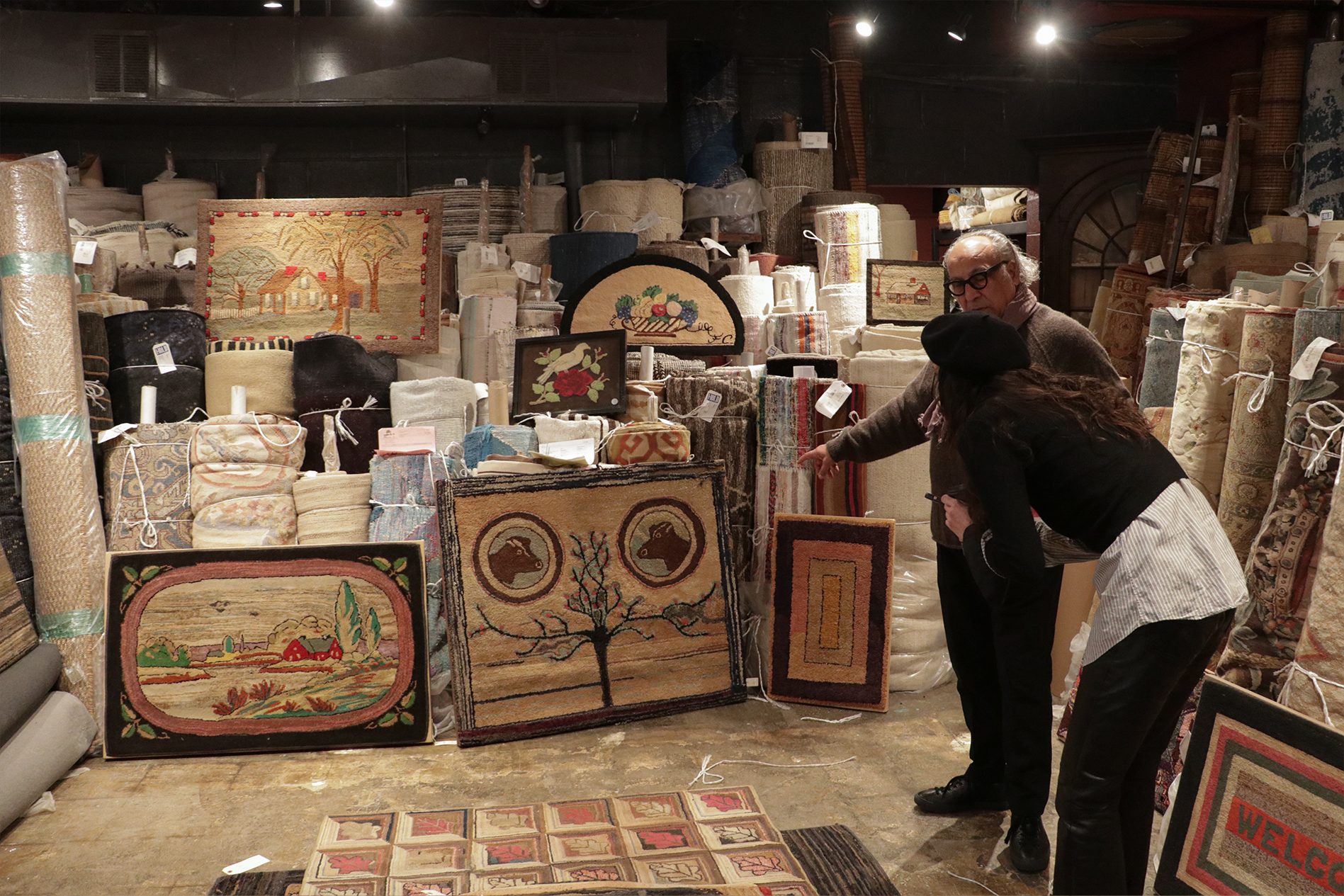
Rug & Kilim Showroom — a house of woven gems, collected with intention.
There is a difference between owning a rug and stewarding one.
At Rug & Kilim, appraisal exists at the intersection of scholarship, diplomacy, and design history. To evaluate a textile at the highest level is to understand not only fiber and knot count but courts and ateliers, fashion houses and museums, auction rostrums and private salons.
Because in truth, the greatest rugs and tapestries have always belonged to the same cultural tier as painting and architecture.
A carpet signed by Jules Leleu does not simply carry a market price; it carries the intellectual weight of Paris between the wars. A tapestry attributed to Jean Lurcat is not merely woven wool; it is postwar Europe reasserting itself through myth and modernism. To appraise such works requires fluency not only in textile technique, but in art history, fashion, architecture, diplomacy—and the subtle codes of elite taste.
At Rug & Kilim, appraisal is practiced at this sovereign level. It is to understand not only what a piece is worth, but why it exists.
The Museum Standard
The benchmark is institutional. The highest tier of rug appraisal intersects with institutions that define cultural memory.
When a French Art Deco carpet enters the collection of the Musée des Arts Décoratifs, it is accessioned as design history. When Scandinavian flatweaves appear in the holdings of the National museum, they are recognized as national artistic achievements. When modernist textiles are exhibited at the Museum of Modern Art, they are positioned within the canon of 20th-century abstraction. Likewise, major auction houses such as Christie’s and Sotheby’s have repeatedly affirmed the stature of Art Deco and mid-century textile masters.
Our appraisal philosophy aligns with that institutional lens.
A piece by Ivan da Silva Bruhns belongs to the same aesthetic conversation as early modernist painting, its abstraction rooted in architecture and avant-garde experimentation. And when a textile by Barbro Nilsson is evaluated, one must consider her directorship at Märta Måås-Fjetterström and the disciplined minimalism that defined Scandinavian modernism at its most intellectual.
Appraisal, at this level, is contextual scholarship.
The great ateliers of Europe and the courts of Persia did not produce decoration. They produced cultural capital. Art Deco, Swedish Grace, French Modernism, Anatolian tribal, Central Asian silk embroidery. It requires an understanding of museum-level standards and the discretion of private collectors.
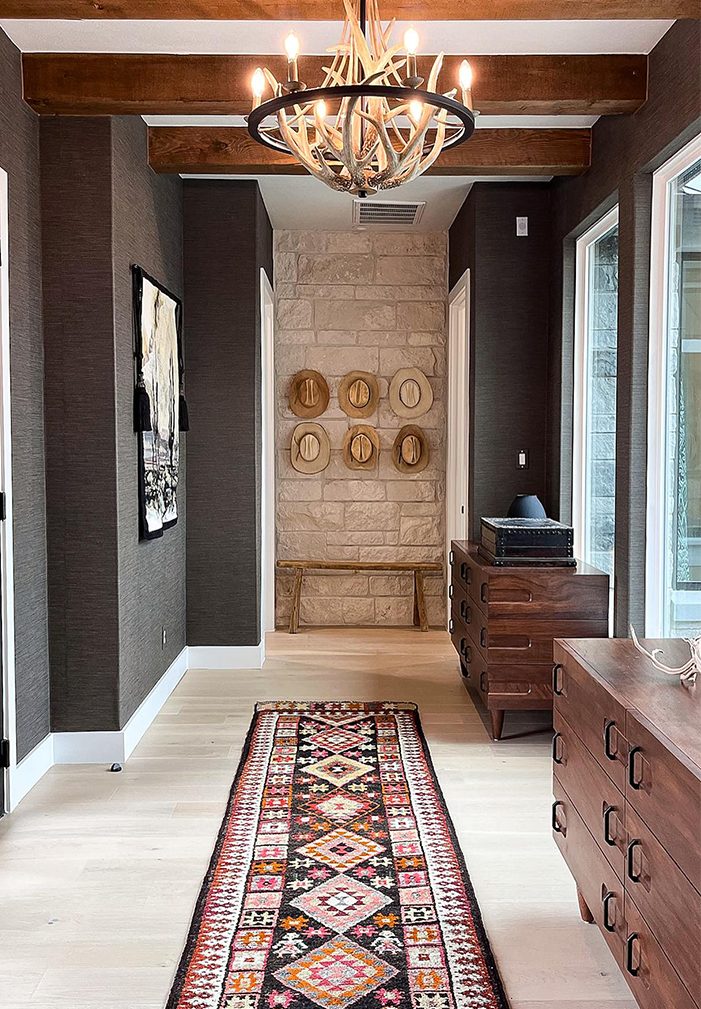
Carla Royder Design x Rug & Kilim
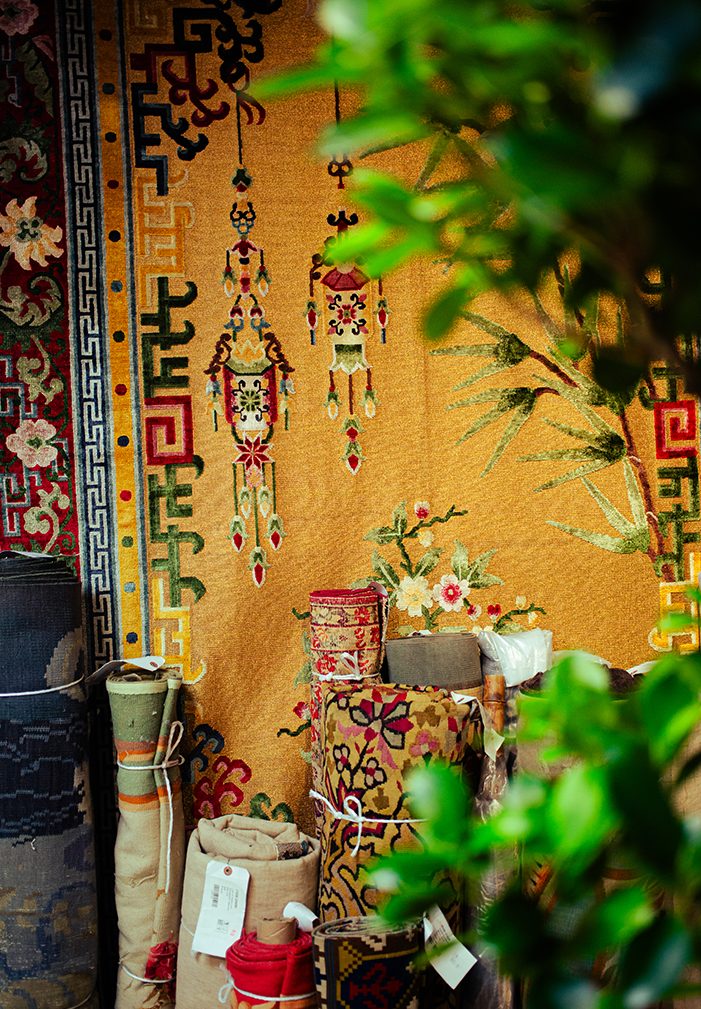
Rug & Kilim Showroom
The Auction Stage
The secondary market reinforces the point.
Major houses such as Christie’s and Sotheby’s have long positioned rare rugs and tapestries alongside Old Masters, Impressionist canvases, and modern sculpture. Important Savonnerie carpets and Aubusson tapestries have achieved prices commensurate with paintings of comparable rarity.
Why?
Because woven art historically functioned as statecraft. Royal manufactories such as Beauvais and Gobelins were instruments of diplomacy. Court carpets from Safavid Persia were as politically charged as portraiture. A Louis XV commission was as strategic as a treaty.
To appraise such works without understanding their political dimension is to miss half their value. The sculptural modernism of Marianne Richter and the painterly sophistication of Charlotte Funk represent another chapter: textiles as fine art.
From the French ateliers of André Arbus contemporaries like André Borderie (often spelled Bordene in trade references), to the rare workshop collaborations of mid-century Paris, each name carries a signature language. Their appraisal is to read them as one would a painting by Pablo Picasso or a sculptural chair by Gio Ponti—as artifacts of intellectual movements.
Suzani & Courtly Traditions
True connoisseurship is inseparable from court culture.
Our institutional knowledge does not stop in Europe. A silk-on-silk Suzani from 19th-century Central Asia is as aristocratic in its context as any French Deco carpet. These embroideries were dowry textiles, heirlooms carrying familial status, cosmology, and regional identity.
Appraising a Suzani is an exercise in anthropology and aesthetics: stitch density, silk quality, natural dyes, regional motifs from Bukhara or Samarkand, all evaluated with the same rigor as a signed European modernist rug.
High culture is not geography-bound. It is standard-bound.
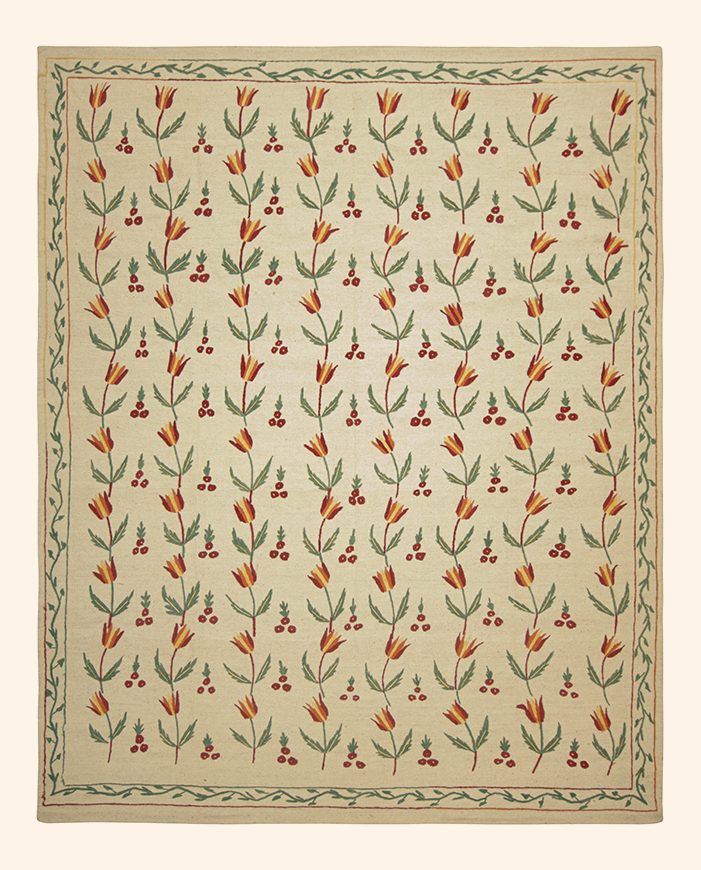
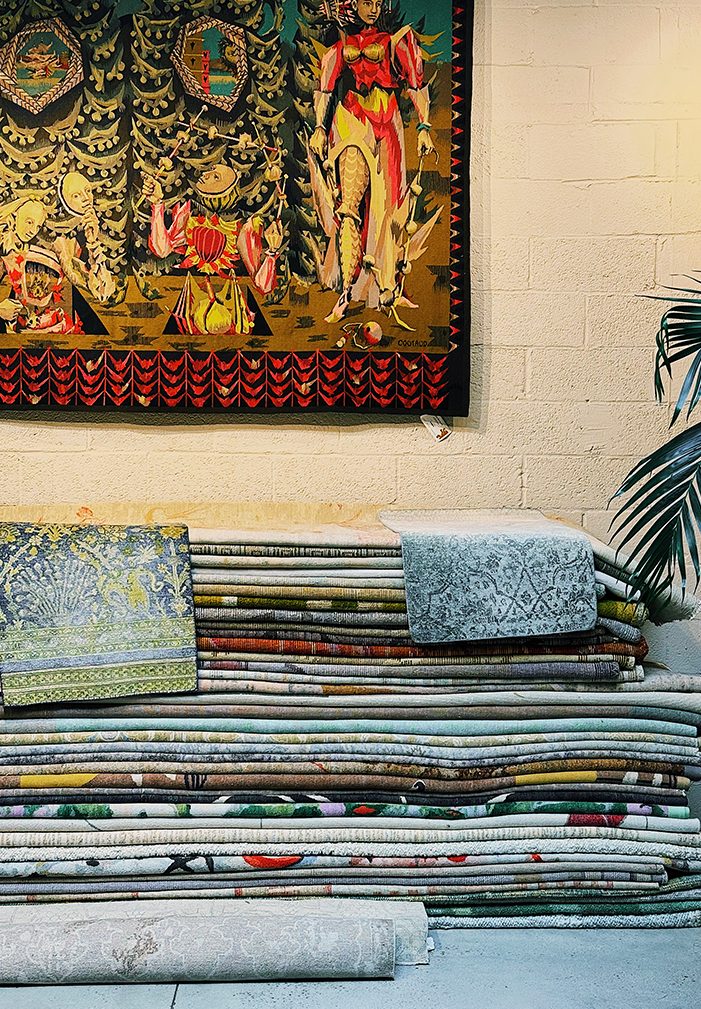
Rug & Kilim Showroom
Fashion, Art, and the Textile Continuum
Textiles have always informed fashion and vice versa. The palette discipline of French Deco carpets mirrored couture experimentation. The geometry of Swedish flatweaves paralleled the clean lines of mid-century tailoring. Even today, fashion houses look to historic textiles for narrative and texture.
Modernist painters like Picasso, Léger, Miró engaged tapestry ateliers in the 20th century to translate canvas into monumental weave. The boundary between painting and textile dissolved. Abstraction migrated from wall to loom. The world’s most discerning collectors understand this. Private estates in New York, Geneva, and London quietly build holdings that include signed Deco carpets, Swedish modernist flatweaves, and rare pictorial tapestries—objects that bridge architecture, painting, and fashion in a single plane.
At Rug & Kilim, appraisal acknowledges this continuum. We do not isolate a carpet from its artistic ecosystem. We examine how it converses with architecture, furniture, fashion, and fine art.
What Makes a Rug Appraisal Truly High-End?
A true institutional appraisal evaluates:
Authorship & Signature – Verified woven signatures and atelier documentation.
Comparative Canon – Alignment with documented museum examples.
Material Integrity – Original pile height, dye stability, structural authenticity.
Provenance & Exhibition History – Estate lineage, gallery records, prior publications.
Market Positioning – Rarity relative to recorded auction results and private sales.
Design Intelligence – The work’s relationship to architectural and artistic movements.
The world’s most sophisticated collectors; private families, global financiers, ambassadors, and museum patrons, understand that rarity is not trend-driven but survival-driven. A full-pile mid-century modernist rug in original condition may be rarer than a distressed example. A documented atelier signature can transform attribution into authorship. A pristine Savonnerie fragment may carry more gravitas than a larger but compromised piece.
Our role is to guide collectors through these distinctions with discretion and clarity.
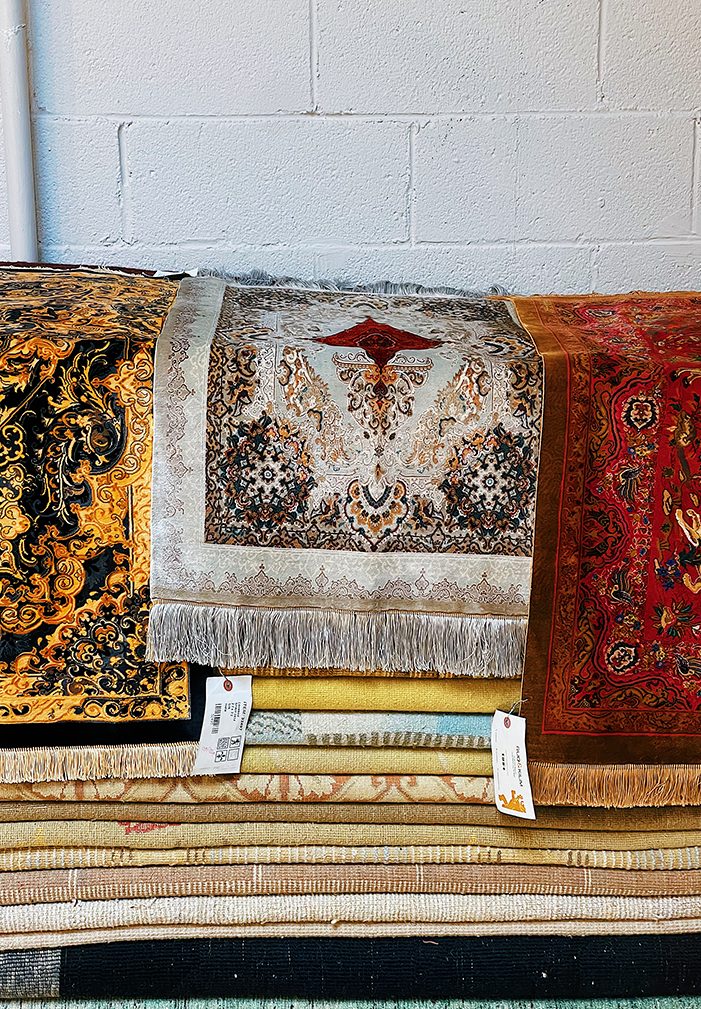
Rug & Kilim Showroom
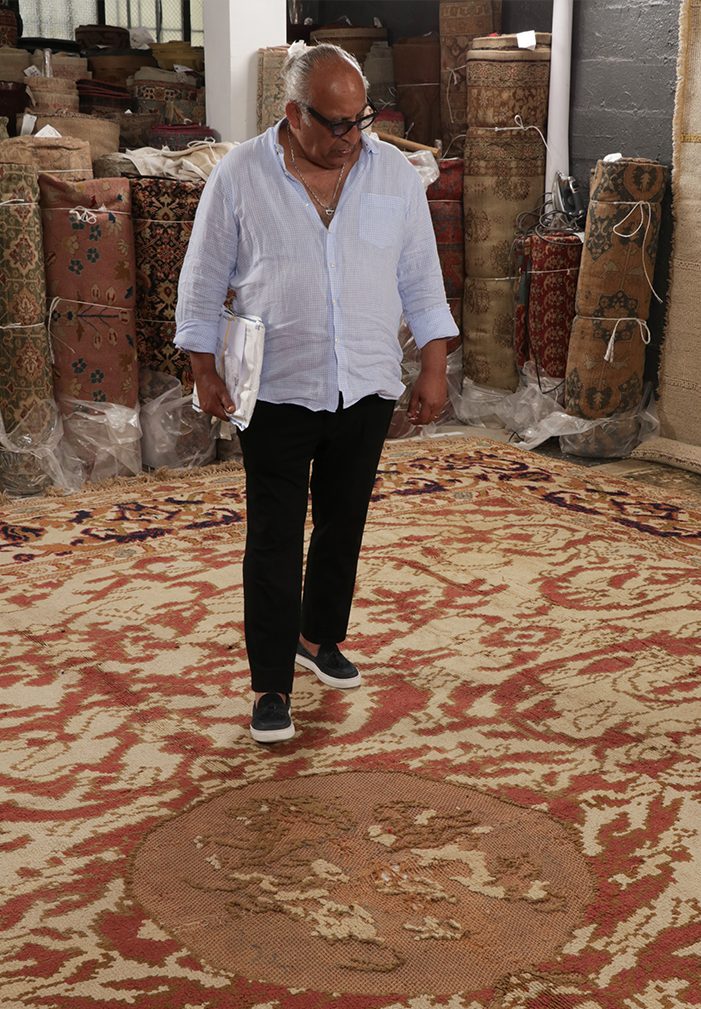
Rug & Kilim’s Principal, Jahanshah Josh Nazmiyal
The Collector’s Eye
Today’s elite interiors are no longer provincial. A Manhattan penthouse may juxtapose a Swedish flatweave by Nilsson with a contemporary art collection; a Parisian hôtel particulier may layer French Deco carpets beneath modern sculpture; a Gulf residence may pair historic Persian weaves with minimalist architecture.
Appraisal in such spaces must be globally literate. It must understand how a da Silva Bruhns carpet converses with Cubism, how a mid-century tapestry echoes postwar abstraction, how a geometric Deco rug complements haute couture’s structural tailoring.
Because textiles, like fashion, are wearable culture, except they dress the room.
Rug & Kilim has always curated across eras rather than within them.
Why?
Because the highest tier of collecting is cultivated contrast. Royal courts layered textiles across centuries. Parisian collectors juxtaposed Aubusson with modernist furniture. Scandinavian designers placed bold flatweaves into minimalist interiors to create tension and depth.
We preserve that tradition of layered sophistication.
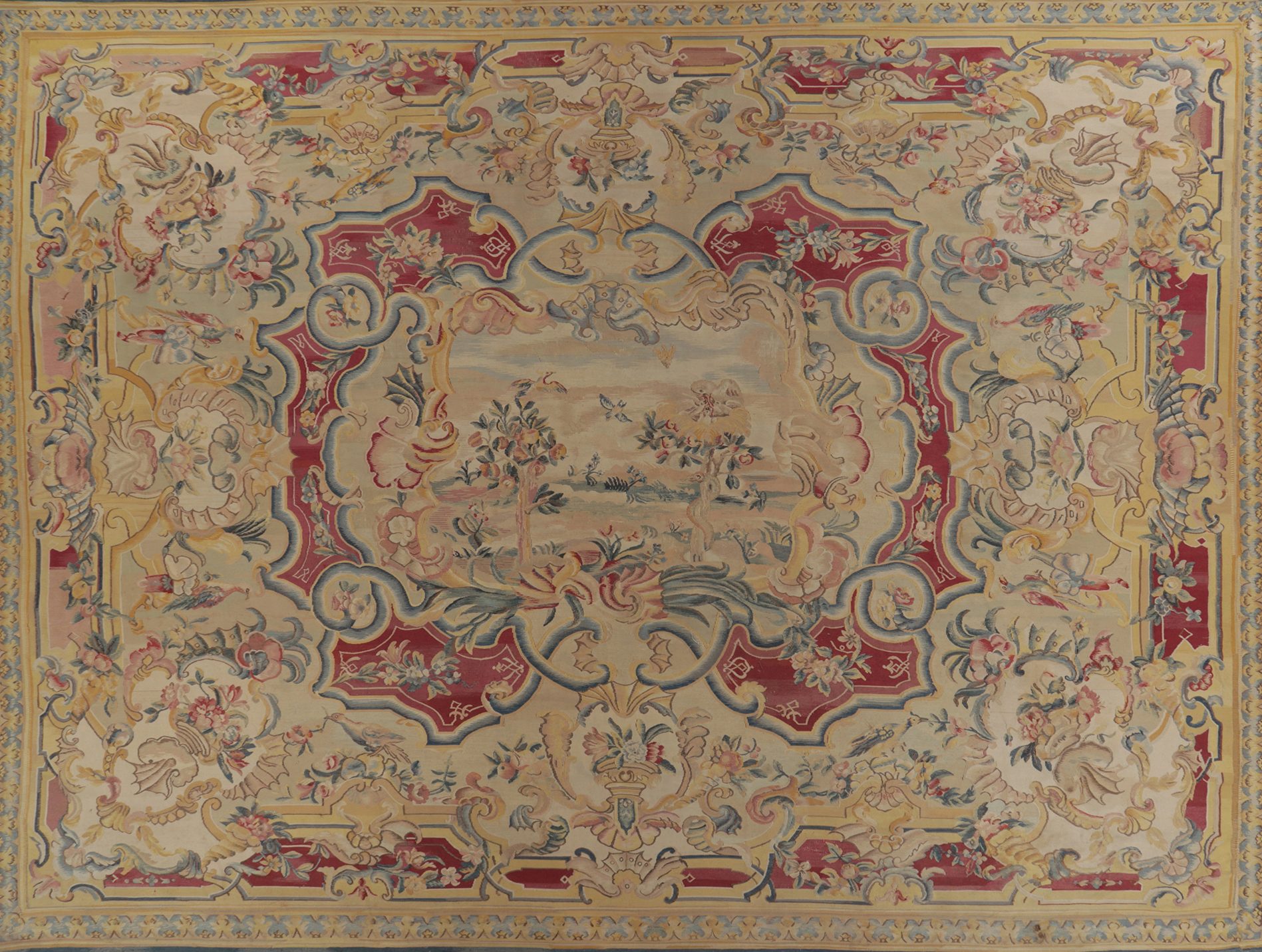
Beyond Market—Toward Stewardship
Auction houses determine price. Museums determine legacy. At Rug & Kilim, we operate between the two.
For over four decades, our institution has curated across eras; Safavid revival, French Deco, Scandinavian modernism, Central Asian embroidery, contemporary atelier production, all as a living archive. Appraisal within such a collection becomes a discipline of continuity. Our role has not been to follow the market but to refine it; curating across eras, safeguarding rare artist collections, and advising collectors who view rugs and tapestries as enduring cultural documents.
In embassies, private jets, Manhattan salons, Lake Geneva villas, and Gulf palaces alike, the textile underfoot often holds as much historical resonance as the art above it. The most sophisticated interiors embed their value.
It is an act of recognition.
Recognition that a Leleu is not décor, but Parisian design history.
Recognition that a Nilsson flatweave carries Scandinavian modernism.
Recognition that a Suzani preserves generational ritual.
Recognition that woven art has shaped courts, ateliers, and contemporary design in equal measure.
And appraisal, when practiced properly, is an art form of its own.
Antique French Aubusson Rug, Monumental Florals in Chocolate Brown
Antique Dutch Art Deco Rug, Rich Red with Floral Damask – Rug & Kilim
Antique Persian Serapi Rug, Geometric Medallion in Madder Red – Rug & Kilim
Rare Octagonal Antique French Art Deco Rug with Regal Medallions – Rug & Kilim
Antique Chinese Silk Tapestry, Elegant Florals and Birds on Black – Rug & Kilim
Antique Kashan Persian Silk Rug with All-Over Floral Pattern – Rug & Kilim
Antique Karabagh Rug with Luminous Medallions on Midnight Blue – Rug & Kilim