
Why to Invest in White Glove Rug Handling & Delivery Services?
August 2, 2024
Rug & Kilim’s Guide to Proper Rug Storage
August 7, 2024Determining the value of an Oriental rug involves a meticulous and specialized process, and at Rug & Kilim, we are dedicated to providing you with a comprehensive understanding of a rug's worth.
Our experienced team is committed to educating, whether or not the rugs were originally acquired from us.
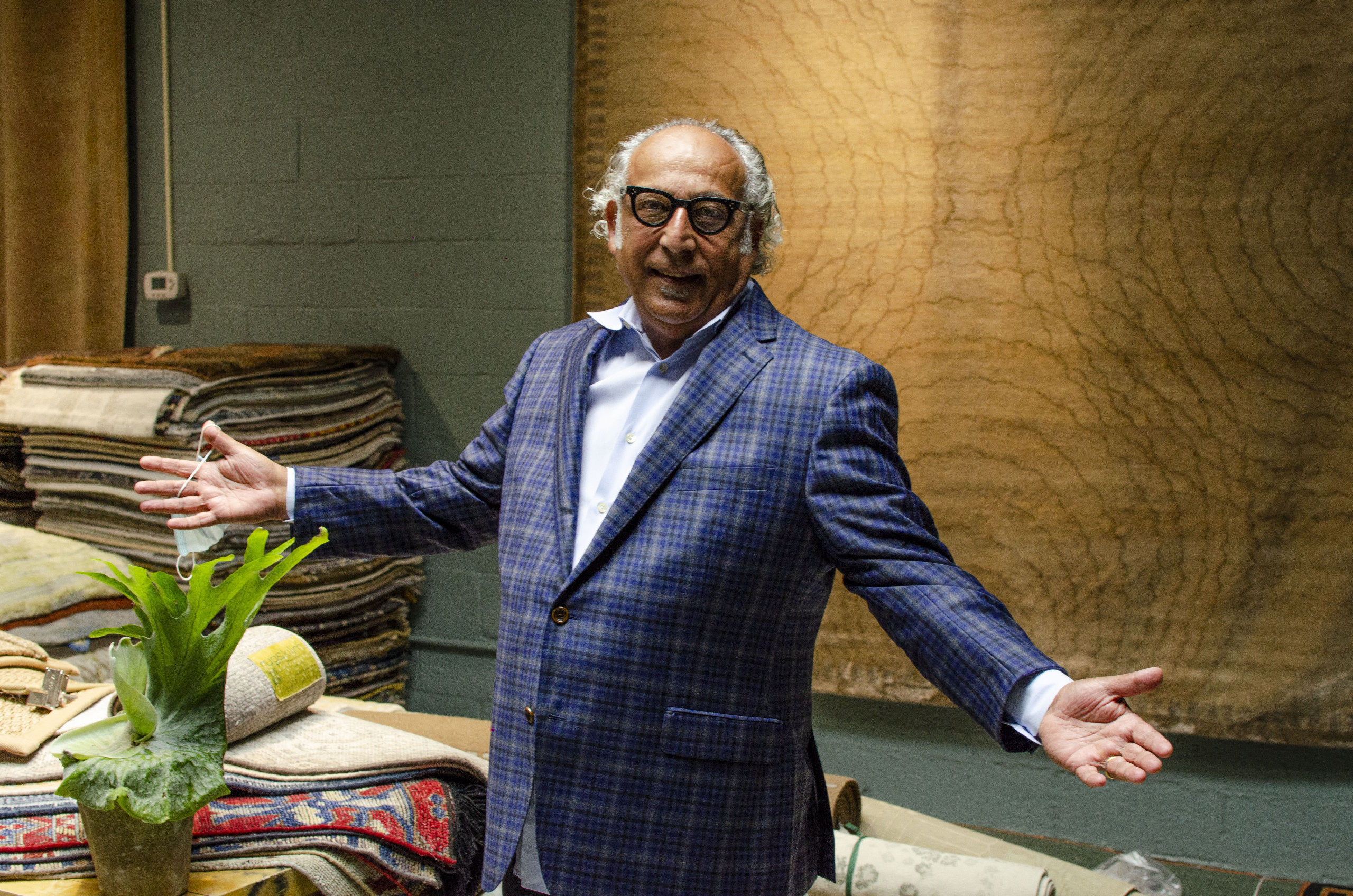
At Rug & Kilim, we offer appraisal services for antique, vintage, contemporary modern, and rugs of indeterminate origin. Our senior analysis team, along with Jahanshah Nazmiyal’s decades of experience, ensures a thorough inspection of your piece. Whether for repair evaluation, insurance consultation, or luxury trade insight, we encourage both novices and industry veterans to engage with our team, fostering a deeper understanding of their prized rugs.
If you’ve ever wondered, “How much is my rug worth?” – we’re here to assist.
What are professional Rug Appraisal Services ?
Valuing antique rugs, vintage rugs, Turkish rugs and contemporary rugs is a nuanced and complex process. The challenge lies in the varying quality of rugs and the evolving preferences in the Design industry, which directly impact demand.
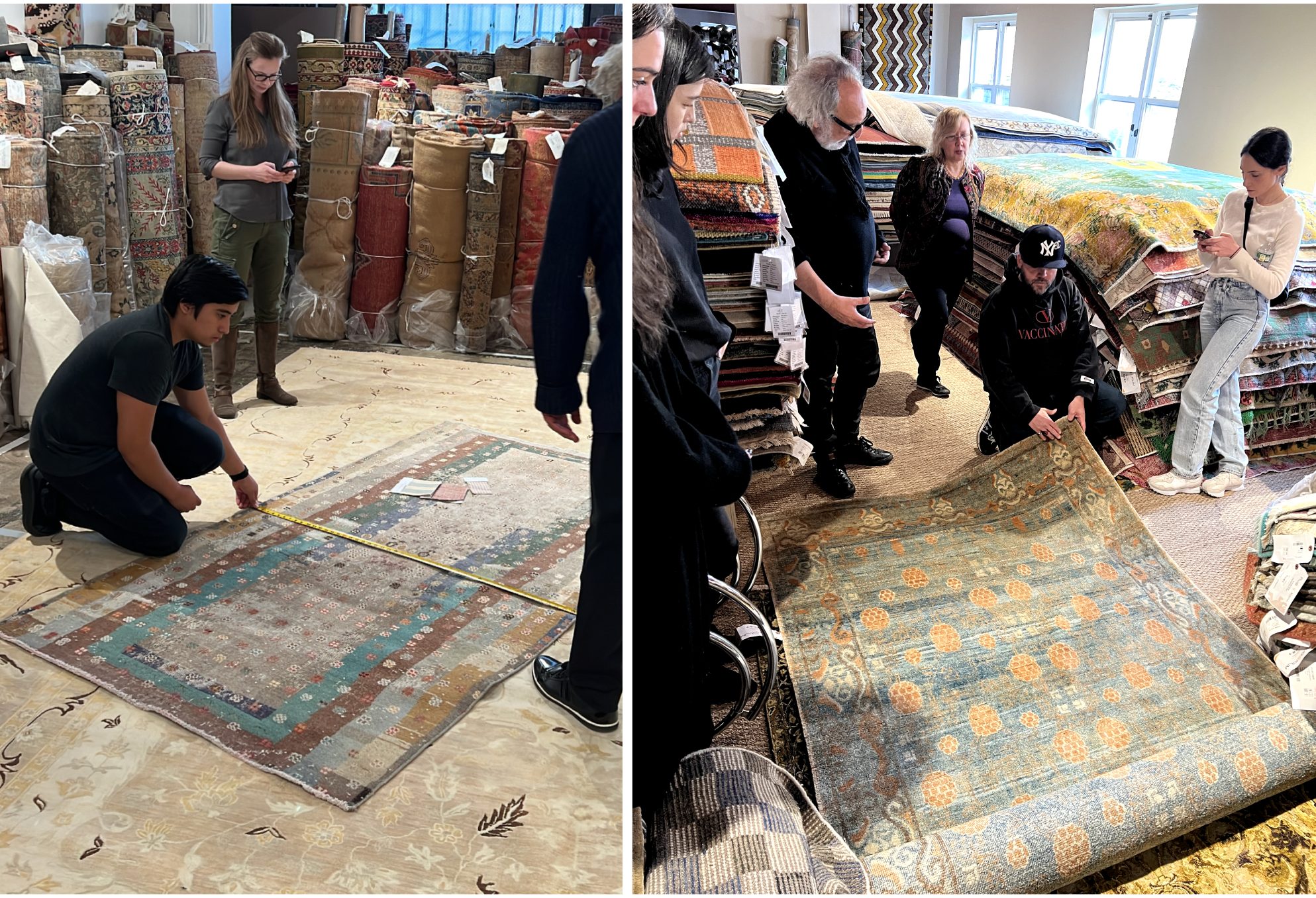
A professional rug appraisal is recommended for an accurate understanding of your rug’s value. Certified rug appraisers affiliated with organizations like the International Society of Appraisers or the Oriental Rug Retailers of America undergo rigorous training programs, equipping them with expertise in various aspects of the rug industry. These professionals consider factors such as different rug types, materials, good condition, weaving techniques, and current market trends to provide an accurate appraisal.

What are the factors considered for Rug Appraisal?
Determining the value of a rug involves considering several crucial factors:
Design: The level of artistry is a fundamental factor in appraising a rug. Expert appraisers assess the movement and fluidity of the design, evaluating elements such as colors, textures, knots per square inch, provenance, and other design components. The overall unity of the composition is essential in determining its value. The appraisal value can be influenced by the geographic origin of the rug and the rarity of colors associated with that region.
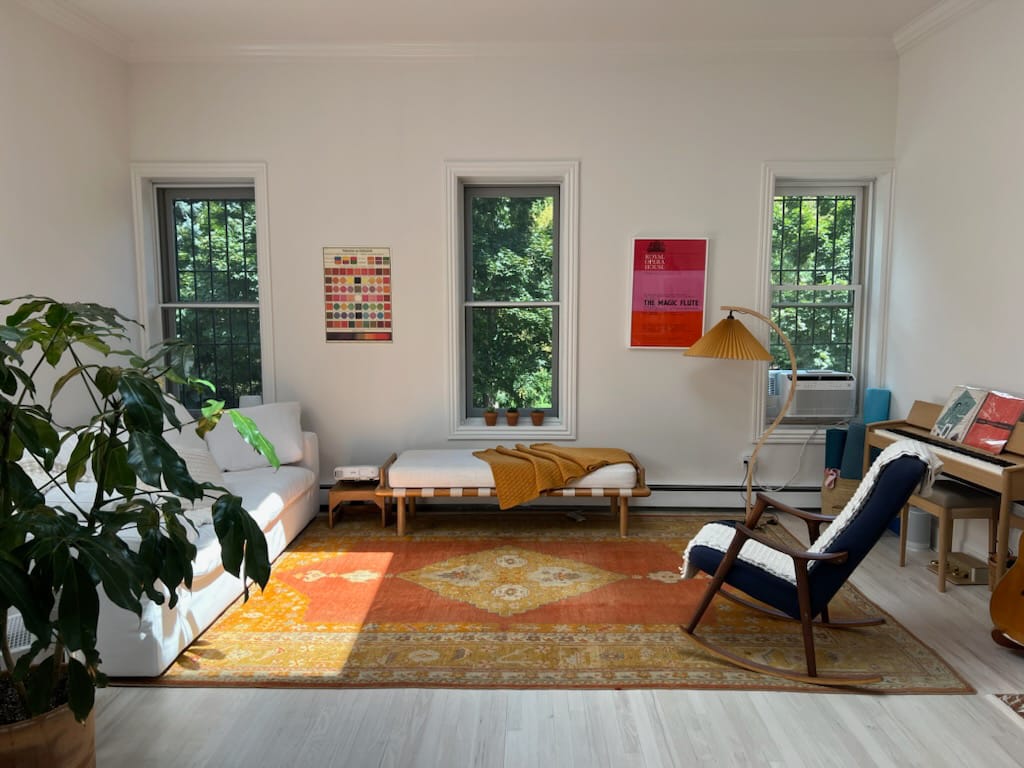
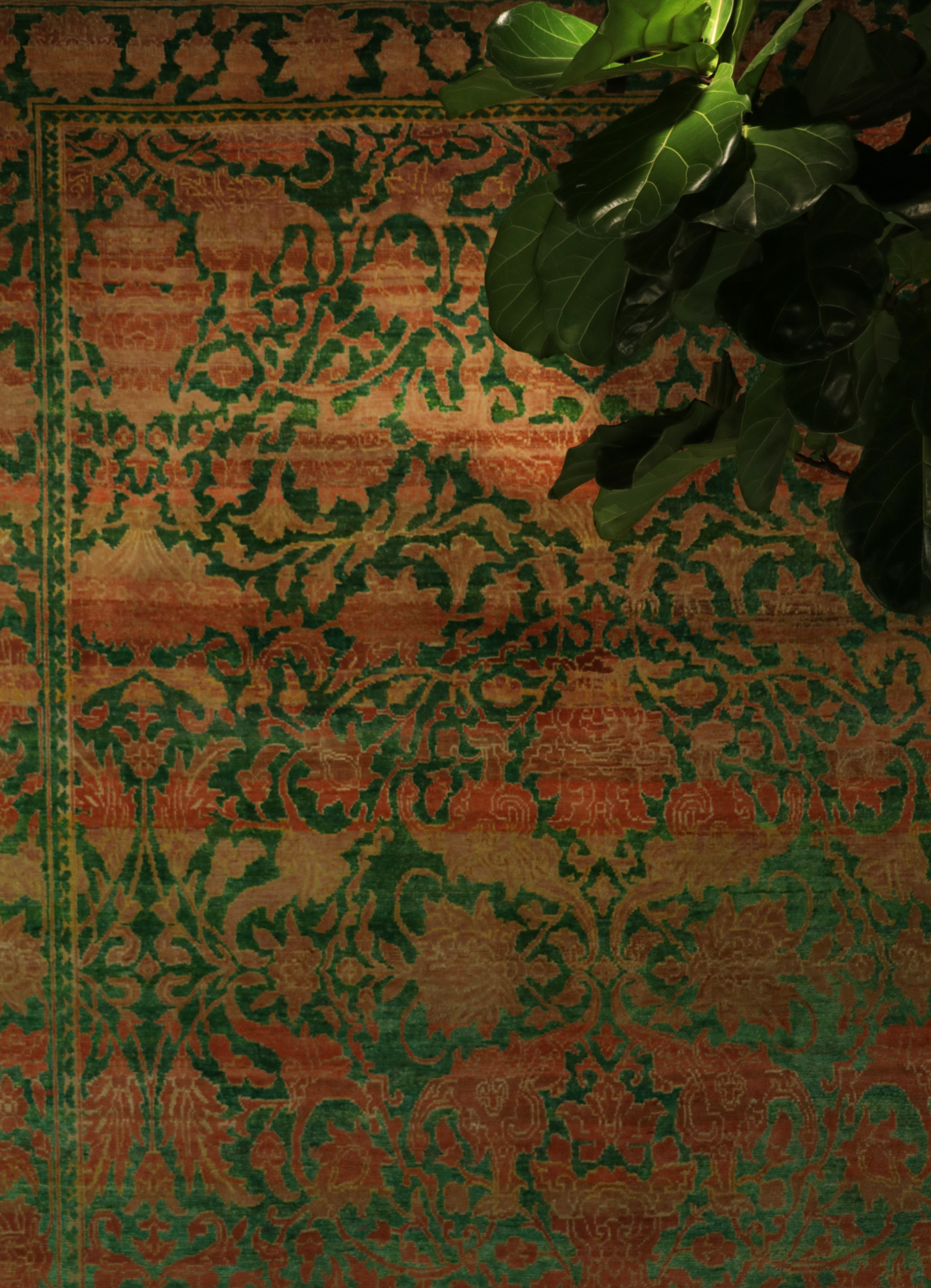
Certain colors were challenging to natural dye in specific regions, making rugs with those colors rare and more valuable. For example, a green carpet from an area where green dyes were difficult to produce would command a higher appraisal value because of its rarity. The scarcity of such colors in specific regions enhances the desirability and value of the rug.
Aesthetic Quality: The aesthetic value of a rug is closely tied to its quality and functionality. It considers whether the rug serves a functional or purely aesthetic purpose. Elements such as the presence of specific motifs and the harmonious integration of design elements are taken into account to assess the rug’s aesthetic value. The skill, expertise, and reputation of the weaver can enhance the overall worth of the rug.
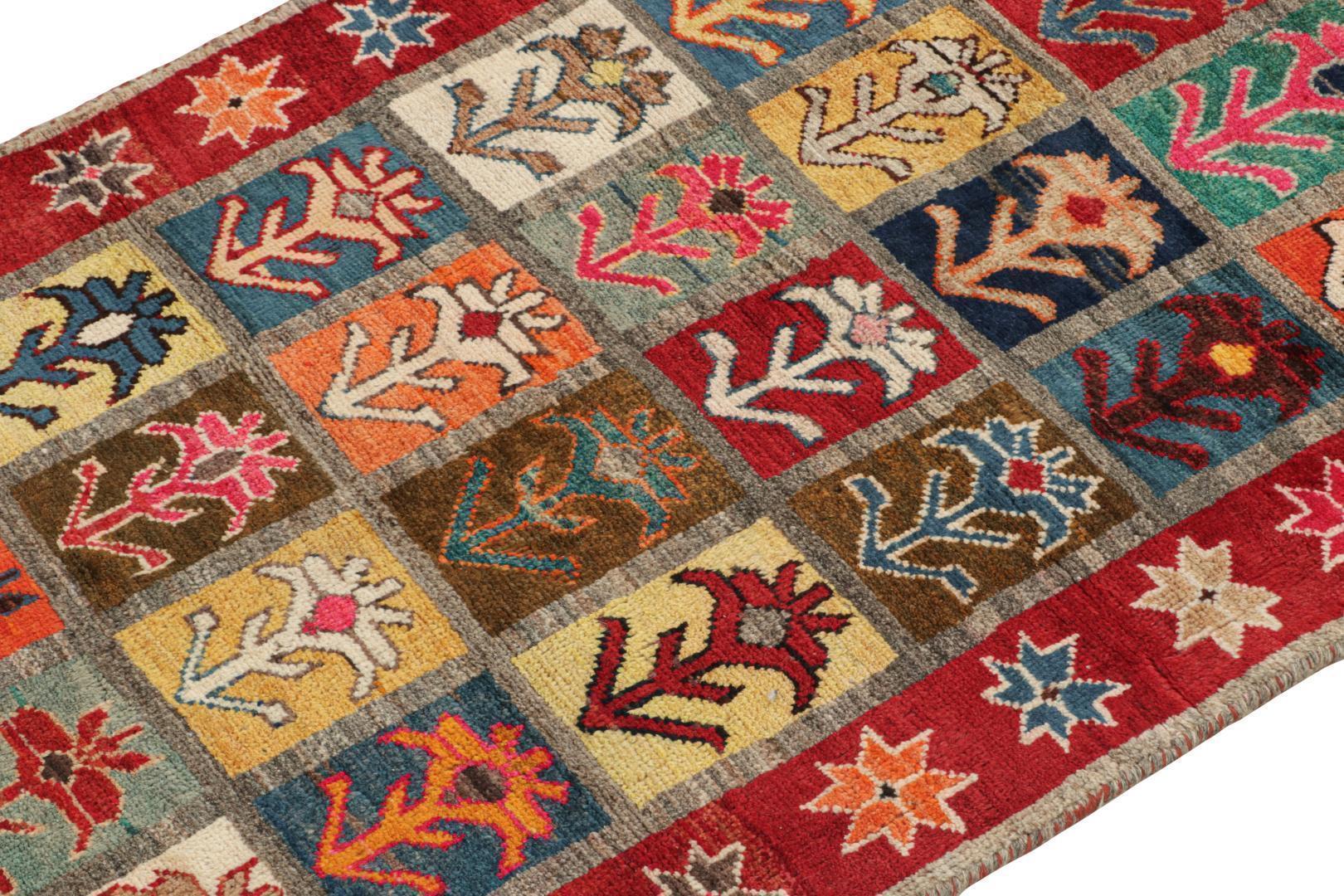
Age: The age of the rug significantly impacts its value. Hand woven rugs from before 1900 or over a 100 years, considered the Commercial Period, are generally more valuable. Older rugs like Persian rugs or Antique Chinese rug tend to have higher market value, with earlier pieces often commanding a premium.
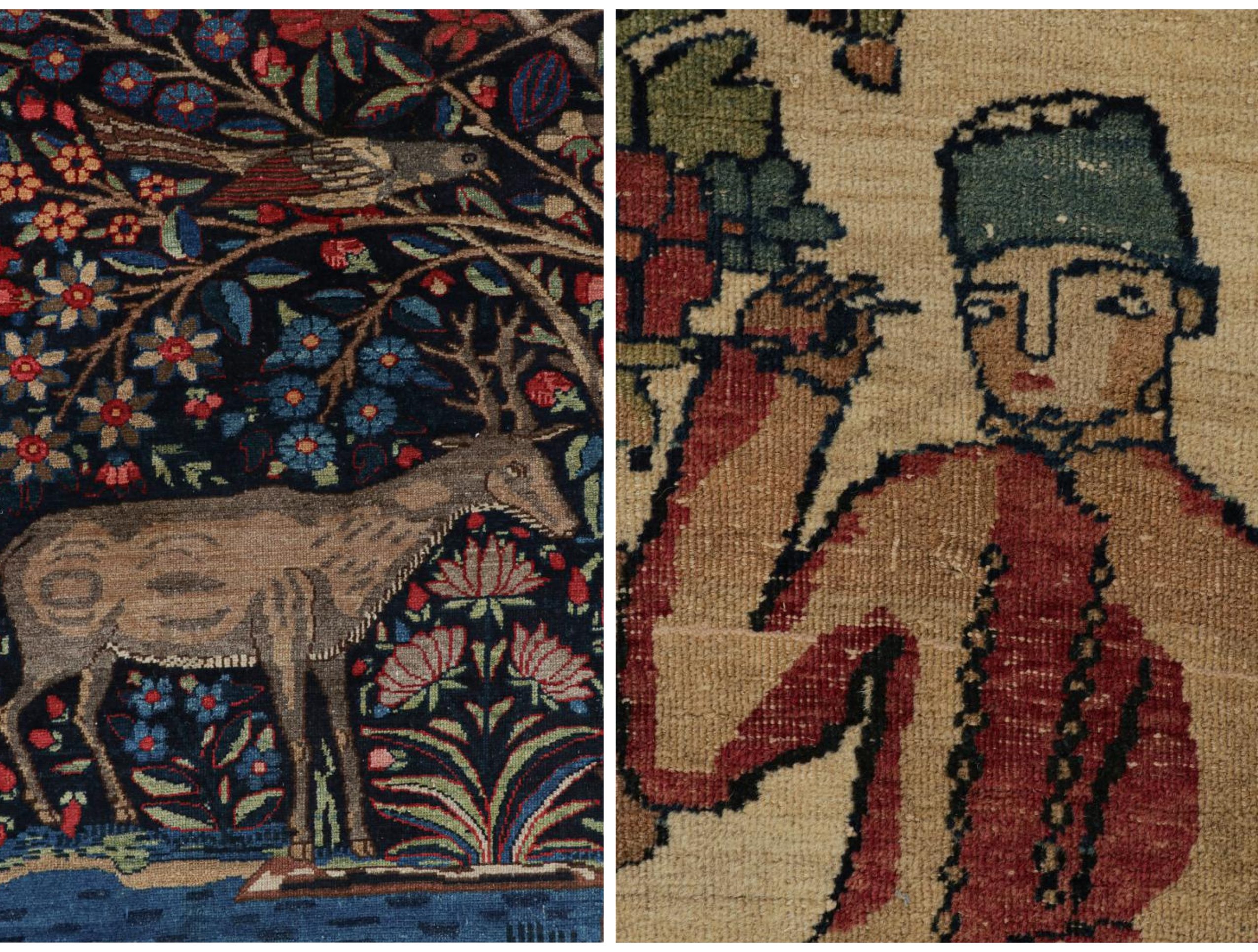
Size: In many cases, the size of the area rugs contributes to its valuation. Larger rugs just like a 13×22 antique rug circa 1890-1900, especially those from rare and collectible collections, may have higher market value. This is particularly true for a wide variety of rugs made with rare and high-quality materials.
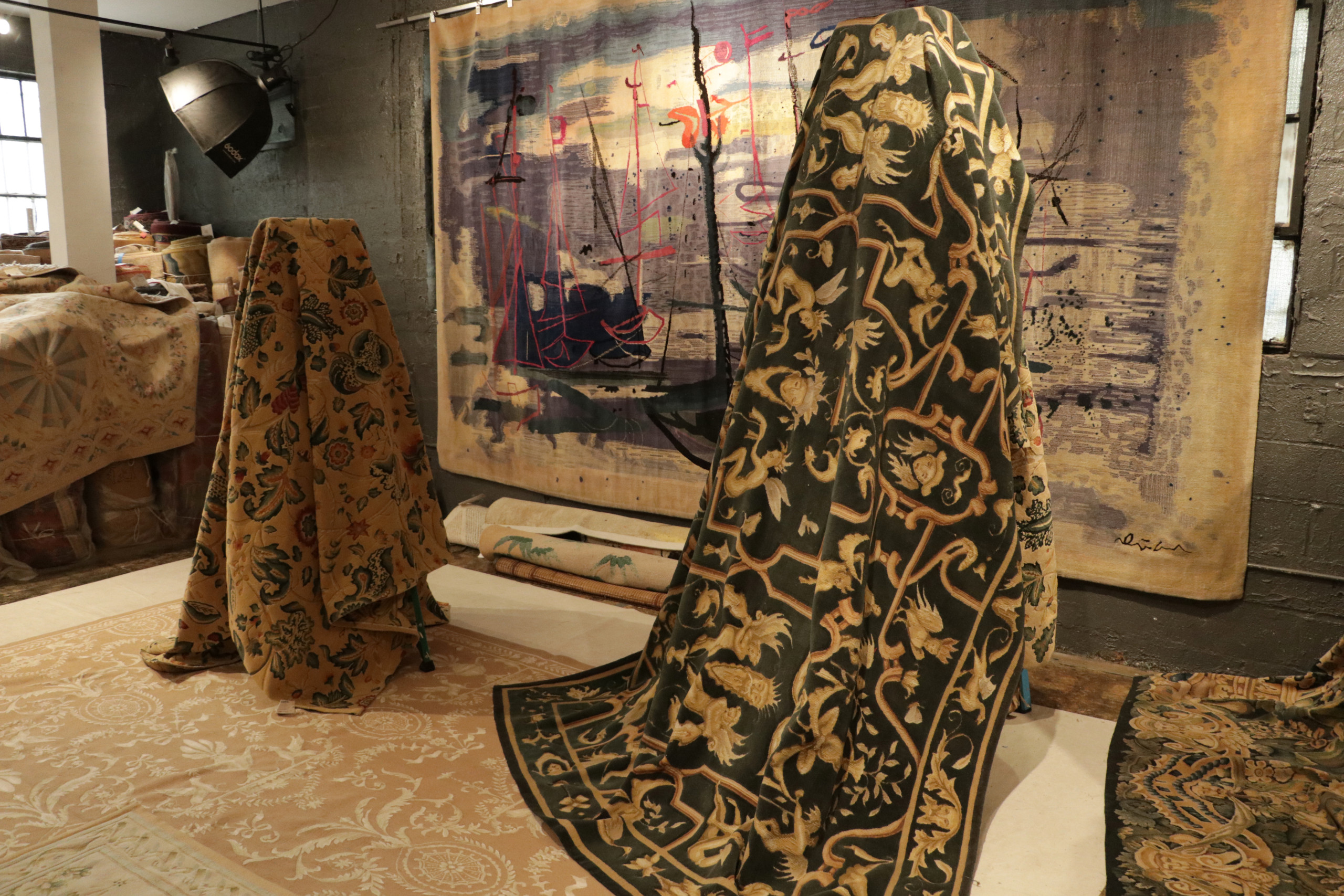
Rarity: The uniqueness and originality of a rug can add to its value. Rugs that are individually manufactured, rather than mass-produced, are typically appraised higher. The one-of-a-kind quality adds to the rarity and desirability of the rug, particularly among connoisseurs. Antique rugs produced during significant historical periods, such as the Golden Age of the Safavid dynasty, hold greater value.
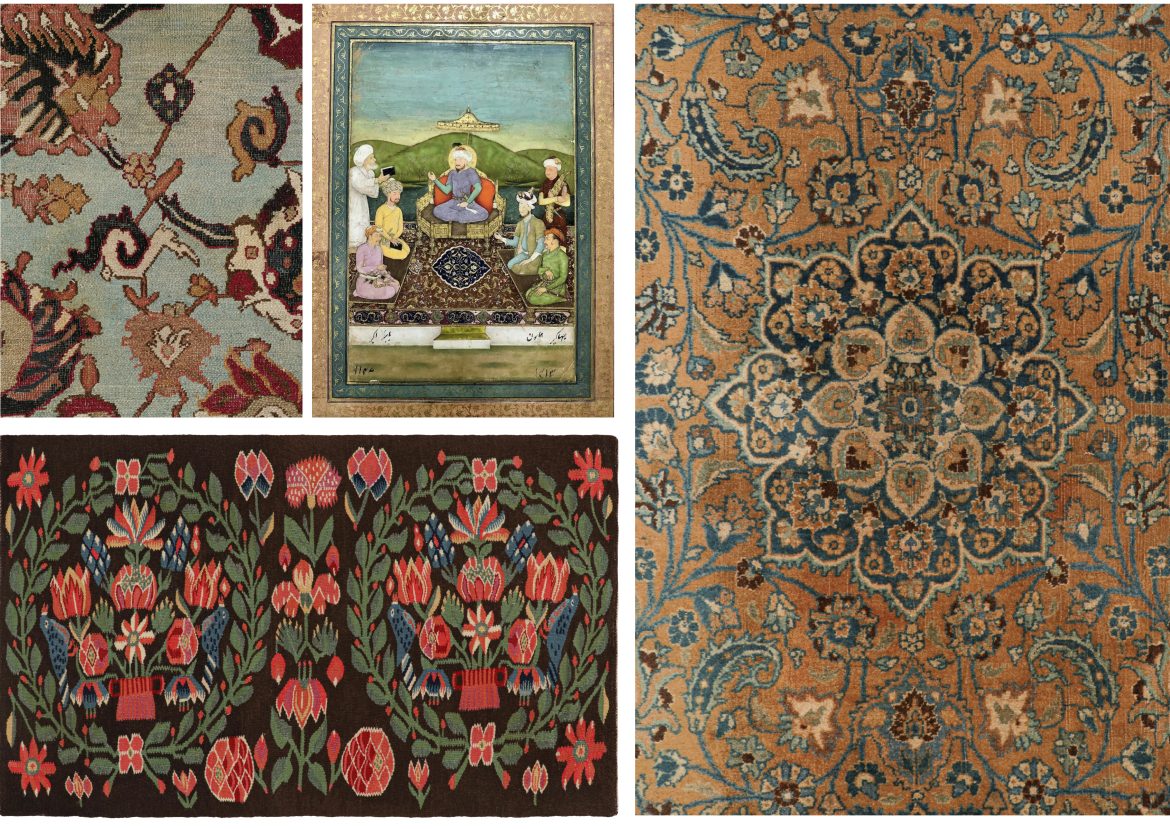
This era marked the development of the carpet industry into a fine art form, and rugs from this period are highly prized by auction houses, interior designers and collectors. Hand-Knotted rugs from specific historical periods carry a premium because of their historical significance and craftsmanship. An example would be the vintage mid-century Qazvin rug, named for the titular region acclaimed, among many factors, for its influential patterns in circulation since the Safavid dynasty.
Materials: The quality of materials and designs used in weaving handmade rug is a practical consideration in evaluating its price. The higher the quality of the wool, silk or other materials, the higher the price of the rug. The durability and luxuriousness of the materials contribute significantly to the overall value of the rug.
What are the different types of Rug Appraisals ?
Various types of appraisals serve different purposes, including insurance/replacement value, donation, auction, retail value, and cash value. The appraisal process begins with the identification of the origin, age, type, design, and condition of the rug. An evaluation of the rug’s excellent condition, market assessment, and a detailed examination of materials and craftsmanship are crucial aspects of the appraisal process.
How is a Rug’s value determined ?
The visual impact of a rug is pivotal in establishing its appraisal value. Rugs with intricate designs in beautiful colors often have higher value. Rare colors or materials, such as camel hair, goat hair, or silk, contribute to the rarity and, consequently, the value of a rug. Silk, being challenging to produce and possessing a lustrous sheen, commands the highest price.
Craftsmanship, the quality of materials, and overall rug weaving also influence the appraisal value, with well-preserved rugs typically fetching a higher appraisal.
Our passion is to keep up with the highest standards in rugs and kilims today, and employ all we’ve learned as an industry leader overtime.
A Rug & Kilim client is a client for life, and our services are with you long after your rug leaves our New York showroom.