

“How Much is a Rug Worth ?” Rug & Kilim Professional Rug Appraisal Services
August 5, 2024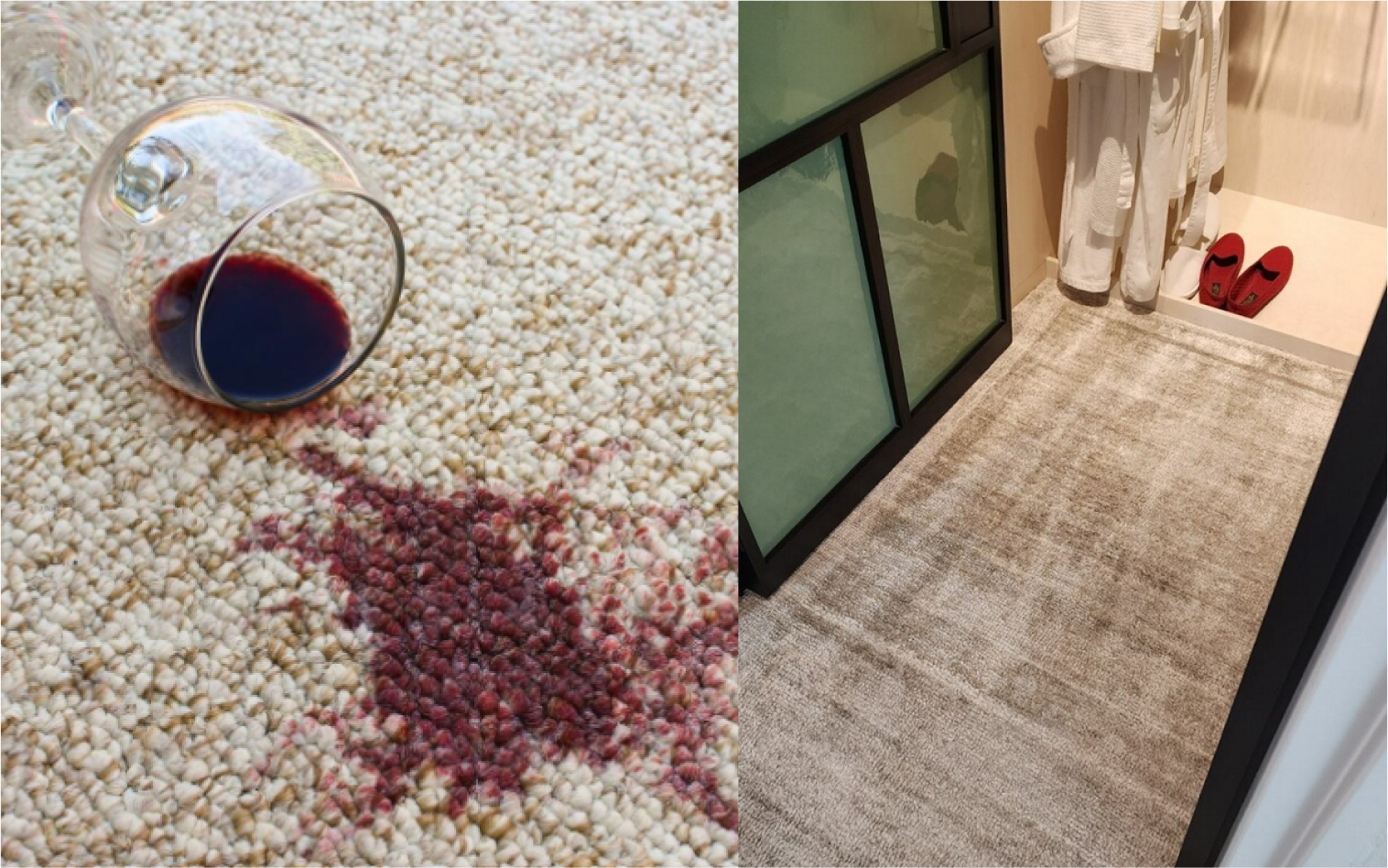
The Benefits of Rug Scotchgarding and Professional Rug Care
August 9, 2024Whether prompted by seasonal changes or the introduction of new pieces, the proper storage of area rugs is essential to their care.
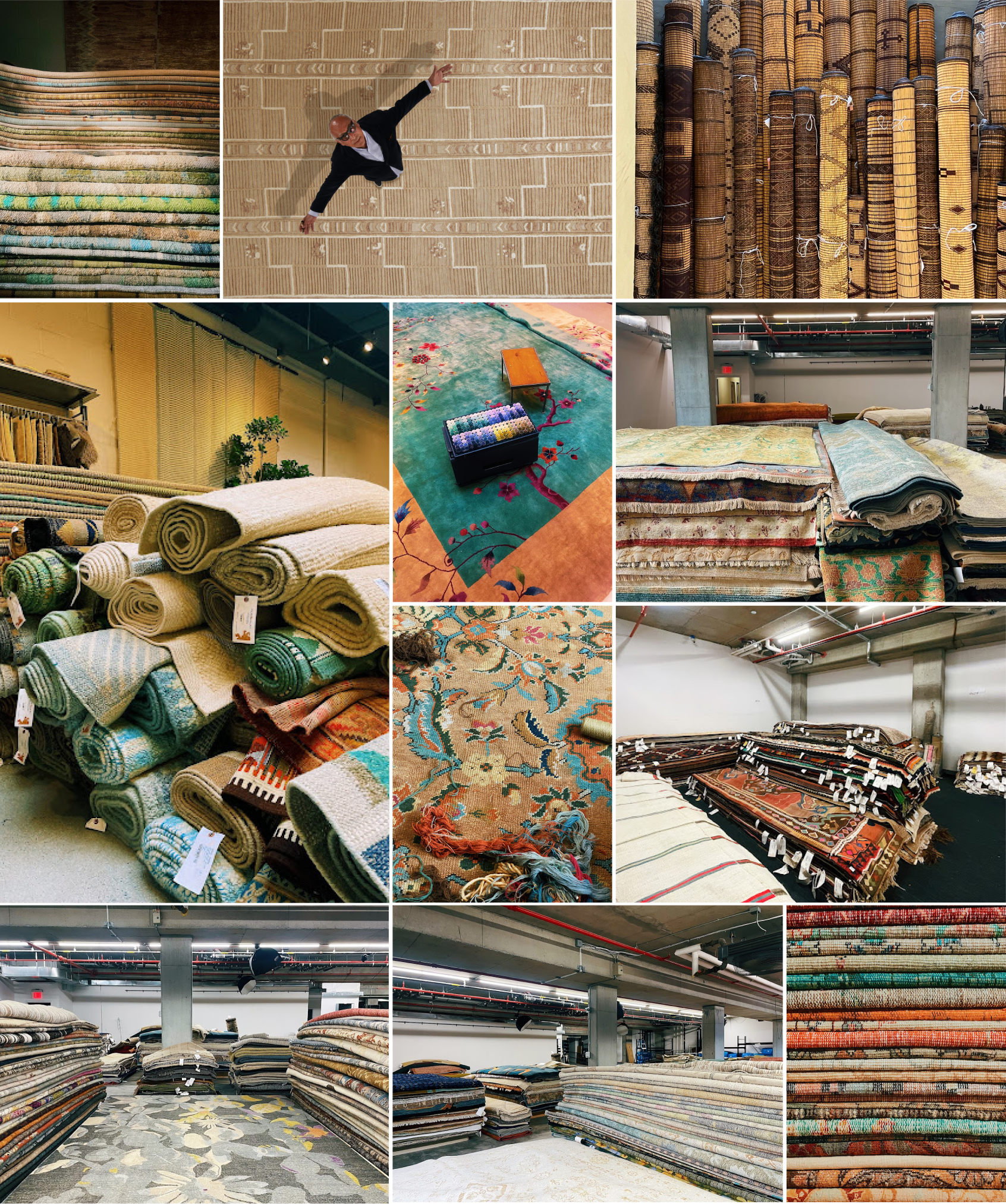
By adhering to a few simple, industry-standard precautions — such as tightly rolling rugs to prevent creases and utilizing breathable covers — one ensures not only the longevity of these pieces but also their ability to seamlessly enhance living spaces with elegance and style when reintroduced. Ensuring the proper storage of rugs is essential for maintaining their integrity and extending their lifespan.

How to prepare for both short-term and long-term rug storage ?
- Initiate the preparation process by thoroughly cleaning your rug. Use a vacuum to meticulously remove excess dirt, debris, hair, and other particles that may have accumulated over time.
2. Stain Identification and Removal:
- Conduct a meticulous scan of the rug to identify any stains. For stains, employ warm water and a towel to gently rub the affected areas in a circular motion. This step is crucial in preventing future mold and mildew growth during storage.
3. Careful Rolling for Storage:
- Once the rug is spotless, proceed to roll it up carefully, ensuring a tight roll without leaving any gaps. The meticulous rolling process is vital to prevent the formation of creases, preserving the aesthetic appeal of the rug when it is unraveled after storage.
4. Securement in Protective Rug Bags:
- To shield your rolled-up rug from external elements, secure it in protective rug bags designed for storage. Opt for bags made from breathable quality material, as these ensure adequate protection against dirt and grime while allowing proper ventilation.
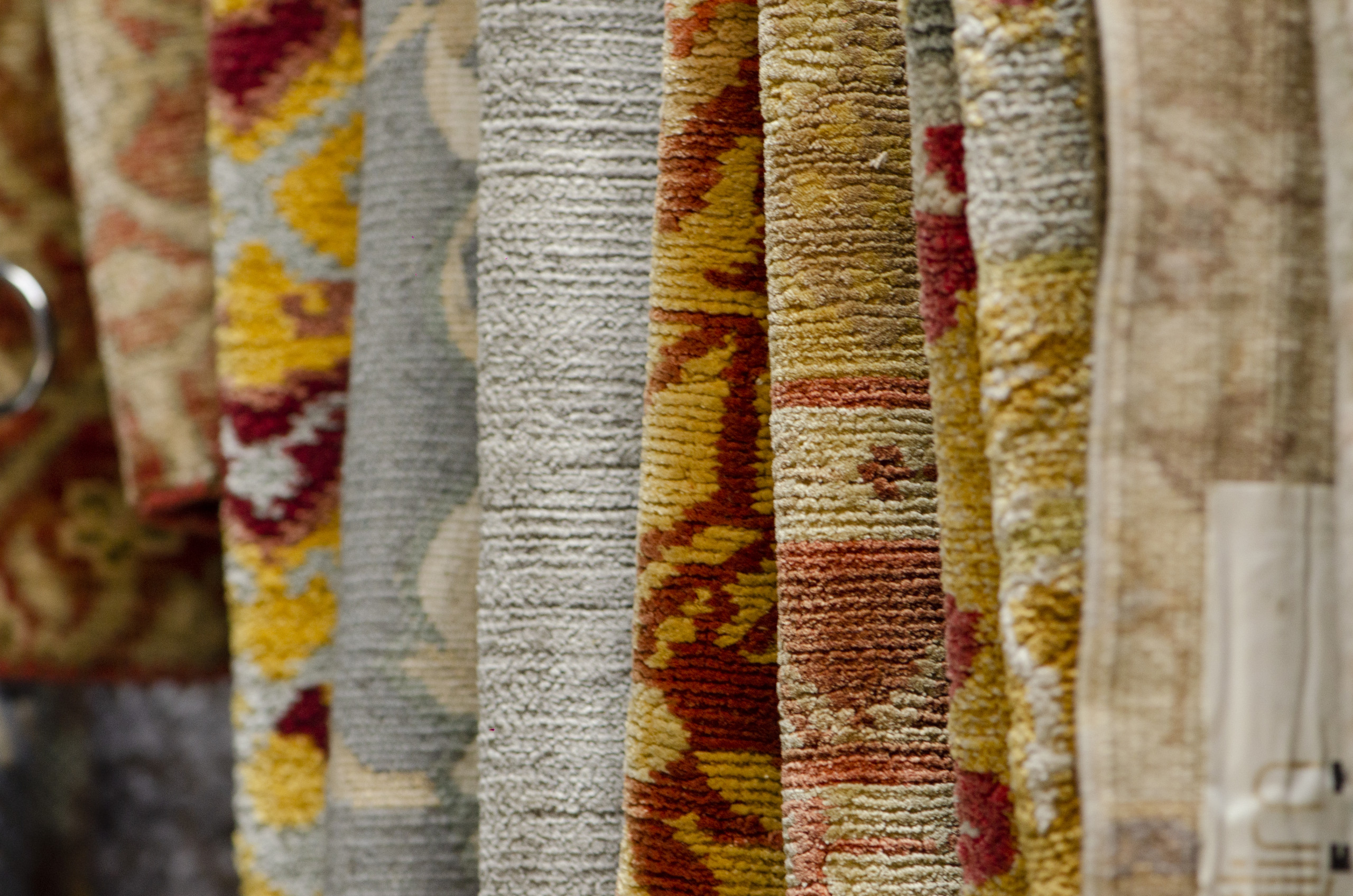
Additional Tips for Rug Storage:
- Climate Control: If possible, choose a storage area with climate control to maintain optimal conditions for the rug.
- Avoid Direct Sunlight: Store the rug away from direct sunlight to prevent fading and discoloration.
- Elevate from the Floor: Place the rolled rug on wooden pallets or racks to elevate it from the floor and protect against potential moisture.
By diligently following these steps and additional tips, you’ll not only preserve the cleanliness and appearance of your rug but also ensure it emerges from storage in pristine condition. Proper preparation is the key to safeguarding your rug investment for the long term.
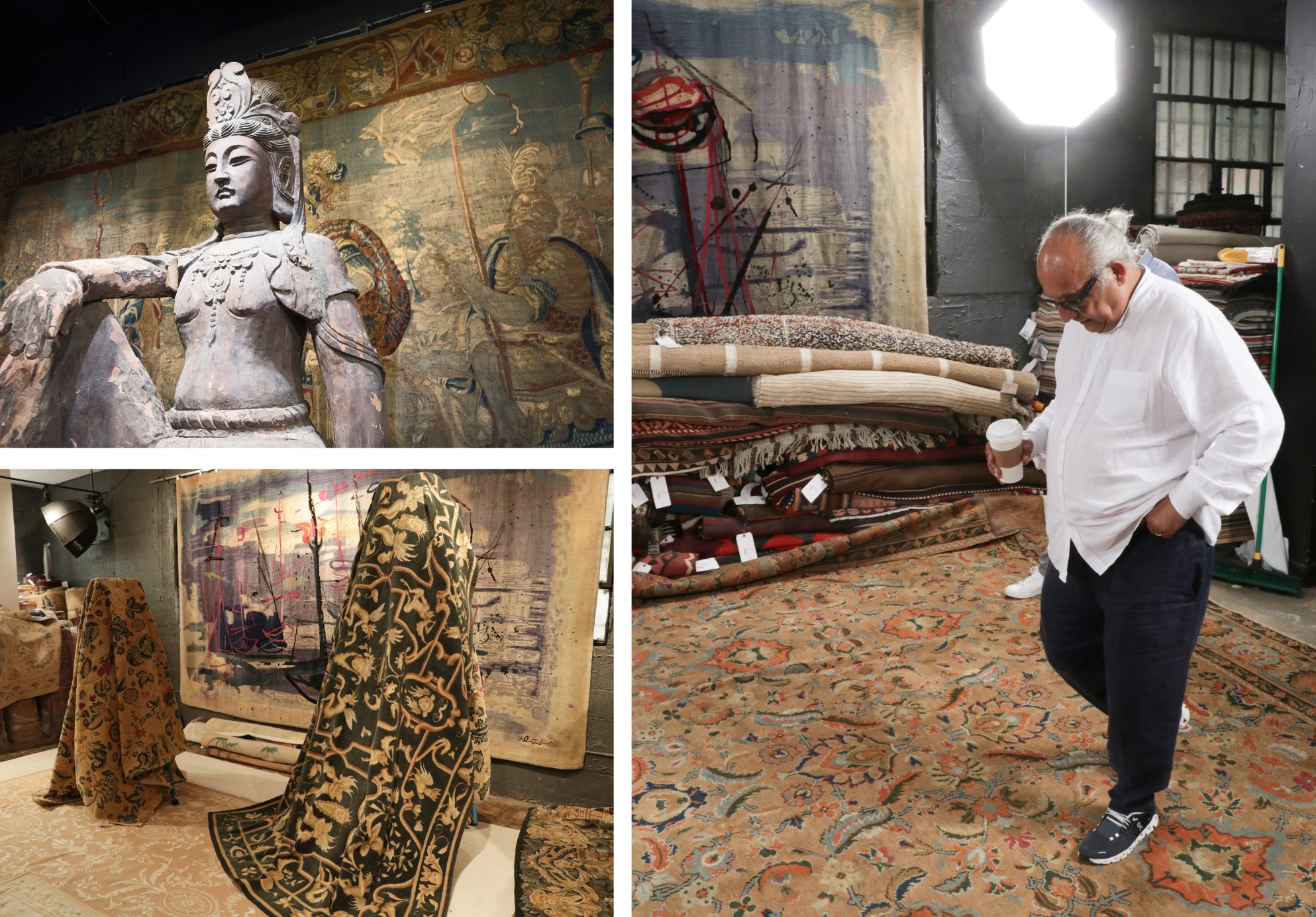
Whether you own pile rugs, flat weaves, tapestries, textiles, area rugs, runners, or any other floor covering, it’s essential to tailor your care approach to the specific needs of each.
Here are key considerations and questions to guide you in ensuring the best care for your cherished rug:
- Roll or Fold: Inquire about the ideal method for storing your piece. Some rugs benefit from being rolled to prevent creases, while others may tolerate folding without compromise.
- Different Care Needs: Understand the distinct care needs between pile rugs and flat weaves, such as Kilims. Each type may require unique maintenance approaches to preserve their integrity.
- Storage Requirements: Ask about the specific storage requirements for tapestries and textiles. Knowing whether rolling or folding is preferable and the ideal dimensions for storage is crucial for their preservation.
- Best Care Practices: Seek advice on the best care practices for area rugs and runners. Understanding how to maintain their shape, cleanliness, and vibrant appearance is vital for their longevity.
- Storage Space Needed: Determine how much storage space is required for your rug, considering its size. Inquire about the width and length specifications for properly storing different rug sizes, such as 8×10, 9×12, 10×14, or 12×15.
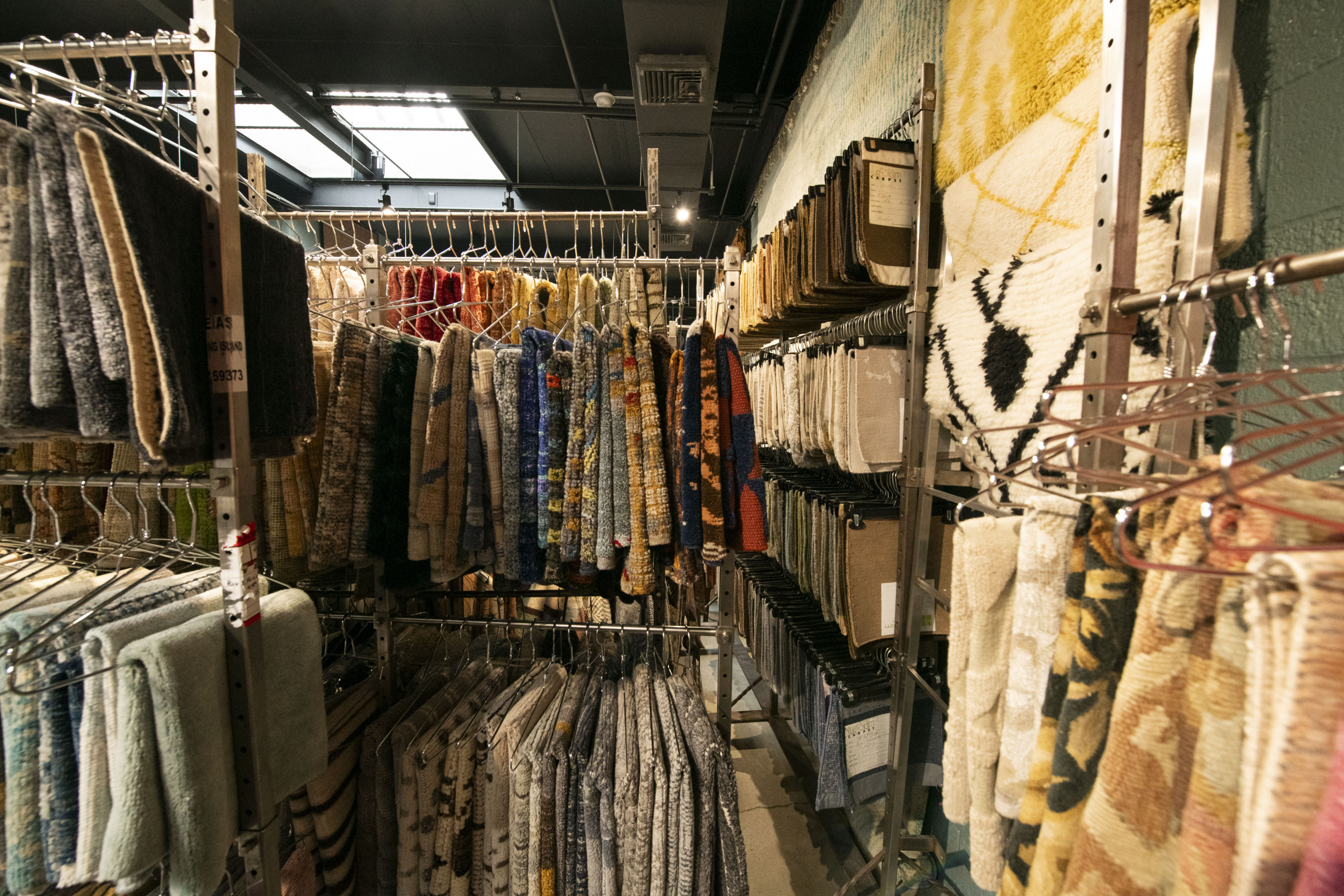
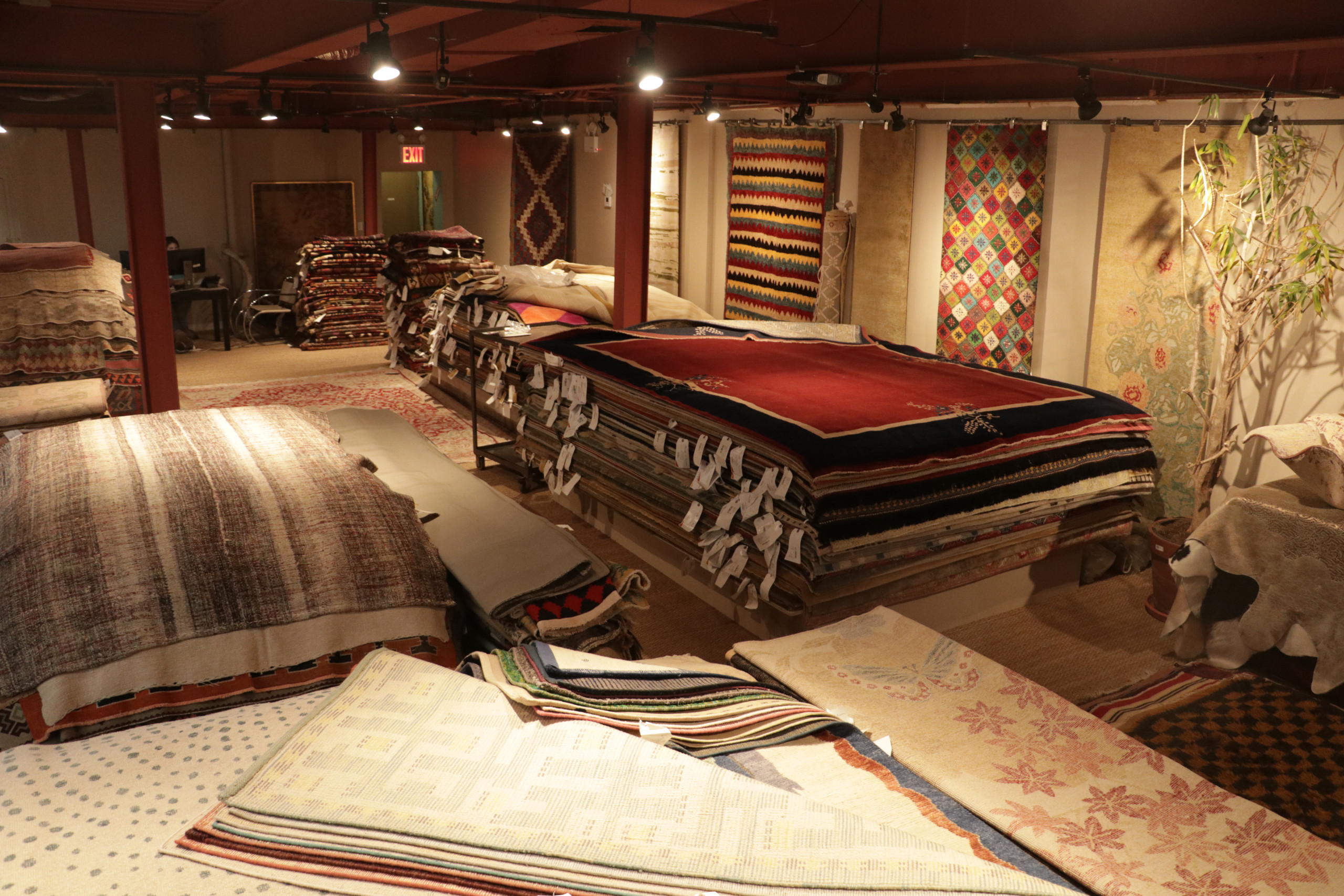
Additional Rug Care Inquiries:
- Specialized Needs: If your rug has specific characteristics, such as intricate patterns, delicate materials, or unique construction, inquire about any specialized care it may require.
- Cleaning Recommendations: Ask about the recommended cleaning methods for your particular rug type, including whether professional cleaning is advisable.
Feel free to reach out to us with any questions or concerns about your rug’s care. Our experts are here to provide personalized guidance tailored to the unique characteristics of your rug, ensuring it remains a source of beauty and comfort for years to come. Understanding your rug is the first step toward preserving its timeless elegance.
A Rug & Kilim client is a client for life, and our services are with you long after your rug leaves our New York showroom. For more information, connect with our team at 212-829-9995 or email info@rugandkilim.com to schedule a visit with our trade-only showroom.

Here are some of the frequently asked questions about professional rug storage –
Does Optimal Storage Environments have any impact on the longevity of rugs ?
Storage environments affect rugs and their lifespan and condition significantly. Moisture can lead to mold, mildew, and unpleasant odors.
Steer clear of storing your rugs in damp or humid areas with foot traffic. Opt for a clean, dry, and well-ventilated location, such as a closet or a climate-controlled storage space. This helps maintain the integrity of all types of rugs, be it hand woven rugs or hand knotted rugs, over time.
Is it important to prevent rug compaction ?
Preventing rug compaction is essential for maintaining their original form and beauty. Follow these detailed guidelines to ensure your rugs stay in pristine condition. Even in storage, periodically unroll your rugs to prevent permanent creases or folds. Aim to do this at least once a year, and more frequently for valuable or delicate rugs.
How can I protect my rug from damage during storage ?
Ensure your rugs professionally cleaned are shielded from dust, debris, and potential damage by employing meticulous wrapping, rug cleaning and padding techniques. Wrap your oriental rugs in protective materials, such as acid-free paper or cloth after vacuuming your rug, to safeguard them from environmental elements.
Does Padding help protect rugs during storage ?
A rug pad provides added cushioning, improved traction for a safer living space, floor protection, simplified cleaning, and the extension of your rug’s lifespan. Consider using high-quality rug padding, such as our custom-cut 40 oz. durahold rug padding, to add an extra layer of protection and prevent slippage. This practice is also employed during the shipping process.
Why is it important to avoid rug’s direct contact with the floor ?
It helps prevent potential floor moisture. Elevate your stored rugs by placing them on wooden pallets or racks. This helps keep them away from any moisture that might be present on the floor.
How can I maintain a record of my rug during storage ?
Label each rug with essential details such as its name, origin, and date of purchase. Keep a digital or physical catalog of your rug collection for easy reference when locating specific rugs in storage. Periodically rotate the position of the wool rugs in storage facilities to distribute weight and pressure evenly, preventing uneven wear.
Is it important to professionally clean my rug before storage ?
This step ensures the removal of dirt and odors, maintaining the pristine condition of your handmade rugs. Extend the longevity of your rugs by opting for professional carpet cleaning before storage.