
How Do I Clean Kilims and Flatweaves?
February 6, 2024
Rug & Kilim Consultation Services to Help you Make the Best Decisions
March 7, 2024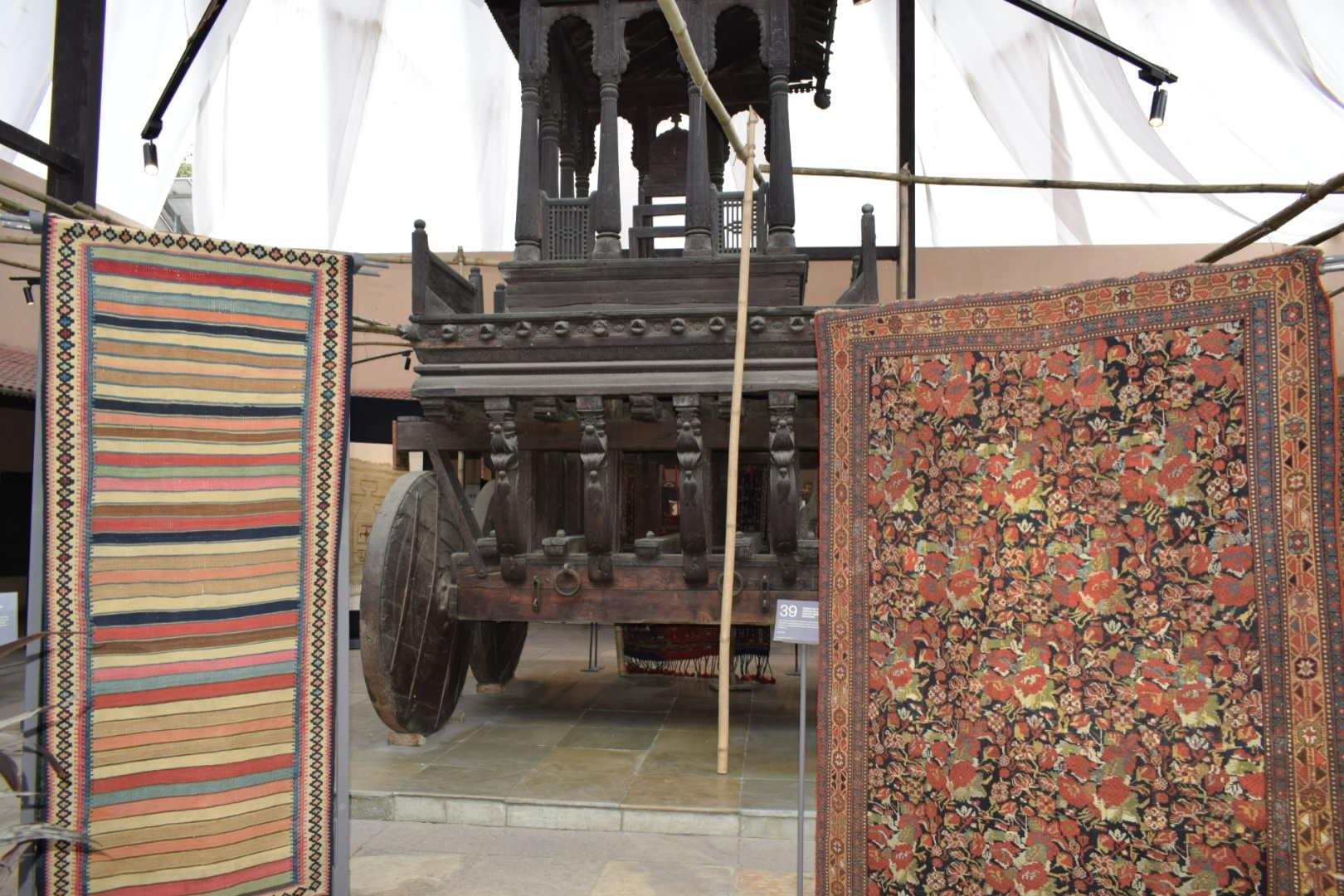
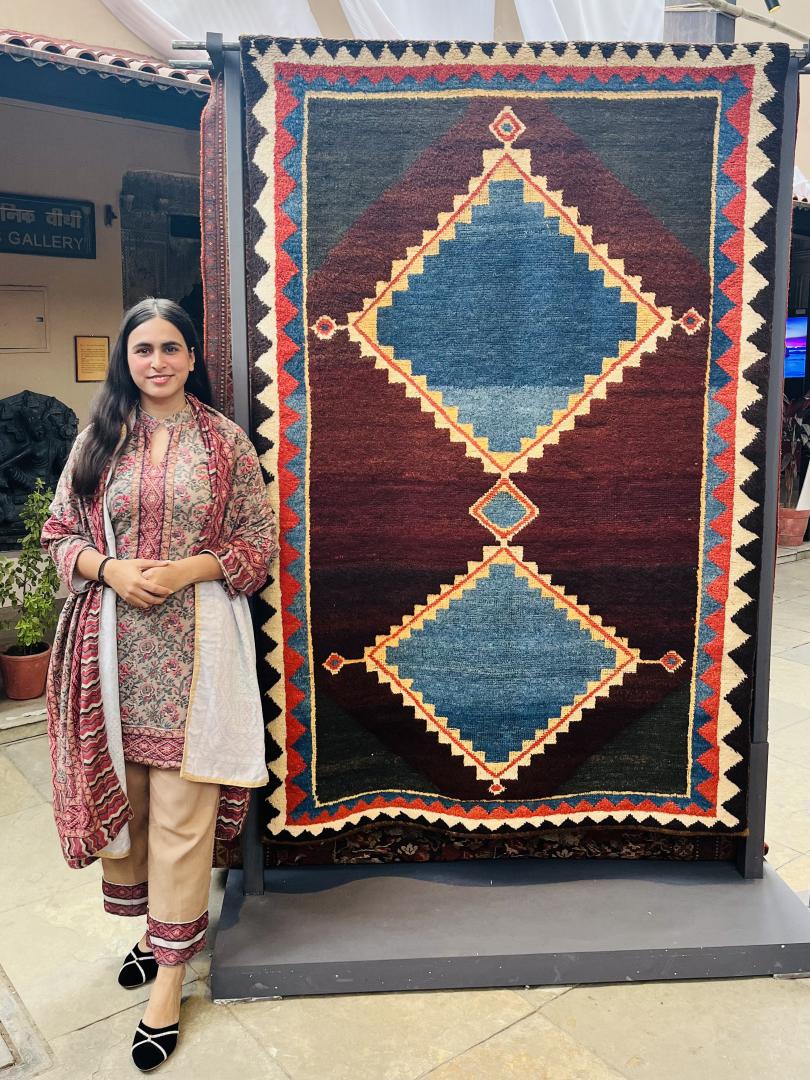
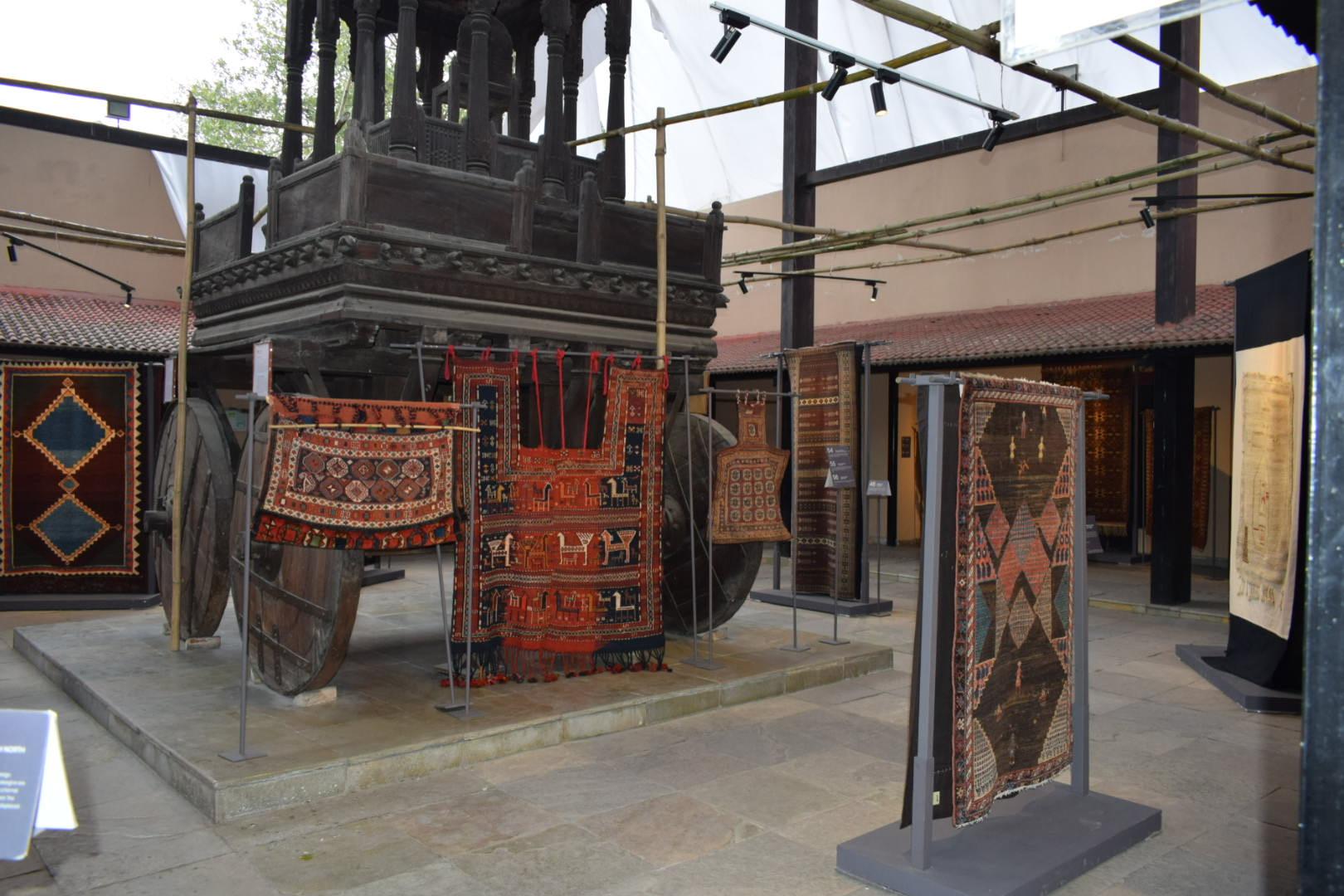
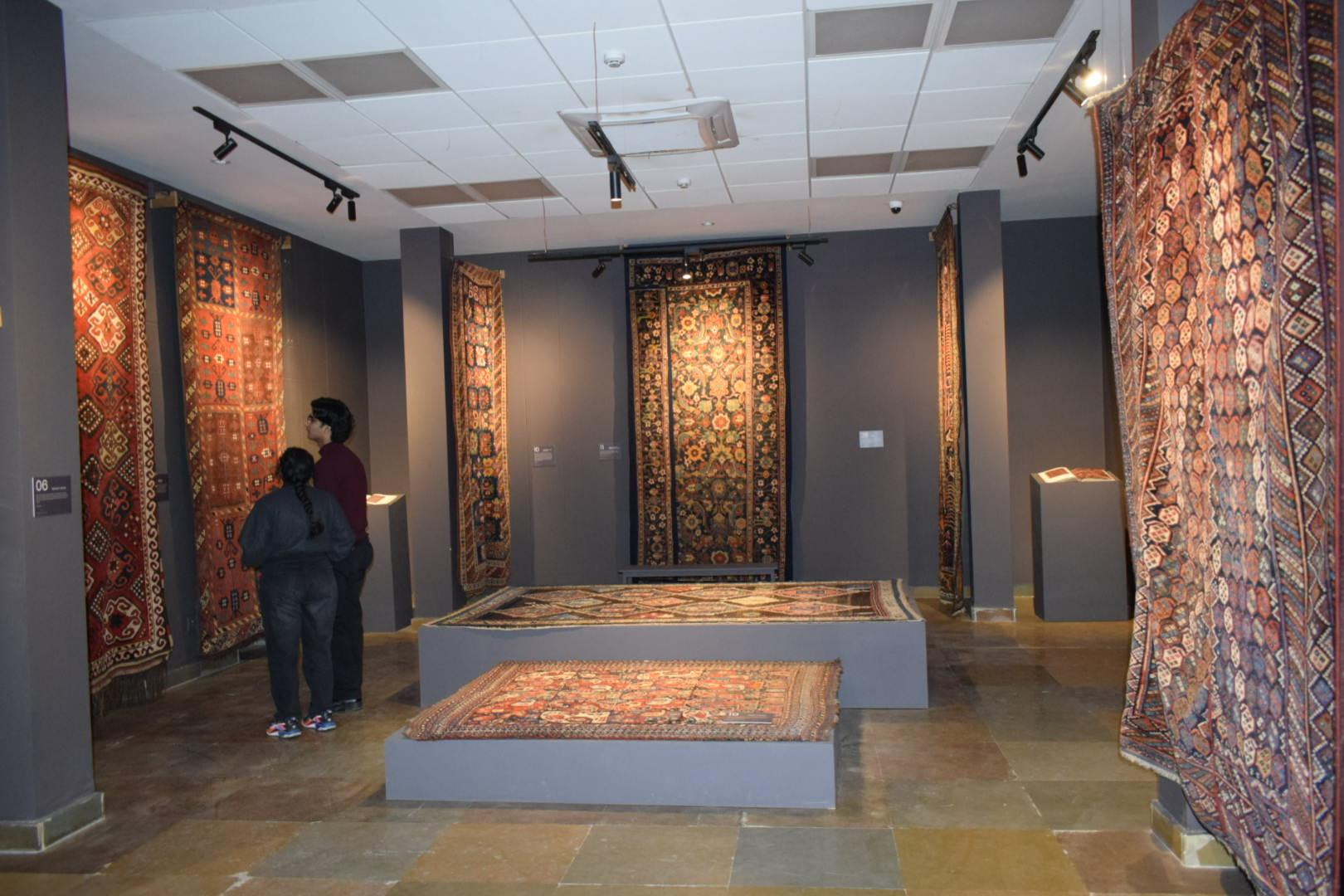
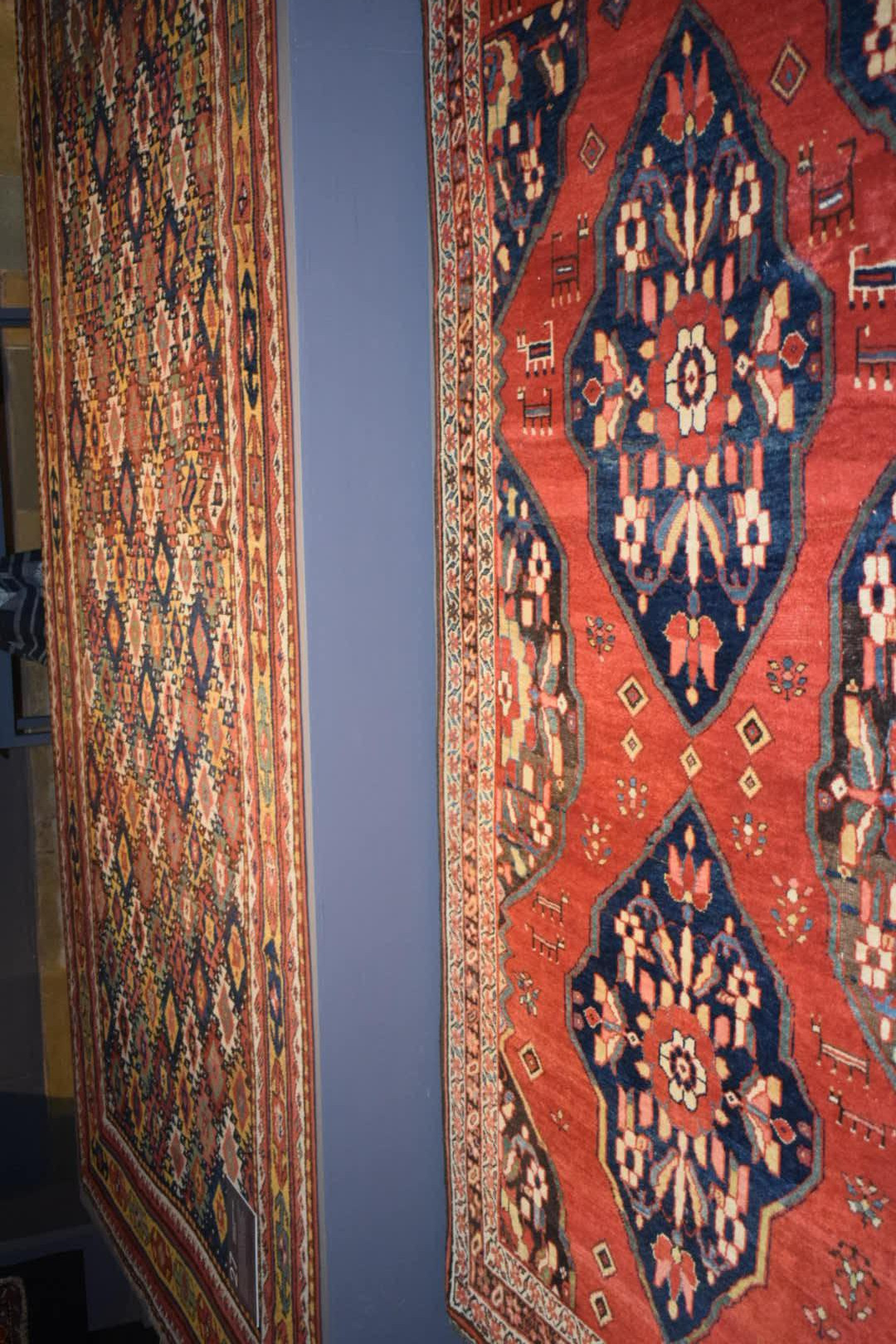
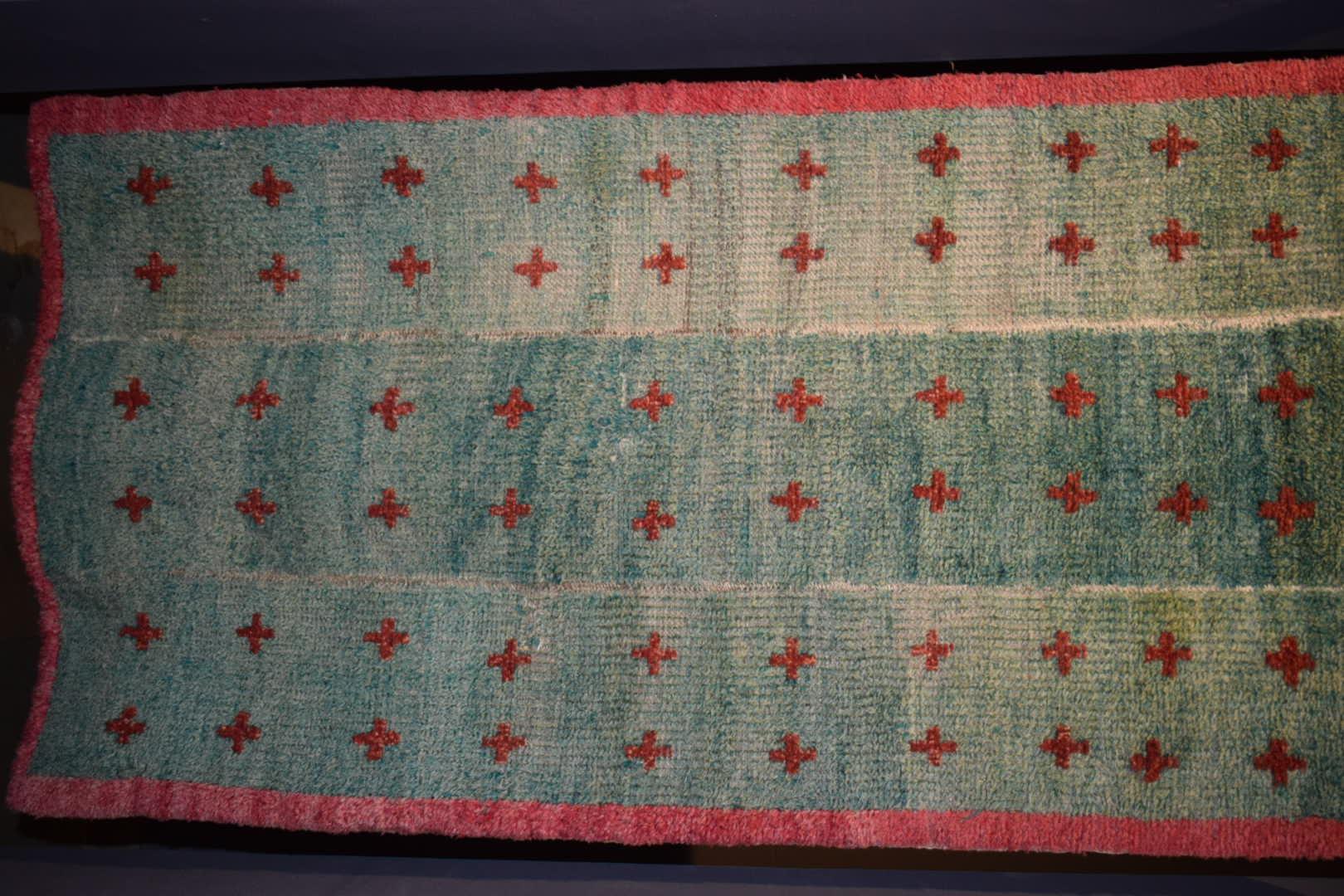
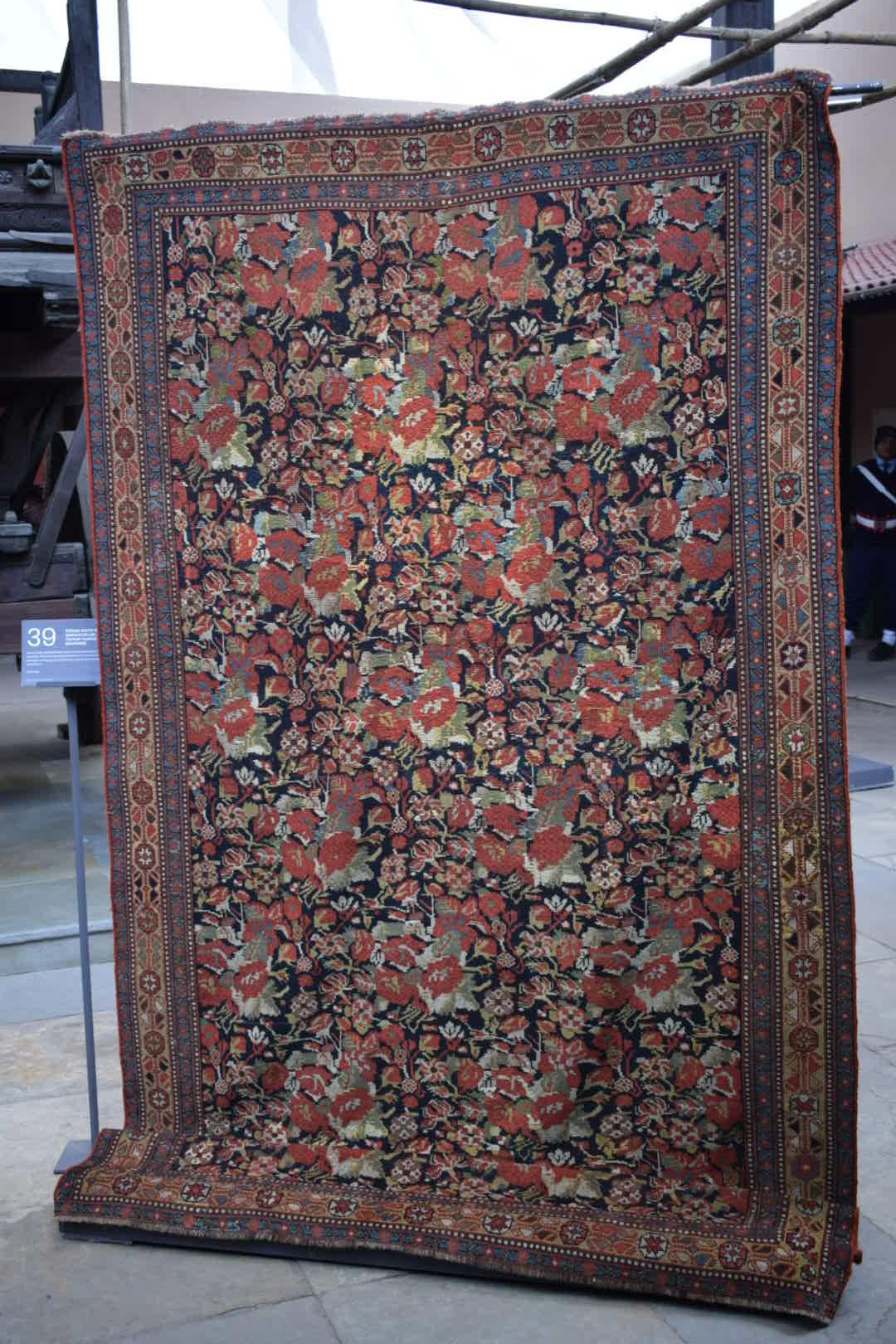
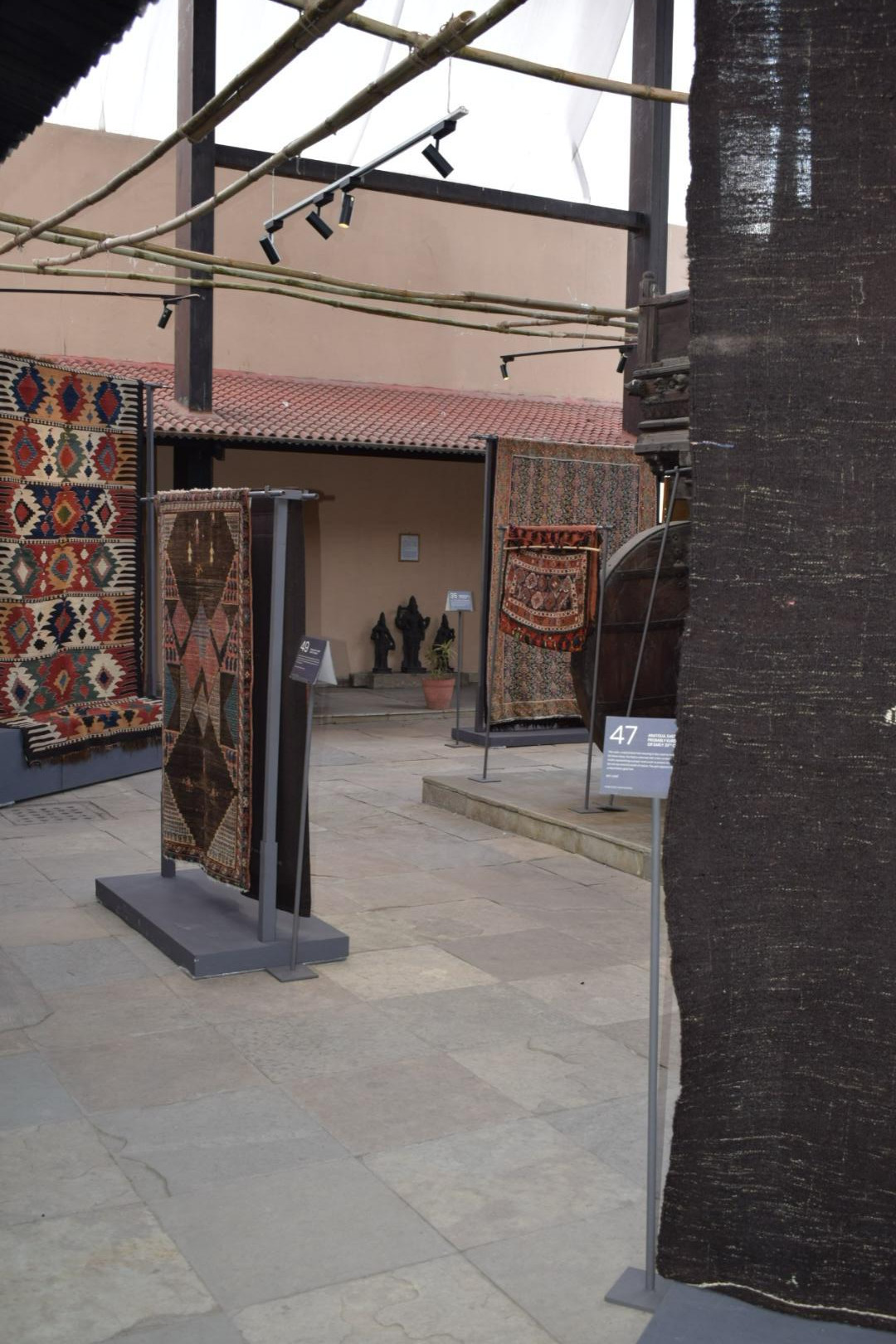
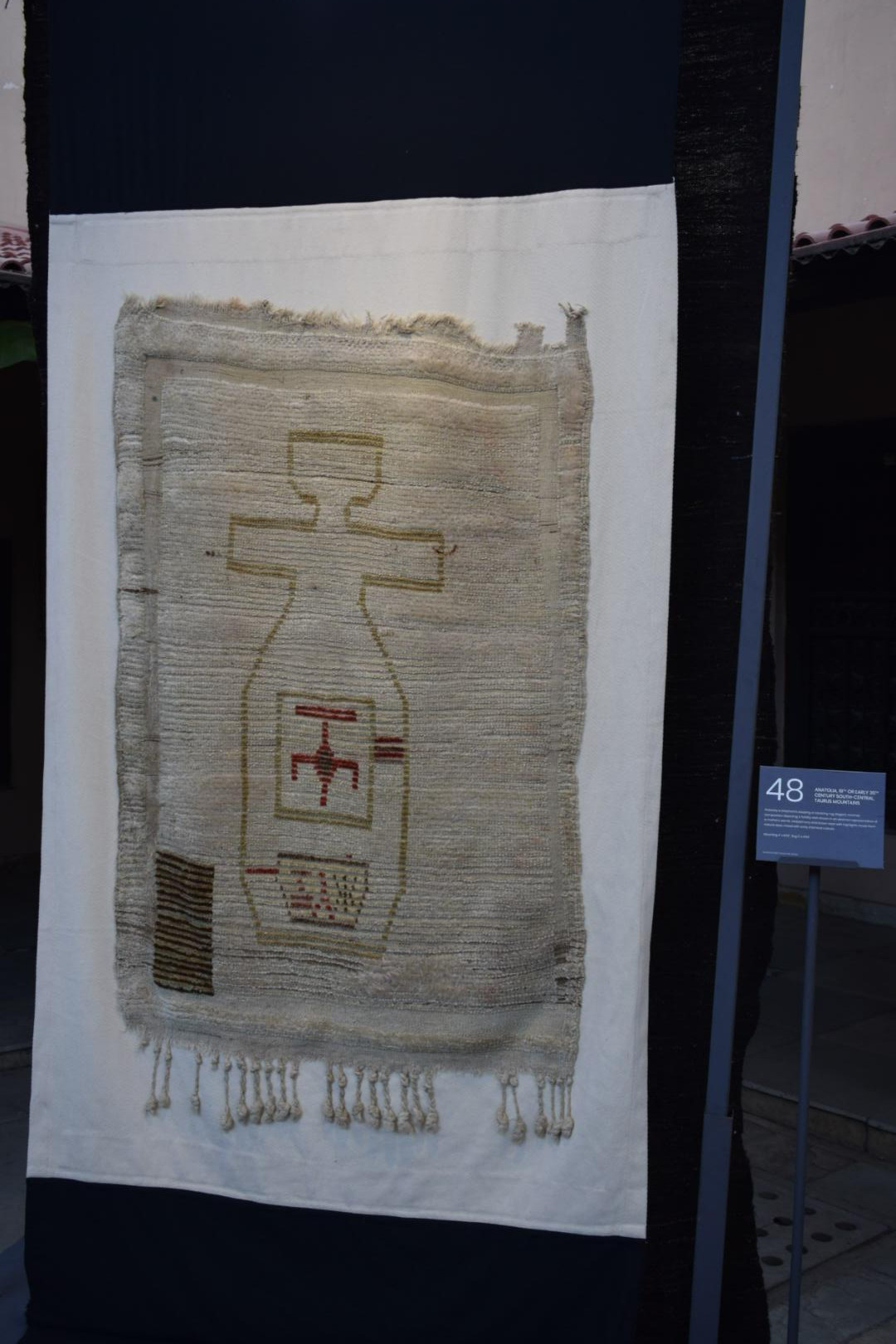
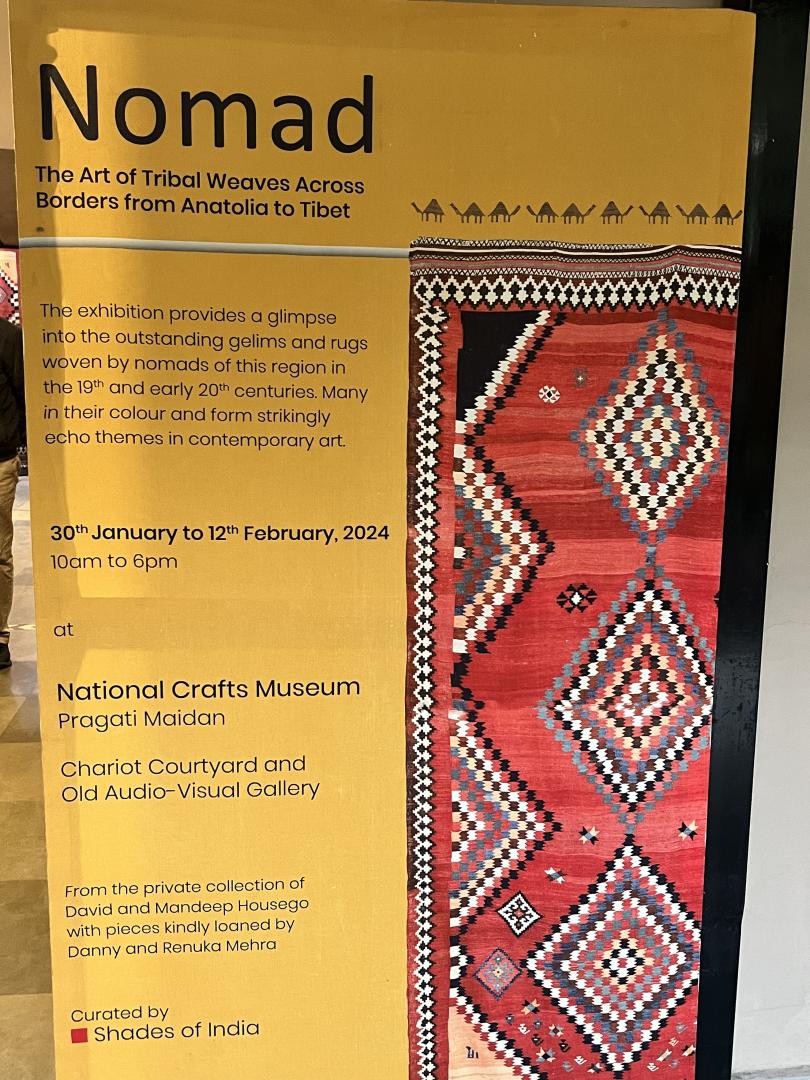
“The more we learn, the less we think we know.” Abiding by this principle, for us at Rug & Kilim, every opportunity becomes a reason to learn more about different rugs and designs. A winter February weekend became one such opportunity for our Editorial’s Bhavna Dahiya to visit the “Nomad Exhibition” organized in New Delhi at the National Crafts Museum, from 30th January 2024 to 12th February 2024.
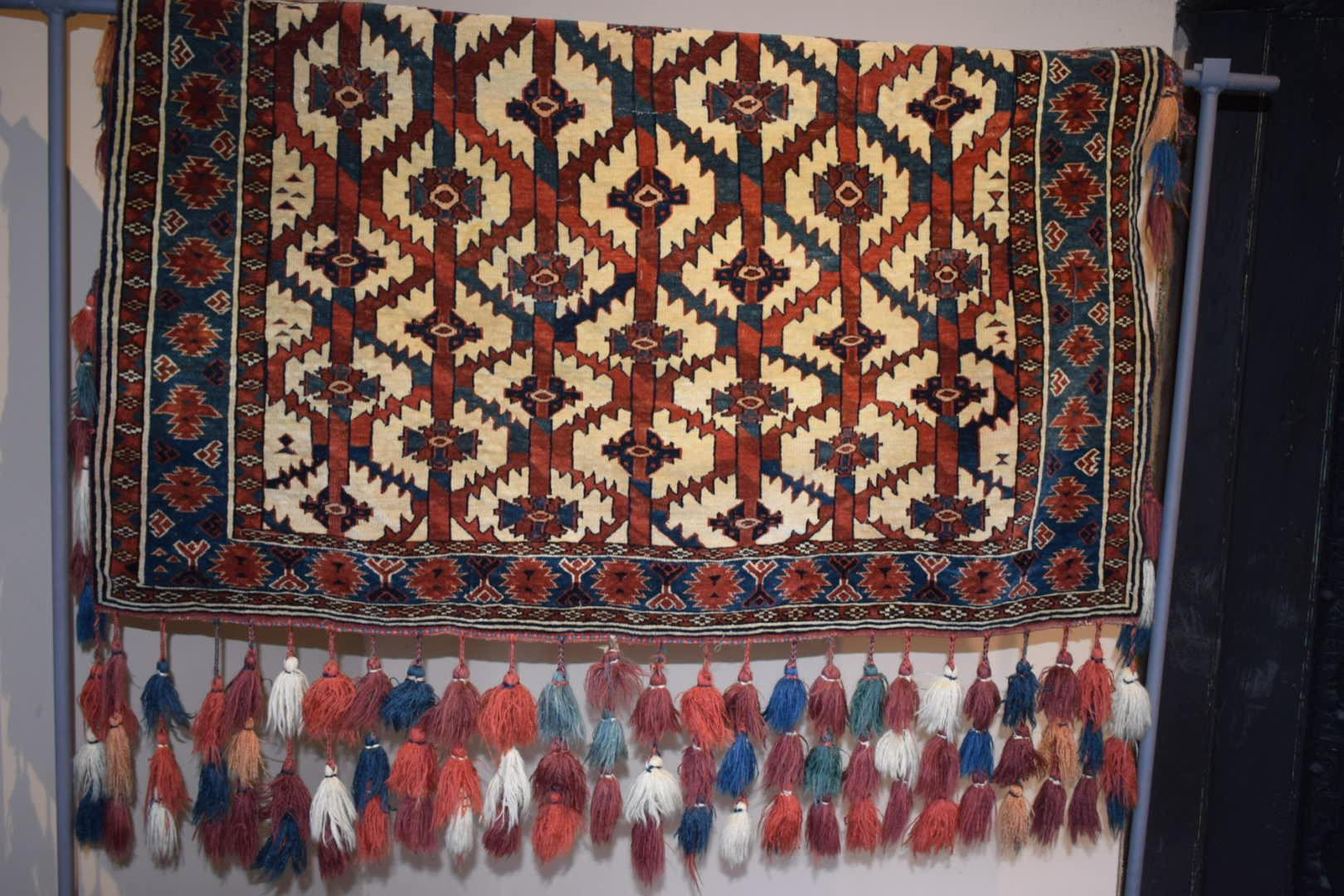
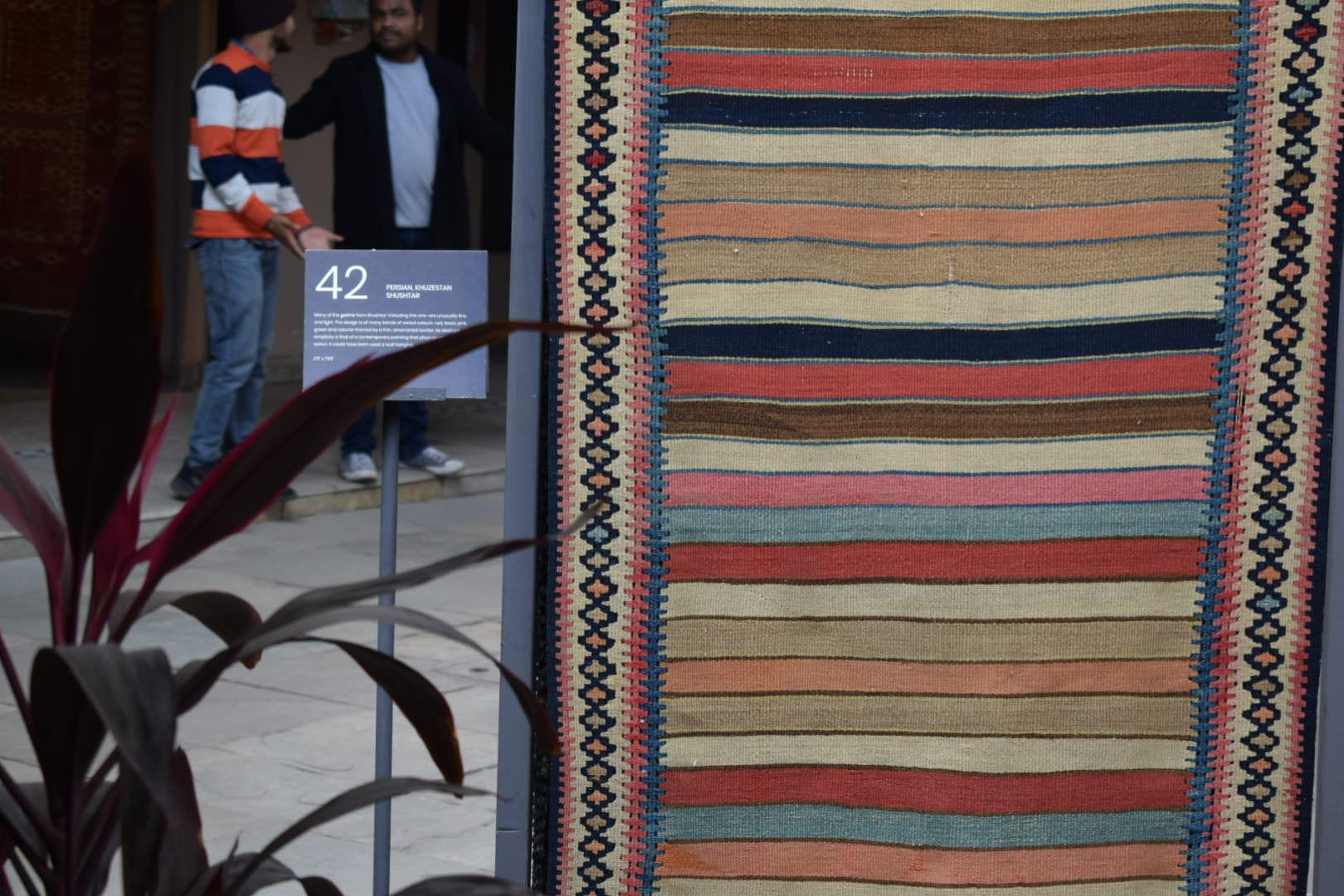
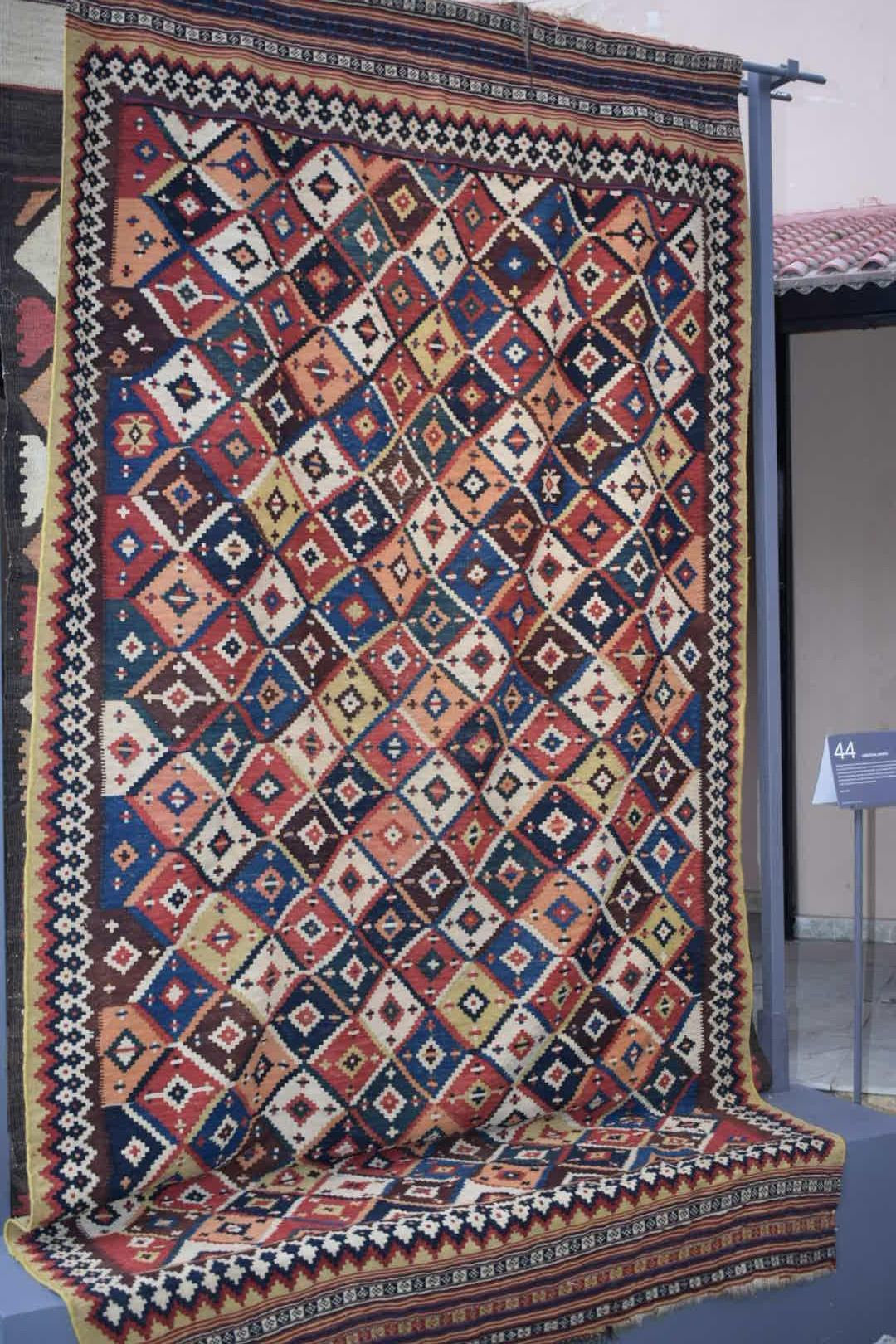
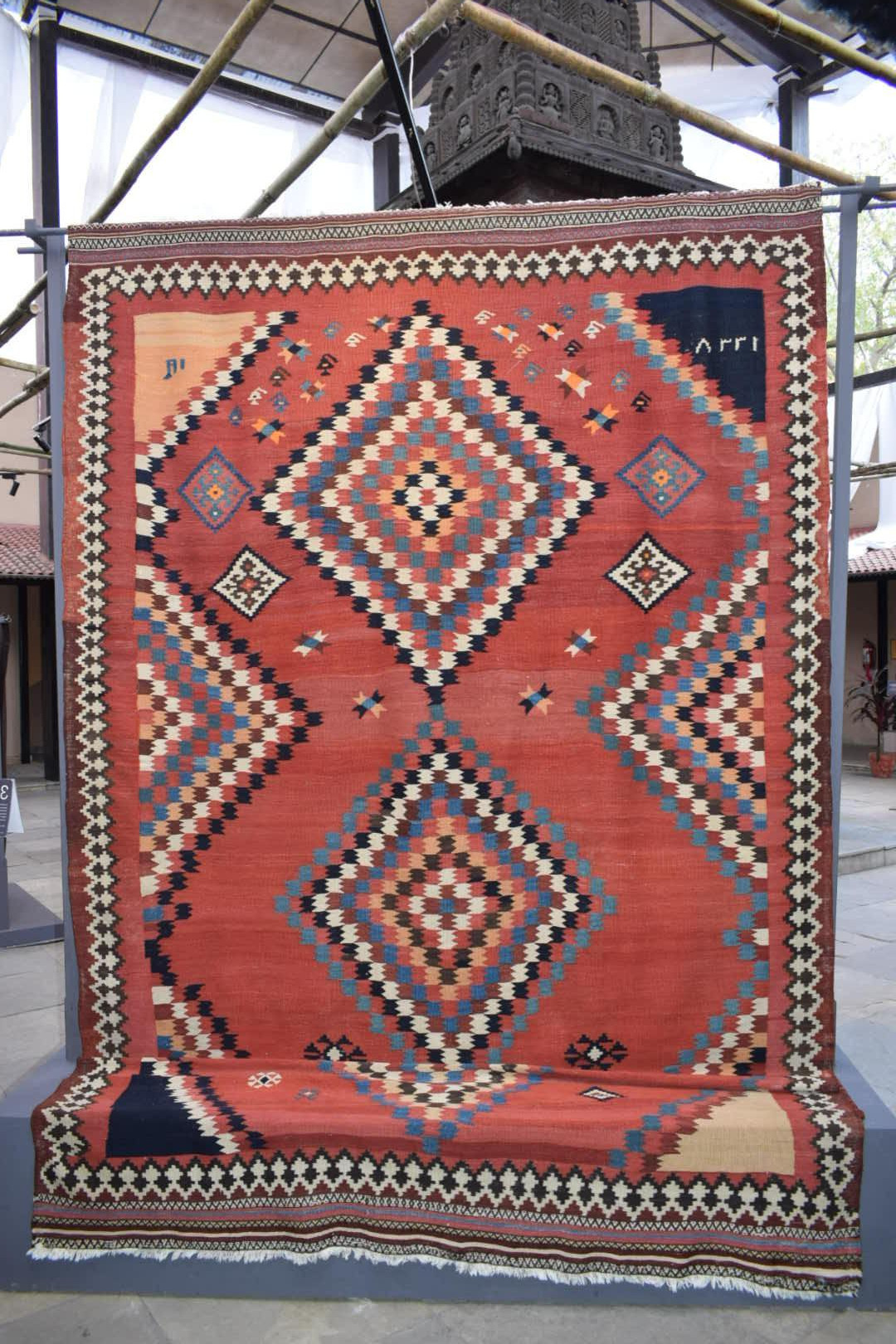
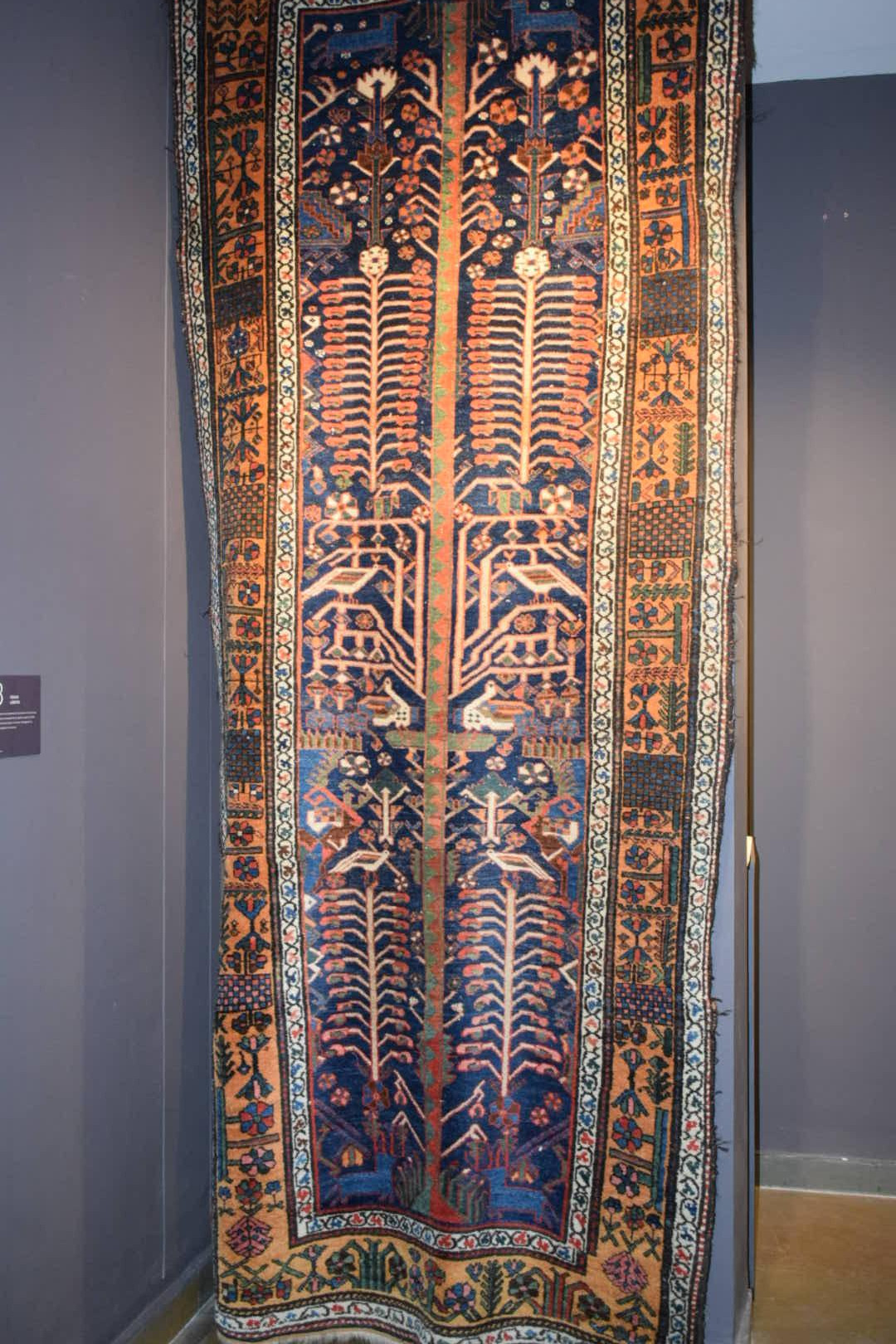
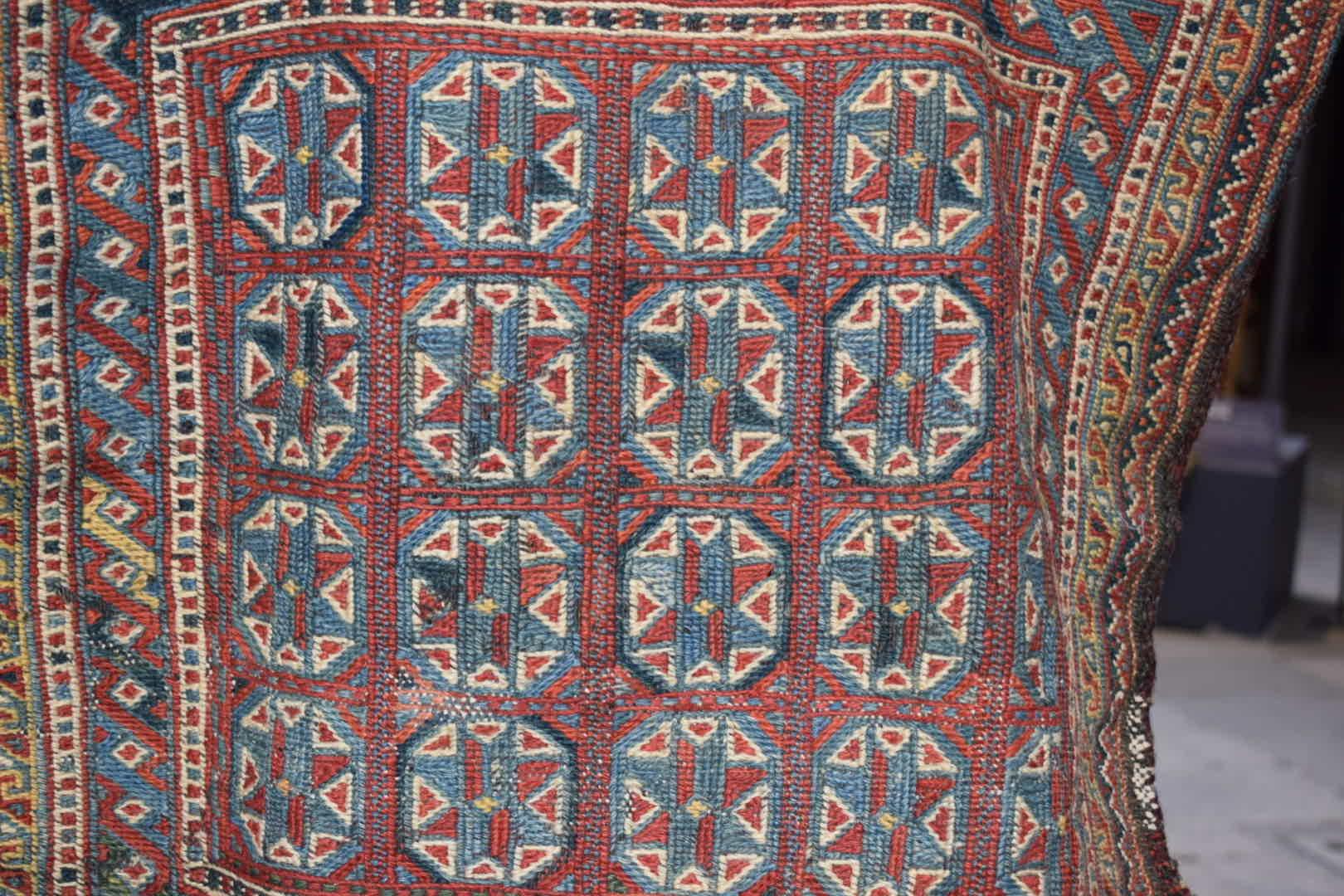
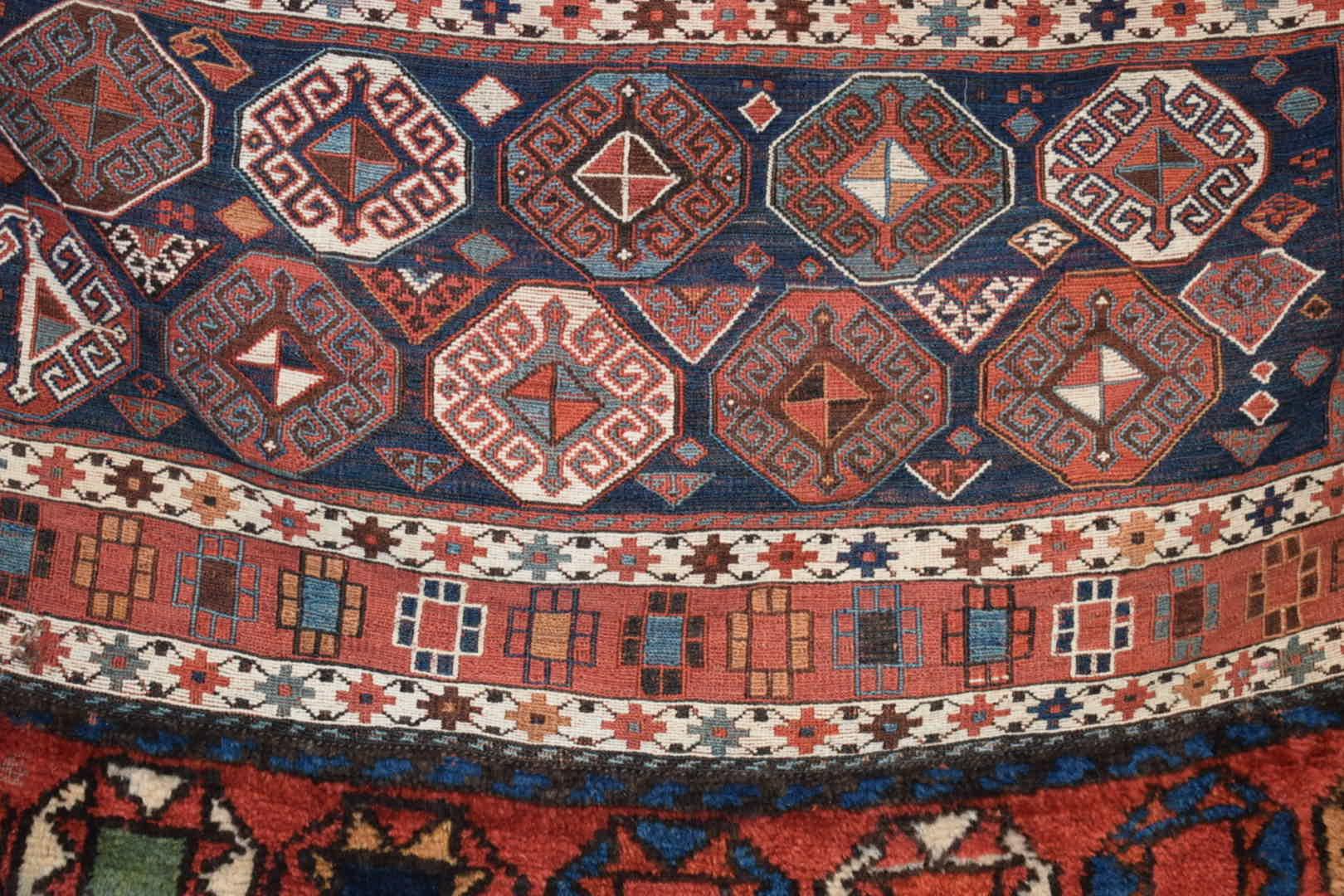
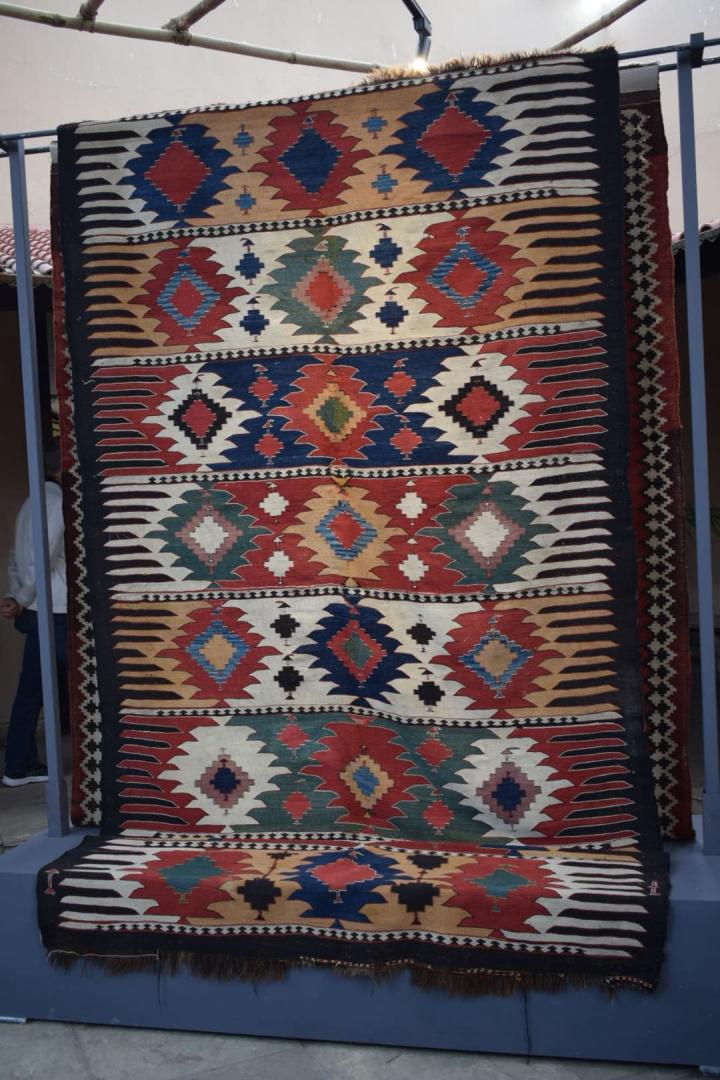
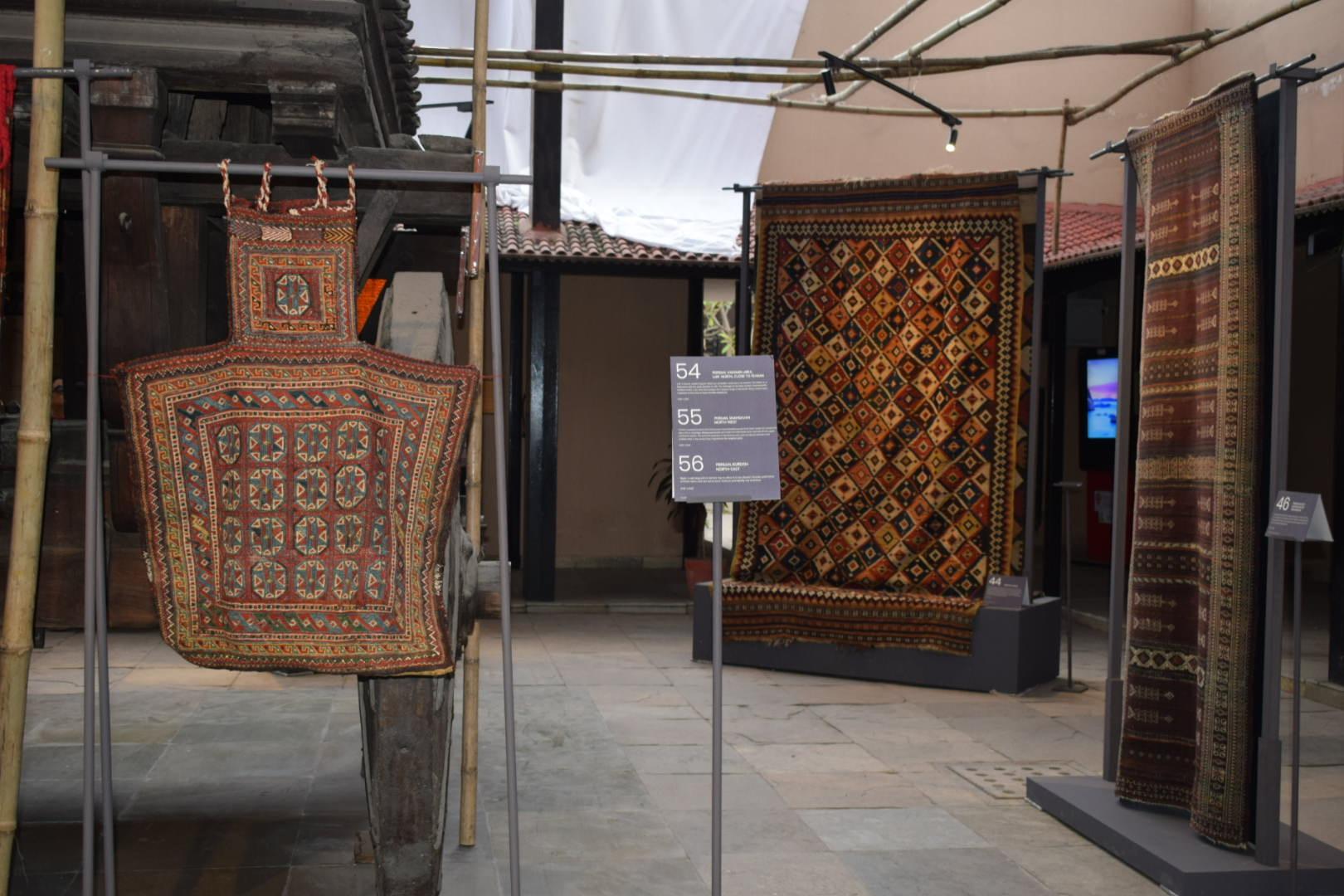
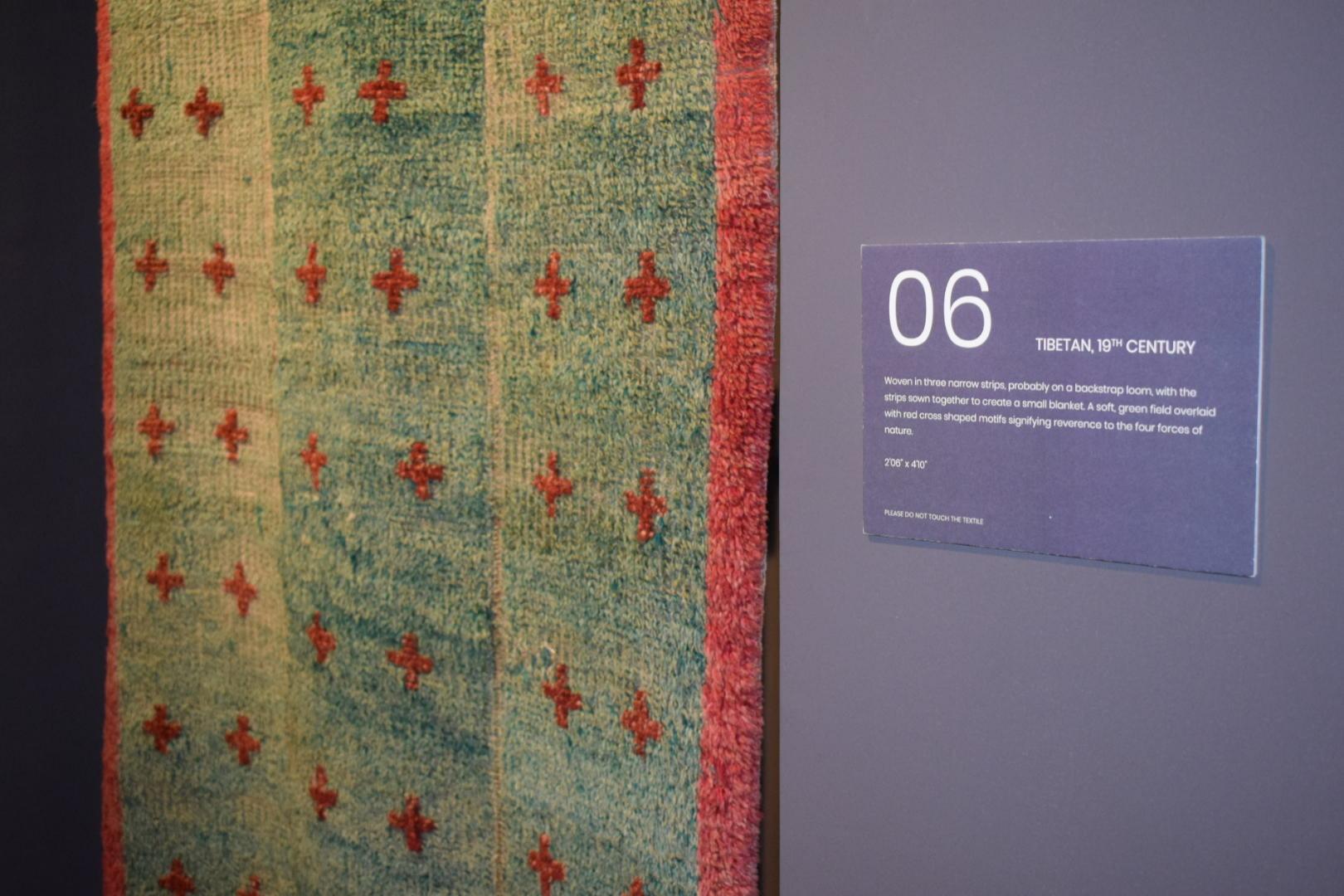
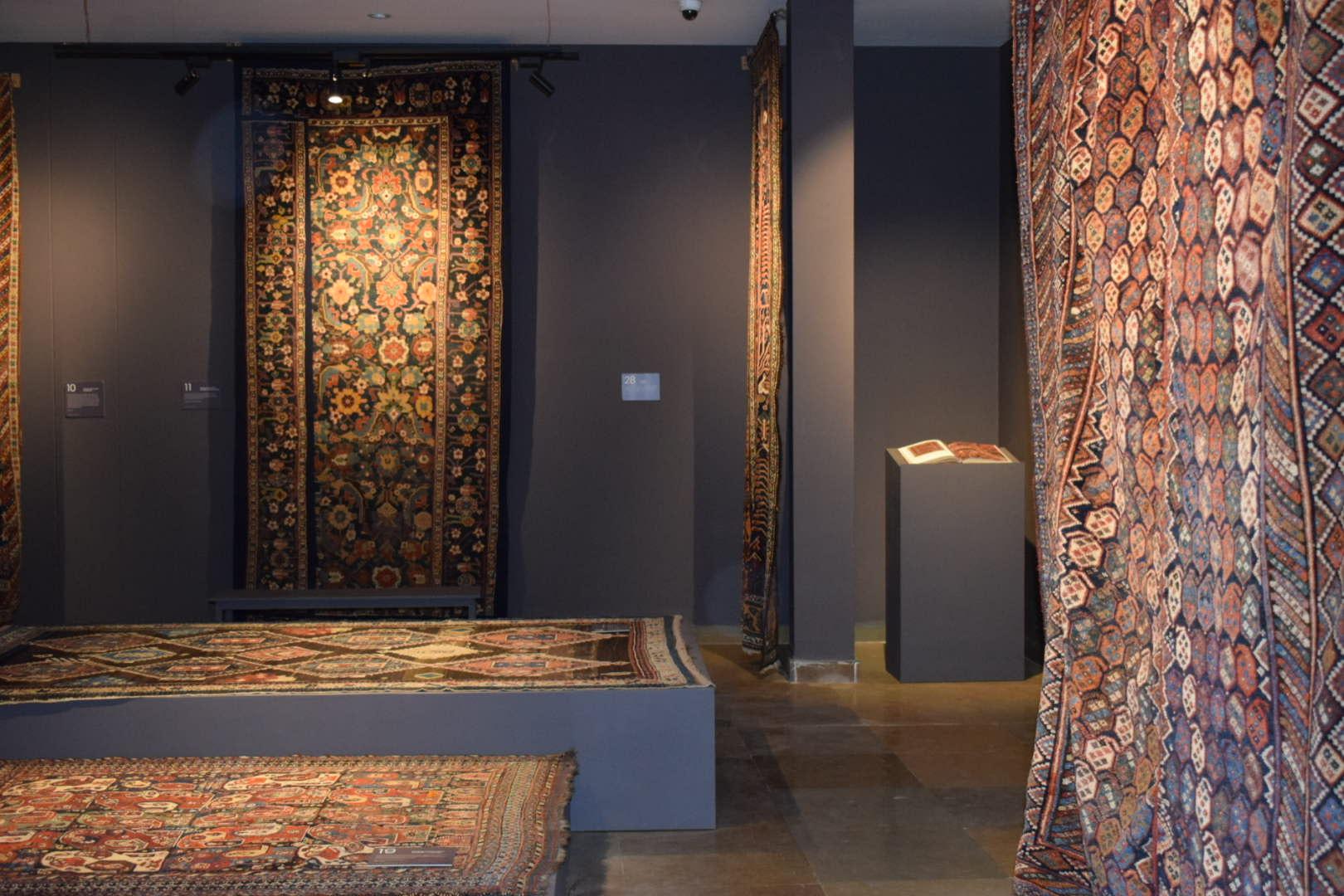
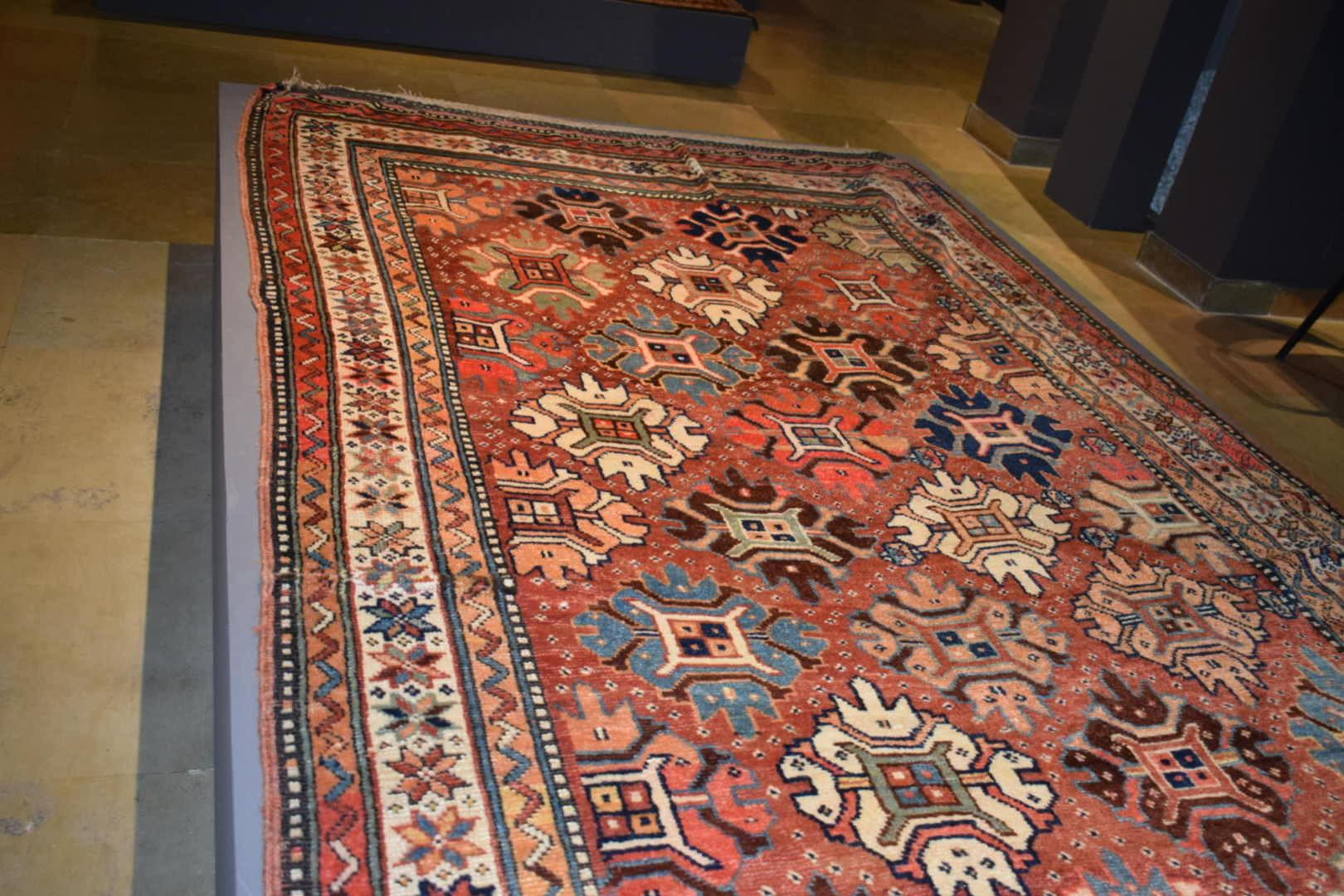
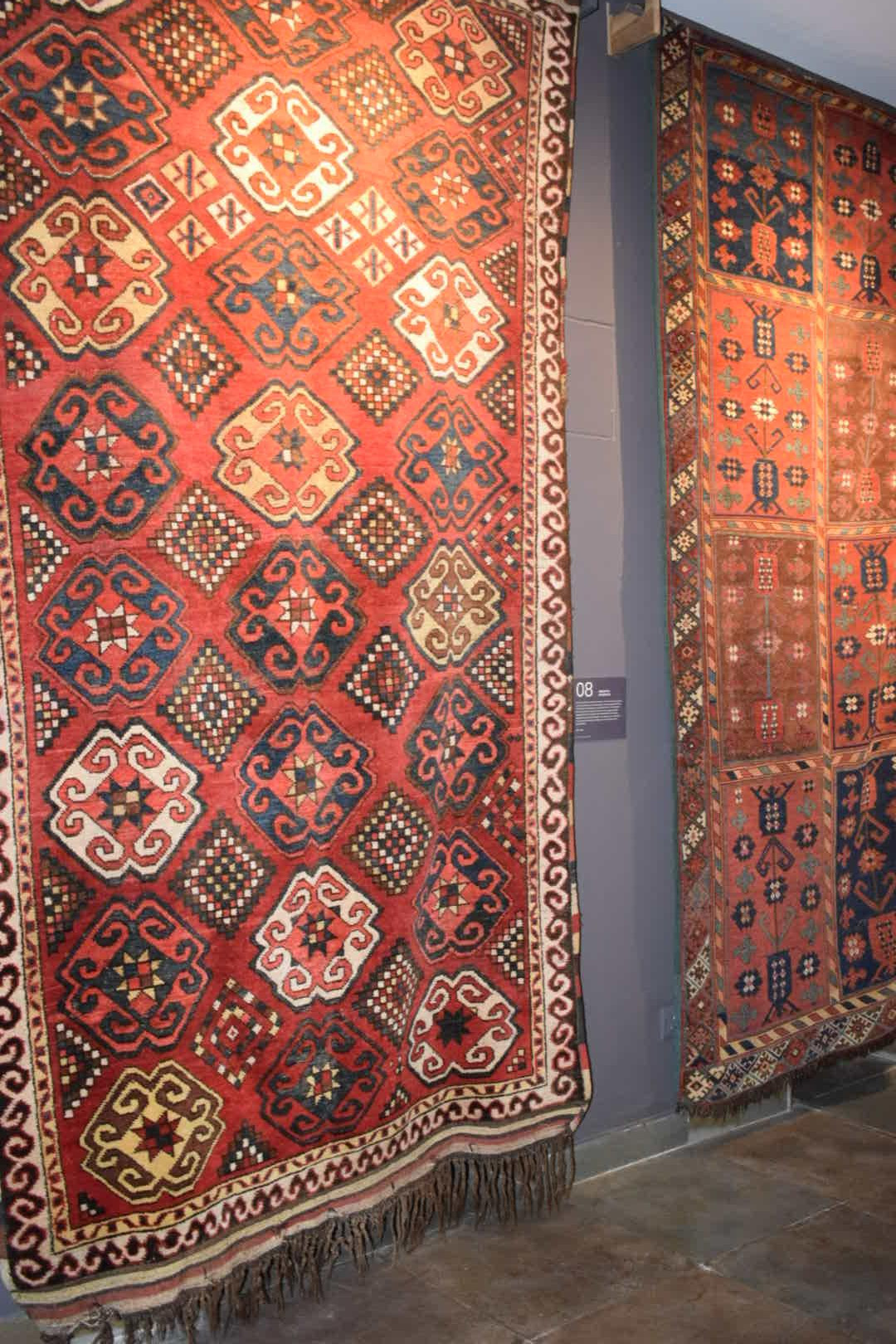
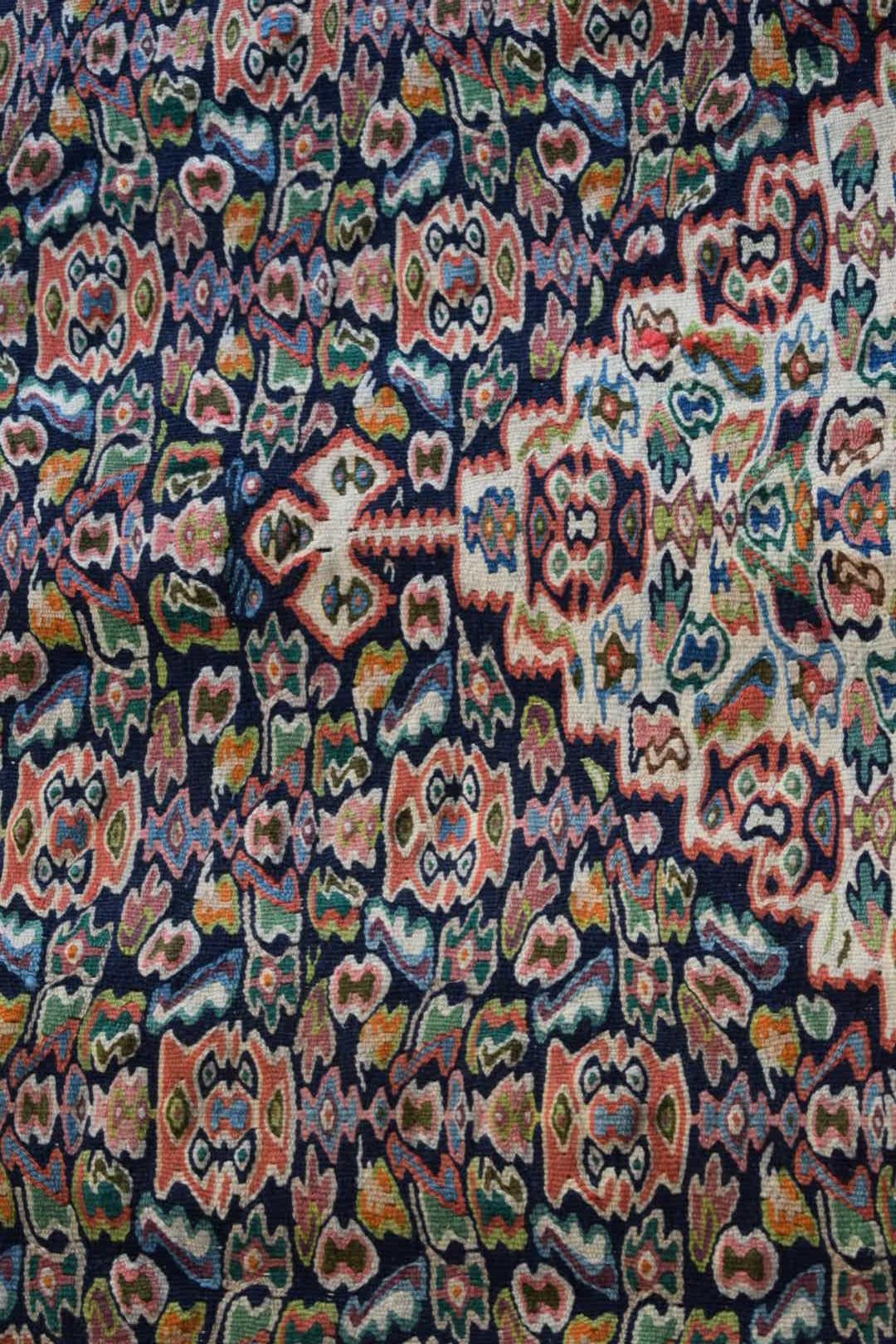
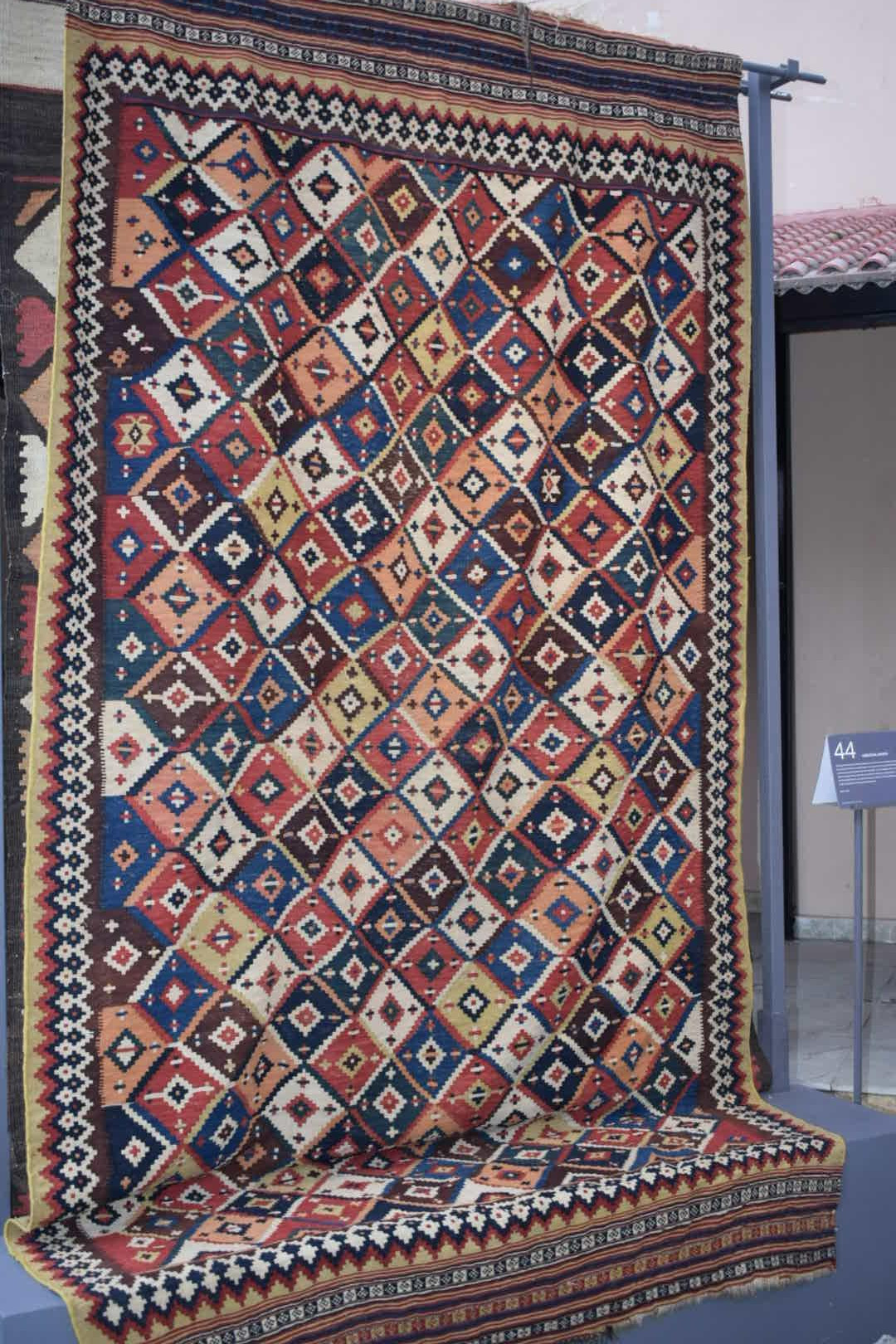
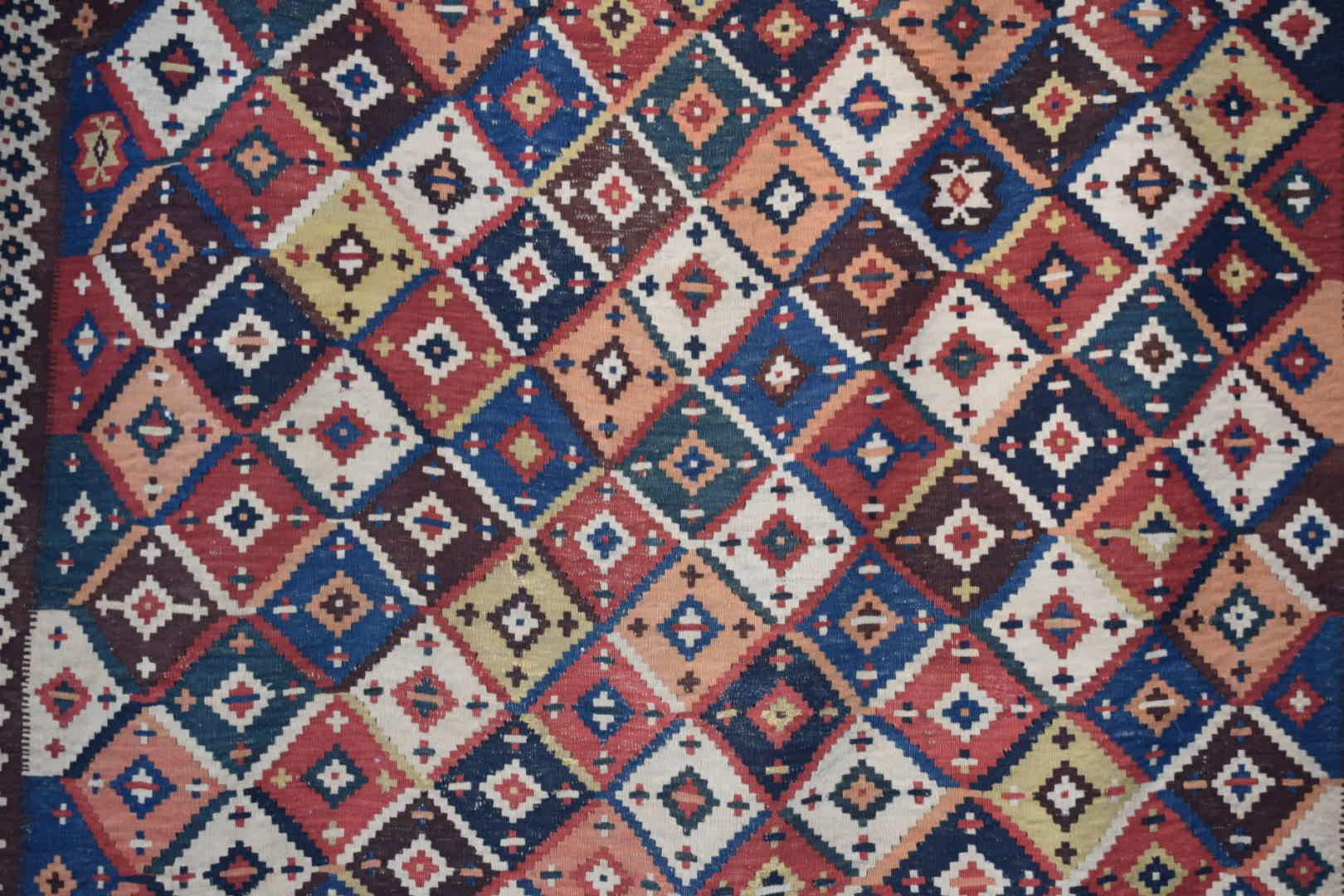
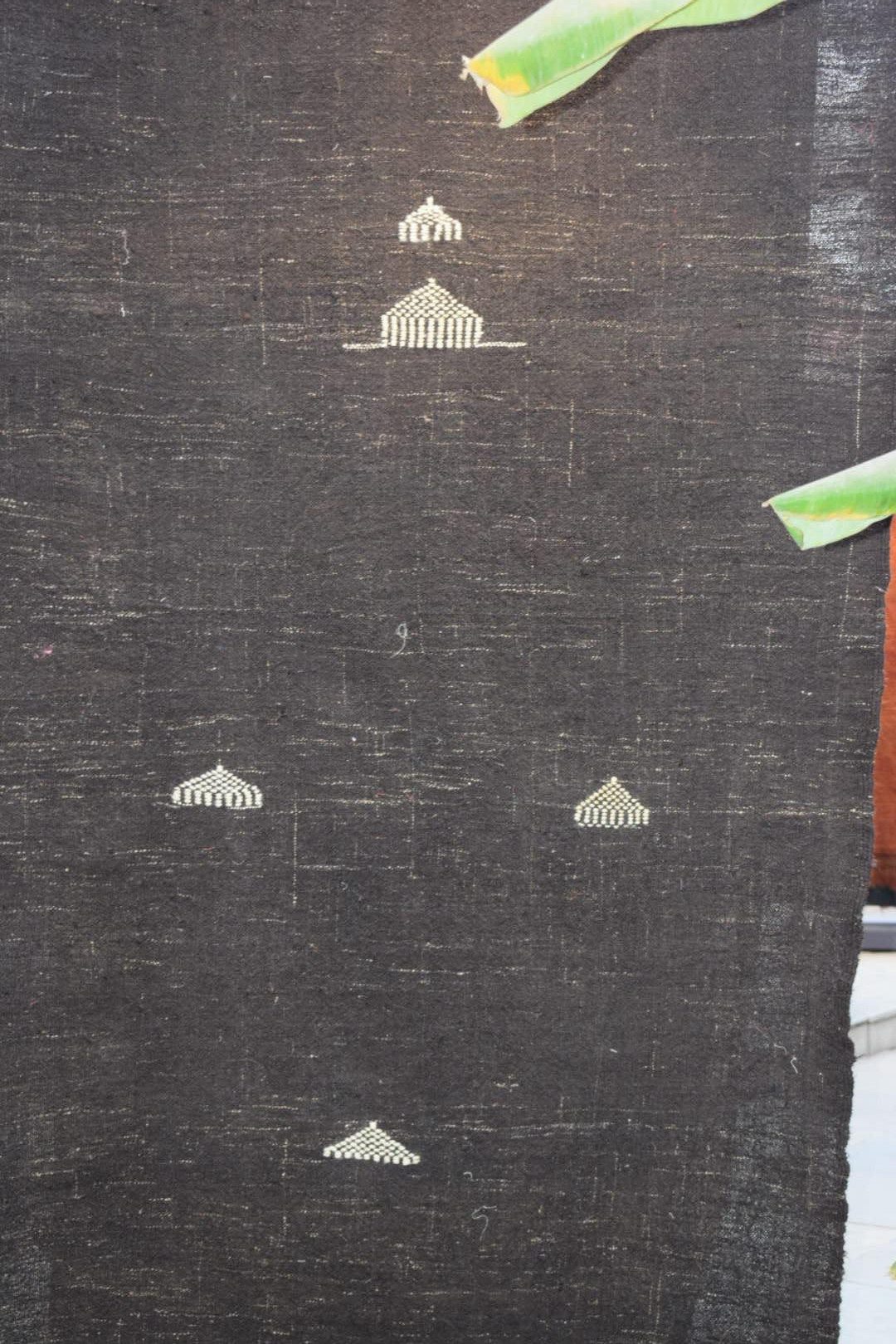
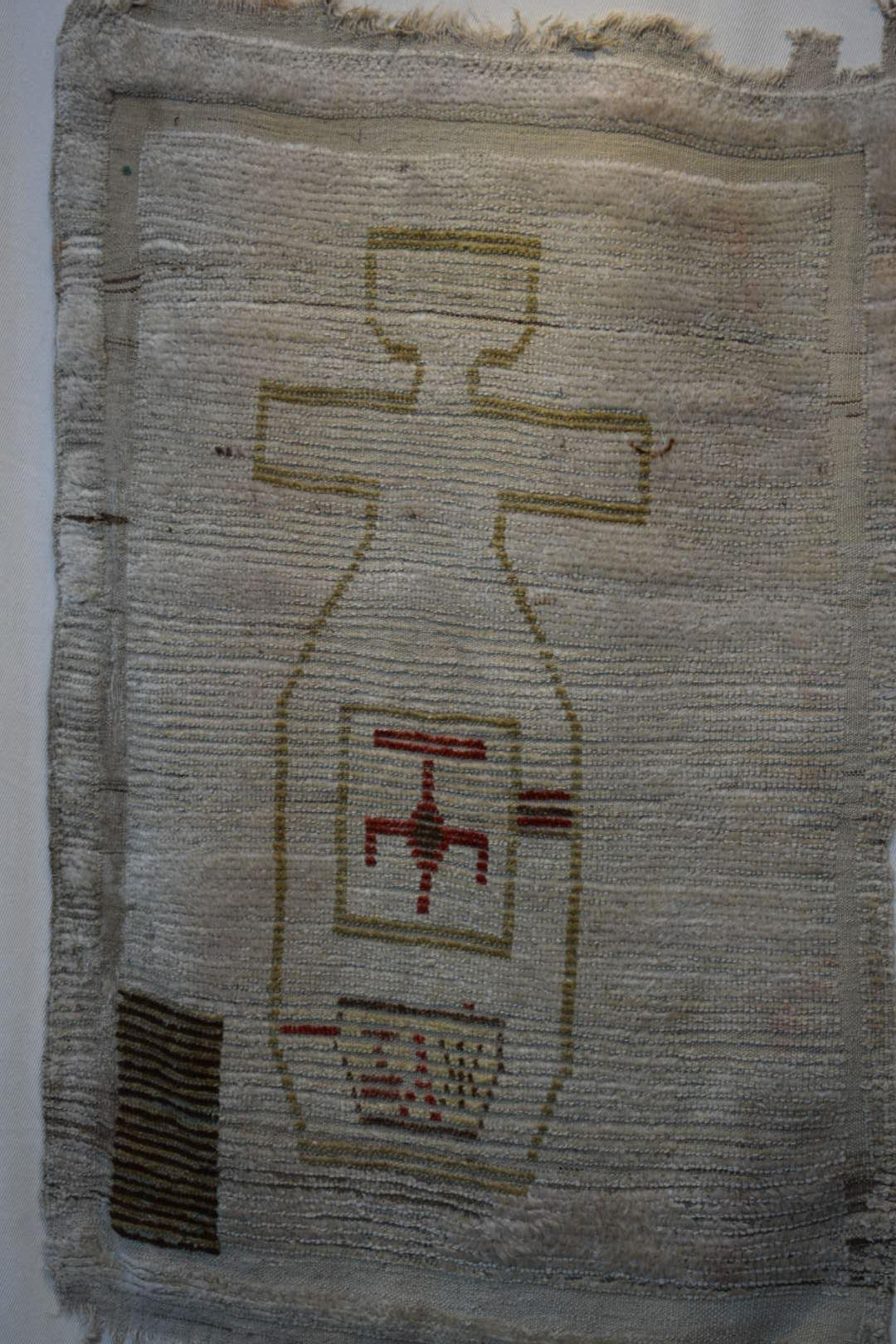
“Nomad”, an extraordinary exhibition showcasing textiles like rugs and kilims (gelims) from the 19th and 20th centuries, exemplifies this line. Curated from the personal collection of Textile Connoisseurs and Founders of “Shades of India” Mandeep and David Housego, these remarkable pieces originate from the expansive regions of Turkey and Turkestan. Each rug, Kilim (or “gelim” in the original Persian), horse blanket and saddlebag exhibited tells a story of nomadic tribes traversing vast landscapes, herding their flocks from lowlands to high mountain pastures. Being resilient and portable, tribal rugs are synonymous with a nomadic life, carrying stories on their woven backs. With their contemporary design sensibility, these hand-spun and hand-woven treasures defy the constraints of time.
More about the Exhibition
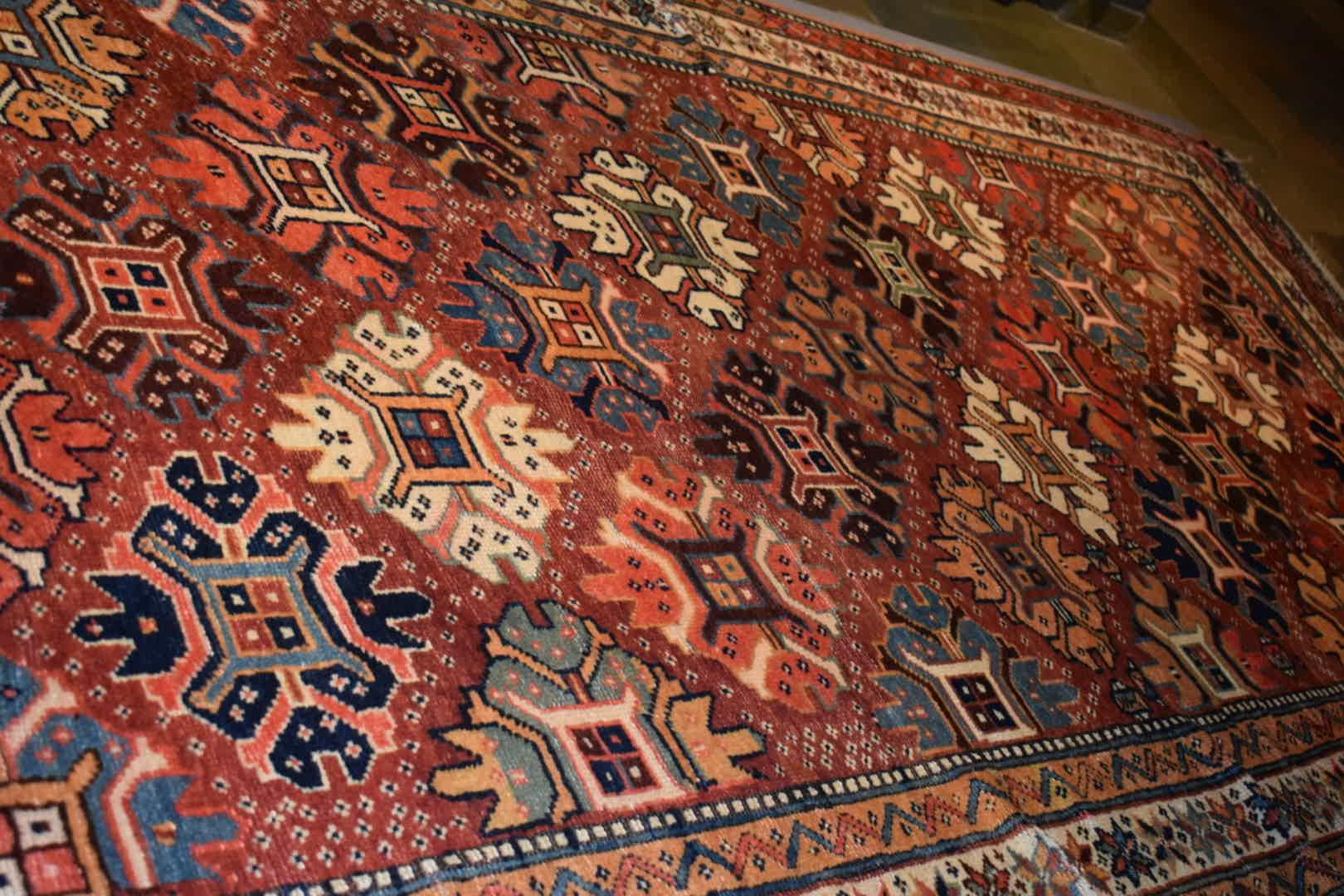
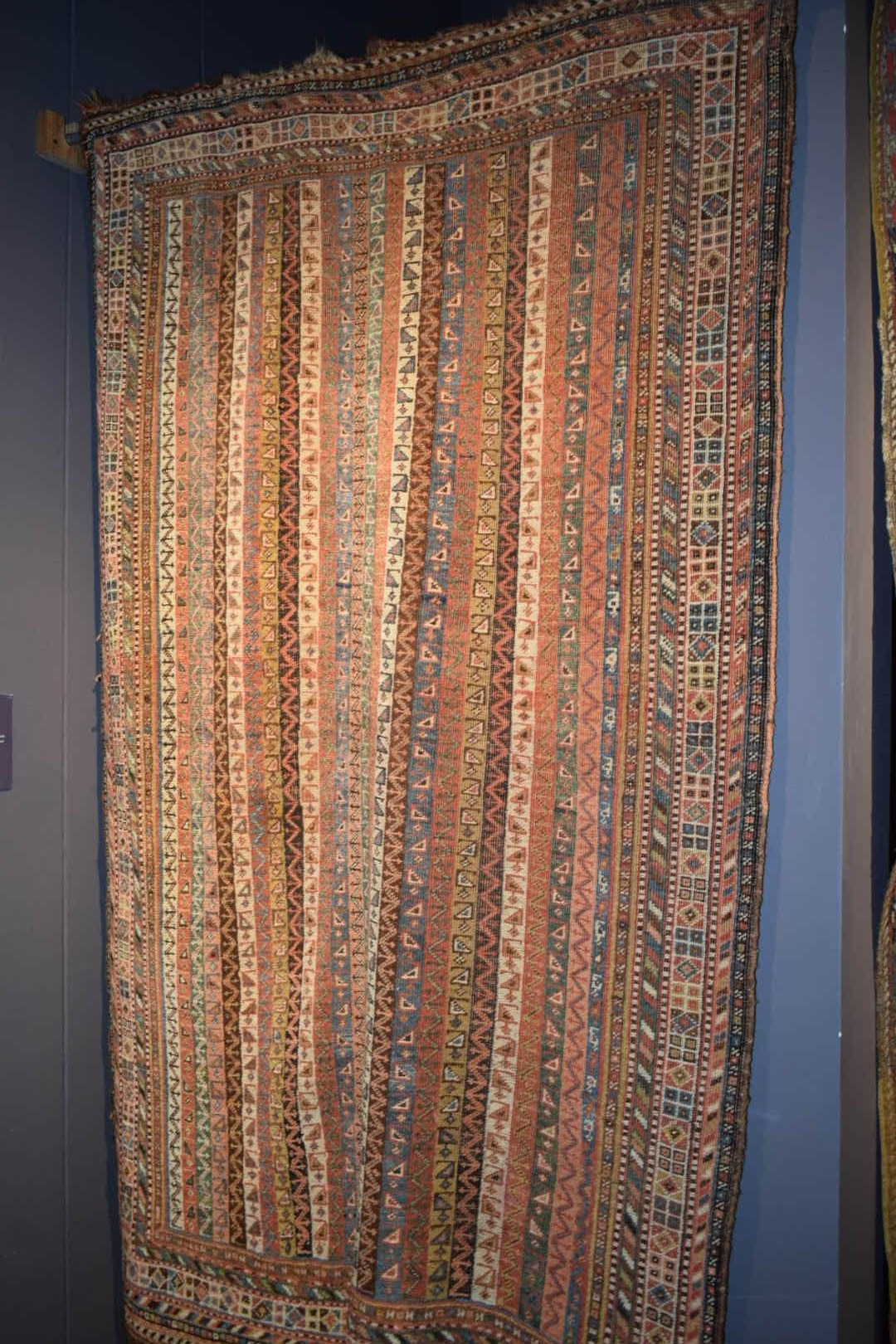
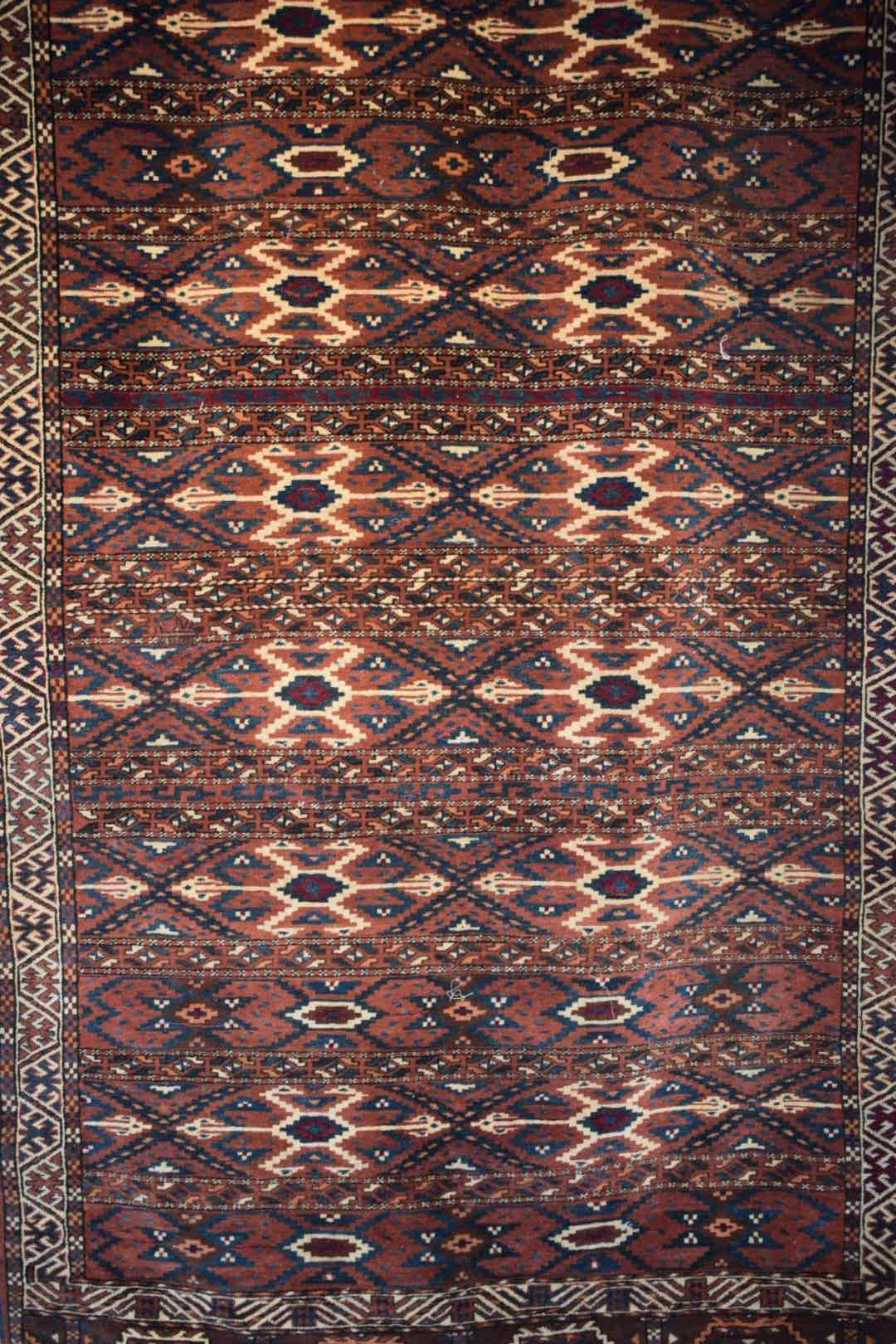
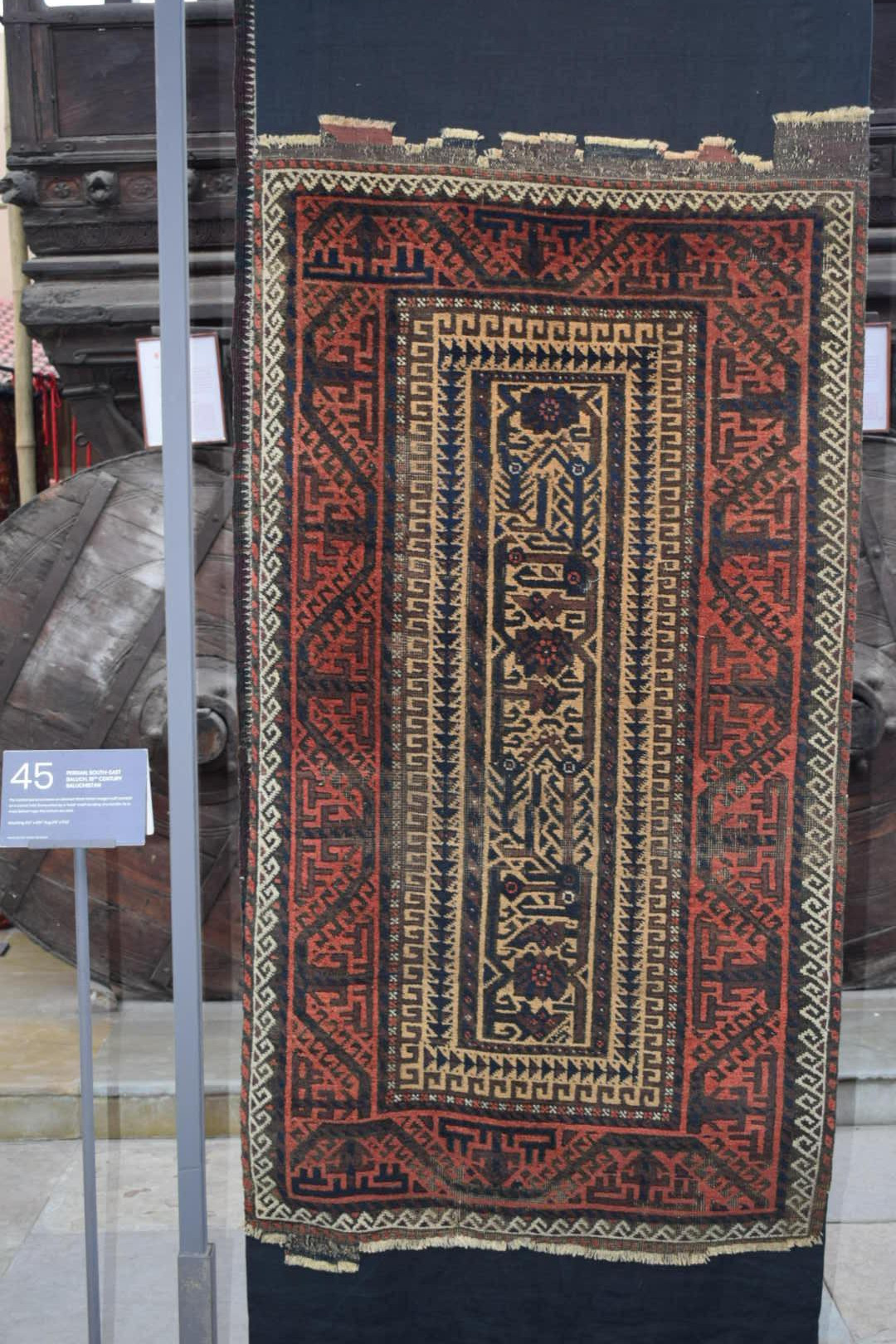
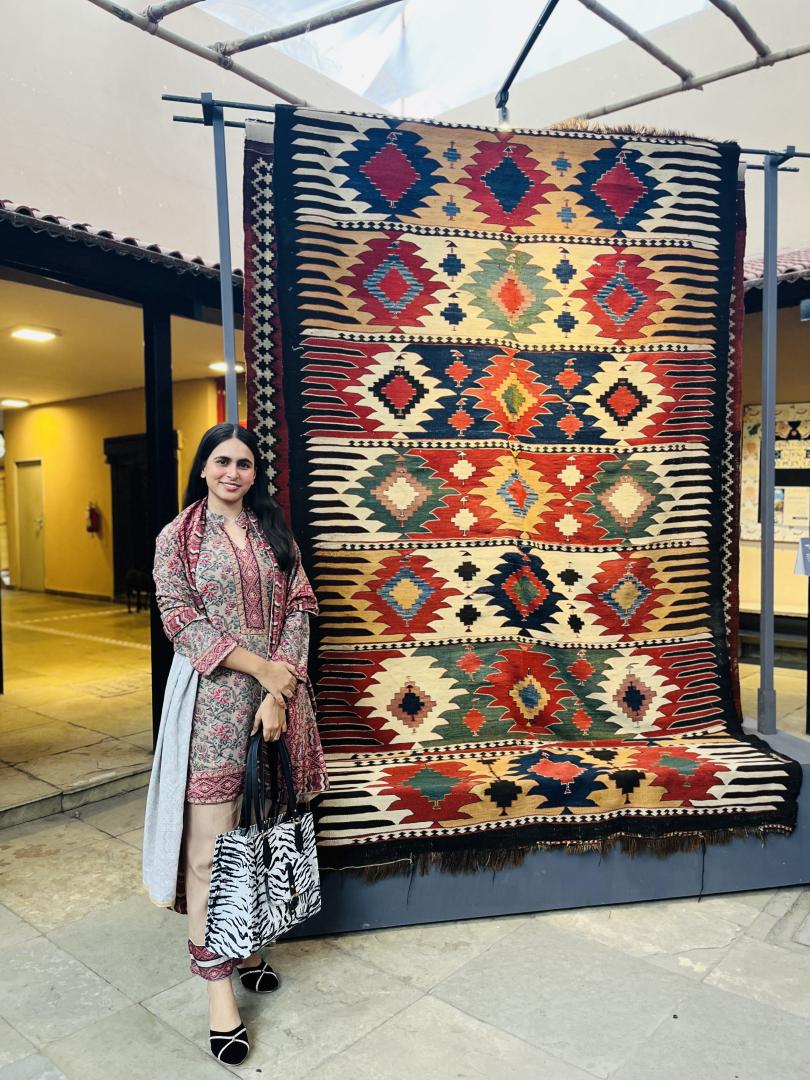
 Tribal rugs defy conventional expectations of what a carpet should be. Unlike other traditional carpets, they exude an abstract, spontaneous and naive charm. Typically crafted by women, these rugs are born from moments of leisure amid daily chores, where weavers gather to share stories and enjoy each other’s company. Instead of copying designs from images, they rely on their imagination and whimsy, improvising as they weave, resulting in unique and captivating creations.
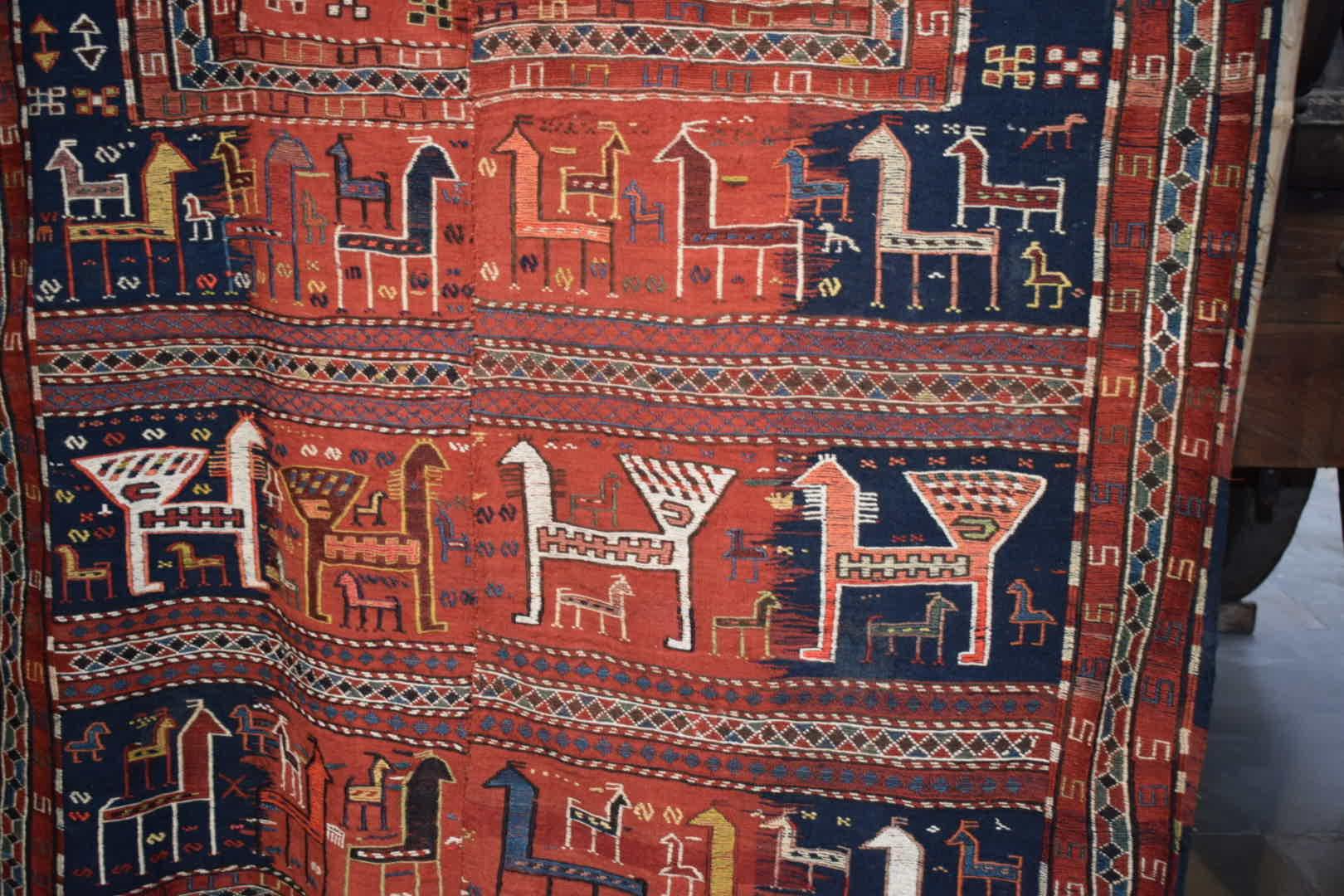
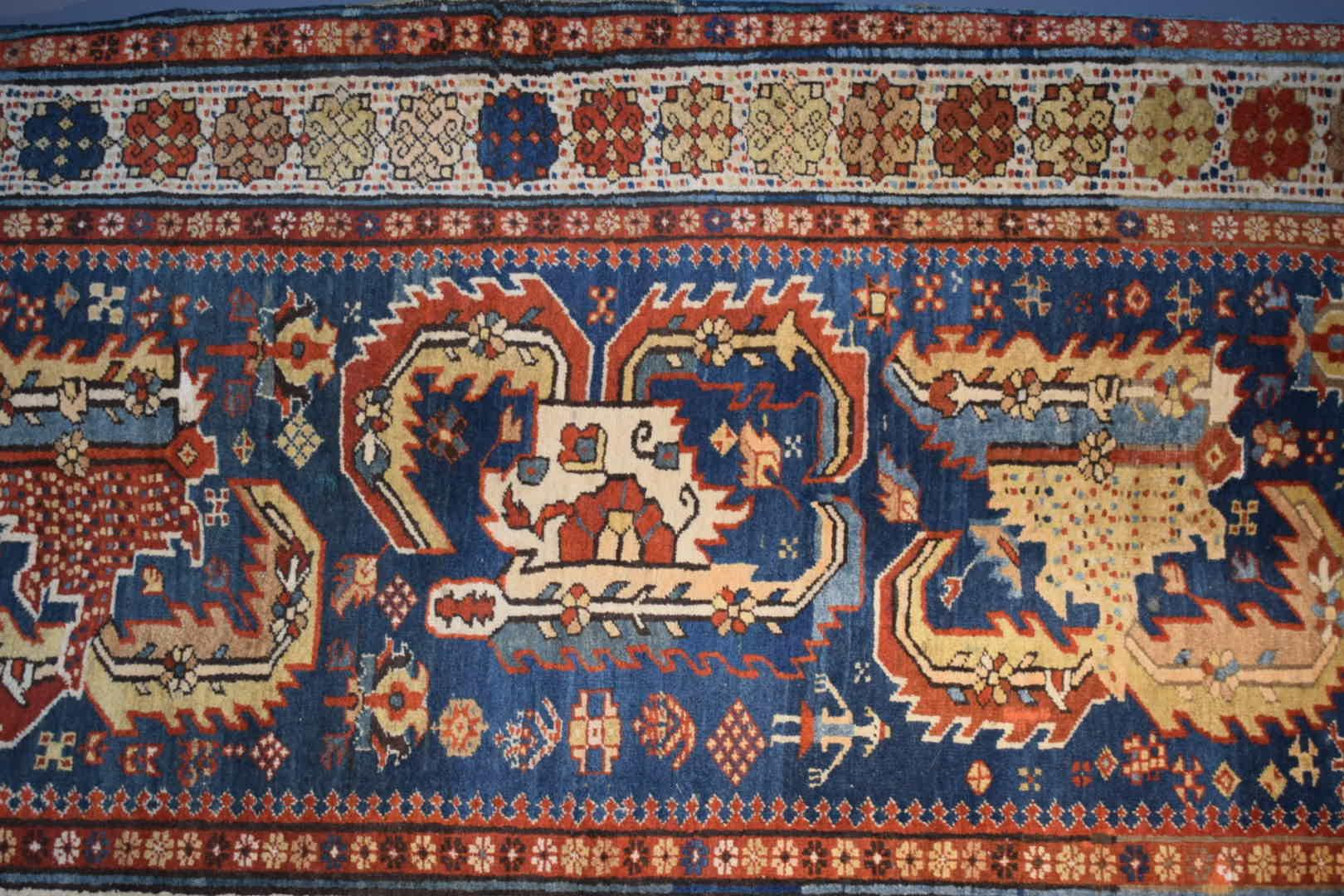
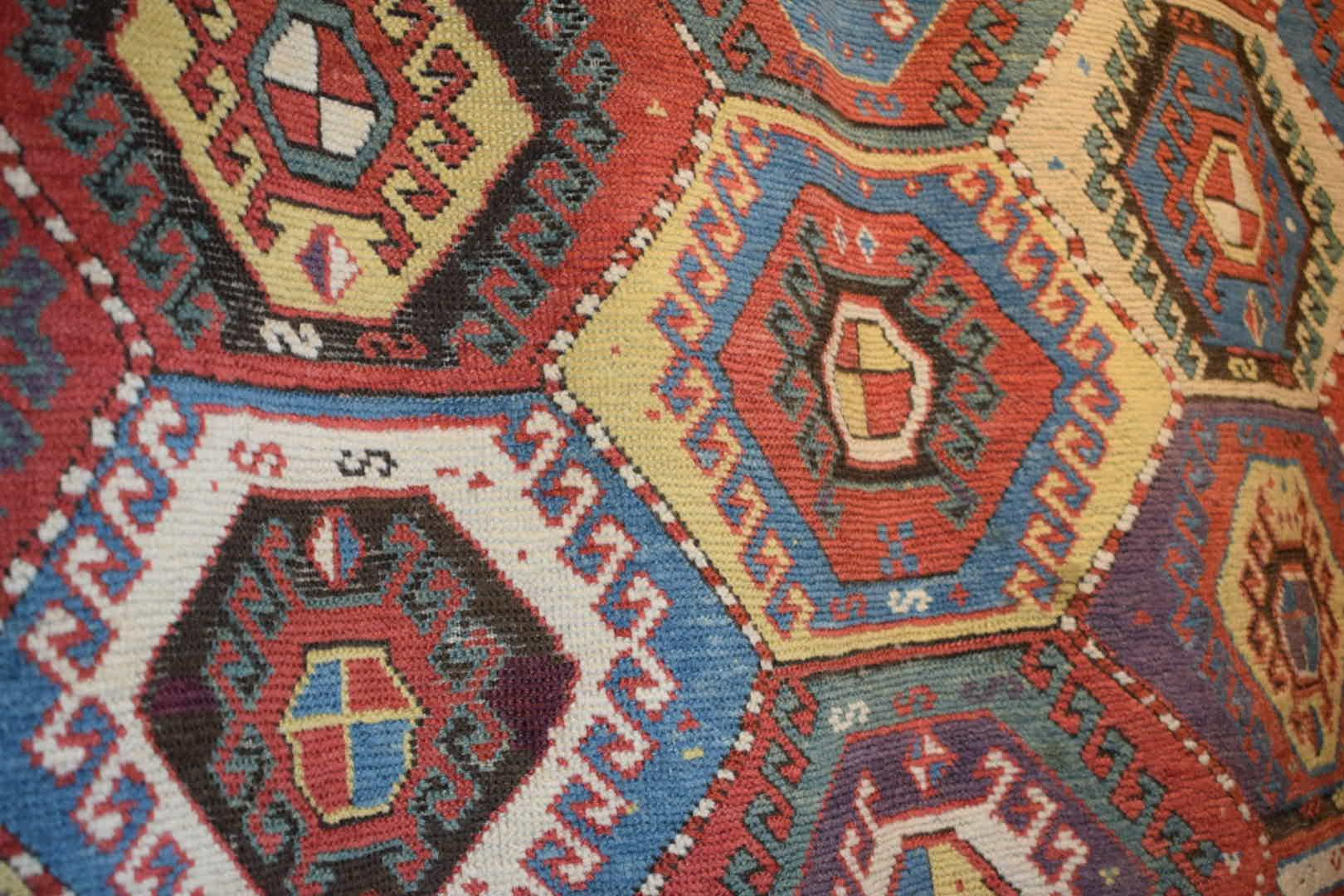
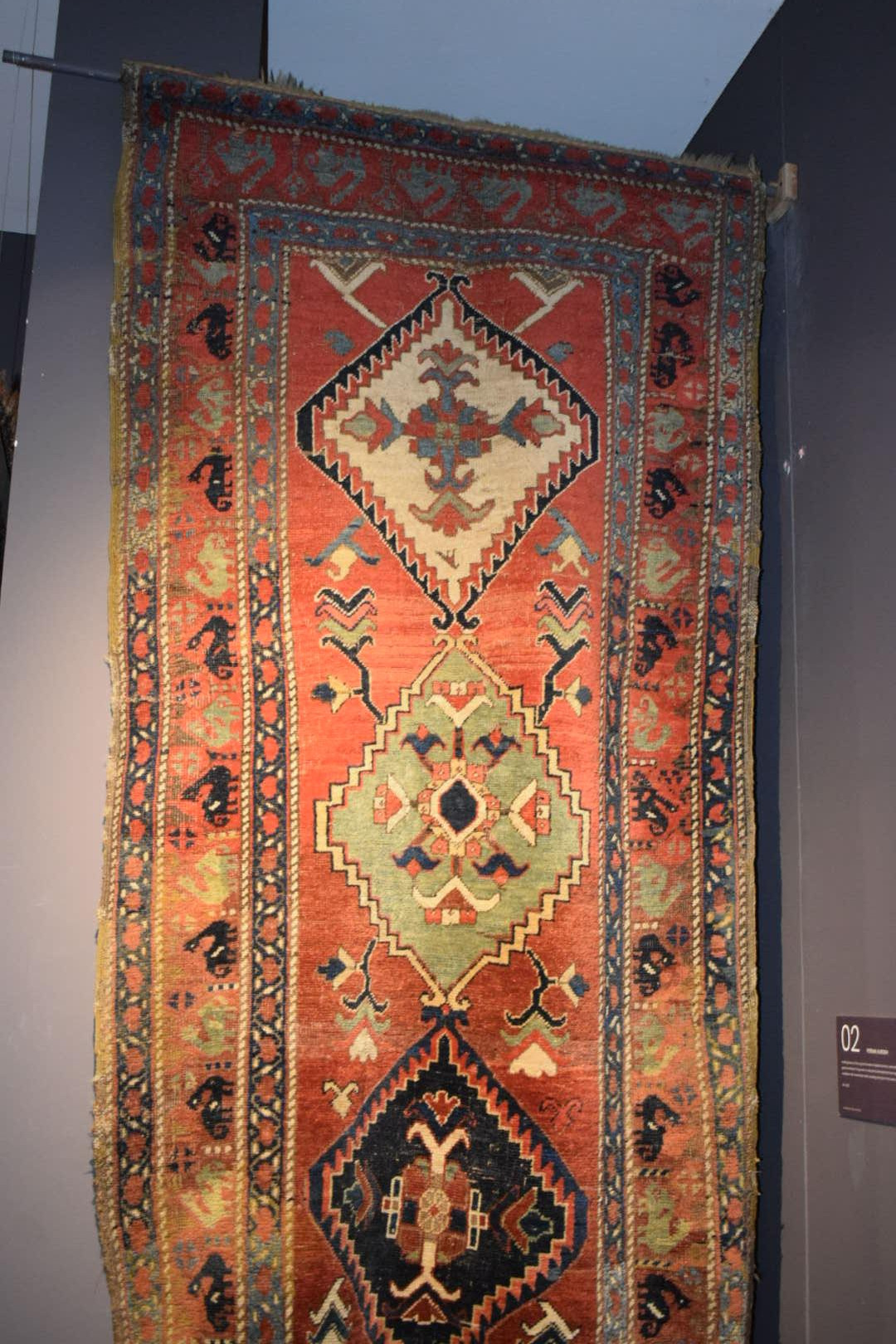
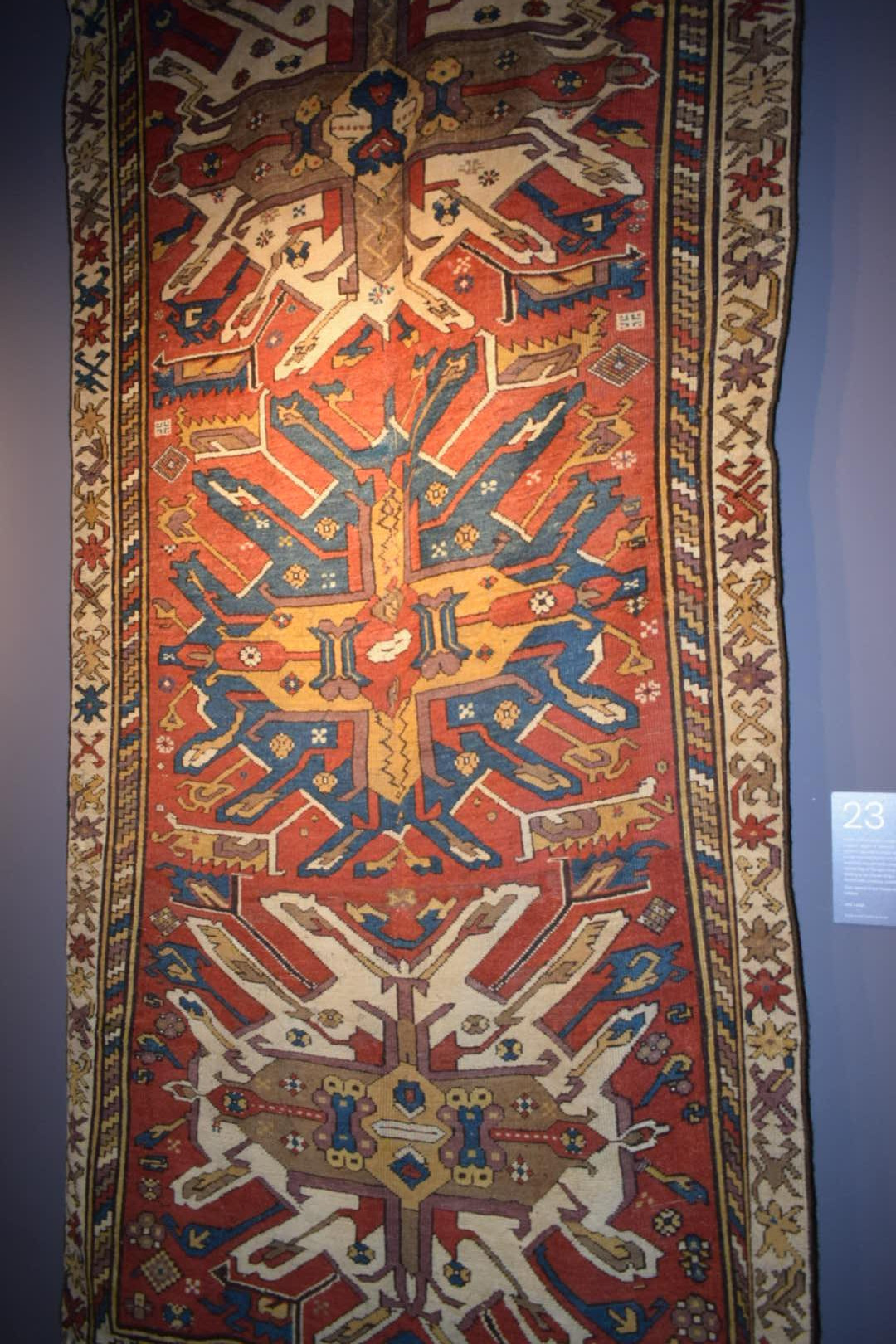
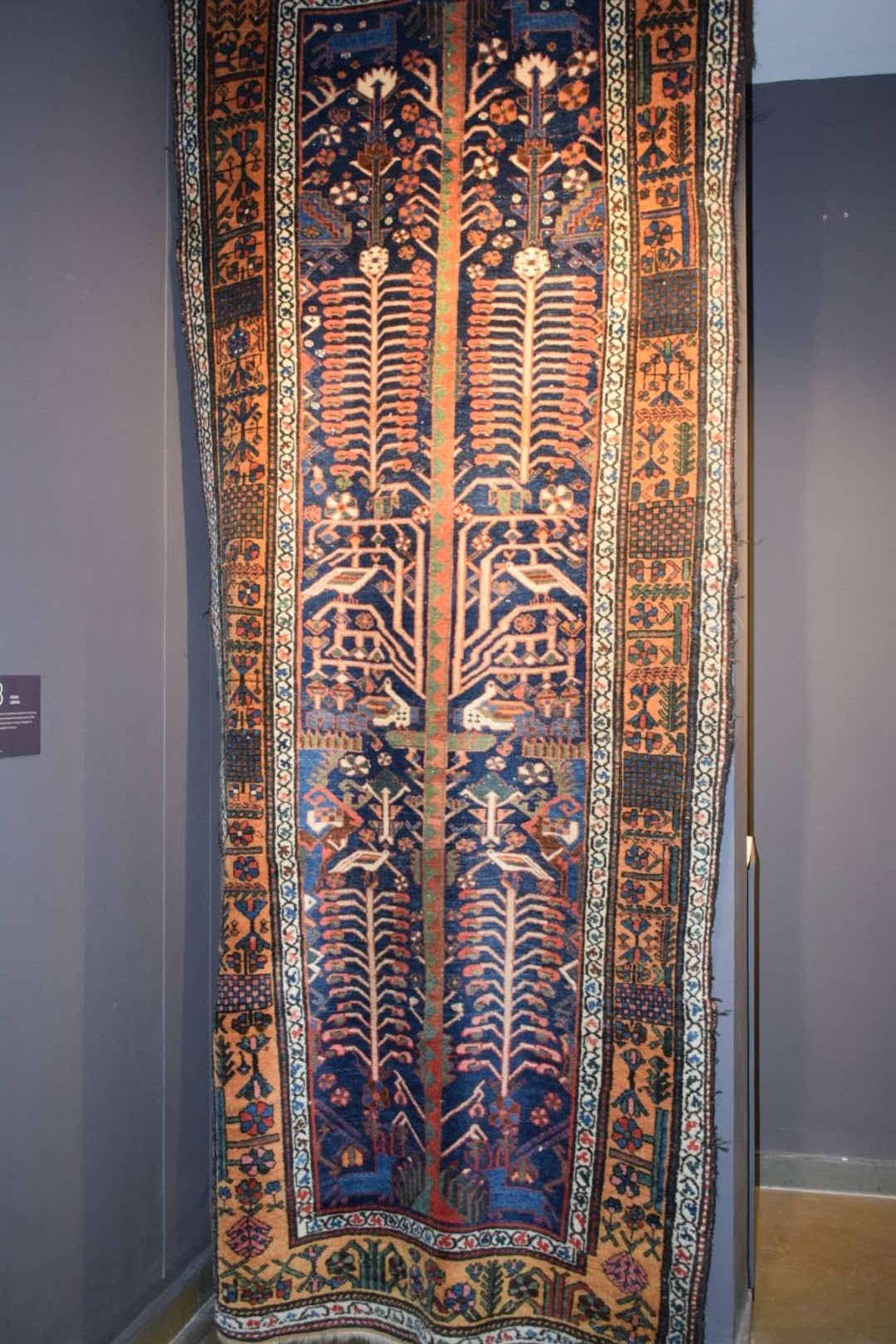
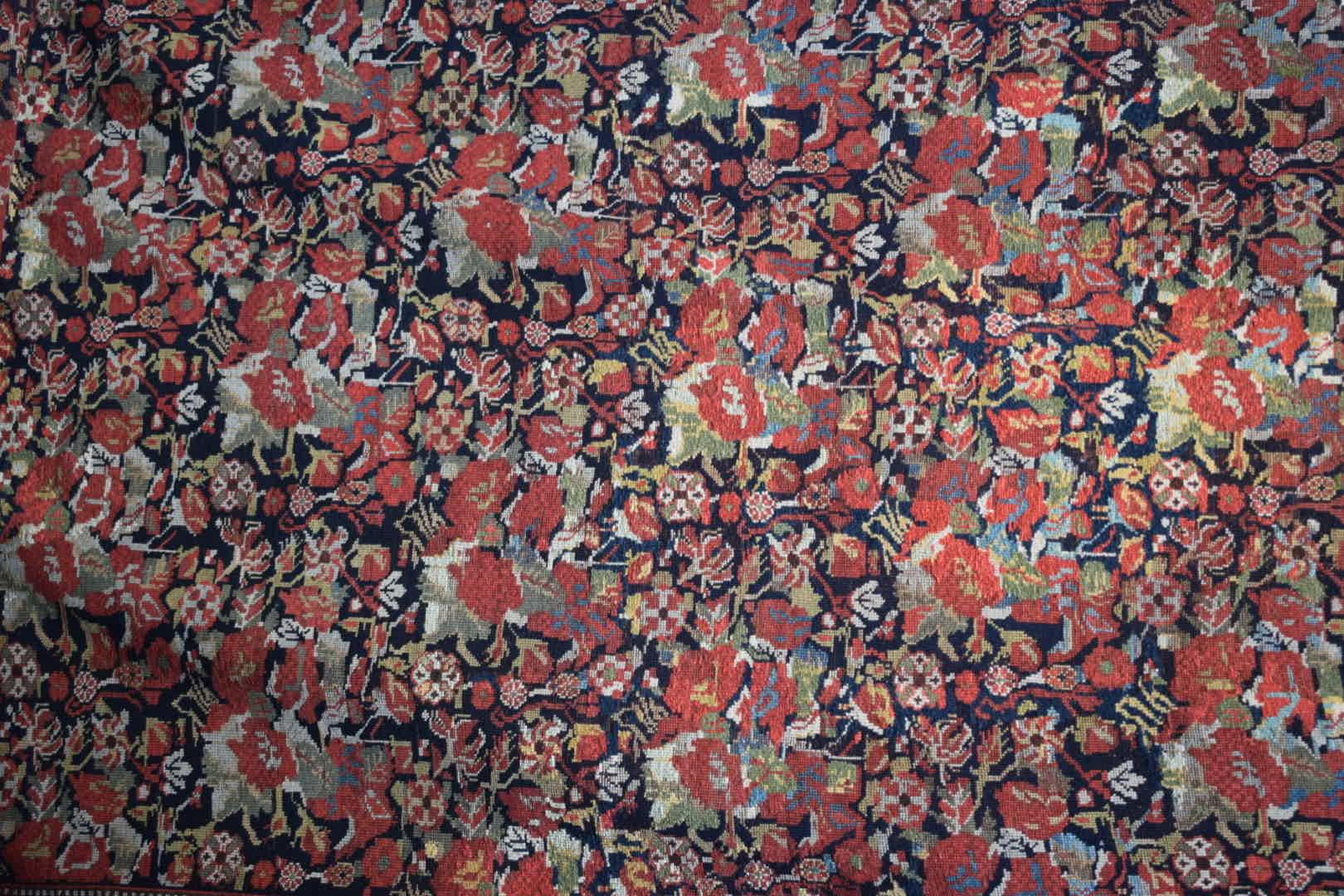
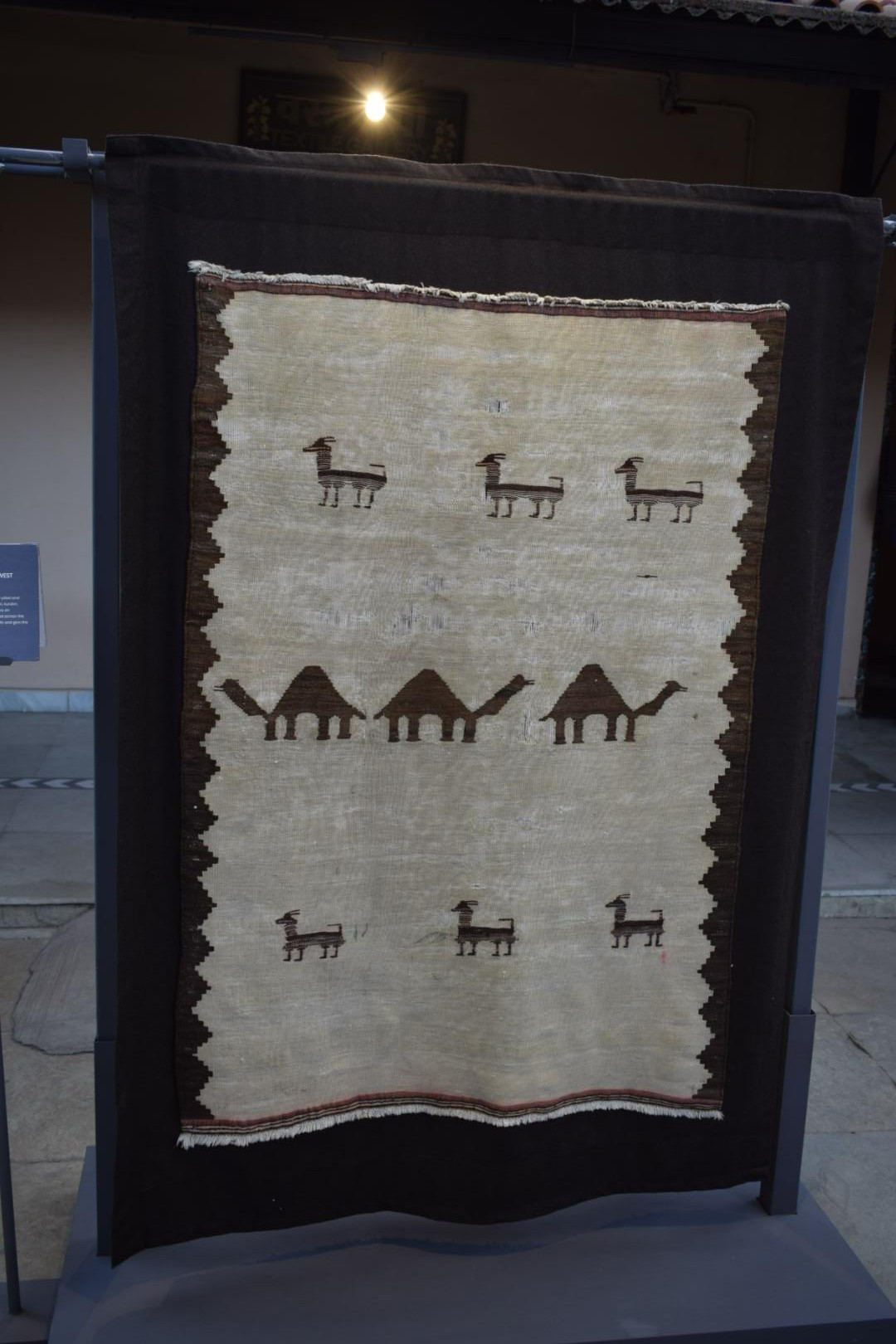
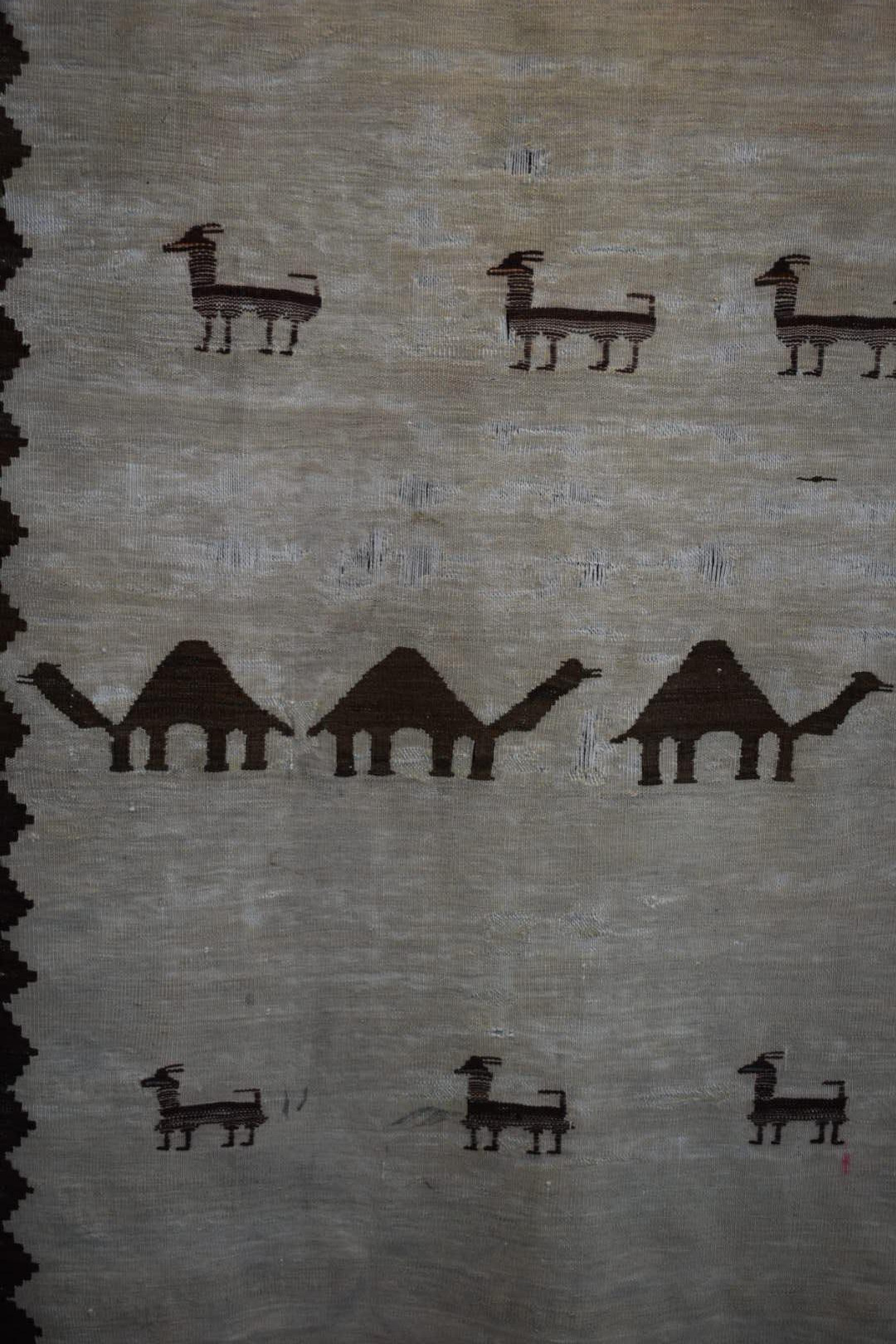
Despite living in seemingly primitive conditions, the nomadic tribes of the region possessed a remarkable sense of color and form. Their use of rich and durable natural dyes, including shades of red, indigo blue, green, yellow, and black, speaks to the meticulous preparation involved. The abstract designs they crafted evoke the essence of contemporary paintings, incorporating elements from their surroundings: birds, animals, flowers, and other motifs that defined their daily lives.
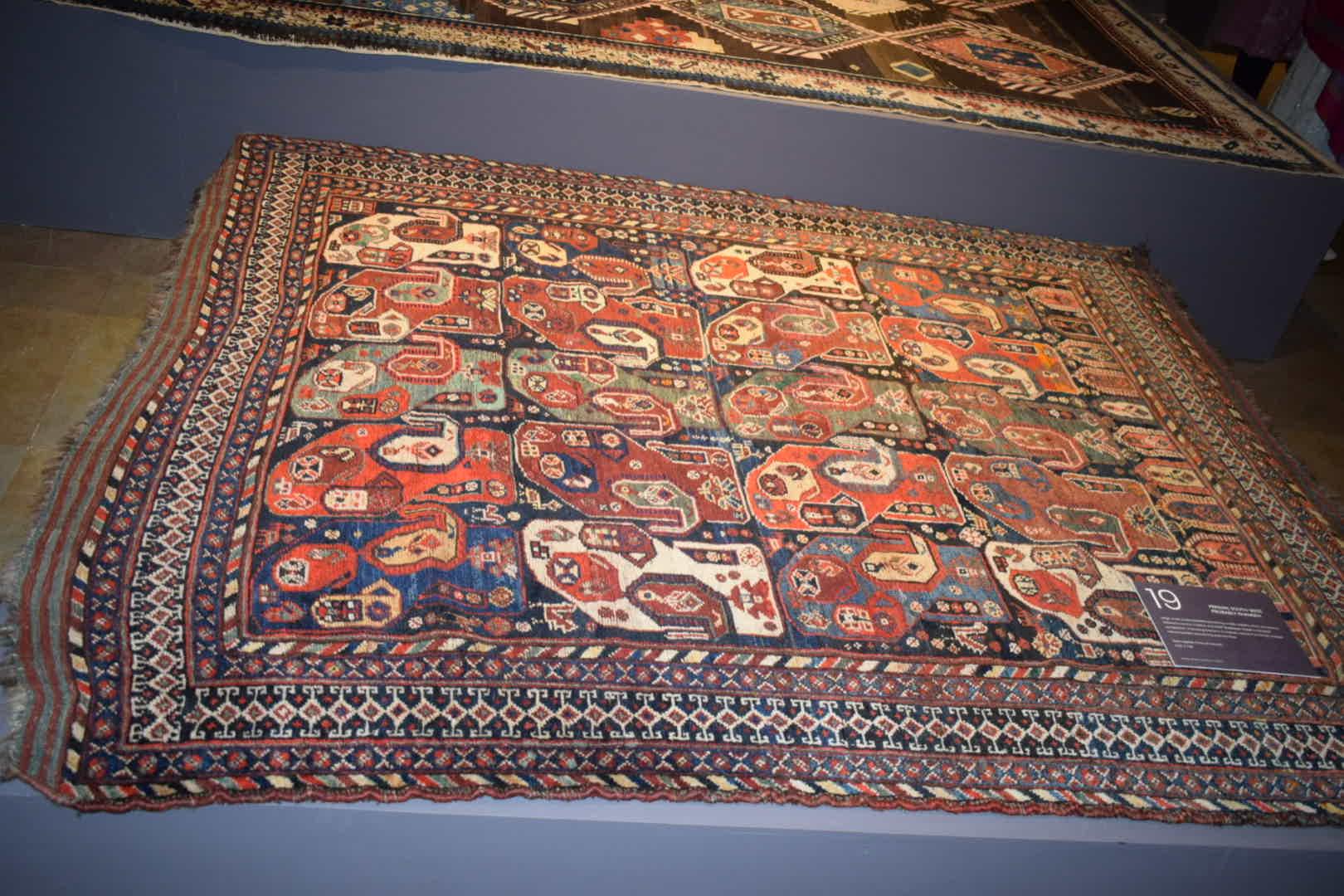
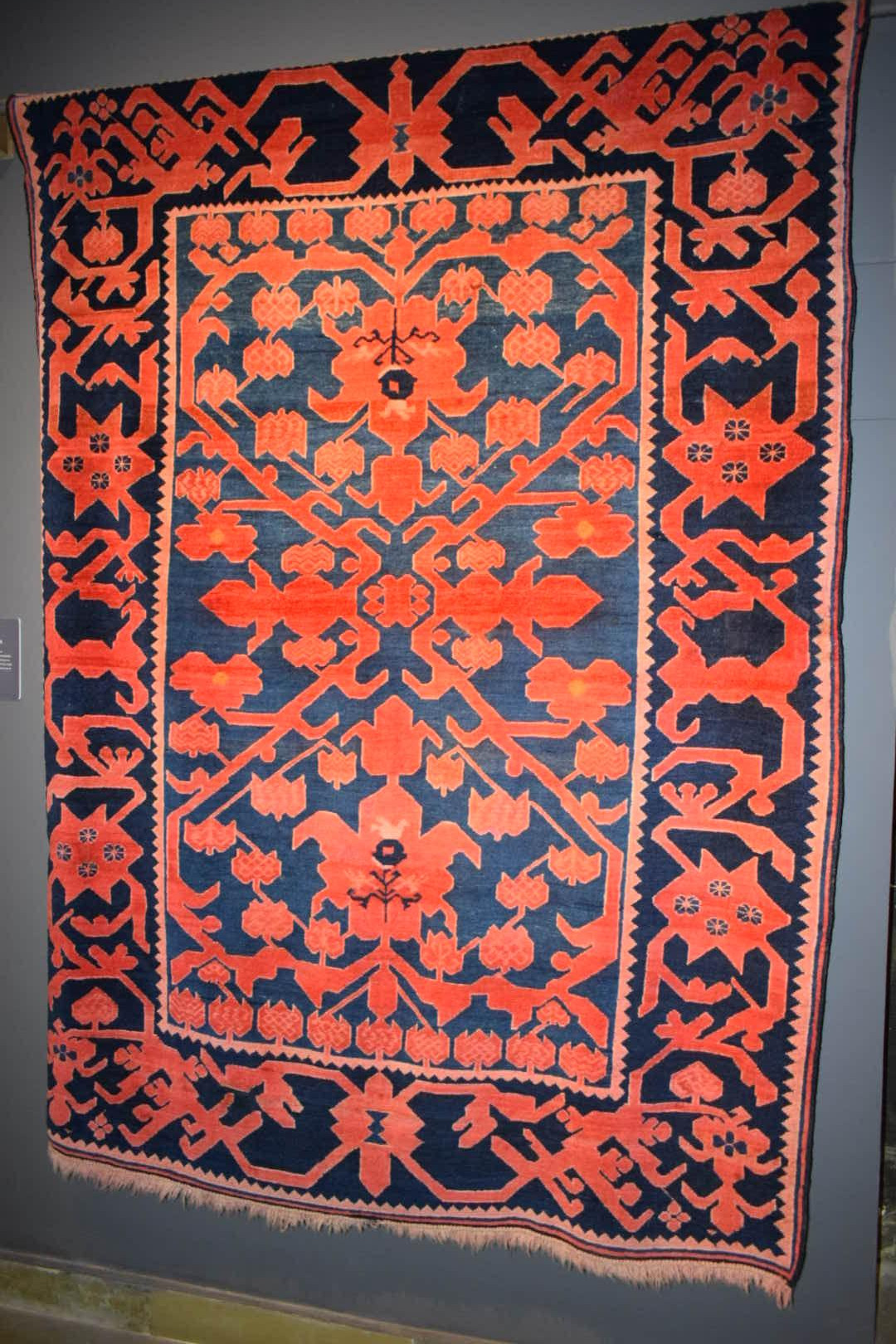
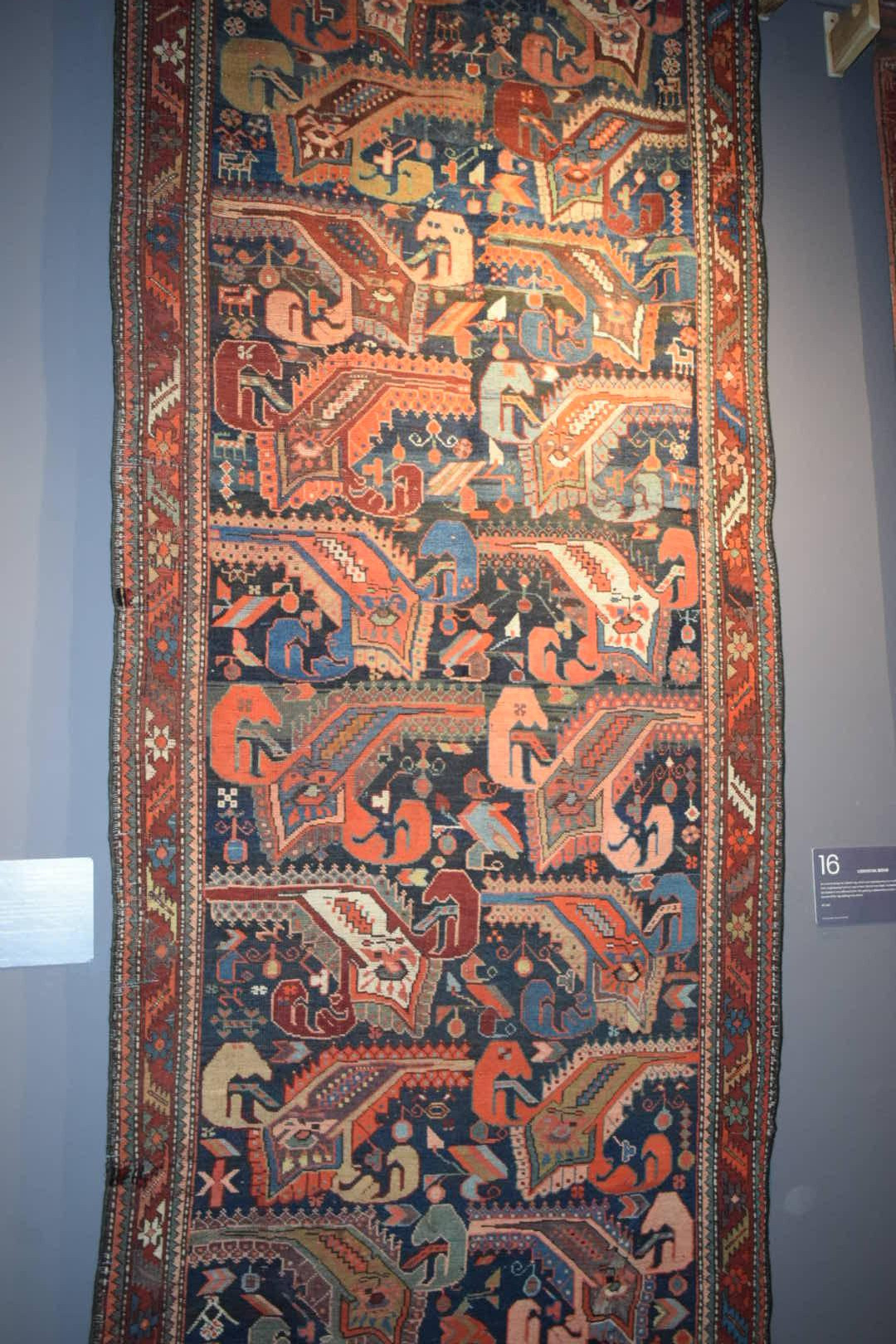
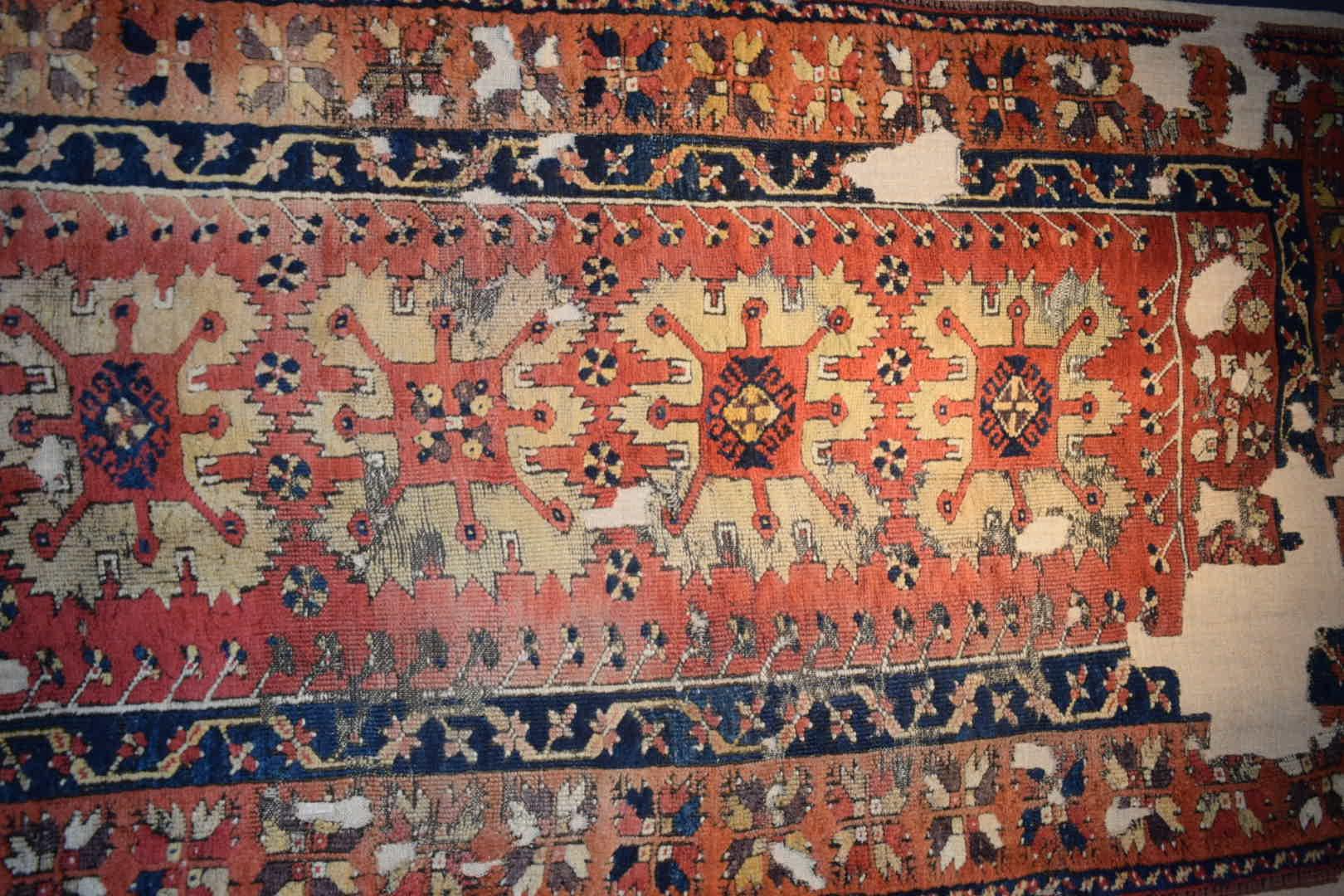
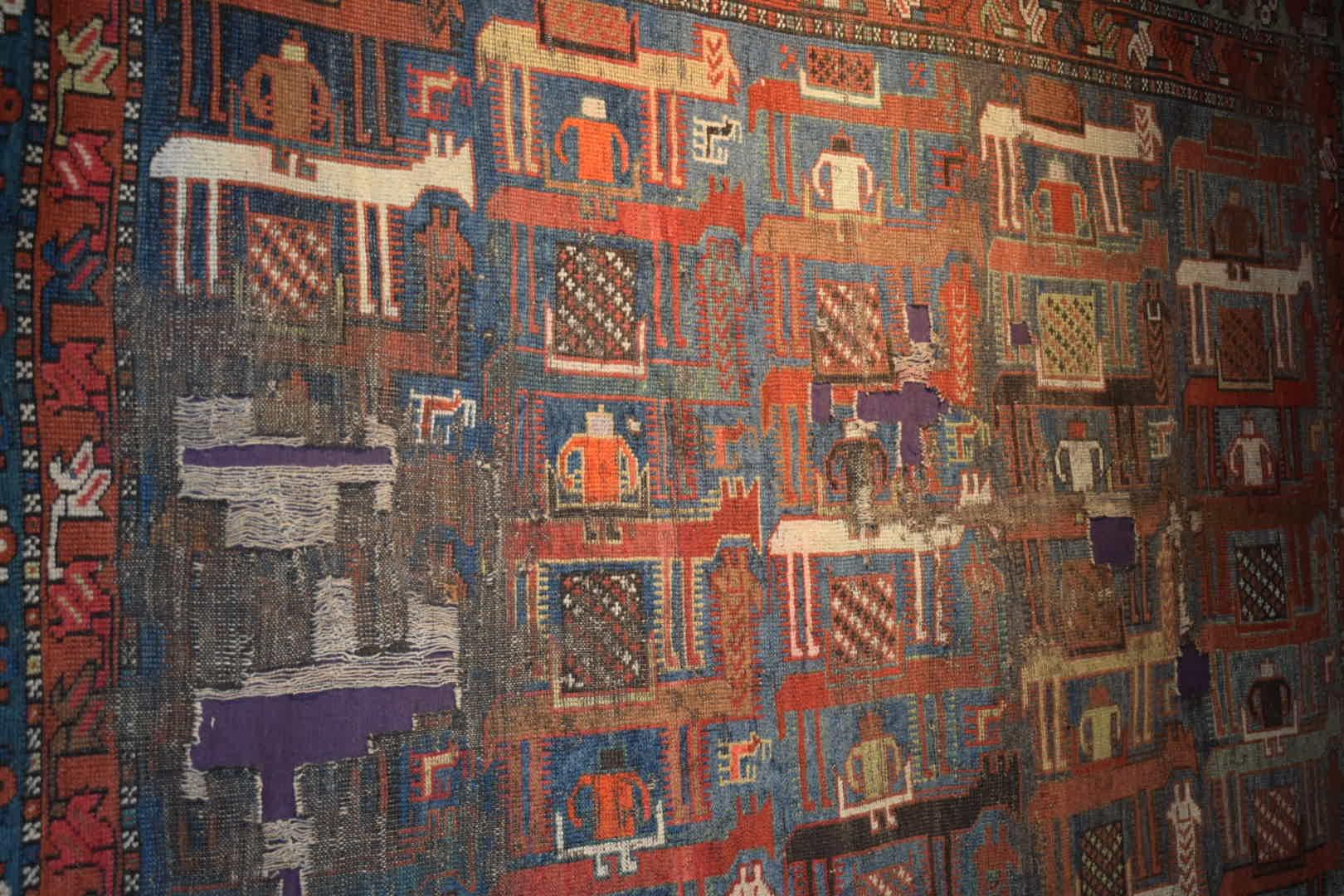
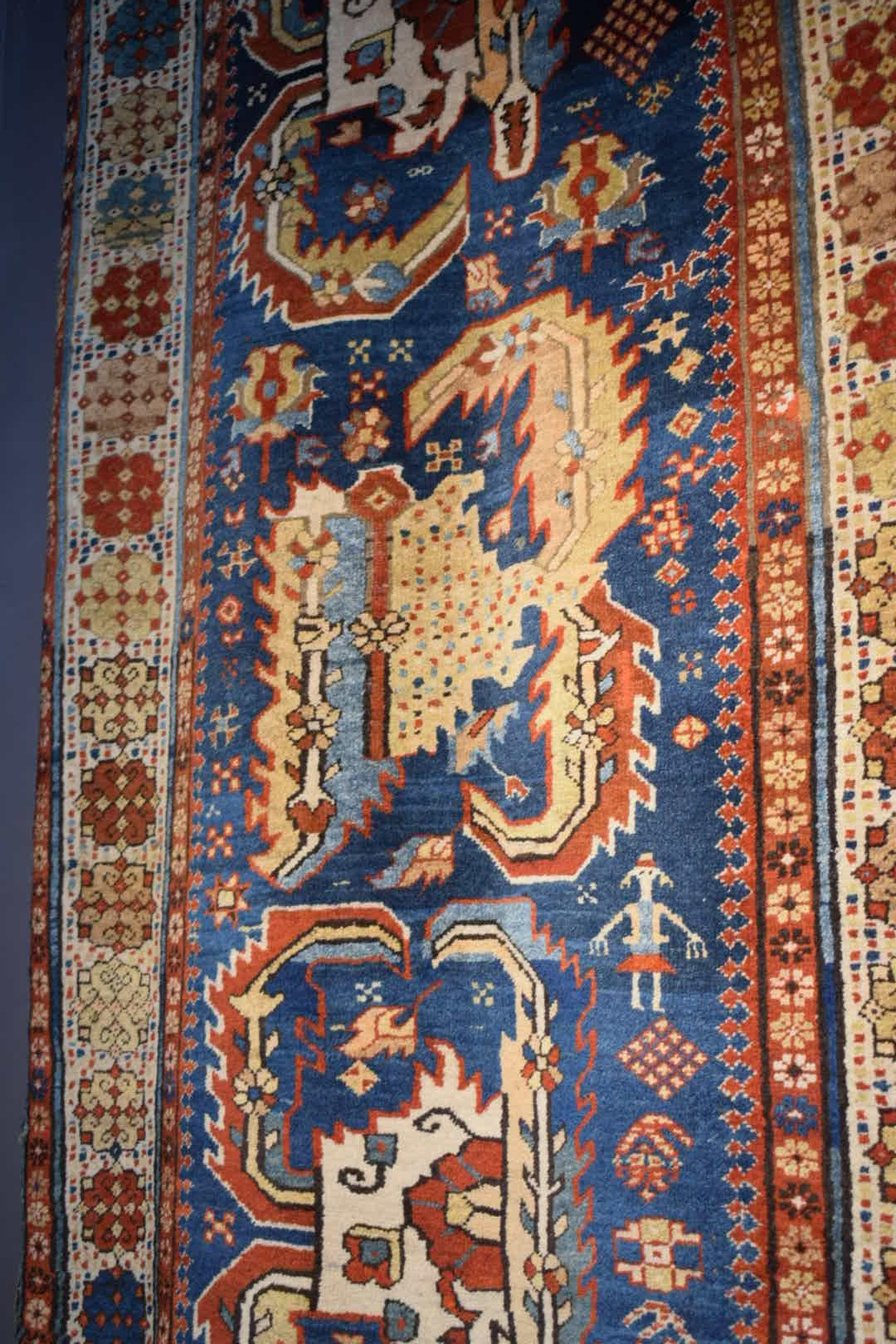
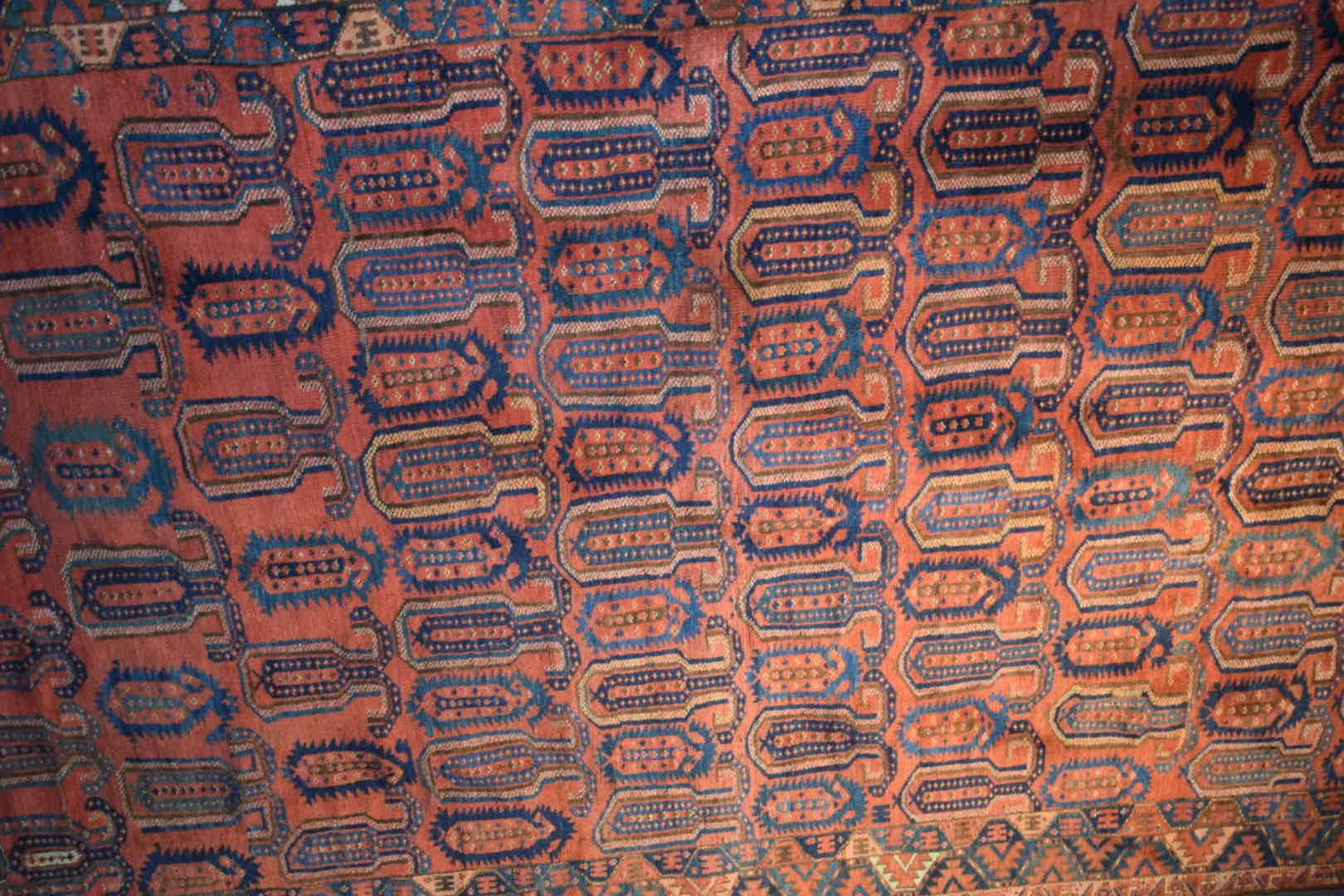
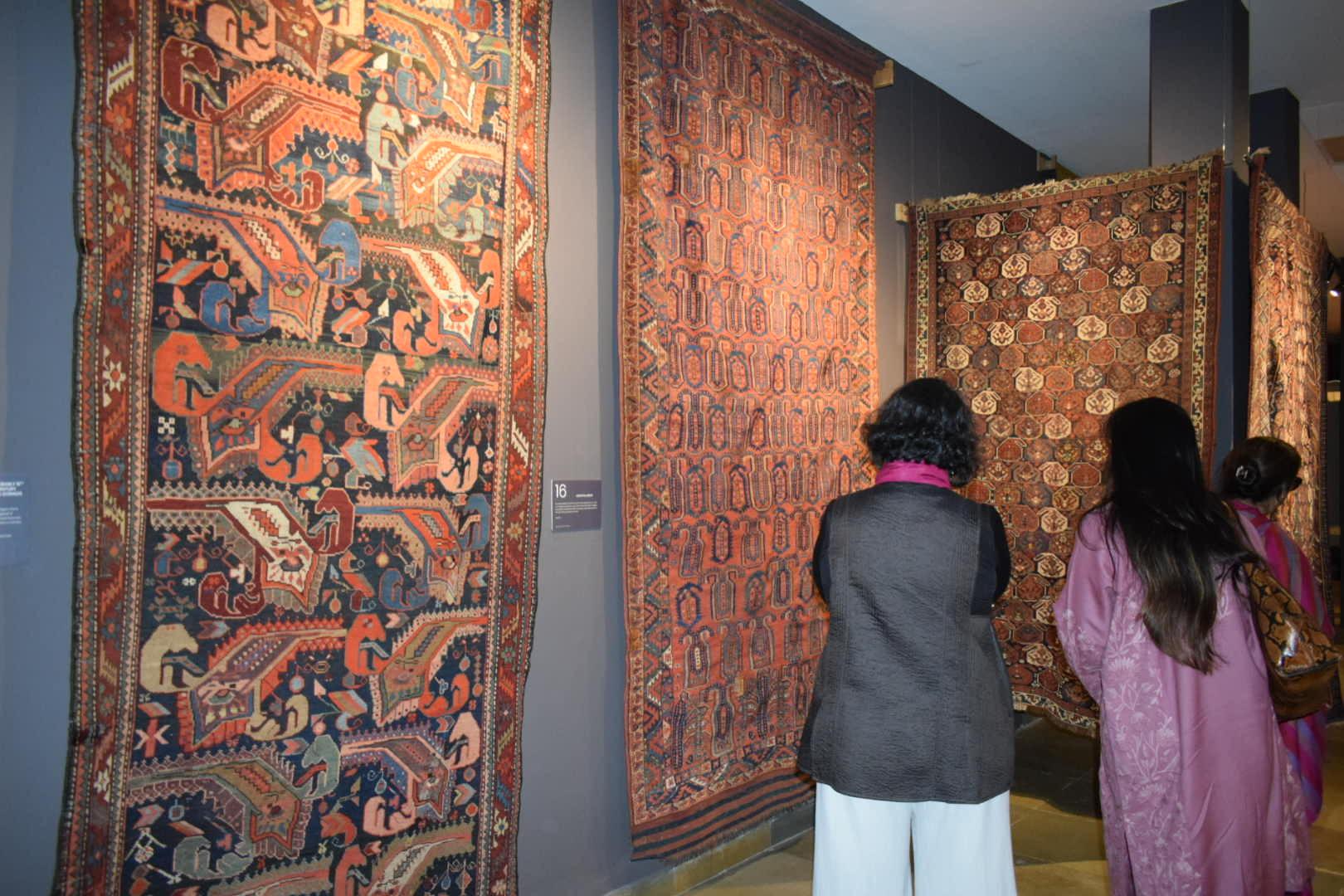
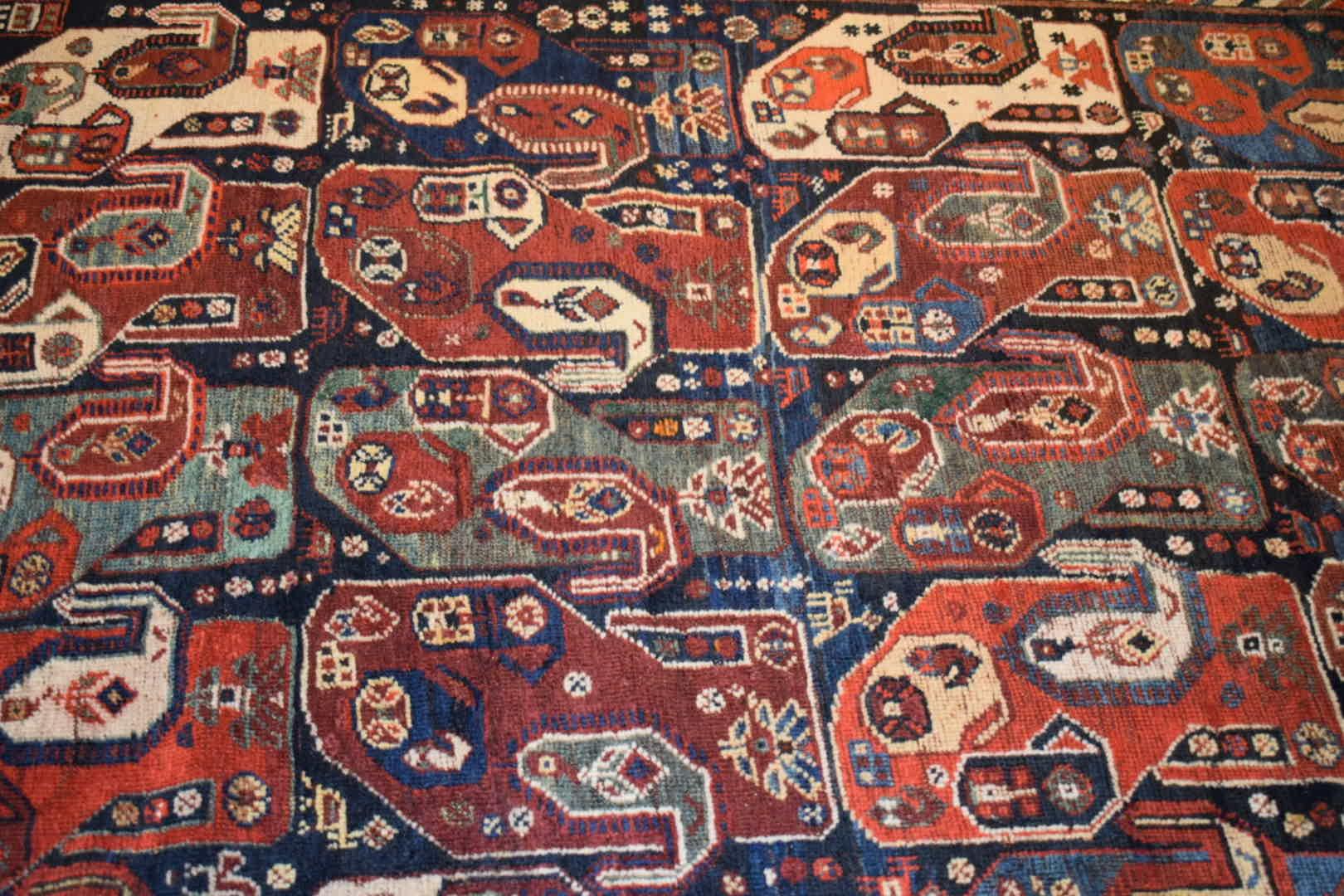
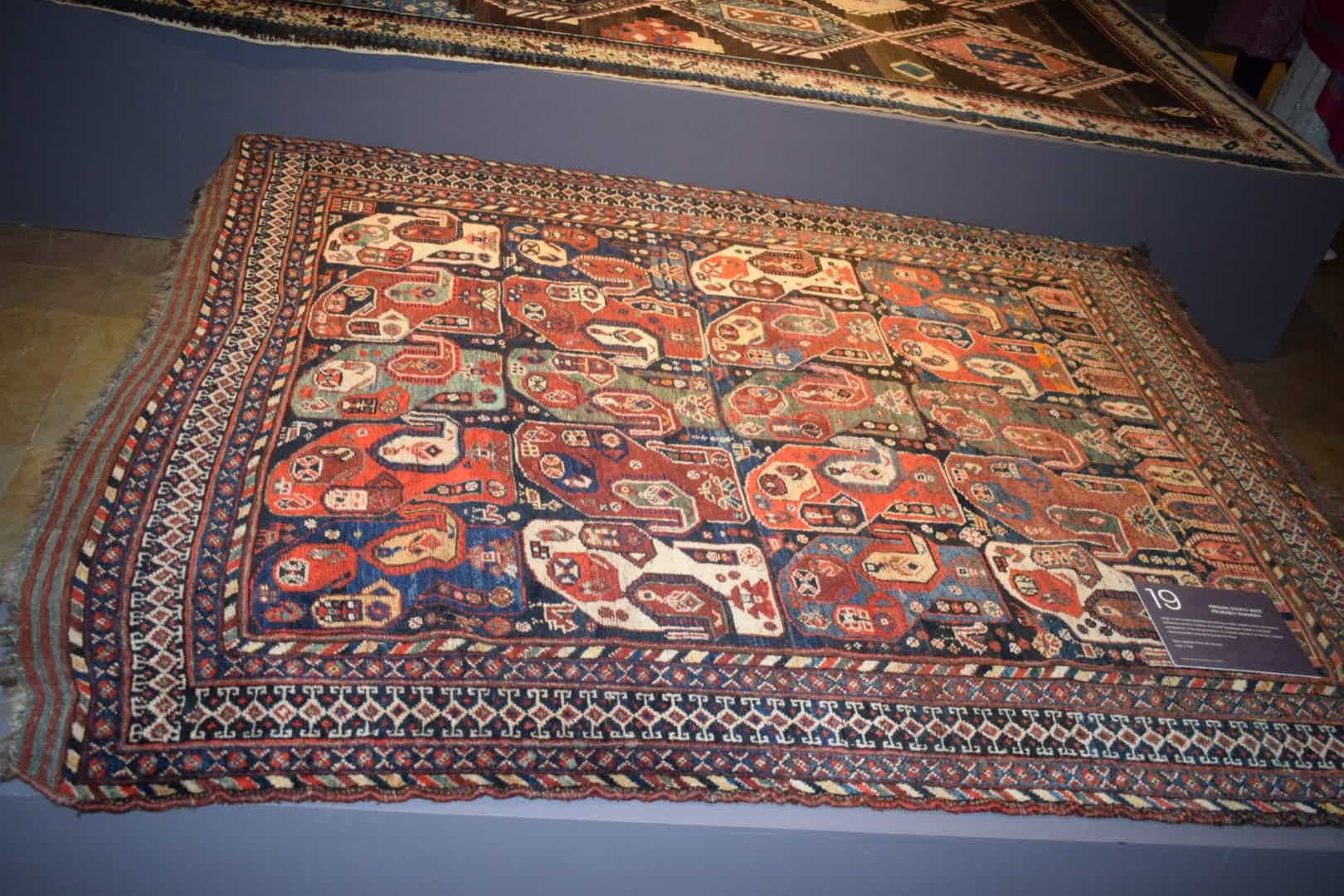
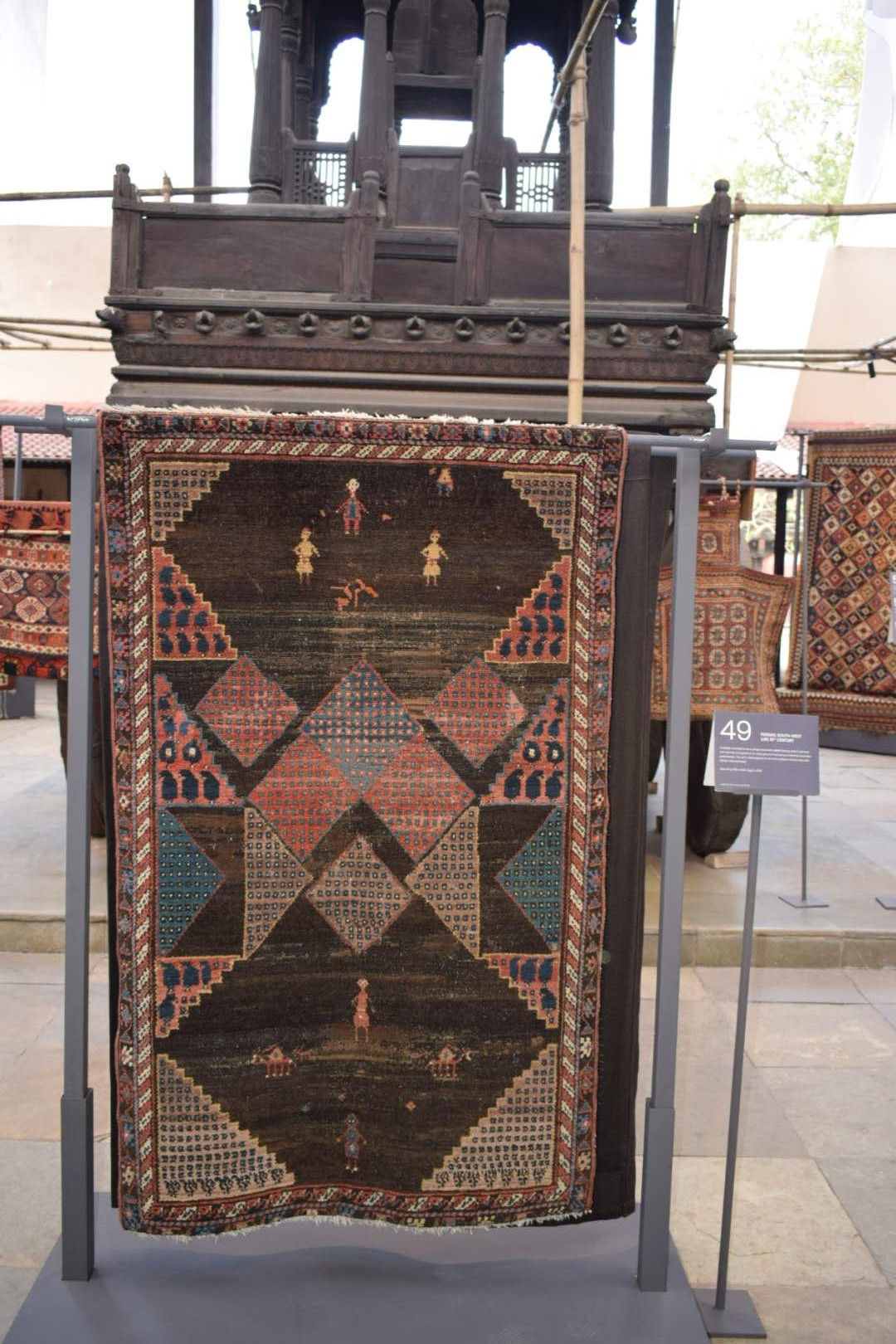
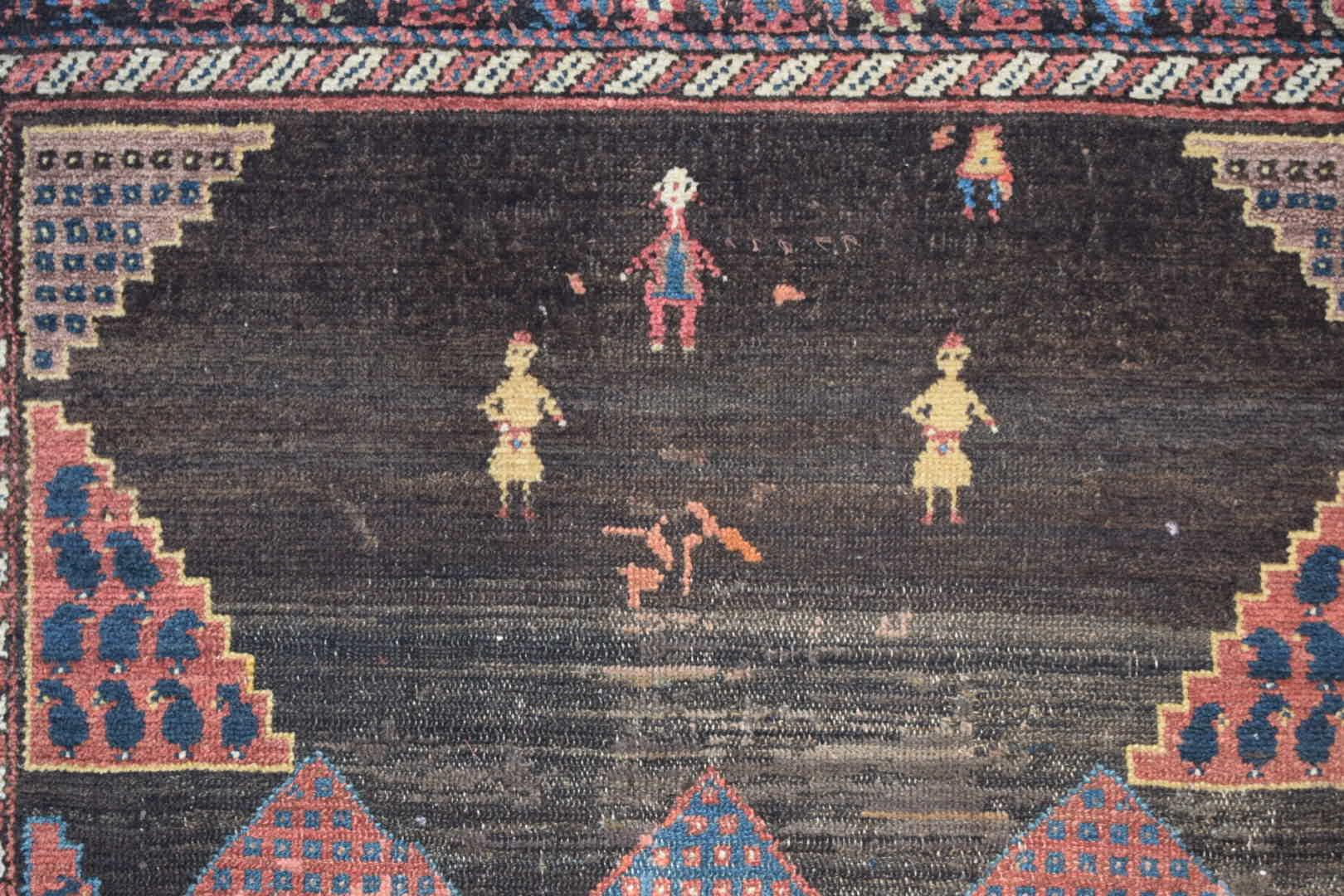
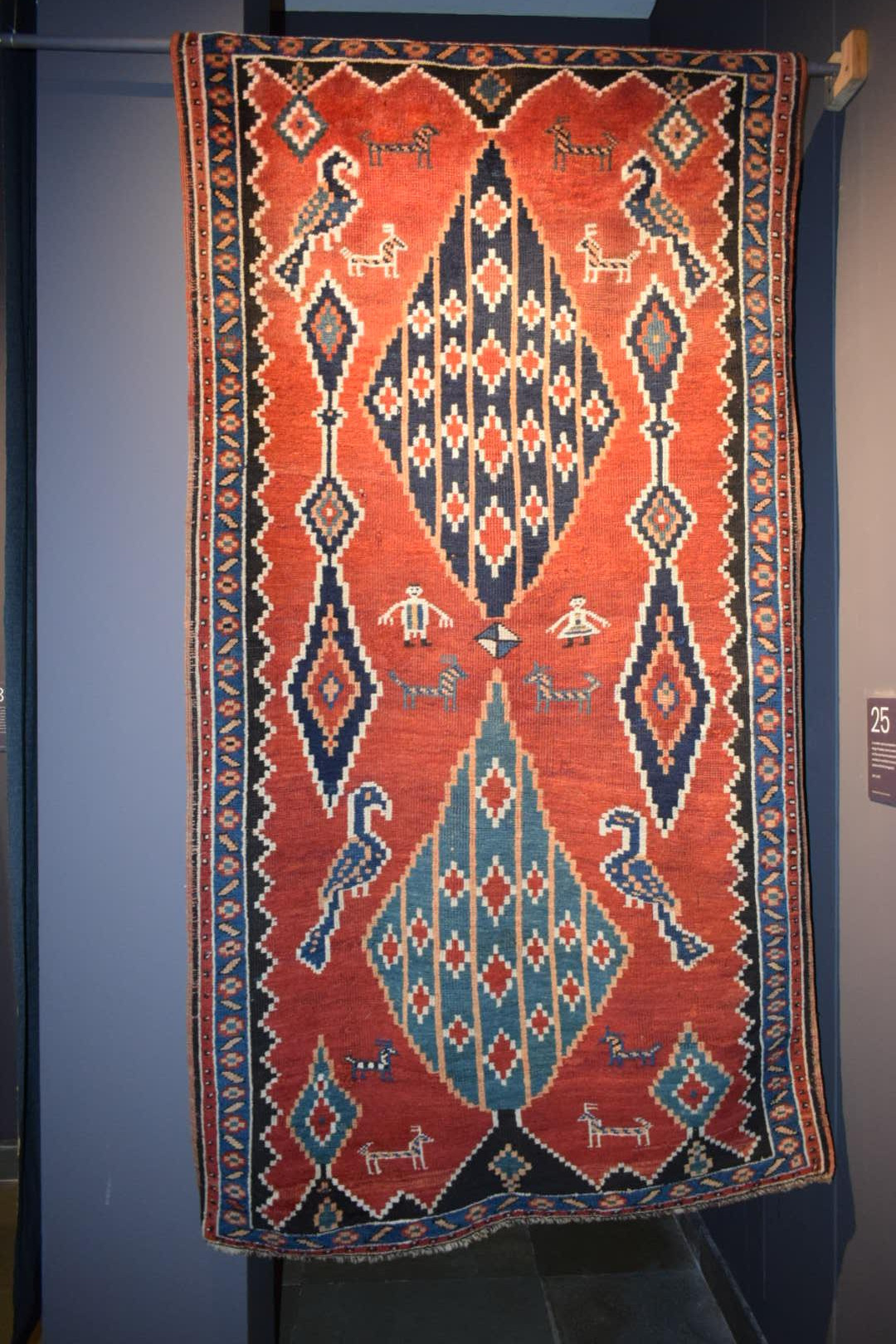
One such example is this Dowry Rug featuring Lampa design and pictorials of man, woman, animals and lovebirds. In this expansive territory, various tribal groups, such as Kurds, Turks, Shahsavan, Qashgai, Bakhtiars, Khamseh, Afshar, Baluch and Turkmans each developed their own unique artistic language. However, due to migrations and forced displacements, many motifs became shared across different regions, albeit with distinct interpretations. One such ubiquitous motif is the boteh (paisley), found in textiles from the Caucasus, western Iran, and Central Asia, possibly influenced by Indian designs.
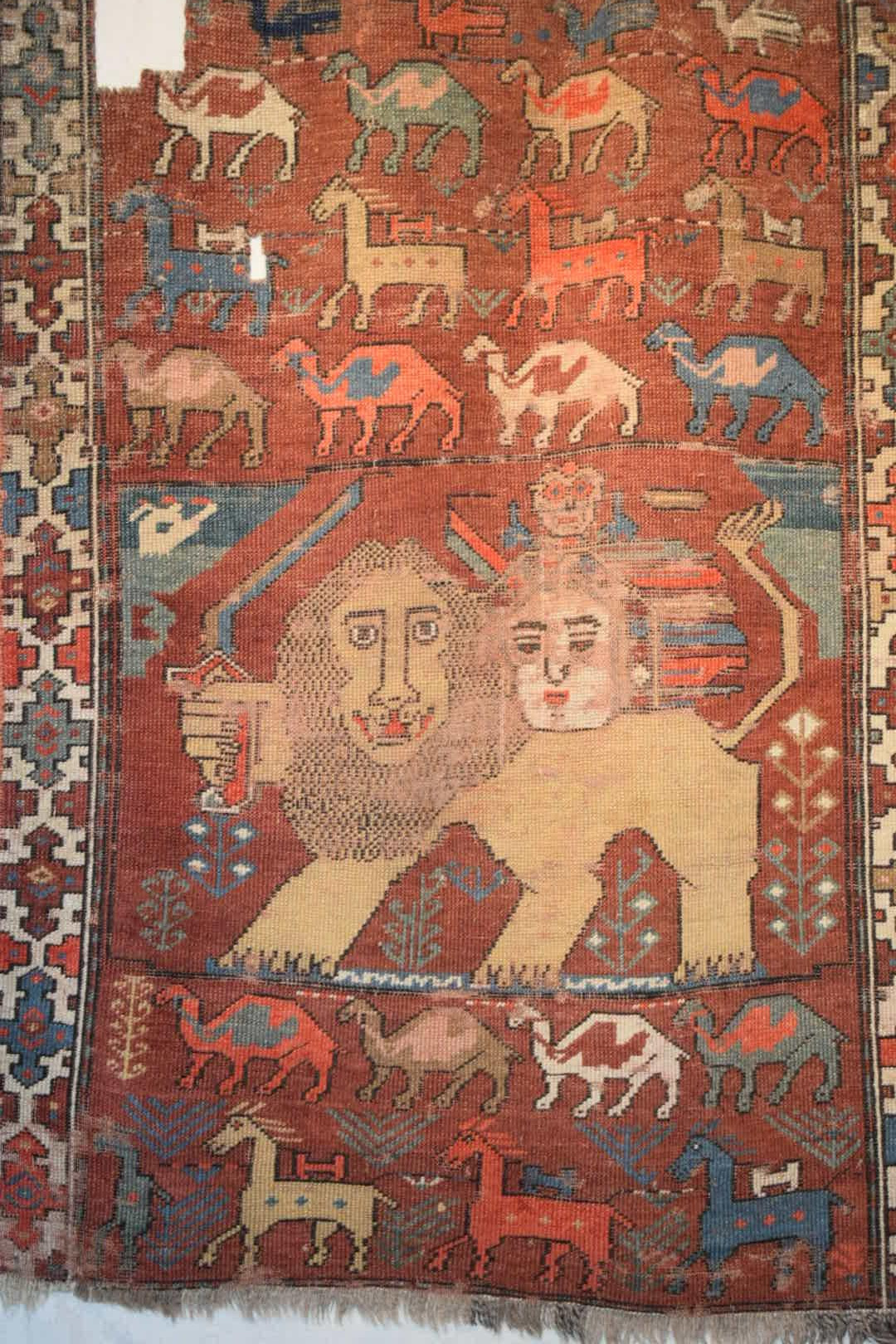
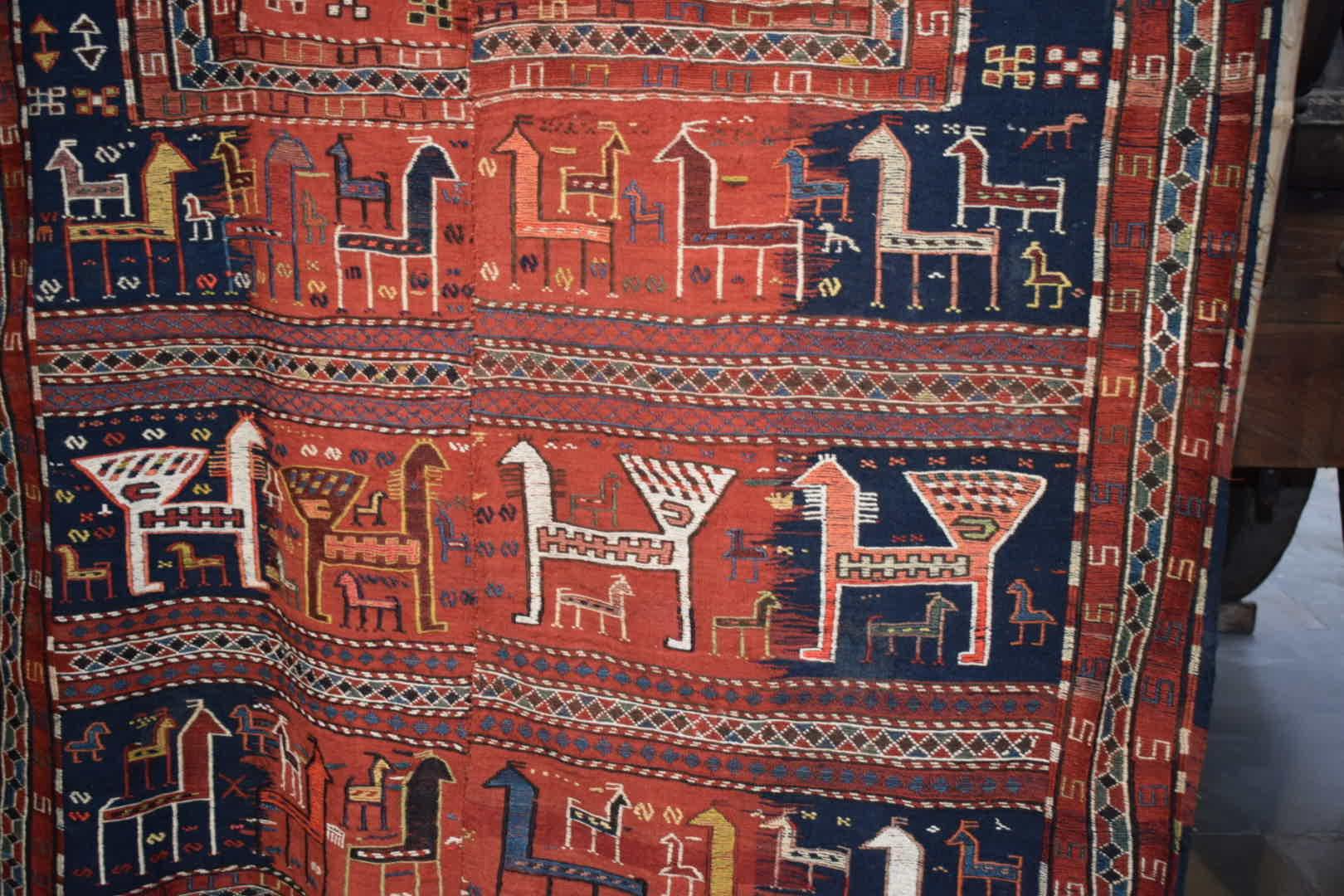
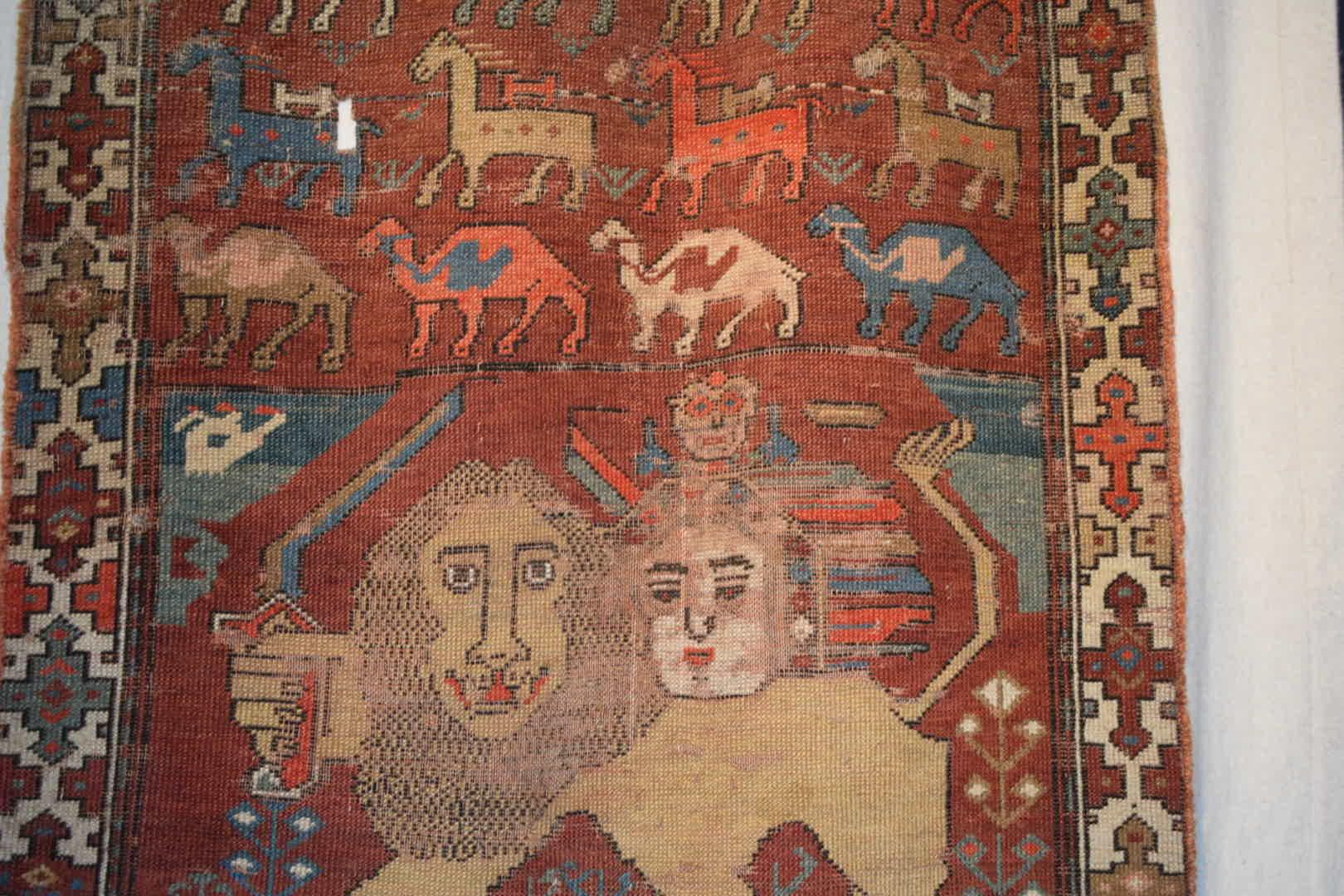
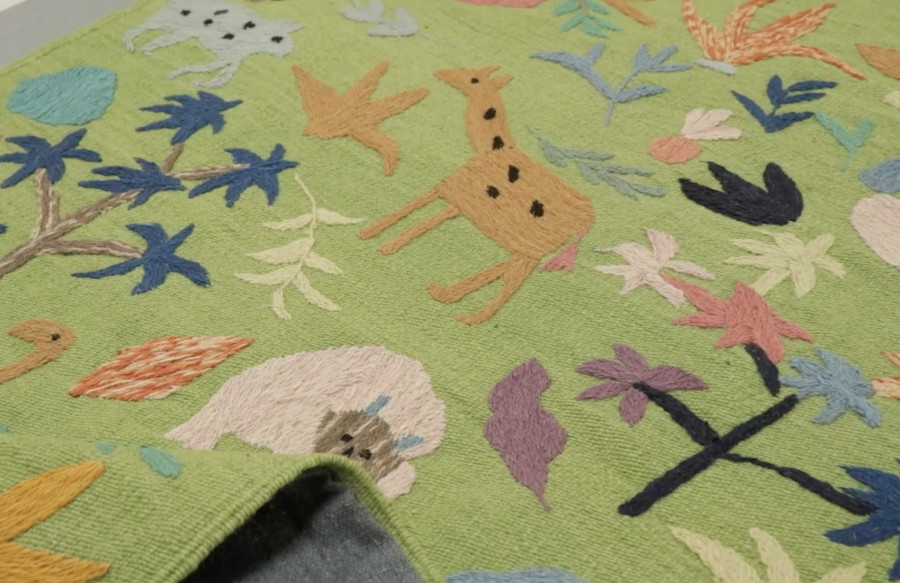
Another special exhibition was this pictorial tribal kilim specially woven to life for and by the Qashqai tribe. Depicting variations of camels and horses, this piece narrates the story of the prince resembling a lion, attaining royal power from the sun (revered as a deity) displayed via the human face. Another aspect which makes these tribal pieces very special is the flexibility of weaving subjects and motifs at hands of women weavers, as exemplified by the depiction of a monkey.
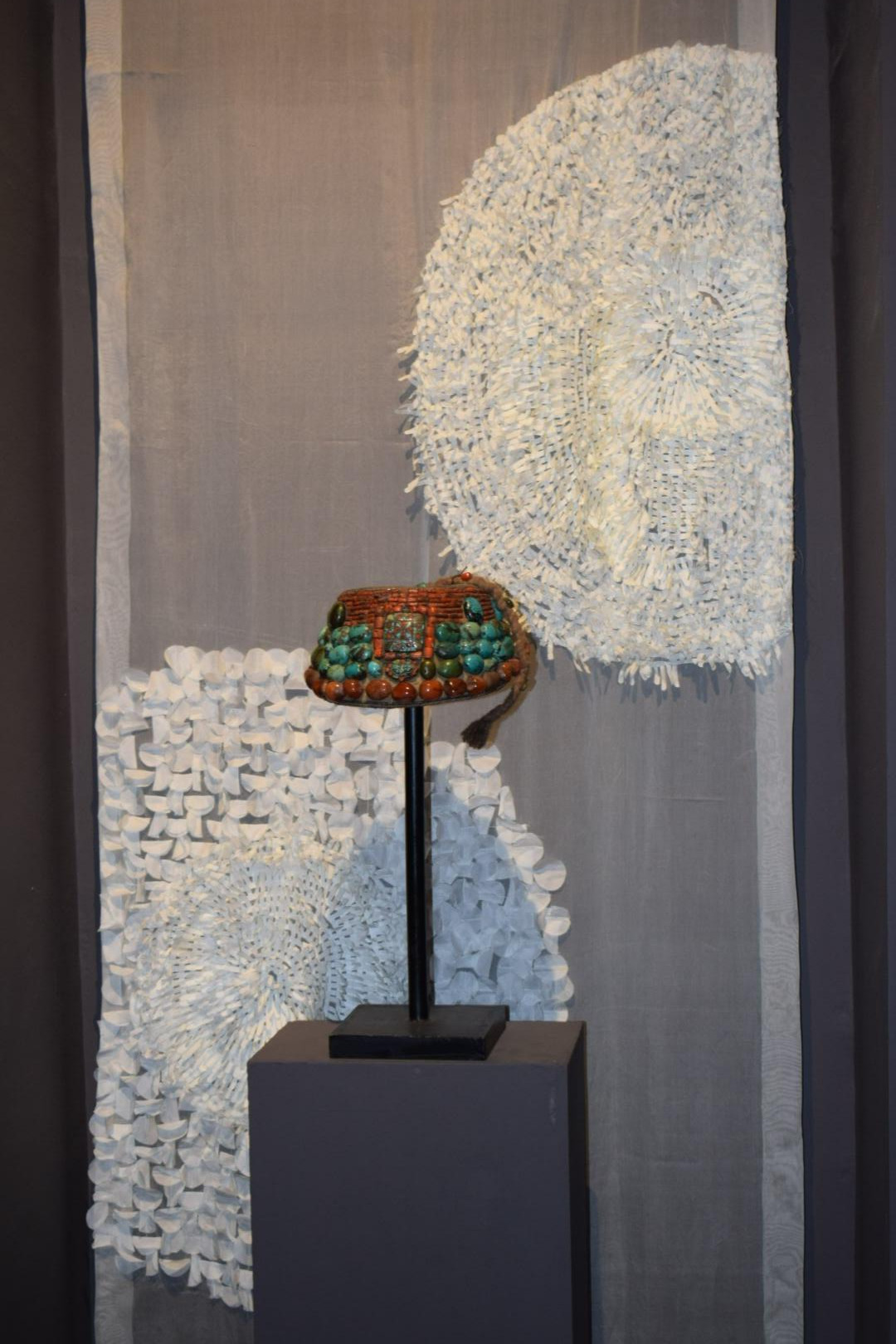
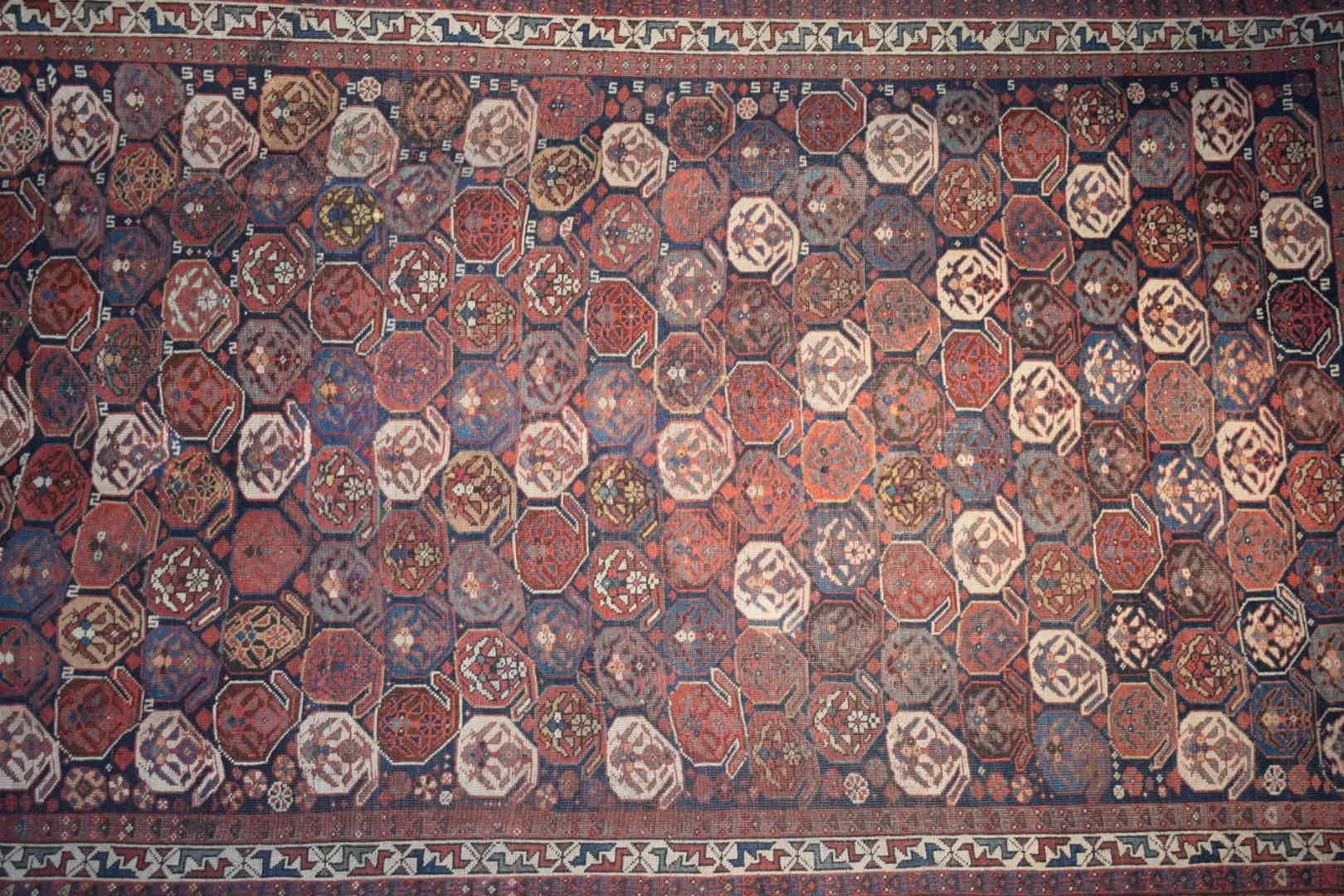
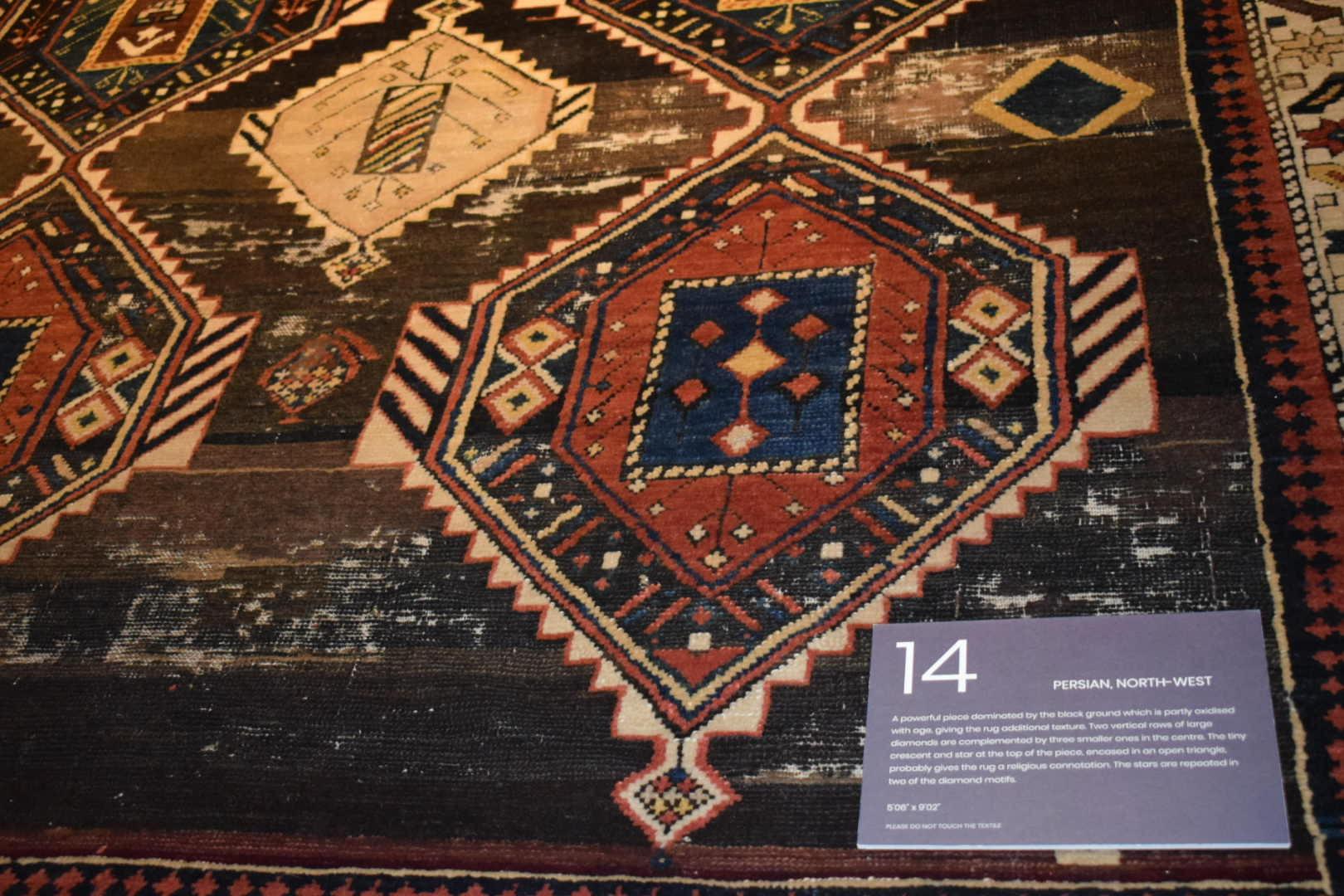
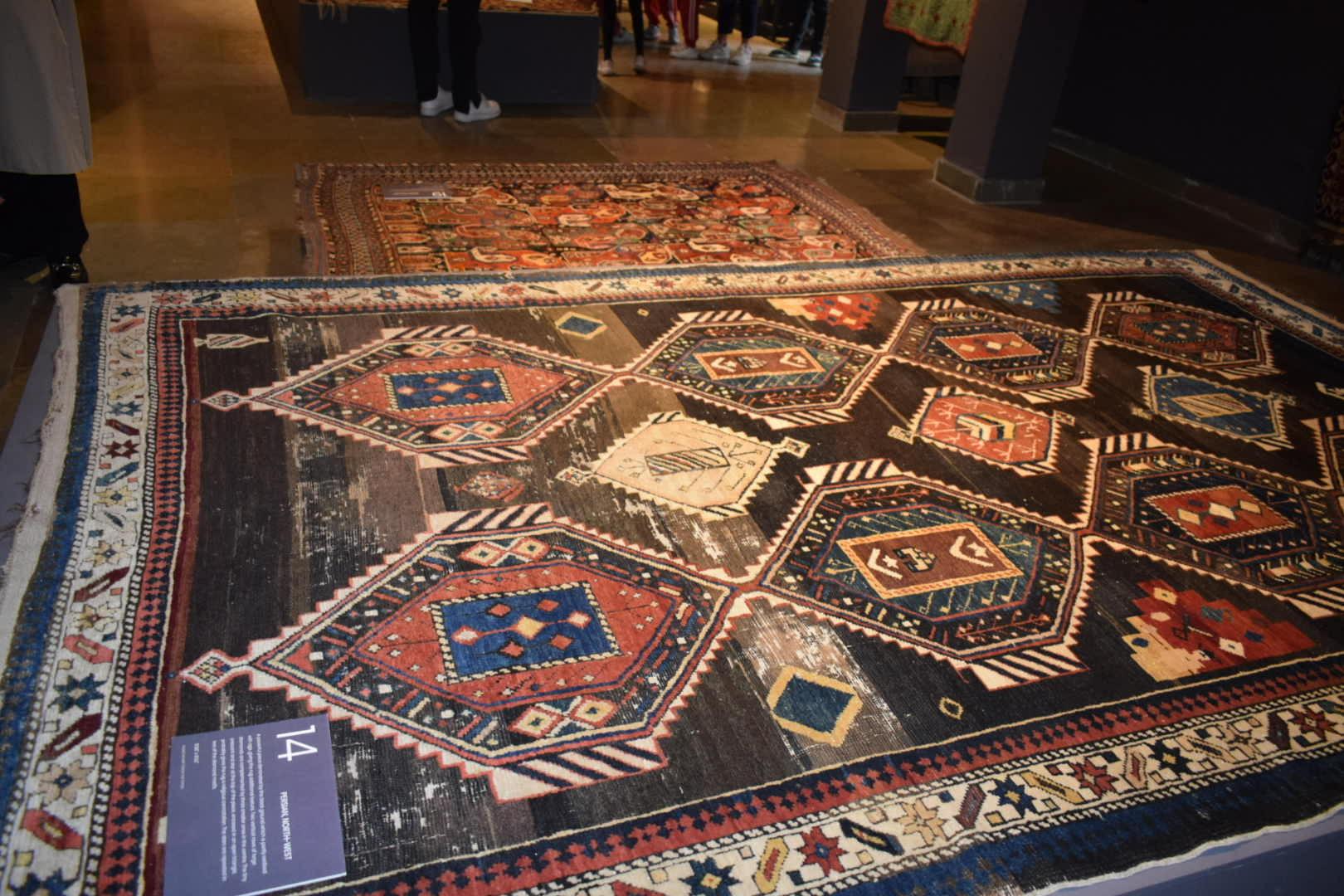
These represent just a glimpse of the rare rugs, Kilims, tapestries and artworks on display from the exhibition — each a rich piece of history as much as a warm and colorful work of folk art. Enjoy more photos from the exhibition, and reach out with your thoughts on nomadic rugs here or in our own tribal rug collection!
-
- IMG 6699
-
- IMG 6701
-
- IMG 6694